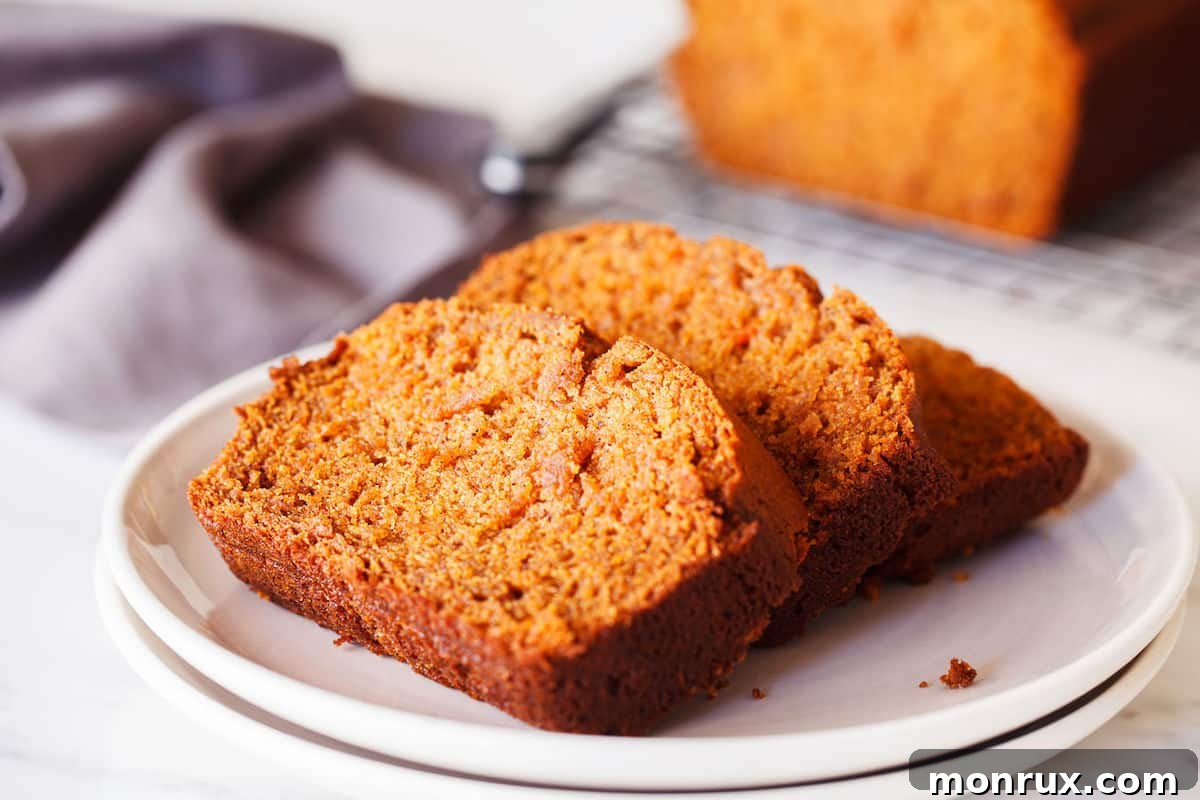
Prepare to be captivated by this extraordinary **Gluten-Free Sweet Potato Bread recipe**! It’s designed to be irresistibly delicious, wonderfully moist, and deeply flavorful, quickly earning its place as a family favorite. Whether you’re seeking a wholesome breakfast, a satisfying side dish for dinner, or a delightful dessert, this nutrient-dense quick bread is a versatile and welcomed addition to any meal. What makes it even better? It’s completely yeast-free, making it a surprisingly simple and quick baking project for anyone, regardless of their baking experience.
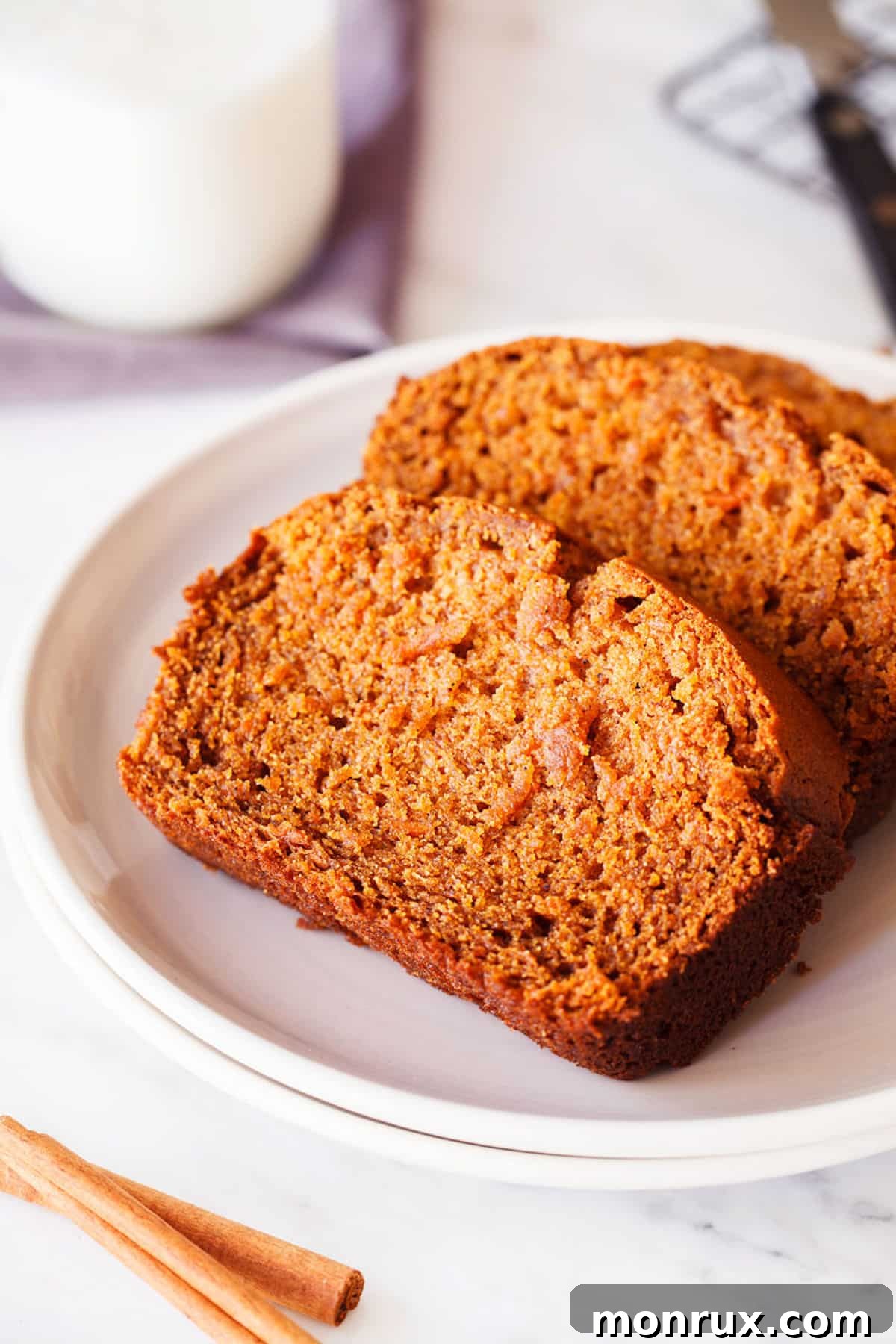
Sweet potatoes are much more than just a colorful vegetable; they are a culinary marvel, providing a natural sweetness and an impressive nutritional profile. These vibrant root vegetables are brimming with beta-carotene, essential vitamins, and vital minerals that contribute to overall health. Beyond their health benefits, their inherent moisture content makes them an ideal ingredient for baked goods, ensuring an incredibly tender, soft, and moist crumb in this particular bread.
If the idea of baking homemade bread typically feels daunting, rest assured that this **yeast-free version** will change your perspective. It’s remarkably straightforward to prepare and comes together in just over an hour, requiring minimal hands-on time. This makes it an ideal recipe for both novice bakers and experienced cooks looking for a quick yet rewarding treat.
The next time you’re yearning for a sweet, comforting bread that can effortlessly transition from a breakfast staple to an afternoon pick-me-up or a satisfying dessert, this gluten-free sweet potato bread is the perfect solution. It also offers a clever and delicious way to utilize any leftover cooked sweet potatoes you might have, transforming them into a delightful new creation instead of letting them go to waste.
Why This Gluten-Free Sweet Potato Bread Will Become Your New Favorite
This isn’t just another quick bread; it’s a celebration of flavor, texture, and wholesome ingredients. Here are several compelling reasons why this gluten-free sweet potato bread deserves a permanent spot in your recipe collection:
- **Exceptional Moisture and Tender Crumb:** Unlike some gluten-free baked goods that can turn out dry or crumbly, this sweet potato bread is incredibly moist and tender. The natural moisture from the sweet potatoes, combined with applesauce, creates a perfectly soft texture that melts in your mouth.
- **A Burst of Nutrients in Every Slice:** Sweet potatoes are packed with beneficial nutrients, including a high concentration of Vitamin A (in the form of beta-carotene), dietary fiber, and powerful antioxidants. This makes each slice not just delicious but also a healthy choice that contributes to your well-being.
- **Effortlessly Gluten-Free:** Specially crafted with a high-quality gluten-free flour blend, this bread is 100% gluten-free, catering to those with gluten sensitivities or celiac disease. You get all the amazing taste and texture without any compromise.
- **Quick & Yeast-Free Baking:** Say goodbye to lengthy proofing times! This quick bread comes together fast, allowing you to enjoy a warm, freshly baked loaf in just over an hour, making it perfect for last-minute cravings or busy schedules.
- **Incredibly Versatile:** Serve it warm or at room temperature. It’s fantastic for breakfast with your morning coffee, a wholesome snack, a comforting side dish with savory meals, or a lightly spiced dessert. It toasts beautifully and pairs wonderfully with a variety of spreads.
- **Easily Customizable for All Diets:** This recipe is naturally vegetarian and can be effortlessly adapted to be vegan and dairy-free with simple, straightforward ingredient substitutions, ensuring everyone at your table can enjoy a slice.
- **Smart Way to Use Leftovers:** It’s an ingenious method to use up any leftover baked sweet potatoes. Instead of letting them sit in the fridge, transform them into a delicious and hearty bread!
- **Warm and Inviting Flavors:** Infused with classic fall spices like cinnamon, this bread offers a comforting and aromatic experience that evokes warmth and coziness.
The Nutritional Powerhouse: Why Sweet Potatoes Shine in Baking
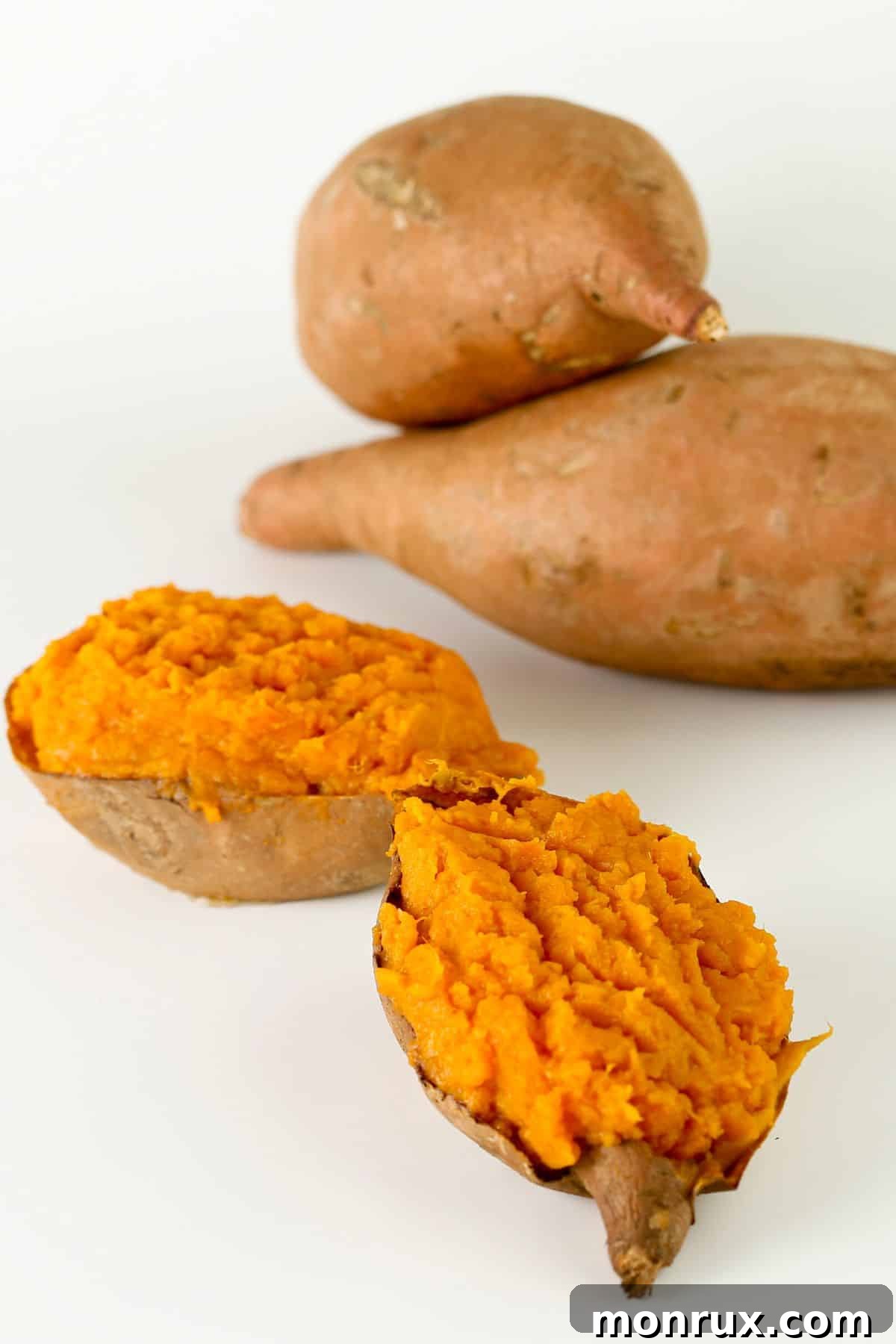
Sweet potatoes are far more than just a flavorful addition to your diet; they are a true superfood, and their inclusion in this bread recipe brings a wealth of nutritional benefits. Their distinctive vibrant orange color is a direct indicator of their exceptionally high beta-carotene content. Beta-carotene is a powerful antioxidant that the body converts into Vitamin A, which is absolutely vital for maintaining healthy vision, bolstering the immune system, and promoting radiant skin. Just a single slice of this sweet potato bread can contribute significantly to your daily Vitamin A requirements!
Beyond Vitamin A, sweet potatoes are also an excellent source of dietary fiber. This crucial nutrient supports healthy digestion, helps regulate blood sugar levels, and contributes to a feeling of fullness, which can aid in weight management. They also provide a good amount of Vitamin C, Manganese, and other antioxidants that work to combat oxidative stress, reduce inflammation, and protect your cells from damage. Their natural sweetness is a bonus, allowing you to potentially reduce the amount of added sugar in your recipes without sacrificing flavor, depending on your personal preferences.
Furthermore, the inherent moisture and smooth texture of mashed sweet potatoes are game-changers in the world of gluten-free baking. Gluten-free flours can often lead to baked goods that are dry, dense, or crumbly. However, the mashed sweet potato acts as a natural binder and humectant, significantly contributing to the incredibly moist, tender, and soft crumb that defines this loaf. This makes sweet potatoes one of the most beneficial and versatile orange vegetables to incorporate into both sweet and savory culinary creations.
Essential Ingredients for Your Perfect Sweet Potato Loaf
Crafting this deliciously moist gluten-free sweet potato bread relies on a thoughtfully selected list of simple, wholesome ingredients. Each component plays a crucial role in achieving the bread’s delightful flavor and impeccable texture. Let’s explore what you’ll need and why each element is important:
- **Cooked Sweet Potatoes:** As the star of the show, about 1½ cups of cooked and mashed sweet potato puree forms the heart of this bread. You can prepare these up to three days in advance to streamline your baking process. My favorite efficient method is making Instant Pot Sweet Potatoes, but roasting or boiling them until fork-tender works equally well. For ultimate convenience, don’t hesitate to use frozen cooked sweet potatoes – just thaw and mash.
- **Gluten-Free Baking Flour:** To ensure this bread is 100% gluten-free while maintaining a perfect structure, a high-quality gluten-free 1-to-1 baking blend is indispensable. I highly recommend Bob’s Red Mill 1-to-1 Gluten-Free Baking Flour for its consistent performance and excellent results in quick breads. If gluten is not a concern for your diet, you can simply substitute with an equal amount of regular all-purpose wheat flour.
- **Melted Coconut Oil:** This key ingredient introduces essential fat and moisture, which are critical for developing the bread’s rich texture and tender crumb. Coconut oil is an ideal choice for those following vegan or dairy-free diets. Alternatively, if your diet allows, melted unsalted butter can be used as a direct substitute. You could also use a neutral-flavored olive oil, although it may subtly alter the bread’s overall flavor profile.
- **Eggs (or Flax Eggs):** Eggs serve multiple functions in baking: they provide structure, add richness, and act as a crucial binding agent for the ingredients. For a vegan-friendly version of this recipe, flax eggs are an excellent and effective substitute, created by combining ground flaxseed with water to form a gel-like consistency.
- **Unsweetened Applesauce:** This is one of my cherished baking hacks for healthier treats! Applesauce significantly boosts the bread’s moisture content, allowing for a reduction in the amount of added oil. It not only contributes to a wonderfully soft texture but also imparts a delicate, complementary sweetness. Discover more about clever substitutions in my article on how to substitute applesauce in baking.
- **Unsweetened Almond Milk:** Used to achieve the perfect batter consistency, unsweetened almond milk is the preferred choice for those adhering to dairy-free or vegan diets. If dairy is part of your diet, regular cow’s milk can be used interchangeably.
- **Vanilla Extract:** A splash of pure vanilla extract is indispensable. It harmonizes with and enhances all the other flavors, infusing the bread with a warm, inviting aroma and a profound depth of taste.
- **Sweetener (White Sugar or Coconut Sugar):** Granulated white sugar or coconut sugar are commonly used to provide the primary sweetness. You have the flexibility to adjust the quantity according to your preference, or experiment with various dry sugar substitutes if you aim for a lower-sugar loaf. Bear in mind that sugar also plays a role in the bread’s moisture and browning, so adjustments may subtly impact the final outcome.
- **Baking Soda & Spices:** Baking soda is our crucial leavening agent, responsible for creating the bread’s light and airy texture. Ground cinnamon is essential for that signature sweet potato bread flavor, delivering a comforting warmth, while a pinch of sea salt balances and enhances all the sweet notes.
For the precise measurements of each ingredient and a step-by-step breakdown of the preparation, please **refer to the complete recipe card provided at the conclusion of this post.**
Step-by-Step Guide to Baking Perfect Gluten-Free Sweet Potato Bread
Creating this delightfully moist and flavorful quick bread is surprisingly simple. By following these easy instructions, you’ll be able to bake a perfect gluten-free sweet potato loaf using readily available ingredients in no time. Let’s get baking!
Step One: Prepare Oven and Combine Wet Ingredients
Begin by preheating your oven to 375°F (190°C) to ensure it’s at the ideal temperature when your batter is ready. Lightly grease a 1.5-quart loaf pan with a nonstick cooking spray or line it with parchment paper for easy removal, then set it aside. In a spacious medium mixing bowl, combine all your liquid and moist ingredients: the mashed cooked sweet potato, thoroughly beaten eggs (or prepared flax eggs if making it vegan), melted coconut oil, unsweetened applesauce, unsweetened almond milk, and vanilla extract. Use a whisk or a sturdy spatula to mix these components vigorously until they are entirely smooth and uniformly combined.
For precise quantities of each ingredient, please refer to the detailed recipe card at the end of this article.
Step Two: Whisk Together Dry Ingredients
In a separate and equally spacious large bowl, combine all your dry ingredients. This includes your chosen gluten-free baking flour (or regular all-purpose flour), white sugar (or coconut sugar), baking soda, ground cinnamon, and a pinch of sea salt. It’s crucial to use a whisk for this step to thoroughly combine and aerate these dry ingredients, ensuring that the leavening agent and spices are evenly distributed throughout the mixture. This prevents pockets of unmixed flour and ensures an even rise.
Step Three: Gently Combine Wet and Dry & Fill Loaf Pan
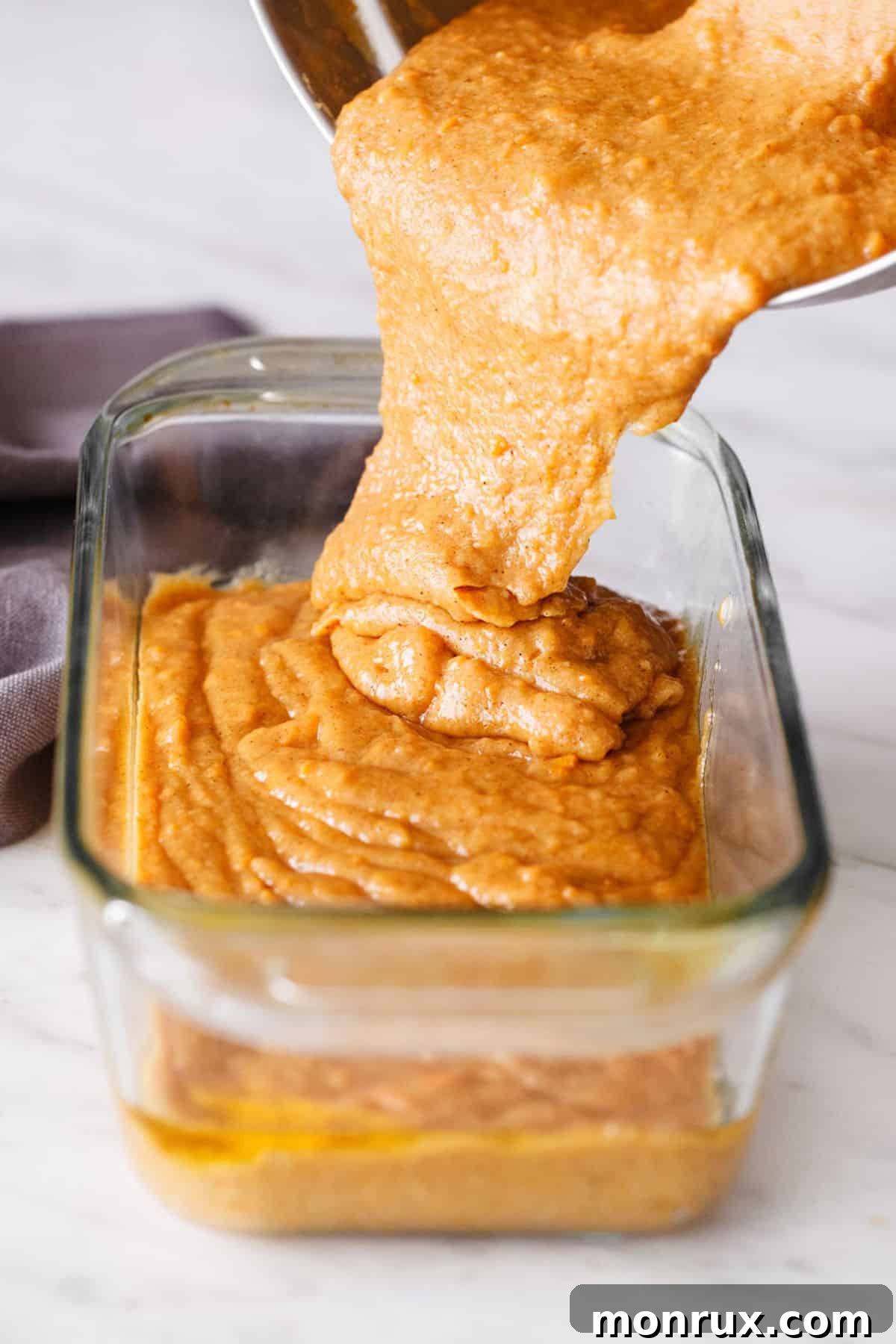
Carefully pour the wet ingredient mixture from the first bowl directly into the bowl containing your dry ingredients. Using a spatula or a wooden spoon, gently mix everything together. Stir just until the ingredients are combined and you no longer see any dry streaks of flour. It’s important to avoid overmixing the batter, as this can develop the starches in gluten-free flour blends and result in a tougher, less tender bread. Once the batter is uniformly mixed, pour it evenly into your prepared loaf pan, spreading it to the edges.
Step Four: Bake to Golden Perfection & Cool
Carefully place the loaf pan into your preheated oven. Bake for approximately 55 to 65 minutes. The bread is perfectly done when its top achieves a beautiful golden-brown color, and a wooden skewer or toothpick inserted into the very center of the loaf comes out completely clean. Remember that oven temperatures can vary, so it’s a good idea to start checking for doneness around the 50-minute mark.
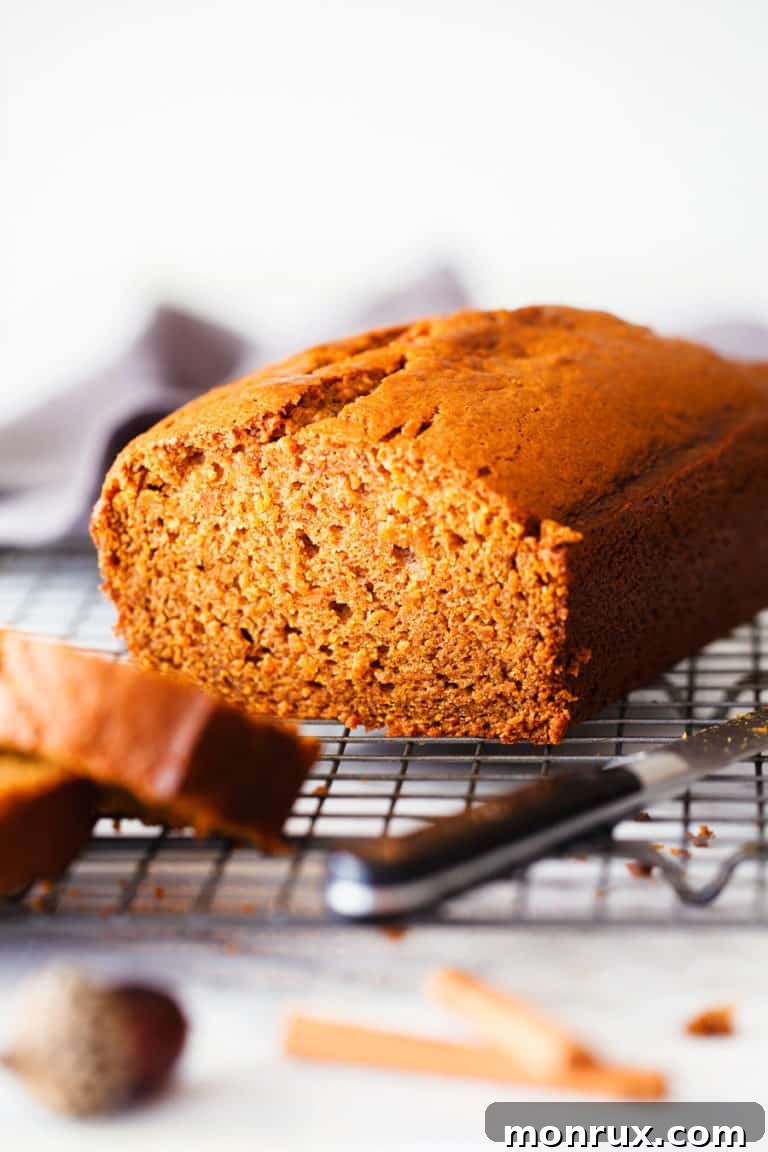
Once baked, remove the fragrant bread from the oven and allow it to cool in the loaf pan for about 10 to 15 minutes. This initial cooling period helps the bread set. After this, carefully transfer the loaf to a wire cooling rack to cool completely. Allowing the bread to cool thoroughly before slicing is crucial for the best texture and to prevent it from crumbling. This delightful and easy recipe, bursting with warm fall spices and the natural sweetness of sweet potato, is guaranteed to become a cherished treat in your home.
Expert Tips for Baking the Best Gluten-Free Sweet Potato Bread
Achieving a wonderfully moist and flavorful gluten-free sweet potato bread is easy with a few expert tips. Incorporating these insights will elevate your baking and ensure a perfect loaf every time:
- **Pre-Bake Sweet Potatoes for Efficiency:** To significantly cut down on prep time on baking day, consider preparing your sweet potato puree up to 3 days in advance. You can bake, boil, or steam them. My go-to method for speed and ease is making Instant Pot Sweet Potatoes. Don’t forget, cooked and mashed sweet potatoes also freeze beautifully, so feel free to use frozen and defrosted sweet potato puree.
- **Selecting Your Gluten-Free Flour Blend:** While I highly recommend Bob’s Red Mill 1-to-1 Gluten-Free Baking Flour for its consistent and reliable results, any good quality cup-for-cup gluten-free flour blend will work. A key tip: ensure your chosen blend already contains xanthan gum. If it doesn’t, add about ¼ teaspoon of xanthan gum for every cup of flour used to achieve the right texture and binding.
- **Customizing Sweetener Levels:** The recipe calls for 1½ cups of sugar, which creates a delightful sweetness. However, if you prefer a less sweet bread, I’ve successfully tested the recipe with as little as 1 cup of sugar, yielding a perfectly delicious result. You can also experiment with other natural sweeteners like maple syrup (you might need minor liquid adjustments) or a dry sugar substitute, keeping in mind that the texture may vary slightly.
- **Making it Vegan & Dairy-Free with Ease:** To effortlessly transform this recipe into a fully vegan and dairy-free treat, simply substitute the two chicken eggs with two flax eggs. To make a flax egg, combine 1 tablespoon of ground flaxseed with 3 tablespoons of water and let it sit for about 5 minutes until it forms a gel-like consistency. Ensure you are using coconut oil and unsweetened almond milk as specified in the ingredient list.
- **Delicious Add-Ins for Extra Flair:** Elevate your sweet potato bread by incorporating your favorite mix-ins! Stir in up to ¾ cup of chocolate chips (choose dairy-free if needed), chopped walnuts, pecans, or dried cranberries just before pouring the batter into the loaf pan. These additions provide wonderful texture and bursts of flavor.
- **The Importance of Proper Cooling:** It can be incredibly tempting to slice into a warm loaf straight out of the oven, but for the best texture and to prevent crumbling, allowing the bread to cool completely on a wire rack is crucial. This cooling period allows the internal structure of the bread to fully set, resulting in a firm yet tender crumb that slices cleanly with a serrated knife.
- **Smart Storage and Freezing:** Store any leftover sweet potato bread in an airtight container or wrapped tightly in plastic wrap. It will remain fresh at room temperature for up to 3 days or in the refrigerator for up to 5 days. For longer preservation, slice the completely cooled bread and freeze individual portions. This allows you to easily grab a slice for a quick breakfast or snack whenever a craving strikes.
Frequently Asked Questions (FAQs) About Gluten-Free Sweet Potato Bread
Yes, absolutely! Canned sweet potato puree is a wonderfully convenient option and works perfectly in this recipe. Just be sure to choose a brand that contains pure sweet potato without any added sugars, spices, or other ingredients. You’ll need to measure out 1½ cups for the recipe.
Yes, you can certainly adjust the sugar content to your preference. This recipe has been successfully tested with as little as one cup of sugar, and the resulting bread remained delicious and moist. If you choose to omit sugar entirely, be aware that sugar contributes to both moisture and the golden-brown color of the crust; you might need to slightly adjust other ingredients (like adding a touch more flour if the batter seems too thin) or expect a slightly different texture and paler color. Using a dry sugar substitute is also a viable option.
While you can use Japanese sweet potatoes in this recipe, please note that their flesh is white, meaning your bread will not have the characteristic orange hue. They are naturally sweet and suitable for baking. However, it’s crucial not to substitute regular white potatoes, as they lack the necessary natural sweetness and distinct flavor profile that makes this bread so special.
This recipe is quite adaptable when it comes to sweeteners. You can successfully use white granulated sugar, brown sugar (for a deeper, more molasses-like flavor), coconut sugar (a popular unrefined alternative), or your preferred dry sugar substitute. Each choice will impart a slightly different flavor nuance to your finished loaf.
To make this recipe completely vegan, simply substitute the two chicken eggs with two flax eggs. To prepare a flax egg, mix 1 tablespoon of ground flaxseed with 3 tablespoons of water and let it sit for about 5 minutes until it forms a gel-like consistency. Additionally, ensure you are using coconut oil and unsweetened almond milk as specified in the recipe, and verify that your chosen gluten-free flour blend is vegan-friendly.
Absolutely! Adding up to ¾ cup of your favorite mix-ins will enhance the flavor and texture of your sweet potato bread. Popular choices include chocolate chips (dark, semi-sweet, or dairy-free for vegan options), chopped walnuts, pecans, or dried cranberries. Simply fold them into the batter just before pouring it into the loaf pan.
I genuinely hope you take the time to bake and savor this incredibly delightful gluten-free sweet potato bread! If you do try this recipe, please consider sharing your experience by leaving a comment and a starred review below. Your feedback and ratings are truly invaluable!
Don’t miss out on more healthy and delicious inspiration! Stay connected by following me on social media: You can find me on Facebook, Pinterest, Instagram, and YouTube!
Print Recipe
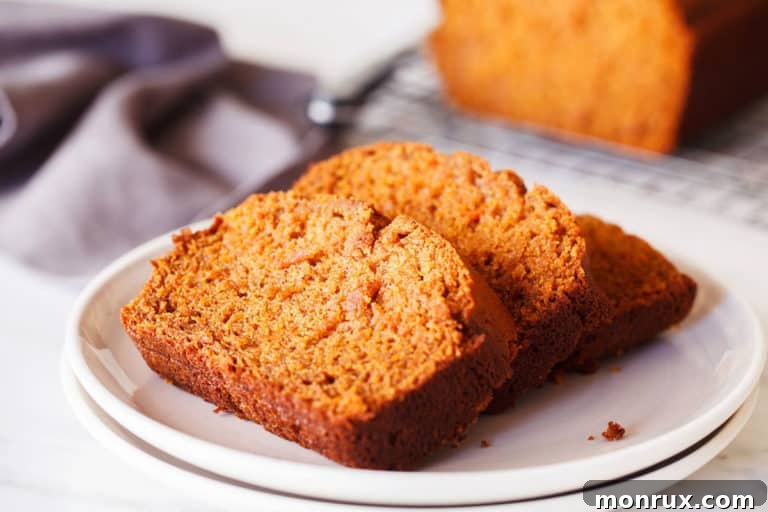
Gluten-Free Sweet Potato Bread Recipe
★★★★★
4.7 from 12 reviews
This Sweet Potato Bread recipe is a true delight! Exceptionally moist, wonderfully flavored with warm spices, and completely gluten-free, it makes a perfect healthy snack, a comforting breakfast, or a lovely dessert. Enjoy this nutrient-dense quick bread that’s completely yeast-free!
- Total Time: 75 minutes
- Yield: 1 loaf (approximately 12 slices)
Ingredients
- Nonstick cooking spray
- 1 1/2 cups cooked and cooled sweet potatoes, mashed (from about 2 medium or 1 large sweet potato)
- 2 large eggs, beaten (for vegan option: use 2 flax eggs, prepared by mixing 2 tablespoons ground flax seed with 6 tablespoons water and letting sit for 5 minutes)
- 1/2 cup coconut oil, melted (use melted unsalted butter if not vegan or dairy-free)
- 1/2 cup unsweetened applesauce
- 1/4 cup unsweetened almond milk (use regular dairy milk if not vegan or dairy-free)
- 1 teaspoon vanilla extract
- 1 1/2 cups gluten-free 1-to-1 baking flour blend (such as Bob’s Red Mill, or use all-purpose wheat flour if not gluten-free)
- 1 1/2 cups white granulated sugar or coconut sugar (refer to notes for lower-sugar variations)
- 2 teaspoons baking soda
- 1 tablespoon ground cinnamon
- 1/4 teaspoon sea salt
Instructions
- Preheat your oven to 375°F (190°C). Lightly spray a 1.5-quart loaf pan with nonstick cooking spray and set it aside.
- In a medium mixing bowl, combine the mashed cooked sweet potatoes, beaten eggs (or flax eggs), melted coconut oil, unsweetened applesauce, almond milk, and vanilla extract. Stir well with a spatula until all ingredients are fully combined.
- In a separate large mixing bowl, whisk together the gluten-free flour, sugar, baking soda, ground cinnamon, and sea salt until thoroughly combined and evenly distributed.
- Pour the wet ingredients mixture into the bowl containing the dry ingredients. Stir just until the mixture is combined and no dry streaks of flour remain. Be careful not to overmix. Pour the batter evenly into the prepared loaf pan.
- Bake for 55-65 minutes, or until the top of the bread is golden brown and a wooden skewer or toothpick inserted into the center comes out clean.
- Remove the bread from the oven and allow it to cool in the loaf pan for 10-15 minutes. Then, carefully transfer it to a wire cooling rack to cool completely before slicing with a serrated knife.
Notes
- **Preparing Sweet Potatoes Ahead:** For maximum convenience, cook and mash your sweet potatoes up to 3 days before you plan to bake the bread. Using an Instant Pot is a quick method. Alternatively, you can use frozen, defrosted, and mashed cooked sweet potatoes.
- **Gluten-Free Flour Selection:** While Bob’s Red Mill Gluten-Free 1-to-1 Baking Flour is highly recommended, feel free to use your preferred cup-for-cup gluten-free blend. If your blend does not contain xanthan gum, add approximately 1/4 teaspoon per cup of flour used.
- **Optional Flavor Enhancers:** For an extra layer of flavor and texture, consider folding in up to 3/4 cup of chocolate chips (ensure they are dairy-free for vegan bread), chopped walnuts, or pecans into the batter before baking.
- **Vegan Adaptation:** To make this recipe suitable for a vegan diet, replace the 2 chicken eggs with 2 flax eggs (mix 2 tablespoons ground flaxseed with 6 tablespoons water and let sit for 5 minutes). Also, confirm you’re using coconut oil and unsweetened almond milk as specified.
- **Cooling for Optimal Texture:** Allowing the bread to cool completely on a wire rack is crucial. This step allows the internal structure to set properly, preventing a gummy texture and ensuring clean, easy slices with a serrated knife.
- **Storage Recommendations:** Store any leftover sweet potato bread in an airtight container or wrapped tightly in plastic wrap. It will stay fresh at room temperature for up to 3 days, or in the refrigerator for up to 5 days. For longer storage, slice the cooled bread and freeze individual portions for convenient access.
- Author: Carrie Forrest, MPH in Nutrition
- Prep Time: 10 minutes
- Cook Time: 55 minutes
- Category: Dessert, Quick Bread, Breakfast, Snack
- Method: Baking
- Cuisine: Healthy, American
- Diet: Gluten-Free, Vegetarian (easily adaptable to Vegan/Dairy-Free)
Nutrition Facts (per serving)
(Approximate values based on 12 servings per loaf)
- Serving Size: 1/12 of recipe
- Calories: 244
- Sugar: 21.2 g
- Sodium: 243.9 mg
- Fat: 10 g
- Saturated Fat: 7.8 g
- Carbohydrates: 35.1 g
- Fiber: 1.1 g
- Protein: 2.9 g
- Cholesterol: 31 mg
More Delicious Gluten-Free Quick Bread & Muffin Recipes You Might Love
If you enjoyed this sweet potato bread, you’re in for a treat! Explore these other fantastic gluten-free quick bread and muffin recipes from our kitchen:
- Wholesome and Hearty Date Nut Bread
- Decadent Chocolate Chip Sweet Potato Muffins (Gluten-Free)
- Easy Gluten-Free Chocolate Chip Banana Bread
- Nutrient-Rich Gluten-Free Cinnamon Flax Muffins
- Delightful Cassava Flour Chocolate Chip Muffins
- Fluffy Gluten-Free Vegan Biscuits with Aromatic Rosemary
Don’t Miss These Other Irresistible Sweet Potato Recipes!
Sweet potatoes are incredibly versatile. Discover more delicious ways to enjoy them with these popular recipes:
Don’t miss out on exclusive clean eating recipes, valuable tips, and wellness insights! Join my newsletter list today to receive regular updates directly in your inbox. It’s 100% free, committed to no spam, and you can easily unsubscribe anytime you wish.
About the Author: Carrie Forrest holds a master’s degree in public health with a specialization in nutrition and is a certified holistic nutritionist. She is a highly respected wellness and food blogger whose platform attracts over 5 million visitors annually. Carrie shares an incredibly inspiring personal story of recovery from chronic illness and is profoundly passionate about empowering other women to transform their health and lives through conscious, wholesome eating. Feel free to reach out to her directly through her contact form with any questions or comments.