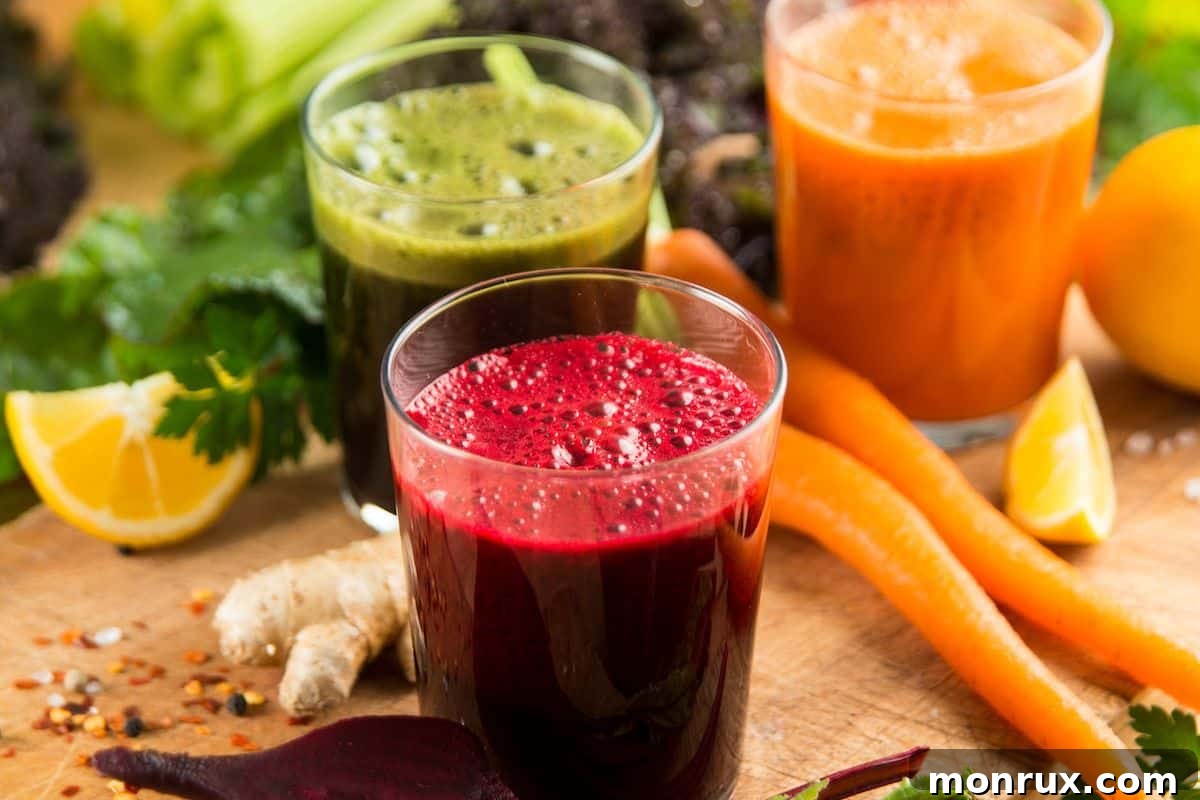
Juice Cleanses: Unveiling the Benefits, Risks, and Healthy Juicing Practices
In the ever-evolving landscape of health and wellness, juice cleanses have emerged as a popular trend, often championed for their purported ability to detoxify the body, promote weight loss, and boost overall vitality. Many individuals consider embarking on a juice cleanse as a rapid pathway to improved health, a dietary reset, or a quick method for shedding a few pounds. However, like any significant dietary intervention, it’s crucial to approach juice cleanses with a clear understanding of both their potential advantages and inherent drawbacks. This comprehensive guide will delve into the scientific basis and anecdotal experiences surrounding juice cleanses, exploring the most important juice cleanse benefits, from enhanced nutrient absorption to immune system support, while also shedding light on the critical potential risks of juice cleansing, such as blood sugar instability and nutritional deficiencies. By providing a balanced perspective, this article aims to equip you with the knowledge to make an informed decision about whether a juice cleanse aligns with your personal health goals and needs.
Table of Contents
Juice Cleansing Overview: What You Need to Know
A juice cleanse, often referred to as a juice fast or juice detox, is a dietary program designed around the exclusive consumption of fruit and vegetable juices for a specific duration. This period typically ranges from one to seven days, though some individuals may extend it. During a cleanse, participants abstain from solid foods, processed snacks, and often even protein shakes, relying solely on the liquid nutrition provided by freshly extracted juices. The underlying philosophy often centers on giving the digestive system a “rest,” thereby allowing the body to focus its energy on detoxification and healing processes.
The specific guidelines for a juice cleanse can vary significantly. Some programs might suggest a strict regimen of pre-bottled organic juices delivered to your door, meticulously formulated for specific nutritional profiles. Others might encourage a DIY approach, where individuals prepare their own fresh juices at home using a juicer. While commercial programs offer convenience and pre-portioned nutrition, creating your own cleanse allows for greater customization to your taste preferences and specific health needs. Whether you opt for a structured program or a homemade approach, understanding the fundamental principles and potential implications is paramount.
It’s important to clarify that engaging in a juice cleanse doesn’t necessarily require following a rigid, extended fasting protocol. You can still reap many of the nutritional benefits of fresh vegetable juices by incorporating them into your daily routine as a supplement to a balanced diet, rather than as a complete meal replacement for several days. This article will explore various aspects, including some of my favorite juice recipes and practical advice on integrating green drinks into your diet without drastic lifestyle changes.
Potential Benefits of a Juice Cleanse: Exploring the Upsides
The wellness industry often makes grand claims about the transformative power of juice fasts, suggesting they can cure ailments, guarantee rapid weight loss, and bestow radiant health. While some of these claims lack robust scientific backing, there are indeed several legitimate juice cleanse benefits that have either been supported by research or widely reported by individuals who experience positive outcomes. Before considering a cleanse, it’s always advisable to assess your current health status and consult with a healthcare professional, especially if you have pre-existing conditions. Here are ten potential advantages of incorporating a juice cleanse, or even just fresh juices, into your lifestyle:
1. Boosting Your Immune System
One of the most compelling benefits associated with a juice cleanse stems from its potential to support and rejuvenate the immune system. When you consume only juice, particularly nutrient-dense vegetable juices, you are often in a state of caloric restriction or a modified fast. Fasting has been shown in some studies to initiate a process of cellular repair and regeneration, known as autophagy. This process can help the body clear out damaged cells and potentially stimulate the production of new, healthier immune cells. For instance, research published in journals like PubMed suggests that periods of fasting can lead to immune system rejuvenation.
Beyond the fasting aspect, the sheer volume of vitamins, minerals, and antioxidants concentrated in fresh juices provides a powerful nutritional boost. Ingredients like spinach, kale, citrus fruits, and ginger are packed with Vitamin C, Vitamin A, and other phytonutrients known for their immune-modulating properties. By flooding your system with these readily available micronutrients, a juice cleanse can create an optimal environment for your immune cells to function effectively, potentially enhancing your body’s ability to ward off illness.
2. Nurturing a Healthy Gut Microbiome
The importance of a diverse and healthy gut microbiome for overall well-being has garnered significant attention in recent years. A balanced gut flora is crucial for digestion, nutrient absorption, and even immune function and mood regulation. Juice cleanses, especially those rich in fibrous vegetables, can positively impact gut health. A study published in NCBI highlighted that a three-day juice-based diet led to significant improvements in the gut microbiome composition. This is largely attributed to the fermentable fibers and prebiotics found in many fruits and vegetables, which act as food for beneficial gut bacteria.
While juicing removes insoluble fiber, some soluble and fermentable fibers remain, which can feed the good bacteria in your gut. This can lead to increased diversity and a healthier balance of microorganisms. Incorporating a variety of best vegetables to juice can introduce a wide range of prebiotics, contributing to a thriving internal ecosystem. Even without a full cleanse, simply adding fresh vegetable juices to your regular diet can provide these beneficial compounds and support a robust gut microbiome.
3. Supporting Your Body’s Natural Detoxification Pathways
The term “detox” is often misused in the wellness sphere, implying that our bodies are constantly accumulating harmful toxins that only special diets can remove. In reality, our bodies are incredibly efficient at detoxifying themselves through organs like the liver and kidneys. However, a juice cleanse can support these natural processes in two key ways. Firstly, by temporarily eliminating solid foods, especially processed items, you give your digestive system a break. This allows your body to redirect energy that would otherwise be spent on digestion towards cellular repair and metabolic processes, including those involved in neutralizing and eliminating waste products.
Secondly, fruit and vegetable juices are potent sources of antioxidants and phytonutrients. These compounds play a critical role in combating oxidative stress and supporting the liver’s Phase I and Phase II detoxification pathways. For example, ingredients like kale, broccoli, and other cruciferous vegetables contain sulforaphane, which can enhance the body’s detoxification enzymes. Antioxidants, as highlighted by research, help neutralize free radicals that cause cellular damage. Therefore, a nutrient-rich juice diet can supply the necessary cofactors and protective compounds to help your body’s innate detox systems function optimally.
4. Unlocking Easily Absorbed Nutrients
One of the most frequently cited advantages of juicing is the enhanced bioavailability of nutrients. When fruits and vegetables are juiced, the majority of the insoluble fiber is removed, leaving behind a concentrated liquid rich in vitamins, minerals, and enzymes. This allows the nutrients to be absorbed more quickly and efficiently into the bloodstream, bypassing the digestive effort required for solid foods. For individuals with compromised digestion or those looking to maximize nutrient intake, this can be a significant benefit. A study found on PubMed, for instance, suggests quicker absorption of antioxidants through juicing.
Furthermore, many people find it challenging to consume the recommended daily servings of fruits and vegetables. Juicing offers an effective solution, allowing you to ingest a much larger volume of produce than you might typically eat in its whole form. This increased intake of essential micronutrients can help bridge dietary gaps and provide a powerful boost to overall nutritional status, contributing to better cellular function and vitality. Research has even indicated the potential for fruit and vegetable juices to improve cardiovascular health due to their antioxidant content.
5. Facilitating Short-Term Weight Management
The promise of quick and easy weight loss often drives interest in juice cleanses. While a juice cleanse can indeed lead to short-term weight reduction, it’s important to understand the mechanisms and manage expectations. Initial weight loss on a cleanse is primarily due to a significant reduction in caloric intake, coupled with a loss of water weight and decreased inflammation. When you consume only low-calorie juices, your body naturally enters a caloric deficit, leading to weight loss. The reduction in sodium and processed foods can also lead to less water retention, contributing to a lighter feeling.
However, this rapid weight loss is not always sustainable or indicative of long-term fat loss. Upon returning to solid foods, it’s common to regain some of the lost weight. The true benefit for weight management might lie in using a cleanse as a “reset” button – a period to break unhealthy eating habits and transition into a more balanced, whole-foods diet. Staying adequately hydrated, even without a full cleanse, is proven to assist with weight loss. For instance, simple, calorie-free options like Cucumber Ginger Lemon Water can be a helpful addition to daily hydration efforts.
6. Experiencing Improved Energy Levels
While scientific research directly linking juice cleanses to increased energy is limited, many individuals anecdotally report feeling more energetic and vibrant during or after a cleanse. This perceived boost in energy could be attributed to several factors. Firstly, eliminating heavy, processed foods that require significant digestive effort might free up energy for other bodily functions. Secondly, the influx of vitamins, minerals, and enzymes from fresh juices can optimize cellular metabolism and energy production. Many people find that by removing common dietary stressors like refined sugars, unhealthy fats, and artificial additives, their bodies feel less burdened and more efficient.
It’s crucial, however, to listen to your body throughout the process. Some individuals may initially experience fatigue or “detox symptoms” before feeling an energy uplift. If you find yourself consistently feeling unwell or experiencing a significant drop in energy, it’s always best to consult a healthcare provider to determine if the cleanse is appropriate for you or if other medical interventions are needed. Optimal energy is a sign of overall health, and any dietary change should support this.
7. Achieving Enhanced Skin Clarity
The condition of our skin often reflects our internal health, and many anecdotal reports suggest that a juice cleanse can lead to a clearer, more radiant complexion. This benefit is likely multifactorial. The high antioxidant content in fresh fruit and vegetable juices helps combat oxidative stress, which can contribute to premature aging and skin damage. Furthermore, the increased hydration from consuming large quantities of liquid can improve skin elasticity and moisture. By reducing inflammatory foods and providing a rich supply of anti-inflammatory nutrients, juicing can also help calm skin conditions like acne, eczema, and redness.
Ingredients like carrots (rich in beta-carotene), kale (vitamins A, C, K), and berries (various antioxidants) are particularly beneficial for skin health. Even without a full cleanse, simply integrating more green vegetables into your diet can significantly improve skin appearance. The direct intake of these vital nutrients helps nourish skin cells from within, promoting a healthier and more glowing complexion.
8. Reducing Systemic Inflammation
Chronic inflammation is a root cause of many modern diseases, from heart disease to autoimmune disorders. Fruits and vegetables are renowned for their powerful anti-inflammatory properties, primarily due to their abundant antioxidant and phytonutrient content. During a juice cleanse, you are essentially flooding your body with these beneficial compounds while simultaneously removing pro-inflammatory foods like processed sugars, unhealthy fats, and refined grains. This dietary shift can lead to a significant reduction in systemic inflammation.
By consuming concentrated amounts of anti-inflammatory ingredients such as ginger, turmeric, leafy greens, and berries, a juice cleanse can help quell inflammatory responses throughout the body. While these benefits can also be achieved by regularly consuming whole fruits and vegetables, juicing can provide a more intensive dose. For targeted approaches to managing inflammation, exploring anti-inflammatory juice recipes can be particularly helpful.
9. A Catalyst for a Dietary Reset
For many, a juice cleanse serves as a powerful psychological and physiological “reset” button for their eating habits. After periods of overindulgence or consistently unhealthy food choices, a cleanse can provide a structured break, helping individuals to detach from cravings for processed foods, sugar, and caffeine. This temporary abstinence can make it easier to reintroduce healthy, whole foods with renewed appreciation and intention.
The mental clarity and physical lightness often experienced during a cleanse can motivate individuals to make more conscious and nutritious food choices moving forward. It can be a starting point for adopting a cleaner eating lifestyle, fostering a greater awareness of how different foods affect the body. However, it’s crucial to approach this reset with a positive mindset; for some, a restrictive cleanse might inadvertently lead to a more challenging relationship with food, potentially triggering disordered eating patterns. In such cases, guidance from a registered dietitian or therapist specializing in eating disorders is highly recommended.
10. Cultivating Better Mental Focus and Clarity
A frequently reported, though largely anecdotal, benefit of juice cleanses is an improvement in mental clarity and focus. Proponents suggest that by eliminating common dietary culprits like processed foods, artificial additives, and excessive sugars, the brain can function more optimally. These substances can often lead to blood sugar fluctuations, inflammation, and energy crashes, which are all contributors to “brain fog” and reduced cognitive function. The consistent supply of micronutrients from fresh juices can also support neurotransmitter production and overall brain health.
However, it’s also important to acknowledge that some individuals might experience initial headaches or fatigue as their body adjusts to the cleanse, which could temporarily impair mental clarity. The impact on blood sugar levels, depending on the fruit content of the juices, can also vary significantly from person to person. Prioritizing green, low-sugar juices is often advised to minimize potential blood sugar spikes. For more insights into how specific ingredients can benefit brain health, reviewing the health benefits of green juice can be enlightening.
Potential Risks of a Juice Cleanse: Understanding the Downsides
While the potential benefits of juice cleanses are appealing, it’s equally important to consider the potential risks and drawbacks. A balanced perspective requires acknowledging that what works well for one individual may not be suitable or safe for another. Many of the concerns surrounding juice cleanses stem from their restrictive nature and the potential for nutritional imbalances. It’s vital to filter out exaggerated claims and focus on scientifically plausible risks. Here are several key dangers to consider before embarking on a juice cleanse:
1. The Challenge of Blood Sugar Instability
One of the most significant risks associated with juice cleanses, particularly those high in fruit content, is the potential for blood sugar instability. While fruits and vegetables contain natural sugars, the juicing process removes most of the fiber, which is crucial for slowing down sugar absorption. Without this fiber, and often without adequate protein or healthy fats, the natural sugars from fruits are rapidly absorbed into the bloodstream. This can lead to dramatic spikes and subsequent crashes in blood sugar levels, causing symptoms like fatigue, irritability, headaches, and intense cravings. For individuals with conditions like diabetes, pre-diabetes, or insulin resistance, this can be particularly dangerous.
To mitigate this risk, it’s advisable to prioritize vegetable-heavy juices with minimal fruit, and consider adding a source of protein to your juices. Blending in protein powders, such as those from a list of best paleo protein powders, can help slow down sugar absorption, provide sustained energy, and create a more balanced nutritional profile. This approach allows you to still benefit from the antioxidants in the juice while minimizing the adverse effects on blood sugar.
2. Risks Associated with Improper Fasting
Many juice cleanses inherently involve a period of fasting or severe caloric restriction, which is not universally beneficial and can even be detrimental for some individuals. Fasting can place significant stress on the body, triggering a “fight or flight” response, especially if not approached mindfully or if done for extended periods. This stress response can lead to elevated cortisol levels, which can negatively impact mood, sleep, and hormonal balance. As highlighted by resources like Mark’s Daily Apple, fasting is not for everyone.
Symptoms such as persistent low mood, severe fatigue, dizziness, or intense hunger during a juice cleanse may indicate that your body is not responding well to the fasting component. In such cases, it’s important to re-evaluate whether a pure juice fast is suitable. A safer alternative might be to incorporate fresh vegetable juices *with* regular, balanced meals composed of whole foods, rather than replacing all meals. This allows you to still gain the nutrient benefits without the potential stresses of a full fast. For more ideas on healthy eating, a healthy grocery list can be invaluable.
3. Foodborne Illness Concerns
A significant, yet often overlooked, risk of juice cleanses, particularly those relying on homemade or unpasteurized juices, is the potential for foodborne illness. Raw, unpasteurized fruit and vegetable juices can harbor harmful bacteria like E. coli, Salmonella, and Listeria, which are naturally present on produce. Without pasteurization (a heat treatment that kills pathogens) or proper handling, these bacteria can multiply in juice, posing a serious health risk. The FDA warns consumers about the risks of consuming unpasteurized raw juice.
To minimize this risk, always follow stringent food safety practices: wash produce thoroughly, use clean equipment, and consume freshly made juice immediately or store it properly for a very short duration. Vulnerable populations, including pregnant women, young children, the elderly, and individuals with compromised immune systems, should be especially cautious and often advised to avoid unpasteurized juices entirely. Consulting a doctor about juice safety, particularly during pregnancy, is highly recommended.
4. The Crucial Role of Fiber: A Potential Deficiency
While juicing makes nutrients highly bioavailable, its fundamental process involves stripping away most of the dietary fiber from fruits and vegetables. Fiber is a crucial component of a healthy diet, essential for digestive health, satiety, and regulating blood sugar. A prolonged absence of adequate fiber during a juice cleanse can lead to digestive issues such as constipation, bloating, or irregular bowel movements. Furthermore, dietary fiber plays a vital role in maintaining a healthy gut microbiome, which, paradoxically, some cleanses aim to improve.
To counteract this potential deficiency, consider incorporating smoothies into your cleanse or regular diet, as smoothies retain all the fiber from the produce. Blending whole fruits and vegetables provides the full spectrum of nutrients, including the beneficial fiber. Options like a Broccoli Smoothie, Collard Green Smoothie, Anti-Cancer Breakfast Smoothie, or a Detox Smoothie are excellent ways to ensure you’re getting both concentrated nutrients and essential fiber.
5. Difficulty in Maintaining Adequate Calorie and Nutrient Intake
Liquid foods, while seemingly voluminous, can be deceptive in terms of caloric content and satiety. It’s easy to either underestimate or severely restrict your caloric intake during a juice cleanse, which can lead to negative health consequences. Consuming insufficient calories for an extended period can slow down your metabolism, leading to fatigue, difficulty concentrating, and potentially even muscle loss. Moreover, a diet solely based on juice may lack sufficient amounts of essential macronutrients like protein and healthy fats, which are vital for hormone production, cellular repair, and overall bodily function.
The act of chewing and consuming solid food also plays a significant role in triggering satiety signals and promoting proper digestion. When you only consume liquids, your body might not register the same level of fullness, leading to persistent hunger. If a juice cleanse results in rapid or unhealthy weight loss, or if you experience symptoms of under-nourishment such as extreme weakness, hair loss, or menstrual irregularities (in women), it’s a strong indicator that the cleanse should be discontinued. A balanced diet with whole foods should be the foundation of sustainable health.
6. Potential for Oxalate Accumulation
Certain nutrient-rich vegetables and fruits, particularly leafy greens like spinach, kale, and beets, are naturally high in oxalates. Oxalates are organic acids that, when consumed in very large quantities or if an individual has a predisposition, can bind with minerals like calcium and potentially contribute to the formation of kidney stones. While moderate consumption is generally safe for most people, the concentrated nature of juicing means you might be consuming significantly higher amounts of oxalates than you would by eating the whole vegetables.
For individuals with a history of kidney stones or those with genetic predispositions affecting oxalate metabolism, a high-oxalate juice cleanse could pose a risk. The NCCIH warns about potential issues with over-accumulated oxalates. To mitigate this, vary your greens and produce choices, avoiding excessive reliance on high-oxalate foods like spinach and beets during a cleanse. Always consult with your healthcare provider if you have concerns about oxalates or kidney health. More information on high oxalate foods can guide your choices.
7. Other Health Risks, Including Digestive Distress and Disordered Eating
Beyond the specific risks outlined above, juice cleanses can carry other health implications that warrant careful consideration. The sudden introduction of highly concentrated juices can sometimes lead to digestive distress, including gas, bloating, diarrhea, or stomach cramps, especially for those with sensitive digestive systems or existing gut issues. The lack of fiber can also disrupt regular bowel function, as previously mentioned.
Perhaps more subtly, restrictive diets like juice cleanses can sometimes foster an unhealthy relationship with food. For individuals prone to disordered eating patterns or body image concerns, the emphasis on “detoxification” and rapid weight loss can exacerbate negative feelings about food, trigger restrictive behaviors, or lead to a cycle of binging and purging. It’s crucial to prioritize mental and emotional well-being alongside physical health. A less drastic and potentially more beneficial approach is to simply incorporate 1-2 vegetable juices daily into a balanced diet rich in clean, whole foods, allowing you to enjoy the benefits without the associated risks of extreme restriction.
Who Should Avoid a Juice Cleanse: Important Considerations
While the allure of a quick health reset is strong, juice cleanses are unequivocally not suitable for everyone. Certain populations are particularly vulnerable to the potential risks and should strictly avoid juice cleanses without explicit medical supervision. The FDA specifically recommends against unpasteurized juices for children, elderly people, pregnant women, and individuals with compromised immune systems due to the heightened risk of foodborne illnesses. Beyond these groups, several other factors indicate that a juice cleanse might be detrimental:
- Pregnant or Breastfeeding Women, and Those Trying to Conceive: The nutritional demands during pregnancy and breastfeeding are immense. A juice cleanse, being restrictive in calories, protein, and essential fats, cannot provide the comprehensive nourishment required for a developing fetus or a nursing infant. Furthermore, the stress of caloric restriction can negatively impact hormonal balance, which is crucial for fertility and a healthy pregnancy. Women’s hormones are more sensitive to stress, making fasting a potential disruptor. For those struggling with hormonal imbalances or fertility, focus on nutrient-dense whole foods, such as those in fertility diet recipes, rather than restrictive cleanses.
- Children and Elderly Individuals: These age groups have unique nutritional requirements. Children need consistent calories and nutrients for growth and development, while the elderly often have specific dietary needs to maintain muscle mass and prevent deficiencies. Juice cleanses can easily lead to insufficient intake of vital macro- and micronutrients for both groups.
- Individuals with Compromised Immune Systems: As mentioned, unpasteurized juices pose a risk of foodborne illness. For those with weakened immune systems due to illness, medication, or chronic conditions, this risk is significantly amplified and can lead to severe complications.
- Athletes or Very Active Individuals: High levels of physical activity require substantial caloric intake, particularly protein and carbohydrates, for energy, recovery, and muscle repair. A juice cleanse, with its low caloric and protein content, can severely impair athletic performance, hinder recovery, and lead to muscle degradation. If you consider a cleanse, it’s imperative to pause strenuous physical activity.
- People with Blood Sugar Regulation Issues (Diabetes, Hypoglycemia): The rapid absorption of sugars from juices, devoid of fiber, protein, or fat to buffer their impact, can cause dangerous fluctuations in blood glucose levels. This can be life-threatening for diabetics and can lead to uncomfortable symptoms for those with hypoglycemia or insulin resistance.
- Individuals with SIBO or Other Gut Dysbiosis Issues: While some studies suggest benefits for gut flora, the fermentable fibers present even in juiced vegetables can sometimes exacerbate symptoms in individuals with Small Intestinal Bacterial Overgrowth (SIBO) or other forms of gut dysbiosis, leading to increased bloating, gas, and discomfort.
- Those Experiencing High Stress Levels: Any form of caloric restriction or drastic dietary change can be a physiological stressor. If you are already under significant emotional, mental, or physical stress, adding a juice cleanse can overwhelm your body’s coping mechanisms, potentially worsening your overall well-being. It’s best to embark on such dietary changes during a period of relative calm and stability.
- Individuals with Kidney Disease or Liver Conditions: The concentrated nature of certain nutrients and the fluid load during a cleanse can put undue strain on already compromised kidneys or liver. Always consult a specialist if you have any pre-existing organ conditions.
- Those with a History of Disordered Eating: The restrictive nature of a juice cleanse can easily trigger or worsen disordered eating patterns, body image issues, and an unhealthy relationship with food. Mental and emotional health should always be prioritized over a temporary “detox.”
Ultimately, a juice cleanse is a significant dietary intervention. If you fall into any of the categories above, or if you have any chronic health conditions, it is absolutely essential to consult with a licensed healthcare provider, such as a doctor or registered dietitian, before considering a juice cleanse.
Integrating Juicing into Your Healthy Lifestyle
While a full-scale juice cleanse may not be suitable or necessary for everyone, the powerful nutritional benefits of fresh fruit and vegetable juices can still be incorporated into a healthy lifestyle in a more sustainable and less restrictive way. You don’t need to embark on a multi-day fast to reap the rewards of juicing. Here are some practical tips for integrating juicing effectively:
- Start Small: Begin by replacing one sugary drink or less nutritious snack per day with a fresh vegetable juice. This gradual approach allows your body to adjust and helps you identify which combinations you enjoy most.
- Prioritize Vegetables: Aim for a higher ratio of vegetables to fruits in your juices to minimize sugar intake. Leafy greens (kale, spinach, romaine), celery, cucumber, and ginger are excellent low-sugar bases. A small amount of apple or a few berries can add natural sweetness without overwhelming sugar.
- Variety is Key: Rotate your ingredients regularly to ensure a wide spectrum of nutrients and to avoid potential overconsumption of certain compounds (like oxalates). Explore different colorful produce to get a diverse array of phytonutrients.
- Pair with Whole Foods: Instead of using juice as a meal replacement during a cleanse, drink it alongside a balanced meal. For instance, enjoy a green juice with your breakfast or as a nutritious snack between meals. This ensures you’re still getting essential fiber, protein, and healthy fats from solid foods.
- Listen to Your Body: Pay attention to how different juices make you feel. If a particular combination causes digestive upset or blood sugar spikes, adjust your ingredients. Hydrate consistently with water throughout the day.
- Consider Smoothies Too: If fiber intake is a concern, smoothies are an excellent alternative. By blending whole fruits and vegetables, you retain all the beneficial fiber, promoting better digestion and sustained fullness. Combine your favorite juice ingredients with a liquid base (water, almond milk) and perhaps a source of protein (protein powder, nuts, seeds).
- Quality Ingredients: Whenever possible, use organic, fresh, and seasonal produce to maximize nutrient content and minimize pesticide exposure. Wash all produce thoroughly before juicing.
By adopting these practices, you can enjoy the concentrated vitamins, minerals, and antioxidants that fresh juices offer, enhancing your overall nutrition without the potential risks and restrictive nature of a full juice cleanse. It’s about empowering your daily diet with vibrant, liquid nutrition for long-term well-being.
Conclusions: A Balanced Perspective on Juice Cleansing
The journey into health and wellness is often marked by exploration of various dietary approaches, and juice cleanses stand out as one of the most widely discussed. As we’ve thoroughly examined, a juice cleanse presents a complex tapestry of both compelling benefits and considerable risks. On the one hand, they offer an accessible way to flood the body with easily absorbed nutrients, potentially boosting the immune system, supporting gut health, aiding in natural detoxification, and serving as a powerful catalyst for a dietary reset. Many individuals report feeling increased energy, improved skin clarity, and reduced inflammation, attributing these positive changes to the intensive nutrient intake and the temporary break from processed foods.
However, it is equally important to approach juice cleanses with caution and a clear understanding of their potential downsides. Risks such as blood sugar instability, inadequate calorie and nutrient intake, potential for foodborne illness, the critical absence of dietary fiber, and even the accumulation of oxalates, cannot be overlooked. Furthermore, the restrictive nature of a cleanse can be detrimental for vulnerable populations, including pregnant women, children, the elderly, athletes, and those with pre-existing health conditions or a history of disordered eating. The temporary nature of weight loss and the potential for an unhealthy relationship with food are also significant considerations.
Ultimately, the decision to undertake a juice cleanse is a deeply personal one, requiring careful consideration of your individual health status, lifestyle, and specific goals. It is paramount to weigh the potential benefits against the risks and, most importantly, to consult with a licensed healthcare provider before making any drastic changes to your diet. For many, integrating fresh, vegetable-heavy juices into a balanced, whole-foods diet on a regular basis may offer a more sustainable and safer path to enhanced nutrition and well-being, providing the benefits without the intense restrictions. True health is a journey of consistency, balance, and informed choices.
Don’t forget to join my newsletter list to get exclusive clean eating recipes and tips. The newsletter is 100% free with no spam; unsubscribe anytime.
About the Author: Carrie Forrest has a master’s degree in public health with a specialty in nutrition and is a certified holistic nutritionist. She is a top wellness and food blogger with over 5 million annual visitors to her site. Carrie has an incredible story of recovery from chronic illness and is passionate about helping other women transform their health. Send her a message through her contact form.
Disclaimer: This post is for informational purposes only and is not intended as medical advice. Please consult your healthcare provider for recommendations related to your individual situation.