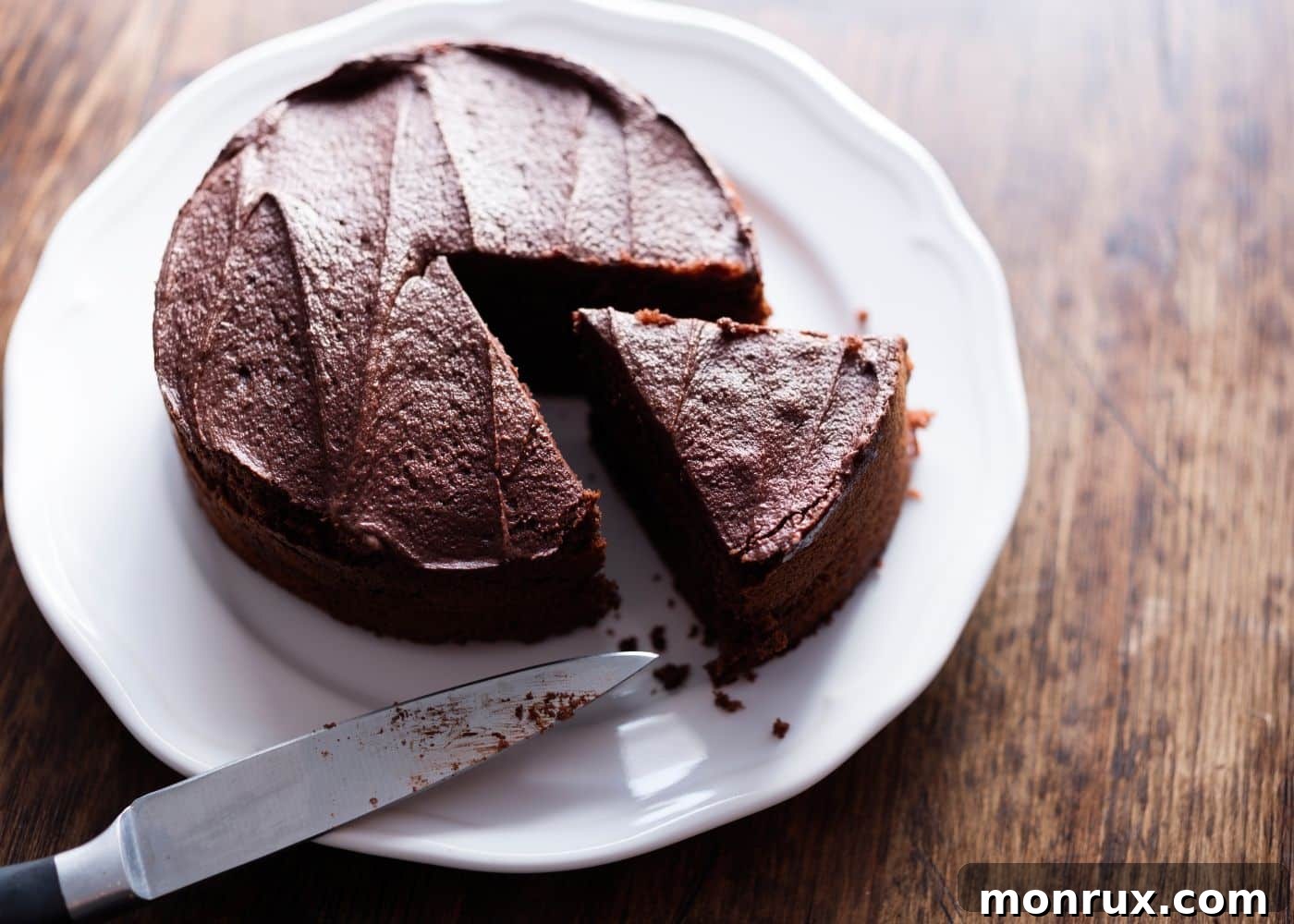
Welcome to the ultimate guide for creating the most decadent, moist, and utterly irresistible Dairy-Free Chocolate Cake! Whether you’re celebrating a birthday, a special holiday, or simply indulging a craving, this recipe is your new go-to for an allergy-friendly dessert that tastes anything but. Forget guessing it’s dairy-free – your guests will rave about its rich, fudgy texture and intense chocolate flavor, without ever suspecting it contains no milk or traditional dairy products. Plus, we’ve included a seamless gluten-free option, making this a truly inclusive treat for everyone at your table.
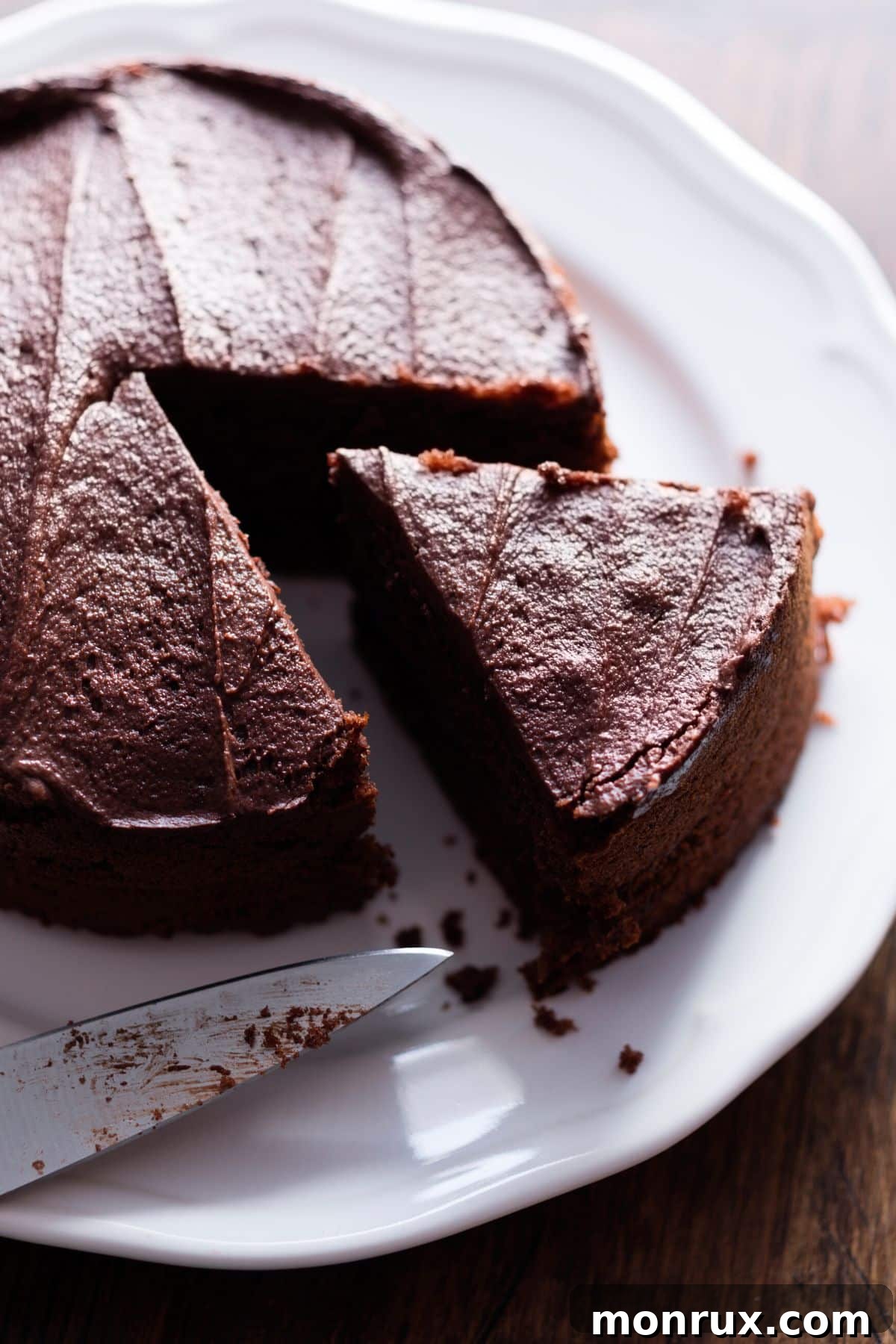
What makes this allergy-friendly chocolate cake stand out? It’s not just the incredible taste and texture; it’s also incredibly simple to prepare. This recipe is practically foolproof and wonderfully versatile. Imagine baking stunning layer cakes for grand celebrations, delightful cupcakes for a casual gathering, or an easy sheet cake for a picnic. Its adaptability means it’s perfect for everything from birthday parties and christenings to festive holidays and even elegant weddings. With minimal effort, you can create a show-stopping dessert that accommodates various dietary needs without compromising on flavor.
You’ll love how straightforward this recipe is. It’s designed for efficiency, often requiring just one bowl for the cake batter, which means less clean-up and more time to enjoy your culinary creation. The accompanying buttercream frosting is equally simple and just as decadent. Made entirely dairy-free, it comes together in minutes, providing the perfect creamy complement to the rich chocolate cake. Once you try this recipe, we’re confident it will become your forever favorite, eliminating the need for any other chocolate cake recipe in your collection.
Key Ingredients for the Perfect Dairy-Free Chocolate Cake
Crafting an exceptional dairy-free chocolate cake begins with understanding the role each ingredient plays. Here’s a detailed look at what you’ll need to create this masterpiece:
All-Purpose Flour (or Gluten-Free Blend)
All-purpose flour forms the structural base of this incredibly tender and moist chocolate cake. For those who require a gluten-free option, you can easily substitute it with your favorite gluten-free all-purpose flour blend. I particularly recommend Bob’s Red Mill 1-to-1 Gluten-Free Baking Flour for its reliable performance and excellent texture, ensuring your cake remains perfectly crumbly and delicious without any gluten. Always check that your chosen blend is suitable for baking without additional binders.
Granulated Sugar
Granulated sugar is essential not only for sweetening but also for contributing to the cake’s beautifully soft crumb and locking in moisture, giving it that desirable fudgy consistency. For an alternative, you can use coconut sugar. This will impart a slightly richer, more caramel-like flavor and a slightly denser texture, adding another dimension of taste to your dairy-free delight.
Unsweetened Cocoa Powder
The star of any chocolate cake, cocoa powder delivers a deep, rich chocolate flavor. For the best results, opt for natural unsweetened cocoa powder over Dutch-processed cocoa, as it reacts differently with the baking soda to create the perfect rise. If you prefer to use cacao powder, be aware that it offers a more intense, sometimes slightly bitter chocolate flavor and tends to absorb more liquid. You might need to adjust by adding a little extra plant-based milk to achieve the ideal batter consistency. If you’re out of cocoa powder, there are several excellent cocoa powder substitutes you can consider.
Large Eggs (or Vegan Flax Eggs)
Eggs are crucial for binding the ingredients together and helping the cake achieve a slightly fluffy, yet moist, texture. If you’re aiming for a fully vegan chocolate cake, this recipe is adaptable! Simply substitute the two large eggs with two flax eggs. To make one flax egg, combine one tablespoon of flaxseed meal with three tablespoons of water, stir well, and let it sit for about 5 minutes until it thickens into a gel-like consistency. This creates an effective plant-based binder.
Pure Vanilla Extract
Vanilla extract enhances the chocolate flavor, adding depth and warmth to the cake. It’s important to use pure vanilla extract, not vanilla essence, which is typically an artificial, highly processed product. While vanilla essence can be used in a pinch, pure vanilla extract offers a superior, more natural flavor profile that truly elevates the overall taste of your cake, making it a healthier and more aromatic choice.
Avocado Oil (or Healthy Vegetable Oil)
For this recipe, any mild, neutral-flavored vegetable oil will work well, such as delicate olive oil or melted coconut oil. I highly recommend avoiding highly processed options like canola oil, as they are not considered healthy cooking oils. My top preference is avocado oil because of its neutral flavor profile and high smoke point. Rest assured, your cake will not taste like avocados; the oil simply contributes to the cake’s moistness and tender crumb without overpowering the chocolate flavor.
Dairy-Free Milk
This is a key ingredient for a truly dairy-free chocolate cake. You can use any plant-based milk of your choice, such as unsweetened almond milk, soy milk, oat milk, or cashew milk. Each type may impart a subtle difference in flavor, but the rich chocolate notes usually dominate, so these variations are often imperceptible. Unsweetened almond milk and soy milk are particularly good choices as they are very neutral. If using a stronger-flavored milk like full-fat coconut milk, be aware it might add a slight coconut hint, which can be delightful!
Hot Water
The addition of hot water is a secret weapon in this recipe. It helps to “bloom” the cocoa powder, intensifying its chocolate flavor and color. It also creates a thinner batter, which contributes to the cake’s incredibly moist and fudgy texture. Don’t skip this step!
Baking Powder & Baking Soda
These two leavening agents work in harmony to give the cake its beautiful rise and light texture. Baking soda reacts with the acidic components (like natural cocoa powder), while baking powder provides additional lift, ensuring your dairy-free cake is wonderfully airy and not dense.
Salt
A touch of salt is crucial for balancing the sweetness and enhancing the deep chocolate flavors, much like in savory dishes. It brings out the best in all the other ingredients, making the cake taste even more delicious.
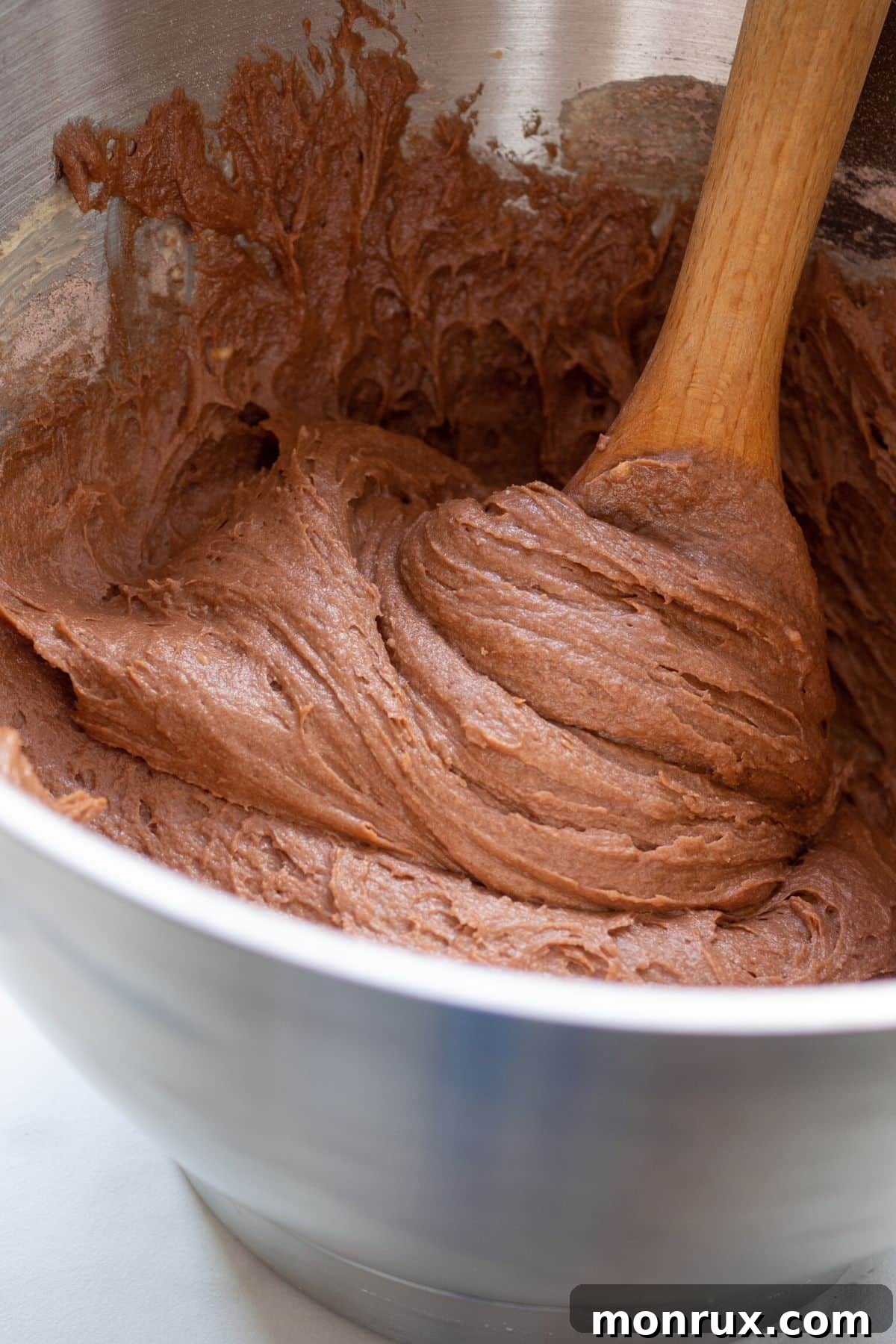
Essential Equipment for Baking
Baking this delicious dairy-free chocolate cake requires only a few basic tools, most of which you likely already have in your kitchen. Even if you don’t have everything on hand, we’ve got you covered with simple substitutes.
1. Large Mixing Bowl
One of the beauties of this recipe is its “one-bowl” convenience for the batter. A large mixing bowl, whether made of glass, plastic, or metal, will provide ample space to combine all your ingredients without spills, making the process cleaner and more efficient.
2. Cooling Rack (Wire Rack)
A cooling rack is essential for allowing your freshly baked cakes to cool evenly and prevent them from becoming soggy from trapped steam. If you don’t own a dedicated cooling rack, a clean oven rack removed from your oven before preheating can serve as an excellent substitute.
3. 8-Inch Round Cake Pans (Two)
This recipe is designed for a beautiful two-layer cake, so you’ll need two 8-inch round cake pans. If you only have one, you can bake the layers one at a time, but ensure the second portion of batter rests at room temperature. Alternatively, you can use a single sheet pan or any other square pan. Just remember that larger or differently shaped pans may require a slight adjustment to the baking time; always check for doneness by inserting a toothpick into the center – it should come out clean.
4. Handheld Electric Mixer (or Whisk)
While the cake batter comes together easily with a whisk, a handheld electric mixer is highly recommended for achieving a truly light and fluffy frosting. It incorporates air and creates a smooth, creamy texture quickly. If you don’t have an electric mixer, you can certainly use a good old-fashioned whisk, but be prepared for a bit more “elbow grease” and patience to get that perfect consistency.
5. Whisk
A simple whisk is indispensable for combining the dry ingredients and gently incorporating the wet into the dry. It helps prevent overmixing, which can lead to a dense cake, ensuring your batter is smooth and lump-free without developing the gluten too much.
6. Parchment Paper
Lining your cake pans with parchment paper is a crucial step for easy release and beautifully intact cake layers. It acts as a non-stick barrier, ensuring your cakes don’t stick to the bottom. If you don’t have parchment paper, make sure to thoroughly grease and flour your pans, or use a reliable baking spray to prevent sticking.
7. Rubber Spatula
A rubber spatula is incredibly useful for scraping down the sides of your mixing bowl, ensuring all ingredients are fully incorporated into the batter or frosting. It also helps to evenly divide the batter between your cake pans.
8. Measuring Cups and Spoons
Accurate measurements are key in baking. Ensure you have a good set of measuring cups for dry ingredients (flour, sugar) and liquid measuring cups for wet ingredients (oil, milk, water), as well as measuring spoons for smaller quantities (baking powder, soda, vanilla extract, salt).
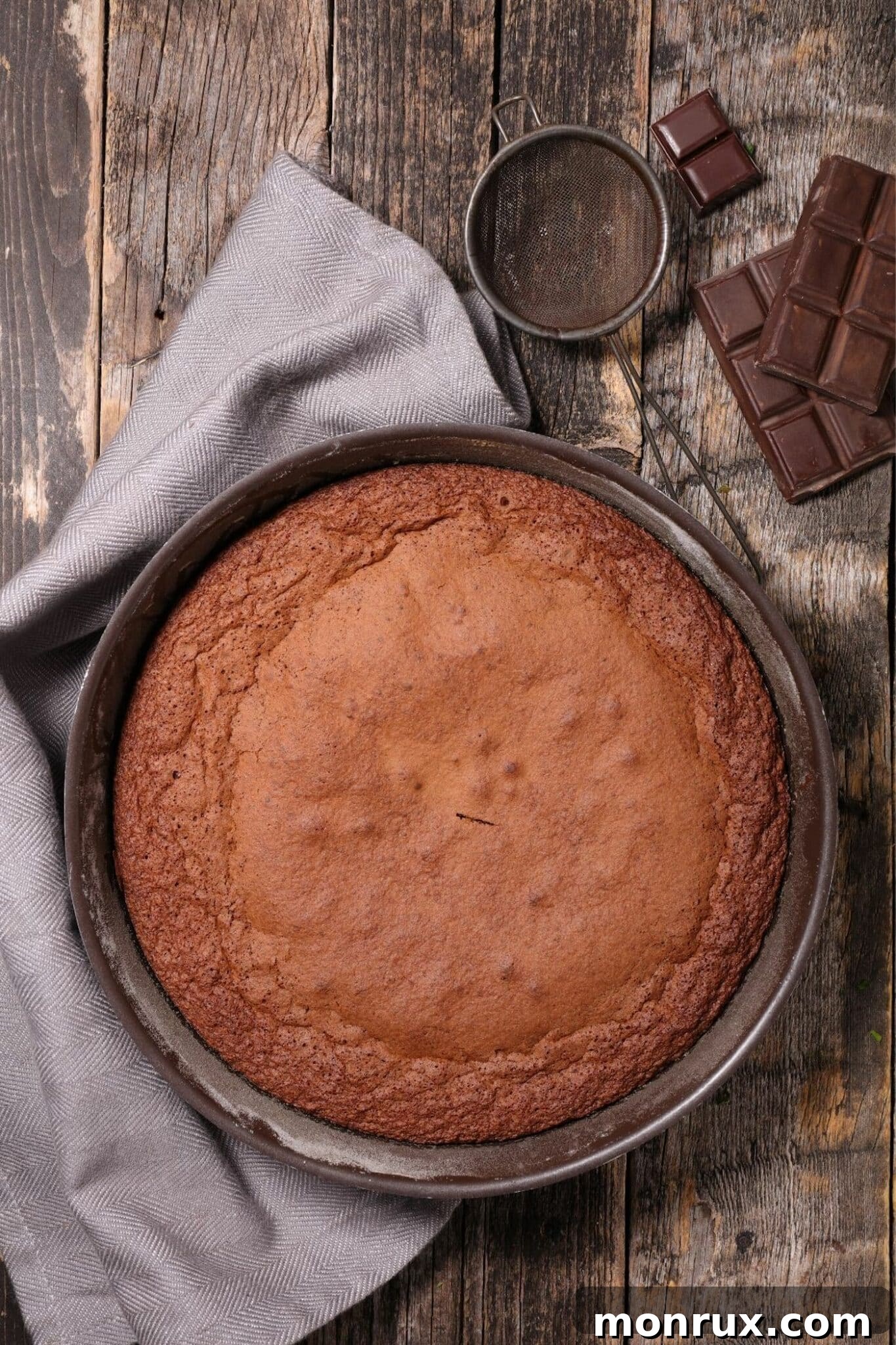
Step-by-Step Recipe Instructions
Follow these detailed steps to bake your irresistibly moist and fudgy dairy-free chocolate cake. Exact measurements and a comprehensive list of instructions can be found in the recipe card below.
Step One: Preheat Oven and Prepare Pans
Begin by preheating your oven to 350°F (175°C). This ensures the oven is at the correct temperature when your batter is ready, promoting an even rise. Next, thoroughly prepare your two 8-inch round cake pans. Generously grease the insides of each pan with dairy-free butter or a baking spray. Then, cut rounds of parchment paper to fit the bottoms of the pans precisely and place them in. This crucial step prevents sticking and ensures your beautiful cake layers release easily after baking. Set the prepared cake pans aside.
Step Two: Combine Dry Ingredients
In your large mixing bowl, combine all the dry ingredients: the all-purpose flour (or gluten-free blend), granulated sugar, unsweetened cocoa powder, baking powder, baking soda, and salt. Gently whisk these ingredients together for about 30 seconds to a minute. This step is important for evenly distributing the leavening agents and flavorings, preventing pockets of unmixed ingredients and ensuring a consistent texture in your finished cake.
Step Three: Incorporate Wet Ingredients and Hot Water
To the whisked dry ingredients, add the wet components: the large eggs (or flax eggs for a vegan version), vanilla extract, avocado oil, and dairy-free milk. Begin to mix these together gently. Once partially combined, pour in the hot water. Continue to whisk the mixture until the batter is smooth and no dry streaks remain. Be careful not to overmix; mix just until everything is incorporated. The batter will be quite thin, which is perfectly normal for this moist cake.
Step Four: Bake and Initial Cooling
Divide the smooth chocolate cake batter evenly between your two prepared cake pans. Transfer them to the preheated oven and bake for approximately 20 to 25 minutes. To check for doneness, insert a toothpick into the center of each cake; it should come out clean or with a few moist crumbs attached. Once baked, remove the cakes from the oven and allow them to cool in their pans on a wire rack for about 15-20 minutes. This initial cooling helps the cakes firm up and makes them less prone to breaking when removed.
Step Five: Final Cooling and Frosting Preparation
After the initial cooling period in the pans, gently run a butter knife around the edges of each cake to loosen them. Then, carefully invert the cakes onto a cooling rack or wire rack to allow them to cool completely. This is a critical step; frosting a warm cake will cause the frosting to melt. While your cakes are cooling, prepare the rich dairy-free chocolate frosting. In a clean mixing bowl, beat the softened dairy-free butter, unsweetened cocoa powder, vanilla extract, and a pinch of salt with a handheld electric mixer until the mixture is light and fluffy. Gradually add the powdered sugar, about half a cup at a time, beating well after each addition until smooth. Finally, add one to two tablespoons of dairy-free milk, a little at a time, until the frosting reaches your desired creamy, spreadable consistency.
Step Six: Frost and Enjoy!
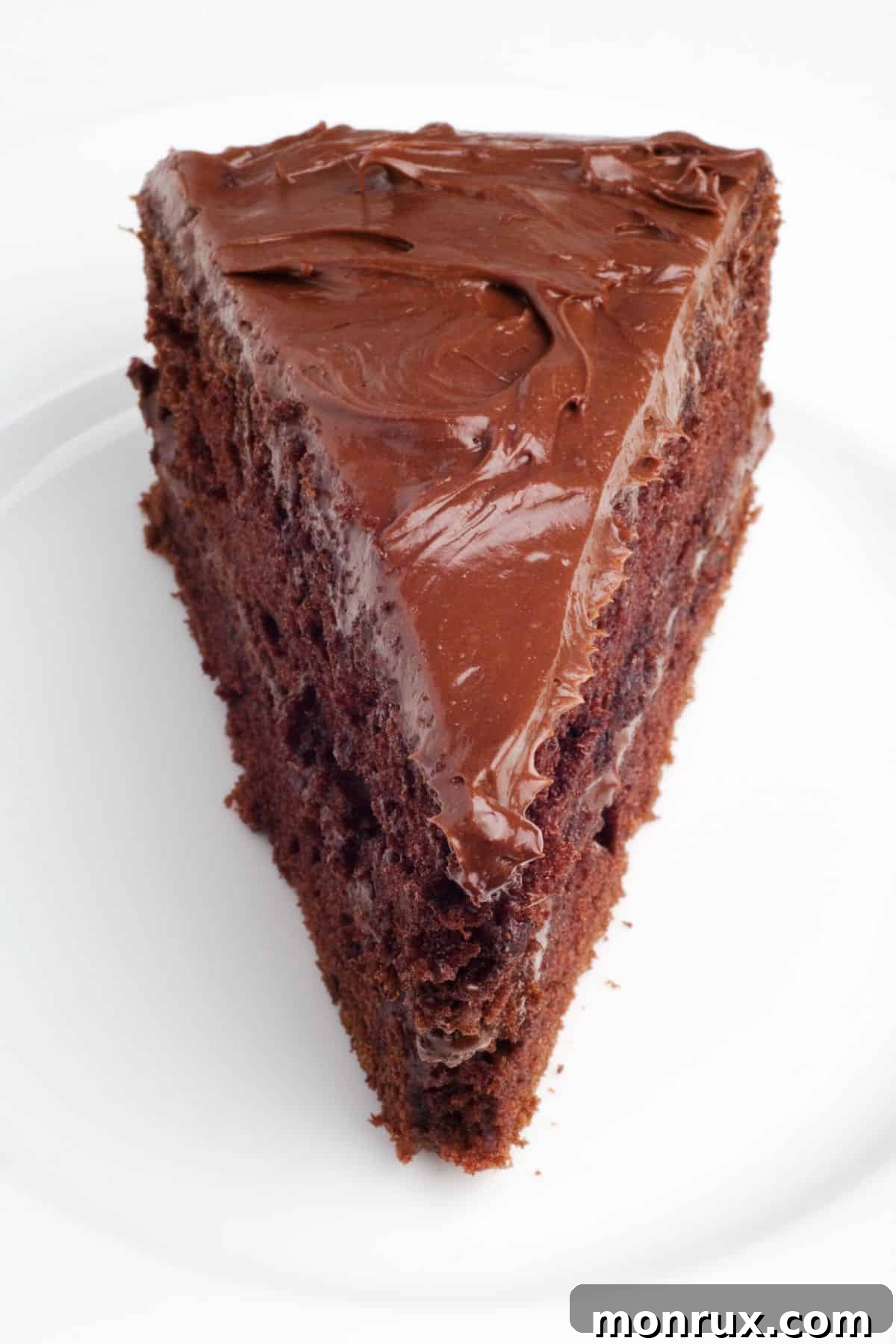
Once your cake layers are completely cool to the touch and your frosting is perfectly prepared, it’s time for the best part – assembly and decoration! Place one cake layer on your serving plate, spread an even layer of frosting on top, then carefully place the second cake layer on. Cover the entire cake with the remaining frosting, smoothing it out with an offset spatula or creating decorative swirls. This cake is utterly delicious on its own, but it would also be fantastic served with a side of Strawberry Sauce or garnished with fresh sliced strawberries on top for a burst of color and fresh flavor.
Expert Baking Tips for Success
Achieving a perfect dairy-free chocolate cake every time is easy with a few key tips. These insights will help ensure your cake is moist, flavorful, and rises beautifully.
- Don’t Overfill Your Pans: A common mistake is overfilling the cake pans. Regardless of the pan size or shape you choose, always ensure you only fill it about two-thirds to three-quarters full with batter. This critical step allows the cakes ample room to rise properly without overflowing or sinking in the middle.
- Gluten-Free Flour Choices: If you’re opting for a gluten-free chocolate cake, a high-quality 1-to-1 gluten-free flour blend is essential. As mentioned, Bob’s Red Mill 1-to-1 Gluten-Free Baking Flour is an excellent choice known for its reliable results and texture similar to traditional flour. Ensure your blend contains xanthan gum or add it separately if not included.
- Dairy-Free Milk Selection: You have a variety of dairy-free milk options for this recipe. While most will work well, consider the flavor profile. Unsweetened almond milk or soy milk are fantastic neutral choices. Oat milk adds a slight creaminess, and cashew milk can provide richness. Coconut milk, especially full-fat, will impart a subtle coconut flavor, which can be a delightful addition if you enjoy it, but it typically won’t overpower the intense chocolate.
- Sugar Alternatives: While granulated sugar provides a classic sweet profile, coconut sugar is a wonderful substitute. It introduces a delicious caramel-like note and depth of flavor that complements the chocolate beautifully. Keep in mind it may give the cake a slightly darker hue and a marginally denser texture.
- Do Not Overmix: After combining your wet and dry ingredients, mix the batter just until no streaks of dry flour remain. Overmixing develops the gluten in the flour (even in gluten-free blends, it can affect texture), which can lead to a tough, dense, or rubbery cake. A light hand and a whisk are your best friends here.
- Room Temperature Ingredients: For the best emulsion and evenly mixed batter, ensure your eggs, dairy-free milk, and dairy-free butter (for frosting) are at room temperature. This allows them to combine more smoothly and trap air effectively, contributing to a lighter cake and fluffier frosting.
- Cool Completely Before Frosting: This cannot be stressed enough! Frosting a warm cake is a recipe for disaster, as the frosting will melt and slide off. Allow your cake layers to cool completely on a wire rack for several hours, or even chill them in the refrigerator, especially if your kitchen is warm.
- Test for Doneness Accurately: Begin checking your cakes for doneness around the 20-minute mark. Overbaking can lead to a dry cake. A toothpick inserted into the center should come out clean or with a few moist crumbs, but no wet batter.
- Invest in Good Quality Cocoa: The quality of your cocoa powder directly impacts the depth of flavor in your chocolate cake. A high-quality unsweetened cocoa powder will make a noticeable difference in richness and color.
Frequently Asked Questions About Dairy-Free Chocolate Cake
Here are some common questions and helpful answers regarding this delightful dairy-free chocolate cake recipe:
Absolutely! There are two ways to achieve a stunning three-layer cake. You can either divide the existing batter into three equally sized cake pans, resulting in thinner, delicate layers, or, for three standard-sized cake layers, you can multiply all the ingredients in the recipe by 1.5. This will give you enough batter and frosting for a taller, more impressive cake.
As written, this recipe is vegetarian and dairy-free, but not entirely vegan because it contains eggs. However, it’s incredibly easy to make it a fully vegan chocolate cake! Simply substitute the two large eggs with two flax eggs. To prepare one flax egg, combine one tablespoon of flaxseed meal with two tablespoons of water, stir, and let it sit for 5-10 minutes until it thickens into a gelatinous consistency. Ensure your dairy-free butter for the frosting is also certified vegan.
Yes, you certainly can use regular dairy butter for the frosting if you prefer. However, please remember that if you do so, the cake and frosting will no longer be dairy-free. If your goal is to maintain an allergy-friendly, dairy-free dessert but you don’t have vegan butter, you might consider an alternative dairy-free frosting recipe that doesn’t rely on a butter substitute, such as a chocolate ganache made with full-fat canned coconut milk.
To maintain its freshness and moisture, store any leftover dairy-free chocolate cake in an airtight container at room temperature for up to 3 days. For longer storage, or if your kitchen is particularly warm, you can refrigerate it for up to 5-7 days. Just be sure to bring it back to room temperature before serving for the best texture and flavor.
Yes, this dairy-free chocolate cake freezes beautifully! You can freeze the unfrosted cake layers wrapped tightly in plastic wrap and then aluminum foil for up to 2-3 months. Thaw them overnight in the refrigerator before frosting. You can also freeze individual slices of frosted cake by placing them on a baking sheet to harden slightly, then wrapping each slice tightly in plastic wrap and foil. Thaw at room temperature for a delicious treat whenever a craving strikes.
A dry cake is often a sign of overbaking. Ensure you’re checking for doneness precisely at the recommended baking time by inserting a toothpick. It should come out clean or with moist crumbs, not completely dry. Another factor can be too much flour; always measure flour by weight if possible, or use the “spoon and level” method rather than scooping directly from the bag.
Absolutely! This versatile recipe is perfect for cupcakes. Line a cupcake tin with paper liners and fill each about two-thirds full. The baking time will be shorter, typically around 18-22 minutes. Test for doneness with a toothpick, just as you would for a full cake. This recipe yields about 24 standard-sized cupcakes.
Why Choose Dairy-Free Baking?
Opting for dairy-free baking, especially for a classic like chocolate cake, offers numerous benefits beyond simply accommodating allergies. For individuals with lactose intolerance, dairy allergies, or sensitive digestive systems, dairy-free alternatives provide a delicious way to enjoy desserts without discomfort. Furthermore, many plant-based milks and butter substitutes contain fewer saturated fats and cholesterol compared to their dairy counterparts, making them a healthier choice for heart-conscious diets. Beyond health benefits, dairy-free baking is also an excellent option for those following a vegan lifestyle or simply looking to incorporate more plant-based foods into their diet for ethical or environmental reasons. This recipe proves that you don’t need dairy to achieve an incredibly moist, rich, and satisfying chocolate cake experience.
Variations and Customizations
While this dairy-free chocolate cake is perfect as is, it’s also a fantastic canvas for your creativity. Feel free to experiment with these delicious variations:
- Coffee Boost: For an even deeper chocolate flavor, add 1-2 teaspoons of instant espresso powder to the dry ingredients. Coffee enhances chocolate without making the cake taste like coffee.
- Mint Chocolate: Add 1/2 teaspoon of pure mint extract to the cake batter and 1 teaspoon to the frosting for a refreshing mint chocolate twist. Green food coloring can be added to the frosting for visual appeal.
- Orange Zest: The combination of orange and chocolate is classic. Add 1 tablespoon of fresh orange zest to the cake batter for a bright, citrusy note that beautifully complements the rich chocolate.
- Chocolate Chips: Fold 1/2 cup of dairy-free chocolate chips into the batter before baking for an extra chocolatey explosion in every bite.
- Different Frostings: While our chocolate buttercream is divine, consider other dairy-free frostings like a simple vanilla buttercream (using vegan butter), a creamy peanut butter frosting (using dairy-free butter and peanut butter), or a light coconut whipped cream.
- Add a Filling: Between the layers, consider adding a dairy-free raspberry jam, a cherry compote, or even a layer of chopped fresh strawberries for added flavor and texture.
Storage and Freezing Tips
Proper storage is key to enjoying your delicious dairy-free chocolate cake for days. Here’s how to keep it fresh:
- Room Temperature: An uncut cake, or slices stored in an airtight container, will stay fresh and moist at room temperature for up to 3 days. Keep it away from direct sunlight or heat sources.
- Refrigeration: If you live in a warm climate, or for extended freshness, you can refrigerate the cake in an airtight container for up to 5-7 days. It’s best to allow refrigerated cake to come to room temperature for about 30 minutes before serving, as the frosting and cake will soften to their ideal texture.
- Freezing Cake Layers (Unfrosted): Wrap individual unfrosted cake layers tightly in plastic wrap, then an additional layer of aluminum foil. This prevents freezer burn. Store in the freezer for up to 2-3 months. Thaw overnight in the refrigerator, then bring to room temperature before frosting and serving.
- Freezing Frosted Slices: For convenient single servings, place individual slices of frosted cake on a plate or baking sheet and freeze for about 30 minutes until the frosting is firm. Then, wrap each slice tightly in plastic wrap, followed by aluminum foil. Freeze for up to 1 month. Thaw at room temperature for a quick dessert.
More Dairy-Free Desserts to Love
If you enjoyed this dairy-free chocolate cake, you’ll be thrilled to discover other delectable dairy-free treats from our kitchen. Expand your repertoire of allergy-friendly desserts with these fantastic recipes:
- Air Fryer Banana Fritters
- Vegan Pumpkin Brownies
- Dairy-Free Banana Pudding
- Avocado Chocolate Pudding
- Gluten Free Dairy Free Vanilla Cupcakes
- Gluten-Free Dairy-Free Banana Cake
Don’t Miss These DF Chocolate Recipes!
We truly hope you enjoy making this incredible recipe! If you do, please leave a comment and a starred review below to let us know your thoughts. Your feedback is invaluable!
And, don’t forget to connect with us on social media to stay updated with more delicious clean eating recipes and wellness tips. You can find us on Facebook, Pinterest, Instagram, and YouTube!
Print Recipe
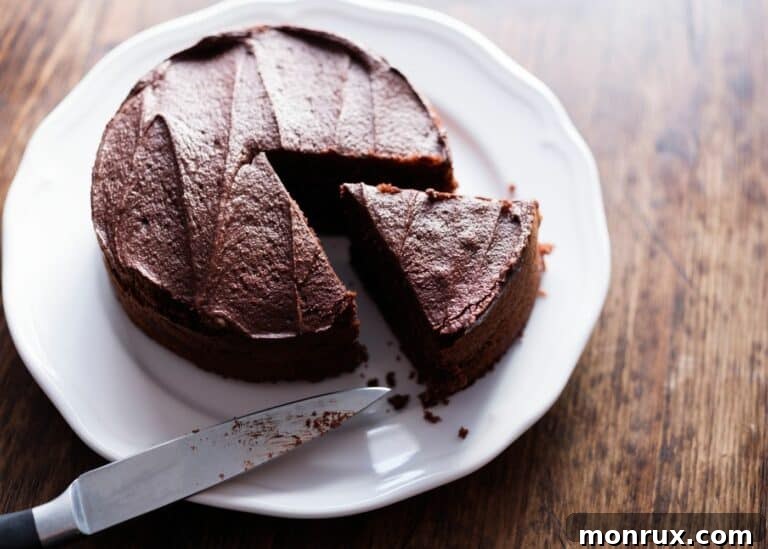
Dairy-Free Chocolate Cake With Chocolate Frosting
5 from 1 review
Looking for an allergy-friendly chocolate cake for a birthday or special event? This delicious Dairy-Free Chocolate Cake is incredibly moist and fudgy. You’ll be amazed it’s made without any milk or dairy products, and it comes with an easy gluten-free option too!
- Total Time: 60 minutes
- Yield: 15 servings
Ingredients
Batter
- 1 1/2 cups all-purpose flour (or a gluten-free 1-to-1 blend)
- 1 1/2 cups granulated sugar
- 1/2 teaspoon baking powder
- 1 1/2 teaspoons baking soda
- 1/2 teaspoon salt
- 3/4 cup unsweetened cocoa powder
- 2 large eggs (or 2 flax eggs for vegan)
- 1 teaspoon vanilla extract
- 1/2 cup avocado oil or light olive oil
- 1/2 cup dairy-free milk of your choice (unsweetened almond milk recommended)
- 1 cup hot water
Frosting
- 1/2 cup dairy-free butter, softened
- 1/4 cup unsweetened cocoa powder
- 1 teaspoon vanilla extract
- 1/4 teaspoon salt
- 3 cups powdered sugar
- 1 to 2 tablespoons dairy-free milk (unsweetened almond milk recommended)
Instructions
- Preheat the oven to 350°F (175°C). Grease two 8-inch round cake pans with dairy-free butter or baking spray.
- Cut out round pieces of parchment paper to fit the bottom of each pan and line the pans with them.
- In a large bowl, combine the flour, cocoa powder, sugar, baking powder, baking soda, and salt. Whisk gently until well combined.
- Add the eggs, vanilla extract, oil, and dairy-free milk to the dry ingredients.
- Pour in the hot water and whisk gently until the batter is smooth and no dry streaks remain. Be careful not to overmix.
- Divide the batter evenly between the two prepared cake pans.
- Bake for 20 – 25 minutes, or until a toothpick inserted into the center of each cake comes out clean or with a few moist crumbs.
- Remove the cakes from the oven and allow them to cool in the pans for about 15-20 minutes.
- Gently run a butter knife around the outside of each cake to loosen it, then flip it upside down onto a cooling rack to cool completely. This can take 1-2 hours.
- While your cakes are cooling, prepare the frosting:
- In a clean mixing bowl, beat the softened dairy-free butter, cocoa powder, vanilla extract, and salt with a handheld mixer until light and fluffy.
- Gradually incorporate the powdered sugar, a little at a time, beating well after each addition until smooth.
- If needed, add 1 to 2 tablespoons of dairy-free milk, a teaspoon at a time, until the frosting reaches your desired creamy, spreadable consistency.
- Once the cakes have cooled completely and your frosting is ready, frost them generously and enjoy your delicious dairy-free chocolate cake!
Notes
- Remember to ensure you only fill the pan with batter up to three-quarters full, no matter what pan or pans you use. This prevents overflow and ensures proper rise.
- Start checking on the cakes from around 20 minutes; you don’t want to overbake them, as this can lead to a dry cake!
- Don’t over-mix your batter; only mix it until the ingredients are just incorporated. Overmixing can develop gluten, making the cake texture quite dense or rubbery.
- You can use any reliable 1-to-1 gluten-free flour blend if you need this cake to be gluten-free. Brands like Bob’s Red Mill are excellent choices.
- You can use any dairy-free milk. If it’s one with a strong flavor like full-fat coconut milk, it may slightly alter the cake’s taste, but you will likely not notice it due to the intense chocolate flavor. Unsweetened almond or soy milk are great neutral options.
- Coconut sugar is an excellent substitute for regular granulated sugar, adding a lovely caramel note and depth of flavor.
- Ensure all ingredients, especially eggs and dairy-free milk, are at room temperature for a smoother batter and better rise.
- For easy frosting, ensure your cake layers are completely cooled. Even slight warmth will cause the frosting to melt.
- Author: Carrie Forrest, MPH in Nutrition
- Prep Time: 20 minutes
- Cook Time: 20 minutes
- Category: Dessert
- Method: Oven
- Cuisine: Dairy-Free
- Diet: Vegetarian
Nutrition
- Serving Size: 1/15 of recipe
- Calories: 360
- Sugar: 43.7 g
- Sodium: 262.4 mg
- Fat: 15 g
- Saturated Fat: 5.3 g
- Carbohydrates: 57.2 g
- Fiber: 2.1 g
- Protein: 3.3 g
- Cholesterol: 41.1 mg
Don’t forget to join my newsletter list to get exclusive clean eating recipes and tips delivered straight to your inbox. The newsletter is 100% free with no spam; you can unsubscribe anytime.
About the Author: Carrie Forrest holds a master’s degree in public health with a specialty in nutrition and is a certified holistic nutritionist. She is a highly regarded wellness and food blogger, attracting over 5 million annual visitors to her site. Carrie shares an inspiring story of recovery from chronic illness and is deeply passionate about empowering other women to transform their health. Feel free to send her a message through her contact form for any questions or collaborations.