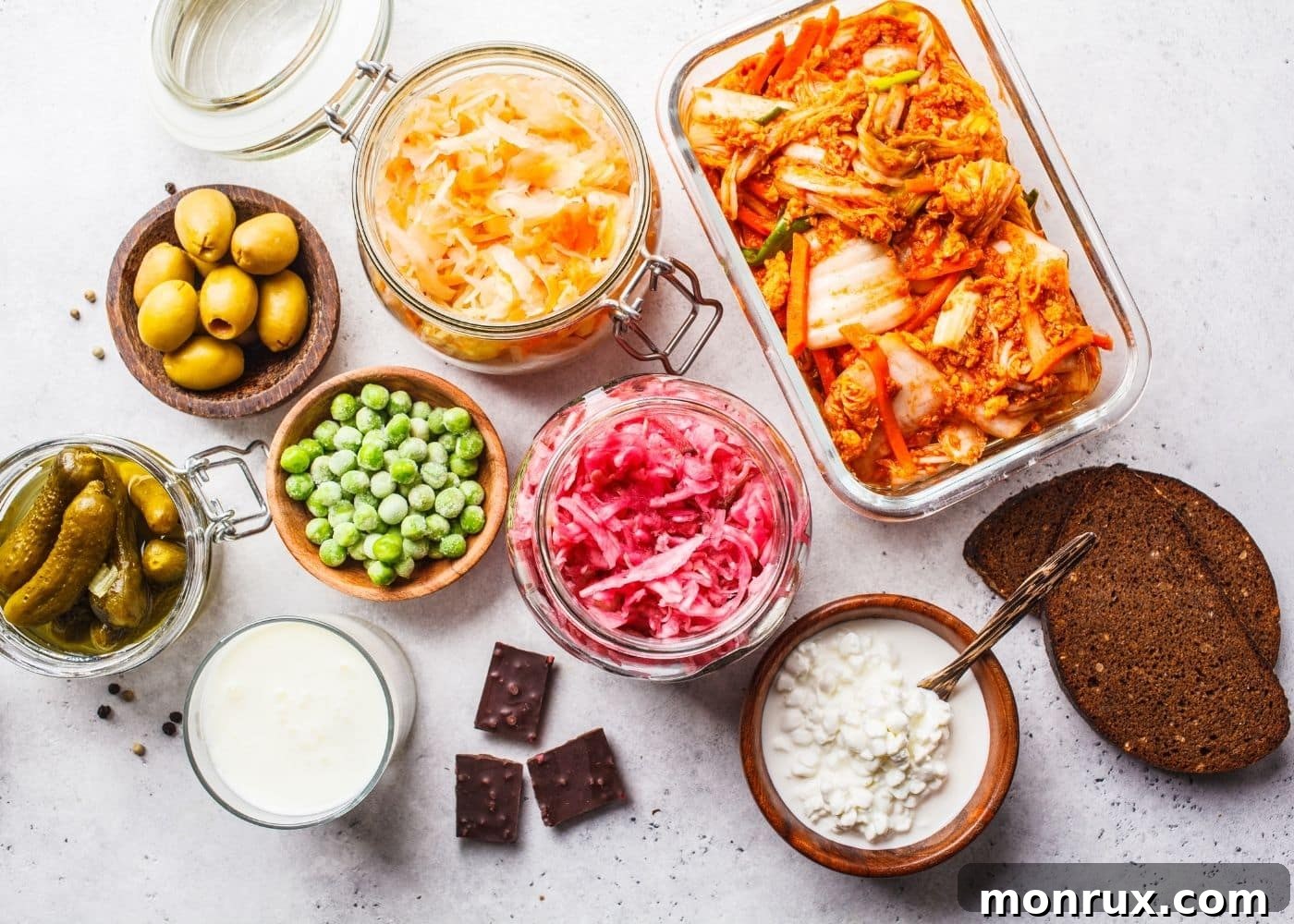
Probiotics are living microorganisms that, when consumed in adequate amounts, confer a health benefit to the host. They are often hailed as cornerstones of a balanced diet, crucial for nurturing a thriving internal ecosystem. This comprehensive guide will explore the profound benefits of incorporating probiotics into your daily routine and highlight the most potent food sources rich in these essential live cultures. From ancient fermentation traditions to modern culinary delights, discovering natural probiotics can significantly enhance your digestive wellness and overall vitality.
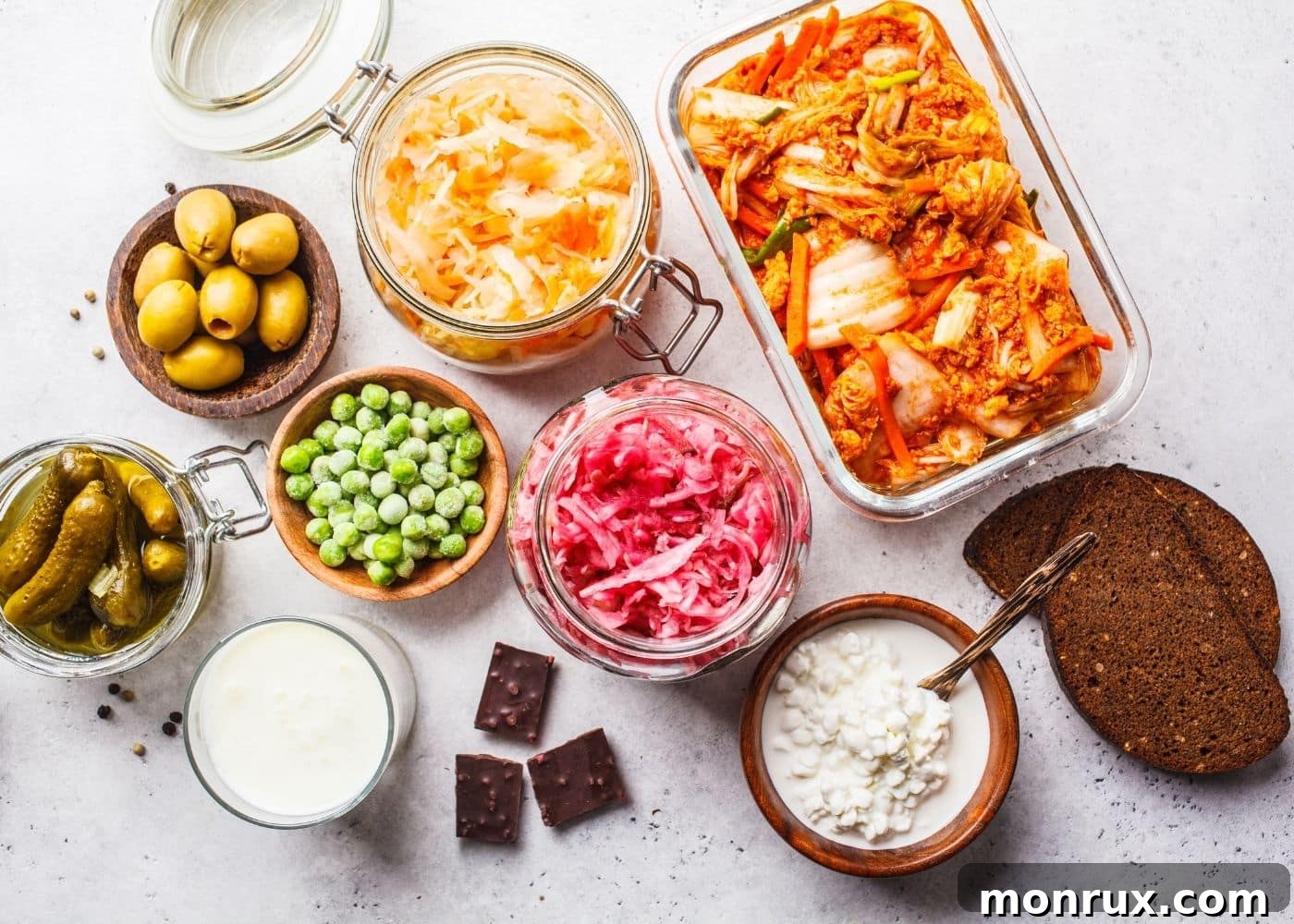
Introduction to Probiotics
Our bodies are home to trillions of microorganisms, collectively known as the microbiome, with the gut microbiome being particularly vital. A diverse and balanced gut flora is paramount for numerous bodily functions, influencing everything from digestion and nutrient absorption to immune response and even mood. Probiotics, often referred to as “good bacteria,” play a critical role in maintaining this delicate balance, outcompeting harmful bacteria and reinforcing the gut barrier. Incorporating a variety of probiotic-rich foods into your diet is an effective and delicious way to support a healthy gut.
The Power of Fermented Foods
Many of the best sources of natural probiotics come from fermented foods. Fermentation is an ancient process, practiced across cultures for millennia, initially as a method of food preservation. This transformative process involves beneficial bacteria (and sometimes yeast) breaking down carbohydrates in food, converting them into organic acids, gases, or alcohol. It’s during this biological alchemy that foods become teeming with live, healthy bacteria, enhancing their nutritional profile and shelf life.
Beyond preservation, fermentation increases the bioavailability of nutrients, making vitamins and minerals easier for your body to absorb. It can also break down compounds that are difficult to digest, such as lactose in dairy or certain components in legumes, potentially reducing digestive discomfort for some individuals. The result is a diverse array of tangy, flavorful foods that are not only delicious but also profoundly beneficial for your gut health.
Let’s delve into ten of the most potent probiotic foods that can naturally enrich your gut microbiome. If you’re struggling with specific digestive challenges, you might also find this article on best gut healing foods particularly helpful.
Top Natural Probiotic Foods for Optimal Gut Health
1. Sauerkraut
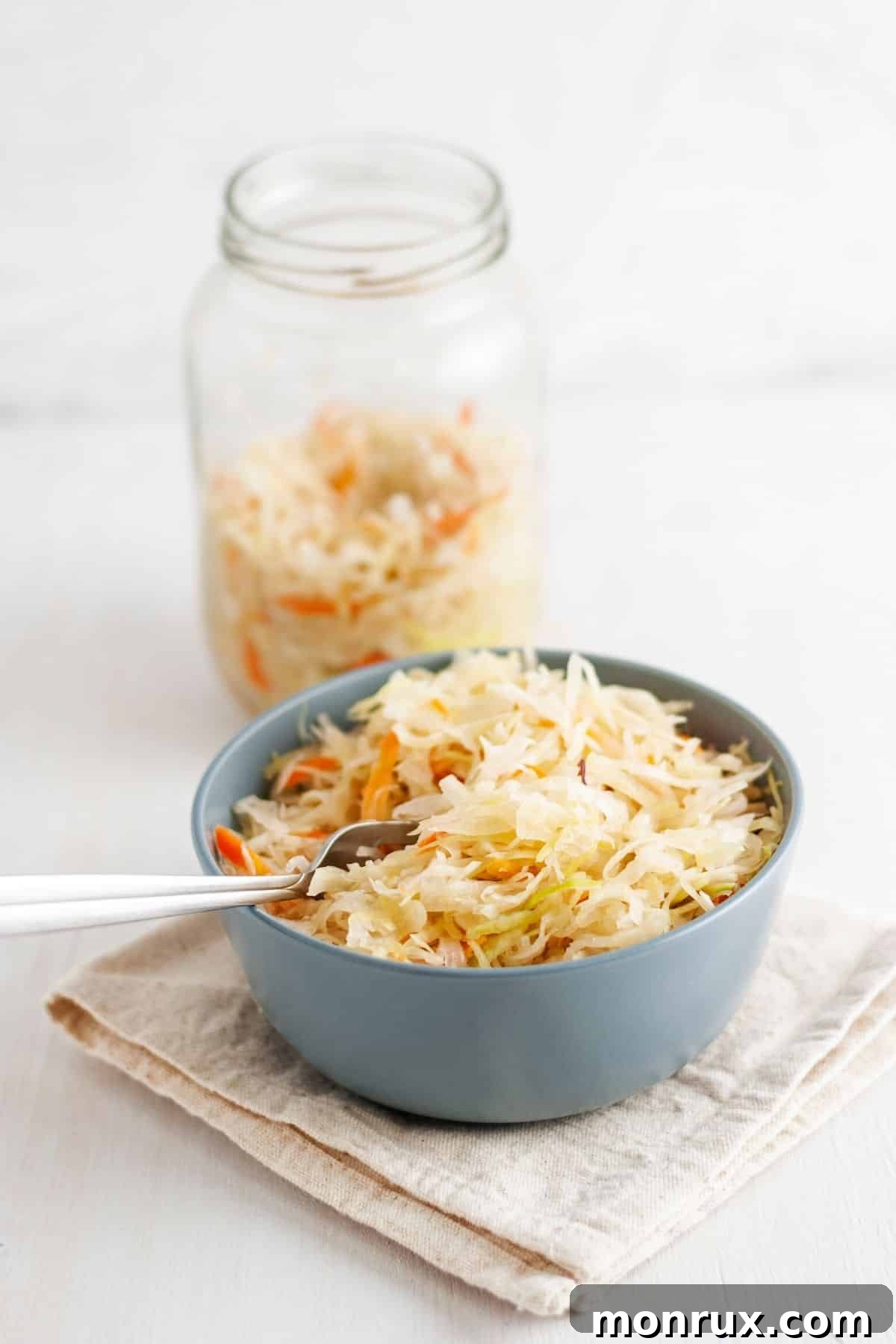
Sauerkraut, meaning “sour cabbage” in German, is a classic fermented food with origins tracing back to Asia before becoming a staple in European cuisines. Made simply from finely shredded cabbage and salt, this humble dish undergoes lacto-fermentation, a process that populates it with various beneficial Lactobacillus bacteria. These strains contribute significantly to its probiotic content and distinctive tangy flavor.
Beyond its probiotic power, sauerkraut is a nutritional powerhouse, boasting high levels of Vitamins C and K, as well as B vitamins and even some Vitamin A. Its crunchy texture and sour taste make it an excellent condiment or side dish, pairing well with meats, sandwiches, or salads. When purchasing sauerkraut, always opt for raw, unpasteurized versions found in the refrigerated section of your grocery store. The label should explicitly state “live and active cultures” to ensure you’re getting the beneficial bacteria. Heat pasteurization kills these precious microorganisms, rendering the sauerkraut probiotic-deficient.
2. Kefir
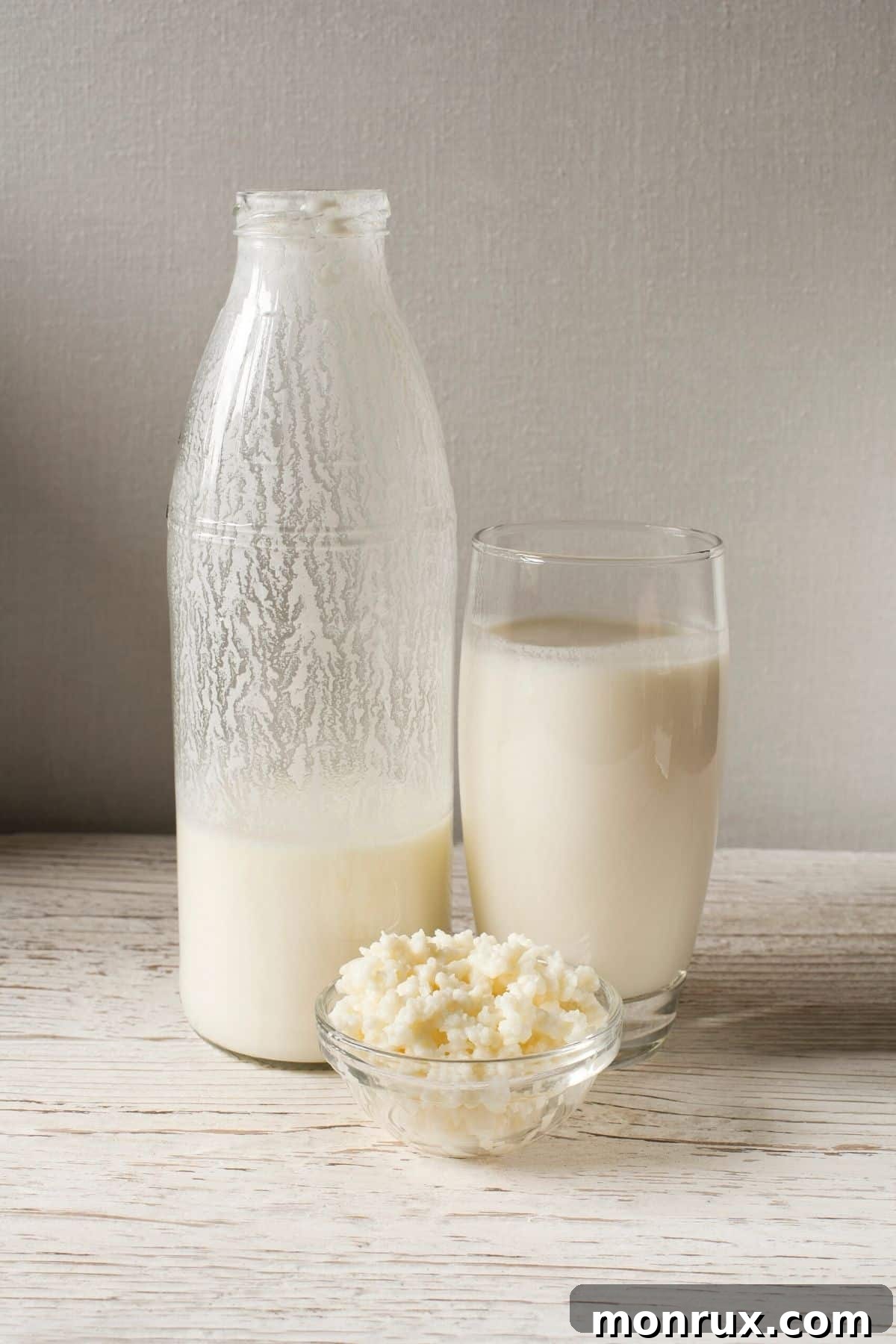
Kefir is a fermented milk drink with a creamy texture and a slightly effervescent, tangy taste, originating from the Caucasus Mountains. It’s produced by fermenting milk (cow, goat, or sheep) with kefir grains – a symbiotic culture of bacteria and yeast (SCOBY). These “grains” are not actual cereal grains but rather a cluster of microorganisms resembling small cauliflower florets.
What sets kefir apart is its remarkably diverse and potent probiotic profile, often containing a wider range of bacterial strains and yeasts than yogurt, including the unique Lactobacillus kefiri. This makes it an incredibly effective food for promoting gut health. For those avoiding dairy, water kefir grains can be used to ferment sugar water or fruit juice, offering a dairy-free alternative equally rich in probiotics. Kefir is also a good source of B vitamins, calcium, magnesium, and phosphorus. Enjoy it plain, blend it into smoothies, or use it as a base for salad dressings.
3. Kimchi
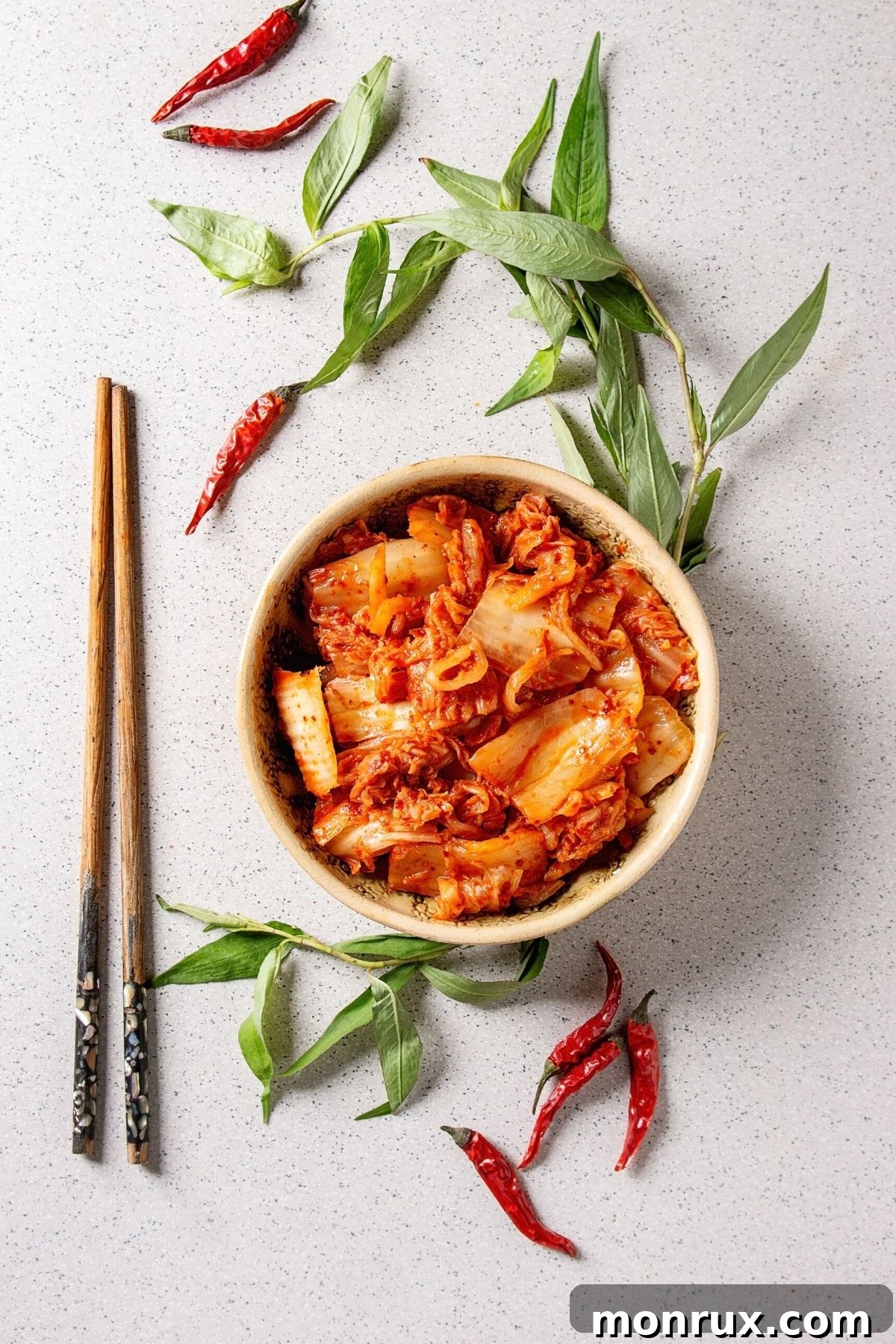
A staple of Korean cuisine, kimchi is a vibrant, spicy, and tangy fermented vegetable dish, typically made from napa cabbage and Korean radish, seasoned with a mix of gochugaru (chili powder), garlic, ginger, scallions, and other spices. The fermentation process, similar to sauerkraut, relies on lactic acid bacteria, including strains like Lactobacillus kimchii, making it an excellent source of live cultures.
Kimchi is not only prized for its probiotic content but also for its rich nutritional value. It’s packed with vitamins A, C, and various B vitamins, as well as fiber. The fermentation process further enhances the bioavailability of these nutrients. Its complex flavor profile makes it a versatile ingredient – enjoyed as a side dish with almost every Korean meal, incorporated into stews, fried rice, or even as a topping for savory dishes. Look for raw, refrigerated kimchi with “active cultures” to ensure maximum probiotic benefits, or embark on the rewarding journey of making your own at home.
4. Miso
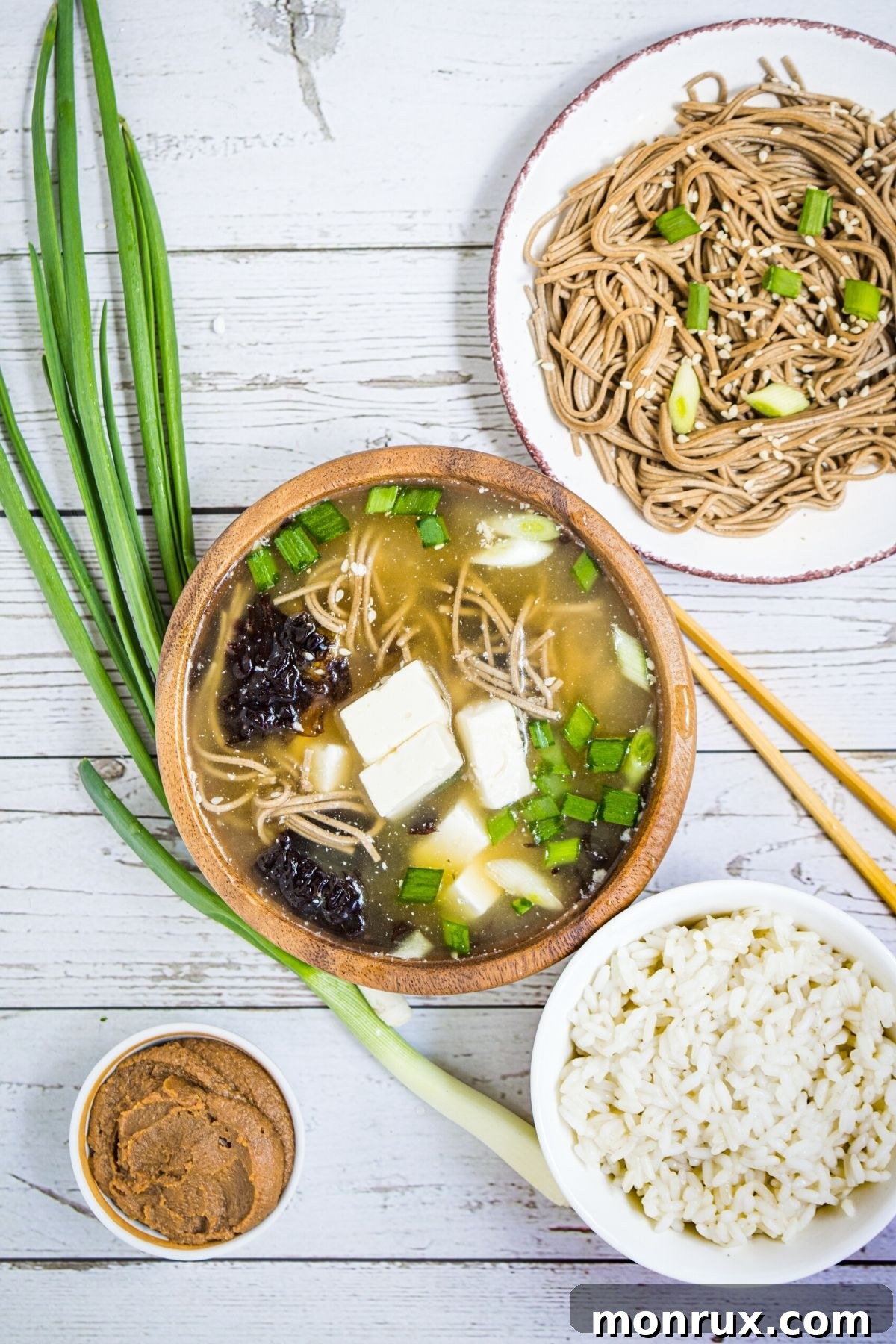
Miso is a traditional Japanese seasoning paste produced by fermenting soybeans with salt and koji (a fungus, Aspergillus oryzae), often mixed with rice, barley, or other grains. The fermentation can last from a few months to several years, resulting in a distinct salty, earthy, and savory (umami) flavor profile that varies in color and intensity (e.g., white, yellow, red miso).
This paste is not only a culinary delight but also a valuable source of probiotics and numerous essential nutrients. Miso is rich in protein, fiber, manganese, copper, zinc, and Vitamin K. The fermentation process aids in breaking down antinutrients found in soybeans, making the nutrients more accessible and potentially reducing the negative effects associated with unfermented soy products. Miso is most famously used to make miso soup, a staple in Japanese cuisine, but it also shines in marinades, dressings, glazes, and stir-fries. To preserve its probiotic content, avoid boiling miso; instead, stir it into dishes after they’ve been removed from heat.
5. Yogurt
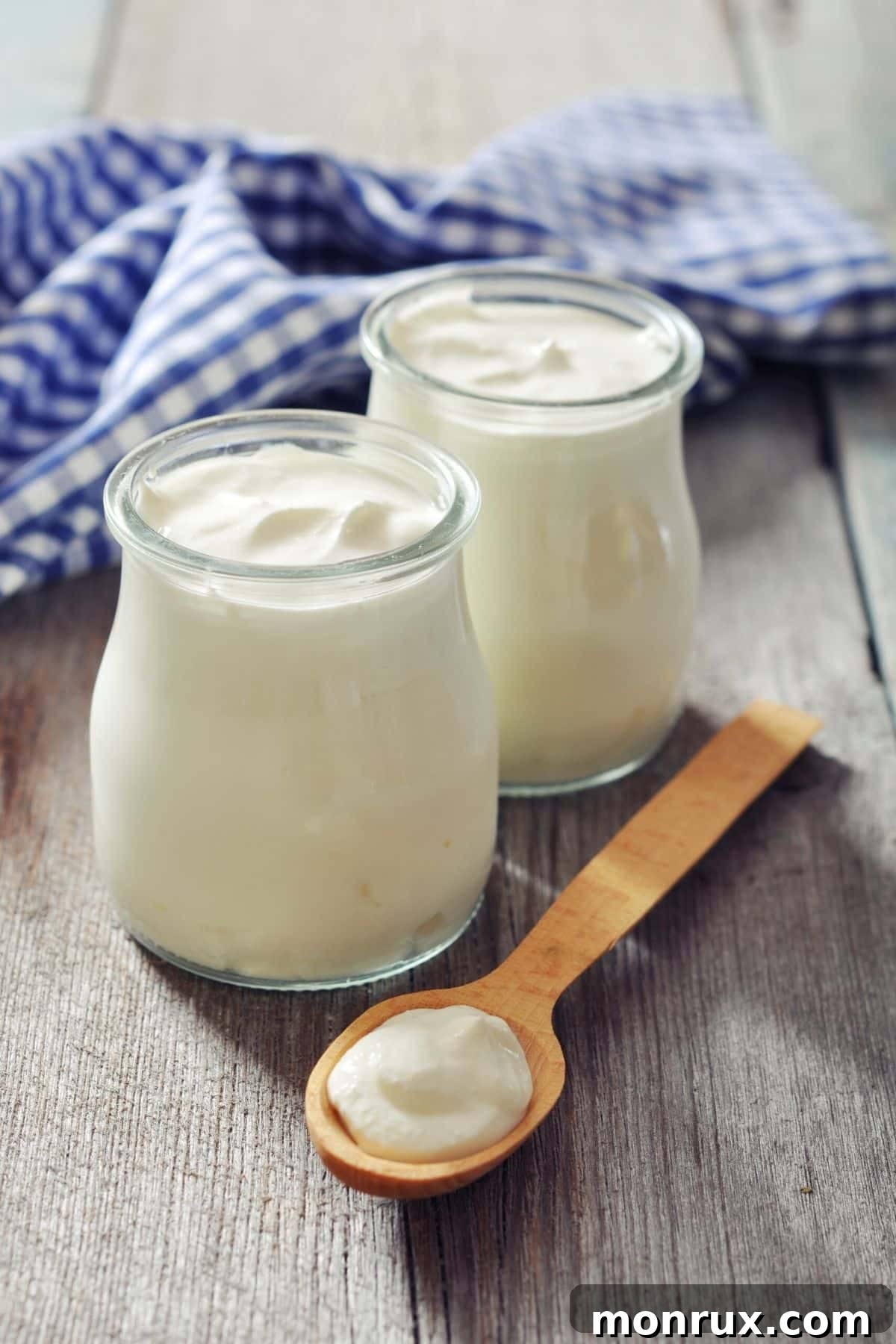
Perhaps the most globally recognized probiotic food, yogurt has been a dietary staple for thousands of years. It’s produced by fermenting milk (typically cow’s, but also goat, sheep, or various plant-based milks like coconut, almond, or oat) using specific bacterial cultures, primarily Lactobacillus bulgaricus and Streptococcus thermophilus. These live cultures convert lactose into lactic acid, giving yogurt its characteristic tangy flavor and thick texture.
For individuals with lactose sensitivity, this fermentation process can make yogurt easier to digest than unfermented milk products, as the bacteria break down much of the lactose. Beyond probiotics, dairy-based yogurt is an excellent source of calcium, potassium, phosphorus, riboflavin, and vitamins D and K. When selecting yogurt, prioritize plain, unsweetened varieties that explicitly state “live and active cultures” on the label. Avoid yogurts loaded with sugar, artificial flavors, or excessive fruit purees, as these can counteract the health benefits. Greek yogurt offers an added bonus of higher protein content. Incorporate yogurt into your breakfast, smoothies, or as a healthy snack. Discover more ways to enjoy it with my list of gut health smoothies.
6. Tempeh
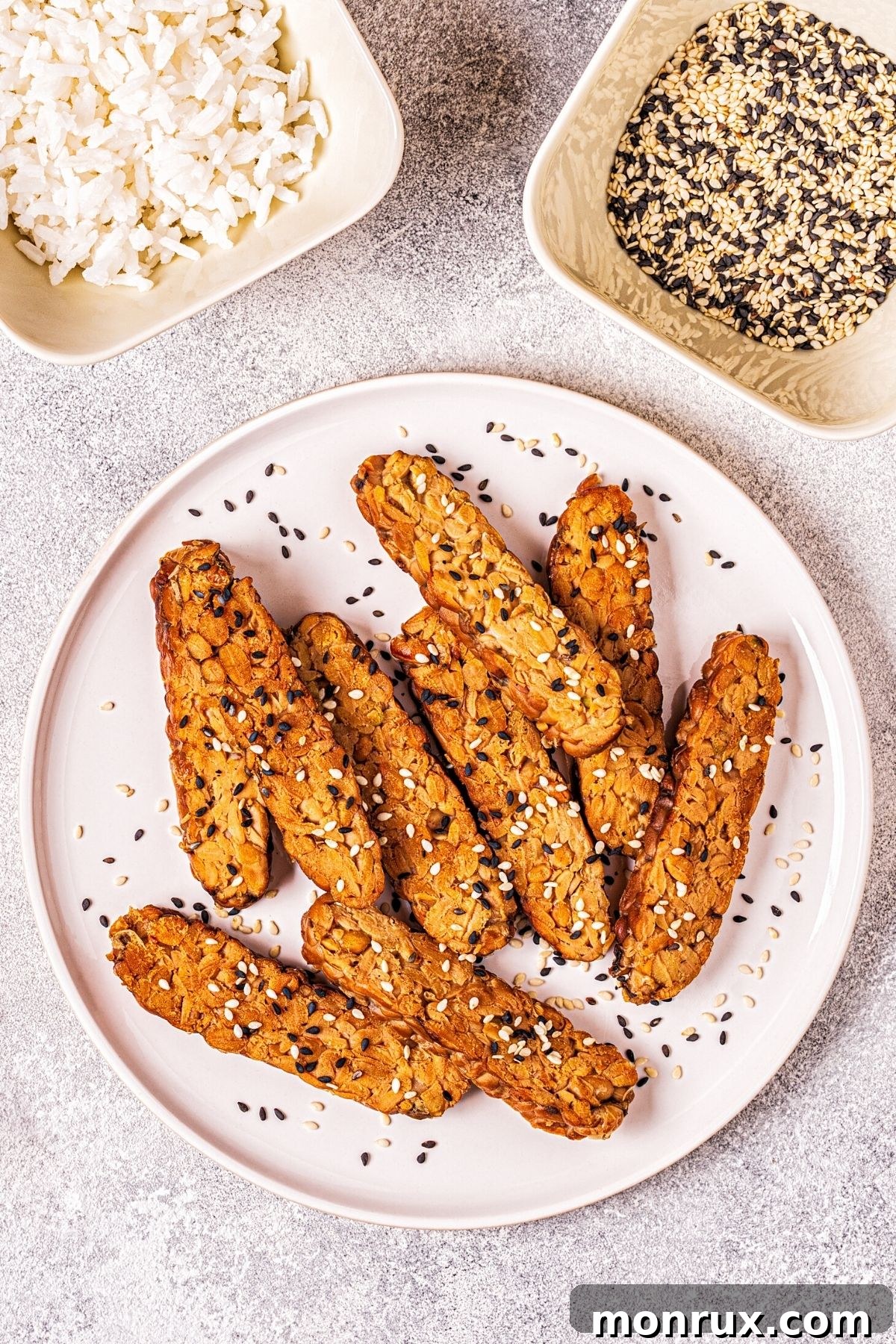
Hailing from Indonesia, tempeh is a unique fermented soybean product formed into a firm, dense cake or patty. It’s made by fermenting cooked soybeans with a starter culture, typically Rhizopus oligosporus, which binds the beans together with a white mycelial mat. This fermentation process transforms the soybeans, imparting a nutty, earthy flavor and a distinctive chewy texture.
Tempeh is celebrated for its impressive nutritional profile, making it a favorite among vegetarians and vegans as a high-protein meat alternative. It’s rich in complete protein, dietary fiber, and a host of essential vitamins and minerals, including B vitamins and Vitamin K. More importantly, the fermentation makes the soybeans significantly more digestible and increases the bioavailability of nutrients, as beneficial probiotic strains like Lactobacillus plantarum thrive during the process. This also helps mitigate some of the potential downsides of unfermented soy. Tempeh readily absorbs flavors, making it excellent for marinating, grilling, frying, or crumbling into dishes as a savory ingredient. For those mindful of soy intake, fermented options like tempeh and miso are generally considered safer ways to consume soy.
7. Kombucha

Kombucha is a popular, effervescent fermented tea beverage with ancient origins in East Asia. It’s made by fermenting sweetened black or green tea using a SCOBY (Symbiotic Culture of Bacteria and Yeast). During fermentation, the SCOBY consumes the sugar and produces a range of beneficial compounds, including acetic acid, gluconic acid, and various bacterial strains, giving kombucha its characteristic tangy, slightly sweet, and often vinegar-like flavor, along with a natural fizz.
While the exact probiotic strains can vary, kombucha typically contains a diverse array of bacteria and yeasts, contributing to its reputation as a gut-healthy drink. It’s also known for containing antioxidants from the tea and small amounts of B vitamins and Vitamin C. Many people enjoy kombucha as a refreshing alternative to sugary sodas or alcoholic beverages, appreciating its unique taste and potential health benefits for overall well-being. While more research is always emerging, its natural probiotic content and refreshing qualities make it a valuable addition to a gut-friendly diet. Why not try my recipe for Sparkling Kombucha Lemonade?
8. Fermented Vegetables
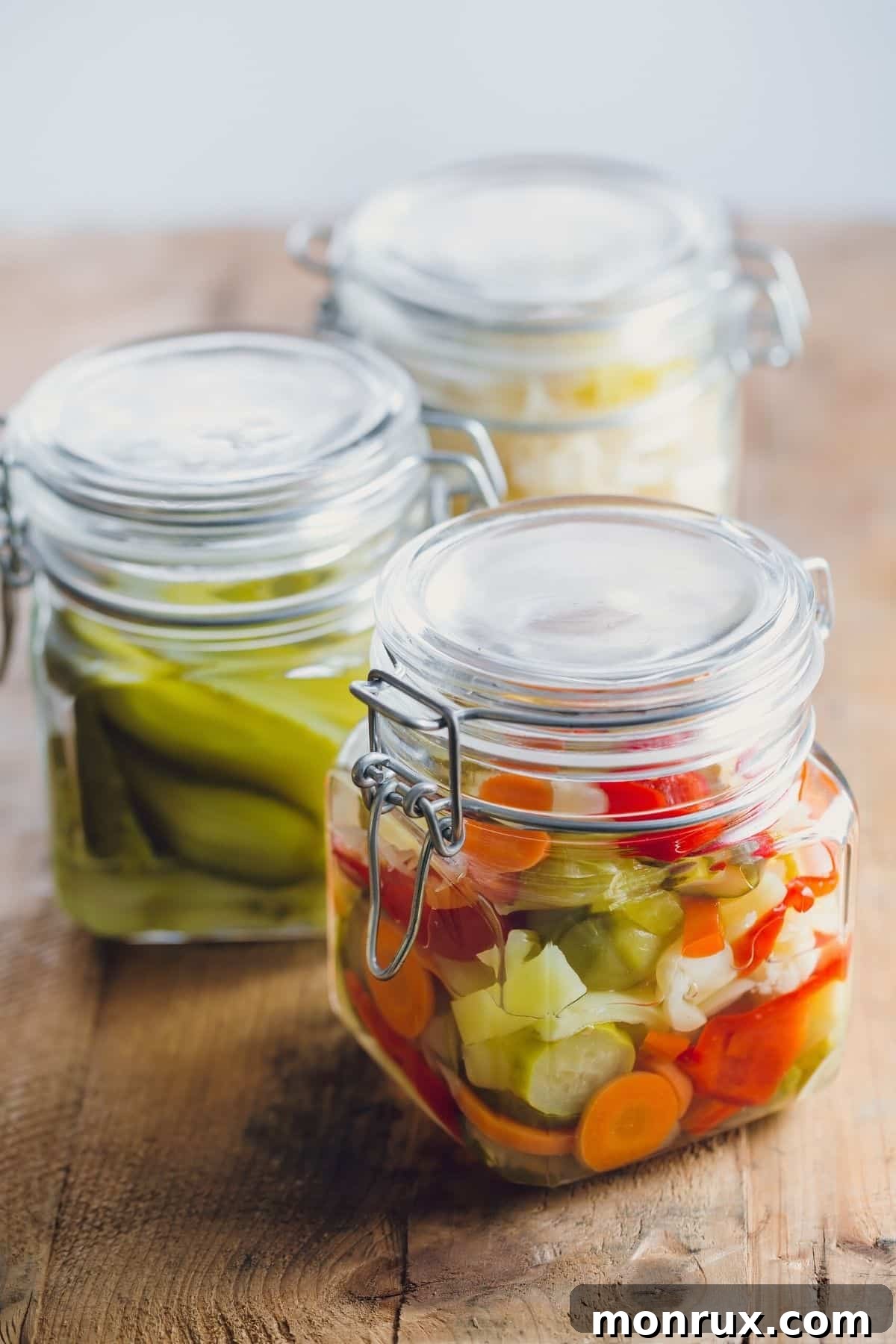
Beyond cabbage-based sauerkraut and kimchi, a vast world of fermented vegetables awaits! Almost any vegetable can be lacto-fermented, offering an accessible and delicious way to increase your intake of natural probiotics. Popular examples include pickles (fermented cucumbers, distinct from vinegar-brined ones), carrots, beets, green beans, and even garlic.
The fermentation process not only enriches these vegetables with beneficial bacteria but also makes their inherent vitamins, minerals, and fiber more bioavailable. For instance, fermented pickles, when prepared using brine fermentation, become a fantastic source of live cultures, aiding digestion and supporting gut health. However, it’s crucial to distinguish between true fermented pickles and commercially produced pickles that are often made with vinegar and heat-processed, which kills any beneficial bacteria. When shopping, look for fermented vegetables in the refrigerated section, and check labels for “live and active cultures” or “unpasteurized.” Better yet, making your own fermented vegetables at home is a simple and rewarding process that guarantees live probiotic content and allows for creative flavor combinations.
9. Raw Cheese
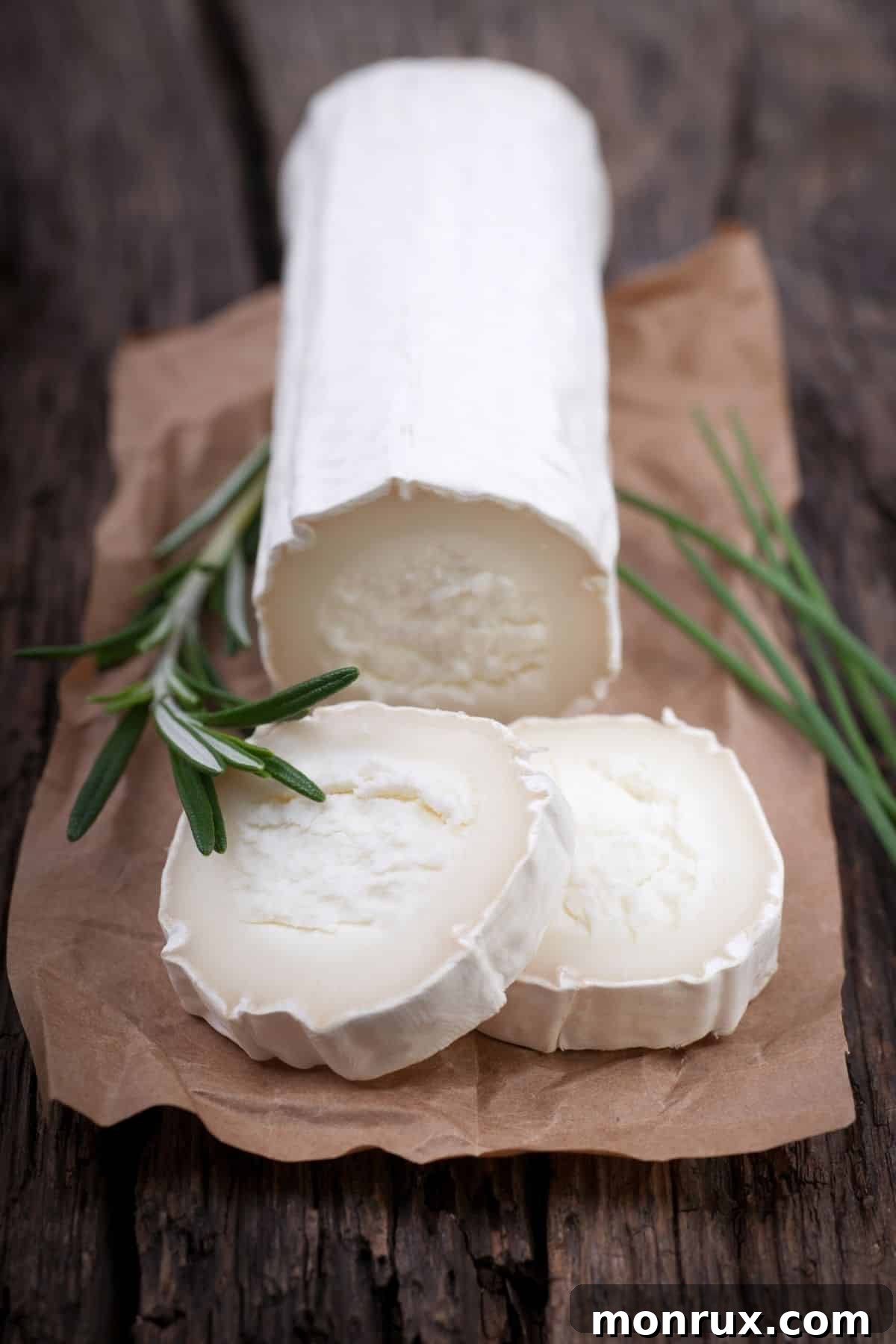
Not all cheeses are created equal when it comes to probiotic content. Unpasteurized, or “raw,” cheese, made from unheated milk, retains the naturally occurring bacteria, yeasts, and molds that are present in the milk and contribute to its unique flavor and texture profile. Unlike pasteurized cheeses, where heat treatment kills off most microorganisms (good and bad), raw cheeses allow these beneficial cultures to thrive, making them a delicious source of probiotics.
Common examples of raw cheeses that may contain probiotics include traditional cheddar, Gruyère, provolone, and some artisanal goat or sheep cheeses. Beyond probiotics, raw cheese is rich in calcium, protein, and beneficial fats. When sourcing raw cheese, ensure it comes from reputable producers who adhere to strict safety standards, as unpasteurized products carry a higher risk if not properly handled. For those following a dairy-free diet, several vegan cheese alternatives are now available that incorporate added probiotics, offering a plant-based option for boosting gut health.
10. Natto
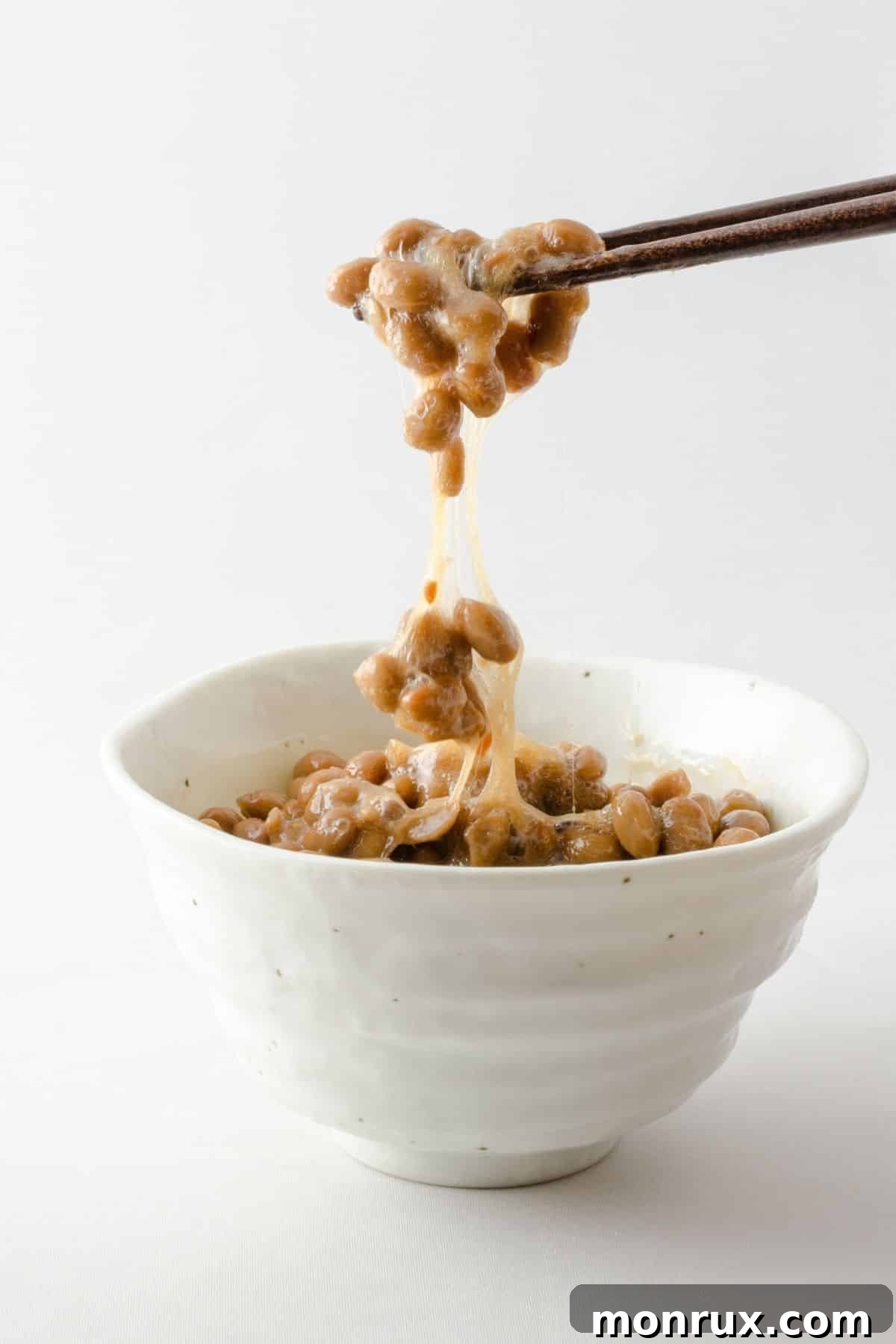
Natto is another powerhouse among fermented foods, particularly popular in Japan as a breakfast dish or condiment. Made from whole soybeans fermented with the bacterium Bacillus subtilis natto, it possesses a distinctive pungent aroma, a strong umami flavor, and a famously sticky, stringy texture that can be an acquired taste for many. However, its impressive health benefits often outweigh its polarizing characteristics.
Natto is exceptionally rich in Vitamin K2 (menaquinone-7), a crucial nutrient for bone health and cardiovascular well-being, which is often scarce in Western diets. It also provides a significant amount of B vitamins, calcium, and dietary fiber. Unique to natto is the enzyme nattokinase, which has been extensively studied for its potential role in promoting healthy blood circulation and preventing cardiovascular disease. Despite its unique sensory profile, incorporating natto into your diet can offer profound benefits, especially for those seeking potent natural probiotics and robust nutritional support.
BONUS: Sourdough Bread
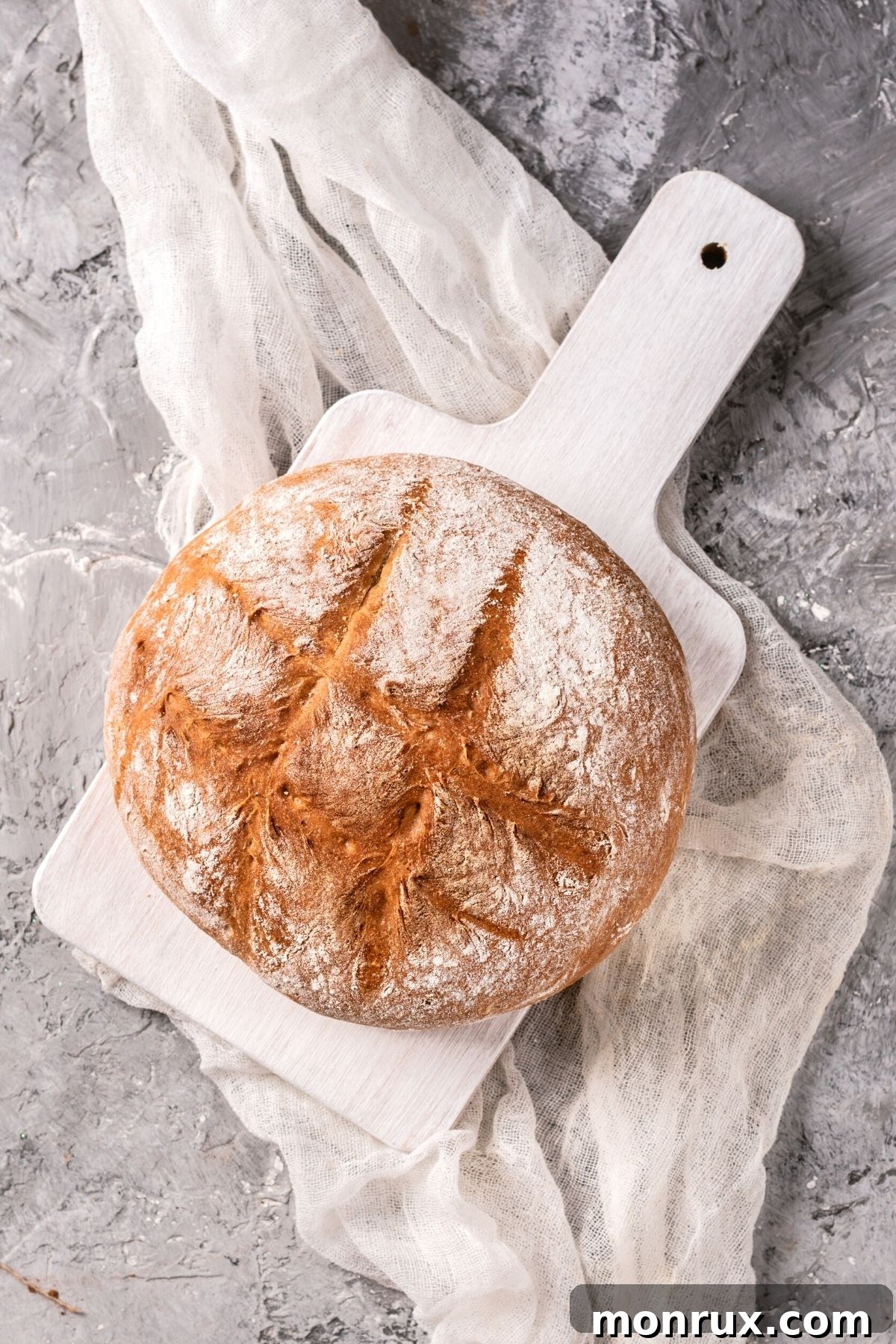
While sourdough bread is a product of fermentation, its probiotic contribution is a nuanced topic. True sourdough is made using a “starter” – a living culture of wild yeasts and lactic acid bacteria that ferment the flour. This long, slow fermentation process is what gives sourdough its characteristic tangy flavor and chewy texture, and it brings several health benefits. However, the high temperatures involved in baking sourdough bread typically kill off most of the beneficial live bacteria.
Despite not being a direct source of live probiotics, sourdough fermentation still makes bread more digestible for many. The bacteria in the starter predigest some of the carbohydrates and proteins, including gluten, potentially making it easier on sensitive stomachs. Additionally, the fermentation process helps break down phytic acid, an anti-nutrient found in grains that can inhibit the absorption of minerals. This means that while you won’t get live probiotics from baked sourdough, you’ll still benefit from enhanced nutrient bioavailability and improved digestibility, making it a gut-friendly bread choice.
Understanding the Benefits of Probiotics
The role of probiotics extends far beyond just aiding digestion; they are foundational to holistic health. These tiny, living microorganisms, when introduced into the gut, contribute to the balance and diversity of the gut flora, which is essential for numerous physiological processes:
- Enhanced Digestive Health: Probiotics help break down food, synthesize vitamins, and absorb nutrients. They are instrumental in alleviating common digestive issues such as bloating, gas, constipation, and diarrhea, particularly that associated with antibiotic use. Specific strains can also support conditions like Irritable Bowel Syndrome (IBS).
- Strengthened Immune System: A significant portion of your immune system resides in your gut. Probiotics communicate with immune cells, helping to regulate and bolster the body’s defenses against pathogens. A balanced gut microbiome can lead to a more robust immune response, potentially reducing the frequency and severity of infections.
- Improved Nutrient Absorption: By maintaining a healthy gut lining and aiding in the breakdown of food, probiotics ensure that your body can efficiently absorb essential vitamins and minerals from your diet. They can also produce certain vitamins, such as B vitamins and Vitamin K.
- Support for Mental Well-being: The intricate connection between the gut and the brain, known as the gut-brain axis, is a growing area of research. Probiotics can influence mood and cognitive function by impacting neurotransmitter production (like serotonin, much of which is produced in the gut) and reducing systemic inflammation.
- Skin Health: An imbalanced gut microbiome can sometimes manifest as skin issues. By fostering a healthy gut environment, probiotics can indirectly contribute to clearer skin and may help manage conditions like acne, eczema, and psoriasis.
- Maintaining Gut Barrier Integrity: Probiotics help reinforce the gut lining, making it less permeable. This is crucial in preventing “leaky gut,” a condition where the gut lining becomes compromised, allowing undigested food particles and toxins to enter the bloodstream, potentially triggering inflammation and various health problems.
Understanding these multifaceted benefits underscores why integrating probiotic-rich foods is a proactive step towards maintaining a healthy and vibrant body. For comprehensive guidance on addressing gut issues, explore resources like the Leaky Gut Diet, complete with a meal plan.
Natural Probiotics and Ancestral Diets
When we talk about natural probiotics, we often refer to the beneficial microorganisms found not only in fermented foods but also in our natural environment. For millennia, humans evolved in close contact with soil-based organisms, consuming trace amounts of organic dirt on unwashed vegetables or through incidental exposure while working or playing outdoors. These environmental microbes played a significant role in populating our ancestors’ guts with diverse and resilient beneficial bacteria.
Our modern sterile environments and highly processed diets have drastically reduced our exposure to these natural sources of probiotics, leading to a less diverse gut microbiome for many. Reconnecting with these ancestral practices, whether through gardening, spending time in nature, or consciously selecting traditionally prepared foods, can help us reintroduce a broader spectrum of microorganisms into our bodies.
While probiotic supplements are widely available and can be beneficial, relying on a variety of probiotic foods offers a holistic approach. Food sources typically contain a more diverse range of strains and often come packaged with prebiotics (fibers that feed probiotics) and other essential nutrients, creating a synergistic effect that supports overall gut health. Explore more about embracing ancient eating patterns in my article on How to Follow an Ancestral Diet.
Frequently Asked Questions About Probiotic Foods
Yes, unpasteurized apple cider vinegar (ACV) that contains “the mother” (a cloudy substance at the bottom of the bottle) does contain natural probiotics due to its fermentation process. This fermented vinegar is especially rich in acetic acid bacteria, including Acetobacter, Komagataeibacter, and Gluconobacter, along with some lactic acid bacteria like Lactobacillus and Oenococcus.
However, ACV is very acidic and should always be consumed diluted. While beneficial, it shouldn’t be relied upon as your sole or primary source of probiotics, as you would need to consume significant, potentially irritating, amounts to reap substantial probiotic benefits. It’s best used as a complementary digestive aid and for its other health properties.
No, bananas themselves do not contain live probiotics. However, they are an excellent source of prebiotics, particularly resistant starch, which is more abundant in green, unripe bananas. Prebiotics are non-digestible fibers that act as “food” for the beneficial probiotic bacteria already residing in your gut. This symbiotic relationship—where probiotics consume prebiotics—is essential for fostering a healthy and diverse gut microbiome.
Other excellent natural food sources of prebiotics include chicory root, garlic, onions, leeks, asparagus, oats, apples, and almonds.
For many healthy individuals, consistently incorporating a wide variety of probiotic-rich foods into their daily diet can provide sufficient beneficial bacteria to support gut health. The advantage of food sources is that they often come with a diverse range of strains, prebiotics, and other essential nutrients that work synergistically. However, individual needs vary greatly based on factors like diet, lifestyle, antibiotic use, stress levels, and existing health conditions. If you have specific health concerns, are recovering from illness, or have a compromised gut microbiome, a high-quality probiotic supplement might be a valuable addition. It’s always best to consult with your doctor or a qualified healthcare provider to determine whether you need additional probiotic support beyond your diet.
There’s a fantastic array of dairy-free probiotic foods available, making it easy to support your gut health even if you avoid dairy. Many of the foods highlighted in this article are naturally dairy-free, including sauerkraut, kimchi, miso, tempeh, natto, and most fermented vegetables like pickles. Additionally, plant-based yogurts and kefirs made from coconut, almond, cashew, or oat milk are increasingly popular and often fortified with live and active cultures. Kombucha is another excellent dairy-free fermented beverage. When choosing dairy-free options, always check the label to ensure they contain “live and active cultures” to guarantee the probiotic benefits. If you opt for a probiotic supplement, double-check the ingredients list, as some may contain dairy-derived components.
The timeframe for probiotics to show effects can vary widely among individuals and depends on several factors, including the specific strains consumed, the dose, the individual’s existing gut microbiome, and the health issue being addressed. Some people may notice digestive improvements within a few days or weeks of consistent intake, while for others, it might take several months to experience significant changes. The key is consistency and variety. Regular consumption of diverse probiotic-rich foods, combined with a diet rich in prebiotic fibers, creates the optimal environment for beneficial bacteria to flourish and exert their positive effects over time.
Further Resources for Gut Health
Conclusion
Embracing the rich world of natural probiotic foods is a delightful and effective way to cultivate a thriving gut microbiome and support your overall health. From the tangy crunch of sauerkraut to the comforting warmth of miso soup, and the zesty fizz of kombucha, there’s a probiotic-rich option to suit every palate and culinary preference. By diversifying your diet with these fermented powerhouses, you introduce a wide spectrum of beneficial bacteria that work synergistically to enhance digestion, bolster immunity, improve nutrient absorption, and even influence mood.
Remember that variety is key: aim to incorporate several different types of fermented foods regularly, along with an abundance of prebiotic-rich plant foods, to create a truly supportive environment for your gut flora. While food sources are often the preferred route for obtaining probiotics, individual needs may vary. Always consider consulting with your healthcare provider or a registered nutritionist to tailor the best approach for your unique health journey.
Don’t forget to join my newsletter list to get exclusive clean eating recipes and tips. The newsletter is 100% free with no spam; unsubscribe anytime.
About the Author: Carrie Forrest has a master’s degree in public health with a specialty in nutrition and is a certified holistic nutritionist. She is a top wellness and food blogger with over 5 million annual visitors to her site. Carrie has an incredible story of recovery from chronic illness and is passionate about helping other women transform their health. Send her a message through her contact form.
Note: this post is for informational purposes only and is not intended as medical advice. Please consult your healthcare provider for recommendations related to your individual situation.