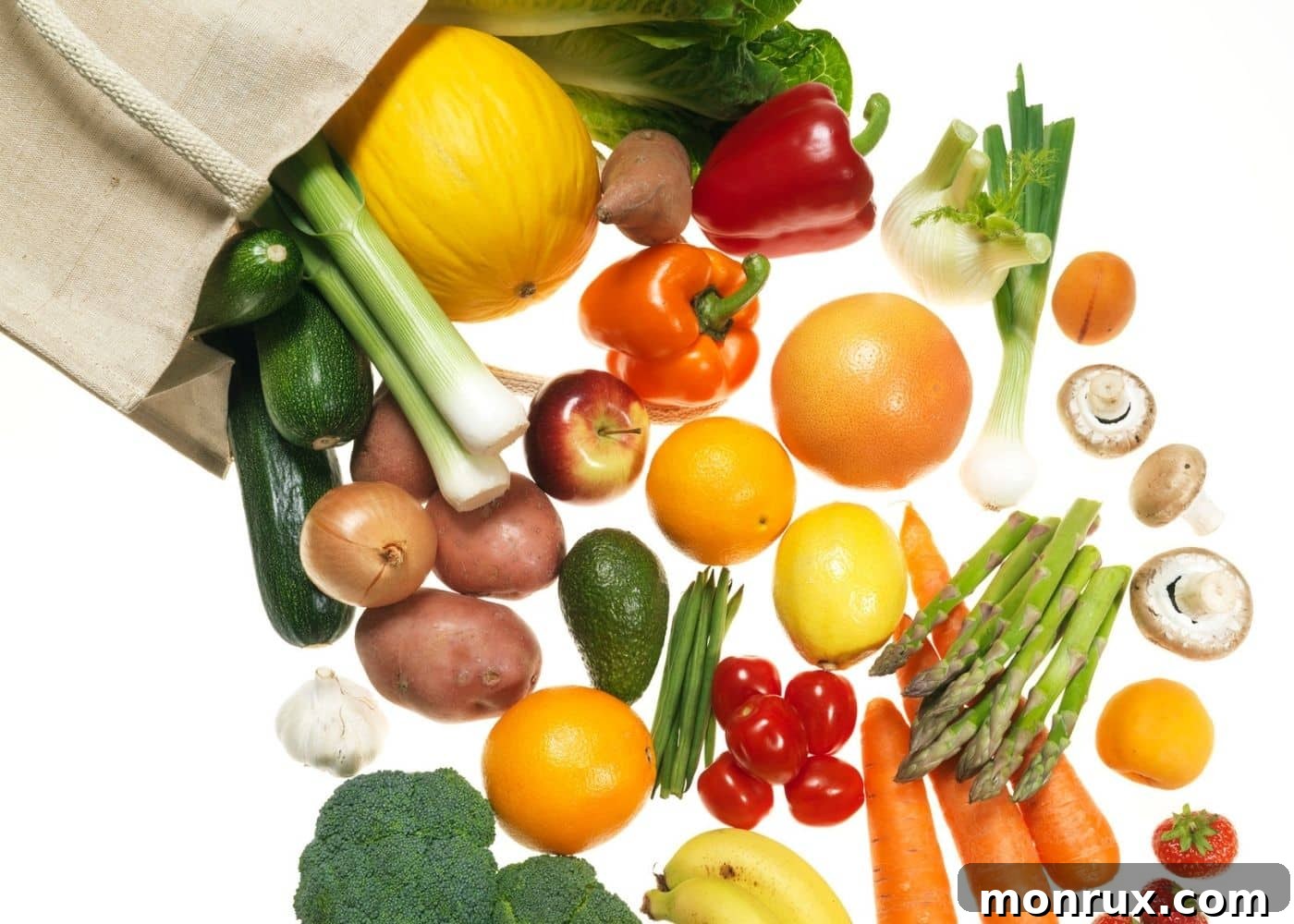
Embarking on a gluten-free journey, whether for health reasons, dietary preferences, or to support a loved one, can feel overwhelming, especially when it comes to understanding carbohydrate sources. Many mistakenly believe that a gluten-free diet means sacrificing essential energy-providing carbs. This comprehensive guide aims to demystify gluten-free carbohydrates, offering a rich variety of delicious and nutritious options that ensure you never feel deprived. From vibrant vegetables and luscious fruits to versatile grains and innovative gluten-free alternatives, we’ll explore an abundance of foods to power your body and delight your palate.
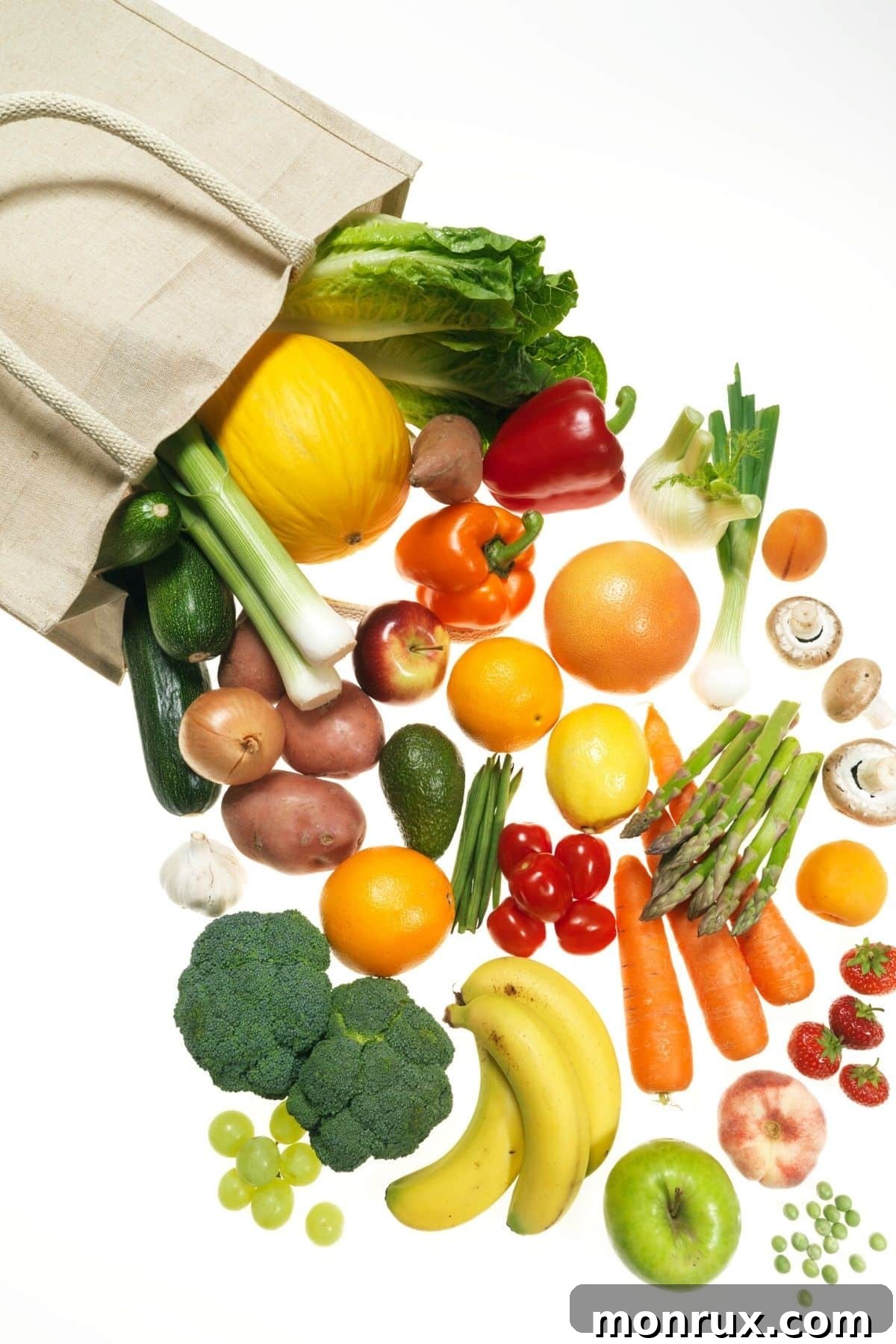
Understanding Gluten & Carbohydrates
For many, staple foods like bread and pasta are synonymous with carbohydrates. However, these popular items often contain gluten, a protein composite found in wheat, barley, and rye. For individuals with celiac disease or gluten sensitivity, consuming gluten can lead to severe health issues, necessitating a strictly gluten-free diet. This often raises concerns about obtaining sufficient energy and essential nutrients, as carbohydrates are the body’s primary and most efficient fuel source.
Carbohydrates are macronutrients vital for bodily functions. They provide energy for your brain, muscles, and organs, and play a role in fat metabolism. Dietary guidelines emphasize their importance, distinguishing between simple carbohydrates (like sugars, which offer quick energy spikes) and complex carbohydrates (starches and fiber, which provide sustained energy and satiety). Fiber, a type of complex carb, is particularly crucial for digestive health and blood sugar regulation. The good news is that a wealth of naturally gluten-free foods are excellent sources of these vital carbohydrates, ensuring a healthy and energized lifestyle without compromise.
Top Gluten-Free Carbohydrate Sources
Transitioning to a gluten-free diet opens up a world of delicious and nutritious carbohydrate options. You don’t have to limit your choices or feel restricted; instead, it’s an opportunity to discover new flavors and incorporate a wider range of whole foods into your diet. Here’s an extensive list of the best naturally gluten-free carbs to nourish your body, regardless of whether you’re avoiding gluten for health or simply seeking a cleaner, less processed way of eating.
For more detailed insights and recipes, feel free to explore each category below:
- Starchy Vegetables
- Fruits
- Legumes
- Potatoes
- Rice
- Quinoa
- Corn
- Millet
- Amaranth
- Certified Gluten-Free Pastas and Breads
Don’t miss out on other valuable resources, including top gluten-free breakfast recipes, a comprehensive gluten-free grocery list, and creative alternatives to traditional bread.
1. Starchy Vegetables
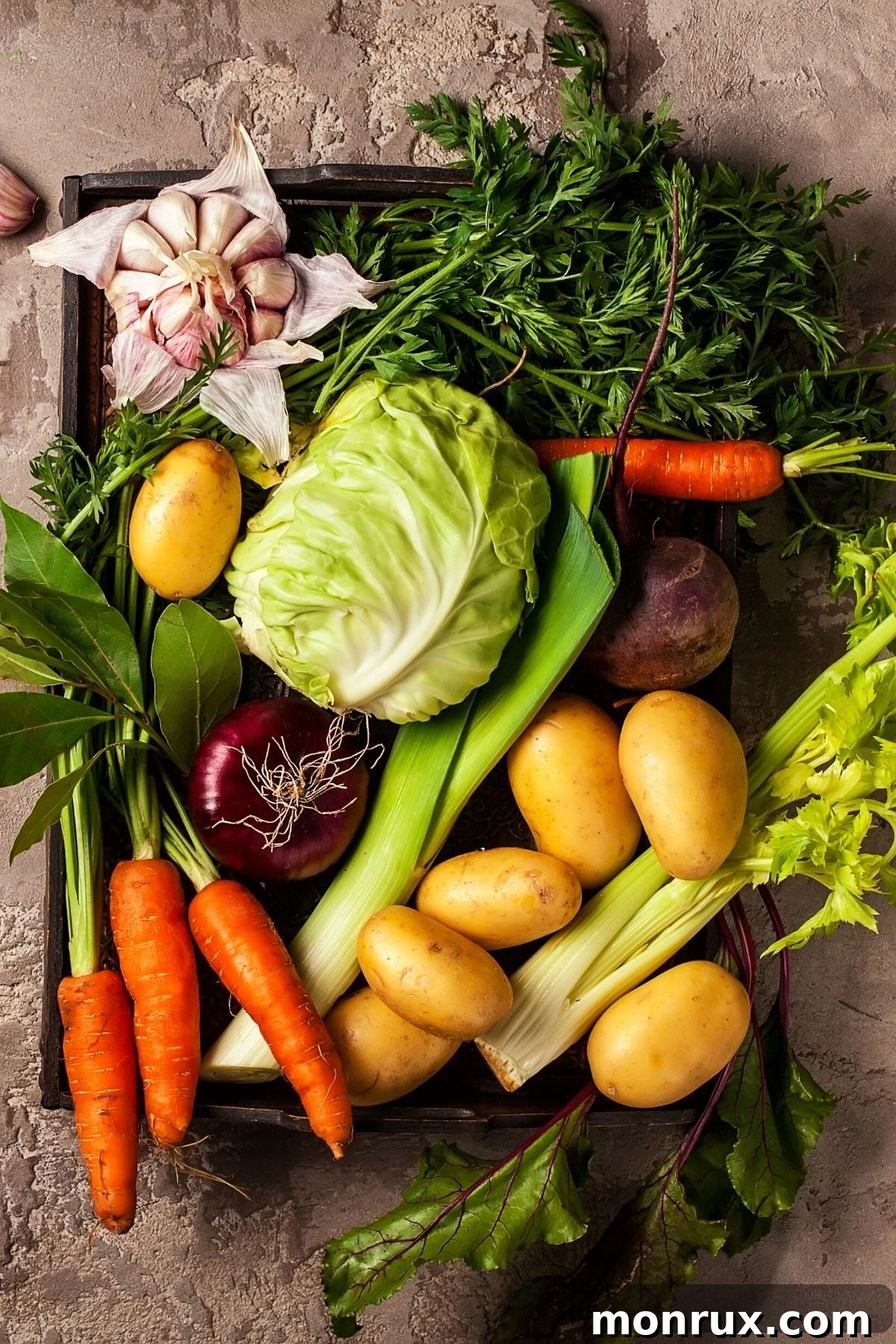
Starchy vegetables are a powerhouse of complex carbohydrates, meaning they are composed of long chains of sugar molecules that your body breaks down slowly. This gradual digestion process is key to providing sustained energy, helping you feel full and satisfied for longer periods, and preventing sharp spikes in blood sugar. Beyond their carb content, these vegetables are nutritional champions, packed with a wide spectrum of essential vitamins, minerals, and dietary fiber that supports healthy digestion and overall well-being.
Incorporating a variety of starchy vegetables into your diet is a fantastic way to boost nutrient intake and add diverse textures and flavors to your meals. Some of the best gluten-free options include:
- Sweet Potatoes & Yams: Rich in Vitamin A, C, and manganese, perfect roasted, mashed, or baked.
- Butternut Squash: A versatile winter squash, high in antioxidants and dietary fiber, excellent in soups, stews, or simply roasted.
- Acorn Squash: Another delicious winter squash, offering vitamins C and B, and a slightly nutty flavor when baked.
- Pumpkin: Not just for holidays, pumpkin is a nutrient-dense option for purees, soups, and savory dishes.
- Turnips & Parsnips: Root vegetables with a slightly sweet and earthy flavor, great for roasting, mashing, or adding to stews.
- Rutabaga: A cross between a cabbage and a turnip, providing vitamins C and K, often used similarly to potatoes.
- Beets: Known for their vibrant color and earthy sweetness, excellent roasted, boiled, or grated raw into salads.
- Carrots: A common favorite, packed with beta-carotene, wonderful raw, steamed, or roasted.
- Peas: Small but mighty, these legumes (often used as a vegetable) provide protein and fiber, great fresh or frozen.
If you’re looking to make vegetables more appealing, especially for picky eaters, check out guides like the best vegetables for picky eaters. You can also master the art of preparing flavorful vegetables with tips on how to cook vegetables to make them taste delicious.
2. Fruits
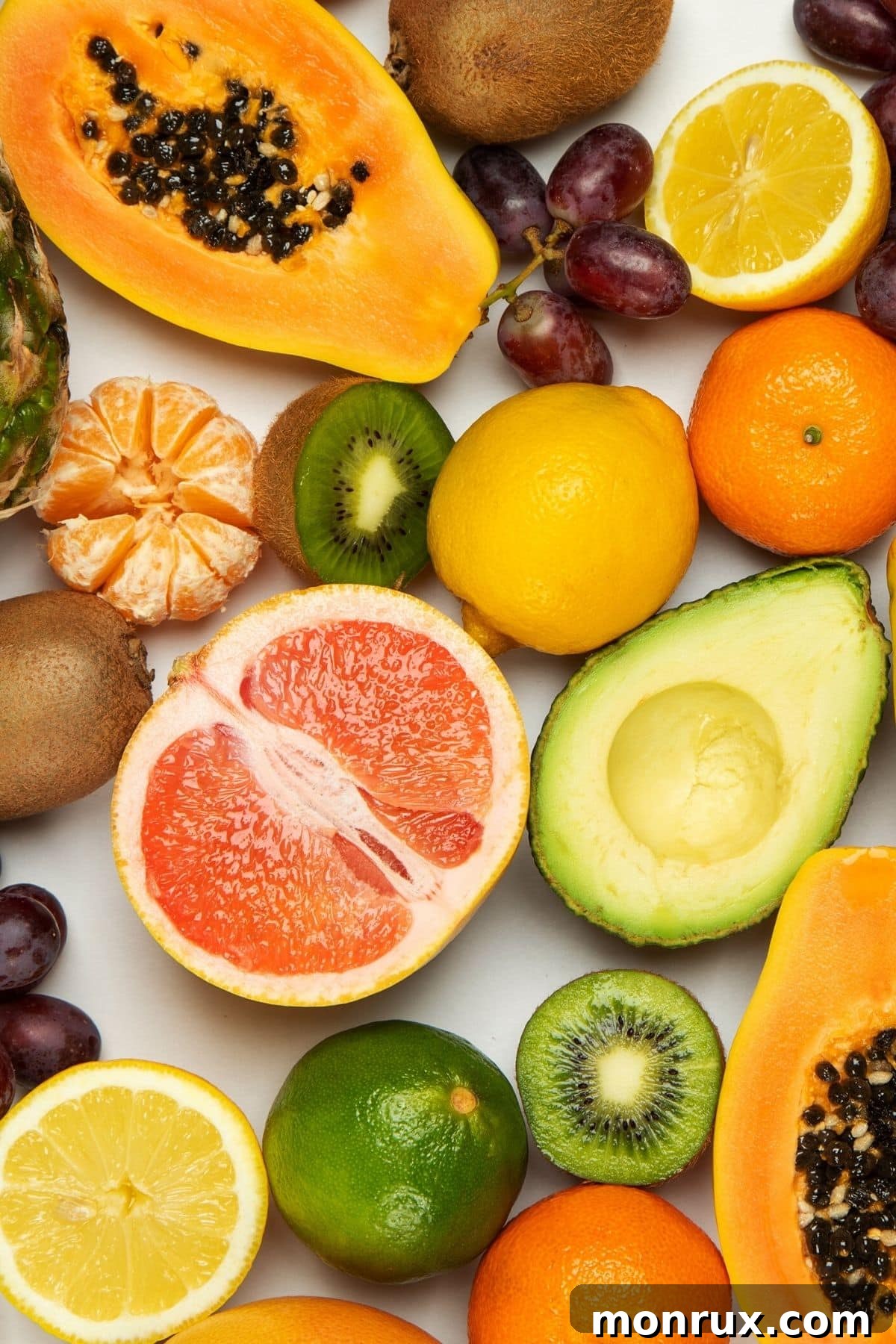
It’s wonderful to know that all fresh fruits are naturally gluten-free, making them a safe and delicious choice for anyone on a gluten-free diet. What many might not realize is just how rich some fruits are in carbohydrates, providing a natural and wholesome source of energy. The carbohydrates found in fruits are primarily fructose, glucose, and sucrose, but importantly, they come packaged with dietary fiber. This fiber helps to slow down the absorption of sugars, leading to a more gradual release of energy and preventing rapid blood sugar spikes, making them a healthier sweet treat.
Beyond their carbohydrate content, fruits are brimming with essential vitamins, minerals, and antioxidants, contributing significantly to overall health and disease prevention. They are excellent for boosting your immune system, supporting skin health, and aiding digestion. Here are some of the best fruit sources for carbohydrates, perfect for snacks, desserts, or adding natural sweetness to your meals:
- Bananas: An excellent source of quick energy and potassium, great on their own or in smoothies.
- Cherries: Rich in antioxidants and provide a sweet-tart flavor, perfect fresh or frozen.
- Grapes: Hydrating and sweet, a good source of simple sugars for quick energy.
- Pineapple: Tropical and tangy, contains bromelain, an enzyme that aids digestion.
- Apples & Pears: Fiber-rich and versatile, excellent for snacking or baking.
- Mangoes: A sweet, tropical fruit packed with Vitamin C and fiber.
- Kiwi: Small but mighty, offering more Vitamin C than an orange and good fiber content.
- Dates & Figs: Naturally very sweet and high in fiber, ideal for natural sweeteners or energy bites.
- Dried Fruits (like raisins, apricots, cranberries): Concentrated sources of carbohydrates and fiber. Always check labels for added sugars or potential cross-contamination warnings.
- Fruit Juices & Smoothies: Freshly squeezed juices or blended smoothies offer concentrated fruit goodness, but be mindful of portion sizes and added sugars. Explore healthy fruit juice recipes and refreshing summer fruit smoothies for balanced options.
When selecting processed fruit products, such as dried fruits or canned fruit, it is crucial to carefully examine the packaging. Look for certifications or warnings regarding gluten cross-contamination, especially if you have a high sensitivity. Opt for reputable brands that clearly state “gluten-free.” For more beverage ideas, explore healthy juice recipes and a variety of clean eating smoothie recipes.
3. Legumes
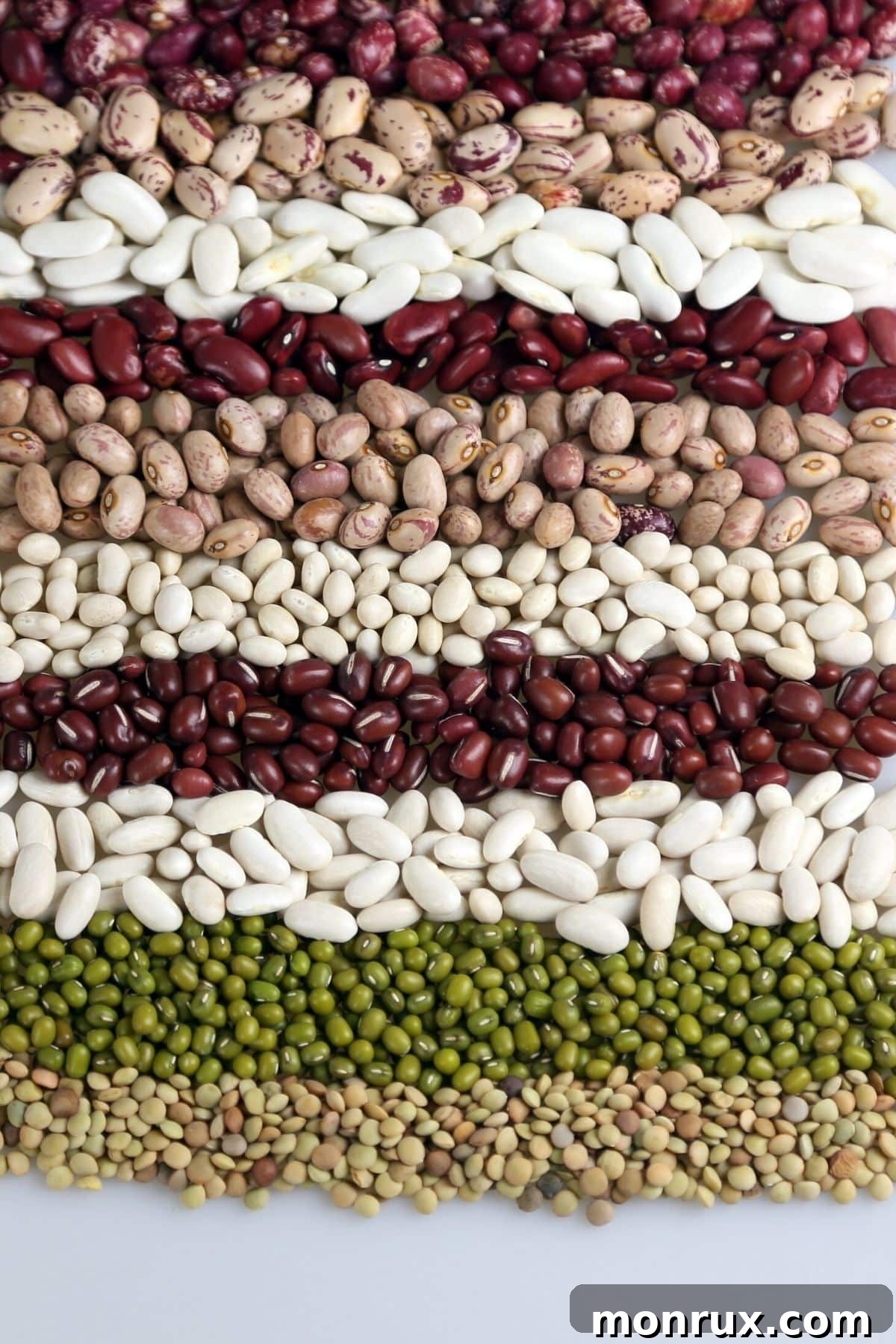
Legumes, a diverse family of plants including beans, lentils, and peas, are nutritional powerhouses for any diet, particularly for those avoiding gluten. They are not only exceptionally rich in complex carbohydrates but also serve as outstanding sources of plant-based protein, making them a staple for vegetarians, vegans, and anyone looking to reduce meat consumption. Furthermore, legumes are naturally low in fat and packed with essential nutrients like iron, folate, magnesium, and potassium, all contributing to a healthy and balanced eating pattern.
All legumes are naturally gluten-free in their raw, unprocessed state. However, when purchasing dried or canned legumes, especially lentils, you might encounter packaging warnings about potential cross-contamination with gluten-containing grains during processing or packaging. While the risk is generally considered very low, those with severe celiac disease might prefer to rinse dried legumes thoroughly before cooking or opt for trusted brands of cooked, canned legumes that are certified gluten-free. This simple precaution helps ensure complete safety.
The vast variety within the legume family means you’ll never run out of options to explore. Each type offers a unique flavor and texture, suitable for a myriad of dishes. Here’s a list of carbohydrate-rich legumes to incorporate into your meals:
- Lentils (Green, Brown, Red, Black): Quick to cook and incredibly versatile, ideal for soups, stews, salads, and vegetarian burgers.
- Chickpeas (Garbanzo Beans): The star of hummus, also delicious roasted for a snack, or added to curries and salads.
- Black Beans: A staple in Mexican and Latin American cuisine, perfect for tacos, burritos, and savory bowls.
- Kidney Beans: Hearty and robust, excellent in chili, stews, and salads.
- Pinto Beans: Creamy texture, commonly used in refried beans and Mexican dishes.
- Navy Beans: Small, white beans, traditionally used in baked beans and hearty soups.
- Great Northern Beans: Medium-sized white beans with a delicate flavor, good in soups and casseroles.
- Cannellini Beans: Large, white kidney beans, often used in Italian dishes like minestrone and salads.
- Green Peas: Sweet and tender, can be eaten fresh, frozen, or added to various dishes for a pop of color and nutrition.
- Adzuki Beans: Small, red beans popular in Asian cuisine, often used in sweet preparations or savory dishes.
- Lima Beans: Distinctive buttery flavor, great as a side dish or in succotash.
- Mung Beans: Small, green beans often sprouted or used in soups and stir-fries.
- Fava Beans (Broad Beans): Large, flat beans with a slightly nutty flavor, eaten fresh or dried.
Explore exciting legume-based recipes like Instant Pot Lentils for a quick and easy side, or a comforting Slow Cooker Chicken Stew with Lentils for a wholesome meal.
4. Potatoes
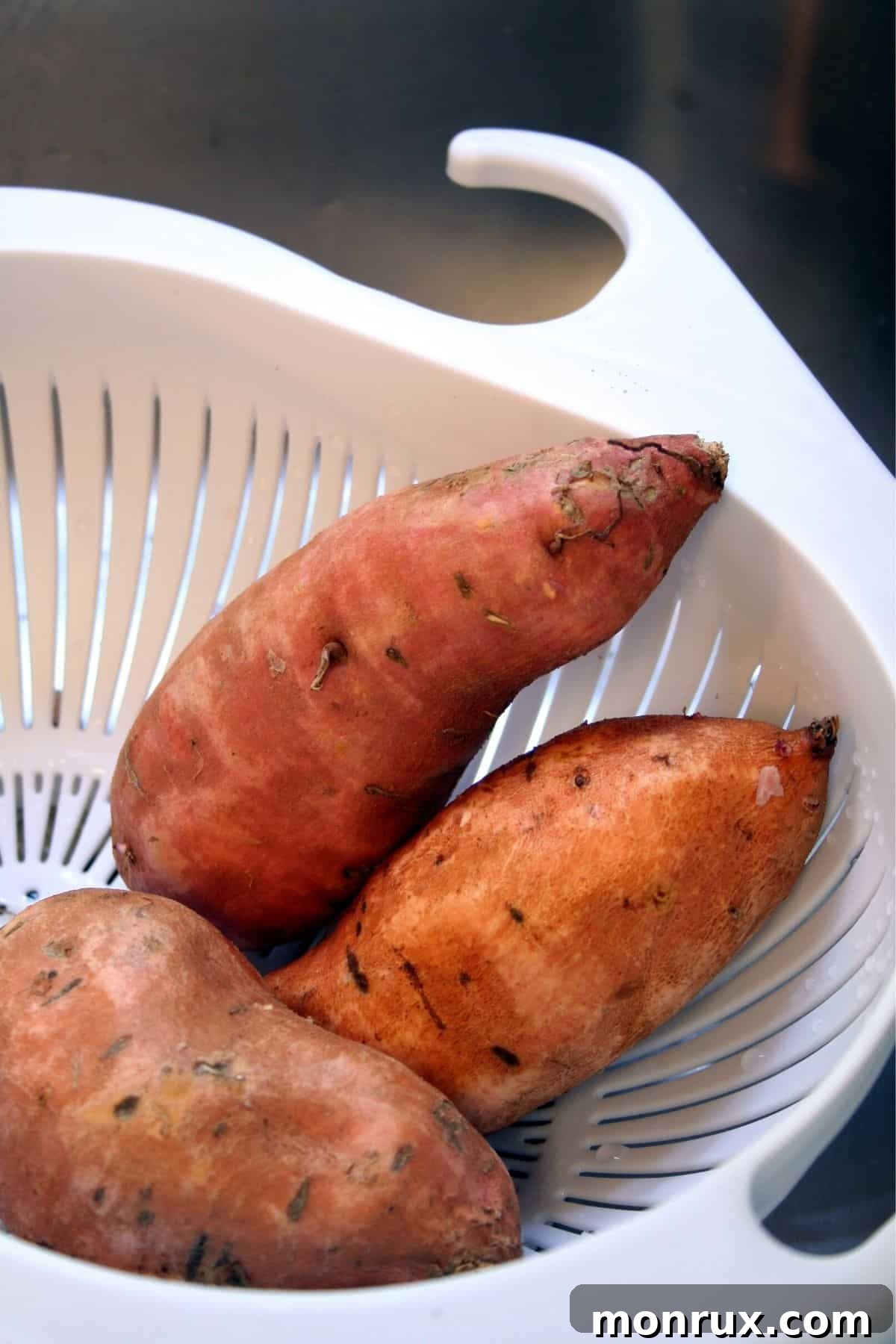
Potatoes, in both their white and sweet varieties, are celebrated globally as comforting and highly nutritious sources of complex carbohydrates. They are not just fillers; they are packed with energy, an impressive array of vitamins (especially Vitamin C and B6), minerals (like potassium and manganese), and dietary fiber, all contributing to sustained energy levels and a feeling of fullness. Their versatility in cooking makes them a beloved staple in countless cuisines.
To ensure potatoes are completely gluten-free, it is best to consume them in their natural, unprocessed form. Whole potatoes are inherently gluten-free. However, caution is advised with processed potato products such as frozen fries, mashed potato mixes, or seasoned potato dishes, as these can sometimes contain gluten-containing additives, coatings, or flavorings. Always check ingredient labels meticulously for any cross-contamination warnings. When dining out, explicitly inform your server about your gluten-free needs to prevent accidental gluten exposure, especially with fried potatoes which might be cooked in shared fryers.
Beyond whole potatoes, potato derivatives also play a role in gluten-free cooking. Potato flour, made from ground dehydrated potatoes, is a popular ingredient in gluten-free flour blends. It is valued for its ability to add moisture and a desirable texture to baked goods and serves as an excellent thickener for sauces and gravies, providing a smooth consistency without gluten. Potato starch, a finer powder extracted from potatoes, is another common gluten-free thickener.
Discover a range of healthy and delicious potato recipes, perfect for any meal: enjoy creamy Whole30 Mashed Potatoes, crispy Potato Fritters, or sweet and easy Instant Pot Mashed Sweet Potatoes. For a healthier fry option, try Japanese Sweet Potato Fries, and learn how to freeze sweet potatoes for meal prep convenience.
5. Rice
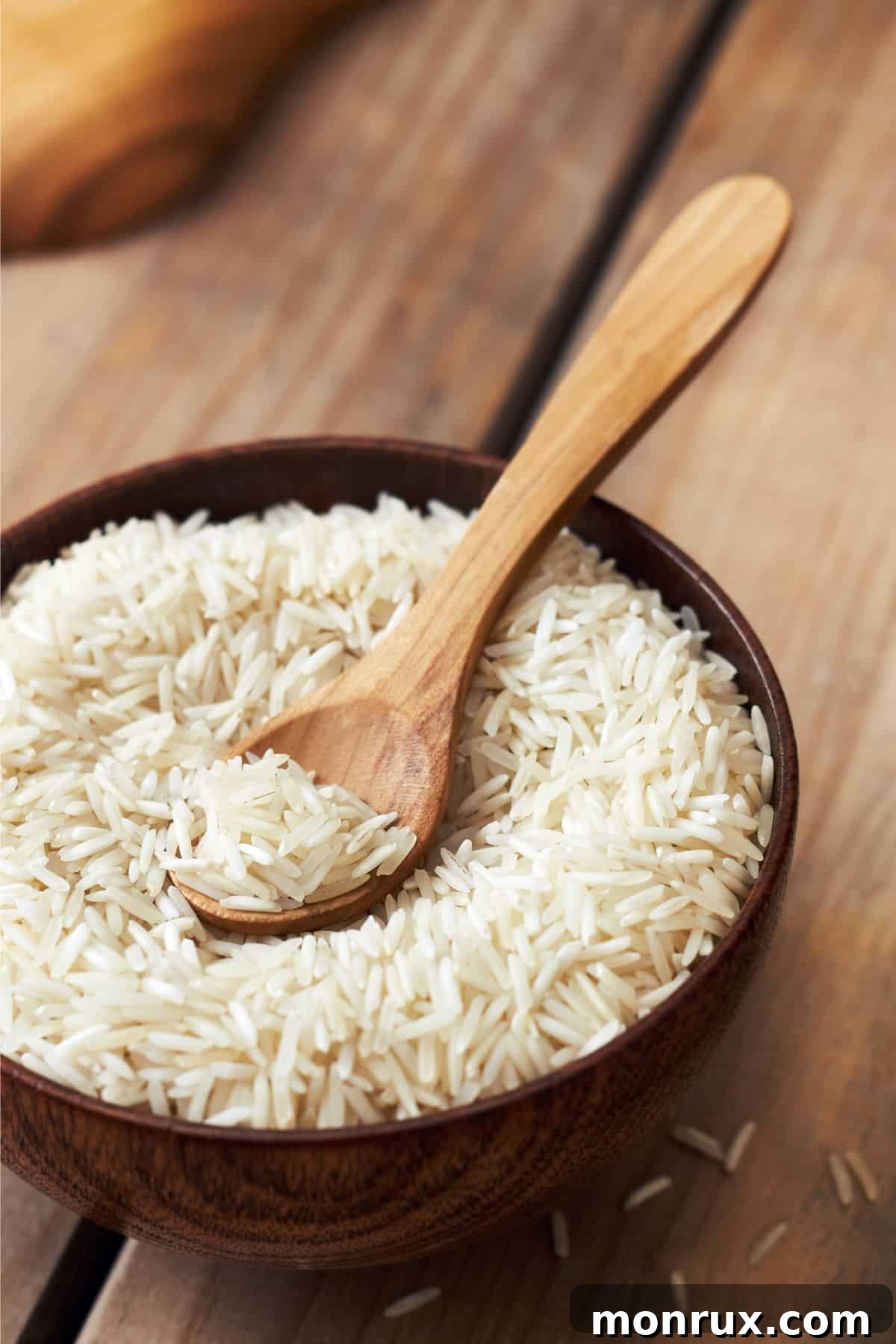
Rice, a global dietary staple, is fantastic news for those on a gluten-free diet because all natural forms of rice – whether white, brown, or wild – are inherently free from gluten. This versatile grain offers a satisfying and easily digestible carbohydrate source, making it an ideal accompaniment to a vast array of main meals and cuisines worldwide. It provides sustained energy and is rich in B vitamins and minerals like manganese and selenium.
While plain rice is unequivocally gluten-free, vigilance is necessary with certain rice dishes and processed rice products. Pre-seasoned rice mixes, rice pilafs, and some flavored rice blends often contain hidden gluten-containing ingredients such, as wheat pasta (like orzo in pilaf), soy sauce (unless certified gluten-free), or other additives. Always scrutinize ingredient labels meticulously to confirm the absence of gluten, particularly for flavored or convenience rice products. Opting for whole, unadulterated rice grains and seasoning them yourself is the safest approach.
The world of rice offers a diverse palette of textures and flavors. Here is a list of popular gluten-free rice options in their whole form:
- White Rice: Includes long grain, medium grain, short grain, and jasmine rice. Light in texture, widely used in many cuisines.
- Brown Rice: A whole grain with a nutty flavor and chewy texture, rich in fiber and nutrients.
- Basmati Rice: Aromatic and long-grained, available in both white and brown varieties, perfect for Indian and Middle Eastern dishes.
- Wild Rice: Though botanically a grass seed, it’s often categorized as a grain. It has a robust, earthy flavor and chewy texture.
- Black Rice (Forbidden Rice): A striking dark-colored rice with a slightly sweet, nutty taste, packed with antioxidants.
- Red Rice: Known for its earthy flavor and high nutritional value, similar to brown rice.
- Glutinous Rice (Sticky Rice): Despite its name, this rice is completely gluten-free. It’s known for its sticky texture when cooked and is a staple in Southeast Asian desserts and savory dishes.
- Jasmine Rice: A fragrant, long-grain white rice, popular in Thai cuisine.
- Sushi Rice: A short-grain white rice that becomes sticky when cooked, ideal for sushi and other Japanese dishes.
Discover delicious gluten-free rice recipes such as a comforting Instant Pot Chicken Rice Soup, flavorful Indian Yellow Rice, or unique Rice Flour Pancakes. For ultimate ease, learn how to cook yellow rice in a pressure cooker for perfectly fluffy results every time.
6. Quinoa
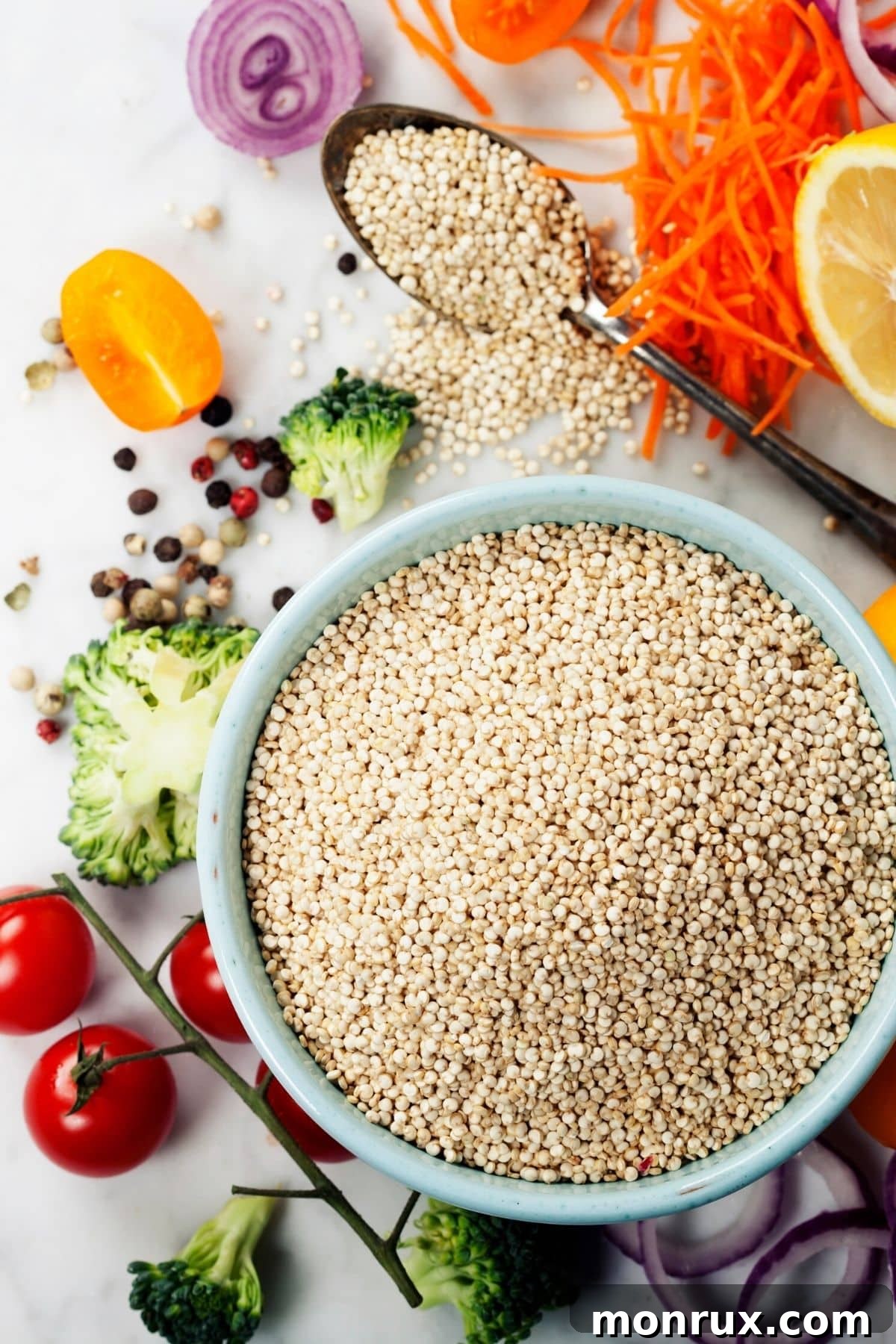
Pronounced “keen-wah,” quinoa is often mistakenly referred to as a grain, but it is botanically a seed from a plant related to spinach and beets. This ancient “pseudo-grain” has earned its superfood status due to its extraordinary nutritional profile. Quinoa is unique among plant foods because it is a complete protein, meaning it contains all nine essential amino acids that our bodies cannot produce on their own. Additionally, it is an excellent source of dietary fiber, magnesium, B vitamins, iron, potassium, calcium, phosphorus, and vitamin E, making it an incredibly nutrient-dense gluten-free carbohydrate choice.
Excitingly, research has indicated that patients with celiac disease can not only tolerate quinoa but may even see improvements in their condition when it’s incorporated into their diet. This makes it a particularly valuable staple for the gluten-free community.
Quinoa’s mild, nutty flavor and fluffy texture (when cooked properly) make it remarkably versatile in the kitchen. It can be served simply as a wholesome side dish, replacing rice or couscous, or used as a base for vibrant salads. For a delicious and hearty breakfast or dessert, quinoa can be cooked with milk (dairy or non-dairy) and mixed with fresh berries, nuts, or a drizzle of maple syrup. Its ability to absorb flavors makes it a fantastic addition to soups and stews. For those following a vegetarian or vegan diet, cooked quinoa can be combined with binders and seasonings to create flavorful, protein-rich meat-free patties or loaves.
Beyond whole seeds, quinoa flour is available for gluten-free baking, though it’s best used in combination with other gluten-free flours due to its unique properties. You can also find convenient quinoa chips and crispbreads as gluten-free snack options.
Other similar “pseudo-grains” and naturally gluten-free options that offer excellent carbohydrates include buckwheat (also a seed) and wild rice. Don’t miss out on my popular buckwheat bread recipe, a delicious gluten-free alternative. For fresh meal ideas, try my refreshing Copycat Costco Quinoa Salad or a simple and nutritious Instant Pot Quinoa, perfect for quick meal prep.
7. Corn
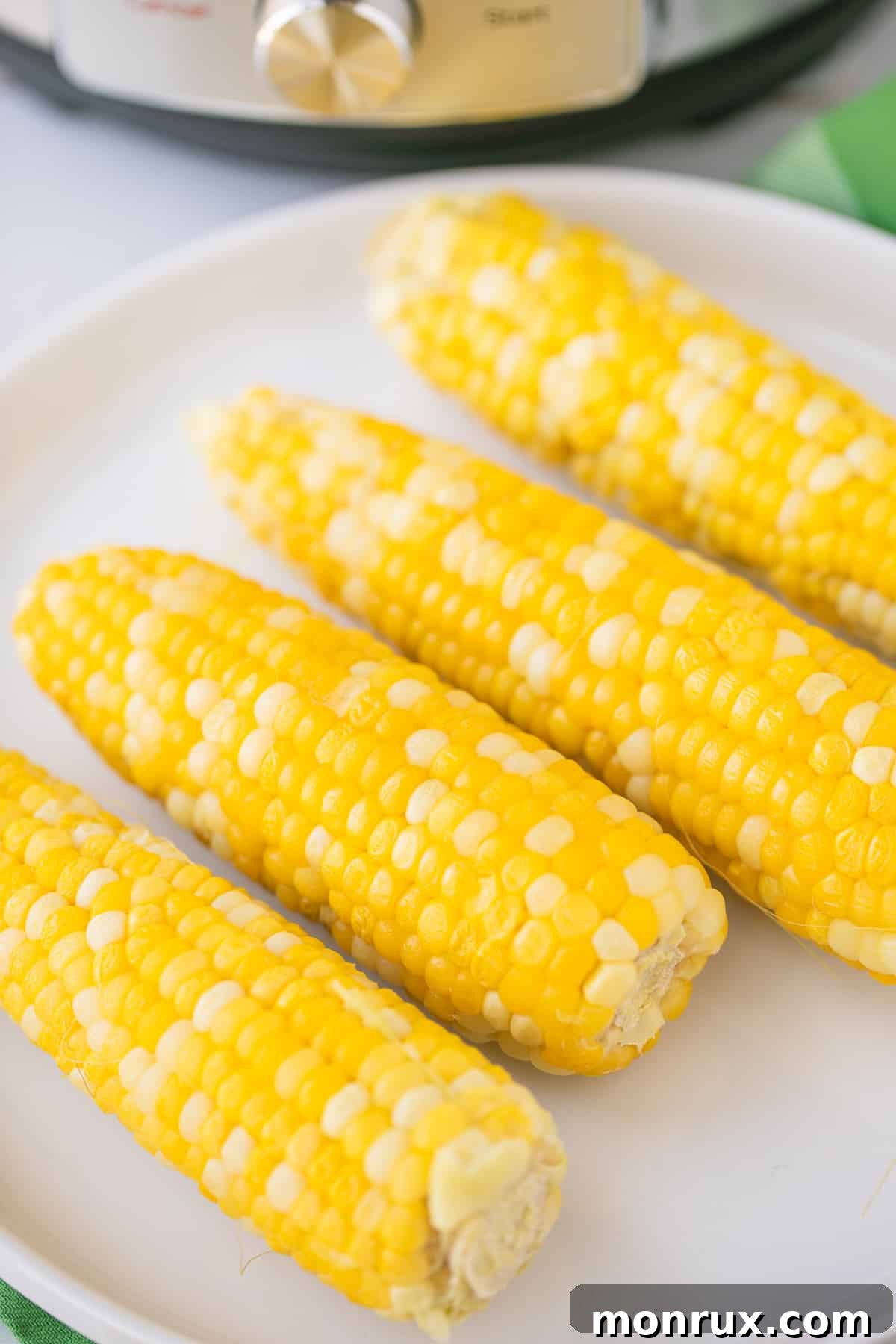
Corn occupies a unique position in the culinary world, often debated as either a grain or a starchy vegetable, yet universally recognized as an excellent source of complex carbohydrates. In its natural form, corn is completely gluten-free and can be safely enjoyed by individuals on a gluten-free diet. It provides not only energy but also a good supply of fiber, Vitamin C, magnesium, and certain B vitamins.
An ear of fresh corn on the cob, simply steamed or grilled, is a delightful and satisfying side dish. However, the versatility of corn extends far beyond this classic preparation, offering numerous ways to incorporate it into gluten-free cooking and baking:
- Cornstarch: Produced by grinding the starchy endosperm of the corn kernel, cornstarch is an invaluable gluten-free thickener for sauces, gravies, and soups.
- Corn Flour & Cornmeal: These products are essential in gluten-free baking. Corn flour is a finer grind, suitable for delicate textures, while cornmeal has a coarser texture, ideal for cornbread, tortillas, and polenta. Always check packaging for “gluten-free” certification or cross-contamination warnings, as processing facilities may handle wheat.
- Popcorn: A whole grain and a fantastic, carbohydrate-rich gluten-free snack. When preparing popcorn yourself from kernels, it’s naturally gluten-free. If opting for pre-packaged or theater popcorn, be sure to check ingredients for gluten-containing additives, flavorings, or shared equipment warnings.
- Tortillas: Made from corn masa, traditional corn tortillas are naturally gluten-free and perfect for tacos, enchiladas, and quesadillas.
Explore delicious corn-based recipes such as tender Instant Pot Corn, savory Gluten-Free Cornbread, or a creamy Dairy-Free Corn Casserole, all providing wholesome, gluten-free goodness.
8. Millet
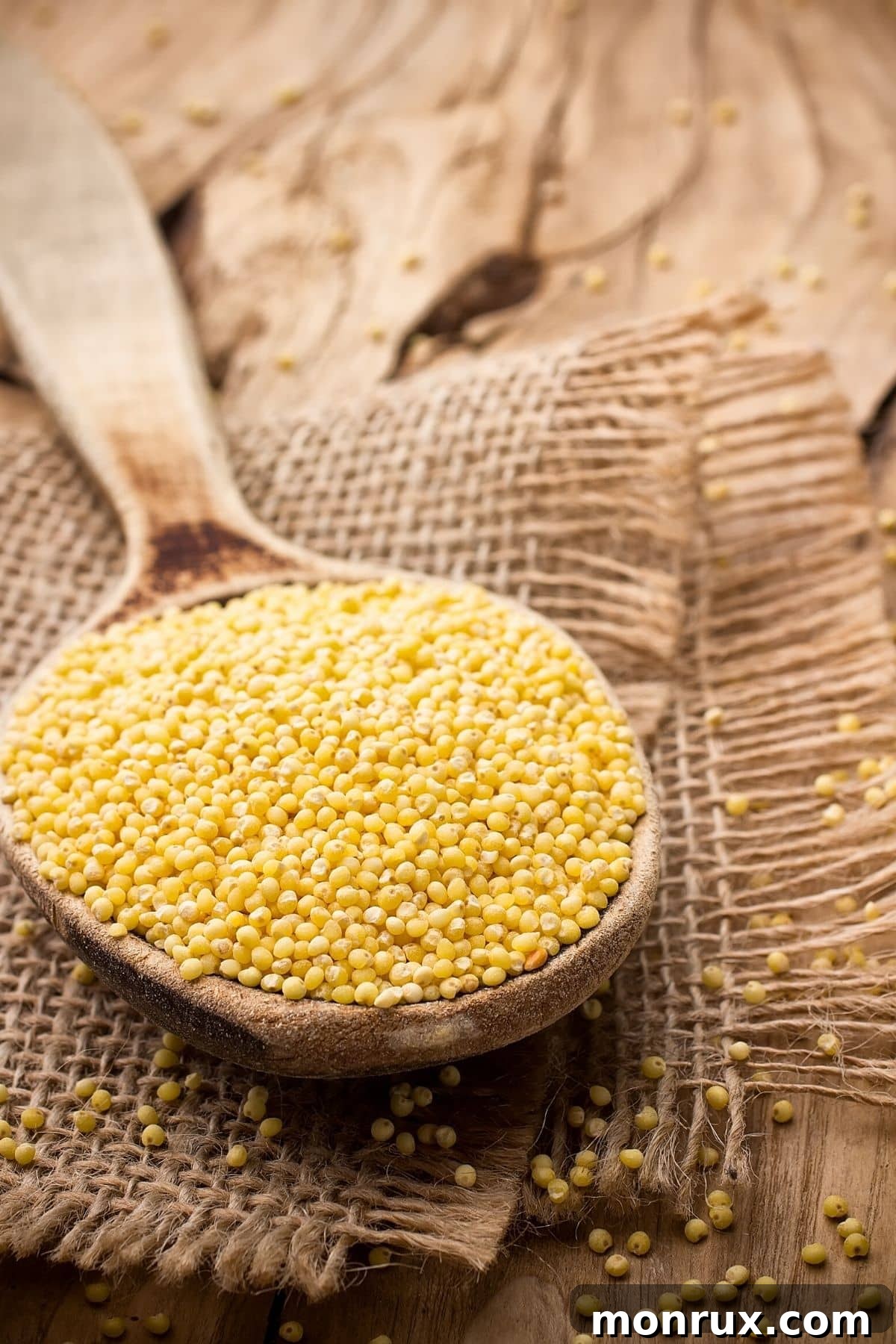
Millet, a small-seeded grass, is classified as a whole grain and is naturally gluten-free, making it an excellent addition to a diverse gluten-free diet. It offers a unique flavor profile—often described as slightly sweet, with hints of corn—and a fluffy, couscous-like texture when cooked. Millet is a good source of complex carbohydrates, magnesium, phosphorus, and fiber, contributing to heart health, blood sugar control, and digestive regularity.
Cooking millet is straightforward, typically involving boiling it with twice its volume of liquid (water or broth) until tender. For an enhanced nutty flavor, you can dry-toast the millet in a pan for a few minutes before adding liquid. This simple step brings out a richer aroma and taste that many find even more appealing.
Its versatility shines in various culinary applications:
- Breakfast Porridge: By increasing the cooking time and the amount of liquid, millet can transform into a creamy, comforting breakfast porridge. Serve it warm with fresh fruit, nuts, seeds, and a touch of natural sweetener like honey or maple syrup.
- Savory Side Dish: Just like quinoa or rice, cooked millet makes an excellent gluten-free side dish for curries, stir-fries, or roasted vegetables. Its mild flavor readily absorbs the seasonings of the main dish.
- Soups and Stews: Adding millet to soups and stews not only thickens them naturally but also boosts their nutritional content and makes them more substantial and filling.
- Simple Snack: For a surprisingly delightful and simple snack, try popping millet! Unlike popcorn, millet grains don’t jump aggressively, so you can heat them in a dry frying pan over medium heat without a lid. They’ll puff up slightly and develop a crisp texture, perfect for sprinkling on salads or eating by the handful.
Millet flour is also available and can be used in gluten-free baking, often blended with other gluten-free flours to create lighter, more tender baked goods.
9. Amaranth
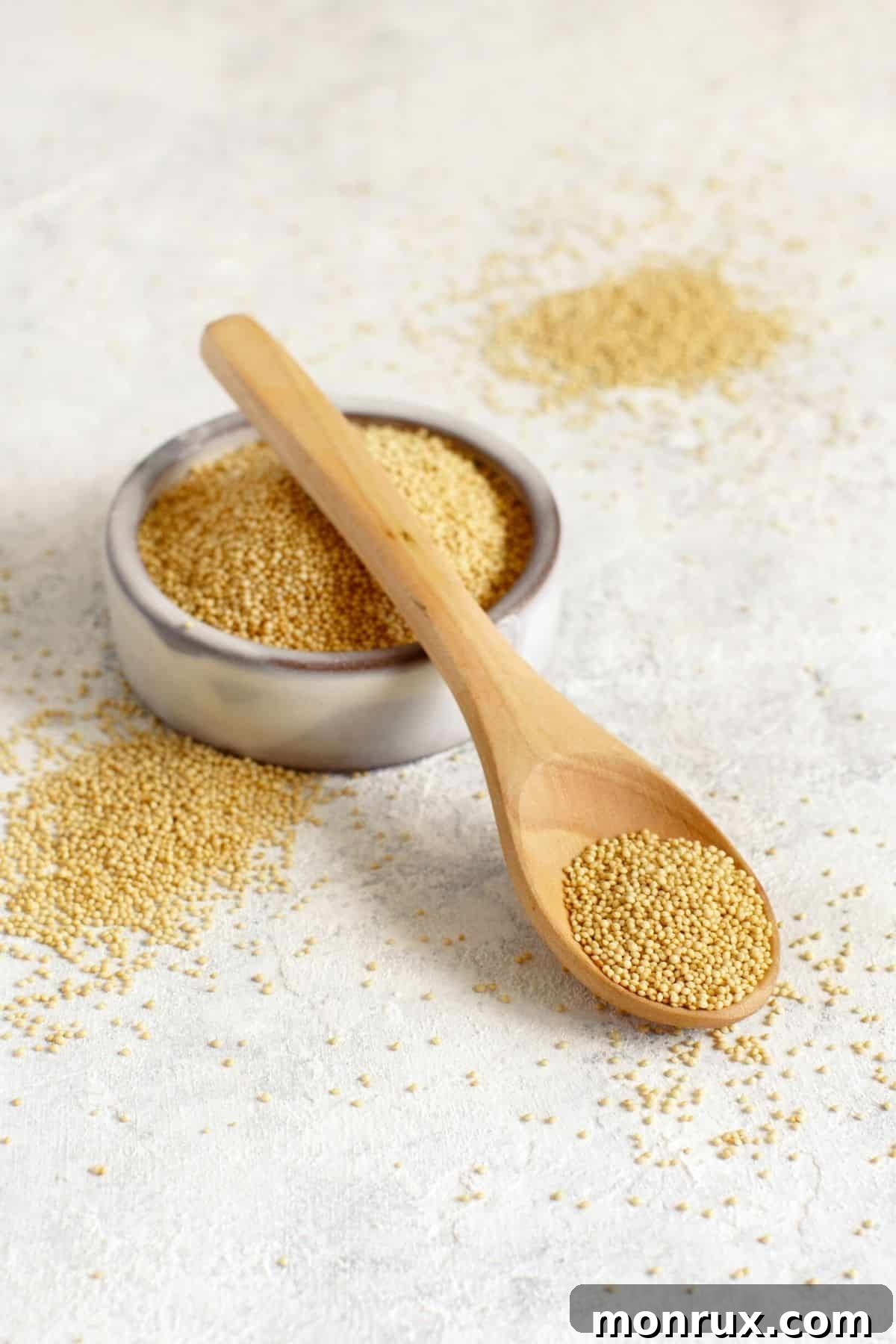
Amaranth, another ancient “pseudo-grain” like quinoa, is a naturally gluten-free seed that boasts an impressive nutritional profile. It is rich in essential minerals such as iron, magnesium, phosphorus, and manganese, and is particularly high in protein, including lysine, an amino acid often lacking in other grains. Its high fiber content supports digestive health, helps regulate blood sugar, and promotes a feeling of fullness. Amaranth seeds are also known for their ability to absorb water very easily, which significantly influences their culinary applications.
Due to its high water absorption, amaranth develops a soft, somewhat mushy consistency when cooked, making it less ideal for serving as a standalone side dish where distinct grain separation is desired. However, this characteristic makes it absolutely perfect for other uses:
- Thickening Agent: Its gelling properties make it an excellent natural thickener for soups, stews, and casseroles, adding body and nutrition without the need for traditional flour or cornstarch.
- Breakfast Porridge: The creamy, soft texture of cooked amaranth is perfectly suited for a nourishing breakfast porridge. Simmer it with milk (dairy or non-dairy), spices, and your favorite toppings like fruits and nuts for a warm, comforting start to your day. See my recipe for Instant Pot Amaranth Porridge for a quick preparation method.
- Mixing with Other Grains: If you wish to serve amaranth as part of a meal where a firmer texture is preferred, combining a small amount with other grains like rice or quinoa can provide a good balance.
- Popped Amaranth: Just like millet, amaranth seeds can be popped in a dry, hot pan. The tiny seeds puff up into light, airy crisps, offering a unique texture. Popped amaranth is excellent as a snack, sprinkled over salads, or used in homemade granola bars.
Amaranth flour is also available for gluten-free baking, though its distinct qualities require careful use. Because it lacks gluten, which provides structure, amaranth flour alone can make baked goods dense and prevent proper rising. It is best used in combination with other gluten-free flour blends to achieve optimal texture and lightness in breads, muffins, and other recipes.
10. Gluten-Free Pastas & Breads
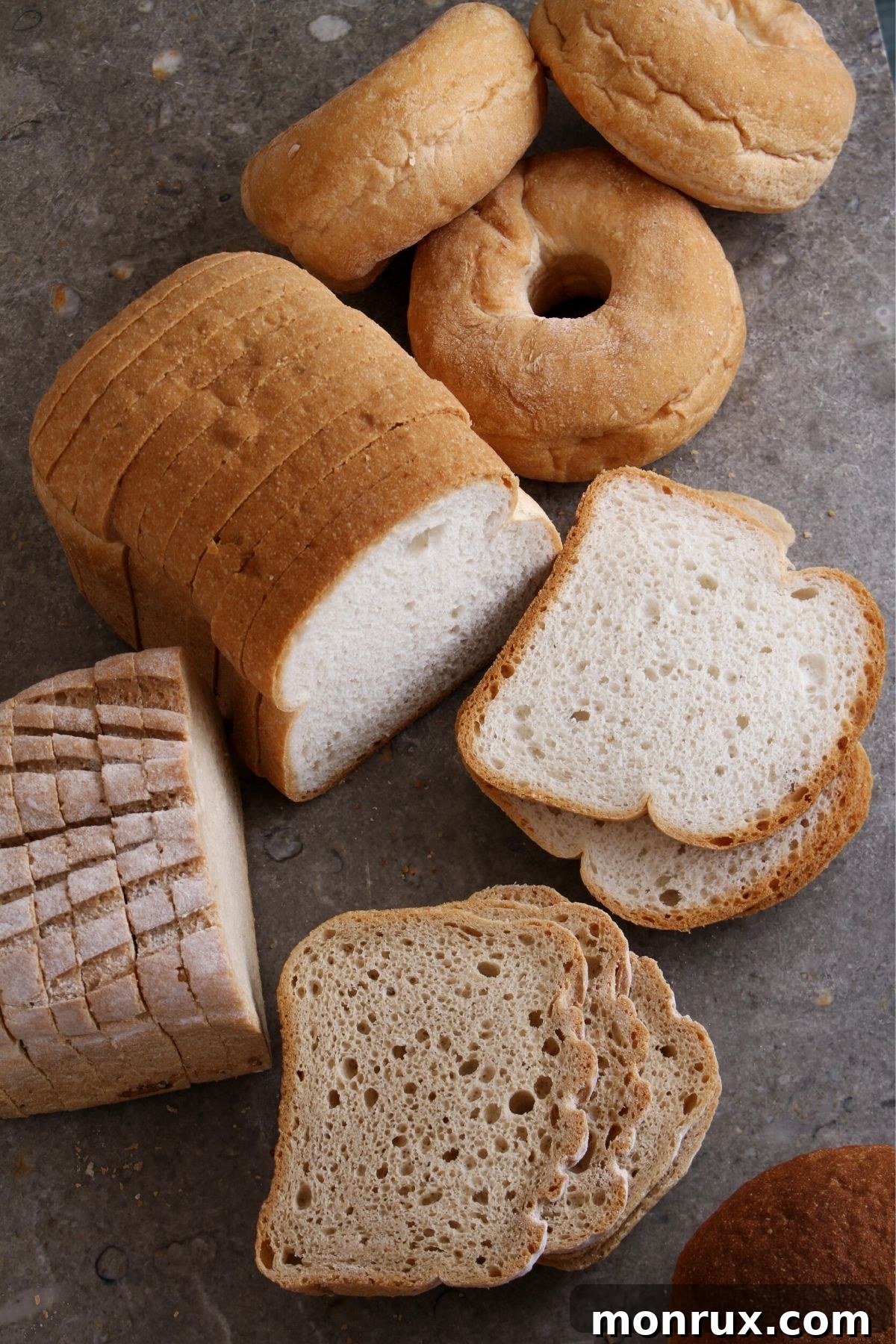
One of the most comforting pieces of news for anyone starting a gluten-free diet is that you absolutely do not have to bid farewell to beloved staples like bread and pasta! The market for gluten-free alternatives has expanded exponentially, driven by increased awareness of celiac disease and gluten sensitivities. This means there’s a vast and ever-improving selection of excellent, certified gluten-free products designed to mimic the taste and texture of their traditional counterparts.
Modern grocery stores typically feature dedicated gluten-free sections brimming with innovative products. When choosing gluten-free pastas, you’ll find options made from a variety of naturally gluten-free ingredients, including:
- Rice: Both brown and white rice flour are popular bases for gluten-free pasta, offering a mild flavor and good texture.
- Corn: Corn-based pastas often have a slightly firmer bite and a distinct, pleasant flavor.
- Quinoa: Quinoa pasta provides added protein and a nutty flavor.
- Legumes (Chickpea, Lentil, Black Bean): These pastas are not only gluten-free but also significantly higher in protein and fiber, making them a more nutrient-dense option.
- Buckwheat (Soba Noodles): Traditional Japanese soba noodles made entirely from buckwheat are a delicious gluten-free pasta alternative. Always check labels, as some soba contains wheat.
Similarly, gluten-free breads are crafted from various non-wheat flours, such as rice flour, almond flour, tapioca flour, cornstarch, and potato flour. You can find everything from sliced sandwich bread and bagels to tortillas and wraps, all formulated to be delicious and safe. Always look for products explicitly labeled “gluten-free” to ensure they meet strict safety standards for those with celiac disease.
For guidance on the best choices, consult articles on the best gluten-free pasta brands. And for culinary inspiration, explore delicious gluten-free pasta recipes like a vibrant Dairy-Free Pesto Pasta, a refreshing Gluten-Free Pasta Salad, or a hearty Healthy Tuna Pasta Salad. You can even recreate restaurant favorites with a gluten-free twist, such as a copycat version of the Cheesecake Factory Tomato Basil Pasta. For unique bread options, consider making a grain-free cassava pizza crust, a delightful and healthy alternative.
Integrating Gluten-Free Carbs into Your Meals
Successfully transitioning to a gluten-free diet involves more than just identifying safe carbohydrate sources; it also means creatively incorporating them into your daily meals. The goal is to balance complex carbs with essential proteins and healthy fats to ensure sustained energy, optimal nutrient intake, and delicious dining experiences throughout the day. Here are some inspiring ideas to weave these wonderful gluten-free carbs into your breakfast, lunch, and dinner routines:
Breakfast Ideas
- Sweet Potato Toast: A nutrient-dense alternative to bread. Thinly slice sweet potatoes, toast them until tender, and top with savory options like mashed avocado and a fried egg, or sweet toppings like almond butter and sliced bananas with a sprinkle of cinnamon.
- Quinoa Breakfast Bowl: Start your day with a protein-packed and fiber-rich bowl. Cook quinoa with almond milk and a pinch of cinnamon. Serve warm, topped with fresh berries, a handful of mixed nuts, and a drizzle of pure maple syrup or honey for natural sweetness.
- Oatmeal (Certified Gluten-Free): A classic comforting breakfast. Ensure you use certified gluten-free rolled oats to avoid cross-contamination. Enhance its nutritional value by stirring in chia seeds and flaxseeds for added fiber and omega-3s. Finish with fresh fruit, nuts, or a touch of maple syrup. Try my hearty Overnight Protein Oats recipe for convenient morning prep.
- Breakfast Hash: A customizable and satisfying meal. Combine diced and roasted sweet potatoes, zucchini, and onions with scrambled eggs or lean turkey sausage. For a delightful sweet and savory twist, I also enjoy making a sweet potato apple hash.
- Buckwheat Pancakes: Light and flavorful pancakes made with buckwheat flour. Serve with a generous topping of fresh seasonal fruit, a dollop of yogurt, or your favorite nut butter. You can also try simple and delicious Rice Flour Pancakes, which are naturally gluten-free.
Lunch Ideas
- Quinoa Salad: A refreshing and complete meal. Combine cooked and cooled quinoa with vibrant spinach, crisp cucumber, juicy cherry tomatoes, and crumbled feta cheese (optional, for dairy-free diets, use plant-based alternatives). Toss with a light lemon vinaigrette. For an excellent option, try my Copycat Costco Quinoa Salad recipe.
- Stuffed Bell Peppers: A colorful and wholesome dish. Halve bell peppers and fill them with a savory mixture of cooked rice, black beans, corn, and your favorite gluten-free spices. Bake until the peppers are tender and the filling is heated through.
- Gluten-Free Wraps: Quick, easy, and endlessly customizable. Use certified gluten-free tortillas as your base. Spread with hummus, load with roasted vegetables (like bell peppers, zucchini, and eggplant), and add grilled chicken or chickpeas for protein. I highly recommend making this flavorful Gluten-Free Honey Mustard Chicken Wrap!
- Lentil Soup: A hearty and nutritious choice. A rich, flavorful lentil soup provides ample fiber and plant-based protein. Pair it with a side of certified gluten-free crackers or a slice of toasted gluten-free bread for a complete and satisfying meal.
- Sushi Bowls: Deconstruct your favorite sushi into an easy-to-assemble bowl. Use brown rice or sushi rice as the foundation, topped with creamy avocado, crunchy cucumber, shredded carrots, and your choice of protein like baked salmon, grilled shrimp, or edamame. Drizzle with gluten-free tamari.
Dinner Ideas
- Spaghetti Squash Pasta: A fantastic low-carb, gluten-free alternative to traditional pasta. Roast spaghetti squash, then fork out the strands and toss them with marinara sauce, ground turkey or Italian sausage, or sautéed mushrooms and fresh basil for a light yet satisfying dinner.
- Brown Rice Stir-Fry: A quick and versatile weeknight meal. Sauté brown rice with a colorful mix of vegetables (broccoli, snap peas, carrots, bell peppers), your choice of protein (tofu, chicken, or beef), and a flavorful gluten-free tamari-based stir-fry sauce.
- Polenta with Ratatouille: Creamy polenta (made from cornmeal, which is naturally gluten-free) offers a rich, comforting base. Serve it with a vibrant, vegetable-rich ratatouille or any hearty tomato-based sauce for a Mediterranean-inspired, wholesome dinner.
- Stuffed Sweet Potatoes: A simple yet incredibly satisfying meal. Roast whole sweet potatoes until tender, then split them open and stuff them generously with seasoned black beans, fresh salsa, and a dollop of creamy guacamole. Add grilled chicken or pulled pork for extra protein.
- Gluten-Free Pizza: Indulge in pizza night without the gluten! Use a pre-made certified gluten-free crust, or get creative by making your own from cauliflower, chickpea flour, or almond flour. Top with your favorite vegetables, lean proteins, and gluten-free cheeses. I’m a big fan of this unique and delicious grain-free cassava pizza crust too!
Frequently Asked Questions (FAQs)
Transitioning to a gluten-free diet doesn’t mean sacrificing carbohydrates. Focus on naturally gluten-free sources such as a wide array of vegetables (starchy and non-starchy), fruits, legumes (beans, lentils, peas), potatoes, rice (all types), quinoa, corn, millet, and amaranth. Additionally, look for certified gluten-free pastas and breads that are widely available today. These options provide ample complex carbohydrates for sustained energy and overall health.
Not necessarily. The carbohydrate content of gluten-free grains like rice, quinoa, and millet can be quite similar to or even higher than that of wheat. The primary distinction is the absence of gluten protein, making them safe for individuals with celiac disease or gluten intolerance. Always check nutritional labels for specific carbohydrate counts if you are monitoring your intake.
For satisfying, high-carb gluten-free snacks, consider options like rice cakes topped with avocado or nut butter, plain popcorn, certified gluten-free granola bars, fresh fruit (such as bananas, apples, or berries), gluten-free crackers with cheese or hummus, and gluten-free pretzels. You can also prepare nutritious snacks from starchy vegetables, like homemade sweet potato fries or roasted chickpeas for a crunchy treat. For more ideas, refer to my comprehensive list of the best gluten-free and dairy-free snacks.
Yes, many gluten-free flours are rich in carbohydrates. Common examples include rice flour (white and brown), tapioca flour (derived from cassava root), potato flour, and cornstarch. These flours are frequently utilized in gluten-free baking and cooking to provide structure, texture, and thickening properties in recipes, effectively replacing wheat flour and its gluten proteins.
Absolutely. It is entirely feasible to follow a low-carb, gluten-free diet by emphasizing non-starchy vegetables (leafy greens, broccoli, bell peppers), lean proteins, and healthy fats. You would typically minimize high-carb gluten-free grains (like rice, corn, millet) and starchy vegetables (potatoes, sweet potatoes) as well as gluten-free baked goods. Focus on low-carb gluten-free seed options like flax seeds and chia seeds. Additionally, it’s wise to avoid simple carbohydrates and added sugars that can spike blood sugar levels, including many alcoholic beverages. Consult my list of no-sugar foods for further guidance.
Don’t Miss These Gluten-Free Resources!
Conclusion
While the initial prospect of adopting a gluten-free diet might seem challenging, particularly when rethinking carbohydrate sources, it truly presents a wonderful opportunity for culinary exploration and enhanced well-being. Many individuals inadvertently fall into a routine of relying heavily on wheat-based breads and pastas, overlooking the vast array of delicious and nutritious alternatives available. By embracing naturally gluten-free carbs, you’re not just adhering to dietary restrictions; you’re opening up your palate to new flavors, textures, and an incredible diversity of foods that are often far richer in essential vitamins, minerals, and fiber.
This guide has highlighted how easy and rewarding it is to nourish your body with wholesome, gluten-free carbohydrate options. From the earthiness of root vegetables to the sweetness of fruits, the heartiness of legumes and pseudo-grains, and the convenience of certified gluten-free products, there’s a world of choice waiting to be discovered. Moving beyond gluten allows you to cultivate a more varied, nutrient-dense, and ultimately, more satisfying diet. Embrace this journey as an exciting path to better health and culinary adventure.
Don’t forget to join my newsletter list to get exclusive clean eating recipes and tips directly to your inbox. The newsletter is 100% free with no spam; you can unsubscribe anytime.
About the Author: Carrie Forrest holds a master’s degree in public health with a specialization in nutrition and is a certified holistic nutritionist. She is a prominent wellness and food blogger, attracting over 5 million annual visitors to her website. Carrie shares an inspiring story of recovery from chronic illness and is deeply committed to empowering other women to transform their health. You can connect with her through her contact form.
Disclaimer: This article is provided for informational purposes only and should not be considered medical advice. Always consult with your healthcare provider or a registered dietitian for personalized recommendations tailored to your individual health situation and dietary needs.