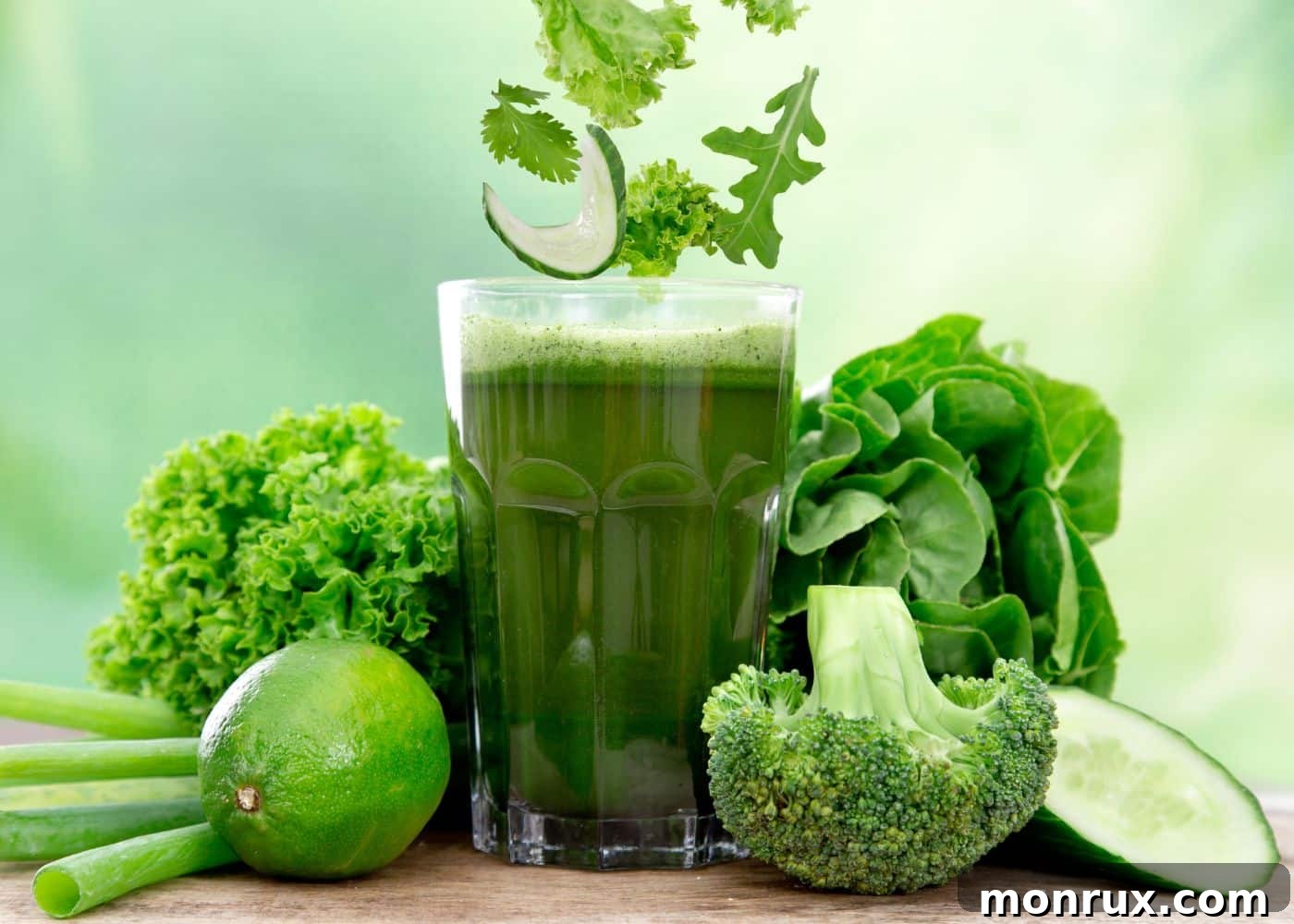
Unlocking the Power of Green Juice: Comprehensive Health Benefits and Considerations
Green juices, crafted by expertly extracting nutrient-rich liquid from a vibrant array of vegetables, offer a potent and convenient way to integrate essential micronutrients into your daily diet. This comprehensive guide will delve into the profound health advantages of regularly consuming green juices, exploring their significant impact on everything from bolstering your immune system and enhancing skin radiance to aiding digestion and promoting overall well-being. Discover everything you need to know about the incredible health benefits that green juicing can bring to your life.
The popularity of green beverages, encompassing both vegetable-based juices and nutrient-packed green smoothies, is undeniably on the rise and shows no signs of waning. Fresh green juice stands out as an exceptionally convenient method for obtaining a wide spectrum of micronutrients that are abundant in fresh produce.
Moreover, when carefully prepared with a harmonious blend of ingredients, green drinks can be surprisingly delicious, making healthy eating both accessible and enjoyable. A wealth of research consistently highlights the beneficial nutrients found in a diverse range of green vegetables, whether consumed whole, blended into smoothies, or extracted as juice.
Ideally, our daily intake should include several servings of vegetables to support robust gut health, supply essential vitamins and minerals, aid digestive function, and contribute significantly to our overall health and vitality. Green juicing offers an excellent pathway to achieving this nutritional goal.
Health Benefits of Green Juice
In this article, we will explore ten significant potential health benefits associated with incorporating green juice into your diet. While it’s true that you can derive these same powerful benefits from simply consuming whole vegetables, for many individuals, juicing offers a remarkably easy and effective method to harness the goodness of leafy green vegetables. This is particularly beneficial if you have a sensitive digestive system or find the taste or texture of raw vegetables challenging to enjoy.
However, it is crucial to approach dietary changes with mindfulness. If you are managing pre-existing medical conditions such as kidney stones, diabetes, or other serious health concerns, it is always recommended to consult your doctor or a qualified healthcare provider. They can offer personalized advice on whether green juice can be a healthy and safe addition to your specific dietary regimen.
1. Rich in Essential Nutrients
The nutritional profile of green juices can vary significantly based on their ingredients, but their foundation typically rests on super-healthy vegetables like kale, spinach, and Swiss chard, making them incredibly nutrient-dense powerhouses. These leafy green vegetables are typically brimming with vital vitamins such as A, C, K, and folate, and serve as excellent sources of essential minerals including calcium and iron. Cucumbers, a common green juice component, also contribute valuable B vitamins and minerals like potassium and magnesium.
Beyond basic vitamins and minerals, green veggies supply a rich array of antioxidants, including potent compounds like beta-carotene, lutein, and zeaxanthin. These antioxidants are vital for cellular health, as they can significantly reduce oxidative stress, a process that prevents damage to your cells and tissues, and effectively combat inflammation throughout the body.
The nutritional diversity of your juice can be further amplified by the addition of fresh herbs, which are renowned for their numerous health benefits and impart a delightful flavor (explore my Parsley Juice recipe for inspiration). A touch of fruit can also be added for natural sweetness and an extra burst of vitamins. For more ideas, consult my related article on the best herbs to juice, ensuring you maximize the nutritional potential of every glass.
2. May Promote Alkalizing Effects
The concept of an alkaline diet, suggesting specific foods can influence the body’s pH balance, has gained considerable traction in recent years. Proponents of this dietary approach posit that certain foods, particularly highly processed items and refined sugars, can lead to an overly acidic internal environment, which they believe is detrimental to overall health.
According to this theory, an alkaline-rich diet, abundant in fruits and vegetables, may help in preventing serious conditions such as arthritis and certain cancers, and can also be a strategy for weight management. Other commonly suggested benefits of maintaining an alkaline balance include:
- Improved bone density and overall bone health
- Significant reduction in systemic inflammation
- Sustained and higher energy levels throughout the day
While the medical and scientific communities generally remain cautious and acknowledge that more rigorous research is needed to fully substantiate these specific health claims related to pH, an alkaline-focused diet is inherently healthy. This is primarily because it naturally excludes unhealthy junk foods and heavily encourages the consumption of fresh, whole fruits and vegetables.
Green vegetables are naturally high in pH, meaning they exert an alkaline effect on the body. Consequently, green juice, with its concentrated vegetable content, can play a significant and beneficial role within an alkaline diet framework, contributing to a balanced and health-promoting eating pattern.
3. Aids Digestive Health
Emerging research indicates that fresh juice contains specific compounds that can function as prebiotics. These prebiotics act as nourishment for the beneficial “friendly” bacteria residing in your gut, which are absolutely fundamental for optimal digestion and nutrient absorption. While the juicing process does remove much of the insoluble fiber, green juice still retains some soluble fiber, which can contribute to digestive regularity and stool bulk, helping to prevent constipation.
It’s important to note the distinction: juicing significantly reduces insoluble fiber, meaning you won’t receive the same fiber quantity as you would from consuming whole vegetables. This is a critical point, as some valuable antioxidants are naturally bound within the fibers of vegetables and may be lost when the vegetable is juiced.
On the upside, green juice can be a source of natural digestive enzymes. This is particularly true if you include ingredients like avocados and ginger, or if you add fruits such as mangoes, kiwifruit, and bananas for sweetness. Enzymes like amylase, found in mango and banana, assist your body in breaking down complex carbohydrates, whereas protease, abundant in kiwifruit, helps in the digestion of proteins.
Furthermore, green juice is densely packed with powerful antioxidants and anti-inflammatory compounds, which are crucial for preventing inflammation throughout the delicate lining of the digestive tract. The high water content, especially when made with hydrating vegetables like celery and cucumbers, contributes significantly to proper hydration. Excellent hydration is vital for ensuring that foods move smoothly and efficiently through your digestive system.
Lastly, green juice itself is highly digestible, making it an excellent choice for individuals who are prone to digestive sensitivities or those recovering from recent stomach or intestinal surgeries. For specific recommendations, you might find my list of the best soft foods after surgery helpful. Additionally, I have a specialized recipe for Anti-Bloat Green Juice that can be very effective in alleviating uncomfortable bloating.
4. Supports Natural Detoxification Processes
Enthusiasts of green juice frequently highlight its purported detoxifying properties. While it’s important to clarify that the body’s primary detoxification organ is the liver, green juice provides a wealth of nutrients that powerfully support and enhance healthy liver function. It acts as a facilitator, equipping your body’s natural detox system with the tools it needs.
For instance, the abundant antioxidants present in green juice play a critical role in neutralizing harmful free radicals. These unstable molecules, if left unchecked, can cause significant damage to delicate liver tissues. Concurrently, the anti-inflammatory compounds found in green juice help to prevent and mitigate inflammation within the liver, maintaining its optimal health and functionality.
Moreover, the inherent hydrating quality of the juice ensures you stay adequately hydrated, which is a fundamental requirement for efficient liver function. Water is essential for flushing out toxins and supporting the numerous metabolic processes the liver performs daily. If you’re looking for a specific blend to support your liver, you might want to try my dedicated Liver Cleanse Juice recipe.
5. Boosts Natural Energy Levels
While direct clinical trials specifically proving green juice as an energy booster are still evolving, the logical connection between its rich nutrient profile and increased vitality is compelling. Green juice is packed with a spectrum of vitamins and minerals that inherently contribute to a natural surge in energy, offering a far healthier and more sustained alternative to the inevitable crash associated with many caffeinated beverages.
Crucially, it plays a vital role in maintaining optimal hydration, effectively preventing the insidious fatigue often triggered by dehydration. Many of the key nutrients it contains are directly involved in fundamental energy production pathways within the body. This includes the entire complex of B vitamins, vital for converting food into energy; Vitamin C, an essential cofactor in many metabolic reactions; and minerals like iron and magnesium, both critical for cellular energy output.
An added advantage comes from the natural sugars present in fruits that are sometimes incorporated into green juices. These provide a quick yet wholesome source of energy. Unlike refined sugars, which lead to rapid spikes and crashes, these natural sugars are accompanied by additional nutrients and some fiber, ensuring a slower, more sustained release of energy throughout your day. For more energy-boosting options, explore my list of the best juices for energy.
6. Enhances Hydration
Maintaining adequate hydration is paramount for countless bodily functions, influencing everything from efficient digestion and nutrient transport to the optimal health of your liver and cognitive function. However, relying solely on water to stay hydrated isn’t always appealing to everyone, with many preferring beverages that offer a little more flavor and variety.
Green juice can serve as an excellent solution, especially when prepared with a generous proportion of water-rich vegetables such as celery, crisp lettuce, and refreshing cucumber. It presents a significantly healthier alternative to sugary soft drinks or highly caffeinated beverages. Furthermore, green juice often naturally contains beneficial electrolytes like sodium and potassium, which are crucial for maintaining fluid balance and can significantly boost the juice’s hydrating effects, making it even more effective than plain water in some contexts.
If your preference leans towards more concentrated green juices that utilize fewer water-dense vegetables, consider diluting them slightly with purified water. This simple step can amplify their hydrating properties while still allowing you to fully enjoy their other myriad health benefits. To help you choose the best ingredients for hydration, refer to my list of the best vegetables for juicing.
7. Fortifies the Immune System
Earlier, we touched upon the compounds in fresh juice that act as prebiotics. The excellent news is that these very prebiotics are incredibly beneficial for supporting a robust immune function! A healthy gut microbiome, fueled by prebiotics, is directly linked to a stronger immune response, as a significant portion of our immune system resides in the gut.
Beyond prebiotics, green juice is abundantly rich in Vitamin C and a diverse array of other antioxidants. These powerful compounds work synergistically to help your body ward off common illnesses like colds and flu. Vitamin C, in particular, is a well-known immune booster, enhancing the function of various immune cells.
What’s more, green juice contains vital phytochemicals – unique biological compounds naturally produced by plants. These phytochemicals primarily protect plants from environmental threats such as parasites, bacteria, and viruses. Fortunately, these protective compounds exert a similar beneficial effect in humans, significantly bolstering your immune system and offering crucial protection against both acute and chronic illnesses. Regular consumption of green juice can thus be a proactive step in maintaining your immune resilience.
8. Assists in Weight Management
When integrated mindfully into a balanced and healthy diet, green juice can be a highly effective tool for weight management. It offers a low-calorie, yet incredibly nutrient-dense alternative to many common high-fat or sugary snacks, making it an ideal choice for reducing overall calorie intake without sacrificing essential nutrition.
While juicing removes much of the insoluble fiber, green juice still provides some soluble fiber and volume, which can contribute to a feeling of fullness. This satiety helps curb excessive snacking and overeating, supporting your weight loss goals. Furthermore, its contribution to maintaining optimal hydration is a key factor in successful weight management. Proper hydration has been scientifically shown to help regulate your appetite, often preventing false hunger signals and stopping you from consuming unnecessary calories.
By replacing less healthy beverage choices with green juice, you can significantly reduce your intake of empty calories and added sugars, creating a positive impact on your weight. For more specific guidance, don’t miss my curated list of the best juices for losing weight.
9. Improves Skin Radiance and Health
The extensive array of antioxidants and beneficial phytochemicals found in green juice are nothing short of miraculous for your skin. These powerful compounds work diligently to neutralize the damaging free radicals that can harm the skin’s cells, leading to visible signs of premature aging such as fine lines, wrinkles, and dullness. By actively combating oxidative stress, green juice helps maintain a youthful and vibrant complexion.
Moreover, the abundant Vitamin C present in green vegetables plays a crucial role in the body’s natural production of collagen. Collagen is a fundamental protein that provides structure to the skin, maintains its elasticity, and contributes significantly to keeping your appearance firm and youthful. Without adequate Vitamin C, collagen synthesis can be impaired, leading to sagging skin and loss of suppleness.
The high water content of green juice, as previously discussed, also contributes directly to skin health by ensuring optimal hydration. Well-hydrated skin appears plumper, smoother, and helps to visibly reduce the appearance of fine lines and wrinkles. An additional benefit is that homemade green juice is naturally free from the added sugars commonly found in many commercially produced beverages. Excessive sugar intake can trigger a detrimental chemical reaction in your body called glycation, which weakens the vital collagen and elastin fibers in your skin, leaving it dry, less elastic, and with a dull, tired appearance. By choosing green juice, you avoid this damaging process, supporting healthy, glowing skin from within.
10. Enhances Mental Clarity and Focus
Last but certainly not least, green juice is a rich source of essential nutrients that are fundamental for optimal brain health and cognitive function, thereby significantly enhancing your mental clarity and ability to focus. Numerous studies have consistently demonstrated that a daily intake of leafy greens can markedly lower the risk of age-related mental decline. The powerful antioxidants present in these greens play a protective role, shielding the delicate brain cells from the detrimental effects of oxidative stress.
Green vegetables are also particularly abundant in Vitamin K. This crucial vitamin assists the body in producing sphingolipids, which are complex lipids essential for the structural integrity and healthy functioning of brain cells. Adequate levels of Vitamin K are therefore vital for maintaining cognitive sharpness and neuronal health.
Furthermore, maintaining proper hydration, a benefit that green juice readily provides, plays a direct role in mental clarity. Dehydration can quickly lead to fatigue, headaches, and a noticeable decrease in concentration. By staying well-hydrated, you ensure your brain receives sufficient blood flow and oxygen, allowing you to think more clearly and sustain focus. For an added brain boost, consider incorporating a few chia or flaxseeds into your juice. These tiny powerhouses provide the benefits of omega-3 fatty acids, which are widely recognized for their importance in supporting superior brain function and cognitive performance.
Potential Drawbacks of Green Juice
While green juice undeniably offers a myriad of health benefits, it’s equally important to consider a few potential drawbacks to ensure a balanced perspective and informed choices about its regular inclusion in your diet.
1. Fiber Loss During Juicing
As mentioned earlier, the process of juicing green vegetables inherently removes a substantial portion of their dietary fiber, particularly insoluble fiber. Fiber is an incredibly important nutrient that plays a critical role in maintaining a healthy digestive system, regulating blood sugar levels by slowing glucose absorption, and promoting satiety to keep you feeling full for longer. Without this fiber, the body processes sugars more rapidly, potentially leading to blood sugar spikes.
Therefore, to ensure you are meeting your daily fiber requirements, it is crucial to consume a plentiful amount of whole vegetables and other fiber-rich foods alongside your green juice. Relying solely on green juice for your vegetable intake without complementary whole foods could leave a significant nutritional gap.
2. Elevated Sugar Content
If your green juices are primarily made with low-sugar vegetables, the overall sugar content is unlikely to be a significant concern. However, if you frequently add fruits for sweetness, the natural sugar content can increase quite considerably, and it can be surprisingly easy to consume more sugar than you realize in liquid form.
To prevent unwanted spikes in your blood sugar levels, it is advisable to limit the amount of green juice you drink if it contains a significant amount of fruit. For the best results in terms of blood sugar management, try to avoid plain fruit juice altogether, as fruit juice in liquid form, stripped of its fiber, will typically increase blood sugar even more rapidly than consuming whole fruits. Furthermore, exercise particular caution with store-bought green juices, as many of these often contain additional sugars over and above the natural sugars already present in the fruit ingredients.
3. Considerable Cost
While the health benefits are appealing, the financial aspect of incorporating green juice into your routine can be a significant consideration. Store-bought green juices, particularly those from specialty health stores, often come with a high price tag. However, making your own at home can also prove to be quite expensive.
Initially, there’s the investment in a quality juicer. While more affordable models exist, for optimal efficiency and nutrient extraction, you’ll generally need to invest in a centrifugal or a masticating juicer, which can be a substantial upfront cost. Beyond the equipment, the ongoing expense of ingredients adds up quickly. Ideally, you’ll want to use high-quality, organic produce to minimize pesticide exposure and maximize nutrient density, which inherently carries a higher price per pound.
Moreover, the sheer quantity of vegetables required to produce a single glass of green juice can be surprising. It often takes a significant volume of raw produce to yield a modest amount of juice, further contributing to the overall cost. For those on a budget, this can be a genuine barrier to consistent green juicing.
4. Risk of Contaminants
When using non-organic produce, there is a potential risk of contaminants or pesticide residues. If these fruits and vegetables are not thoroughly cleaned, these undesirable substances can end up concentrated in your juice, potentially diminishing the very health benefits you are seeking. Pesticides, in particular, are designed to kill pests and may have adverse effects on human health when consumed.
This is why it is absolutely essential to prioritize premium, organically grown ingredients whenever possible. If organic produce is not accessible or falls outside your budget, a diligent approach to washing and, in some cases, peeling inorganic produce becomes crucial. Thoroughly rinse all produce under running water, and consider using a vegetable brush for items with tougher skins. Peeling certain fruits and vegetables can also help reduce surface pesticide residues, ensuring your green juice is as clean and beneficial as possible.
Green Juice FAQs
For individuals managing diabetes, consuming green juice requires careful consideration due to its lower fiber content compared to whole vegetables. Fiber plays a crucial role in moderating the rate at which your body absorbs sugar from the digestive tract. Without sufficient fiber, sugars—even natural ones from fruits added to juice—can enter the bloodstream more rapidly, leading to quicker and potentially higher blood sugar spikes.
Another concern is the ease with which one can inadvertently consume a large amount of natural sugar from juice, particularly if it contains a significant proportion of fruit. This can contribute to weight gain over time and make it more challenging to regulate blood sugar levels effectively. While purely vegetable-based green juices might be less problematic, it’s always best to be cautious.
Therefore, if you have diabetes and are considering making green juice a regular part of your diet, I strongly recommend having a detailed discussion with your medical adviser or a registered dietitian. They can provide personalized advice based on your individual health needs, current medication, and dietary goals.
There is no universal “set amount” of green juice that is recommended for everyone to drink daily. The ideal quantity is highly individual, depending on your personal preferences, your specific health objectives, your overall dietary pattern, and how your body responds to it.
When first introducing green juice into your diet, it’s advisable to start cautiously. I recommend beginning with no more than one cup per day. This initial period allows you to carefully monitor how your body reacts to the juice, noting any digestive changes or other effects. Some individuals may experience mild digestive upset if they consume too much too quickly.
Drinking excessive amounts of green juice, especially if it contains higher sugar fruits or concentrated nutrients, can potentially lead to adverse side effects. If you decide that you wish to gradually increase the amount of green juice you consume, it is always prudent to consult with your healthcare provider or a nutritionist first. They can offer guidance to ensure it remains a beneficial and safe addition to your daily regimen.
The question of whether to drink green juice on an empty stomach or with food is often debated, with various theories circulating among health enthusiasts. Some individuals believe that consuming juice on an empty stomach allows for more efficient absorption of its nutrients. The rationale is that without other foods competing for digestion, the body can more readily assimilate the vitamins, minerals, and enzymes from the juice. However, it’s important to note that there is currently no robust scientific evidence to definitively support this claim.
Others advocate for drinking juice without food, particularly when pursuing “detoxification” benefits, suggesting that this enhances the cleansing process. Again, while this theory is popular in some wellness circles, there is a lack of conclusive scientific research to confirm this specific claim about enhanced detoxification on an empty stomach.
On the other hand, there is a compelling argument that drinking juice with food may be a more beneficial approach, especially for maintaining stable blood sugar levels. Pairing juice with meals that include proteins, healthy fats, and complex carbohydrates can significantly slow down the absorption of sugars from the juice, preventing rapid spikes and subsequent crashes. Furthermore, consuming juice alongside whole foods helps to ensure you are still getting the essential dietary fiber that is largely absent from the juice itself, providing a more balanced nutritional intake.
Green Juice Recipes to Explore
Conclusion
In summary, if you frequently find it challenging to consume an adequate amount of vegetables in your daily diet, integrating green juice can be an exceptionally effective and convenient method to significantly boost your nutrient intake. Its potential health benefits are diverse and impactful, ranging from robustly strengthening your immune system and promoting clearer, more radiant skin to assisting with healthy weight management and enhancing overall vitality. However, as with any significant dietary addition, it is always wise to engage in a discussion with your healthcare adviser. This ensures you address any potential drawbacks or individual health considerations, allowing you to make green juice a beneficial and well-informed part of your consistent health regimen.
Don’t forget to join my newsletter list to get exclusive clean eating recipes and tips directly to your inbox. The newsletter is 100% free with no spam; you can easily unsubscribe at any time.
About the Author: Carrie Forrest holds a master’s degree in public health with a specialization in nutrition and is a certified holistic nutritionist. She is a prominent wellness and food blogger, attracting over 5 million annual visitors to her site. Carrie shares an inspiring story of recovery from chronic illness and is deeply passionate about empowering other women to transform their health. Feel free to send her a message through her contact form.
Note: this post is for informational purposes only and is not intended as medical advice. Please consult your healthcare provider for recommendations related to your individual situation.