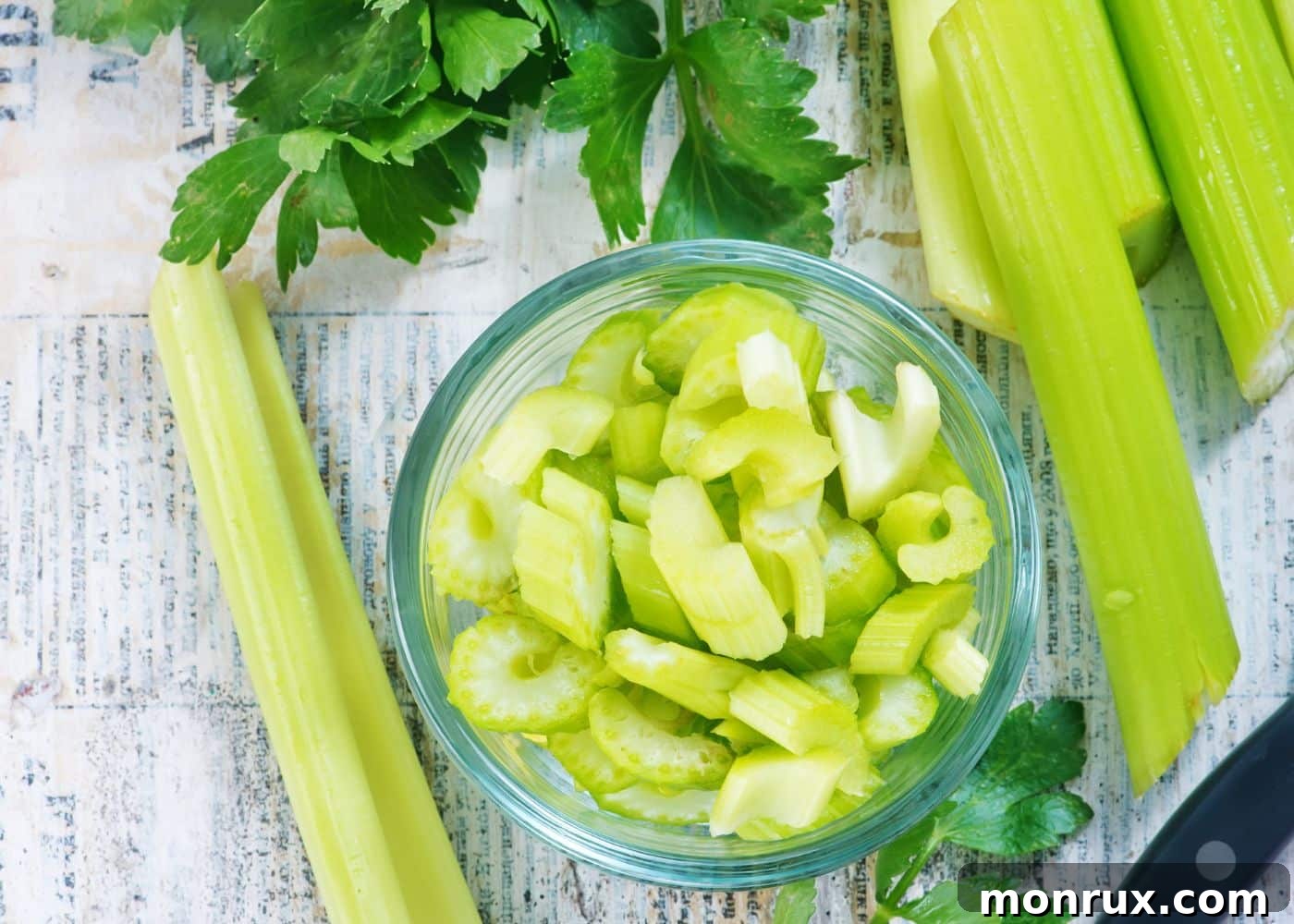
Celery is a highly versatile vegetable, celebrated for its crisp texture and distinctive, slightly earthy flavor. It’s a staple in countless kitchens, forming the aromatic base for many soups, stews, and casseroles, and adding a refreshing crunch to salads. But what if you find yourself without celery, or perhaps you’re simply not a fan of its unique taste? Don’t let a missing ingredient derail your culinary plans! Fortunately, the world of vegetables offers a fantastic array of alternatives that can step in to provide similar texture, flavor, or a delightful new dimension to your dishes. This comprehensive guide explores the best substitutes for fresh celery, ensuring your meals are always delicious and well-rounded, even without the classic stalk.
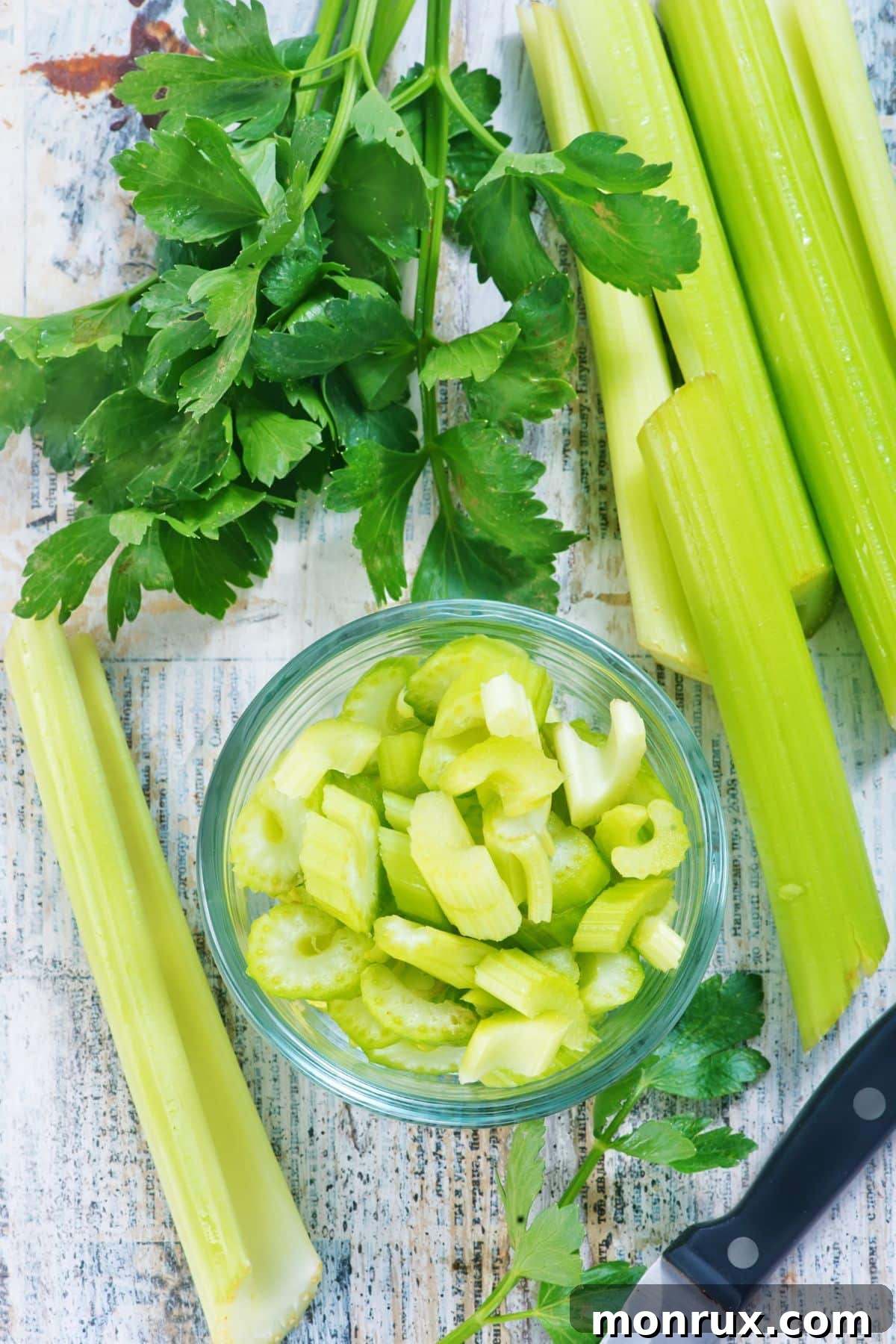
Celery, scientifically known as Apium graveolens, is much more than just a crunchy addition; it’s a cornerstone in many culinary traditions. Its long, fibrous stalks are packed with water, making it incredibly hydrating and low in calories. It contributes a mild, slightly bitter, and subtly sweet flavor that enhances other ingredients without overpowering them. This makes it a crucial component in dishes like mirepoix (a French aromatic base of diced celery, carrots, and onions) and the Cajun “holy trinity” (celery, onions, and bell peppers).
Beyond its culinary contributions, celery is a good source of vitamins K and C, as well as potassium and dietary fiber. It’s often enjoyed raw with dips, incorporated into tuna or chicken salads, or cooked down in hearty stews. When selecting celery, always look for firm, vibrant green stalks that snap easily. Avoid any stalks that appear wilted, rubbery, or have yellowing leaves, as these indicate a loss of freshness. To keep celery at its best, store it in the refrigerator, ideally wrapped in foil or submerged in water, to maintain its crispness for longer.
Substitutes for Celery: Uncovering Your Best Options
Whether you’re crafting a vibrant chicken salad, simmering a comforting soup, or building a robust stir-fry, sometimes celery just isn’t an option. Fear not, as the culinary world provides a wealth of excellent alternatives that can seamlessly fill the void. Here are some of the very best celery substitutes, each offering unique qualities in terms of flavor and texture.
1. Fennel
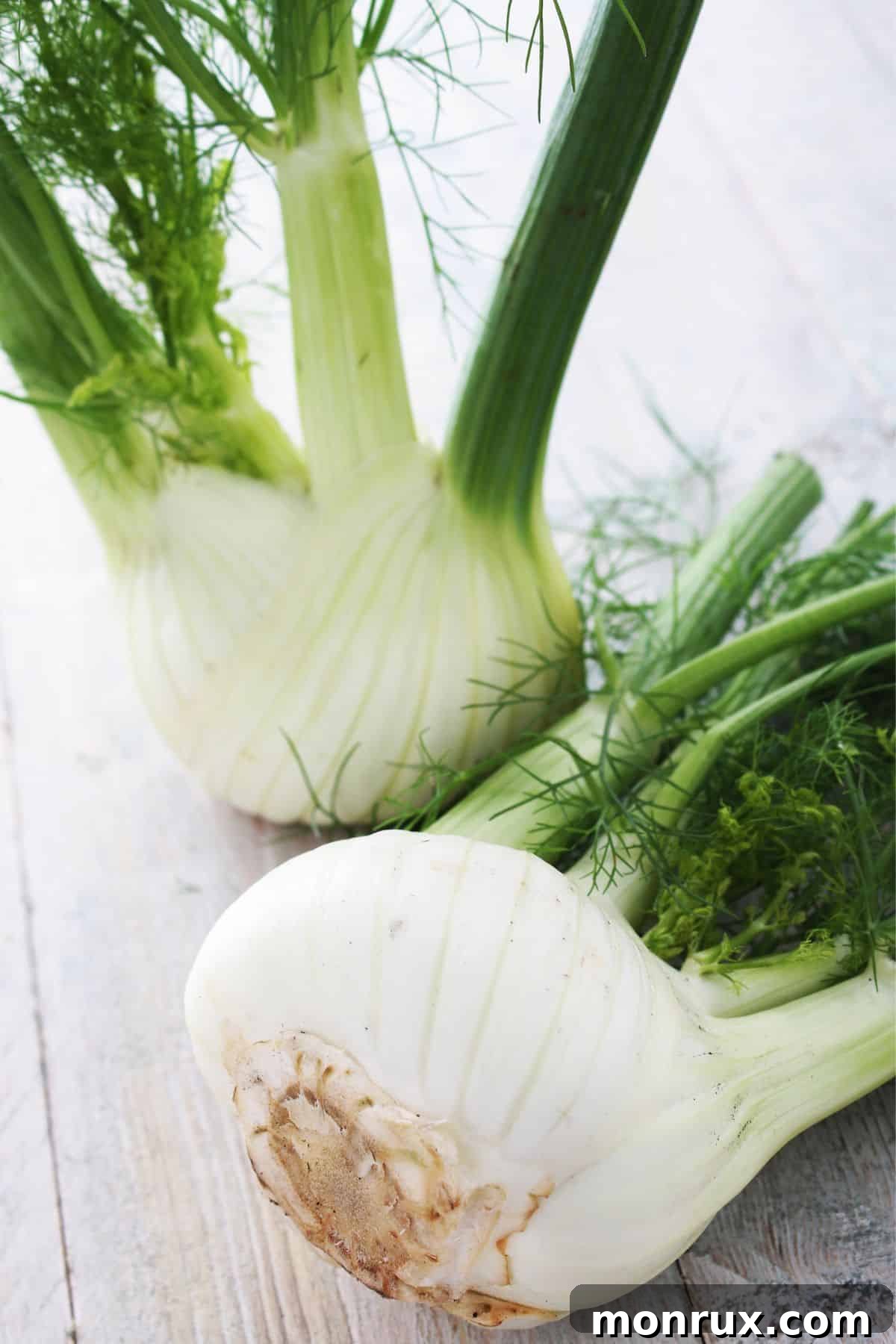
Fennel, often recognized by its bulbous white base and feathery green fronds, belongs to the parsley family and offers a delightful sweet, anise-like flavor that can be a refreshing departure from celery. All parts of the fennel plant—the bulb, stalks, and delicate leaves—are edible and highly versatile. Its crisp, crunchy texture, especially the bulb, makes it an outstanding substitute for celery in many dishes. While its flavor is more pronounced than celery’s, it mellows beautifully when cooked.
You can enjoy fennel raw, thinly sliced in salads for a refreshing bite, or roasted, grilled, or braised to bring out its inherent sweetness. It pairs exceptionally well with fish, poultry, and root vegetables. When substituting, focus on using the crunchy bulb. Its unique taste can elevate a dish, adding an unexpected layer of complexity. If you’re hesitant about the anise flavor, try using a smaller amount initially and adjust to your preference.
To substitute two stalks of celery or one cup of chopped celery, use one cup of chopped fennel bulb. Remember, the flavor is more distinct, so consider the overall flavor profile of your dish.
2. Cucumber
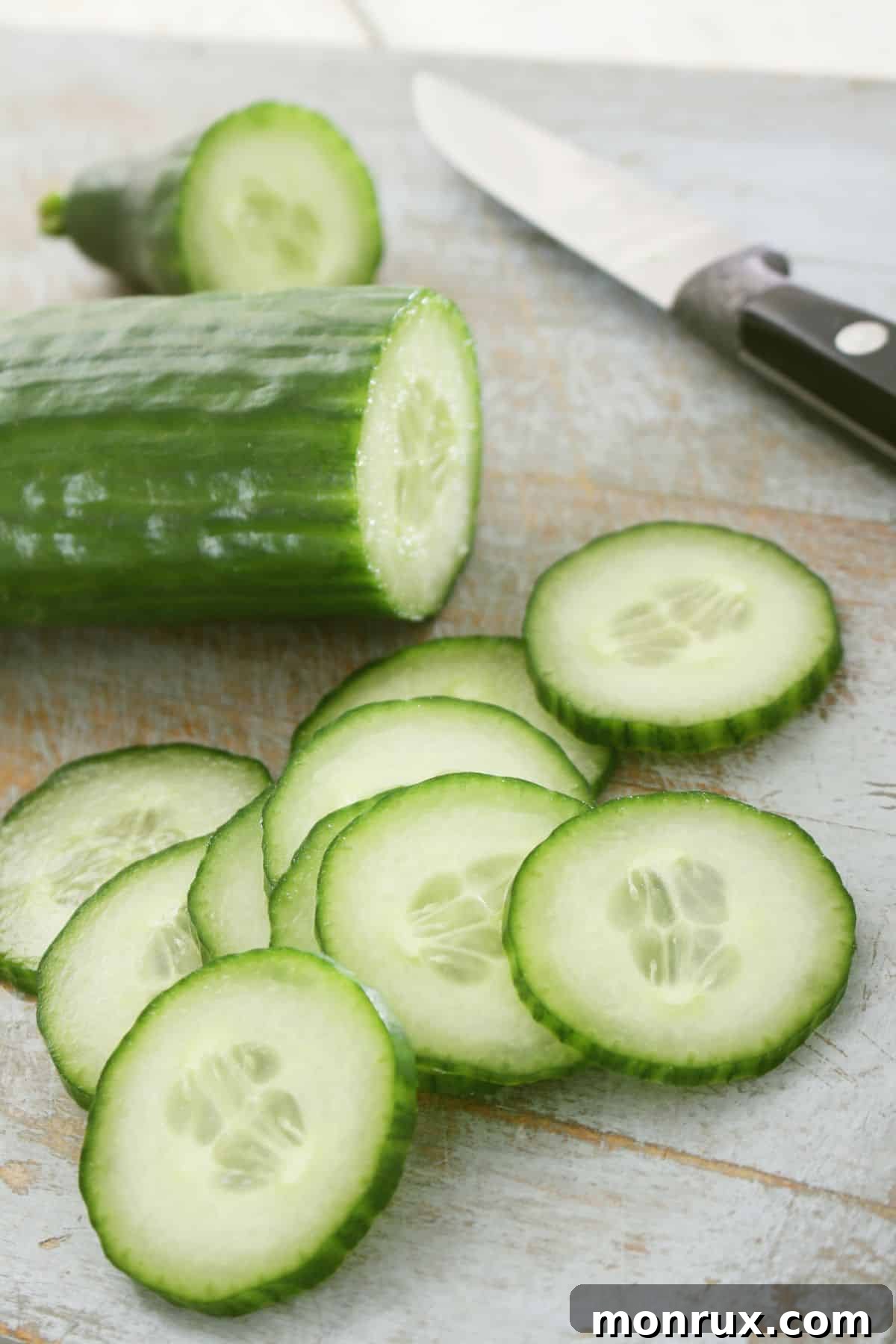
Cucumbers are an excellent choice for replacing celery, especially when the goal is to replicate that satisfying crunch and add hydration without introducing strong flavors. With their high water content and low calorie count, they are a refreshing addition to any meal, particularly on warm days. The mild, almost neutral flavor of a cucumber makes it a highly adaptable ingredient, capable of blending seamlessly into various recipes where celery’s subtle notes are missed.
They are best used in raw applications such as salads, sandwiches, or as a garnish, where their crisp texture can truly shine. While they won’t offer the same earthy undertones as celery, they excel at providing the textural element. When preparing, you can peel them or leave the skin on for added nutrients and color, depending on your preference and the recipe.
To substitute two stalks of celery or one cup of chopped celery, use one cup of chopped cucumber.
3. Green Onion (Scallions)
Green onions, also known as scallions, provide a delicate onion flavor with a hint of sharpness and freshness, offering a unique twist when used as a celery alternative. While they don’t have the same fibrous crunch as celery stalks, their tender green and white parts can add a pleasant crispness when raw, and a lovely aromatic quality when lightly cooked. They are particularly good for dishes where you want to impart a mild allium flavor alongside some textural interest.
Rich in vitamins C and K, and low in calories, green onions are a healthy addition to your meals. They can be used in place of raw celery in salads, as a garnish, or incorporated into cooked dishes like stir-fries or omelets. The white parts offer a stronger flavor, while the green tops are milder. You can use both, adjusting the quantity based on how much onion flavor you desire in your dish.
To substitute two stalks of celery or one cup of chopped celery, use ½ cup of chopped green onion. Start with less and add more to taste, as their flavor is more potent than celery’s.
4. Mixture of Carrots and Onion
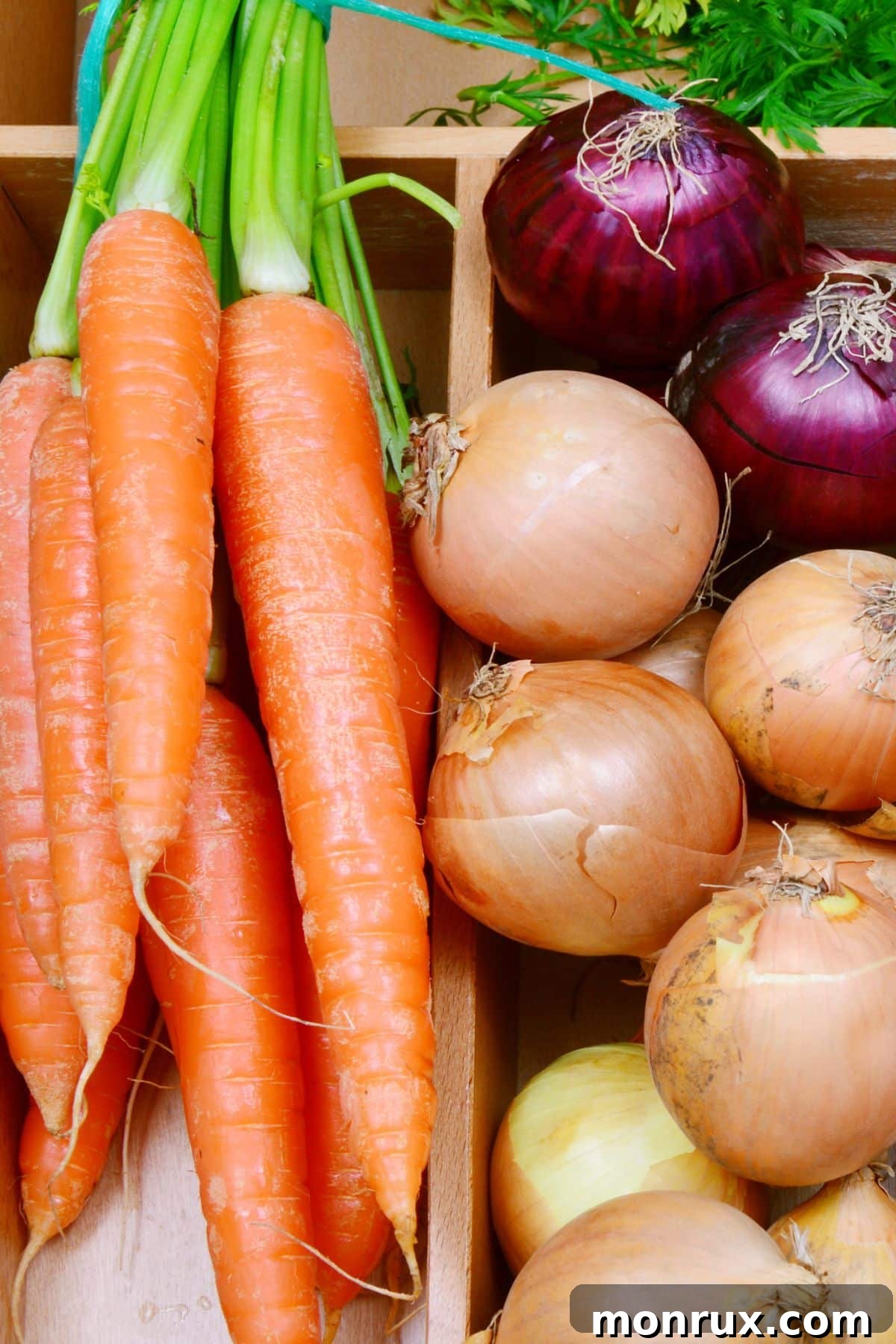
For cooked dishes, especially those that typically start with a mirepoix or “holy trinity,” a combination of carrots and onions can be an incredibly effective and flavorful substitute for celery. These two vegetables cooked together create a sweet, savory, and aromatic base that mimics the foundational flavors celery often provides, offering a warm and comforting essence to your cooking. While the texture won’t be identical, the collective flavor contribution is robust and satisfying.
This pairing works exceptionally well in soups, stews, casseroles, and sauces. Carrots provide a sweet earthiness and a softer texture when cooked, while onions contribute a pungent, savory depth that mellows beautifully with heat. Together, they create a harmonious balance that many find even more appealing than celery in certain contexts. Dice them to a similar size for even cooking and a consistent texture in your finished dish.
To substitute two stalks of celery or one cup of chopped celery, use one cup of a carrot and onion mixture (e.g., ½ cup chopped carrots and ½ cup chopped onions).
5. Water Chestnuts (Canned)
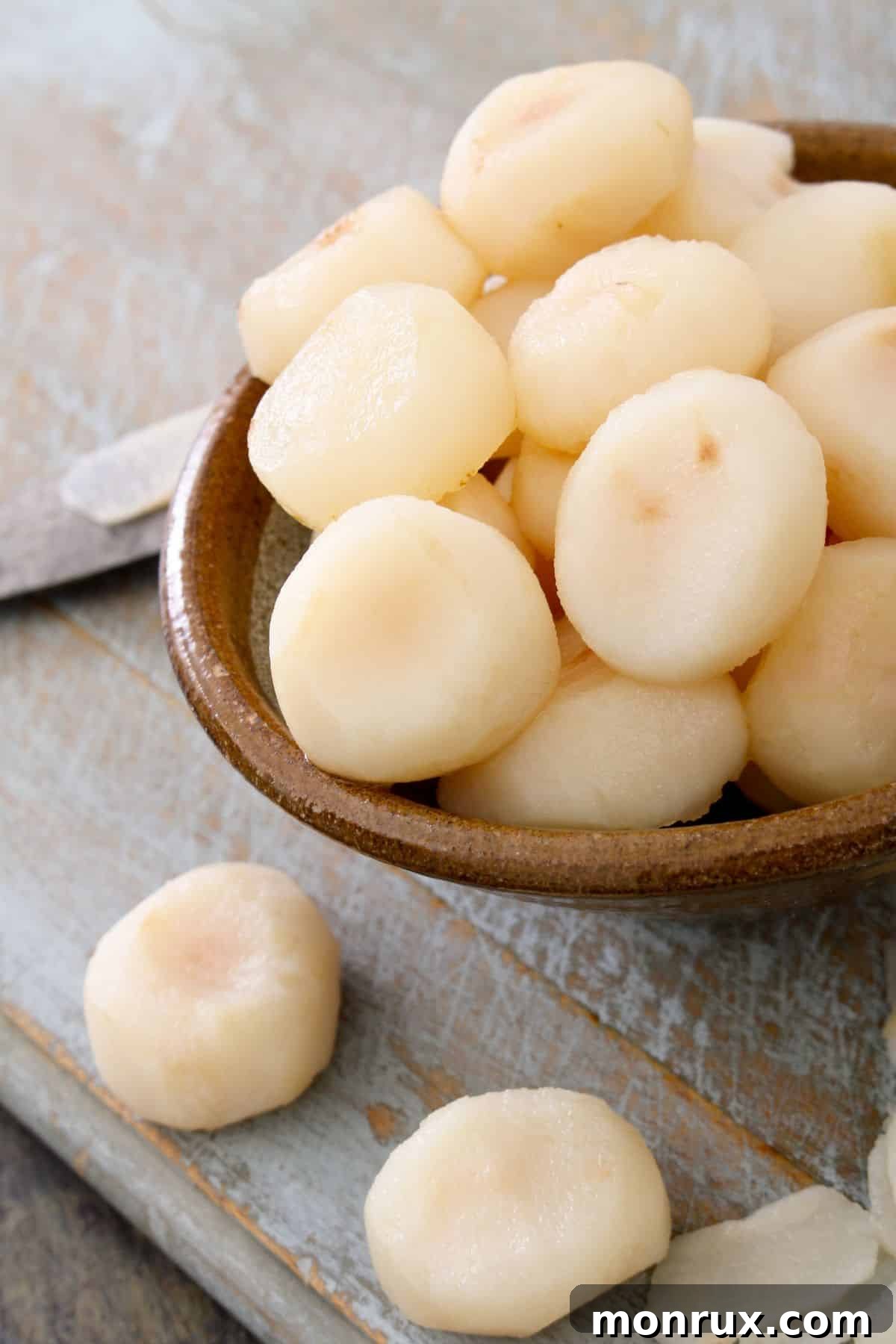
When the primary function of celery in your dish is to provide a satisfying crunch, canned water chestnuts are an excellent and readily available option. These unique aquatic vegetables have a remarkably crisp texture that holds up well, even when cooked, making them ideal for stir-fries, salads, and other dishes where a textural contrast is desired. While their flavor is subtly sweet and quite different from celery’s herbaceous notes, their primary benefit lies in their textural contribution.
Canned water chestnuts are convenient to use; simply drain, rinse, and chop them to your desired size. They absorb the flavors of the dish they are added to, making them blend in well while still offering that distinct bite. They are especially popular in Asian cuisine and can introduce an exciting element to your meals.
To substitute two stalks of celery or one cup of chopped celery, use one cup of chopped canned water chestnuts. Ensure they are well-drained before adding them to your recipe.
6. Jicama
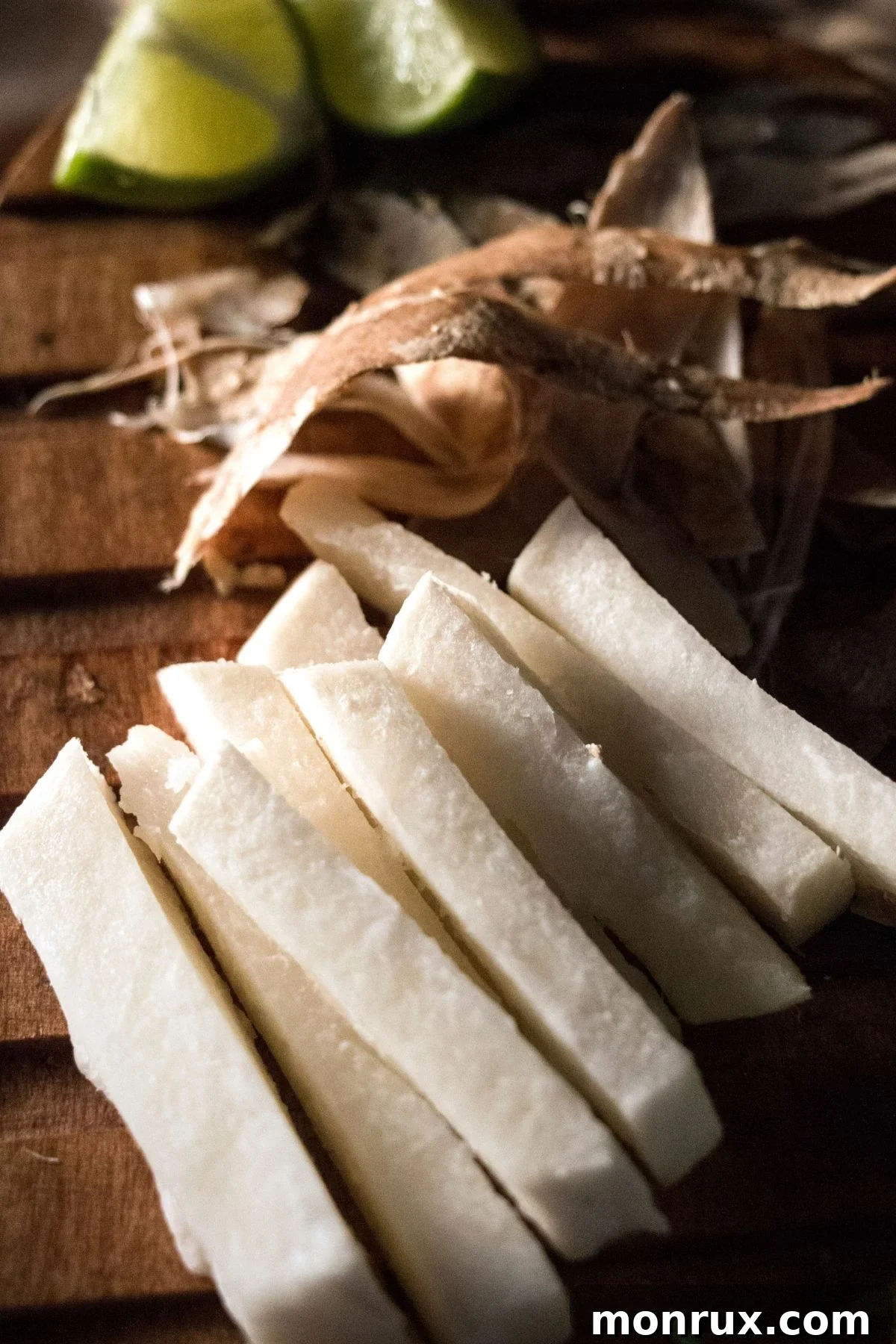
Jicama, a root vegetable native to Mexico, is celebrated for its incredibly crisp, juicy texture and mild, slightly sweet, and nutty flavor. It’s often referred to as a “Mexican potato” or “Mexican turnip” due to its appearance and versatility. When you need to replace celery’s crunch, especially in raw applications, jicama is a fantastic choice. Its firm flesh retains its bite, making it perfect for salads, slaws, or simply eaten as a refreshing snack.
While its flavor isn’t identical to celery’s, its subtle sweetness and refreshing quality can be a delightful addition. Jicama is also a good source of fiber and vitamin C. To prepare it, simply peel the brown skin and chop or julienne the white flesh. Its mildness allows it to absorb other flavors well, making it adaptable to various dishes.
To substitute two stalks of celery or one cup of chopped celery, use one cup of chopped jicama.
7. Radish
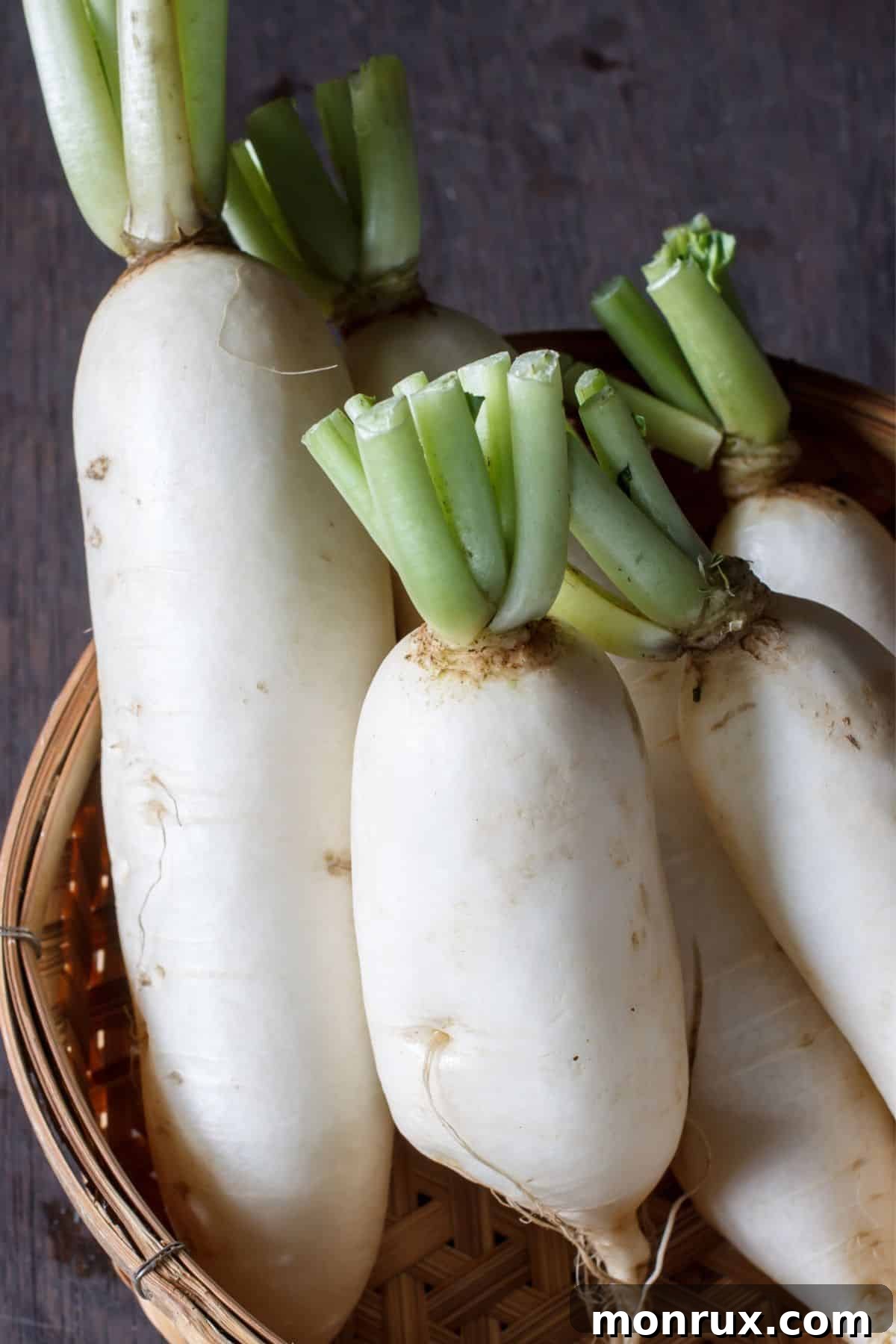
Radishes, known for their vibrant colors and peppery bite, can serve as an interesting celery substitute, particularly when you’re looking to add a lively zest and crunch. While the flavor profile is distinctly different – ranging from mildly spicy to quite pungent depending on the variety – radishes offer a similar firm texture that holds up well in both raw and cooked preparations. Common varieties include the small red globe radish, the elongated daikon radish, and black radishes.
They are low in calories and a good source of fiber, vitamins, and minerals. In Western cuisine, they’re often sliced into salads or served as a crisp garnish. In Asian cooking, especially with daikon, they are used in stir-fries, stews, and fermented dishes like kimchi, where their spicy notes mellow with cooking. When substituting with radish, be mindful of its inherent spiciness; it can add an exciting kick, but might be too dominant for very delicate dishes.
To substitute two stalks of celery or one cup of chopped celery, use one cup of chopped radishes. For a milder flavor, you can soak sliced radishes in ice water for a few minutes before use.
8. Green Bell Pepper
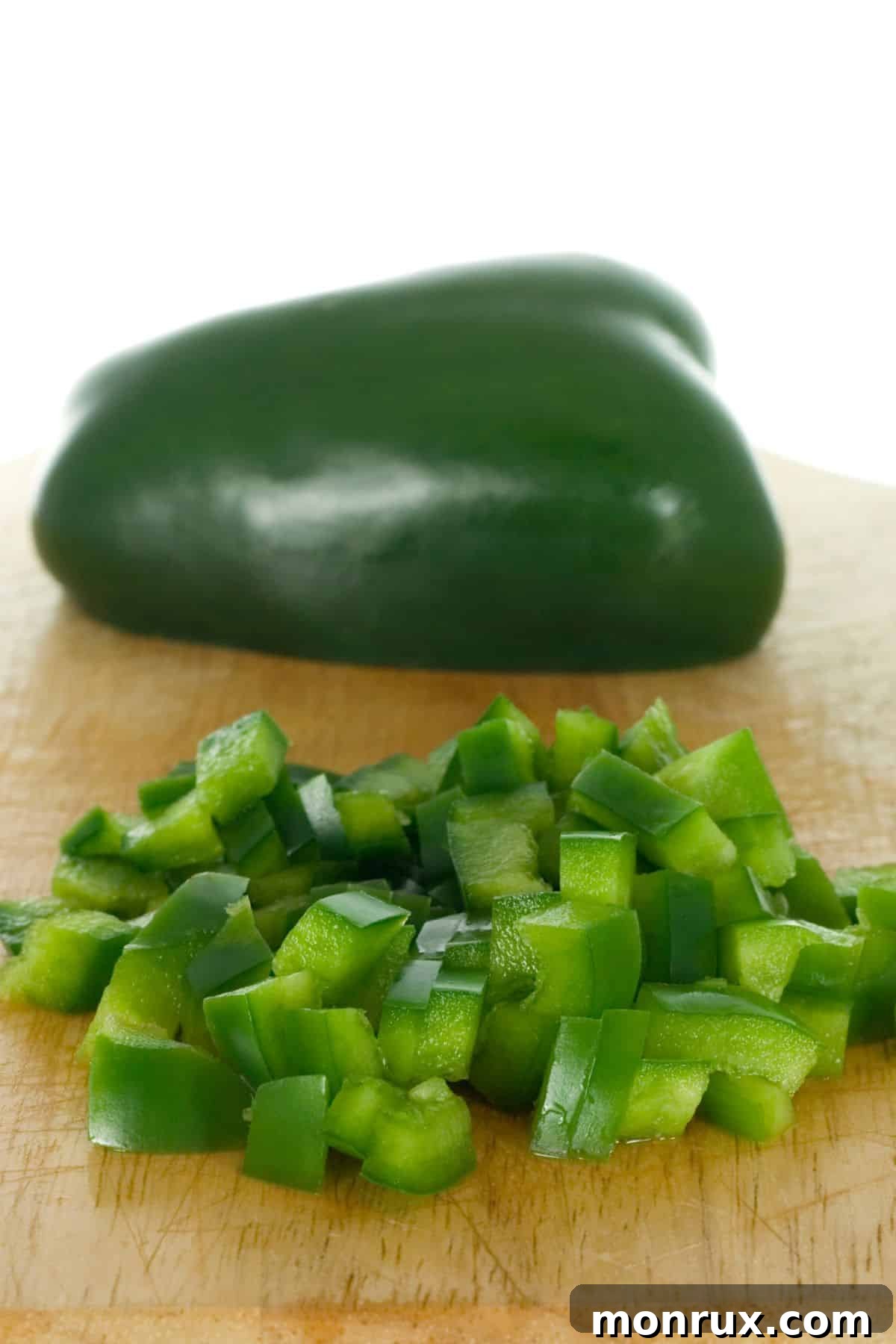
Green bell peppers are a fantastic substitute for celery, especially in dishes where both crunch and a fresh, slightly bitter flavor are desired. As part of the classic “holy trinity” in Cajun and Creole cooking, alongside onions and celery, green bell peppers are accustomed to playing a foundational aromatic role. Their firm, juicy flesh provides a satisfying crunch whether eaten raw or cooked, making them incredibly versatile.
Nutrient-rich and relatively low in calories, green bell peppers are packed with vitamin C and antioxidants. While celery tends to have a more distinct earthy flavor, green bell peppers offer a brighter, slightly more assertive taste that can complement a wide range of ingredients. They integrate beautifully into salads, stir-fries, casseroles, and as a base for sauces and stews, providing both texture and a vibrant color.
To substitute two stalks of celery or one cup of chopped celery, use one cup of chopped green bell pepper.
9. Green Cabbage
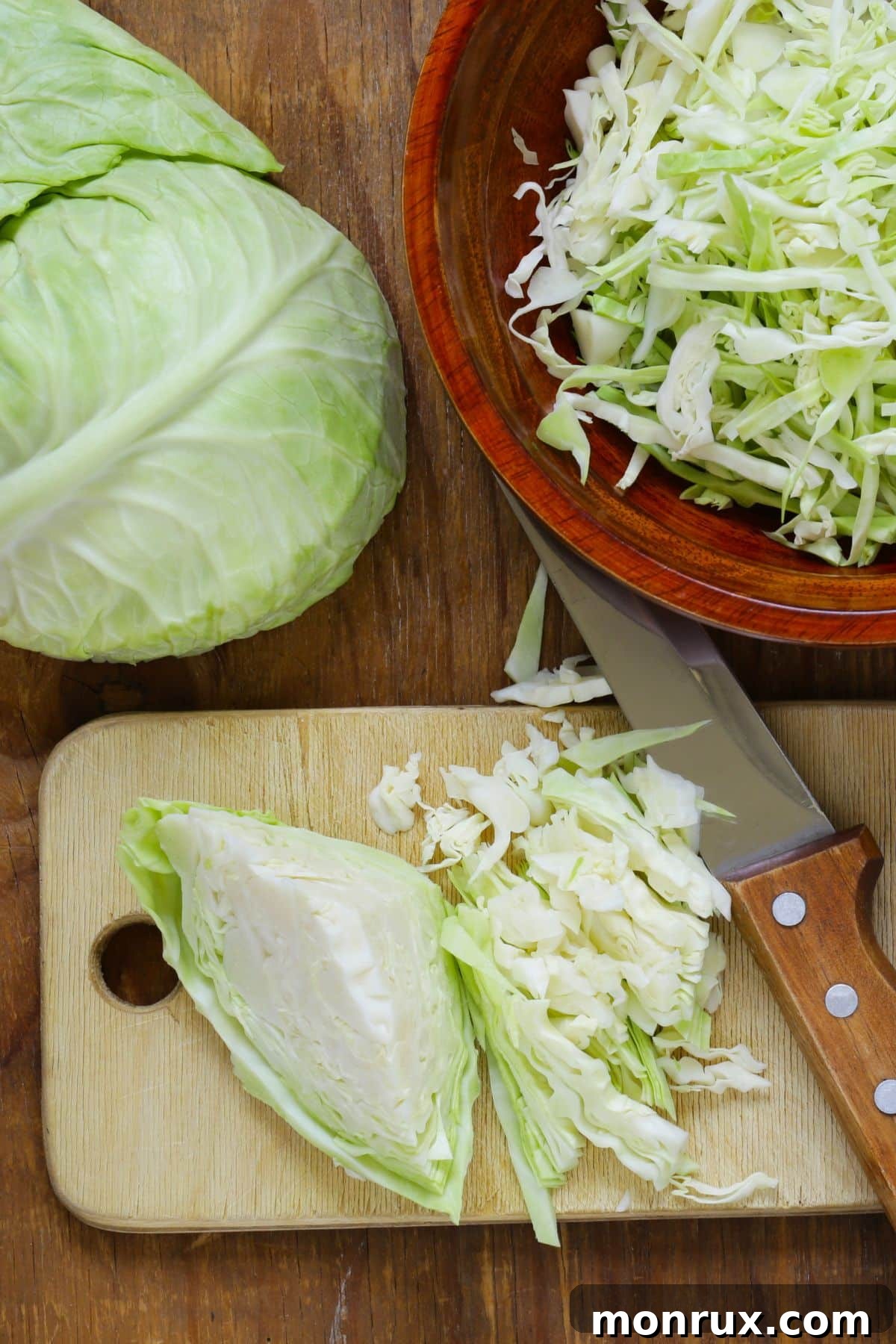
Green cabbage, with its tightly packed leaves, offers a wonderful crisp texture and a mild, slightly sweet flavor that can be a surprisingly effective substitute for celery. When finely shredded or chopped, it provides a similar textural mouthfeel, particularly in salads and slaws, and adds a refreshing bulk to cooked dishes. It’s an excellent source of vitamins C and K, and dietary fiber, making it a nutritious choice.
For preparation, wash the cabbage thoroughly, remove any tough outer leaves, and then slice or chop as desired. It can be enjoyed raw in crunchy salads, stir-fried for a tender-crisp addition, or braised to a soft, flavorful consistency. While its flavor is distinct from celery, its ability to carry other flavors and provide a substantial crunch makes it a versatile alternative that can easily adapt to many recipes.
To substitute two stalks of celery or one cup of chopped celery, use one cup of chopped green cabbage. Adjust the cut size to match the desired texture in your recipe.
10. Celery Seeds
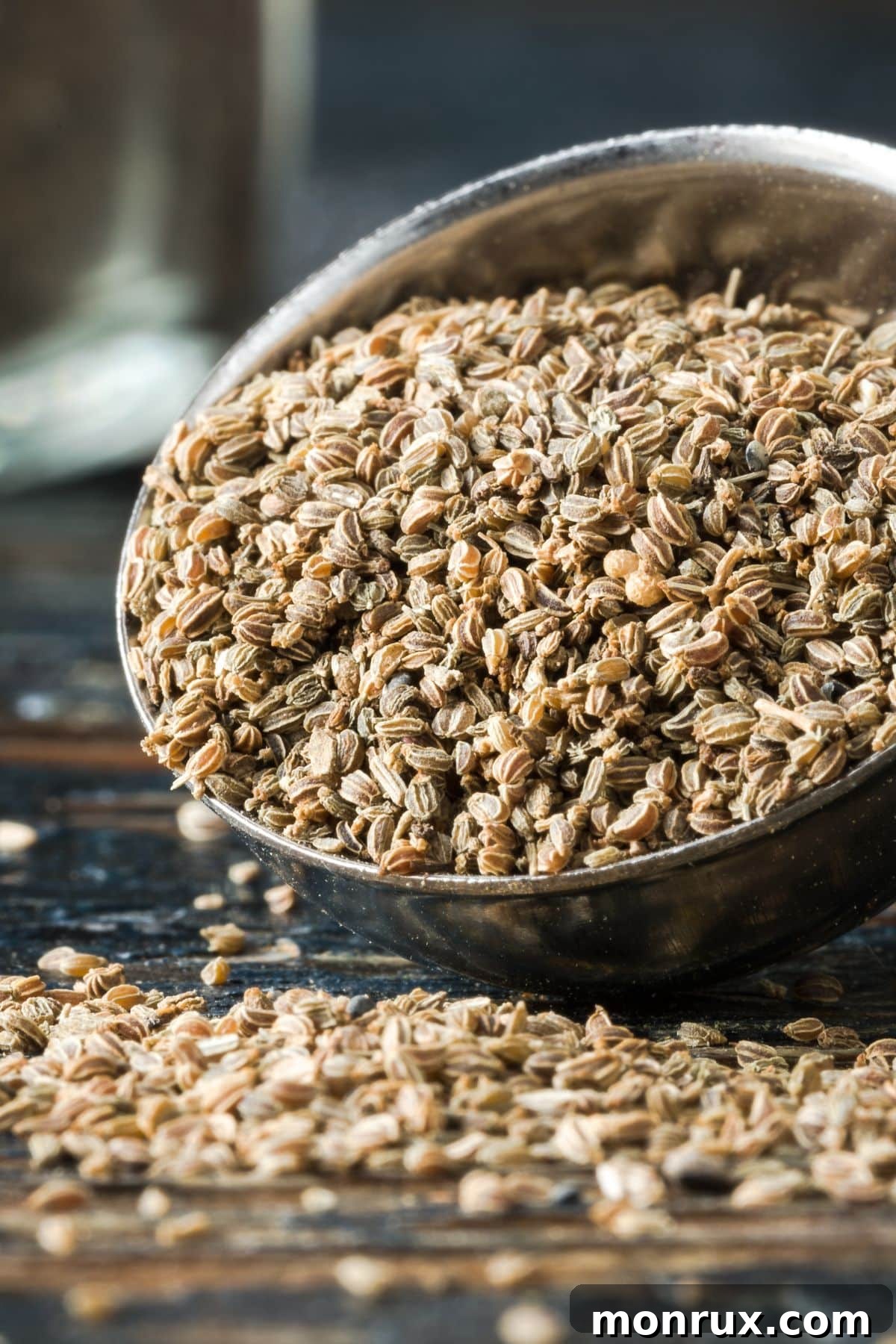
If it’s primarily the distinctive flavor of celery you’re after, rather than its crunch or bulk, then celery seeds are your go-to substitute. These tiny seeds, harvested from a wild celery plant, pack a concentrated, slightly bitter, and earthy celery flavor. They are incredibly potent, so a little goes a long way, but they can infuse your dishes with that unmistakable celery essence.
Celery seeds are commonly found in the spice aisle of most grocery stores and are a powerhouse of flavor and nutrition, offering beneficial compounds. They are perfect for seasoning soups, stews, dressings, brines, and even spice rubs. Since they don’t provide any texture, they are best suited for cooked applications or dressings where the original recipe calls for celery for its flavor contribution. If celery seeds aren’t available, caraway seeds or fennel seeds can offer a somewhat similar aromatic, albeit distinct, flavor profile in very small quantities.
To substitute two stalks of celery or one cup of chopped celery for flavor, start with a tablespoon of celery seeds and adjust to taste. Remember, their flavor is much more intense.
11. Green Apple
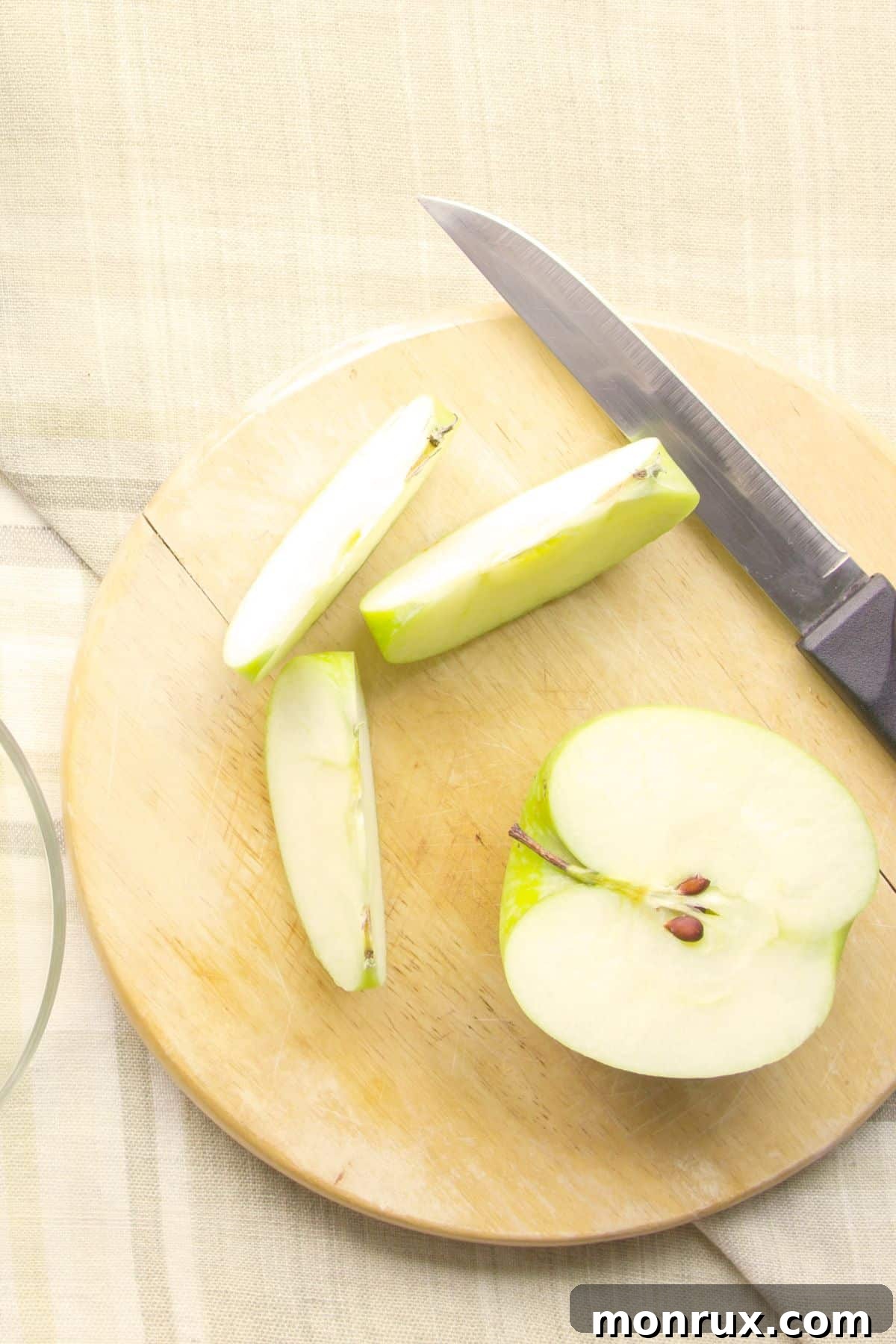
For dishes that benefit from both crunch and a touch of tart sweetness, a green apple can be a surprisingly effective, albeit unconventional, substitute for celery. Varieties like Granny Smith are known for their firm texture and pronounced tartness, which can provide a refreshing contrast, especially in salads like chicken salad or Waldorf salad, where celery typically adds a crisp bite.
While green apples are naturally sweeter than celery, their crispness and tangy notes can mimic the textural contribution of celery very well. They also bring a fresh, fruity brightness to a dish. It’s important to consider the overall flavor profile; the apple’s sweetness might alter savory dishes more significantly than other vegetable substitutes. However, for a unique and pleasant twist, particularly in cold salads, green apples can be a delightful discovery.
To substitute two stalks of celery or one cup of chopped celery, use ½ cup of chopped green apple. Adjust the quantity based on your preference for sweetness and tartness.
Celery Substitute Pros and Cons At a Glance
To help you quickly decide which substitute is best for your specific recipe, here’s a helpful chart summarizing the key advantages and potential drawbacks of each fresh celery alternative.
| Substitute | Pros | Cons |
|---|---|---|
| Fennel | Offers a sweet, unique anise-like flavor; excellent crisp texture; pairs well with fish, poultry, and vegetables. | Distinct anise flavor may not suit all palates or recipes; can be more expensive than celery. |
| Cucumber | Provides a similar refreshing crunch and high water content; very mild, neutral flavor that won’t overpower. | Lacks the earthy, herbaceous flavor of celery; best for raw dishes, as it becomes watery when cooked. |
| Green Onion | Adds a delicate oniony freshness and mild sweetness; offers some textural crunch in raw applications. | Flavor is more pungent than celery; less fibrous texture, especially when cooked; use smaller quantities. |
| Carrots and Onion | Creates a classic aromatic base for cooked dishes; widely available and affordable; develops a sweet and savory depth when cooked. | Flavor and texture are quite different from raw celery; mainly suitable for cooked recipes, not raw salads. |
| Water Chestnuts | Delivers an exceptional crisp, crunchy texture that holds up well in cooking; subtly sweet flavor. | No herbal celery flavor; primarily provides texture, not a flavor match; best for Asian-inspired dishes. |
| Jicama | Features a wonderfully crisp and juicy texture; mild, slightly sweet, and nutty flavor; excellent in raw applications. | Flavor is sweeter and lacks celery’s distinct earthiness; can be harder to find in some grocery stores. |
| Radish | Contributes a firm crunch and a peppery, spicy kick; versatile in both raw and cooked dishes. | Flavor is much spicier than celery; can overpower delicate dishes; taste varies significantly by variety. |
| Green Bell Pepper | Offers a good crunch and a fresh, slightly bitter, and vibrant flavor; rich in nutrients. | Flavor is more pronounced and sometimes bitter compared to celery; texture is less fibrous. |
| Green Cabbage | Provides a crisp texture when raw and a tender-crisp texture when cooked; mild, slightly sweet flavor. | Has a more robust flavor than celery; may require finer chopping to mimic celery’s thin stalks. |
| Celery Seeds | Delivers a concentrated, authentic celery flavor; easy to store and use; perfect for flavor infusions. | No textural contribution; very potent, so requires careful measurement; not suitable for dishes needing fresh crunch. |
| Green Apple | Adds a satisfying crispness and a refreshing sweet-tart flavor, especially in salads. | Significantly sweeter and tangier than celery, altering the dish’s flavor profile; generally not suitable for savory cooked dishes. |
Explore More Ingredient Substitutions
- Substitutes for Dijon Mustard
- Substitutes for Dill
- Substitutes for Leeks
- Substitutes for Lemongrass
- Substitutes for Marjoram
- Red Chili Substitute
Delicious Recipes Featuring Celery You Won’t Want to Miss
Conclusion: Finding Your Perfect Celery Alternative
As you can see, the absence of celery from your kitchen doesn’t have to mean compromising on flavor or texture in your favorite dishes. The culinary world offers a rich bounty of vegetables and spices that can effectively step in as a celery substitute, each bringing its own unique characteristics to the table. Whether you prioritize crunch, a specific flavor profile, or an aromatic base, there’s an ideal alternative waiting to be discovered.
Experimenting with these substitutes can not only save a meal in a pinch but also open up new avenues for culinary creativity, allowing you to explore diverse flavors and textures. Don’t be afraid to try different options to see what works best in your recipes and for your palate. With this guide, you’re well-equipped to make informed choices and continue creating delicious, wholesome meals, even without a single stalk of celery on hand.
Don’t forget to join my newsletter list to get exclusive clean eating recipes and tips. The newsletter is 100% free with no spam; unsubscribe anytime.
About the Author: Carrie Forrest has a master’s degree in public health with a specialty in nutrition and is a certified holistic nutritionist. She is a top wellness and food blogger with over 5 million annual visitors to her site. Carrie has an incredible story of recovery from chronic illness and is passionate about helping other women transform their health. Send her a message through her contact form.