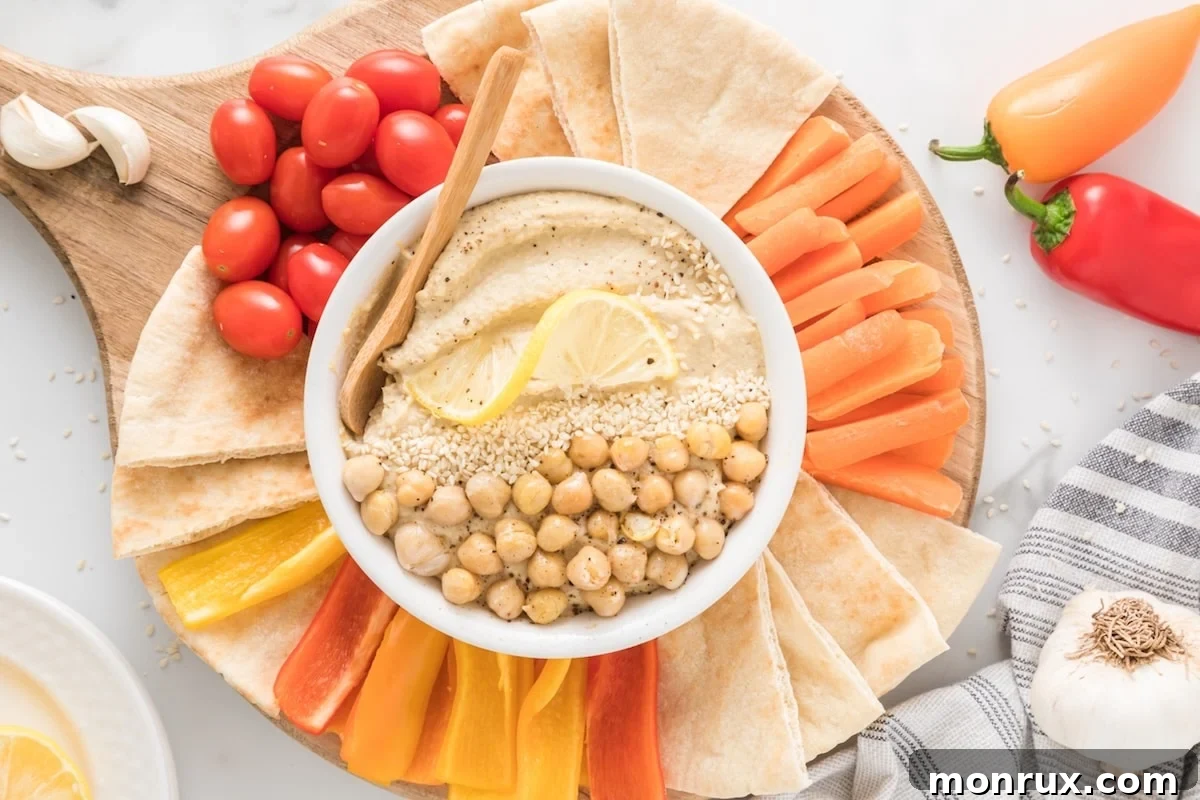
Hummus, a delightfully creamy and protein-packed dip crafted from garbanzo beans (also known as chickpeas), has captivated taste buds worldwide. While pita bread remains a classic pairing, the versatility of hummus extends far beyond this traditional accompaniment. This article explores a myriad of creative and healthy ideas for what to eat with hummus, transforming your snack time into an exciting culinary adventure. Get ready to elevate your daily routine with these wholesome and delicious hummus snack inspirations!
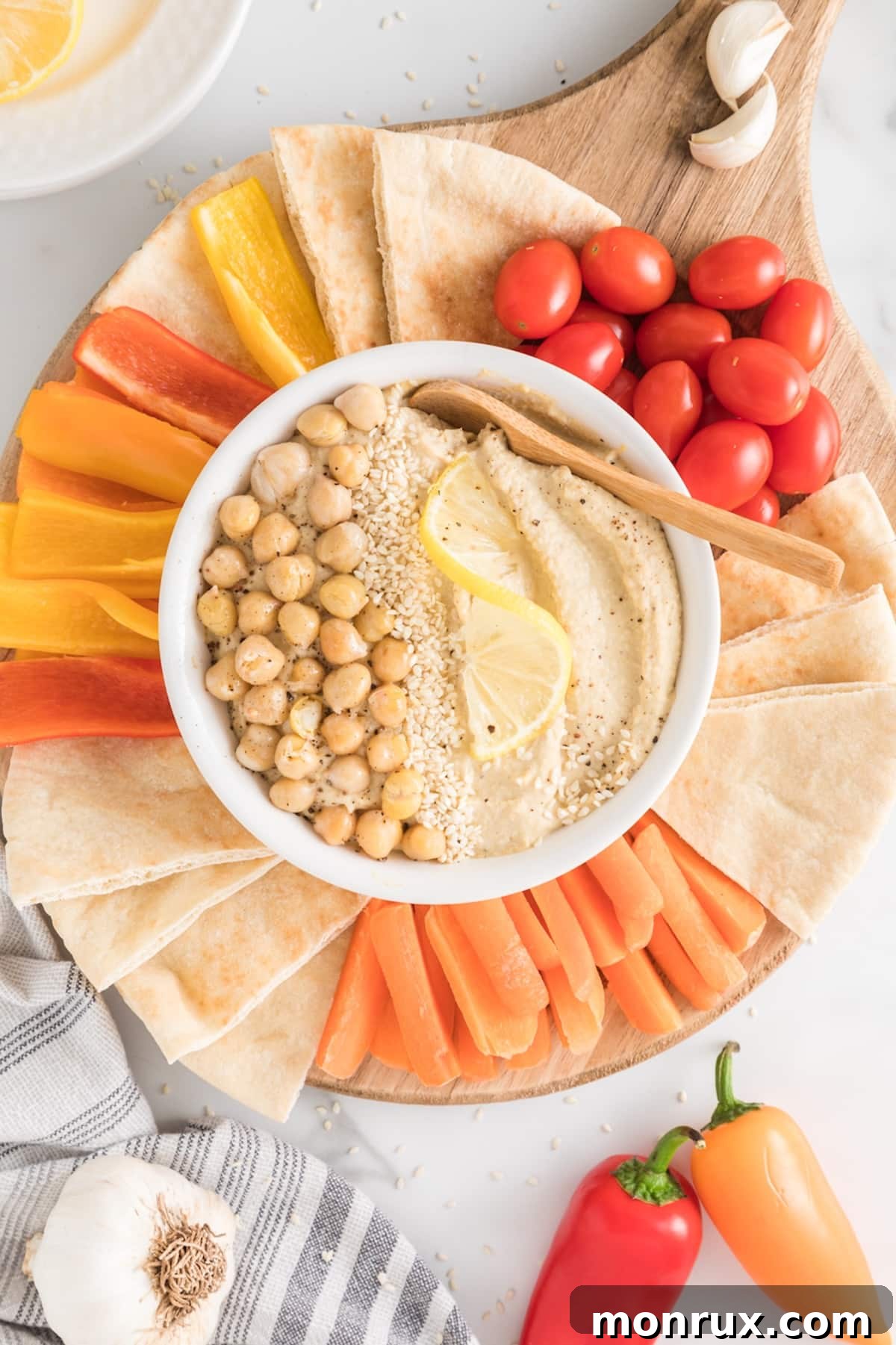
Beyond Pita: Creative Hummus Snack Ideas
Hummus isn’t just a delicious dip; it’s a nutritional powerhouse, rich in plant-based protein, dietary fiber, and healthy fats. As a nutritionist, I’m always looking for ways to incorporate such beneficial foods into a balanced diet. Whether you’re seeking a quick bite, a satisfying appetizer, or a creative meal component, hummus offers endless possibilities. Let’s explore some of my top ideas for enjoying hummus in fresh and exciting ways.
1. Vibrant Vegetables
Perhaps the most straightforward and undeniably healthy way to enjoy hummus is by pairing it with a colorful array of fresh vegetables. Almost every vegetable imaginable finds a perfect partner in a generous scoop of creamy hummus. Crisp cucumber slices, crunchy carrot sticks, refreshing celery, sweet bell pepper strips (red, yellow, or orange for visual appeal), and juicy cherry tomatoes are all fantastic choices. Their natural flavors and textures provide a delightful contrast to the smooth dip, making each bite incredibly satisfying. The beauty of raw vegetables is their convenience; they require minimal preparation, saving you valuable time. For those who prefer a softer bite, consider lightly steaming vegetables like snap peas, zucchini, broccoli florets, or cauliflower until just tender-crisp. This gentle cooking method retains their vibrant color and much of their nutritional value while making them easier to chew. This combination is a fantastic source of vitamins, minerals, and fiber, making it an ideal guilt-free snack.
2. Classic Pita Bread & Homemade Chips
While we’re aiming to go beyond pita, it’s impossible to ignore the timeless appeal of hummus served with warm, soft pita bread. The comforting chewiness of fresh pita bread, especially when lightly warmed, provides the perfect vessel for scooping up creamy hummus. For an added layer of flavor and texture, consider tucking in some finely sliced raw vegetables or a sprinkle of fresh herbs. To put a delightful spin on this classic, transform your pita into crispy, homemade pita chips. Simply cut pita bread into triangles, brush lightly with olive oil, sprinkle with a pinch of sea salt, and bake until golden brown and crunchy. These homemade chips offer a healthier alternative to many store-bought varieties. For individuals following a gluten-free diet, numerous gluten-free pita bread options are now available in most grocery stores, ensuring everyone can enjoy this beloved pairing. Alternatively, for those avoiding bread altogether, hummus pairs wonderfully with creative bread substitutes like crisp lettuce cups or slices of homemade sweet potato bread.
3. Crunchy Crackers and More
The delightful interplay of creamy hummus and crunchy crackers creates an irresistible snack experience. The key is selecting crackers that complement, rather than overpower, the rich, savory flavor of the hummus. Opt for varieties with a delicate taste, such as plain rice crackers, light oat crackers, or simple whole-grain crackers. Avoid heavily seasoned crackers that might compete with the hummus’s nuanced profile. Beyond traditional crackers, consider serving hummus with gluten-free crackers, thin pretzels, or even sturdy tortilla chips for a satisfying crunch. This pairing offers a versatile option for entertaining or for a simple, quick snack at home. Experiment with different textures and ingredients to find your perfect crunchy companion.
4. Hummus on Toast or in Sandwiches
Hummus makes an exceptional spread for toast or a fantastic addition to any sandwich, offering a healthier and creamier alternative to mayonnaise or cheese. For a quick and nutritious breakfast or lunch, spread a generous layer of hummus onto your favorite toasted bread. The possibilities for toppings are endless: add slices of creamy avocado, fresh cherry tomato halves, a sprinkle of everything bagel seasoning, or even a perfectly fried egg with its luscious runny yolk that marries beautifully with the hummus. In sandwiches, hummus acts as an excellent binder and flavor enhancer. Layer it with crisp lettuce, sliced bell peppers, shredded carrots, or nutrient-dense microgreens and broccoli sprouts for a vibrant, healthy, and satisfying meal. This makes hummus an invaluable ingredient for those following gluten-free or dairy-free diets, providing creaminess and flavor without compromise.
5. Baked Sweet Potatoes with Hummus
Transform a simple baked sweet potato into a hearty and wholesome meal with a dollop of hummus. Sweet potatoes are naturally sweet and nutrient-dense, providing complex carbohydrates and vitamins. To prepare, simply scrub a sweet potato clean, prick it with a fork, and bake it in the oven until perfectly soft (approximately an hour at 400°F/200°C), or expedite the process using an Instant Pot. Once baked, slice it open and generously top with your favorite hummus. For an exciting flavor kick, swirl in a touch of fiery harissa paste. To add a delightful textural contrast, sprinkle some homemade crispy oven-baked kale chips on top. To make kale chips, simply tear kale leaves into bite-sized pieces, toss with a drizzle of olive oil and a pinch of salt, then bake for 10-15 minutes at 350°F (175°C) until crisp. This combination is not only incredibly delicious but also provides a balanced meal rich in fiber, vitamins, and plant-based protein.
6. Fruit (Especially with Sweet Hummus)
While traditional hummus is savory, don’t dismiss the idea of pairing it with fruit, especially if you appreciate a delightful sweet and savory contrast. Plain hummus can be surprisingly good with crisp apple slices or chewy dried apricots. However, the real magic happens when you venture into the world of sweet hummus. Imagine a dessert dip that’s both indulgent and healthy! To create sweet hummus, use the classic base of chickpeas and tahini, but instead of savory spices, blend in sweet ingredients like unsweetened applesauce, maple syrup or agave nectar, and a touch of vanilla extract. For a decadent twist, add cocoa powder to create a rich chocolate hummus. A pinch of cinnamon or nutmeg can further enhance the flavor profile. This sweet version of hummus is perfect for dipping fresh fruit like banana slices, strawberries, pear wedges, or even graham crackers. It’s a healthy, kid-friendly snack that even the pickiest eaters will adore, often without realizing how nutritious it is.
7. Hummus Deviled Eggs
Give classic deviled eggs a healthier and equally delicious makeover by replacing the traditional mayonnaise filling with creamy hummus. Hard-boiled eggs have a mild flavor that acts as a perfect canvas for hummus. This allows you to experiment with various hummus flavors, from a smoky roasted red pepper variety to a zesty lemon-garlic blend or even a subtly spicy concoction. Simply hard boil your eggs, peel them, and halve them lengthwise. Carefully scoop out the yolks and mash them thoroughly with your chosen hummus and a sprinkle of your favorite seasonings, such as paprika, chives, or a dash of hot sauce. Spoon the mixture back into the egg white halves, or for a more elegant presentation, pipe it in using a pastry bag. These hummus deviled eggs are an excellent source of protein and a fantastic addition to any party platter, brunch spread, or as a satisfying snack.
8. Hummus Quesadillas
For a creative and flavor-packed twist on a beloved comfort food, try making quesadillas with hummus instead of cheese. Hummus delivers a wonderfully creamy texture, alongside a burst of savory flavor and impressive nutritional benefits. It’s an ideal option for those looking to reduce dairy or simply try something new. To prepare, generously spread hummus over one half of a tortilla. On the other half, add your desired fillings – think sautéed vegetables like spinach, mushrooms, or bell peppers, a sprinkle of cooked black beans, or even some leftover roasted chicken or tofu. Fold the tortilla into a half-moon shape, brush the outside with a little olive oil, and cook in a skillet over medium heat for a few minutes on each side until crisp and golden brown. The result is a warm, gooey, and incredibly satisfying quesadilla that’s bursting with flavor and wholesome goodness.
9. Hummus Wraps
Hummus and wraps are a match made in culinary heaven, offering a convenient, portable, and delicious meal solution, especially for those busy days on the go. To maximize the health benefits, opt for whole wheat wraps or gluten-free alternatives. You can also explore flavored wraps like spinach or sun-dried tomato for an extra dimension of taste. Lavishly spread your chosen wrap with hummus, then layer with an abundance of fresh ingredients. Crisp lettuce, shredded carrots, sliced cucumbers, bell pepper strips, and even some lean protein like grilled chicken or chickpeas work wonderfully. Roll the wrap tightly and slice it diagonally for easy eating. For a heartier, warm option, consider filling your wrap with hummus, roasted seasonal vegetables, a sprinkle of toasted pine nuts, and a touch of crumbled feta cheese (if dairy is part of your diet). Hummus wraps are infinitely customizable, ensuring a fresh and exciting meal every time.
10. Hummus in Salads & As Dressing
Hummus offers two fantastic ways to elevate your salad game. Firstly, you can use a generous scoop of hummus as a flavorful and substantial base for your salad. Pile your favorite fresh salad vegetables, grains, and proteins directly on top of the hummus for a satisfying and deconstructed salad bowl. This method ensures that every forkful benefits from the creamy goodness of the dip. Secondly, and perhaps more innovatively, transform your hummus into a rich and creamy salad dressing. This allows you to infuse your entire salad with its distinctive flavor and nutritional benefits. To achieve a pourable consistency, gradually thin your hummus with a little extra virgin olive oil, a splash of fresh lemon juice, or even a small amount of water. Add liquids slowly, stirring and tasting as you go, to ensure the dressing remains balanced in flavor and reaches your desired consistency. This creates a dairy-free, wholesome dressing that is far more flavorful and nutrient-dense than many store-bought options.
11. Hummus-Coated Roast Chicken or Tofu
Prepare to be amazed by this creative and incredibly flavorful way to cook chicken or tofu. Once you’ve tried roasting chicken coated in hummus, you might never go back to any other method! The tangy and rich flavors of hummus beautifully complement the mild taste of chicken, adding moisture and an incredible depth of flavor. For an irresistible crunch, press sesame seeds onto the hummus-coated chicken before roasting. For a plant-based alternative, this technique works equally well with tofu. Ensure you thoroughly drain and press the tofu beforehand to remove excess moisture; cutting it into slices and pressing each piece individually will result in a firmer texture. Once pressed, coat the tofu slices generously with hummus and bake until golden brown and delicious. This method not only infuses the protein with fantastic flavor but also helps to create a lovely, slightly crispy exterior, making for a truly memorable meal.
Bonus Hummus Ideas:
Hummus is so versatile, the possibilities truly are endless! For a quick and creamy pasta dish, toss warm, cooked pasta with a spoonful of hummus for a dairy-free sauce that’s both flavorful and satisfying. You can also use hummus as a unique and healthy pizza sauce base, topped with your favorite vegetables and plant-based cheese. And for those times when you need soft foods, perhaps after oral surgery, a bowl of plain hummus is a comforting and nutritious choice. We’d love to hear your creative serving ideas in the comments below!
What is Hummus? A Deep Dive into the Beloved Dip
Hummus, a staple in Mediterranean and Middle Eastern cuisine, is much more than just a dip; it’s a flavorful, creamy, and incredibly nutritious paste. At its core, hummus is a harmonious blend of cooked chickpeas (garbanzo beans), tahini (a paste made from ground sesame seeds), fresh lemon juice, high-quality olive oil, and a selection of savory spices. This simple combination yields a complex flavor profile that is both earthy and bright, smooth and satisfying.
Traditionally, hummus serves as a versatile spread or a central component of a mezze platter, an array of small dishes served as appetizers. While “plain” hummus, with its balanced notes, is a classic, the culinary world has embraced countless variations. You can find or create versions infused with roasted red pepper for sweetness, caramelized onion for depth, or a Moroccan spice blend for an exotic kick. For those with a sweet tooth, dessert hummus varieties, often flavored with cocoa, vanilla, or cinnamon, offer a surprisingly delightful treat that reimagines this savory classic.
From a dietary perspective, traditional hummus is inherently vegan, as its primary ingredients are plant-based. However, it’s always prudent to check the labels of store-bought brands to ensure no animal-derived products have been inadvertently included. Similarly, for individuals adhering to a gluten-free diet, most hummus recipes are naturally gluten-free, but commercial varieties might sometimes contain cross-contamination or hidden gluten-containing ingredients, so label vigilance is key. It’s also important to note that tahini, a fundamental ingredient in hummus, is made from sesame seeds, which are a common allergen. Individuals with sesame allergies should opt for sesame-free hummus alternatives, often made with sunflower seed butter or other nut-free pastes.
The nutritional benefits of hummus are impressive. Chickpeas provide an excellent source of plant protein and dietary fiber, promoting satiety and aiding digestion. Tahini contributes healthy fats, particularly monounsaturated and polyunsaturated fats, along with essential minerals like calcium and iron. Olive oil, a cornerstone of the Mediterranean diet, adds healthy monounsaturated fats and antioxidants. The lemon juice provides a refreshing zing and a boost of Vitamin C. Overall, hummus is a nutrient-dense food that supports heart health, blood sugar regulation, and provides sustained energy, making it a fantastic addition to any diet.
Hummus Frequently Asked Questions (FAQs)
The shelf life of hummus can vary depending on whether it’s homemade or store-bought. Homemade hummus, which typically contains fewer preservatives, is best consumed within about 5 to 7 days when stored in an airtight container in the refrigerator. Store-bought, prepared hummus, however, can last longer unopened, often up to several weeks, so always check the expiration date on the packaging. Once opened, commercially prepared hummus should generally be eaten within 5 to 7 days, similar to homemade versions, to ensure freshness and prevent spoilage. Always look for signs of spoilage such as an off smell, discoloration, or mold before consuming.
Extra virgin olive oil is traditionally and almost universally used in hummus for its rich flavor and numerous health benefits. Its fruity, peppery notes complement the other ingredients perfectly. Beyond tradition, olive oil is a fantastic source of monounsaturated fats and antioxidants. If you’re looking for an alternative or simply prefer a milder flavor, avocado oil is another excellent choice. It has a neutral taste and a high smoke point, making it versatile, and it’s also packed with healthy fats. Both olive oil and avocado oil are considered among the safest cooking oils, contributing to the overall health profile of your hummus.
Hummus is a wonderfully customizable dish, and you can use a wide array of spices to tailor it to your preference, or even opt for no additional spices at all. Traditionally, a pinch of ground cumin is often added, lending an earthy and warm note that enhances the chickpeas’ flavor. Smoked paprika is another popular choice, contributing a beautiful color and a subtle smoky aroma. However, feel free to get creative! Other spices that work well include a dash of cayenne pepper for heat, a hint of garlic powder (if not using fresh garlic), a touch of coriander, or even a sprinkle of za’atar for a Middle Eastern flair. Think of hummus as a blank canvas, inviting you to experiment with your favorite flavors and create a unique blend.
Making hummus is surprisingly simple and gratifying. The basic process involves blending cooked chickpeas (either canned or dried and rehydrated), tahini, fresh lemon juice, olive oil, and salt in a food processor until smooth and creamy. Many recipes also include fresh garlic for an aromatic kick. To achieve an extra-smooth consistency, some people prefer to remove the skins from the chickpeas before blending. You can easily adapt your hummus recipe to meet specific dietary needs or flavor preferences. For example, try an oil-free hummus recipe, or explore variations like a classic traditional hummus, vibrant roasted red pepper hummus, or even a bean-free cashew hummus for a different texture and flavor profile. The beauty of homemade hummus lies in its freshness and the ability to control all the ingredients.
More Healthy Snack Inspiration You Won’t Want to Miss!
Beyond the incredible versatility of hummus, there’s a world of healthy snack ideas waiting to be discovered. Whether you’re navigating dietary restrictions or simply seeking nutritious options, these resources offer further inspiration to keep your snacking wholesome and delicious.
Final Thoughts on Hummus’s Versatility
As we’ve explored, hummus is far more than just a simple dip; it’s a wonderfully versatile, nutritious, and incredibly flavorful food. From pairing it with fresh vegetables and crunchy crackers to incorporating it into hearty meals like stuffed sweet potatoes, quesadillas, and even roast chicken or tofu, the creative possibilities are truly endless. Rich in plant-based protein, fiber, and healthy fats, hummus is an excellent addition to a healthy diet, offering both satisfying taste and substantial nutritional benefits. We hope this comprehensive list of creative hummus snack ideas has inspired you to include this delicious chickpea dip on your menu in many new and exciting ways, transforming your everyday meals and snacks into wholesome culinary delights.
This article was originally published in 2022; it was updated and re-published in February, 2025.
Don’t forget to join my newsletter list to get exclusive clean eating recipes and tips. The newsletter is 100% free with no spam; unsubscribe anytime.
About the Author: Carrie Forrest has a master’s degree in public health with a specialty in nutrition and is a certified holistic nutritionist. She is a top wellness and food blogger with over 5 million annual visitors to her site. Carrie has an incredible story of recovery from chronic illness and is passionate about helping other women transform their health. Send her a message through her contact form.
Note: this post is for informational purposes only and is not intended as medical advice. Please consult your healthcare provider for recommendations related to your individual situation.