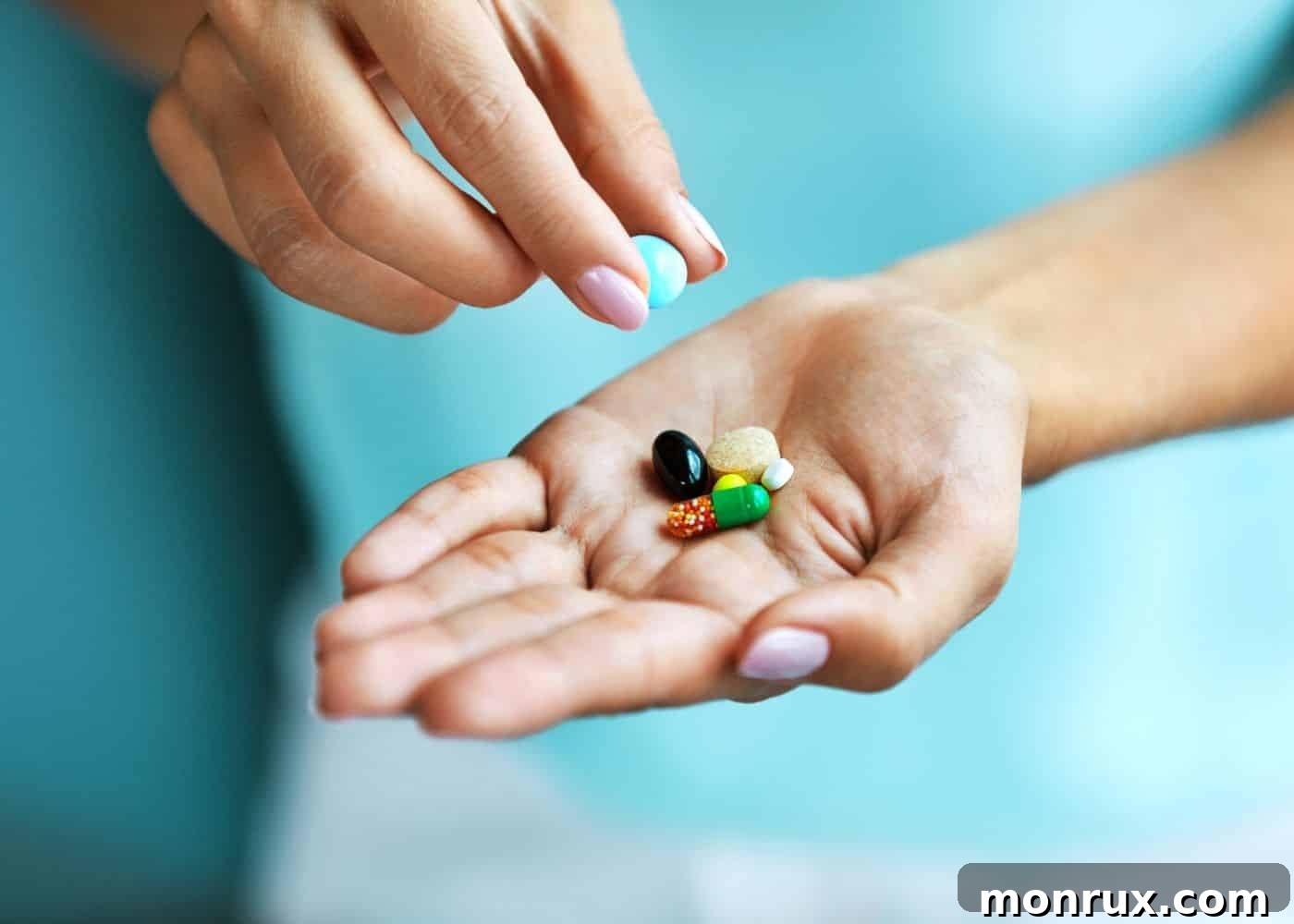
Estrogen dominance is a widespread hormonal imbalance where the body has a disproportionately high level of estrogen relative to progesterone. This common condition can significantly impact women’s health, leading to a cascade of uncomfortable symptoms and potentially affecting long-term well-being. Understanding this intricate hormonal interplay is the first step toward restoring balance. This comprehensive article delves into the mechanisms behind estrogen dominance, explores its diverse symptoms, and highlights key **supplements that can effectively help manage or reduce estrogen dominance**, guiding you toward achieving optimal hormonal harmony and reclaiming your vitality.

Estrogen and Progesterone: The Foundations of Female Hormonal Health
In women, estrogen and progesterone are critical steroid hormones, primarily synthesized in the ovaries, with the adrenal glands also contributing to progesterone production. While often referred to as “female hormones,” men also produce these hormones, albeit in significantly smaller quantities. These powerful messengers are indispensable to two of the body’s most crucial systems: the reproductive system and the intricate endocrine system. Their balanced interplay dictates everything from fertility to mood, bone density, and metabolic health.
The Multifaceted Roles of Estrogen
Estrogen is not a single hormone but rather a group of three primary forms: estradiol, estriol, and estrone. Each plays a distinct yet interconnected role throughout a woman’s life cycle. Estradiol is the predominant estrogen during a woman’s reproductive years, instrumental in developing female secondary sexual characteristics like breasts and contributing to the characteristic fat distribution in the hips and thighs. Estriol takes center stage during pregnancy, supporting the growth of the fetus and preparing the body for childbirth. Post-menopause, estrone becomes the primary circulating estrogen.
Collectively, these estrogens orchestrate the menstrual cycle, preparing the uterine lining for potential pregnancy, and triggering ovulation. They also play a vital role in preparing the body for lactation and eventually stimulating uterine contractions during labor. Beyond reproduction, estrogens are crucial for maintaining healthy bone density in both sexes and regulating cholesterol levels, showcasing their far-reaching influence on overall health.
The Vital Functions of Progesterone
Progesterone acts as estrogen’s counterbalancing force. It prepares the uterus for menstruation and is absolutely essential for sustaining a pregnancy. Following ovulation, progesterone thickens the uterine lining to create a supportive environment for a fertilized egg. If conception occurs, progesterone levels remain elevated to maintain the pregnancy and prevent further ovulation. If pregnancy does not occur, progesterone levels decline, signaling the onset of menstruation. Its absence or insufficient levels can disrupt this delicate cycle, paving the way for hormonal imbalances like estrogen dominance.
Understanding Estrogen Dominance: Causes and Mechanisms
Estrogen dominance arises when the body accumulates an excess of estrogen relative to progesterone, disrupting the critical balance between these two hormones. This imbalance is not always about having “too much” estrogen in absolute terms; it can also occur when progesterone levels are too low, even if estrogen levels are within a normal range. Several interconnected factors can contribute to this common hormonal issue, making a holistic approach essential for management.
Perimenopause: A Natural Transition
Perimenopause, the transitional phase leading up to menopause, is a frequent culprit behind estrogen dominance. As women approach menopause, ovarian function gradually declines. Ovulation becomes less frequent and eventually ceases. Since progesterone is primarily produced after ovulation, a reduction in ovulatory cycles directly leads to a significant drop in progesterone levels. With less progesterone to counteract its effects, estrogen, even if its levels are also fluctuating, can become relatively dominant, leading to many familiar perimenopausal symptoms. This natural shift underscores why many women experience hormonal challenges during this life stage.
For more detailed insights, explore related articles on how to reduce bloating during perimenopause and the best supplements and natural treatments for menopause joint pain.
Environmental and Dietary Estrogens: The Exogenous Factor
Our modern lifestyle exposes us to various external estrogens, known as exogenous estrogens, which can significantly contribute to hormonal imbalance. These can be broadly categorized into phytoestrogens and xenoestrogens.
- Phytoestrogens: These are natural plant compounds found in foods like flaxseeds, soy, legumes, and certain grains. They have a molecular structure similar to human estrogen and can weakly mimic its effects in the body. While moderate intake of some phytoestrogen-rich foods can be beneficial for health, excessive consumption in individuals prone to imbalance might, in some cases, contribute to an estrogen-dominant state.
- Xenoestrogens: These are synthetic, man-made chemicals found widely in our environment. Common sources include plastics (BPA, phthalates), pesticides, herbicides, conventional cleaning products, cosmetics, personal care items, and even industrial pollutants. Xenoestrogens are particularly concerning because they are potent endocrine disruptors, meaning they can bind to estrogen receptors in the body and exert strong estrogen-like effects, effectively increasing the body’s overall estrogenic load and leading to estrogen dominance. Reducing exposure to these compounds is a crucial step in managing hormonal health.
The Gut-Brain-Hormone Connection: Imbalanced Gut Bacteria
The health of your gut microbiome plays a surprisingly profound role in hormone regulation, particularly estrogen metabolism. A specific collection of gut bacteria, collectively known as the estrobolome, is responsible for metabolizing and regulating estrogen levels. These bacteria produce an enzyme called beta-glucuronidase, which is essential for detoxifying and eliminating excess estrogen from the body. When the gut microbiome is imbalanced (dysbiosis), an overproduction of beta-glucuronidase can occur. This enzyme then “unconjugates” estrogen, essentially reactivating it and allowing it to be reabsorbed into circulation, rather than being excreted. This reabsorption significantly contributes to elevated estrogen levels and estrogen dominance.
Simple dietary interventions can support gut health and estrogen metabolism. For instance, consuming 1-2 raw carrots daily can help improve gut diversity and promote healthy estrogen detoxification. You might also consider trying a Raw Carrot Salad, which is specifically designed to support the gut and reduce estrogen dominance symptoms.
Additional Factors Contributing to Estrogen Dominance
Beyond the primary causes, several other elements can influence estrogen levels and contribute to dominance:
- Medications: Certain prescription drugs can impact hormonal balance. These include some antibiotics, phenothiazines (used for mental health conditions), certain hormone replacement therapies, oral contraceptives, and even some herbal remedies if not used appropriately.
- Liver Dysfunction: The liver is the body’s primary detoxification organ, responsible for breaking down and eliminating excess hormones, including estrogen. A sluggish or overloaded liver cannot efficiently process estrogen, leading to its accumulation and re-circulation in the body. Factors like alcohol consumption, poor diet, and exposure to environmental toxins can impair liver function.
- Stress: Chronic stress elevates cortisol levels. Cortisol production can “steal” precursors needed for progesterone synthesis, further widening the gap between estrogen and progesterone. Stress also impacts gut health and liver function, indirectly contributing to estrogen dominance.
- Obesity: Adipose (fat) tissue produces an enzyme called aromatase, which converts androgens (male hormones) into estrogen. Therefore, individuals with higher body fat percentages tend to have higher circulating estrogen levels.
- Genetics: A family history of estrogen-sensitive conditions or hormonal imbalances can indicate a genetic predisposition to estrogen dominance.
For a deeper dive into managing this condition, read the full article on natural ways to reduce estrogen dominance.
Recognizing the Signs: Common Symptoms of Estrogen Dominance
The symptoms of estrogen dominance can be profoundly disruptive and often mimic other hormonal fluctuations, such as those experienced during perimenopause, menopause, or severe PMS. Identifying these signs is crucial for seeking appropriate support and intervention.
Common indicators of estrogen dominance include:
- Mood Swings and Irritability: Hormones exert a powerful influence over neurotransmitters in the brain. An imbalance with too much estrogen can lead to heightened emotional sensitivity, anxiety, and sudden shifts in mood.
- Loss of Libido (Reduced Sex Drive): Hormonal imbalances, particularly an estrogen-progesterone disproportion, can dampen sexual desire. The general discomfort from other symptoms can also contribute to this reduction.
- Irregular and/or Heavy Periods: Estrogen stimulates the growth of the uterine lining, while progesterone stabilizes it. Excess estrogen without sufficient progesterone can lead to an overgrowth of the uterine lining, resulting in heavier, longer, and often more painful periods, or unpredictable cycle lengths.
- Weight Gain: Estrogen dominance often promotes fat storage, particularly around the hips, thighs, and abdomen. This can be a frustrating symptom for many women, as it can be resistant to traditional weight loss efforts.
- Bloating: Water retention and a feeling of puffiness, especially around the time of menstruation, are common due to estrogen’s influence on fluid balance.
- Hair Loss: While hair loss can occur during and after menopause, losing hair earlier in life, or experiencing significant thinning, can be a sign of estrogen dominance disrupting the hair growth cycle.
- Increased Symptoms of PMS: Estrogen dominance can exacerbate classic PMS symptoms, leading to more severe headaches, mood swings, acne breakouts, pronounced breast tenderness, persistent fatigue, and increased cramping.
- Difficulty Sleeping: Hormonal fluctuations can significantly impact sleep quality. Estrogen dominance can contribute to restlessness, insomnia, and night sweats, compounded by increased feelings of anxiety that make restful sleep elusive.
- Breast Tenderness and Fibrocystic Breasts: High estrogen levels can stimulate breast tissue, leading to tenderness, swelling, and the development of benign, fluid-filled cysts.
- Endometriosis and PCOS: Estrogen dominance is often implicated in conditions like endometriosis (where uterine-like tissue grows outside the uterus) and Polycystic Ovary Syndrome (PCOS), highlighting its role in inflammatory and reproductive health issues.
For related information, see my article about PCOS and endometriosis. You may also find it helpful to read my article on how to eat for your menstrual cycle or my detailed list of the symptoms of estrogen dominance.
Powerful Supplements to Combat Estrogen Dominance
Having explored the vital roles of estrogen and progesterone, the various causes of imbalance, and the common symptoms of estrogen dominance, we can now turn our attention to effective supplemental strategies. While lifestyle and dietary changes are foundational, certain supplements can provide targeted support to help restore hormonal harmony. Remember, the world of hormones is complex, and individual needs vary significantly. Therefore, it is always imperative to consult your healthcare provider or a qualified functional medicine practitioner before introducing any new supplements into your routine. Some of these powerful compounds interact with existing medications or have specific considerations that require professional guidance.
1. DIM (Diindolylmethane)
DIM (diindolylmethane) is a natural plant compound derived from the digestion of indole-3-carbinol, found abundantly in cruciferous vegetables such as broccoli, cabbage, cauliflower, and Brussels sprouts. DIM is not a hormone itself, but it significantly influences estrogen metabolism. Its primary mechanism of action involves promoting the production of “good” estrogen metabolites (like 2-hydroxyestrone) while reducing the formation of “bad” or more potent estrogen metabolites (like 16-hydroxyestrone), thereby fostering a healthier estrogen balance within the body. This shift helps reduce the overall estrogenic load and mitigate the effects of estrogen dominance.
While you can obtain DIM from cruciferous vegetables, the amount needed to achieve therapeutic effects against estrogen dominance would require consuming approximately two pounds daily, which is challenging for most people. A DIM supplement offers a concentrated and convenient way to ensure adequate intake. Additionally, growing and consuming broccoli sprouts or broccoli microgreens can also naturally boost your DIM intake due to their high concentration of these beneficial compounds.
Recommended DIM Supplement:
- Thorne Research – DIM Advantage – Estrogen Metabolism Support & Hormone Balance
2. Vitamin B6: The Progesterone Booster
Vitamin B6, also known as pyridoxine, plays a critical dual role in addressing estrogen dominance. Firstly, it is an essential cofactor for the production of progesterone. By supporting healthy progesterone synthesis, B6 helps to re-establish the crucial balance between estrogen and progesterone. Secondly, B6 assists the liver in metabolizing and breaking down excess estrogen, facilitating its detoxification and excretion from the body. This liver support is vital for preventing estrogen recirculation and maintaining balanced hormone levels.
Beyond its direct impact on hormones, Vitamin B6 is also known for its positive effects on mood and its ability to reduce anxiety. This makes it a valuable supplement for alleviating some of the uncomfortable emotional symptoms often associated with estrogen dominance, contributing to overall well-being. Ensuring adequate B6 intake through diet or supplementation can therefore offer comprehensive support for hormonal health and symptom management.
Recommended Vitamin B6 Supplement:
- Pure Encapsulations P5P 50 | Vitamin B6 Supplement to Support Metabolism
3. Probiotics: For Gut and Hormone Health
Probiotics are beneficial microorganisms, including live bacteria and yeasts, that naturally reside in your gut. They are fundamental for maintaining a healthy gut microbiome, which, as previously discussed, plays a crucial role in estrogen metabolism. By restoring a balanced ecosystem of “good” bacteria, probiotics help the estrobolome efficiently break down and process excess estrogen, ensuring it can be properly excreted from the body rather than reabsorbed. This is vital for preventing the accumulation of estrogen that contributes to dominance.
Because probiotics utilize microbes already present in the human body, they are generally considered safe for most individuals. Integrating more foods with natural probiotics like fermented vegetables (kimchi, sauerkraut), yogurt, and kefir into your diet is an excellent way to boost your levels. For those with specific dietary needs, such as dairy sensitivities, exploring dairy-free probiotics can be a suitable alternative. A high-quality probiotic supplement can provide targeted support for gut diversity and hormone regulation.
Recommended Probiotics:
- Visbiome (a high-potency probiotic with research supporting its efficacy for IBS and other digestive issues)
- Microbiome Labs MegaSporeBiotic Spore-Based Probiotics – Daily Probiotic Supplement for Men & Women – 5 Bacillus Strains for Immune & Gut Health
4. Omega-3 Fatty Acids: The Anti-Inflammatory Regulators
Omega-3 fatty acids, particularly EPA and DHA, are renowned for their potent anti-inflammatory properties and their essential role in overall cellular function. Crucially, they are also integral to supporting the production and regulation of hormones. These essential fatty acids are vital for health but cannot be synthesized by the body, meaning they must be obtained through diet or supplementation. They help reduce systemic inflammation, which can exacerbate hormonal imbalances, and support the cell membrane integrity necessary for proper hormone signaling.
Dietary sources rich in omega-3s include oily fish (salmon, mackerel, sardines), walnuts, flax seeds, and chia seeds. For many, a high-quality omega-3 supplement ensures consistent and adequate intake, contributing to not only hormone balance but also cardiovascular health, brain function, and mood regulation. By dampening inflammation and promoting optimal hormone synthesis, omega-3s indirectly assist the body in managing estrogen dominance.
Recommended Omega-3 Supplement:
- Nordic Naturals Ultimate Omega, Lemon Flavor
5. Calcium D-glucarate: The Detox Supporter
Calcium D-glucarate is a compound formed by combining calcium with glucaric acid, a natural chemical found in the human body and certain fruits and vegetables. Its primary benefit for estrogen dominance lies in its ability to support the body’s detoxification pathways. Research indicates that calcium D-glucarate significantly aids in the elimination of excess estrogen and prevents its harmful reabsorption into the bloodstream. It achieves this by inhibiting the activity of an enzyme called beta-glucuronidase, which, as previously mentioned, can “unconjugate” metabolized estrogen in the gut, allowing it to re-enter circulation.
When gut health is compromised, an overproduction of beta-glucuronidase can hinder the liver’s ability to properly detoxify and excrete estrogen. Calcium D-glucarate effectively counteracts this process, ensuring that metabolized estrogens are safely removed from the body. This stabilization of estrogen levels through enhanced detoxification makes it a potent tool in the management of estrogen dominance.
Recommended Calcium D-glucarate Supplement:
- Thorne Research – Calcium D-Glucarate
6. Milk Thistle: Liver’s Best Friend
Milk thistle (Silybum marianum), also known as holy thistle or Mary thistle, is a flowering herb historically revered for its medicinal properties, particularly in treating liver and gallbladder disorders. Its therapeutic effects are largely attributed to a powerful antioxidant compound called silymarin. Silymarin is believed to protect liver cells from toxins, promote liver regeneration, and reduce inflammation within the liver.
Given that the liver plays an indispensable role in metabolizing and detoxifying hormones, especially estrogen, optimal liver function is paramount for preventing estrogen dominance. By supporting liver health, milk thistle enhances the body’s natural ability to process and excrete excess estrogen, thus helping to maintain hormonal equilibrium. This makes it an excellent supportive supplement for anyone looking to manage estrogen dominance and improve overall detoxification pathways.
Recommended Milk Thistle Supplement:
- Pure Encapsulations Silymarin | Milk Thistle Extract Supplement for Liver Support and Antioxidant Activity
7. Magnesium: The Master Mineral
Magnesium is an incredibly vital mineral, acting as a cofactor in over 300 enzymatic reactions throughout the body, many of which directly or indirectly influence hormonal balance. In the context of estrogen dominance, magnesium provides multifaceted support. Firstly, it supports liver detoxification, aiding in the efficient elimination of excess estrogen from the body. Secondly, magnesium is involved in the synthesis of both progesterone and estrogen, ensuring these hormones are produced in appropriate amounts and helping to maintain their crucial balance. Thirdly, it promotes healthy digestive function, which is essential for proper estrogen excretion.
Furthermore, magnesium is well-known for its calming properties, helping to reduce stress and anxiety, which can exacerbate hormonal imbalances. It also contributes to better sleep quality and muscle relaxation. Given that many people do not obtain sufficient magnesium from diet alone, supplementation is often a beneficial strategy for overall health and specific hormonal support. Understanding the different types of magnesium can help you choose the best form for your needs.
Recommended Magnesium Supplement:
- Pure Encapsulations Magnesium (Glycinate) | Supplement to Support Stress Relief, Sleep, Heart Health, Nerves, Muscles, and Metabolism
8. Vitamin D3: The Hormone-Like Vitamin
Despite its traditional classification as a vitamin, Vitamin D is actually a pro-hormone, functioning much like a hormone in the body. It plays a critical role in numerous physiological processes, including immune function, bone health, and mood regulation. Significantly, studies have demonstrated that maintaining optimal levels of Vitamin D can help reduce estrogen levels in women experiencing estrogen dominance. It influences enzyme activity involved in estrogen synthesis and metabolism, contributing to a more balanced hormonal profile.
Given its hormone-like actions, regular monitoring of your Vitamin D levels is crucial. It is recommended to have your Vitamin D levels tested at least a few times a year, especially if you suspect hormonal imbalances. Ensuring adequate Vitamin D levels through sun exposure, diet, or supplementation is a straightforward yet powerful step in supporting overall health and mitigating estrogen dominance. For more insights into essential health markers, explore other lab tests for women.
Recommended Vitamin D3 Supplement:
- Nordic Naturals Vitamin D3
9. Turmeric (Curcumin): For Inflammation and Detox
Turmeric, a vibrant yellow spice widely used in Ayurvedic medicine, is celebrated for its potent medicinal properties, largely attributed to its primary active compound, curcumin. Curcumin is a powerful antioxidant and possesses significant anti-inflammatory capabilities, making it beneficial for overall health and particularly relevant for managing hormonal imbalances. Beyond its anti-inflammatory effects, curcumin has been shown to support liver detoxification pathways, which are essential for processing and eliminating excess estrogen from the body. By enhancing liver function, turmeric aids in reducing the circulating estrogen load.
While cooking with turmeric offers some benefits, the curcumin content is often too low, and its bioavailability is poor. To achieve therapeutic effects, especially for complex conditions like estrogen dominance, a high-quality supplementary form of turmeric, often standardized for curcumin content and combined with black pepper (piperine) for enhanced absorption, is highly recommended. This allows the body to fully utilize curcumin’s detoxifying and anti-inflammatory properties to foster hormonal balance.
Recommended Turmeric Supplement:
- Gaia Herbs, Turmeric Supreme Extra Strength, Turmeric Curcumin Supplement with Black Pepper
10. Resveratrol: The Aromatase Inhibitor
Resveratrol is a natural polyphenol found in red grapes, berries, and peanuts, widely recognized for its antioxidant properties. In the context of estrogen dominance, resveratrol offers a two-pronged approach to restoring hormonal balance. Firstly, like many other supportive supplements, it aids in liver detoxification, thereby facilitating the efficient removal of excess estrogen from the body and preventing its harmful accumulation. Secondly, and uniquely, resveratrol acts as an “anti-aromatase” compound. Aromatase is an enzyme that converts androgens (like testosterone) into estrogen. By inhibiting aromatase activity, resveratrol helps to reduce the overall production of estrogen, thus contributing significantly to lowering elevated estrogen levels and combating dominance. This dual action makes resveratrol a powerful addition to a comprehensive estrogen dominance management strategy.
Recommended Resveratrol Supplement:
- Pure Encapsulations – Resveratrol
11. Zinc: For Pituitary and Progesterone Support
Zinc is an essential trace mineral with wide-ranging health benefits, including potent anti-inflammatory properties and immune support. Critically, zinc plays a significant role in hormonal regulation. It is known to stimulate the pituitary gland to release Follicle-Stimulating Hormone (FSH). FSH, in turn, is responsible for promoting ovulation. Since progesterone is primarily produced after ovulation, stimulating regular ovulation through adequate zinc intake can help boost natural progesterone levels, thereby bringing estrogen and progesterone into a healthier balance. This mechanism makes zinc a crucial nutrient for addressing estrogen dominance by supporting the natural production of its counter-hormone. Furthermore, zinc also supports liver function, indirectly aiding in estrogen detoxification.
Recommended Zinc Supplement:
- Pure Encapsulations Zinc 15
12. Selenium: The Estrogen Metabolizer
Selenium is another vital trace mineral recognized for its antioxidant properties and its crucial role in thyroid function. Similar to resveratrol, selenium contributes to hormonal balance by helping to keep aromatase levels in check. By inhibiting the aromatase enzyme, selenium helps prevent the conversion of testosterone into estrogen, thus reducing the overall estrogenic load in the body. Additionally, selenium supports the liver’s detoxification processes, aiding in the efficient breakdown and elimination of excess estrogen. This dual action makes selenium a valuable nutrient for modulating estrogen levels and contributing to a more balanced hormonal environment, particularly beneficial for those experiencing estrogen dominance.
Recommended Selenium Supplement:
- Solgar Yeast-Free Selenium
13. Taurine: The Bile Acid Regulator
Taurine is a conditionally essential amino acid that plays several critical roles in the body, particularly in nervous system function, electrolyte balance, and cardiovascular health. It is primarily found in animal-based foods and is entirely absent from plant-based diets. For estrogen dominance, taurine is an important factor in controlling estrogen levels due to its direct involvement in liver function and bile acid formation. Taurine helps support the liver’s ability to produce bile acids, which are essential for proper digestion and for carrying toxins, including metabolized estrogens, out of the body via the feces.
Adequate bile flow prevents the reabsorption of estrogens and ensures the liver efficiently detoxifies them. Without sufficient taurine, bile production can be compromised, leading to issues like gallstones and impaired estrogen excretion, which can result in elevated estrogen levels. Therefore, ensuring adequate taurine intake can significantly support the liver’s detoxification capacity and help maintain optimal estrogen balance.
Recommended Taurine Supplement:
- Pure Encapsulations Taurine 500 mg
Frequently Asked Questions About Estrogen Dominance
Diet plays a pivotal role in managing estrogen dominance. Emphasize a diet rich in fiber, which aids in the elimination of excess estrogen, and include plenty of cruciferous vegetables (like broccoli, kale, and cauliflower) that provide DIM and other beneficial compounds for estrogen metabolism. Incorporate healthy fats from sources like avocados, nuts, seeds, and olive oil to support hormone production. Simultaneously, it’s beneficial to reduce or eliminate processed foods, refined sugars, excessive alcohol, and caffeine, all of which can burden the liver and disrupt hormonal balance. For a deeper dive, refer to my related article on how to reduce estrogen dominance naturally.
Yes, regular physical activity is a powerful tool against estrogen dominance. Exercise helps in various ways: it promotes healthy weight management (reducing fat tissue that converts androgens to estrogen), improves circulation for efficient detoxification, and reduces stress, which can positively impact the entire endocrine system. At least one study on premenopausal women demonstrated that moderate-to-vigorous aerobic exercise led to a significant increase in the 2-OHE1/16α-OHE1 ratio, an indicator of healthier estrogen metabolism, suggesting a potential mechanism by which physical activity could lower breast cancer risk. Aim for a consistent routine that includes both aerobic exercise and strength training.
Beyond diet and exercise, several lifestyle adjustments can profoundly impact estrogen dominance. Stress reduction techniques, such as mindfulness meditation, yoga, deep breathing exercises, or spending time in nature, are crucial as chronic stress directly impacts hormone production. Ensuring adequate, restorative sleep (7-9 hours per night) allows the body to repair and regulate hormones. Minimizing exposure to xenoestrogens by choosing natural cleaning products, avoiding plastics (especially when heating food), and opting for natural and organic cosmetics can significantly reduce your toxic burden. Maintaining a healthy body weight is also critical, as excess adipose tissue produces more estrogen. Additionally, being aware of and avoiding foods that can worsen estrogen dominance is a proactive step.
Further Reading and Supplement Recommendations
To continue your journey toward optimal health and balanced hormones, explore these additional resources and supplement guides:
- Best Vitamins for Teenage Girl
- Ten Best Vitamins for Women Over 50
- What Vitamins Should a 30 Year Old Woman Take?
- Supplements to Boost Your Immune System When Sick
- Best Supplements for Hormone Balance
Essential Articles on Women’s Health
Conclusion: Balancing Hormones for Optimal Health
Estrogen dominance, while a common and often uncomfortable condition, is not an immutable fate. Understanding its causes, recognizing its symptoms, and implementing strategic interventions can profoundly impact your well-being. By integrating targeted supplements like DIM, Vitamin B6, probiotics, and those that support liver detoxification and progesterone production, you can actively work towards bringing your hormones back into their delicate and crucial balance. Remember, a holistic approach that combines mindful diet, regular exercise, stress management, and appropriate supplementation is the most effective path to lasting hormonal harmony.
If you suspect estrogen dominance or are experiencing persistent symptoms, seeking personalized guidance from a healthcare professional is paramount. A functional medicine practitioner can offer comprehensive testing and tailored recommendations to address your unique hormonal profile. Discover how to find a qualified expert in your area by reading my article on how to find functional medicine doctors near me.
Don’t forget to join my newsletter list for exclusive clean eating recipes and tips. The newsletter is 100% free with no spam; unsubscribe anytime.
About the Author: Carrie Forrest holds a master’s degree in public health with a specialization in nutrition and is a certified holistic nutritionist. As a prominent wellness and food blogger, her site welcomes over 5 million visitors annually. Carrie’s inspiring journey of recovery from chronic illness fuels her passion for empowering other women to transform their health. You can connect with her through her contact form.
Note: this post is intended for informational purposes only and does not constitute medical advice. Please consult your healthcare provider for recommendations pertinent to your individual health situation.