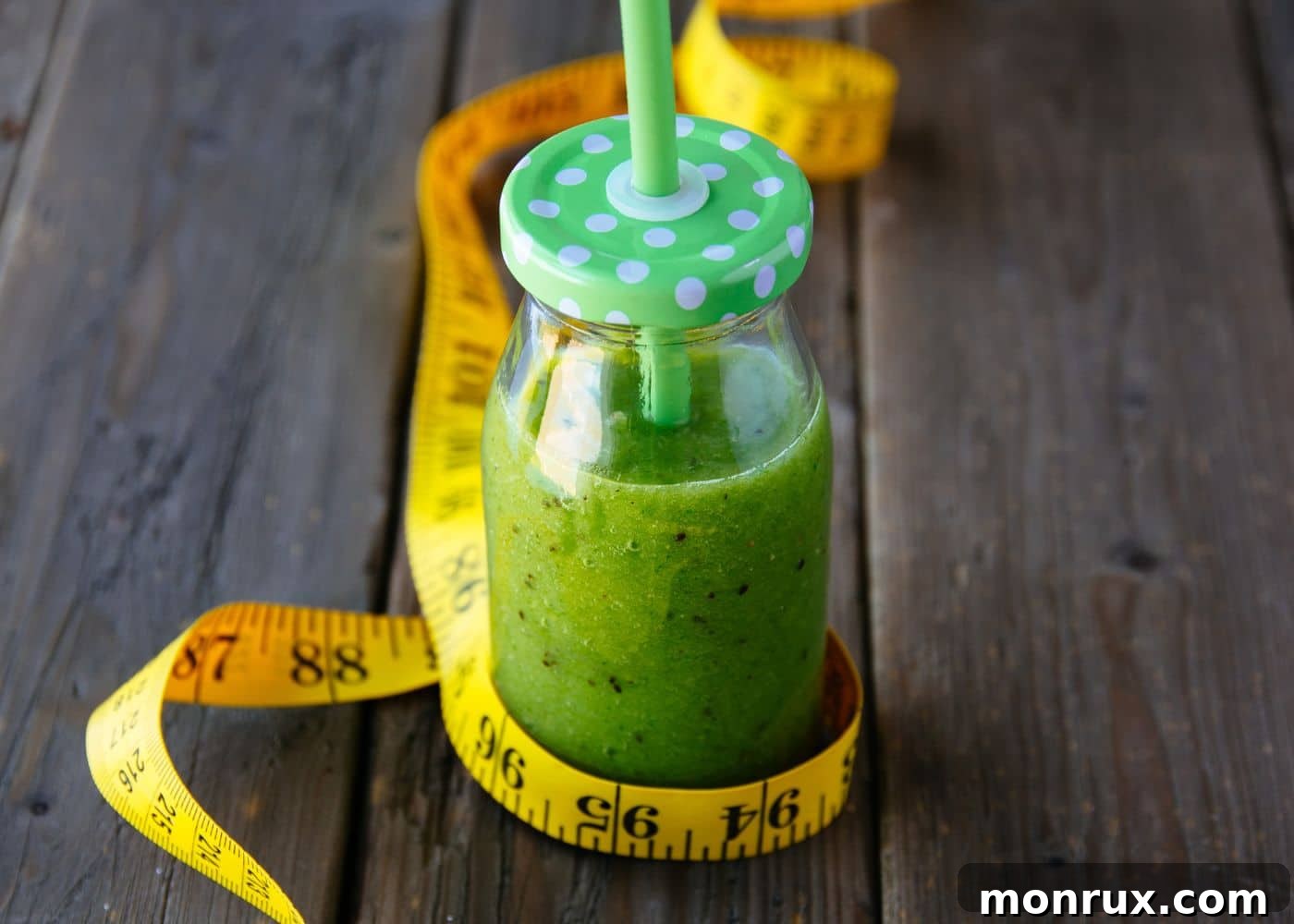
16 Power-Packed Smoothie Ingredients for Healthy Weight Loss
Smoothies offer a delicious and efficient way to infuse your diet with essential nutrients, making them a superb addition to any weight loss journey. When crafted thoughtfully, they can be a quick, satisfying meal or snack that supports your goals without an overload of calories. This comprehensive guide will explore 16 powerful smoothie ingredients, each backed by science, to help you achieve healthy and sustainable weight loss.
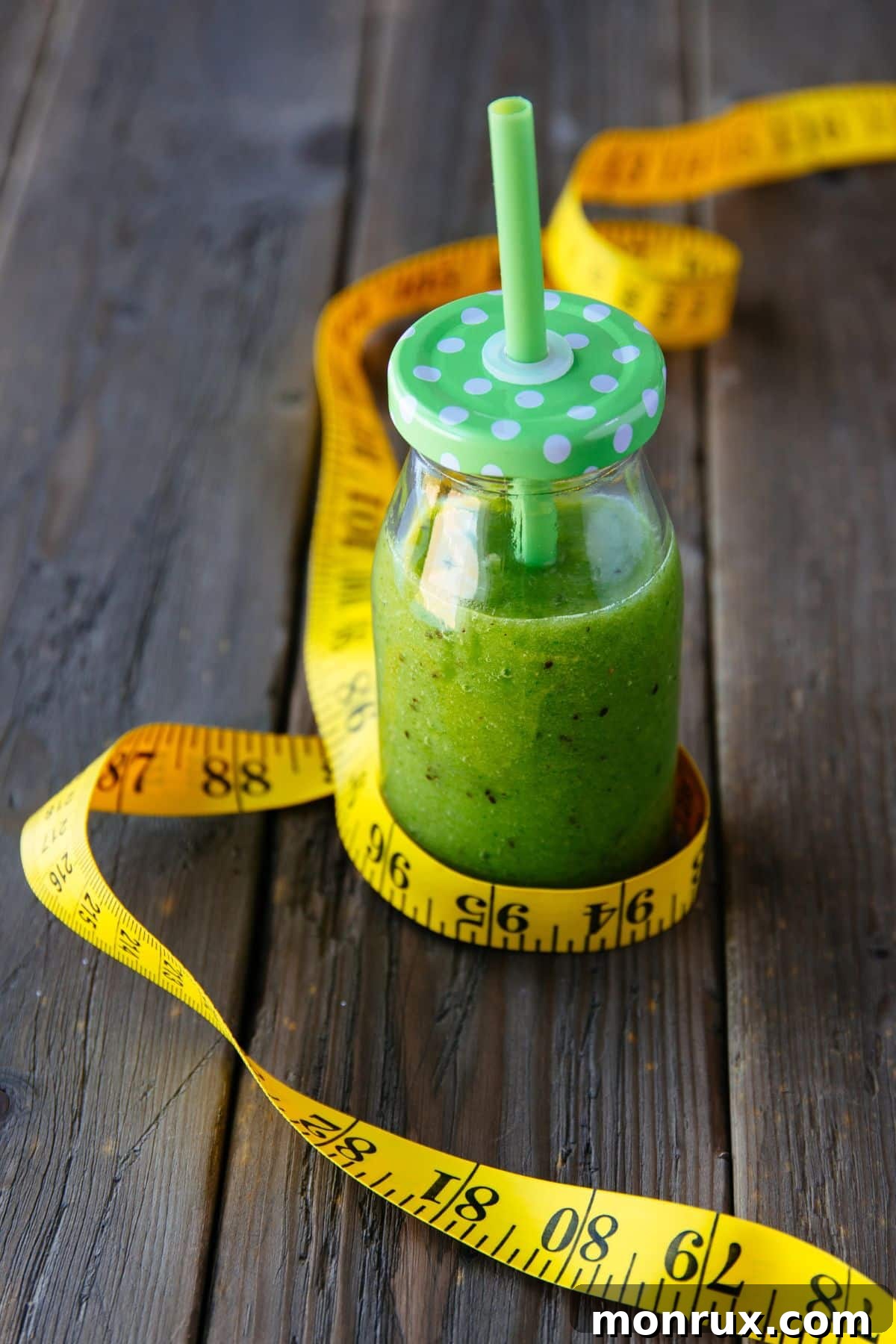
How Smoothies Help With Weight Loss
When composed with a thoughtful balance of fruits, vegetables, proteins, and healthy fats, a smoothie transcends being just a drink; it becomes a delicious and highly nutritious tool for managing your weight. The efficacy of smoothies in a weight loss regimen stems from several key benefits:
- Satiety and Fullness: Smoothies, especially those rich in fiber from whole fruits and vegetables, and protein from sources like Greek yogurt or protein powder, keep you feeling fuller for longer. This sustained satiety helps curb unhealthy snacking between meals, reducing overall calorie intake.
- Nutrient Density: A well-made smoothie is a powerhouse of vitamins, minerals, antioxidants, and phytochemicals. It allows you to pack a wide array of beneficial ingredients into a single serving, ensuring your body receives ample nourishment even while in a calorie deficit.
- Calorie Control: Creating your own smoothies gives you complete control over the ingredients and portion sizes, making it easier to track and manage your daily caloric intake. You can tailor them to be low in calories yet high in nutritional value, unlike many processed snacks.
- Convenience and Speed: In our fast-paced lives, finding time for wholesome meals can be challenging. Smoothies are incredibly quick to prepare, offering a nutrient-rich alternative to processed foods when hunger strikes or when you need a speedy breakfast or lunch.
- Digestive Health: Many smoothie ingredients, particularly fruits, vegetables, and seeds, are excellent sources of fiber, which is crucial for a healthy digestive system. A healthy gut microbiome is increasingly linked to metabolic health and weight management.
- Hydration: Smoothies contribute to your daily fluid intake, which is vital for all bodily functions, including metabolism. Staying well-hydrated can also help distinguish between true hunger and thirst, preventing unnecessary calorie consumption.
While smoothies offer significant advantages, the key lies in selecting the right ingredients. High-sugar fruits, excessive sweeteners, or calorie-dense additions like ice cream or sweetened yogurts can quickly turn a healthy smoothie into a calorie bomb. The following sections will guide you through choosing wholesome ingredients that specifically support healthy weight loss and overall well-being.
Top Smoothie Ingredients For Weight Loss
The journey to weight loss doesn’t mean sacrificing deliciousness or texture. While many commercial smoothies achieve their appealing creaminess with high-calorie ingredients like ice cream or sweetened yogurt, there are countless nutritious alternatives. The right ingredients can make your smoothies wonderfully creamy and thick, all while delivering a powerful punch of vitamins and minerals. Let’s explore some of the best smoothie ingredients that can help you reduce belly fat, enhance gut health, boost your immune system, and support your weight loss goals.
1. Leafy Greens
Leafy greens such as spinach, kale, Swiss chard, collard greens, and romaine lettuce are superstars in the weight loss world. These vibrant vegetables are remarkably low in calories yet bursting with essential nutrients and dietary fiber. Fiber, a non-digestible carbohydrate, is crucial for supporting your digestive system and promoting a lasting feeling of fullness, which is vital for preventing overeating.
Research consistently highlights that a diet rich in fiber can significantly contribute to obesity prevention. The bulk and slow digestion of fiber provide sustained satisfaction after consumption, effectively reducing the temptation to snack on unhealthy foods between meals. Beyond weight management, leafy greens are packed with vitamins A, C, K, folate, and various antioxidants, contributing to overall health and immune function.
If you’re concerned about the potential bitterness of greens in your smoothies, try balancing them with naturally sweet fruits. Fresh pineapple, mango, or a ripe banana can beautifully mask the bitter notes. For those with a more sensitive palate, starting with milder greens like spinach is an excellent strategy. As you get accustomed to the flavor, you can gradually introduce stronger-tasting varieties like kale. Experiment with different combinations to find your perfect green smoothie blend.
For recipe inspiration, consider a Collard Green Smoothie or a Kale Berry Smoothie.
2. Berries
Berries are often hailed as one of the healthiest food groups on the planet, and for good reason. They are naturally low in calories, incredibly high in fiber, and rich in potent antioxidants like anthocyanins, which give them their vibrant colors. Plus, they taste absolutely fantastic, adding a natural sweetness and delightful tang to any smoothie.
Excitingly, scientific studies have repeatedly demonstrated the powerful role of berries in weight loss. Research indicates that consuming berries can significantly increase fat oxidation—the process by which your body breaks down fats to use as fuel. Furthermore, numerous studies consistently show that a higher intake of fruits and vegetables is a leading factor in successful weight loss, particularly in women, with blueberries and strawberries frequently highlighted among the top performers.
A notable study published in the journal Nutrients found that daily consumption of 25 grams of freeze-dried blueberries (equivalent to about one cup of fresh blueberries) not only enhances exercise performance but also boosts fat burn during physical activity. Their high fiber content helps regulate blood sugar levels, preventing spikes and crashes that can lead to cravings.
Berries are versatile and pair well with almost any other smoothie ingredient. Whether fresh or frozen, they add a wonderful texture and flavor. Try them in a Strawberry Oat Milk Banana Smoothie or a Strawberry Protein Smoothie to harness their weight-loss benefits.
3. Avocado
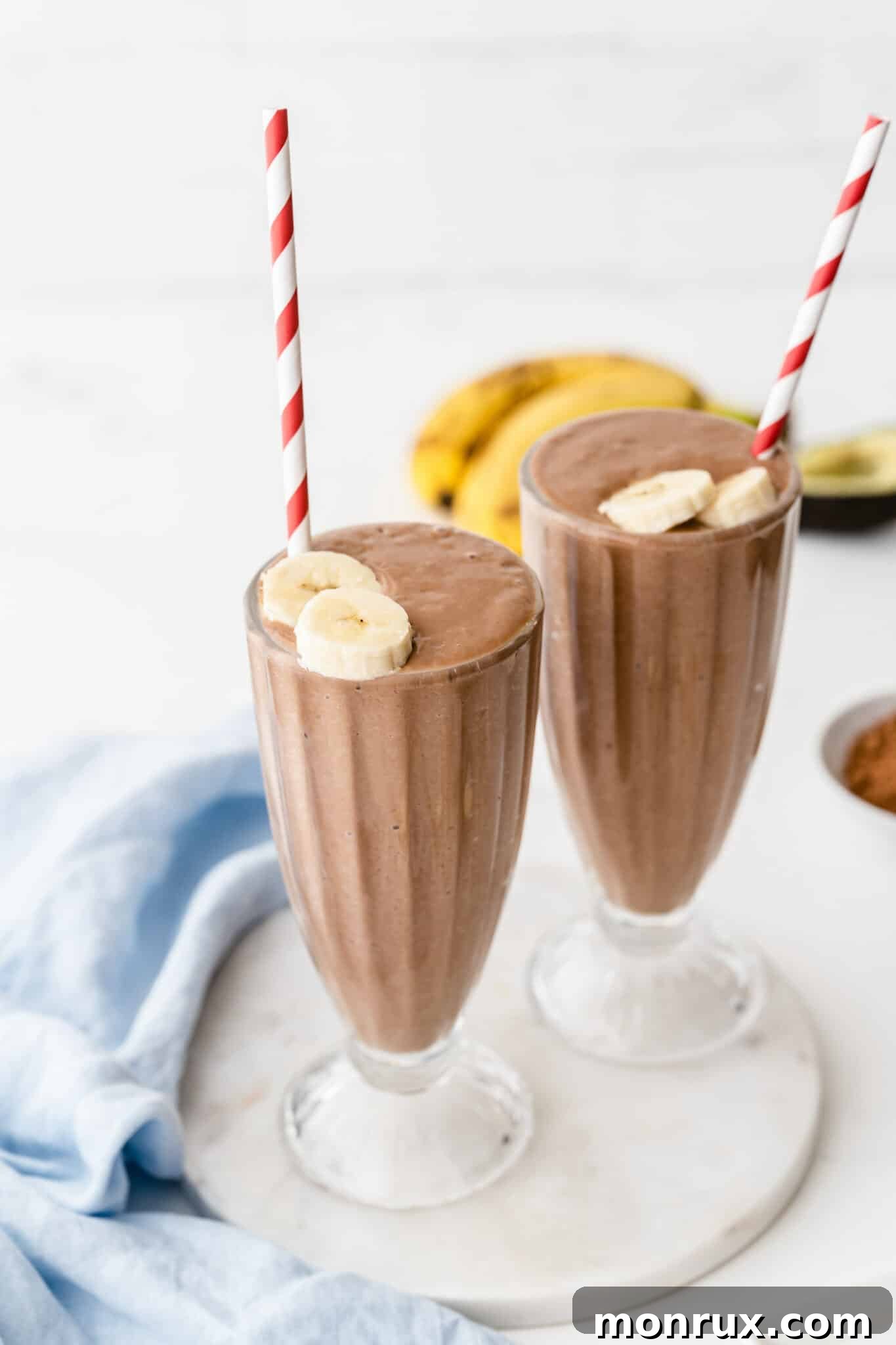
If you’re seeking to achieve that wonderfully creamy, luxurious texture in your smoothies without resorting to high-calorie dairy or added sugars, look no further than avocado. This unique fruit serves as an excellent dairy-free and sugar-free alternative to ingredients like ice cream or heavy cream, instantly elevating your smoothie’s richness.
Avocados are celebrated for being a rich source of monounsaturated fats (MUFAs), often referred to as “good” fats. These healthy fats are known to help lower levels of undesirable LDL cholesterol, promoting cardiovascular health. Beyond healthy fats, avocados provide a substantial amount of dietary fiber, which, as discussed, is crucial for promoting satiety and preventing untimely snacking.
Interestingly, avocados frequently appear on lists of top fruits for weight loss when consumed in moderation. While they are calorie-dense due to their fat content, their ability to keep you full and satisfied makes them a valuable ally. Moreover, groundbreaking research suggests that eating avocados can positively influence how your body stores fat, potentially redistributing it from the abdominal area towards a healthier profile. This unique benefit makes avocados particularly intriguing for those targeting belly fat.
With its remarkably mild flavor, avocado seamlessly integrates into almost any smoothie recipe without significantly altering the taste. It simply enhances the texture, making it thicker and creamier. Try a decadent Chocolate Avocado Smoothie that tastes like a milkshake, or boost the creaminess of your Weight Loss Green Smoothie. To ensure you always have some on hand, learn how to freeze avocado effectively.
4. Greek Yogurt
Greek yogurt is another fantastic ingredient for adding unparalleled creaminess to your smoothies. Known as strained yogurt, it’s produced by removing whey and other liquids from fermented yogurt, resulting in a significantly thicker, more concentrated product. This process leaves behind a yogurt that is lower in carbohydrates and exceptionally high in protein compared to regular yogurts, making it a superior choice for weight loss smoothies.
The high protein content of Greek yogurt is a major advantage. Protein is renowned for its ability to increase satiety, helping you feel full and satisfied for longer periods, thereby reducing the likelihood of snacking on unhealthy foods. This makes it an ideal addition for anyone trying to manage their appetite and calorie intake.
Greek yogurt comes in various forms, from fat-free to full-fat, allowing you to choose based on your dietary preferences and calorie goals. However, it’s crucial to opt for plain, unsweetened varieties. Flavored Greek yogurts often contain substantial amounts of added sugars, which can counteract your weight loss efforts. The natural sweetness and flavors from your other fresh fruit additions will be more than enough to create a delicious smoothie.
Extensive research has highlighted yogurt as a beneficial food for weight management. Studies link regular yogurt consumption to lower body weight, reduced weight gain, a lower body mass index (BMI), decreased body fat, and a smaller waist circumference. Experts attribute these benefits, in part, to the “helpful” bacteria (probiotics) in yogurt that support a healthy gut. A balanced gut microbiome can reduce inflammation often associated with obesity and prevent issues like leaky gut syndrome, promoting overall metabolic health.
Incorporate up to 1/2 cup of plain, unsweetened Greek yogurt into recipes like a Banana Orange Smoothie, a Green Detox Smoothie, or a refreshing Blended Orange Juice Smoothie for added protein and creaminess.
5. Chia Seeds
Once a staple in the diets of ancient Aztec and Mayan civilizations, chia seeds have recently regained popularity as a modern “superfood.” These tiny seeds are nutritional powerhouses, rich in essential minerals such as calcium, manganese, zinc, and copper, along with beneficial omega-3 fatty acids (specifically ALA).
While direct research on chia seeds’ isolated effect on weight loss has yielded mixed results—with some studies showing no significant change in body mass—their value in weight management smoothies is undeniable. The primary reason lies in their impressive protein and fiber content. Both macronutrients are well-known for promoting satiety, ensuring you feel full and satisfied after your smoothie, which helps prevent overeating and snacking.
Beyond their nutritional profile, chia seeds are fantastic for adding a unique texture to smoothies. They contain a type of soluble fiber called mucilage, which allows the seeds to absorb up to 10-12 times their weight in liquid. When exposed to liquid, they expand and form a gel-like consistency, naturally thickening your smoothie. This gelling property also contributes to the feeling of fullness as it slows down digestion.
You can pre-soak chia seeds for 10-15 minutes before adding them to your blender to achieve this gelatinous texture, or simply add unsoaked seeds at the beginning of the blending process. A few minutes in the blender should be enough time for them to absorb liquid and begin thickening. Chia seeds are also an excellent addition to smoothie bowl toppings for an extra boost of nutrients and texture. They are also a key ingredient in many cancer-fighting smoothies.
6. Cinnamon
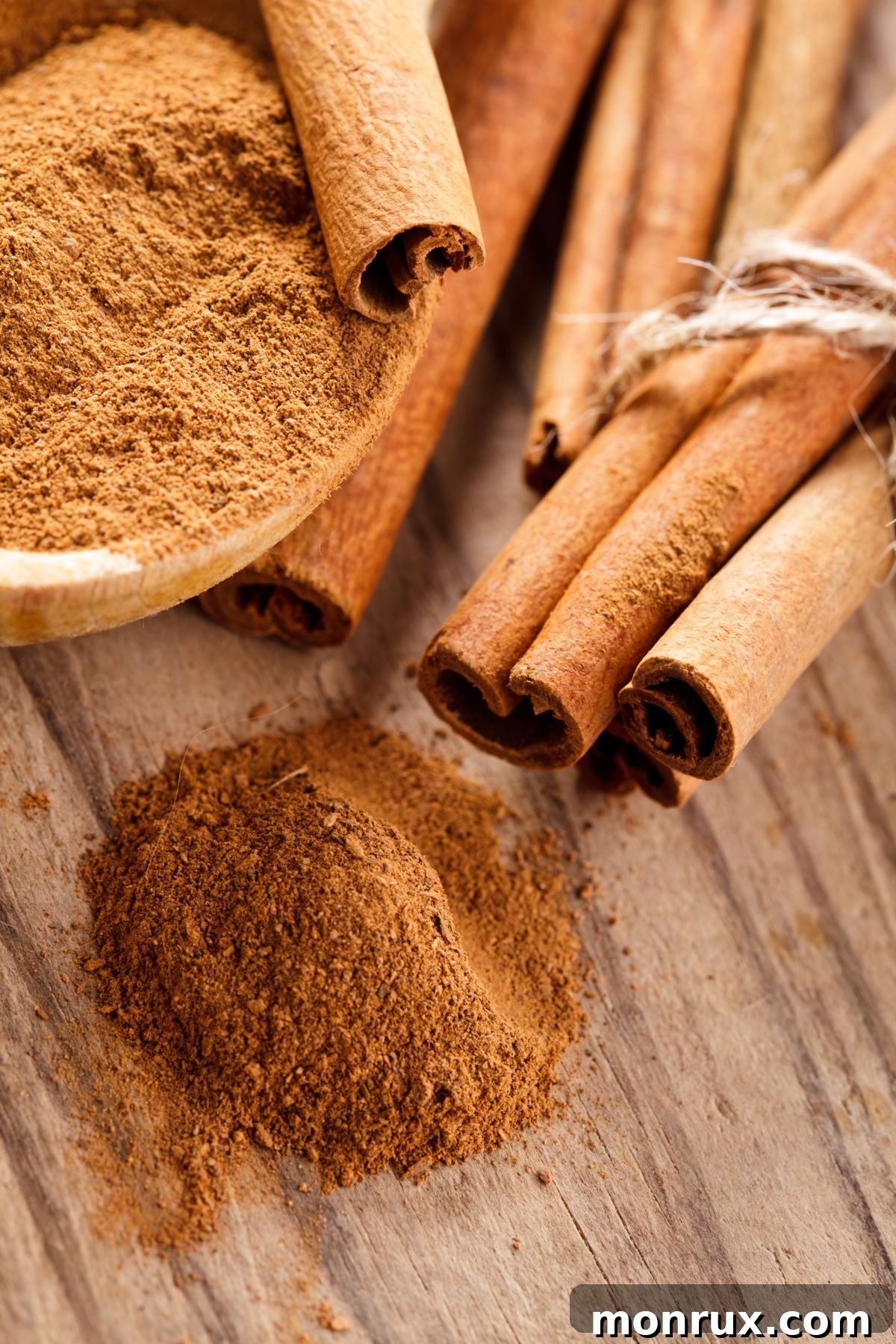
Cinnamon, the fragrant spice derived from the inner bark of the Cinnamomum tree, adds a delightful warmth and flavor to smoothies, but its benefits extend far beyond taste. This ancient spice has been recognized as a valuable tool in the quest for weight management, with a growing body of research supporting its positive effects.
Researchers have found that cinnamon can positively influence obesity and may be recommended as a complementary supplement for weight management strategies. This efficacy is attributed to several mechanisms:
- Blood Sugar Regulation: Cinnamon helps stabilize blood sugar levels, preventing the sharp spikes and subsequent crashes that often lead to increased cravings and unstable energy. By promoting more consistent glucose levels, it helps reduce the urge for unhealthy snacks.
- Improved Insulin Sensitivity: Cinnamon has been shown to increase insulin sensitivity, which is crucial for weight loss. When your cells are more responsive to insulin, glucose is more efficiently transported into cells for energy, rather than being stored as fat.
- Thermogenesis and Fat Burning: Perhaps one of the most exciting aspects of cinnamon is its ability to promote fat burning. The essential oil cinnamaldehyde, which gives cinnamon its distinctive flavor, has been found to trigger body cells to burn calories faster through a process called thermogenesis—the production of heat in the body.
For smoothies, Ceylon cinnamon, often called “true cinnamon” and sourced from Sri Lanka, is an excellent choice. It boasts a lovely, sweet, and delicate flavor that complements a wide range of fruit and vegetable combinations perfectly. A small amount, typically 1/2 teaspoon, is usually sufficient to impart its benefits and flavor.
Enhance your Sweet Potato Smoothie or Gingerbread Smoothie with a dash of cinnamon for a delicious and health-boosting twist.
7. Ginger
The warming, pungent flavor of ginger is a welcome addition to many culinary creations, and smoothies are no exception. Beyond its delightful taste, ginger offers a plethora of health benefits, including aiding digestion, fighting infections, and helping to lower cholesterol levels. Its therapeutic properties also make it a potent ally in weight loss efforts.
Scientific studies have highlighted ginger’s role in enhancing the thermic effect of food (TEF). TEF refers to the number of calories your body burns during the process of digesting, absorbing, and metabolizing the nutrients from your meals. By boosting this effect, ginger can contribute to a slight increase in your daily calorie expenditure, supporting weight loss.
Comprehensive reviews have confirmed ginger’s benefits for individuals who are overweight. Findings suggest that ginger can help reduce overall body weight, decrease the waist-to-hip ratio, and positively impact other metabolic markers. Animal studies further support these observations, showing that ginger not only mitigates body weight gain but also helps improve energy expenditure and fat metabolism.
Incorporating fresh ginger into your smoothies is simple. Peel a small piece of ginger root and then grate or finely chop it before adding it to your blender with the other ingredients. Given ginger’s potent flavor, it’s best to start with a modest amount—about half a teaspoon—and gradually increase it to your preferred taste intensity. This allows you to enjoy its many benefits without overpowering the other flavors in your smoothie.
8. Protein Powder
Protein powder is an excellent ingredient for weight loss smoothies, serving multiple vital functions. Its primary benefits stem from its ability to promote feelings of fullness and support muscle building and preservation, which are critical components of a successful weight loss strategy.
Numerous studies underscore the efficacy of protein in satiety and appetite reduction. For instance, research on whey protein powder indicated that individuals supplementing their diet with it, alongside a 500-calorie reduced diet, lost more body fat and retained more lean muscle mass compared to those consuming a different beverage. This suggests that protein helps preserve metabolically active muscle tissue, which is crucial for maintaining a healthy metabolism during a calorie deficit.
Protein effectively increases feelings of fullness by influencing appetite-regulating hormones like GLP-1 and PYY, thereby reducing cravings for unhealthy snacks and helping you stick to your dietary goals. Furthermore, protein powder offers a highly convenient way to transform your smoothie into a balanced, complete meal, ensuring you receive adequate macronutrients even on busy days.
When selecting a protein powder, you have various options, including whey, casein, or plant-based alternatives like pea, rice, or hemp protein. It’s essential to choose a high-quality brand that is free from added sugars, artificial sweeteners, and unnecessary fillers. You can opt for a plain, unflavored variety that allows the other ingredients to shine, or select a flavored powder that complements your smoothie’s profile. Always check labels carefully to ensure you’re choosing a clean, beneficial product. For guidance, explore a list of the best clean protein powders and understand the benefits of beef protein powder.
9. Coconut Oil
Coconut oil has garnered significant attention for its potential role in weight loss, with intriguing research findings supporting its benefits. Unlike most dietary fats, coconut oil is predominantly composed of medium-chain triglycerides (MCTs), which are metabolized differently by the body.
Instead of being stored as fat, MCTs are rapidly absorbed and transported directly to the liver, where they are converted into energy or ketone bodies. This unique metabolic pathway means that MCTs are less likely to be stored as fat and can even enhance fat burning. Studies have concluded that coconut oil may be helpful for individuals with obesity, suggesting its inclusion in a weight management plan.
Beyond its unique fat metabolism, coconut oil has been shown to promote feelings of fullness, helping to regulate appetite and reduce overall food intake. There is also evidence that consuming coconut oil can give your metabolism a slight boost, potentially increasing the number of calories you burn daily by an average of 120 calories. This thermogenic effect contributes to a higher energy expenditure, aiding in weight loss.
For smoothies, opt for unrefined (virgin) coconut oil, which undergoes minimal processing and retains its lovely coconut scent and flavor. Keep in mind that virgin coconut oil is solid at room temperature and may form small clumps when added to cold ingredients. If this texture is undesirable, consider using a liquid coconut oil, such as the one from Healthy Origins, which remains liquid even in cooler temperatures. A scoop of coconut oil would be a fantastic addition to a Dragonfruit Smoothie or an Anti-Anemia Smoothie.
10. Unsweetened Almond Milk
Unsweetened almond milk is an excellent choice for a smoothie base or liquid for those aiming for weight loss. It is notably low in calories and an ideal dairy-free alternative for individuals with lactose intolerance or those following a vegan diet. Its mild, nutty flavor is quite subtle, allowing it to blend seamlessly with other ingredients without overpowering them, making it incredibly versatile.
While often described as “creamy,” unsweetened almond milk is generally thinner in consistency compared to cow’s milk. If you prefer a thicker, more luxurious texture, you might consider adding creamy ingredients like avocado, frozen banana, or a spoonful of nut butter. Furthermore, almond milk typically contains less protein than cow’s milk. To create a more balanced and satiating smoothie, it’s advisable to boost the protein content by incorporating protein powder or a scoop of almond butter.
Beyond its low-calorie nature, unsweetened almond milk often provides vitamins and minerals like Vitamin E and calcium, contributing to overall health. Choosing the unsweetened version is paramount for weight loss, as sweetened varieties can contain significant amounts of added sugars, which can hinder your progress.
Unsweetened almond milk forms a perfect base for many delicious and healthy smoothies. Try it in a Broccoli Sprout Green Smoothie or a vibrant Moringa Leaf Smoothie, allowing the flavors of the other ingredients to truly shine.
11. Frozen Cauliflower
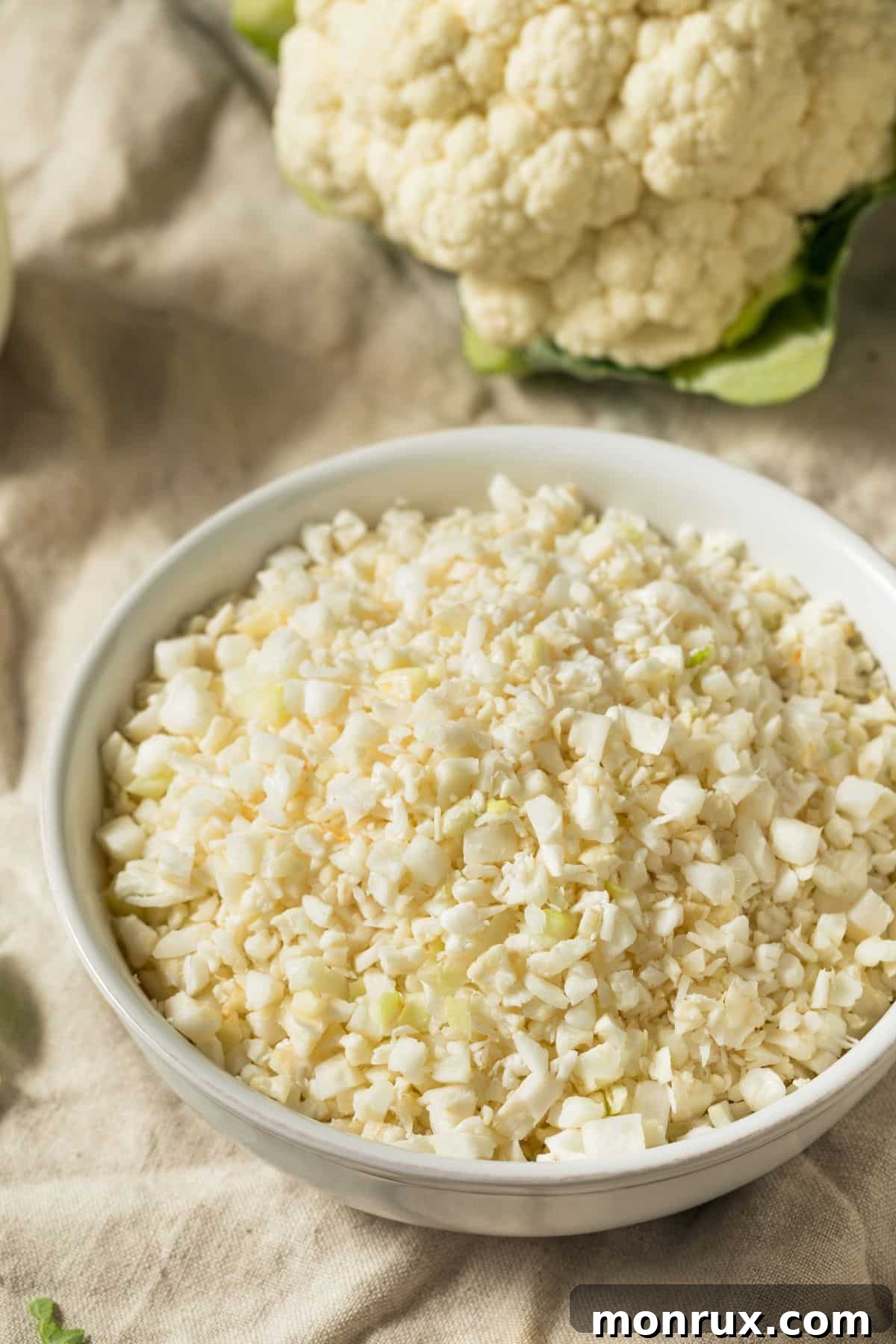
The idea of adding cauliflower to a smoothie might initially sound unappealing, but frozen cauliflower is truly one of the best “secret weapons” for weight loss smoothies. The incredible truth is, you won’t even taste it – we promise! This humble cruciferous vegetable is remarkably low in calories, yet it’s an excellent source of essential nutrients and filling fiber.
Cauliflower has earned its place as one of the top non-legume vegetables recommended for weight loss due to its impressive nutritional profile and versatility. It blends into a surprisingly creamy texture, making it a fantastic low-calorie alternative to high-fat ingredients like cream or ice cream that are often used to achieve thickness in smoothies. This allows you to create a thick, satisfying smoothie without adding excess calories.
Using frozen riced cauliflower is ideal as it blends effortlessly into a smooth consistency. However, if you have a high-powered blender, frozen cauliflower florets can also work wonderfully. Beyond its texturizing benefits, cauliflower provides a good dose of Vitamin C, Vitamin K, and several B vitamins, along with compounds that support detoxification. It also adds bulk to your smoothie, contributing to a feeling of fullness and helping to manage appetite.
Don’t be afraid to experiment with this unassuming ingredient. Try a dedicated Cauliflower Smoothie recipe designed to highlight its creamy potential, or discreetly sneak it into a refreshing Cucumber Smoothie for an added nutritional boost.
12. Green Tea Extract
Many are aware of green tea’s celebrated benefits for weight loss, but not everyone enjoys its distinct taste. The perfect solution? Incorporate it into your smoothies! You can either use freshly brewed, chilled green tea as your liquid base or, for a more potent dose, add green tea extract.
Green tea extract typically comes in capsule form, containing a concentrated amount of the active compounds found in brewed green tea, primarily catechins. These powerful antioxidants, especially epigallocatechin gallate (EGCG), have been extensively studied for their role in weight management. Researchers have found that catechins can significantly reduce body weight and fat mass.
The mechanism behind this benefit is largely attributed to catechins’ ability to support hormones that enhance thermogenesis—the process by which your body burns calories to generate heat and digest food. By subtly increasing your metabolic rate, green tea extract helps your body burn more calories throughout the day, even at rest. This effect contributes to greater fat oxidation and overall calorie expenditure.
The efficacy of green tea catechins is so notable that experts suggest their long-term consumption could offer protection against chronic conditions such as obesity, type II diabetes, and coronary artery disease. Adding green tea extract to your smoothie is an easy way to harness these powerful health benefits without having to drink multiple cups of tea. Simply open a capsule and add the powder to your blender. Try it in an Oat Milk Smoothie or a vibrant Strawberry Beet Smoothie for an antioxidant-rich boost.
13. Flaxseed
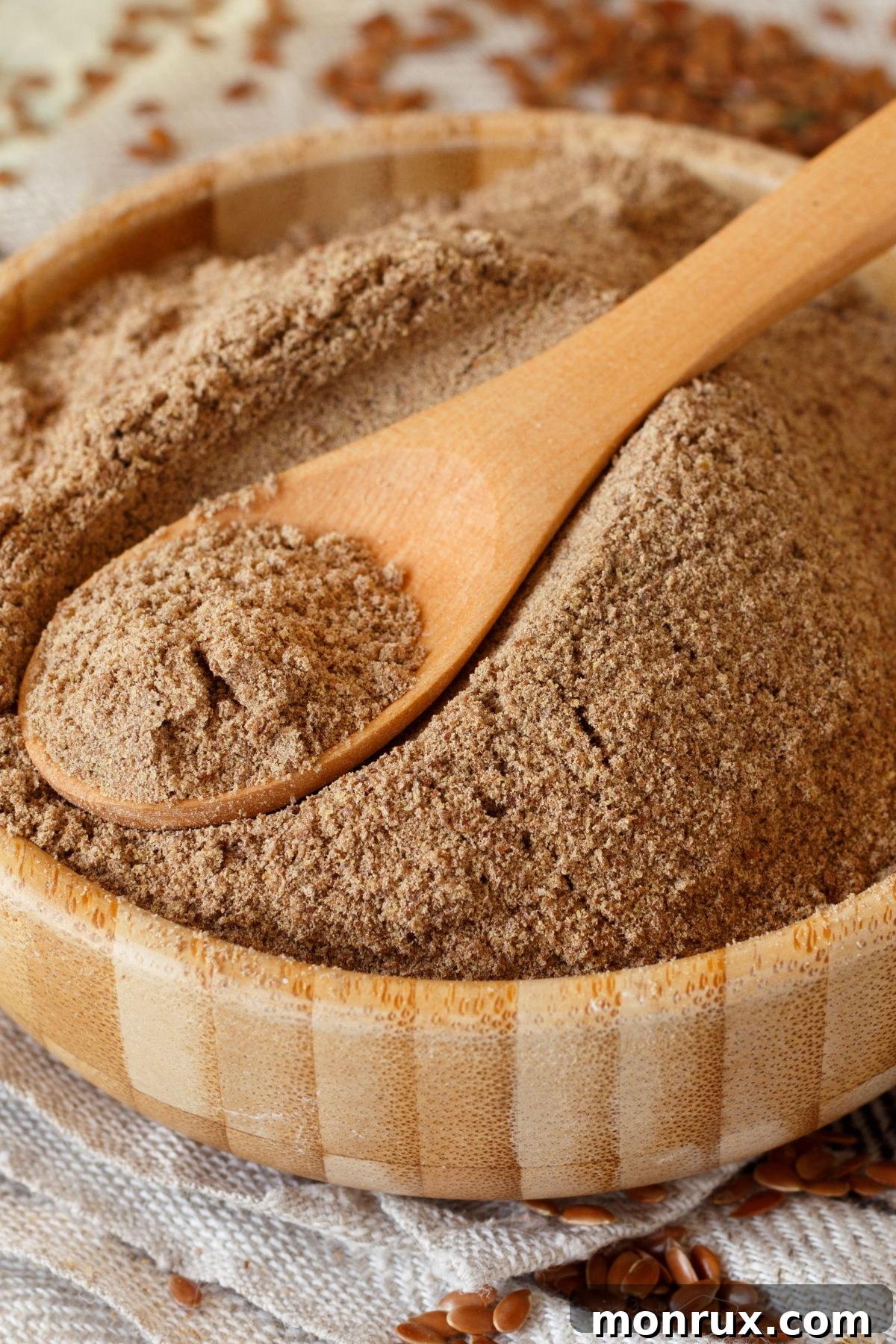
Flaxseeds, also known as linseeds, are tiny nutritional powerhouses packed with an impressive array of nutrients, including ample fiber to keep you feeling full. They also contain unique plant compounds called lignans, which are believed to play a role in promoting weight loss and supporting overall hormonal balance.
Studies involving overweight and moderately obese individuals have shown that regular consumption of flaxseeds can lead to significant reductions in body weight, body mass index (BMI), and waist circumference. Another comprehensive review affirmed that whole flaxseeds are indeed a valuable choice for effective weight management due to their fiber content and other bioactive compounds.
Beyond weight loss, flaxseeds are an exceptional source of omega-3 fatty acids, particularly alpha-linolenic acid (ALA). While ALA’s direct role in weight loss is still under investigation, these healthy fats are crucial for reducing inflammation throughout the body and supporting cardiovascular health, contributing to overall well-being. The soluble fiber in flaxseeds also helps regulate blood sugar levels and promotes healthy digestion.
To unlock the full nutritional benefits of flaxseeds, it’s crucial to ensure they are thoroughly blended or, ideally, consumed in ground form. Whole flaxseeds can pass through your digestive system largely undigested, preventing your body from absorbing their valuable nutrients. Therefore, I highly recommend grinding flaxseeds before adding them to your blender or soaking them for a short period to soften them. A tablespoon of ground flaxseed is a perfect addition to many smoothies, including an Anti-Constipation Smoothie.
14. Turmeric
Turmeric, with its striking golden color and distinct earthy flavor, is much more than just a spice; it’s a powerful medicinal root. Its primary active compound, curcumin, is responsible for the majority of its health benefits, including a potential role in weight loss and metabolic health. Curcumin is a potent antioxidant with strong anti-inflammatory properties, making it beneficial for a wide range of conditions, including those linked to obesity.
While curcumin is present in both fresh and ground turmeric, our bodies don’t absorb it very efficiently on its own. The good news is there’s a simple solution: pairing turmeric with black pepper. Black pepper contains a compound called piperine, which has been scientifically shown to boost the absorption of curcumin by an astounding 2000%. This means you can maximize the benefits of turmeric by adding just a pinch of black pepper to your smoothie.
Don’t worry about your smoothie tasting overly peppery; a small amount is all that’s needed to activate the piperine. The combination of turmeric and black pepper works synergistically to reduce inflammation, improve insulin sensitivity, and potentially interfere with the growth of fat tissue, all of which are beneficial for weight management.
If you’re using fresh turmeric root, peel it before adding it to your smoothie and either grate or chop it finely. Its earthy notes pair wonderfully with tropical fruits like mango and pineapple, creating a vibrant and nutritious blend. Try it in a Food Processor Fruit Smoothie for a delightful and health-boosting experience.
15. Apple Cider Vinegar
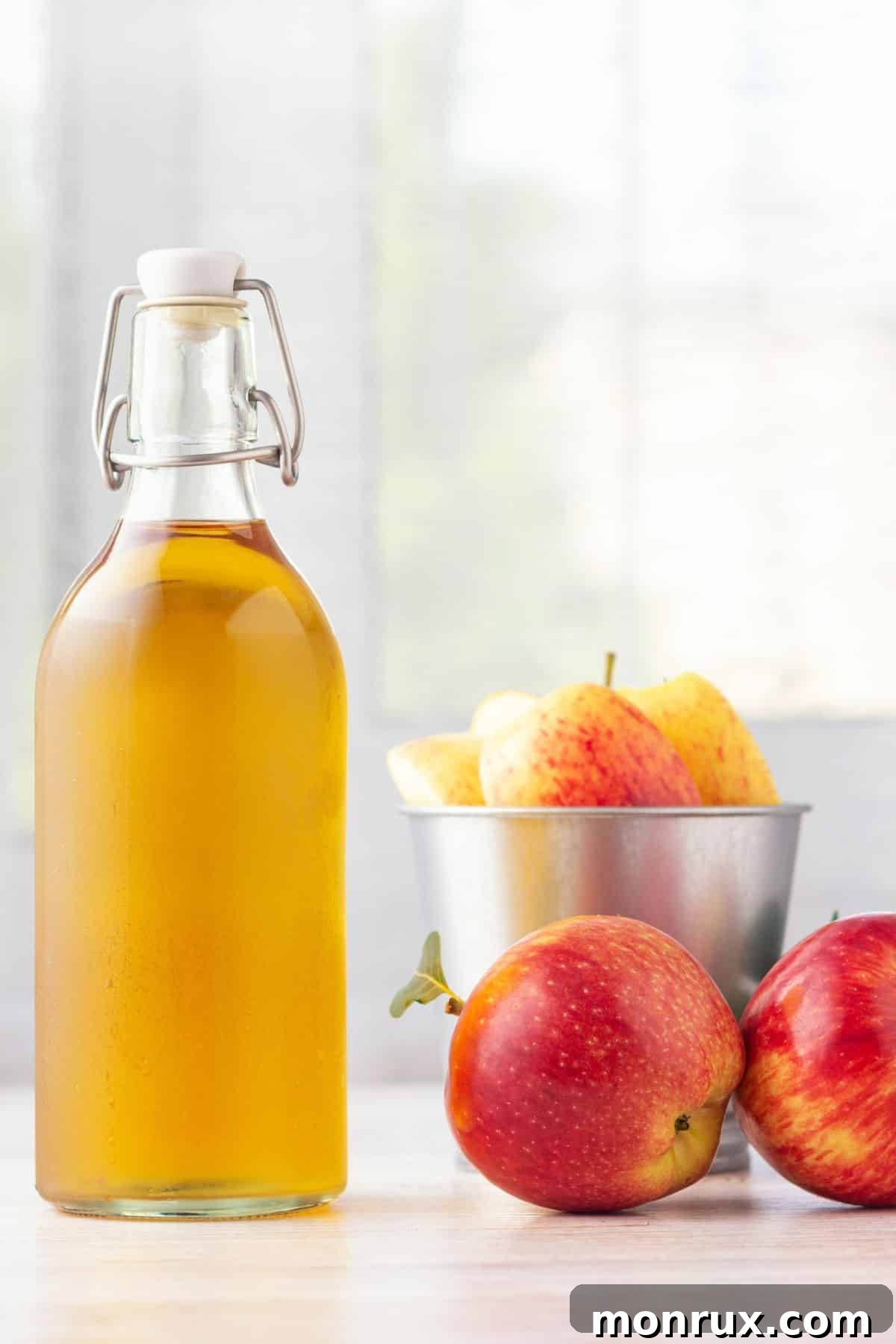
Apple Cider Vinegar (ACV), with its distinct tart and slightly sweet flavor, is more than just a kitchen staple; it’s a popular health tonic, particularly for weight management. The cloudy white strands visible in raw, unfiltered ACV are known as the “mother,” a complex combination of beneficial bacteria and yeast formed during the fermentation process. It is this “mother” that is responsible for many of ACV’s celebrated health benefits, including its potential role in weight loss.
The primary active component in ACV is acetic acid, which has been shown to improve insulin sensitivity and help regulate blood sugar levels, especially after carbohydrate-rich meals. By mitigating blood sugar spikes, ACV can help reduce fat storage and prevent the subsequent energy crashes and cravings that often lead to overeating.
Research published in the Journal of Functional Food provides compelling evidence. In a study, participants who consumed 15ml of ACV with lunch and dinner, alongside a calorie-controlled diet and exercise, lost an average of 8.8 lbs over 12 weeks, significantly more than the 5 lbs lost by the control group. While this study highlights ACV’s potential, it’s important to remember it was part of a holistic weight loss strategy, not a standalone solution.
To incorporate ACV into your smoothies, start with about a tablespoon to avoid an overly strong vinegar taste. It pairs surprisingly well with fruity and green smoothies, adding a subtle tang that can enhance other flavors without overpowering them. It’s particularly good in an Apple Banana Spinach Smoothie, where its tartness complements the sweetness of the fruit. Always ensure you dilute ACV adequately to protect tooth enamel.
16. Nut Butter
While nuts and nut butters are calorie-dense due to their fat content, they can be incredibly beneficial for weight loss when consumed in moderation. The key lies in their rich nutritional profile and their profound impact on satiety. Research from BMJ Nutrition, Prevention and Health indicates that increasing nut consumption is associated with less long-term weight gain compared to consuming other less nutritious snacks, suggesting their role in sustainable weight management.
Nut butters like peanut butter, almond butter, or cashew butter are packed with healthy fats (monounsaturated and polyunsaturated), plant-based protein, and dietary fiber. This powerful trio works synergistically to keep you feeling full and satisfied for extended periods, effectively curbing hunger and reducing the temptation to reach for less healthy, processed foods between meals. Furthermore, the healthy fats in nut butter are essential for aiding your body’s absorption of fat-soluble vitamins and nutrients from your smoothie ingredients.
Nut butter is exceptionally easy to incorporate into smoothies, blending smoothly to add a creamy texture and rich flavor. While you could use shelled whole nuts, soaking them first is recommended for optimal blending. When purchasing nut butter, it’s crucial to carefully check the label and choose varieties that contain only nuts (and possibly a touch of salt), avoiding those with added sugars, unhealthy oils, or preservatives. For individuals with nut allergies, seed butters like sunflower seed butter or tahini offer excellent, equally nutritious alternatives.
A generous scoop of nut butter can transform your smoothie into a truly satisfying and balanced meal or snack. Try adding it to a Swiss Chard Smoothie for an extra boost of protein and healthy fats, or drizzle it over a smoothie bowl for added texture and flavor.
FAQs About Weight Loss Smoothies
While smoothies are incredibly convenient and nutritious, it’s generally not recommended to replace all meals with them. Research suggests that liquids, including smoothies, tend to be less satiating than solid foods, which can leave you feeling hungry sooner. Furthermore, studies indicate that individuals who rely heavily on smoothies and meal-replacement drinks for meals may be more prone to regaining weight once they return to a regular diet. The most effective approach is to use smoothies strategically: as a healthy replacement for unhealthy snacks, or as a quick, well-balanced meal (like breakfast) on exceptionally busy days when preparing solid food is not feasible. Ensure your smoothies are balanced with fiber, protein, and healthy fats to maximize their satiating effect.
Yes, absolutely. The sugar content is a critical factor to consider when crafting your smoothies for weight loss. While fruits are undeniably nutritious and provide natural sugars, some, such as mangoes and bananas, are higher in natural fruit sugars. To mitigate this, it’s essential to balance your smoothies by combining these fruits with low-sugar options like dark leafy greens and incorporating one or more protein sources (like Greek yogurt or protein powder) along with healthy fats (like avocado or nut butter). This balance helps slow down sugar absorption and prevents rapid blood sugar spikes. It’s also vital to steer clear of store-bought smoothies, which often contain excessive levels of added sugars, unhealthy fats, and artificial sweeteners that can undermine your weight loss efforts.
Green smoothies are undoubtedly excellent for weight loss and overall health, primarily because they encourage the consumption of nutrient-dense leafy vegetables that many people might otherwise avoid. The high fiber content of greens contributes significantly to satiety and supports digestive health. While green smoothies offer fantastic benefits, it’s not necessary for them to contain only vegetables to be healthy. Feel free to incorporate a variety of fruits, healthy fats, and proteins. If you find the taste of leafy greens too bitter on their own, adding a small amount of naturally sweet fruit can make them more palatable while still keeping them incredibly healthy and effective for weight loss.
To create a truly balanced and effective weight loss smoothie, aim to include the fundamental components of a nutritious meal. This means incorporating fiber-rich elements (from fruits and/or vegetables), a substantial source of protein (such as protein powder, Greek yogurt, or even silken tofu), and a healthy fat component (like avocado, chia seeds, flaxseed, or nut butter). This strategic combination ensures you receive a broad spectrum of essential nutrients, promotes sustained fullness, helps stabilize blood sugar, and provides the energy you need, ultimately leading to greater satisfaction and adherence to your weight loss goals.
More Smoothie Resources You May Enjoy
Final Thoughts on Weight Loss Smoothies
Incorporating smoothies into your daily routine can be a remarkably effective and enjoyable strategy for achieving your weight loss goals. When thoughtfully prepared with the right ingredients, these versatile beverages can help you shed pounds by promoting satiety, providing dense nutrition, and supporting a healthy metabolism. More than just a weight loss tool, smoothies offer a broad spectrum of vital nutrients, are endlessly customizable to suit your preferences, and taste fantastic.
This article has highlighted 16 powerful ingredients that can significantly enrich your weight loss smoothie recipes, transforming them into delicious, health-boosting concoctions. Remember, the key is balance and mindful ingredient selection. By focusing on fiber, protein, and healthy fats, you can create smoothies that nourish your body, keep you full, and propel you towards sustainable weight management. Enjoy experimenting with these ingredients to discover your favorite blends and make your weight loss journey both effective and delightful.
About the Author: Carrie Forrest has a master’s degree in public health with a specialty in nutrition and is a certified holistic nutritionist. She is a top wellness and food blogger with over 5 million annual visitors to her site. Carrie has an incredible story of recovery from chronic illness and is passionate about helping other women transform their health. Send her a message through her contact form.
Note: this post is for informational purposes only and is not intended as medical advice. Please consult your healthcare provider for recommendations related to your individual situation.