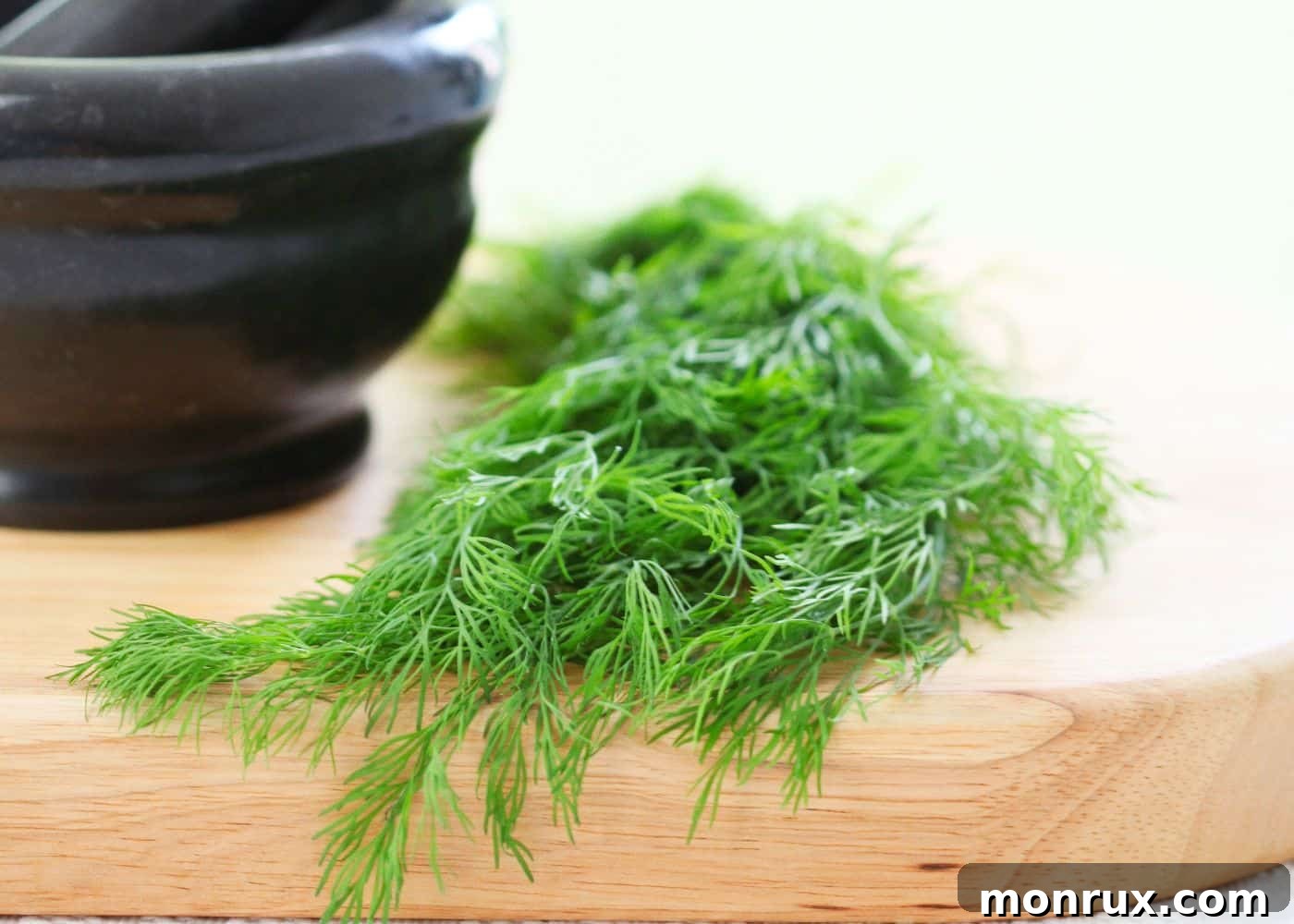
Dill, with its distinctive fresh, slightly anise-like flavor and feathery green fronds, is a beloved herb in kitchens worldwide. It adds a unique brightness to everything from seafood and salads to sauces and pickles. However, what happens when your recipe calls for fresh dill, and you find your herb garden empty or the grocery store aisle bare? Don’t fret! While dill’s unique taste can be challenging to replicate perfectly, there are numerous excellent dill substitutes that can save your dish. Whether you need a fresh dill substitute for a garnish, a cooked meal, or a vibrant salad, this comprehensive guide will walk you through the best dill alternatives, including dried dill, fennel, tarragon, parsley, basil, thyme, and cilantro.
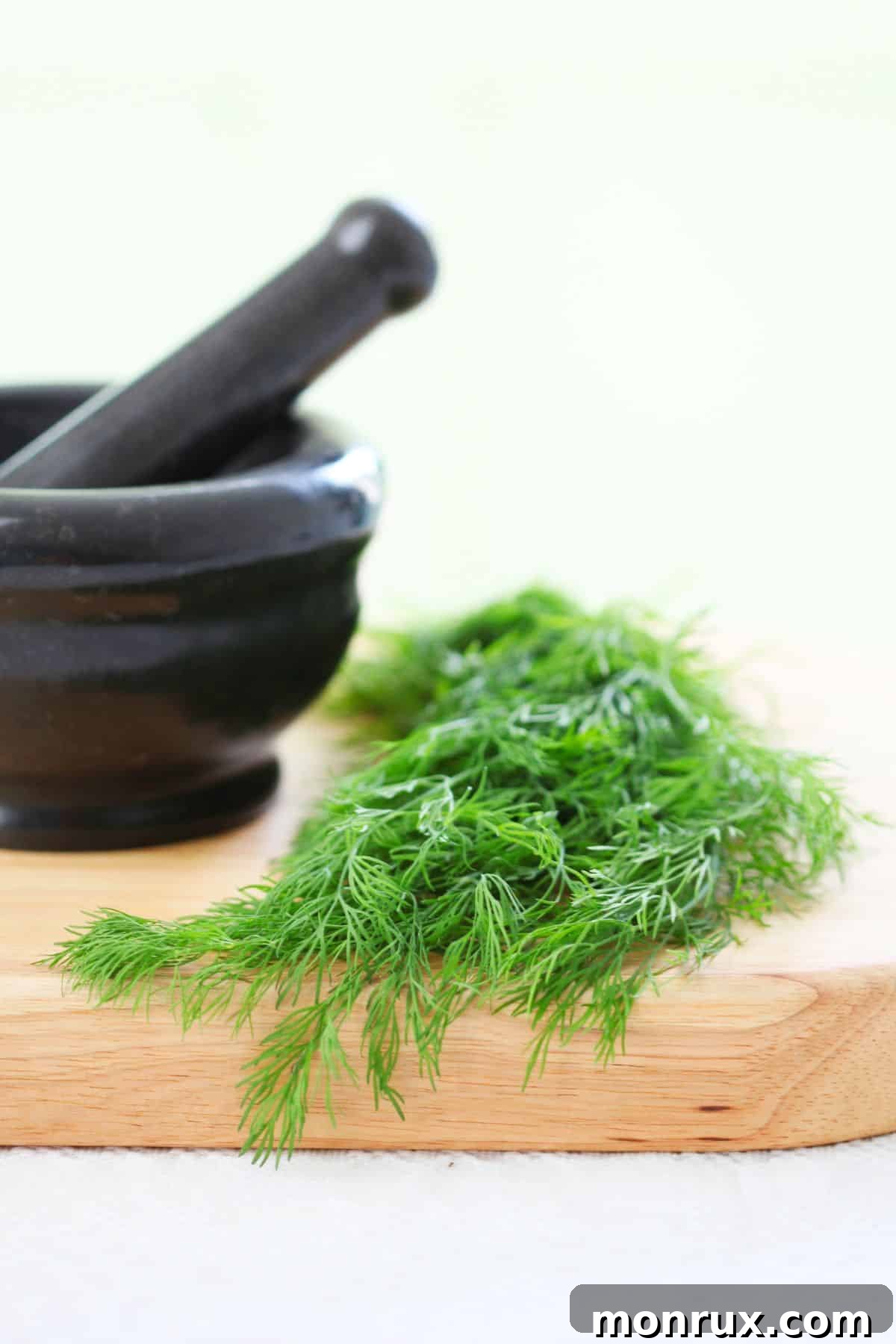
Dill Substitutes: Finding Your Perfect Match
Before diving into specific alternatives, it’s crucial to understand that fresh dill possesses a remarkably unique and distinctive flavor profile. Its delicate balance of herbaceous, slightly citrusy notes with a hint of anise or licorice makes it incredibly challenging to find a single, identical substitute. Nothing truly tastes *exactly* like dill, but several herbs come close or offer a complementary flavor that can work wonderfully depending on the dish.
The success of a dill weed alternative largely depends on the recipe. For dishes where dill is the star ingredient, like traditional Greek tzatziki, substituting it might significantly alter the essence of the meal. Tzatziki relies on dill’s fresh, sharp flavor as a primary component, and a different herb would fundamentally change its character. In such cases, if fresh dill is unavailable, using dried dill might be the only acceptable option to preserve some of the original taste.
However, for recipes where dill plays a supporting role – perhaps as a garnish, a subtle flavor enhancer, or one of many herbs in a blend – you have much more flexibility. Many fresh and dried herbs can provide a similar aesthetic, a complementary flavor, or simply a fresh, green element. Here are some of the most suitable herbs and spices you can confidently try in place of dill, considering their flavor, appearance, and best applications.
1. Dried Dill: The Closest Flavor Match
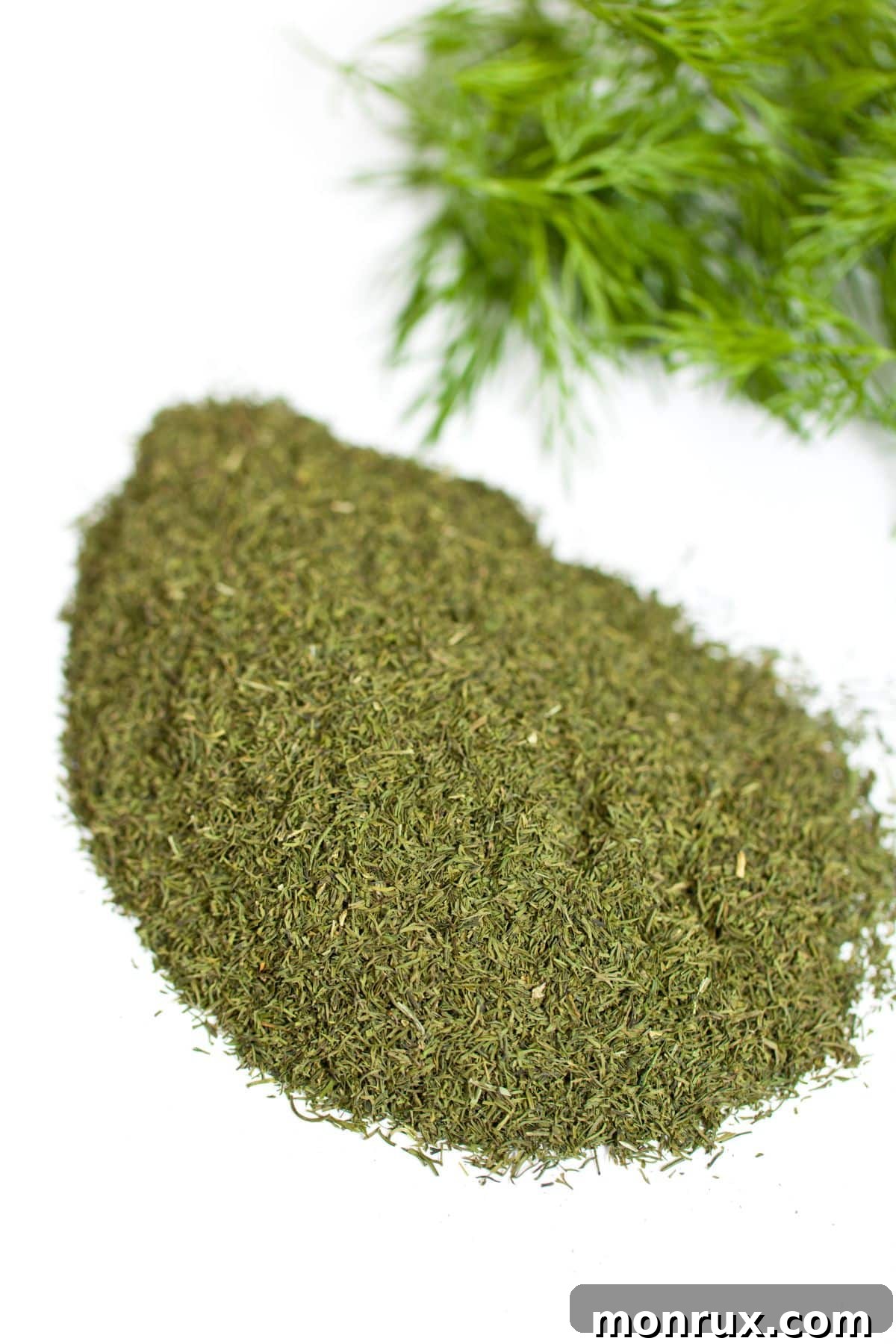
When searching for a direct flavor match, dried dill is undoubtedly your best bet. It comes from the same plant, offering a familiar, albeit more concentrated, taste. The main difference is that the drying process causes dill to lose much of its vibrant, fresh “brightness” and some of its subtle nuances. While fresh dill offers a lively, crisp flavor, dried dill presents a more subdued, earthy, and often slightly sweeter version.
Dried dill excels in cooked dishes where its flavor has time to rehydrate and meld with other ingredients. Think hearty soups, comforting stews, roasted vegetables, and braised meats. The heat helps to release its essential oils and integrate its taste into the dish. However, it is generally not an ideal fresh dill alternative for recipes where dill is meant to be consumed raw, such as fresh salads, light dressings, or garnishes. In these applications, its texture can be coarse, and its flavor might fall flat compared to the vibrancy of fresh dill.
Substitution Ratio: As dried herbs are more potent than fresh, you’ll need less. For 1 tablespoon of fresh dill, use 1 teaspoon of dried dill. Always start with a smaller amount and add more to taste, especially since the intensity can vary between brands.
2. Fennel: Anise Notes and Similar Appearance
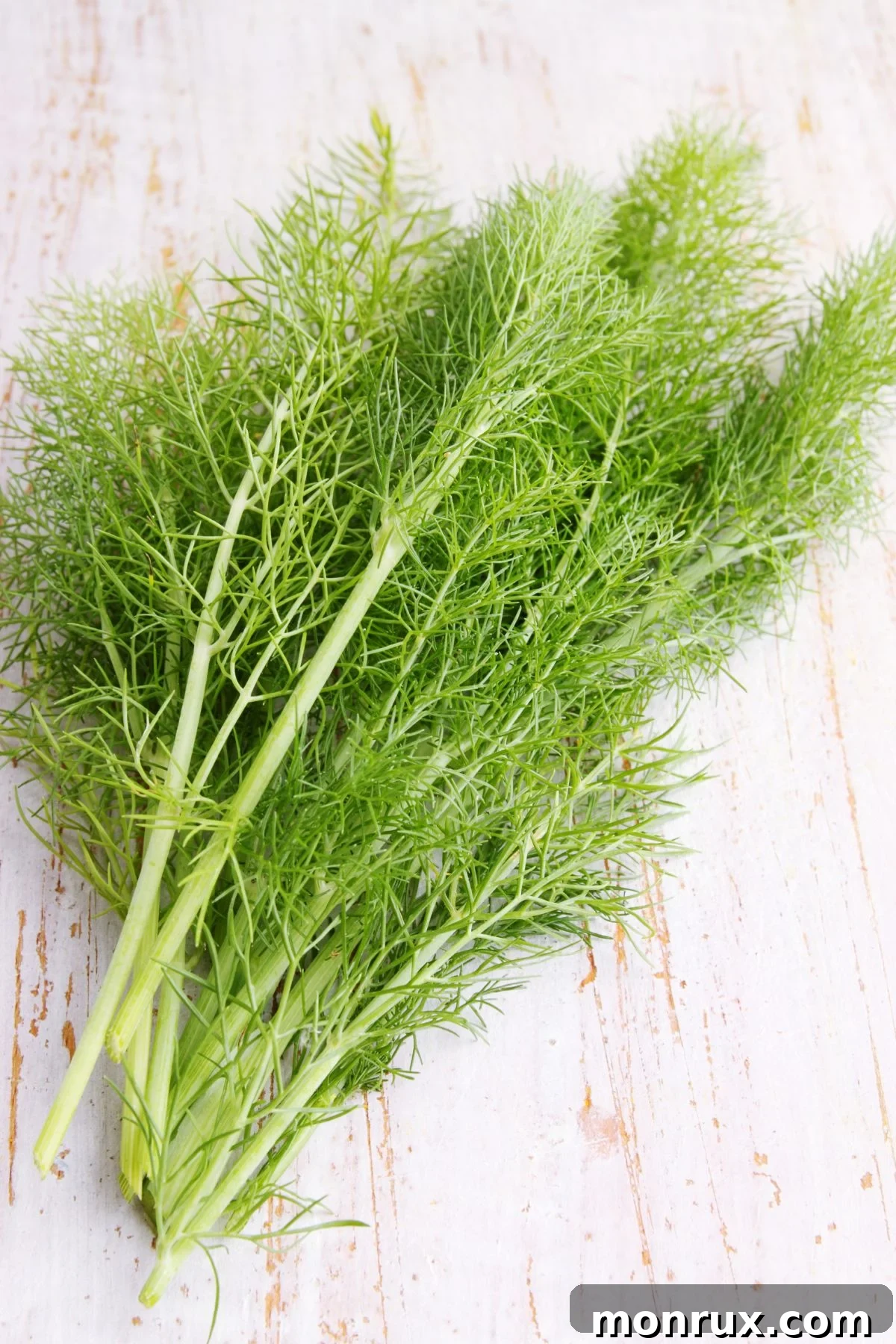
Fennel is a fantastic dill weed alternative, especially if you appreciate the subtle anise and licorice notes found in dill. Its delicate, feathery fronds bear a striking visual resemblance to dill, making it an excellent choice for garnishing or adding a fresh, green element to your dishes. Beyond its appearance, fennel’s flavor profile aligns closely with dill’s unique characteristics, offering a crisp, slightly sweet, and aromatic taste.
When substituting, focus solely on the fronds of the fennel plant, not the bulb. The bulb of fennel is a delicious vegetable with its own culinary uses, often roasted, grilled, or shaved into salads. However, it’s the wispy green fronds that carry the most similar flavor and texture to fresh dill. These fronds can be finely chopped and incorporated into a wide variety of recipes where fresh dill is required.
Fennel fronds work beautifully in salads, dressings, marinades for fish and chicken, and light sauces. They can also be added towards the end of cooking in soups or stews to maintain their fresh flavor. If you’re looking for an herb that offers both a visual and a flavor match, fennel fronds are an outstanding choice.
Substitution Ratio: Due to their similar intensity and flavor notes, you can often use a 1:1 ratio. For 1 teaspoon of fresh dill, use 1 teaspoon of fresh fennel fronds, adjusting according to your preference for the anise flavor.
3. Tarragon: Anise with a Robust Personality
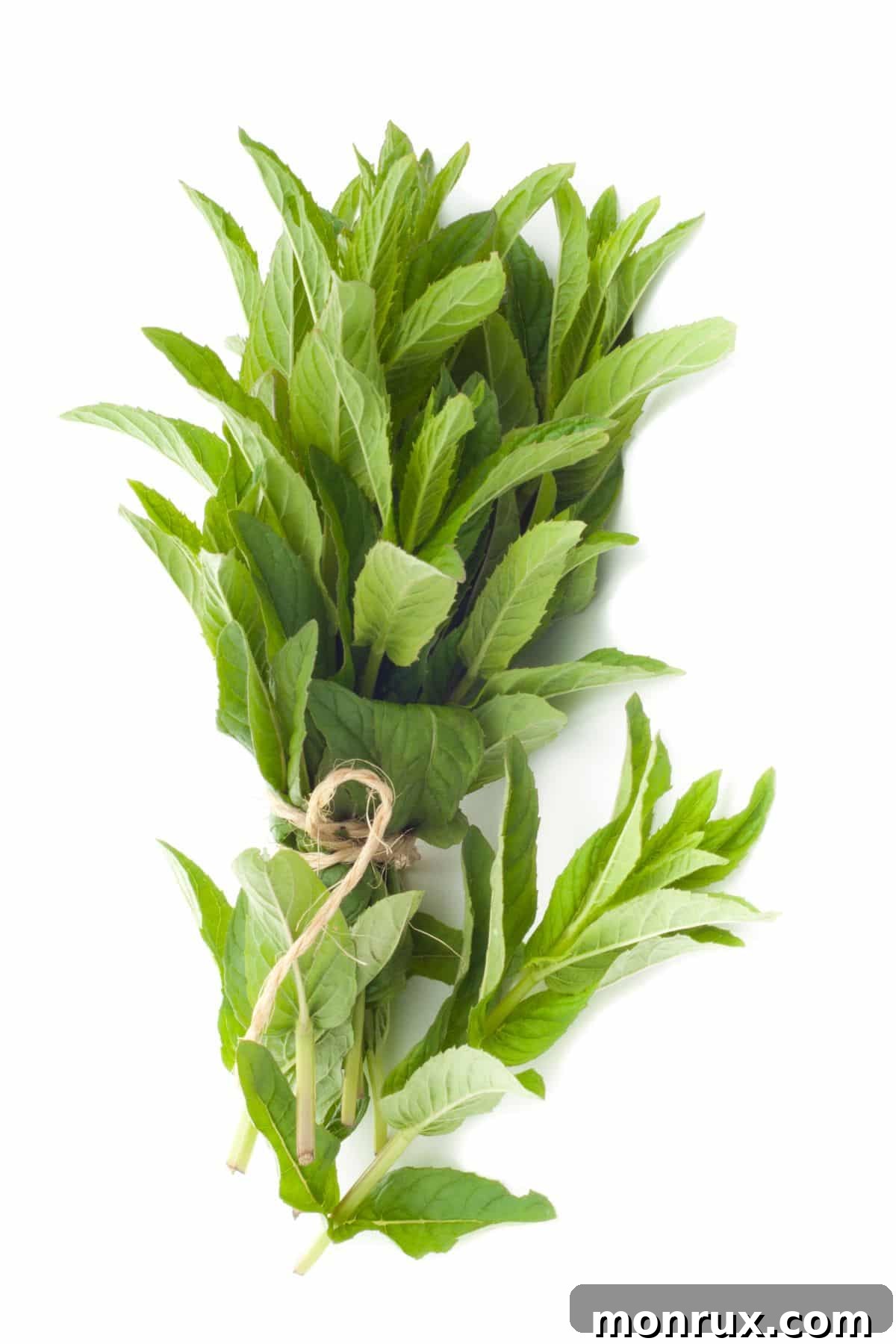
Tarragon, particularly the French variety commonly found in grocery stores, shares a delightful anise-like flavor with dill, making it a strong contender as a dill substitute. While Mexican and Russian tarragon varieties exist, French tarragon is celebrated for its refined, slightly sweet, and peppery notes. It’s a cornerstone of French cuisine, often paired with chicken, fish, and eggs.
One key difference between tarragon and dill is tarragon’s more robust and intense flavor. This intensity means tarragon holds up exceptionally well to heat, retaining its aromatic qualities even after prolonged cooking. You can add it at the beginning of your cooking process without fear of its flavor dissipating. It’s particularly effective in creamy sauces, seafood dishes, chicken recipes, and vinaigrettes where its distinctive taste can truly shine.
When substituting, opt for fresh tarragon whenever possible, as its flavor profile is closer to fresh dill than dried tarragon. Dried tarragon is more concentrated and can sometimes take on a slightly hay-like note, so use it sparingly. Both forms will lend that desired anise touch, but fresh will provide a brighter, more nuanced aroma.
Substitution Ratio:
- For 1 teaspoon of fresh dill, use 1 teaspoon of fresh, chopped tarragon.
- For 1 teaspoon of fresh dill, use 1/3 teaspoon of dried tarragon. Always taste and adjust, as tarragon’s potency can quickly become overwhelming.
4. Parsley: A Fresh and Mild Green Alternative
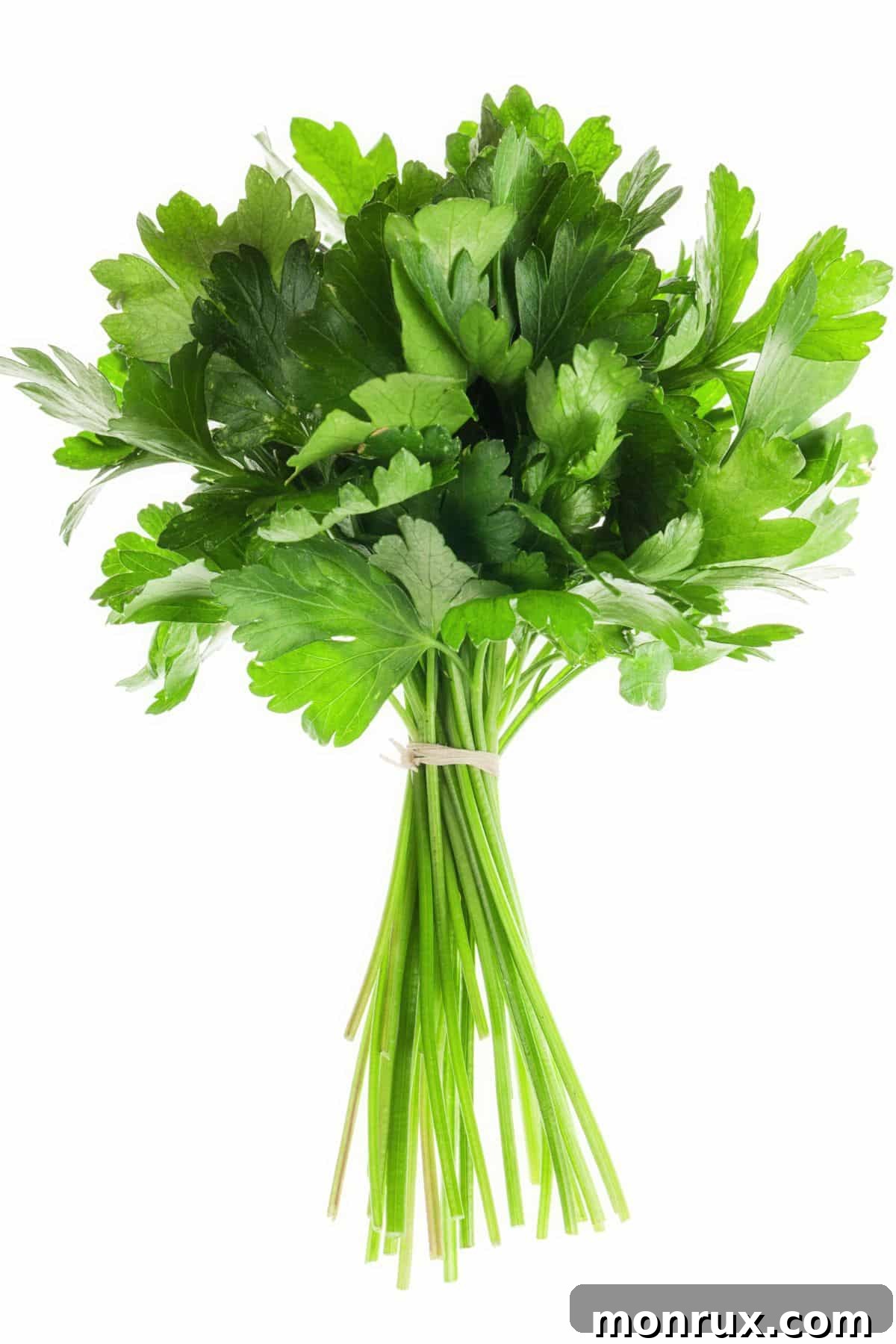
While parsley doesn’t share dill’s distinctive anise flavor, it’s an excellent fresh dill substitute for adding a touch of bright green color, freshness, and a subtle herbaceous note. Both flat-leaf (Italian) parsley and curly parsley share dill’s vibrant green hue and feathery appearance, making them ideal for garnishes. However, flat-leaf parsley is generally preferred for cooking due to its more robust flavor and less bitter notes compared to curly parsley.
In terms of flavor, parsley is much milder than dill. It offers a clean, peppery, and slightly earthy taste that is less assertive. This makes it a perfect stand-in for recipes where dill is not the dominant flavor but rather contributes a fresh, green background or visual appeal. If your dish relies heavily on dill’s anise characteristics, parsley won’t provide that specific flavor profile, but it will offer a pleasant herbaceousness that complements many ingredients without overpowering them.
Parsley is incredibly versatile and can be used in almost any dish, from salads and dressings to soups, stews, roasted vegetables, and meat dishes. It’s particularly useful when you need an herb that won’t compete with other strong flavors. If you’re simply looking for a fresh, vibrant green to lighten up a meal, parsley is an accessible and reliable choice.
Substitution Ratio: Due to its milder flavor, you can use parsley in a 1:1 ratio with fresh dill. For 1 teaspoon of fresh dill, use 1 teaspoon of fresh parsley. You might even consider using a bit more if you want to emphasize its fresh, green notes.
5. Basil: Sweet, Aromatic, and Mediterranean
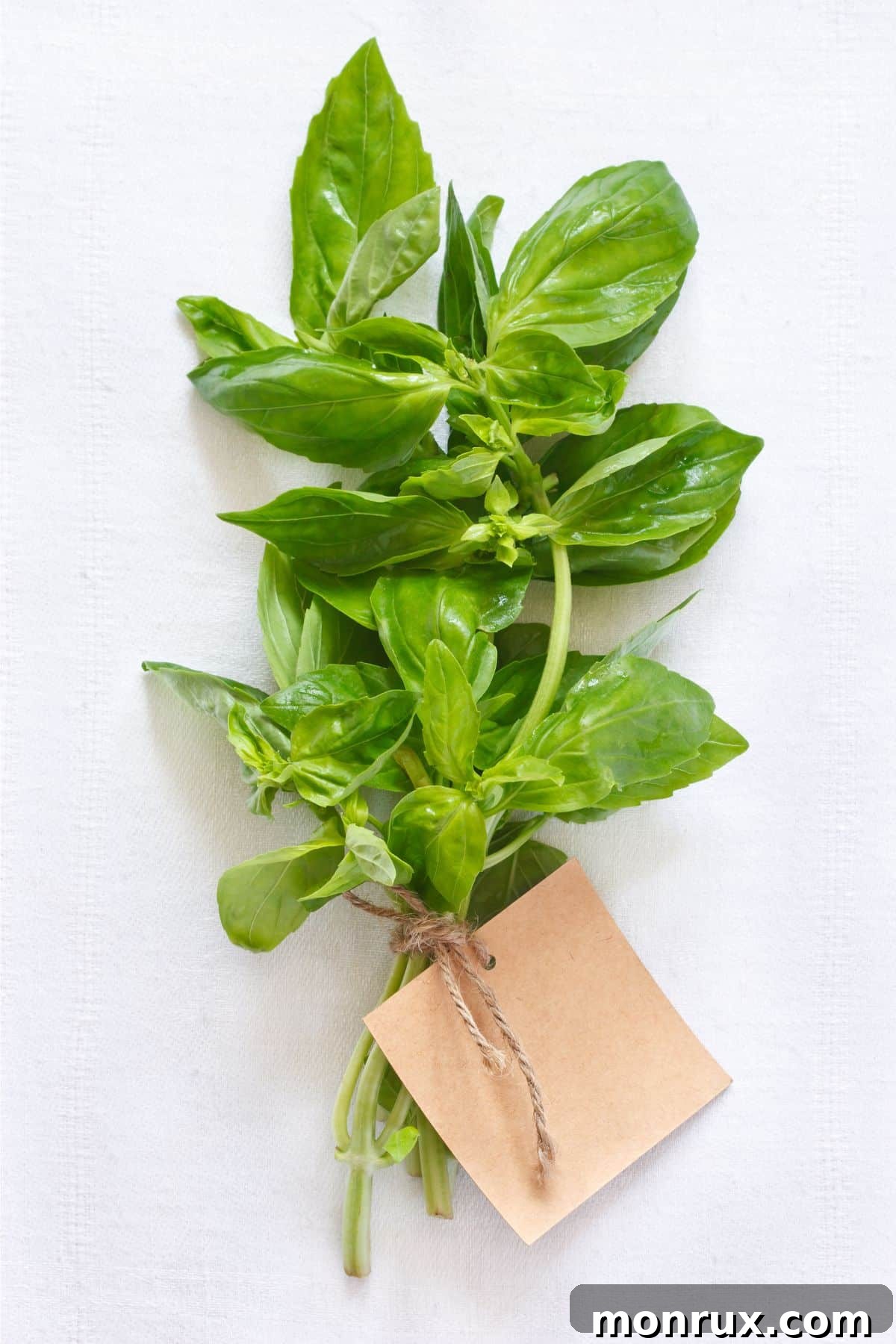
Basil, a cornerstone of Mediterranean cuisine, offers a warm, sweet, and aromatic flavor that can provide a unique twist when used as a dill substitute. While its primary flavor profile is distinct from dill, some varieties of basil do carry very subtle hints of anise, which can create an interesting bridge. Most people adore basil’s vibrant, peppery, and slightly sweet taste, making it a generally well-received addition to many dishes.
For the closest approximation to dill’s fresh qualities, always opt for fresh basil over dried. Fresh basil retains more of its volatile aromatic compounds, offering a brighter and more complex flavor. It’s particularly well-suited for dishes like vegetable soups, light stews, salads, and pasta dishes where its robust flavor can shine without overwhelming other ingredients. However, it’s important to note that if dill is the quintessential ingredient defining a dish – such as in a classic dill pickle recipe – basil will dramatically change the flavor profile. It’s a substitution for when you’re open to a different, yet delicious, outcome.
Both basil and dill are common in Mediterranean and European cooking, and they both possess strong flavors that contribute significantly to a dish. Using basil instead of dill might transform a dish from Scandinavian-inspired to Italian or Greek-inspired, which can be an exciting culinary adventure!
Substitution Ratio: As both are relatively strong fresh herbs, a 1:1 ratio is a good starting point. For 1 teaspoon of fresh dill, use 1 teaspoon of fresh basil. Adjust to taste, keeping in mind basil’s more pronounced sweetness and peppery notes.
6. Thyme: Earthy Warmth and Robustness
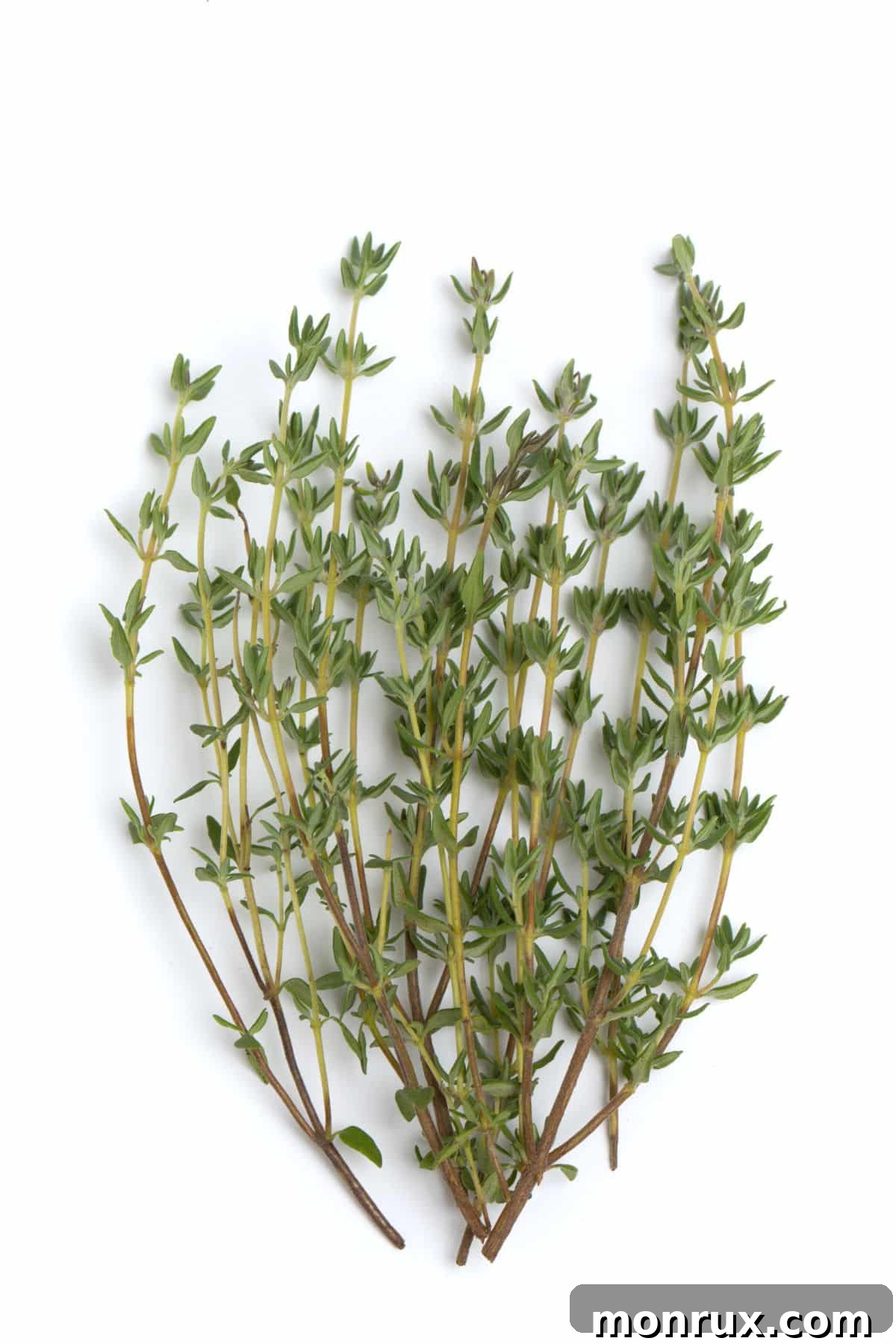
Thyme, with its clean, earthy, and slightly woody flavor, provides a wonderful aromatic quality that can serve as an effective dill substitute in many cooked dishes. While it lacks dill’s signature anise notes, thyme brings a different kind of delicious warmth and depth, making it suitable for a wide range of recipes, from hearty stews and roasts to delicate seafood preparations and savory sauces.
One of thyme’s most significant advantages is its resilience to heat. Unlike delicate dill, which is best added at the end of cooking, thyme’s flavor actually intensifies and develops beautifully when cooked. This means you can incorporate fresh or dried thyme much earlier in your recipe, allowing its aromatic compounds to infuse the dish more thoroughly. It’s an excellent choice for slow-cooked meals where a robust, lingering herb flavor is desired.
It’s important to note that thyme can be quite a bit more pungent than dill. Its strong, savory notes mean you’ll typically need less of it compared to fresh dill to achieve a noticeable flavor impact. Both fresh and dried thyme are readily available and versatile, but remember to adjust quantities carefully to avoid overpowering your dish.
Substitution Ratio: Given its potency, start cautiously. For 1 teaspoon of fresh dill, use 1/2 teaspoon of fresh thyme. Taste and adjust as necessary. If using dried thyme, use an even smaller amount, approximately 1/4 teaspoon, as dried thyme is more concentrated.
7. Cilantro: Bold and Distinctive
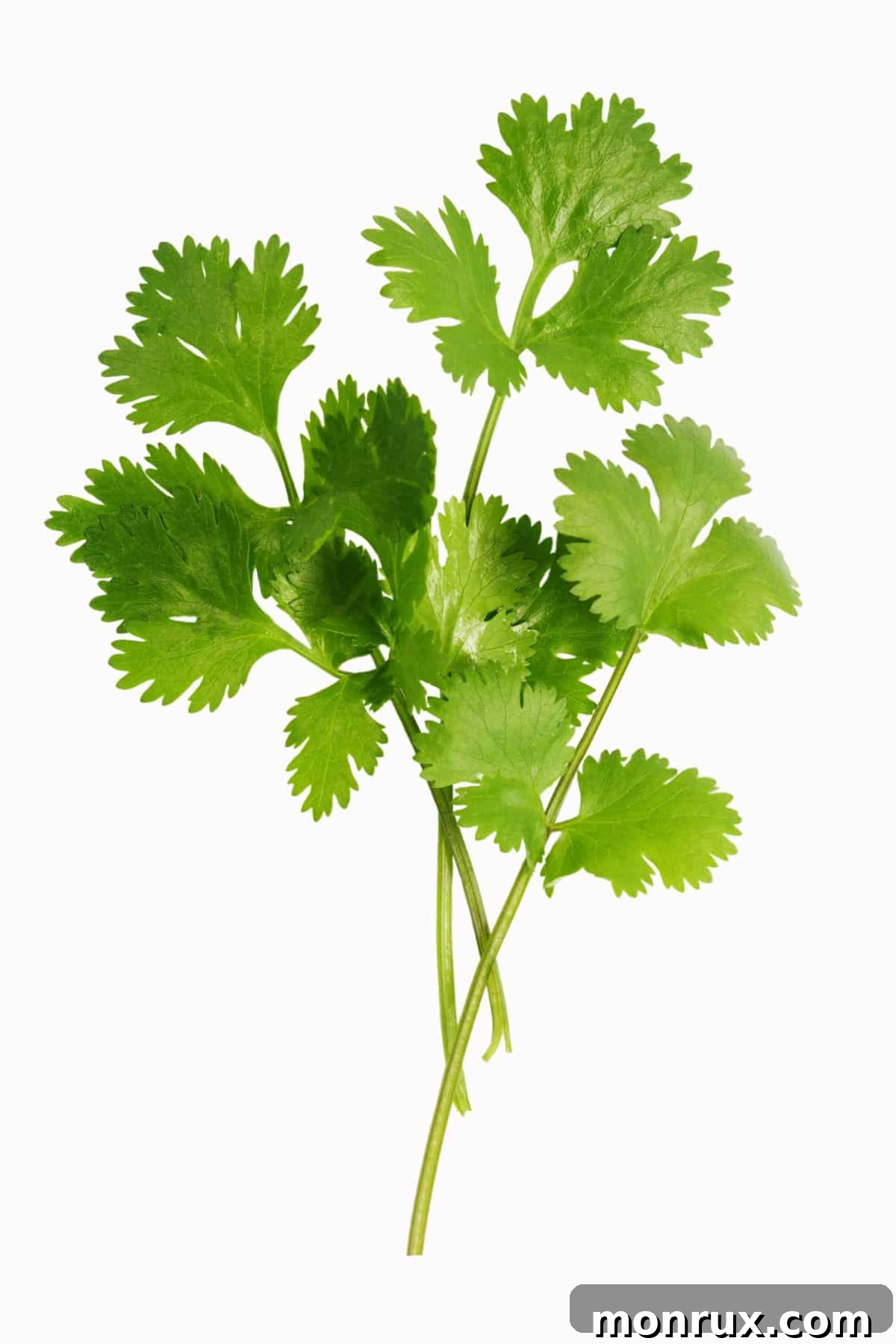
Cilantro, sometimes referred to as fresh coriander, belongs to the same plant family (Apiaceae) as dill, yet their flavor profiles are quite distinct. While dill offers delicate anise and citrus notes, cilantro is known for its bold, bright, and somewhat pungent flavor, which some describe as citrusy and fresh, while others perceive it as soapy. This unique flavor characteristic means cilantro is not a direct flavor match for dill, but it can work as a dill alternative in certain contexts.
Cilantro is best considered as a substitute when dill is used primarily for its fresh, green herbaceous quality and where its anise notes are not critical to the dish. It’s particularly suitable for recipes found in Mexican, Indian, and Southeast Asian cuisines, where cilantro is a common and celebrated ingredient. If you’re adapting a European or Scandinavian dish that typically features dill, be aware that cilantro will impart a very different character.
Because cilantro’s flavor is so unique and can be polarizing, it’s wise to start with a small amount, especially if you’re unsure of how it will integrate into your dish or if your diners have strong preferences. Like dill, cilantro is best added at the end of cooking to preserve its fresh, vibrant taste.
Substitution Ratio: Given its strong and distinctive flavor, use cilantro cautiously. For 1 teaspoon of fresh dill, use 1/2 teaspoon of fresh cilantro. Taste the dish and adjust as necessary, adding more only if you desire a stronger cilantro presence.
Understanding Dill: Its Flavor and Uses
To truly appreciate the nuances of dill substitutes, it helps to first understand the herb itself. The dill plant, scientifically known as Anethum graveolens, is a fascinating member of the parsley family. Often referred to as “dill weed” when speaking of its delicate leaves, it’s a popular choice across various cuisines for both its distinct flavor and its aesthetic appeal as a garnish.
The flavor of fresh dill is truly one-of-a-kind. It’s often described as an aromatic blend of fresh parsley and celery, infused with subtle notes of anise or licorice, and a bright, slightly tangy hint of citrus. This complex profile makes it incredibly versatile, yet also challenging to mimic. It’s light, refreshing, and adds a verdant freshness that can elevate simple ingredients.
While the feathery leaves are commonly used as an herb, the dill plant also produces seeds. Dill seeds, which come from the same plant, are considered a spice and possess a significantly different flavor. Much more pungent and robust than the delicate leaves, dill seeds have a strong, caraway-like taste with a slightly bitter undertone. They are most famously used in pickling, particularly for dill pickles, and in some breads and stews. In this article, our focus has been on finding the best alternatives for the fresh or dried dill leaves, which are used as a fresh herb.
Dill holds a prominent place in many culinary traditions. It is a staple in Scandinavian cuisine, famously paired with salmon and potatoes. It’s also deeply embedded in Eastern European and Russian dishes, where it often graces soups, stews, and vegetable preparations. In the Mediterranean, especially in Greek dishes like tzatziki, dill is indispensable. Its versatility means it can be found in anything from creamy sauces and salad dressings to marinades and egg dishes.
Health Benefits of Dill
While dill is typically used in small quantities, contributing limited calories, it’s a surprising source of various vitamins and minerals. It contains Vitamin C, Vitamin A, manganese, and iron, along with beneficial antioxidants.
Historically, dill has been valued for its medicinal properties. In Ayurvedic medicine, for instance, dill has been traditionally employed as a natural remedy for a range of ailments, including halitosis (bad breath), infant colic, and various digestive problems. Its carminative properties are believed to help alleviate gas and bloating.
Modern scientific research has also begun to explore dill’s potential health benefits. Some studies suggest that compounds found in dill may contribute to lowering blood sugar levels, which could be an important area for managing conditions like diabetes. Furthermore, dill contains compounds with potential anti-inflammatory and antimicrobial effects, adding to its impressive profile beyond just flavor.
Cooking with Dill: Essential Tips
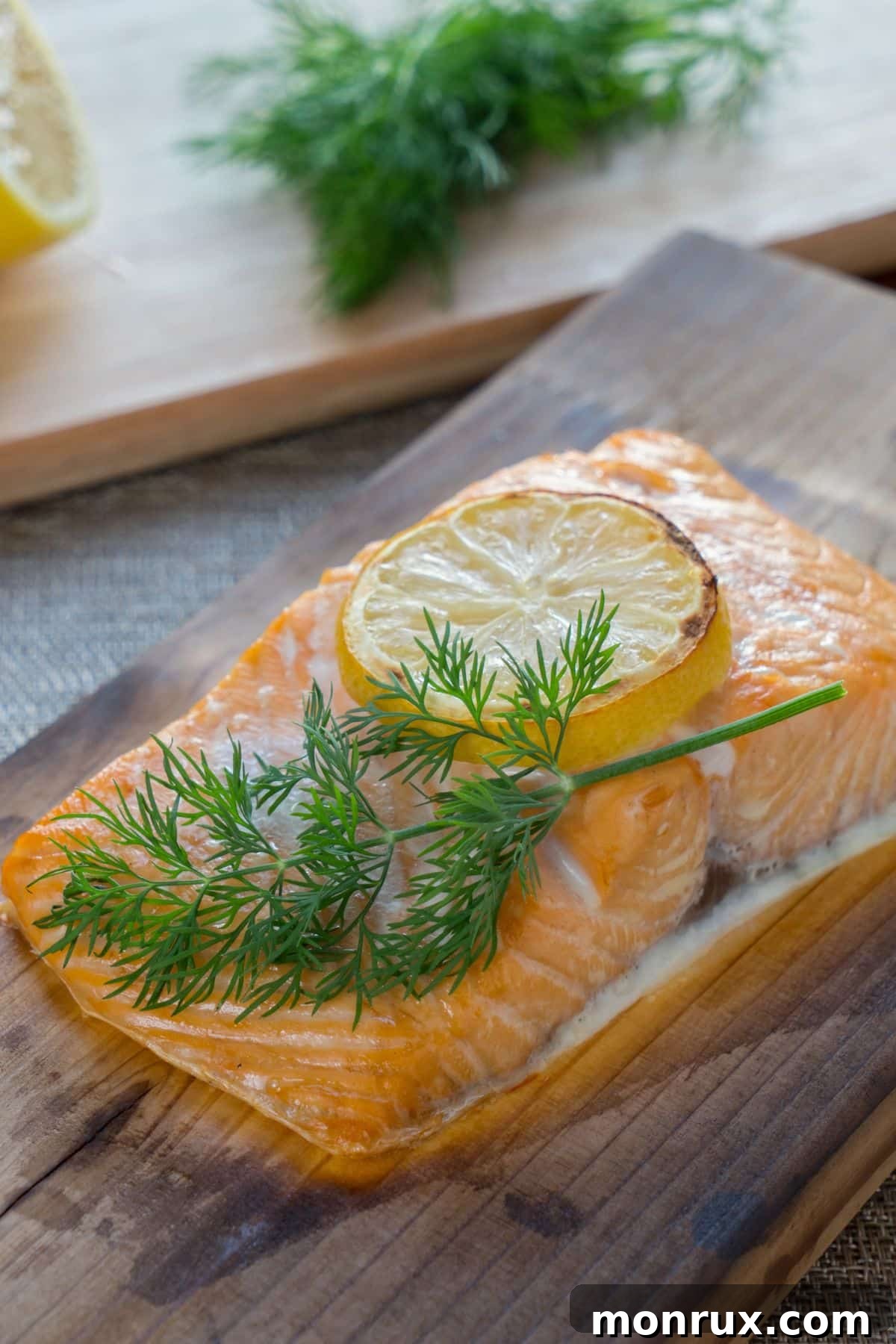
- Flavor Pairings: Dill is incredibly versatile and pairs beautifully with a variety of foods. It’s particularly renowned for its affinity with fish, especially salmon and trout, enhancing their natural flavors without overpowering them. It also complements chicken dishes, such as in this chicken salad recipe, and enriches red meat preparations. Don’t forget its magic with potatoes – think potato salad or roasted potatoes – and eggs, making it a delicious addition to omelets or scrambled eggs. Dill is also a common herb in French cuisine, frequently used in sauces, salad dressings, and fresh green salads.
- When to Add Dill: Fresh dill is highly delicate, and its volatile essential oils are easily diminished by heat. To preserve its bright, fresh flavor, it’s always best to add fresh dill during the last few minutes of cooking or even just before serving. This ensures that its vibrant taste and aroma remain intact, offering a burst of freshness to your finished dish.
- Selecting Fresh Dill: When purchasing dill, look for bunches with bright green, lively leaves that appear fresh and feathery. Avoid any bunches that show signs of wilting, yellowing, or browning, as these indicate diminished freshness and flavor. A fresh bunch will also have a noticeable, pleasant aroma.
- Storing Fresh Dill: To keep fresh dill at its best, wrap it loosely in a damp paper towel and place it in a plastic bag in the refrigerator, where it can last for up to one week. For even longer freshness, treat it like a bouquet of flowers: place the stems in a glass of water, cover loosely with a plastic bag, and refrigerate. Change the water every couple of days. Fresh dill can also be frozen for extended storage. Simply chop it, place it in an airtight container or ice cube trays with a little water or oil, and freeze. It retains its flavor remarkably well in the freezer.
- Homegrown Dill Considerations: If you’re growing your own dill, be mindful during warmer summer months. Dill has a tendency to “bolt” or flower rapidly in high temperatures. When dill bolts, the plant directs its energy into seed production, and the flavor of the leaves can become more bitter and less desirable. To prevent this, harvest dill regularly, and consider planting in a spot that gets some afternoon shade in hot climates.
Summary of Using Dill Substitutes
Choosing the right dill weed alternative can transform your cooking in unexpected and delicious ways. Here’s a quick summary of the best options, highlighting their unique advantages and considerations, along with recommended substitution amounts for fresh dill.
| Substitute | Pros (Why it’s a good choice) | Cons (What to consider) | Substitution Ratio (for 1 tsp fresh dill) |
|---|---|---|---|
| Dried Dill | Offers the closest flavor profile to fresh dill; excellent for cooked dishes where flavor melds over time. | Lacks the bright, fresh vibrancy of fresh dill; not ideal for raw applications like salads or garnishes. | 1/3 to 1/2 tsp dried dill |
| Fennel Fronds | Shares similar anise/licorice notes; visually similar with feathery fronds, great for garnish and flavor. | Flavor can be more pronounced; ensure you use only the fronds, not the bulb. | 1 tsp fresh fennel fronds |
| Tarragon | Distinctive anise flavor; holds up well to heat, retaining potency during cooking; versatile for many cuisines. | More robust and potent than dill; can easily overpower delicate dishes if used excessively. | 1 tsp fresh tarragon OR 1/3 tsp dried tarragon |
| Parsley | Bright green color and feathery appearance, making it an ideal garnish; mild flavor won’t dominate. | Flavor profile is quite different, lacking dill’s anise notes; not suitable if anise flavor is critical. | 1 tsp fresh parsley |
| Basil | Warm, aromatic, with subtle anise hints in some varieties; widely loved flavor. | Significantly different overall taste from dill; will change the dish’s flavor profile, especially if dill is primary. | 1 tsp fresh basil |
| Thyme | Clean, earthy, slightly woody flavor; highly aromatic; flavor intensifies with heat, suitable for long cooking. | No anise notes; generally more pungent than dill, requiring careful measurement. | 1/2 tsp fresh thyme OR 1/4 tsp dried thyme |
| Cilantro | Bright, herbaceous, and intensely fresh; offers a strong, unique flavor for certain cuisines. | Highly distinctive flavor that can be polarizing (some perceive it as soapy); very different from dill’s profile. | 1/2 tsp fresh cilantro |
FAQs About Dill Substitutes
While dill seeds come from the same plant as dill weed, their flavor is significantly different. Dill seeds are much stronger, more pungent, and have almost camphorous, bitter notes, distinct from the fresh, delicate taste of dill weed. Therefore, they are generally not recommended as a substitute for fresh dill in most recipes. For the best results, it’s better to choose one of the fresh or dried herb substitutes listed above.
Caraway seeds have a distinctive, strong flavor profile that is quite different from that of dill. While they can add an interesting depth to some dishes, they do not offer the same fresh, anise-like notes as dill and are therefore not considered a suitable direct substitute. If your recipe relies on dill’s specific taste, caraway seeds would significantly alter the intended flavor.
Celery seeds possess a robust, slightly bitter, and earthy flavor that is quite distinct from the fresh and aromatic qualities of dill. They are typically used for their strong celery-like essence rather than as a fresh herb replacement. As such, celery seeds are not an ideal substitute for dill, as they would introduce a very different flavor dynamic to your dish. It’s best to explore the more appropriate fresh herb alternatives mentioned in this guide.
More Articles About Substituting You Might Like
- Substitutes for Bay Leaves
- Substitutes for Lemongrass
- Substitutes for Marjoram
- Substitutes for Oregano
- Substitutes for Sage
Explore More Culinary Guides!
Conclusion: Mastering the Art of Substitution
Navigating the world of herbs and spices often requires a dash of creativity, especially when you’re missing a key ingredient like fresh dill. This guide to dill substitutes offers a range of options, from the familiar dried dill to more adventurous herbs like fennel and tarragon, each bringing its own unique character to your culinary creations. While no substitute will perfectly replicate the distinctive fresh dill flavor, these alternatives provide viable solutions, ensuring your dishes remain delicious and flavorful.
Don’t be afraid to experiment! Sometimes, using a different herb can lead to exciting new flavor discoveries, even creating a dish you might prefer to the original. The kitchen is a place for innovation, and understanding these substitutions empowers you to adapt recipes with confidence and flair. So, the next time you’re out of dill, remember these options and let your culinary journey continue uninterrupted.
Don’t forget to join my newsletter list to get exclusive clean eating recipes and tips directly to your inbox. The newsletter is 100% free with no spam; you can unsubscribe anytime.
About the Author: Carrie Forrest has a master’s degree in public health with a specialty in nutrition and is a certified holistic nutritionist. She is a top wellness and food blogger with over 5 million annual visitors to her site. Carrie has an incredible story of recovery from chronic illness and is passionate about helping other women transform their health. Send her a message through her contact form.