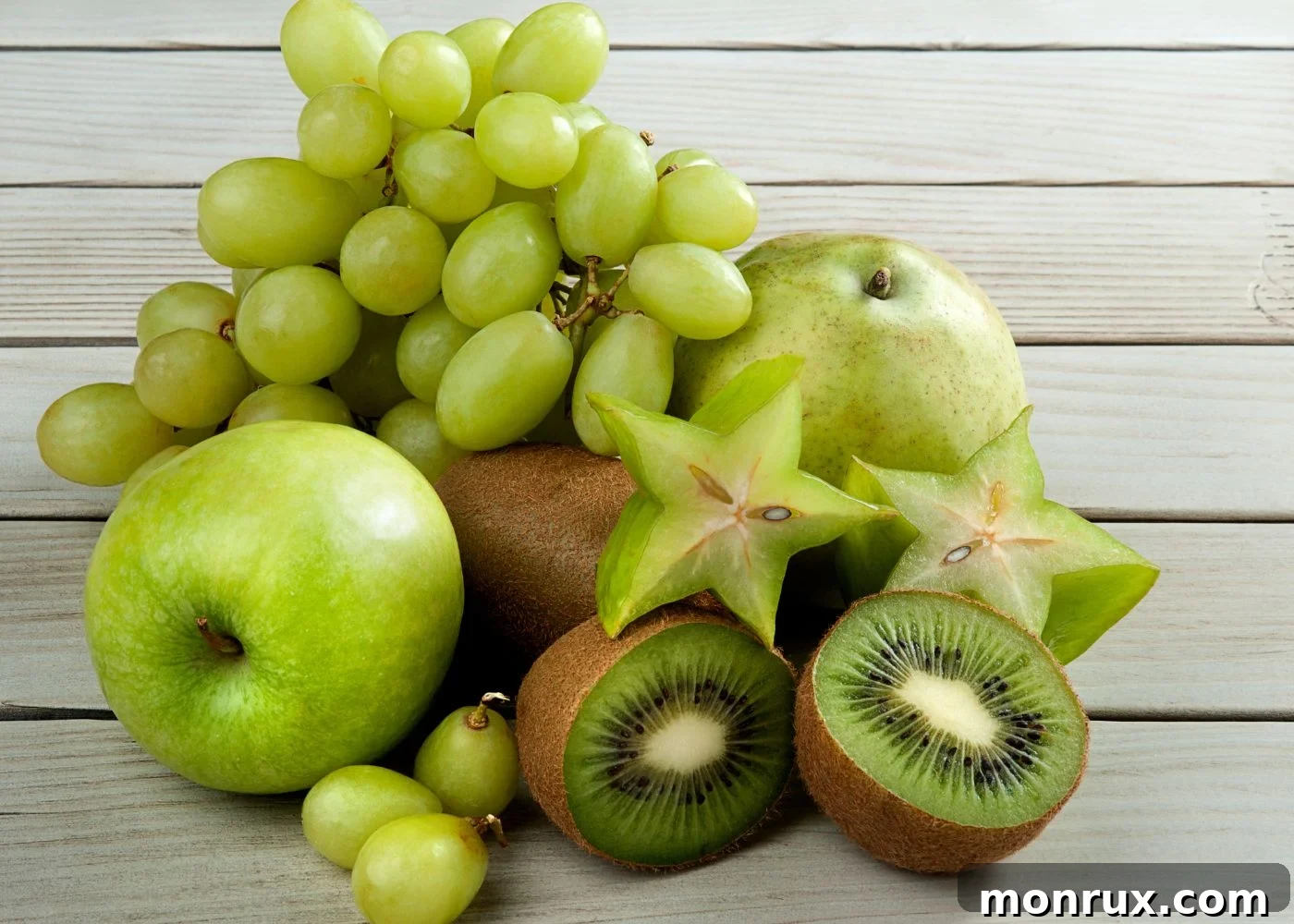
Are you ready to invigorate your diet with a burst of vibrant nutrition? Look no further than the incredible world of green fruits. Often overlooked in favor of their more colorful counterparts, green fruits are absolute powerhouses of vitamins, minerals, and potent antioxidants. Incorporating these verdant delights into your daily meals is a simple yet effective way to boost your overall health, enhance your immune system, and bring a refreshing twist to your plate. Beyond their striking appearance, many green fruits offer unique flavors and textures, making them exciting additions for any palate.

Today’s grocery stores and local farmers’ markets offer an astonishing array of fruits from around the globe. Whether you’re seeking the subtle sweetness of a honeydew melon or the tangy kick of a green apple, the options are virtually limitless. While all fruits contribute to a healthy lifestyle, there’s something particularly special about the benefits packed into green varieties. Their distinct chlorophyll content often signifies a rich presence of health-promoting phytonutrients.
This comprehensive guide will introduce you to a fantastic selection of green fruits, providing detailed insights into their unique characteristics, nutritional advantages, geographical origins, and delightful culinary uses. Get ready to discover your next favorite healthy treat!
Here is an extensive list of green fruits that deserve a spot on your next grocery list!
Green Fruits: A Quick Summary
For those eager to quickly identify new additions to their healthy eating regimen, here’s a concise overview of the remarkable green fruits featured in this article. Each of these offers unique flavors and substantial health benefits, perfect for boosting a healthy lifestyle.
Many of these vibrant fruits are also ideal for incorporating into juice recipes, particularly if you’re exploring options for juicing for inflammation or seeking general wellness support. Dive in to discover more about their individual nutritional profiles and see inspiring photos by scrolling down or clicking on the links below.
- Avocados
- Breadfruit
- Custard Apple (Cherimoya)
- Gooseberries
- Green Apples
- Green Grapes
- Honeydew Melon
- Kiwifruit
- Limes
- Mexican Sour Cucumber
- Noni Fruit
- Osage Orange
- Pears
- Sour Green Plums
- Green Kiwano
- Starfruit
- Ugli Fruit
Exploring the World of Green Fruits (Detailed List)
Delve deeper into each green fruit, discovering its unique characteristics, nutritional value, and how you can best enjoy it.
1. Avocados
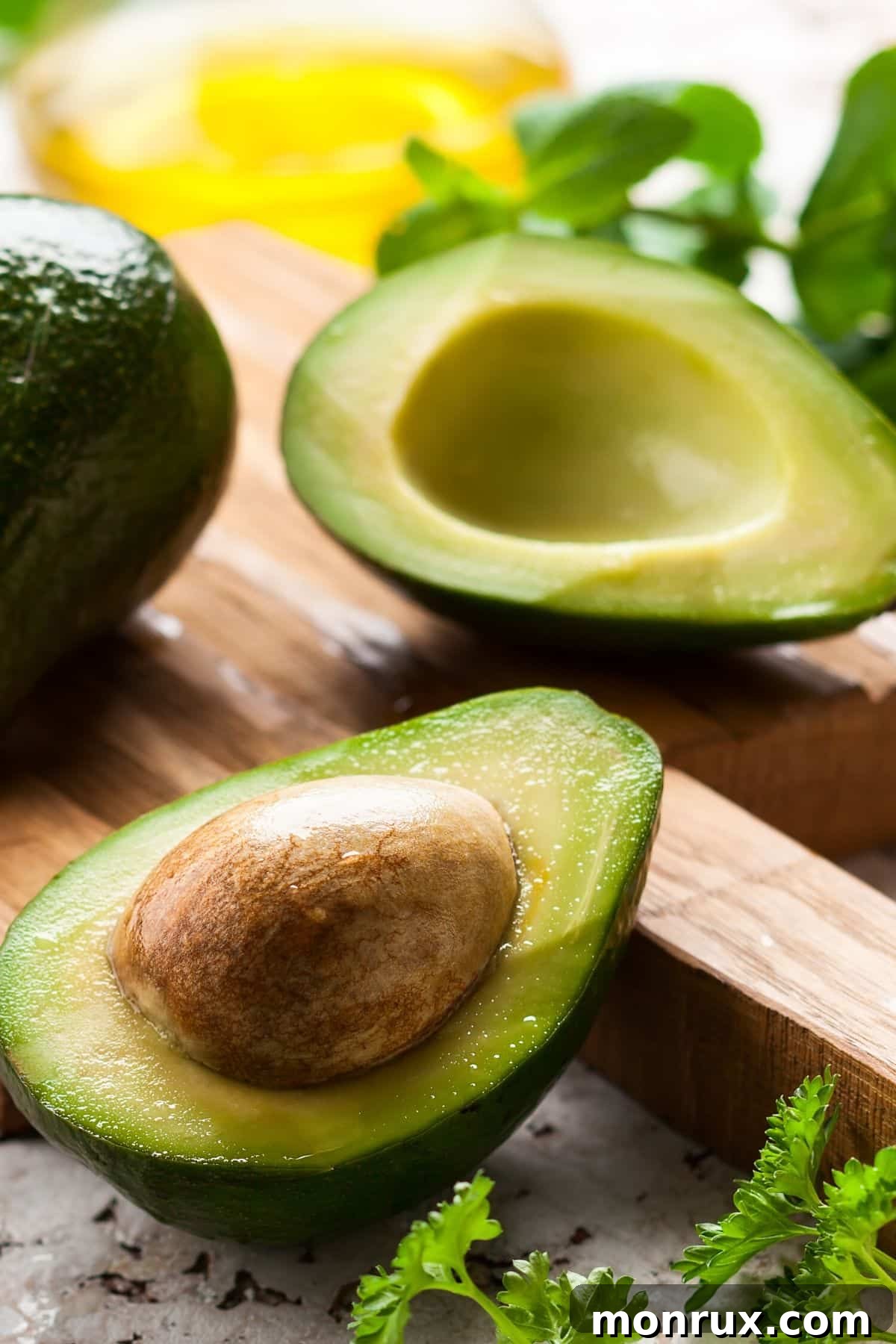
Often mistakenly categorized as a vegetable, avocados are botanically classified as a large berry with a single seed. Their exterior ranges from bright to dark green, with a slightly pebbled or smooth skin depending on the variety. The creamy, rich flesh can be yellow or green, offering a distinctive nutty and buttery flavor. This unique taste profile makes avocados incredibly versatile in the kitchen.
Originating from south-central Mexico, avocados are now cultivated in many tropical and Mediterranean climates worldwide, with major producers including Mexico, Peru, California, and Colombia. There are numerous varieties, each with subtle differences in size, texture, and flavor. The Hass avocado, known for its bumpy, dark skin when ripe, is particularly popular for its rich taste and smooth consistency.
Avocados are celebrated for being an exceptional source of healthy monounsaturated fats, which are crucial for heart health and nutrient absorption. They also contribute to a strong immune system, provide ample dietary fiber for digestive health, and are rich in vitamins K, C, B6, E, and folate. Their potassium content often surpasses that of bananas, aiding in blood pressure regulation.
I love incorporating avocados into a wide array of dishes. Here are a few creative ways to enjoy them:
- Avocado Chocolate Ice Cream: A surprisingly delicious and healthy dessert.
- Creamy Avocado Spread: Perfect for sandwiches or as a dip.
- Erewhon Kale Salad: Avocados add a luscious creaminess to this vibrant salad.
Don’t let those perfectly ripe avocados go to waste! Refer to my helpful guide on How to Freeze Avocados to preserve their freshness for later use.
2. Breadfruit
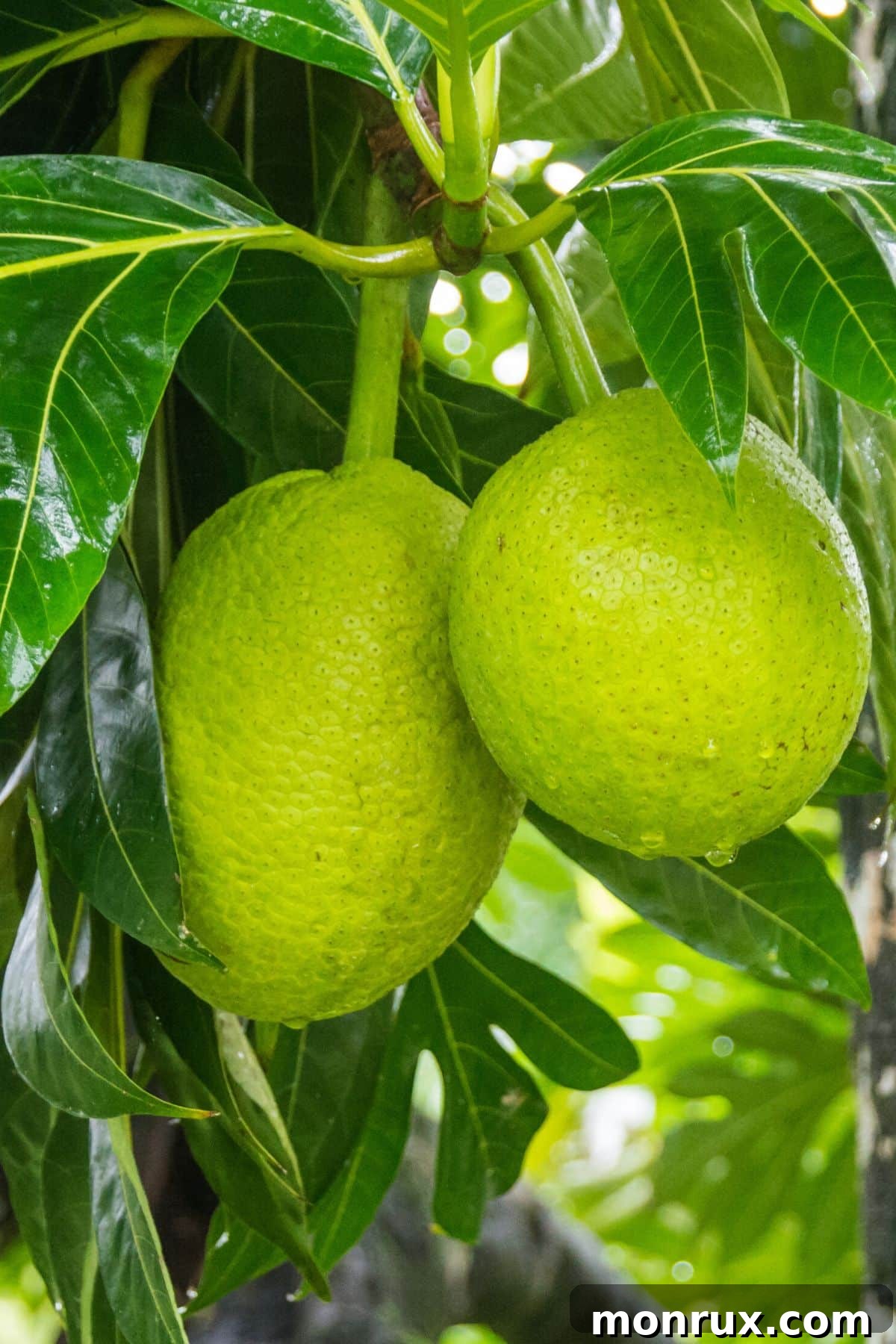
Breadfruit is a fascinating tropical fruit, typically round or oval, characterized by its bumpy, green exterior. Its interior is remarkably starchy and white, often compared to a potato when unripe. As it matures, it develops a slightly sweet, mild flavor and a texture that can become quite soft. The fruit gets its name from its resemblance to freshly baked bread when cooked, particularly its aroma and consistency.
Native to New Guinea and the Maluku Islands, breadfruit has been a staple food in tropical regions for centuries. Today, it thrives across vast areas, including Southeast Asia, Oceania, parts of Africa, and even Hawaii and South Florida, showcasing its adaptability to warm, humid climates.
While I haven’t had the chance to try breadfruit raw, its versatility shines when cooked. In Hawaiian cuisine, for instance, it’s often baked, roasted, or fried and used in various sweet and savory dishes, including desserts. Nutritionally, breadfruit is an excellent source of complex carbohydrates, providing sustained energy. It’s also rich in dietary fiber, contributing to digestive health, and contains notable amounts of vitamin C, potassium, and B vitamins. Its high nutritional value makes it a significant contributor to food security in many tropical communities.
3. Custard Apple (Cherimoya)
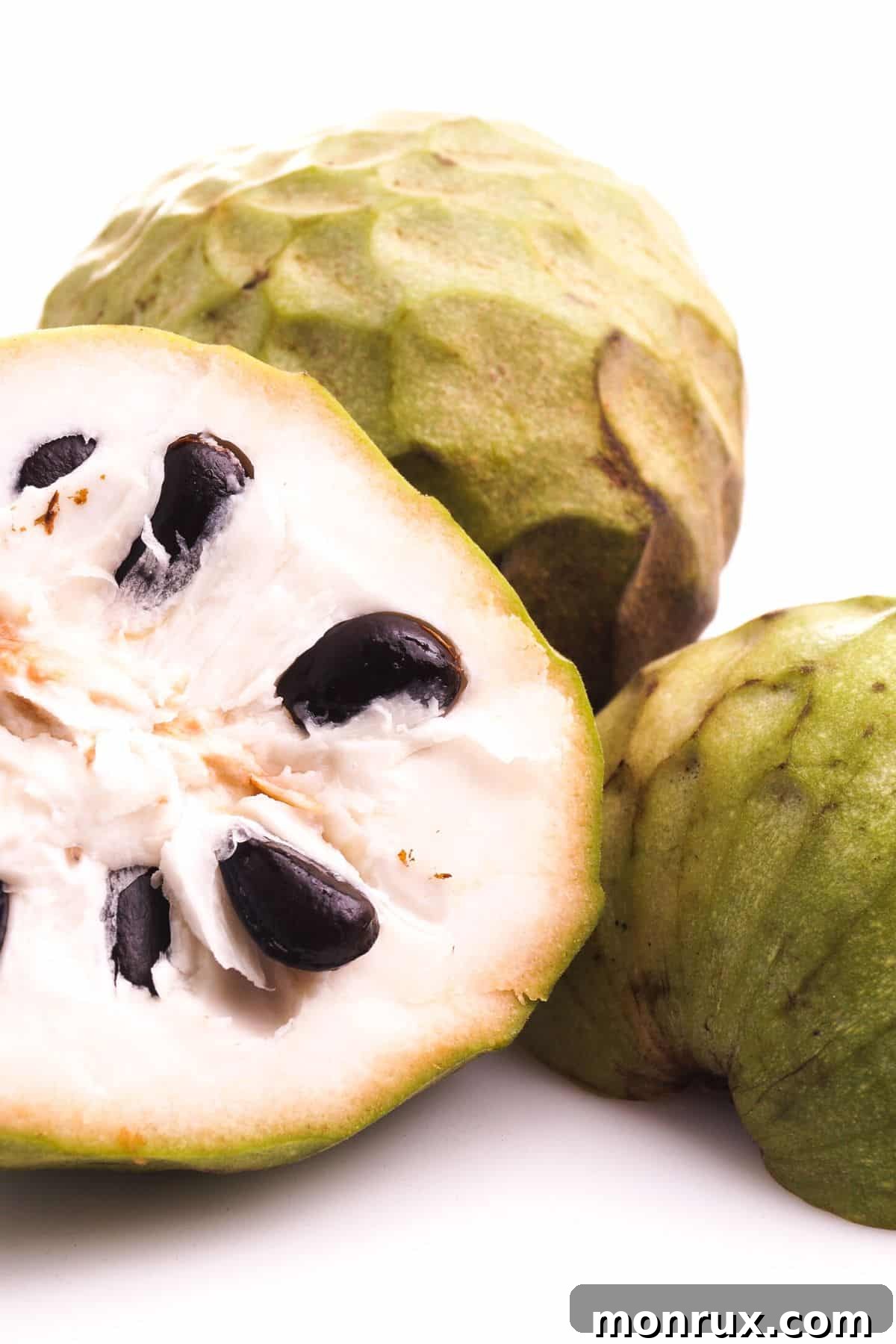
The custard apple, also widely known as cherimoya, is a truly exquisite fruit with a distinctive appearance and an even more captivating flavor. Its exterior is green or yellowish-green, featuring a segmented, pinecone-like skin that hints at the treasures within. Once opened, the fruit reveals a soft, creamy white flesh dotted with large, inedible black seeds. Its flavor is a complex blend of tropical notes – often described as a mix of pineapple, banana, mango, and strawberry, culminating in a sweet, custardy taste that is genuinely unique.
If you’ve never experienced a custard apple, consider it a culinary adventure worth embarking on! Its sweet, creamy texture melts in your mouth, offering a delightful sensory experience unlike any other fruit.
Custard apples are native to the Andes mountain valleys of Peru and Ecuador and have been cultivated for thousands of years. Today, they are grown in various subtropical regions worldwide, including Central America, Southern Mexico, California, Chile, and parts of the Caribbean. They thrive in climates with mild winters and warm summers.
Beyond its delicious taste, the custard apple is a nutritious powerhouse. It’s an excellent source of vitamin C, an antioxidant vital for immune function, and boasts high levels of B vitamins, particularly B6, which supports brain health. It’s also rich in dietary fiber, aiding digestion, and provides essential minerals like potassium and magnesium, important for heart health and muscle function. Enjoy it chilled and scooped directly from the peel, or incorporate it into smoothies and desserts for a tropical twist.
4. Gooseberries

Gooseberries are small, round to oval fruits that come in a beautiful spectrum of colors, including various shades of green, red, and golden-white. The green varieties are particularly striking, often having a slightly translucent skin with visible veins. The flesh is typically juicy and bursts with a distinctive flavor profile – tart and tangy with an underlying sweetness that becomes more pronounced as the fruit ripens.
These intriguing berries are native to Europe and Asia and have been cultivated for centuries across these continents. They are now also grown in parts of North America, particularly in regions with cooler climates where they thrive. Historically, they were a popular garden fruit, appreciated for their resilience and prolific bearing.
While I personally haven’t had the pleasure of tasting gooseberries yet, their reputation precedes them. They are a common ingredient in European and Indian cuisines. In Europe, they are often used in pies, jams, crumbles, and sauces, their tartness balancing rich dishes. In India, they are known as Amla (Indian gooseberry) and are prized for their high vitamin C content and medicinal properties, frequently used in traditional Ayurvedic remedies. Nutritionally, gooseberries are packed with vitamin C, vitamin A, and dietary fiber, making them excellent for boosting immunity and aiding digestion. They also contain antioxidants that help protect the body from cellular damage.
5. Green Apples

Green apples are one of the most recognizable and widely enjoyed green fruits, known for their distinctive bright green skin and firm, crunchy white flesh. Their flavor is predominantly tart and tangy, often with a refreshing crispness that makes them a popular choice for snacking and culinary applications. This refreshing tartness sets them apart from their sweeter red counterparts.
The most famous green apple variety, the Granny Smith, originated in Australia. Today, green apples are cultivated globally in temperate climates, including major apple-growing regions like Washington State in the USA, Southern France, Italy, South Africa, and Spain. They flourish on apple trees and are harvested typically in late summer to early autumn.
Green apples are not only delicious but also highly nutritious. They are an excellent source of dietary fiber, particularly pectin, which is beneficial for digestive health and can help regulate blood sugar levels. They also provide a good amount of vitamin C, an essential antioxidant. Notably, green apples tend to be lower in sugar compared to many red apple varieties, making them a favored choice for those monitoring sugar intake.
I frequently incorporate green apples into my healthy juice and smoothie recipes for their vibrant flavor and nutritional boost:
- Green Juice Recipe with Lemon & Ginger: The tartness of green apple balances the ginger beautifully.
- Green Vegetable Juice Recipe: Adds a refreshing sweetness to a savory vegetable blend.
- Green Apple Smoothie with Spinach: A perfect combination for a nutrient-dense breakfast or snack.
6. Green Grapes

Green grapes are small, round or oval-shaped fruits that grow in clusters, known for their delicate, translucent green skin. The flesh inside is juicy and firm, mirroring the light green hue of the exterior. They offer a delightful balance of sweet and tart flavors, with some varieties leaning more towards one end of the spectrum. Their crisp texture and refreshing taste make them an incredibly popular and easy-to-eat snack.
Grapes are native to the Mediterranean region and Central Asia, with cultivation dating back thousands of years. Today, green grapes are grown in virtually every temperate climate zone around the world. Major producers include Chile, Argentina, South Africa, Australia, Europe, and California, each contributing diverse varieties to the global market.
There is an astonishing array of green grape varieties available. Some are seedless, others seeded; some are intensely sweet, like the popular Cotton Candy green grapes (a personal favorite of my husband’s), while others offer a more pronounced tartness. This diversity ensures there’s a green grape to suit every preference. Nutritionally, green grapes are hydrating and packed with antioxidants, particularly flavonoids, which help protect cells from damage. They are also a good source of vitamin K and vitamin C.
Have you ever tried frozen grapes? They are an absolute revelation – a remarkably simple yet incredibly satisfying healthy snack, especially refreshing on a hot day!
7. Honeydew Melon
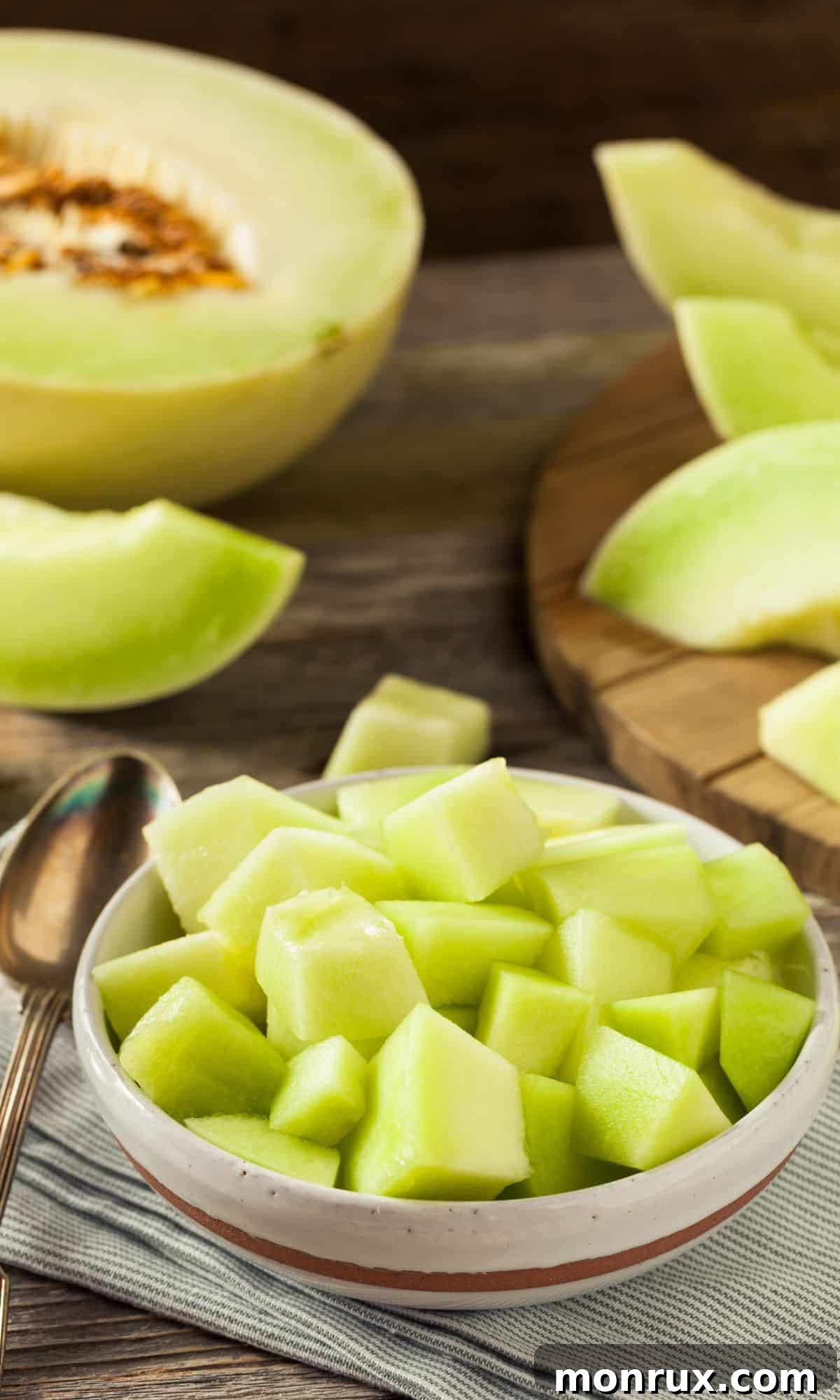
Honeydew melon is a large, spherical fruit characterized by its smooth, pale yellow-green rind. When cut open, it reveals a succulent, pale green flesh with a characteristic sweet and subtly fragrant flavor. Its high water content makes it incredibly refreshing and hydrating, a perfect choice for summer months. A perfectly ripe honeydew will feel heavy for its size and have a slightly waxy feel to its skin.
While often associated with Central Asia, honeydew melons are believed to have originated in the Middle East, with cultivation history stretching back thousands of years. Today, this popular melon is grown in many parts of the world with warm climates, including China, Mexico, India, Turkey, and the United States. Its ability to grow in diverse regions contributes to its widespread availability.
Honeydew melon is an excellent source of several vital nutrients. It is particularly rich in vitamin C, a powerful antioxidant that supports immune health and collagen production. It also provides a good amount of potassium, which is crucial for maintaining fluid balance and healthy blood pressure, and a decent dose of vitamin B6 and folate. Its high water content makes it an effective fruit for hydration and can aid in overall bodily functions.
If you’re looking for creative ways to enjoy honeydew beyond simply eating it sliced, consider blending it into a delicious beverage. My Honeydew Smoothie recipe is a fantastic way to enjoy its refreshing sweetness in a creamy, cool drink.
8. Kiwifruit

The kiwifruit, affectionately known as kiwi, is a small, oval-shaped fruit with a distinctive appearance. Its exterior is typically fuzzy and brown, which, when peeled, reveals a stunning bright green flesh dotted with tiny, edible black seeds arranged in a circular pattern. The flavor profile of kiwi is wonderfully complex: a delightful combination of sweet and tangy, often with hints of strawberry, banana, and pineapple, making it a truly tropical experience.
Despite its strong association with New Zealand, kiwifruit is actually native to China, where it was originally known as the “Chinese gooseberry.” It was introduced to New Zealand in the early 20th century, where it was later renamed and commercially cultivated to become the global sensation it is today. Beyond New Zealand, it is also extensively grown in Italy, Greece, Chile, California, Japan, and other regions with suitable temperate climates.
Kiwifruit is renowned for its exceptional nutritional benefits. It is an outstanding source of vitamin C, providing more than many citrus fruits, which makes it a powerful booster for the immune system and vital for skin health. Additionally, kiwi is rich in dietary fiber, aiding in digestion and promoting gut health. It also contains vitamin K, vitamin E, folate, and a unique array of antioxidants, including actinidin, an enzyme that can help with protein digestion. Its nutrient density makes it an excellent choice for a healthy snack or an addition to fruit salads and desserts.
9. Limes

Limes are small, round to oval citrus fruits characterized by their vibrant green rind, which can be smooth or slightly textured. Beneath the glossy skin lies juicy, pale yellow or white flesh, segmented much like other citrus fruits. The flavor of lime is intensely sour and highly acidic, with a distinctive refreshing zest that is both pungent and aromatic. This sharp taste is what makes limes so indispensable in both culinary arts and beverage preparation.
Believed to be native to Southeast Asia, limes have a long history of cultivation and global distribution, largely due to their use by sailors to prevent scurvy during long voyages. Today, they are extensively grown in tropical and subtropical regions around the world, with Mexico and Brazil being among the leading producers. There are several key varieties, including the small, intensely aromatic Key lime, and the larger, juicier Persian or Tahitian lime, as well as the unique Kaffir lime prized for its fragrant leaves.
Limes are an exceptional source of vitamin C, a powerful antioxidant that is crucial for immune system function, skin health, and the absorption of iron. They also contain beneficial flavonoids and other antioxidants that contribute to overall health. Beyond their nutritional value, limes are celebrated for their culinary versatility. They are a fundamental ingredient in countless dishes, from marinades and dressings to desserts and cocktails. Their juice and zest can brighten flavors, tenderize meats, and add a refreshing acidic counterpoint to rich foods, making them a staple in kitchens globally.
10. Mexican Sour Cucumber (Cucamelon)
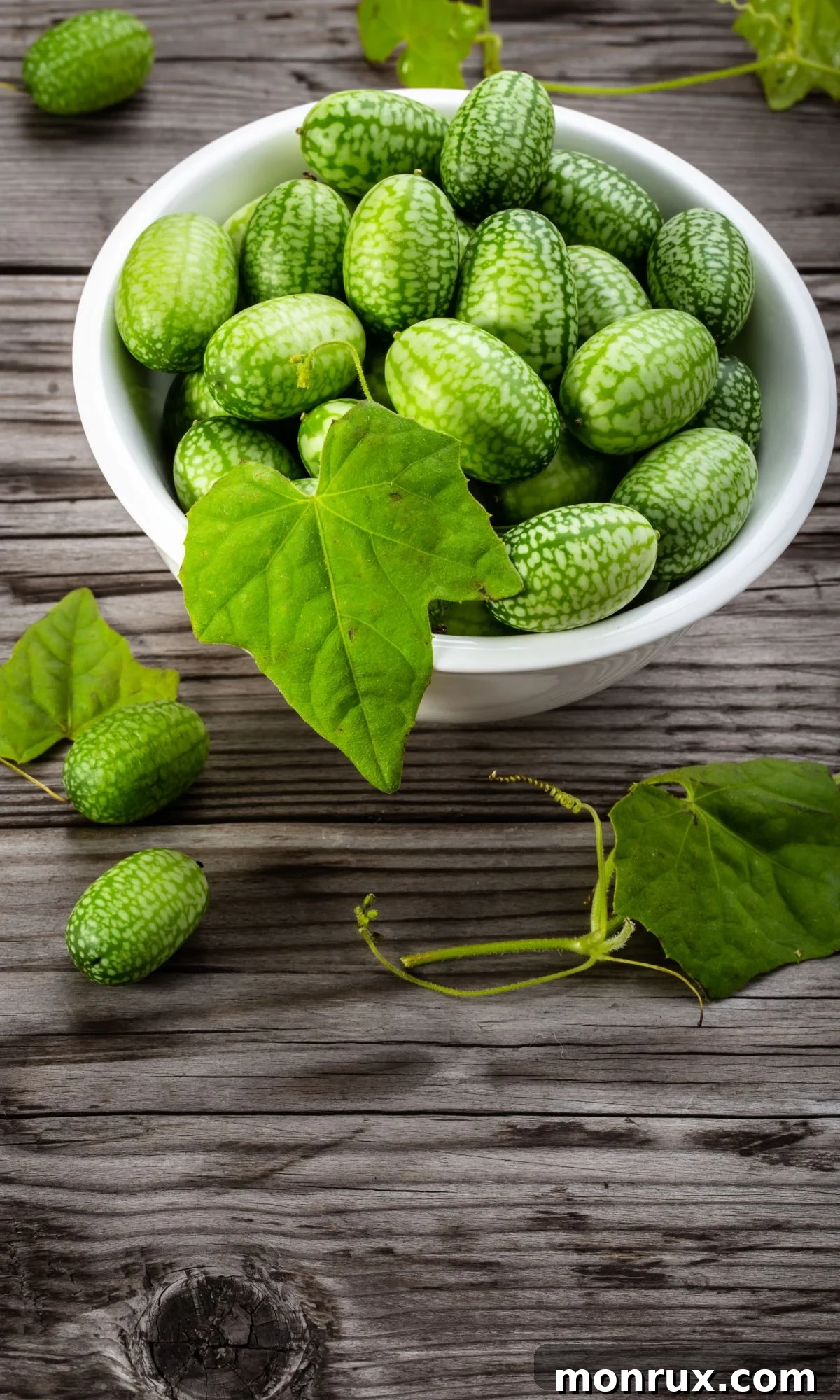
Mexican sour cucumbers, charmingly known as cucamelons or mouse melons, are truly unique and visually delightful fruits. They are tiny, roughly the size of a grape or golf ball, with a delicate green skin striped with lighter green patterns, giving them the appearance of miniature watermelons. This makes them incredibly cute and an instant conversation starter!
Despite their watermelon-like appearance, their flavor is distinctly different and surprisingly complex. They taste similar to a regular cucumber but with a noticeable tangy or sour kick, reminiscent of a hint of lime or lemon. This refreshing tartness, combined with the crisp juiciness of a cucumber, creates a burst of flavor in every bite.
These fascinating fruits are native to Mexico and Central America, where they have been cultivated and enjoyed for centuries. They are now gaining popularity in other parts of the world, especially among home gardeners and food enthusiasts looking for novel culinary experiences. They grow on vines and are part of the gourd family, much like their larger cucumber and melon relatives.
Mexican sour cucumbers are not just a pretty face; they are also packed with nutritional benefits. They are an excellent source of essential vitamins, including vitamin C and K, and beneficial minerals. Furthermore, they provide a good amount of antioxidants and dietary fiber, contributing to digestive health and overall well-being. Their small size makes them perfect for snacking, adding to salads, pickling, or as a charming garnish for cocktails. I have yet to encounter these miniature marvels in person, but their photograph alone makes me eager to try them!
11. Noni Fruit
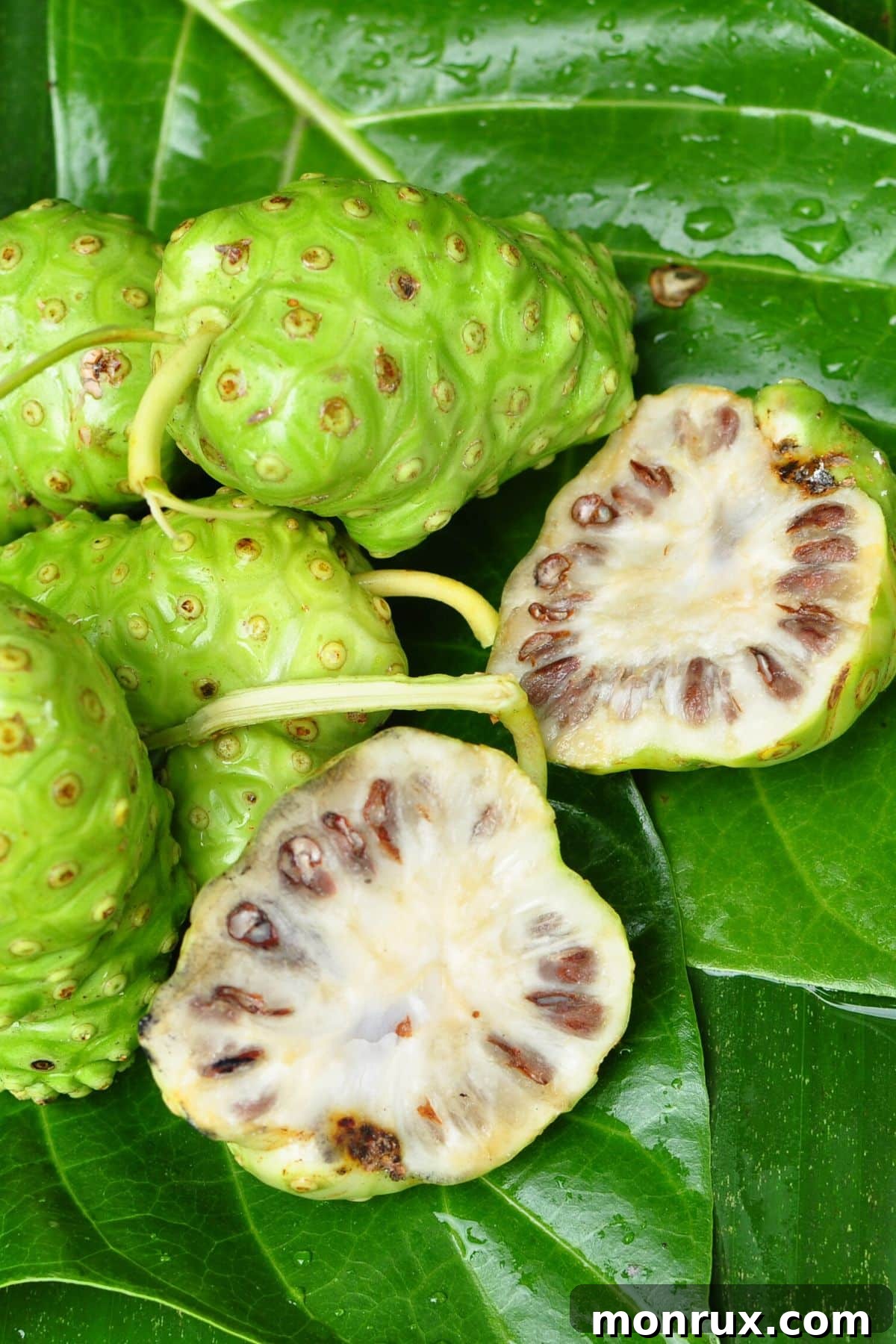
Noni fruit, scientifically known as Morinda citrifolia, is an unusual and distinctive tropical fruit. It has a knobby, bumpy exterior that starts green and ripens to a yellowish-white hue. The fruit’s flesh is translucent and juicy, containing numerous small seeds. Noni is perhaps best known for its very strong, often pungent aroma and a peculiar flavor that many describe as tasting like ripened cheese, particularly when fully mature. This unique taste profile means it’s often consumed as juice rather than eaten raw.
Native to Southeast Asia and Australasia, noni fruit has been a staple in traditional medicine and diets across the Pacific Islands, Australia, and India for thousands of years. It thrives in volcanic soils and coastal regions, making it a resilient plant that grows widely throughout the tropics.
Despite its challenging flavor, noni is highly prized for its exceptional nutritional and medicinal properties. It is an excellent source of vitamin C, supporting immune health and acting as an antioxidant. It also provides a significant amount of folate (vitamin B9), which is crucial for cell growth and function. Beyond these, noni contains various other vitamins, minerals, and a unique array of phytochemicals and antioxidants, including scopoletin and damnacanthal, which are believed to contribute to its traditional health benefits, such as anti-inflammatory properties and immune support. While consuming it raw might be an acquired taste, noni juice, often blended with other fruits to mask its strong flavor, is a popular way to harness its beneficial compounds.
12. Osage Orange
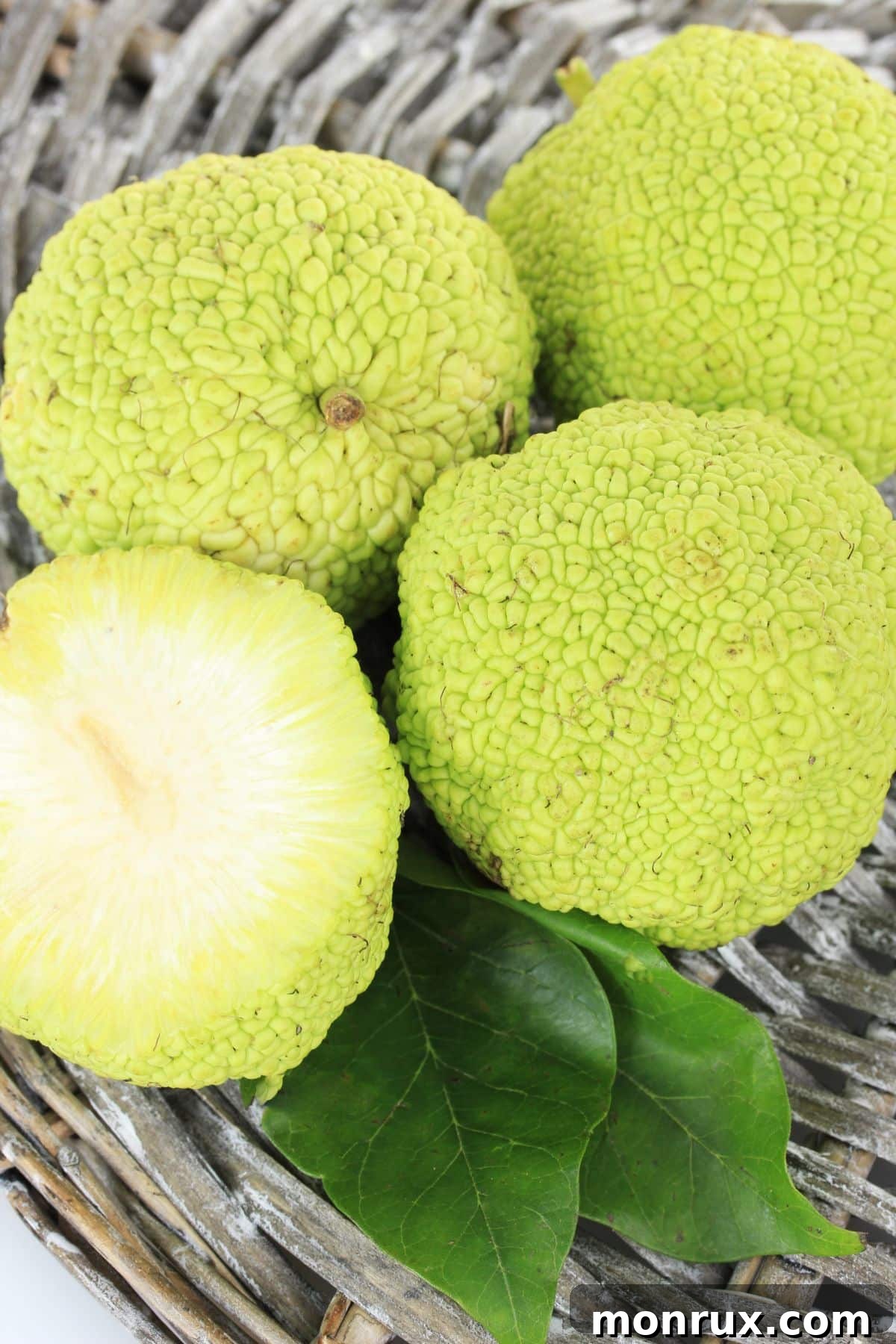
The Osage orange, often referred to as a “hedge apple,” is a visually striking fruit with a bumpy, bright green exterior that resembles a large, convoluted citrus fruit, though it’s not actually an orange. Its inner flesh is white and fibrous, often exuding a sticky, milky sap when cut. While it’s sometimes called a “Sweet Green Orange,” its taste is typically described as somewhat bitter and astringent, though some suggest a mild, subtle sweetness in very ripe specimens.
This unusual fruit is native to a limited region in North America, specifically the Red River basin, encompassing parts of Southern Oklahoma, Western Arkansas, and East Texas. The tree, known as Maclura pomifera, was historically used to create natural thorny hedges and its dense wood for bows by Native American tribes. Today, its primary uses are often for ornamental planting or as a natural pest deterrent, as squirrels are deterred by its sap.
Despite its challenging flavor for direct consumption, the Osage orange holds significant nutritional interest. It is notably high in isoflavones, a type of plant compound that acts as a powerful antioxidant. These isoflavones are similar in their protective capabilities to vitamins C and E, helping to combat oxidative stress and potentially reducing the risk of various chronic diseases. Research into the potential health benefits of these compounds from the Osage orange is ongoing, particularly for its antimicrobial and anticancer properties. While most people don’t consume the fruit directly, its unique biochemical composition makes it a subject of scientific curiosity for potential extracts and medicinal applications.
13. Pears
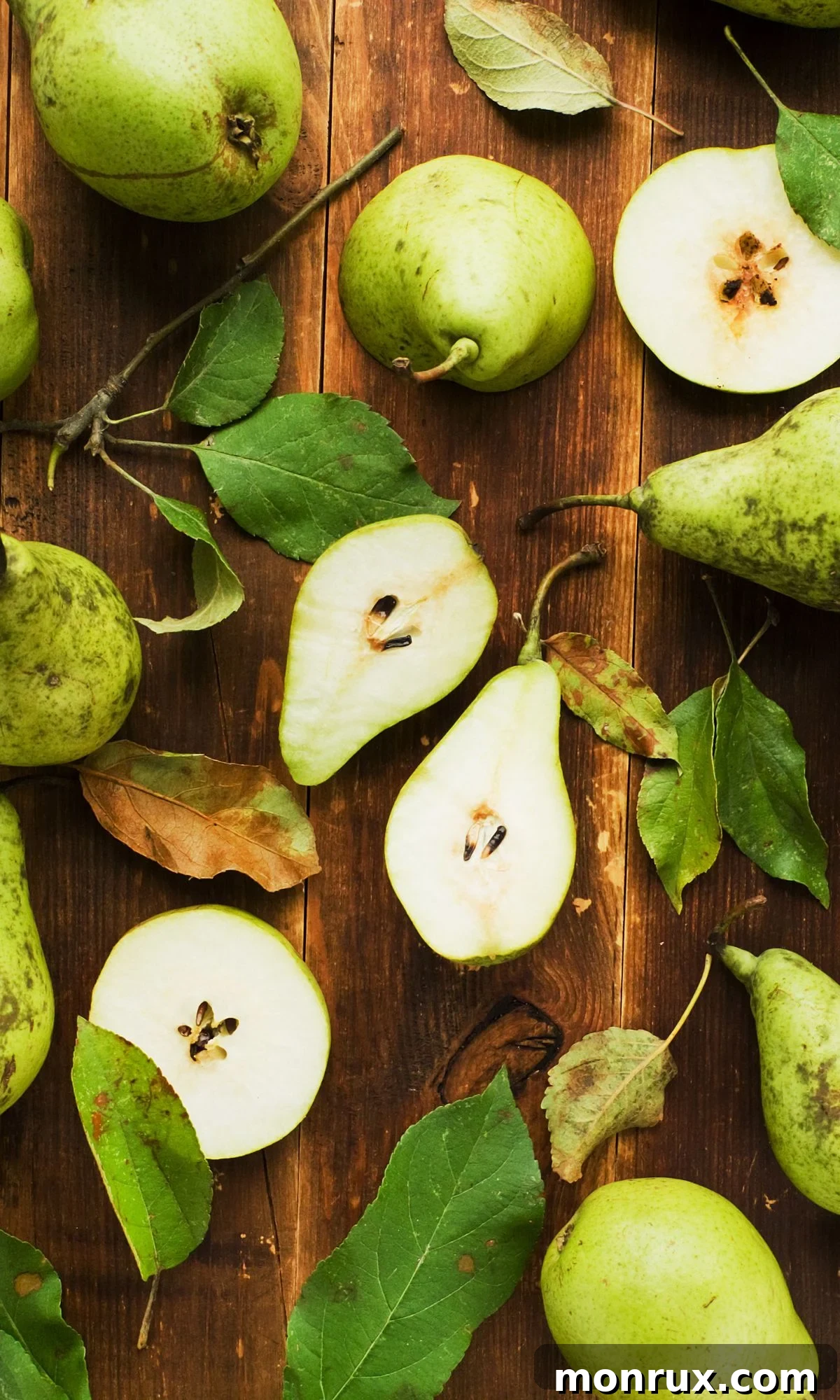
Pears are beloved fruits characterized by their distinct “pear shape” – round at the bottom and tapering towards the stem. While some varieties boast red or brown hues, many popular types exhibit a beautiful green skin. The flesh of a pear is typically white or cream-colored, offering a sweet, juicy, and often subtly grainy texture that melts in your mouth when perfectly ripe. The sweetness can range from mild to intensely rich, depending on the variety.
With ancient origins tracing back to Southeastern Europe and Asia, pears have been cultivated for thousands of years. Today, they are grown extensively in temperate climates across the globe, including major producing countries like China, Italy, Argentina, and the United States (particularly in Oregon and Washington). The diversity of pears is remarkable, featuring varieties such as the crisp Asian pear, the classic juicy Bartlett, and the firm d’Anjou, each offering a unique culinary experience.
Pears are a nutritional powerhouse, making them an excellent addition to any healthy diet. They are an outstanding source of dietary fiber, especially soluble fiber, which is crucial for digestive health, blood sugar regulation, and cholesterol management. Pears also provide a good amount of vitamin C, an antioxidant that supports immune function and skin integrity. Additionally, they contain essential minerals like potassium, important for heart health, and various phytonutrients. Their high water content also contributes to hydration.
While delicious eaten fresh out of hand, pears also lend themselves beautifully to various culinary preparations. They can be baked, poached, added to salads, or incorporated into savory dishes. My absolute favorite way to enjoy a ripe pear is by blending it into a smoothie – it adds an incredible natural sweetness and a creamy, thick texture. You might also enjoy my Pear Juice recipe for a refreshing and nutrient-rich drink.
14. Sour Green Plums
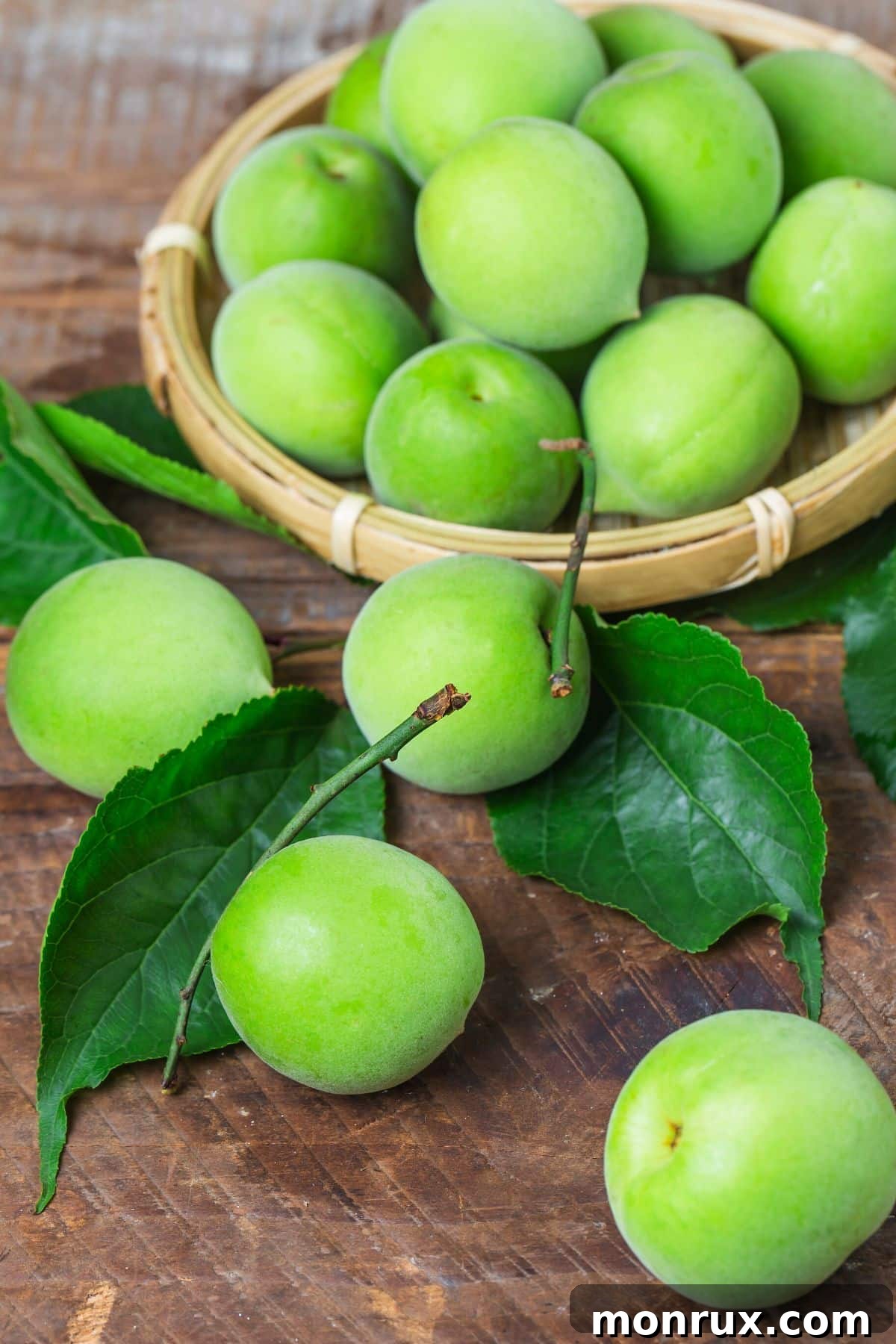
Sour green plums are distinctively small, firm fruits with a smooth, glossy green skin. Unlike their sweeter, ripened counterparts, these plums are typically harvested and enjoyed while still unripe, resulting in an intensely tart and tangy flavor profile. This sharp acidity is their defining characteristic, often enjoyed by those who appreciate a powerful sour punch.
These plums are widely popular in Middle Eastern and Mediterranean cultures, where they are often eaten fresh with a sprinkle of salt, or pickled. Their peak season is typically in the spring, making them a highly anticipated seasonal treat in many regions. While exact origins vary by specific cultivar, plums, in general, are thought to have originated in various parts of Asia and Europe.
Beyond their unique taste, sour green plums are a notable source of nutritional benefits. They are particularly high in vitamin C, a powerful antioxidant that supports the immune system, promotes skin health, and aids in iron absorption. Their tartness is largely due to organic acids, which can also aid in digestion. Additionally, these plums provide dietary fiber, contributing to gut health, and contain various other antioxidants and phytonutrients that offer general health advantages. Their refreshing sourness makes them an invigorating snack and a versatile ingredient in traditional dishes, adding a bright, acidic note.
15. Green Kiwano (Horned Melon)

The Green Kiwano, also known as the Horned Melon or African Horned Cucumber, is an exotic and visually striking fruit. Its most distinctive feature is its firm, spiky, and bumpy green skin, giving it a somewhat intimidating yet fascinating appearance. When ripe, the skin can turn yellow or orange, but in its green stage, it offers a firm texture. Inside, the fruit contains a vibrant, gelatinous, lime-green pulp embedded with numerous edible seeds.
The flavor of a green kiwano is subtly sweet and remarkably refreshing, often described as a delicate blend of cucumber, zucchini, and a hint of lime or passion fruit. This unique combination makes it a versatile ingredient for both sweet and savory applications.
Native to Africa, particularly the Kalahari Desert, the kiwano is now cultivated in various parts of the world, including California, New Zealand, and Australia, where climates are suitable for its growth. It thrives in warm conditions and is known for its resilience.
Nutritionally, green kiwano is a treasure trove of beneficial compounds. It is high in vitamin C, crucial for immune defense, and a good source of vitamin A, important for vision and skin health. It also provides essential minerals like zinc, which plays a role in immune function and wound healing, and lutein, an antioxidant beneficial for eye health. The fruit is also rich in dietary fiber, aiding digestion, and has a high water content, contributing to hydration. Its unique appearance and nutritional profile make it an intriguing addition to fruit salads, smoothies, or even as a distinctive garnish for cocktails.
16. Starfruit (Carambola)
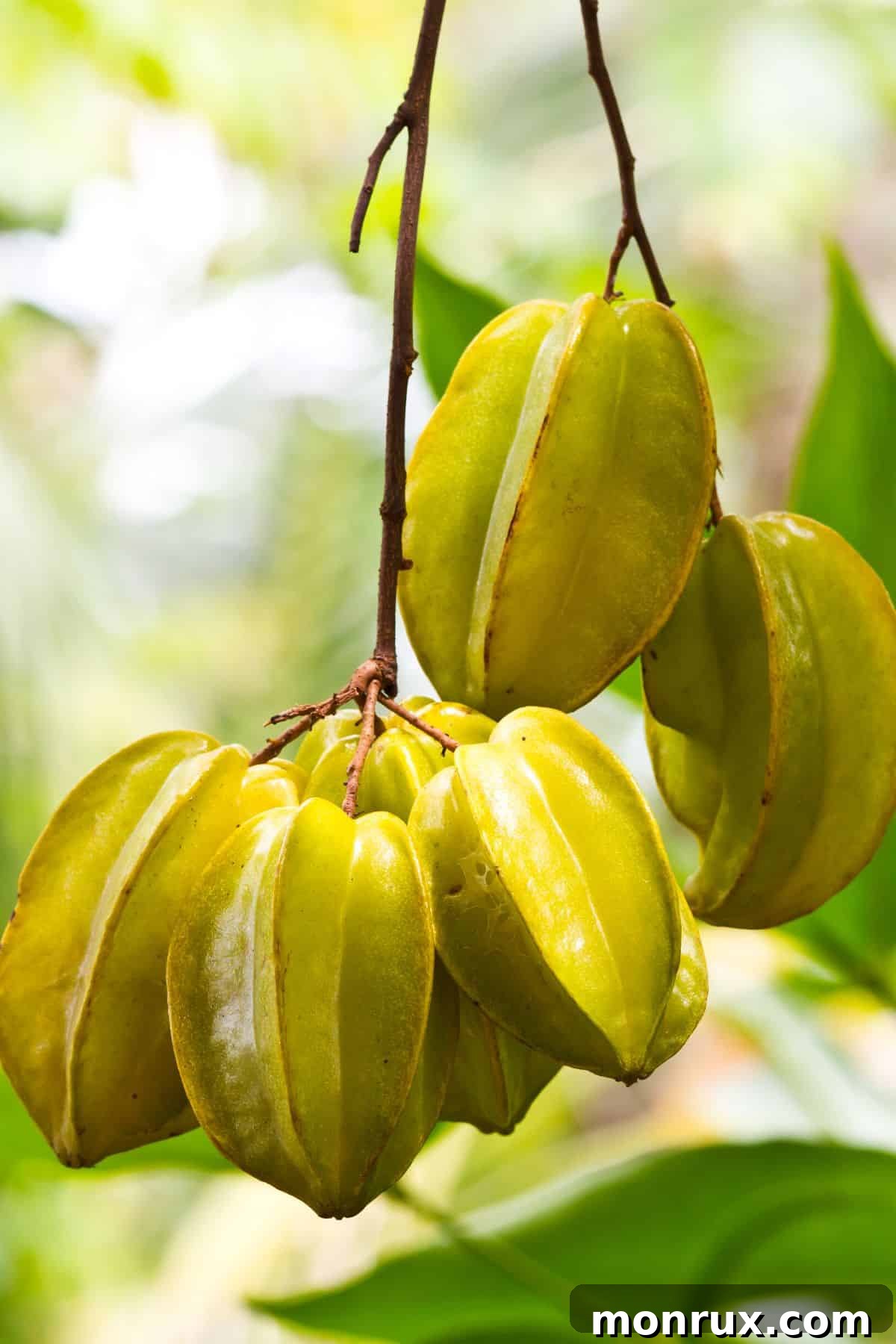
Starfruit, scientifically known as carambola, is an incredibly distinctive tropical fruit renowned for its unique shape. When sliced crosswise, it forms a perfect five-pointed star, making it a popular garnish for culinary creations. While starfruit is often found in vibrant yellow hues when fully ripe, unripe or less ripe specimens commonly display a beautiful green color, gradually turning yellow as they mature.
The flavor profile of starfruit is a harmonious blend of tart and sweet, often described as a mix of apple, grape, and citrus, with a refreshing crispness. The texture is juicy and crunchy, making it a delightful snack. It’s a truly exotic taste that brightens any dish.
Native to Southeast Asia, starfruit has been cultivated in the region for centuries and is now grown in various tropical and subtropical areas worldwide, including parts of Florida, Hawaii, Brazil, and Australia. It thrives in warm, humid climates.
Beyond its aesthetic appeal and delightful taste, starfruit offers a wealth of nutritional benefits. It is an excellent source of vitamin C, a powerful antioxidant that supports immune health and skin integrity. It also provides a good amount of copper, an essential mineral involved in energy production and iron metabolism. Additionally, starfruit contains dietary fiber, contributing to digestive health, and various other antioxidants. Its high water content makes it very hydrating. It’s a fantastic addition to fruit salads, smoothies, or simply enjoyed on its own as a refreshing, nutrient-rich snack. (Note: Individuals with kidney issues should consult a doctor before consuming starfruit due to its oxalic acid content).
17. Ugli Fruit

The Ugli fruit certainly lives up to its name with its irregular, rough, and often wrinkled or dimpled green-to-yellowish-orange skin. However, despite its unconventional appearance, this citrus fruit is a true hidden gem. It is a natural hybrid, believed to be a cross between a tangerine, an orange, and a pomelo, and is also known as the Jamaican Tangelo.
Beneath its ‘ugly’ exterior lies a sweet, tangy, and juicy flesh that is easy to peel and segment. The flavor is often described as less tart than a grapefruit but more flavorful than an orange, with a delightful balance of sweetness and a hint of bitterness. While most commonly seen in a more yellow or orange hue when fully ripe, unripe Ugli fruits are distinctly green, offering a slightly more acidic profile.
Ugli fruit originated in Jamaica, where it was discovered growing wild in 1924. It thrives in the warm, tropical climate of the Caribbean and is now primarily cultivated there, particularly in Jamaica. Its unique qualities have made it popular in markets worldwide during its season, typically from December to April.
This surprisingly delicious fruit is an excellent source of vitamin C, a powerful antioxidant essential for immune function, skin health, and fighting free radicals. It also provides dietary fiber, contributing to digestive wellness. The balance of sweet and tart flavors, along with its juicy segments, makes it a wonderfully refreshing and nutritious snack. It can be enjoyed fresh, added to fruit salads, or juiced for a unique citrus experience. Don’t let its appearance deter you – the Ugli fruit is a testament to the fact that beauty truly lies within!
The Power of Green Fruits
In summary, incorporating green fruits into your daily diet is a simple yet profoundly impactful way to boost your health and well-being. These vibrant fruits are not just aesthetically pleasing; they are concentrated sources of vital nutrients that contribute to a healthier you.
Green fruits are particularly renowned for their abundance of antioxidants, compounds that play a crucial role in protecting your body’s cells from damage caused by free radicals, thus guarding against various diseases. Beyond antioxidants, they are also excellent sources of dietary fiber, which promotes healthy digestion and satiety, and packed with essential vitamins like Vitamin C, a cornerstone of a strong immune system. Many green fruits are also rich in potassium, vital for maintaining healthy blood pressure and fluid balance.
Whether you’re craving the creamy richness of an avocado, the tangy sweetness of a kiwi, the refreshing zest of a lime, or the crispness of a green apple, there’s a green fruit to satisfy every palate and nutritional need. So, next time you’re planning your meals or reaching for a snack, be sure to explore the delicious and healthful world of green fruits. Your body will thank you for it!
Discover More Fruit and Vegetable Guides
Expand your knowledge of healthy produce with these additional lists:
- Exotic Asian Fruits to Try
- The Health Benefits of Blue Fruits
- Why You Need More Green Vegetables
- A Comprehensive Purple Vegetable List
- The Power of Red Fruits for Your Health
- Best & Worst Vegetables for Picky Eaters
- Bright & Healthy Yellow Fruits
Don’t Miss These Helpful Fruit Lists
Don’t forget to join my newsletter list to get exclusive clean eating recipes and tips directly to your inbox. The newsletter is 100% free with no spam; you can unsubscribe anytime.
About the Author: Carrie Forrest holds a master’s degree in public health with a specialization in nutrition and is a certified holistic nutritionist. She is a prominent wellness and food blogger, attracting over 5 million visitors annually to her insightful website. Carrie shares an inspiring story of recovery from chronic illness and is deeply committed to empowering other women to transform their health. Feel free to send her a message through her contact form for any inquiries or collaborations.