Navigating the complexities of Polycystic Ovary Syndrome (PCOS) often involves a holistic approach, with dietary modifications playing a pivotal role in managing symptoms and improving overall well-being. Among the many nutritional considerations, the relationship between dairy consumption and PCOS is a frequent topic of discussion and research. This comprehensive guide will explore the potential impact of dairy on PCOS, delving into five key reasons why individuals managing this hormonal disorder might consider reducing or eliminating dairy products from their diet. We’ll also cover essential strategies for maintaining adequate nutrient intake on a dairy-free regimen, explore a variety of delicious alternatives, and share a personal journey of going dairy-free and its profound effects on PCOS management.
Polycystic Ovary Syndrome (PCOS) is a prevalent endocrine disorder affecting millions of women worldwide, characterized by a complex interplay of hormonal imbalances, metabolic dysfunction, and reproductive challenges. This chronic condition leads to the ovaries producing an excess of androgens, often referred to as “male hormones,” such as testosterone. This hormonal imbalance can manifest in a wide array of symptoms, significantly impacting a woman’s quality of life.
Key symptoms of PCOS include irregular menstrual cycles or amenorrhea (absence of periods), which can lead to difficulties with fertility and ovulation. Physical manifestations often include hirsutism (excessive hair growth on the face, chest, or back), acne, and thinning hair on the scalp. Beyond these visible signs, PCOS is also strongly associated with metabolic issues like insulin resistance, which can contribute to weight gain and make weight loss particularly challenging. If left unmanaged, PCOS can increase the risk of developing serious long-term health complications, including type 2 diabetes, heart disease (cardiovascular disease), high blood pressure, and sleep apnea. Understanding these connections is crucial for effectively managing PCOS and mitigating its potential health risks.
Reasons to Avoid Dairy with PCOS
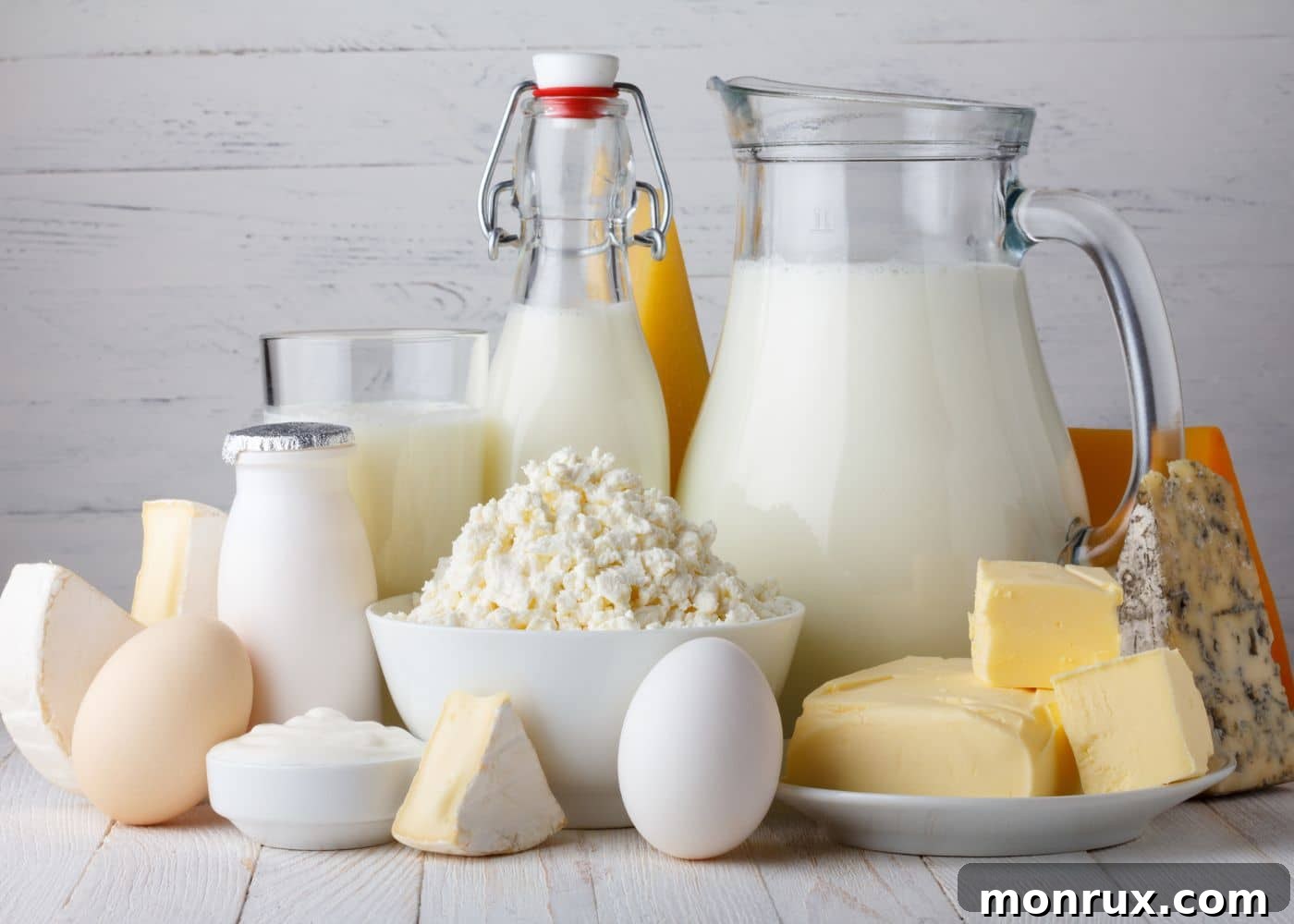
If you’re meticulously planning your PCOS diet with goals of weight management or alleviating specific symptoms, a critical area to evaluate is your dairy intake. Many healthcare professionals and nutritionists specializing in women’s health recommend exploring a reduction or complete elimination of dairy products. This includes a broad spectrum of items such as low-fat milk, cottage cheese, hard and soft cheeses, yogurt, and even popular whey protein powders frequently found in health supplements.
The decision to go dairy-free is not always straightforward, but understanding the potential mechanisms through which dairy might exacerbate PCOS symptoms can provide valuable insight. Here are five compelling, science-backed reasons why dairy foods could potentially be hindering your progress and intensifying your PCOS challenges.
1. Insulin Resistance
Insulin resistance is a hallmark feature of PCOS, affecting a significant majority of women with the condition, regardless of their weight. It’s a metabolic dysfunction where the body’s cells become less responsive to insulin, a hormone produced by the pancreas that regulates blood sugar. In an attempt to compensate, the pancreas overproduces insulin, leading to elevated insulin levels (hyperinsulinemia).
High insulin levels are particularly detrimental for women with PCOS because they directly stimulate the ovaries to produce more androgens, such as testosterone. This increase in male hormones contributes to many common PCOS symptoms, including acne, hirsutism, and anovulation (lack of ovulation), which impacts fertility. Moreover, insulin resistance makes weight management incredibly difficult, often leading to increased abdominal fat accumulation and making weight loss efforts frustratingly ineffective.
Dairy products can significantly impact insulin levels. The naturally occurring sugars in milk, primarily lactose, along with the high concentration of whey protein, can trigger a rapid increase in insulin. Studies indicate that dairy consumption can elevate insulin levels even more than some carbohydrate-rich foods. This effect is compounded in products with high sugar content like flavored milks, yogurts, and ice cream, which provide a double whammy of sugar and insulin-stimulating proteins. For individuals with existing insulin resistance due to PCOS, consuming dairy can further exacerbate hyperinsulinemia, intensify androgen production, and make both symptom management and weight loss an uphill battle, potentially accelerating the progression towards type 2 diabetes.
2. Inflammation
PCOS is widely recognized as a condition associated with chronic low-grade inflammation. This means that women with PCOS often exhibit higher than normal levels of inflammatory markers in their blood, such as C-reactive protein (CRP). This systemic inflammation is not merely a symptom but actively contributes to the pathophysiology of PCOS, influencing insulin resistance, androgen excess, and ovulatory dysfunction.
Dietary choices play a crucial role in modulating inflammation. Certain dairy products, especially those high in saturated fats and, in some cases, artificial trans fats, can promote inflammation. While naturally occurring trans fats in dairy are generally considered less harmful in moderation, industrial trans fats (partially hydrogenated oils) found in many processed dairy desserts like some ice creams and processed cheeses are potent pro-inflammatory agents. Research consistently links a diet high in trans fats to increased systemic inflammation, which can worsen PCOS symptoms and elevate the risk of cardiovascular disease.
Beyond specific fat types, some individuals may experience inflammatory responses to dairy proteins (casein and whey) even without a diagnosed allergy or lactose intolerance. These sensitivities can trigger a subtle, ongoing inflammatory state in the gut and throughout the body, contributing to the chronic low-grade inflammation characteristic of PCOS. By reducing dairy intake, many women report a noticeable decrease in inflammatory symptoms, leading to improved energy levels, reduced pain, and clearer skin.
3. Hormonal Impact
Hormonal imbalances are at the very core of PCOS, leading to a cascade of disruptive symptoms. These imbalances often involve elevated androgens, irregular estrogen and progesterone levels, and altered luteinizing hormone (LH) and follicle-stimulating hormone (FSH) ratios. Symptoms such as persistent acne, hair loss, irregular periods, infertility, and hirsutism (excess facial or body hair) are direct consequences of this delicate system being out of sync.
Dairy products are not merely food; they are complex biological fluids designed to promote rapid growth in calves. As such, they contain a variety of naturally occurring hormones and growth factors that can potentially interfere with human endocrine systems. Notably, cow’s milk contains estrogens, progesterone, and androgens, albeit in small amounts. While the direct impact on adult human hormones is still debated, for individuals with already sensitive hormonal systems like those with PCOS, even small exogenous hormonal inputs could contribute to existing imbalances.
More significantly, dairy is a rich source of Insulin-like Growth Factor 1 (IGF-1). IGF-1 is a powerful anabolic hormone that shares structural similarities with insulin. Elevated IGF-1 levels are known to stimulate androgen production in the ovaries, mirroring the effects of high insulin. This mechanism suggests that dairy consumption, through its IGF-1 content, could directly contribute to hyperandrogenism in women with PCOS, worsening symptoms like acne and hirsutism. The synergistic effect of dairy on both insulin and IGF-1 makes it a potent dietary factor to consider when aiming to rebalance hormones in PCOS.
4. Digestive Issues
Women with PCOS often experience a higher prevalence of digestive problems, including Irritable Bowel Syndrome (IBS). The hormonal dysregulation inherent in PCOS, particularly elevated levels of luteinizing hormone (LH) and follicle-stimulating hormone (FSH), has been implicated in gut motility issues. Studies suggest that altered ratios of these hormones can slow down the transit of food through the digestive tract, leading to common complaints such as constipation, bloating, and discomfort.
For individuals with PCOS who also contend with IBS, dairy consumption can often exacerbate existing gastrointestinal symptoms. The high fat content in many dairy products, especially full-fat varieties, can trigger or intensify diarrhea in some individuals, while in others, it can contribute to a feeling of sluggishness and worsened constipation. Moreover, lactose intolerance, a common condition where the body lacks the enzyme lactase needed to properly digest lactose (milk sugar), can cause significant digestive distress. Symptoms include bloating, gas, stomach cramps, and diarrhea, all of which can compound the challenges faced by those with PCOS-related gut issues. Even without full-blown lactose intolerance, some individuals may have a reduced ability to digest lactose, leading to similar, albeit milder, symptoms.
The gut microbiome also plays an increasingly recognized role in PCOS. Dairy, for some, can disrupt the balance of gut bacteria, promoting dysbiosis, which in turn can influence inflammation and hormonal regulation, creating a vicious cycle that worsens PCOS symptoms. Removing dairy can often lead to a significant improvement in digestive comfort and overall gut health for many women with PCOS.
5. Allergies and Food Sensitivities
While direct scientific evidence specifically linking diagnosed food allergies or intolerances to the *causation* of PCOS is still emerging, there is ample anecdotal evidence and growing research suggesting that food sensitivities can profoundly impact PCOS symptoms by contributing to systemic inflammation. When the body reacts to certain foods, even if not a classic IgE-mediated allergy, it can trigger an immune response that manifests as chronic inflammation, which, as previously discussed, is a key driver in PCOS pathology.
Dairy products are among the most common culprits for food sensitivities. Many individuals find that consuming dairy exacerbates their acne, a highly prevalent and often distressing symptom of PCOS. Indeed, scientific evidence indicates a link between the intake of various dairy products—including whole milk, low-fat dairy, and skim milk—and an increased risk of developing or worsening acne. This connection is believed to be due to dairy’s impact on insulin and IGF-1 levels, which can stimulate sebum production and keratinocyte proliferation, leading to clogged pores and breakouts.
Beyond acne, lactose intolerance, where the body cannot adequately break down lactose, is another significant issue. Symptoms such as bloating, abdominal pain, gas, and diarrhea can arise, adding to the discomfort of PCOS sufferers. Dairy allergy, a distinct immune system reaction to milk proteins (casein or whey), is less common than lactose intolerance but can cause a range of symptoms from mild rashes and hives to severe anaphylaxis. Even milder, non-allergic sensitivities to dairy proteins can contribute to inflammatory processes, fatigue, and general malaise, making it harder for women with PCOS to manage their condition effectively. An elimination diet, carefully monitored, can be a valuable tool to identify if dairy is contributing to your individual PCOS symptom burden.
Getting Calcium & Vitamin D on a Dairy-Free Diet
Transitioning to a dairy-free diet often raises concerns about maintaining adequate intake of essential nutrients, particularly calcium and vitamin D. These two nutrients are crucial for bone health, overall metabolic function, and play supportive roles in managing PCOS. Calcium is vital for strong bones and teeth, nerve function, muscle contraction, and blood clotting, with adults typically needing around 1,000 mg daily. Vitamin D is equally important, aiding in calcium absorption, supporting immune function, and potentially influencing mood and insulin sensitivity.
Fortunately, there’s a wealth of dairy-free sources for calcium. Incorporating a variety of these foods into your daily diet can easily meet your requirements without relying on dairy:
- Leafy Green Vegetables: Kale, spinach, collard greens, and broccoli are excellent sources.
- Seeds: Poppy, sesame, chia, and flax seeds are not only rich in calcium but also provide healthy fats and fiber.
- Canned Fish: Salmon and sardines, particularly when consumed with their soft, edible bones, offer significant amounts of calcium and beneficial omega-3 fatty acids.
- Legumes: White beans, chickpeas, and lentils contribute to your calcium intake.
- Fortified Foods: Many plant-based milks (almond, soy, oat), orange juice, and cereals are fortified with calcium to match or exceed the levels found in cow’s milk.
- Nuts: Almonds and Brazil nuts provide a decent amount of calcium.
- Amaranth and Quinoa: These ancient grains are also good sources.
While calcium supplements are available, it’s generally recommended to prioritize dietary sources. Studies have suggested that excessive calcium supplementation, especially without adequate vitamin D, might be linked to an increased risk of cardiovascular issues. Always consult with a healthcare provider before starting any supplement regimen.
Vitamin D is unique as our bodies can synthesize it when our skin is exposed to sunlight, with as little as 10-15 minutes of daily exposure often being sufficient. However, geographical location, time of year, skin tone, and lifestyle can limit this natural production. Dietary sources of vitamin D are relatively few, making fortified foods and supplements crucial for many. Look for foods fortified with vitamin D, such as many plant-based milks, cereals, and orange juice. Natural sources include fatty fish like salmon, mackerel, and tuna, as well as egg yolks and some mushrooms.
Given the widespread prevalence of vitamin D deficiency and its importance for women with PCOS (it impacts insulin sensitivity, inflammation, and mood), it’s highly advisable to discuss vitamin D testing and supplementation with your healthcare provider. They can recommend an appropriate dosage based on your individual needs and blood levels. For further support, you might want to explore my curated list of the best bone supportive supplements.
Dairy Alternatives With PCOS
Going dairy-free doesn’t mean sacrificing flavor or variety. The market is now rich with innovative and delicious dairy alternatives that cater to various tastes and dietary needs. Making the switch can be an exciting journey of culinary discovery. Here are some excellent dairy alternatives suitable for individuals managing PCOS:
Milk Alternatives:
Instead of traditional cow’s milk, a wide array of plant and nut-based milks are available. Popular choices include unsweetened almond milk, cashew milk, coconut milk, hemp milk, and flaxseed milk. Soy milk can also be an option for some, though concerns about phytoestrogens and processing methods lead many with PCOS to choose other alternatives. When selecting plant milks, always opt for unsweetened varieties to minimize added sugars, which can negatively impact blood sugar and insulin levels in PCOS. Be mindful with rice milk or oat milk, as both tend to be higher in carbohydrates and can have a more significant impact on blood glucose.
Butter Alternatives:
For cooking, baking, and spreading, olive oil and coconut oil are versatile and healthy substitutes. When baking, mashed avocado, ripe bananas, or unsweetened applesauce can replace butter, adding moisture and natural sweetness without dairy. There are also many high-quality dairy-free butter sticks and spreads made from various plant oils available in most grocery stores.
Cheese Alternatives:
The world of dairy-free cheese has expanded dramatically. You can find vegan alternatives for slices, shreds, blocks, and spreads made from ingredients like cashews, almonds, soy, and starches. Flavors and textures can vary significantly between brands, so it’s worth experimenting to find your favorites for pizzas, sandwiches, or snacking. A truly transformative ingredient is nutritional yeast. This deactivated yeast has a distinct savory, umami, and “cheesy” flavor, making it a fantastic dairy-free seasoning. It’s also a good source of B vitamins. You can sprinkle it over roasted vegetables, popcorn, pasta, or use it to create creamy, cheesy sauces for mac and cheese or casseroles.
Yogurt, Ice Cream, and Cream Cheese Alternatives:
Dairy-free yogurts made from coconut, almond, soy, or oat milk are widely available, often fortified with probiotics, making them excellent for gut health. Look for unsweetened or low-sugar options. Similarly, a plethora of dairy-free ice creams crafted from coconut milk, almond milk, oat milk, or cashew cream offer indulgent treats without the dairy. For savory needs, dairy-free cream cheese spreads, often made from cashews or coconut oil, are perfect for bagels or recipes requiring a creamy texture.
Exploring these alternatives opens up a world of culinary possibilities, ensuring that a dairy-free PCOS diet remains enjoyable, varied, and nutritionally complete.
My Experience With Going Dairy-Free
As someone who has personally navigated the challenges of PCOS since my early teenage years, I can attest to the profound impact that dietary changes can have on symptom management. Among the many adjustments I’ve made, going dairy-free stands out as one of the most beneficial decisions for my health. I embarked on this journey approximately 15 years ago, and the transformation has been remarkable.
Prior to eliminating dairy, I frequently struggled with persistent digestive discomfort, including bloating and irregular bowel movements. After consistently removing all forms of dairy products from my diet, I observed a significant improvement in these symptoms; my digestive system became much calmer and more predictable. More importantly, the often debilitating symptoms of my PCOS have almost entirely subsided. This includes a notable improvement in skin clarity, a reduction in unwanted hair growth, and a significant decrease in the overall inflammation that once plagued me.
Furthermore, maintaining a healthy weight, which was once a constant battle, has become much more achievable and sustainable. The regularity of my menstrual cycle, a key indicator of hormonal balance in PCOS, has also seen a marked improvement, becoming more consistent and predictable. This personal experience underscores the potential power of dietary modifications, particularly reducing dairy intake, as a foundational strategy for effectively managing PCOS and enhancing one’s overall well-being. It was a pivotal change that allowed me to regain control over my health and enjoy a life with significantly fewer PCOS-related challenges.
Don’t Miss These PCOS Resources
Conclusions
In conclusion, the dietary choices we make hold considerable power in influencing the complex mechanisms of Polycystic Ovary Syndrome. For many women living with PCOS, carefully evaluating and potentially reducing or eliminating dairy products can be a game-changer in managing their symptoms. As explored, dairy consumption may contribute to the core issues of PCOS by exacerbating insulin resistance, promoting chronic inflammation, introducing exogenous hormones and growth factors that disturb the body’s delicate balance, and intensifying digestive discomforts. Furthermore, individual sensitivities and allergies to dairy components can further fuel inflammatory responses, making symptom management more challenging.
While dairy products are traditionally valued for their nutritional content, particularly calcium and vitamin D, a well-planned dairy-free diet can easily provide these essential nutrients from a wide array of plant-based sources and fortified foods. The increasing availability of delicious and healthy dairy alternatives makes the transition more accessible and enjoyable than ever before. Considering a strategic elimination diet under the guidance of a healthcare professional or registered dietitian can be an invaluable step to uncover whether dairy is a significant trigger for your specific PCOS symptoms. By making informed dietary adjustments, women with PCOS can take a proactive and empowering step towards improving their hormonal balance, metabolic health, and overall well-being.
Don’t forget to join my newsletter list to get exclusive clean eating recipes and tips. The newsletter is 100% free with no spam; unsubscribe anytime.
About the Author: Carrie Forrest has a master’s degree in public health with a specialty in nutrition and is a certified holistic nutritionist. She is a top wellness and food blogger with over 5 million annual visitors to her site. Carrie has an incredible story of recovery from chronic illness and is passionate about helping other women transform their health. Send her a message through her contact form.
Note: this post is for informational purposes only and is not intended as medical advice. Please consult your healthcare provider for recommendations related to your individual situation.