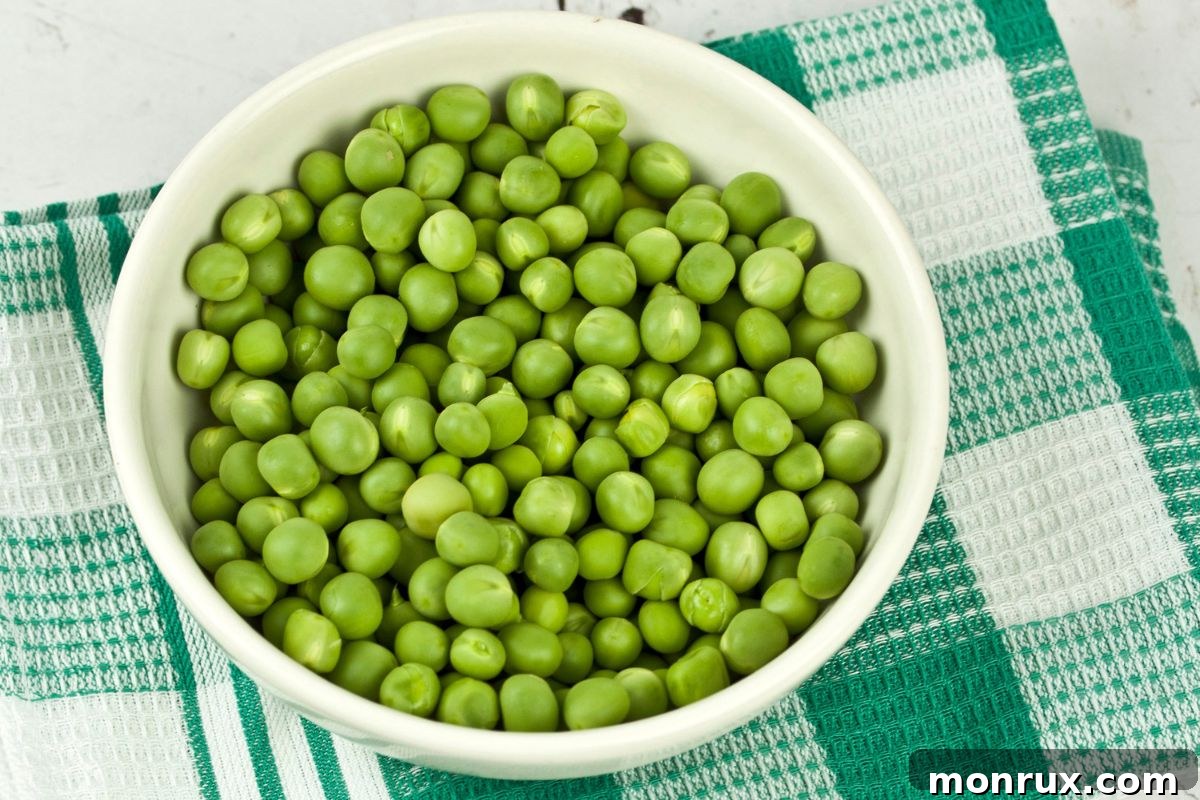
Ever found yourself in the middle of preparing a delicious recipe, only to realize you’re out of green peas? It’s a common kitchen predicament, but thankfully, it doesn’t have to derail your meal. Green peas, with their vibrant color, delightful sweetness, and unique texture, are beloved in cuisines worldwide. However, their specific characteristics can be beautifully replicated or even enhanced by a variety of readily available substitutes. Whether you’re seeking a similar flavor profile, a comparable texture, or simply a nutritious alternative to complement your dish, this comprehensive guide will walk you through the best green pea substitutes that can keep your culinary creations on track.
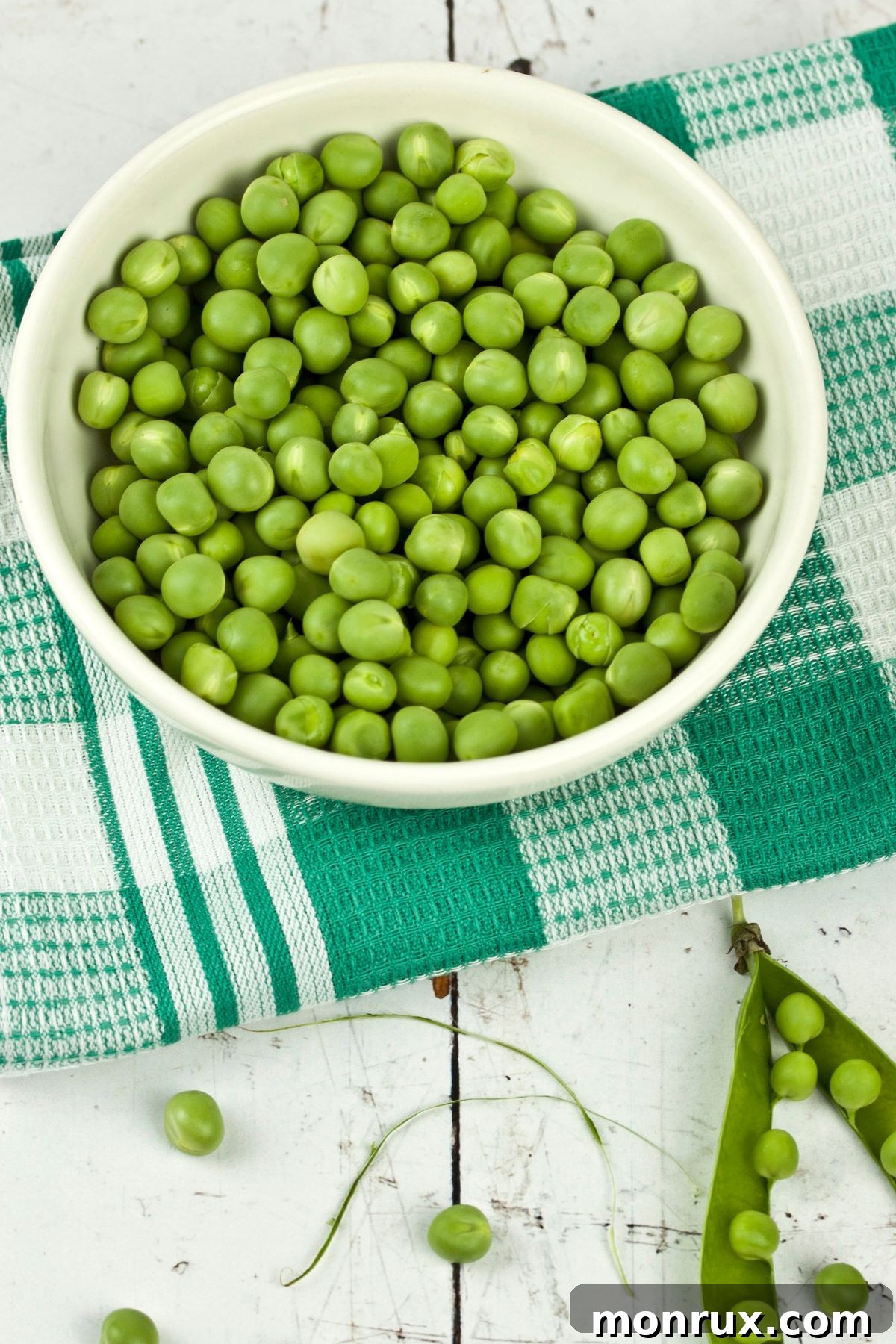
Green peas, scientifically known as Pisum sativum, are a versatile member of the legume family. They are typically harvested and consumed while still immature, which gives them their characteristic sweet taste and tender texture. These small, spherical vegetables are not only a culinary delight but also a nutritional powerhouse, packed with vitamins, minerals, fiber, and protein.
We typically encounter two main varieties: Garden Peas and Petit Pois. Garden peas are the most common type, larger in size with a slightly starchier texture and robust flavor. They are incredibly versatile, perfect for cooking as a side dish, adding to casseroles, or even eating raw straight from the pod. Petit pois, meaning “small peas” in French, are harvested younger, making them smaller, sweeter, and more delicate. Their fine texture makes them a favorite for gourmet dishes, risottos, and light salads, where their subtle sweetness can truly shine.
Green Pea Substitutes: Discover Your Best Alternative
When a recipe calls for green peas and you find your pantry lacking, don’t despair! There’s a wide array of excellent alternatives that can bring a similar charm to your dishes. The ideal substitute often depends on what characteristic of green peas you value most in your recipe: their sweet flavor, vibrant color, tender texture, or nutritional contribution. Below, we explore the top contenders, detailing their unique attributes and how best to integrate them into your cooking.
Let’s delve into each option, examining its flavor profile, textural nuances, nutritional value, and specific culinary applications to help you make an informed choice.
1. Edamame: The Nutrient-Dense Green Powerhouse
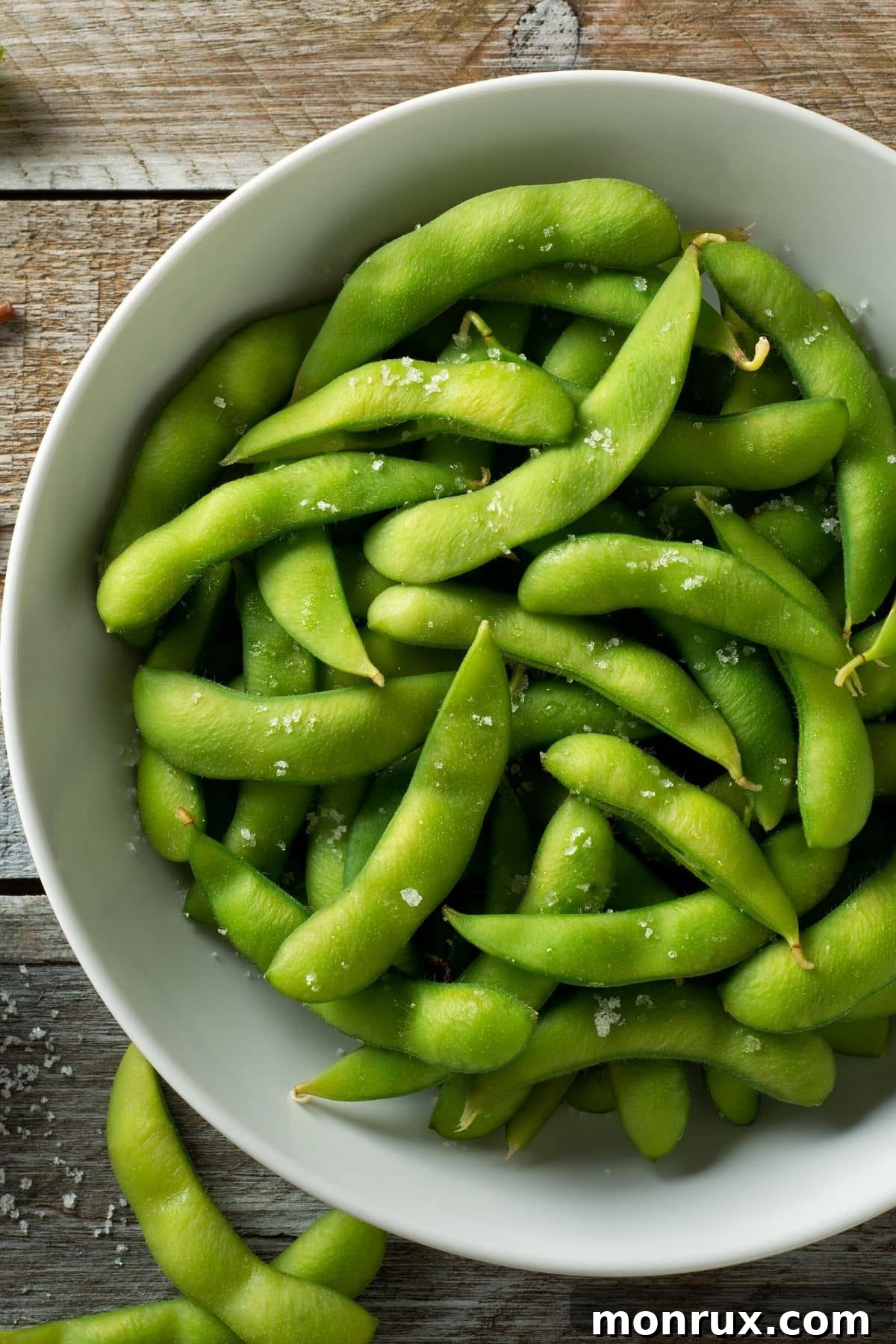
Edamame beans, essentially immature soybeans, stand out as one of the best substitutes for green peas. They share a similar bright green hue and a delightful bite, though their flavor is often described as slightly sweeter and nuttier than that of traditional green peas, with a hint of grassy freshness. This unique taste makes them incredibly popular in Japanese cuisine, often served steamed in their pods as a healthy snack or shelled and added to salads and stir-fries.
From a textural standpoint, edamame are a bit firmer than green peas, offering a more substantial chew. This means they might require a minute or two longer to cook, but they typically cook quickly, usually within 3-5 minutes for shelled edamame. Their robust texture holds up well in a variety of dishes, from hearty stews to vibrant salads.
Nutritionally, edamame are exceptionally impressive. They boast an even higher protein content than green peas, making them an excellent choice for plant-based diets. A single cup provides a significant amount of dietary fiber, promoting digestive health and satiety. Furthermore, edamame are a powerhouse of vitamins and minerals, particularly vitamin K and folate, offering nearly half of your recommended daily value for vitamin K and your entire daily value for folate in just one serving. They also contain all nine essential amino acids, making them a complete protein source. Research has also highlighted the presence of isoflavones in edamame, which may contribute to reducing the risk of osteoporosis in women. Their vibrant green color and outstanding nutritional profile make them an ideal replacement.
Substitution Tip: To substitute one cup of frozen or fresh green peas, use one cup of shelled edamame. They seamlessly integrate into most recipes where peas are used, adding a slightly richer flavor and firmer texture.
2. Lima Beans: The Creamy, Buttery Alternative
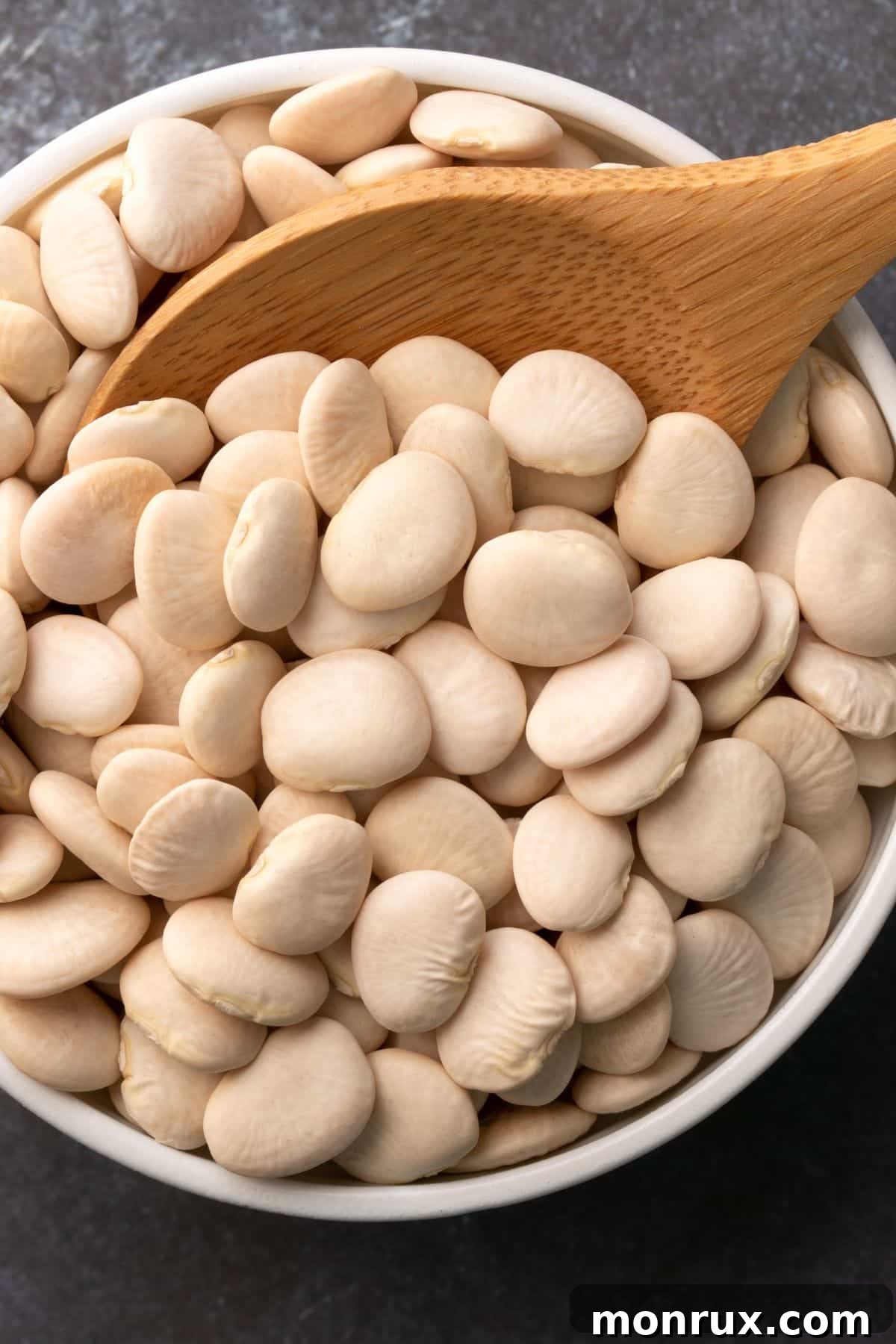
Lima beans, affectionately known as butter beans, are another fantastic substitute for green peas, especially when a creamy texture and a slightly milder flavor are desired. Their nickname “butter beans” perfectly describes their wonderfully smooth, buttery texture when cooked, which can add a luxurious mouthfeel to dishes. While their color is typically a pale green to off-white, they share the legume family lineage with peas and bring a similar wholesome goodness to the table.
In terms of flavor, lima beans offer a delicate, earthy taste that is less sweet than green peas but equally pleasant. They are particularly well-suited for recipes like soups, stews, casseroles, and purees, where their creamy consistency can shine. They are also a classic ingredient in succotash, a mixed vegetable dish often featuring corn and other beans.
Nutritionally, lima beans are a satisfying choice. They are higher in calories and carbohydrates than green peas, making them quite filling and providing sustained energy. They contain a comparable amount of fiber, which aids digestion and promotes a feeling of fullness. Moreover, lima beans are a good source of essential minerals like iron and manganese. They are also recognized for their ability to help stabilize blood sugar levels, making them a beneficial food choice for individuals managing blood sugar issues, including diabetes.
One key difference to note is their cooking time. Fresh lima beans typically take longer to cook than peas, usually around 10 to 15 minutes. If you opt for dried lima beans, you’ll need to plan ahead, as they require an overnight soak followed by approximately an hour of cooking until tender. Canned lima beans, however, offer ultimate convenience, ready to be rinsed and added to your recipe.
Substitution Tip: To substitute one cup of frozen green peas, use one cup of cooked lima beans (fresh, frozen, or canned). Their creaminess makes them particularly suitable for dishes where the peas are meant to meld into the sauce or liquid.
3. Chickpeas (Garbanzo Beans): The Hearty, Nutty Option
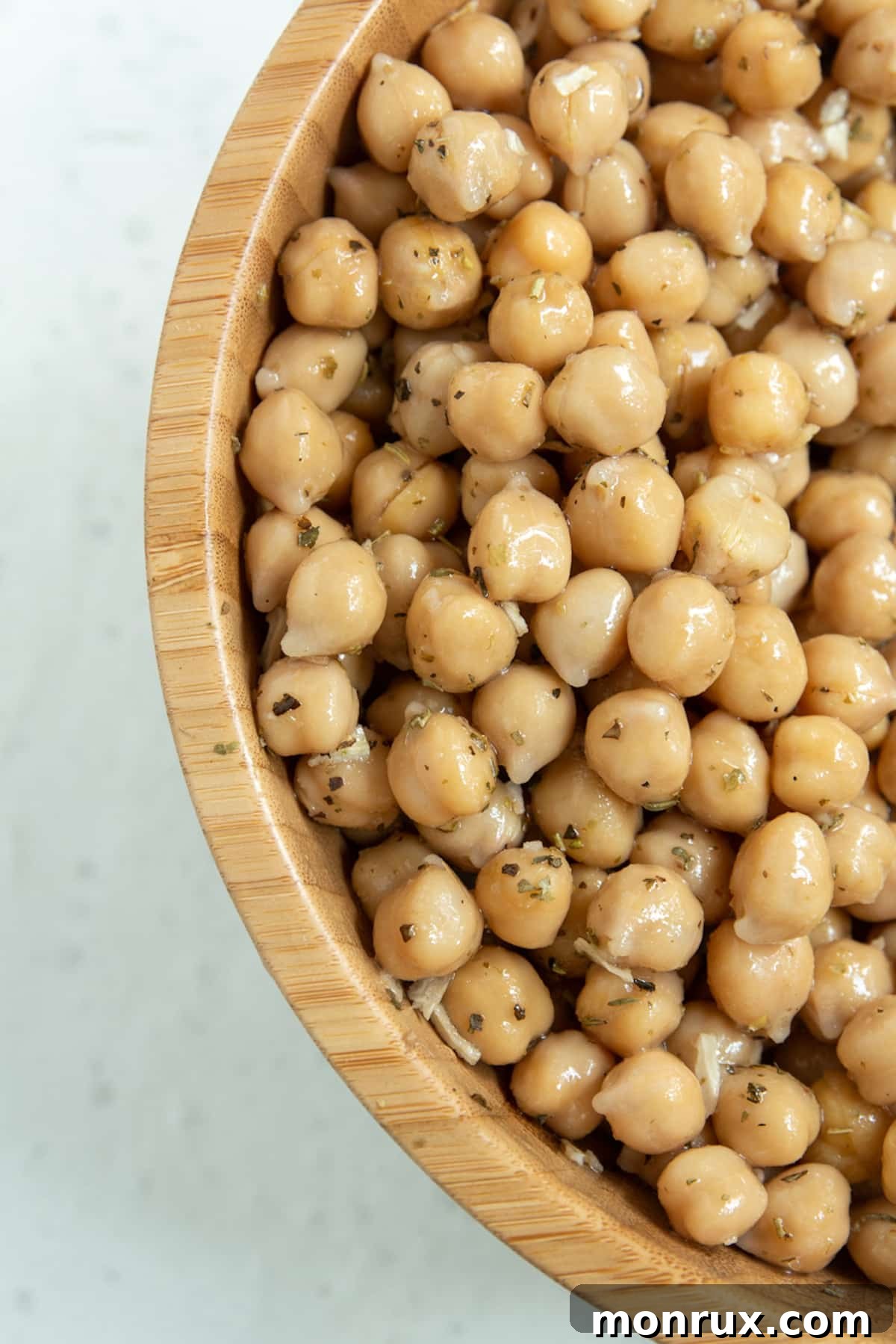
For a convenient and robust substitute for green peas, look no further than chickpeas, also widely known as garbanzo beans. While their flavor and texture profile differs significantly from green peas, they bring a wonderful earthiness and hearty substance to many dishes. Chickpeas have a distinct nutty taste and a firm, somewhat grainy texture, which allows them to hold their shape exceptionally well even after cooking.
One of the greatest advantages of chickpeas is their ease of use, especially when opting for canned varieties. Canned chickpeas are pre-cooked and ready to be rinsed and added directly to your recipes, saving valuable preparation time. They are incredibly versatile, forming the base for classics like hummus and falafel, and shining in curries, stews, salads, and roasted as a crunchy snack. Although they lack the vibrant green color of peas, their culinary utility and nutritional benefits make them an excellent alternative.
Nutritionally, chickpeas are champions of plant-based nutrition. They are exceptionally high in both protein and dietary fiber, contributing to satiety, muscle repair, and digestive health. They are also a good source of essential minerals, including iron and phosphate. Interestingly, chickpeas also contain some beta-carotene, an antioxidant that our bodies convert into vitamin A, supporting vision and immune function. Their complex carbohydrate content provides sustained energy, preventing blood sugar spikes.
If you prefer dried chickpeas, they require more preparation: typically an overnight soak followed by 1 to 2 hours of cooking until tender. However, the effort is rewarded with a superior texture and flavor.
Substitution Tip: To substitute one cup of frozen green peas, use one cup of cooked or canned chickpeas. Consider the recipe; chickpeas are fantastic in dishes where a firmer texture and nutty flavor are welcome, such as in rice pilafs, vegetable curries, or hearty soups.
4. Cannellini Beans: The Mild and Creamy White Bean
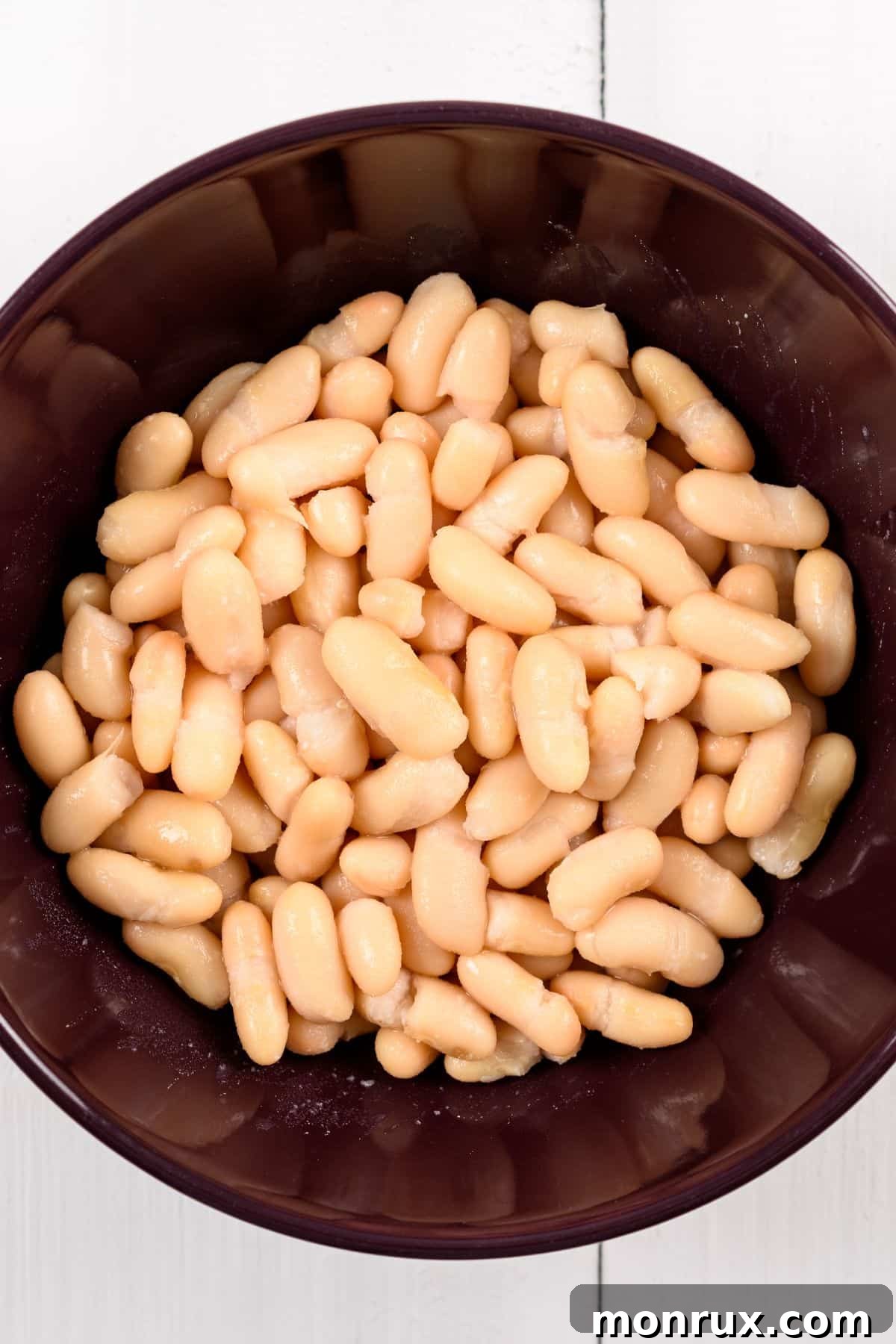
Cannellini beans, often referred to as white kidney beans, are a staple in Italian cuisine and make for a superb, though color-neutral, alternative to green peas. These elegant white beans possess a very mild, slightly sweet flavor and a wonderfully smooth, creamy texture when cooked. Their delicate taste allows them to absorb the flavors of the surrounding ingredients, making them highly adaptable to various dishes.
They are particularly well-suited for hearty soups and stews, such as minestrone or pasta e fagioli, where their creamy consistency adds body and richness. Cannellini beans are also easy to puree, making them ideal for creating smooth dips, spreads, or for naturally thickening sauces without altering their primary flavor profile. While they won’t provide the green color of peas, their contribution to texture and subtle sweetness can be a pleasant surprise.
From a nutritional perspective, cannellini beans are comparable to many other legumes and share several benefits with green peas. They are an excellent source of plant-based protein and dietary fiber, promoting satiety and digestive health. Additionally, they provide significant amounts of essential minerals, including iron and magnesium, which are crucial for energy production and various bodily functions. Their mildness makes them a versatile nutritional boost without overpowering the dish.
Similar to chickpeas and lima beans, canned cannellini beans offer maximum convenience, being pre-cooked and ready to use after a quick rinse. If using dried cannellini beans, they will require an overnight soak and about an hour of cooking until they reach their desired tenderness.
Substitution Tip: To substitute one cup of frozen green peas, use one cup of cooked cannellini beans. They are an excellent choice when you want to add substance and a creamy element to your recipe without a strong flavor competing with other ingredients.
5. Corn Kernels: The Sweet and Crunchy Pop
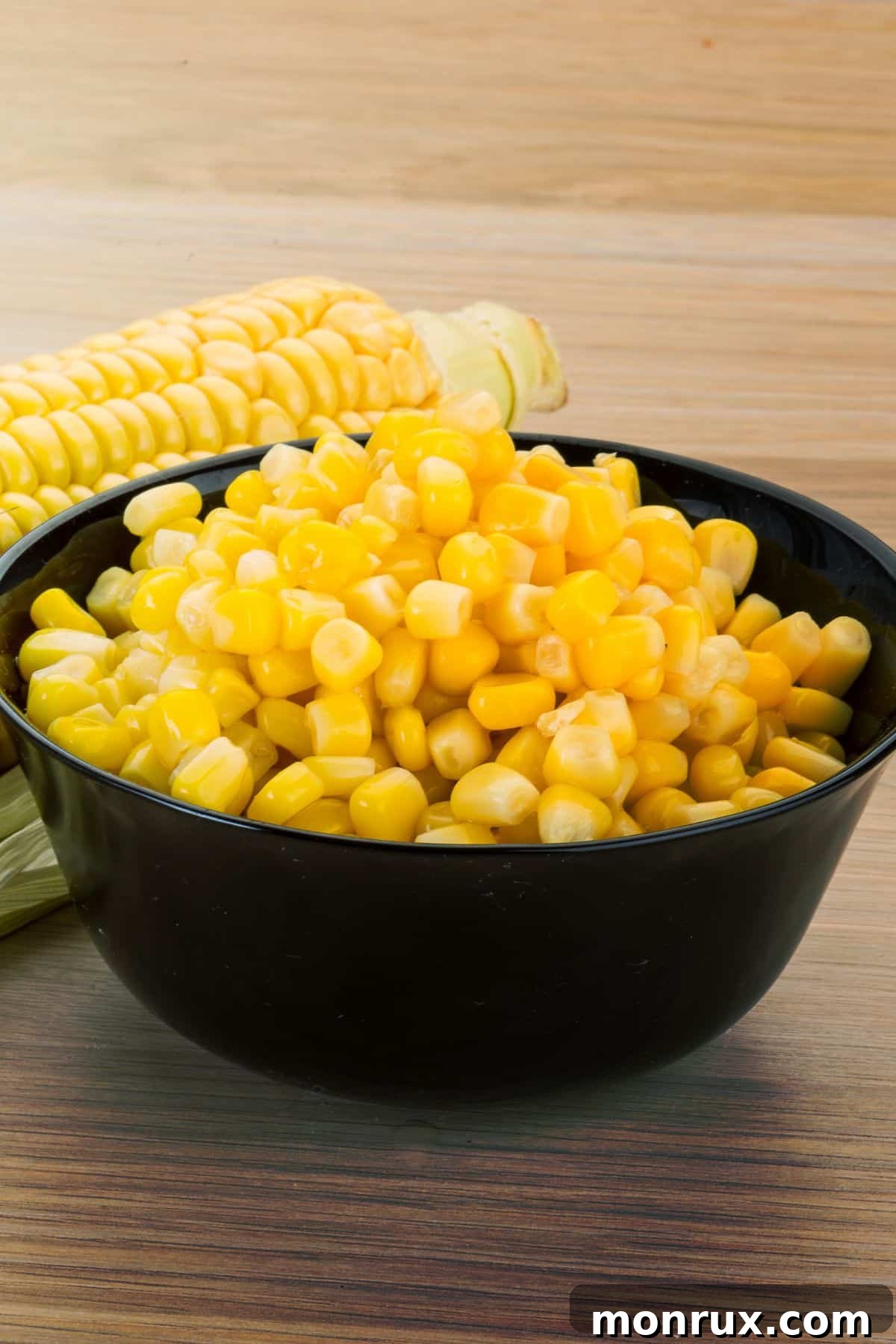
While not a legume like green peas, corn kernels offer a delightful and popular alternative, especially for those seeking a sweet burst of flavor and a satisfying crunch. They might not taste identical to peas, but their vibrant yellow color adds a beautiful contrast to dishes, and their inherent sweetness is often a hit, particularly with children. Corn kernels bring a unique texture that is distinctly crunchier than peas, making them an excellent addition to salads, salsas, and various other preparations where textural variety is appreciated.
Corn kernels are incredibly versatile and can be used in a wide range of dishes, from creamy soups and hearty casseroles to zesty stir-fries and vibrant side dishes. Their sweetness can complement savory elements and add an unexpected layer of flavor. They are an especially good option if you need a non-legume substitute due to dietary restrictions or preferences.
From a nutritional standpoint, corn kernels are rich in dietary fiber, which supports digestive health and helps regulate blood sugar levels. They also provide a good array of vitamins and minerals, particularly several B vitamins (such as thiamine and niacin), which are vital for energy metabolism. While corn is lower in protein than peas and other legumes, it still offers valuable nutrients and contributes to a balanced diet.
One of the biggest advantages of using corn kernels as a pea substitute is their incredible convenience. Canned or frozen corn is readily available, pre-cooked, and simply needs to be heated through before serving. This makes them a perfect last-minute swap when time is of the essence. Fresh corn, when in season, can also be easily shucked and cooked for a fresher, sweeter experience.
Substitution Tip: To substitute one cup of frozen green peas, use one cup of corn kernels. Consider using them in dishes where their sweetness and crunch will enhance the overall profile, such as pasta salads, fried rice, or as a colorful garnish for roasted vegetables.
Bonus Substitutes: Expanding Your Culinary Horizon
Beyond the primary five, a broader world of legumes and vegetables offers even more creative alternatives for green peas, depending on the specific demands of your recipe. Each brings its own unique characteristics in terms of flavor, texture, and visual appeal, allowing for extensive culinary experimentation.
- Black-Eyed Peas: With an earthy flavor and a firm texture, these are excellent in stews, salads, and traditional Southern dishes.
- Green Beans (Snap Beans): Offering a crisp texture and a distinct savory-sweet flavor, green beans can be chopped into pea-sized pieces for a textural crunch and vibrant green color, especially good in stir-fries and casseroles.
- Fava Beans (Broad Beans): These beans have a slightly bitter, earthy flavor and a creamy texture when shelled and cooked. They are very similar to green peas in terms of freshness and can be a delightful substitute, particularly when double-shelled.
- Navy Beans / White Beans: Similar to cannellini beans, these small, oval white beans offer a mild flavor and creamy texture, ideal for thickening soups and purees.
- Field Peas (Cowpeas): A broad category including many regional varieties, field peas generally have a robust, earthy flavor and varied textures, working well in rustic dishes.
- Sweet Peas: While technically a type of green pea, specifically highlighting “sweet peas” can remind you of the smaller, sweeter varieties often found frozen, which are a direct and excellent replacement if you can find them.
- Pinto Beans: Known for their speckled appearance and earthy flavor, pinto beans offer a creamy texture, making them suitable for heartier dishes like chili and refried beans, or as a textural component in stews.
- Green Split Peas: Primarily used for pea soup, green split peas break down easily when cooked, creating a thick, creamy consistency. While they won’t maintain the whole pea shape, they offer a rich, earthy pea flavor.
- Kidney Beans: With a distinctive kidney shape, firm texture, and robust flavor, kidney beans are excellent in chili, salads, and other hearty dishes where their size and color are welcome.
- Yellow Split Peas: Similar to green split peas but with a milder, slightly sweeter flavor and a yellow hue, they also create a creamy consistency when cooked down.
- Snow Peas: These flat, edible-podded peas offer a crisp, sweet crunch and are perfect for stir-fries and salads where their unique shape and texture are desired. They provide a green color but a different mouthfeel.
- Red Lentils: While very different in form and texture (they break down quickly when cooked), red lentils offer a mild, slightly sweet flavor and can be used to add protein and thicken dishes like curries or stews, especially if the “whole pea” aesthetic isn’t crucial.
The choice among these bonus substitutes truly depends on the specific culinary role the green peas played in your original recipe. Most legumes will provide a good source of plant-based protein and fiber, making them nutritious alternatives. Many of these can be easily found in local grocery stores, either dried or canned, offering convenience and variety for your cooking adventures.
Nutrients in Green Peas: A Small Pod Packed with Goodness
Green peas are far more than just a colorful addition to your plate; they are a nutritional powerhouse, offering a remarkable array of health-promoting compounds despite their small size. They are surprisingly low in calories, with approximately 118 calories per cup, making them an excellent choice for a healthy diet.
One of the most notable nutritional benefits of green peas is their impressive plant-based protein content, providing a substantial 8.6 grams per cup. This makes them a valuable food for vegetarians, vegans, and anyone looking to increase their protein intake, supporting muscle health and satiety.
Furthermore, green peas are an exceptional source of dietary fiber. This fiber is crucial for digestive health, helping to maintain regularity and feed beneficial gut bacteria. Beyond fiber and protein, green peas are rich in various antioxidants, including flavonoids, carotenoids (like lutein and zeaxanthin), and polyphenols. These compounds play a critical role in protecting the body’s cells from oxidative stress and damage caused by free radicals.
The vitamin and mineral profile of green peas is equally impressive. They are particularly abundant in Vitamin C, a powerful antioxidant vital for immune function and skin health, and Vitamin K, essential for blood clotting and bone health. They also provide several B vitamins (such as thiamine, folate, and niacin), which are crucial for energy metabolism and nervous system health. Important minerals like iron (for oxygen transport), magnesium (for muscle and nerve function), and zinc (for immune support and wound healing) are also present, rounding out their extensive nutritional value.
Health Benefits of Green Peas: More Than Just a Pretty Vegetable
The rich nutrient composition of green peas translates into a wide spectrum of significant health benefits, making them a wise inclusion in any diet. Regularly consuming green peas can positively impact various bodily systems, contributing to overall well-being.
- Promotes Heart Health: The high fiber content in green peas is incredibly beneficial for cardiovascular health. Dietary fiber helps to lower LDL (bad) cholesterol levels and manage blood pressure, significantly reducing the risk of heart disease. Furthermore, the antioxidants present in peas can help protect against oxidative damage to blood vessels, supporting a healthy circulatory system.
- Supports Digestive Health: Green peas are an excellent source of both soluble and insoluble fiber. Insoluble fiber adds bulk to stool, promoting regular bowel movements and preventing constipation. Soluble fiber, on the other hand, acts as a prebiotic, feeding the beneficial bacteria in your gut. A healthy gut microbiome is linked to improved digestion, enhanced nutrient absorption, and a stronger immune system.
- Regulates Blood Sugar Levels: The combination of fiber and protein in green peas is highly effective in managing blood sugar. Fiber slows down the digestion and absorption of carbohydrates, preventing rapid spikes in blood glucose levels after meals. This steady release of sugar provides sustained energy and is particularly beneficial for individuals with diabetes or those looking to maintain stable energy levels throughout the day.
- Boosts Immune System: Loaded with vitamins like Vitamin C and a range of B vitamins, alongside minerals like zinc and iron, green peas play a crucial role in bolstering your immune system. These nutrients work synergistically to enhance the body’s defense mechanisms, helping it to fight off infections and illnesses more effectively.
- Possesses Anti-inflammatory Properties: Green peas are rich in various anti-inflammatory compounds, including specific polyphenols like coumestrol. While acute inflammation is a natural part of the body’s healing process, chronic inflammation is linked to a host of serious health conditions, including heart disease, diabetes, and certain cancers. Incorporating anti-inflammatory foods like green peas into your diet can help reduce chronic inflammation and alleviate symptoms associated with inflammatory conditions.
- Aids in Weight Management: The substantial fiber and protein content in green peas contribute significantly to satiety. Both macronutrients are known for their ability to keep you feeling full and satisfied for longer periods after eating, thereby reducing overall calorie intake and minimizing the likelihood of unhealthy snacking between meals. This makes green peas a valuable ally in weight management efforts.
In essence, these small green spheres offer a powerful punch of nutrition and health benefits that make them a valuable addition to any balanced diet.
Cooking With Green Peas: A Global Culinary Favorite
Green peas are truly one of the most versatile vegetables, celebrated across diverse cuisines for their ability to add a burst of color, a touch of sweetness, and a pleasant texture to an extensive range of dishes. Their adaptability makes them a beloved ingredient worldwide.
In Western cuisine, green peas are a quintessential component of countless meals. They are frequently served as a simple yet elegant side dish, often enhanced with a knob of butter and a sprinkle of fresh mint, which beautifully complements their sweetness. You’ll find them stirred into creamy risottos, mixed into hearty casseroles, added to vibrant pasta dishes, and incorporated into fresh green salads for a pop of color and texture. Pea soup, whether smooth and creamy or chunky and rustic, is another classic, highlighting their earthy sweetness.
The culinary traditions of India extensively feature green peas. They are a staple in many curries, contributing both flavor and substance. Popular street food items like samosas often have a spiced pea filling. In celebratory rice dishes like pulao, peas are a common inclusion, adding freshness and sweetness. Iconic Indian dishes such as Matar Paneer showcase peas cooked with paneer (Indian cheese) in a rich, tomato-based sauce, while Aloo Matar combines potatoes and peas in a fragrant, mildly spicy gravy.
Across the Middle East, green peas are frequently incorporated into savory rice dishes and robust stews. They are particularly favored when paired with lamb and aromatic spices, adding a fresh counterpoint to the rich meat. Their tender texture and subtle sweetness integrate seamlessly into these traditional preparations.
In Asian cuisine, green peas often make an appearance in stir-fries, noodle dishes, and especially fried rice. They contribute a welcome burst of color and a tender-crisp texture that complements the other ingredients. Their mild flavor ensures they blend well without overpowering the delicate balance of Asian seasonings.
Whether fresh, frozen, or canned, green peas offer convenience and a delightful addition to nearly any savory dish, proving their status as a global culinary favorite.
More Substituting Ingredients Guides
Conclusion: Finding Your Perfect Pea Alternative
The absence of green peas in your pantry doesn’t have to be a culinary crisis. As we’ve explored, the world of vegetables and legumes offers a diverse and exciting array of substitutes that can seamlessly fill the void, often bringing their own unique flavors, textures, and nutritional benefits to your dishes. From the nutty sweetness of edamame to the creamy richness of lima beans, the earthy heartiness of chickpeas, the subtle elegance of cannellini beans, and the sweet crunch of corn kernels, you have a wealth of options at your fingertips.
Choosing the best substitute ultimately depends on the specific demands of your recipe and your personal preferences. Consider whether you need a similar color, a comparable texture, an analogous flavor profile, or a particular nutritional boost. Each alternative presents an opportunity for culinary creativity and discovery. Don’t be afraid to experiment! You might even find that these alternative ingredients become regular stars in your kitchen, opening up new dimensions of flavor and enjoyment in your everyday cooking.
Embrace the flexibility that these green pea substitutes offer, and let them inspire you to explore new culinary paths, proving that a little improvisation can lead to delicious and unexpected results.