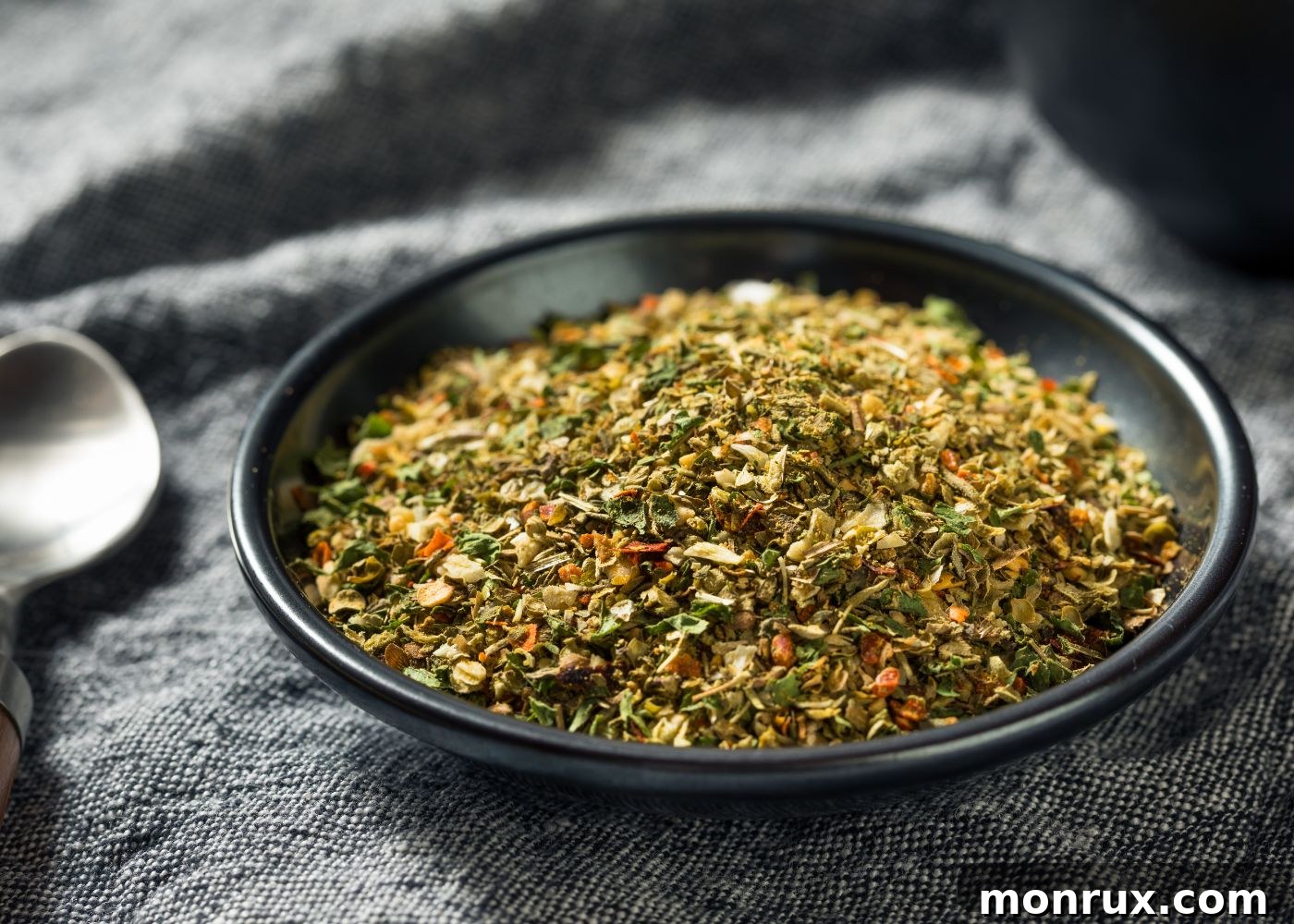
Italian Herb Seasoning is a beloved staple in kitchens worldwide, renowned for its aromatic blend that instantly transports dishes to the heart of the Mediterranean. But what happens when you’re halfway through a recipe and realize your spice jar is empty? Don’t panic! This comprehensive guide shares a variety of easy and effective substitutes for Italian herb seasoning, ensuring your culinary creations remain flavorful and authentic. Whether you have fresh herbs, other dried blends, or individual spices on hand, we’ve got you covered with options that will save your meal and perhaps even introduce you to new flavor dimensions.
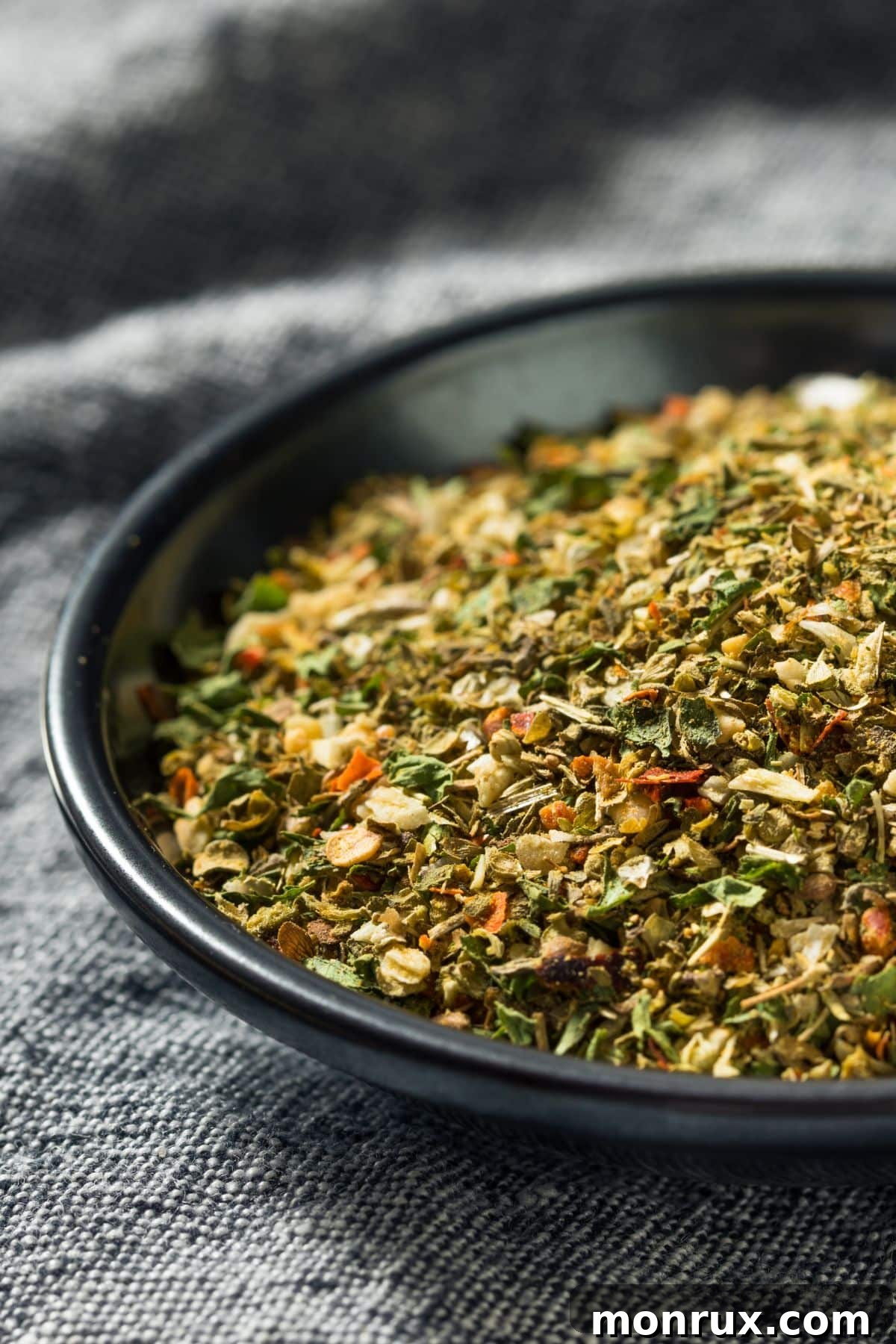
What is Italian Seasoning?
Before diving into substitutes, it’s helpful to understand what makes Italian seasoning so unique. Typically, this aromatic blend is a harmonious mix of dried herbs essential to Mediterranean cooking. The classic combination often features oregano, thyme, rosemary, basil, and marjoram. Some blends might also include sage, savory, or a hint of garlic powder, onion powder, or red pepper flakes for an extra kick.
While the precise proportions can vary from one manufacturer to another, these core five herbs form the backbone of most Italian seasoning blends you’ll find at the grocery store. They are carefully selected to complement each other, creating a balanced flavor profile that is robust, earthy, and slightly sweet. This versatile spice blend is a go-to for adding depth and authenticity to a wide array of dishes, from classic pasta sauces and pizzas to roasted vegetables, grilled meats, and flavorful marinades. Its popularity stems from its ability to impart a taste of Italy with minimal effort.
Substitutes for Italian Seasoning, Explored
Even though Italian seasoning offers a convenient and delightful blend of dried herbs, you can effortlessly substitute it when your pantry supply runs low. The key is to understand the primary flavor notes and try to replicate them with what you have. Here are some fantastic and simple substitutes that will keep your dishes bursting with flavor!
1. Homemade Italian Seasoning Blend
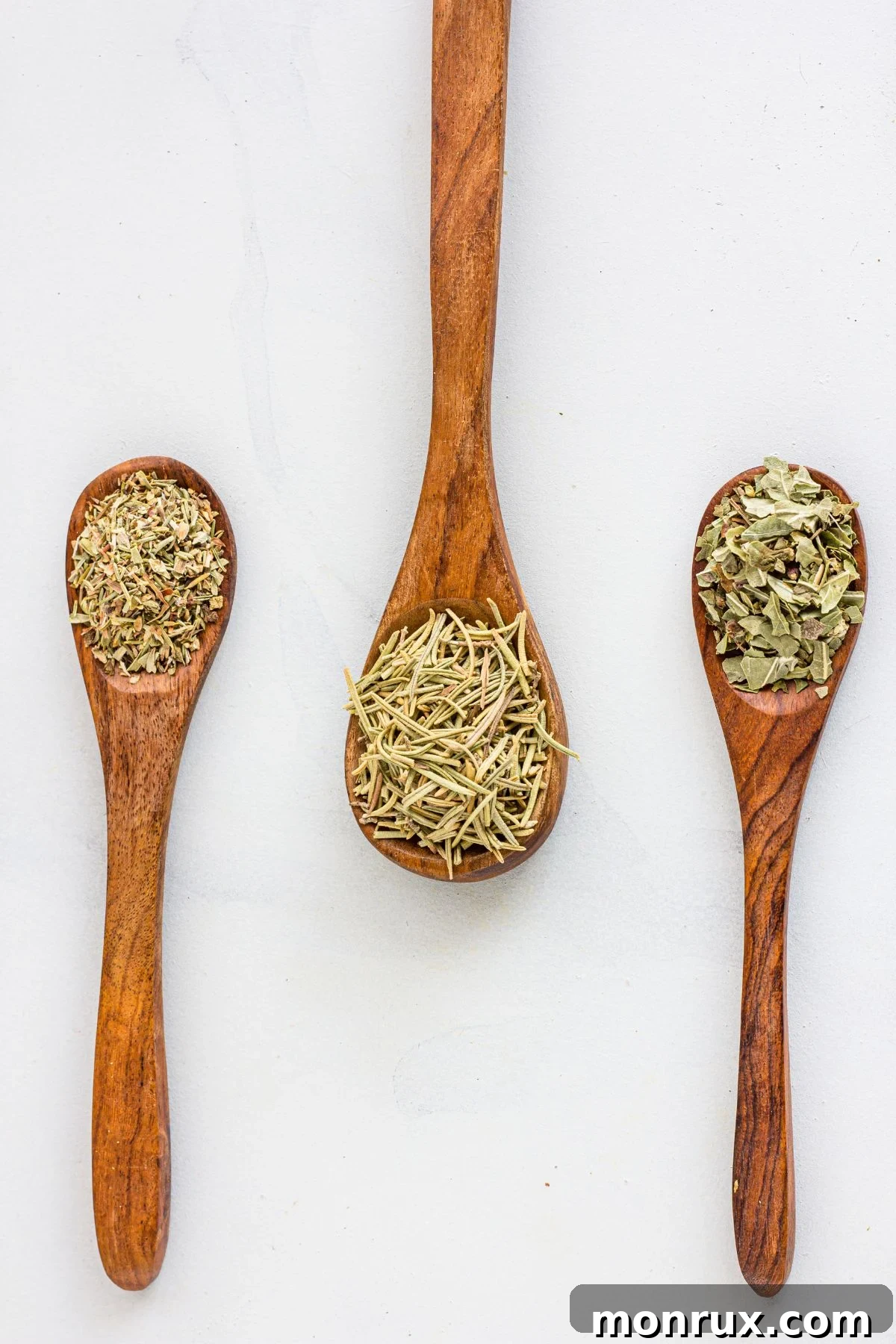
One of the most effective and satisfying ways to substitute store-bought Italian seasoning is to create your own blend from individual dried herbs. This not only ensures you have a fresh and potent mix but also allows you to customize the flavor profile to your exact preferences. Italian seasoning is a versatile blend that enhances a variety of dishes, from savory salad dressings and rich pasta sauces to robust pizza toppings and seasoned meats.
While you can certainly purchase pre-made Italian seasoning, crafting your own mix is incredibly easy and often yields a more vibrant flavor. Here’s a foundational recipe for a homemade Italian seasoning blend that can serve as an excellent substitute for any store-bought version:
Classic Homemade Italian Seasoning Recipe:
- 1 tablespoon dried basil: Provides a sweet, slightly peppery, and aromatic base.
- 1 tablespoon dried oregano: Offers a robust, earthy, and slightly bitter flavor, quintessential to Italian cuisine.
- 1 tablespoon dried rosemary: Contributes a piney, peppery, and somewhat woody aroma.
- 1 tablespoon dried thyme: Adds a subtle, earthy, and minty note.
- 1 tablespoon dried marjoram: Delivers a delicate, slightly floral, and milder version of oregano.
For those who enjoy a more savory depth, consider adding 1 teaspoon of garlic powder or ½ teaspoon of onion powder. To introduce a subtle warmth, a touch of ½ teaspoon of fennel seeds (crushed slightly) can be magical, adding an anise-like sweetness often found in Italian sausages. If you crave a little heat, incorporate ¼ teaspoon of crushed red pepper flakes or a pinch of cayenne pepper.
Combine all your chosen ingredients thoroughly in a small bowl. Once mixed, transfer this homemade seasoning blend to an airtight container or a dedicated spice jar. Stored in a cool, dark place, it will maintain its potency and flavor for up to 6 months. For optimal freshness, consider grinding the herbs lightly in a mortar and pestle just before use, especially if they are whole or coarse.
Substitution Ratio: To substitute one teaspoon of store-bought Italian Herbs, use one teaspoon of your homemade Italian seasoning blend, adjusting to your taste preferences.
2. Fresh Herb Medley
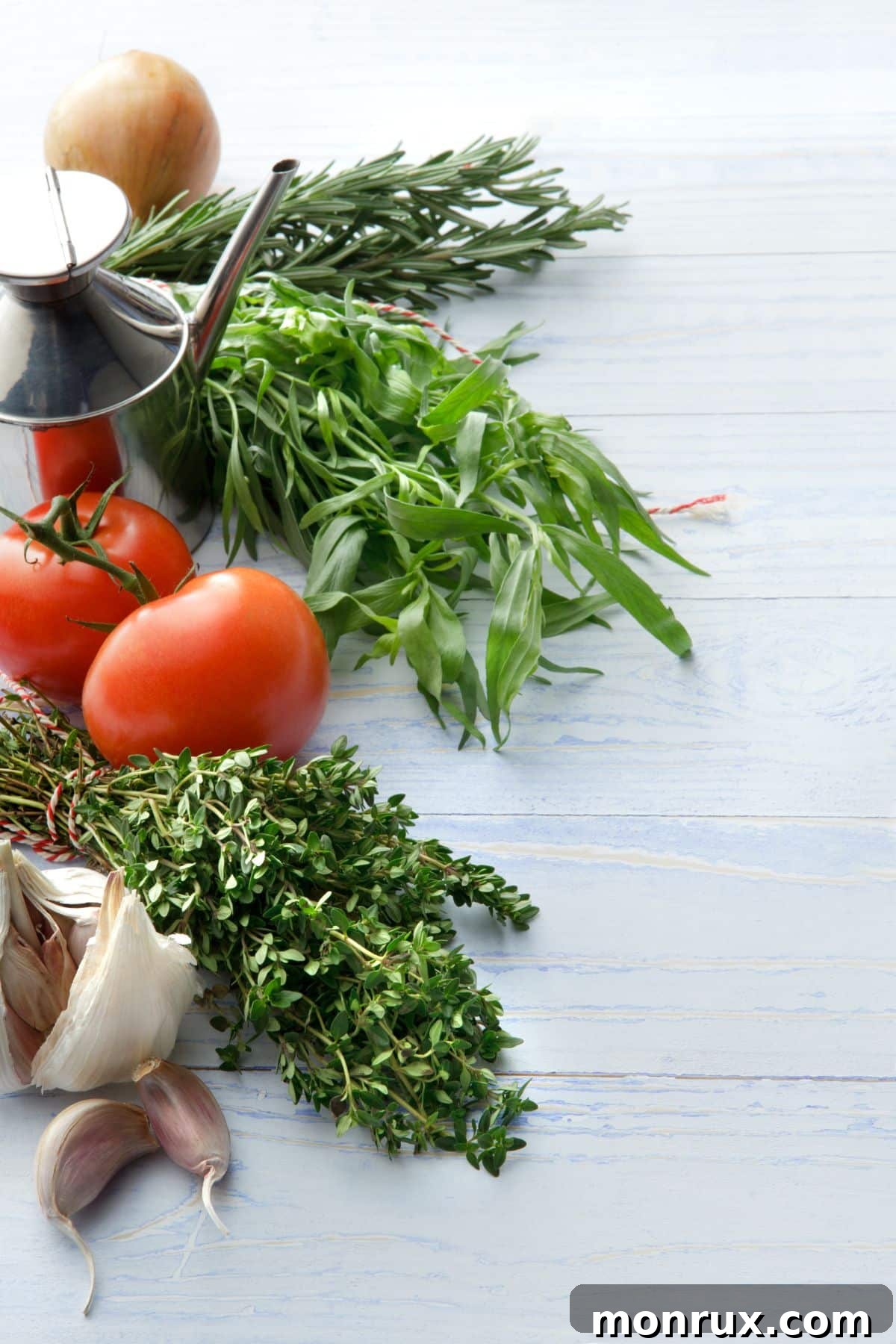
There’s an undeniable vibrancy and aromatic intensity that fresh herbs bring to a dish, often surpassing their dried counterparts. If you’re fortunate enough to have a herb garden or a well-stocked produce aisle, using a mix of fresh herbs can be an exceptional substitute for dried Italian seasoning. Basil, oregano, rosemary, and thyme are the traditional stars of Italian seasoning, and using their fresh versions will lend a bright, lively flavor profile to your cooking.
Beyond these core herbs, consider adding fresh marjoram for a delicate, slightly sweet note, or fresh flat-leaf parsley for a peppery, clean finish. A little fresh sage can also deepen the savory character of your dish. When substituting fresh herbs for dried, remember that fresh herbs are generally less potent by volume, so you’ll need to use a larger quantity.
Finely chop your chosen fresh herbs to release their essential oils and integrate them seamlessly into your dish. If you’re looking for additional aromatic layers, you can also incorporate other common fresh kitchen ingredients. Minced garlic or finely chopped onion can add foundational savory notes, while a pinch of fresh red pepper flakes (if you enjoy heat) can provide a pleasant warmth. While not traditional Italian herbs, a touch of fresh chives or even a very small amount of fresh mint can offer an unexpected but delightful complexity in certain dishes, particularly those involving tomatoes or lighter proteins.
Substitution Ratio: As a general rule, to substitute one teaspoon of dried Italian Herbs, use 1½ to 2 teaspoons of a finely chopped mixture of fresh herbs. Start with the lower amount and adjust to taste, as the intensity of fresh herbs can vary significantly.
3. Herbes de Provence
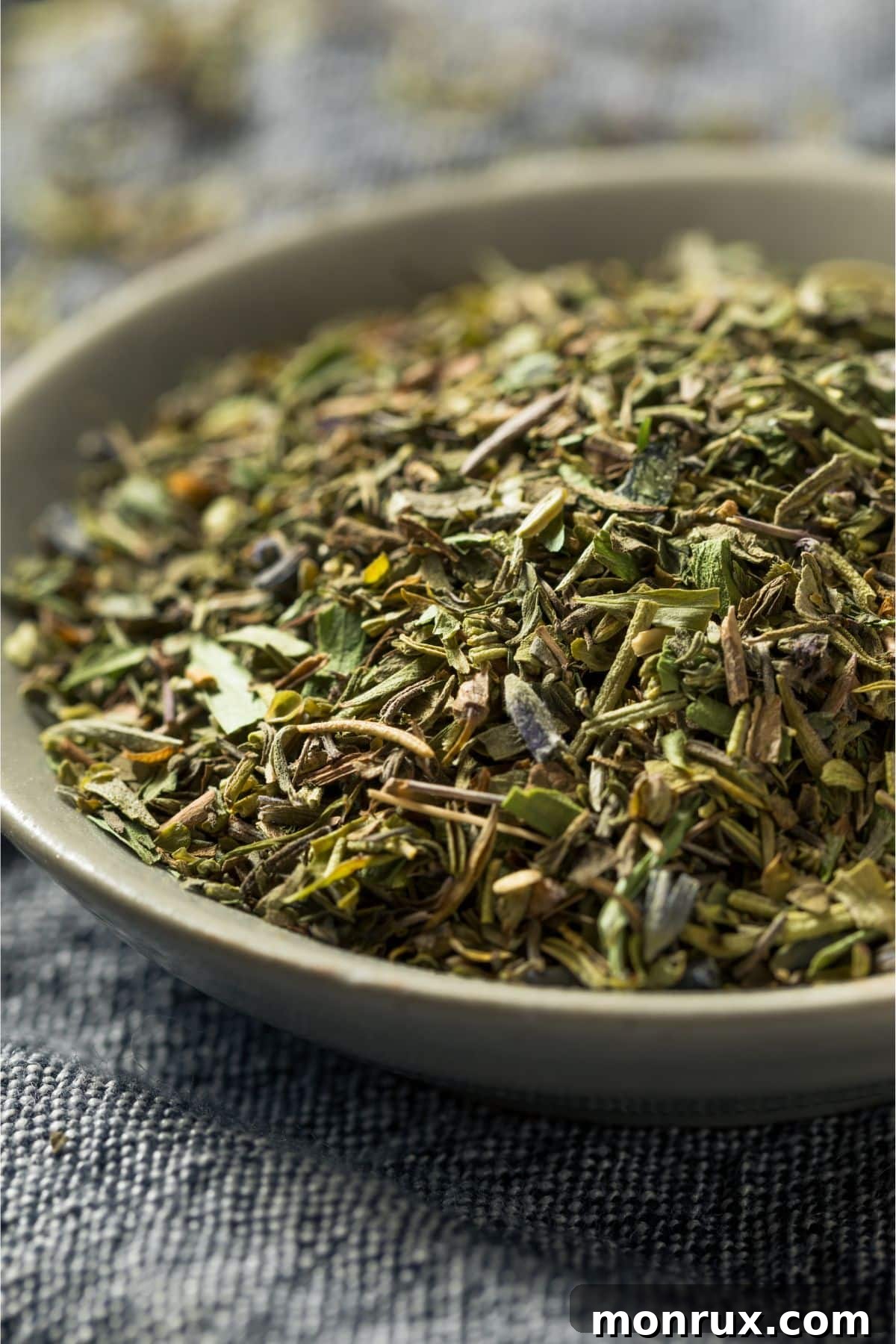
Hailing from the picturesque Provence region of France, Herbes de Provence is a sophisticated herb blend that can serve as a delightful and aromatic substitute for Italian seasoning. While it shares many common herbs with its Italian counterpart, its unique composition gives it a slightly different, often more delicate and floral, flavor profile.
A typical Herbes de Provence blend usually contains a combination of thyme, rosemary, savory, marjoram, and oregano, much like Italian seasoning. However, what often sets it apart is the inclusion of lavender flowers, which impart a subtle, sweet, and aromatic note. Some blends might also feature tarragon, fennel seeds, or bay leaf, adding further layers of complexity.
This blend’s nuanced flavor, particularly with the hint of lavender, will give your dishes a distinctly French touch rather than a purely Italian one. However, in many contexts, especially for roasted meats, vegetables, or even stews, it can function beautifully. It performs exceptionally well in dishes where you desire a fragrant, savory, and slightly sweet aroma. Think roasted chicken, grilled fish, vegetable gratins, or even a simple vinaigrette.
While the overall herbaceousness is similar, be mindful of the lavender. If you’re sensitive to floral notes in savory dishes, start with a smaller amount or choose a blend that is less prominent in lavender. It’s a fantastic alternative that can introduce an exciting variation to your usual Italian-inspired meals.
Substitution Ratio: To substitute one teaspoon of Italian Herbs, use one teaspoon of Herbes de Provence. Taste and adjust if necessary, keeping its distinct flavor in mind.
4. Dried Basil, Oregano, and Thyme
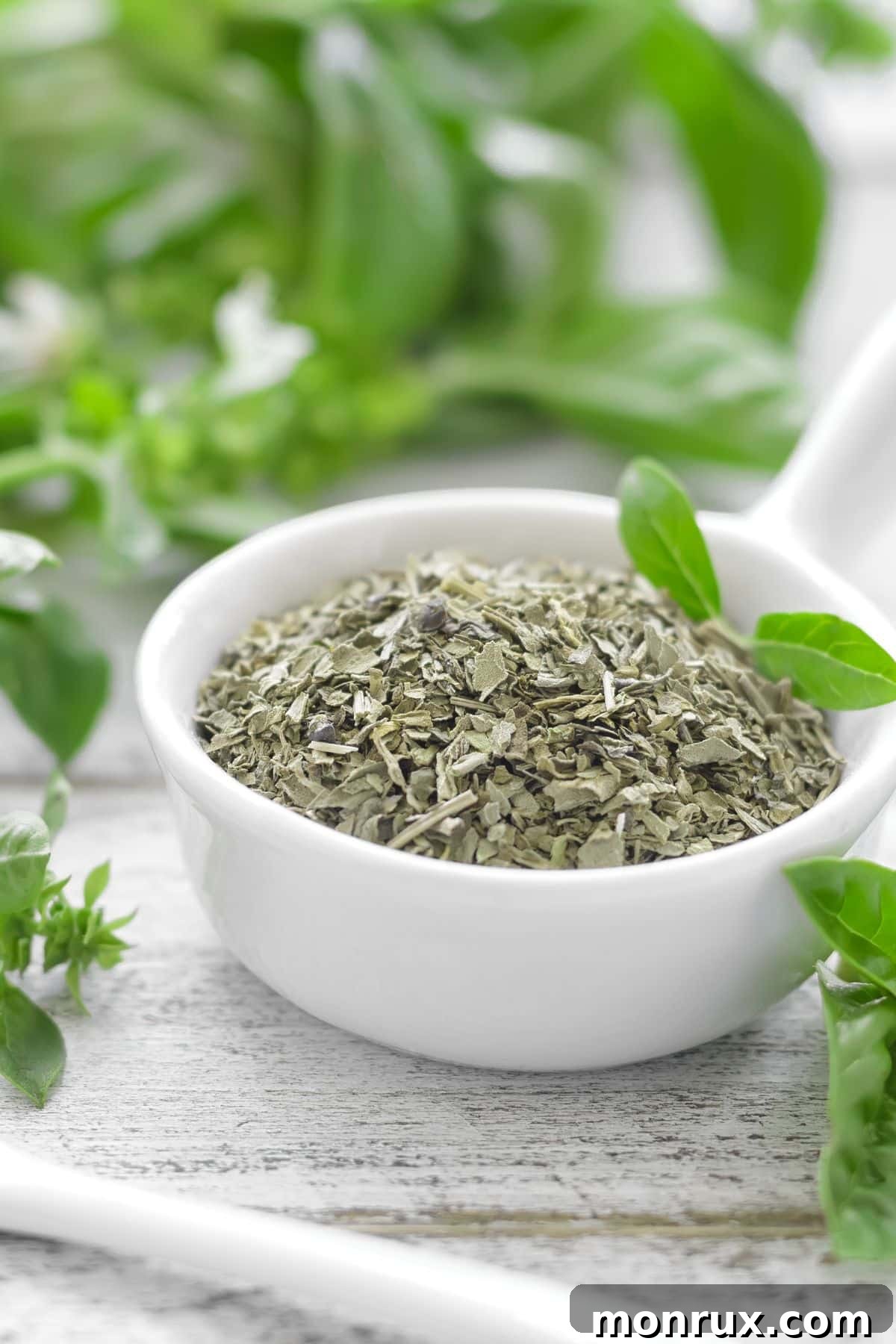
If you don’t have a pre-made Italian seasoning blend, but your spice cabinet is stocked with individual dried herbs, you’re in luck! Combining dried basil, oregano, and thyme is an excellent way to create a foundational flavor profile that closely mimics traditional Italian seasoning. These three herbs are cornerstones of Italian cuisine and, when used together, provide a robust and familiar taste.
Let’s consider the contribution of each: Dried basil offers a sweet, slightly peppery, and subtly anise-like flavor that is quintessential to tomato-based sauces and Mediterranean dishes. Dried oregano brings an earthy, pungent, and slightly bitter depth, often associated with pizza and rich meat sauces. Dried thyme contributes a delicate, earthy, and slightly minty note, adding complexity without overpowering other flavors.
This trio is incredibly versatile. Beyond pasta dishes, pizzas, and Italian stews, consider adding this blend to roasted vegetables like zucchini, bell peppers, or eggplant for an aromatic side dish. It also works wonderfully as a seasoning for grilled chicken, pork, or even fish. You can use it to make a simple yet delicious tomato soup, enhance homemade bread, or infuse flavor into olive oil for dipping. For a quick marinade, mix this blend with olive oil, lemon juice, garlic, and a pinch of salt and pepper.
By understanding the individual characteristics of these herbs, you can create a blend that not only acts as a substitute but also allows for subtle adjustments to suit your specific dish and palate. This combination ensures you get a deep, satisfying flavor that many associate with authentic Italian cooking.
Substitution Ratio: To substitute one teaspoon of Italian Herbs, use ½ teaspoon of dried basil, ½ teaspoon of dried oregano, and ¼ teaspoon of dried thyme. This ratio provides a balanced, classic Italian flavor. You can adjust the thyme slightly if you prefer a less earthy tone, or add a pinch of dried rosemary for more depth.
5. Simple Dried Basil and Oregano
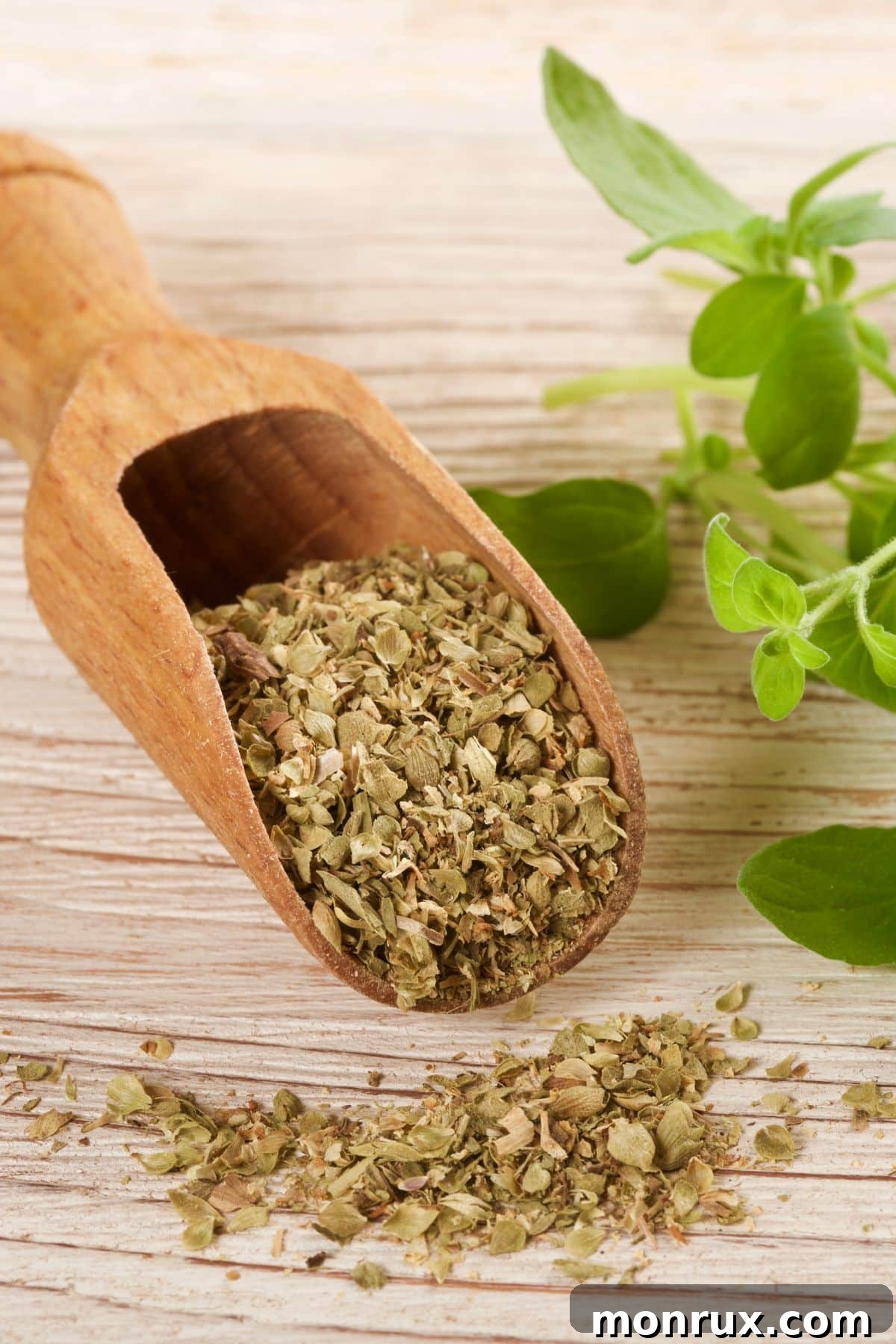
Sometimes, simplicity is key, and you might find yourself with only a couple of essential herbs in your pantry. If you check your spice cabinet and discover you only have dried basil and dried oregano, rest assured, you still have a fantastic base for an Italian seasoning substitute. These two herbs are the absolute core of the Italian flavor profile and can stand in admirably for a full blend.
Dried basil is renowned for its sweet, warm, and slightly peppery notes, often carrying hints of mint and anise. It’s indispensable in most tomato-based dishes, lending a bright, fresh aroma even in its dried form. On the other hand, dried oregano provides a more robust, earthy, and slightly pungent flavor that is characteristic of Mediterranean cuisine, especially in heartier meat sauces, pizzas, and grilled vegetables. Together, they create a savory and aromatic foundation that is unmistakably Italian.
While this blend lacks the subtle complexities brought by rosemary, thyme, or marjoram, it still delivers the fundamental taste and aroma associated with Italian dishes. It’s particularly effective in quick weeknight meals where a full spectrum of herbs isn’t critical, or when you want the primary flavors of basil and oregano to shine. Use this blend in tomato sauces, on homemade pizzas, sprinkled over garlic bread, or mixed into meatloaf or meatballs. It’s a reliable and easy substitute that will ensure your dish maintains a delicious, familiar essence.
Substitution Ratio: To substitute one teaspoon of Italian Herbs, use ½ teaspoon of dried basil and ½ teaspoon of dried oregano. This equal parts ratio is a classic combination that provides a strong, authentic Italian flavor base.
Bonus Flavor Alternatives
When you’re truly in a pinch and don’t have any of the above Italian-centric options, you can explore other spice blends that, while not traditionally Italian, can still add fantastic flavor to your dish. These are more of a creative pivot than a direct substitute, offering a different but equally delicious culinary direction.
- Creole Seasoning: This vibrant blend typically includes paprika, garlic powder, onion powder, oregano, thyme, and various peppers (cayenne, black, white). While it will introduce a spicier, more robust, and less herbaceous flavor than Italian seasoning, it works wonderfully in dishes that can benefit from a bold kick, such as roasted chicken, stews, or even some tomato-based sauces. It will give your dish a Southern American or Caribbean flair.
- Green Seasoning: Often used in Caribbean cooking, this fresh, aromatic blend typically involves fresh herbs like parsley, thyme, and cilantro, along with garlic, onion, and sometimes Scotch bonnet peppers. If you have a homemade green seasoning paste on hand, it will provide a fresh, pungent, and savory base, though its flavor profile is distinctly different from Italian. It’s best used in marinades for meats or as a base for hearty stews, lending a bright, herbaceous, and savory character.
When using these bonus recommendations, remember that they will drastically alter the intended Italian flavor. However, they are excellent for preventing a bland meal. Try using one teaspoon of Creole or Green seasoning per one teaspoon of Italian seasoning as a starting point, then adjust according to your palate and the desired outcome. You may not achieve traditional Italian flavors, but you will certainly get a highly flavorful and exciting dish!

Tips for Mastering Italian Seasoning (and its Substitutes)
Whether you’re using a store-bought blend, a homemade mix, fresh herbs, or any of the substitutes discussed, understanding how to properly incorporate these aromatics can significantly elevate your cooking. Here are some essential tips to help you master the use of Italian seasoning and its alternatives:
- When to Add Dried Herbs: Dried herbs need time to rehydrate and release their full flavor. For best results, add dried Italian seasoning or your chosen dried substitutes early in the cooking process, such as when sautéing onions and garlic, simmering sauces, or marinating meats. This allows the heat and moisture to coax out their essential oils.
- When to Add Fresh Herbs: Fresh herbs are more delicate. For maximum impact, add them towards the end of cooking or as a garnish. This preserves their vibrant color, texture, and fresh aroma. If cooking them, add them just for the last few minutes to soften slightly without losing their characteristic brightness.
- Start Small, Taste, and Adjust: The potency of herbs can vary, especially with homemade blends or fresh varieties. Always begin with the recommended amount (or slightly less) and taste your dish as it cooks. You can always add more, but it’s impossible to take away too much!
- Bloom Your Dried Herbs: For an extra burst of flavor, especially when making sauces or soups, “bloom” your dried herbs. Sauté them briefly in a little olive oil for 30-60 seconds before adding other ingredients. This gentle heat helps to awaken their dormant flavors and aromas.
- Quality Matters: The fresher your dried herbs, the more flavorful they will be. Over time, dried herbs lose their potency. Check the expiration dates on your spice jars and replace old herbs regularly. Store them in airtight containers away from direct sunlight and heat to extend their shelf life. For fresh herbs, look for vibrant, unblemished leaves.
- Versatile Applications: Italian seasoning isn’t just for Italian food! Sprinkle it on scrambled eggs, mix it into breadcrumbs for coating chicken or fish, add it to salad dressings, flavor popcorn, or even use it in savory baked goods like focaccia. The possibilities are endless for this versatile spice blend.
- Consider Complementary Flavors: Italian seasoning pairs beautifully with garlic, onion, tomatoes, olive oil, and cheeses. When using substitutes, think about how their unique flavor profiles will interact with the other ingredients in your dish. For instance, the floral notes of Herbes de Provence might be lovely with white meats, while Creole seasoning might shine with richer, spicier preparations.
By keeping these tips in mind, you can confidently use Italian seasoning or any of its substitutes to infuse your dishes with incredible, dynamic flavors. Don’t be afraid to experiment and find what works best for your palate and your pantry!
More Culinary Substitution Guides You Might Enjoy
- Substitutes for Bay Leaves
- Substitutes for Chicken Base
- Substitutes for Chili Pepper
- Substitutes for Dried Basil
- Substitutes for Dill
- Substitutes for Garam Masala
- Substitutes for Olive Oil
Recipes Showcasing Italian Seasoning
Conclusion
In conclusion, a missing jar of Italian herb seasoning doesn’t have to derail your culinary plans. As we’ve explored, there are numerous excellent substitutes available, ranging from crafting your own fresh or dried blends to utilizing other aromatic spice mixes. Whether you opt for a balanced homemade concoction, the vibrant notes of fresh herbs, the delicate essence of Herbes de Provence, or a simple duo of basil and oregano, you have ample options to infuse your dishes with delicious, authentic flavors. The key is to understand the core components of Italian seasoning and to boldly experiment with what you have on hand. Don’t limit yourself to just one type of seasoning – embrace the variety, adjust to your taste, and discover new dimensions in your cooking!
Don’t forget to join my newsletter list to get exclusive clean eating recipes and tips. The newsletter is 100% free with no spam; unsubscribe anytime.
About the Author: Carrie Forrest has a master’s degree in public health with a specialty in nutrition and is a certified holistic nutritionist. She is a top wellness and food blogger with over 5 million annual visitors to her site. Carrie has an incredible story of recovery from chronic illness and is passionate about helping other women transform their health. Send her a message through her contact form.