Are you a woman aiming to shed excess weight, boost your energy levels, and cultivate a stronger sense of comfort and confidence in your body? This comprehensive guide offers seven practical, non-drastic, and sustainable weight loss tips tailored specifically for women.
While the term “dieting” often carries negative connotations, pursuing healthy and sustainable weight loss is a valuable and achievable goal for many individuals. Current statistics reveal that a significant portion of the population is either overweight or obese, often struggling with an unfavorable fat-to-muscle ratio. Reducing this excess body weight can unlock numerous health benefits, including alleviating chronic fatigue, significantly increasing energy, lowering the risk of various diseases, and profoundly enhancing self-confidence.
However, it is critically important for women embarking on a weight loss journey to do so safely and mindfully. The objective should be to avoid triggering eating disorders, disrupting delicate hormone balances, inadvertently reducing vital muscle mass, causing nutrient deficiencies, or escalating stress levels. Therefore, this article is dedicated to providing practical, non-extreme, and thoughtful weight loss strategies designed with women’s unique physiological and psychological needs in mind.
As with any significant health change, we strongly advise consulting your healthcare provider to determine if weight loss is appropriate for your individual situation and to establish the safest and most effective method or dietary approach for you. Your doctor can offer personalized guidance based on your medical history and specific health goals.
Additionally, if you are navigating an autoimmune condition, you might find valuable insights in our related article focusing on weight loss tips when managing Hashimoto’s disease.
Healthy Weight Loss Tips for Women: Sustainable Strategies
1. Significantly Reduce Added Sugar Intake
Minimizing your intake of added sugars is one of the most impactful steps you can take for both effective weight loss and overall health improvement. Sugars found in processed foods, sweet treats, and sugary beverages are notorious for promoting fat storage and disrupting your body’s natural hunger and satiety signals. This disruption occurs because high sugar consumption can lower the production of leptin, the hormone responsible for signaling fullness. Lower leptin levels lead to increased feelings of hunger and reduced satiety, often resulting in overeating.
Foods and drinks laden with added sugars are also typically high in calories but low in essential nutrients. Consuming these “empty calorie” items frequently can easily lead to a caloric surplus, where you consume more energy than your body expends. This imbalance is a primary driver of weight gain and can significantly hinder your weight loss progress, while also negatively impacting blood sugar regulation and stress hormone balance.
Emerging research even suggests that sugar can be an addictive substance, triggering cravings that perpetuate a cycle of increased hunger, more cravings, and further fat accumulation. Therefore, actively reducing or eliminating added sugars from your diet is a cornerstone for successful and sustainable weight loss.
It’s important to differentiate between added sugars and natural sugars. Fresh or frozen fruits, for instance, contain natural sugars along with vital fiber, vitamins, and antioxidants. Most people can enjoy several servings of fruit daily without negative impacts on weight. Learn more about the distinction in my article on natural sugars versus added sugars.
To practically implement this, consider limiting all sweet treats to just once a day, or try a “cold turkey” approach by eliminating all added sugars for a specific period. Monitor your weight and how your body feels during this time; these changes can significantly propel you toward your goals.
For additional support in reducing your sugar intake, explore my specialized articles on starting a sugar-free diet, executing a sugar detox, and discovering the best no-sugar foods to stock your pantry.
2. Explore a 4-Week Rules-Based Reset Diet (e.g., Whole30 or Paleo)
Structured, rules-based eating plans such as Whole30 or Paleo can be incredibly effective for initiating weight loss and fostering healthier eating habits. These diets inherently promote a significant reduction in processed foods, refined sugars, and unhealthy fats, steering you towards nutrient-dense whole foods. By default, they often result in a subtle caloric deficit compared to the typical Standard American Diet, which is a key factor in achieving sustainable weight loss.
Beyond caloric management, these “reset” diets offer an added benefit: a thriving community. Whether through online forums, local groups, or social media, joining a supportive community can provide motivation, accountability, and practical advice, significantly improving your chances of success. Research consistently shows that having social support during weight loss efforts can lead to more favorable outcomes.
Furthermore, real-food-based approaches like Whole30 or Paleo are not just about weight loss; they can also address other health concerns, including inflammation and autoimmune diseases. This is due to their strong emphasis on consuming wholesome, anti-inflammatory foods while strictly avoiding common dietary triggers and inflammatory ingredients found in processed items.
To help you choose the best approach for your needs, delve deeper into the distinctions between Whole30, Paleo, and clean eating in my dedicated comparison article.
3. Significantly Increase Your Vegetable Intake
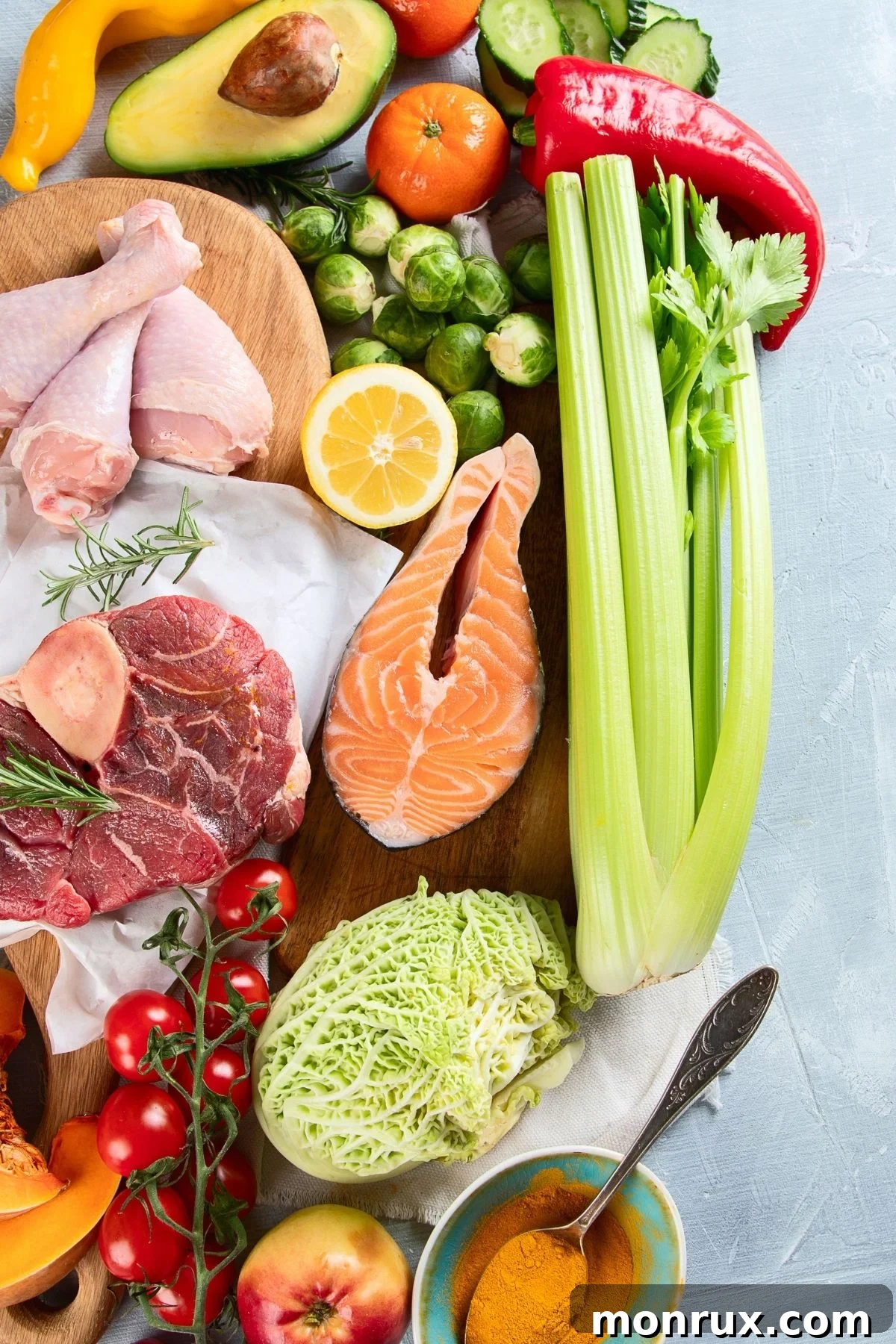
Vegetables are powerhouse foods for weight loss and overall well-being, primarily due to their high fiber and water content. This unique combination helps you feel full and satisfied for longer periods after meals, naturally reducing overall calorie intake. Moreover, most vegetables are inherently low in calories, making them an ideal choice when you are aiming to lose weight without feeling deprived.
Beyond satiety and low-calorie density, the rich array of vitamins, minerals, and antioxidants in vegetables, regardless of their color, supports optimal bodily function. They play a crucial role in decreasing internal stressors and inflammation, which can otherwise contribute to stubborn weight gain and metabolic dysfunction.
Incorporating more vegetables into your daily routine doesn’t have to be complicated. Simple and delicious ways include starting your lunch and dinner with a colorful salad, swapping traditional pasta noodles for spiralized spaghetti squash or zucchini noodles, or enriching your favorite soups and stews with a variety of cooked squashes, leafy greens, and root vegetables.
For culinary inspiration, consider trying some of my favorite vegetable-rich, low-carb recipes like Low-Carb Chicken Cacciatore, a hearty Ground Bison and Cauliflower Bowl, the comforting Instant Pot Cabbage and Sausage, or a light and satisfying Gluten-Free Vegetable Frittata Without Dairy.
You might also find value in exploring this article detailing the immense benefits of green vegetables. These nutritional superstars are integral to a healthy diet, not only aiding in weight management but also playing a key role in preventing heart disease and reducing high blood pressure. They provide essential nutrients vital for long-term health and vitality.
Alternatively, for a convenient and delicious way to boost your greens, try this Weight Loss Green Smoothie. Green vegetables are fantastic weight loss smoothie ingredients, blending seamlessly into flavorful, nutrient-packed drinks.
4. Prioritize Cooking More Meals at Home
Dining out and relying on prepackaged meals often means consuming foods designed to be “hyperpalatable” – extraordinarily appealing to our senses but frequently loaded with processed ingredients, unhealthy fats, excessive sugar, and sodium. These hyperpalatable foods can override our natural satiety cues, leading to overeating and, consequently, weight gain.
Cooking at home empowers you with complete control over the ingredients used and, crucially, the portion sizes. By serving yourself a reasonably sized portion on your plate, rather than the often oversized servings found in restaurants, you can cultivate mindful eating habits. This practice encourages you to tune into your body’s signals of fullness, prompting you to stop eating when truly satisfied, rather than just clearing your plate.
The benefits of home cooking extend far beyond weight management. It allows you to select high-quality, whole ingredients, ditching harmful additives and trans fats in favor of healthier options like olive oil over industrial vegetable oils. You can also prioritize whole grains over refined carbohydrates, ensuring your meals are nutrient-dense and supportive of your health goals, all while often saving a significant amount of money.
If you’re new to home cooking or looking to enhance your clean eating journey, be sure to explore my articles on selecting the safest cookware, comprehensive guidance on how to eat clean, and my practical No Sugar Diet Meal Plan for structured meal ideas.
5. Focus on Balanced Meals and Mindful Snacking
Consistently eating sufficiently sized meals that provide a balanced combination of lean protein, healthy fats, and complex carbohydrates is fundamental to maintaining satiety and steady energy levels between meals. A thoughtful balance of macronutrients is not merely a component of healthy eating but is absolutely essential for any effective and sustainable weight loss plan. This ensures your body receives the fuel it needs without triggering excessive hunger or cravings.
It’s generally advisable to approach overly restrictive diets, such as ketogenic or vegan plans, with caution, unless they are specifically recommended by a healthcare professional for particular health conditions. Such diets, especially when followed without expert guidance, can carry risks. For women, in particular, certain dietary restrictions can disrupt hormone balance. Consider reading my articles on the potential dangers of intermittent fasting for women and the health risks associated with a restrictive vegan diet.
Equally important is developing an awareness of your snacking habits. Many women find themselves reaching for snacks out of boredom, habit (e.g., turning on the TV), or emotional triggers, rather than genuine physical hunger. These “mindless” snacking occasions can significantly contribute to excess calorie intake and derail weight loss efforts.
A highly effective strategy for weight management is to adhere to a schedule of three well-balanced main meals. Snacking should then be reserved exclusively for instances when you experience true physical hunger and genuinely cannot wait until your next scheduled meal. This disciplined approach helps limit overall calorie intake and encourages your body to burn stored energy, supporting consistent weight loss.
For practical advice on making healthy eating accessible, explore my tips on how to eat healthy on a budget. You might also find my printable Clean Eating Food List invaluable for meal planning and grocery shopping.
6. Boost Protein Intake at Breakfast
Starting your day with a protein-rich breakfast is a game-changer for weight management and overall energy stability. Protein has a profound effect on your body’s insulin response, preventing the sharp blood sugar spikes and subsequent crashes that often lead to energy slumps and an irresistible urge for sugary snacks just an hour or two later. Furthermore, a substantial protein intake at breakfast promotes lasting feelings of satiety, which can significantly reduce the likelihood of overeating during later meals, particularly in the evening.
While it might seem challenging to incorporate enough protein into your morning meal, there are numerous delicious and convenient options. Consider using a clean, high-quality protein powder to whip up a nutritious smoothie. My Strawberry Protein Smoothie recipe, for example, delivers an impressive 25 grams of protein, setting you up for success.
Other creative ideas include a energizing Protein Coffee, which combines your morning caffeine fix with a protein boost, or preparing Overnight Protein Oats for a convenient, make-ahead breakfast that’s packed with nutrients and filling power.
And remember, breakfast doesn’t always have to be a traditional breakfast food. A simple and effective strategy is to repurpose leftovers from a healthy dinner, ensuring you still get a generous serving of protein to kickstart your day right. The key is to consciously prioritize protein at your morning meal to optimize satiety and stabilize blood sugar throughout the day.
7. Maintain a Consistent Food Journal
Keeping a food journal is an incredibly powerful tool for fostering mindfulness around your eating habits and diligently monitoring your weight loss journey. Whether you choose a traditional notebook or a digital app, a journal allows you to track not just what you eat, but also portion sizes, macronutrient ratios, and even your mood and hunger levels, without necessarily counting every single calorie.
This practice of self-monitoring can illuminate profound insights. It helps you become acutely aware of how much you are truly consuming, what types of foods make you feel most satisfied and energized, and which dietary approaches are most effective for your unique body and weight loss goals. A food journal helps identify patterns, such as emotional eating triggers or subconscious snacking, allowing you to make conscious adjustments.
Ultimately, sustainable weight loss is about cultivating a healthy relationship with food and your body that supports your physical and mental well-being for the long term. By regularly checking in with how your body feels and how your eating habits influence your overall health, a food journal becomes an indispensable partner in achieving enduring success. It helps you understand your body’s signals and build habits that align with your health aspirations.
Do You Truly Need to Lose Weight?
Before embarking on any weight loss program, it’s crucial to pause and honestly assess whether losing weight is genuinely necessary or beneficial for your health. Not everyone needs to lose weight, and an obsession with thinness can be detrimental.
Here are some valid, health-driven reasons to consider weight loss:
- Your healthcare provider has explicitly advised you that weight loss would improve your health.
- Your Body Mass Index (BMI) falls into the overweight category (over 25) or the obese category. You can use a reliable BMI calculator to determine your status.
- Your healthcare provider has indicated that reducing your weight will significantly help manage symptoms of a chronic illness, alleviate joint pain, or address other specific health issues you are experiencing.
These are all compelling and health-oriented motivations to consider strategies for reducing your weight or body fat percentage, aimed at improving your quality of life and long-term well-being.
Conversely, there are several reasons why you should NOT consider going on a diet, as they can lead to unhealthy behaviors and negative self-perception:
- You are striving to achieve an unrealistic weight from a past stage of life (e.g., trying to return to your high school weight, which may no longer be appropriate for your adult body).
- You are contemplating extreme measures for weight loss, or you are currently recovering from an eating disorder. In such cases, professional mental health support is paramount.
- Your primary motivation is to emulate the physique of someone you’ve seen on social media, often an image that may be unrealistic, heavily edited, or unhealthy.
- You feel pressured by others to lose weight, even when you genuinely don’t need to for health reasons.
The unfortunate truth is that many modern societies place immense and often unfair pressure on women to conform to specific aesthetic ideals. It’s vital to remember that healthy bodies come in an incredible diversity of shapes and sizes, and thinness does not automatically equate to health or beauty.
The most beneficial and empowering reason to pursue weight loss is when you are genuinely overweight or obese, and your primary desire is to improve your overall health and reduce associated risks. If you find yourself grappling with persistent body image issues, or if an intense desire to lose weight for purely societal reasons dominates your thoughts, please seek consultation with a therapist. A mental health professional can provide invaluable support in developing a more balanced, positive, and realistic body image.
For women who, after careful consideration and professional advice, determine that weight loss is appropriate for their health, the realistic and practical tips outlined in this article are designed to help you achieve your goals safely and sustainably.
Frequently Asked Questions About Weight Loss
It’s crucial to understand that rapid weight loss is often unsustainable and can lead to a rebound effect, where lost weight is quickly regained. While extremely low-calorie diets might show quick initial results, they often involve deprivation and are not conducive to long-term maintenance. The key to healthy, lasting weight loss lies in adopting a balanced, whole-foods approach.
You can certainly begin to see positive results within 2-4 weeks on a well-structured healthy weight loss diet. The focus should be on nourishing your body with nutrient-dense, naturally lower-calorie whole foods that provide satiety without excessive calories. Prioritizing satisfaction and enjoyment in your diet is paramount for its long-term adherence.
Complementing your whole foods diet with regular, moderate physical activity is highly effective for accelerating weight loss. This includes a mix of walking, strength training (like weightlifting), and flexibility exercises such as yoga. Aiming for a slight calorie deficit is beneficial, but it’s important to ensure you don’t feel chronically tired or hungry throughout the day, as this can signal an unhealthy approach.
The amount of weight an individual can lose per week varies significantly based on numerous factors, including metabolism, starting weight, activity level, and dietary adherence. For most women, losing 1-2 pounds per week is considered a healthy, safe, and most importantly, sustainable rate. This rate allows for fat loss while minimizing muscle loss and reducing the risk of nutrient deficiencies.
While it might be physically possible to lose more than this in certain circumstances (especially at the very beginning of a diet), such rapid loss is typically not sustainable or healthy. Factors like chronic stress, lifestyle habits, adequate sleep, and any underlying health conditions all play a crucial role in influencing your body’s ability to lose weight. Prioritizing these aspects alongside diet and exercise is vital for consistent progress.
There isn’t a universal rule stating that it’s definitively harder for women to lose weight. Weight loss success is often more about individual genetics, consistent lifestyle choices, and dietary adherence than gender alone. However, many women do report experiencing more challenges in weight loss compared to their male counterparts.
This perception can be partly attributed to biological differences: women are naturally predisposed to have a higher body fat percentage, a protective evolutionary mechanism. The female body can sometimes perceive significant caloric deficits as a stressor, leading it to resist weight loss as a survival response. In fact, for some women, a very low body fat percentage can even result in the cessation of their menstrual cycle. Fat storage is a vital protection mechanism for all humans, but it holds particular significance for the female reproductive system. To learn more about how diet impacts female health, you might read about the best diet for fertility.
Additionally, women are statistically more prone than men to developing thyroid problems, such as hypothyroidism, which can directly cause unexplained weight fluctuations and make weight loss difficult. If you find yourself consistently struggling to lose weight despite diligent efforts, it’s highly recommended to consult your healthcare provider to rule out any underlying medical reasons, as discussed in my article, “Can’t Lose Weight No Matter What: Tips for Women.”
Women over 50 often face unique challenges in weight management, primarily due to hormonal shifts associated with perimenopause and menopause. The decline in estrogen, which plays a role in metabolism and fat distribution, can lead to increased weight gain, particularly around the abdomen. Many women find that what worked for weight loss in their younger years is no longer effective.
For some menopausal women struggling with persistent weight gain and other menopausal symptoms, Hormone Replacement Therapy (HRT) has proven to be very effective. HRT can not only assist with weight management but also significantly improve mood, energy levels, and overall quality of life during this transitional phase. However, HRT is not suitable for everyone and involves potential risks and benefits that must be thoroughly discussed with a healthcare provider.
Before considering hormone therapy, it is crucial to implement foundational healthy weight loss strategies (as outlined in this article) and to have your healthcare provider check for any underlying medical conditions that might be contributing to weight gain. A personalized approach, combining diet, exercise, stress management, and potentially medical interventions like HRT, is often the most successful for women navigating weight loss after 50.
When it comes to weight loss supplements, extreme caution is advised, as many products lack scientific evidence of effectiveness and some can even pose significant health risks. It’s always best to prioritize whole foods, consistent exercise, and a healthy lifestyle over relying on supplements.
Some of the common supplements often marketed for weight loss include green tea extract, probiotics, and certain essential oils like grapefruit essential oil. Among these, green tea and its extracts have some research supporting their potential role in metabolism boosting, likely due to catechins and caffeine. Specifically, Matcha tea, a concentrated form of green tea, also shows promise in research regarding weight management benefits, but it’s essential to consume it without added sugars to reap its full benefits.
Always consult your doctor or a registered dietitian before taking any weight loss supplements, as they can interact with medications or have adverse effects, especially for women with pre-existing health conditions. Remember, supplements should complement a healthy lifestyle, not replace it, and there are no magic pills for sustainable weight loss.
Explore More Healthy Living Articles!
Key Takeaways & Conclusion
Women often face unique and nuanced challenges when pursuing weight loss, including the delicate balance of hormones, preserving muscle mass, and avoiding the pitfalls of disordered eating patterns. This article has provided 7 evidence-based, healthy, and practical weight loss tips specifically curated to support women in achieving their goals in a non-drastic and sustainable manner. By focusing on whole foods, mindful eating, and understanding your body’s signals, you can build a healthier, more energetic you.
Don’t forget to subscribe to my exclusive newsletter for a steady stream of clean eating recipes, expert tips, and holistic wellness insights. It’s completely free, spam-free, and you can unsubscribe anytime.
About the Author: Carrie Forrest holds a master’s degree in public health with a specialization in nutrition and is a certified holistic nutritionist. She is the founder of a leading wellness and food blog that attracts over 5 million visitors annually. Carrie’s inspiring journey of recovery from chronic illness fuels her passion for empowering other women to transform their health and embrace vibrant living. Feel free to reach out to her via her contact form.
Note: This post is intended solely for informational and educational purposes and should not be considered as medical advice. Always consult your personal healthcare provider for specific recommendations tailored to your individual health situation and needs.