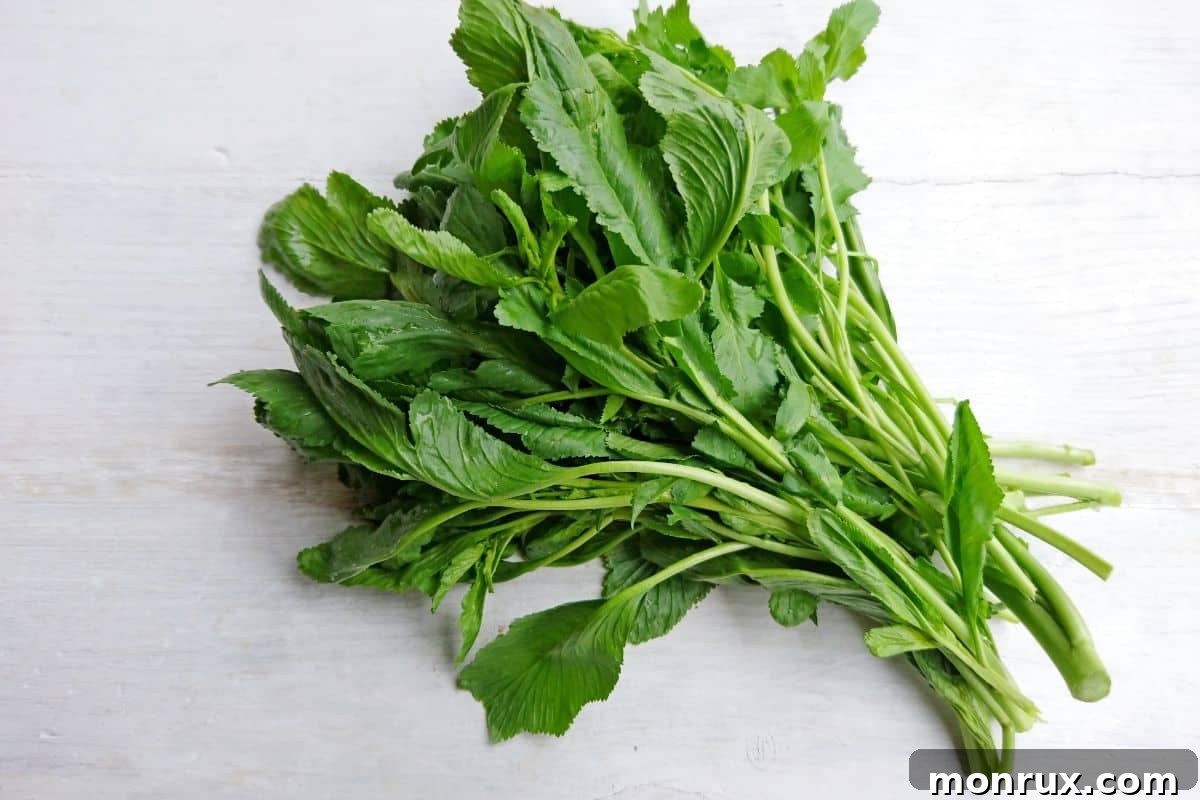
If you’re crafting a recipe that calls for watercress but find your fridge unexpectedly bare, don’t fret! You’re in luck, as a wealth of excellent watercress substitutes can step in to deliver a similar culinary experience. These alternatives offer comparable flavors, valuable nutrition, and satisfying textures, ensuring your dish remains delightful and wholesome. From the peppery kick of arugula to the delicate sweetness of baby spinach, the right substitute can seamlessly fill the void, keeping your meal on track.
Overview of Watercress
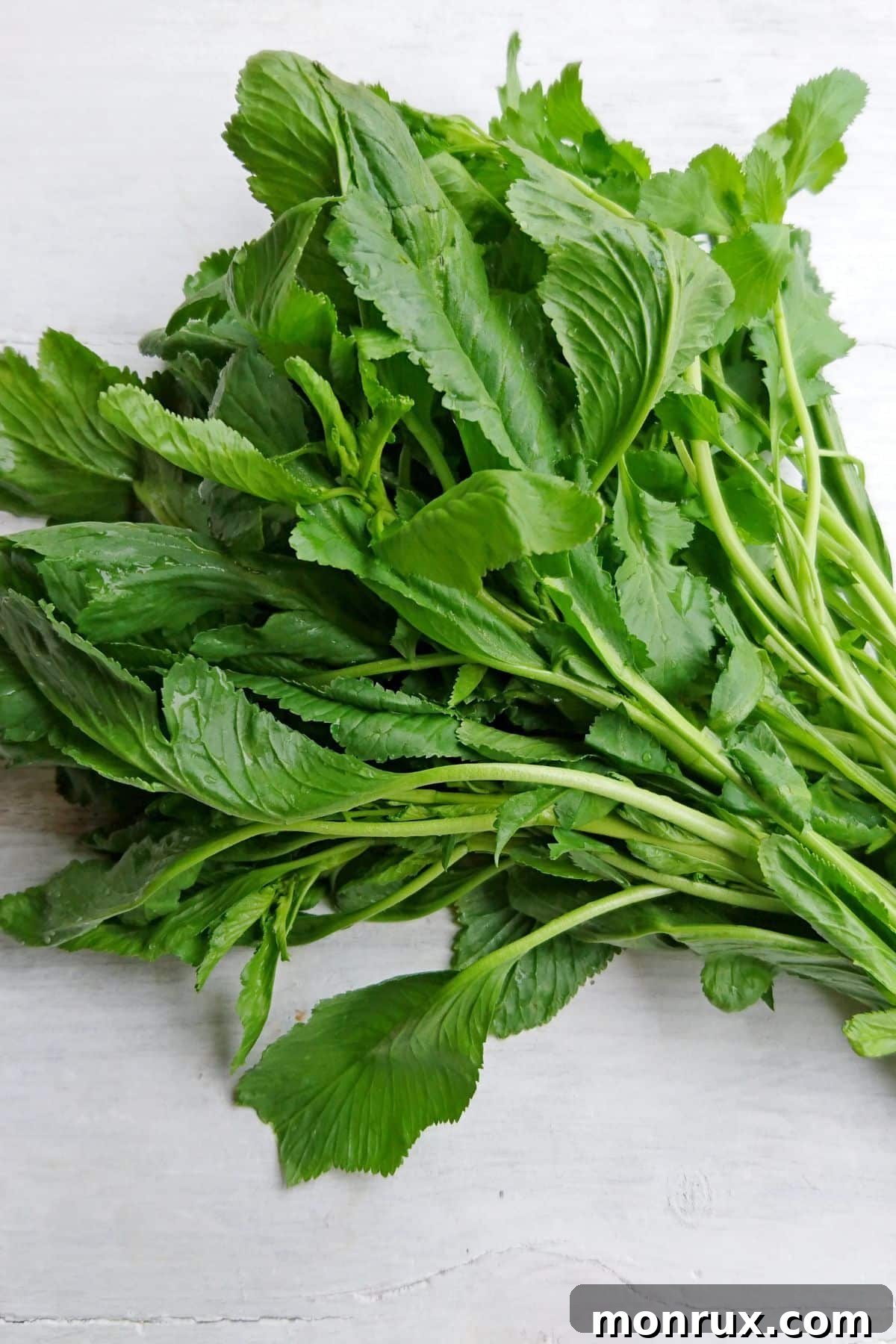
Watercress (Nasturtium officinale) is a distinctive, fast-growing, semi-aquatic perennial plant native to Europe and Asia. As one of the oldest known leaf vegetables consumed by humans, its history spans millennia, cherished for its invigorating taste and remarkable nutritional density. Often found flourishing in cool, clear running freshwater, hence its name, this vibrant green leafy vegetable belongs to the Brassicaceae family, making it a close relative of broccoli, kale, and cabbage. It’s sometimes also referred to as upland cress or garden cress, depending on its cultivation method.
Characterized by its small, round, vibrant green leaves and tender stems, watercress boasts a refreshingly crisp texture and a signature peppery, slightly pungent flavor. This unique taste profile, often described as a delicate balance between mustard and horseradish, adds a sophisticated bite to any dish. Its versatility in the kitchen, coupled with its status as a nutritional powerhouse, has cemented its place in cuisines worldwide. From delicate salads to hearty soups, watercress offers both a burst of flavor and a wealth of health benefits, making it a highly sought-after ingredient. Its slightly spicy, invigorating notes and satisfying crunch are what culinary enthusiasts often seek to replicate when searching for suitable alternatives.
Top Watercress Substitutes
Discovering you’re out of watercress when a recipe calls for it can be a minor culinary setback. Fortunately, the world of leafy greens offers several excellent alternatives that can closely mimic watercress’s unique flavor, texture, and nutritional contributions. Below, we explore the best substitutes for watercress, detailing their characteristics and how they compare to this versatile green.
1. Arugula (Rocket)
Arugula, also widely known as rocket, stands out as an exceptional choice when seeking a substitute for watercress. Its distinctively spicy and peppery flavor profile is remarkably similar, making it a natural stand-in. While it shares that characteristic pungency, arugula can sometimes be a touch more intense than watercress, so if you prefer a milder taste, you might consider adjusting the quantity or exploring other options.
In terms of texture, arugula leaves are generally softer and less crispy than watercress, though they still offer a pleasant bite when fresh. This slight difference in crispness is most noticeable when used raw in salads, where watercress’s snap is a key feature. However, arugula performs beautifully in a wide array of applications. It can be tossed fresh into salads, layered into sandwiches and wraps, or lightly wilted and incorporated into warm dishes like pasta, stir-fries, and soups. Young arugula leaves tend to be milder and more tender, closely resembling baby watercress.
Nutritionally, arugula is a powerhouse, ensuring you don’t compromise on health benefits when making the switch. It’s an excellent source of essential vitamins, including A, C, and K, as well as calcium and folate, supporting everything from bone health to immune function. Its robust flavor and impressive nutrient density make it a top contender for a watercress replacement.
Substitution Ratio: For every one cup of watercress required, use one cup of arugula.
2. Baby Spinach
If the peppery intensity of watercress isn’t quite what you’re looking for, or if you prefer a gentler flavor, baby spinach is an ideal substitute. Known for its delicate, mild taste and subtle sweetness, baby spinach offers a welcome contrast to watercress while still providing a host of culinary possibilities. It lacks the spicy notes of watercress, making it a versatile green that complements rather than dominates other ingredients.
Baby spinach leaves are significantly softer and more tender than watercress, with none of the inherent crunch. This makes them perfect for wilting quickly in cooked dishes, where they add a silky consistency. While they can be used raw in salads, their softer texture will differ from the crispness of watercress. However, their mildness allows them to blend seamlessly into everything from vibrant smoothies and hearty pasta dishes to comforting soups and fluffy omelets, making them an incredibly adaptable kitchen staple. You can also layer them generously into sandwiches and wraps for added nutrition.
Like watercress, baby spinach boasts an impressive nutritional profile. It’s rich in vitamins A, C, and K, and notably high in iron and magnesium, crucial for energy production and muscle function. Furthermore, spinach is packed with lutein and zeaxanthin, powerful antioxidants vital for maintaining excellent eye health. While spinach is not a cruciferous vegetable like watercress, its nutritional density and adaptability make it an outstanding alternative for general leafy green needs.
Substitution Ratio: Use one cup of baby spinach for every one cup of watercress.
3. Endive
Endive presents an intriguing and distinct alternative to watercress, particularly when you desire a crunchy texture and a slightly bitter edge. There are primarily two main varieties: Belgian endive and frisée. Belgian endive forms tightly packed, elongated heads with creamy-white leaves, while frisée (or curly endive) has loose, lacy, and often lighter-colored leaves. Both offer a satisfying crispness that can rival watercress, making them superb additions to fresh salads where texture is paramount. You can typically find Belgian endive in the produce section of most well-stocked grocery stores, often near other specialty lettuces.
Flavor-wise, endive diverges from watercress’s peppery notes. Instead, it offers a characteristic bitterness, which is more pronounced in frisée than in the milder Belgian endive. This bitterness can add a sophisticated dimension to dishes, particularly when balanced with sweet or acidic dressings. When cooked, endive’s bitterness mellows significantly, often developing a subtle sweetness as it caramelizes. However, using endive in hot dishes as a watercress substitute will introduce a different flavor profile, making it a better choice for raw applications where its crunch and unique taste can truly shine.
Nutritionally, endive is a good source of dietary fiber, vitamin A, and folate, though it contains fewer antioxidants compared to watercress. Its refreshing crunch and unique bitter flavor make it an excellent choice for adding depth and texture to your cold dishes, serving as a delightful watercress alternative in vibrant salads or elegant appetizers.
Substitution Ratio: Use one cup of chopped endive for every one cup of watercress.
4. Radish Sprouts
For those seeking a potent, spicy kick reminiscent of watercress, especially in raw preparations, radish sprouts or radish microgreens are an outstanding and vibrant choice. These diminutive greens are harvested very early in their growth cycle, typically just after germination, and they pack a surprisingly robust peppery punch that mirrors the zest of mature radishes. They are perfect for elevating the flavor profile of sandwiches, salads, garnishes, and other uncooked dishes, where their intense flavor can truly stand out.
Beyond their bold flavor, radish sprouts are nutritional powerhouses, often boasting a higher concentration of nutrients than their mature counterparts. They are exceptionally rich in antioxidants and abundant in vitamins C and E, both crucial for immune support and skin health. Furthermore, radish sprouts are a significant source of essential amino acids, which are the building blocks of protein. Their nutritional density makes them a fantastic functional food.
In terms of texture, radish sprouts are more delicate and less leafy than watercress. However, they possess a slight, satisfying crunch that adds an appealing textural contrast to raw dishes. While their appearance differs, their intense flavor and fresh bite make them a highly effective and exciting watercress substitute, especially when you want to infuse a dish with a burst of freshness and spice. They are also relatively easy to grow at home, offering a continuous supply of fresh, peppery greens.
Substitution Ratio: For every one cup of watercress, use approximately one cup of radish sprouts, adjusting to your preferred spice level.
5. Dandelion Greens
Dandelion greens offer a wonderfully distinct and highly nutritious alternative to watercress, bringing a unique character to your culinary creations. Beyond their culinary appeal, they come with the intriguing possibility of being foraged directly from your backyard, provided they haven’t been exposed to pesticides or chemical fertilizers. These hardy greens possess a peppery flavor that, while reminiscent of watercress, also carries a more pronounced bitter undertone. Generally, younger dandelion leaves are milder in taste and more tender in texture, making them preferable for raw applications.
From a nutritional standpoint, dandelion greens are truly exceptional and are often considered on par with or even superior to watercress. They are brimming with an impressive spectrum of vitamins and minerals, including potent levels of vitamins A, C, and K, as well as calcium, iron, and potassium. Their robust nutrient profile contributes to liver health, digestion, and bone strength, making them a powerful addition to a health-conscious diet.
Dandelion greens are incredibly versatile in the kitchen. While their bitterness can be quite pronounced when raw, a quick sauté in a little olive oil with garlic can beautifully mellow their flavor, transforming them into a tender and earthy side dish. For salads, opt for the freshest, youngest leaves to enjoy their subtle peppery kick without overwhelming bitterness. They also blend exceptionally well into vibrant green sauces, nutrient-dense smoothies, and even pestos, adding a deliciously complex and peppery bite that elevates any recipe. Their robust nature means they stand up well to various cooking methods, from braising to steaming.
Substitution Ratio: Use one cup of dandelion greens for every one cup of watercress, adjusting based on desired bitterness.
6. Mustard Greens
When the peppery, pungent flavor of watercress is a crucial element in your dish, mustard greens emerge as a fantastic and robust substitute. As members of the same family (Brassicaceae), they share a similar sharp, peppery, and sometimes intensely spicy flavor profile that can perfectly mimic or even amplify the characteristic kick of watercress. However, it’s important to note that mustard greens can be significantly more intense, verging on spicy, so careful consideration of quantity is advised to prevent them from overpowering other delicate flavors in your recipe.
For fresh applications such as salads or raw garnishes, selecting young mustard greens is key. Their tender texture and slightly milder flavor provide a more appealing experience. Mature mustard greens, on the other hand, are considerably more fibrous and robustly flavored, making them exceptionally well-suited for cooking. Braising, sautéing, or adding them to stews and stir-fries helps to soften their texture and temper their intense spiciness, transforming them into a flavorful and nutritious component of many warm dishes, particularly popular in Southern and Asian cuisines.
Nutritionally, mustard greens are remarkably similar to watercress, offering a wealth of vitamins A, C, and K, as well as folate and essential minerals. They contribute significantly to overall health, supporting everything from vision to bone density. Their unique, bold flavor and high nutritional value make them an excellent choice when watercress is unavailable, especially if you appreciate a pronounced peppery or even subtly spicy edge in your greens.
Substitution Ratio: For one cup of watercress, use half a cup of mature mustard greens (due to intensity) or one cup of young mustard greens.
7. Kale
Kale, renowned as one of the most nutrient-dense vegetables available, serves as an excellent watercress substitute when maintaining high nutritional value is a priority. Incorporating kale into your recipes ensures no compromise on essential vitamins and minerals, as it is packed with vitamins A, C, and K, along with calcium and antioxidants, making it a true superfood. While its nutritional profile is stellar, its flavor and texture diverge somewhat from watercress.
Unlike the distinct peppery zest of watercress, kale offers a more earthy, slightly bitter taste. The bitterness tends to be less pronounced in younger leaves; look for “baby kale” if you desire the mildest flavor and most tender texture, which more closely resembles watercress’s delicate nature. Mature kale, with its thicker, sometimes curly leaves, possesses a tougher, more fibrous texture. However, this robust quality makes it incredibly resilient to cooking, holding its structure and nutritional integrity well.
When substituting watercress in salads, opt for young kale leaves. To tenderize them and reduce any bitterness, a light massage with a vinaigrette or lemon juice works wonders, breaking down the tough fibers. Mature kale excels in cooked applications: it’s fantastic when sautéed, roasted, braised, or simmered in hearty soups and stews. It adds bulk, color, and a significant nutritional boost to any warm dish, making it a versatile staple in a healthy kitchen. While the flavor profile isn’t an exact match, kale’s health benefits and adaptability make it a commendable alternative.
Substitution Ratio: Use one cup of chopped kale (especially baby kale for raw dishes) for every one cup of watercress.
Additional Watercress Alternatives
The culinary world offers an abundance of leafy greens, and the search for the perfect watercress alternative doesn’t end with the options above. You can also explore other greens that share some of watercress’s desirable characteristics, such as its crisp texture and subtle bitterness or mild spiciness. Consider experimenting with salad greens like beet greens, which offer an earthy sweetness; nasturtium leaves, known for their unique peppery zest and beautiful appearance; romaine lettuce, providing a classic crunch; or collard greens, particularly the younger leaves, for a sturdier texture with a mild, earthy flavor.
In general, opting for younger plants or “baby” versions of these greens will typically yield a more delicate texture and a milder flavor, making them better candidates for replicating the more subtle aspects of watercress. For instance, baby arugula offers a delightful, slightly less intense peppery note than its mature counterpart. Ultimately, finding your personal favorite substitute might involve a little experimentation to discover which green best complements your specific recipe and palate. Don’t hesitate to mix and match or combine different greens to achieve a desired balance of flavor and texture.
Culinary Applications for Watercress
Watercress is an incredibly versatile ingredient, prized in kitchens around the globe for its distinctive flavor and crisp texture. It can be enjoyed both raw and cooked, with its peppery notes mellowing slightly when heated, resulting in a milder, more approachable taste. This adaptability makes it a favorite for a wide range of culinary applications, from fresh, vibrant salads to comforting, warm dishes.
Raw watercress is an exceptional addition to salads, where its refreshing crunch and peppery zest elevate simple greens. It pairs exquisitely with a light vinaigrette made from quality olive oil and a squeeze of fresh lemon juice, creating a bright and invigorating dish. Its delicate leaves and stems also make a fantastic, nutritious filling for sandwiches, wraps, and even gourmet burgers, adding a gourmet touch and a burst of flavor. In the United States and across Europe, watercress is also a popular ingredient in green smoothies, though its strong flavor means a little goes a long way. Meanwhile, in Chinese cuisine, it’s often stir-fried, allowing its unique taste to infuse other ingredients.
Perhaps one of watercress’s most celebrated uses is in soup. Classic watercress soup is a beloved traditional dish in the UK, typically blended with a touch of cream or potato to create a silky, peppery concoction that is both nourishing and deeply flavorful. It’s also the star ingredient in Portugal’s hearty “Caldo Verde,” a vibrant green soup, and in the elegant French “Soupe au Cresson,” showcasing its international appeal as a foundational element in comforting, wholesome broths. Its ability to transition seamlessly between fresh and cooked preparations truly highlights its culinary prowess.
Health Benefits of Watercress
Often hailed as one of the healthiest vegetables on the planet, watercress is a true nutritional powerhouse that deserves a prominent place in any diet. Despite being incredibly low in calories, it delivers an astonishing array of essential vitamins, minerals, and potent plant compounds, solidifying its position among the best green vegetables for overall well-being.
Watercress is an exceptional source of vitamin K, a critical nutrient vital for healthy blood clotting and robust bone health. It also abounds in vitamin C, a powerful antioxidant that plays a crucial role in bolstering the immune system, protecting cells from damage, and supporting collagen production for healthy skin. Furthermore, watercress provides beta-carotene, a vibrant pigment that the body efficiently converts into vitamin A, which is indispensable for maintaining good vision, supporting optimal organ function, and promoting cell growth.
Beyond vitamins, watercress is rich in vital minerals. It contains significant amounts of calcium, which is fundamental for the strength and density of your bones and teeth, as well as nerve and muscle function. It is also an excellent plant-based source of iron, a mineral crucial for producing red blood cells and facilitating oxygen transport throughout the body. This makes watercress a particularly valuable food for individuals following vegan or vegetarian diets, who might otherwise struggle to obtain sufficient iron.
Perhaps most impressively, scientific studies have highlighted watercress’s potent anti-cancer properties. It is recognized as one of the richest dietary sources of phenethyl isothiocyanate (PEITC), a unique compound found in cruciferous vegetables. PEITC has been shown in research to potentially inhibit the growth of cancer cells, protect against DNA damage, and detoxify carcinogens, especially when watercress is consumed raw. Incorporating this humble green into your regular diet can thus offer profound protective benefits for long-term health and disease prevention.
More Substitute Guides You Might Enjoy
Final Thoughts on Watercress Alternatives
As we’ve explored, a diverse array of nutritious and flavorful vegetables can admirably stand in for watercress in your favorite recipes. Whether you’re aiming for a peppery zest, a satisfying crunch, or a milder leafy green, these alternatives offer versatility for both cold dishes, such as vibrant salads and fresh smoothies, and warm, cooked preparations like soups and stir-fries. Many of these substitutes are also widely available in most grocery stores, making them convenient choices when you need a quick replacement.
Each substitute brings its own unique set of characteristics, from the bold spice of mustard greens to the gentle sweetness of baby spinach, providing ample opportunity for culinary exploration. Don’t hesitate to experiment with different options to discover which ones you enjoy most and which best complement the specific flavors of your dishes. You might even find that you prefer the distinct nuances that these watercress alternatives introduce, opening up new dimensions in your cooking. Embrace the flexibility these greens offer, ensuring your meals are always delicious, nutritious, and full of fresh possibilities.
About the Author: Carrie Forrest holds a master’s degree in public health with a specialization in nutrition and is a certified holistic nutritionist. She is a highly respected wellness and food blogger, attracting over 5 million visitors annually to her insightful platform. Carrie shares an inspiring journey of recovery from chronic illness and is deeply committed to empowering other women to transform their health. You can reach her through her contact form for any inquiries or collaborations.