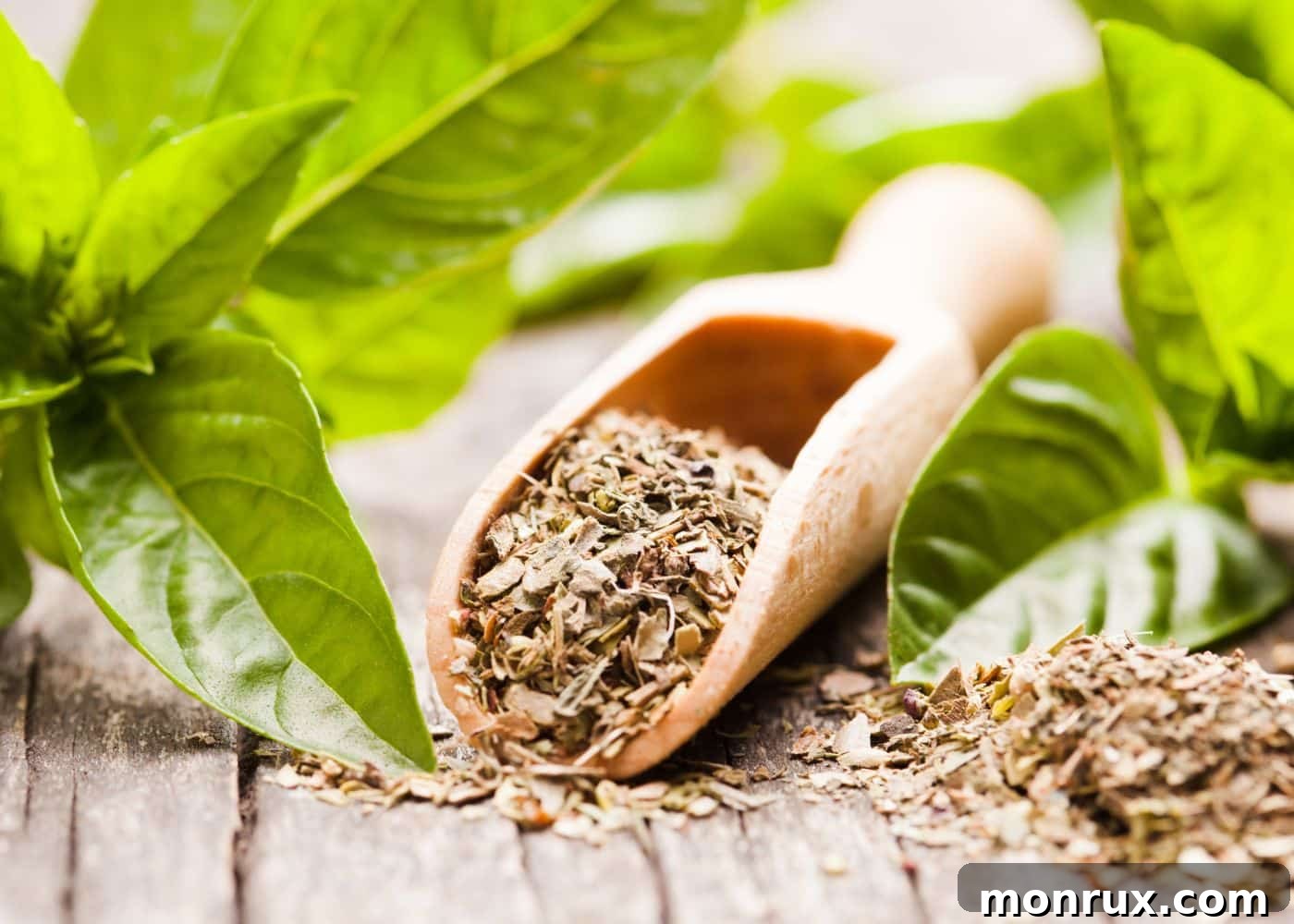
Basil is a beloved herb that adds a distinct, aromatic flavor to countless dishes around the globe. Whether you’re a seasoned chef or a home cook, running out of a key ingredient like dried basil can throw a wrench in your culinary plans. Fortunately, the world of herbs and spices offers several excellent alternatives that can perfectly stand in for dried basil in savory recipes. This comprehensive guide will explore the best substitutes for dried basil, helping you confidently navigate your kitchen even when your spice rack is missing this essential herb.
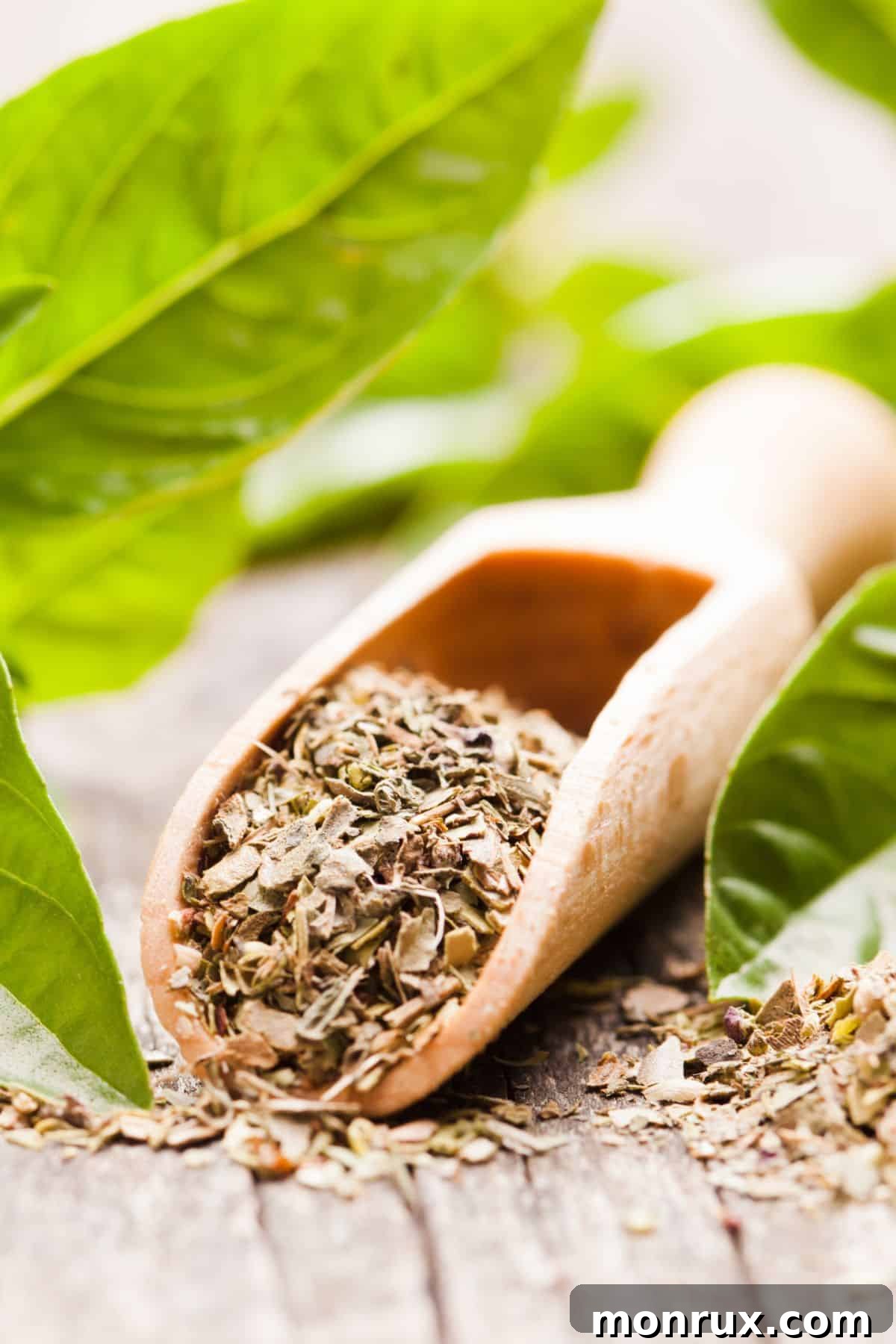
A member of the mint family (Lamiaceae), basil, scientifically known as Ocimum basilicum, boasts a rich history and a vibrant presence in international cuisine. Originating from India and other parts of Asia, this versatile plant has traveled across continents, becoming a cornerstone in Mediterranean, especially Italian, and Southeast Asian cooking. Its strong, pungent, yet sweet and slightly peppery flavor profile makes it indispensable for dishes ranging from classic pesto and Caprese salads to hearty tomato sauces, soups, and various meat preparations.
Understanding the nuances between fresh and dried basil is crucial when considering substitutes. Fresh basil leaves offer a brighter, more anise-like aroma and a delicate texture that’s best appreciated when added at the end of cooking or in raw preparations. Dried basil, on the other hand, provides a more concentrated, slightly muted flavor that develops beautifully when cooked into dishes over time. This guide primarily focuses on finding suitable replacements for the dried form, which is often used in recipes requiring longer simmering or baking times.
Substitutes for Dried Basil
Whether you’ve just realized your spice jar is empty or you’re looking to experiment with new flavors, these seven excellent options can come to your rescue. Most of these basil substitutes are readily available in any standard grocery store, ensuring your dish never has to suffer from a missing ingredient.
1. Fresh Basil
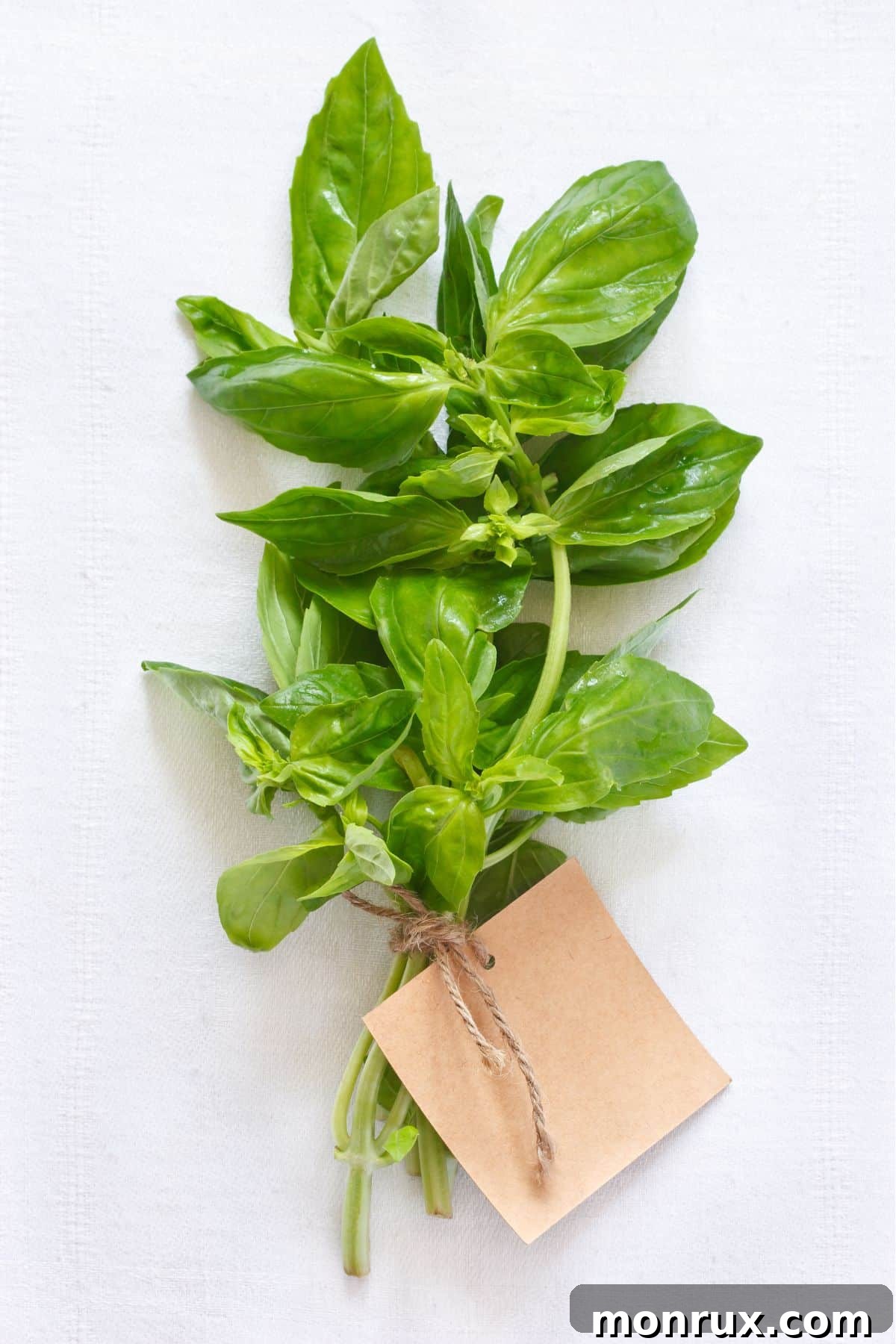
Unsurprisingly, fresh basil leaves are often the best and most obvious substitute for their dried counterpart. Found in grocery stores worldwide and easily grown in home gardens, fresh basil offers the most authentic basil flavor profile, albeit with a brighter, more intense aroma. When selecting fresh basil, look for deep green, unblemished leaves free from any signs of wilting or yellowing. These vibrant leaves indicate peak freshness and flavor.
Incorporating fresh basil into your cooking adds not only depth of flavor but also a beautiful pop of color, elevating the aesthetic appeal of any meal. While fresh basil’s delicate nature means it’s best added towards the end of the cooking process to preserve its flavor and vibrant color, it can certainly be used in recipes that call for dried basil. Simply snip or tear the amount you need and add it a bit later than you would dried basil. Its versatility extends beyond savory dishes; fresh basil can also be used to make refreshing teas or infused oils.
To substitute one teaspoon of dried basil, use one tablespoon of fresh basil. This 3:1 ratio accounts for the more concentrated flavor of dried herbs compared to their fresh counterparts. Remember to finely chop your fresh basil for even distribution of flavor in your dish.
2. Dried Oregano
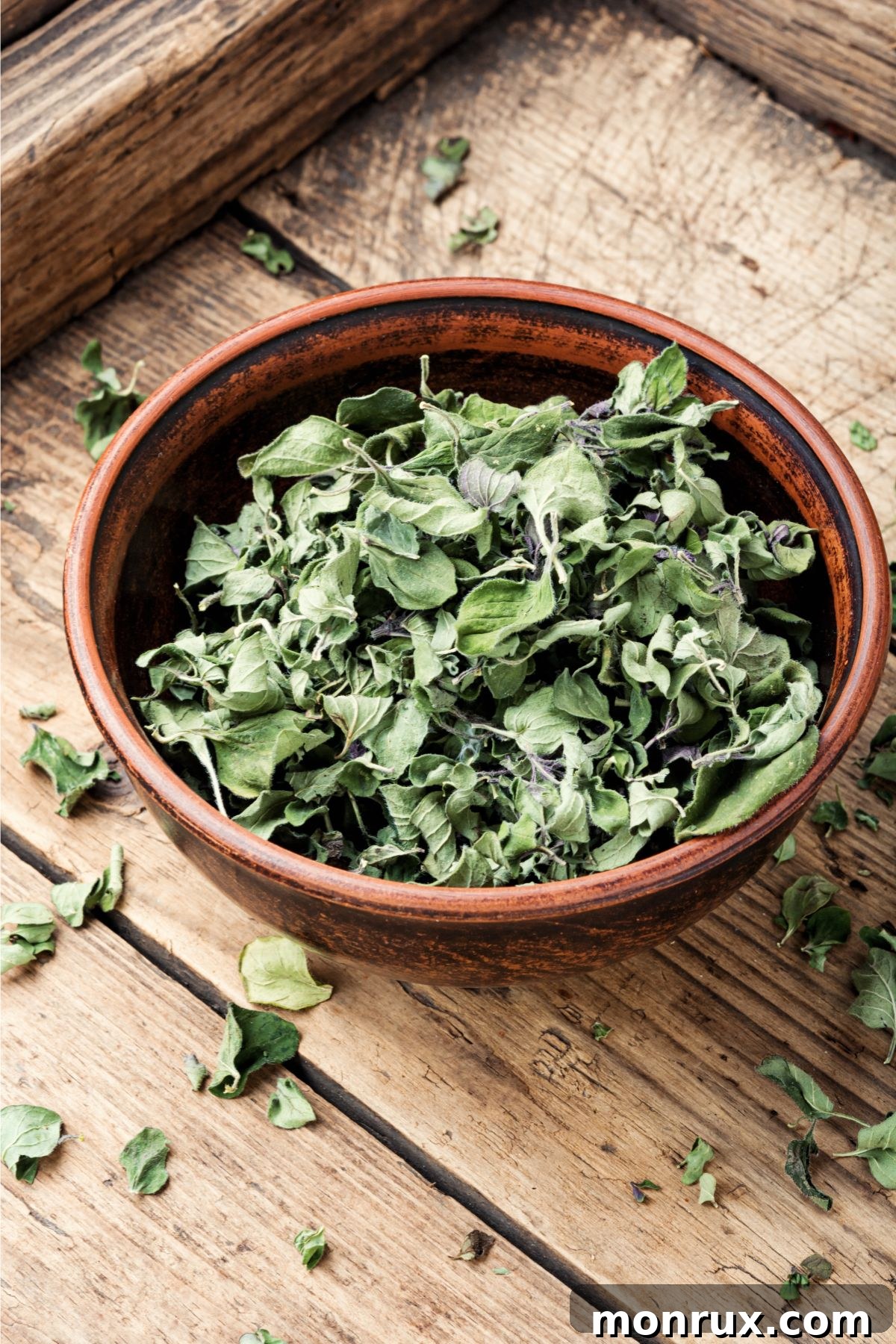
Dried oregano is a widely popular herb, frequently used in Mediterranean and Mexican cuisines. It’s a close relative to basil, belonging to the same mint family, which explains their similar aromatic qualities. Oregano boasts a strong, pungent, and earthy flavor with slightly bitter undertones that make it an excellent choice for adding depth to tomato-based dishes, stews, and grilled meats. The dried form is particularly potent, a result of the air-drying process that concentrates its volatile oils and preserves its robust taste.
When substituting dried oregano for dried basil, it’s important to remember that oregano’s flavor can be more assertive. Its intensity means a little goes a long way, and it can easily overshadow other ingredients if used too liberally. It’s best to start with a smaller amount and adjust to taste, especially if you’re not accustomed to its pronounced flavor. Dried oregano stores well in an airtight container for up to six months, making it a reliable staple in any spice collection. While fresh oregano is also available, its flavor profile is less aligned with dried basil than its dried counterpart, making dried oregano the preferred substitute here.
To substitute one teaspoon of dried basil, use one teaspoon of dried oregano. However, due to its potency, you might want to start with ½ teaspoon and add more after tasting, allowing the flavors to meld.
3. Dried Italian Seasoning
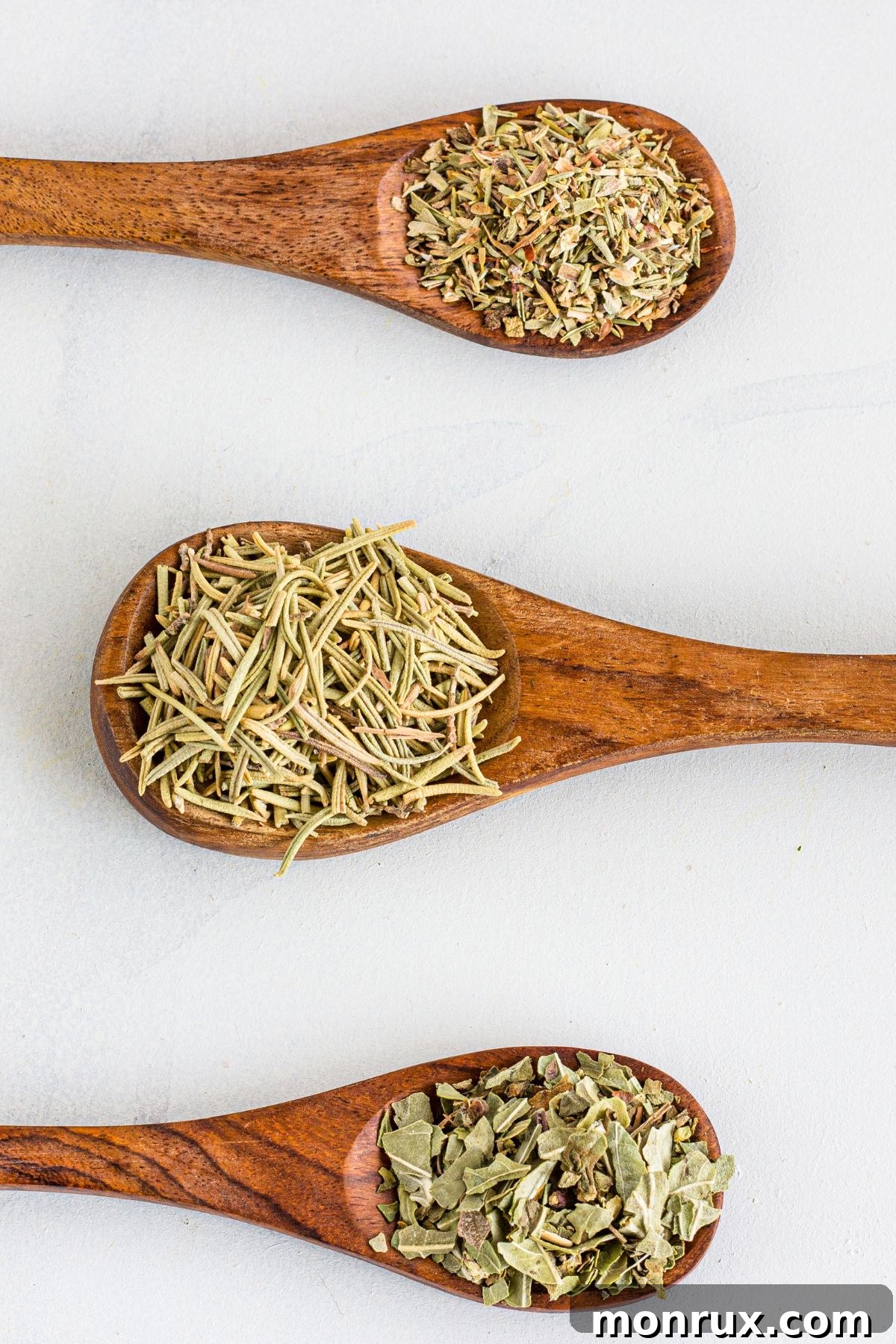
Italian seasoning is a convenient and flavorful blend of dried herbs that frequently includes basil, oregano, rosemary, thyme, marjoram, and sometimes sage or garlic powder. Since basil is often a primary component, Italian seasoning inherently carries a familiar flavor profile that makes it an outstanding substitute. This blend is designed to capture the essence of traditional Italian cuisine, offering a harmonious mix of earthy, savory, and aromatic notes that complement a wide array of dishes.
This pre-mixed blend eliminates the need to measure out individual herbs, making it a quick and easy solution when you’re in a hurry. It’s particularly well-suited for recipes that feature a robust tomato base, such as pasta sauces, pizzas, lasagnas, and minestrone soups. While you can easily purchase Italian seasoning at any grocery store, creating your own blend at home allows for customization of proportions to suit your palate. Store homemade or store-bought Italian seasoning in an airtight container to maintain its potency and freshness. Its comprehensive flavor makes it an excellent choice for adding a foundational herbal note to your meals.
To substitute one teaspoon of dried basil, use one teaspoon of dried Italian seasoning. This straightforward substitution ensures your dish retains that classic Mediterranean warmth.
4. Dried Marjoram
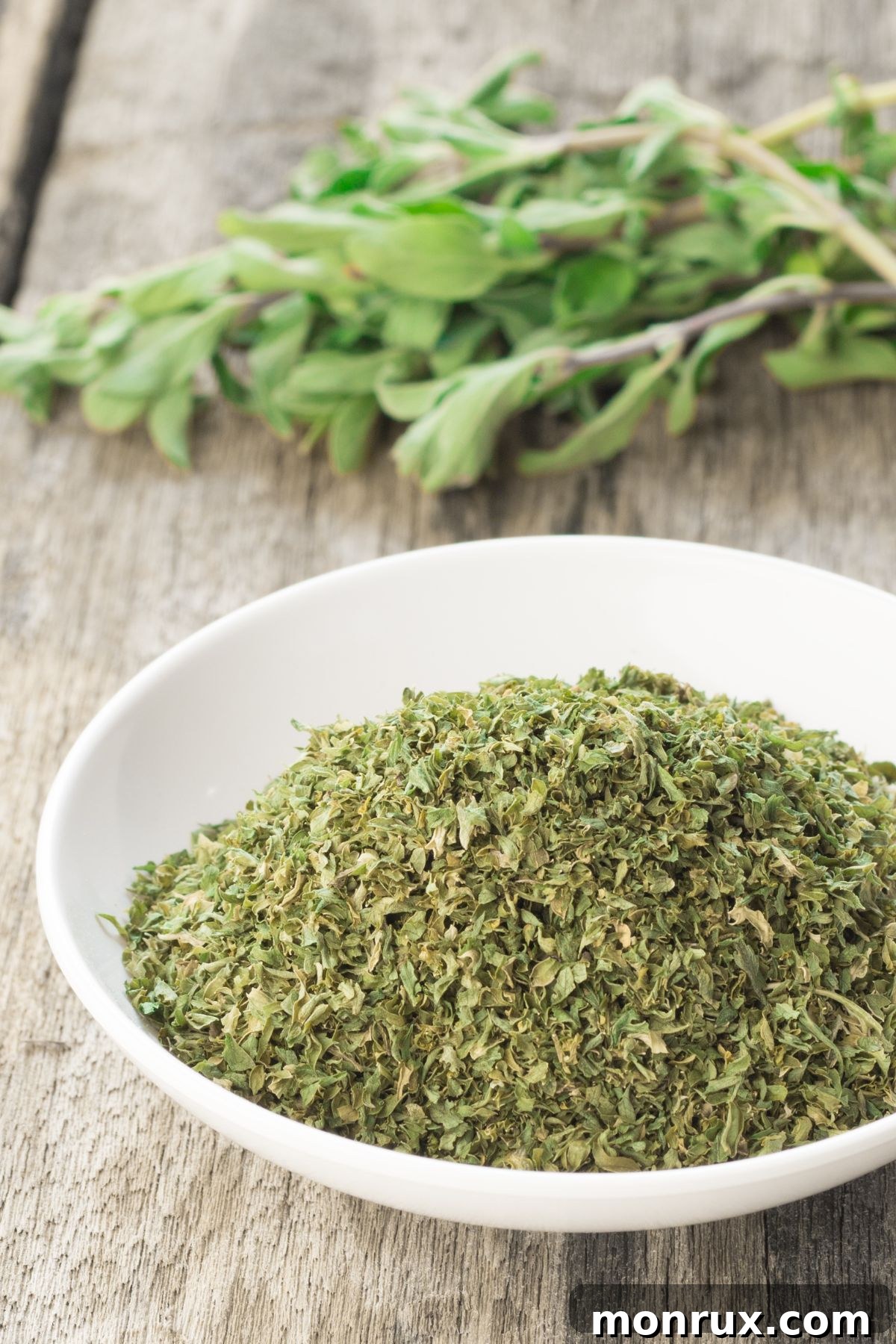
Dried marjoram, another close relative of oregano and basil in the mint family, offers a slightly sweeter and more delicate flavor profile than oregano, making it an excellent and often overlooked substitute for basil. Believed to have originated in Egypt, marjoram has been cherished for centuries in both culinary and medicinal applications, particularly in Mediterranean cuisine. Its flavor is described as mild, sweet, floral, and slightly woody, lacking the pungent bite often found in oregano.
Marjoram pairs wonderfully with poultry, lamb, fish, and vegetables, and it’s a staple in many German, French, and Middle Eastern dishes. It shines in lighter sauces, salad dressings, and as an aromatic addition to roasted vegetables. Like other dried herbs, dried marjoram is more potent than its fresh counterpart, so adjustments should be made accordingly. When swapping marjoram for basil, you’ll likely find that its subtle sweetness and gentle warmth integrate seamlessly into your recipe, providing a very similar aromatic background. Dried marjoram maintains its quality best when stored in an airtight container in a cool, dark place.
To substitute one teaspoon of dried basil, use one teaspoon of dried marjoram. Many cooks find it difficult to distinguish the difference once cooked, thanks to their complementary flavor profiles.
5. Dried Coriander Seeds
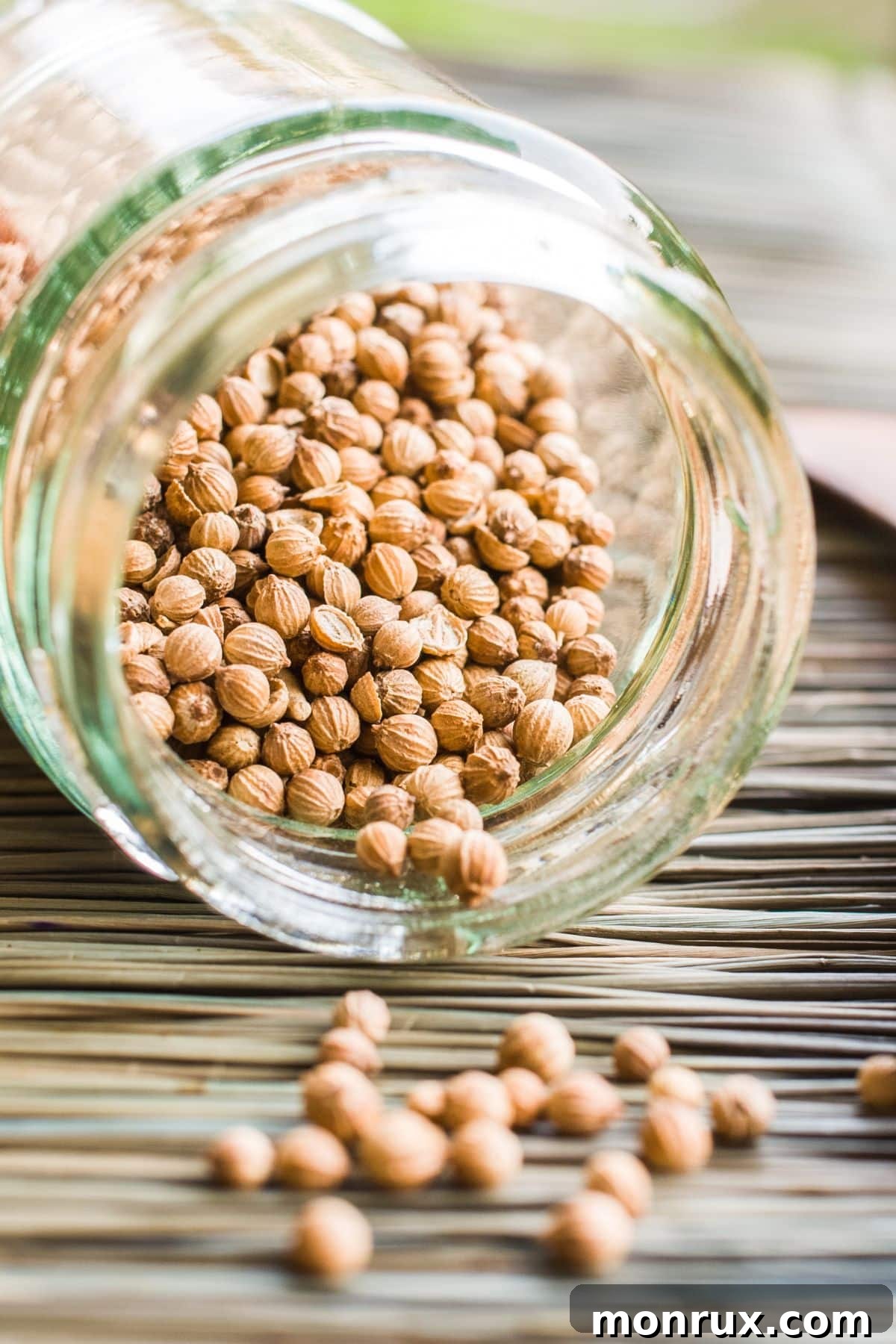
Dried coriander seeds offer a unique and wonderfully versatile flavor that can surprisingly serve as an alternative to dried basil, especially in dishes where a bright, aromatic lift is desired. Unlike the leafy herbs, coriander seeds provide a warm, nutty, and delicate lemony-citrus flavor that is both sweet and savory. This makes them a staple in a vast array of global cuisines, including Indian, Thai, Moroccan, and Mexican dishes. While its flavor profile differs from basil’s slightly anise-like sweetness, coriander brings its own fresh complexity to the table.
Coriander seeds are often used in curries, tagines, stews, and rubs for meats, where their mild, earthy notes can truly shine. They pair exceptionally well with other spices and are a fantastic way to brighten up any dish. When purchasing dried coriander, opt for whole, plump seeds that have a uniform color, as they retain their essential oils and flavor much better than pre-ground coriander. For the most intense flavor, grind the seeds just before use in a spice grinder or mortar and pestle. This releases their aromatic compounds, enhancing the overall taste of your meal.
To substitute one teaspoon of dried basil, use one teaspoon of dried coriander (ground or whole, but ground is recommended for better flavor distribution). Be mindful that coriander will impart a different, citrusy warmth, so consider the overall flavor profile of your dish.
6. Dried Tarragon
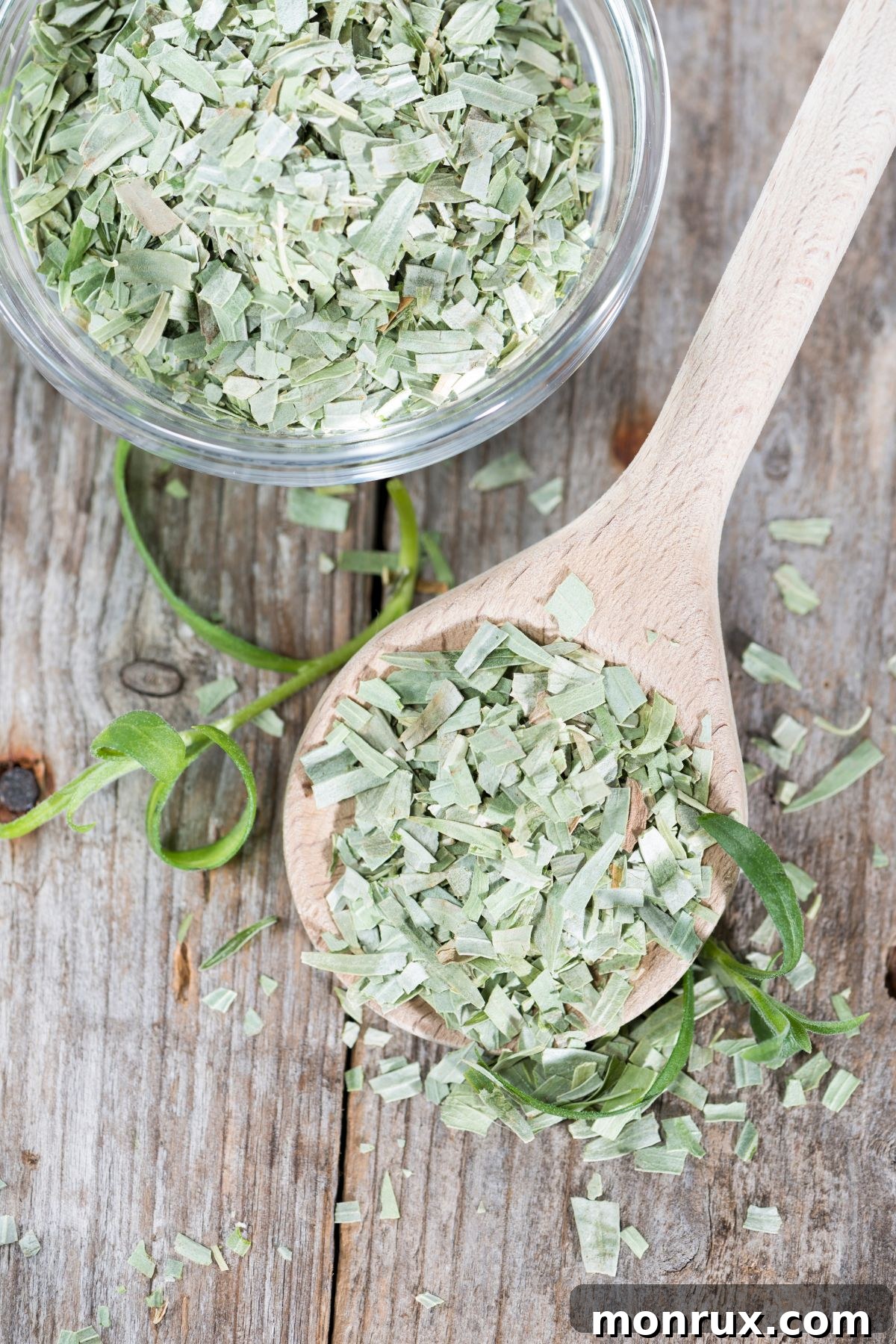
Dried tarragon is an elegant herb known for its distinctive and somewhat exotic flavor, characterized by notes of anise and subtle sweetness. While its licorice-like essence is more pronounced than basil’s, it offers a sophisticated aromatic quality that can be a delightful substitute in many savory applications. Tarragon is a cornerstone of French cuisine, commonly featured in dishes like Béarnaise sauce, chicken fricassee, and various fish preparations. Its ability to elevate simple ingredients makes it a favorite among culinary enthusiasts.
The subtle anise undertones of tarragon pair beautifully with poultry, fish, eggs, and vegetables, adding a unique depth that can transform a dish. When using dried tarragon, remember that its flavor is quite potent, so a little goes a long way. It’s best to crumble the dried leaves into your dishes just before serving or during the last few minutes of cooking to preserve its delicate flavor. Tarragon can also be used to infuse vinegars and oils, creating gourmet condiments. While it has a more distinct licorice flavor compared to basil, its aromatic qualities can provide a wonderful herbal complexity when basil is unavailable.
To substitute one teaspoon of dried basil, use one teaspoon of dried tarragon. Begin with slightly less if you’re sensitive to anise flavors, and adjust to your preference.
7. Dried Thyme
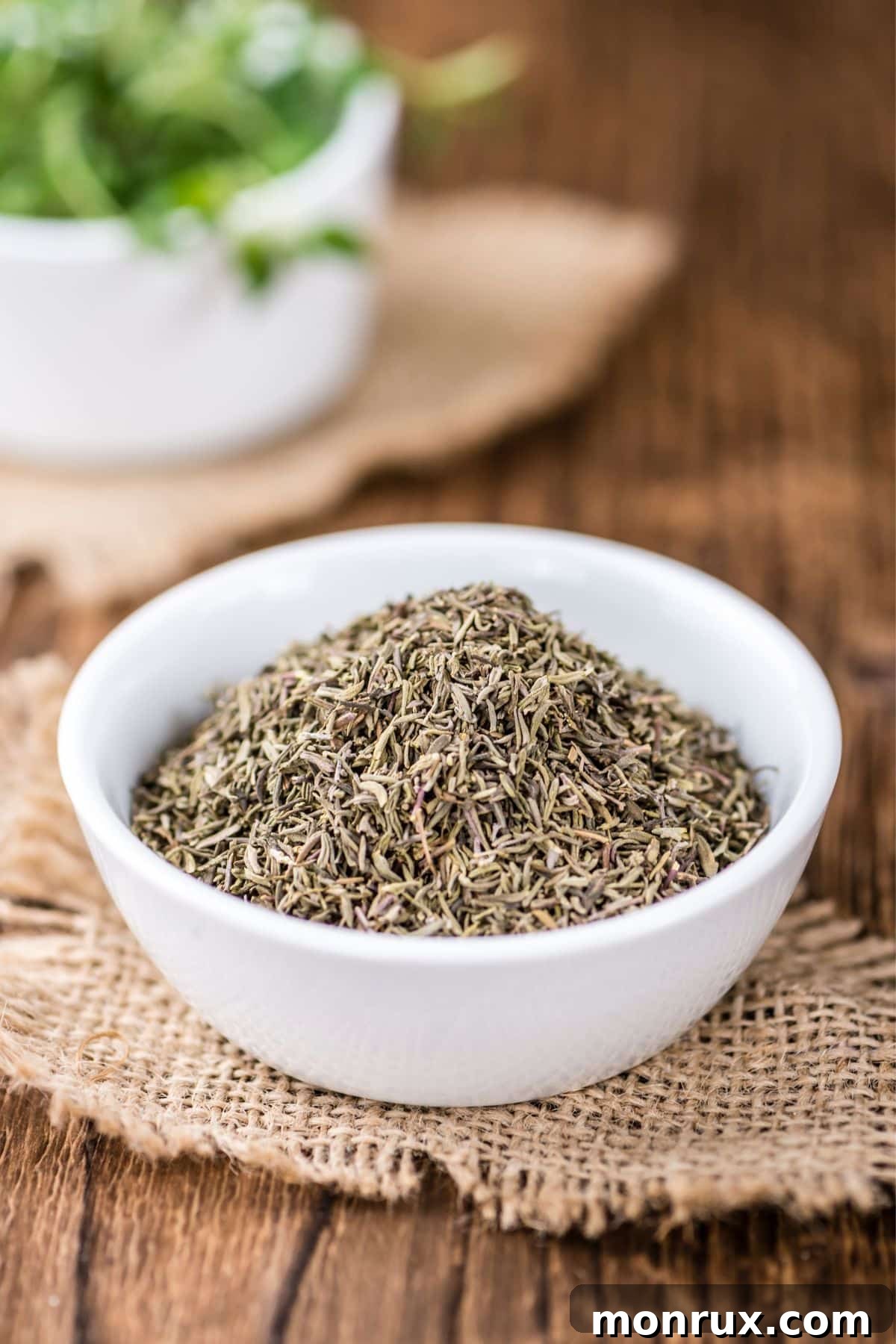
Dried thyme is a classic and incredibly versatile herb, celebrated for its subtle yet distinct earthy, slightly minty, and peppery flavor. While milder than basil, its aromatic qualities can provide a solid foundation for many dishes where basil is typically used. Thyme is a staple in various cuisines worldwide, particularly in Mediterranean, French, and Caribbean cooking. Its robust flavor stands up well to long cooking times, making it ideal for stews, braises, and slow-cooked meals.
Thyme pairs exceptionally well with poultry, beef, lamb, fish, and a wide array of vegetables. It’s also an excellent addition to homemade soups, stocks, and sauces, lending a foundational herbal note that is comforting and familiar. For grilling or roasting, dried thyme can be incorporated into marinades or sprinkled directly over meats and vegetables to enhance their natural flavors. Despite its milder profile compared to basil, thyme offers a clean and savory taste that can effectively fill the void when basil is missing from your pantry. Its impressive shelf life and widespread availability make it a reliable go-to substitute.
To substitute one teaspoon of dried basil, use ½ teaspoon of dried thyme. Start with half the amount due to its concentrated flavor, and feel free to add more if you desire a stronger herbal presence.
Understanding Basil’s Flavor Profile
Before diving into substitutes, it’s helpful to understand what makes basil unique. Basil’s flavor is complex and multifaceted, often described as sweet, peppery, slightly minty, and with subtle notes of anise (licorice). This aromatic profile is due to its rich composition of essential oils, including estragole, linalool, and eugenol. When dried, basil’s flavor becomes more concentrated and earthy, losing some of its brighter, delicate notes but gaining a deeper, more robust character that stands up well to heat.
Knowing these characteristics allows you to choose substitutes that either mimic basil’s overall essence or provide complementary flavors that enhance your dish in a slightly different but equally delicious way. The best substitute will depend on the specific dish you are preparing and the prominence of basil’s flavor in that recipe.
General Substitution Guidelines
When substituting any herb, a general rule of thumb applies: fresh herbs are typically less potent than their dried counterparts. Therefore, you’ll need a larger quantity of fresh herbs to achieve the same flavor intensity as dried herbs. The standard conversion is:
- 1 teaspoon dried herb = 1 tablespoon fresh herb (this 1:3 ratio is crucial for successful substitutions)
For dried herb to dried herb substitutions, the ratio is often 1:1, but it’s always wise to start with a slightly smaller amount (e.g., ½ or ¾ of the called-for amount) and taste as you go. This prevents overwhelming your dish with an unfamiliar flavor. Consider the other ingredients in your recipe and how the substitute’s flavor will interact with them. Don’t be afraid to experiment; cooking is an art, and sometimes the best discoveries come from improvisation!
Summary of Dried Basil Alternatives
Here’s a quick-reference chart summarizing the best substitutes for dried basil, including their unique pros and cons to help you make an informed decision:
| Substitute | Pros | Cons |
|---|---|---|
| Fresh Basil | Offers the most authentic, vibrant basil flavor; widely available. | Requires a larger quantity (3x dried); best added late in cooking to preserve delicate flavor. |
| Dried Oregano | Strong, pungent, and earthy flavor; excellent in tomato-based dishes; widely available. | Can be very intense; start with less to avoid overpowering the dish. |
| Dried Italian Seasoning | Convenient blend including basil; provides a balanced, familiar Italian flavor. | Flavor profile is broader than pure basil; may not be suitable if only a basil-specific note is desired. |
| Dried Marjoram | Sweet, delicate, and mild flavor, similar to basil but softer; great for lighter dishes. | Slightly sweeter and less pungent than basil; subtle flavor might get lost in very robust dishes. |
| Dried Coriander Seeds | Warm, nutty, lemony-citrus flavor; adds brightness and depth to many cuisines. | Distinctly different flavor profile from basil; may alter the dish significantly. |
| Dried Tarragon | Subtle anise (licorice) flavor; sophisticated and aromatic; excellent with poultry and fish. | Pronounced licorice note may not be desirable in all basil-centric recipes. |
| Dried Thyme | Earthy, slightly minty, and versatile; good foundational herb; withstands long cooking times. | Milder and less sweet than basil; may require a slightly larger quantity or pairing with other herbs for complexity. |
More Articles on Substituting Ingredients
Conclusions
Don’t let an empty spice jar derail your cooking adventures! The culinary world is rich with aromatic herbs that can beautifully substitute for dried basil, ensuring your dishes remain flavorful and exciting. From the vibrant freshness of fresh basil to the earthy warmth of oregano or the delicate sweetness of marjoram, each alternative brings its unique character to your table. By understanding the flavor profiles and appropriate substitution ratios, you can confidently experiment and adapt your recipes.
Embrace the challenge of substitution as an opportunity to broaden your culinary horizons. You might even discover a new favorite herb or a combination that elevates your dish beyond expectation. So next time you’re short on dried basil, reach for one of these fantastic alternatives and infuse your meal with a burst of delicious flavor!
About the Author: Carrie Forrest has a master’s degree in public health with a specialty in nutrition and is a certified holistic nutritionist. She is a top wellness and food blogger with over 5 million annual visitors to her site. Carrie has an incredible story of recovery from chronic illness and is passionate about helping other women transform their health. Send her a message through her contact form.
Don’t forget to join my newsletter list to get exclusive clean eating recipes and tips. The newsletter is 100% free with no spam; unsubscribe anytime.