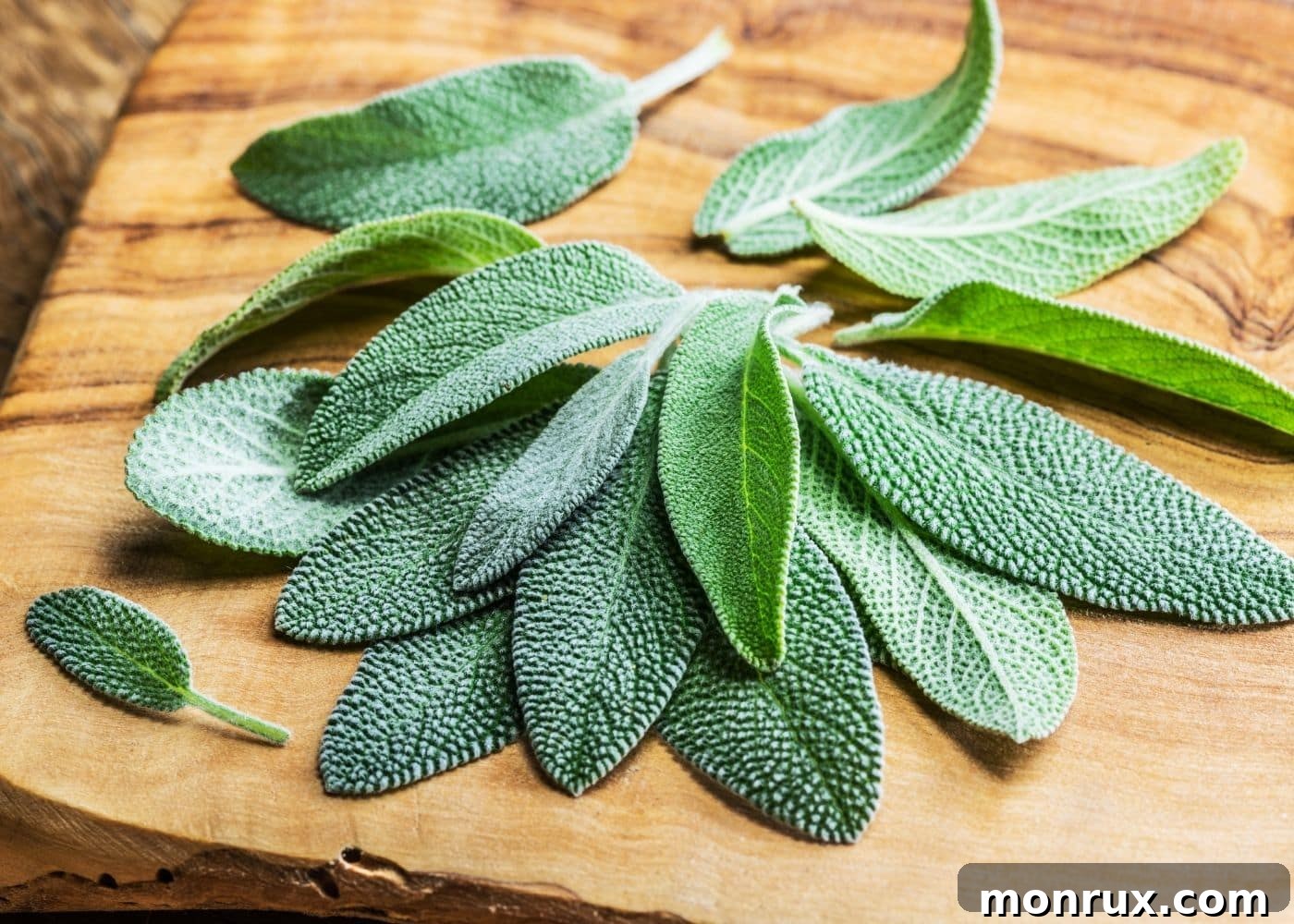
Sage, with its distinct earthy, slightly peppery, and pine-like notes, is a beloved herb that adds a unique warmth to a myriad of dishes. From hearty stuffing and roasted meats to delicate pasta sauces and vegetable preparations, its unmistakable flavor is often a cornerstone of culinary traditions, especially during holiday seasons. However, what happens when your recipe calls for this flavorful herb, but you find your pantry bare? Don’t let a missing ingredient derail your cooking plans! Fortunately, there are several excellent alternatives that can step in to save your meal.
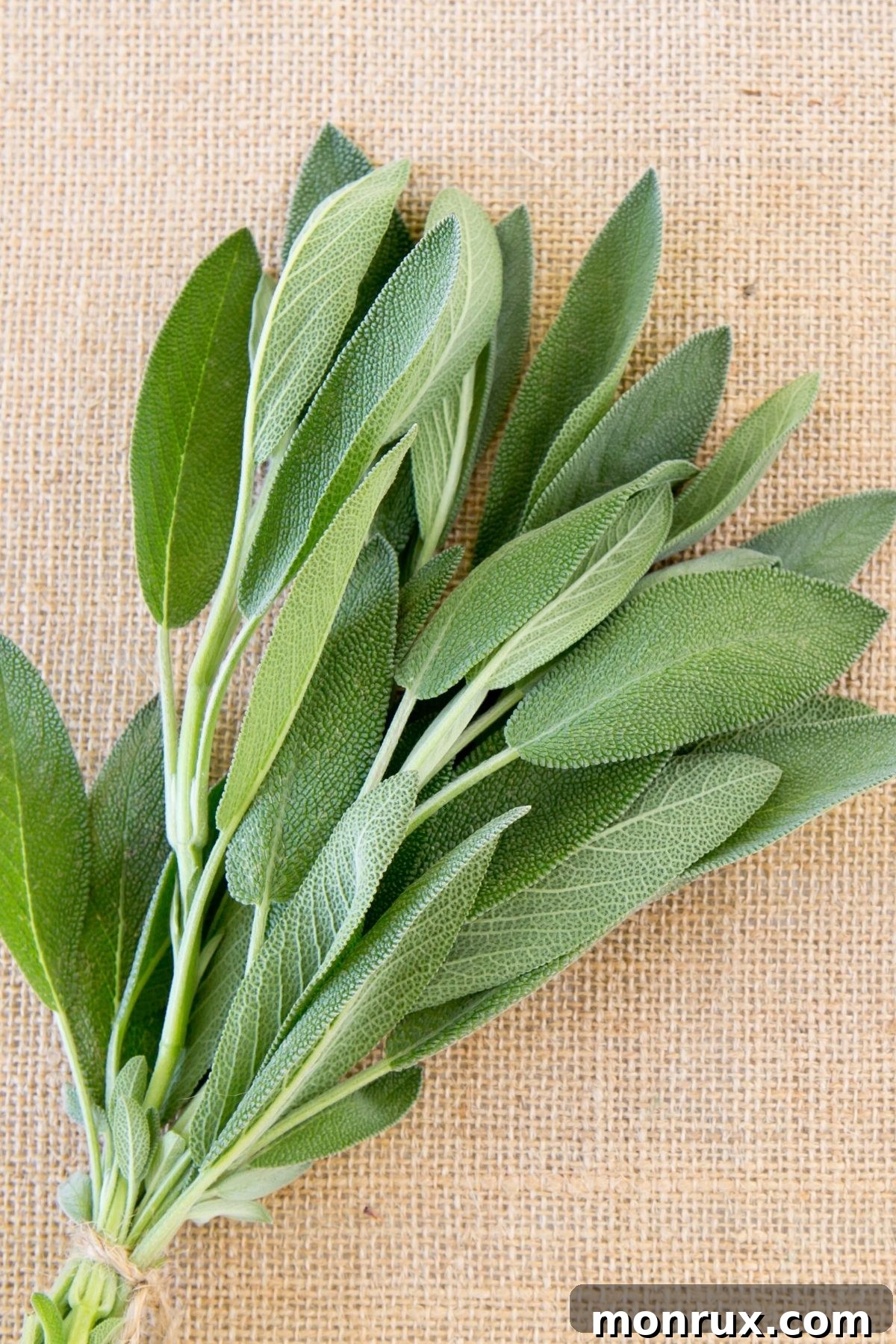
This comprehensive guide dives deep into the world of herb substitutions, offering seven simple yet effective alternatives for both dried and fresh sage. Whether you’re looking for a close flavor match or a versatile herb that can bring a similar essence to your dish, you’ll find the perfect solution here. We’ll explore each substitute’s unique characteristics, ideal applications, and precise substitution ratios, ensuring your culinary creations remain flavorful and satisfying.
Understanding Sage: Flavor Profile and Characteristics
Before exploring substitutes, it’s helpful to understand what makes sage so special. Sage, scientifically known as Salvia officinalis, is a perennial evergreen shrub belonging to the mint family (Lamiaceae). This botanical kinship explains its aromatic qualities and connection to other popular herbs like rosemary, thyme, and oregano.
The flavor profile of sage is complex and robust. It’s often described as pungent, earthy, and savory, with subtle hints of citrus, pine, and eucalyptus. Some even detect a faint peppery undertone. This multifaceted taste allows sage to pair exceptionally well with rich foods, cutting through fattiness and adding depth. It’s a staple in Mediterranean cuisine, classic British dishes, and is almost synonymous with Thanksgiving turkey and holiday stuffing.
Because of its strong flavor, sage is typically used in moderation. A little goes a long way, particularly with dried sage, which is more concentrated than its fresh counterpart. Whether you call it garden sage, common sage, or its scientific name, its culinary impact is undeniable.
Why You Might Need a Sage Substitute
Even the most organized cooks can find themselves in a pinch. There are several common reasons why you might be searching for a sage alternative:
- Out of Stock: The most straightforward reason – you simply ran out of sage, or it’s not available at your local grocery store.
- Dislike the Flavor: While many adore sage, its potent taste isn’t for everyone. A substitute can offer a milder or slightly different aromatic profile.
- Dietary Restrictions/Allergies: Though rare, if someone has an allergy or sensitivity to sage, alternatives become essential.
- Seeking Variety: Sometimes, you might want to experiment with different flavors to put a new spin on a classic dish.
No matter the reason, having a list of reliable sage substitutes in your culinary arsenal can make your cooking experience smoother and more adventurous.
General Tips for Substituting Herbs
Substituting herbs successfully often comes down to a few key principles:
- Start Small: Especially with potent herbs, it’s always better to add a little less than the recipe calls for and taste as you go. You can always add more, but you can’t take it away.
- Consider the Flavor Profile: Think about the dominant notes of sage (earthy, pine, citrus) and try to match them with your chosen substitute.
- Fresh vs. Dried Ratios: Remember that dried herbs are typically 2-3 times more potent than fresh herbs. Always adjust your quantities accordingly (we’ll cover specific sage ratios below).
- Cooking Time: Some herbs release their flavor best when cooked longer, while others are best added at the end to preserve their delicate notes.
- Experiment: Don’t be afraid to try different combinations or proportions. Cooking is an art, and personal preference plays a huge role!
Top 7 Substitutes for Sage
Here are the best alternatives to sage, each offering a unique twist to your dishes:
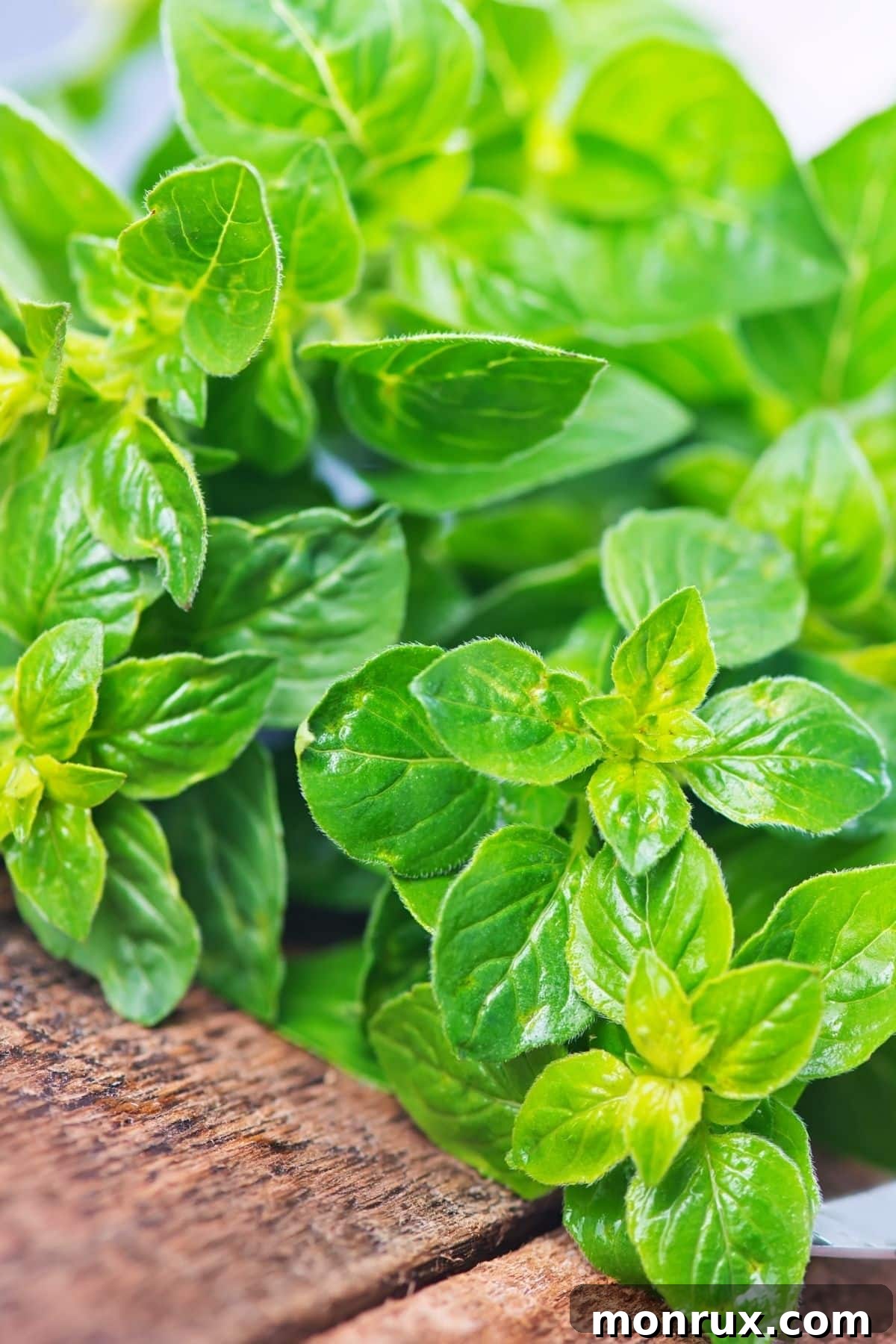
1. Marjoram
Marjoram stands out as the top choice for substituting sage due to its remarkably similar flavor profile. Like sage, it belongs to the mint family and carries delightful notes of pine and citrus, along with a slightly floral and woodsy undertone. Many describe marjoram as a milder, sweeter version of oregano, making it an excellent bridge to sage’s taste without being overwhelming.
Its delicate flavor is less assertive than sage but still provides a warm, aromatic quality that complements a wide range of dishes. Marjoram is particularly well-suited for meats, poultry, fish, and tomato-based pasta sauces. However, unlike sage, marjoram’s potency diminishes significantly with prolonged cooking. For best results, incorporate marjoram towards the end of the cooking process to retain its vibrant flavor and aroma.
Substitution Ratio: Substitute fresh or dried sage with equal amounts of fresh or dried marjoram. If you’re using fresh marjoram and it’s less vibrant than expected, you can slightly increase the amount.
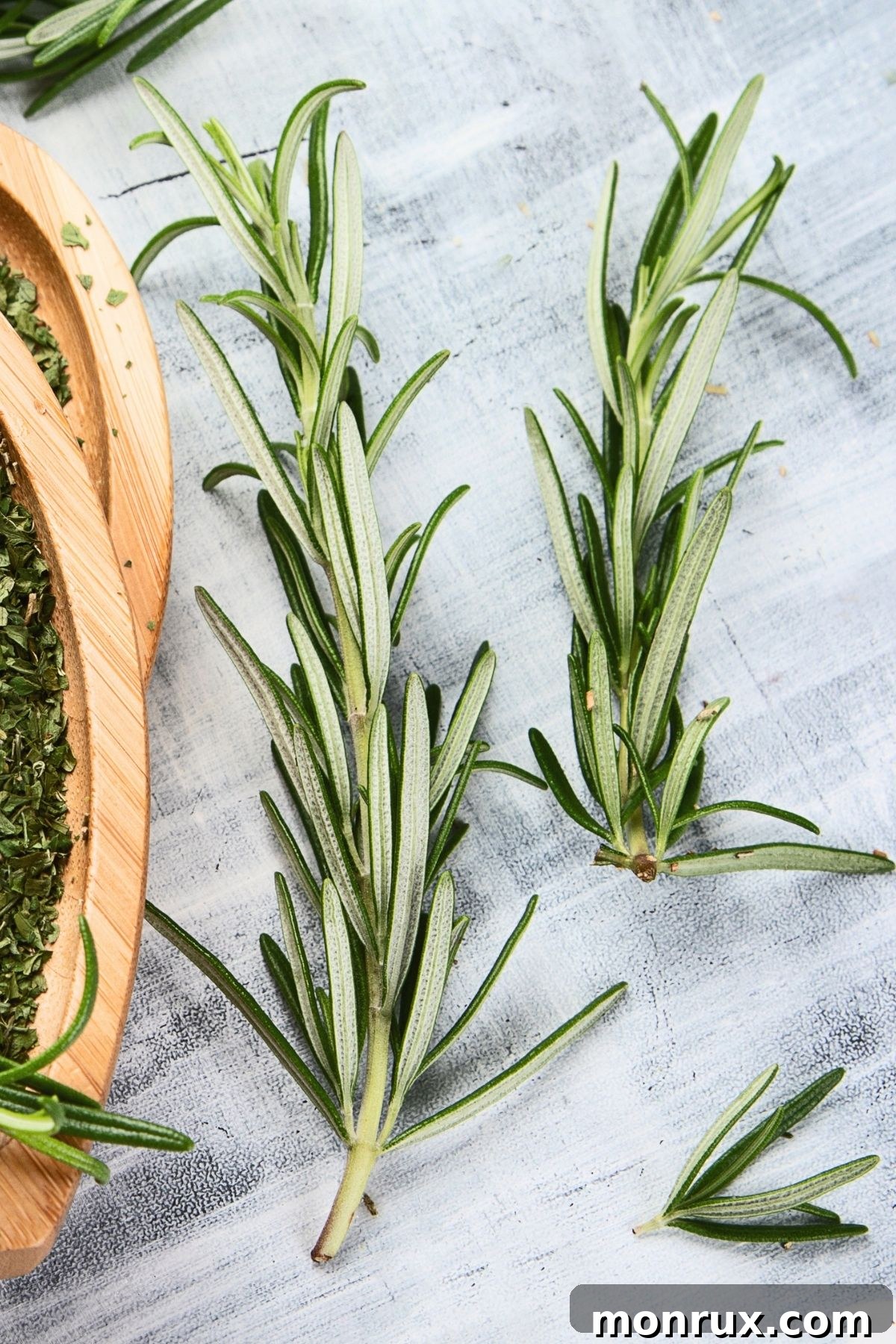
2. Rosemary
Another prominent member of the mint family, rosemary is an incredibly aromatic herb that can serve as an excellent sage substitute. It shares sage’s characteristic pine-like and citrus flavors, imparting a similar warmth and richness to food. Rosemary’s needle-like leaves release a powerful, resinous aroma that instantly elevates a dish.
However, rosemary is considerably more potent than sage, so it requires a careful hand during substitution. Overuse can easily overpower other flavors in your recipe. It’s particularly well-suited for hearty dishes like roasted chicken or lamb, potato dishes, stews, soups, and even certain breads. Due to its strong flavor, you might also consider adding it later in the cooking process or removing sprigs before serving, especially if you’re sensitive to strong herbal notes.
Substitution Ratio: Substitute one teaspoon of fresh or dried sage with approximately 1/3 teaspoon of fresh or dried rosemary. Always start with less and add more if needed, tasting as you go.
3. Poultry Seasoning
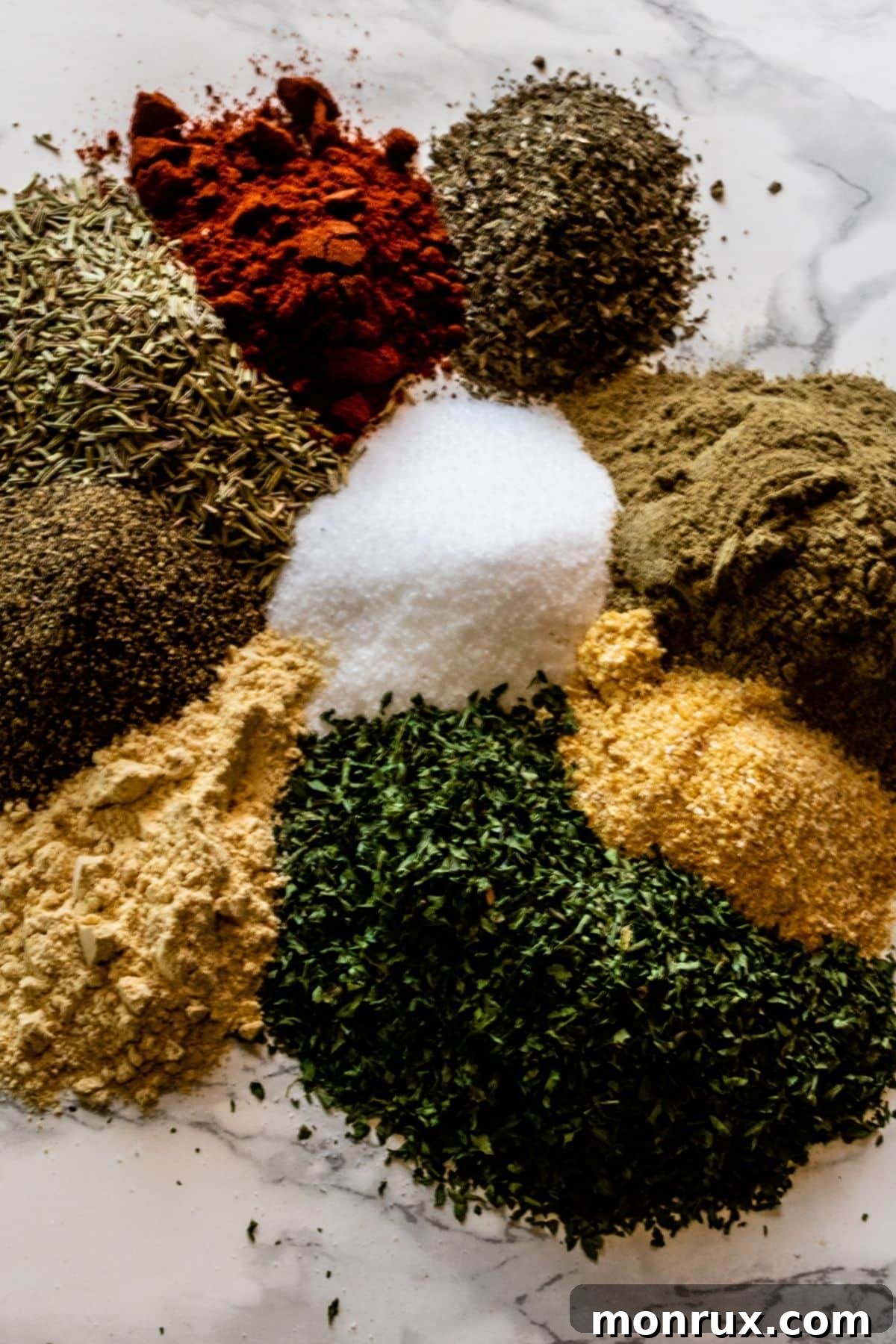
This might seem like a cheat, but poultry seasoning is a fantastic and often overlooked substitute for sage, primarily because sage is one of its primary ingredients! This spice blend typically contains a harmonious mix of herbs and spices, including sage, marjoram, rosemary, thyme, savory, nutmeg, and black pepper.
The combination of these ingredients provides a well-rounded, savory flavor that mimics sage, especially in dishes where sage is a dominant herb. It’s an ideal choice for, as the name suggests, poultry dishes (chicken, turkey), but also excels in stuffing, gravies, and pork preparations. However, because it contains other bold flavors, poultry seasoning might not be suitable for recipes where sage was intended to provide a more delicate or singular herbal note. Use it when you want that classic, savory holiday flavor profile.
Substitution Ratio: Substitute one teaspoon of dried sage with 1 teaspoon of poultry seasoning. If your recipe calls for fresh sage, use 1 tablespoon of fresh sage with 1 teaspoon of poultry seasoning (accounting for the fresh-to-dried conversion and the blend’s potency).
4. Thyme
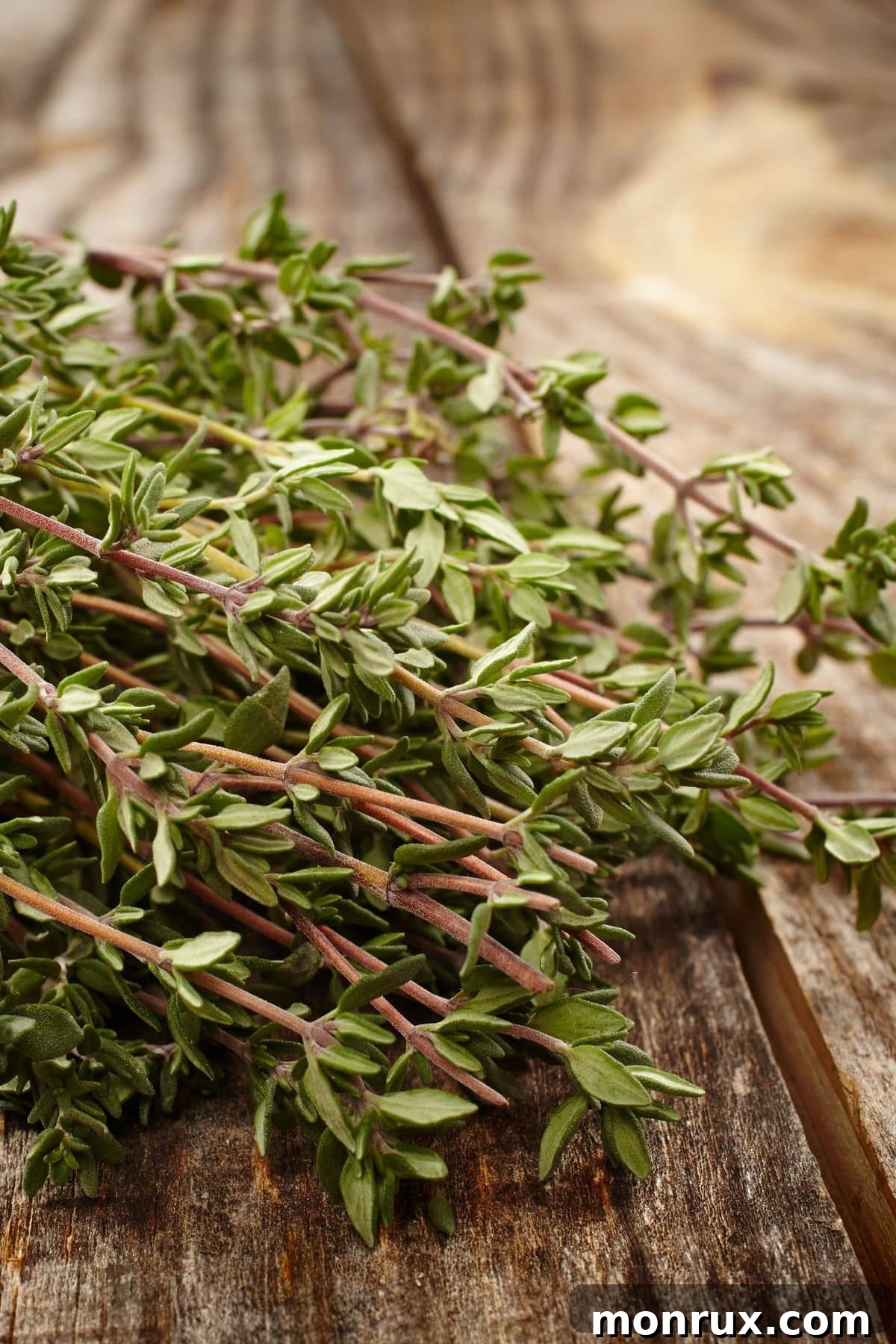
Thyme, another aromatic member of the mint family, offers a delightful woodsy and earthy flavor that is slightly milder than sage, making it a versatile substitute. Its subtle floral and peppery notes provide a comforting warmth to dishes, making it a popular choice in various cuisines.
While it shares some aromatic qualities with sage, thyme tends to lose its distinctive flavor more quickly during prolonged cooking. Therefore, if your recipe involves extended simmering or slow cooking, it’s advisable to add thyme later in the process to preserve its vibrant essence. Thyme pairs exceptionally well with meats (especially lamb and beef), root vegetables, poultry, and fish dishes, making it a reliable stand-in when sage is unavailable.
Substitution Ratio: Substitute fresh or dried sage with equal parts of fresh or dried thyme. If you find the flavor too subtle, you can slightly increase the amount.
5. Oregano
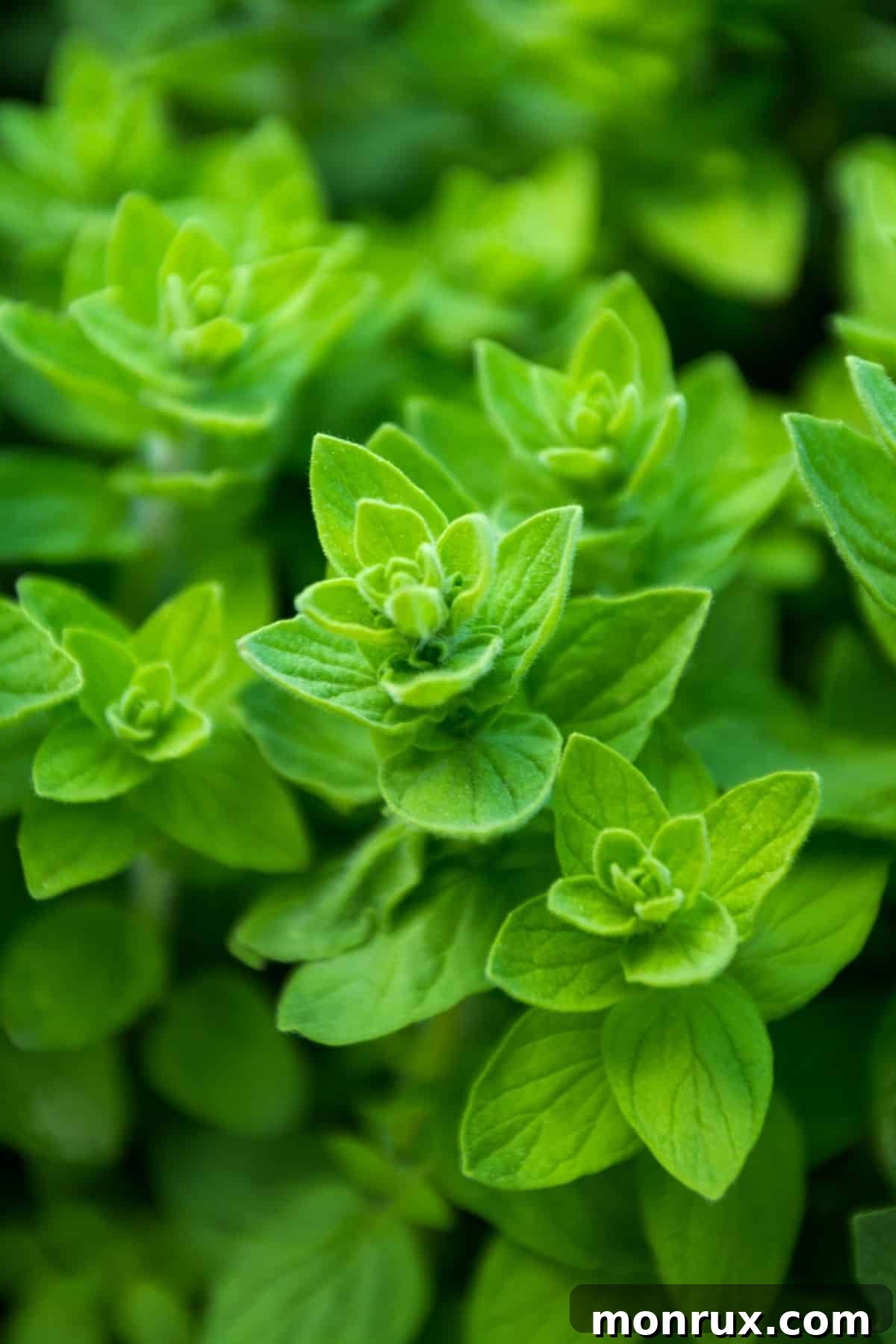
Oregano, a robust herb often associated with Mediterranean cuisine, shares an earthy tone with sage and is also part of the mint family. Its flavor can be described as slightly peppery, pungent, and sometimes a bit bitter, especially in its dried form. Fresh oregano tends to be milder and brighter, offering a flavor profile closer to that of fresh sage than dried oregano does.
When using oregano as a substitute, be mindful of its potency. It can be more assertive than sage, so it’s best to start with a smaller quantity and adjust to taste. It works wonderfully in poultry dishes, pasta sauces, pizzas, and vegetable sautés, where its bold flavor can truly shine. If you’re looking for an herb that adds a strong, savory depth, oregano is a fantastic choice.
Substitution Ratio: Substitute one teaspoon of dried or fresh sage with approximately 3/4 teaspoon of dried or fresh oregano. Adjust according to your preference and the desired intensity of flavor.
6. Tarragon
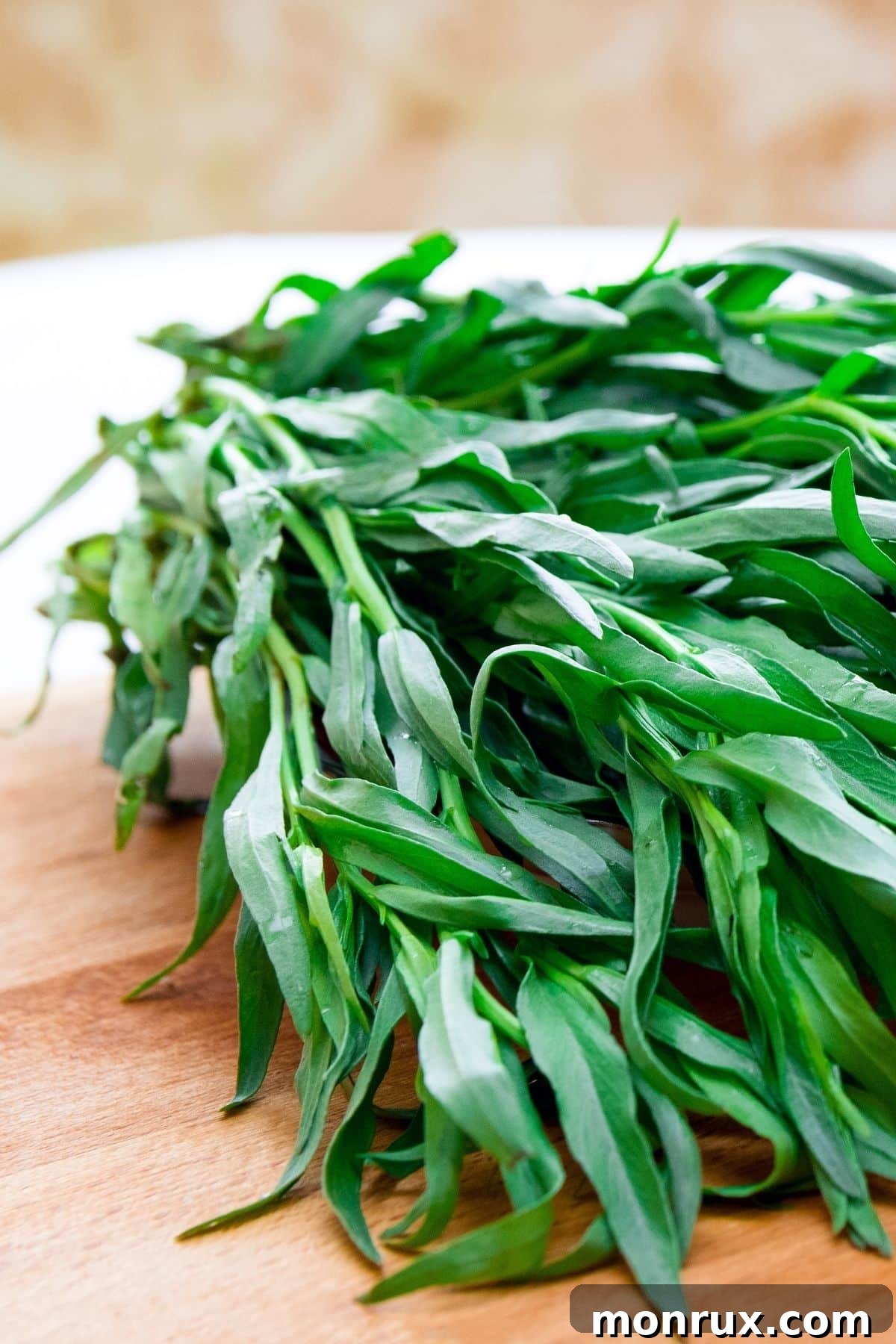
Tarragon offers a distinctive and intriguing flavor that, while not a direct replica of sage, provides a similar earthy foundation with its own unique twist. Its notes of citrus and anise (licorice) lend a sophisticated, slightly bittersweet aroma to dishes. While it doesn’t possess sage’s signature piney earthiness, tarragon can impart a comparable depth and warmth, especially when used thoughtfully.
Tarragon works particularly well in classic French cuisine, complementing chicken, fish, eggs, and various sauces (like Béarnaise). It’s also a fantastic addition to soups, stews, and vinaigrettes, where its complex flavor can truly shine. Fresh tarragon is significantly more flavorful than its dried counterpart, so if you opt for fresh, consider gently bruising the leaves before adding them to your dish to release their aromatic oils. This herb excels when paired with other aromatics like marjoram or thyme, creating a layered flavor profile.
Substitution Ratio: Substitute fresh or dried sage with equal parts of fresh or dried tarragon. If using fresh tarragon, you might even use a bit less due to its potency.
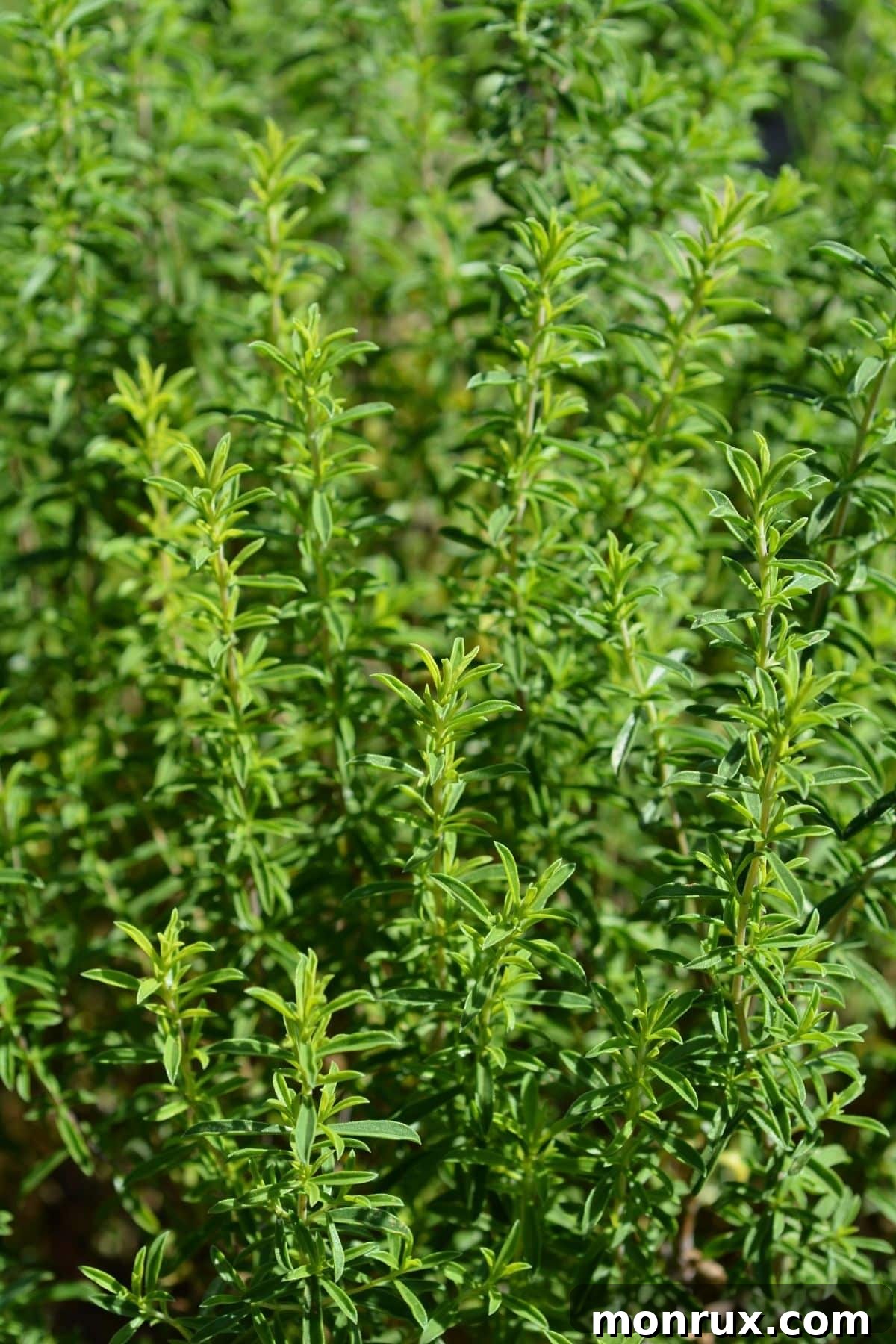
7. Savory
Savory, an herb less commonly known but equally aromatic, presents an intriguing alternative to sage. It boasts a peppery, slightly piney flavor reminiscent of both thyme and oregano, with a hint of marjoram. Savory comes in two main varieties: summer savory and winter savory.
- Summer Savory: This variety is more delicate, slightly sweet, and has a gentler, minty undertone. It’s often compared to thyme but with a spicier kick.
- Winter Savory: Winter savory is much more robust, potent, and can have a bitter edge. Its flavor is stronger and more resinous.
Both varieties make excellent additions to savory dishes, particularly poultry, beans, and stuffing, where sage is often used. If you enjoy the spice blends of Italian seasoning, you’ll likely appreciate savory, as it shares similar flavor notes. When substituting, be mindful of which type you’re using to avoid overpowering your dish.
Substitution Ratio: For summer savory, substitute fresh or dried sage with equal parts of fresh or dried summer savory. For winter savory, which is more potent, use 1/2 teaspoon of fresh or dried winter savory for every one teaspoon of fresh or dried sage.
Different Forms of Sage: Fresh, Dried, Rubbed, and Ground
Sage is available in various forms, each with its own characteristics and ideal uses, which also impacts how you might substitute it. Understanding these forms is key to successful cooking:
- Fresh Sage: Characterized by its soft, fuzzy, silvery-green leaves. Fresh sage has a bright, herbaceous, and slightly milder flavor than its dried counterparts. While delicious cooked, raw fresh sage can be quite pungent and is usually not eaten in large quantities. It’s fantastic for garnishes, infusing oils, or adding to dishes where its texture is desired.
- Dried Sage Leaves: These are whole or partially broken dried leaves. The drying process concentrates the flavors, making them more potent than fresh sage. You can mince dried leaves for use in recipes.
- Rubbed Sage: This is the most common form of dried sage found in grocery stores. It’s produced by rubbing whole dried sage leaves together, which breaks them into small, fluffy pieces. Rubbed sage is incredibly aromatic and has a slightly coarser texture than ground sage.
- Ground Sage: This form is processed further into a fine powder. Ground sage is the most potent of all varieties due to its increased surface area. It blends seamlessly into dishes and is often preferred for rubs, marinades, and smooth sauces where a uniform texture is desired.
When selecting a substitute, consider which form of sage your recipe originally called for, as this will influence the intensity of the flavor you’re trying to replicate.
Fresh vs. Dried Sage: Understanding Conversion and Usage
Many recipes specify either fresh or dried sage, and knowing how to convert between them is a fundamental skill for any cook. The general rule of thumb for converting fresh herbs to dried herbs (and vice versa) applies here: dried herbs are significantly more potent than fresh herbs because their flavors are concentrated.
As a general guide for sage conversions:
- For one tablespoon of fresh sage, use one teaspoon of rubbed sage.
- For one tablespoon of fresh sage, use 1/2 teaspoon of ground sage.
- For one teaspoon of rubbed sage, use 1/2 teaspoon of ground sage.
Always remember that these are guidelines. The exact potency can vary depending on the freshness of your dried herbs or the variety of fresh sage. It’s always a good idea to start with slightly less than the converted amount and adjust after tasting.
Beyond quantity, the timing of addition also matters:
- Fresh Sage: With its delicate flavor and texture, fresh sage is often best added towards the end of the cooking process. This preserves its bright, vibrant notes and prevents it from becoming bitter or losing its herbaceous freshness. It can also be fried quickly to create crispy garnishes.
- Dried Sage (Rubbed or Ground): The robust flavor of dried sage benefits from longer cooking times. Add it at the beginning or early stages of cooking, such as when sautéing aromatics. This allows its flavors to mellow and integrate fully into the dish, releasing its earthy warmth without being overwhelmingly pungent.
By understanding these nuances, you can confidently swap between fresh and dried sage or their substitutes, ensuring your dishes always have the perfect balance of flavor.
More Essential Herb and Ingredient Substitutes You Might Like
Mastering ingredient substitutions is a valuable skill in the kitchen. If you enjoyed learning about sage alternatives, explore these other helpful guides:
- Substitute for Bay Leaves
- Substitute for Olive Oil
- Substitute for Garam Masala
- Substitute for Lemongrass
- Substitute for Marjoram
- Substitute for Oregano
- Substitute for Turmeric
Expand Your Culinary Horizons: More Substitution Guides
Conclusion: Embrace Culinary Flexibility
Navigating the kitchen without a specific ingredient can seem daunting, but it’s also an incredible opportunity to explore new flavors and expand your culinary repertoire. This guide to sage substitutes offers you the flexibility to adapt and create delicious meals, even when your pantry isn’t fully stocked. While no substitute will perfectly replicate sage, each of these aromatic suggestions brings its own unique character, working beautifully in place of sage in various recipes.
Experiment with confidence! You might discover that the slightly different flavor profile of marjoram, the robust notes of rosemary, or the unique twist of tarragon elevates your dish in an unexpected and delightful way, perhaps even surpassing your original expectations. Happy cooking!
About the Author: Carrie Forrest has a master’s degree in public health with a specialty in nutrition and is a certified holistic nutritionist. She is a top wellness and food blogger with over 5 million annual visitors to her site. Carrie has an incredible story of recovery from chronic illness and is passionate about helping other women transform their health. Send her a message through her contact form.