If you’re seeking a comprehensive guide to a sugar-free diet meal plan, you’ve arrived at the perfect destination. This article presents a practical and delicious 7-day no added sugar meal plan, complemented by a wealth of simple yet satisfying breakfast, lunch, dinner, and snack ideas that can easily be incorporated into your daily routine. This invaluable resource comes from a certified holistic nutritionist holding a master’s degree in public health, ensuring a well-informed and health-focused approach to cutting out added sugars.
Embarking on a Sugar-Free Lifestyle
Whether your goal is to shed excess weight, boost your energy levels, or simply embrace a healthier way of living, consciously reducing your intake of added sugars stands as one of the most impactful dietary changes you can make. It’s a foundational step towards overall well-being.
As someone who once struggled with a strong affinity for sugar, I understand the challenges and triumphs involved in breaking free from its grip. My personal journey inspired me to develop effective strategies for getting off the sugar rollercoaster and truly savoring the nourishing flavors of real, whole foods. This guide is built upon those very principles.
Many people worry about what they *can* eat on a sugar-free diet, fearing a bland and restrictive experience. Rest assured, this plan is far from that! My approach emphasizes variety, flavor, and satisfaction, utilizing an abundance of whole foods that are naturally low in added sugars.
Unlike some highly restrictive plans that might limit you to monotonous meals, my philosophy champions balanced macronutrients – plenty of protein, healthy fats, and complex carbohydrates. This ensures your body receives the fuel it needs while keeping cravings at bay.
With a background as a nutrition expert, complemented by a master’s degree in public health, I am committed to providing evidence-based, practical advice. My goal is to empower you with the knowledge and tools needed to successfully reduce added sugars from your diet and cultivate a healthier relationship with food.
Understanding Your Sugar-Free Diet: Overview
When you commit to a no-sugar diet, you might initially feel overwhelmed by the thought of limiting choices. However, the reality is quite the opposite! A world of delicious and diverse whole foods awaits. In essence, by simply avoiding processed foods and focusing on ingredients in their natural state, you will inherently gravitate towards an anti-inflammatory diet that is significantly low in added sugars.
A truly satisfying sugar-free diet doesn’t have to feel limited or leave you perpetually hungry. This plan will introduce you to flavorful and nourishing breakfast, lunch, and dinner ideas, all meticulously crafted without any added sugars. This means no refined sugars, high-fructose corn syrup, or even natural sweeteners like maple syrup or honey, unless specified as a rare, measured indulgence. The focus shifts to appreciating the subtle sweetness found in fruits and certain vegetables.
For a comprehensive guide on suitable ingredients, explore my clean eating food list, which outlines foods that form the cornerstone of a real food approach. Additionally, learn how to eat clean without resorting to deprivation, ensuring you remain satisfied and energized. Furthermore, for those embarking on this journey, my expert tips for going sugar-free can help you navigate the transition smoothly and effectively, minimizing potential frustration.
Nourishing No-Sugar Breakfast Ideas
Starting your day with a savory breakfast is a powerful strategy when going sugar-free. This immediately signals to your brain that sugar is not on the menu, helping to stabilize blood sugar levels from the outset and effectively curbing morning sugar cravings. Prioritizing protein in your first meal is key.
While avoiding added sugars, don’t shy away from incorporating whole fruits into your breakfast in moderation. Fruit, in its natural, unprocessed form (as opposed to fruit juice), is packed with beneficial antioxidants, essential fiber, and natural sugars. These natural sugars are metabolized differently due to the fiber content, leading to a more gradual rise in blood sugar.
When planning your breakfast, aim for at least 25 grams of protein. This significant protein intake is crucial for maintaining stable blood sugar throughout the morning and has been shown to reduce hunger later in the day, setting you up for success.
If you find yourself needing a touch of sweetness for your coffee or tea, explore healthier options beyond refined sugar. My article on the best sugar substitutes offers excellent guidance on natural alternatives. It’s generally advisable to steer clear of artificial sweeteners whenever possible, as they can sometimes perpetuate sugar cravings and may have other undesirable effects.
Here are some delicious and satisfying no-added-sugar breakfast ideas:
- Protein-Packed Egg Muffins: Customize with your favorite lean meats like ham, sausage, or bacon, and plenty of chopped vegetables for a grab-and-go meal.
- Energizing Green Smoothie: Blend leafy greens, berries (for natural sweetness), and a scoop of collagen protein or your preferred protein powder for a nutrient-dense start.
- Smart Leftovers: Repurpose dinner from the previous night. Many savory dinner dishes make excellent, quick, and satisfying breakfasts.
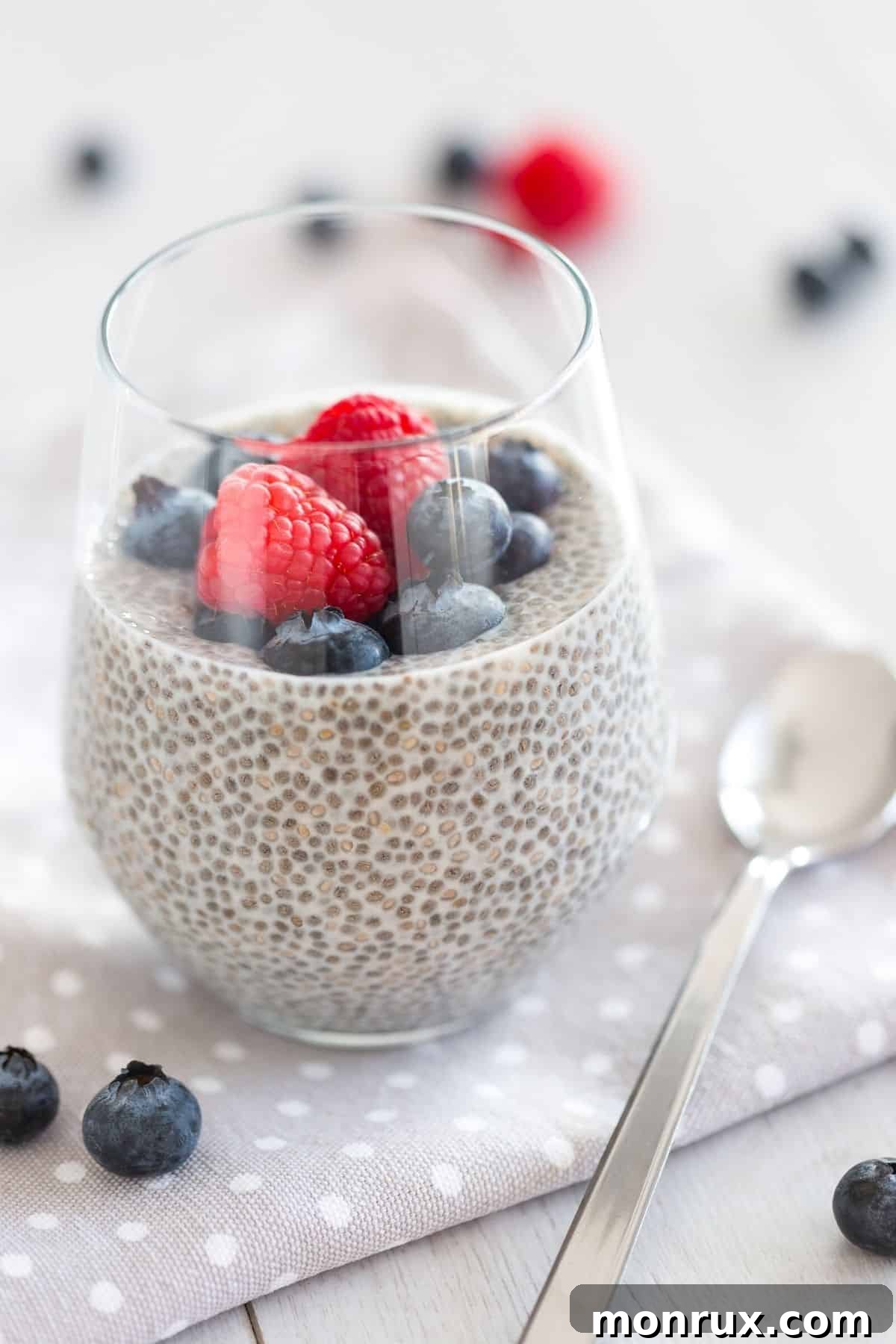
- Creamy Chia Pudding: Prepare with unsweetened plant-based milk and sweeten naturally with a handful of fresh berries.
It’s wise to skip sugary culprits like fruit juices (even “100% juice” lacks fiber and concentrates natural sugars) and most breakfast cereals, which are often laden with hidden sugars. Instead, focus on filling up with the healthy, whole foods mentioned above.
Furthermore, avoid the sugar-heavy coffee drinks prevalent at most coffee shops. Opt for black coffee or unsweetened tea. If you require a hint of sweetness, use a tiny amount of a natural sugar or consult my guide on natural sugar substitutes.
Satisfying Sugar-Free Lunch Ideas
Lunch is an excellent opportunity to replenish your body with essential antioxidants from fruits, starchy vegetables, or leafy greens, alongside a robust serving of protein and healthy fats. The key to sustained energy and satiety lies in balancing your meals with these crucial macronutrients.
By consciously balancing fats, carbohydrates, and protein, any natural sugars or complex carbohydrates you consume at lunch will be efficiently utilized as sustained energy throughout your afternoon, rather than being stored as unwanted fat. This approach helps maintain stable blood sugar levels, preventing the dreaded afternoon energy crash.
A crucial tip for sugar-free lunches: always make your own homemade salad dressings. Store-bought dressings are notorious for containing surprising amounts of hidden added sugars. Similarly, develop a habit of diligently reading the labels and ingredients list on any packaged foods to ensure no sneaky sugars are included.
Here are some inspiring no-sugar lunch ideas to keep you energized:
- Nutrient-Dense Power Bowl: Combine wholesome whole grains (like quinoa or brown rice), protein-rich legumes, baked fish or succulent roast chicken, and creamy avocado. Load it with a variety of colorful fresh vegetables for a complete meal.
- Customized Salad with Lean Protein: Start with a base of crisp greens, then top it with a grilled hamburger patty, perfectly sliced sausage, or another lean protein source. Pile on tons of raw, shredded veggies like carrots, bell peppers, and cucumbers for crunch and nutrients.
- Hearty Hot Soup: Opt for a soup brimming with an assortment of vegetables, a lean protein, and wholesome beans. A dollop of unsweetened coconut yogurt can add a creamy texture without the sugar. Consider my low-carb Instant Pot Vegetable Beef Stew for a warming and nutritious option.

Delicious Sugar-Free Dinner Recipes
After a day of consciously avoiding added sugars, you might find yourself craving a little something sweet. This is perfectly normal! Feel free to pair your sugar-free dinner with a sensible piece of whole fruit or a thoughtfully prepared healthy baked treat that adheres to the no-added-sugar guidelines. Many people also find that a small piece of high-quality dark chocolate (70% cocoa or higher) serves as a wonderfully satisfying and healthy after-dinner indulgence, offering antioxidants without excessive sugar.
Dinner can be a fantastic opportunity for robust, flavorful meals that leave you feeling fully satisfied. Focus on rich proteins, an abundance of non-starchy vegetables, and smart complex carbohydrate choices.
Explore these delightful no-sugar dinner ideas for your evening meal:
- Comforting Hearty Stew: Prepare a wholesome stew generously packed with nutritious vegetables, tender grass-fed roast, and hearty red potatoes. My Slow Cooker Pot Roast is a perfect example of a flavorful, slow-cooked meal without added sugars.
- Flavorful Beans and Rice Bowl: Create a vibrant bowl with fiber-rich beans and brown rice, generously topped with creamy, homemade guacamole for healthy fats and flavor. Ensure any sauces or seasonings used are sugar-free.
- Classic Roast Chicken Dinner: Enjoy succulent roast chicken served alongside naturally sweet roasted butternut squash and vibrant steamed spinach. Alternatively, try something like my tender Crockpot Chicken Thighs with Green Chiles, offering a delicious kick without refined sugars.
- Spicy Instant Pot Beef Chili: A warming and satisfying meal, try a robust Instant Pot Beef Chili with Sweet Potatoes, packed with protein and vegetables, and naturally sweetened by the sweet potatoes.
Your 7-Day No-Added Sugar Meal Plan
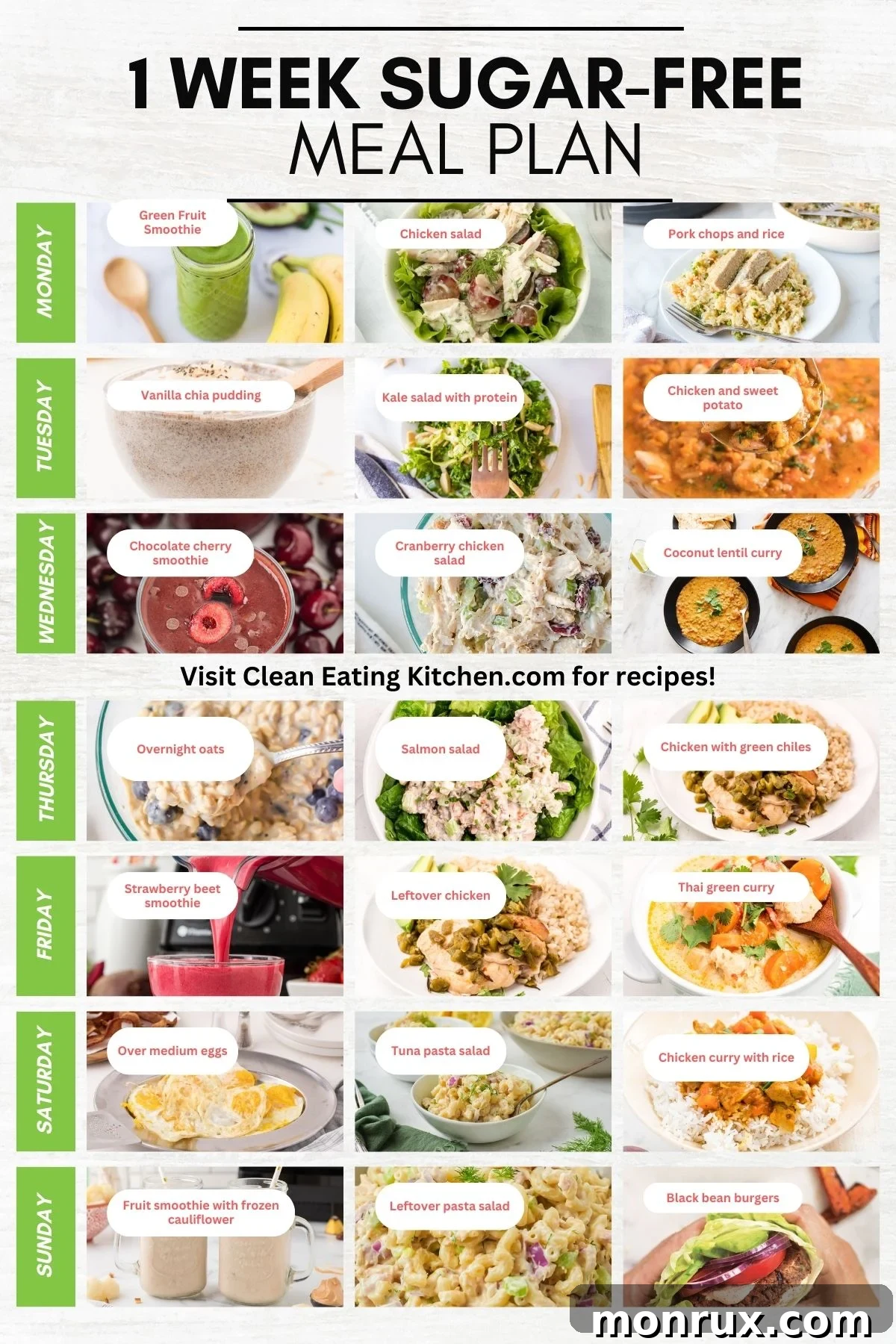
This meticulously designed No Sugar Diet Meal Plan serves as a practical, inspiring example of how to enjoy seven full days of eating without any added sugars. While you will be intentionally avoiding common added sweeteners like honey, cane sugar, and maple syrup, you can still experience a delightful natural sweetness from whole fruits and starchy vegetables such as sweet potatoes.
You’ll likely discover that after the initial week of committing to a sugar-free lifestyle, resisting sweet temptations becomes significantly easier. Your taste buds will begin to recalibrate, allowing you to appreciate the natural flavors of nourishing foods more keenly. Adopting a low-sugar diet not only helps to stabilize your energy levels throughout the day but also significantly reduces your risk of developing chronic health issues such as heart disease and insulin resistance.
As with any significant dietary change, it is always recommended to consult with your healthcare provider to ensure this plan aligns with your individual health needs and conditions. This particular diet plan is also consciously designed to be both dairy-free and gluten-free, accommodating common dietary sensitivities.
Monday Meal Plan
- Breakfast: Start fresh with a Weight Loss Green Smoothie, packed with vitamins and natural energy.
- Lunch: Enjoy a light yet satisfying Easy Clean Eating Chicken Salad, served over a bed of fresh greens or protein-rich cooked quinoa.
- Dinner: Opt for a hearty Lentil Salad with Wild Rice (enhanced with avocado for healthy fats) or the flavorful Instant Pot Pork Chops and Rice.
Tuesday Meal Plan
- Breakfast: Indulge in a creamy Whole30 Vanilla Chia Pudding, naturally sweetened and satisfying.
- Lunch: Revitalize with an Erewhon Kale Salad, paired with grilled salmon or your preferred lean protein.
- Dinner: Simplify your evening with an Instant Pot Easy Chicken & Sweet Potato Dinner, a perfect balanced meal.
Wednesday Meal Plan
- Breakfast: Enjoy a delicious and antioxidant-rich Chocolate Cherry Smoothie.
- Lunch: Repurpose leftovers from Monday with a refreshing Healthy Chicken Salad served on greens or cooked quinoa.
- Dinner: Savor a warming Vegan Lentil Coconut Curry served with rice, or a comforting Chicken Broccoli Rice Casserole.
Thursday Meal Plan
- Breakfast: Prepare Overnight Protein Oats (sweetened with sliced banana instead of maple syrup/honey) or any of my nourishing Cancer Fighting Smoothies.
- Lunch: Enjoy a savory Salmon Salad with Mayo, served on top of fresh greens, cooked quinoa, rice, or wild rice (ensure relish is sugar-free).
- Dinner: Delight in Crockpot Chicken Thighs with Green Chiles served with rice and steamed veggies, or flavorful Mexican Potatoes.
Friday Meal Plan
- Breakfast: Blend a vibrant and nutritious Strawberry Beet Smoothie.
- Lunch: Enjoy delicious Salmon Salad with Mayo leftovers from Thursday, served on greens, quinoa, or rice.
- Dinner: Warm up with an Instant Pot Thai Curry Chicken Soup (remember to omit coconut sugar or other added sweeteners).
Saturday Meal Plan
- Breakfast: Opt for a refreshing Acai Smoothie with Coconut or classic Over Medium Eggs with your choice of savory sides.
- Lunch: Prepare a wholesome and filling Healthy Tuna Pasta Salad (ensure pasta and dressing are sugar-free).
- Dinner: Savor the rich flavors of Instant Pot Chicken Curry, a satisfying and aromatic meal.
Sunday Meal Plan
- Breakfast: Try a unique and nutrient-dense Cauliflower Smoothie, surprisingly creamy and delicious.
- Lunch: Enjoy the convenient and tasty Healthy Tuna Pasta Salad leftovers from Saturday.
- Dinner: Conclude your week with delicious Vegetarian Black Bean Burgers with Sweet Potato Fries, a satisfying and flavorful combination.
Wholesome Sugar-Free Snacks
- Crunchy Air Fryer Kale Chips, a healthy alternative to potato chips.
- Savory Garlic Roasted Chickpeas, perfect for a protein and fiber boost.
- Creamy Peanut Butter Chia Pudding, made with homemade Almond Milk for a guilt-free treat.
- Protein-rich Keto Deviled Eggs, a satisfying and easy snack.
- Energizing Keto Trail Mix, a blend of nuts and seeds for sustained energy.
- Refreshing Sugar-Free Pomegranate Popsicles, a naturally sweet and cooling treat.
Other effortlessly simple snacks with absolutely no added sugars include:
- Nutrient-dense hard-boiled eggs.
- Crisp baby carrots paired with creamy, plain hummus.
- Plain Greek yogurt (check labels for no added sugar) with a handful of fresh berries.
- A satisfying handful of almonds or your favorite unsalted nuts and seeds.
- Sliced apple with natural nut butter (always check the label to ensure no added sugars or oils).
- And, of course, smart leftovers from any of your sugar-free breakfast, lunch, or dinner meals.
Additional Sugar-Free Resources
- Sugar-Free Foods to Stock Your Pantry: A comprehensive list to help you build a sugar-free kitchen.
- Best Sugar-Free Jerky: Savory snack options for when you’re on the go.
- Weight Loss Tips for Women: Holistic advice for achieving your health goals.
- Join my free 30-Day Sugar Free Challenge and embark on this journey with support!
- Leaky Gut Diet Plan: For those looking to support gut health while going sugar-free.
The Profound Benefits of Going Sugar-Free
Let’s delve deeper into why excessive sugar consumption poses significant health risks and why transitioning to a sugar-free diet can be so transformative for your well-being.
In many parts of the world, particularly in Western societies, sugar consumption has reached alarmingly high levels. The average American, for instance, consumes at least 17 teaspoons of sugar daily. This drastically exceeds the recommended guidelines of less than 6 teaspoons for women and 9 teaspoons for men, highlighting a widespread dietary imbalance.
The consequences of this overconsumption are stark. Roughly 39% of American adults are classified as obese, and a growing body of evidence strongly indicates that sugar is a major contributing factor to this public health crisis. Beyond weight gain, chronic high sugar intake is linked to a cascade of adverse health outcomes, including increased risk of type 2 diabetes, heart disease, chronic inflammation, certain cancers, and even cognitive decline.
One of the most insidious aspects of sugar is its pervasive presence in the “standard American diet.” Chances are, if you’re eating processed foods, sugar lurks in nearly everything you consume – and not just in overtly sweet items. It’s a “sneaky” ingredient that food manufacturers cleverly integrate into a vast array of savory products, making it incredibly difficult to track your true intake.
Food manufacturers often employ various aliases for sugar on ingredient labels, designed to obscure its presence and quantity. These hidden sugars can be found in unexpected places like breads, pasta sauces, salad dressings, yogurt, condiments, and even savory snacks. Learning to identify these different names (such as dextrose, fructose, corn syrup, maltose, sucrose, and many others) is a vital step in truly adopting a sugar-free lifestyle. By becoming a label detective, you empower yourself to make informed choices and reclaim control over your health, shifting away from the hyper-palatable, sugar-laden processed foods towards a diet rich in whole, unprocessed ingredients that naturally support your well-being.
Frequently Asked Questions About a Sugar-Free Diet
The term “sugar-free” can be interpreted in several ways, often leading to confusion. For many, it implies avoiding processed or refined sugars, while still permitting natural sugars found in whole foods. Others take a more stringent approach, limiting both processed sugars and certain natural sugars. Then there are those who avoid all forms of sugar and even natural sweeteners like stevia or monk fruit. If you’re considering a more radical elimination, exploring a sugar detox might be beneficial.
For the purpose of this article and meal plan, we adopt a moderate yet highly effective approach: strictly eliminating processed and refined added sugars, while allowing natural sugars predominantly from whole fruits in moderation. This means enjoying fruit in sensible portions and reserving natural sweeteners like honey, maple syrup, or coconut sugar for very special occasions, rather than daily use.
It’s important to recognize that sugar can be an addictive substance, making the process of cutting it out feel like breaking an addiction. Be patient and compassionate with yourself if you occasionally lapse into old habits. With consistent effort and self-awareness, you can retrain your taste buds and conquer sugar cravings.
Consider these two strategies, inspired by Gretchen Rubin’s Abstainer vs. Moderator theory, and remember you can always adjust your approach:
Moderator Approach: This strategy involves limiting all sugars (both natural and processed) but allowing small, intentional, healthy treats and indulgences. A Moderator enjoys having some sugar in their diet without it spiraling into uncontrolled cravings or obsessive thoughts. This might mean allowing fruit, using minimal honey or maple syrup to sweeten homemade healthy treats, and judiciously using natural, non-caloric sweeteners like stevia or monk fruit. For safe options, refer to my list of safe sweeteners.
Abstainer Approach: Abstainers thrive on complete elimination. This means entirely cutting out all forms of sugar, including fruit, coconut sugar, and even sweet vegetables for a detox period. They might also avoid sugar-free sweeteners like stevia or monk fruit. Some strict Abstainers even go further by temporarily removing hyperpalatable foods or anything with an overtly “sweet” taste, such as certain nut butters, coconut products, or vanilla, knowing that any sweet taste can trigger cravings. Instead, indulge in healthy fats and 100% dark chocolate (if tolerated), but be mindful not to label these as “rewards” in a way that creates a negative psychological association with food. For a detailed guide, check out my sugar detox plan.
The inclusion of potatoes in a sugar-free diet depends largely on your specific goals for going sugar-free. If your primary aim is to retrain your taste buds, reduce your reliance on added sugars, and generally pursue a longer, healthier life, then potatoes can be a valuable addition. They are a nutrient-dense food, providing important vitamins, minerals, and fiber.
However, if your main objective for a sugar-free diet is to balance blood sugar levels, especially for conditions like insulin resistance or pre-diabetes, then you should be more mindful of your potato intake. Potatoes are relatively high on the glycemic index, meaning they can cause a more significant and rapid rise in blood sugar compared to non-starchy vegetables. In such cases, it’s advisable to moderate portion sizes and always pair potatoes with ample protein and healthy fats to slow down glucose absorption. Focusing on protein, healthy fats, and an abundance of non-starchy vegetables would be a more consistent approach for blood sugar stability.
To further clarify, learn more about the distinction between natural sugars vs. added sugars.
Absolutely, adopting a sugar-free diet can be an incredibly effective strategy for losing excess weight and achieving your weight loss goals. Sugar contributes to weight gain in multiple ways: it’s calorie-dense, often lacks fiber (leading to poor satiety), and significantly impacts insulin levels. When you consume sugar, your body releases insulin, which helps transport glucose into cells for energy. However, consistently high sugar intake leads to chronic insulin elevation, promoting fat storage and making it harder for your body to access stored fat for energy.
By going sugar-free, especially focusing on whole, unprocessed foods, you naturally reduce your caloric intake from empty sugars. This shift allows your body to efficiently utilize the glucose from complex carbohydrates (like starchy vegetables or whole grains) as energy, minimizing the likelihood of excess being stored as fat. Moreover, reducing sugar intake helps combat inflammation, which itself can contribute to “inflammation weight.” Many individuals report reduced cravings, better satiety, and more consistent energy levels, all of which are conducive to sustainable weight loss.
The question of eating bananas on a no-sugar diet depends on the strictness and specific definition of “no sugar” you are following. In a very strict interpretation that restricts *all* sugars, including naturally occurring ones, fruits like bananas would typically be avoided due to their natural sugar content. However, if your diet primarily restricts *added sugars* (which is the focus of this meal plan), then bananas can certainly be consumed in moderation. They offer beneficial fiber, vitamins, and minerals. It’s crucial to discuss with your healthcare provider or nutritionist how restrictive you need to be on a sugar-free approach based on your individual health objectives and conditions.
The duration it takes to detox from sugar can vary considerably, influenced by individual factors such as previous sugar consumption levels, metabolism, and overall health. Generally, the acute physical symptoms of sugar withdrawal, which can include intense cravings, headaches, fatigue, irritability, and even nausea, typically last anywhere from a few days to two weeks. During this initial phase, the body adjusts to functioning without a constant influx of refined sugar.
However, overcoming the psychological cravings and deeply ingrained habits associated with sugar consumption can take much longer. It’s not uncommon for mental cravings to persist for several weeks or even months as you work to rewire your brain’s reward system and establish new, healthier eating patterns. Consistency, patience, and a focus on nutrient-dense, whole foods are key to successfully navigating this detox period and achieving long-term freedom from sugar dependence.
More Helpful Sugar-Free Resources
Final Thoughts on Your Sugar-Free Journey
The evidence is clear: reducing your sugar intake, particularly from added sugars, offers a wealth of proven health benefits that can profoundly impact your quality of life. This comprehensive guide and 7-day meal plan are designed to empower you on your journey towards a no-sugar diet, providing practical strategies and delicious recipes.
By embracing a real food diet that minimizes added sugars, you can effectively manage your weight, alleviate chronic inflammation, stabilize blood sugar levels, and mitigate the risk of numerous health concerns. This isn’t just about restriction; it’s about discovering a vibrant world of natural flavors and experiencing sustained well-being.
Don’t forget to join my newsletter list to receive exclusive clean eating recipes, expert tips, and ongoing support. The newsletter is completely free, spam-free, and you can unsubscribe anytime.
About the Author: Carrie Forrest holds a master’s degree in public health with a specialty in nutrition and is a certified holistic nutritionist. She is a prominent wellness and food blogger, attracting over 5 million annual visitors to her site. Carrie shares an inspiring story of recovery from chronic illness and is deeply passionate about helping other women transform their health through wholesome eating. Feel free to send her a message through her contact form.
Note: this post is intended for informational purposes only and should not be considered medical advice. Always consult with your healthcare provider for personalized recommendations pertinent to your individual health situation.