In a world increasingly focused on fragmented health solutions, the concept of a holistic lifestyle offers a refreshing and profoundly effective approach to well-being. It’s not just about treating symptoms; it’s about nurturing your entire being – mind, body, and spirit – to unlock your full potential for health and happiness. If you’re ready to embark on a transformative journey towards a more balanced and vibrant life, these 7 foundational holistic lifestyle tips for beginners will guide you. Discover how to feel better, think clearer, and live more fully by embracing an integrated approach to your health.
What is Holistic Health?
Holistic health represents a profound paradigm shift in how we view well-being. Far beyond merely treating isolated symptoms, it’s a comprehensive approach that recognizes the intricate interconnectedness of every aspect of an individual’s life. At its core, holistic healthcare considers the mental, emotional, physical, and spiritual dimensions of a person, understanding that true health emerges from the balance and harmony of these elements.
This philosophy champions the idea that the “whole” person must be nurtured, not just a collection of parts. When one area is out of sync, it inevitably impacts the others. For example, chronic stress (mental/emotional) can manifest as physical ailments, while poor nutrition (physical) can lead to low mood and energy (emotional/mental).
The term “holistic” itself emerged relatively recently, gaining prominence in the 1970s, rooted in the concept of “holism” – the idea that systems and their properties should be viewed as wholes, not just as collections of their parts. However, the underlying principles of holistic health trace back much further, notably to Hippocratic medicine. Hippocrates, often called the “Father of Western Medicine,” emphasized understanding the patient as a whole, considering environmental factors, lifestyle, and innate healing capacities, alongside physical symptoms.

Throughout the 20th century, particularly with the rise of the germ theory and pharmaceutical advancements, conventional medicine increasingly adopted a symptom-focused, disease-centric model. This led to a divergence where terms like “holistic,” “alternative,” and “natural” medicine began to be seen in contrast to conventional Western medical practices.
Nevertheless, holistic health isn’t necessarily an “either/or” proposition. It can often complement conventional treatments, focusing on strengthening the individual’s inherent healing mechanisms and fostering overall resilience. It serves as an encompassing framework that includes various specific practices, such as alternative and complementary medicine, all united by the central goal of empowering individuals to take an active role in their wellness journey by embracing all aspects of their life.
A significant aspect of adopting a holistic lifestyle is its preventive power. By proactively addressing potential imbalances across mind, body, and spirit, individuals can mitigate the risk of developing chronic conditions. Moreover, for those already grappling with specific health challenges, a holistic approach can provide significant relief from common issues like chronic anxiety, persistent fatigue, emotional imbalances, digestive issues, and even support the management of metabolic syndrome, diabetes, and heart disease. It encourages a deeper connection with oneself, leading to improved relationships with food, exercise, and overall self-care.
7 Transformative Holistic Lifestyle Tips for Beginners
Embarking on a holistic lifestyle journey doesn’t require drastic changes overnight. It’s about making conscious, consistent choices that nurture your entire being. Here are seven practical and empowering tips designed for beginners, offering a roadmap to integrate holistic practices into your daily life. As always, prioritize your safety and consult with your healthcare provider before implementing significant dietary or lifestyle modifications, especially if you have existing health conditions.
1. Prioritize Whole, Nutrient-Dense Foods
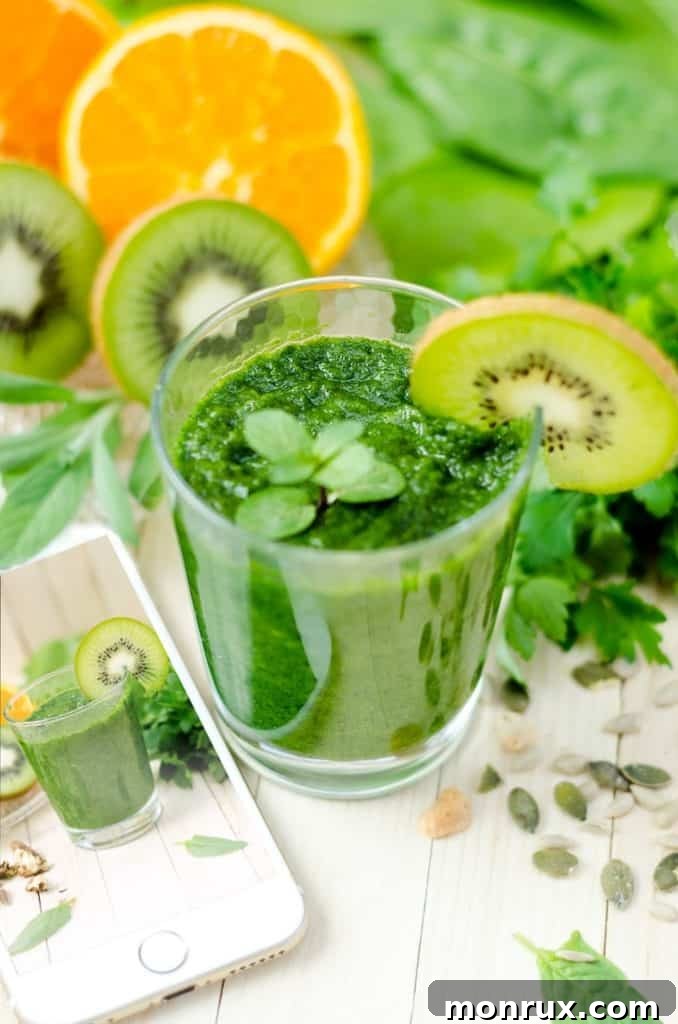
Nutrition forms the bedrock of physical health and profoundly impacts our mental and emotional states. In a holistic framework, food is not just fuel; it’s medicine, information, and a source of joy. The quality of the foods we consume directly influences our energy levels, mood stability, cognitive function, and long-term disease prevention.
While various dietary philosophies exist within the holistic health community, there’s a universal agreement on the importance of nutrient density and adequate, mindful food intake. Aim to make at least 80% of your diet consist of real, unprocessed, whole foods that come directly from nature. This means prioritizing fresh fruits, vegetables, lean proteins, healthy fats, and whole grains.
Embrace cooking at home as an opportunity to connect with your food. Spend time exploring new recipes or meal plans that feature seasonal produce. Challenge yourself to try a new vegetable each week during your grocery trips. Recreate your favorite comfort foods using wholesome, nutrient-rich ingredients, demonstrating that healthy eating can be both delicious and satisfying.
For more guidance, explore resources on foods to eat every day for a balanced diet. You might also find valuable insights in articles on clean eating basics, including how to eat clean, and a comprehensive healthy grocery shopping list. Beyond specific foods, remember to hydrate adequately with clean water and practice mindful eating, paying attention to your body’s hunger and fullness cues.

2. Cultivate Self-Awareness with a Wellness Journal
A cornerstone of embracing a holistic lifestyle is developing a deep attunement to your body’s signals. Our modern lives often distract us from truly listening to ourselves. A wellness or “symptom” journal provides a powerful tool to bridge this gap, allowing you to track your physical sensations, emotional fluctuations, and mental clarity.
Throughout your day, and especially at the beginning and end, take a few moments to check in with yourself. How are you feeling physically? Is there any tension, pain, or discomfort? What about emotionally – are you joyful, stressed, calm, or anxious? And mentally – is your mind clear, focused, or foggy? Document your activities, food intake, sleep patterns, and any noticeable symptoms or shifts in your mood or energy.
The primary goal of this journal isn’t just to record data, but to help you identify patterns and connections between your daily choices and your overall well-being. You might discover that certain foods trigger digestive issues or brain fog, or that a specific activity consistently boosts your mood and energy. This personalized insight empowers you to make informed decisions: do more of what makes you feel vibrant and happy, and consciously reduce or eliminate what depletes your energy or joy.
Such a journal doesn’t need to be lengthy or elaborate; even a few bullet points each day can be incredibly revealing. Furthermore, if you decide to consult with a holistic health practitioner, your detailed journal will be an invaluable resource, offering a personalized history that can significantly aid in diagnosis and treatment planning.

3. Practice Radical Self-Care and Inner Nurturing
This tip might sound unconventional, but adopting the mindset of caring for yourself as you would a beloved child is a profoundly transformative practice in holistic living. Children instinctively know their limits and communicate their needs for rest, nourishment, and play. As adults, societal pressures and learned behaviors often override this innate wisdom, pushing us to ignore our body’s signals.
For many, childhood experiences may not have provided a foundation of self-compassion, patience, or grace. The good news is that you have the power to “re-parent” yourself, cultivating an internal voice that prioritizes your well-being. This journey can be deeply personal and may benefit from the guidance of a qualified therapist, especially if past experiences contribute to current self-neglect patterns.
Treating yourself with the same gentle attention and unconditional love you’d offer a child helps you reconnect with your body’s inherent wisdom. It means honoring your hunger with nourishing food, allowing yourself to rest when fatigue sets in, engaging in joyful activities when boredom or emotional heaviness arises, and stepping away from overwhelm when stress mounts.
This dedication to self-nurturing fosters a deep sense of self-worth and resilience. You’ll be astonished by the tangible improvements in your physical energy, emotional stability, and mental clarity when you begin to truly listen and respond to your own fundamental needs. This radical self-care is not selfish; it’s a fundamental tenet of a sustainable holistic lifestyle and an investment in your long-term health and happiness.

4. Embrace Progress, Not Perfection
The journey towards a holistic lifestyle is a marathon, not a sprint. Every single day presents a fresh opportunity and a new set of choices. It’s crucial to adopt a mindset of self-compassion and flexibility rather than rigid perfectionism. If you find yourself deviating from your healthy habits—perhaps you missed a workout, indulged in an unhealthy meal, or sacrificed sleep for work—extend grace to yourself.
You are human, and learning is an ongoing process. This simple mantra—”take it one day at a time”—is a foundational practice of a truly sustainable holistic lifestyle. It liberates you from the burden of striving for an unattainable ideal and allows for authentic growth.
We cannot expect every day to be flawless, nor can we anticipate our circumstances to remain constant. Learning to accept things as they are, acknowledging setbacks without judgment, and consciously choosing to begin each new day with a positive, forward-looking mindset can be incredibly transformative for your overall well-being. Focus on consistency over intensity, and celebrate small victories along the way. Each conscious choice, no matter how small, moves you closer to your holistic health goals.

5. Cultivate a Healing Mindset and Personal Agency
A crucial element of a holistic lifestyle is recognizing and harnessing your body’s inherent capacity for healing and self-regulation. Many individuals who gravitate towards holistic practices may be navigating chronic illnesses or persistent symptoms, and it’s easy to feel defined by these conditions. However, fostering a belief in your ability to heal is profoundly empowering and prevents you from feeling trapped by illness.
Begin by consciously removing limiting language from your vocabulary. Instead of identifying *as* a disease (e.g., “I am diabetic”), reframe your perspective: “I am a person who experiences the symptoms of diabetes.” This subtle yet powerful linguistic shift creates a separation between your identity and your health condition, opening space for recovery and change.
Understand that all symptoms are unique, often temporary experiences, and your body possesses remarkable resilience. You have the inherent power to engage in healing practices, make choices that support recovery, and influence your well-being. This doesn’t mean ignoring medical advice, but rather embracing an active role in your healing journey alongside conventional care.
For those facing life-threatening or terminal diagnoses, this mindset shift may require significant emotional and psychological support. Seeking guidance from a therapist or counselor specializing in chronic illness or grief can provide invaluable tools to navigate these complex emotions, find peace, and maximize quality of life, regardless of prognosis. The core message is always to seek help when needed and believe in your capacity to influence your health positively.
6. Establish Healthy Boundaries and Eliminate Toxic Influences
A fundamental principle of taking charge of your holistic well-being is recognizing that you are the ultimate guardian of your life. This includes meticulously curating your environment and relationships to ensure they support, rather than detract from, your health.
For those new to a holistic lifestyle, learning to establish clear and firm boundaries around your well-being is absolutely paramount. Negativity, whether it comes from individuals, environments, or your own internal dialogue, can be profoundly toxic. It can drain your energy, compromise your immune system, and impede your emotional and mental progress.
Take an honest inventory of your life: Which relationships leave you feeling uplifted and energized, and which leave you feeling drained, criticized, or anxious? What substances (e.g., excessive alcohol, nicotine, processed foods, or even too much caffeine) actively harm your physical or mental state? Are there environments (work, home, social media) that consistently generate stress or unhappiness?
Once identified, take deliberate and courageous steps to either remove these toxic influences or significantly reduce your exposure to them. This might involve setting boundaries with demanding friends or family members, seeking professional support to break unhealthy habits, decluttering your physical space, or curating your digital consumption. Protecting your inner peace and physical health by consciously detaching from what harms you is not selfish; it’s a vital act of self-responsibility and a cornerstone of truly holistic living.
7. Actively Cultivate Joy and Positive Emotions
While often underestimated, the cultivation of positive emotions like happiness, contentment, and joy is a powerful component of holistic health. Extensive research, including studies highlighted by institutions like Berkeley’s Greater Good Science Center, demonstrates that positive emotions significantly contribute to improved physical health, greater resilience, and longer lifespans.
Making joy a conscious practice is an active step in your holistic journey. Consider starting a “joy journal” where you regularly jot down experiences, moments, people, or even small details that bring a smile to your face or warmth to your heart. This could be anything from a beautiful sunrise, a delicious cup of tea, a heartfelt conversation, to engaging in a beloved hobby.
After identifying these sources of genuine happiness, the next step is to strategically plan how to integrate more of these experiences into your daily life. Can you dedicate specific time to a hobby? Schedule regular calls with an uplifting friend? Spend more time in nature? Consciously seeking out and savoring these moments strengthens your emotional well-being and builds a positive feedback loop.
Focusing on the positive doesn’t mean ignoring challenges, but rather giving them appropriate weight. Allow negative experiences to be temporary states, acknowledging them without letting them define your overall outlook. By actively seeking and celebrating joy, you not only uplift your spirit but also profoundly enhance your mental and physical health, creating a more vibrant and fulfilling holistic life.

Frequently Asked Questions About Holistic Health
While both holistic health and functional medicine emphasize a comprehensive, patient-centered approach, their primary focuses differ. Holistic health is a broader philosophical framework that addresses the entire individual—mind, body, and spirit—to foster overall balance and well-being. Functional medicine, on the other hand, is a scientific, systems-biology-based approach that aims to identify and address the root causes of disease, often through advanced testing and personalized interventions. They are complementary; a functional medicine practitioner might use a holistic lens, and someone pursuing a holistic lifestyle might benefit from functional medicine to uncover underlying physiological dysfunctions. They often overlap in their goals of restoring optimal health, but functional medicine is typically more diagnostically driven.
Absolutely not! A holistic lifestyle is incredibly beneficial for everyone, regardless of their current health status. While it can certainly aid in managing and alleviating existing health issues, its true power lies in its preventive capacity. Embracing holistic principles is about cultivating optimal health, increasing resilience, enhancing vitality, and improving overall quality of life. It serves as a general blueprint for living a balanced, fulfilling, and proactive life, helping to prevent disease and maintain well-being long before symptoms may arise.
No, there isn’t a single, universally prescribed “holistic health diet.” The beauty of a holistic approach is its personalization. While the common thread emphasizes whole, unprocessed, nutrient-dense foods, the specific dietary recommendations often vary based on an individual’s unique constitution, genetic predispositions, health goals, and any existing conditions. Ideally, you would adopt a version of a clean eating diet that is tailored to your specific needs, often guided by principles that minimize inflammatory foods, optimize gut health, and ensure adequate intake of vitamins and minerals. Listening to your body and working with a qualified nutritionist or holistic practitioner can help you discover the most supportive eating plan for you.
No, holistic health is not tethered to any specific religion or belief system. It is a philosophy that transcends religious doctrines, focusing instead on universal principles of balance, interconnectedness, and self-care. While a holistic lifestyle often encourages individuals to explore and nurture their “spiritual side,” this doesn’t necessitate adherence to any particular religious faith. Spirituality in this context often refers to finding meaning and purpose, connecting with something greater than oneself, or fostering inner peace and mindfulness. You can absolutely practice holistic health and experience its profound benefits without subscribing to any specific religion or belief system.
Further Resources for Your Wellness Journey
Cultivating a Holistic Life: Final Thoughts
Embracing a holistic lifestyle is a profound commitment to your total well-being. It’s an expansive philosophy that encourages you to view yourself not as a collection of isolated parts, but as a complex, interconnected being deserving of consistent nurturing and integrated care. By thoughtfully applying these fundamental holistic principles, you empower yourself to significantly enhance your physical vitality, emotional resilience, mental clarity, and spiritual peace.
This journey is about developing a deeper relationship with yourself, listening to your body’s wisdom, and making conscious choices that support your highest good. Even small, consistent steps towards integrating these practices can lead to remarkable improvements in how you feel and interact with the world around you. Begin today by adopting one or two tips that resonate most with you, and gradually build a lifestyle that truly nourishes your entire being.
If your journey leads you to explore further professional guidance, you might find valuable insights in my article on how to find functional medicine doctors near me, to complement your holistic endeavors.
About the Author: Carrie Forrest holds a master’s degree in public health with a specialization in nutrition and is a certified holistic nutritionist. As a prominent wellness and food blogger, her site welcomes over 5 million annual visitors. Carrie’s inspiring story of recovery from chronic illness fuels her passion for empowering other women to transform their health journeys. You can connect with her directly through her contact form.
Disclaimer: This post is provided for informational purposes only and should not be considered medical advice. Always consult with your healthcare provider for personalized recommendations pertinent to your individual health situation.