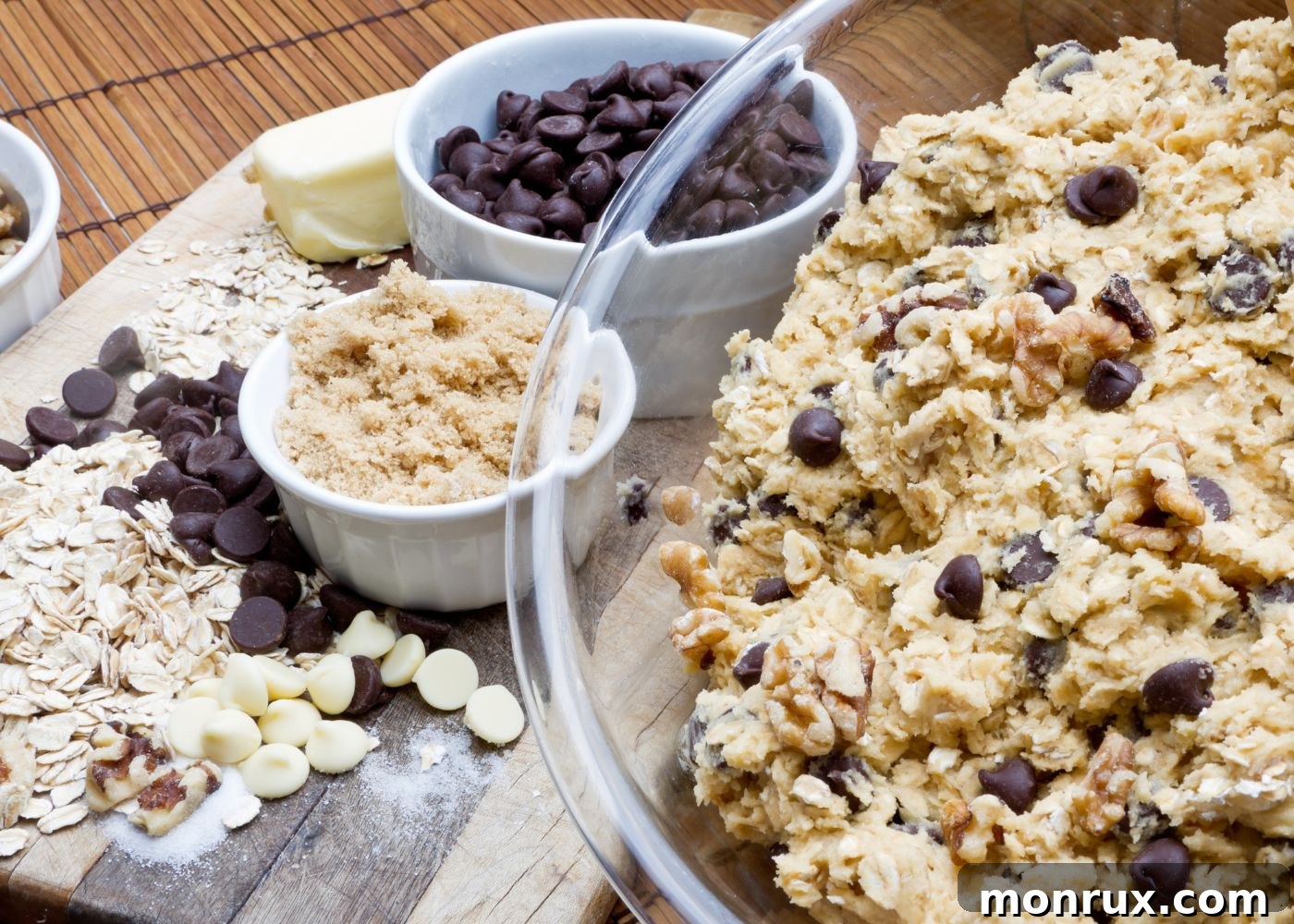
Are you craving delicious chocolate chip cookies but find yourself without butter, or perhaps you’re seeking dairy-free alternatives for dietary reasons? You’re in luck! Crafting incredible cookies without traditional butter is not only possible but often yields results so satisfying you won’t even taste the difference. This comprehensive guide explores the best butter substitutes for cookies, including healthy and flavorful options like olive oil, coconut oil, vegan butter, peanut butter, and even unique choices like pumpkin puree. Whether you’re navigating food allergies, embracing a vegan lifestyle, or simply ran out of an ingredient, this article will help you bake perfect, tender, and chewy cookies every time.
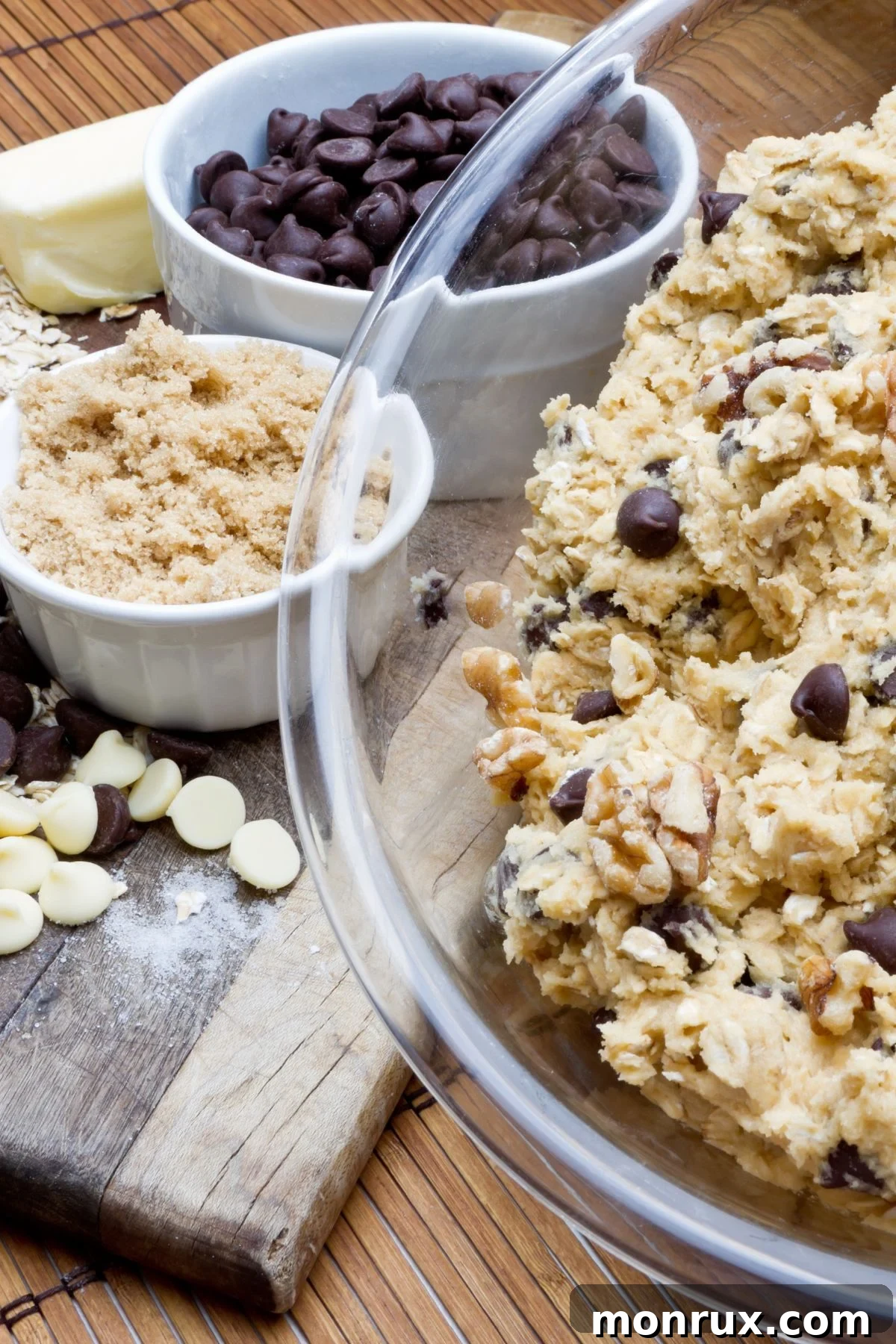
Top Substitutes for Butter in Cookies
When it comes to baking delicious cookies, butter is often considered a staple. However, whether due to dietary restrictions, health considerations, or simply running out, many fantastic alternatives can deliver equally satisfying results. From classic chocolate chip cookies to oatmeal wonders, these butter substitutes open up a world of possibilities for every baker.
While each of these alternatives can successfully replace butter, they each bring unique properties that will subtly influence the final texture and flavor of your cookies. Some may lead to a chewier cookie, while others might result in a crispier edge or a softer crumb. Don’t be afraid to experiment! Finding your personal favorite butter substitute is part of the fun of baking and can lead to new, beloved recipes that perfectly suit your taste.
Beyond butter, if you’re exploring other ingredient swaps, you might also be interested in discovering great alternatives for egg-free cookies, especially with rising egg prices. Additionally, delve into articles on using heavy cream substitutes and clever applesauce replacements in baking for a versatile kitchen.
1. Vegetable Oil or Olive Oil
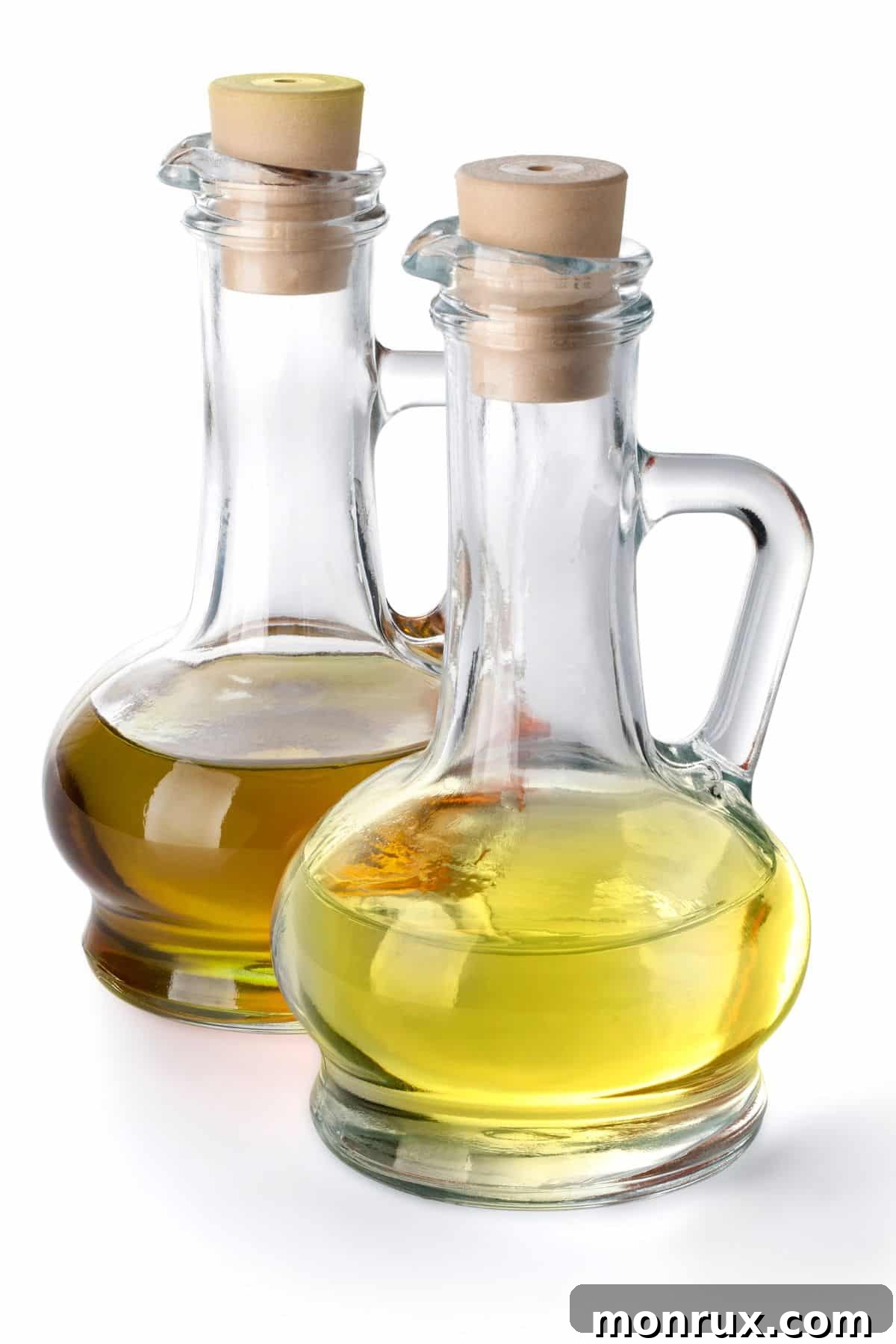
Vegetable oil and olive oil are excellent butter alternatives because they are rich in fat, providing the necessary moisture and tenderness that butter typically lends to cookies. They are also highly likely to be already present in your pantry, making them a convenient go-to option when you’re in a pinch.
Of the two, vegetable oil (such as canola oil or sunflower oil) generally has a more neutral flavor profile, meaning it won’t significantly alter the taste of your cookies. If you choose olive oil, opt for a light olive oil variant rather than extra virgin olive oil, which possesses a more robust and distinct flavor that might be too dominant in delicate cookie recipes. For an enhanced depth of flavor, especially when using a neutral oil, consider adding a pinch of extra salt to your cookie dough.
One key difference to note is that oil can cause cookies to spread more than butter does. To counteract this and prevent overly crispy edges, you might consider slightly lowering your oven temperature or chilling the dough before baking. While vegetable oils are convenient, it’s worth noting that many are considered inflammatory. For a healthier alternative, olive oil is often preferred, and it’s featured on lists of safest cooking oils.
Substitution Ratio: For every 1 cup of butter, use 3/4 cup of vegetable oil, light olive oil, or any other neutral-flavored oil. This slight reduction accounts for oil’s higher fat content compared to butter.
2. Coconut Oil
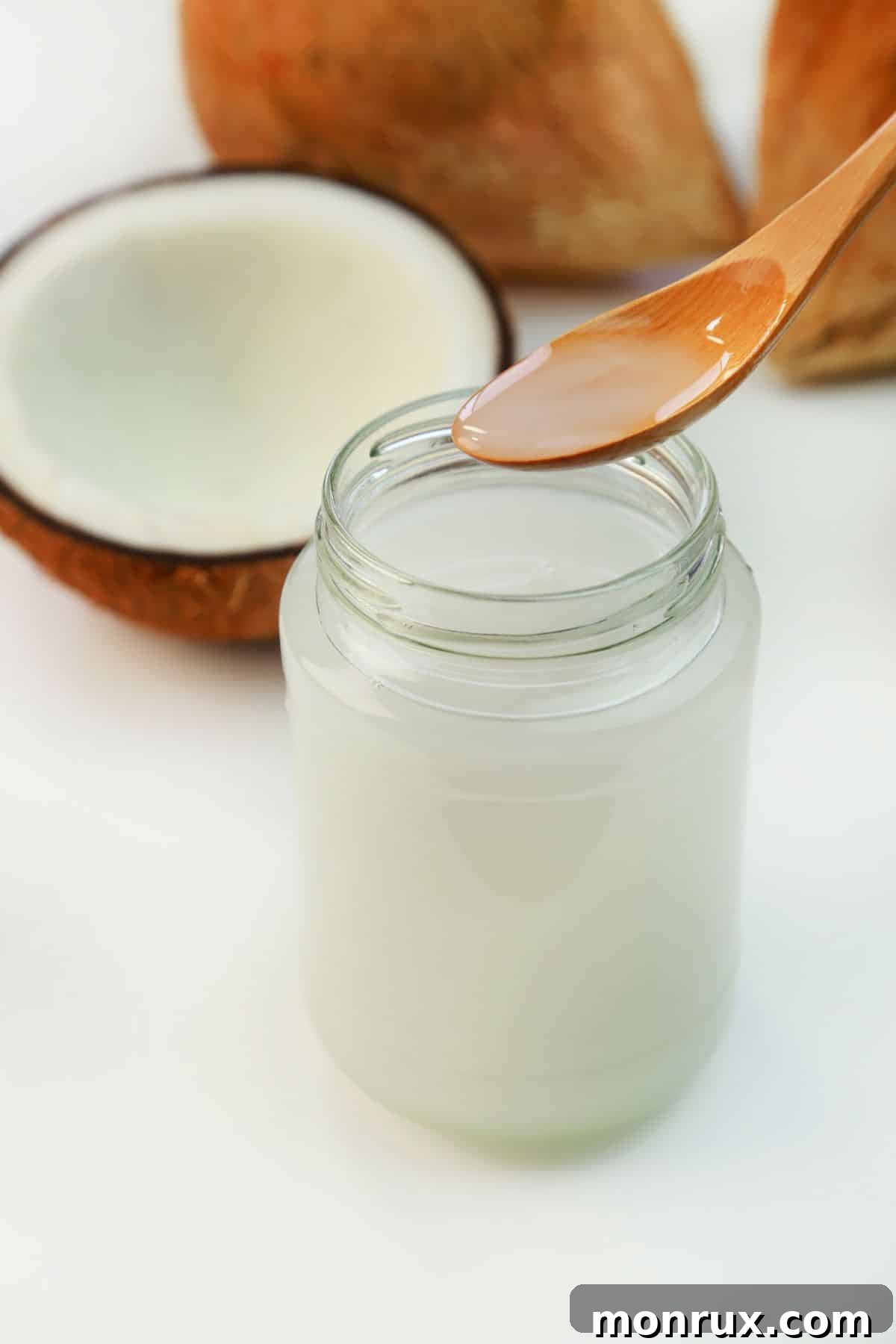
Coconut oil stands out as an excellent plant-based butter substitute, particularly favored in vegan and dairy-free baking. It consistently delivers chewy cookies with delightfully crispy edges, mirroring many of the desirable qualities of butter-based cookies. Its versatility makes it a go-to choice for those seeking a flavorful and functional alternative.
Typically solid at room temperature in cooler climates, coconut oil melts readily in warmer conditions. For most cookie recipes, it’s best to melt the coconut oil gently before incorporating it with other wet ingredients. Be careful not to overheat it, as excessively hot oil can impact the consistency of other ingredients like eggs or sweeteners. Coconut oil is particularly adept at helping cookies maintain their structure and crispness during baking, contributing to a satisfying texture.
When choosing coconut oil, consider whether you want a hint of coconut flavor in your cookies. Unrefined coconut oil will impart a noticeable, tropical aroma and taste. If you prefer a neutral flavor that won’t compete with other ingredients, opt for refined coconut oil, which is processed to remove the distinct coconut essence.
Substitution Ratio: For every 1 cup of butter, use 1 cup of coconut oil.
Ready to try it? I have a specific recipe for Chocolate Chip Cookies made using coconut oil instead of butter that highlights its benefits beautifully.
3. Margarine or Vegan Butter
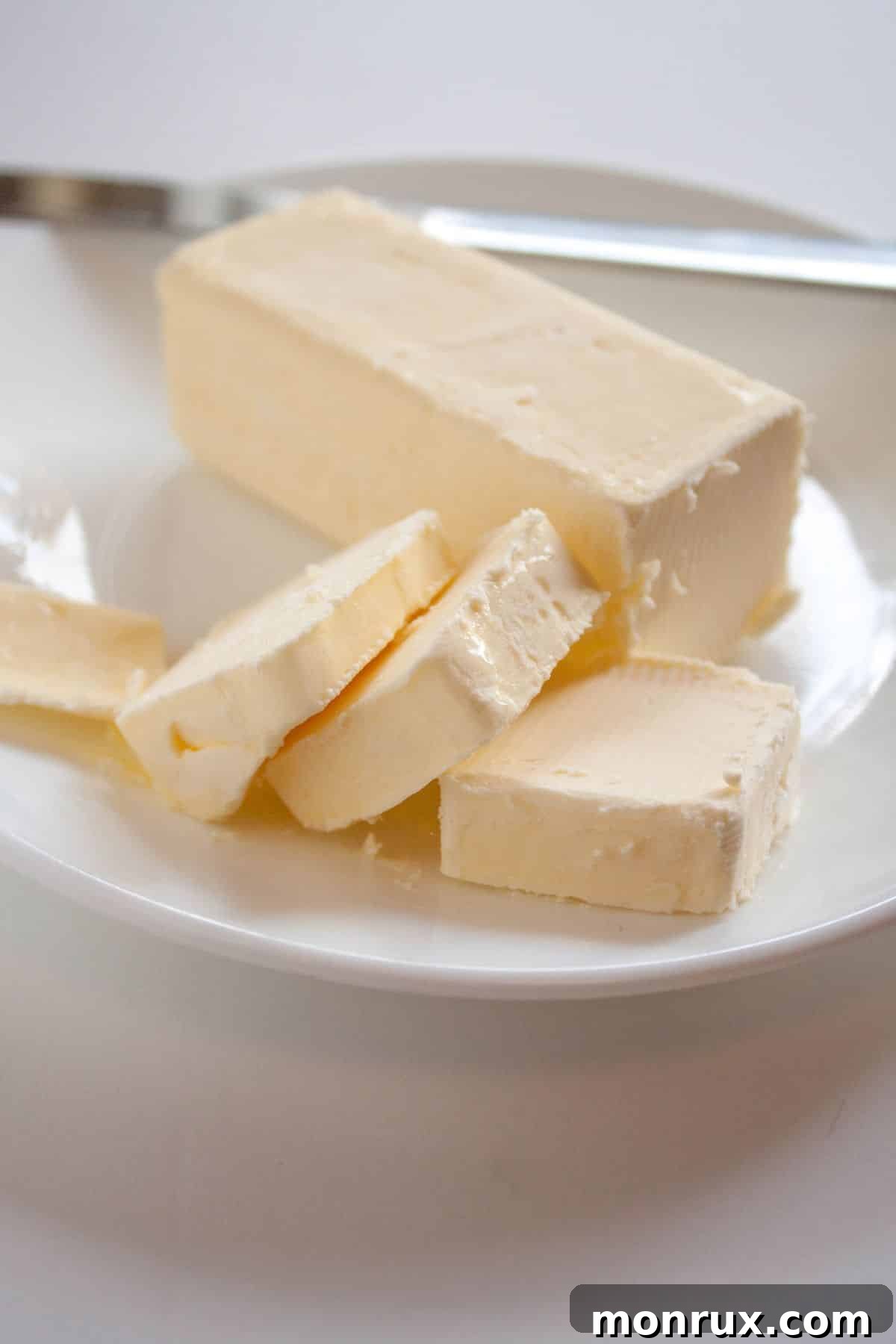
Margarine and vegan butter are perhaps the most straightforward substitutes for traditional butter in cookie recipes. Their composition is designed to mimic butter closely, making them an easy one-to-one swap that often requires minimal recipe adjustments. They perform well in helping cookies maintain their structure and can be a good option for those managing dairy allergies or following a vegan diet. Always check the packaging to ensure the product is indeed vegan if that’s a requirement.
One of the significant advantages of using margarine or vegan butter is that they are typically soft directly from the refrigerator, eliminating the need for pre-softening or creaming. This convenience can shave precious minutes off your baking time. Many modern vegan butter brands are specifically formulated to behave just like dairy butter in baking, offering similar emulsification and fat content for consistent results.
However, a potential downside, especially with older formulations of margarine, is the presence of trans fats. Trans fats are known to increase the risk of heart disease and raise cholesterol levels in the blood, as highlighted by sources like Harvard T.H. Chan School of Public Health. It’s advisable to seek out varieties explicitly labeled as “trans fat-free” or “zero trans fat.” Generally, softer margarines sold in tubs tend to contain fewer trans fats than solid stick margarines, though vegan butter sticks have significantly improved in quality and health profile.
Substitution Ratio: For every 1 cup of butter, use 1 cup of soft margarine or 1 cup of vegan butter.
4. Shortening
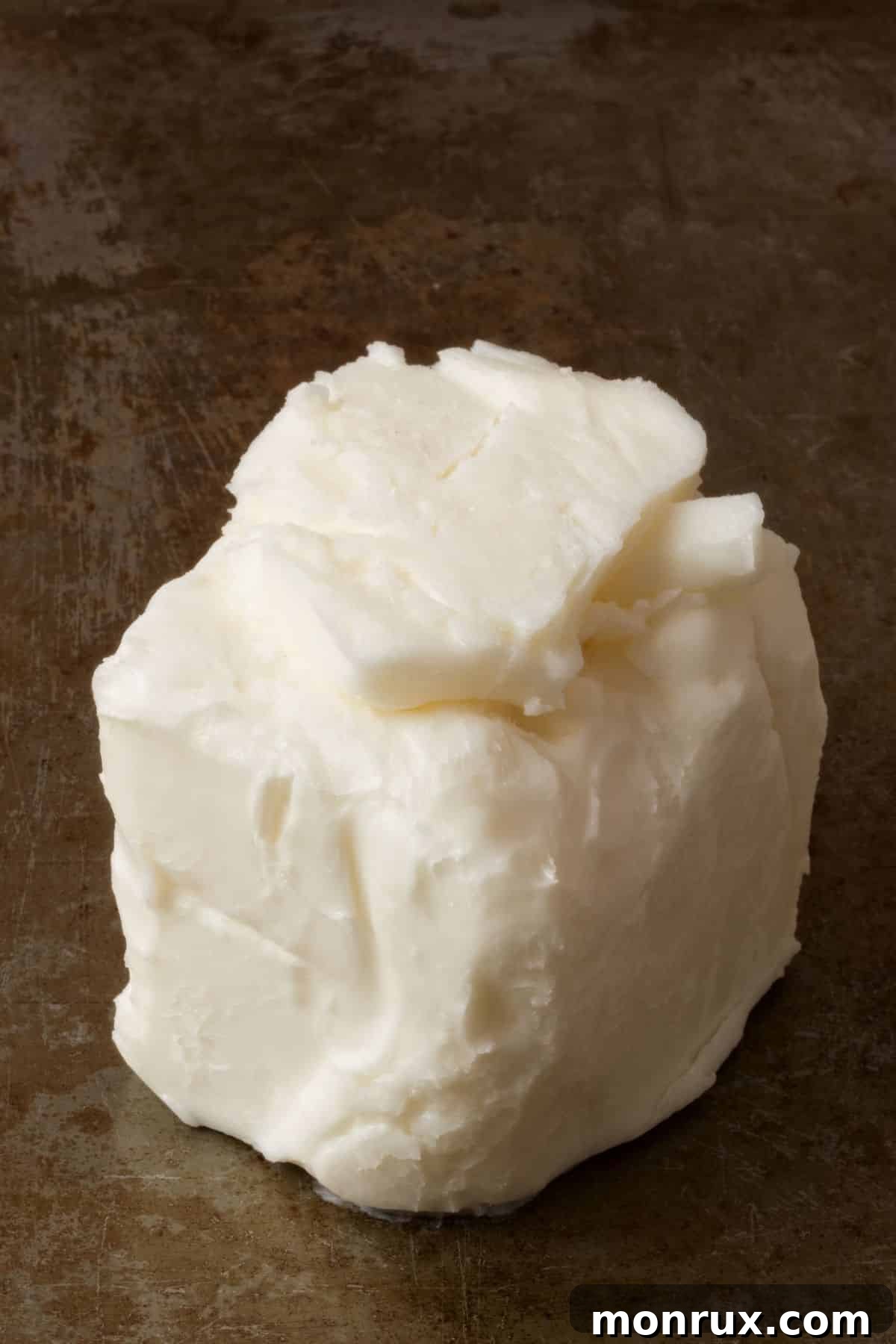
Shortening, often vegetable shortening, is another time-tested alternative to butter in baking, particularly valued for creating tender and flaky textures. While regular shortening is somewhat neutral in flavor, butter-flavored shortening can provide a closer approximation to the richness of actual butter, enhancing the overall taste of your cookies.
When used in chocolate chip cookies, shortening will produce a slightly different texture than butter. It has less moisture and a stickier consistency, which typically results in cookies that are denser and chewier. This isn’t necessarily a drawback; many bakers prefer the sturdy, chewy profile that shortening imparts. It also tends to make cookies thicker and prevents excessive spreading, yielding taller, softer centers.
A helpful tip when baking with shortening: since it can be quite sticky, dust your cookie scoop with a little flour before portioning out the dough. This simple trick will prevent the dough from adhering to the scoop, making the process much smoother and ensuring evenly sized cookies.
Substitution Ratio: For every 1 cup of butter, use 1 cup of shortening.
5. Peanut Butter
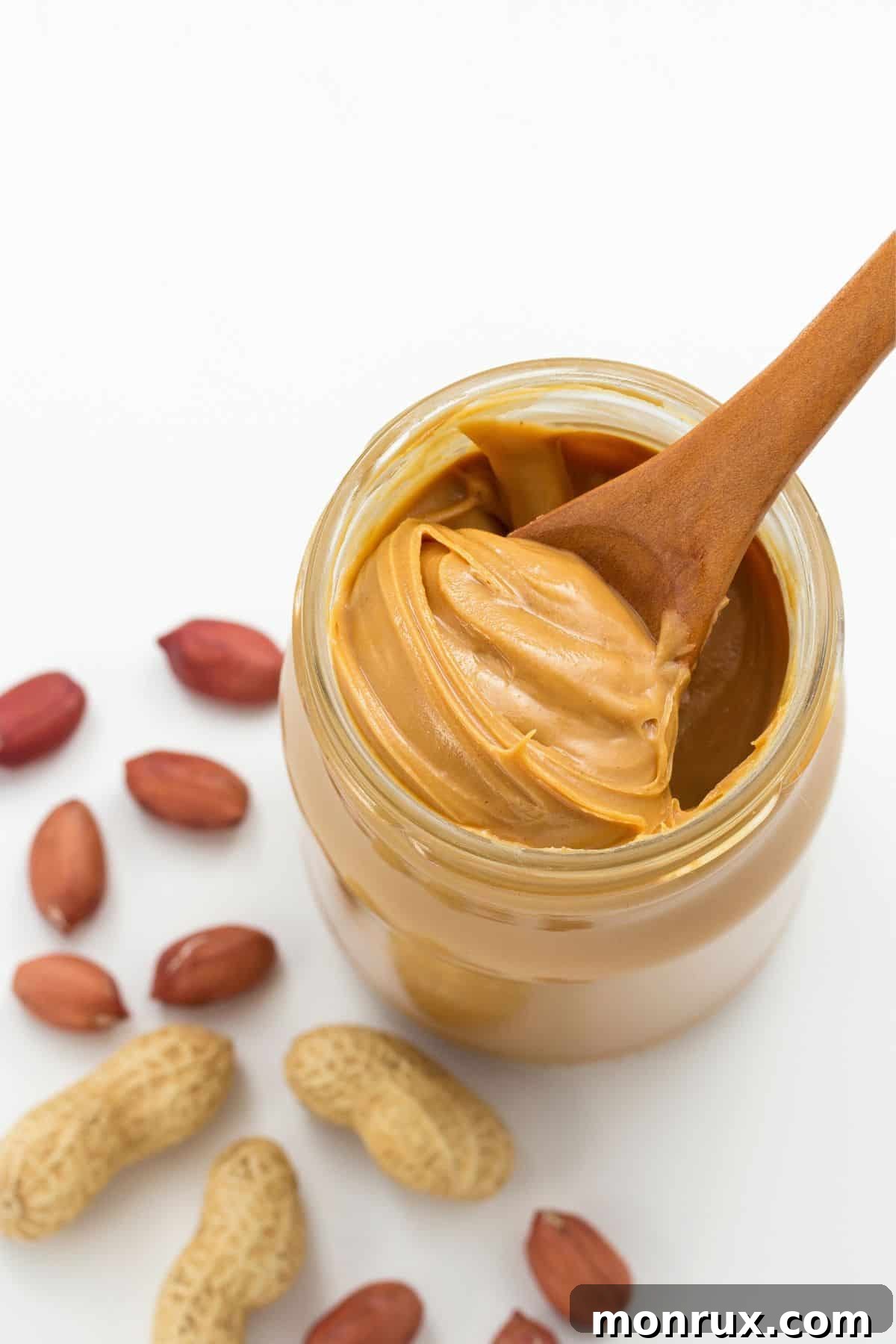
Peanut butter might seem like an unconventional choice, but it can be a surprisingly effective and delicious butter substitute in cookie recipes. Its rich flavor and creamy texture contribute unique characteristics that many find appealing. The smooth variety of peanut butter is especially easy to incorporate into cookie dough, blending well with other ingredients.
While peanut butter contains fats, its overall fat content and composition differ from butter, which will result in a slightly different cookie texture—often denser and chewier, with a distinct nutty flavor. This isn’t a bad thing; in fact, it often enhances the cookie experience, especially for peanut butter lovers. However, due to its stickier nature, cookies made with peanut butter might be more prone to sticking to the baking sheet. Lining your baking sheet with parchment paper is highly recommended to prevent this.
To ensure optimal blending with dry ingredients like sugar, it’s a good idea to bring your peanut butter to room temperature or even warm it slightly. This helps it emulsify more effectively, creating a smoother, more uniform dough. If you find the idea of an all-peanut butter cookie too heavy or intensely flavored, you can experiment with a blend: use half peanut butter and half olive oil or melted coconut oil for a lighter texture and balanced taste.
This substitution isn’t limited to peanut butter; other nut and seed butters, such as almond butter, cashew butter, pumpkin seed butter, or sunflower seed butter, can also be used following the same principles. They each offer their own unique flavor profiles and nutritional benefits.
Substitution Ratio 1: For every 1 cup of butter, use 1 cup of peanut butter.
Substitution Ratio 2 (for lighter texture): For every 1 cup of butter, use 1/2 cup of peanut butter and 1/2 cup of melted coconut oil or a neutral oil.
Other Unique Ideas for Butter Alternatives
Beyond the primary substitutes, there are a few more creative options you can explore when you’re looking for butter alternatives in your cookie recipes. These options might lead to a different flavor or texture profile, but they are great for adding moisture and can work wonders in a pinch, or if you’re aiming for a healthier twist.
6. Pumpkin Puree
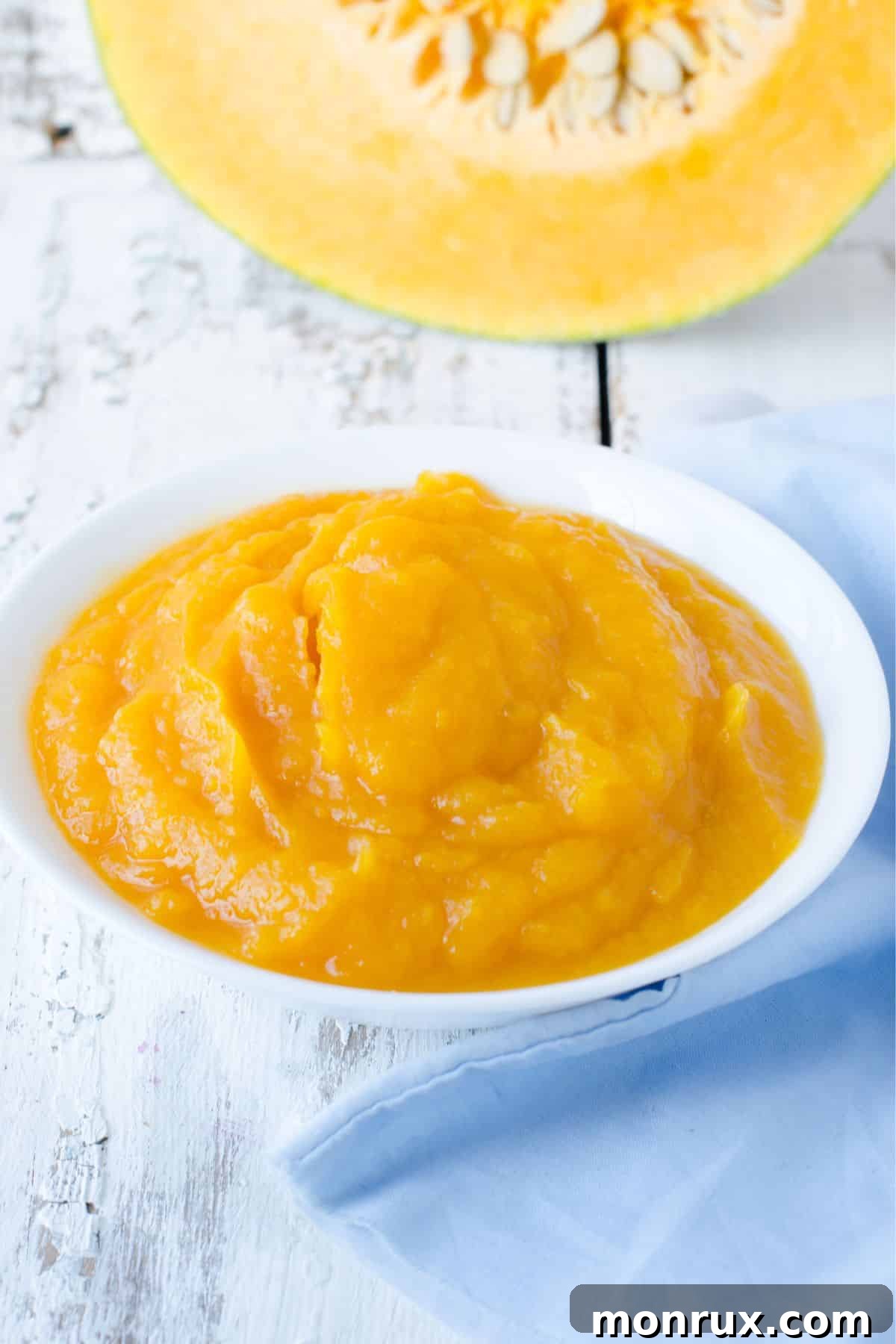
Pumpkin puree serves as an excellent fat substitute in baking, adding moisture and a touch of natural sweetness to your cookies. While it doesn’t contribute significant fat like butter, its creamy texture can help bind ingredients and keep cookies tender. Be aware that pumpkin puree will give your cookies a distinct, earthy flavor and a lovely orange hue, making it perfect for fall-themed treats. It typically results in a softer, denser cookie, often with a cake-like crumb rather than a chewy or crispy one. For a delightful autumn-inspired treat, try these dairy-free pumpkin chocolate chip cookies!
Substitution Ratio: For every 1 cup of butter, use 3/4 cup of pumpkin puree.
7. Bananas
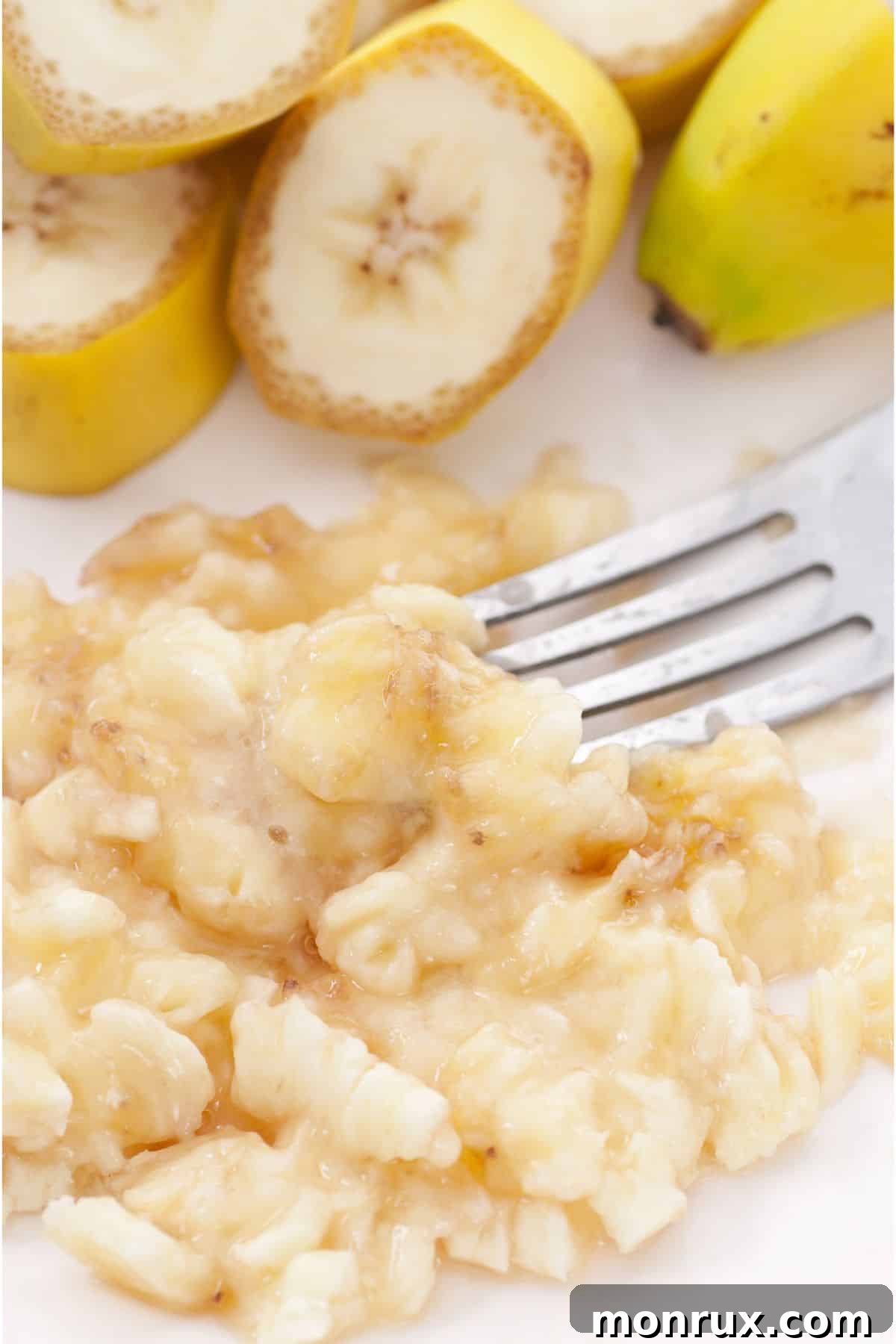
Mashed ripe bananas are another fantastic healthy option that can replace butter, especially when you’re looking to reduce fat and add natural sweetness. Bananas provide significant moisture and act as a binder, yielding cookies that are quite dense and chewy with a lovely fruity flavor. The riper the banana, the sweeter and more pronounced the flavor will be. They are particularly well-suited for oatmeal-based cookies or recipes where a banana flavor complements other ingredients. For inspiration, check out my recipe for Banana Oat Cookies!
Substitution Ratio: For every 1 cup of butter, use 1 cup of mashed banana.
8. Greek Yogurt
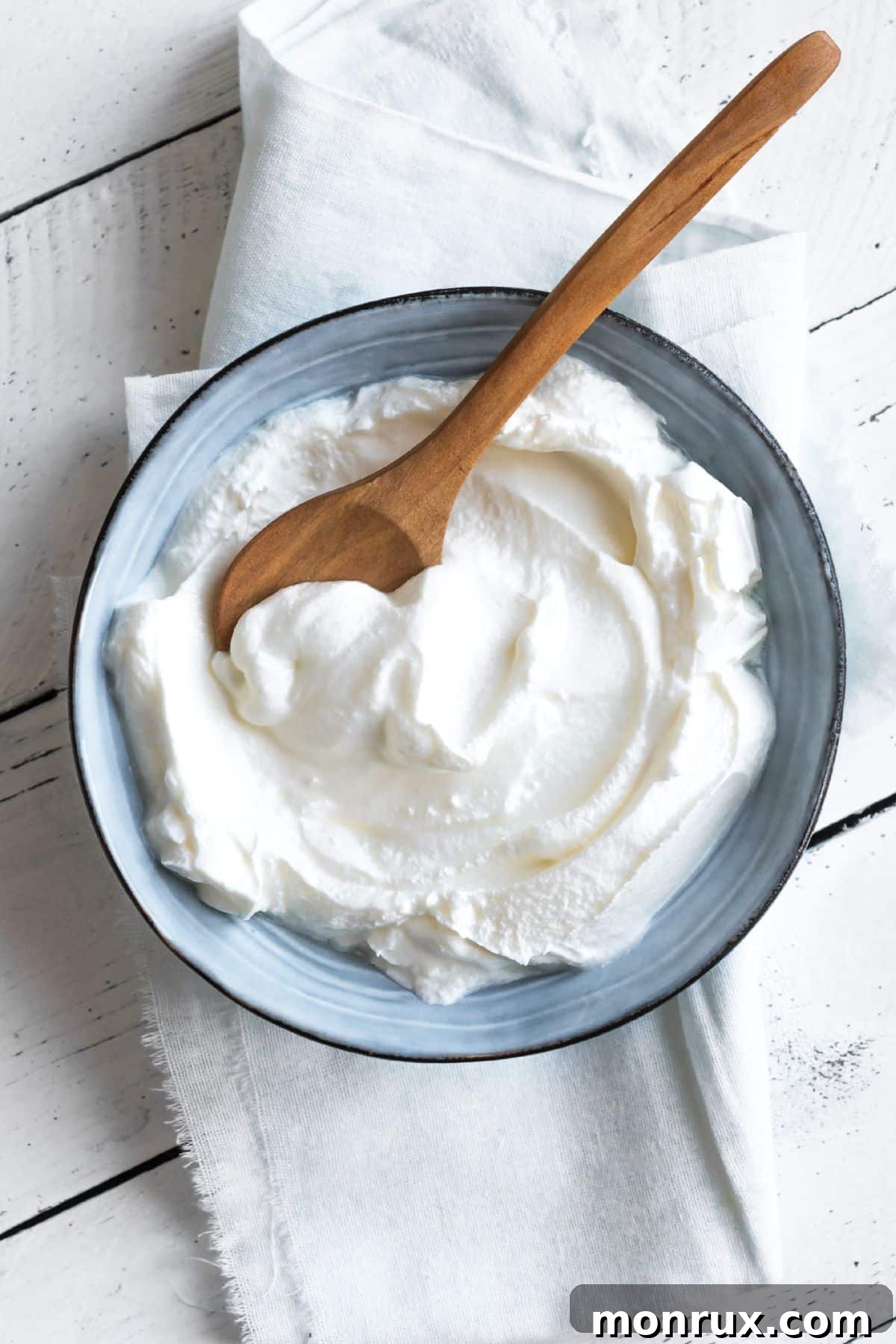
While regular plain yogurt has a high moisture content that can sometimes lead to undesirable results in baking, thicker Greek yogurt can serve as a surprising butter substitute. Its creamy consistency and lower water content make it a more viable option. Greek yogurt will add moisture and a slight tanginess to your cookies, which can be a delightful contrast with chocolate chips or other sweet elements. It also adds a boost of protein!
It’s important to remember that most Greek yogurt brands are dairy-based. If you’re adhering to a dairy-free diet, make sure to use a plant-based Greek yogurt alternative. The slight acidity can also help tenderize the cookie, though the overall texture might be more cake-like than crispy or chewy.
Substitution Ratio: For every 1 cup of butter, use 1 cup of Greek yogurt.
The Essential Role of Butter in Cookies
Before diving into substitutes, it’s helpful to understand why butter is such a cornerstone in many cookie recipes. Butter isn’t just a fat; it’s a complex ingredient that profoundly influences a cookie’s taste, texture, richness, and overall appearance. Its performance in a recipe can vary based on factors like temperature, how it’s mixed, and the specific type of butter used.
Taste
Butter’s unique composition—typically 80-83% butterfat, 15% water, and 3-5% milk proteins—is key to its flavor contribution. As cookies bake, these milk proteins undergo the Maillard reaction, a chemical process responsible for browning and the development of rich, complex flavors. This reaction gives butter-laden cookies a delectable caramelized, slightly nutty taste, often with subtle hints of butterscotch that are hard to replicate.
The choice between salted and unsalted butter also impacts the final flavor. Most recipes specify unsalted butter to allow bakers precise control over the salt content. If a recipe calls for salted butter and you use a substitute, remember to adjust the added salt accordingly to achieve a similar flavor balance. The type of butter, whether European-style (higher fat) or American-style, can further influence the richness and depth of flavor in your baked goods.
Texture
Beyond flavor, butter is critical for achieving that melt-in-your-mouth, deliciously tender cookie texture. It achieves this primarily by inhibiting gluten formation. When flour mixes with liquid, gluten, a network of proteins, begins to develop. Too much gluten can make cookies tough and chewy in an undesirable way. Butter’s fat coats the flour particles, preventing them from fully hydrating and forming strong gluten bonds, resulting in a tender crumb.
The temperature of the butter also plays a significant role. Room-temperature butter, often referred to as “softened butter,” is crucial for creaming. During the creaming process (beating butter with sugar), air is incorporated into the mixture. This trapped air creates tiny pockets that expand in the oven, contributing to a lighter, softer, and more tender cookie. This principle is equally important in cakes, where properly creamed butter yields a fluffier sponge. Cold butter, in contrast, is used for flaky pastries, while melted butter produces denser, chewier cookies.
Structure
Butter’s influence extends to the visual appeal and physical structure of your baked cookies. The amount and state of butter directly affect how much a cookie spreads and its final thickness. Recipes calling for melted butter typically result in thinner, crispier cookies because the butter is fully liquid and encourages greater spread. In contrast, recipes using softened, creamed butter often produce thicker, puffier cookies with a softer center due to the air incorporated during creaming, which provides “lift.”
Moreover, butter contributes to the overall stability of the cookie. Its fat content helps create a more robust structure that holds together well, resisting crumbling while still being tender. This balance of spread, lift, and tenderness is what makes butter such a versatile and cherished ingredient in the world of cookie baking. Understanding these roles helps immensely when selecting and experimenting with butter substitutes to achieve your desired cookie characteristics.
Delicious Cookie Recipes Using Butter Substitutes
Now that you’re armed with knowledge about various butter alternatives and their impact on cookies, it’s time to put that wisdom into practice! These recipes showcase how versatile and delicious cookies can be, even without traditional butter. Each offers a unique texture and flavor profile, proving that butter-free baking is anything but boring.
- Almond Flour Peanut Butter Cookies: A fantastic option for those who love nutty flavors and a rich, chewy texture. These cookies beautifully demonstrate the versatility of nut butters as a butter alternative.
- Banana Oatmeal Cookies: Perfect for a healthier treat, these cookies use mashed bananas for moisture and sweetness, resulting in a soft, naturally flavored cookie.
- Vegan Pumpkin Chocolate Chip Cookies: Embrace seasonal flavors with these moist and spiced cookies, where pumpkin puree contributes to a tender crumb and delightful taste.
- Vegan Chocolate Chip Mug Cake: While not a traditional cookie, this quick and easy recipe uses butter substitutes to create a single-serving treat, highlighting the adaptability of these alternatives.
- Chocolate Chip Cookies Without Butter: The ultimate test! This recipe proves that classic chocolate chip cookies can be just as satisfying and delicious even when butter is swapped out for other fats.
More Best Substitutes Articles You Might Like
Conclusion
As this guide demonstrates, an empty butter stick or dietary restriction doesn’t have to put an end to your cookie cravings. A vast array of excellent butter substitutes for cookies awaits your discovery, each capable of transforming your favorite recipes. From the neutral richness of olive oil and the tropical hint of coconut oil to the familiar ease of vegan butter and the bold flavor of peanut butter, you have numerous paths to delicious, satisfying cookies.
Remember that baking is an art as much as it is a science. Each substitute will subtly alter the texture, flavor, and overall character of your cookies. Embrace the joy of experimentation, tweak ratios, and try different combinations until you discover your ultimate butter-free cookie. You might just find a new staple ingredient that enhances your baking repertoire and brings a fresh perspective to classic recipes!
Don’t forget to join my newsletter list to get exclusive clean eating recipes and tips directly in your inbox. The newsletter is 100% free with no spam; you can unsubscribe anytime.
About the Author: Carrie Forrest holds a master’s degree in public health with a specialty in nutrition and is a certified holistic nutritionist. She is a top wellness and food blogger, attracting over 5 million annual visitors to her site. Carrie shares an inspiring story of recovery from chronic illness and is deeply passionate about empowering other women to transform their health. Feel free to send her a message through her contact form.