
In a world where dietary needs and preferences are more diverse than ever, finding delicious treats that cater to specific requirements can sometimes feel like a challenge. Whether you’re navigating food allergies, embracing a plant-based lifestyle, looking for budget-friendly alternatives to costly eggs, or simply curious to try new baking methods, you don’t have to compromise on the joy of homemade cookies. This comprehensive guide and collection of egg-free and gluten-free cookie recipes is designed to show you that achieving perfectly chewy, wonderfully crispy, and delightfully soft-baked cookies is not only possible but incredibly easy, all without a single egg or gluten-containing ingredient.
Eggs are a cornerstone in many traditional baking recipes, primarily functioning as a binder, leavening agent, and source of moisture. However, our curated selection of recipes cleverly sidesteps the need for eggs by utilizing innovative and natural alternatives. Ingredients like creamy nut butters, versatile flax or chia “eggs,” mashed fruits, and various plant-based binders step in to create ideal textures and structures, proving that no eggs are required for exceptional results. Furthermore, the added benefit of these recipes being gluten-free makes them a perfect solution for individuals with gluten sensitivities, celiac disease, or those simply seeking wholesome, allergy-friendly dessert options.
So, whether you’re facing an unexpected egg shortage, carefully managing your grocery budget (discover useful strategies for eating clean on a budget), or simply eager to explore new and exciting baking possibilities, these egg-free, gluten-free cookie recipes are here to exquisitely satisfy your sweet cravings. Prepare your kitchen and let’s embark on a delightful baking adventure!
Gluten-Free Egg-Free Cookies
Delve into our exceptional collection of gluten-free and egg-free cookie recipes. Each recipe is thoughtfully crafted to deliver incredible flavor and texture, proving that dietary restrictions don’t mean sacrificing deliciousness. From classic favorites to inventive new treats, these cookies are perfect for sharing with everyone, regardless of their dietary needs.
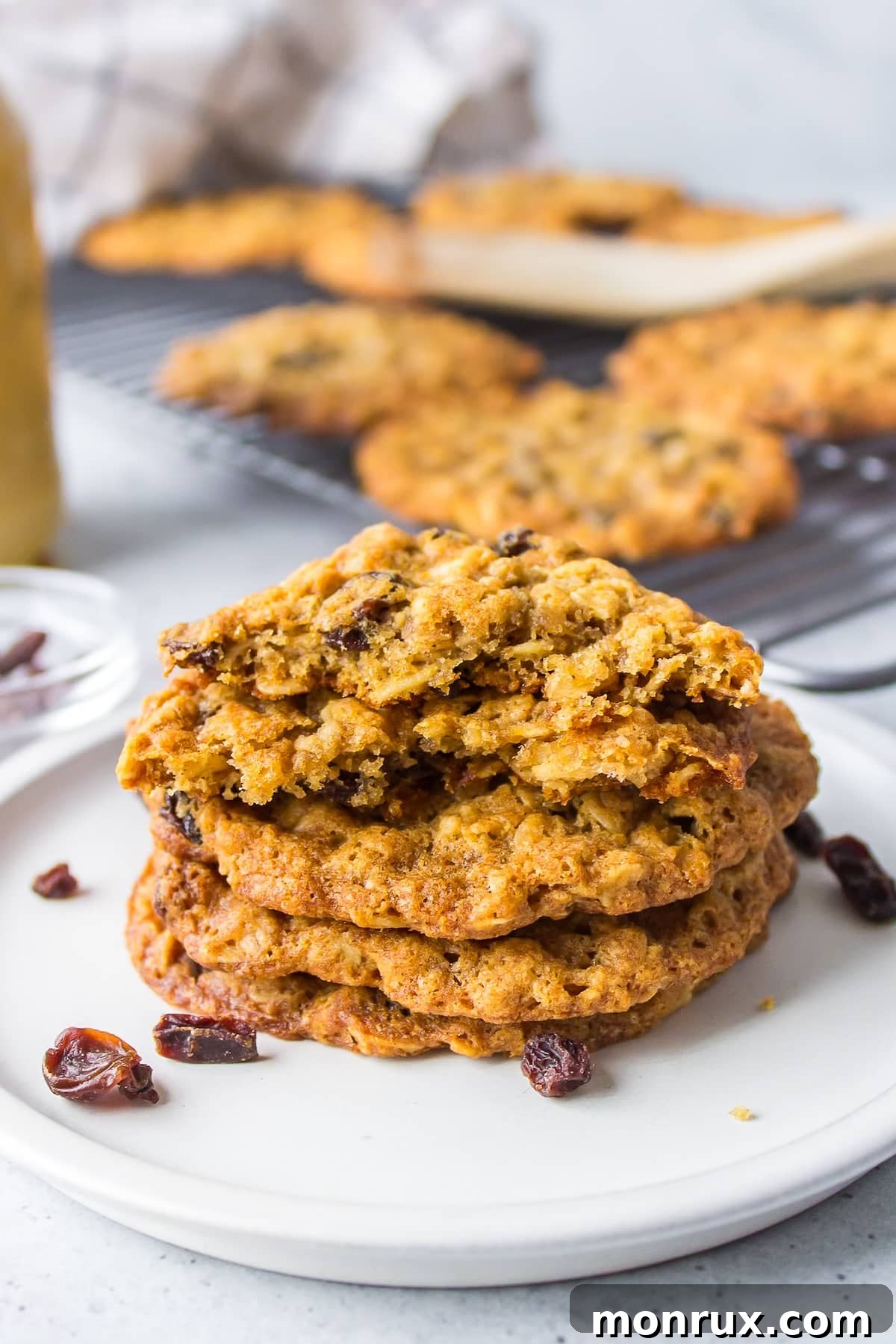
Oatmeal Cookies Without Eggs (Gluten-Free Option)
Discover this incredibly simple yet satisfying recipe for Oatmeal Cookies Without Eggs. These cookies offer the same beloved chewy texture and comforting flavor as their traditional counterparts but are expertly adapted for those avoiding eggs due to allergies, specific dietary restrictions, or personal preference. With an optional gluten-free modification, these wholesome treats are perfect for a wide range of diets, making them a go-to for a healthy snack or delightful dessert. Their rustic charm and delicious taste make them an instant classic in any egg-free and gluten-free baking repertoire.
5/5 from 1 ratings
Gluten-Free Peanut Butter Cookies (Dairy-Free, Egg-Free)
For those who adore the rich, nutty indulgence of peanut butter, these gluten-free peanut butter cookies are an absolute delight, enhanced with decadent chocolate chips. Each bite delivers a chewy, flavorful experience, making them an irresistible treat. What’s even better? They are completely vegan and free from refined sugar, catering to a wide range of dietary needs without compromising on taste. These cookies stand out as a perfect solution for satisfying your sweet tooth while adhering to a clean eating lifestyle, proving that healthier options can be incredibly satisfying.
Gluten-Free Chocolate Chip Cookies
Few treats evoke as much comfort and joy as a classic chocolate chip cookie. This straightforward recipe ensures that everyone can enjoy that quintessential experience, offering an easy method for creating delectable gluten-free chocolate chip cookies. Beyond being gluten-free, this versatile recipe also includes simple instructions for dairy-free and vegan variations, making it an inclusive option for nearly any dietary preference. Prepare to bake a batch of warm, gooey, chocolatey cookies that will quickly become a family favorite, proving that gluten and dairy restrictions don’t diminish the magic of this beloved dessert.
Fudgy Vegan Double Chocolate Chip Cookies Recipe – So Easy!
Indulge in the ultimate chocolate experience with these ooey-gooey vegan double chocolate chip cookies, so rich and fudgy they taste just like brownies! This incredibly simple recipe makes baking a joy, transforming everyday ingredients into an extraordinary treat. Easily adaptable to be gluten-free, these cookies are perfect for holidays, celebrations, or any time you need a decadent chocolate fix. Their deep cocoa flavor and delightful chewiness ensure they’ll be a hit with vegans and non-vegans alike, establishing themselves as a must-have in your collection of easy, impressive desserts.
Gluten-Free Cookie Recipe (Vegan)
This might just be the only gluten-free cookie recipe you’ll ever need! Designed for ultimate versatility, this vegan base recipe allows you to customize your cookies with a wide array of fillings and mix-ins, from chocolate chips to dried fruits or nuts (if not avoiding). It’s a foundational recipe that consistently delivers perfect texture and flavor, ensuring that everyone can enjoy a special, homemade treat tailored to their preferences. Say goodbye to searching for multiple recipes; this all-in-one solution simplifies your baking, making it easy to create endless delicious variations.
Everything Free Cookies (Dairy-Free, Gluten-Free, Egg-Free, Nut-Free)
These “Everything Free” Cookies are truly designed for absolutely everyone, making them the ultimate inclusive treat. They are meticulously crafted to be dairy-free, gluten-free, egg-free, and nut-free, addressing some of the most common dietary restrictions and allergies. What they are certainly not free of, however, is incredible flavor! You simply cannot go wrong with this remarkably delicious recipe, which ensures that no one has to miss out on the joy of a homemade cookie. Inspired by a desire for universally accessible deliciousness, these cookies prove that comprehensive allergen-friendly baking can still yield spectacular results.
Vegan Sugar Cookies (Soft & Chewy!)
Prepare to fall in love with these vegan sugar cookies that are everything you could wish for: soft, incredibly chewy, delightfully buttery, and perfectly sweet! This effortless recipe comes together in just one bowl, streamlining your baking process. They are entirely dairy-free, gluten-free, and of course, made without any eggs, making them a fantastic option for a variety of diets. Ideal for decorating or enjoying plain, these sugar cookies promise a delightful texture and classic taste that will satisfy your cookie cravings without any of the common allergens. Enjoy baking these simple, delicious treats!
Vegan Gluten-Free Cut-Out Sugar Cookies
Unleash your creativity with these easy-to-make, homemade cut-out vegan and gluten-free sugar cookies! Perfect for any festive occasion, whether it’s Christmas, Valentine’s Day, Easter, Halloween, or simply a spontaneous baking day, these cookies are incredibly versatile. You have the freedom to make them as soft or as crispy as you prefer, tailoring them perfectly to your taste. They hold their shape beautifully for intricate designs, making them ideal for decorating with your favorite frosting and sprinkles. Enjoy the process of baking and personalizing these delightful, allergen-friendly treats.
Vegan Gingersnap Cookies Recipe (Gluten-Free Option)
Embrace the cozy flavors of the season with these exquisite Vegan Gingersnap Cookies, featuring a fantastic gluten-free option. These cookies are absolutely perfect for holiday gatherings or any time you desire a warm, spiced treat. They boast a wonderfully soft and chewy texture, complemented by a perfectly balanced, mild ginger flavor that appeals to all palates. This vegan holiday cookie has quickly become a beloved favorite for everyone, offering comfort and joy in every bite. Enjoy the aromatic spices and delightful chewiness that make these gingersnaps a truly special addition to your baking traditions.
4.8/5 from 13 ratings
Tips To Make Cookie Recipes Egg-Free
When you’re ready to adapt a traditional cookie recipe to be entirely egg-free, the key to success lies in understanding the multifaceted role eggs play in baking. Eggs aren’t just one-trick ponies; they contribute significantly to binding ingredients together, providing essential moisture, and aiding in leavening to achieve that perfect rise and texture. Replacing them effectively means choosing substitutes that can mimic these functions. If this is your first time venturing into egg-free baking, fear not! Below, we’ve compiled a list of tried-and-true egg substitutes and invaluable tips to help you achieve stellar results without compromising on taste or texture.
1. Use Flax or Chia Seeds for Binding
Flax and chia seeds are stellar natural binders. When ground and mixed with water, they create a mucilaginous, gel-like consistency that beautifully replicates the binding and moistening properties of an egg. This makes them an excellent choice for recipes where structure and a bit of chewiness are desired.
- Substitution: For each egg required, combine 1 tablespoon of finely ground flaxseed meal or chia seeds with 2.5 tablespoons of water. Stir well and allow the mixture to sit for 5-10 minutes, or until it develops a thick, gelatinous texture. This “flax egg” or “chia egg” is now ready to use.
- Best for: These substitutes are particularly effective in soft and chewy cookie varieties, such as classic chocolate chip cookies, hearty oatmeal cookies, or even spiced gingerbread cookies, where a slightly denser texture is welcome.
2. Mashed Bananas or Applesauce for Moisture
Fruit purées like mashed bananas or unsweetened applesauce are fantastic for adding natural sweetness and moisture to your cookies. While they can contribute a subtle flavor profile, this often complements the overall taste, especially in certain types of cookies. They also help bind ingredients, making for a softer, cakier cookie.
- Substitution: Replace each egg with approximately ¼ cup of ripe mashed banana or unsweetened applesauce. Be mindful that bananas will impart a stronger flavor than applesauce. For other similar options, explore various applesauce substitutes in baking.
- Best for: These work wonderfully in soft-baked cookies, fruit-based cookies, or spiced varieties like oatmeal cookies, snickerdoodles, and muffins, where their natural sweetness and moisture are highly beneficial.
3. Nut or Seed Butter for Structure
Thick, creamy nut butters such as almond butter, peanut butter, or sunflower seed butter are incredible egg replacements. They provide not only binding properties but also a rich, profound flavor and a denser, chewier texture to your baked goods. The natural oils in these butters also contribute to moisture and tenderness.
- Substitution: Use about 3 tablespoons of your preferred nut or seed butter per egg. Ensure it’s a smooth variety for consistent mixing. Beyond egg replacement, nut butters can also serve as excellent butter or ghee substitutes if you’re exploring dairy-free baking options.
- Best for: Ideal for creating dense and satisfying cookies, particularly peanut butter cookies, chocolate cookies, or any recipe where a rich flavor and robust chew are desired.
4. Yogurt or Dairy-Free Yogurt for Moisture & Tenderness
Yogurt, whether dairy-based or a dairy-free alternative (like coconut, almond, or soy yogurt), is an excellent choice for replacing eggs, especially when you want to maintain a soft and tender crumb without significantly altering the cookie’s primary flavor. The acidity in yogurt can also react with baking soda to provide a slight lift.
- Substitution: Substitute each egg with approximately ¼ cup of plain, unsweetened yogurt or a dairy-free alternative. Ensure the yogurt is plain to avoid unwanted flavors.
- Best for: This substitute works exceptionally well in recipes for sugar cookies, shortbread, and other soft-baked cookies where a delicate and tender texture is prized.
5. Baking Powder & Vinegar for Leavening
When eggs are primarily included in a recipe for their leavening capabilities, helping cookies to rise and become airy, a simple chemical reaction can often achieve a similar effect. The combination of baking powder (a base) with an acid like vinegar creates carbon dioxide bubbles, providing lift and lightness to your dough.
- Substitution: For each egg that functions primarily as a leavener, combine 1 teaspoon of baking powder with 1 tablespoon of white vinegar or apple cider vinegar. Add this mixture to your wet ingredients immediately before combining with dry ingredients to maximize its leavening power.
- Best for: This method is ideal for light and crisp cookie varieties, such as delicate shortbread, wafer-style cookies, or anywhere a tender, slightly expanded crumb is desired.
6. Carbonated Water for Light, Airy Cookies
Sparkling water or club soda might seem like an unconventional egg replacer, but it’s a brilliant secret weapon for adding a light, airy texture to your cookies. The carbonation introduces tiny bubbles into the dough, helping to “fluff up” the final product without adding any discernible flavor or significant moisture beyond what’s needed for aeration.
- Substitution: For each egg, use approximately ¼ cup of plain carbonated water or club soda. Ensure it’s added as a wet ingredient and mixed gently to retain the bubbles.
- Best for: This substitute shines in delicate cookies where a light, crisp texture is paramount, such as thin lace cookies, certain meringue alternatives, or other recipes requiring a tender, bubbly crumb.
Extra Tips for Egg-Free Baking
- Adjust Baking Time: Egg-free cookies often require a slight adjustment in baking time. They might need a minute or two longer to fully set and achieve the desired golden-brown edges. Keep a close eye on them towards the end of baking.
- Chill the Dough: Since eggs play a crucial role in binding and preventing excessive spreading, chilling your egg-free cookie dough is often a vital step. Refrigerating the dough for at least 30 minutes (or longer) helps solidify fats and binders, which significantly reduces spreading during baking and results in a better texture.
- Experiment with Combinations: Don’t be afraid to mix and match! Some complex recipes might benefit from using a combination of two different egg replacements to achieve the perfect balance of binding, moisture, and leavening. For instance, a flax egg for binding paired with a touch of applesauce for moisture. For more specific ingredient swaps in gluten-free baking, check out my articles on arrowroot flour substitutes or substitutes for coconut flour.
- Texture Expectations: Understand that egg-free cookies might have a slightly different texture than their traditional counterparts. They can sometimes be a bit more crumbly or denser, but with the right substitutes and techniques, they can be equally, if not more, delicious!
- Quality of Ingredients: Always use high-quality ingredients, especially when dealing with specific dietary needs. Fresh ingredients make a noticeable difference in the final taste and texture of your egg-free creations.
- Read the Recipe Carefully: Before you begin, thoroughly read through the entire recipe. Understanding the steps and the role of each ingredient will help you better choose and apply the right egg substitute for optimal results.
Egg-Free Baking FAQs
Eggs are truly multi-functional powerhouses in baking. They act as a critical binding agent, holding ingredients together to prevent crumbly cookies. They contribute essential moisture, keeping baked goods from becoming dry and brittle. Furthermore, eggs aid in leavening, providing structure and helping cookies rise, which results in a lighter, airier texture. When crafting a vegan cookie recipe or simply baking without eggs, selecting the appropriate substitute is paramount. The right replacer ensures you achieve the best results without compromising on that coveted texture or delightful flavor, creating cookies that are just as satisfying.
Simply omitting eggs from a recipe without a suitable substitute is generally not recommended, unless the recipe specifically states it. Doing so will almost certainly lead to a dry, crumbly mess that won’t hold its shape. Eggs are vital for binding the dough and providing necessary moisture. Instead, a thoughtful swap is essential. Consider using a versatile flax egg (prepared by mixing 1 tablespoon of ground flaxseed with 2.5 tablespoons of water and letting it sit), a touch of pure maple syrup for both binding and sweetness, or a little bit of melted vegan butter or coconut oil to help integrate the ingredients and maintain the desired texture. These alternatives will ensure your cookies remain cohesive and delicious.
If your goal is to bake wonderfully chewy cookies, like the best chocolate chip cookies, specific egg replacers work wonders. Incorporating brown sugar is a smart move as its molasses content naturally adds extra moisture, contributing to that desirable chewy texture. For flour, a blend of almond flour or oat flour can further enhance chewiness and structural integrity. Additionally, for extra insurance against crumbling and to boost elasticity, adding a little bit of xanthan gum (typically ¼ to ½ teaspoon per cup of gluten-free flour blend) can be very effective in keeping the dough from falling apart and delivering that satisfying chew.
For those who prefer a light, crispy cookie, a different approach to egg substitution is needed. To achieve that perfect crunch, opt for coconut sugar instead of granulated white sugar; its coarser texture and lower moisture content contribute to crispiness. For egg replacement, carbonated water (¼ cup per egg) is an excellent choice as its bubbles introduce air, resulting in a lighter crumb. Alternatively, a combination of baking powder (1 tsp) and vinegar (1 tbsp) per egg creates a leavening reaction that promotes crispness. Baking them on parchment paper on a cookie sheet not only prevents sticking but also ensures even browning and helps achieve those coveted crispy edges. Be sure not to overbake, as this can lead to excessive hardness rather than desired crispness.
Absolutely! Store-bought vegan egg replacers are a convenient and reliable option, especially when adapting a favorite recipe or baking a classic vegan cookie recipe. Brands like Bob’s Red Mill Egg Replacer or Ener-G Egg Replacer are formulated specifically to mimic the binding and leavening properties of eggs. These products typically consist of a blend of starches and leavening agents that activate when mixed with water, providing the necessary structure and moisture without any animal products. They are particularly useful for ensuring consistency and ease, especially for those new to egg-free baking or when tackling more intricate recipes that require precise ingredient ratios. Always follow the package instructions for the best results.
Yes, it’s quite common to need to adjust the baking time slightly when using egg substitutes. Egg-free cookies often require a little more time in the oven to fully set and firm up, as the substitutes might behave differently than eggs. It’s always a good idea to monitor your cookies closely towards the end of the baking cycle. If they still appear too soft in the center after the recommended baking time, leave them on the baking sheet for an additional few minutes. The residual heat from the pan will continue to cook them gently and help them set properly. Once baked, allow them to cool completely on a wire rack before transferring them to an airtight container to maintain freshness and texture.
While egg-free cookies cater to egg allergies and vegan diets, it’s crucial to remember that “egg-free” doesn’t automatically mean “allergy-free” for all other common allergens. Many egg substitutes, such as nut butters (peanut, almond) or soy yogurt, contain other common allergens. If you’re baking for someone with multiple allergies (e.g., dairy, nuts, soy, gluten), you’ll need to carefully select ingredients that are free from those specific allergens. For instance, opt for sunflower seed butter instead of peanut butter, and choose a gluten-free, nut-free, soy-free flour blend. Always check ingredient labels meticulously to ensure the cookies meet all necessary dietary requirements for a truly inclusive and safe treat.
Even with the best substitutes, egg-free baking can present a few common challenges. One frequent issue is cookies spreading too much during baking; this often happens if the dough isn’t chilled adequately, or if too much liquid-based egg replacer (like applesauce) is used without adjusting other liquid ingredients. Another pitfall is a crumbly texture, which can result from insufficient binding or too little moisture. Always ensure your flax or chia eggs have gelled properly. Lastly, an unexpected flavor can occur if you use strongly flavored substitutes like banana in a recipe where its taste isn’t welcome. Always match the substitute to the recipe’s intended flavor profile and texture.
More Recipes & Articles You Might Like
Don’t forget to join my newsletter list to get exclusive clean eating recipes and tips delivered straight to your inbox. The newsletter is 100% free with no spam; you can easily unsubscribe anytime.
About the Author: Carrie Forrest holds a master’s degree in public health with a specialization in nutrition and is a certified holistic nutritionist. She is a prominent wellness and food blogger, attracting over 5 million annual visitors to her popular website. Carrie shares an inspiring story of recovery from chronic illness and is deeply passionate about empowering other women to transform their health through wholesome eating. Feel free to send her a message through her contact form for any inquiries or support.