Discovering the Best Escarole Substitutes: A Comprehensive Guide
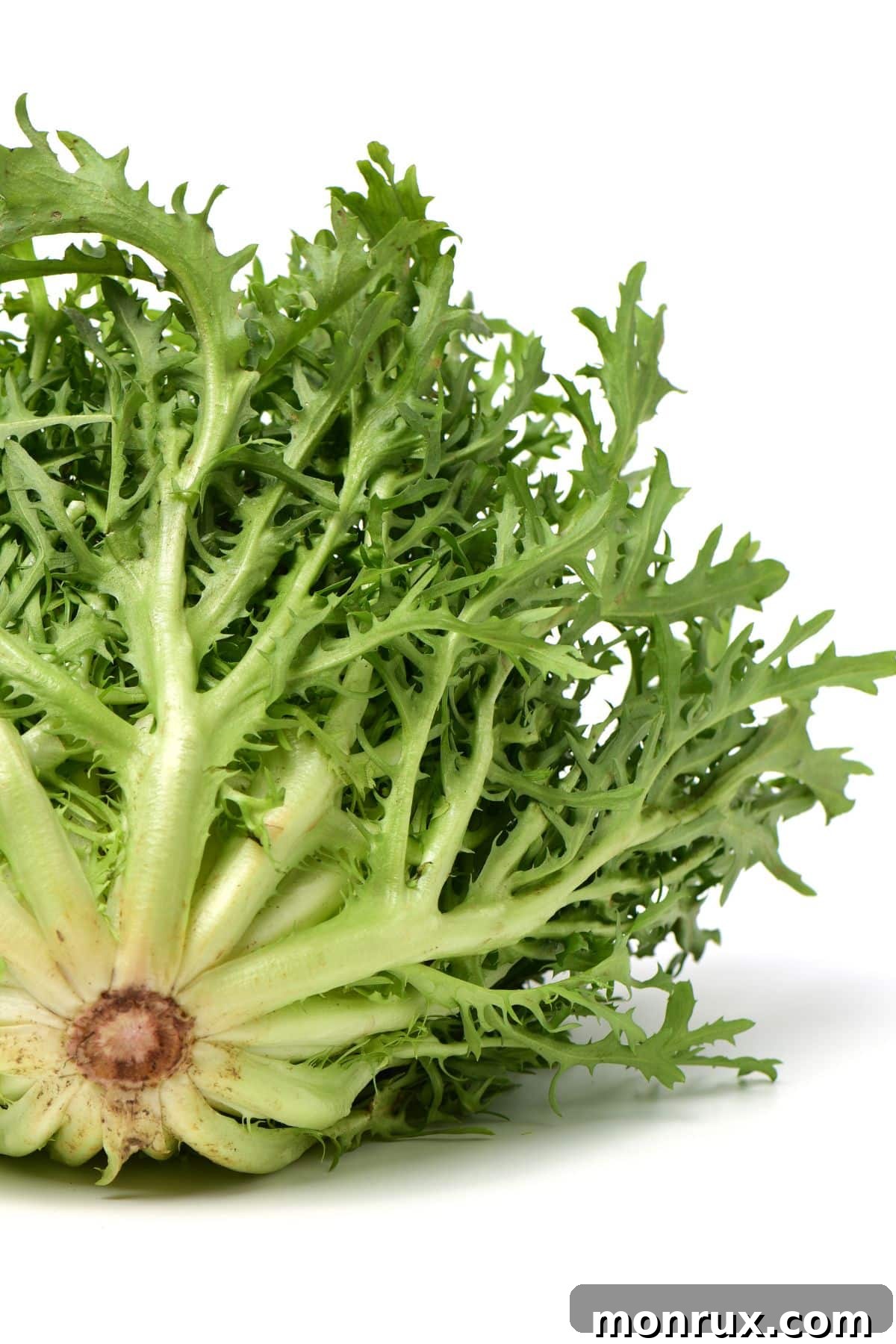
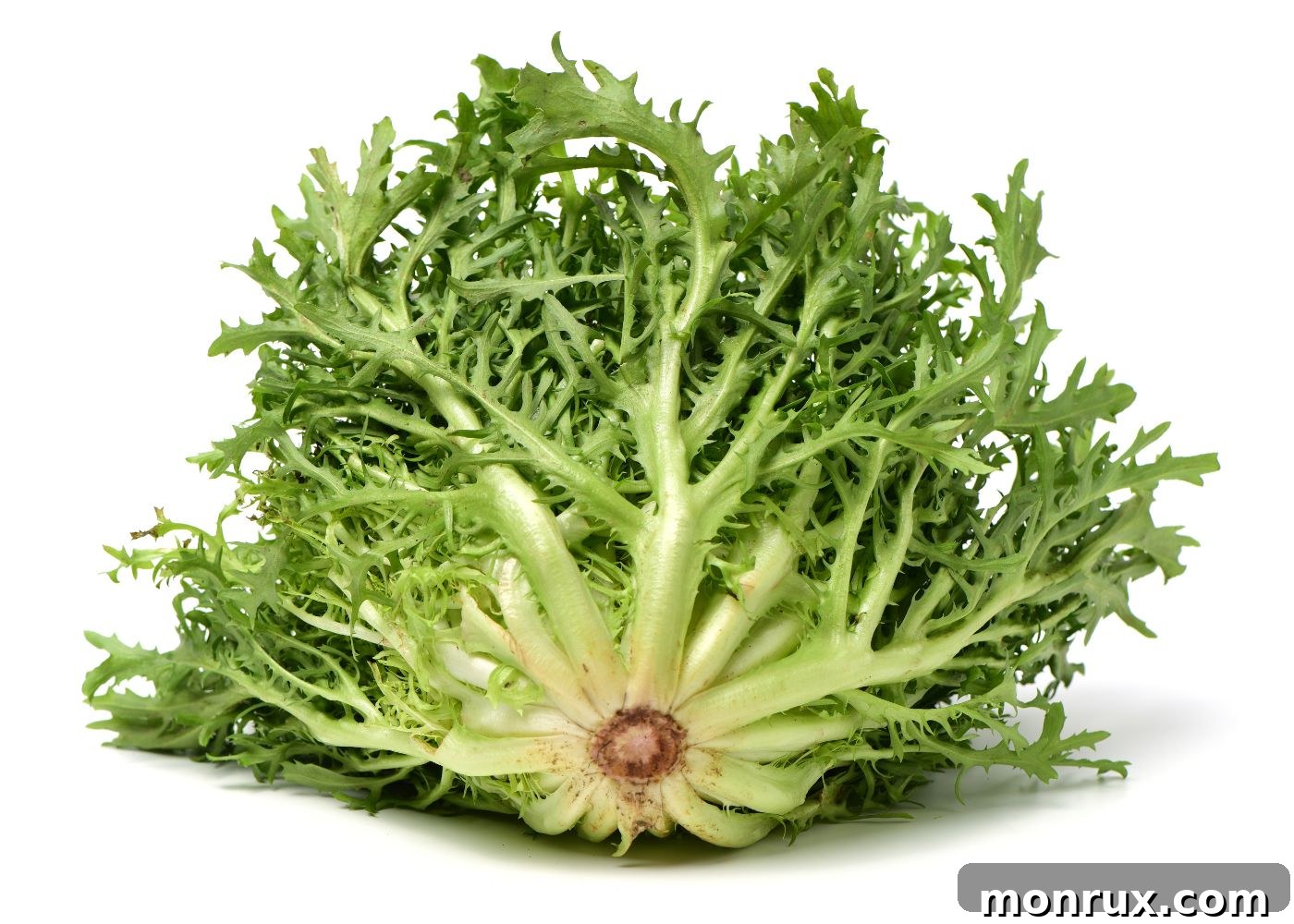
Escarole, a member of the chicory family, is a versatile and nutritious leafy green known for its slightly bitter flavor and crisp texture. It’s a staple in many kitchens, often gracing salads, soups, and stews, particularly in Italian cuisine, where it’s famous in dishes like escarole and bean soup. But what happens when your recipe calls for escarole, and it’s nowhere to be found at your local grocery store? Or perhaps you’re simply looking to explore new flavors or temper the bitterness a bit?
Fear not, culinary adventurers! This comprehensive guide will walk you through the best escarole substitutes, ensuring your dishes remain delicious and your cooking adventures stress-free. We’ll delve into a variety of leafy greens that can confidently step into escarole’s shoes, including popular choices like kale, spinach, radicchio, arugula, chard, mustard greens, collard greens, beet greens, and various types of lettuce. Each alternative offers its own unique flavor profile, texture, and nutritional benefits, allowing you to choose the perfect match for your specific dish.
Before we dive into the substitutes, let’s briefly appreciate escarole itself. It’s not just tasty; it’s also a powerhouse of nutrition, rich in essential vitamins like A and K, along with dietary fiber and folate. Its health benefits extend to aiding digestive health, making it a valuable addition to a balanced diet. Understanding these characteristics will help us make informed choices when selecting the ideal replacement.
Top Escarole Substitutes for Your Culinary Needs
When escarole isn’t an option, these excellent alternatives can seamlessly fill the void, ensuring your recipes turn out just as delicious. We’ll explore each one in detail, highlighting their unique attributes and how they compare to escarole.
1. Kale: A Robust and Nutritious Alternative
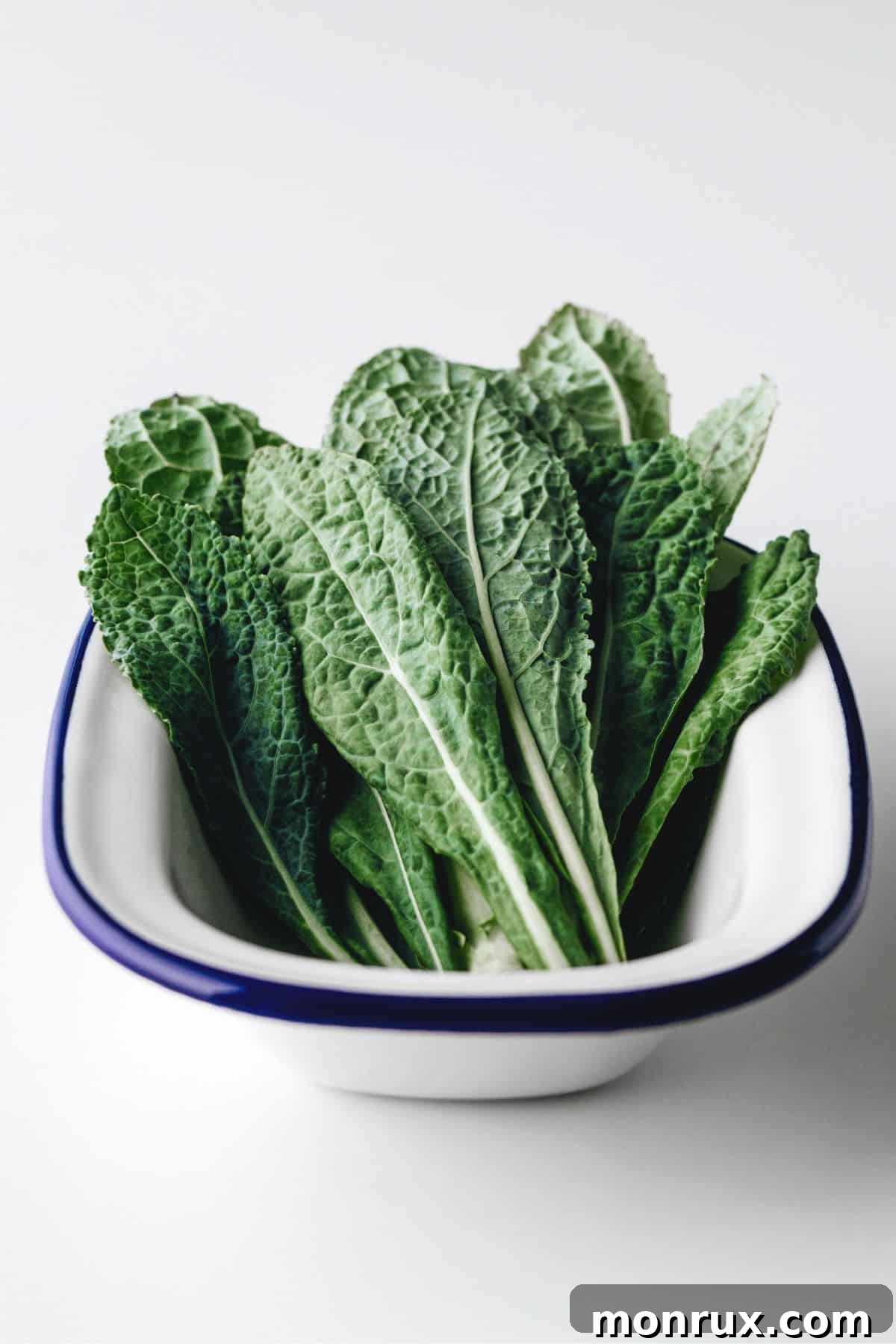
Kale is a nutritional powerhouse and one of the most popular leafy greens today. Its robust nature makes it an excellent stand-in for escarole, especially in cooked dishes where you need a green that holds its shape and texture well. Rich in vitamins A, C, and K, as well as fiber and calcium, kale offers significant health benefits.
Flavor and Texture: Kale has a slightly earthy, sometimes peppery flavor with a noticeably crisp and sturdy texture. While not as bitter as escarole, it provides a similar “green” and hearty taste. When cooked, it softens beautifully while still retaining some bite, making it perfect for soups and stews. For raw applications, consider massaging kale with a little olive oil and lemon juice to tenderize it.
Best Uses: Kale is superb in hearty soups, stews, sautés, and even baked into crispy chips. It can also be a fantastic base for salads, particularly when you want a more substantial green. In a soup like Italian wedding soup, kale offers a similar hearty feel to escarole.
Substitution Ratio: You can generally substitute one cup of escarole with one cup of kale leaves (ensure stems are removed for a better texture, especially for larger varieties like curly kale). Baby kale varieties offer a more tender texture and milder flavor, closer to young escarole.
2. Spinach: The Milder, Versatile Option
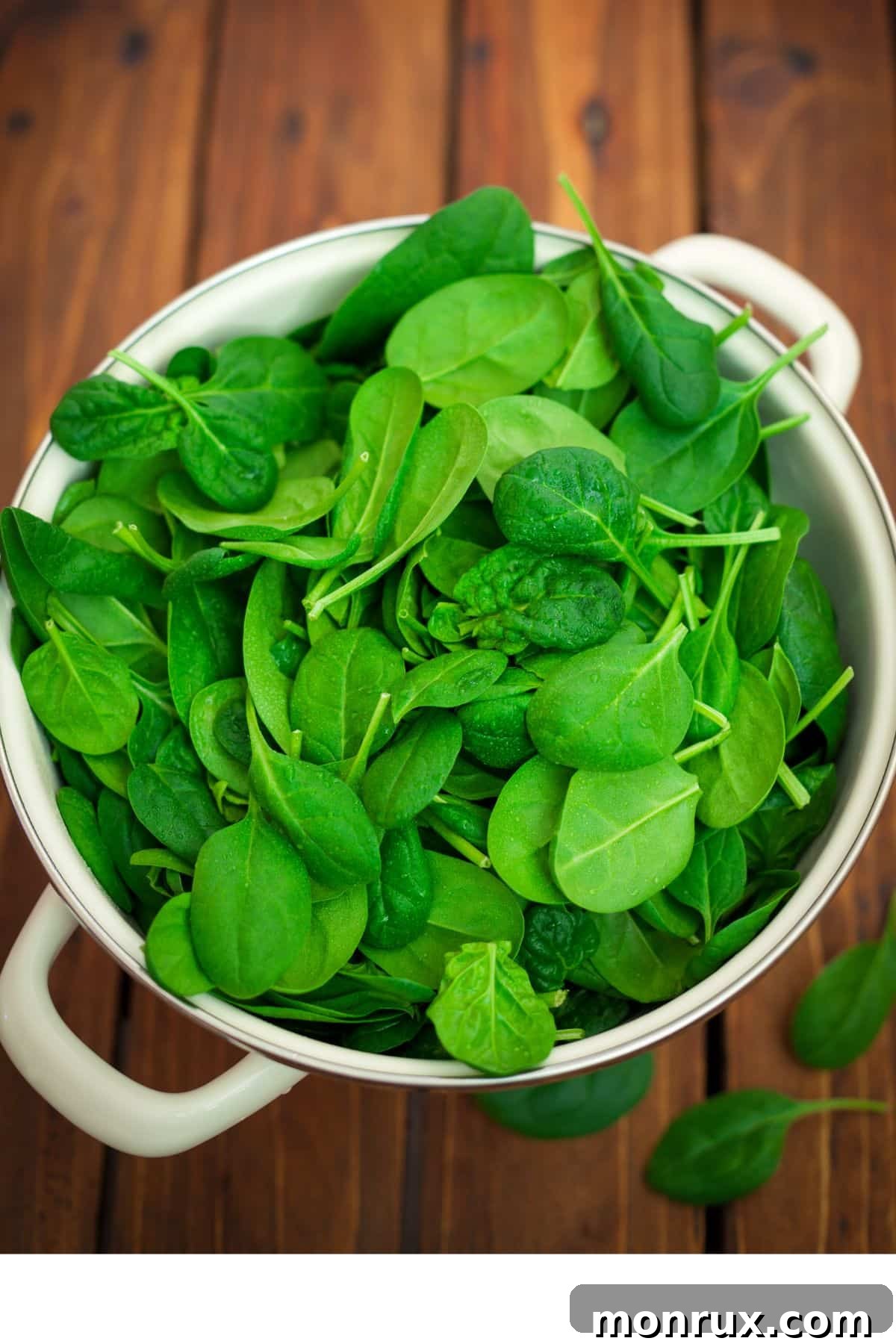
Spinach is another incredibly versatile and nutrient-dense leafy green that can easily substitute escarole, especially when a milder flavor is desired. It’s packed with vitamin K, along with vitamins A and C, iron, and magnesium, contributing to a vibrant pop of color and numerous health benefits in your dish.
Flavor and Texture: Spinach boasts a distinctly milder flavor compared to escarole, often described as sweet, earthy, or slightly nutty. Its leaves are much softer and more delicate than escarole, wilting quickly when cooked. This softer texture means it might not provide the same crispness as escarole in raw preparations, but it blends seamlessly into cooked dishes.
Best Uses: Spinach excels in situations where you want a less assertive green. It’s perfect for salads, light sautés, quiches, pasta dishes, and adding to smoothies. In soups, it wilts down beautifully and adds a lovely green hue and a boost of nutrients. While it won’t offer escarole’s characteristic bitterness, its mildness can be a plus if you prefer a gentler flavor.
Substitution Ratio: Due to its tendency to cook down significantly, you might need a slightly larger volume of raw spinach to achieve the same cooked volume as escarole. A good starting point is to use one cup of spinach for every cup of escarole, adjusting to your preference as it cooks.
3. Radicchio: Embracing the Bitterness
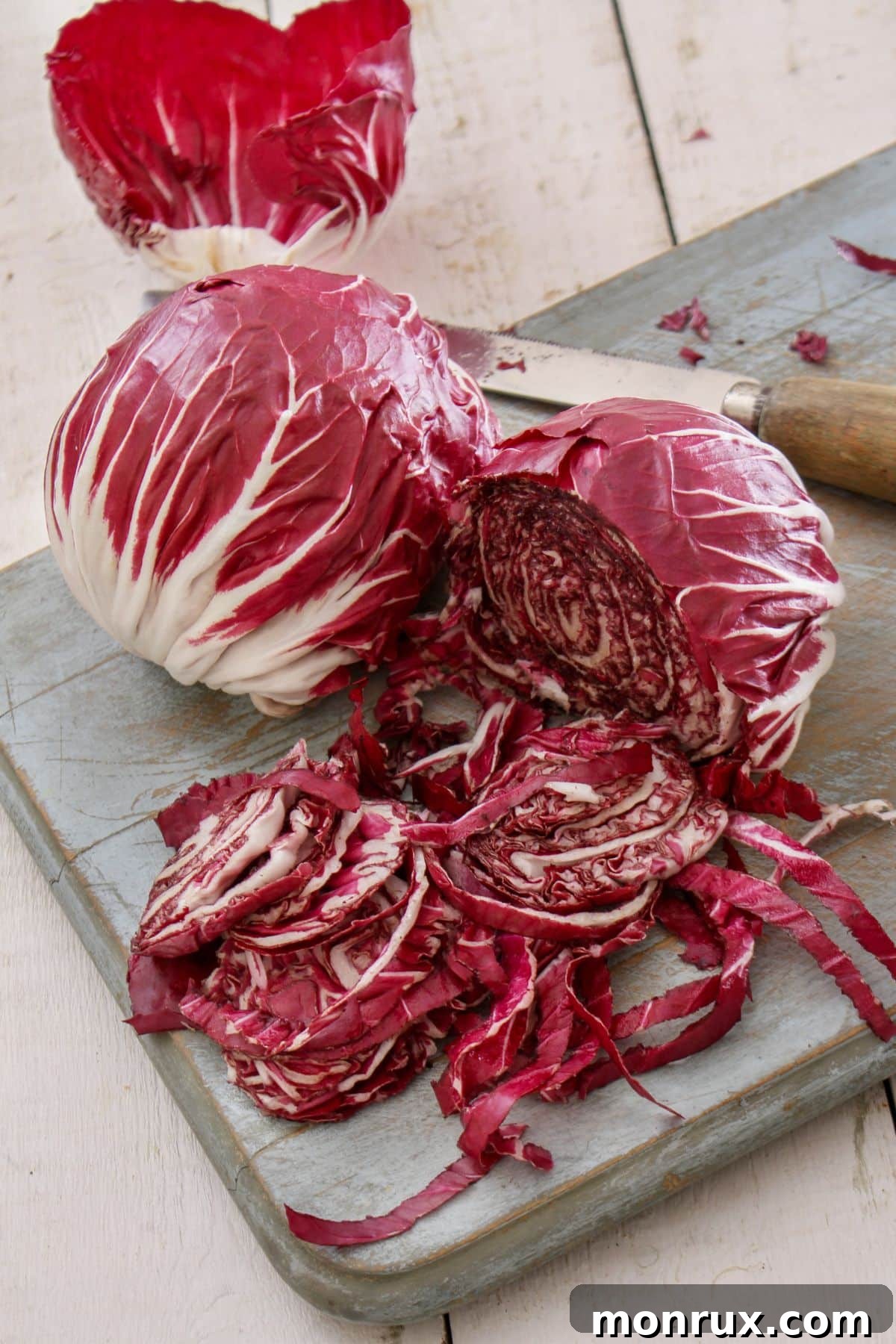
For those who appreciate escarole’s distinct bitter notes, radicchio is arguably one of the closest substitutes. Part of the chicory family, like escarole, radicchio is known for its vibrant red-purple leaves and firm texture. It’s a good source of vitamins A, C, and K, as well as fiber and manganese.
Flavor and Texture: Radicchio is more intensely bitter and often has a slightly spicy undertone compared to escarole’s milder bitterness. Its leaves are firmer, more compact, and have a beautiful reddish hue, which can add visual appeal to your dish. While escarole’s bitterness mellows significantly with cooking, radicchio’s intense flavor also softens but remains quite prominent.
Best Uses: Radicchio is excellent when grilled, roasted, or pan-seared, which helps to soften its bitterness. It adds a sophisticated touch to salads (use sparingly due to its strong flavor), pasta dishes, and even pizzas. If you’re looking for a direct match for escarole’s characteristic bitterness in a cooked dish, radicchio is an outstanding choice.
Substitution Ratio: Use one cup of radicchio for every cup of escarole. Be mindful of its stronger bitterness and adjust quantities to suit your palate, especially in raw applications.
4. Arugula: The Peppery Kick
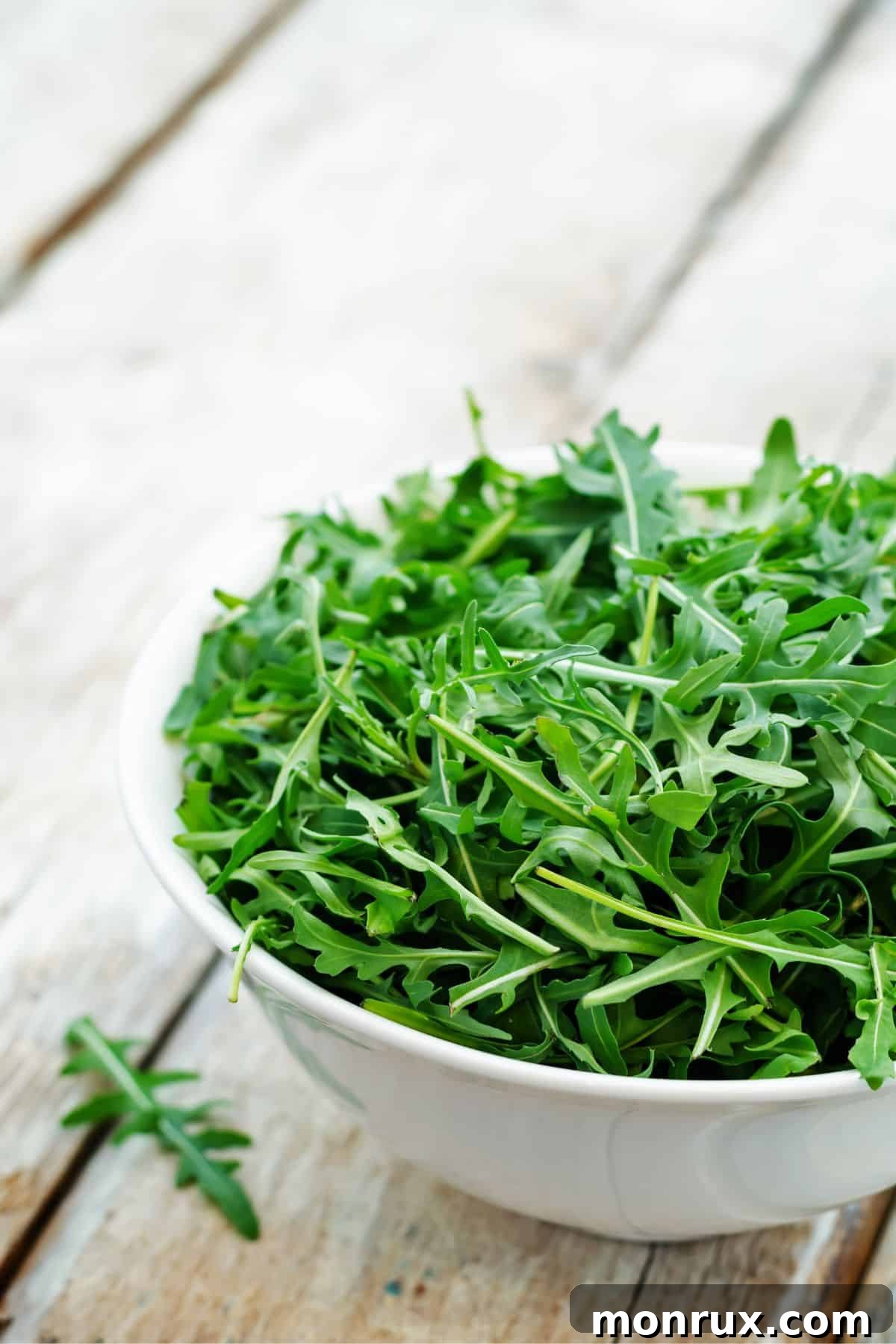
Arugula, also known as rocket, offers a distinct, pungent, and peppery flavor that can stand in for escarole, particularly in raw applications or where a vibrant, spicy kick is desired. This leafy green is a good source of vitamins A and C, iron, and calcium, and is relatively low in calories.
Flavor and Texture: Arugula is notably more pungent and peppery than escarole, with a sharp, almost mustard-like taste. Its leaves are more tender and delicate, providing a softer texture compared to escarole’s crispness. While escarole offers a clean, slightly bitter profile, arugula introduces a more complex, spicier dimension.
Best Uses: Arugula shines brightest in salads, sandwiches, and as a topping for pizzas or bruschetta, where its fresh, peppery bite can be fully appreciated. It can also be lightly wilted into warm pasta dishes or served alongside grilled meats. When used in cooked dishes that call for escarole, add arugula towards the end of cooking to preserve its delicate texture and flavor.
Substitution Ratio: You can substitute one cup of escarole with one cup of arugula. Given its stronger flavor, you might want to start with a slightly smaller amount and add more as needed, especially if you’re sensitive to strong flavors.
5. Chard: Hearty and Visually Stunning
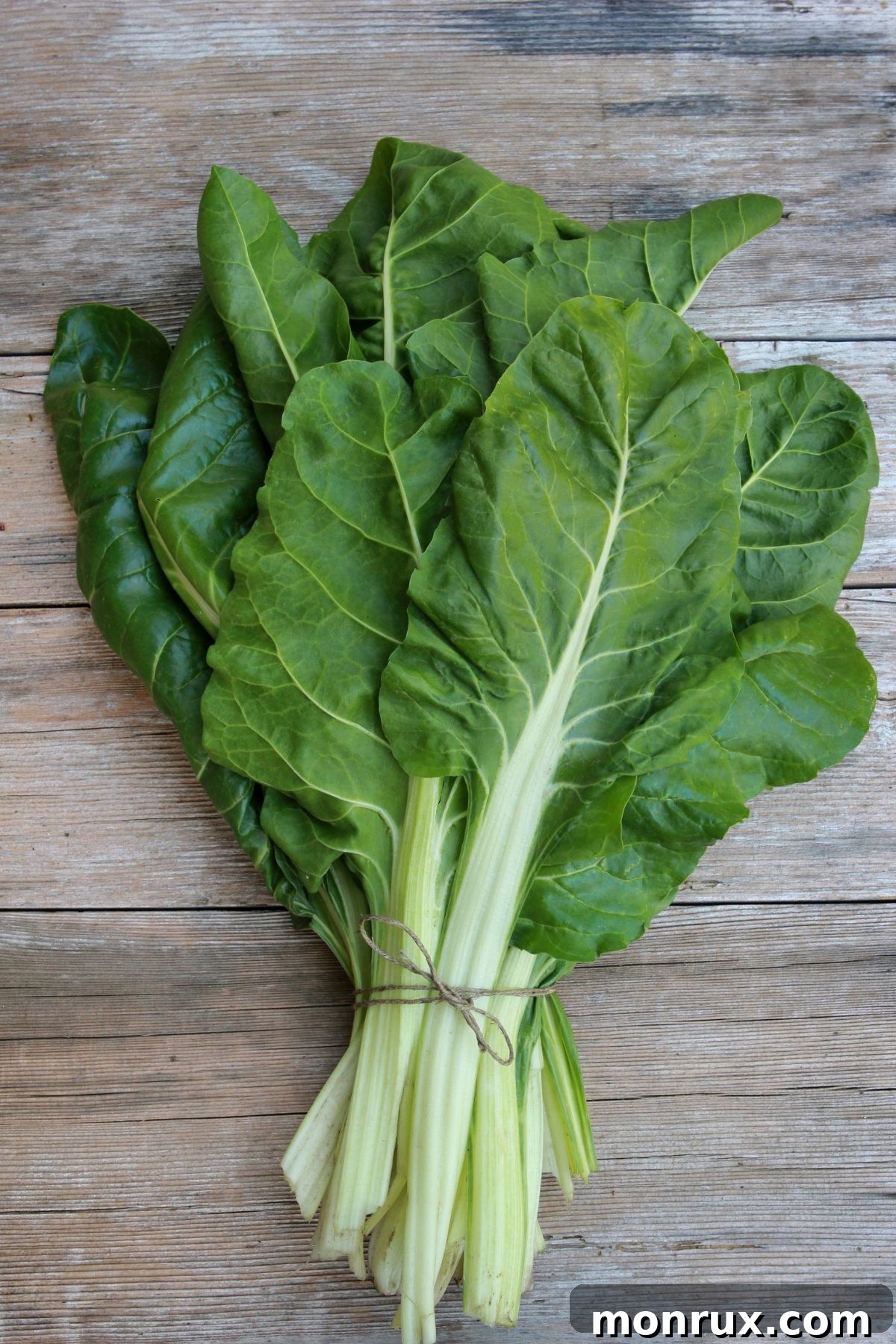
Chard, particularly Swiss chard, is a visually striking and robust leafy green that makes a fantastic escarole substitute, especially in cooked dishes. With its large, glossy leaves and colorful stems, chard is rich in vitamins A, C, and K, as well as minerals like magnesium and potassium. It’s also low in calories and fat.
Flavor and Texture: Chard has a milder, earthier flavor than escarole, with less bitterness. Its texture is more substantial, featuring thick, crunchy stems and sturdy leaves that hold up exceptionally well to cooking. While escarole has a consistent green appearance, chard varieties like rainbow chard can introduce beautiful colors to your dish.
Best Uses: Chard is incredibly versatile. It can be sautéed, steamed, baked, or added to soups, stews, and stir-fries. The stems can be chopped and cooked separately or along with the leaves. Its hardiness makes it ideal for dishes requiring longer cooking times, where it will maintain its structure and nutritional integrity, much like escarole.
Substitution Ratio: For a cooked dish, use one cup of chopped chard (leaves and thinly sliced stems) for every cup of escarole. If using it raw in salads, note that its texture will be firmer than escarole.
6. Mustard Greens: For a Bold, Pungent Flavor
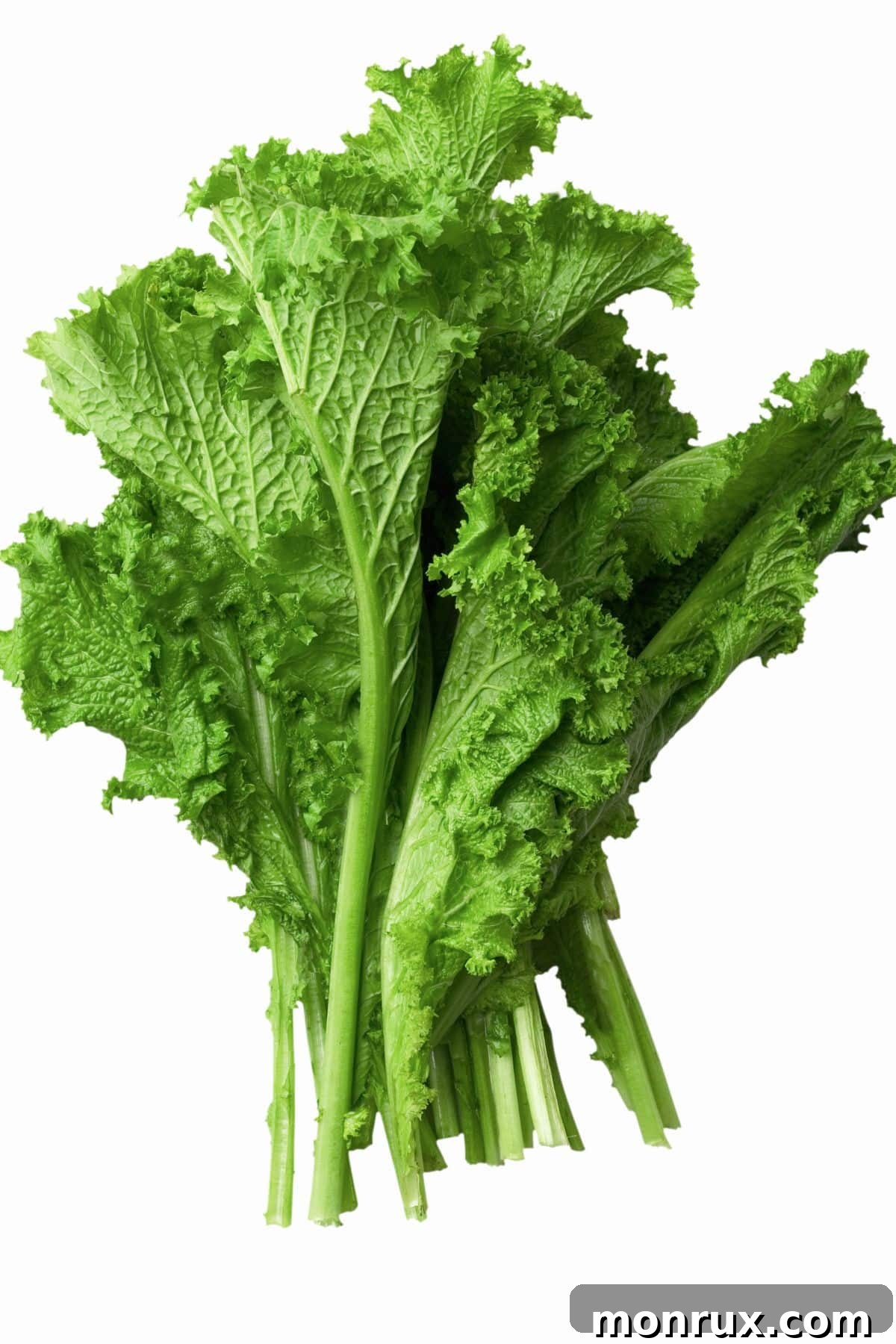
If you’re looking for a green with a pronounced personality, mustard greens are an excellent choice. These vibrant leafy greens offer a distinctive bitter and peppery flavor, somewhat akin to a stronger version of arugula or a very mild horseradish. They are a good source of vitamins A, C, and K, along with folate and magnesium.
Flavor and Texture: Mustard greens are considerably more pungent and spicier than escarole, with a sharp, peppery bite that can be quite intense, especially when raw. When cooked, their flavor mellows but retains a unique, slightly bitter warmth. The leaves are generally more tender than escarole, making them easier to eat raw in salads, though they also hold up well to cooking.
Best Uses: Mustard greens are fantastic sautéed, braised, or added to stir-fries and soups where their bold flavor can shine. They pair wonderfully with rich meats or in dishes that benefit from a spicy contrast. If using them raw in salads, their strong flavor means they are best combined with other, milder greens or in small quantities.
Substitution Ratio: Substitute one cup of escarole with one cup of mustard greens. Be prepared for a more pronounced flavor difference and adjust the amount according to your preference for spice and bitterness.
7. Collard Greens: The Southern Staple
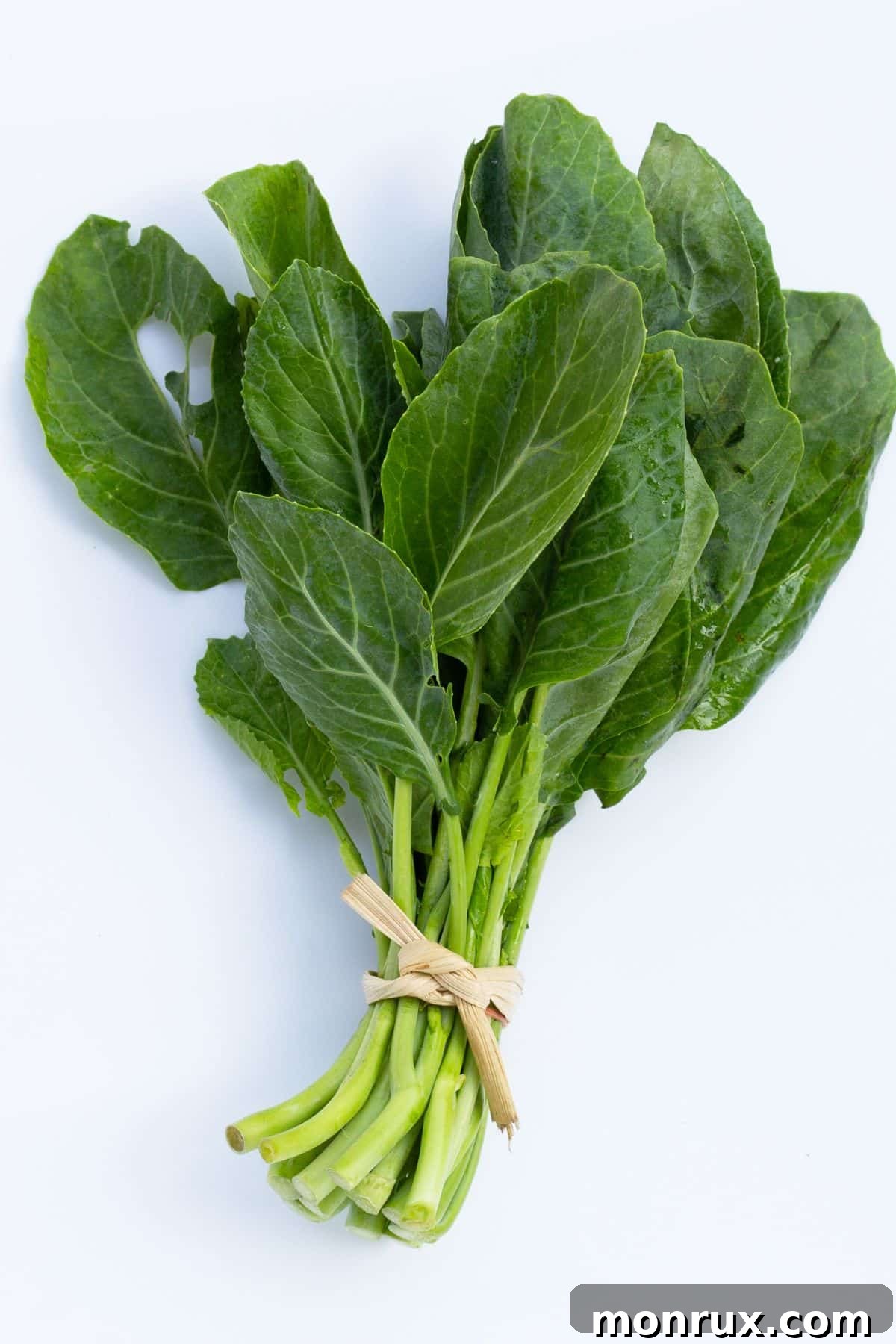
Collard greens are a beloved staple in Southern cuisine, known for their large, thick leaves and hearty texture. They provide a robust green that can effectively replace escarole, especially in long-cooked dishes. They are an excellent source of vitamins A, C, and K, calcium, and iron.
Flavor and Texture: Collard greens possess a sturdy, slightly bitter, and earthy flavor that is more pronounced than escarole, particularly when raw. Their leaves are significantly thicker and tougher than escarole, requiring longer cooking times to become tender. However, this hardiness means they won’t wilt away in a stew or soup, offering a substantial mouthfeel.
Best Uses: Collard greens are best suited for slow-cooked dishes, braises, and stews where their tough leaves can soften and absorb flavors. They are famously cooked with smoked meats or ham hocks. While they can be used in salads, they would need to be very thinly sliced or massaged to break down their fibrous structure. They are an ideal substitute for escarole in recipes that demand a very hearty green.
Substitution Ratio: Use one cup of chopped collard greens for every cup of escarole. Remember to account for their longer cooking time and stronger initial bitterness.
8. Beet Greens: Sweet and Tender
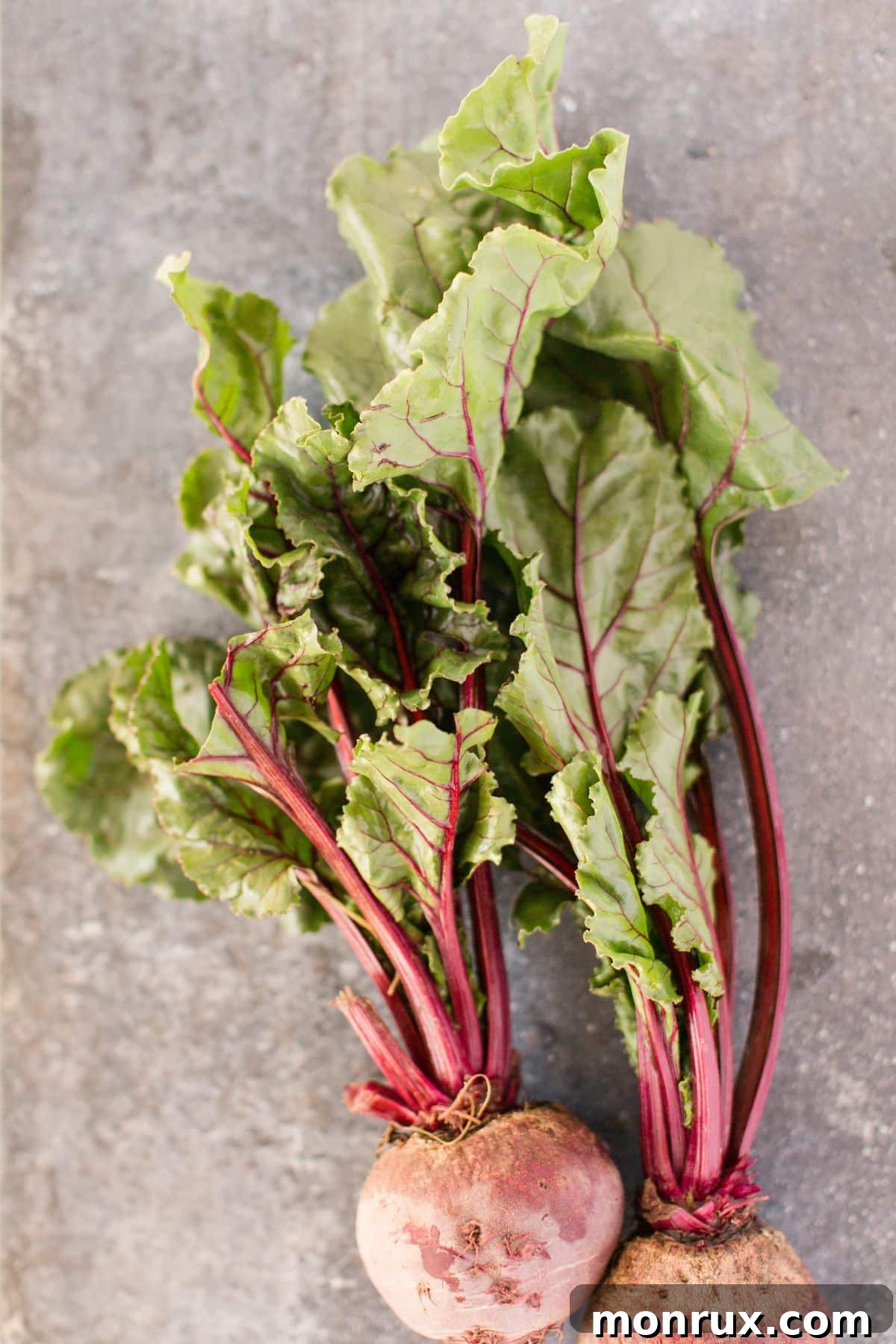
Often overlooked, beet greens are the leafy tops of beetroots and make a surprisingly good and nutritious substitute for escarole, particularly if you appreciate a slightly sweeter note. They are rich in vitamins A and C, iron, and calcium, offering a wonderful nutrient boost.
Flavor and Texture: Beet greens typically have a milder, slightly sweeter flavor than escarole, often described as a cross between spinach and Swiss chard, with a hint of beet earthiness. They are generally tender and smooth, wilting similarly to spinach when cooked. While escarole is crisp and slightly hearty, beet greens offer a more delicate texture.
Best Uses: Beet greens are fantastic sautéed with garlic and olive oil, steamed, or incorporated into soups and salads. They add a lovely subtle sweetness and color to dishes. Care should be taken not to overcook them, as this can make them tough and overly bitter; aim for a light cook that retains some of their tender crunch.
Substitution Ratio: Use one cup of beet greens for every cup of escarole. Their tenderness means they cook down quickly, similar to spinach, so you might need a generous amount.
9. Lettuce (Romaine, Butterhead, Green Leaf): The Mildest Option
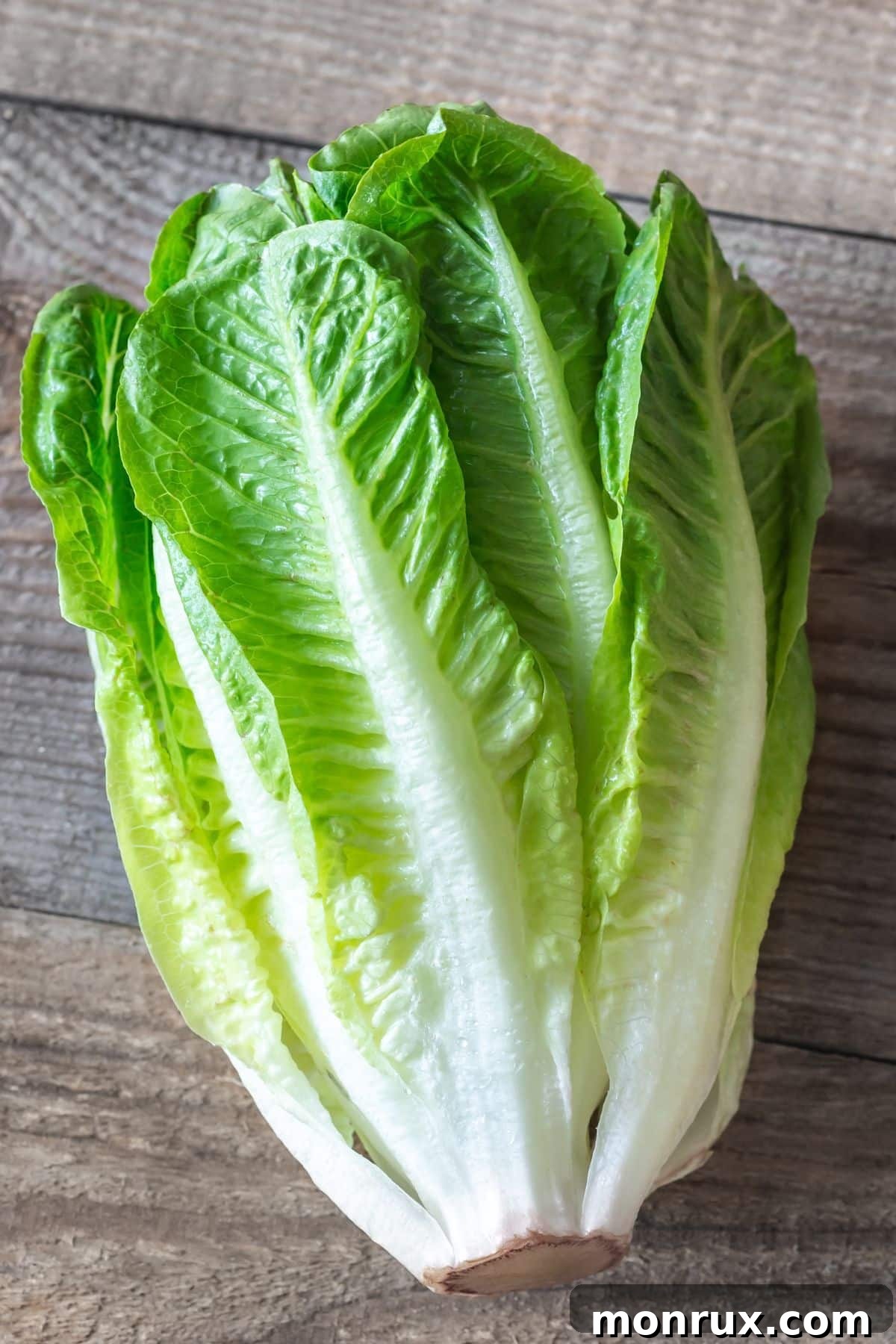
While generally milder, certain types of lettuce can serve as a suitable escarole substitute, especially if you’re aiming for a less bitter profile or for raw applications. Romaine, butterhead, and green leaf lettuce varieties are low in calories and fat, yet provide vitamins and minerals and are a good source of fiber.
Flavor and Texture: Most types of lettuce offer a crisp texture and a refreshing, very mild flavor, often lacking the bitterness inherent in escarole. Romaine lettuce has a good crunch and a slightly bitter edge, making it the closest lettuce variety in terms of texture to escarole. Butterhead and green leaf lettuces are softer and sweeter.
Best Uses: Lettuce is primarily used raw in salads, wraps, and sandwiches. If using in a cooked dish that calls for escarole, such as a soup, add it at the very end of cooking, as it will wilt quickly. Romaine lettuce, with its sturdy leaves, can hold up slightly better to light cooking than softer varieties.
Substitution Ratio: You can use one cup of chopped lettuce for every cup of escarole. For cooked dishes, start with a larger volume of raw lettuce due to its high water content and quick wilting.
Bonus Substitutes: Other Chicories and Bitter Greens
Beyond the main list, several other leafy greens, particularly those from the chicory family, can serve as excellent escarole alternatives. These often share similar bitter notes and crisp textures.
- Endive: Curly endive (sometimes called frisée) has a similar appearance and delightful bitterness to escarole, making it a very strong contender. Belgian endive, with its boat-shaped leaves, is milder and great for scooping or in salads.
- Dandelion Greens: These wild greens are intensely bitter and sturdy, perfect for a robust substitution in cooked dishes, especially if you love a strong bitter flavor.
- Chinese Cabbage (Napa Cabbage): While milder and sweeter, Napa cabbage has a similar crunch and can be used in cooked dishes where escarole’s texture is more important than its bitterness.
- Turnip Greens: Like mustard greens, turnip greens offer a peppery, slightly bitter flavor and a hearty texture, making them suitable for cooked applications.
- Broad-leaved Endive / Batavian Endive: These are very closely related to escarole, often being different names or varieties of the same species, making them practically interchangeable.
When selecting any bitter green, remember that the intensity of bitterness can vary. Generally, younger leaves are milder, while older leaves tend to be more bitter.
Pros and Cons of Escarole Alternatives
To help you make the best choice, here’s a summary chart outlining the key characteristics, including advantages and potential drawbacks, of using various escarole alternatives in your cooking:
| Substitute | Pros | Cons |
|---|---|---|
| Kale | High in vitamins A, C, K, fiber, and calcium. Robust texture that holds up well when cooked. Great for soups and stews. | Slightly earthier and less bitter than escarole. Can be tougher if not cooked sufficiently or massaged for raw use. |
| Spinach | Very versatile, milder flavor (sweet/nutty). Soft, tender texture. Rich in vitamin K. Cooks quickly. | Much milder than escarole, may not provide the desired bitterness. Wilts significantly when cooked. |
| Radicchio | Excellent bitter flavor profile, similar to escarole but more intense. Rich in vitamins A, C, K, and manganese. Beautiful color. | More bitter and compact; can be quite spicy. Stronger flavor might overpower delicate dishes if used in large quantities. |
| Arugula | Distinct peppery flavor. Rich in vitamins A, C, iron, and calcium. Great for adding a spicy kick. | More pungent and softer texture than escarole. Not ideal for long cooking times as it loses its texture quickly. |
| Chard | Nutrient-rich (vitamins A, C, K, magnesium, potassium). Versatile in cooking. Low in calories. Holds shape well when cooked. | Milder flavor than escarole, with less bitterness. Has a thick, crunchy stem that needs to be considered for texture. |
| Mustard Greens | Bold, pungent, peppery flavor. Good source of vitamins A, C, K, folate, magnesium. Adds a unique zest. | Significantly more pungent and spicy than escarole. Can be quite intense for those unaccustomed to strong bitter greens. |
| Collard Greens | Rich in vitamins A, C, K, calcium, and iron. Very hearty and holds up to long cooking times. | Thicker, larger leaves, requiring longer cooking. Stronger, more pronounced bitterness and earthiness. |
| Beet Greens | Rich in vitamins A, C, iron, calcium. Slightly sweeter and more tender than escarole. | Sweeter and less bitter than escarole. Can become tough or overly bitter if overcooked. |
| Lettuce (Romaine) | Low in calories, high in vitamins. Crisp texture, refreshing flavor. Widely available. | Much less bitter than escarole. Softer texture, especially varieties other than romaine. Not ideal for cooked dishes requiring significant body. |
Frequently Asked Questions About Escarole Substitutions
For Italian wedding soup, you need a green that can stand up to cooking while offering a similar texture and a touch of bitterness. Curly kale or baby kale are excellent choices. Their hardiness prevents them from disappearing into the broth, and their flavor complements the other ingredients well. Spinach is another good option if you prefer a milder soup, but it will wilt down more significantly.
While many leafy greens can be used, tender, mild greens like iceberg lettuce or very soft butter lettuce are generally not ideal substitutes for escarole, especially in cooked dishes. Escarole is a member of the chicory family, known for its hearty texture and distinct, mildly bitter flavor. Very tender greens lack the structural integrity to hold up to cooking and do not provide the characteristic bitterness that often defines dishes calling for escarole.
Absolutely! Combining different greens can be a great way to mimic escarole’s complex flavor and texture. For instance, you could use a mix of spinach (for tenderness and mildness) and radicchio or curly endive (for bitterness and structure). Experimenting with combinations allows you to tailor the substitute to your exact preference and recipe requirements.
To reduce the bitterness of certain greens (like radicchio, mustard greens, or even escarole itself), you can blanch them briefly in boiling water for 1-2 minutes, then immediately plunge them into ice water. This process helps to extract some of the bitter compounds. Alternatively, cooking them with acidic ingredients like lemon juice or vinegar, or balancing them with sweetness (e.g., caramelized onions or a touch of sugar), can also temper the bitterness.
More Helpful Substitute Articles You Might Like
Summary and Final Thoughts
Finding the perfect escarole substitute doesn’t have to be a daunting task. With a little understanding of flavor profiles, textures, and ideal cooking applications, you can confidently replace escarole with a variety of other delicious and nutritious leafy greens. From the robust earthiness of kale and the assertive bitterness of radicchio to the milder versatility of spinach and the peppery kick of arugula, each alternative offers a unique twist to your culinary creations.
When making your choice, consider whether your recipe requires a similar bitterness, a sturdy texture for long cooking, or a delicate green for a fresh salad. Experimentation is key, and often, the “best” substitute is the one that best suits your personal taste and the specific demands of your dish. Don’t be afraid to mix and match or try new greens to discover your next favorite ingredient.
Ultimately, the goal is to enjoy your cooking and achieve fantastic flavors, even when escarole isn’t readily available. With this guide, you’re well-equipped to navigate the world of leafy green alternatives and ensure your meals are always vibrant, healthy, and incredibly tasty!
Don’t forget to join my newsletter list to get exclusive clean eating recipes and tips. The newsletter is 100% free with no spam; unsubscribe anytime.
About the Author: Carrie Forrest has a master’s degree in public health with a specialty in nutrition and is a certified holistic nutritionist. She is a top wellness and food blogger with over 5 million annual visitors to her site. Carrie has an incredible story of recovery from chronic illness and is passionate about helping other women transform their health. Send her a message through her contact form.