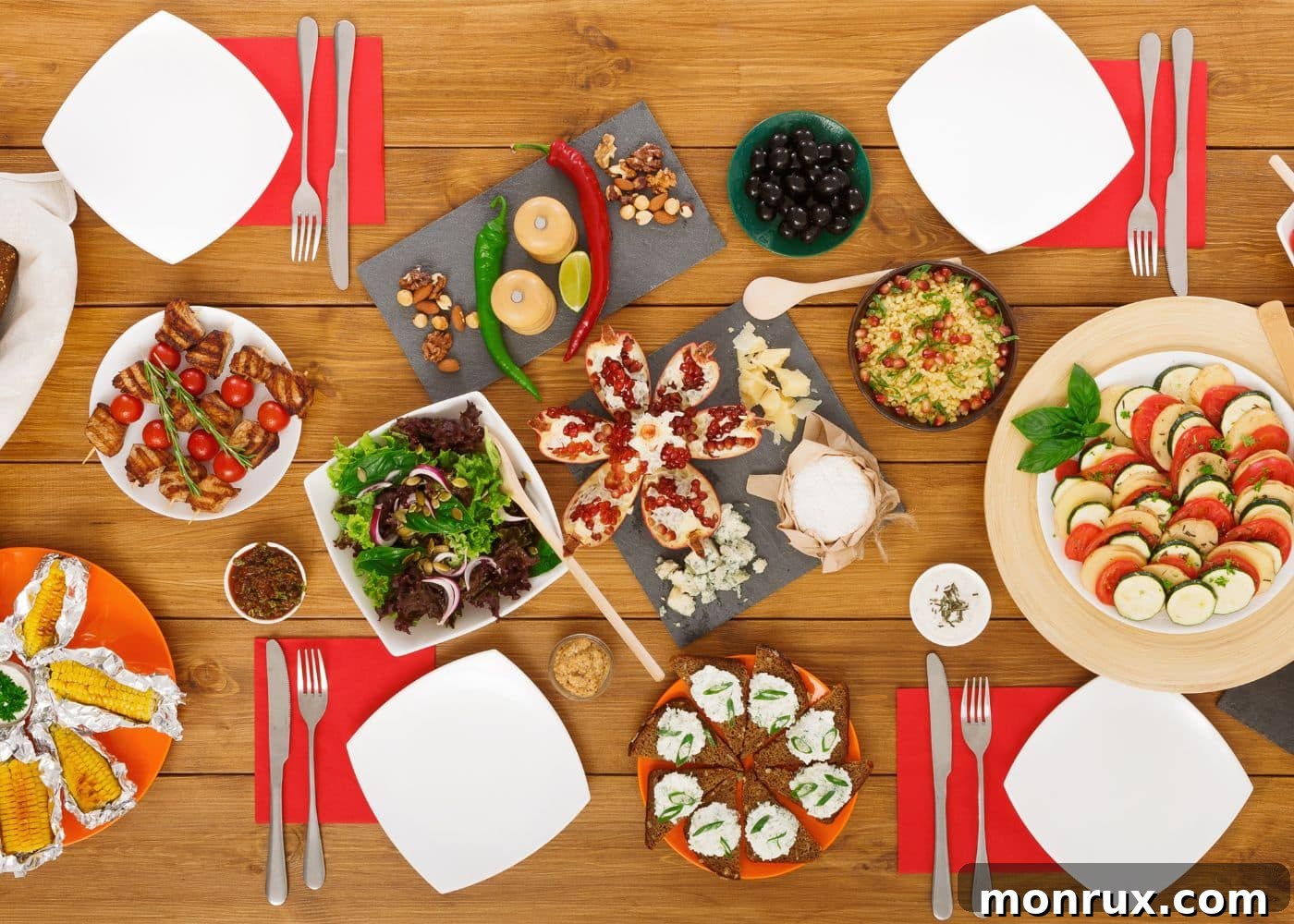
The holiday season, often a joyful blend of celebration, togetherness, and tradition, frequently comes with a delightful array of rich foods and festive drinks. For those committed to a clean eating lifestyle, navigating this period can feel like a challenge. However, it’s entirely possible to embrace the spirit of the holidays without compromising your health and wellness goals. This comprehensive guide offers the best tips for eating clean during the holidays, providing practical strategies to help you stay on track, feel great, and truly savor the season without a sense of deprivation.
Why It’s Challenging to Eat Healthy During the Holidays
The festive season, while joyous, presents unique hurdles for anyone striving to maintain a healthy eating regimen. Understanding these challenges is the first step toward overcoming them and enjoying a balanced holiday.
An Abundance of Temptations
Perhaps the most obvious challenge is the sheer volume and variety of enticing foods and beverages. From lavish family dinners featuring rich casseroles, gravy, and decadent desserts to office parties overflowing with sugary treats and alcoholic drinks, temptations are everywhere. Our cultural traditions often intertwine celebrations with food, making it difficult to decline without feeling like you’re missing out or being impolite. These high-calorie, often highly processed foods are designed to be incredibly palatable, making moderation a significant test of willpower.
Disruption of Routine
During the holidays, your regular schedule can be completely upended. Erratic sleep patterns, travel, social events, and a general shift in priorities can make consistent meal planning, grocery shopping, and home cooking more difficult. This disruption often leads to relying on convenience foods, eating out more frequently, and making impulse choices that stray from clean eating principles. When your routine is off, it’s easy to lose track of healthy habits.
Increased Stress Levels
Despite the festive cheer, the holiday season can be incredibly stressful. Managing family dynamics, financial pressures, gift shopping, travel logistics, and packed social calendars can take a toll. This elevated stress triggers the release of cortisol, the body’s primary stress hormone. High cortisol levels can significantly increase appetite, particularly for comfort foods rich in sugar and fat, leading to emotional eating and overindulgence. This physiological response makes it harder to stick to healthy choices, even when you have the best intentions.
The Global Phenomenon of Holiday Weight Gain
Studies consistently show that weight gain during the holidays is a common occurrence worldwide. While a few pounds might not seem significant, research also indicates that these extra pounds are often not fully lost in the New Year, contributing to gradual weight creep over time. This makes the holiday season a critical period for maintaining health, as preventing gain is often easier than losing it later. Recognizing this widespread pattern can empower you to adopt proactive strategies.
So, how can you enjoy the festivities without sacrificing your well-being? The following practical tips offer actionable advice to help you navigate the holiday season with confidence and maintain your commitment to clean eating.
Practical Tips for Clean Eating This Holiday Season
1. Practice the 80/20 Rule for Balanced Indulgence
The 80/20 rule is a flexible and sustainable approach to healthy eating, advocating for clean eating 80% of the time and allowing for mindful indulgences 20% of the time. This principle is particularly beneficial during the holidays when treats and celebratory beverages are abundant. It removes the pressure of perfection, allowing you to enjoy your favorite seasonal foods without feeling deprived or guilty.
To effectively implement the 80/20 rule:
- Prioritize Whole Foods: Make the majority of your meals and snacks consist of whole, unprocessed ingredients like lean proteins, fresh vegetables, fruits, and healthy fats. This forms your 80%.
- Strategic Indulgence: For your 20%, choose the treats that genuinely bring you joy. Instead of mindlessly grazing, select one or two items you truly crave and savor them. This could be a slice of your grandmother’s famous pie or a festive cocktail.
- Homemade vs. Store-Bought: When possible, opt for homemade versions of holiday classics. For example, prepare your own cranberry sauce with fresh berries and minimal natural sweetener instead of sugar-laden store-bought varieties.
- Healthy Snacking: Keep healthy snacks on hand, such as nuts, seeds, fresh fruit, or vegetable sticks. These help you feel satiated and prevent overindulging in high-calorie dishes during gatherings.
- Seek Recipe Inspiration: Explore clean eating holiday recipes that offer healthier twists on traditional dishes. Websites and cookbooks often provide options for Thanksgiving recipes, Thanksgiving side dishes, Thanksgiving desserts, and Christmas recipes that align with your clean eating goals.
Remember, the goal isn’t to be perfect, but to be consistent most of the time. Don’t let occasional treats derail your efforts; simply get back to your clean eating habits with your next meal.
2. Set SMART Goals Before the Festive Rush
Proactive goal setting can significantly impact your success in maintaining clean eating habits during the holidays. Rather than waiting until January 1st, establish clear and actionable goals now using the “SMART” principle:
- S – Specific: Clearly define what you want to achieve.
- M – Measurable: Quantify your goal so you can track progress.
- A – Achievable: Ensure your goal is realistic and attainable within your circumstances.
- R – Relevant: Make sure the goal aligns with your overall health and wellness objectives.
- T – Time-bound: Set a deadline for when you want to achieve your goal.
Here are some examples of SMART goals tailored for clean eating during the holidays:
- “I will prepare and eat home-cooked meals at least 80% of the time each week, avoiding restaurant or fast food.”
- “I will replace processed snacks like chips and cookies with nutritious alternatives such as a handful of nuts or a piece of fruit during weekdays.”
- “At holiday gatherings, I will choose water or unsweetened sparkling water over soda or sugary juices in between any alcoholic beverages.”
- “I will limit myself to one small serving of dessert per day during the holiday week, enjoying it mindfully.”
- “I will track my energy levels and any digestive symptoms (e.g., bloating) in a journal daily for two weeks to identify how specific foods impact my well-being.”
These goals are specific, actionable, and provide a clear framework for staying accountable. Setting them now prepares you mentally and practically for the festive period, giving you a tangible plan to follow.
3. Prioritize Non-Food Related Social Gatherings
Our culture often equates social gatherings with an abundance of food and drink. However, shifting your focus to non-food related activities can allow you to enjoy the company of loved ones without the constant temptation to overeat or drink. These alternatives can create unique and memorable holiday experiences.
Consider these ideas for festive get-togethers that prioritize connection over consumption:
- Outdoor Winter Fun: Visit a local ice rink for skating under twinkling lights, go sledding if there’s snow, or simply take a scenic walk to admire holiday decorations. These activities offer physical activity and create lasting memories.
- Creative & Crafty Gatherings: Host a gift-wrapping party with festive music, organize a DIY ornament-making session, or engage in a craft project. This turns chores into enjoyable social occasions.
- Community Exploration: Plan an evening to explore local holiday light displays, attend a Christmas market, or go caroling with friends. These activities immerse you in the festive atmosphere without revolving around food.
- Game Nights: Host a board game tournament, charades, or a puzzle challenge. These interactive activities encourage conversation and laughter, making food secondary.
- Mindful Tasting Experiences: Instead of heavy meals, organize a tea-tasting session, a coffee cupping, or even a non-alcoholic beverage “mixology” event to explore new flavors in a healthy way.
- Volunteering: Give back to the community as a group. Volunteer at a local shelter, food bank, or participate in a charity event. This fosters a sense of purpose and togetherness.
If you do attend food-centric events, practice strategic socializing. Position yourself away from the buffet table or snack bowls. Engage in conversations in different rooms, reducing the unconscious tendency to graze while chatting. This simple spatial change can make a big difference in preventing mindless eating.
4. Never Arrive at a Party Hungry
This is arguably one of the most effective strategies for preventing overindulgence during holiday parties. The common mistake of “saving up” calories by skipping meals beforehand often backfires spectacularly. When you arrive at an event ravenous, your willpower is significantly diminished, making you more likely to overeat quickly and choose less healthy options.
Instead, adopt a strategy of consistent, balanced eating throughout the day:
- Eat Regularly: Maintain your usual meal schedule, even if you anticipate a large party later. Skipping meals destabilizes blood sugar and amplifies hunger cues.
- Nutritious Pre-Party Snack: About 30-60 minutes before you leave for a party, consume a satisfying, nutrient-dense snack. This takes the edge off your hunger, allowing you to make more deliberate choices at the event.
- Balanced Snack Components: Ideal pre-party snacks combine protein, healthy fats, and complex carbohydrates to promote satiety. Good options include:
- Hard-boiled eggs with a handful of almonds.
- Greek yogurt with a few berries.
- Apple slices with a tablespoon of natural peanut butter.
- A small portion of lean turkey or chicken breast with whole-wheat crackers.
- Homemade low-sugar trail mix with nuts, seeds, and dried fruit (in moderation).
By arriving at a party comfortably satiated, you’ll be better equipped to enjoy the social aspect and make conscious choices about what and how much you eat, rather than succumbing to intense hunger-driven cravings. This allows you to truly savor a few chosen treats rather than feeling compelled to try everything.
For more ideas, explore my comprehensive list of healthy snacks you can make at home.
5. Maintain Your Exercise Routine
While the holiday hustle can make maintaining your regular exercise schedule feel like an insurmountable task, sticking with it as closely as possible offers immense benefits. Physical activity not only helps manage caloric intake and supports healthy digestion but also serves as a powerful tool for managing increased holiday stress.
If your usual routine is difficult to maintain, consider how you can modify your program to meet your goals:
- Break It Down: Instead of aiming for one long workout, break it into shorter, high-intensity blocks. For instance, a 30-minute workout could become three 10-minute brisk walks throughout the day, or quick bodyweight circuits at home.
- Embrace Festive Activities: Incorporate movement into holiday celebrations. Suggest walks with friends and family, especially after meals, to aid digestion and boost energy. Ice skating, sledding (weather permitting), and dancing at parties are fun ways to stay active.
- Explore New Forms of Movement: The holidays can be a great time to try something new or return to an old favorite. For instance, pilates is an excellent low-impact option that builds strength and flexibility. Learn about the different types of pilates and its many benefits.
- Prioritize Movement for Stress Relief: Even a short 10-minute walk can significantly reduce stress and boost your mood. Exercise releases endorphins, which are natural mood elevators, making it an invaluable tool for mental well-being during a potentially hectic season.
- Travel-Friendly Workouts: If traveling, pack resistance bands or plan bodyweight exercises that can be done in small spaces. Many apps offer guided workouts that require no equipment.
Remember, consistency trumps intensity. Any movement is better than none. Prioritizing physical activity will help you feel more energetic, less stressed, and more in control of your overall health throughout the holidays.
6. Proactively Manage Holiday Stress
As previously highlighted, elevated stress levels can undermine your clean eating efforts by increasing appetite and influencing food choices. Therefore, consciously managing stress is a critical component of a healthy holiday season.
Key strategies for stress management include:
- Prioritize Sleep: Adequate sleep is fundamental to managing stress and maintaining healthy eating habits. Late-night parties and early morning preparations can disrupt your sleep cycle. Aim for 7 to 9 hours of quality sleep each night. Lack of sleep can disrupt hormones like ghrelin (which stimulates appetite) and leptin (which signals satiety), leading to increased cravings for sugary and fatty foods. Try to maintain a consistent sleep schedule as much as possible.
- Schedule Self-Care: Dedicate non-negotiable time for yourself each day, even if it’s just 15-30 minutes. This could involve reading, meditation, journaling, a relaxing bath, listening to calming music, or simply enjoying a quiet cup of tea. Self-care acts as a vital buffer against holiday overwhelm and burnout.
- Set Boundaries: The holidays can bring increased demands on your time and energy. Learn to say “no” to commitments that overextend you. Protect your physical and mental space, especially if certain family dynamics or gatherings tend to be stressful.
- Mindfulness Practices: Incorporate mindfulness exercises, such as deep breathing or short meditation sessions, into your daily routine. These practices can help you stay present, reduce anxiety, and make more conscious decisions around food.
- Delegate and Ask for Help: Don’t try to do everything yourself. Delegate tasks, ask family members for help with preparations, or share responsibilities to lighten your load.
Viewing self-care as a non-negotiable “gift” to yourself can transform your holiday experience, making it more joyful and less stressful, which naturally supports healthier eating habits.
7. Avoid Energy-Draining Foods and Drinks
With the increased demands of the holiday season, maintaining consistent energy levels is crucial. The key lies in choosing foods that provide a steady release of energy and avoiding those that cause rapid blood sugar spikes followed by inevitable crashes, leaving you feeling more tired and hungrier than before.
Energy-Boosting Foods (Choose These):
- Lean Proteins: Chicken, turkey, fish, eggs, and legumes provide sustained energy and help keep you feeling full.
- Complex Carbohydrates: Oatmeal, quinoa, brown rice, and whole-grain breads offer a slow release of glucose into your bloodstream.
- Healthy Fats: Avocados, nuts, seeds, and olive oil provide concentrated energy and support overall brain function.
- Fiber-Rich Foods: Fruits, vegetables, and whole grains help stabilize blood sugar and maintain digestive health.
- Dark Chocolate: In moderation, high-quality dark chocolate (70% cocoa or higher) can provide a small energy boost and is rich in antioxidants, doubling as a healthier festive treat.
Energy-Sapping Foods (Limit or Avoid These):
- Processed Foods: Most highly processed items, especially those laden with added sugars, unhealthy fats (trans fats, hydrogenated oils), and excessive sodium, offer “empty” calories. They provide a quick, temporary burst of energy followed by a steep crash, making you crave more.
- Sugary Drinks: Sodas, sweet juices, and many festive alcoholic cocktails are packed with refined sugars that cause rapid blood sugar fluctuations.
- Refined Grains: White bread, pastries, and many conventional holiday baked goods, stripped of their fiber and nutrients, behave similarly to sugar in the body.
While an occasional sweet treat can be part of your mindful indulgence, be vigilant about ultra-processed foods that offer little nutritional value and significantly impact your energy and blood sugar. Making conscious choices about what you fuel your body with will ensure you have the sustained energy to enjoy all the holiday festivities. For inspiration on healthy eating, refer to this list of the best clean eating recipes for beginners.
8. Build a Strong Support System
The journey toward healthy eating, especially during challenging times like the holidays, is significantly bolstered by a robust support system. Having friends, family, or a community of like-minded individuals can provide invaluable encouragement, accountability, and a sense of shared experience.
Why is a support system so crucial?
- Shared Experience: It’s easy to feel isolated when you’re trying to eat healthily in a group setting where everyone else is indulging. A support system reminds you that you’re not alone in your efforts.
- Accountability: Knowing you have someone to check in with, or even just sharing your goals with others, can increase your commitment and motivation.
- Encouragement: On days when your willpower wanes, supportive individuals can offer motivation, remind you of your goals, and help you get back on track without judgment.
- Practical Advice: A support network can be a source of new ideas, healthy recipes, and strategies for navigating difficult situations.
Consider these avenues for finding your support system:
- Friends and Family: Talk to trusted friends or family members about your clean eating goals. They might even be interested in joining you or can help hold you accountable.
- Online Communities: Social media platforms, especially dedicated groups, can connect you with people who share similar health objectives. For instance, consider joining my clean eating support group on Facebook for a community of supportive individuals.
- Health Professionals: A nutritionist, dietitian, or health coach can provide personalized guidance and a structured support framework.
Research consistently demonstrates that social support is fundamental to successful lifestyle improvements across various health domains, including increasing physical activity, managing conditions like diabetes, and controlling high blood pressure. Embrace the power of community to make your clean eating journey more manageable and enjoyable this holiday season.
9. Consider an Alcohol-Free or Sugar-Free Challenge
For those looking for a more immersive approach to clean eating during the holidays, embarking on an alcohol-free or sugar-free challenge can be incredibly rewarding. With the backing of your support system, these challenges can reset your palate, boost your energy, and offer a fresh perspective on holiday festivities.
Before starting, plan for success:
- Line Up Alternatives: To avoid feeling deprived, ensure you have plenty of enjoyable substitutes.
- For Sugar-Free: Utilize natural sweeteners like cinnamon, nutmeg, and vanilla to enhance the flavor of sweet dishes. Stock up on fresh fruits, which offer natural sweetness and fiber. Experiment with baking using sugar substitutes like stevia or monk fruit.
- For Alcohol-Free: Explore a range of healthy and delicious non-alcoholic beverages. Kombucha, sparkling water with fresh fruit and herbs (e.g., lime and mint), homemade iced tea, or even a virgin Bloody Mary can be satisfying alternatives. These options help you feel part of the celebration without consuming empty calories or alcohol.
- Understand the Benefits: Remind yourself of the positive impacts of these challenges, such as improved sleep, increased energy, better digestion, clearer skin, and potential weight management.
- Seek Additional Resources: Many resources can help you succeed. For comprehensive guidance on reducing sugar, consider my Sugar-Free Challenge mini-course.
Should you choose to consume alcohol in moderation during the holidays, remember to balance it with plenty of water. And if you do overindulge, exploring my list of the best foods that cleanse the liver can offer helpful guidance for recovery.
An alcohol-free or sugar-free challenge can be a powerful way to reclaim your health during a time often associated with excess, proving that celebration doesn’t have to mean indulgence in unhealthy habits.
10. Focus on Meaningful Connections with Loved Ones
In the whirlwind of holiday preparations, gift-giving, and elaborate meals, it’s easy to lose sight of the true essence of the season: spending quality time with friends and family. By intentionally shifting your focus from food and drink to genuine connection, you can create deeper, more meaningful memories that nourish your soul rather than just your body.
Here’s how to prioritize connection:
- Engage in Conversations: Actively listen and participate in conversations. Ask open-ended questions, share stories, and truly connect with those around you. This engagement naturally diverts attention from constant grazing.
- Shared Activities: Plan and participate in activities that foster togetherness. This could include:
- Playing board games or card games.
- Going for long walks or hikes together.
- Singing carols or listening to festive music.
- Collaborating on a holiday craft or puzzle.
- Looking through old family photos and reminiscing.
- Offer to Help: At family gatherings, volunteer to help serve the food, set the table, or clean up afterwards. This keeps you active, engaged, and away from the food table, while also contributing positively to the event. It creates opportunities for conversation and teamwork.
- Create New Traditions: Establish traditions that emphasize experiences rather than consumption. For example, a yearly family talent show, a designated game night, or a charitable volunteering day.
Remember that the most valuable gifts you can give and receive during the holidays are your time and presence. When your focus is on strengthening bonds and creating joyful shared experiences, the pressure to overindulge in food naturally diminishes, leading to a more fulfilling and healthy holiday season.
11. Mindfully Savor Special Indulgences
Clean eating isn’t about rigid restriction or punishment; it’s a positive, healthy, and enjoyable lifestyle. A key part of an enjoyable lifestyle includes allowing for occasional, guilt-free indulgences. The holidays offer perfect opportunities for these special treats, but the secret lies in mindful consumption.
Instead of mindlessly consuming whatever is available, choose your indulgences strategically and savor them fully:
- Select Your Favorites: Don’t waste your “indulgence points” on foods you don’t truly love. Identify one or two holiday treats that you genuinely look forward to all year.
- Portion Control: Allow yourself a sensible, moderate serving of your chosen treat. The goal is enjoyment, not overconsumption.
- Engage Your Senses: Practice mindful eating. Before you take the first bite, notice the appearance, aroma, and texture of the food. As you eat, concentrate on the flavors, the sensation in your mouth, and the overall experience. Eat slowly, chew thoroughly, and put your fork down between bites.
- Eliminate Distractions: Avoid eating in front of the TV, while scrolling on your phone, or during intense conversations. Give your chosen treat your full attention to maximize enjoyment and ensure you recognize when you’re satisfied.
- No Guilt: Once you’ve chosen to indulge, do so without guilt. Savor every moment. Guilt can often lead to a cycle of shame and further unhealthy eating. Acknowledge that this is part of your balanced approach.
This mindful approach not only enhances your enjoyment of special foods but also helps you develop a deeper connection to and appreciation for what you eat. It encourages conscious choices and prevents the feelings of deprivation that often lead to unhealthy binges. Remember, one treat does not undo weeks of healthy eating; it’s the consistent pattern that matters.
Ready to embark on your clean eating journey but need guidance? Explore my Clean Eating Mini-Course, specifically designed for those new to a real food diet. It includes a healthy shopping guide, delicious recipes, and exclusive access to my private online support community. Join now and transform your health!
Frequently Asked Questions About Holiday Clean Eating
Absolutely! The essence of clean eating is about fostering a healthy and vibrant life, not about self-restriction or missing out on festive fun. You can certainly enjoy holiday parties while staying true to your clean eating goals with a few strategic approaches:
- Offer to Bring a Dish: This ensures there’s at least one healthy, clean option available. Consider bringing a large salad, a roasted vegetable platter, or a lean protein dish.
- Strategic Plate Filling: When approaching a buffet, prioritize filling a significant portion of your plate with raw or lightly cooked vegetables and lean proteins first. This leaves less room for higher-calorie, less nutritious items.
- Observe First: If possible, let others serve themselves from the buffet before you. Sometimes, seeing the spread after it’s been picked over makes certain items less tempting.
- Use a Smaller Plate: This simple trick can psychologically encourage you to take smaller portions. It’s an effective visual cue for portion control.
- Be Selective: Avoid processed, deep-fried, or overly creamy dishes as much as possible. Focus on whole, recognizable ingredients.
- Eat Slowly and Mindfully: Savor each bite and take your time. It takes about 20 minutes for your brain to register fullness, so waiting before going for seconds can prevent overeating.
- Hydrate: Drink plenty of water before and during the party. Sometimes, thirst can be mistaken for hunger.
When adopting a clean eating lifestyle, alcohol consumption should generally be approached with moderation. The goal is to choose options made with simple, high-quality ingredients and to be mindful of both quantity and potential hidden sugars and calories. Here are some guidelines:
- Moderation is Key: Limit your intake to one drink per day for women and up to two drinks per day for men.
- Choose Wisely: Opt for simpler alcoholic beverages that are less likely to contain added sugars, artificial flavors, or excessive calories. Good choices include:
- Dry wines (red or white) – often lower in sugar.
- Spirits served on the rocks or with soda water (e.g., vodka soda, gin and tonic with diet tonic or plain soda water).
- A classic Bloody Mary, made with fresh tomato juice and minimal additives, can also be a more nutrient-rich option.
- Avoid Sugary Mixers: Steer clear of cocktails made with sweet liqueurs, sugary juices, or syrupy mixers, which significantly increase the sugar and calorie content.
- Start with Non-Alcoholic Drinks: At a holiday party, begin with a refreshing non-alcoholic beverage like sparkling water with a squeeze of lemon or lime. This helps quench your initial thirst and can reduce the urge to immediately reach for an alcoholic drink.
- Alternate with Water: For every alcoholic drink you consume, follow it with a glass of water. This helps with hydration, slows down your alcohol consumption, and can prevent a hangover.
- Listen to Your Body: Pay attention to how alcohol affects you. Some individuals find that even moderate amounts interfere with their clean eating goals or energy levels.
By making conscious choices and prioritizing hydration, you can still enjoy a celebratory drink without completely derailing your clean eating efforts.
Additional Clean Eating Resources
Conclusion: Healthy and Happy Holidays
Navigating the holiday season with a clean eating mindset doesn’t have to be a battle against temptation; it can be an empowering opportunity to celebrate health, connection, and mindful enjoyment. By implementing these practical tips – from practicing the 80/20 rule and setting SMART goals to managing stress and focusing on non-food related activities – you can confidently enjoy the festivities without compromising your well-being.
Remember, the goal is not perfection, but sustainable progress. Embrace flexibility, prioritize self-care, and allow yourself the occasional, mindfully chosen indulgence. The true spirit of the holidays lies in precious moments with loved ones, and by caring for your body, you ensure you have the energy and vitality to fully participate in those joyful experiences. May your holidays this year be healthy, happy, and filled with delicious, nourishing choices!
Don’t forget to join my newsletter list to get exclusive clean eating recipes and tips. The newsletter is 100% free with no spam; unsubscribe anytime.
About the Author: Carrie Forrest has a master’s degree in public health with a specialty in nutrition and is a certified holistic nutritionist. She is a top wellness and food blogger with over 5 million annual visitors to her site. Carrie has an incredible story of recovery from chronic illness and is passionate about helping other women transform their health. Send her a message through her contact form.
Note: this post is for informational purposes only and is not intended as medical advice. Please consult your healthcare provider for recommendations related to your individual situation.