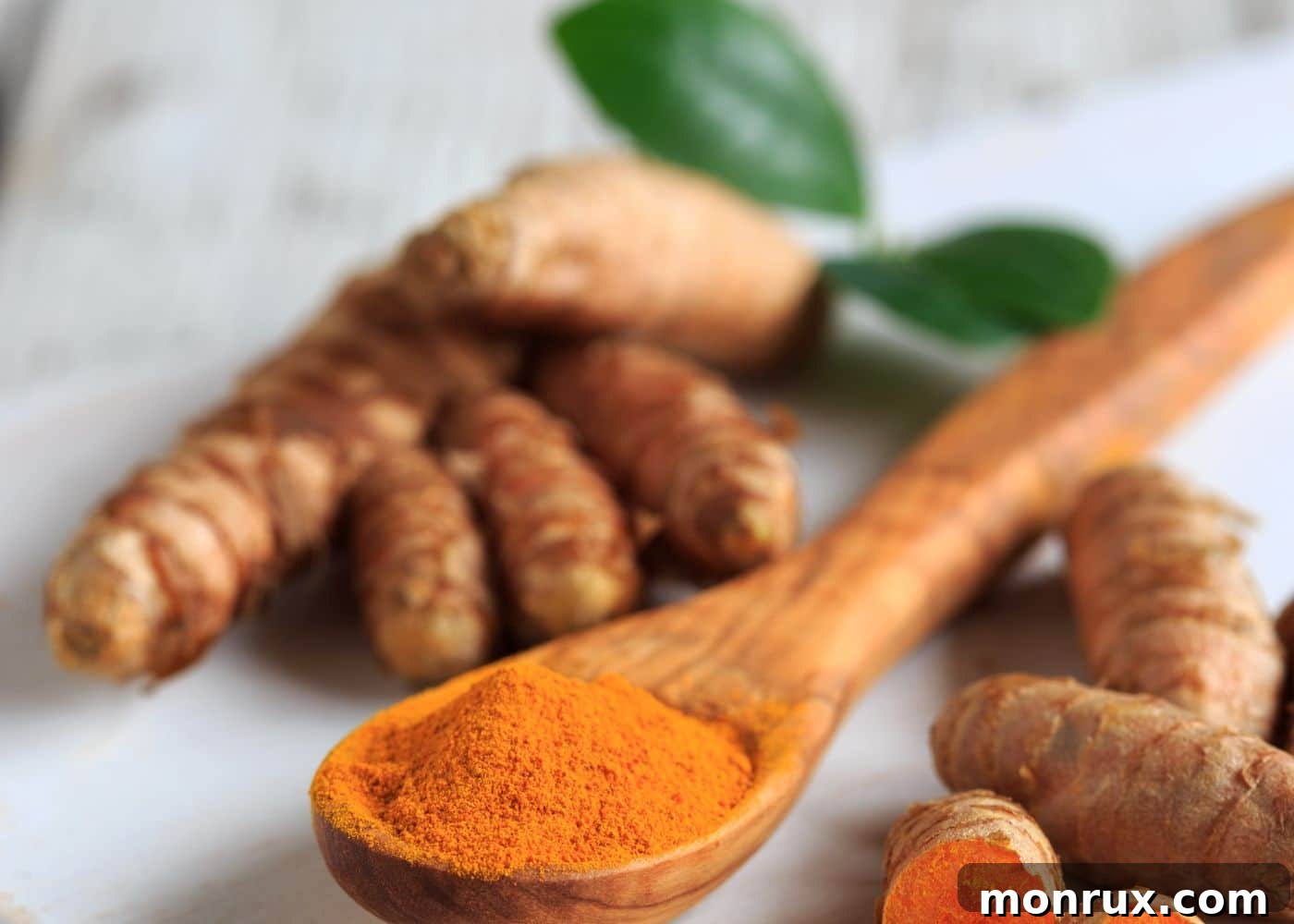
Turmeric, a vibrant golden spice, is a cornerstone in countless culinary traditions worldwide, celebrated for its distinctive earthy aroma, subtle bitterness, and brilliant yellow hue. It’s an indispensable ingredient that not only imparts a unique flavor profile but also a visually appealing color to dishes. However, whether you’ve run out, can’t find it at your local grocery store, or are looking for a slightly different flavor dynamic, finding a suitable replacement for this versatile spice can be a culinary challenge. This comprehensive guide explores the best turmeric substitutes, offering practical solutions that ensure your recipes never miss a beat. We’ll delve into various alternatives, from those that mimic turmeric’s color to others that capture its warm, peppery essence, providing you with the knowledge to confidently adjust your cooking.
Overview of Turmeric
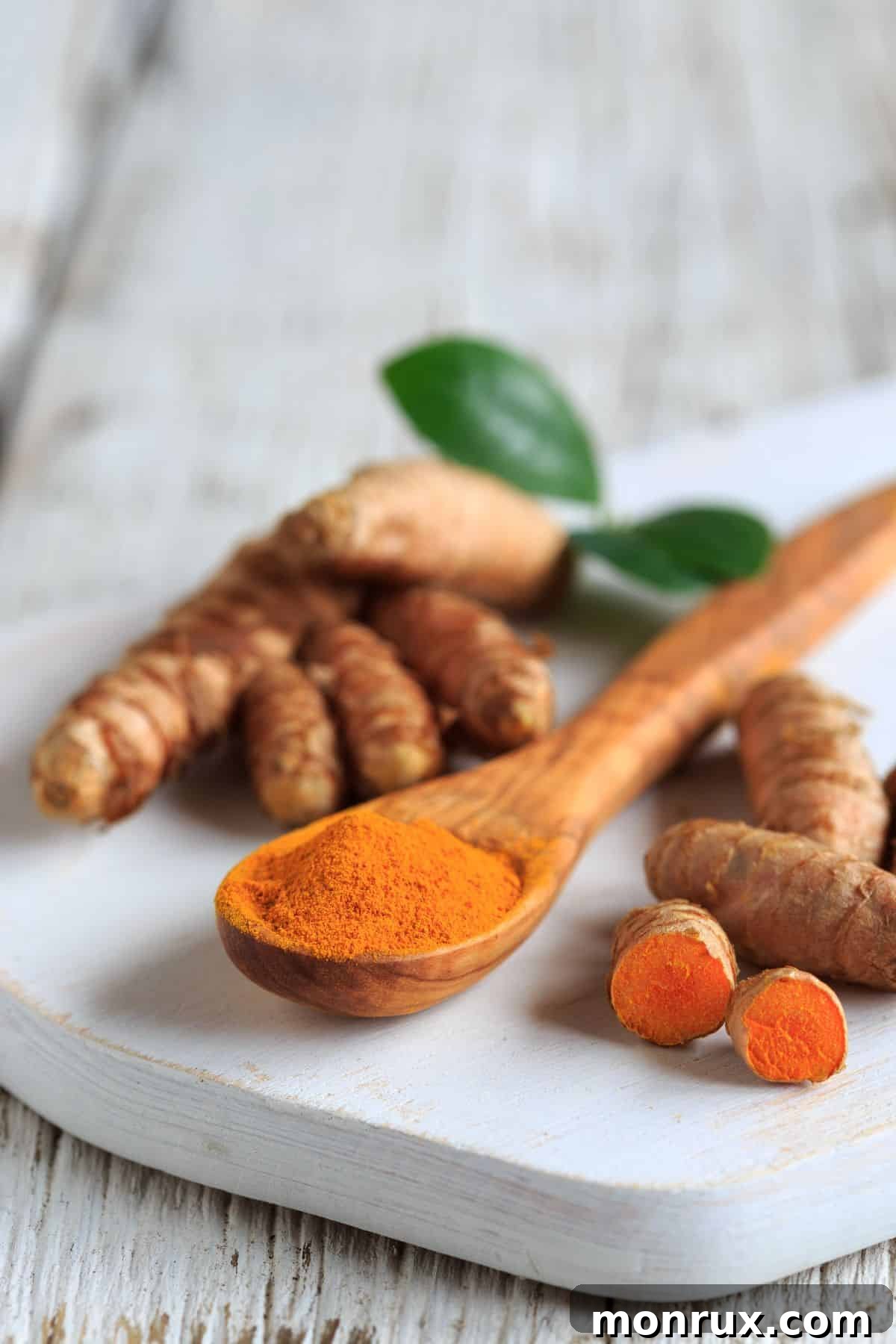
Turmeric, derived from the root of the Curcuma longa plant, is a powerhouse spice revered not only for its distinctive flavor but also for its vibrant golden color. Originating from Southeast Asia, it has been a staple in Indian and Asian cuisine for thousands of years, lending its unique profile to everything from savory curries and stews to aromatic rice dishes and traditional beverages like “golden milk.” Its flavor is often described as earthy, slightly bitter, warm, and peppery, making it a complex and intriguing addition to any dish.
Beyond its culinary prowess, turmeric is widely known as a natural food coloring agent. Its intense yellow pigment, attributed to compounds called curcuminoids, is so potent that it can dye foods and even fabrics. This makes it a popular choice for enhancing the visual appeal of dishes, giving them that characteristic warm glow.
Historically, turmeric has played a significant role in traditional medicine practices, particularly Ayurveda and Chinese medicine. Modern science has begun to explore its extensive potential health benefits, with curcumin, the active compound in turmeric, being the subject of numerous studies. It’s widely recognized for its anti-inflammatory and antioxidant properties, contributing to its superfood status.
Turmeric is available in two main forms: fresh root and ground powder. The fresh turmeric root, resembling ginger but with an orange-yellow interior, should be peeled before use. It can then be grated, sliced, or minced, adding a fresh, pungent kick to dishes. Ground turmeric powder, on the other hand, is a convenient and concentrated form that can be easily incorporated into recipes. Both forms offer distinct advantages, from the bright intensity of fresh root to the ease of powdered application. For instance, I love using fresh or ground turmeric to create my invigorating Turmeric Wellness Shot!
Why You Might Need Turmeric Substitutes
Despite its widespread appeal, there are several common reasons why home cooks and professional chefs alike might find themselves in need of a good turmeric substitute. Understanding these reasons can help in choosing the most appropriate alternative for your specific culinary situation:
- Availability Issues: Fresh turmeric root can sometimes be challenging to find, especially in smaller grocery stores or certain regions. Even ground turmeric powder, while more common, might occasionally be out of stock when you need it most.
- Cost Considerations: Depending on the season and location, turmeric can be a relatively expensive spice. For those on a budget or cooking large quantities, finding a more affordable alternative can be practical.
- Flavor Preferences: While many adore turmeric’s unique earthy and slightly bitter flavor, some might find it too strong or simply prefer a milder or different taste profile in certain dishes. Alternatives can help tailor the flavor to individual palates.
- Dietary Restrictions or Allergies: Although rare, some individuals may have sensitivities or allergies to turmeric. In such cases, a substitute becomes essential for safety and enjoyment.
- Color Correction: Turmeric is renowned for its golden hue. If your primary goal is to achieve a similar vibrant color without its distinct flavor, or if you only have a substitute that offers the flavor but not the color, you might need a secondary ingredient just for aesthetic purposes.
By offering a range of alternatives, this guide aims to empower you to adapt your recipes with confidence, ensuring delicious results every time, regardless of whether turmeric is on hand.
Best Turmeric Substitutes
When you’re looking for a turmeric substitute, it’s important to consider what aspect of turmeric you’re primarily trying to replace: its distinctive flavor, its vibrant color, or both. Here are some of the most effective and readily available alternatives, along with specific guidance on how to use them:
1. Annatto Seeds (Achiote)
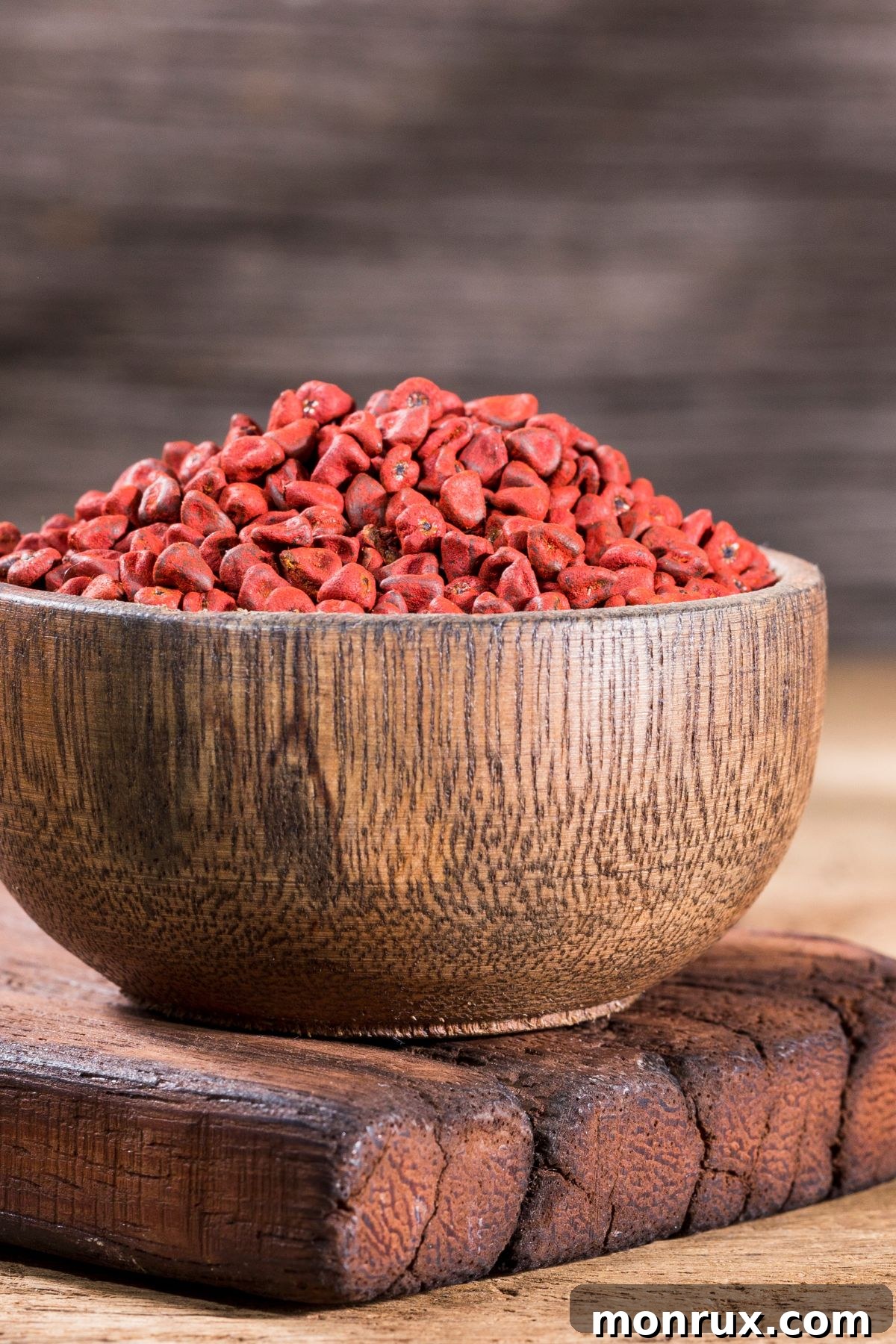
Annatto seeds, also known as achiote, are an exceptional stand-in for turmeric, particularly when aiming for its characteristic color. These small, reddish-orange seeds are widely used in Latin American and Caribbean cuisines to impart a vibrant hue to dishes. They offer a subtle, earthy flavor with hints of nutmeg and a slightly peppery note, which complements many dishes where turmeric is traditionally used.
To use annatto seeds as a turmeric substitute, you’ll generally want to extract their color and flavor. You can grind them into a fine powder using a mortar and pestle or a spice grinder. Alternatively, for oil-based dishes, you can infuse hot oil with the seeds, then strain them out, leaving behind a beautifully colored, flavorful oil. This method is perfect for rice, stews, or frying.
Annatto seeds are more potent in color and flavor than ground turmeric powder. Therefore, a smaller amount is typically needed to achieve similar results. They are particularly good in rice dishes, stews, and marinades where a golden-orange color is desired.
To substitute one teaspoon of ground turmeric, use about 1/2 teaspoon of ground annatto seeds. Adjust to taste and desired color intensity.
2. Ginger Powder
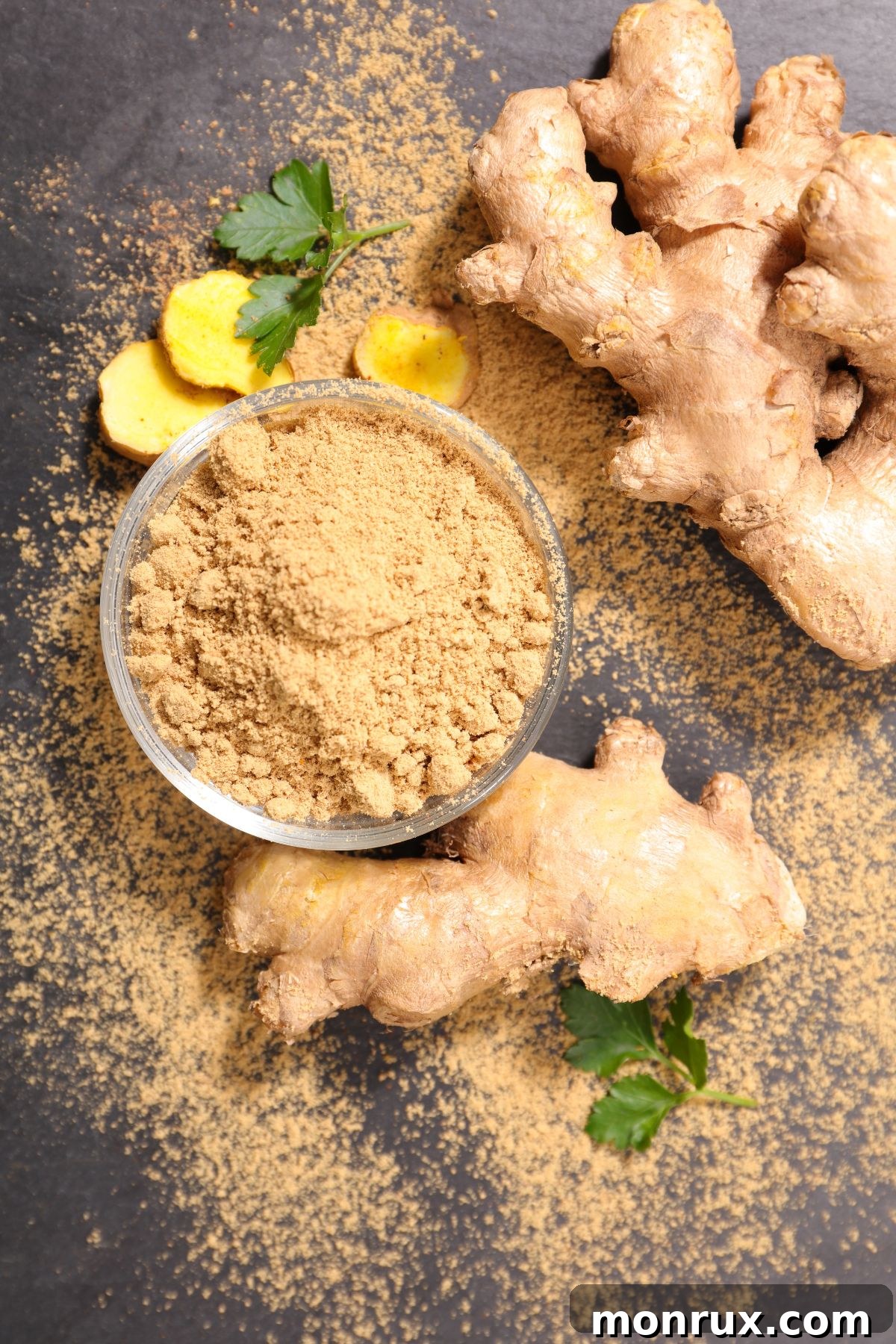
If you’re primarily looking for a turmeric substitute that will provide a similar pungent, warm, and slightly spicy flavor profile, then ginger powder is an excellent alternative. Turmeric and ginger are botanically related (both are rhizomes from the same family), sharing a certain aromatic complexity. While ginger lacks turmeric’s distinct earthy bitterness and vibrant yellow color, it offers a zesty, slightly sweet, and peppery flavor that can beautifully complement many dishes where turmeric is called for, especially in curries, soups, and marinades.
Ginger powder is also incredibly versatile and readily available. Its bright and invigorating notes pair well with other warm spices like cinnamon, cardamom, and cloves, making it a good fit for many spice blends. Keep in mind that ginger is more potent and assertive in flavor than turmeric, so you’ll need to use it sparingly to avoid overpowering your dish.
To substitute one teaspoon of ground turmeric, use approximately 1/4 teaspoon of ground ginger powder. Start with a smaller amount and add more gradually to achieve your desired flavor balance.
3. Raw Turmeric Root
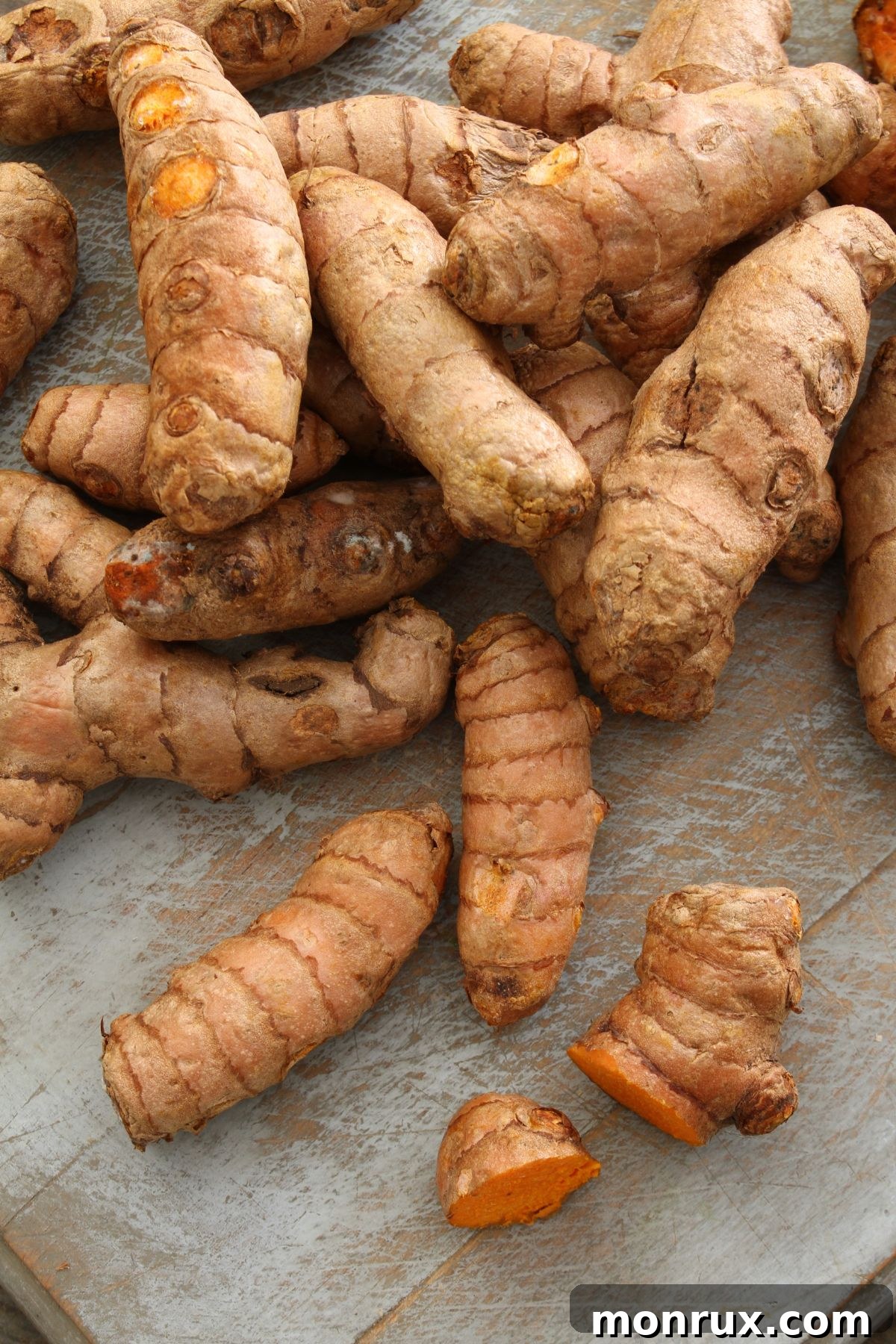
When dried turmeric powder is unavailable, but you can find fresh turmeric root, you’ve found perhaps the most ideal substitute! Raw turmeric root offers the closest match in terms of unique flavor and vibrant color to its powdered counterpart because, well, it’s the same plant! Fresh turmeric has a slightly brighter, more pungent, and subtly sweeter flavor compared to the more concentrated, earthy taste of the dried powder. It also maintains all the beneficial compounds, including curcumin, in their fresh form.
Using raw turmeric root requires a bit more preparation. You’ll need to peel the skin, which can stain your hands, so wearing gloves is advisable. Once peeled, it can be grated, minced, or finely chopped. It’s best used fresh, incorporated into dishes early in the cooking process to allow its flavors to meld beautifully. Fresh turmeric is particularly excellent in stir-fries, curries, smoothies, and teas, providing both flavor and a beautiful golden hue.
Since fresh turmeric is less concentrated than dried powder, you’ll need to use a larger amount to achieve a similar flavor intensity.
To substitute one teaspoon of ground turmeric, use approximately 1/2 teaspoon of raw grated turmeric root. Adjust up or down based on your preference for intensity.
4. Yellow Mustard Seeds or Mustard Powder
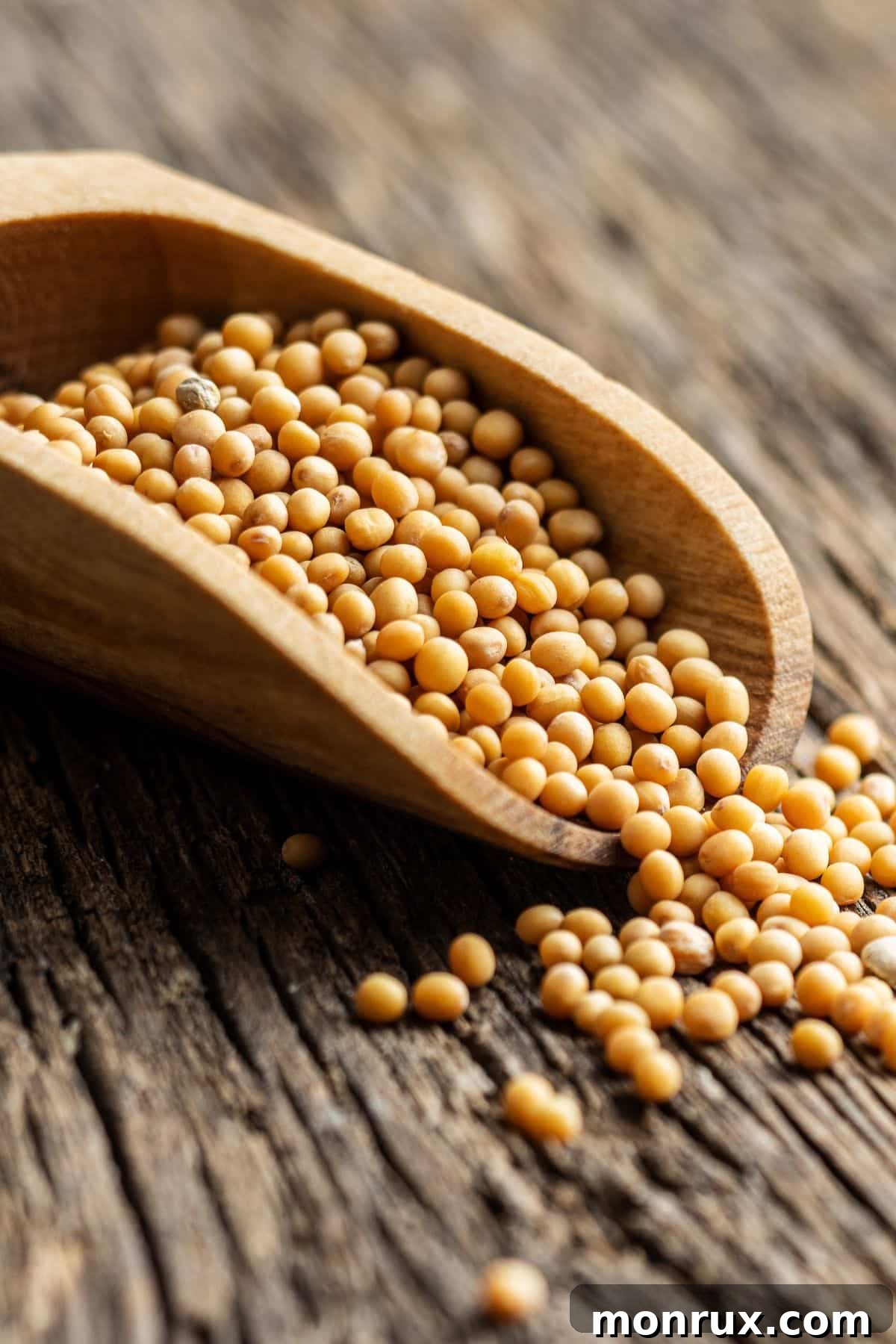
For those times when turmeric is truly out of reach, yellow mustard powder or whole yellow mustard seeds can serve as a surprisingly effective substitute, especially if you’re looking to replicate the color and add a touch of pungency. Yellow mustard powder is particularly good for mimicking the golden color, though its flavor profile is distinctly different from turmeric. It offers a sharp, tangy, and slightly spicy kick rather than turmeric’s earthy bitterness.
If using yellow mustard seeds, you’ll need to grind them into a fine powder or toast them in a dry pan before adding them to your dish to mellow their flavor and bring out their nutty notes. Mustard powder can be added directly to recipes. While it won’t provide the deep earthiness of turmeric, it can still contribute a pleasant warmth and brightness, particularly in marinades, rubs, and some curries where a zesty element is welcome.
Given its more assertive and different flavor, mustard should be used cautiously. It’s a good turmeric substitute in a pinch, especially when color is a priority and a different flavor twist is acceptable.
To substitute one teaspoon of ground turmeric, use about 1/3 teaspoon of yellow mustard seed (ground) or mustard powder. Taste and adjust as needed.
5. Garam Masala
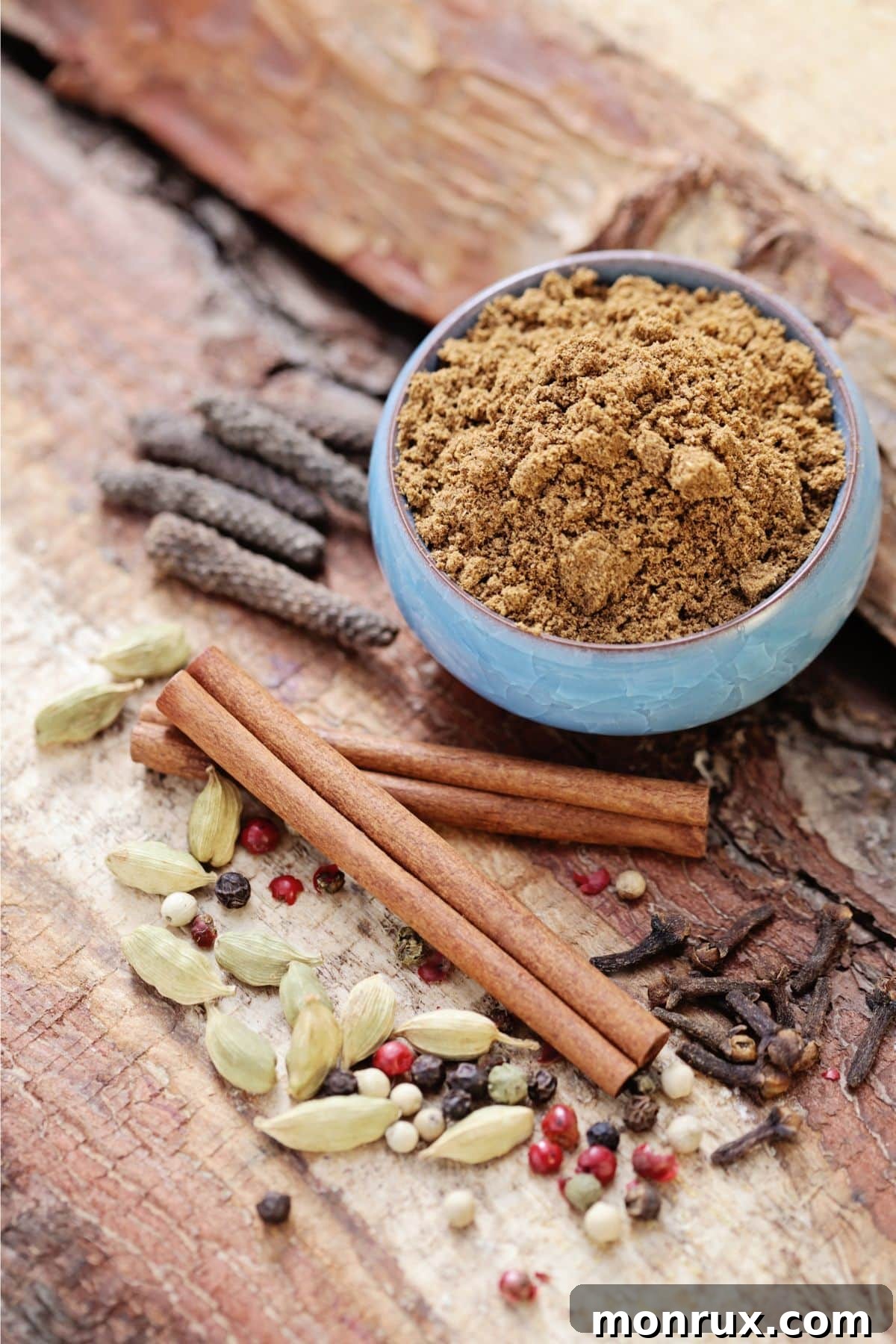
Garam masala is a fragrant spice blend, a staple in Indian cuisine, and can be an excellent substitute for turmeric, particularly in curries and stews. While it doesn’t offer the same vibrant yellow color as turmeric, it provides a complex and warm depth of flavor that can enhance your dish beautifully. The typical composition of garam masala includes a harmonious blend of spices such as cumin, coriander, cardamom, cloves, cinnamon, and black pepper, all of which are commonly found in most supermarkets.
Because garam masala is a blend of several spices, it already carries a nuanced flavor profile that can complement and enrich dishes where turmeric is traditionally used. It shares a similar warmth and earthiness with turmeric, but also adds a layer of aromatic sweetness and gentle heat. This makes it a perfect substitute when you’re looking to maintain a rich, authentic taste in dishes like curries, lentil soups, and vegetable preparations.
When substituting, keep in mind that garam masala has a more intricate flavor and can be quite potent. Start with a smaller amount and taste before adding more to ensure it doesn’t overpower the other flavors in your recipe.
To substitute one teaspoon of ground turmeric, use about 1/4 teaspoon of garam masala. Adjust according to your preference for spice intensity.
6. Cumin Seeds (or Ground Cumin)
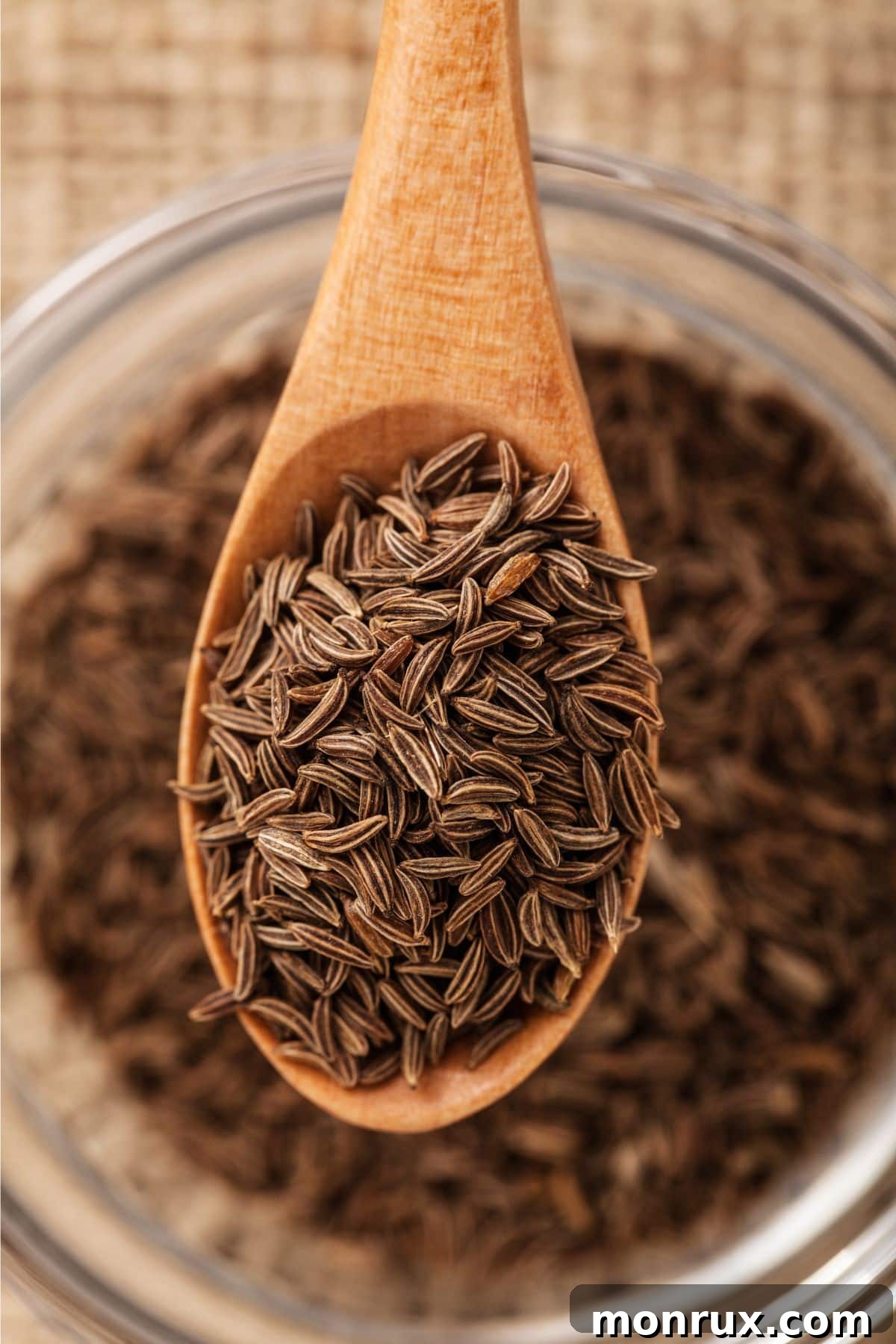
Cumin, a member of the parsley family (though the original text incorrectly linked it to ginger, which is incorrect), is a widely used spice known for its distinctive warm, earthy, and slightly bitter flavor, making it a good option if you’re out of turmeric. While it doesn’t offer turmeric’s bright yellow color, its aromatic qualities are compatible with many dishes where turmeric is typically found. Cumin is a staple in Indian, Middle Eastern, Mexican, and North African cuisines, used in both savory and sometimes even sweet dishes.
You can use either whole cumin seeds or ground cumin powder as a substitute. Whole seeds can be toasted in a dry pan to enhance their nutty flavor before being added to dishes or ground. Ground cumin offers immediate convenience. It brings a depth of flavor that is essential in many spice blends and can effectively mimic the foundational warmth that turmeric provides.
It’s important to remember that while both share an earthy quality, cumin has a more robust and sometimes smoky flavor profile compared to turmeric. Use it thoughtfully to avoid overpowering your dish.
To substitute one teaspoon of ground turmeric, use approximately one teaspoon of ground cumin (or ground cumin seeds). You can adjust slightly based on your preference for a stronger cumin flavor.
7. Chili Powder
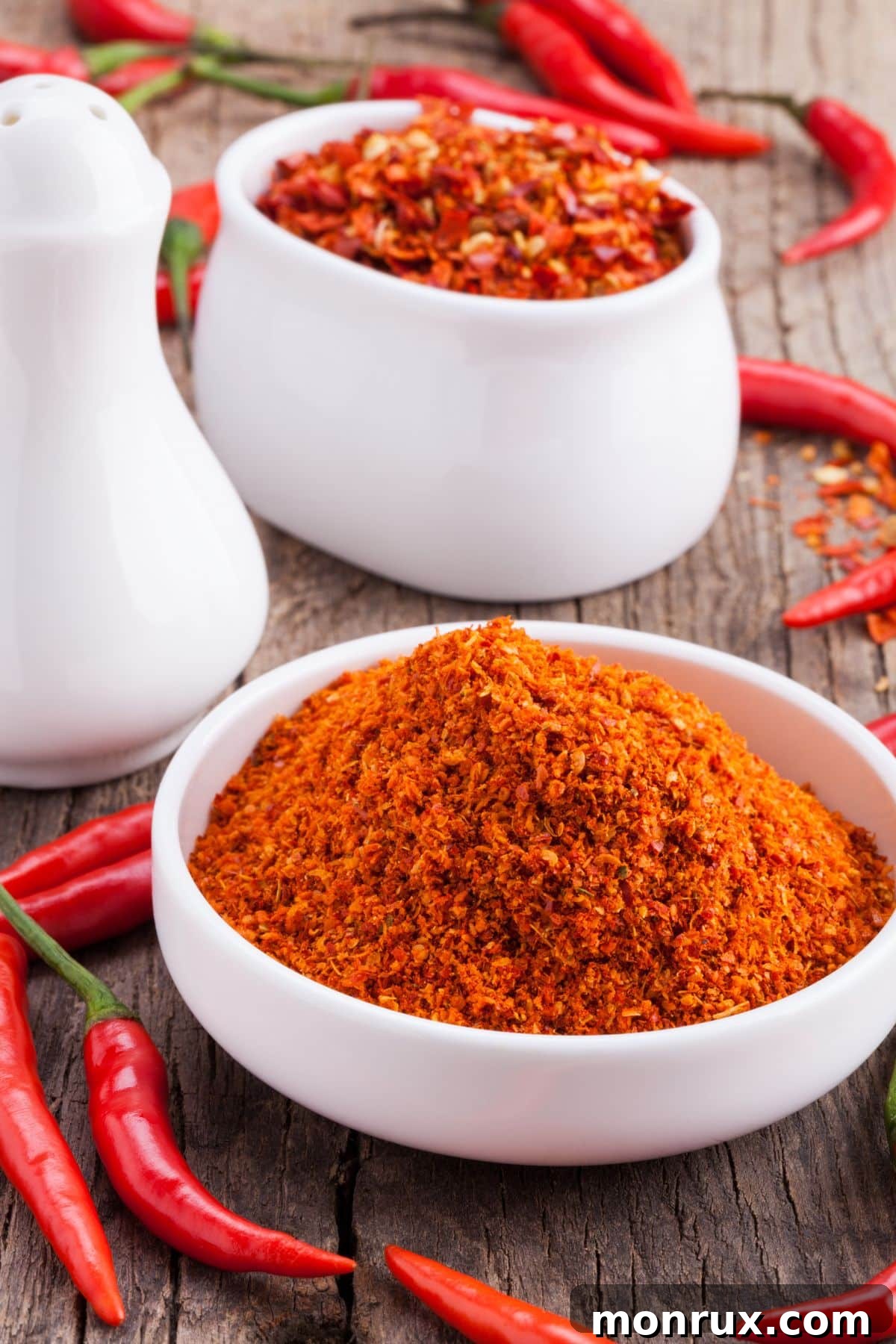
Chili powder, a versatile spice blend primarily made from dried, ground chili peppers, can function as a turmeric substitute when you need to add both color and a warm, earthy flavor to your dishes. It’s a common ingredient in Mexican, Tex-Mex, and Indian cuisines, known for its ability to add depth, a touch of heat, and a reddish hue. While it won’t replicate turmeric’s bright yellow, its reddish-orange tones can still contribute a visually appealing warmth to your cooking.
The flavor profile of chili powder is more pungent and can range from mild to very spicy, depending on the types of chilies used in the blend. It also often includes other spices like cumin, garlic powder, and oregano, which add layers of complexity. This blend can bring a foundational earthy flavor similar to turmeric, alongside a pleasant warmth and spiciness. It’s particularly useful in hearty stews, bean dishes, and some curries where a bit of heat is desired.
Due to its potential for spiciness, chili powder should be used sparingly as a direct substitute for turmeric, especially if your recipe isn’t intended to be spicy. Start with a small amount and adjust to taste, ensuring you don’t overwhelm the dish with heat.
To substitute one teaspoon of ground turmeric, use about 1/2 teaspoon of chili powder. Be mindful of the spice level and adjust accordingly.
8. Galangal Powder
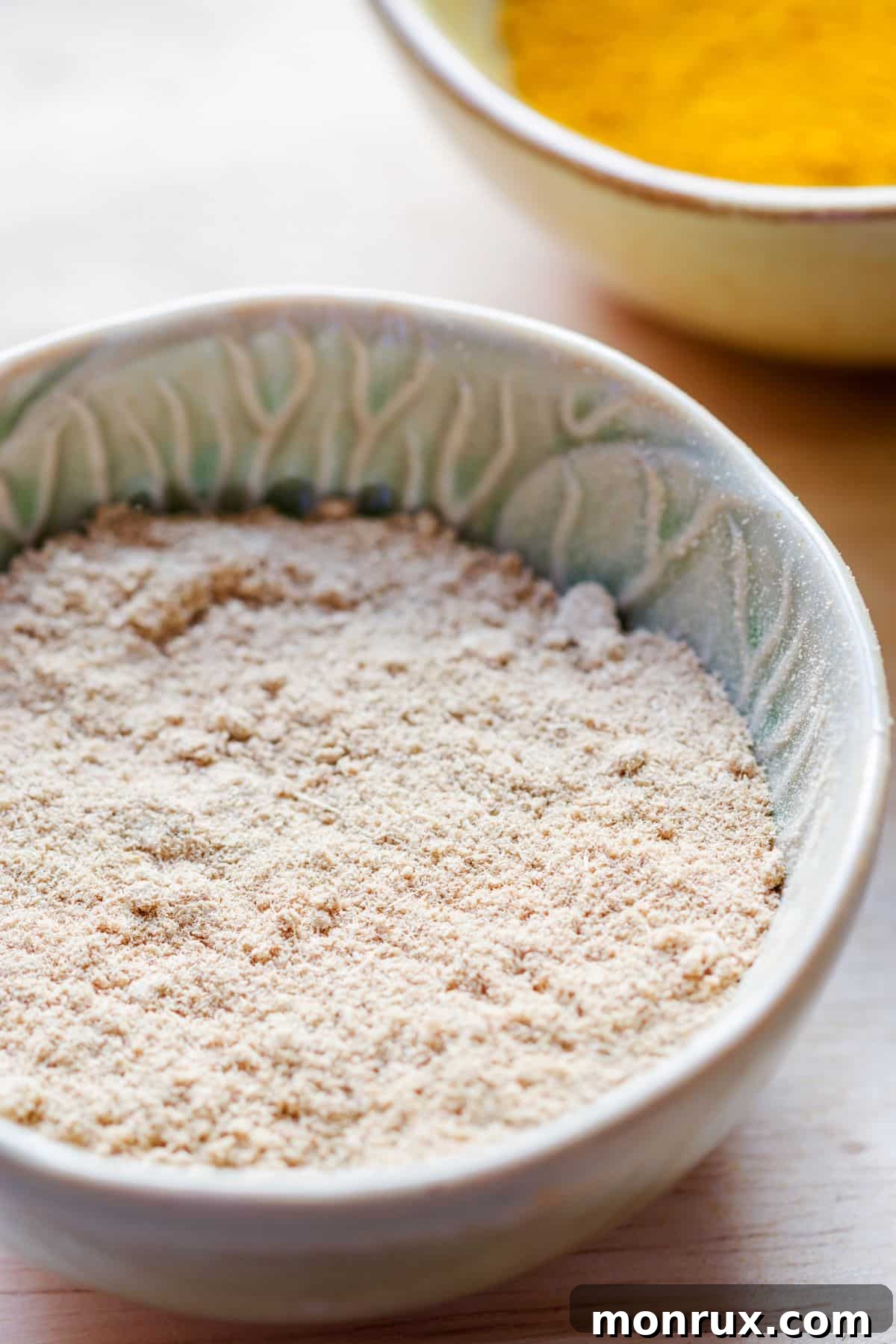
Galangal powder is derived from the root of the galangal plant, a rhizome that is closely related to both ginger and turmeric, making it a natural fit as a substitute in terms of botanical lineage and certain flavor characteristics. It is a fundamental ingredient in Southeast Asian cuisines, especially Thai and Indonesian, where its unique flavor profile is highly prized.
The flavor of galangal is distinctly different from ginger, being more citrusy, peppery, and piney, with a sharper and sometimes less sweet aroma. When used in powdered form, it delivers a slightly spicy, invigorating kick with bright, almost floral notes. While it doesn’t offer turmeric’s rich golden color, it provides a fascinating flavor dimension that can work well in curries, stews, and soups, especially those with an Asian influence.
Galangal powder is generally more potent in flavor than turmeric powder, so a smaller quantity is recommended. It’s an excellent choice for those who appreciate the robust, aromatic qualities of ginger and are open to a slight variation in flavor from turmeric, lending a unique zest to your dishes.
To substitute one teaspoon of ground turmeric, use approximately 1/4 teaspoon of galangal powder. Begin with a smaller amount and adjust to taste.
Bonus Substitute Recommendations
While the options above are among the best and most common turmeric substitutes, this list is far from exhaustive. Depending on the specific dish and the aspect of turmeric you’re trying to replace (flavor, color, or both), you might also consider these alternatives:
- Curry Powder: Many curry powders already contain turmeric as a primary ingredient, making them a straightforward substitute. However, be aware that curry powders are blends and will introduce a broader range of flavors (like cumin, coriander, and fenugreek) that might alter your dish’s original profile.
- Ground Coriander: This spice offers an earthy, slightly citrusy, and warm flavor that can contribute to the complexity of a dish, similar to turmeric, though it lacks the characteristic bitterness and color.
- Smoked Paprika or Sweet Paprika: For color, paprika (especially sweet or smoked varieties) can impart a reddish-orange hue, though its flavor is much milder and sweeter than turmeric, with smoked paprika adding a distinct smoky note. It won’t mimic turmeric’s earthy bitterness but can contribute to visual warmth.
- Saffron: This is a premium choice, primarily for color. Saffron strands provide a beautiful golden color and a delicate, slightly sweet, and floral flavor. It’s considerably more expensive than turmeric but unmatched for its luxurious hue in dishes like paella or risotto.
- A Blend of Spices: If you’re feeling adventurous, you can create your own blend. A mix of a pinch of ginger powder (for pungency), a dash of ground mustard or paprika (for color), and a hint of cumin (for earthiness) can collectively mimic some of turmeric’s multifaceted characteristics.
Always consider the overall flavor profile of your dish and taste as you go when experimenting with these bonus recommendations.
Pros and Cons of Turmeric Substitutes
Choosing the right turmeric substitute involves weighing the advantages and disadvantages of each option in the context of your specific recipe. Here’s a detailed chart summarizing the pros and cons to help you make an informed decision:
| Substitute | Pros | Cons | Flavor Profile | Color Contribution |
|---|---|---|---|---|
| Annatto Seeds (Achiote) | Excellent for vibrant yellow-orange color. Offers a mild, earthy, slightly nutty flavor. Good in oil infusions. | Flavor is milder than turmeric and slightly different (more peppery/nutmeg notes). Requires grinding or infusing. | Subtle earthy, peppery, with hints of nutmeg. | Vibrant yellow-orange. |
| Ginger Powder | Shares botanical family with turmeric; provides warmth and pungency. Readily available. | Lacks turmeric’s characteristic earthy bitterness and bright yellow color. More potent; use sparingly. | Spicy, zesty, pungent, and slightly sweet. | None (light brown). |
| Raw Turmeric Root | Closest match in flavor and color to dried turmeric powder. Offers fresh, bright notes. | Requires peeling and grating. Can stain hands/surfaces. Not as widely available as powder. | Fresh, pungent, slightly sweeter, and less earthy than powder. | Bright golden yellow. |
| Yellow Mustard Seeds/Powder | Good for imparting a yellowish hue (especially powder). Adds a sharp, tangy kick. Widely available. | Flavor profile is significantly different (pungent, spicy, tangy, no earthiness). Can overpower if not used carefully. | Sharp, pungent, tangy, and slightly spicy. | Pale yellow to golden. |
| Garam Masala | Offers complex, warm, and aromatic depth of flavor. Convenient pre-mixed blend. | Does not replicate turmeric’s color. Flavor is more intricate and may alter the dish’s intended taste. | Warm, aromatic, slightly sweet, with notes of cumin, coriander, and cardamom. | Brownish-red. |
| Cumin Seeds/Powder | Provides a warm, earthy, and slightly smoky flavor. Widely available. | Lacks turmeric’s distinct bitterness and yellow color. Can be quite dominant if overused. | Warm, earthy, slightly smoky, and pungent. | Brownish-yellow. |
| Chili Powder | Adds color (reddish-orange) and earthy flavor. Easily accessible. Introduces warmth. | More pungent and spicy than turmeric. Flavor profile includes other spices like garlic/oregano which may not be desired. | Earthy, savory, and spicy (intensity varies). | Reddish-orange. |
| Galangal Powder | Botanically related to turmeric; offers a unique citrusy, piney, and peppery flavor. | Less common than ginger/turmeric. Flavor is distinct and may not be suitable for all recipes. Lacks yellow color. | Sharp, citrusy, peppery, piney, with a hint of ginger-like warmth. | Light brown. |
Frequently Asked Questions (FAQs)
Absolutely. In curry recipes, where turmeric is a foundational spice for both flavor and color, several substitutes can work effectively. A common approach is to use a blend of coriander and cumin, which provides a similar warmth and earthiness, though it won’t replicate the yellow color. For color, annatto (from achiote seeds) is an excellent choice, imparting a vibrant yellow-orange hue with a subtle flavor. Garam masala is another strong contender, offering a complex aromatic profile that can enrich the curry, albeit without the characteristic golden color. You can also experiment with a small amount of ginger powder for its pungent warmth.
When your primary goal is to achieve a yellow or golden color without necessarily needing turmeric’s specific flavor, annatto seeds are your best bet. They are widely used in various cuisines specifically for their vibrant yellow-orange dye. Another option for a subtle, natural yellow is yellow beet powder, though it might introduce a very faint earthy taste. A very small pinch of saffron can also provide a luxurious golden hue, but it is considerably more expensive and has a distinct floral flavor. For a more common and milder option, a dash of yellow mustard powder can impart a yellow tint, alongside a sharp, tangy flavor.
Yes, creating a custom blend of spices is an excellent way to substitute for turmeric, especially when you want to mimic both its flavor and color nuances. A good starting point could be combining a pinch of ginger powder for its pungent warmth, a small amount of ground mustard or sweet paprika for a yellowish tint, and a touch of cumin for earthiness. For a more bitter note, a tiny amount of fenugreek powder can be added, though it’s potent and should be used very sparingly. This approach allows for greater control over the final flavor and appearance, though the resulting taste will inevitably be slightly different from using pure turmeric.
While no substitute can perfectly replicate turmeric’s unique curcumin content, some alternatives offer their own array of health benefits. Ginger, for instance, is well-known for its anti-inflammatory and digestive aid properties. Cumin is rich in iron and can aid digestion. Chili powder can boost metabolism. While these spices contribute to a healthy diet, they shouldn’t be considered direct replacements for the specific therapeutic benefits associated with turmeric and its active compound, curcumin.
More Articles on Substituting Ingredients
Final Thoughts
Navigating the kitchen without a key ingredient like turmeric can initially seem daunting, but as this guide illustrates, the culinary world offers a rich tapestry of spices that can step in to save your dish. From the vibrant color of annatto to the pungent warmth of ginger, and the complex notes of garam masala, each substitute brings its own unique character to the table. The key to successful substitution lies in understanding the core flavor and visual impact of turmeric that you wish to replace and then selecting an alternative that best aligns with those qualities.
Remember that while some substitutes excel at mimicking turmeric’s color, others are better at replicating its earthy or peppery notes. It’s perfectly acceptable, and often recommended, to combine two or more substitutes to achieve a more nuanced balance that closely resembles turmeric’s multifaceted profile. Always start with a smaller quantity than recommended, taste your dish, and adjust gradually. This iterative approach ensures that you don’t overpower your recipe and allows you to experiment with confidence.
Ultimately, a lack of turmeric doesn’t have to mean compromising on flavor or presentation. By leveraging these versatile turmeric substitutes, you can continue to create delicious, beautifully colored dishes, proving that culinary creativity often flourishes when faced with a little challenge. So, next time you reach for the turmeric jar and find it empty, embrace the opportunity to explore new flavors and expand your spice pantry!
Don’t forget to join my newsletter list to get exclusive clean eating recipes and tips. The newsletter is 100% free with no spam; unsubscribe anytime.
About the Author: Carrie Forrest has a master’s degree in public health with a specialty in nutrition and is a certified holistic nutritionist. She is a top wellness and food blogger with over 5 million annual visitors to her site. Carrie has an incredible story of recovery from chronic illness and is passionate about helping other women transform their health. Send her a message through her contact form.