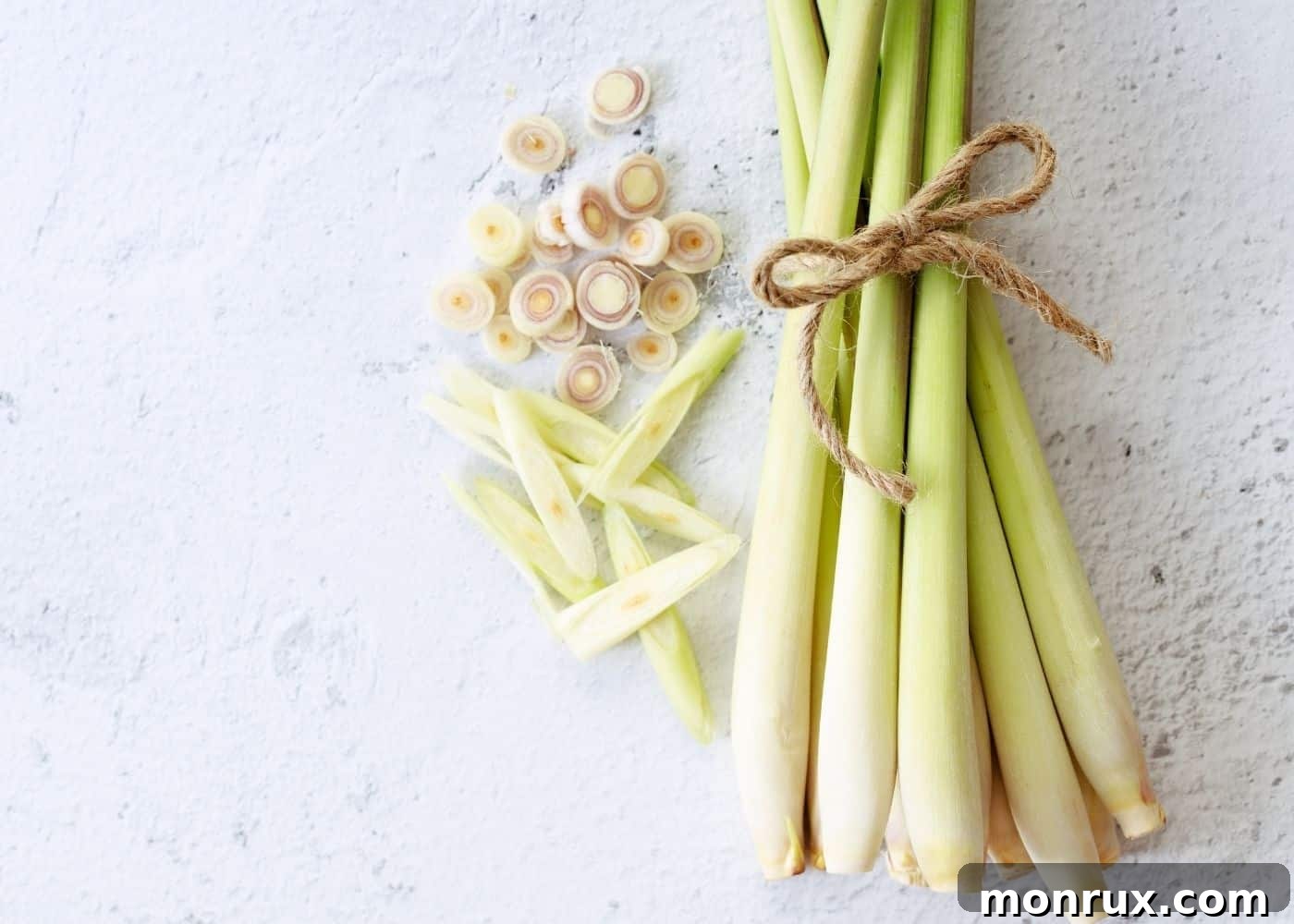
Ever found yourself midway through a recipe, only to realize you’re missing that crucial stalk of fresh lemongrass? It’s a common culinary predicament! While lemongrass lends an irreplaceable aromatic, citrusy, and herbaceous note to many dishes, especially in Asian cuisine, it can sometimes be a challenge to source. Its unique flavor profile, a delightful blend of lemon, mint, and ginger with subtle rose undertones, is truly special. But don’t let a missing ingredient derail your cooking plans!
Whether you’re crafting a fragrant Thai curry, a vibrant Vietnamese pho, or a refreshing marinade, this comprehensive guide will equip you with the best substitutes for fresh lemongrass. From readily available citrus zests to intriguing herbs and spices, we’ll explore alternatives that can mimic its distinctive essence, ensuring your dishes still sing with flavor. Get ready to discover your new go-to lemongrass replacement and elevate your cooking with these practical and delicious options.
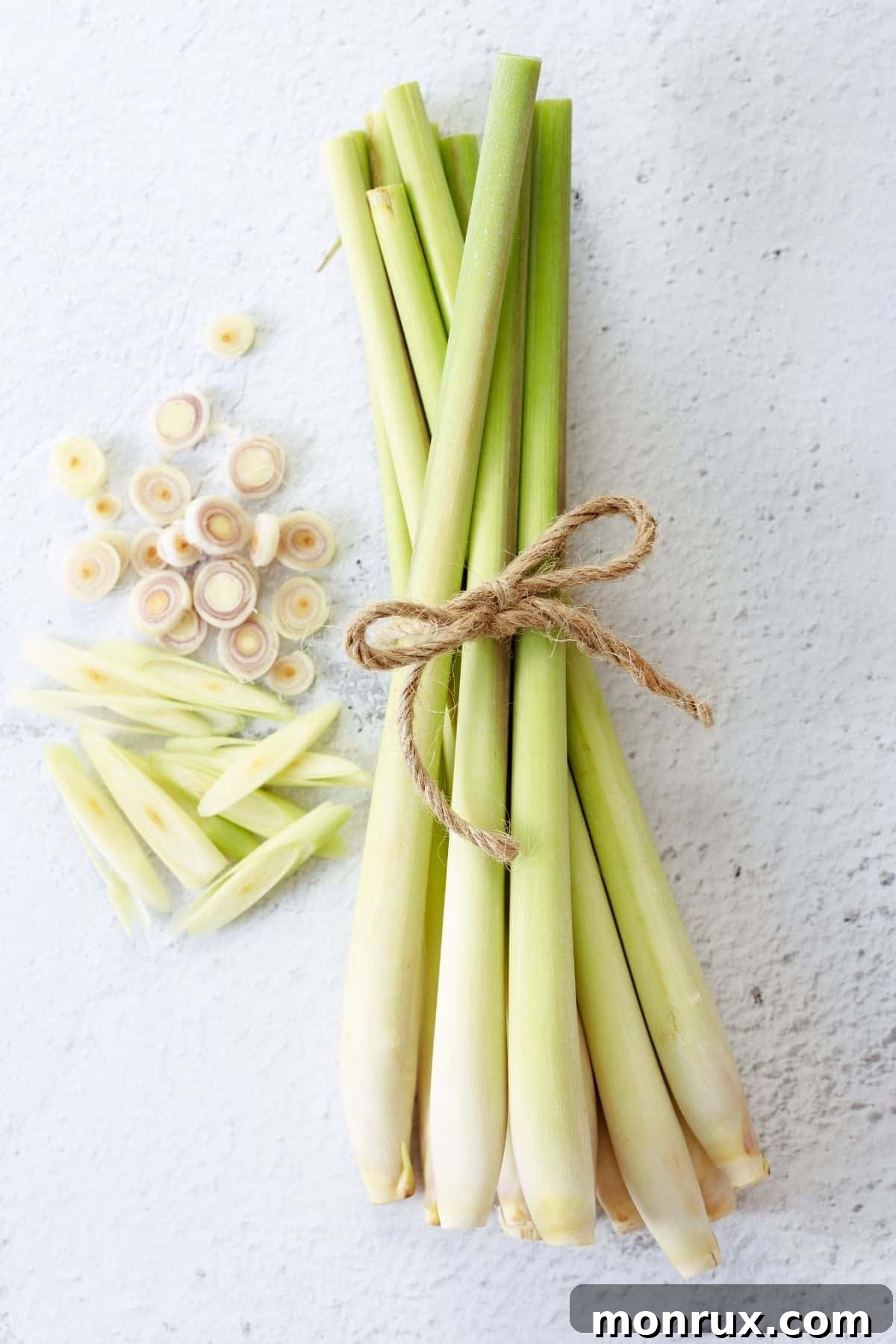
Understanding Lemongrass: Flavor, Forms, and Uses
Before diving into substitutes, it’s helpful to understand what makes lemongrass so unique. Lemongrass (Cymbopogon citratus) is a tall, perennial grass native to India and Southeast Asia. It thrives in tropical climates and is a staple in various Asian cuisines, most notably Thai, Vietnamese, and Indonesian dishes.
The Distinctive Flavor Profile
The flavor of lemongrass is complex and multifaceted. It’s primarily characterized by a bright, citrusy aroma, reminiscent of lemon, but without the tartness. Beneath this zesty top note, you’ll find subtle hints of ginger, mint, and a slightly floral, almost rose-like sweetness. It’s refreshing, herbaceous, and adds a profound depth to both sweet and savory preparations.
Common Culinary Uses
Lemongrass is incredibly versatile. In cooking, it’s typically used in:
- Curries and Soups: Essential for Thai green and red curries, tom yum, and tom kha gai, where it’s often bruised and added to infuse broths.
- Marinades: Its bright flavor tenderizes and infuses meat, poultry, and seafood with a wonderful aroma.
- Stir-fries: Finely minced lemongrass adds a burst of flavor.
- Teas and Beverages: Brewed as a refreshing herbal tea or used to flavor cocktails.
- Desserts: Infused into custards, ice creams, or syrups for a unique twist.
Forms of Lemongrass and Storage
Lemongrass is most commonly found as fresh stalks. When buying fresh, look for firm, pale yellow-green stalks with a fragrant aroma. The bottom part of the stalk is the most flavorful.
- Fresh Stalks: Store in the refrigerator, wrapped in a damp paper towel and placed in a plastic bag, for up to two weeks. For longer storage, you can freeze whole or chopped stalks in an airtight container for several months. Defrost before using.
- Dried Lemongrass: Available in cut and sifted pieces. It retains some flavor but is less potent than fresh. Keep in your pantry in a sealed container. You can buy dried lemongrass online.
- Lemongrass Powder: A convenient option, but again, the flavor is more muted. Use sparingly and taste as you go. Lemongrass powder is also available on Amazon.
- Lemongrass Paste: A popular choice for convenience, often found in tubes in the produce or spice aisle. It offers a good balance of freshness and ease of use.
Why Seek Lemongrass Substitutes?
Despite its culinary appeal, there are several reasons why you might need a substitute for lemongrass:
- Availability: Fresh lemongrass isn’t always stocked in every grocery store, especially outside of major cities or without a robust international food section.
- Convenience: Sometimes you simply don’t have time to make an extra trip to a specialty store, or you forget to pick it up.
- Cost: In some regions, fresh lemongrass can be expensive.
- Allergies/Dietary Restrictions: While rare, some individuals may have sensitivities to lemongrass.
- Experimentation: You might want to explore different flavor profiles or simply use what you have on hand to create a similar effect.
The Best Lemongrass Substitutes
While no single ingredient can perfectly replicate the complex flavor of lemongrass, these 11 substitutes offer a range of options to capture its key notes – whether it’s the bright citrus, herbaceous freshness, or subtle anise-like warmth. Remember to always start with a smaller amount and adjust to taste, as potency can vary.
1. Lemon Zest or Lime Zest
Why it works: Citrus zest captures the bright, zesty top notes of lemongrass. Lemon and lime both offer a vibrant, aromatic quality that is crucial for mimicking lemongrass. Lime zest often has a slightly more floral and intense aroma, making it a particularly good choice for Thai and Vietnamese dishes.
- How to use: Use a microplane or fine grater to obtain finely grated zest. Avoid the white pith, which can be bitter.
- Ratio: For every 1 stalk of lemongrass, use about 1 tablespoon of lemon or lime zest. You can also add a small amount of the juice (about 1 teaspoon) for an extra acidic punch, but be mindful of altering the liquid balance of your dish.
- Best for: Curries, soups, marinades, dressings, and stir-fries.
- Tip: If you’re missing some of the herbaceous notes, combine citrus zest with a touch of fresh cilantro or mint.
2. Lemon Verbena
Why it works: Lemon verbena has an intensely fragrant, pure lemon scent with strong herbaceous undertones, making it one of the closest herbal substitutes for lemongrass. Its flavor is bright, refreshing, and lacks the bitterness often found in lemon peel.
- How to use: Fresh lemon verbena leaves can be finely chopped or bruised and added directly to dishes. You can also make an infusion with the leaves for soups and sauces.
- Ratio: Substitute 1 stalk of lemongrass with 1-2 tablespoons of finely chopped fresh lemon verbena leaves.
- Best for: Teas, desserts, light broths, marinades for fish or chicken, and dressings. It’s excellent in dishes where you want a clear, clean lemon flavor.
- Tip: If using dried lemon verbena, use about half the amount as fresh, as its flavor is more concentrated.
3. Cilantro (Coriander)
Why it works: While distinct, fresh cilantro offers a bright, fresh, and slightly citrusy and peppery note that can complement many dishes typically calling for lemongrass, especially in Southeast Asian and Mexican cuisines. Its green, herbaceous quality helps mimic the overall freshness.
- How to use: Use fresh cilantro leaves and tender stems, finely chopped. Cilantro paste can also be a convenient alternative.
- Ratio: For 1 stalk of lemongrass, use about 1-2 tablespoons of fresh chopped cilantro. Adjust to your preference, as cilantro has a distinct flavor that some find strong.
- Best for: Thai curries, Vietnamese pho, Mexican salsas, and various marinades.
- Tip: If you only have dried cilantro, it will be much milder. Fresh is always preferred for this substitution.
4. Basil (Thai Basil or Sweet Basil)
Why it works: Basil, particularly Thai basil, brings a distinctive aromatic and slightly peppery-anise flavor that works well in many Asian dishes where lemongrass is used. Sweet basil is also an option, offering a fresh, slightly sweet, and peppery note.
- How to use: Finely chop fresh basil leaves. For a paste, use 1 tablespoon of basil paste in place of 1 stalk of lemongrass.
- Ratio: For 1 stalk of lemongrass, use 1-2 tablespoons of fresh chopped Thai or sweet basil.
- Best for: Thai curries, stir-fries, and Vietnamese dishes.
- Tip: Thai basil has a stronger, more pronounced anise flavor than sweet basil, making it a better match for many Southeast Asian dishes.
5. Tarragon
Why it works: Tarragon possesses a unique licorice-anise flavor with subtle peppery notes. This herbaceous quality can stand in for some of the complex undertones of lemongrass, especially in dishes that benefit from an aromatic lift.
- How to use: Finely chop fresh tarragon leaves. If using tarragon paste, 1 tablespoon can substitute 1 stalk of lemongrass.
- Ratio: For 1 stalk of lemongrass, use 1 tablespoon of fresh chopped tarragon. Be mindful, as tarragon can be quite potent.
- Best for: French-inspired dishes, chicken and fish marinades, and delicate sauces. It can also add an interesting twist to Vietnamese-style broths.
- Tip: Dried tarragon is much less potent and loses some of its delicate aroma, so fresh is highly recommended.
6. Thyme
Why it works: Thyme offers an earthy, slightly minty, and subtly floral flavor. While not as citrusy as lemongrass, its robust herbaceous profile can contribute a savory depth and aromatic quality to many dishes.
- How to use: Use fresh thyme leaves, stripped from the stem and finely chopped. If using thyme paste, 1 tablespoon can substitute 1 stalk of lemongrass.
- Ratio: For 1 stalk of lemongrass, use 1 tablespoon of fresh chopped thyme.
- Best for: Mediterranean and French dishes, stews, roasted vegetables, and some hearty curries where a deep herbal note is welcome.
- Tip: Thyme pairs well with lemon, so consider combining it with a small amount of lemon zest to brighten the flavor.
7. Fennel Seeds / Ground Fennel
Why it works: Fennel seeds are known for their distinct licorice-like, slightly sweet, and aromatic flavor. This anise note can mimic some of the background complexity of lemongrass, particularly in savory applications.
- How to use: Lightly toast whole fennel seeds to enhance their flavor before grinding them (a mortar and pestle or spice grinder works well). You can also use pre-ground fennel.
- Ratio: For 1 stalk of lemongrass, use 1 teaspoon of ground fennel or 1.5 teaspoons of whole fennel seeds.
- Best for: Indian and Italian dishes, slow-cooked stews, braised meats, and marinades where a sweet, aromatic spice is desired.
- Tip: Be cautious with the amount, as fennel can quickly overpower other flavors.
8. Star Anise
Why it works: Star anise has a very strong, sweet licorice flavor that can replicate the deeper, warm, and subtly sweet aromatic notes found in lemongrass. It’s a powerful spice, so a little goes a long way.
- How to use: Add a whole star anise pod to simmering liquids (soups, broths, curries) and remove it before serving. Alternatively, use a small amount of ground star anise.
- Ratio: For 1 stalk of lemongrass, use just 1 whole star anise pod. If using ground, use only ¼ to ½ teaspoon.
- Best for: Chinese and Vietnamese dishes, especially pho, braised meats, and rich broths.
- Tip: Its flavor is intense, so it’s best for dishes that can handle its strong personality. Combine with a citrus element for a more balanced lemongrass profile.
9. Dill
Why it works: Fresh dill offers a distinctive grassy, slightly anise-like, and subtly citrusy flavor. While more delicate than lemongrass, its fresh, herbaceous notes can provide a good substitute in certain contexts, particularly those requiring a bright, clean taste.
- How to use: Finely chop fresh dill fronds. If using dill paste, 1 tablespoon can substitute 1 stalk of lemongrass.
- Ratio: For 1 stalk of lemongrass, use 1-2 tablespoons of fresh chopped dill.
- Best for: Scandinavian and Eastern European dishes, fish, poultry, salads, and creamy sauces. It can also add a fresh note to light Asian-inspired broths.
- Tip: Dill’s flavor diminishes with prolonged cooking, so add it towards the end for maximum impact.
10. Marjoram
Why it works: Marjoram is a member of the mint family, offering a sweet, piney, and slightly citrusy aroma with a delicate, often more subtle flavor than its close relative, oregano. Its gentle herbaceousness can be a good stand-in for the lighter, greener notes of lemongrass.
- How to use: Use fresh marjoram leaves, finely chopped. If using marjoram paste, 1 tablespoon can substitute 1 stalk of lemongrass.
- Ratio: For 1 stalk of lemongrass, use 1 tablespoon of fresh chopped marjoram.
- Best for: Mediterranean and French cuisine, poultry, vegetables, and lighter sauces.
- Tip: Like dill, marjoram’s flavor is best preserved by adding it closer to the end of the cooking process.
11. Oregano
Why it works: Oregano, especially the Mediterranean varieties, has a robust, earthy, and slightly peppery flavor with a hint of bitterness and mint. While stronger than marjoram, its pronounced herbal character can substitute for some of the herbaceous depth of lemongrass in heartier dishes.
- How to use: Finely chop fresh oregano leaves. If using oregano paste, 1 tablespoon can substitute 1 stalk of lemongrass.
- Ratio: For 1 stalk of lemongrass, use 1 tablespoon of fresh chopped oregano. Start with less and taste, as its flavor is quite dominant.
- Best for: Italian, Mexican, and Greek dishes, tomato-based sauces, roasted meats, and stews.
- Tip: Dried oregano is more potent than fresh, so if using dried, reduce the amount by half or more.
Combining Substitutes for a Fuller Flavor
Often, the best way to approximate the complex flavor of lemongrass is to combine elements. Since lemongrass has both citrusy and herbaceous notes, pairing a citrus substitute with a complementary herb can yield excellent results. For example:
- Lemon or Lime Zest + Fresh Cilantro: This combination delivers a bright, fresh, and slightly green flavor, excellent for Thai and Vietnamese dishes.
- Lemon Zest + Fresh Mint: Mint adds a cooling, aromatic quality that complements the citrus and provides a fresh herbaceous depth.
- Lemon Verbena + a touch of Ginger: If you have fresh ginger on hand, a small amount combined with lemon verbena can add a warming, spicy note that lemongrass also possesses.
Tips for Effective Lemongrass Substitution
When using any substitute, keep these general tips in mind to achieve the best results:
- Taste as You Go: This is the most important rule. Add a small amount of the substitute, cook briefly, and taste. You can always add more, but you can’t take it away.
- Consider the Dish: Think about the overall flavor profile of your recipe. A delicate soup might benefit from lemon verbena or dill, while a robust curry could handle star anise or fennel.
- Fresh is Best: Whenever possible, opt for fresh herbs and zest over dried or powdered versions, as they provide a brighter, more vibrant flavor closer to that of fresh lemongrass.
- Bruising vs. Chopping: If using a substitute that mimics the stalk (like a whole herb sprig), bruising it slightly can help release its aromatic oils, similar to how you would prepare lemongrass.
- Acidity Balance: If using lemon or lime juice, remember that it adds acidity. Adjust other acidic components in your recipe accordingly.
More Best Substitute Articles You Might Like
- Best Substitutes for Coconut Aminos
- Best Substitutes for Dill
- Best Substitutes for Italian Seasoning
- Best Substitutes for Leeks
- Best Substitutes for Marjoram
- Best Substitutes for Bay Leaves
- Best Substitutes for Oregano
- Best Substitutes for Sage
More Favorite Ingredient Substitutes
Conclusion
While fresh lemongrass offers an unparalleled aroma and flavor, a missing ingredient doesn’t have to spell disaster for your culinary creations. With this diverse list of 11 easy lemongrass substitutes, you’re now equipped to tackle any recipe that calls for this distinctive ingredient. From the bright zest of lemon and lime to the herbaceous notes of basil and cilantro, and the intriguing warmth of fennel or star anise, there’s a perfect alternative for almost every dish.
Don’t be afraid to experiment, combine flavors, and trust your taste buds. Happy cooking, and may your dishes always be flavorful and inspired, even without fresh lemongrass on hand!
Don’t forget to join my newsletter list to get exclusive clean eating recipes and tips. The newsletter is 100% free with no spam; unsubscribe anytime.
About the Author: Carrie Forrest has a master’s degree in public health with a specialty in nutrition and is a certified holistic nutritionist. She is a top wellness and food blogger with over 5 million annual visitors to her site. Carrie has an incredible story of recovery from chronic illness and is passionate about helping other women transform their health. Send her a message through her contact form.