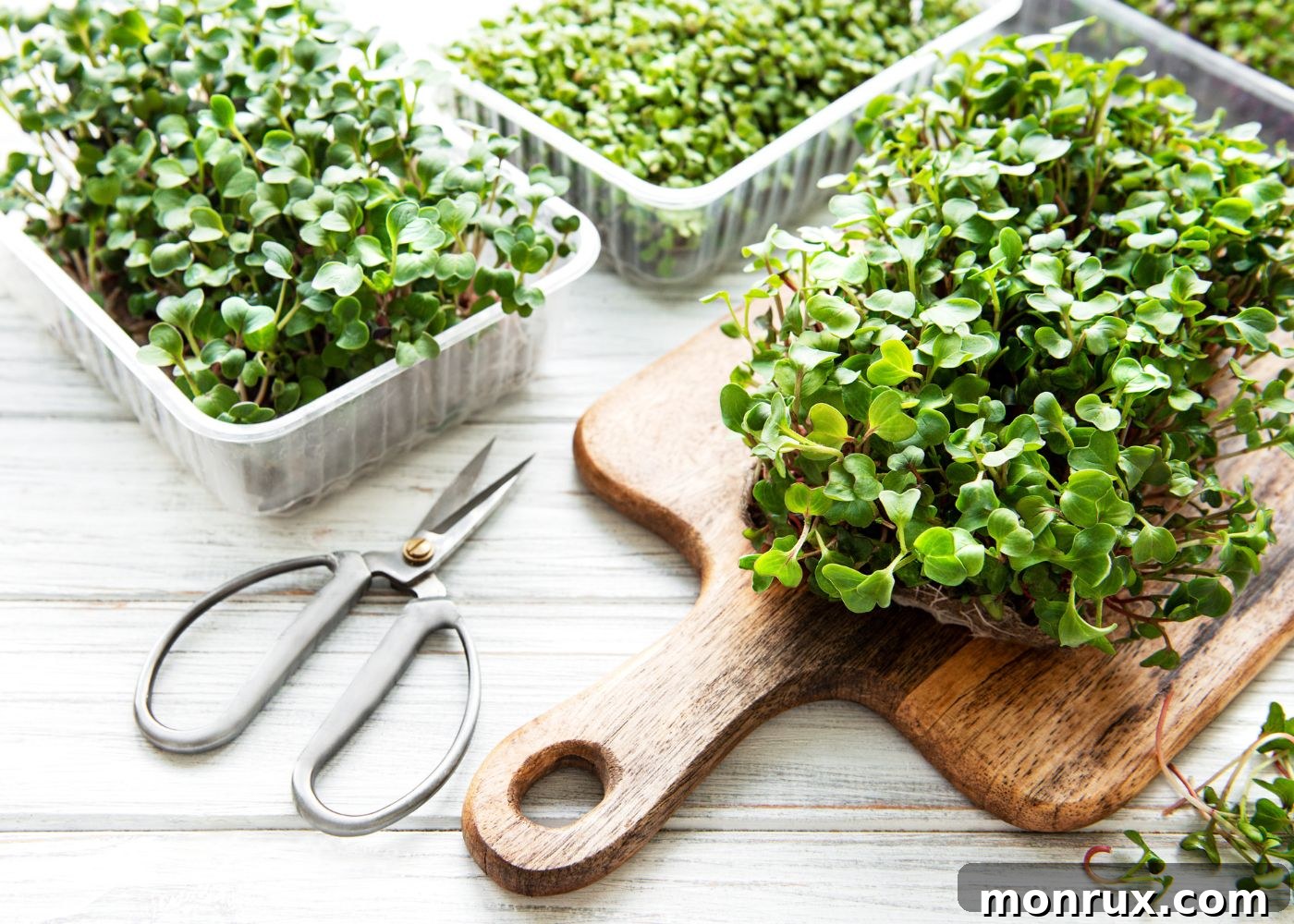
Discover the incredible world of radish microgreens – nutrient-packed superfoods you can effortlessly cultivate right in your own kitchen. These tiny greens not only boast an impressive array of health benefits but also offer a delightful peppery flavor. This comprehensive guide will equip you with all the essential knowledge on how to grow radish microgreens, from seed to harvest, ensuring a fresh supply of vibrant, homegrown goodness.
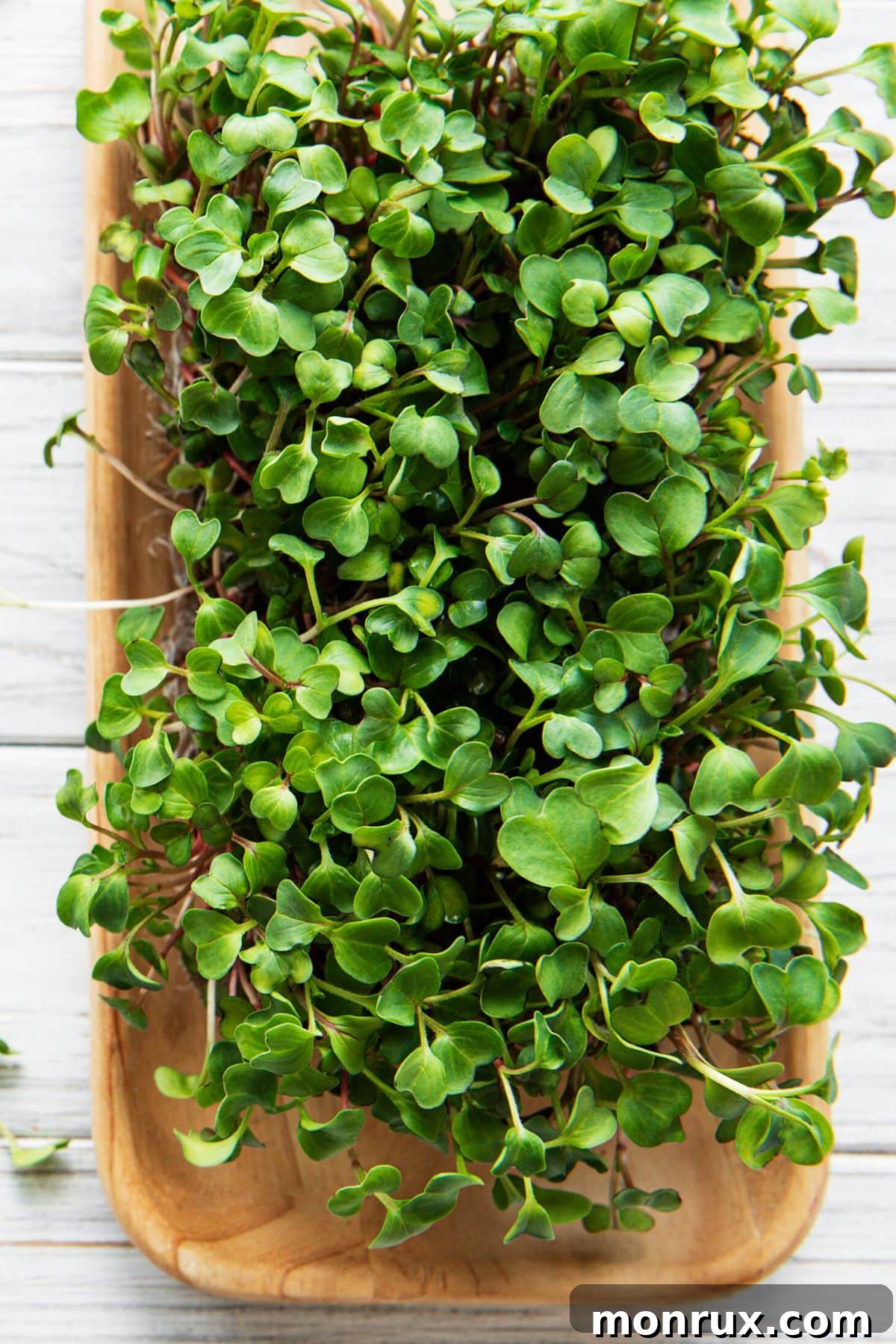
Radish Microgreens Overview: A Tiny Powerhouse
Most home cooks and gardeners are familiar with conventional radishes – those vibrant, peppery root vegetables that add a delightful crunch to salads. However, their miniature counterparts, radish microgreens, offer an even more concentrated burst of flavor and nutrition. While less commonly found in grocery stores, these tiny plants are incredibly easy and rewarding to grow at home.
What Exactly Are Radish Microgreens?
Radish microgreens are essentially very young radish plants, harvested shortly after their first true leaves begin to emerge, typically when they are just a couple of inches tall. Belonging to the Brassica family, they share the same lineage as broccoli, cabbage, and kale. What sets them apart is their intense nutritional profile and a milder, yet distinctly peppery, flavor compared to their mature radish relatives. Because they are harvested at such an early stage, they are packed with concentrated nutrients, often in higher quantities than their fully grown vegetable forms.
The Joy and Benefits of Home-Grown Radish Microgreens
The beauty of radish microgreens lies not only in their health benefits but also in the ease of growing them yourself. Unlike many vegetables that require significant space, time, and specific outdoor conditions, radish microgreens thrive indoors with minimal effort. This makes them an ideal project for seasoned gardeners and beginners alike, even those with limited space or a tendency towards impatience. The entire cultivation process, from sowing the seeds to enjoying your fresh harvest, takes a mere 8 to 10 days. This rapid growth cycle means you can establish a continuous supply for your kitchen with successive plantings.
Radish Microgreens vs. Radish Sprouts: Understanding the Difference
While both microgreens and sprouts are consumed at an early growth stage, there’s a crucial distinction between them. Radish microgreens are grown in a growing medium like soil and are harvested by snipping the stem above the soil line, consuming the stem and leaves. In contrast, radish sprouts are germinated and grown solely in water, and the entire plant, including the seed, root, and shoot, is consumed. Microgreens are typically grown under light, developing more chlorophyll and a stronger flavor, whereas sprouts are often grown in darker, humid conditions.
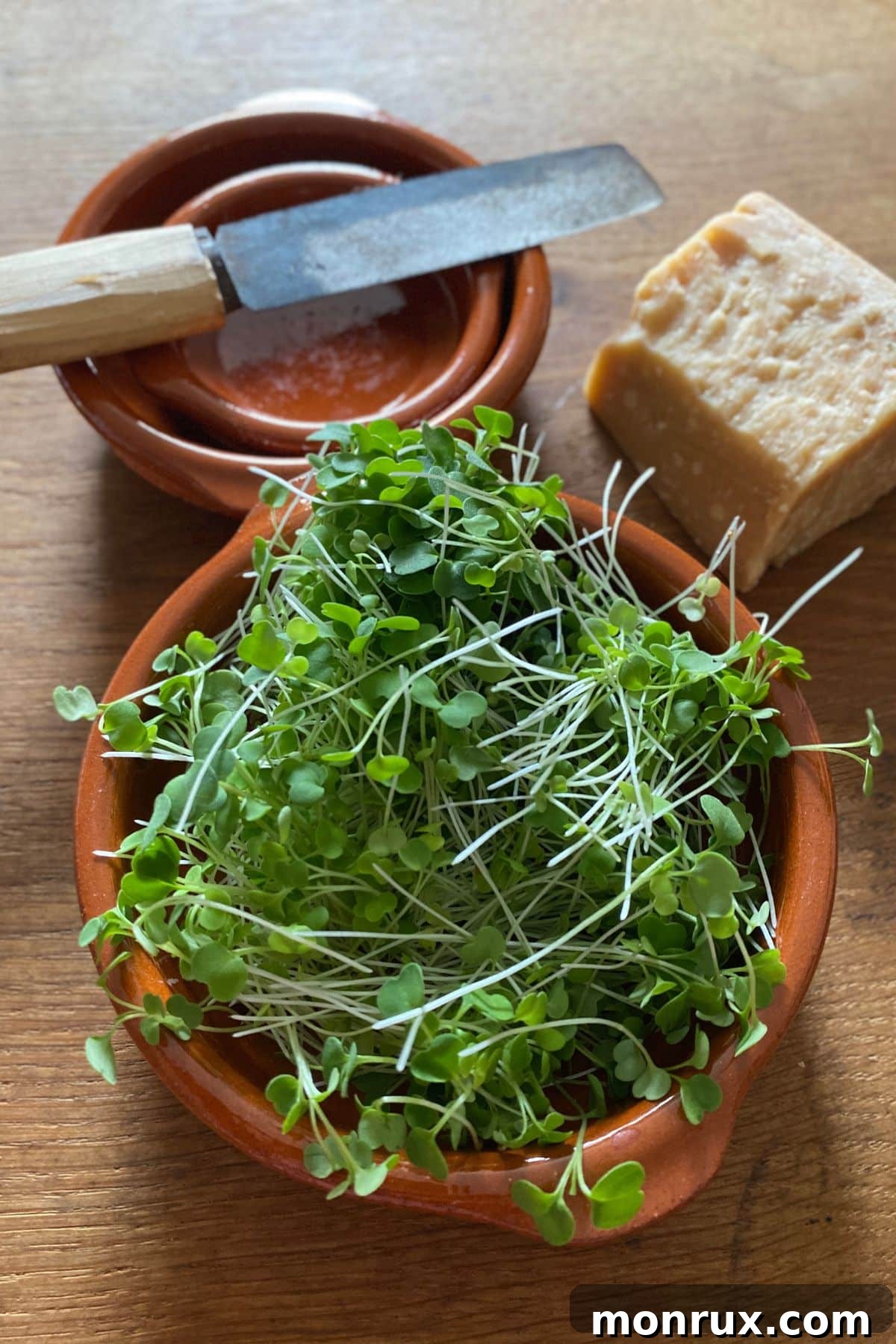
Potential Health Benefits of Radish Microgreens: A Nutritional Powerhouse
Radish microgreens are far more than just a garnish; they are miniature nutritional powerhouses. Studies suggest that microgreens can contain significantly higher levels of vitamins, minerals, and antioxidants compared to their mature vegetable counterparts. Their small size makes it incredibly easy to incorporate a substantial amount into your diet, allowing you to readily reap their abundant health advantages. For instance, children or even adults who might shy away from the strong flavor and texture of mature radishes will often find a handful of crisp, mildly peppery radish microgreens much more palatable when mixed into a salad or concealed within a sandwich.
Remarkably Nutrient-Dense
These tiny greens are bursting with essential vitamins, minerals, and beneficial plant compounds. They are particularly rich in antioxidants, which combat oxidative stress in the body. Key nutrients found in radish microgreens include iron, crucial for oxygen transport; calcium, vital for bone health; and fiber, essential for digestive wellness. Furthermore, research comparing the nutrient content of various microgreen varieties highlighted radish microgreens (specifically the green daikon variety) as one of four types with exceptionally high levels of carotenoids, alongside significant amounts of Vitamin C, Vitamin E, and Vitamin K. These combined nutrients play multifaceted roles in supporting overall bodily functions, from cellular health to immune response.
Offering Disease Protection
The high Vitamin C content in radish microgreens acts as a powerful immune booster, helping the body ward off illnesses. It also plays a vital role in the production of collagen, a protein essential for skin elasticity and structural integrity, which in turn aids in wound healing. The Vitamin A present in these microgreens is fundamental for maintaining good vision and eye health. Beyond these, radish microgreens may also provide a degree of protection against certain cancers. They contain unique compounds that, when combined with water, break down into molecules known as isothiocyanates. These potent compounds are known for their ability to help prevent tumor formation and assist the body in eliminating cancer-causing substances, contributing to cellular defense mechanisms.
Excellent for Digestive Health
Incorporating radish microgreens into your diet can significantly benefit your digestive system. They are an excellent source of dietary fiber, which is crucial for maintaining regular bowel movements and promoting a healthy gut microbiome. Scientific studies, including those conducted on rats, have demonstrated improved digestive function and cholesterol management when radish greens were included in their diet after a high-cholesterol regimen. It’s important to note a small caveat: if you have thyroid issues, particularly conditions like Hashimoto’s, it’s advisable to consult your healthcare provider before consuming large quantities of radish microgreens. This is because certain compounds in radishes, similar to those found in spinach microgreens, can potentially interfere with thyroid hormone production. Always prioritize personalized medical advice regarding your dietary choices.
How to Grow Radish Microgreens: A Complete Guide for Indoor Cultivation
Growing your own radish microgreens is an incredibly straightforward and rewarding experience, even for those without a green thumb. With just a few basic supplies and a sunny spot, you can establish a continuous supply of these nutritious greens. The beauty of indoor cultivation means you’re independent of weather conditions, allowing for fresh harvests year-round. Radish microgreens are known for their rapid growth and resilience, making them one of the easiest microgreen varieties to start with.
Essential Supplies for Growing Radish Microgreens
Before you embark on your microgreen growing journey, gather these fundamental supplies. You’ll find most of these readily available at garden centers or online.
High-Quality Radish Seeds
The foundation of a successful microgreen crop starts with the right seeds. While you can use any high-quality radish seeds, selecting varieties specifically marketed for microgreens or sprouting often yields the best results. There’s a wonderful diversity of radish seeds, each offering slightly different flavors and colors, from the vibrant red of China Rose to the subtle spiciness of Daikon. Experimenting with different types will help you discover your personal favorites. It is crucial to always opt for organic, untreated seeds. This ensures your microgreens are free from harmful pesticides, fungicides, or other chemical additives, making them safe and healthy for consumption. Look for labels that explicitly state “for sprouting” or “for microgreens” to guarantee they are suitable for this purpose.
Recommendation: Organic Daikon Radish Microgreens Seeds
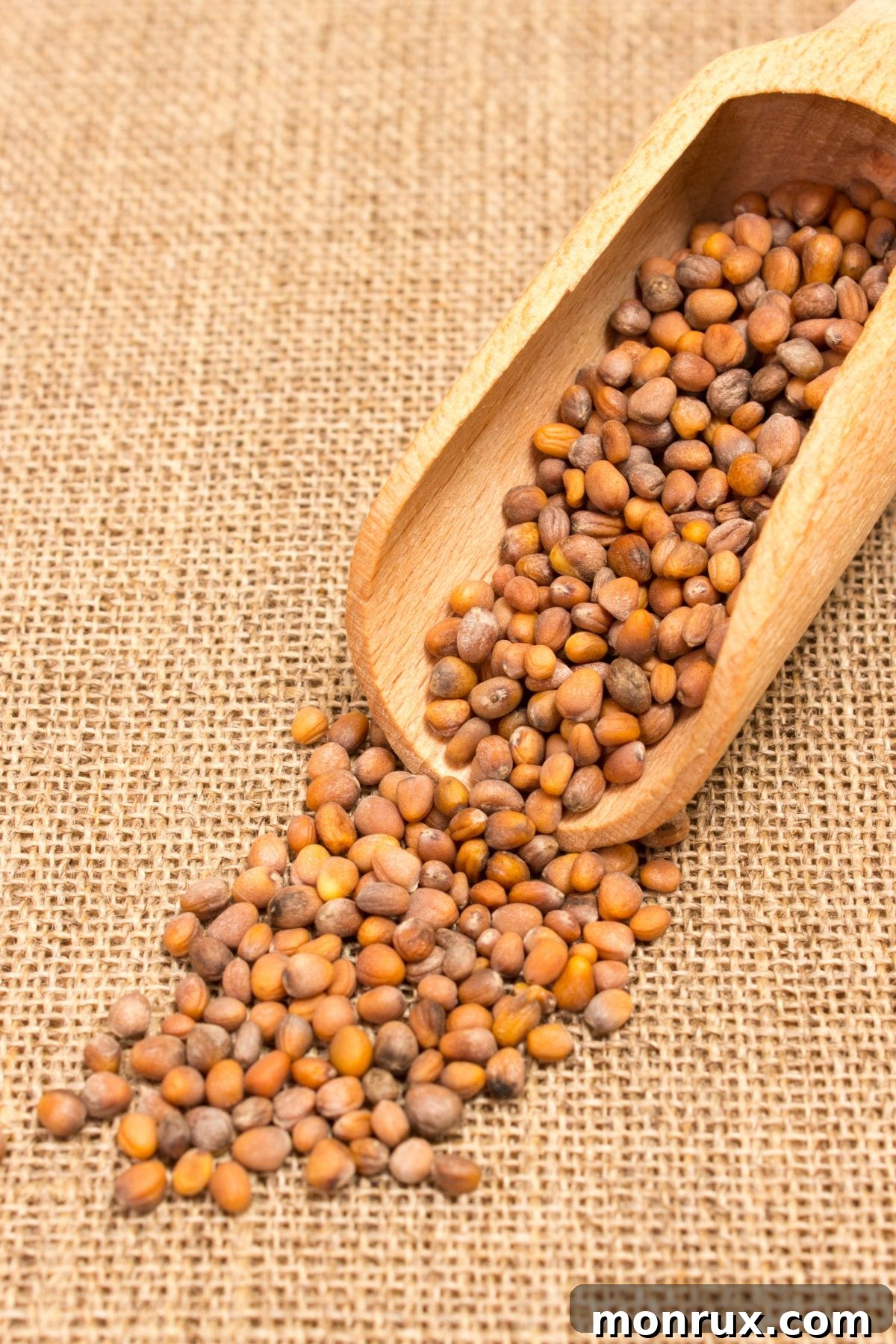
Choosing Your Growing Medium
The growing medium provides the support and nutrients for your microgreens. The most popular choice is a good quality potting soil or seed starting mix. Seed starting mixes are particularly beneficial due to their fine texture and lightweight composition, which allows the delicate radish roots to penetrate and establish themselves easily. If you prefer a less messy indoor option or want to avoid soil altogether, alternatives like specialized grow mats, paper towels, or coconut coir can be used. However, keep in mind that these soilless mediums require more frequent and vigilant watering, as they don’t retain moisture as effectively as soil. Soil offers a more forgiving environment for beginners.
Selecting the Right Containers
Shallow trays are ideal for growing microgreens, typically 1 to 2 inches deep. This depth provides enough room for root development without wasting growing medium. For an eco-friendly and budget-conscious start, repurposed fruit containers or pie plates can work, but you’ll likely want dedicated trays for consistent, larger batches. Crucially, your growing tray must have drainage holes at the bottom to prevent waterlogging, which is a common cause of mold and root rot. You’ll also need a second, slightly larger tray without drainage holes. This bottom tray will be used for watering, allowing the microgreens to absorb water from below, keeping the leaves and stems dry and further mitigating mold risks.
Spray Bottle for Gentle Watering
A fine-mist spray bottle is indispensable during the initial stages. Radish seeds are very small, and a gentle mist ensures they are watered without being displaced. It helps to keep the top layer of the growing medium consistently moist without creating puddles that could encourage fungal growth.
Ensuring Adequate Light Source
Light is paramount for the healthy development and vibrant green color of your microgreens, as it drives photosynthesis. Natural sunlight from a bright, sunny windowsill is often sufficient. However, if you lack ample natural light or wish to optimize growth and consistency, a dedicated grow light is an excellent investment. Grow lights allow you to control the exact amount and type of light the microgreens receive, ensuring uniform growth and preventing pale, leggy stems that result from insufficient light.
Step-by-Step: How to Sow Your Radish Microgreen Seeds
- Prepare the Growing Medium: Fill your chosen shallow growing container with your potting or seed starting mix, gently leveling the surface just below the rim. If using coconut coir, avoid compacting it too much, as it can restrict root growth.
- Moisten the Soil: Lightly spray the soil surface with water from your spray bottle. Allow the water to fully absorb, then mist the surface again to ensure even moisture distribution.
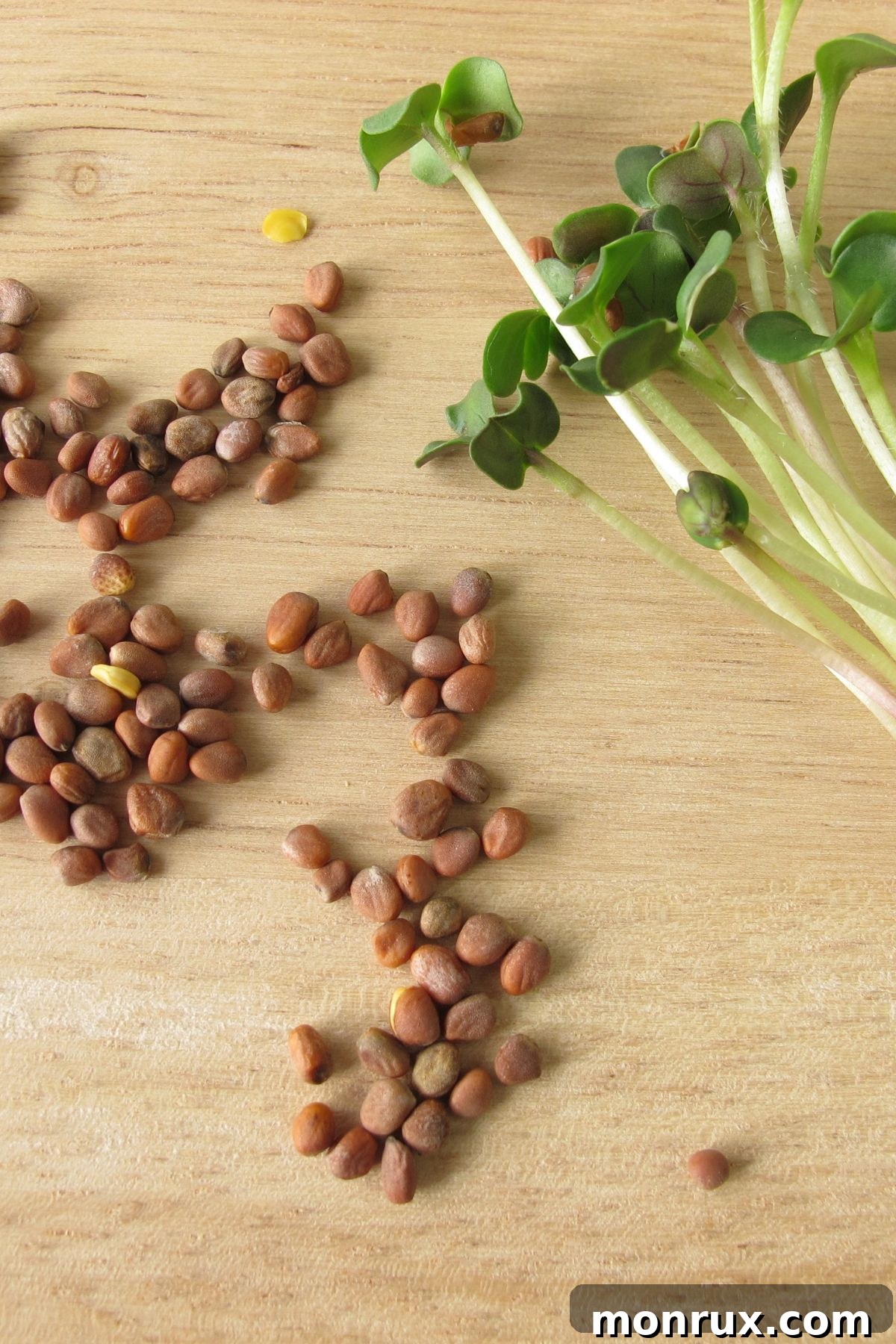
- Sow the Seeds: Radish seeds are remarkably tiny (approximately 2,500 seeds per ounce) and do not require presoaking, unlike some other microgreens. For even distribution, consider placing the seeds in a shaker bottle. Sprinkle them generously but evenly over the moistened soil, aiming for approximately 10 seeds per square inch. Gently spread any clumps with your fingers.
Guiding the Germination Process
Germination, the process where the seed sprouts, requires two key elements: darkness and consistent moisture. After sowing, lightly mist the seeds once more with your spray bottle, being careful not to disturb their placement.
- Create a Blackout Period: Place the second, larger tray directly over your growing tray, forming a “blackout dome.” This blocks out all light, simulating underground conditions, which encourages strong root development. The cover also helps to trap humidity, maintaining the essential moisture levels.
- Apply Gentle Weight: Place a small weight (around 5 pounds, such as a brick or a few cans) on top of the cover. This gentle pressure encourages the developing roots to grow deeper and establish a strong anchor in the growing medium, supporting healthier plants.
- Wait and Check: Leave the seeds undisturbed for approximately 3 days. During this blackout phase, you typically won’t need to water, as the cover and weight effectively seal in moisture. After 3 days, remove the cover. Most seeds should have sprouted. If a significant number haven’t, mist them again and replace the cover for up to an additional 2 days.
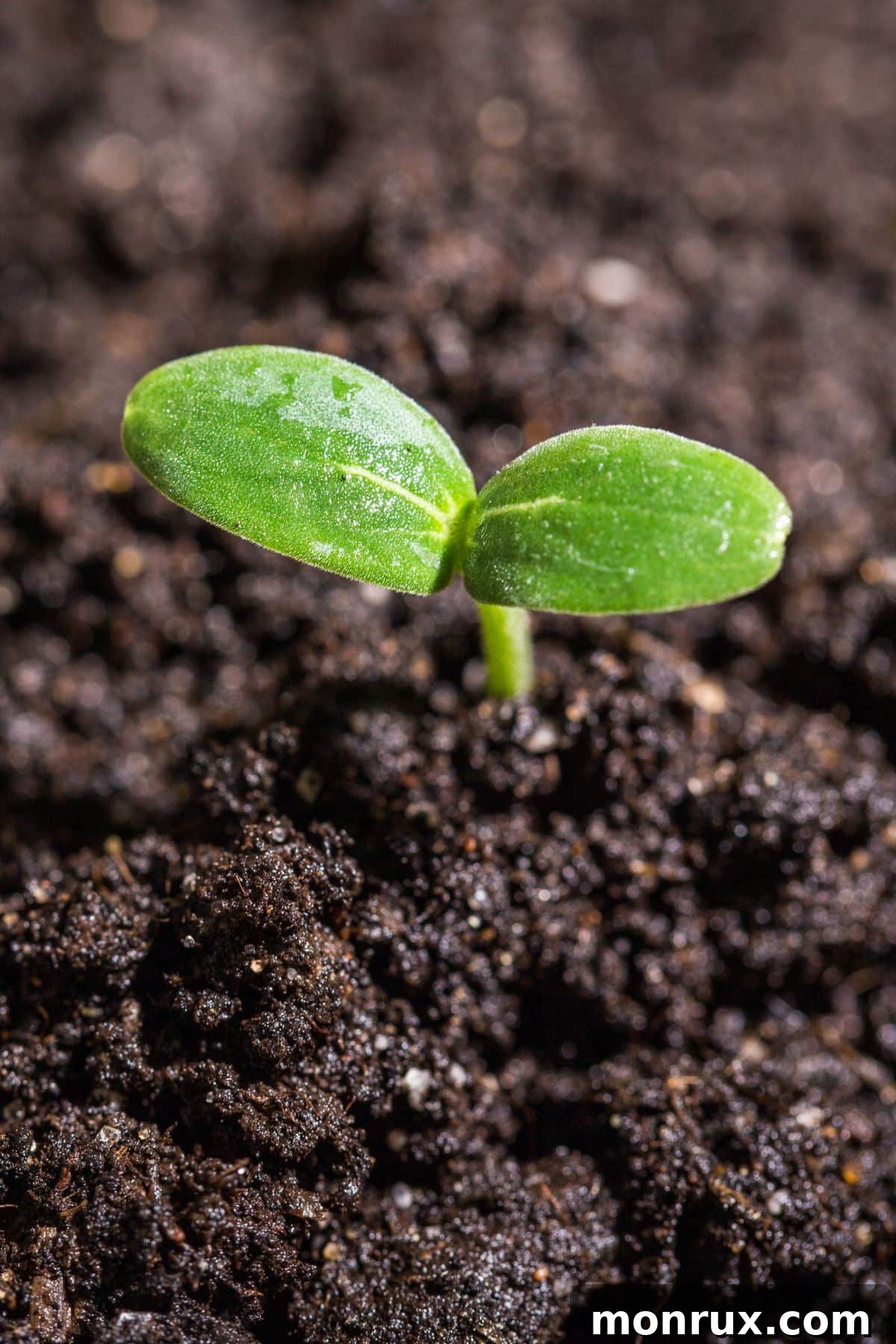
Exposing Radish Microgreens to Light and Nurturing Their Growth
Once the majority of your radish seeds have germinated and formed small shoots, it’s time to introduce them to light. Remove the blackout cover and place your growing tray in a location that receives abundant natural sunlight, such as a south-facing windowsill. If using a grow light, position your tray underneath it for 4 to 8 hours daily, adjusting the height to prevent scorching.
- Bottom Watering Technique: Place the growing tray (with drainage holes) into the larger, solid tray. Pour water into the bottom tray. The growing medium will absorb the water from below through capillary action. This method keeps the delicate leaves and stems dry, which is crucial for preventing mold and mildew. Once the top surface of the soil appears moist, remove the growing tray from the bottom tray to prevent overwatering, which can lead to rot.
- Consistent Moisture: Continue to water using the bottom watering method as often as needed to keep the soil consistently moist, but never soggy. Check the moisture level daily by gently feeling the weight of the tray.
- Identify Root Hairs vs. Mold: In the early growth stages, you might observe fine, fuzzy white fibers around the base of the microgreens. These are typically not mold, but healthy root hairs actively seeking moisture. Mold usually appears as a darker, web-like growth. Maintaining good airflow and bottom watering will largely prevent mold issues.
- Observe and Correct: Within a few days of exposure to light, your microgreens will rapidly develop. Initially, they may appear pale, but they will quickly turn vibrant green as they absorb light. If they remain pale or leggy (tall and thin) despite sufficient light exposure, it indicates a lack of light. Adjust your light source or duration accordingly, as pale microgreens will be less flavorful and less nutritious.
- Optimal Growing Environment: Radish microgreens thrive in a warm environment, ideally around 70℉ (21℃). If you live in a cooler climate, consider using heat mats or ensuring your grow lights provide some warmth. Good air circulation is also vital to prevent stagnant air, which can encourage mold. Aim for a humidity level of about 50%.
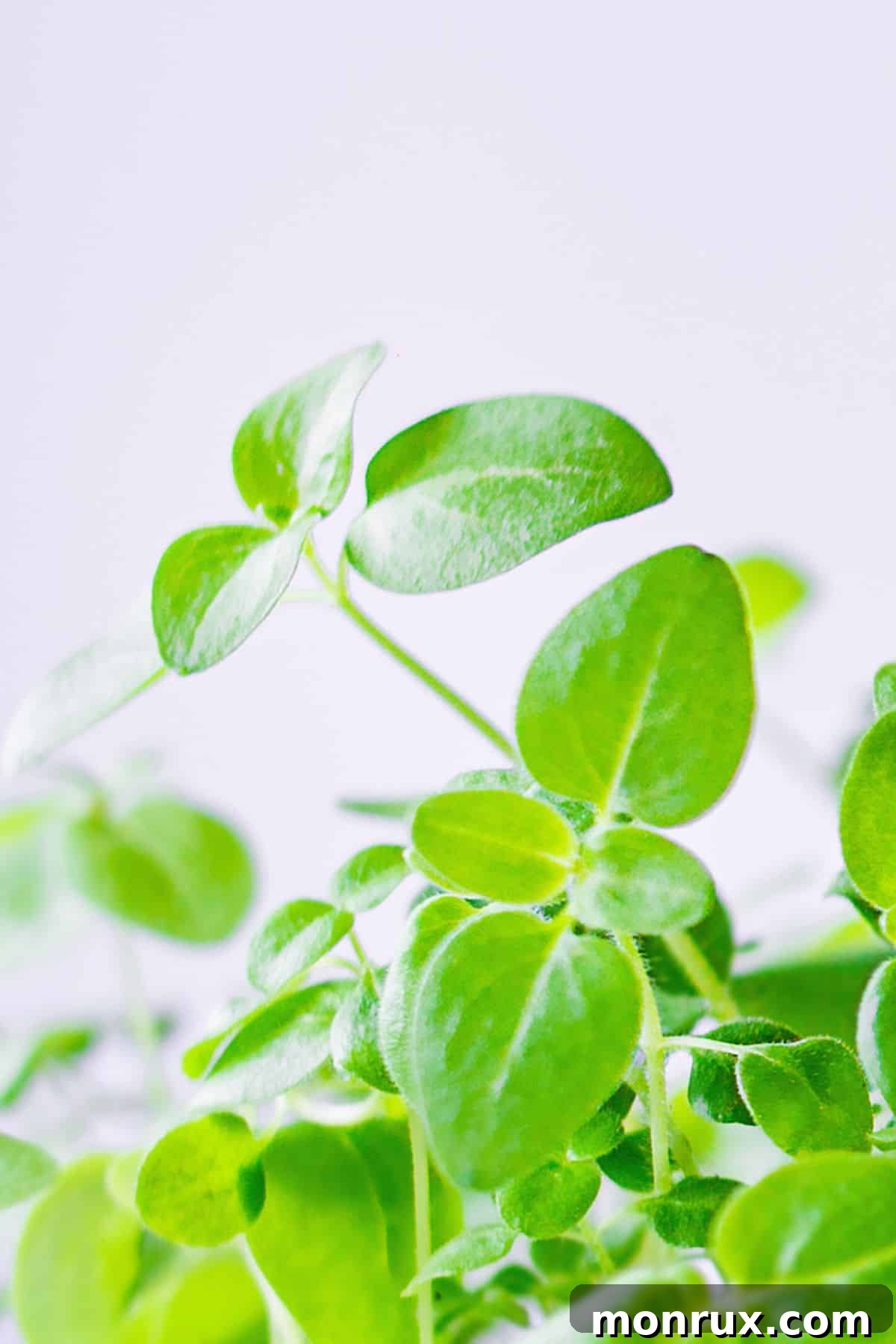
Harvesting Your Radish Microgreens for Peak Flavor
One of the most exciting aspects of growing radish microgreens is their incredibly quick turnaround time. In just 8 to 10 days from the day you sowed the seeds, your microgreens will be ready for harvest and immediate consumption!
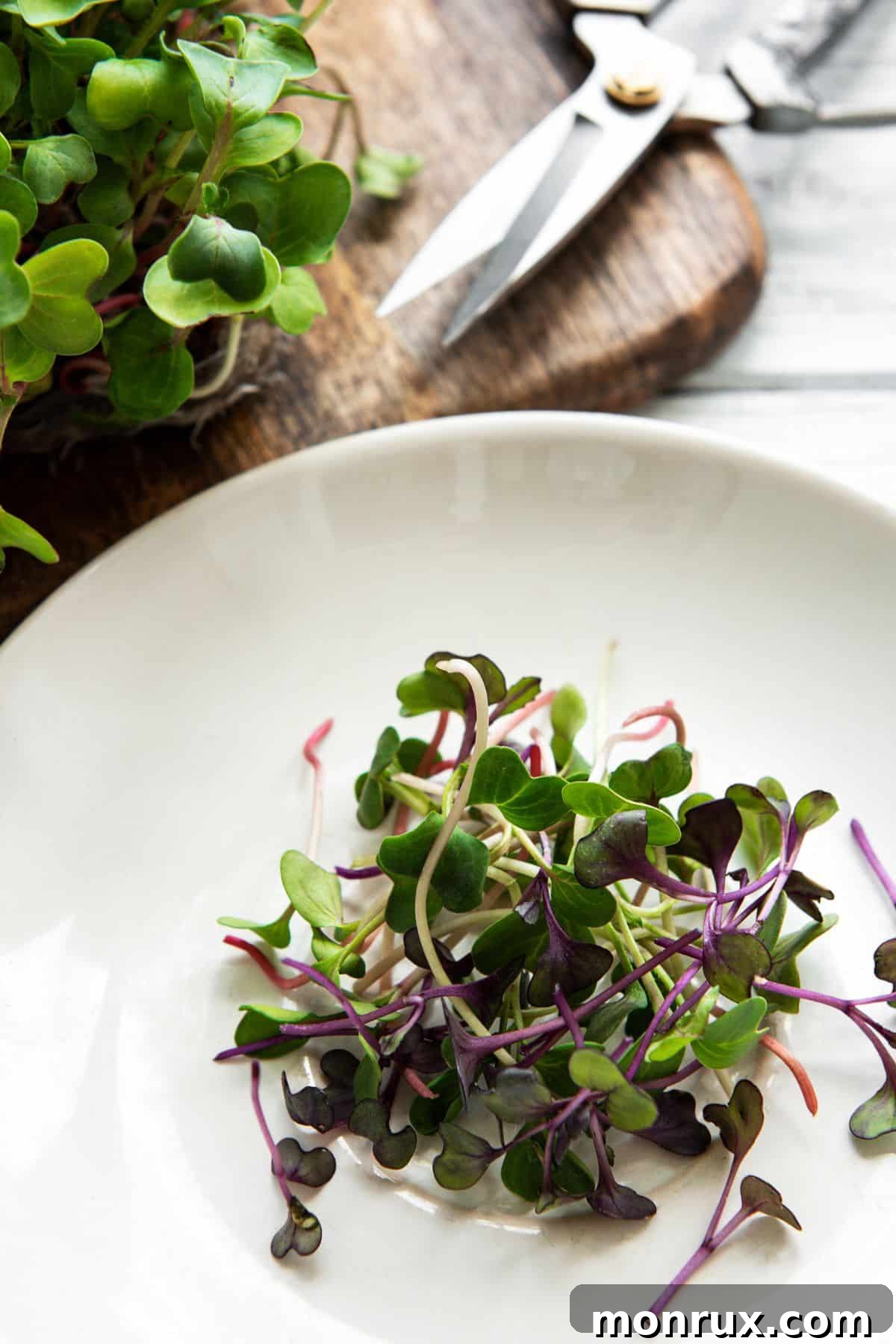
- Timing is Key: Harvest when the microgreens are approximately 2.5 to 3 inches tall and have developed a rich, bright green color. At this stage, they will have two fully formed cotyledon leaves (seed leaves). It’s crucial to harvest before the “true leaves” (the next set of leaves that look like miniature versions of a mature radish leaf) begin to emerge. Waiting too long will result in a tougher texture and a less desirable flavor profile.
- Dry Harvest: To maximize their freshness and storage life, refrain from watering your microgreens for 12 hours prior to harvesting. This ensures the leaves are dry, which helps prevent spoilage.
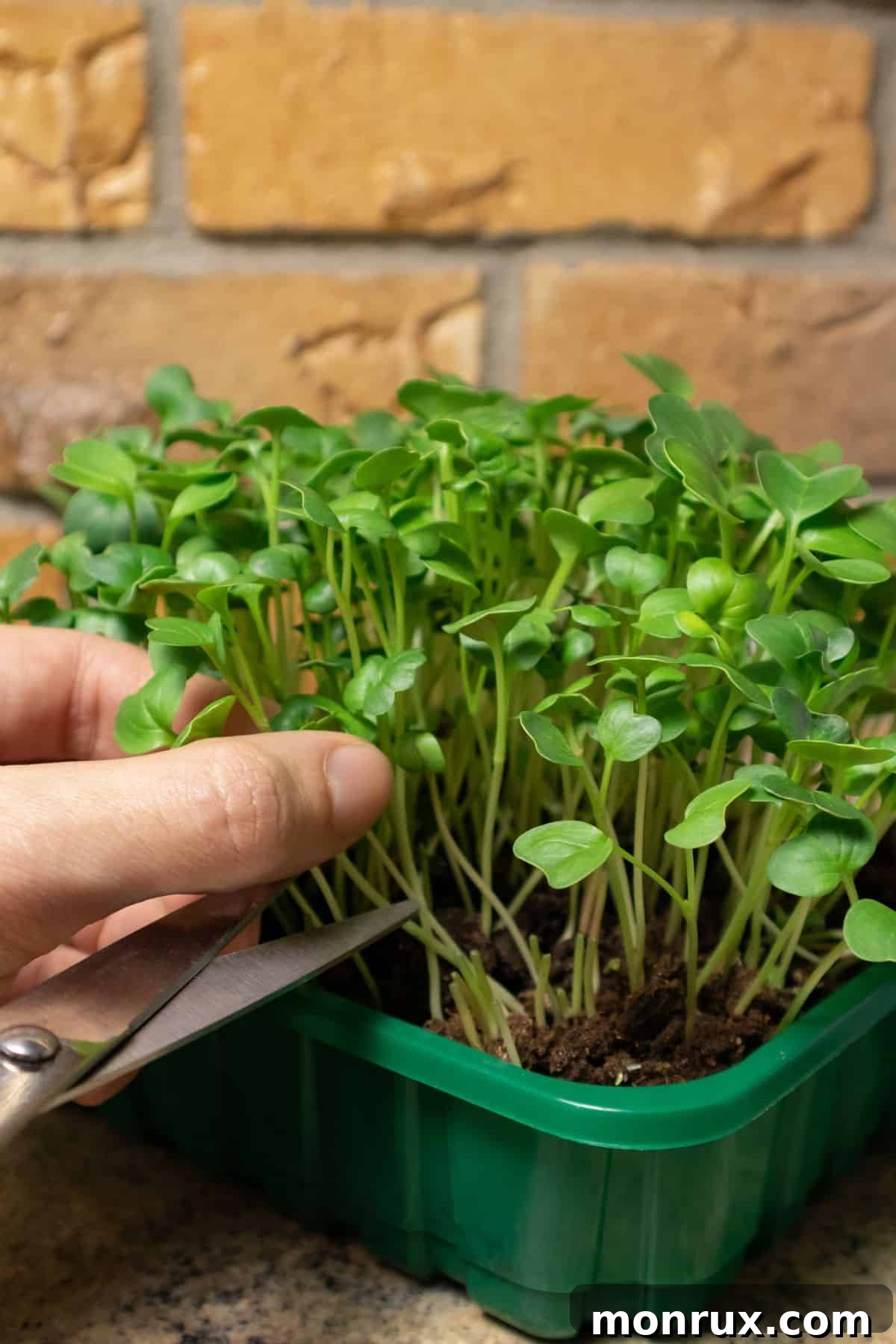
- Method of Harvest: Using a sharp pair of kitchen scissors or a very sharp knife, carefully snip the microgreens just above the surface of the growing medium. You can harvest the entire tray at once or snip off smaller portions as needed, but aim to harvest the remaining microgreens within a day or two for optimal quality.
- No Regrowth: It’s important to remember that microgreens, including radishes, do not regrow after harvesting. Once cut, the plants will not produce another crop. This means you’ll need to prepare a new tray of seeds for your next batch, a process made easy by their rapid growth cycle.
Properly Storing Your Harvested Radish Microgreens
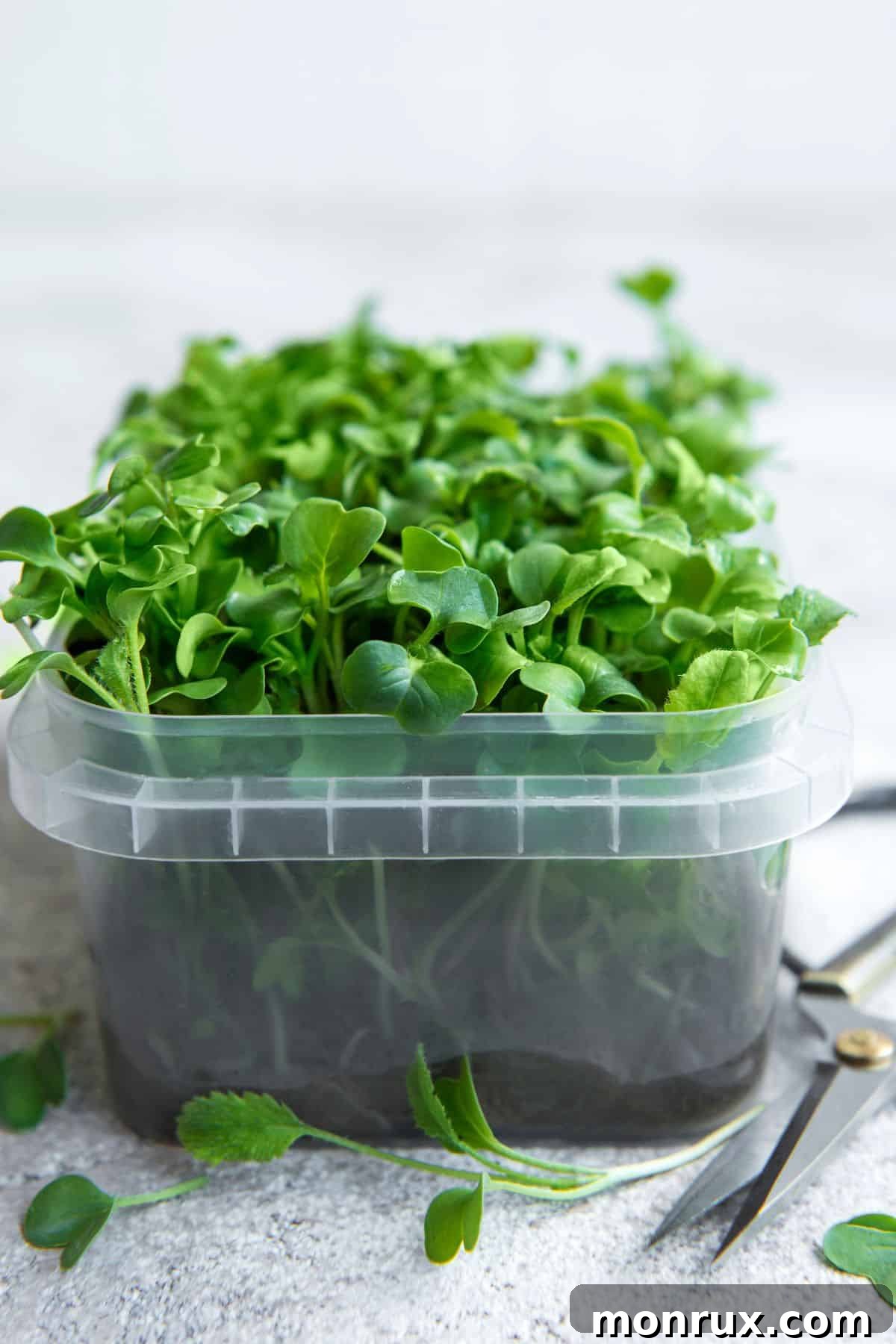
If you’ve harvested more radish microgreens than you can immediately use, proper storage will help extend their freshness. Gently wrap the microgreens in a dry paper towel to absorb any residual moisture. Then, place them inside an airtight container and store them in the crisper drawer of your refrigerator. While they can typically last for up to 4 days, for the absolute best flavor, crunch, and nutritional value, it’s always recommended to consume them as soon as possible after harvesting.
Radish Microgreens Growing Steps: A Quick Summary
Here’s a condensed overview of the process for quick reference:
Step One
Fill your shallow growing container with your chosen growing medium (seed soil, potting soil, grow mats, paper towels, or coconut coir) and gently level the surface.
Step Two
Lightly mist the growing medium with water, allow it to absorb, then mist again to ensure consistent moisture.
Step Three
Evenly sprinkle organic radish seeds over the surface, aiming for a density of about 10 seeds per square inch.
Step Four
Mist the sown seeds, then cover the container and place a gentle weight on top. Allow to germinate in darkness for 3-5 days until most seeds have sprouted.
Step Five
Remove the cover and expose the sprouts to ample natural light or a grow lamp. Begin regular bottom watering.
Step Six
Harvest your radish microgreens within 7 to 10 days of planting, when they are 2.5-3 inches tall and vibrant green.
Radish Microgreen FAQs: Your Questions Answered
Radish microgreens are one of the fastest-growing microgreen varieties! The germination process typically completes within 3 days of sowing the seeds. Following this, they are usually ready for harvest and consumption between 4 and 7 days later. This means the entire journey from planting your seeds to enjoying a fresh, crunchy harvest takes approximately 8 to 10 days. Their rapid growth makes them an incredibly satisfying and rewarding crop, perfect for engaging children in a fun gardening project.
Radish microgreens offer a versatile culinary experience with their fresh, crunchy texture and a mildly spicy, yet distinct, peppery flavor. Their vibrant colors also add significant visual appeal to any dish. The flavor profile can vary slightly among different radish varieties: Minowase Radish (a Japanese mooli type) offers a spicy-sweet note, Daikon radish is typically more robustly spicy, and China Rose tends to be on the sweeter side. To enjoy a diverse blend of flavors and colors, consider growing a mixed variety.
Here are numerous delicious ways to incorporate radish microgreens into your everyday recipes:
- Salads and Soups: Sprinkle them generously over fresh salads for added crunch and flavor. For hot soups, add them just before serving to preserve their delicate nutrients and texture.
- Sandwiches, Tacos, and Burgers: Use them as a healthier, more flavorful alternative to traditional lettuce or sprouts, adding a zesty kick.
- Slaws: Stir a handful into your favorite coleslaw recipe for an unexpected burst of freshness and spice.
- Smoothies: Blend a small quantity into your daily smoothie for a hidden nutritional boost without significantly altering the taste.
- Stir-Fries: Toss them into a stir-fry right before removing it from the heat to maintain their crispness and nutrient integrity.
- Garnish: Elevate the presentation of virtually any dish – from omelets to roasted vegetables – with a colorful, elegant garnish of radish microgreens.
These creative uses are similar to those explored in my broccoli sprout recipes post, demonstrating the adaptability of microgreens in various culinary applications.
Advanced Growing Tips for Radish Microgreens
- Always use organic radish seeds explicitly labeled for sprouting or microgreens to guarantee they are free from harmful chemicals and additives.
- For optimal growth and easy harvesting, ensure your growing container is shallow, ideally no more than 1 to 2 inches deep. This promotes strong, short growth and simplifies cutting.
- While soil is forgiving, experiment with alternative growing mediums like specialized grow mats, coconut coir, or paper towels, noting their different watering requirements.
- After the initial germination phase, consistently water your microgreens from the bottom using a second, solid tray. This technique prevents fungal issues and ensures roots receive adequate moisture.
- Maximize natural light exposure by placing trays on a bright, sunny windowsill. If natural light is insufficient, utilize a full-spectrum grow lamp for 4 to 8 hours daily to prevent leggy growth and ensure vibrant color.
- Maintain an ideal room temperature of approximately 70℉ (21℃) for rapid growth. Ensure good air circulation (perhaps with a small fan) and a humidity level around 50% to discourage mold and promote healthy development.
- Harvest your microgreens precisely when they reach 2.5 to 3 inches tall and display two cotyledon leaves, before their true leaves fully develop, for the best flavor and texture.
- To store excess microgreens, gently wrap them in a paper towel to absorb moisture, then place them in an airtight container in the refrigerator for up to 4 days. Consume as fresh as possible for peak benefits.
More Resources on Growing Microgreens
Print
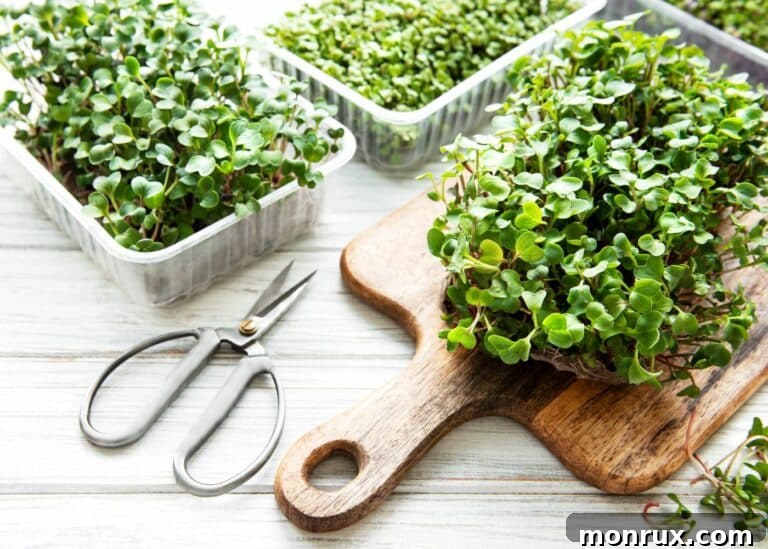
How to Grow Radish Microgreens
5 Stars
4 Stars
3 Stars
2 Stars
1 Star
5 from 2 reviews
Radish Microgreens are a superfood that you can grow right in your own kitchen. They are full of health benefits and taste great too. Learn everything you need to know about radish microgreens.
Total Time: 192 hours 30 minutes
Yield: 4 Servings 1x
Ingredients
Scale
- 2 tablespoons organic radish seeds
- Seed soil/potting soil (or chosen growing medium)
- Shallow growing tray with drainage holes
- Bottom watering tray (without drainage holes)
- Spray bottle
- Optional: Grow light or heat mat
Instructions
- Place your preferred growing medium into the growing container, filling it to the rim. Gently pat down the surface to ensure it is level.
- Lightly spray the growing medium with water until evenly moist. Allow it to soak in completely, then spray the surface once more.
- Evenly sprinkle the organic radish seeds over the entire surface of the moistened medium, aiming for approximately 10 seeds per square inch.
- Gently mist the sown seeds with water. Cover the growing tray with a second tray (and a light weight if desired) to create darkness and retain moisture. Allow the seeds to germinate for 2 to 4 days until most have sprouted.
- Remove the cover and expose the newly sprouted microgreens to bright natural sunlight or a dedicated grow lamp.
- Begin watering the growing microgreens from the bottom using the second tray. Keep the growing medium consistently moist, checking daily.
- Harvest the microgreens when they reach a vibrant green color and are 2 to 3 inches tall, typically 4 to 7 days after the blackout period, by snipping them just above the soil line.
Notes
- Always use organic radish seeds, specifically labeled for sprouting or microgreens, to ensure they are free from harmful additives and pesticides.
- Select a shallow growing container (1-2 inches deep) for easy and efficient harvesting of your microgreens.
- Explore various growing mediums such as grow mats, coconut coir, or paper towels as alternatives to soil, adjusting watering as needed.
- After the initial germination, consistently water your microgreens from the bottom to prevent mold and ensure healthy root development.
- Provide plenty of light for vibrant growth. A sunny windowsill is excellent, or use a grow lamp for 4-8 hours daily for optimal results.
- Maintain a consistent room temperature of approximately 70℉ (21℃) with good ventilation and about 50% humidity for ideal growing conditions.
- Harvest your radish microgreens when they are 2-3 inches tall and have developed two cotyledon leaves, before the true leaves appear, for peak flavor and tenderness.
- Store any unused harvested microgreens wrapped in a paper towel in an airtight container in the refrigerator for up to 4 days, consuming them as fresh as possible.
- Author: Carrie Forrest, MPH in Nutrition
- Prep Time: 30 minutes
- Cook Time: 8 days
- Category: Gardening, Healthy Eating
- Method: Indoor Cultivation
- Cuisine: Healthy, Homegrown
- Diet: Vegan, Gluten-Free, Whole Food
Nutrition
- Serving Size: 1 tablespoon
- Calories: 1
- Sugar: 0 g
- Sodium: 0 mg
- Fat: 0 g
- Saturated Fat: 0 g
- Trans Fat: 0 g
- Carbohydrates: 0.1 g
- Fiber: 0.1 g
- Protein: 0.1 g
- Cholesterol: 0 mg
Don’t forget to join my newsletter list to get exclusive clean eating recipes and tips. The newsletter is 100% free with no spam; unsubscribe anytime.
About the Author: Carrie Forrest, MPH in Nutrition, is a certified holistic nutritionist and a leading wellness and food blogger, attracting over 5 million visitors annually. With a compelling personal story of recovery from chronic illness, Carrie is dedicated to empowering other women to transform their health through clean eating. Feel free to connect with her via her contact form for more insights and guidance.
Disclaimer: Please note that this post is provided for informational purposes only and should not be considered medical advice. Always consult with your healthcare provider for personalized recommendations pertinent to your individual health situation and needs.