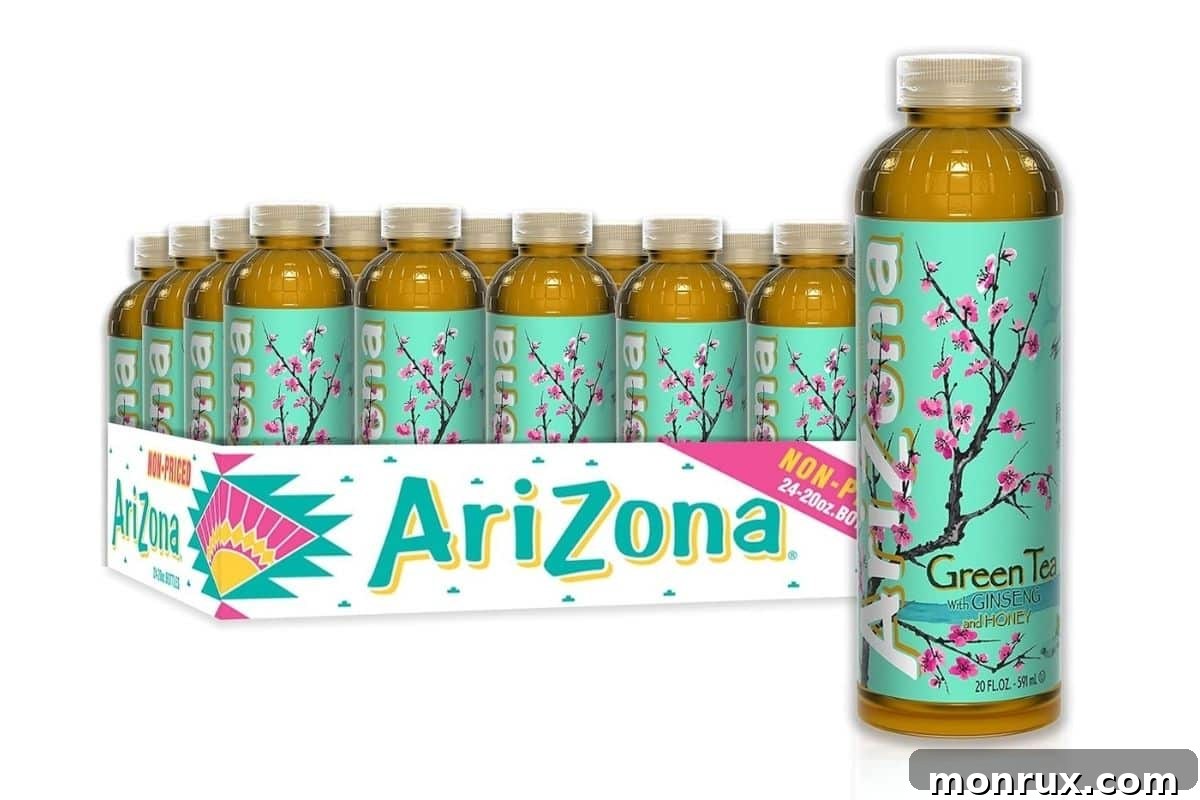
In the vast and varied landscape of ready-to-drink beverages, Arizona Green Tea stands out as a popular choice, easily recognizable by its iconic large cans and affordable price point. Marketed as a refreshing and flavorful green tea option, it has garnered a loyal following across various demographics. However, as health consciousness grows, many consumers are beginning to scrutinize the contents of their favorite drinks. This comprehensive article delves into whether Arizona Green Tea is truly healthy, examining its nutritional composition, key ingredients, and potential impact on well-being. We will explore the pros and cons, providing a balanced perspective and suggesting healthier alternatives for those looking to make more informed dietary choices.

Table of Contents
Arizona Green Tea Unpacked: Facts and Figures
Arizona Green Tea is a flagship product from Arizona Beverages USA, a company renowned for its wide array of iced teas, energy drinks, and other flavored beverages. Established in Brooklyn, New York, in 1992, the brand quickly soared to prominence, partly thanks to its distinctive large can packaging and budget-friendly pricing, which made it accessible to a broad consumer base. Arizona Green Tea is strategically marketed as a refreshing, palate-pleasing, and subtly sweetened drink designed to appeal to individuals of all ages.
This popular beverage is readily available in various formats, including convenient multi-packs of 16.9-oz bottles, making it a staple in many households and convenience stores. Furthermore, Arizona Green Tea is certified gluten-free and kosher, accommodating specific dietary needs and preferences. These attributes contribute to its widespread appeal and market penetration.
A closer examination of Arizona Green Tea’s nutrition label reveals critical details about its composition. A standard 23-ounce can typically contains approximately 130 calories. The overwhelming majority of these calories are derived from its substantial sugar content, tallying around 34 grams per serving. The primary ingredients include a blend of brewed green tea, cane sugar, and a touch of honey, complemented by “natural flavors” and ginseng extract. To maintain freshness and extend shelf life, the tea also incorporates preservatives such as ascorbic acid (Vitamin C) and citric acid.
Understanding these fundamental facts is crucial for evaluating the overall health impact of Arizona Green Tea. While the presence of green tea itself offers certain benefits, the added sugars and other components warrant a more detailed investigation into their potential effects on health.
Deciphering the Main Ingredients
To truly understand the health implications of Arizona Green Tea, it’s essential to break down its core ingredients. Each component plays a significant role in the beverage’s flavor, stability, and nutritional profile.
Premium Brewed Green Tea: A Closer Look
Green tea forms the foundation of Arizona Green Tea and is widely celebrated for its impressive health benefits. These benefits are primarily attributed to its rich concentration of antioxidants, particularly powerful compounds known as catechins, with epigallocatechin gallate (EGCG) being one of the most prominent. These antioxidants are vital in helping the body combat oxidative stress, a process linked to various chronic diseases and cellular damage.
Scientific research has consistently highlighted green tea’s potential in supporting weight management. It is known to boost metabolism and enhance fat oxidation, making it a valuable addition to a balanced diet for those seeking to maintain a healthy weight. Beyond its metabolic effects, green tea contains L-theanine, a unique amino acid that promotes relaxation and improves cognitive functions such as focus and attention, all without inducing drowsiness. This makes green tea a potentially superior alternative to other caffeinated beverages like coffee, offering a more serene yet alert state of mind.
Green tea is also frequently recommended for specific health concerns. For instance, it features on lists of beneficial teas for conditions like Polycystic Ovary Syndrome (PCOS) and for alleviating headaches, underscoring its diverse therapeutic properties. Its anti-inflammatory and detoxifying effects further contribute to its reputation as a superfood beverage.
However, it is important to consider that the green tea used in mass-produced beverages like Arizona Green Tea undergoes significant processing. This industrial processing can sometimes lead to a reduction in the concentration of beneficial compounds, thereby diminishing its overall nutritional potency compared to freshly brewed tea. Additionally, green tea naturally contains caffeine. While the caffeine content in green tea is generally moderate compared to coffee, individuals who are sensitive to caffeine may experience adverse effects such as insomnia, heightened anxiety, or digestive disturbances. It is always advisable for caffeine-sensitive individuals to monitor their intake.
For those seeking antioxidant benefits without caffeine, alternatives like Moringa Tea offer a great option, demonstrating that numerous plant-based beverages can provide similar health advantages without the stimulant effect.
The Sweet Dilemma: Cane Sugar and Honey
Cane sugar is a ubiquitous ingredient in countless processed foods and beverages, and its presence in Arizona Green Tea is a significant factor in assessing its health profile. As a refined sugar, cane sugar can have profound negative impacts on health when consumed in excessive amounts. Its high glycemic index means it can cause rapid and substantial spikes in blood sugar levels, leading to a cascade of metabolic issues.
Frequent consumption of sugary drinks like Arizona Green Tea is a major contributor to insulin resistance, a critical precursor to the development of type 2 diabetes. Insulin resistance occurs when the body’s cells become less responsive to insulin, forcing the pancreas to produce more, eventually leading to exhaustion and dysfunction. Moreover, excessive sugar intake is a primary driver of weight gain and obesity, as unused sugar is efficiently converted into fat and stored in the body.
Each standard 23-ounce can of Arizona Green Tea contains approximately 34 grams of sugar, a combination of cane sugar and honey. This amount translates to roughly 8.5 teaspoons of sugar, which far surpasses the daily recommended limits set by health organizations. The American Heart Association, for example, advises a maximum of 9 teaspoons (36g) of added sugar for men and a stricter limit of 6 teaspoons (25g) for women. Consuming nearly a full day’s worth of added sugar in a single beverage can lead to immediate energy surges followed by debilitating crashes, often leaving individuals feeling fatigued and hungry, thereby perpetuating a cycle of overeating.
Beyond metabolic health, the high sugar content in Arizona Green Tea also poses considerable risks to dental health. Sugar acts as a primary food source for harmful bacteria residing in the mouth. These bacteria metabolize sugar and produce acids that relentlessly erode tooth enamel, the protective outer layer of teeth. Regular and frequent consumption of sugary beverages accelerates this destructive process, significantly increasing the risk of cavities, gum disease, and other serious dental problems. This makes Arizona Green Tea a drink to be approached with caution, especially for those mindful of their sugar intake and oral hygiene.
The Mystery of “Natural Flavors”
The term “natural flavor” frequently appears on food and beverage labels, including Arizona Green Tea, and is often perceived by consumers as a healthier alternative to artificial flavors. However, this seemingly benign descriptor is, in reality, quite vague and lacks a precise, universally standardized definition. This ambiguity grants food manufacturers considerable leeway in labeling their products, which can inadvertently mislead consumers into believing that “natural” inherently means “healthy,” “pure,” or “minimally processed.”
One of the primary concerns surrounding “natural flavors” is the lack of transparency regarding their extraction and processing. The methods employed to derive, concentrate, and stabilize these flavors can involve a complex array of techniques, including the use of various solvents, high-temperature treatments, enzymatic reactions, or other chemical processes. These intricate procedures are rarely, if ever, disclosed on product labels, leaving consumers largely uninformed about how these flavoring agents are actually produced. For instance, enzyme-assisted extraction, a common industrial technique, may utilize chemicals to break down raw materials, raising pertinent questions about the ultimate purity and safety of the resultant flavor compounds.
Without a clear and comprehensive understanding of these industrial processes, it becomes exceedingly difficult for consumers to ascertain whether the natural flavors incorporated into products like Arizona Green Tea are truly free from potentially harmful substances or unintended byproducts. The possibility of residual chemicals or contaminants remaining in the final product is a legitimate concern, particularly for individuals who prioritize a diet rich in clean, whole, and minimally processed foods. This critical lack of transparency not only undermines consumer trust but also highlights a significant loophole in current food labeling regulations. There is a pressing need for more stringent requirements and enhanced consumer education to truly demystify what “natural flavor” entails, empowering individuals to make more informed choices about the products they consume.
Ginseng Extract and Other Additives
Beyond the main components, Arizona Green Tea also includes ginseng extract and common food additives. Ginseng is an herb traditionally used in various forms of medicine, known for its potential to boost energy, improve cognitive function, and support the immune system. While the inclusion of ginseng extract might suggest an added health benefit, the concentration and bioavailability of the extract in a mass-produced beverage are often minimal. It’s unlikely to provide significant therapeutic effects compared to consuming ginseng in its more potent forms.
Other additives like ascorbic acid (Vitamin C) and citric acid are typically used as preservatives and flavor enhancers. Ascorbic acid is a common antioxidant that helps prevent oxidation and maintain product freshness, while citric acid contributes a tart, refreshing note and also acts as a preservative. While these additives are generally recognized as safe (GRAS) by regulatory bodies, their presence is indicative of a processed beverage, further distinguishing it from a purely natural, freshly brewed green tea.
Nutrition at a Glance: The Pros
Despite the various concerns surrounding its composition, Arizona Green Tea does offer a few points that could be considered beneficial, primarily due to its foundational ingredient: green tea.
- Antioxidant Content from Green Tea: The most notable advantage of Arizona Green Tea is its inclusion of actual green tea. Green tea is a powerhouse of antioxidants, particularly catechins like EGCG, which are well-documented for their ability to combat free radicals, reduce oxidative stress, and potentially lower the risk of chronic diseases. These compounds contribute to cellular health and overall well-being.
- Hydration: Like any liquid beverage, Arizona Green Tea contributes to daily fluid intake, helping to keep the body hydrated. Adequate hydration is crucial for numerous bodily functions, including nutrient transport, temperature regulation, and joint lubrication. While plain water is always the best choice for hydration, flavored teas can be an appealing alternative for those who struggle to drink enough water.
- Convenience and Accessibility: In today’s fast-paced world, convenience plays a significant role in consumer choices. Arizona Green Tea is readily available, affordable, and requires no preparation, making it an easy option for a quick, refreshing drink on the go.
- Presence of L-Theanine: As discussed, green tea naturally contains L-theanine, an amino acid that can promote a state of relaxed alertness. This can offer a gentle cognitive boost and a sense of calm without the jitteriness often associated with higher doses of caffeine.
In essence, the “pros” of Arizona Green Tea largely stem from the inherent properties of green tea itself. If consumed in moderation and as part of an otherwise healthy lifestyle, the presence of green tea can offer some nominal health advantages, provided one can tolerate the caffeine and is mindful of the sugar content.
Unveiling the Cons: Health Considerations
While Arizona Green Tea offers the acknowledged benefits of green tea, these advantages are significantly overshadowed by several concerning aspects related to its overall composition, making its health impact questionable for regular consumption.
- Excessive Added Sugar: The most prominent drawback is the extremely high sugar content. With 34 grams of sugar per 23-ounce can, this beverage far exceeds the daily recommended limits for added sugars. This substantial sugar load contributes directly to risks such as weight gain, obesity, increased risk of type 2 diabetes, heart disease, and dental cavities. The rapid blood sugar spikes followed by crashes can also negatively impact energy levels and mood.
- Ambiguity of “Natural Flavors”: The inclusion of “natural flavors” is a significant concern due to its lack of transparency. As previously detailed, this term can mask a complex array of ingredients and processing methods that may involve chemical solvents and other non-natural components. Consumers are left unaware of the precise nature of these flavors, raising questions about potential allergens, sensitivities, or the presence of compounds they wish to avoid.
- Processed Nature of the Beverage: Despite its “green tea” label, Arizona Green Tea is a highly processed product. The brewing, sweetening, flavoring, and preservation processes strip away many of the delicate nutrients and beneficial compounds found in freshly brewed green tea. This processing reduces its overall nutritional value compared to its purer, homemade counterparts.
- Impact on Hydration Goals: While the beverage contributes to fluid intake, the high sugar content can counteract the benefits of hydration. Sugary drinks are often associated with increased calorie consumption without providing significant satiety, potentially leading to overconsumption and negating the positive aspects of fluid intake.
- Potential for Caffeine Sensitivity Issues: Although green tea has moderate caffeine, the consistent consumption of large quantities can still pose problems for individuals sensitive to caffeine, leading to disturbed sleep patterns, anxiety, or digestive upset.
In summary, while the presence of green tea provides a glimmer of nutritional value, the overwhelming drawbacks associated with its high sugar content, vague “natural flavors,” and highly processed nature make Arizona Green Tea a less-than-ideal choice for those prioritizing genuine health and clean eating. It’s crucial for consumers to weigh these negatives carefully against the minimal benefits when deciding whether to incorporate this beverage into their regular diet.
Healthier Alternatives to Arizona Green Tea
For those looking to enjoy the benefits of green tea without the drawbacks of added sugars and artificial ingredients found in processed beverages like Arizona Green Tea, numerous healthier and more beneficial alternatives are available. Making simple swaps can significantly improve your daily nutrient intake and reduce your exposure to potentially harmful additives.
- Freshly Brewed Green Tea (Hot or Iced): This is hands down the best alternative. Brewing your own green tea allows for complete control over the ingredients. You can choose high-quality tea leaves, ensuring maximum antioxidant benefits. Enjoy it plain for a pure taste or sweeten it naturally with a tiny drizzle of raw honey, a slice of lemon, or fresh mint leaves. Preparing it as iced tea is just as easy: simply brew a stronger batch, let it cool, and pour over ice.
- Herbal Teas: If caffeine is a concern, herbal teas offer a vast array of flavors and health benefits without stimulants. Options like peppermint tea (great for digestion), chamomile tea (for relaxation), ginger tea (for anti-inflammatory properties), or rooibos tea (rich in antioxidants) are excellent choices. Many herbal teas can be enjoyed hot or cold.
- Water Infused with Fruits and Herbs: For a refreshing, naturally flavored drink, infuse plain water with fresh fruits and herbs. Slices of cucumber and mint, lemon and ginger, berries and basil, or oranges and rosemary can transform ordinary water into a delicious and hydrating beverage without any added sugar or questionable flavors.
- Sparkling Water with a Splash of Juice: If you enjoy carbonation, opt for plain sparkling water and add a small splash of 100% fruit juice (like cranberry or orange) for flavor. This provides a fizzy drink with far less sugar than commercially sweetened sodas or teas. Be mindful of portion sizes for the juice to keep sugar levels low.
- Unsweetened Plant-Based Milks: For a creamy, satisfying drink, unsweetened almond, soy, or oat milk can be a good option. They are excellent sources of calcium and vitamins and can be flavored with a dash of cinnamon or unsweetened cocoa powder.
- Homemade Smoothies: While not a direct tea alternative, a homemade smoothie made with fresh fruits, vegetables, and a liquid base like water or unsweetened plant milk is packed with nutrients, fiber, and natural sugars, offering a much healthier boost than a sugary tea.
By opting for these alternatives, you can significantly reduce your intake of added sugars and unknown “natural flavors,” allowing you to fully reap the genuine health benefits that beverages, particularly green tea, can offer. Making these conscious choices empowers you to take better control over your dietary health and well-being.
Final Verdict: Is Arizona Green Tea a Healthy Choice?
After a thorough examination of its ingredients and nutritional profile, the verdict on whether Arizona Green Tea is truly “healthy” is nuanced but leans heavily towards caution. While it does contain brewed green tea, offering a modest contribution of antioxidants and the soothing properties of L-theanine, these benefits are largely undermined by several significant drawbacks.
The most pressing concern is its exceptionally high sugar content. With 34 grams of added sugar per serving, Arizona Green Tea transforms what could be a beneficial beverage into one that actively contributes to excessive sugar intake. This level of sugar raises substantial health concerns, including an increased risk of weight gain, obesity, type 2 diabetes, cardiovascular issues, and severe dental problems. The detrimental effects of such a concentrated dose of sugar far outweigh any marginal advantages derived from the green tea itself.
Furthermore, the inclusion of “natural flavors” introduces an element of opacity. The vague nature of this term leaves consumers uninformed about the exact chemical compounds and processing methods involved, raising legitimate questions about purity and potential hidden additives. This lack of transparency contradicts the principles of clean eating and informed consumption.
Ultimately, Arizona Green Tea is a highly processed beverage. It falls into the category of “sometimes” drinks rather than a staple for a healthy diet. While an occasional can might not cause immediate harm for individuals with robust health, regular consumption is not advisable for anyone aiming to maintain or improve their health, especially those monitoring sugar intake or looking for truly natural options.
For those genuinely seeking the health benefits of green tea, the unequivocal recommendation is to opt for freshly brewed green tea. Whether enjoyed hot or iced, brewing it yourself provides complete control over the ingredients, allowing you to avoid added sugars and questionable flavors. By sweetening it naturally with a touch of honey, a squeeze of lemon, or enjoying it plain, you can fully embrace the antioxidant power and refreshing qualities of green tea without the detrimental compromises of processed alternatives. Prioritizing transparency, natural ingredients, and minimal processing is key to making truly healthy beverage choices.
Explore More Beverage Reviews!
Don’t forget to join my newsletter list to get exclusive clean eating recipes and tips. The newsletter is 100% free with no spam; unsubscribe anytime.
About the Author: Carrie Forrest has a master’s degree in public health with a specialty in nutrition and is a certified holistic nutritionist. She is a top wellness and food blogger with over 5 million annual visitors to her site. Carrie has an incredible story of recovery from chronic illness and is passionate about helping other women transform their health. Send her a message through her contact form.
Note: this post is for informational purposes only and is not intended as medical advice. Please consult your healthcare provider for recommendations related to your individual situation.