Unlock the Power of Matcha: Your Guide to Health Benefits, Focus, and Calm
In the bustling world of health and wellness, one ancient superfood has captured global attention: matcha green tea. Revered for centuries in traditional Japanese tea ceremonies, matcha offers a unique blend of invigorating energy and serene calm. Unlike coffee, which often leads to jitters and a subsequent crash, matcha provides sustained focus without the unwanted side effects. This comprehensive guide will delve into the remarkable benefits of incorporating matcha into your daily routine, exploring how it can enhance concentration, reduce stress, and even support weight management. We’ll also address common concerns, such as potential side effects like bloating or gassiness, ensuring you have all the information needed to enjoy this vibrant green elixir.

What Exactly is Matcha Green Tea?
Matcha is not just any green tea; it’s a finely ground powder derived from specially cultivated young tea leaves. Originating from the Camellia sinensis plant, the same plant that produces all types of tea, matcha undergoes a unique growth and processing method that sets it apart. The tea plants destined for matcha are shade-grown for several weeks before harvest. This meticulous cultivation process increases the chlorophyll content, giving matcha its distinctive vibrant green color and enhancing its amino acid profile, particularly L-theanine.
Unlike traditional green tea, where leaves are steeped and then discarded, matcha involves consuming the entire tea leaf in powdered form. This means you ingest a higher concentration of beneficial compounds, including antioxidants, vitamins, and minerals, making it significantly more potent than a regular cup of green tea. The flavor of matcha is complex and can vary by grade, ranging from subtly sweet and creamy with an umami depth in ceremonial grades, to more robust and slightly bitter notes in culinary grades. It’s often enjoyed as a traditional tea, a frothy latte mixed with milk, or incorporated into various culinary creations like smoothies and baked goods.
The Ancient Origins of Matcha
The history of matcha is deeply intertwined with Japanese culture and spiritual practices. Its journey began in ancient China during the Tang Dynasty (7th-10th centuries), where powdered tea was compressed into blocks for easy transport and trade. This method was later refined and popularized during the Song Dynasty (10th-13th centuries), becoming an integral part of Buddhist monastic rituals. Buddhist monks brought this powdered tea preparation to Japan in the 12th century, where it evolved into the distinct matcha we know today. By the 16th century, under the influence of Zen Buddhism and masters like Sen no Rikyū, matcha became central to the intricate and meditative Japanese Tea Ceremony (Chanoyu), symbolizing harmony, respect, purity, and tranquility.
Today, authentic, high-quality matcha continues to be primarily cultivated and processed in specific regions of Japan, such as Uji, Nishio, and Shizuoka. While other powdered green teas exist and are grown globally, true matcha adheres to strict traditional methods, including shade-growing, de-stemming, and de-veining the leaves before they are stone-ground into a fine powder. This commitment to traditional practices ensures the preservation of matcha’s unique flavor profile, vibrant color, and exceptional health benefits. The careful process, from cultivation to grinding, highlights why authentic Japanese matcha is often considered the gold standard.
Matcha vs. Coffee: Understanding the Caffeine Difference
One of the most common questions about matcha concerns its caffeine content, especially when compared to coffee. While it’s true that matcha contains caffeine, its interaction with the body is remarkably different from that of coffee. A single serving of matcha, typically made with about one teaspoon (2 grams) of powder, contains approximately 50-70 mg of caffeine. This is notably higher than a standard cup of steeped green tea, which usually has 30-40 mg, primarily because you consume the entire tea leaf with matcha, leading to a more concentrated dose of its beneficial compounds.
In contrast, an eight-ounce cup of brewed coffee can contain anywhere from 95-200 mg of caffeine, depending on the brew strength and bean type. Many coffee drinkers consume multiple large cups throughout the day, easily accumulating over 300-400 mg of caffeine. However, the crucial distinction lies in how matcha’s caffeine is absorbed. Matcha contains a unique amino acid called L-theanine, which works synergistically with caffeine. L-theanine slows down the absorption of caffeine into the bloodstream, resulting in a more gradual and sustained energy release. This prevents the abrupt spikes and crashes often associated with coffee, offering a calm alertness rather than a sudden jolt and subsequent jitters.
Furthermore, this balanced energy boost, coupled with matcha’s ability to enhance metabolic rate, may contribute to its effectiveness in supporting weight loss and weight management efforts. The sustained energy can encourage increased physical activity, while the metabolic boost helps the body burn calories more efficiently. This makes matcha a compelling choice for those seeking both mental clarity and physical vitality without the common downsides of high caffeine intake.
The Remarkable Health Benefits of Matcha
Matcha green tea is often lauded as a superfood, and for good reason. Its rich nutritional profile contributes to a wide array of potential health benefits, distinguishing it from other caffeinated beverages. Let’s explore some of the key advantages of making matcha a part of your daily routine.
1. Sustained Energy Without the Crash
As discussed, matcha offers a unique energy experience. The presence of L-theanine modulates the effects of caffeine, preventing the rapid onset of jitters, anxiety, and the dreaded caffeine crash. Instead, drinkers typically report a feeling of “calm alertness” or “zen-like focus.” This steady energy can improve productivity throughout the day, allowing for sustained concentration without the common mid-afternoon slump associated with high-dose coffee consumption. This makes matcha an ideal choice for those seeking to enhance their mental clarity and energy levels in a balanced way, supporting prolonged periods of focus for work, study, or creative pursuits.
2. A Nutrient Powerhouse: Antioxidants and Amino Acids
Matcha is an exceptional source of powerful antioxidants, particularly catechins. One specific catechin, epigallocatechin gallate (EGCG), is found in significantly higher concentrations in matcha compared to regular green tea—some studies suggest up to 137 times more. These antioxidants are crucial for fighting free radicals in the body, which can cause cellular damage and contribute to chronic diseases. By combating oxidative stress, matcha supports overall cellular health and may reduce the risk of various ailments, including certain cancers and heart disease.
Beyond EGCG, matcha is rich in amino acids such as L-theanine, arginine, and glutamate. L-theanine is particularly noteworthy for its ability to cross the blood-brain barrier and induce alpha waves in the brain, leading to a state of relaxed awareness. This unique combination of compounds contributes to matcha’s capacity to enhance cognitive function, improve mood, and provide neuroprotective benefits, making it an excellent brain-boosting beverage.
3. Reduced Anxiety and Enhanced Focus
For many, the transition from coffee to matcha is driven by a desire to mitigate feelings of anxiety and stress. Matcha addresses this in two primary ways. Firstly, its lower overall caffeine content, combined with the slower release facilitated by L-theanine, means a gentler stimulation for the nervous system. This can be a significant relief for individuals sensitive to caffeine’s more intense effects. Secondly, L-theanine itself is a proven anxiety-reducing compound, promoting relaxation without causing drowsiness. It can foster a greater sense of calm, improve memory, and enhance reaction time, making matcha an excellent beverage for studying, working, or simply navigating a busy day with a clearer, more focused mind. The meditative qualities of preparing and consuming matcha also contribute to stress reduction.
4. Weight Loss Support
Matcha can be a valuable ally in your weight management journey. The synergy of caffeine and catechins, particularly EGCG, plays a significant role. Caffeine naturally boosts metabolism and increases thermogenesis (the body’s heat production), which helps burn more calories. EGCG further amplifies this effect by stimulating fat oxidation, essentially encouraging your body to use stored fat for energy more efficiently. Additionally, the sustained energy provided by matcha can lead to increased physical activity and better adherence to exercise routines. However, it’s crucial to be mindful of preparation: adding excessive sugars or high-calorie dairy to your matcha latte can counteract these potential benefits and hinder your weight loss efforts. Opt for unsweetened or naturally sweetened versions with healthy milk alternatives to maximize its efficacy as a weight loss aid.
Preparing the Perfect Matcha
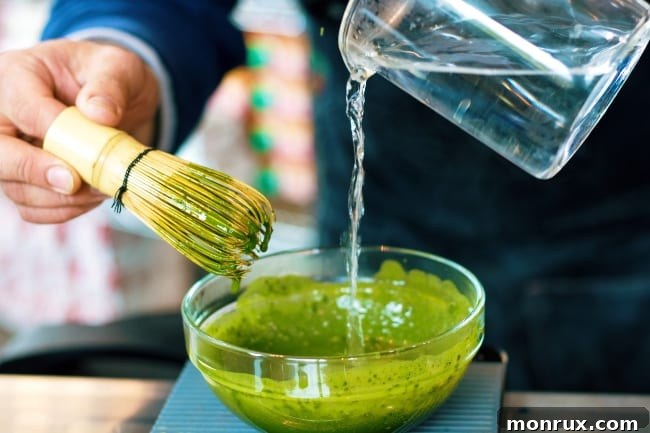
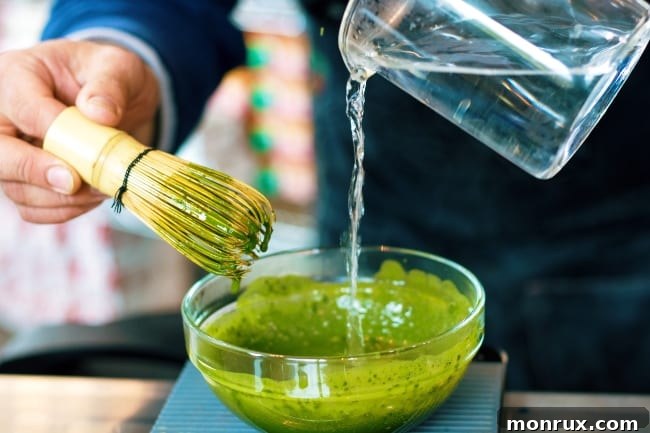
Crafting a traditional cup of matcha is not only simple but can also be a calming ritual that enhances the overall experience. While you can certainly adapt the process to your preference, having the right tools and following a few key steps will ensure the best flavor and frothy texture. Essential equipment includes a bamboo matcha whisk (Chasen), a matcha bowl (Chawan), a small sieve or sifter, and a bamboo scoop (Chashaku).
Here’s a basic guide to preparing your matcha:
- Sift the Matcha: Place one to two scoops (about 1-2 teaspoons) of matcha powder into a small sieve over your matcha bowl. Sifting is crucial to remove any clumps and ensure a smooth, lump-free tea.
- Heat the Water: Bring fresh, filtered water to just below boiling. The ideal temperature for matcha is typically around 175°F (80°C). Water that is too hot can burn the delicate tea leaves, resulting in a bitter taste.
- Add Hot Water: Pour about 2-3 ounces (60-90 ml) of the hot water into the bowl with the sifted matcha.
- Whisk Vigorously: Using your bamboo Chasen, whisk the mixture in a quick ‘M’ or ‘W’ motion from your wrist, not your arm. The goal is to create a smooth, vibrant green liquid with a fine layer of froth on top. Continue whisking for 15-30 seconds until no clumps remain and a good froth forms.
- Adjust to Taste: For traditional Usucha (thin tea), it’s ready to drink. If you prefer a richer Koicha (thick tea), use more matcha powder and less water. Many people also enjoy matcha as a latte; simply add frothed milk (dairy or plant-based) and a healthy sweetener if desired. Consider natural sweeteners like stevia, monk fruit, or a small amount of maple syrup to maintain the health benefits.
Buying Quality Matcha: A Guide to Grades and Brands
With matcha’s growing popularity, the market is flooded with various options. To truly experience its benefits and exquisite flavor, understanding how to select a quality matcha is key. The primary consideration is the grade of matcha, which largely dictates its taste and intended use:
- Ceremonial Grade Matcha: This is the highest quality matcha, made from the youngest, most tender tea leaves harvested from the very top of the tea plant. It is characterized by its bright green color, smooth, delicate, and subtly sweet flavor with a rich umami finish. Ceremonial grade is specifically intended for traditional drinking, often prepared simply with hot water to appreciate its nuanced taste and is ideal for special occasions or daily indulgence.
- Premium Grade Matcha: A step below ceremonial but still excellent for daily consumption, premium grade matcha is made from slightly more mature leaves. It offers a good balance of flavor and vibrancy, making it versatile for drinking straight or in lattes. It’s often a great choice for those new to matcha or seeking a high-quality daily option at a slightly more accessible price point.
- Culinary Grade Matcha: Designed for use in cooking, baking, and blending with other ingredients, culinary grade matcha is made from more mature leaves further down the plant. It has a more robust, sometimes slightly bitter or astringent flavor, which stands up well to other ingredients without getting lost. While it’s perfectly fine for lattes with sweeteners and milk, it’s generally not recommended for drinking plain due to its stronger profile. It’s perfect for matcha-flavored desserts, smoothies, and savory dishes.
Beyond grade, the origin of your matcha is paramount. The best matcha tea, renowned for its quality, flavor, and adherence to traditional growing methods, comes from Japan. Look for certifications like “USDA Organic” or “JAS Organic” (Japanese Agricultural Standard) to ensure it’s free from pesticides and harmful chemicals. Investing in a reputable Japanese brand guarantees a superior product. Some trusted organic brands include:
- Jade Leaf Organic Matcha Powder
- The Republic of Tea Matcha
- Four Sigmatic Mushroom Matcha Drink Mix (a unique blend for added adaptogenic benefits)
Always check the ingredient list to ensure you’re getting 100% pure matcha powder without added fillers or sugars unless that’s specifically what you’re looking for in a flavored mix.
Choosing Your Matcha Whisk (Chasen)
A crucial tool in the authentic matcha preparation experience is the Chasen, or bamboo whisk. While modern tools like electric frothers can achieve some froth, a traditional Chasen is unparalleled for creating a smooth, lump-free tea with that signature creamy foam (called “fukicha”) that enhances both the taste and visual appeal of your matcha.
Chasens are meticulously carved from a single piece of bamboo, featuring dozens or even hundreds of fine tines. The number of tines (e.g., 80, 100, 120) influences the whisk’s flexibility and ability to create froth. A higher number of tines generally yields a finer, more abundant foam and a smoother consistency, making 100 or 120-tine whisks popular for ceremonial matcha.
Caring for Your Chasen: To ensure longevity and optimal performance, rinse your Chasen thoroughly with warm water after each use. Avoid soap, as it can damage the bamboo and impart unwanted flavors. Gently reshape the tines if needed, and allow it to air dry completely on a whisk holder (Kusenaoshi) to prevent mold and help maintain its shape. Replace your Chasen when the tines start to break, become too splayed, or lose their flexibility, typically every few months depending on use.
Whisking Technique: The way you whisk significantly impacts the texture of your matcha. A vigorous ‘M’ or ‘W’ motion, keeping the whisk just off the bottom of the bowl and focusing on creating aeration, will result in a beautifully frothy drink. For a thinner, smoother tea (less foam), a circular motion can be used. Experiment to find your preferred consistency! The correct technique ensures the matcha powder is fully dissolved and emulsified, leading to a richer flavor and a more pleasant mouthfeel.
While a Chasen is highly recommended for the best results, you can still enjoy matcha without one. A small kitchen whisk, a fork, or even a milk frother can work in a pinch, though they may not achieve the same level of fine froth and traditional feel.
Potential Side Effects of Matcha Consumption
While matcha is celebrated for its health-promoting properties, it’s essential to be aware of potential side effects, especially for certain individuals. Like any food or beverage, individual reactions can vary significantly.
- Caffeine Sensitivity and Adrenal Stress: Despite its “calm energy” reputation, matcha still contains caffeine. For individuals highly sensitive to stimulants, or those prone to anxiety and panic attacks, excessive consumption can lead to symptoms like restlessness, nervousness, rapid heart rate, or sleep disturbances. If you’re new to caffeine or have a history of adrenal issues, it’s wise to start with small amounts (e.g., half a teaspoon) and monitor your body’s response carefully. Pregnant women and young children are generally advised to limit or avoid caffeine, including matcha, due to potential risks. Consulting a healthcare provider is always recommended if you have concerns.
- Potential Heavy Metal Contamination (Lead): A concern sometimes raised with green tea, particularly those grown in certain regions, is the potential for lead absorption from the soil. Because matcha involves consuming the entire tea leaf, there’s a theoretical increased risk of ingesting any contaminants present in the leaf, including heavy metals like lead or fluoride. However, reputable matcha producers in Japan adhere to strict agricultural standards and regularly test their products. Studies on actual lead poisoning from matcha are rare and inconclusive. To minimize this potential risk, it is strongly recommended to purchase high-quality, organic matcha from trusted Japanese sources, as they typically have stricter regulations and testing protocols that ensure product safety and purity.
- Digestive Discomfort (Bloating or Gassiness): While not a common issue for everyone, some individuals might experience mild digestive upset, such as bloating or gassiness, after consuming matcha. This can be attributed to several factors:
- Caffeine: Caffeine can stimulate the digestive tract, potentially leading to increased bowel activity or discomfort in sensitive individuals, especially if consumed on an empty stomach.
- Fiber Content: Since you’re consuming the whole leaf, matcha contains a small amount of dietary fiber. While beneficial, for some people with sensitive digestive systems or if consumed in very large quantities, this fiber could potentially cause temporary gas or bloating as the gut adjusts.
- Additives: More often, digestive issues from matcha are linked to what’s added to the drink, especially in lattes. Dairy milk is a common culprit for bloating, gas, and stomach cramps due to lactose intolerance. Highly sugary sweeteners or artificial ingredients can also contribute to digestive distress by disrupting gut bacteria. If you experience discomfort, try preparing your matcha simply with hot water, or opt for unsweetened plant-based milks (like almond or oat milk) and natural, low-calorie sweeteners to see if the symptoms subside.
If you experience persistent discomfort, consider adjusting your intake, preparation method, or consult a healthcare professional.
- Drug Interactions: As with any concentrated food or supplement, matcha may interact with certain medications. For instance, its Vitamin K content could potentially interfere with blood-thinning medications. Also, compounds in green tea might affect the efficacy of certain drugs processed by the liver. Always consult your doctor or pharmacist if you are on medication and considering adding new supplements or making significant dietary changes, especially with regular matcha consumption.
Frequently Asked Questions About Matcha
For most healthy adults, drinking matcha daily can be a beneficial practice. Many individuals report experiencing sustained energy, enhanced focus, reduced anxiety, and improved overall well-being. As long as you consume it in moderation (typically 1-2 servings) and are not overly sensitive to caffeine, daily matcha consumption can contribute positively to your health, offering a consistent dose of antioxidants and beneficial amino acids. Always listen to your body and adjust intake if you notice any adverse effects like disrupted sleep or nervousness.
The higher price point of quality matcha reflects its labor-intensive cultivation and processing methods. True ceremonial grade matcha is grown in Japan, shade-grown for weeks before harvest, hand-picked, de-stemmed, de-veined, and then stone-ground into an extremely fine powder. This meticulous, time-consuming process ensures its vibrant color, unique flavor, and rich nutrient profile. Factors like region of origin, specific tea garden, and whether it’s organic also influence the price. While it may seem expensive compared to regular tea, you are paying for a superior, concentrated product with distinct health and experiential benefits.
Matcha itself is generally not known to cause gassiness or bloating for most people. However, individual digestive sensitivities vary. If you experience discomfort after drinking matcha, consider the other ingredients in your drink. Dairy milk is a frequent cause of digestive upset for those with lactose intolerance. Highly sweetened lattes or artificial additives can also contribute to discomfort. Try preparing your matcha with just water, or opt for unsweetened plant-based milks and natural, low-calorie sweeteners to see if the symptoms subside. The fiber content from consuming the whole tea leaf is minimal and rarely a primary cause of significant gas for healthy individuals.
While both matcha and coffee provide a caffeine boost, many people find matcha offers a “better” or more desirable type of energy. Coffee delivers a rapid caffeine surge that can lead to jitters, anxiety, and a subsequent crash. Matcha, thanks to its L-theanine content, provides a more sustained, calm, and focused energy without the harsh peaks and valleys. This gentle stimulation can improve alertness and concentration for longer periods, making it a preferred choice for those seeking steady productivity and mental clarity, especially for activities requiring sustained focus.
Yes, the potent antioxidants, especially EGCG, in matcha can contribute to healthier skin. Antioxidants help protect skin cells from damage caused by free radicals and UV radiation, which are major contributors to premature aging, fine lines, and wrinkles. EGCG also has anti-inflammatory properties that can help soothe skin conditions, reduce redness, and potentially improve complexion clarity. Regular consumption of matcha may lead to a clearer, more radiant complexion, and some people even use culinary grade matcha in DIY face masks for topical benefits.
Matcha supports brain health primarily through its unique combination of caffeine and L-theanine. L-theanine promotes the production of alpha waves in the brain, inducing a state of relaxed alertness and enhancing cognitive functions like memory, attention, and problem-solving. It can also increase the levels of neurotransmitters like dopamine and serotonin, which improve mood. The antioxidants in matcha also protect brain cells from oxidative stress, potentially reducing the risk of neurodegenerative diseases over time.
Explore More Beverage Resources
Conclusion: Embrace the Matcha Lifestyle
Matcha green tea stands out as a truly exceptional beverage, offering a compelling alternative to traditional coffee and other caffeinated drinks. Its unique combination of L-theanine and potent antioxidants provides a steady, calm energy that supports focus, reduces anxiety, and enhances overall well-being, all without the unwelcome jitters or crash. Beyond its energizing and calming effects, matcha is a powerhouse of nutrients, contributing to antioxidant defense, metabolic support, and potential assistance in weight management.
Whether you’re looking to upgrade your morning routine, seeking a natural boost for mental clarity, or simply exploring healthier beverage options, matcha offers a rich and rewarding experience. By understanding its origins, appreciating its preparation, and being mindful of potential side effects, you can fully embrace the myriad benefits of this ancient Japanese elixir. Choose quality, prepare it with intention, and unlock a new level of balanced vitality and holistic health in your daily life.
Don’t forget to join my newsletter list to get exclusive clean eating recipes and tips. The newsletter is 100% free with no spam; unsubscribe anytime.
About the Author: Carrie Forrest has a master’s degree in public health with a specialty in nutrition and is a certified holistic nutritionist. She is a top wellness and food blogger with over 5 million annual visitors to her site. Carrie has an incredible story of recovery from chronic illness and is passionate about helping other women transform their health. Send her a message through her contact form.
Note: this post is for informational purposes only and is not intended as medical advice. Please consult your healthcare provider for recommendations related to your individual situation.