
In today’s health-conscious world, many consumers are seeking alternatives to traditional sugary sodas. This comprehensive article delves into the popular sparkling beverage, Fresca, to determine if it truly aligns with a healthy lifestyle. We’ll explore its nutritional profile, scrutinize its ingredients, weigh its pros and cons, and ultimately help you decide if Fresca is a good choice for your well-being. While Fresca often presents itself as a better option than most high-sugar soft drinks, it’s crucial to understand that it doesn’t quite measure up to the pure simplicity and health benefits of plain water.
Fresca Facts: A Closer Look
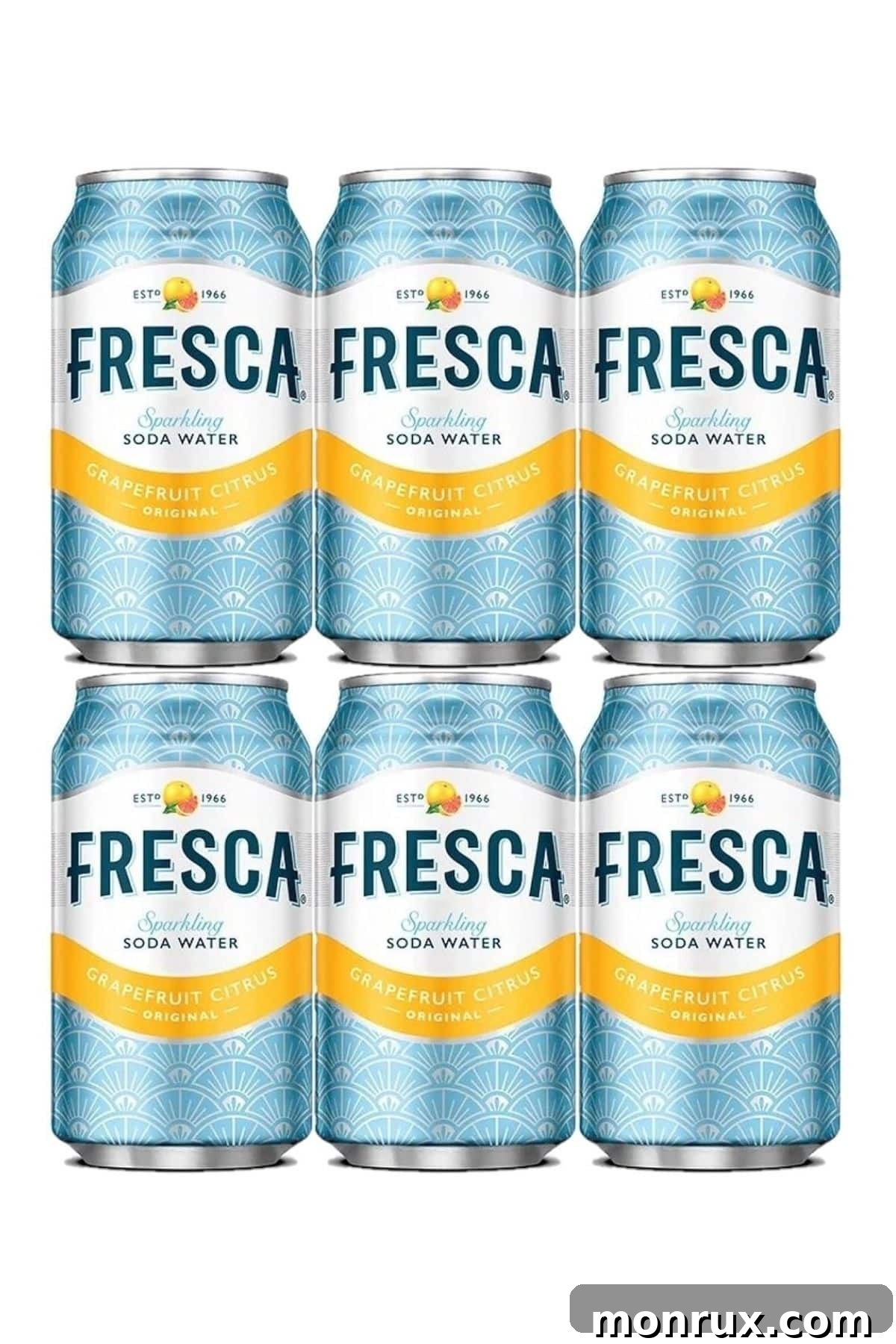
Fresca, a distinguished citrus-flavored carbonated beverage, holds a prominent place within the extensive portfolio of The Coca-Cola Company. Introduced in 1966, Fresca was initially conceived as an innovative alternative to traditional sugary sodas, aiming to capture the market of consumers seeking a lighter, more refreshing drink without the caloric burden. Over the decades, its market positioning has evolved significantly, with Coca-Cola now branding Fresca as a sugar-free, zero-calorie, and caffeine-free beverage. This strategic focus targets a growing segment of health-conscious consumers who prioritize wellness and seek to minimize their intake of sugar and artificial stimulants.
This effervescent, citrus-infused drink is widely available in convenient 12-fl oz cans, making it a popular choice for on-the-go refreshment. Beyond its iconic original Citrus flavor, Fresca has expanded its offerings to include a variety of appealing flavors, such as Peach, Black Cherry, and Grapefruit Citrus, catering to diverse taste preferences. Each flavor maintains the core promise of being sugar-free and calorie-free, appealing to those who wish to enjoy a flavorful sparkling drink without compromising their dietary goals.
The composition of Fresca varies slightly depending on the specific flavor, but a typical ingredient list includes:
- Carbonated water
- Citric acid (for tartness and flavor)
- Natural flavors (contributing to the distinct citrus profile)
- Potassium citrate (a buffering agent and mineral source)
- Concentrated grapefruit juice (in grapefruit varieties)
- Aspartame (an artificial sweetener)
- Potassium sorbate (a preservative to maintain taste and freshness)
- Acesulfame potassium (another artificial sweetener)
- Acacia gum (a stabilizer)
- Potassium benzoate (another preservative)
- Glycerol ester of rosin (a stabilizer for natural flavors)
- Calcium disodium EDTA (a chelating agent to protect taste and color)
- Carob bean gum (a thickener and stabilizer)
Nutritionally, a single 12 fl oz can of Fresca consistently delivers on its zero-calorie promise. Each serving contains approximately 35 mg of sodium, absolutely zero sugar, zero calories, and is entirely free of caffeine. This profile positions Fresca as an attractive option for individuals managing blood sugar, calorie intake, or those sensitive to caffeine.
Unpacking Fresca’s Ingredients
To truly understand whether Fresca is a healthy choice, it’s essential to examine its individual ingredients and their potential impact on your health. While some ingredients are generally considered benign, others have been the subject of ongoing scientific and public debate.
Potassium Citrate
Potassium citrate is a chemical compound frequently incorporated into dietary supplements and various medications due to its recognized health benefits. It plays a significant role in managing specific medical conditions, most notably in the prevention and treatment of kidney stones. Its primary mechanism involves alkalizing the urine, which helps to dissolve existing kidney stones and prevent the formation of new ones by altering the urinary environment.
However, despite its therapeutic uses, excessive intake of potassium citrate carries potential health risks. Overconsumption can lead to a condition known as hyperkalemia, characterized by dangerously high levels of potassium in the blood. Symptoms of hyperkalemia can range from mild muscle weakness and fatigue to more severe manifestations like irregular heartbeats (arrhythmias) and, in critical cases, can be life-threatening. While the amount of potassium citrate in a single serving of Fresca is relatively small, individuals with pre-existing kidney conditions or those on medications affecting potassium levels should exercise caution. Therefore, while beneficial for some therapeutic purposes, the presence of potassium citrate in Fresca could be a concern if consumed excessively or by sensitive individuals.
Potassium Benzoate
Potassium benzoate is a widely utilized preservative in the food and beverage industry. Its primary function is to inhibit the proliferation of mold, yeast, and various bacteria, thereby significantly extending the shelf life of products and ensuring their safety for consumption. This chemical is particularly effective in acidic environments, which makes it suitable for beverages like Fresca.
Despite its utility, there are health concerns associated with potassium benzoate. Some individuals may experience adverse reactions, including allergic responses or heightened sensitivities. These reactions can manifest as skin rashes, hives, asthma exacerbations, or other respiratory issues. A more significant concern arises when potassium benzoate is combined with ascorbic acid (Vitamin C) in the presence of heat or light; under these conditions, it can form benzene. Benzene is a known carcinogen, and while regulatory bodies set strict limits on its formation in beverages, this potential chemical reaction remains a point of contention for health advocates.
While potassium benzoate is an effective food preservative crucial for product longevity, consumers are advised to be mindful of its presence, especially those with known sensitivities or who are seeking to minimize their intake of artificial additives. Consuming it within recommended limits and understanding its potential interactions are key to mitigating any perceived health risks.
Potassium Sorbate
Potassium sorbate is another ubiquitous food preservative, highly effective in preventing food spoilage by inhibiting the growth of mold and yeast. Its widespread use contributes to reducing the risk of foodborne illnesses and helps maintain the quality and safety of countless processed food items. Regulatory agencies, such as the FDA in the United States, have approved potassium sorbate as safe for consumption when used within specified limits.
Generally, potassium sorbate is considered safe in small amounts. However, excessive intake or individual sensitivities can lead to allergic reactions in some people. These reactions may include skin rashes, itching, mild digestive upset, or irritation. While robust scientific evidence definitively linking potassium sorbate to severe, long-term adverse health effects remains limited and often inconclusive, some consumer groups express concerns about the cumulative impact of consuming various preservatives over extended periods.
As with any food additive, a balanced approach is recommended. Consuming potassium sorbate in moderation and being attentive to personal sensitivities can help minimize potential health risks. For those prioritizing a “clean label” diet, beverages containing such preservatives may be a point of consideration.
Natural Flavors
The term “natural flavors” on food labels often creates a sense of wholesomeness for consumers, yet it frequently presents several ambiguities and challenges. Unlike terms like “organic” or “non-GMO,” which are backed by specific regulatory definitions and certification processes, “natural flavors” lacks a standardized, transparent definition from regulatory bodies. This broad categorization allows food manufacturers considerable latitude, enabling them to incorporate a wide array of additives, extracts, and chemical compounds under this seemingly innocuous umbrella term.
While derived from natural sources (e.g., spices, fruits, vegetables, animal products), these “natural flavors” often undergo significant processing and chemical alteration to create specific taste profiles. This lack of detailed disclosure makes it exceedingly difficult for individuals with specific dietary restrictions, allergies, or those following particular ethical diets (e.g., veganism) to ascertain the exact components or potential allergens present. For instance, a “natural fruit flavor” might contain extracts derived from unexpected sources, or involve processing aids that are not themselves “natural.”
Furthermore, the presence of “natural flavors” does not inherently guarantee nutritional value or health benefits. These additives are primarily designed to enhance taste and palatability, and they may still contribute to the overall processed nature of a food product. Consumers who strive to make fully informed choices about their diet and understand the true composition and potential health implications of what they consume may find the ambiguity surrounding “natural flavors” challenging. Unless a company provides explicit, detailed information on its website or product label, the term can obscure the true origin and processing of flavor components in products like Fresca.
Calcium Disodium EDTA
Calcium Disodium EDTA, or ethylenediaminetetraacetic acid, is a powerful chelating agent widely employed as a preservative and stabilizer across numerous processed foods, beverages, and even personal care products. Its utility stems from its remarkable ability to bind with metal ions, preventing them from interacting with other ingredients and thereby inhibiting oxidation, discoloration, and spoilage.
One of its primary applications, particularly in medical contexts, is its ability to chelate heavy metal ions, such as lead and cadmium, in the body. This binding action aids in their removal, thereby mitigating potential toxic effects. In food preservation, this property is invaluable for maintaining product freshness, stability, and visual appeal by preventing undesirable chemical reactions triggered by trace metals.
However, the safety of Calcium Disodium EDTA, especially with regular consumption, has raised some concerns. A significant worry is its potential to chelate, or bind to, essential minerals vital for human health, such as calcium, magnesium, and zinc. When consumed in substantial amounts over time, this could theoretically lead to nutrient deficiencies. Additionally, some individuals report experiencing mild digestive disturbances, such as nausea or diarrhea, or even allergic reactions, though these are generally considered rare. While regulatory agencies deem it safe at low levels, those prioritizing whole, unprocessed foods often seek to avoid additives like EDTA. It’s generally advisable for consumers to be aware of its presence and consider consuming products containing it in moderation, especially if they have concerns about mineral absorption.
Aspartame
Aspartame is one of the most widely recognized and frequently debated artificial sweeteners on the market. It is extensively used by food product manufacturers as a sugar substitute in a vast array of low-calorie and sugar-free foods and beverages, including Fresca. Its appeal lies in its ability to provide intense sweetness without contributing the calories associated with sugar, making it a popular choice for weight management and for individuals monitoring their sugar intake due to conditions like diabetes.
Despite its widespread use and regulatory approvals, aspartame has been the subject of exhaustive scientific scrutiny and public debate regarding its long-term safety. Some scientific studies and anecdotal reports have suggested potential links between aspartame consumption and adverse health effects, which can include headaches, dizziness, mood changes, and gastrointestinal issues. Concerns have also been raised regarding its potential impact on the gut microbiome and its role in metabolic health, though research in these areas is ongoing and often produces conflicting results.
A crucial consideration is for individuals with phenylketonuria (PKU), a rare genetic disorder. These individuals must strictly avoid aspartame because it contains phenylalanine, an amino acid that they cannot metabolize effectively, leading to potentially severe health complications. Products containing aspartame carry a warning label for PKU sufferers.
Nevertheless, major regulatory agencies worldwide, including the U.S. FDA (Food and Drug Administration) and the EFSA (European Food Safety Authority), have repeatedly reviewed the extensive body of evidence on aspartame. They have consistently maintained that aspartame is safe for the general population when consumed within established acceptable daily intake (ADI) levels. Despite these assurances, the ongoing debate and potential for individual sensitivities mean that many health-conscious consumers opt to avoid or, at the very least, consume aspartame-containing products in strict moderation.
The Nutritional Advantages of Fresca
When evaluating the nutritional benefits of Fresca, its primary appeal lies in its commitment to being a calorie-free and sugar-free beverage. For individuals who are actively managing their calorie intake, monitoring blood sugar levels, or aiming for weight management, Fresca presents an attractive option. It allows consumers to enjoy a refreshing, flavorful drink without the guilt or health implications associated with the high sugar content found in most traditional soft drinks.
Compared to full-sugar sodas like Coca-Cola or even diet sodas with more complex ingredient lists, Fresca can be seen as a relatively lighter choice. It offers the satisfaction of a sparkling beverage that quenches thirst effectively, providing hydration without adding unnecessary sugars or significant calories to one’s diet. For those looking to transition away from sugary drinks, Fresca can serve as a stepping stone, providing a familiar fizzy experience while reducing sugar consumption. Its convenience, coupled with its zero-calorie and sugar-free profile, makes it a readily available and accessible option for many.
Potential Nutritional Drawbacks of Fresca
Despite its appealing zero-calorie and sugar-free claims, Fresca drinks come with several nutritional drawbacks that warrant careful consideration for health-conscious individuals. The most significant concern revolves around the presence of artificial sweeteners like aspartame and acesulfame potassium. While these additives provide sweetness without calories, their long-term health effects remain a subject of considerable debate and ongoing research. Some studies suggest potential links between artificial sweetener consumption and issues such as headaches, digestive problems, and even alterations to the gut microbiome, which can impact overall metabolic health. Furthermore, there are ongoing discussions about whether artificial sweeteners might paradoxically lead to increased cravings for sweet foods, potentially hindering weight management efforts rather than aiding them.
Additionally, Fresca contains several preservatives such as potassium benzoate, potassium sorbate, and calcium disodium EDTA. While these ingredients are crucial for extending shelf life and ensuring product stability, they may not be without potential adverse health effects, particularly for sensitive individuals or when consumed in excess. Potassium benzoate, as discussed, carries a concern regarding its potential to form benzene, a known carcinogen, when exposed to vitamin C and heat. Both potassium benzoate and potassium sorbate have been linked to allergic reactions in some people. Calcium disodium EDTA, a chelating agent, while protecting flavor, also raises questions about its potential to bind with and deplete essential minerals from the body over time.
Ultimately, while Fresca offers a sugar-free alternative to traditional sodas, its reliance on a cocktail of artificial sweeteners and synthetic preservatives for flavor and freshness positions it far from a truly natural and health-optimizing beverage. For those committed to a clean-eating lifestyle, products with such an extensive list of artificial ingredients are often viewed with skepticism. Rather than opting for products like Fresca, consider healthier alternatives with fewer artificial components, such as sparkling mineral water infused with real fruit extracts or even simple homemade sparkling water with a squeeze of fresh lemon, lime, or grapefruit. Brands like Spindrift offer options with real fruit juice and no artificial sweeteners, providing a more wholesome choice that supports long-term health and well-being while also potentially reducing packaging waste and saving money.
Explore More Product Reviews
Final Thoughts: Is Fresca Good For You?
In conclusion, Fresca occupies a nuanced position in the spectrum of beverages available today. It certainly offers some perceived advantages, such as providing hydration, serving as a low-sugar and calorie-free alternative to sugary sodas, and offering convenience. However, these benefits must be weighed against its reliance on artificial sweeteners like aspartame and acesulfame potassium, as well as a range of preservatives including potassium benzoate, potassium sorbate, and calcium disodium EDTA. These ingredients, while approved by regulatory bodies, continue to raise health concerns for some individuals, including potential links to allergic reactions, digestive issues, and the broader debate surrounding the long-term impact of artificial additives on human health.
For health-conscious individuals who enjoy the effervescent appeal of a refreshing, citrus-flavored, sparkling drink, there are undoubtedly healthier alternatives that bypass these artificial compounds. Opting for natural sparkling mineral water, perhaps delicately sweetened and flavored with real fruit juices like grapefruit, orange, or lemon, presents a superior choice. Such alternatives provide the desired taste and refreshment while aligning more closely with a holistic approach to nutrition and well-being, minimizing exposure to potentially contentious additives and embracing the purity of nature’s flavors.
Don’t forget to join my exclusive newsletter list to receive clean eating recipes and valuable health tips directly in your inbox. It’s 100% free, spam-free, and you can unsubscribe anytime.
About the Author: Carrie Forrest holds a master’s degree in public health with a specialization in nutrition and is a certified holistic nutritionist. As a prominent wellness and food blogger, her site attracts over 5 million visitors annually. Carrie’s inspiring journey of recovery from chronic illness fuels her passion for empowering other women to transform their health. Feel free to reach out to her through her contact form for any inquiries or further information.
Note: This article is provided for informational purposes only and should not be considered medical advice. Always consult with your healthcare provider for personalized recommendations pertinent to your individual health situation.
Like this post? You can show your support by leaving a virtual tip (starting at just $5!) through Buy Me a Coffee.