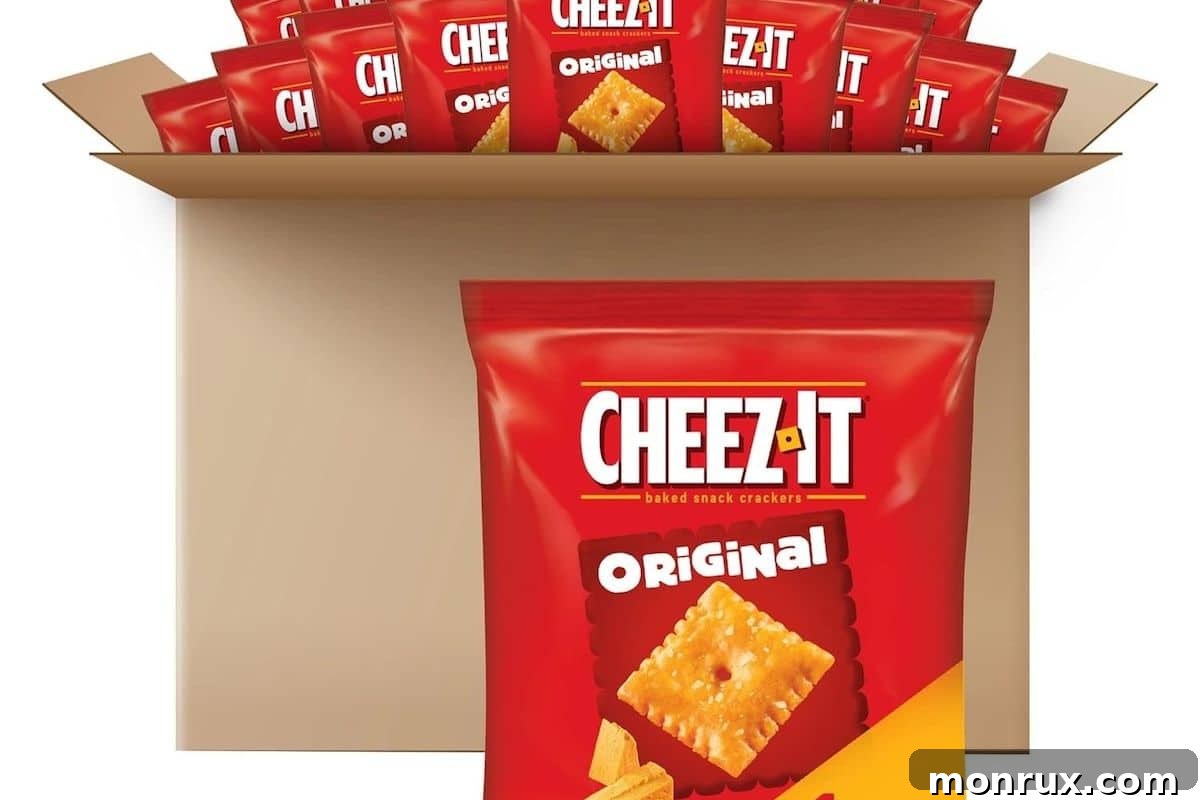
In the vast landscape of snack foods, few items evoke the nostalgic comfort and irresistible cheesy crunch quite like Cheez-Its. These iconic square crackers have graced pantry shelves and lunchboxes for decades, becoming a staple for many looking for a quick, savory treat. But as health consciousness grows, a critical question often arises: Are Cheez-Its truly healthy?
This comprehensive article aims to dissect the nutritional profile of Cheez-Its, delving deep into their ingredients, manufacturing process, and overall impact on your health. We’ll explore both the perceived pros and the significant cons, ultimately offering a clear verdict on whether this beloved snack aligns with a healthy lifestyle. Furthermore, we’ll suggest delicious and nutritious alternatives for those seeking to make more informed dietary choices. Prepare to uncover what makes Cheez-Its a highly processed snack and why they might not be the best option for your well-being.
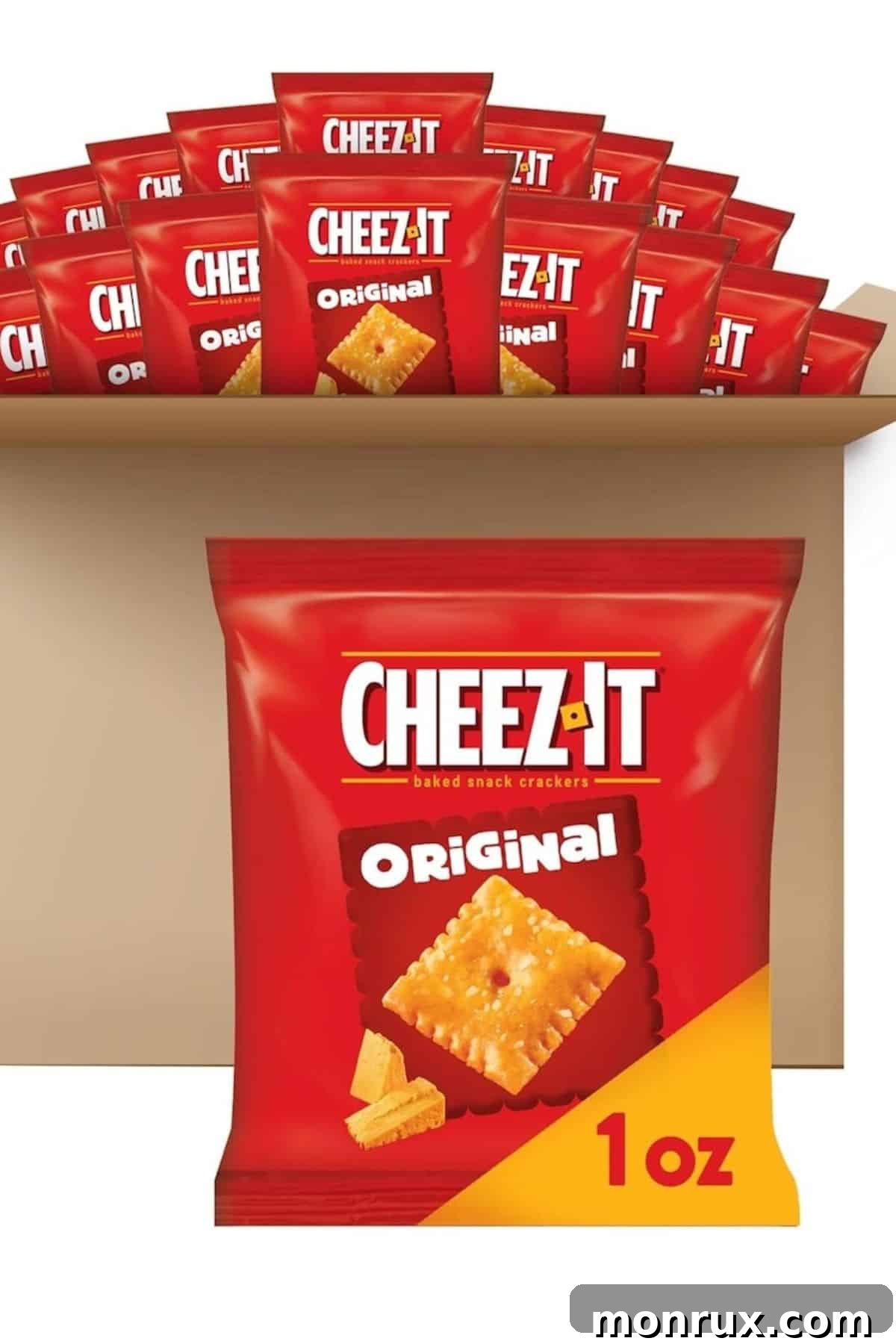
The World of Cheez-Its: Key Facts
Cheez-It crackers are a highly recognizable snack known for their distinct savory, cheesy flavor, signature square shape, and satisfyingly crunchy texture. Introduced in 1921, they have been a staple in American households for over a century. Originally manufactured by Sunshine Biscuits, the brand is now a key part of the Kellogg Company’s extensive snack portfolio.
These baked cheese-flavored crackers are marketed to a wide demographic, serving as a versatile snack for people of all ages. They are commonly enjoyed on their own, but also find their way into various culinary applications, from being crushed as a crunchy topping for soups and salads to featuring in party platters and snack mixes.
The Cheez-It brand has evolved significantly over the years, expanding its product line to include numerous variations and flavors, catering to diverse preferences. Some of the popular varieties include:
- Cheez-It Original: The classic, beloved square cracker.
- Cheez-It Puff’d: A lighter, airier, puffed version.
- Cheez-It Snap’d: Thin, crispy, and flavorful cheesy baked snacks.
- Cheez-It Grooves: Ridge-cut crackers offering an extra crunch.
- Cheez-It Duoz: Combining two distinct flavors in one box.
- Cheez-It Snack Mix: A medley of Cheez-It crackers and other snack components.
Beyond these core variations, Cheez-Its are available in an array of flavors such as spicy, extra toasty, reduced fat, extra cheesy, and extra crunchy options, further diversifying the brand’s appeal. While the specific nutritional content can vary slightly between these different products and flavors, a typical serving size, which is approximately 30 grams or about 27 crackers, generally contains:
- Calories: Roughly 150 to 160 calories, contributing to daily energy intake.
- Saturated Fat: 8 to 9 grams, which is a significant portion of the recommended daily limit for many individuals.
- Sodium: 230 to 250 mg, accounting for a notable percentage of the daily sodium recommendation.
- Protein: 3 to 4 grams, a modest amount for a snack.
- Carbohydrates: Approximately 17-19 grams, largely from refined flour.
- Dietary Fiber: Typically less than 1 gram, indicating a low fiber content.
Understanding these basic facts provides a foundational context before we delve deeper into the specific ingredients that constitute these popular crackers and their potential health implications.
Dissecting Cheez-Its Ingredients
To truly answer whether Cheez-Its are healthy, we must scrutinize their ingredient list. While specific formulations can differ slightly across varieties and flavors, the core ingredients remain consistent and are crucial for understanding the snack’s nutritional impact. Let’s explore some of the primary components and their potential health effects.
Enriched Wheat Flour: The Foundation
The first ingredient listed in most Cheez-Its is enriched wheat flour. This indicates that it forms the bulk of the product. Enriched flour is a type of refined flour where the bran and germ—the most nutrient-dense parts of the wheat kernel—have been removed during processing. While some nutrients like iron and B vitamins (niacin, thiamin mononitrate, riboflavin, folic acid) are added back (“enriched”), the crucial fiber and many other beneficial phytonutrients found in whole grains are permanently lost.
Regular consumption of refined flour, which is ubiquitous in many snack foods, is associated with several health risks. Its high glycemic index means it can cause rapid spikes in blood sugar levels, leading to energy crashes and increased cravings. Over time, consistent blood sugar fluctuations can contribute to insulin resistance, significantly raising the risk of developing type 2 diabetes. Furthermore, diets rich in refined carbohydrates have been linked to an increased risk of obesity and various cardiovascular health problems.
Moreover, wheat is a common allergen and a source of gluten. Individuals with celiac disease, wheat allergies, or gluten sensitivities must strictly avoid Cheez-Its and similar products, as even small amounts can trigger adverse reactions ranging from digestive distress to more severe systemic responses.
The Controversy of Industrial Seed Oils
Cheez-Its typically contain industrial seed oils such as soybean oil, high-oleic soybean oil, and palm oil. In some variations, canola oil might also be present. These oils are often extracted using harsh chemicals and subjected to high-heat processing, which can degrade their quality and create harmful byproducts.
A growing body of research indicates that regular consumption of these highly refined seed oils, particularly those high in omega-6 fatty acids, can contribute to severe health problems. An imbalance in the omega-6 to omega-3 fatty acid ratio, common in modern diets heavy in processed foods, is implicated in chronic inflammation throughout the body. Chronic inflammation is a root cause of many contemporary diseases, including cardiovascular issues, atherosclerosis (hardening of the arteries), autoimmune conditions, and obesity. Oxidative stress, another consequence of these oils, can damage cells and DNA.
Many seed oils, especially soy and canola, are derived from genetically modified (GMO) crops. This is a concern for many health-conscious consumers who prefer to avoid GMO ingredients due to environmental, ethical, and potential long-term health implications, which are still debated. Additionally, these oils are often partially hydrogenated to increase shelf life and improve texture, a process that can create trans fats, widely recognized as detrimental to heart health.
Specifically, soybean oil and high-oleic soybean oil, found in Cheez-Its, raise particular concerns for some individuals. Soy contains compounds called goitrogens, which can potentially interfere with thyroid function, especially in people with iodine deficiency or pre-existing thyroid conditions. Soy is also one of the top food allergens, capable of causing a range of digestive issues, skin reactions, and other symptoms in sensitive individuals.
Soy Lecithin: A Processed Emulsifier
Soy lecithin is a common additive in many processed foods, including Cheez-Its, where it functions as an emulsifier, helping to bind ingredients and create a smoother texture. It is crucial to differentiate soy lecithin from whole soy. While derived from soybeans, soy lecithin is a highly processed soy oil product, drastically altered from its original form. It contains virtually no protein and has been so extensively processed that it bears little resemblance to whole soy.
Due to this extreme processing, some individuals with soy allergies may not react to soy lecithin. However, the methods of extracting soy lecithin often involve dangerous solvents like hexane. Although most of this solvent is removed during purification, trace amounts can potentially remain in the final product, raising concerns for some consumers.
While the FDA generally considers soy lecithin “generally recognized as safe” (GRAS), there is ongoing debate and controversy surrounding the use of such highly processed additives in the food supply, particularly concerning long-term health effects and potential contaminants from manufacturing processes.
TBHQ: A Preservative Under Scrutiny
Tertiary Butylhydroquinone, or TBHQ, is a synthetic antioxidant used as a food additive to prevent fats and oils from becoming rancid. Its inclusion extends the shelf life of processed food products like crackers and helps maintain their desirable crunchy texture over time.
However, the health implications of TBHQ are a point of concern for many nutritionists and health organizations. Research suggests that when consumed in high quantities, TBHQ may have a carcinogenic effect, potentially increasing the risk of certain cancers. Additionally, studies have indicated possible links between TBHQ consumption and problems with eyesight, as well as other potential health issues, including neurological effects and an impact on immune function. For instance, some research has explored its potential to exacerbate allergic reactions or contribute to ADHD-like symptoms in sensitive individuals.
The FDA imposes strict limitations on the maximum allowable quantity of TBHQ in food products, underscoring its potential toxicity at higher levels. This regulatory caution itself can be a “red flag” for health-conscious individuals who prefer to minimize their exposure to artificial additives. While the amount in a single serving of Cheez-Its is below the regulatory limit, cumulative consumption from a diet rich in processed foods containing TBHQ could be a concern. It’s also worth noting that recent formulations of standard original-flavor Cheez-Its may not list TBHQ, but it is still found in many other snack products and certain Cheez-It varieties.
Yeast and Its Role in Processed Foods
Yeast is commonly used in baked goods and processed food products like Cheez-It cheese crackers for its role in leavening and fermentation. This contributes significantly to the final product’s texture, giving it a light, airy quality, and also enhances the overall flavor profile.
While baker’s yeast is generally considered safe for consumption for most people and can even offer some nutritional benefits (such as being a source of B vitamins and minerals), excessive intake or individual sensitivities can pose potential health risks. People with yeast allergies or sensitivities might experience adverse reactions, including digestive discomfort (bloating, gas), skin rashes, headaches, or respiratory issues.
For individuals with conditions like candidiasis (a yeast overgrowth in the body), excessive consumption of yeast-containing foods can potentially worsen symptoms. Even in otherwise healthy individuals, an overabundance of yeast or components derived from it, particularly when coupled with a diet high in refined sugars and carbohydrates, can potentially contribute to imbalances in gut microbiota, impacting digestive health and overall well-being.
High Sodium Content
One of the most immediate nutritional concerns with Cheez-Its is their high sodium content. As mentioned earlier, a single serving can contain 230-250 mg of sodium. While sodium is an essential electrolyte for bodily functions, excessive intake is a major public health concern.
Diets consistently high in sodium are directly linked to elevated blood pressure, also known as hypertension. Hypertension is a significant risk factor for serious cardiovascular diseases, including heart attack, stroke, and kidney disease. For individuals already managing blood pressure issues or those at risk, regular consumption of high-sodium snacks like Cheez-Its can be particularly detrimental. The convenience and palatability of salty snacks often lead to overconsumption, making it easy to exceed daily recommended sodium limits without realizing it.
Saturated Fats and Cholesterol Concerns
Cheez-Its also contain a notable amount of saturated fat, typically 8-9 grams per serving. While dietary fat is essential, the type and quantity are critical. A diet high in saturated fat has been consistently linked to an increase in LDL (“bad”) cholesterol levels. Elevated LDL cholesterol is a primary risk factor for atherosclerosis, where plaque builds up in the arteries, narrowing them and increasing the risk of heart disease and stroke.
Given that many people consume more than one serving of snack crackers, the intake of saturated fat can quickly accumulate, contributing significantly to daily totals that often exceed recommended healthy limits. Combining this with the industrial seed oils, the overall fat profile of Cheez-Its leans towards less healthy options that can negatively impact long-term cardiovascular health.
The Allure of Cheez-Its: Perceived Pros
Despite the nutritional concerns, it’s undeniable that Cheez-Its hold a strong appeal for many consumers, which contributes to their enduring popularity. These factors, while not strictly “nutritional pros,” represent the perceived benefits that drive people to choose this snack:
- Convenience: Cheez-Its are incredibly convenient. They are pre-packaged, portable, and require no preparation, making them an ideal on-the-go snack for busy lifestyles, school lunches, or quick munching.
- Taste and Texture: The savory, intensely cheesy flavor, combined with a satisfying crunch, is highly palatable to many. This combination creates a desirable sensory experience that leads to repeated consumption. For many, the taste factor outweighs other considerations.
- Versatility: As noted earlier, Cheez-Its can be more than just a standalone snack. Their distinct flavor and texture make them suitable as an ingredient in various recipes, from casseroles to breading, adding a cheesy kick.
- Affordability and Accessibility: Cheez-Its are widely available in almost any grocery store and are generally inexpensive, making them an accessible snack option for a broad economic demographic.
It’s worth acknowledging that before embarking on my clean eating journey, I, too, was guilty of enjoying these crackers. However, gaining a deeper understanding of their ingredients has profoundly changed my perspective and snacking habits.
The Nutritional Downsides: A Closer Look at the Cons
When evaluating Cheez-Its from a nutritional standpoint, the downsides become quite evident and significantly outweigh any perceived benefits. These crackers are fundamentally a highly processed food product, and their composition raises several red flags for overall health:
- High in Sodium: As discussed, the substantial sodium content contributes to an increased risk of high blood pressure and related cardiovascular diseases, including heart disease and stroke, particularly with regular consumption.
- Unhealthy Fats: The presence of significant amounts of saturated fats and industrial seed oils (like soybean and palm oil) can negatively impact cholesterol levels and contribute to chronic inflammation, which is a precursor to numerous health issues.
- Refined Carbohydrates: The primary ingredient, enriched white flour, is a refined carbohydrate that offers minimal nutritional value, lacking essential fiber. It contributes to rapid blood sugar spikes, potentially leading to energy crashes, increased cravings, and a higher risk of insulin resistance and type 2 diabetes over time.
- Low in Essential Nutrients: Cheez-Its provide very little in terms of dietary fiber, vitamins, and minerals that are crucial for a balanced diet. They are calorie-dense but nutrient-poor, meaning they fill you up without providing significant health benefits.
- Presence of Additives: The inclusion of artificial preservatives like TBHQ (in some varieties) and emulsifiers like soy lecithin, even if considered safe in small quantities by regulatory bodies, contributes to a diet high in processed ingredients rather than whole foods.
- Common Allergens: For individuals with sensitivities or allergies, the presence of common allergens like wheat and soy (in both flour and oils/lecithin) makes Cheez-Its an unsuitable choice, leading to digestive discomfort or more severe allergic reactions.
- Contribution to Weight Gain: Due to their high calorie, fat, and sodium content, coupled with a lack of satiating fiber and protein, Cheez-Its can easily contribute to excessive calorie intake, leading to weight gain and obesity when consumed regularly or in large quantities. The refined carbs also promote a cycle of hunger and overeating.
In essence, Cheez-Its lack the nutritional density that characterizes healthy snacks. They are designed for palatability and shelf stability, not for promoting optimal health. For a healthier take on crunchy snacks, consider my related review, “Is Skinny Pop Healthy?” which also includes a recipe for homemade popcorn—a far better alternative.
So, Are Cheez-Its Healthy? The Definitive Verdict
Based on a thorough examination of their ingredients and nutritional profile, the unequivocal answer is no: Cheez-Its are not a healthy snack option.
They fall squarely into the category of highly processed foods, characterized by refined carbohydrates, unhealthy fats, high sodium content, and a general lack of essential nutrients like fiber, vitamins, and minerals. While they offer convenience and a satisfying taste, these advantages do not translate into health benefits.
Regular or excessive consumption of Cheez-Its can contribute to a range of negative health outcomes, including an increased risk of cardiovascular disease, hypertension, weight gain, blood sugar imbalances, and chronic inflammation. For those with specific dietary restrictions or allergies to wheat and soy, they are entirely unsuitable.
Consider this perspective when choosing your snacks. For a comparative analysis of other popular processed snacks, you might find my related review, “Is Chex Mix Healthy?” insightful.
If you occasionally indulge in Cheez-Its, it is crucial to do so in strict moderation, understanding that they are an occasional treat rather than a healthful dietary staple. However, a far better approach for promoting long-term health and well-being is to actively seek out and enjoy real food snacks that provide genuine nutritional value.
Healthier Alternatives to Cheez-Its
Transitioning away from highly processed snacks doesn’t mean sacrificing flavor or convenience. There are countless delicious and nutritious alternatives that can satisfy your cravings without compromising your health goals. Here are some excellent options:
- Whole-Grain Crackers with Real Cheese: Instead of Cheez-Its, opt for crackers made from 100% whole grains or seeds. Look for brands with minimal ingredients, low sodium, and high fiber content. Pair these with a slice of real, unprocessed cheese for a protein and calcium boost.
- Homemade Almond Flour Crackers: For those who love crackers and want a truly healthier, often gluten-free alternative, making your own is a fantastic option. Recipes using almond flour, seeds, and simple seasonings can create incredibly flavorful and nutritious crackers at home. For example, try a Carrot Cracker recipe, which adds extra nutrition and fiber from vegetables.
- Apple Slices with Cheese: If you love the flavor of real cheese, pairing it with fresh fruit is a quick, easy, and incredibly healthy snack. Slices of crisp apple with a piece of cheddar or gouda offer a delightful balance of sweet and savory, along with fiber, vitamins, and protein, with no added sugar or high sodium content.
- Vegetable Sticks with Hummus: Crunchy bell peppers, carrots, cucumber, or celery sticks dipped in homemade or store-bought hummus (check for low sodium options) provide fiber, vitamins, and healthy fats.
- Nuts and Seeds: A handful of almonds, walnuts, cashews, pumpkin seeds, or sunflower seeds offers healthy fats, protein, and fiber, making for a satisfying and nutrient-dense snack.
- Air-Popped Popcorn: A whole-grain snack that’s naturally low in calories and high in fiber. Pop it at home with a little olive oil or coconut oil and season with nutritional yeast for a cheesy flavor, or just a sprinkle of sea salt. This is a much healthier option than many pre-packaged popcorns.
- Greek Yogurt with Berries: For a snack that’s creamy and full of probiotics, Greek yogurt with fresh berries is excellent. It’s high in protein and provides essential vitamins and antioxidants.
- Hard-Boiled Eggs: A perfect source of complete protein, hard-boiled eggs are convenient, portable, and incredibly filling, helping to keep hunger at bay.
Choosing real, whole food snacks not only supports better health outcomes but also encourages a deeper appreciation for natural flavors and textures. Making these small shifts in your snacking habits can have a profound positive impact on your overall well-being.
Other Insightful Product Reviews
Conclusion: Making Smarter Snack Choices
In conclusion, while Cheez-Its may offer a tempting blend of convenience, cheesy flavor, and satisfying crunch, they are unequivocally not a healthy choice for regular consumption. As a highly processed snack, they are characterized by an abundance of high-glycemic refined carbohydrates, unhealthy industrial seed oils, excessive sodium, and potentially concerning additives like TBHQ (in some variants) and soy lecithin.
Their minimal nutritional value, coupled with the presence of known allergens such as wheat and soy, makes them unsuitable for individuals with specific dietary sensitivities or those striving for optimal health. Consuming Cheez-Its regularly can contribute to adverse health outcomes, including increased risks of cardiovascular disease, hypertension, and metabolic imbalances.
The good news is that numerous delicious and nutritious “real food” snack alternatives exist, offering far superior nutritional benefits without compromising on taste or satisfaction. By consciously choosing whole, unprocessed foods like fruits, vegetables, nuts, seeds, and homemade crackers, you can support your body’s health and well-being. Empower yourself with knowledge, read ingredient labels carefully, and prioritize snacks that nourish your body rather than simply filling a craving. Making these informed choices is a fundamental step towards a healthier lifestyle.
Don’t forget to join my newsletter list to get exclusive clean eating recipes and tips. The newsletter is 100% free with no spam; you can unsubscribe anytime.
About the Author: Carrie Forrest holds a master’s degree in public health with a specialty in nutrition and is a certified holistic nutritionist. She is a top wellness and food blogger, attracting over 5 million annual visitors to her site. Carrie shares an incredible story of recovery from chronic illness and is deeply passionate about empowering other women to transform their health. You can connect with her through her contact form.
Note: This post is for informational purposes only and is not intended as medical advice. Please consult your healthcare provider for recommendations related to your individual situation.