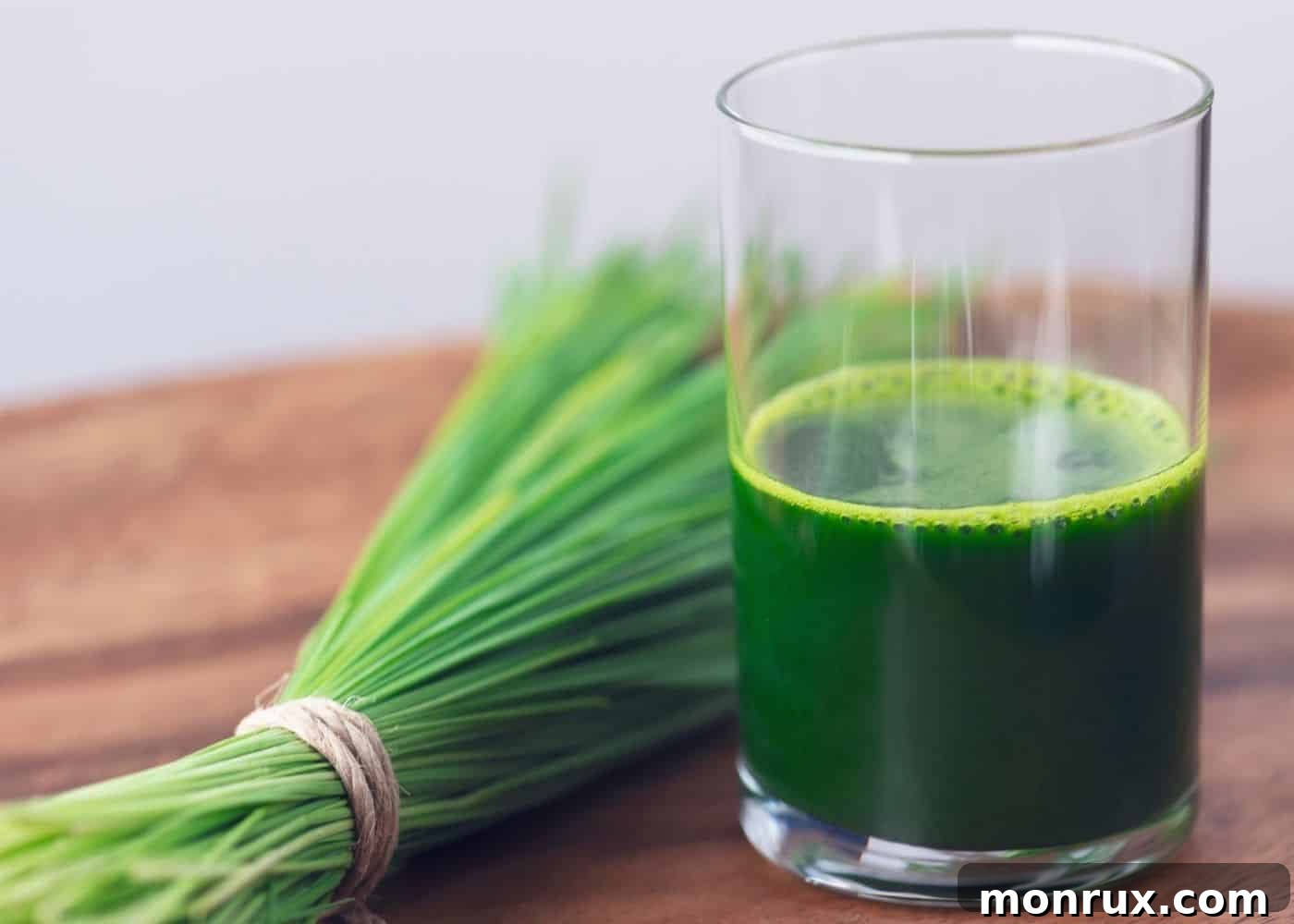
If you’re weary of expensive wheatgrass shots from juice bars, it’s time to consider bringing the vibrant world of fresh wheatgrass juice into your home. This comprehensive guide delves into the top types and models of wheatgrass juicers available, helping you make an informed decision to start crafting your own nutrient-dense green elixir. We’ll also explore the remarkable health benefits that make wheatgrass a true superfood, ensuring you understand why investing in a dedicated wheatgrass juicer is a valuable step towards enhanced wellness.
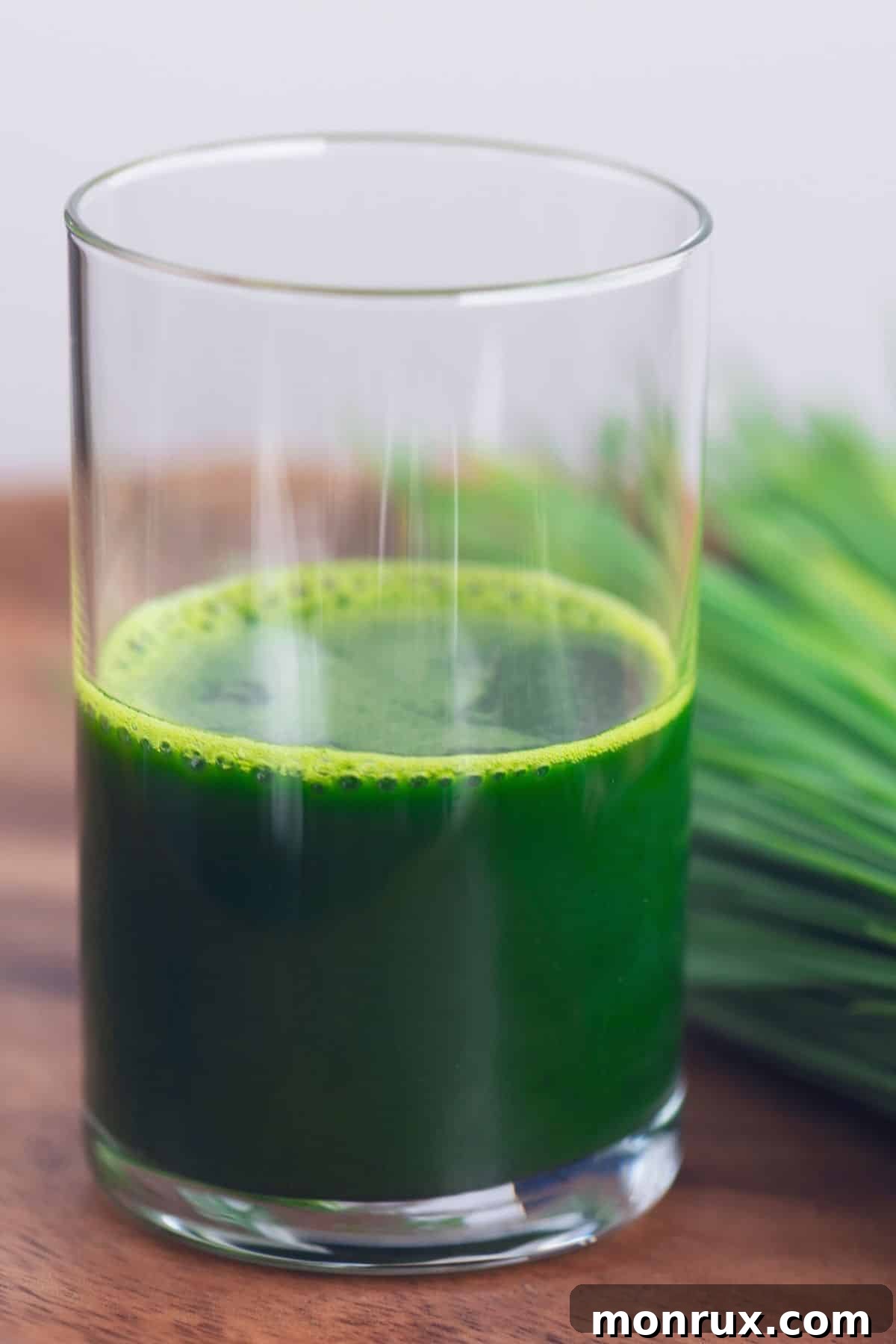
Juicing Wheatgrass: A Nutritional Powerhouse
Transforming wheatgrass into a daily wellness ritual is made incredibly simple through juicing. This method allows you to easily extract the dense nutrients and integrate them into your diet. While wheatgrass boasts a distinctively strong, earthy flavor that can be an acquired taste for many, its potency is part of its charm. Don’t be deterred by its initial intensity; there are numerous ways to make it more palatable.
For those new to the experience, blending wheatgrass juice into your morning smoothie is an excellent strategy. The sweetness and creaminess of other fruits and vegetables can beautifully balance its robust taste, helping you grow accustomed to its unique profile. If you prefer the quick shot method, a simple squeeze of fresh lemon juice can work wonders, cutting through the earthiness with its bright acidity.
Alternatively, combining wheatgrass with other juices creates delightful and nutritious concoctions. A classic pairing involves carrot juice, which offers natural sweetness that complements wheatgrass perfectly. Adding a touch of fresh ginger to this blend not only enhances the flavor with a spicy kick but also introduces additional anti-inflammatory benefits. Experimenting with different combinations will allow you to find your ideal wheatgrass juice recipe, making this superfood a delicious and indispensable part of your daily routine.
Discovering the Best Wheatgrass Juicers for Your Home
Wheatgrass, with its fibrous texture, requires a specific type of juicer to extract its potent liquid efficiently. Unlike centrifugal juicers, which use high-speed spinning blades and centrifugal force primarily suited for harder fruits and vegetables, wheatgrass demands a gentler approach. The ideal appliance for this purpose is a masticating juicer, also known as a cold press juicer.
Masticating juicers operate by slowly crushing and pressing the wheatgrass, effectively “chewing” it to extract the maximum amount of juice without generating excessive heat. This slow process is crucial for preserving the delicate enzymes, vitamins, and minerals that make wheatgrass such a powerful superfood. High heat can degrade these vital nutrients, reducing the overall health benefits of your juice.
You don’t need expensive commercial wheatgrass juicers to achieve exceptional results. A high-quality manual or electric masticating wheatgrass juicer designed for home use will yield a pure, nutrient-rich juice that rivals professional juice bar offerings. Furthermore, a well-designed wheatgrass juicer will efficiently separate the juice from the pulp, eliminating the need for additional straining and ensuring a smooth, clean drink every time.
1. Manual Masticating Juicers: Simplicity and Purity
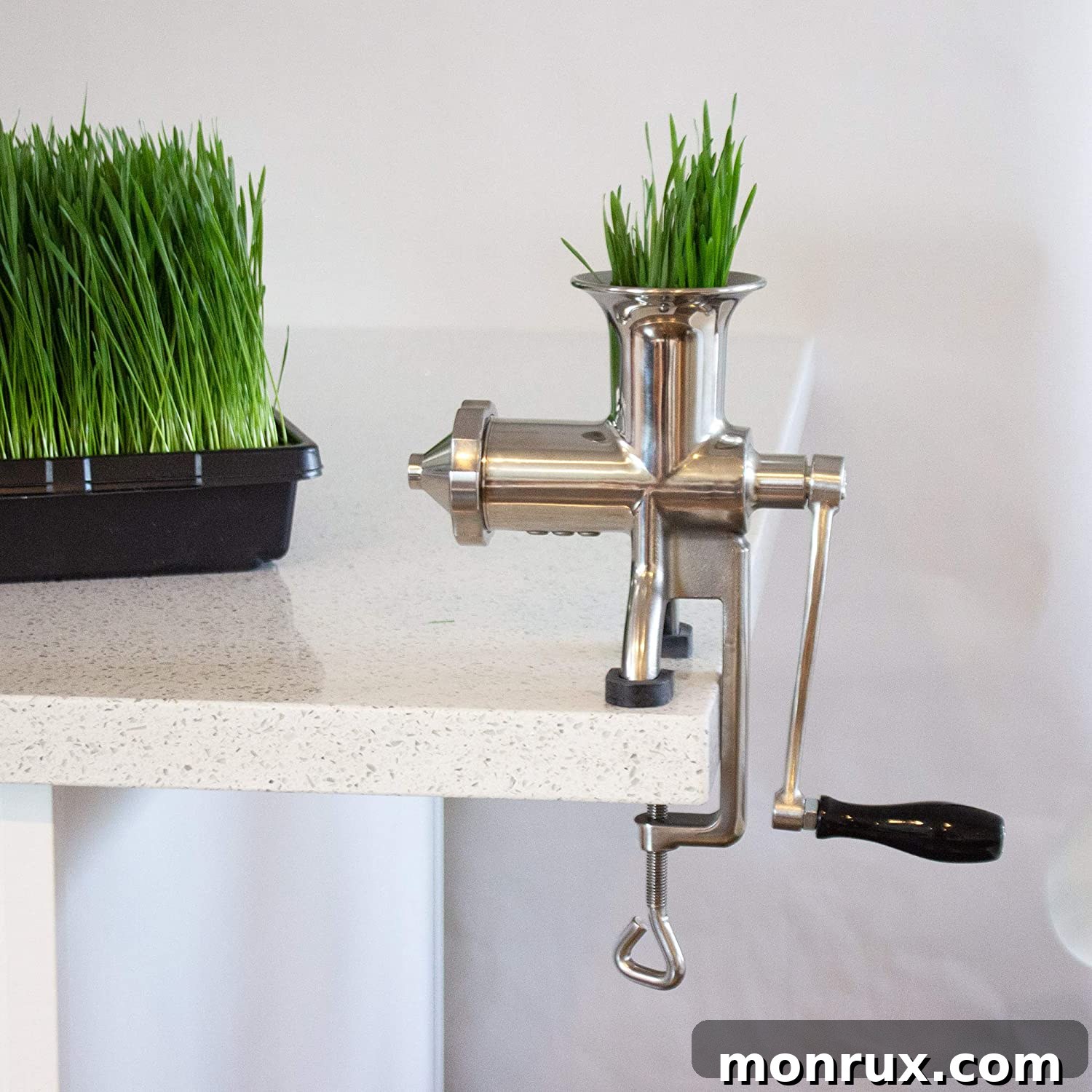
Manual wheatgrass juicers represent the traditional and often most cost-effective approach to preparing fresh wheatgrass juice at home. These hand-cranked devices operate entirely without electricity, meaning they produce absolutely no heat during the juicing process. This “cold press” method is paramount for wheatgrass, as it ensures that the delicate enzymes, vitamins, and chlorophyll remain intact and undegraded, providing you with the highest quality, most nutrient-dense juice possible.
The primary advantages of a manual wheatgrass juicer include its affordability, portability, and the complete preservation of nutrients due to the absence of heat. They are also incredibly easy to clean, often disassembling into just a few parts that can be rinsed under water. The main drawback is their single-purpose design; manual juicers are typically optimized exclusively for wheatgrass and similar leafy greens, meaning they are not suitable for juicing harder fruits or vegetables. However, for dedicated wheatgrass enthusiasts, this specialization is a strength, ensuring peak performance for their chosen green.
Recommended model:
For those seeking an exceptional manual option, the Handy Pantry Manual Wheatgrass Juicer stands out. This robust, hand-cranked model easily clamps onto most kitchen counters, providing a stable base for efficient juicing. Constructed from high-quality stainless steel, it promises durability and easy maintenance. Its flared hopper is thoughtfully designed to keep wheatgrass upright, streamlining the juicing process. Disassembly is a breeze, making post-juicing cleanup quick and effortless, so you can enjoy your fresh juice without a lingering chore.
2. Electric Masticating Juicers: Power and Versatility
If you’re looking for a juicer that offers both the superior extraction necessary for wheatgrass and the versatility to handle a wider array of produce, an electric masticating wheatgrass juicer is likely your best choice. These appliances feature a powerful motor that drives a slow-turning auger, mimicking the chewing action of a manual juicer but with significantly less effort on your part.
The key benefit of an electric masticating juicer lies in its “cold press” technology, ensuring minimal heat generation. This slow speed operation (often between 40-80 RPM) is crucial for preserving the delicate enzymes, vitamins, and minerals in wheatgrass, leafy greens, and other sensitive fruits and vegetables. Many electric models come with different settings or auger designs optimized for juicing both hard and soft produce, efficiently separating nutrient-rich juice from dry pulp.
While the initial investment for an electric masticating juicer is typically higher than for a manual unit, the enhanced convenience, greater juice yield, and broader functionality often justify the cost. They are an excellent option for those who plan to make juice frequently, in larger quantities, or wish to explore juicing a diverse range of ingredients beyond just wheatgrass, including nut milks and butters.
Recommended models:
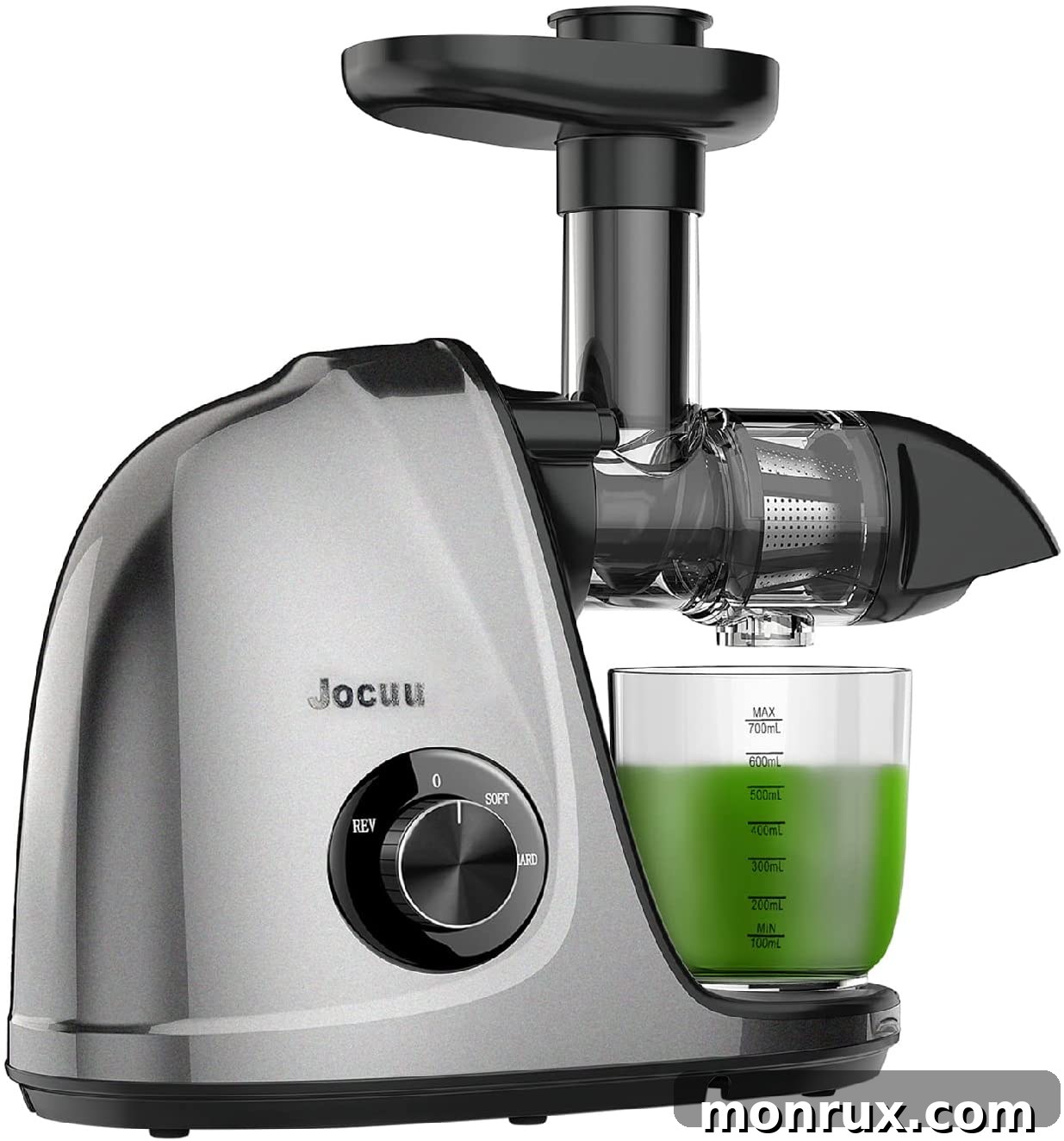
Among the top contenders for electric wheatgrass juicers are the Jocuu Slow Juicer and the Omega Masticating Juicer. Both are celebrated for their cold press capabilities, operating at low speeds to maximize juice yield and nutrient retention. The Jocuu model is often praised for its user-friendly design and quiet operation, making daily juicing a pleasant experience. Omega juicers, on the other hand, are legendary for their durability, superior performance, and multi-functional capabilities, often coming with attachments for making pasta, nut butter, and nut milks.
While choosing “the absolute best juicer” can be subjective, these two options consistently receive high ratings for their efficiency with wheatgrass and versatility for a wide range of produce. They represent excellent investments for anyone serious about elevating their home juicing game.

Manual vs. Electric Wheatgrass Juicers: Making the Right Choice
When deciding between a manual and an electric wheatgrass juicer, several factors should guide your choice, primarily balancing cost, convenience, and versatility. The overarching principle for both is the masticating (cold press) technology, which is superior to centrifugal juicers for nutrient preservation, especially with fibrous greens like wheatgrass. While masticating juicers tend to have a higher price point than their centrifugal counterparts, the unparalleled quality of the juice they produce makes them a worthwhile investment for those committed to reaping the full health benefits of wheatgrass.
- Manual Masticating Juicers: These are ideal for the budget-conscious consumer or anyone who prefers a simple, back-to-basics approach. They excel in pure wheatgrass juicing, offering maximum nutrient retention due to zero heat production. They are portable and easy to clean but require physical effort and are generally limited to wheatgrass and soft leafy greens. If you only plan to juice wheatgrass occasionally or in small quantities, and appreciate simplicity, a manual model is an excellent, cost-effective choice.
- Electric Masticating Juicers: For those seeking convenience, speed, and multi-functionality, an electric model is superior. While a larger investment, these juicers handle not only wheatgrass with ease but also a broad spectrum of fruits, vegetables, and even nuts for milks and butters. They are perfect for frequent juicers, families, or individuals who want to incorporate a variety of fresh juices into their diet without much manual labor. The slow-speed motor ensures nutrient integrity, and many come with advanced features and quieter operation.
Ultimately, the “best” wheatgrass juicer depends on your individual needs, lifestyle, and juicing frequency. Both types offer excellent performance for wheatgrass, but understanding their differences will help you select the perfect appliance to support your wellness journey.
What Exactly is Wheatgrass? Unlocking its Superfood Status
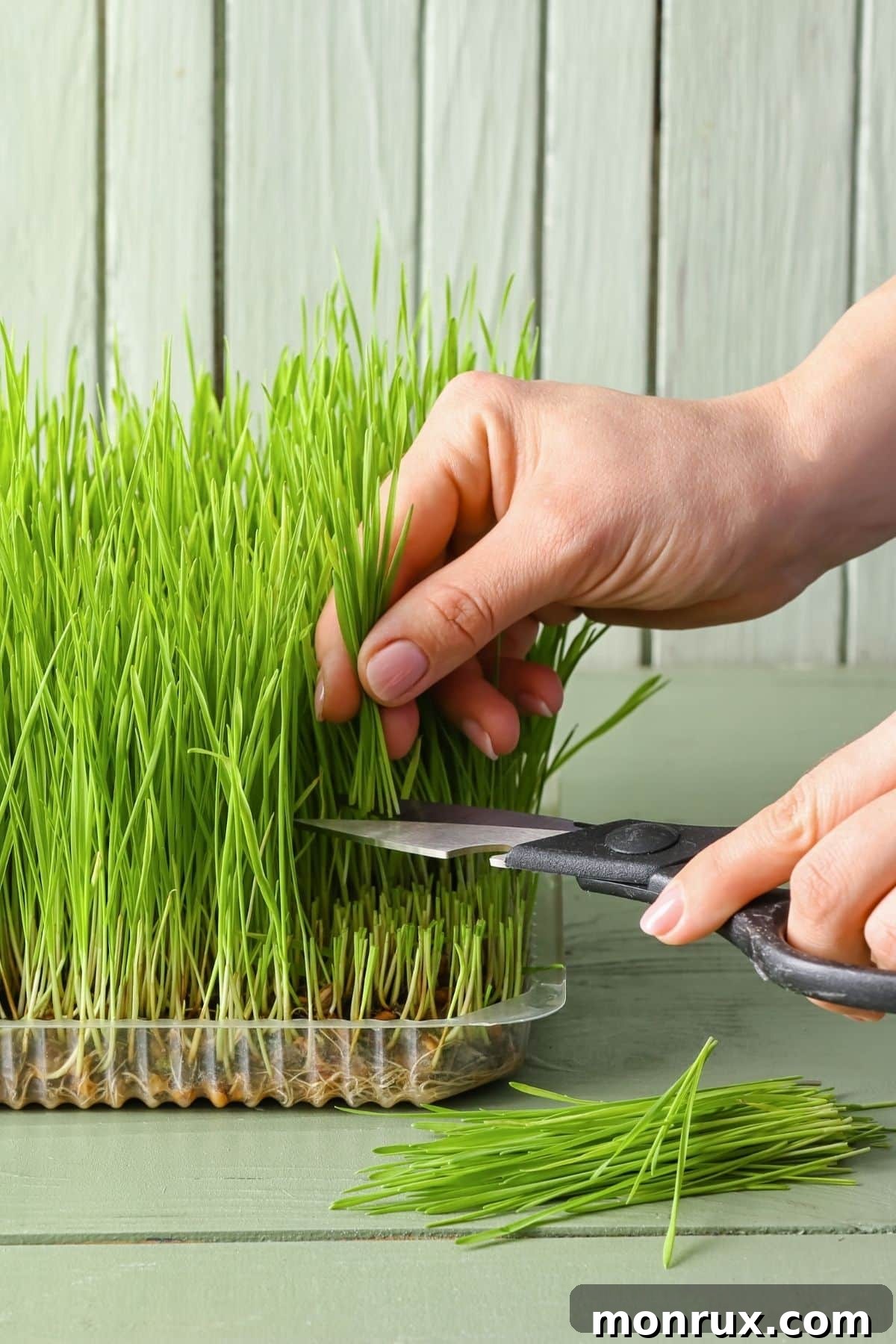
Wheatgrass is the tender, young grass of the common wheat plant, scientifically known as Triticum aestivum. This vibrant, thick green grass is typically harvested at a crucial stage—around 7 to 10 days after sprouting—before it fully matures. It’s at this young stage that wheatgrass reaches its peak nutritional density, earning it widespread recognition as a “superfood.” Its ease of cultivation, both with and without soil, makes it an accessible powerhouse for home growers.
The impressive nutritional profile of wheatgrass is what truly sets it apart. It is an extraordinary source of antioxidants, including powerful compounds like vitamin C, vitamin E, and glutathione, which combat oxidative stress and cellular damage in the body. Beyond antioxidants, wheatgrass provides a rich array of essential nutrients, such as iron, calcium, magnesium, a substantial amount of protein, and a complete spectrum of amino acids. It also contains numerous beneficial enzymes and B-complex vitamins, all contributing to its profound health-promoting properties.
Moreover, there’s compelling scientific evidence supporting the significant health benefits associated with wheatgrass juice. For instance, a notable 2015 article highlighted how the abundant antioxidants in wheatgrass may play a protective role against various forms of cancer. Further research conducted in 2017 specifically demonstrated its potential utility in fighting oral cancer, suggesting its therapeutic applications. This remarkable protection is often attributed to wheatgrass’s ability to profoundly boost the immune system and its exceptionally high levels of chlorophyll. In fact, its rich chlorophyll content gives wheatgrass its distinctive moniker, “green blood,” due to chlorophyll’s structural similarity to hemoglobin.
Considering its comprehensive nutrient profile and documented health advantages, wheatgrass is undeniably one of the best vegetables to juice, offering a potent boost to overall wellness.
Frequently Asked Questions About Juicing Wheatgrass
Despite originating from a wheat plant, the exciting news is that pure wheatgrass itself is inherently gluten-free. Gluten is found exclusively in the seed kernels of the wheat plant. Since wheatgrass is harvested at a very young stage, typically around 7-10 days after sprouting, these gluten-containing kernels have not yet developed. This makes freshly harvested wheatgrass a safe option for many individuals managing gluten sensitivity or celiac disease.
However, caution is advised when purchasing commercially prepared wheatgrass products. There’s always a slight risk of cross-contamination during processing or that the grass might have been harvested later, after some seed development. For absolute certainty and peace of mind, especially if you have celiac disease or severe non-celiac gluten sensitivity, juicing your own home-grown wheatgrass is the safest and most recommended approach.
It’s important to note that while gluten-free, wheatgrass is still derived from wheat. Therefore, if you suffer from a severe wheat allergy, it’s prudent to consult your healthcare provider for personalized advice regarding its consumption.
Proper storage is key to maintaining the freshness and nutritional integrity of wheatgrass. Before storing, ensure your fresh wheatgrass is completely dry. Any lingering moisture can accelerate spoilage. Gently pat it dry with a paper towel if needed. Once dry, transfer the wheatgrass into an airtight container or a tightly sealed food-safe bag. Store it in the refrigerator, where it can typically remain fresh for up to 7 days. For optimal nutrient content, it’s always best to juice the amount you need for a single shot and consume it immediately. The moment wheatgrass juice is exposed to air, its delicate enzymes and nutrients begin to degrade.
We understand that daily juicing might not always fit into a busy schedule. If you need to store wheatgrass juice, freezing is a viable option. Pour individual shot-sized portions into ice cube trays and freeze them. While freezing can preserve the juice, be aware that it may diminish some of the beneficial enzymes and slightly reduce the efficacy of the chlorophyll. Aim to use frozen wheatgrass juice cubes within seven days to maximize their nutritional value, as their potency will gradually decline thereafter. Thaw them quickly or add directly to smoothies for convenience.
Given its concentrated potency, wheatgrass can be quite unique for your body to process initially. If you’re new to wheatgrass juice, you might experience some temporary side effects such as nausea, an upset stomach, a mild headache, or even constipation. These reactions are typically your body adjusting to the powerful detoxification and nutrient influx, and they usually subside within a week or two as your system becomes accustomed to it.
Therefore, the best approach is to begin with a small dosage, typically just one to two ounces (approximately 30-60 ml) at a time. Following your wheatgrass shot with a glass of water can help dilute its effects and prevent or reduce any abdominal discomfort. Many enthusiasts find that drinking wheatgrass juice first thing in the morning, on an empty stomach, yields the best results. This allows for optimal absorption and provides a natural energy boost to kickstart your day!
As your body gradually adapts to wheatgrass, you can progressively increase your intake to up to four ounces (about 120 ml) per serving. You might also consider increasing the frequency, perhaps adding a second shot in the evening if you feel beneficial effects and no adverse reactions. Always listen to your body and adjust accordingly.
Juiced wheatgrass delivers a flavor profile that is exactly as its name suggests: it tastes like concentrated grass. For many, this translates to a strong, intensely earthy, and somewhat bitter taste. While not inherently unpleasant for everyone, it is certainly an acquired taste and rarely described as “delicious” on its own. This potent flavor is precisely why most people consume wheatgrass juice as a quick shot to get it down quickly. To help mitigate the robust grassy notes, it’s common practice to mix it with other flavors. A squeeze of fresh lemon juice is a popular choice, as its acidity effectively cuts through and brightens the earthiness. Alternatively, blending it into fruit smoothies or mixing it with naturally sweet juices like carrot or apple juice can make the experience much more enjoyable and palatable.
Explore More Vegetable Juices You Might Enjoy
- Beet Juice: A Sweet and Earthy Elixir
- Beet Carrot Juice: The Perfect Blend of Nutrients
- Carrot Juice: Golden Goodness for Your Health
- Celery Juice: A Hydrating and Cleansing Powerhouse
- Cucumber Juice: The Ultimate Refreshment
- Parsley Juice with Carrots & Celery: A Green Boost
Essential Juicing Resources You Shouldn’t Miss!
Conclusions: Embrace the Wheatgrass Lifestyle
Embracing homemade wheatgrass juice offers a convenient and powerful way to integrate numerous evidence-based health benefits into your daily routine. By selecting the right wheatgrass juicer, whether it’s a simple manual model or a versatile electric one, you gain direct access to this potent source of nutrients, ensuring freshness and maximum potency with every glass. We hope this guide has inspired you to explore the world of wheatgrass, providing you and your family with a high-quality, energizing, and cleansing addition to your wellness regimen. Start your juicing journey today and experience the remarkable difference that fresh wheatgrass can make!
Don’t forget to join my newsletter list to receive exclusive clean eating recipes and wellness tips directly to your inbox. It’s 100% free, spam-free, and you can unsubscribe anytime.
About the Author: Carrie Forrest holds a master’s degree in public health with a specialization in nutrition and is a certified holistic nutritionist. As a prominent wellness and food blogger, her site welcomes over 5 million visitors annually. Carrie’s inspiring journey of recovery from chronic illness fuels her passion for empowering other women to transform their health. Feel free to reach out to her through her contact form for any inquiries.
Note: This post is intended solely for informational purposes and should not be construed as medical advice. Always consult your healthcare provider for recommendations pertinent to your specific health situation.