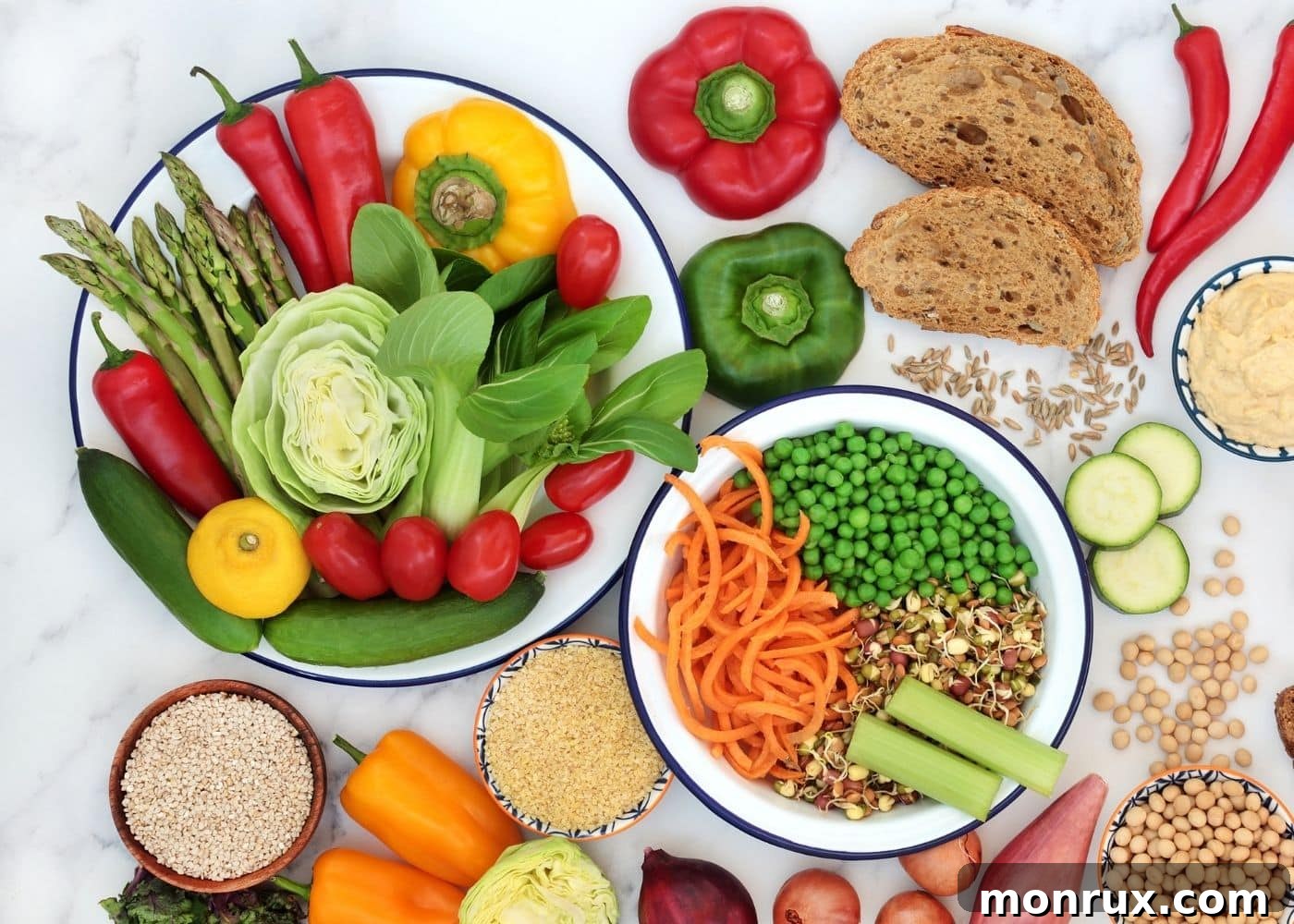
Living with chronic symptoms can be incredibly challenging, especially when the root cause remains elusive. For many, an often-overlooked culprit could be histamine intolerance. This comprehensive guide is designed to help you navigate the world of a low histamine diet, offering practical information to manage bothersome symptoms and reclaim your well-being. We’ll explore what histamine is, common signs of intolerance, and provide extensive lists of high and low histamine foods. To kickstart your journey, we’ve also included a practical 3-day Low Histamine Diet Plan.

What is Histamine?
Histamine is a naturally occurring biogenic amine, a chemical compound involved in several critical bodily functions. It acts as a neurotransmitter, a chemical messenger that transmits signals between nerve cells, playing a vital role in both the immune system and the central nervous system.
Within the immune system, histamine is prominently stored in mast cells and basophils. When your body encounters perceived irritants or allergens, such as pollen, dust mites, or pet dander, these mast cells release histamine. This release triggers a cascade of physiological responses designed to protect the body, known as the inflammatory response. Histamine dilates blood vessels, increasing blood flow to the affected area, and enhances the permeability of capillaries, allowing white blood cells and other immune components to reach the site of inflammation more easily. This protective mechanism is crucial for healing, but an excessive or inappropriate histamine response can lead to uncomfortable symptoms.
The body has sophisticated mechanisms to break down and regulate histamine levels. Two primary enzymes are responsible for this process: N-methyltransferase (HNMT) and diamine oxidase (DAO). HNMT primarily metabolizes histamine within cells in the central nervous system, while the DAO enzyme is crucial for breaking down ingested histamines in the digestive tract. Given its role in metabolizing the majority of histamine consumed through food, a deficiency or reduced activity of the DAO enzyme is a significant contributor to the development of histamine intolerance.
Understanding Histamine Intolerance
Histamine intolerance, sometimes referred to as “pseudoallergy,” occurs not because the body produces too much histamine, but because it struggles to break it down efficiently. Imagine your body as a bucket, and histamine as water. When the bucket fills up faster than it can be emptied, it overflows. This overflow, or buildup, of histamine in the body can lead to a wide range of bothersome symptoms that mimic allergic reactions, even without a true allergen present.
This imbalance can stem from various factors, including a genetic predisposition to lower DAO enzyme activity, gut dysbiosis (an imbalance of gut bacteria where some species produce excess histamine), leaky gut syndrome, certain medications that inhibit DAO, or even nutrient deficiencies (like B6 and copper) that are vital for DAO function. Identifying and addressing these underlying causes is key to long-term management.

Signs You May Benefit from a Low Histamine Diet
Histamine intolerance can manifest through a diverse array of symptoms, often affecting multiple body systems, making diagnosis challenging. Since these symptoms can overlap with various other conditions, it’s crucial to consult with a healthcare professional for an accurate diagnosis and personalized advice. However, if you experience several of the following regularly, exploring a low histamine diet might be beneficial:
- Skin Manifestations: Persistent itchy skin, hives, eczema, or flushed skin (rosacea-like symptoms). These are often mistaken for seasonal allergies or other allergic reactions.
- Respiratory Issues: Chronic nasal congestion, a persistent runny nose, sneezing, post-nasal drip, or difficulty breathing (especially if not asthma-related).
- Cardiovascular Symptoms: An accelerated or irregular heart rate (tachycardia), palpitations, or unexplained drops in blood pressure.
- Digestive Distress: Abdominal cramps, bloating, diarrhea, constipation, nausea, or reflux/heartburn. These often worsen after meals high in histamine.
- Neurological Symptoms: Headaches, migraines (research suggests a link), dizziness, vertigo, or brain fog.
- Sleep Disturbances: Difficulty falling asleep, frequent waking, or non-restorative sleep, as histamine plays a role in the sleep-wake cycle.
- Mental and Emotional Changes: Increased anxiety, irritability, panic attacks, or feelings of unease.
- Hormonal Imbalances: Irregular menstrual cycles, severe premenstrual syndrome (PMS), or unexplained pain.
- Other Symptoms: Fatigue, swelling (angioedema), body aches, or temperature dysregulation.
One of the most common and effective initial approaches for managing suspected histamine intolerance is adopting a low histamine elimination diet. This helps to reduce the “histamine bucket” and observe if symptoms improve.
What is a Low Histamine Diet?
A low histamine diet is an elimination diet designed to reduce the overall histamine load in the body, thereby mitigating symptoms for individuals with histamine intolerance. It involves temporarily removing foods known to be high in histamine, foods that trigger histamine release (histamine liberators), and foods that block DAO enzyme activity.
It’s important to understand that a low histamine diet is typically not a permanent solution but rather a diagnostic tool and a temporary management strategy. While it can provide significant symptom relief, it doesn’t always address the root cause of histamine intolerance. For many, a combination of dietary adjustments and focused gut healing strategies can lead to substantial improvement and even resolution of symptoms, allowing for a broader diet over time.
Seeking medical advice, particularly from a functional medicine doctor or a registered dietitian specializing in gut health, can be invaluable. They can help identify the specific reasons behind your body’s histamine dysregulation, such as gut bacterial imbalances, SIBO, nutrient deficiencies, or other underlying health conditions, and guide you towards a more personalized and sustainable treatment plan.
For more in-depth information, explore resources on natural ways to clear histamine from the body and discover a list of the best natural antihistamine foods that can support your body’s defense mechanisms. Remember, while a low histamine diet can be a powerful tool for symptom management, it’s always wise to consult your doctor to rule out more serious underlying conditions and ensure a balanced approach to your health.
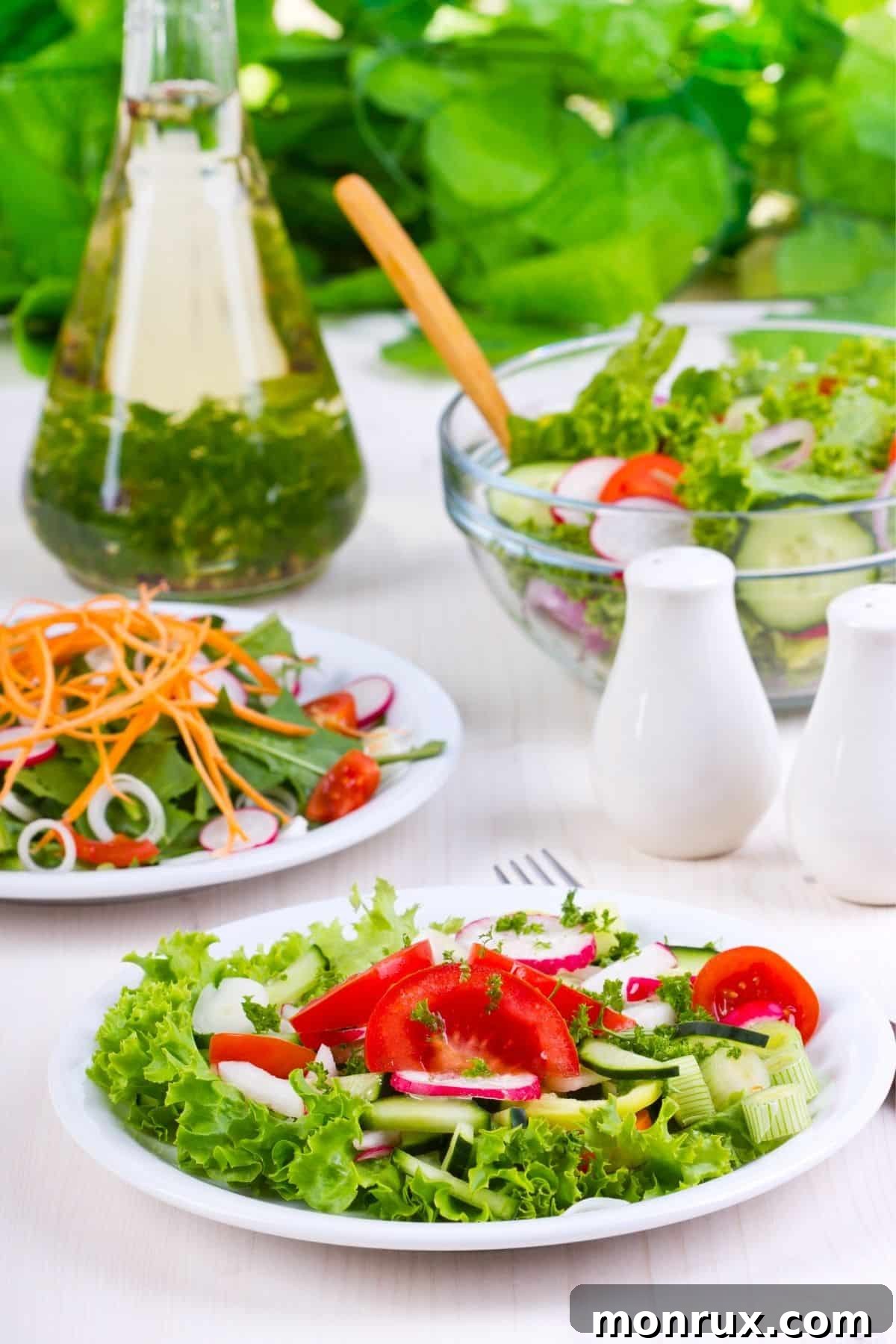
Navigating High and Low Histamine Foods
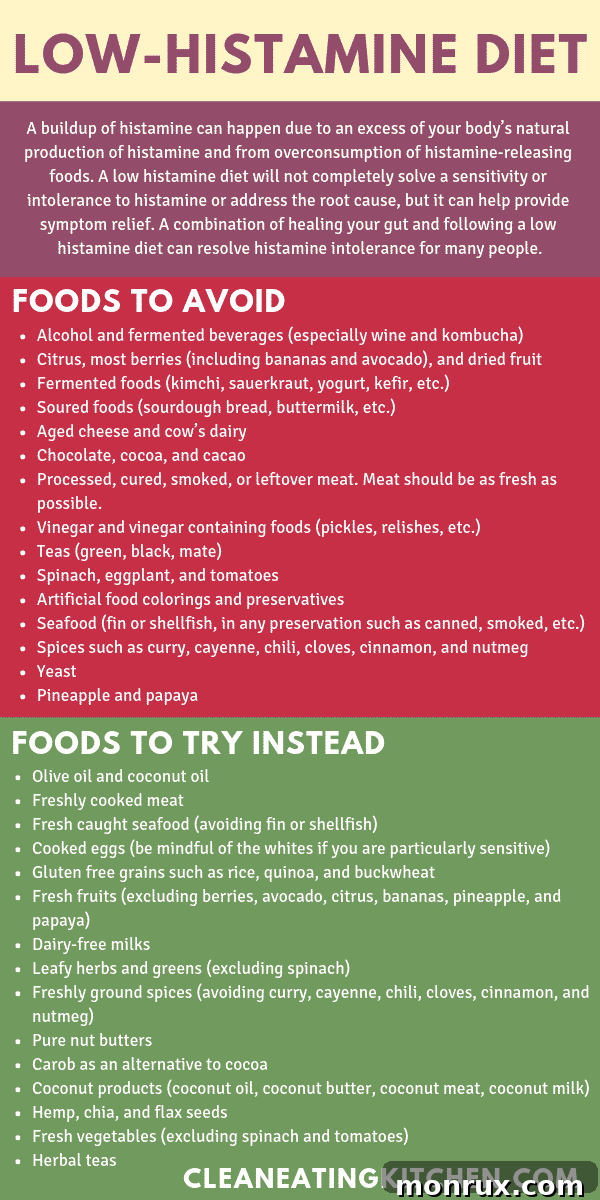
Successfully following a low histamine diet requires a clear understanding of which foods to embrace and which to temporarily restrict. The histamine content in foods can vary based on freshness, processing, and preparation methods. Fermentation, aging, curing, and long storage times generally increase histamine levels. This diet often emphasizes fresh, whole, unprocessed ingredients.
Foods to Avoid: High Histamine Triggers
When embarking on a low-histamine diet, your primary focus will be on identifying and temporarily eliminating foods that are either naturally rich in histamine, act as histamine liberators (triggering your body to release its own histamine), or block the DAO enzyme.
Generally, you’ll want to avoid foods that have undergone processes like fermentation, aging, smoking, curing, or prolonged storage, as these methods significantly increase histamine content. Remember, individual sensitivities can vary, so this list serves as a general guideline:
- Alcohol and Fermented Beverages: Especially red wine, champagne, beer, and kombucha. These are fermented and can inhibit DAO.
- Fermented Foods: Sauerkraut, kimchi, yogurt, kefir, tempeh, sourdough bread, buttermilk, and most probiotics containing histamine-producing strains.
- Aged and Processed Meats: Cured meats (salami, pepperoni, bacon), smoked meats (ham, smoked salmon), and any leftover cooked meat (histamine levels increase significantly over time).
- Aged Cheese and Dairy: All aged cheeses (Parmesan, cheddar, gouda, Swiss), as well as conventional cow’s milk products and goat cheese, can be problematic.
- Certain Fish and Seafood: Tuna, mackerel, sardines, anchovies, herring, and any fish that isn’t absolutely fresh or has been frozen for a long time. Shellfish can also be histamine liberators.
- Vegetables: Tomatoes (especially ripe or cooked), spinach, eggplant, avocado.
- Fruits: Citrus fruits (oranges, lemons, limes), bananas, strawberries, pineapple, papaya, dried fruits, raspberries, kiwi.
- Vinegar and Vinegar-Containing Products: Apple cider vinegar, balsamic vinegar, red wine vinegar, pickles, relish, ketchup, mayonnaise.
- Soy Products: Soy sauce, tofu, miso.
- Yeast: Baker’s yeast, brewer’s yeast, and most yeast-risen breads (except fresh, plain bread consumed immediately).
- Chocolate and Cocoa Products: Dark chocolate, cocoa powder, cacao.
- Teas: Black tea, green tea, mate tea (due to caffeine and fermentation processes).
- Legumes: Peanuts, green beans, chickpeas, lentils (some individuals react more to these).
- Spices: Curry powder, cayenne pepper, chili powder, cloves, cinnamon, nutmeg (can be histamine liberators for some).
- Artificial Additives: Artificial food colorings, preservatives, and flavor enhancers (MSG).
While this list may seem extensive, remember that the goal is to identify your personal triggers. There are still many delicious and nutritious low histamine options to enjoy.
Foods to Enjoy: Your Low Histamine Food List
A low histamine diet emphasizes fresh, whole, unprocessed foods. Focusing on these options can provide significant relief and ensure you maintain a nutritious diet. Prioritize cooking meals from scratch to control ingredients and freshness.
- Healthy Fats: Olive oil, coconut oil, avocado oil, ghee.
- Proteins: Freshly cooked meats (chicken, turkey, beef, lamb, pork) consumed immediately or frozen promptly after cooking. Fresh-caught white fish (e.g., cod, sole, trout) is generally well-tolerated by many, but individual reactions to any seafood should be monitored. Eggs (especially yolks; monitor whites for sensitivity).
- Grains and Starches: Rice (white or brown), quinoa, buckwheat, gluten-free oats, millet, corn (in moderation), fresh potatoes, sweet potatoes, yams.
- Dairy Alternatives: Unsweetened almond milk, hemp milk, coconut milk, rice milk.
- Herbs and Spices: Most fresh herbs (parsley, cilantro, basil, oregano, rosemary, thyme). Mild spices like turmeric, ginger, and saffron. Avoid the high-histamine spices listed above.
- Nuts and Seeds: Pure nut butters (almond, cashew, macadamia) and seed butters (tahini, sunflower seed butter) without preservatives. Hemp seeds, chia seeds, flax seeds.
- Sweeteners: Maple syrup, honey (in moderation), stevia.
- Carob: An excellent alternative to cocoa and chocolate.
- Coconut Products: Coconut oil, coconut butter, fresh coconut meat, coconut milk, unsweetened shredded coconut.
- Herbal Teas: Chamomile, peppermint, ginger, rooibos (check ingredients for hidden histamine triggers).
Low Histamine Fruits
Focus on fresh, ripe, and unblemished fruits. Always eat them shortly after purchasing.
- Apples (especially green apples)
- Pears
- Pomegranates
- Plums
- Cherries
- Grapes
- Peaches
- Apricots
- Melons (cantaloupe, honeydew, watermelon)
- Blueberries (in moderation for some)
- Mangoes
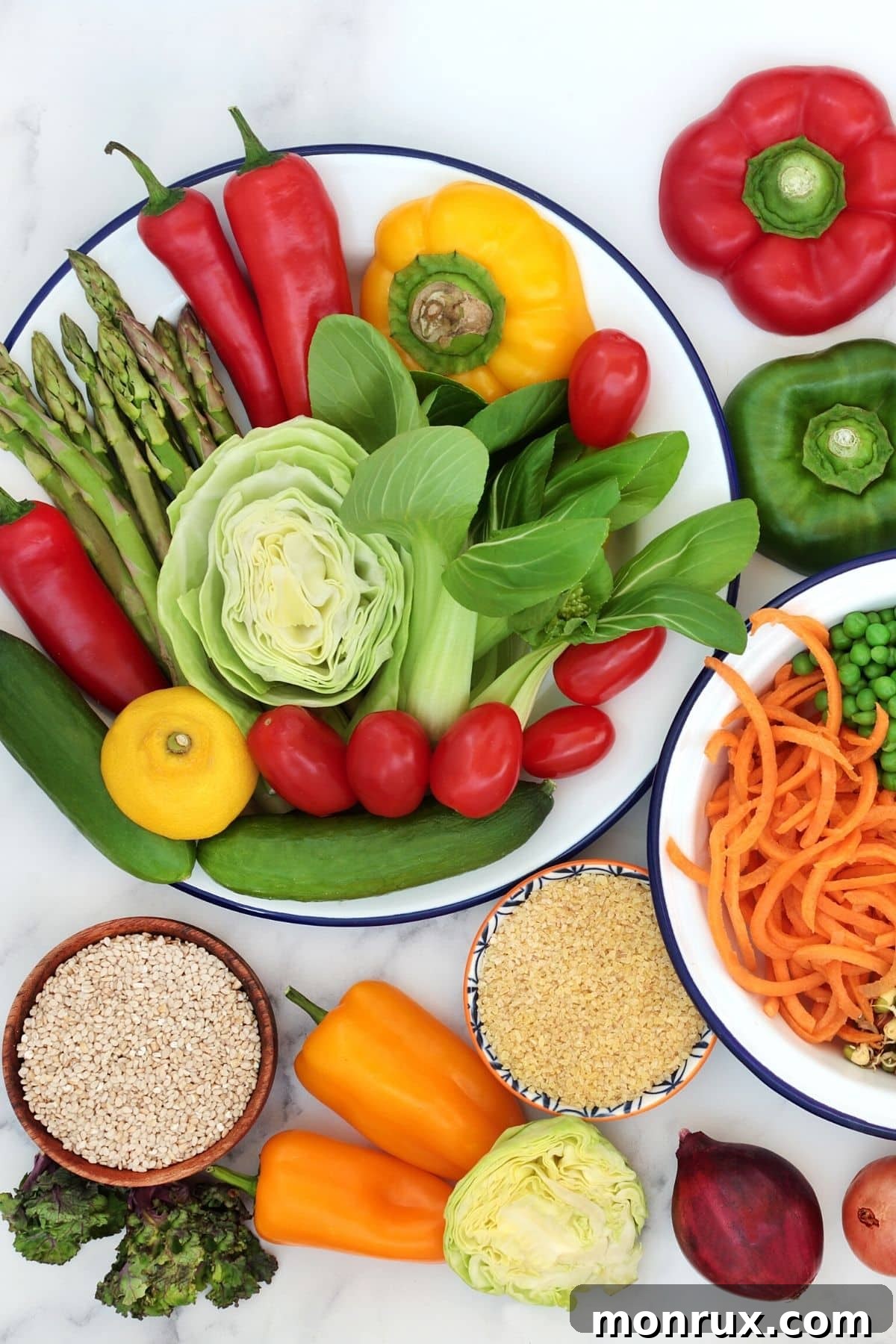
Low Histamine Vegetables
Embrace a wide variety of fresh, cooked, or raw vegetables. Avoid spinach and tomatoes, which are generally high in histamine.
- Leafy herbs and most leafy greens (e.g., lettuce, arugula, kale, Swiss chard – excluding spinach)
- Broccoli
- Cauliflower
- Cabbage
- Carrots
- Cucumber
- Zucchini
- Bell peppers (especially green and yellow)
- Asparagus
- Green onions (scallions)
- Garlic
- Onions (white or yellow)
- Pumpkin
- Squash (butternut, spaghetti, acorn)
Your 3-Day Low Histamine Diet Plan
This 3-day sample meal plan provides a starting point for your low histamine diet journey. It’s designed to be simple and easy to follow, incorporating many of the low histamine foods listed above. Remember that this is a template, and you should feel free to adjust it based on your personal preferences and sensitivities. Always prioritize freshness in your ingredients.
It’s highly recommended to work with a healthcare provider, a registered dietitian, or a functional medicine practitioner when undertaking any restrictive diet. They can help ensure you meet all your nutritional needs and guide you through the elimination and reintroduction phases safely.
Day One Sample Menu
- Breakfast: A delicious Sweet Potato Smoothie. For a low histamine version, replace frozen banana with frozen mango or peaches.
- Lunch: Flavorful Turkey Meatloaf Muffins served with a crisp side salad featuring mixed greens, cucumber, and a simple olive oil and apple cider vinegar-free dressing.
- Dinner: Warming Instant Pot Chicken Rice Soup. You may wish to omit onion if you are particularly sensitive, or use a small amount of green onion tops for flavor.
- Snacks or Dessert: Refreshing Vitamix Mango Sorbet.
Day Two Sample Menu
- Breakfast: Convenient Overnight Protein Oats made with gluten-free oats and almond milk, topped with fresh blueberries or pear slices.
- Lunch: Leftover Instant Pot Chicken Rice Soup. Ensure it was cooled and refrigerated immediately after cooking. You may wish to leave out the lemon juice if it causes sensitivity.
- Dinner: Satisfying Baked Pork Meatballs served with gluten-free pasta or rice, and a light sauce made from fresh herbs, garlic, and olive oil (no tomatoes).
- Snacks: Creamy Whole30 Chia Pudding prepared with coconut milk and a touch of maple syrup.
Day Three Sample Menu
- Breakfast: Energizing Mango Peach Smoothie made with fresh ingredients and a dairy-free milk.
- Lunch: Light and fresh Healthy Tuna Pasta Salad (ensure tuna is fresh-caught and not aged; use fresh ingredients for the dressing, avoiding vinegar).
- Dinner: Hearty Chicken Broccoli Rice Casserole, using fresh chicken and ingredients.
- Snacks: Delightful Ambrosia Salad (ensure all fruits are low histamine) or naturally sweet Frozen Grapes.
For more inspiration, discover my full list of the best Low Histamine Snacks to Enjoy, perfect for keeping hunger at bay between meals.
Low Histamine Diet FAQs
The core of a low histamine diet centers around nutrient-dense, whole foods, freshly prepared to minimize histamine accumulation. Focus on fresh, unprocessed meats and poultry, newly caught fish (avoiding aged or canned varieties), most fresh fruits (excluding citrus, bananas, strawberries, avocado), and a wide array of fresh vegetables (avoiding spinach and tomatoes). Include gluten-free grains like rice and quinoa, healthy fats like olive and coconut oil, and dairy alternatives. Emphasize cooking at home and avoiding all fermented, cured, smoked, and aged products. For specific ideas, refer to the detailed low histamine food list provided earlier in this article. You can also explore a curated list of the Best Low Histamine Snacks. To enhance your cooking skills for this diet, you might find valuable insights in my collection of posts on Clean Eating Basics, covering topics like healthiest cookware and eating clean on a budget.
The relationship between coffee, caffeine, and histamine is complex and not fully understood. While coffee itself doesn’t contain high levels of histamine, caffeine has been shown in some animal studies to potentially increase histamine levels. There is also anecdotal evidence suggesting caffeine might reduce the activity of DAO, the enzyme vital for breaking down histamine. Furthermore, the processing of coffee beans can sometimes lead to the presence of histamine-producing bacteria. Given these factors, it is often recommended to temporarily avoid or significantly reduce caffeinated coffee intake during an elimination phase of a low histamine diet. Herbal teas or herbal coffee substitutes are generally safer alternatives. Always consult with your doctor or healthcare provider for personalized recommendations regarding coffee consumption.
It is generally strongly recommended to avoid alcohol on a low histamine diet. There are several reasons for this. Firstly, most alcoholic beverages, especially wine (particularly red wine) and beer, are products of fermentation, a process that inherently creates high levels of histamine and other biogenic amines. Secondly, alcohol is known to directly block the activity of the DAO enzyme, significantly impairing your body’s ability to break down histamine. This dual effect can lead to a rapid and significant increase in the body’s histamine load, often triggering severe symptoms in sensitive individuals. Therefore, during a low histamine elimination phase, complete abstinence from alcohol is advised. As always, discuss this with your healthcare provider.
Not necessarily! A low histamine diet is often used as a temporary elimination diet to identify triggers and alleviate acute symptoms. The goal is not usually to follow a strictly histamine-free diet indefinitely. Once symptoms have subsided, a gradual reintroduction phase, ideally guided by a professional, allows you to determine your individual tolerance levels for specific foods. Histamine intolerance can fluctuate due to factors like gut health, stress levels, hormonal changes, and nutrient status. Many individuals find that by addressing the root causes of their intolerance (e.g., healing the gut, managing stress), they can eventually tolerate a wider range of foods. Keeping a detailed symptom journal during both the elimination and reintroduction phases is invaluable for understanding your body’s unique responses.
The key to low histamine meat is freshness and immediate consumption. Freshly cooked and immediately consumed meat (chicken, turkey, beef, lamb, pork) will have the lowest histamine content. Histamine levels begin to increase rapidly once meat is slaughtered and continue to rise during storage, especially if not properly refrigerated or if it’s left at room temperature. Therefore, avoid aged, cured, smoked, or fermented meats. If you cook a batch of meat, it’s best to eat it immediately or freeze portions right away to preserve its low histamine status. Leftovers, even when refrigerated, tend to accumulate higher histamine levels over time.
Coffee itself does not naturally contain significant amounts of histamine. However, its impact on histamine intolerance is more complex. Coffee can act as a histamine liberator for some individuals, meaning it might stimulate the body’s mast cells to release its own histamine stores. Additionally, as mentioned previously, caffeine may inhibit the DAO enzyme, hindering histamine breakdown. The fermentation or roasting process of coffee beans can also contribute to the presence of histamine-producing bacteria or other biogenic amines. Many people with histamine intolerance find that coffee exacerbates their symptoms. You may wish to try herbal tea or an herbal coffee alternative while adhering to a low histamine diet and observe your personal response.
No, fresh potatoes are generally considered a low histamine food and are usually well-tolerated on a low histamine diet. They do not naturally contain high levels of histamine. However, like many other fresh vegetables, their biogenic amine content can increase if they are stored for extended periods, especially if they begin to sprout or show signs of spoilage. Always choose fresh, firm potatoes and consume them promptly after purchase and cooking. Proper storage in a cool, dark place can help minimize any potential increase in amines.
Additional Resources for Histamine Health
Conclusion: Embracing a Low Histamine Lifestyle
Navigating the complexities of histamine intolerance can be daunting, but a carefully implemented low histamine diet offers a powerful avenue for managing symptoms and improving your quality of life. By understanding what histamine is, recognizing the signs of intolerance, and consciously choosing foods that are low in naturally occurring histamines and free from histamine-releasing or DAO-blocking compounds, you can significantly reduce your body’s histamine load.
Remember, the core principles revolve around fresh, unprocessed, and quickly consumed foods, while avoiding fermented, cured, aged, and otherwise processed items. While the research on histamine intolerance continues to evolve, taking proactive steps through dietary modification is a recognized and effective starting point. However, this journey is best undertaken with the guidance of a healthcare professional who can help you tailor the diet to your specific needs, address underlying causes, and ensure nutritional adequacy. This personalized approach will empower you to move beyond symptom management towards sustained well-being.
About the Author: Carrie Forrest holds a master’s degree in public health with a specialization in nutrition and is a certified holistic nutritionist. She is the creator of a leading wellness and food blog, attracting over 5 million annual visitors. Carrie shares her inspiring story of recovery from chronic illness and is deeply passionate about empowering other women to transform their health. You can connect with her directly through her contact form.
Note: This post is intended for informational purposes only and does not constitute medical advice. Please consult your healthcare provider for personalized recommendations and treatment plans related to your individual health situation.