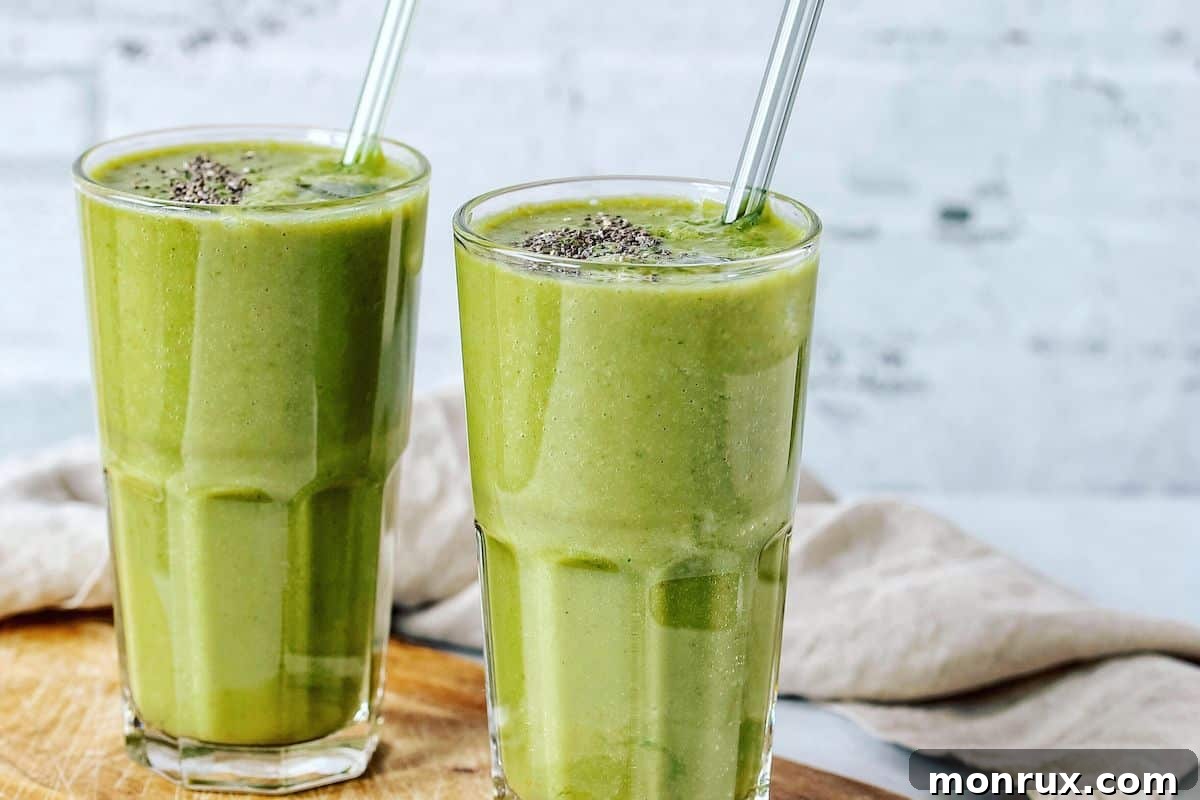
Have you ever considered elevating your daily nutrition by incorporating vibrant green vegetables into your smoothies? If not, you’re missing a fantastic opportunity to boost your health with minimal effort. This comprehensive guide introduces you to my top choices for healthy greens for smoothies, featuring popular options like spinach and kale, alongside lesser-known powerhouses such as collard greens, Swiss chard, bok choy, and many more. To get you started on your delicious and nutritious journey, I’ve also included a simple, beginner-friendly green smoothie recipe.
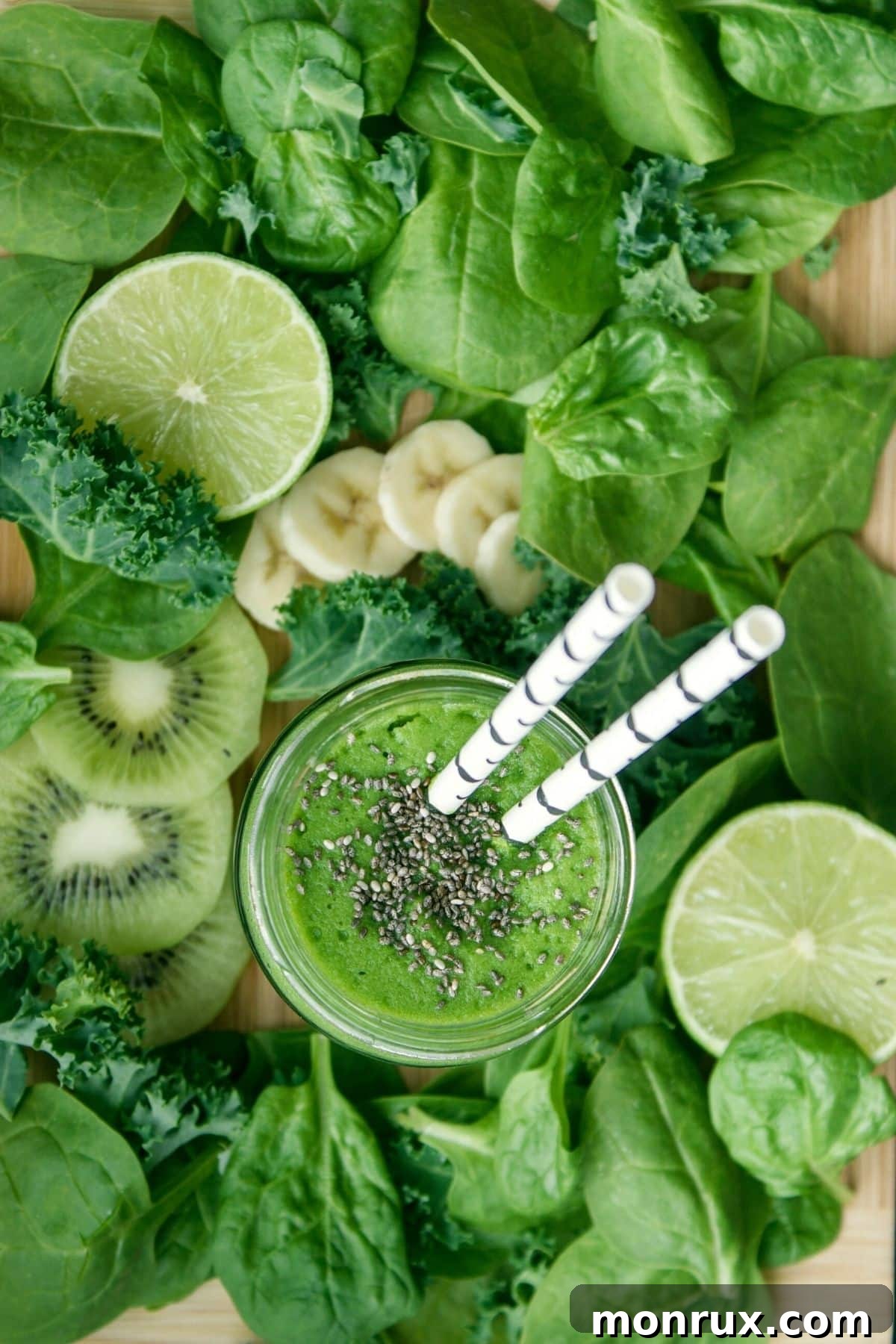
The Best Greens for Smoothies
Incorporating nutrient-dense leafy greens into your daily routine is one of the simplest yet most effective ways to enhance your overall health. Smoothies provide an ideal vehicle for this, allowing you to consume a significant amount of vegetables without even noticing their presence. Whether you’re a seasoned green smoothie enthusiast or just beginning your journey, this list highlights the best healthy greens that are easy to find, pack a nutritional punch, and can be seamlessly blended into delicious concoctions. We’ll also share invaluable tips later in this article to ensure your green smoothies are not only incredibly healthy but also incredibly palatable for everyone.
1. Spinach
Pros
- **Widely Available:** Easy to find in any grocery store, fresh or frozen.
- **Mild Flavor Profile:** Its subtle taste makes it a perfect green for beginners, as it won’t overpower other ingredients.
- **Exceptional Nutritional Value:** A powerhouse of vitamins and minerals.
- **Versatile Use:** Blends smoothly into any liquid base.
Cons
- **Impacts Smoothie Color:** Will inevitably give your smoothie a green hue, which some might find less appealing.
- **Oxalate Content:** Contains oxalates, which can be a concern for individuals sensitive to them (more on this in the FAQ section).
- **Requires Proper Storage:** Fresh spinach wilts quickly if not stored correctly.
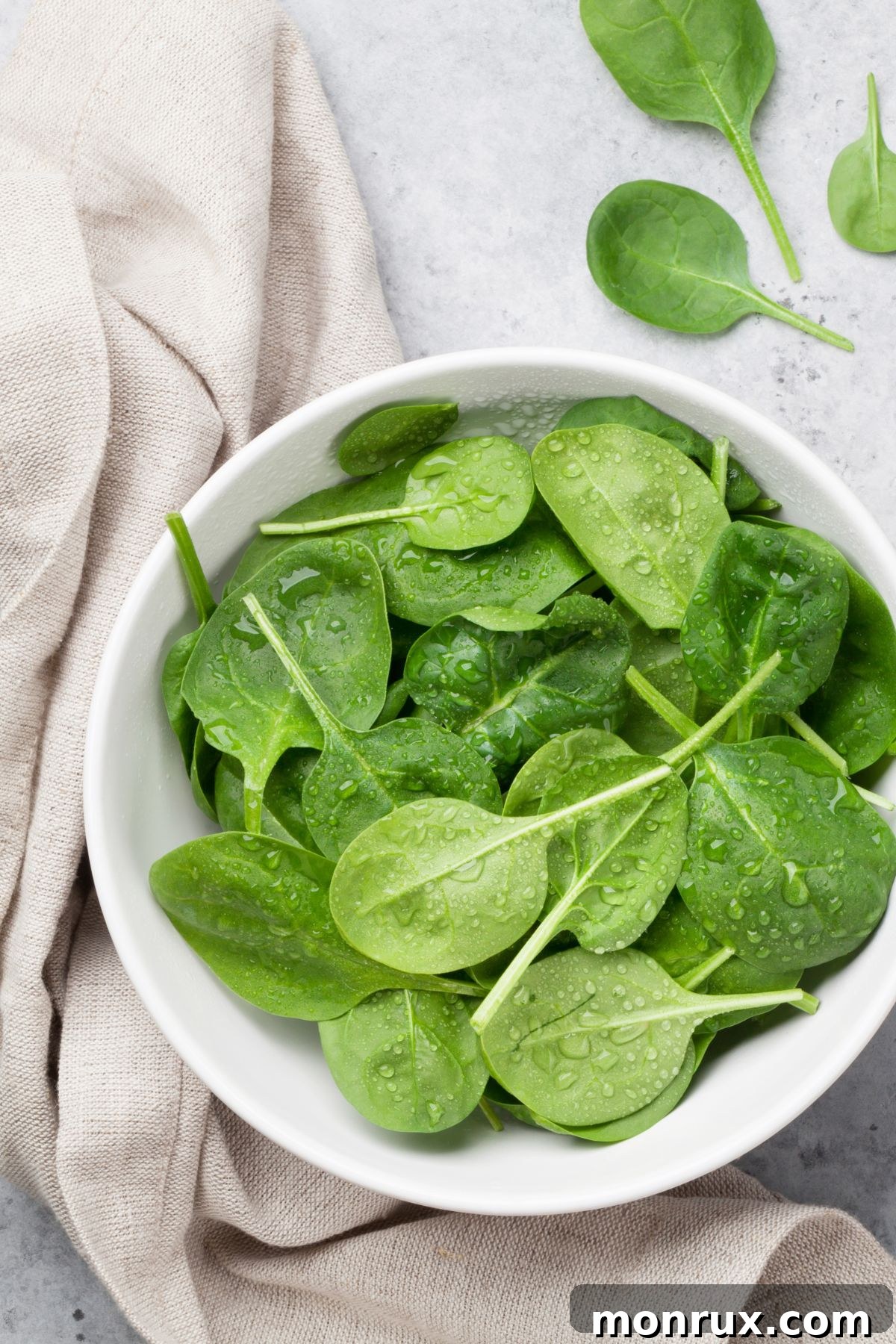
Mild-tasting spinach stands as the quintessential leafy green for smoothies, cherished for its gentle flavor and incredible versatility. Baby spinach is often the preferred choice due to its sweeter taste and softer texture, which contributes to a smoother blend. While it might be slightly more expensive than mature spinach, both varieties offer comparable nutritional benefits, making regular spinach a perfectly viable and budget-friendly alternative.
Spinach is an outstanding source of essential nutrients, including calcium, dietary fiber, folic acid, iron, and a spectrum of vitamins like beta-carotene (a precursor to Vitamin A), Vitamin B6, and Vitamin C. Notably, it is exceptionally rich in Vitamin K; a single cup of raw spinach delivers an impressive 181% of your daily recommended value. Vitamin K is crucial for maintaining bone health and plays a vital role in the body’s blood clotting processes, supporting overall physiological function.
For delicious recipes featuring spinach, try the Green Apple Smoothie with Spinach, the Apple Banana Spinach Smoothie, or my unique Food Processor Smoothie with mango and spinach. Learn how to freeze spinach for smoothies to ensure you always have this green superfood on hand.
2. Kale
Pros
- **Cost-Effective:** Often more affordable than other leafy greens, especially when purchased in larger bunches.
- **Readily Available:** Found in most grocery stores year-round.
- **”Superfood” Status:** Celebrated for its incredibly high nutrient density, earning its reputation as a true superfood.
- **Supports Detoxification:** Rich in compounds that aid the body’s natural detoxification processes.
Cons
- **Potentially Strong Flavor:** Its distinctive peppery and sometimes bitter taste may not appeal to everyone.
- **Requires Powerful Blending:** Tougher texture can make it challenging to achieve a perfectly smooth consistency without a high-speed blender.
- **Kid Appeal:** Children, and some adults, might find its flavor profile challenging.
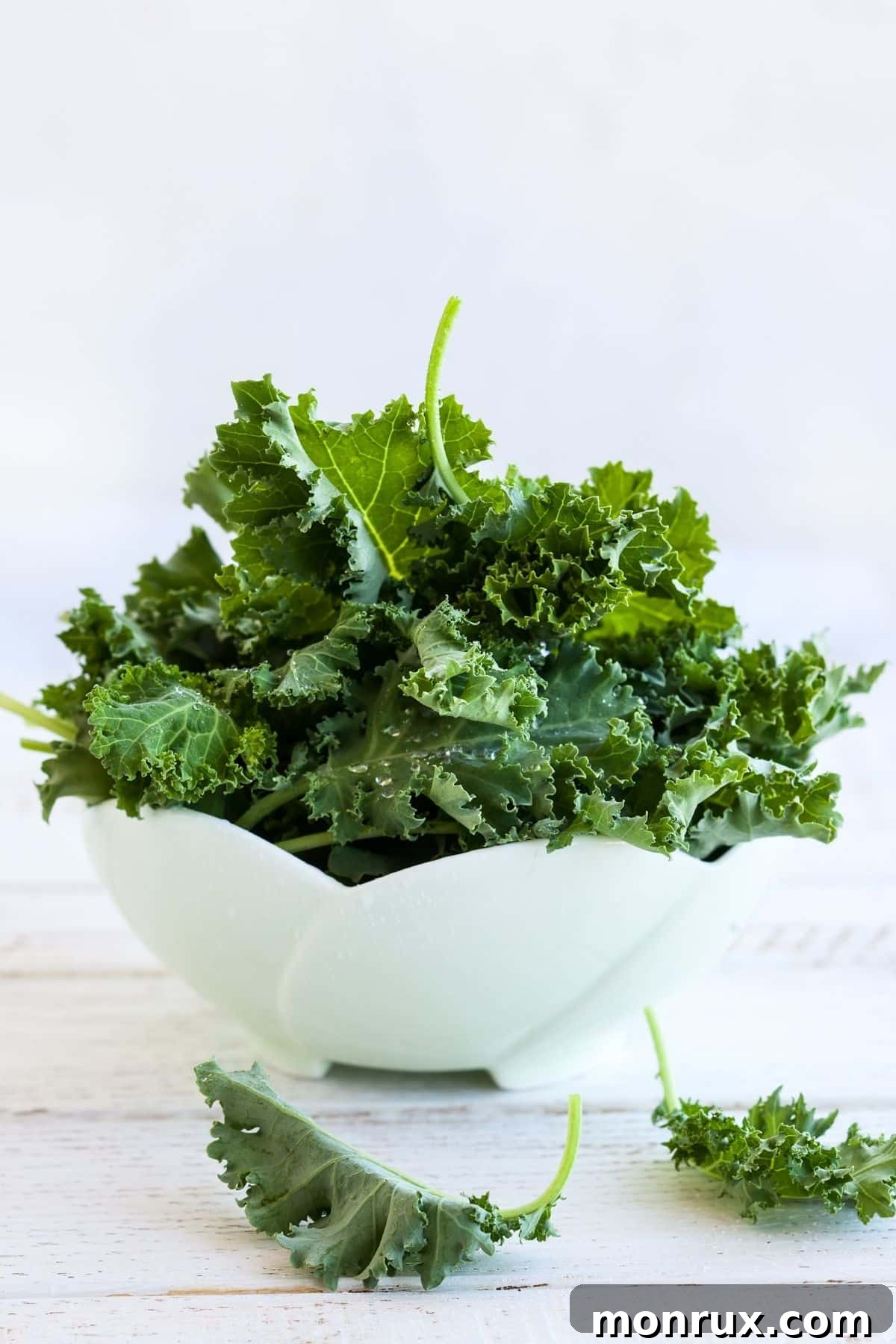
Kale sometimes faces a bit of resistance when it comes to smoothies due to its distinctively strong, peppery flavor, which isn’t universally loved. However, its exceptional nutritional profile makes it an incredibly worthwhile addition to your diet.
Recognized as one of the most nutrient-dense greens on the planet, kale is a phenomenal source of vitamins, including A, C, B6, and an extraordinary amount of Vitamin K. It also provides significant levels of magnesium, potassium, copper, and calcium. Just one cup offers a staggering 26% of the daily value for manganese and is packed with powerful antioxidants that combat oxidative stress and inflammation. Kale, along with other leafy greens, is also a foundational component of the MTHFR diet, supporting crucial bodily functions.
While scientific evidence is still emerging, many individuals report that incorporating kale into their diet aids in weight management. This is largely attributed to its high fiber content, which promotes a feeling of fullness and satiety without adding excessive calories, making it an excellent choice for those looking to maintain a healthy weight.
To make your kale smoothies more enjoyable, consider opting for baby kale, which offers a milder flavor and a more tender texture that blends more easily. Varieties like Black Tuscan kale (Lacinato or Dinosaur kale) and curly kale also tend to have a gentler taste. Frozen kale is another excellent option, often having a slightly mellower flavor and providing a convenient, chilling effect for your smoothie.
You can effectively reduce kale’s bitterness by blending it with naturally sweet fruits such as bananas, mangoes, or berries, or with sweet vegetables like carrots. If you prefer to minimize sugar intake, incorporating citrus juice, like lemon or lime, can neutralize the bitterness and impart a refreshing zest. Additionally, briefly steaming kale before adding it to your smoothie can help soften its texture, make it easier to digest, and reduce its oxalate levels, enhancing nutrient absorption.
Discover the benefits with this Kale Weight Loss Smoothie recipe.
3. Swiss Chard
Pros
- **Tender and Easy to Blend:** Its soft texture ensures a smooth consistency in your smoothie.
- **Highly Nutritious:** Packed with essential vitamins and minerals for optimal health.
- **Fairly Accessible:** Increasingly available in standard grocery stores and farmers’ markets.
- **Unique Flavor Profile:** Offers an earthy, slightly salty taste that can create intriguing sweet and savory combinations.
Cons
- **Stronger Flavor than Spinach:** May have a more pronounced taste that some find challenging.
- **Contains Oxalates:** Similar to spinach, it has oxalate content, which requires consideration for sensitive individuals.
- **Taste Preference:** Its distinct flavor might not be universally appealing, particularly to children.
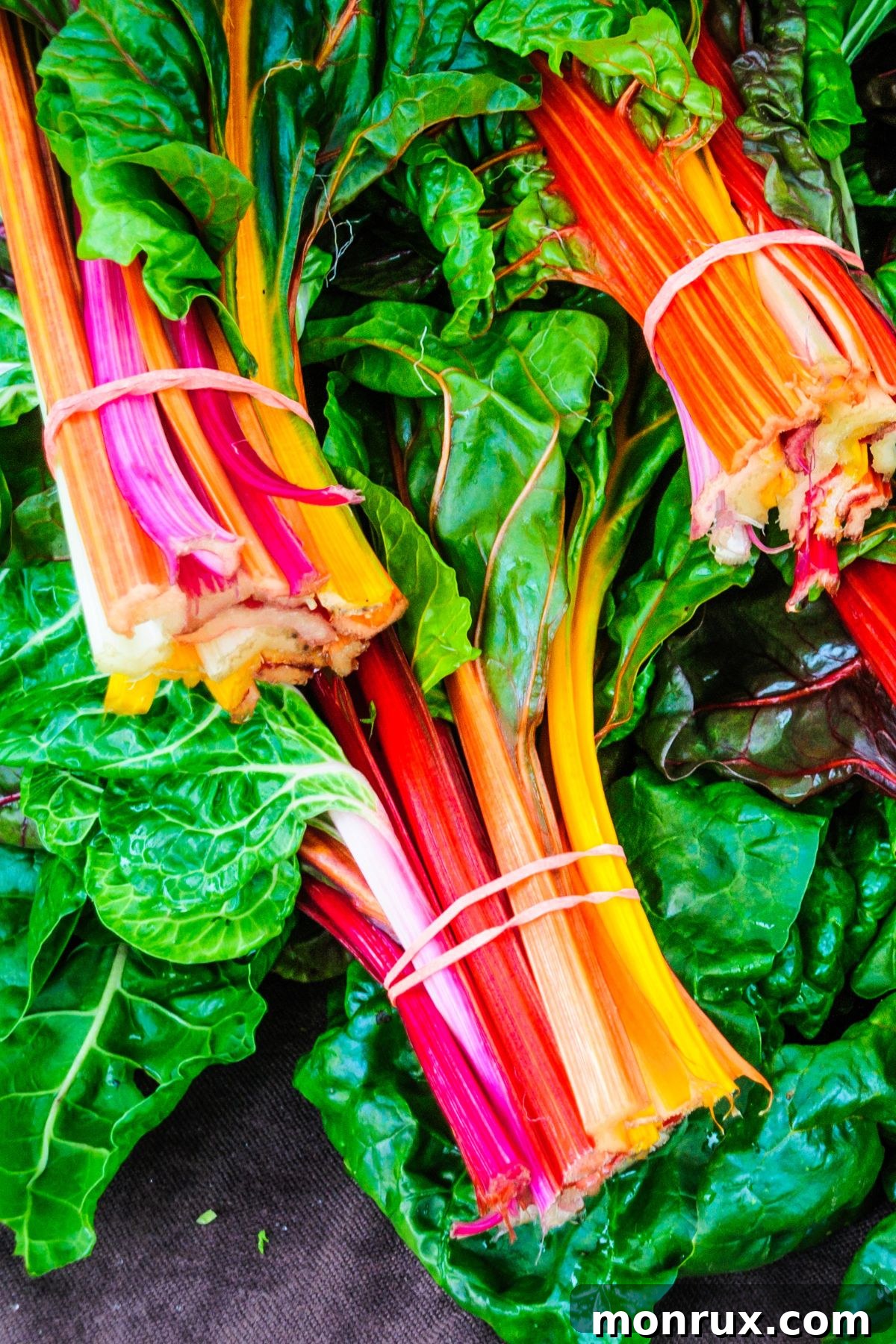
Swiss chard is an excellent choice for green smoothies, prized for its wonderfully tender texture that blends effortlessly into a silky smooth drink. It offers a distinctive earthy, subtly salty flavor that many enjoy, particularly when paired with sweet fruits to create a delightful sweet-and-savory contrast in their beverages.
The deep green leaves of Swiss chard are a nutritional powerhouse, abundant in iron, calcium, and a robust array of vitamins, including A, C, E, and K. Beyond these, it contains vitexin, a beneficial flavonoid (plant compound). Research indicates that vitexin plays a significant role in cardiovascular health and disease prevention, underscoring chard’s impressive health benefits.
While many people traditionally discard the vibrant stalks of Swiss chard—which can come in shades of yellow, green, white, or striking red—these parts are highly nutritious. If your blender is powerful enough, don’t hesitate to chop them finely and incorporate them into your smoothie to maximize nutrient intake and minimize food waste.
Experience the unique flavor and health benefits with this Swiss Chard Smoothie recipe.
4. Collard Greens
Pros
- **Exceptional Calcium Source:** Very high in calcium, crucial for bone health.
- **Widely Available:** Easy to find in most grocery stores, especially in Southern regions.
- **Rich in Vitamin K:** Contains an extraordinary amount of Vitamin K, vital for blood clotting and bone density.
- **High in Folate:** A good source of folate, important for cell growth and function.
Cons
- **Potentially Higher Cost:** May be more expensive than spinach in some markets.
- **Strong, Earthy Flavor:** Possesses a robust, slightly bitter taste that requires careful pairing.
- **Thick, Fibrous Texture:** Can be challenging to blend smoothly, requiring a high-powered blender.
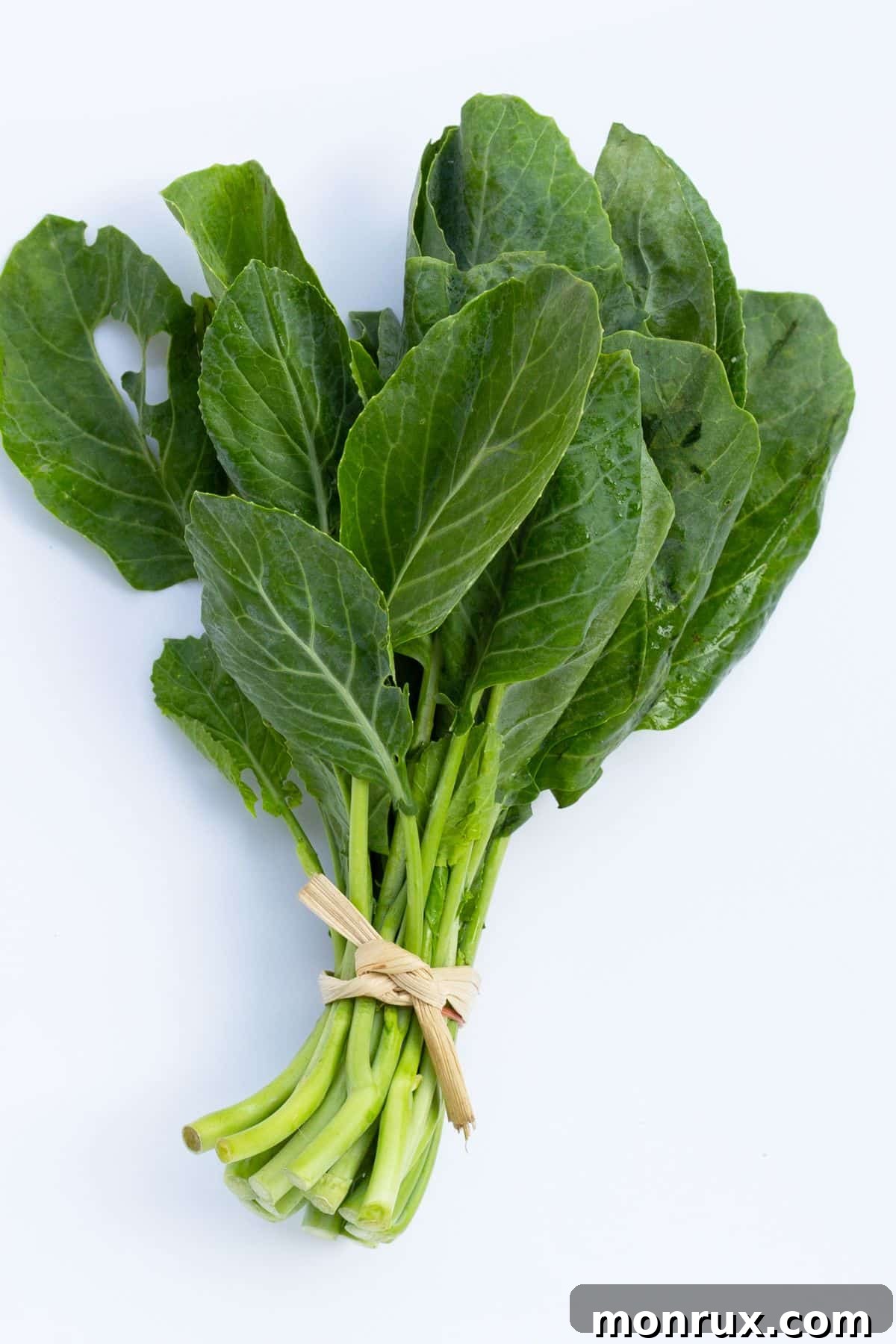
Closely related to kale, collard greens share a similar hearty texture and a distinctive, slightly bitter flavor that can be quite assertive in smoothies. However, their impressive nutritional profile makes them a formidable addition to any healthy diet. Beyond being an excellent source of calcium and folate, collard greens are recognized as one of the richest leafy vegetable sources of Vitamin K. A single cup of cooked collard greens provides a massive 1,045% of the daily recommended value, highlighting its critical role in bone health and blood coagulation.
If you find the flavor of collard greens a bit too intense for your palate, there are several effective strategies to mellow it out. Pairing them with sweeter-tasting fruits like pineapple, berries, or apples, or incorporating naturally sweet vegetables, can balance the bitterness. Alternatively, adding an acidic ingredient such as fresh lemon or lime juice can also help neutralize the strong notes and add a refreshing zing. For an easy flavor transformation without adding sugar or calories, consider incorporating spices like ginger, which provides warmth and depth, or a pinch of cinnamon for a subtle sweetness. Experimentation is key to discovering your favorite combinations!
Try this invigorating Collard Greens Smoothie.
Collard greens.
5. Bok Choy
Pros
- **Rich in Essential Nutrients:** Abundant in vitamins, minerals, and dietary fiber.
- **Mild and Adaptable Flavor:** Possesses a subtle taste that blends well without overpowering other ingredients.
- **Contains Selenium:** A unique source of selenium, a mineral known for its health benefits.
- **Good Source of Glucosinolates:** These compounds are beneficial for detoxification.
Cons
- **Potentially Harder to Locate:** May not be as readily available as spinach or kale in all grocery stores.
- **Unique Flavor Notes:** While generally mild, some may detect a specific, slightly earthy taste that not everyone enjoys.
- **Thorough Cleaning Required:** Dirt can accumulate between its tightly packed leaves, necessitating meticulous washing.
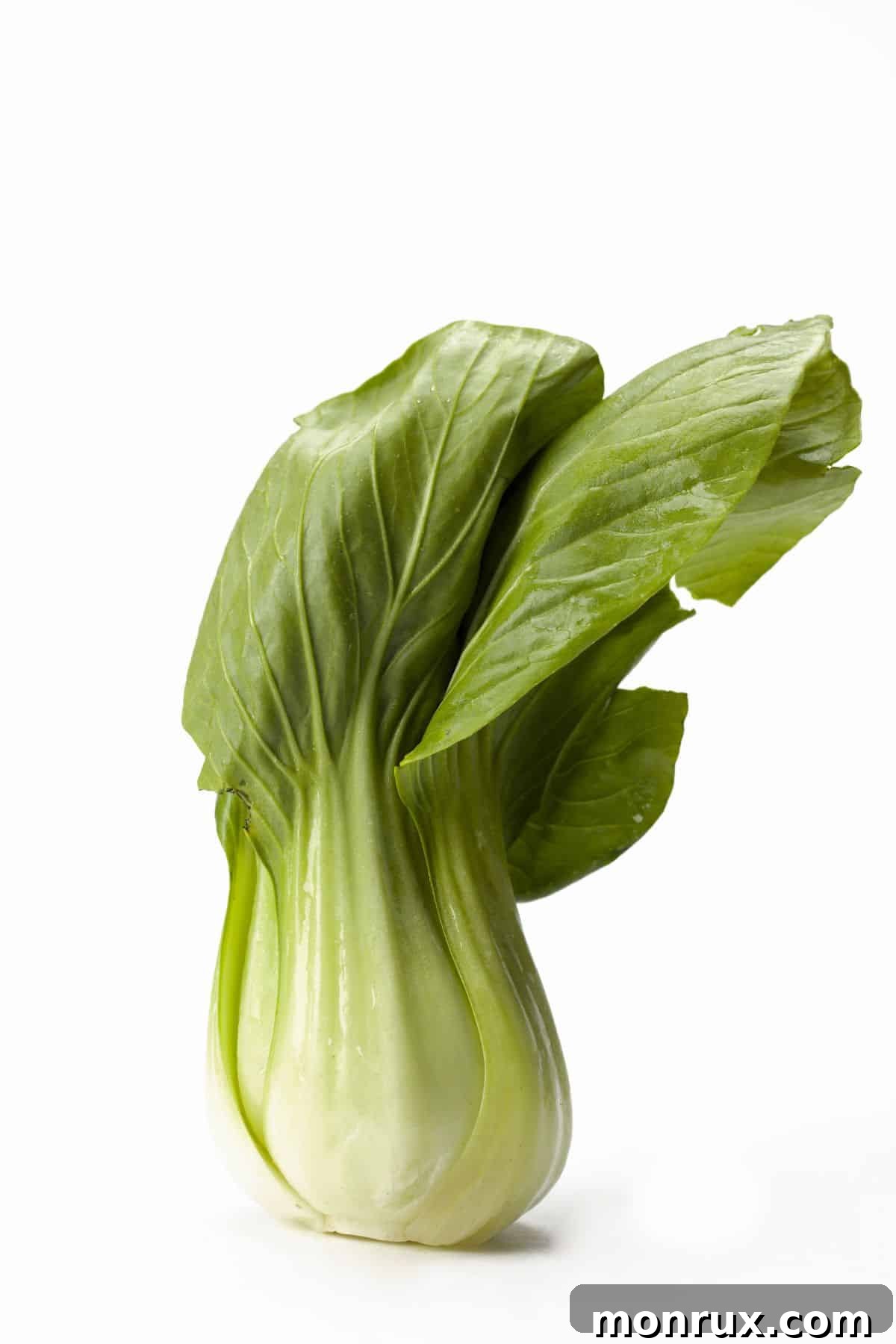
Also recognized as pak choi or Chinese cabbage, bok choy is traditionally a star ingredient in stir-fries, but it’s an equally fantastic, albeit less common, addition to healthy green smoothies. It’s an excellent choice, brimming with essential vitamins and dietary fiber, contributing significantly to your daily nutritional intake.
What sets bok choy apart is its notable selenium content. Selenium is a vital trace mineral that has been extensively studied for its potential to reduce the risk of certain cancers and play a crucial role in supporting healthy thyroid function. Including bok choy in your smoothie is an easy way to incorporate this important nutrient into your diet.
Bok choy has a relatively mild taste when used in smaller quantities, making it approachable for most palates. However, if used in larger amounts, its flavor can become slightly more bitter. To achieve the best-tasting results, try blending it with other leafy greens or with sweet fruits that can complement its subtle notes, creating a balanced and refreshing smoothie.
6. Herbs
Pros
- **Enhances Flavor Variety:** Adds exciting and diverse flavor profiles to smoothies, moving beyond traditional green tastes.
- **Significant Nutritional Boost:** Many herbs are incredibly nutrient-dense, providing vitamins, minerals, and antioxidants in small quantities.
- **Accessible and Economical:** Often easy to find in stores and can be grown at home, making them budget-friendly.
- **Digestive Aid:** Certain herbs, like mint, are known for their digestive benefits.
Cons
- **Potent Flavor:** Some herbs possess very strong flavors that can easily overpower a smoothie if used in excess.
- **Potential Drug Interactions:** Certain herbs can interact with medications; consult a healthcare professional if on prescription drugs.
- **Allergic Reactions:** As with any food, there’s a possibility of allergic reactions for sensitive individuals.
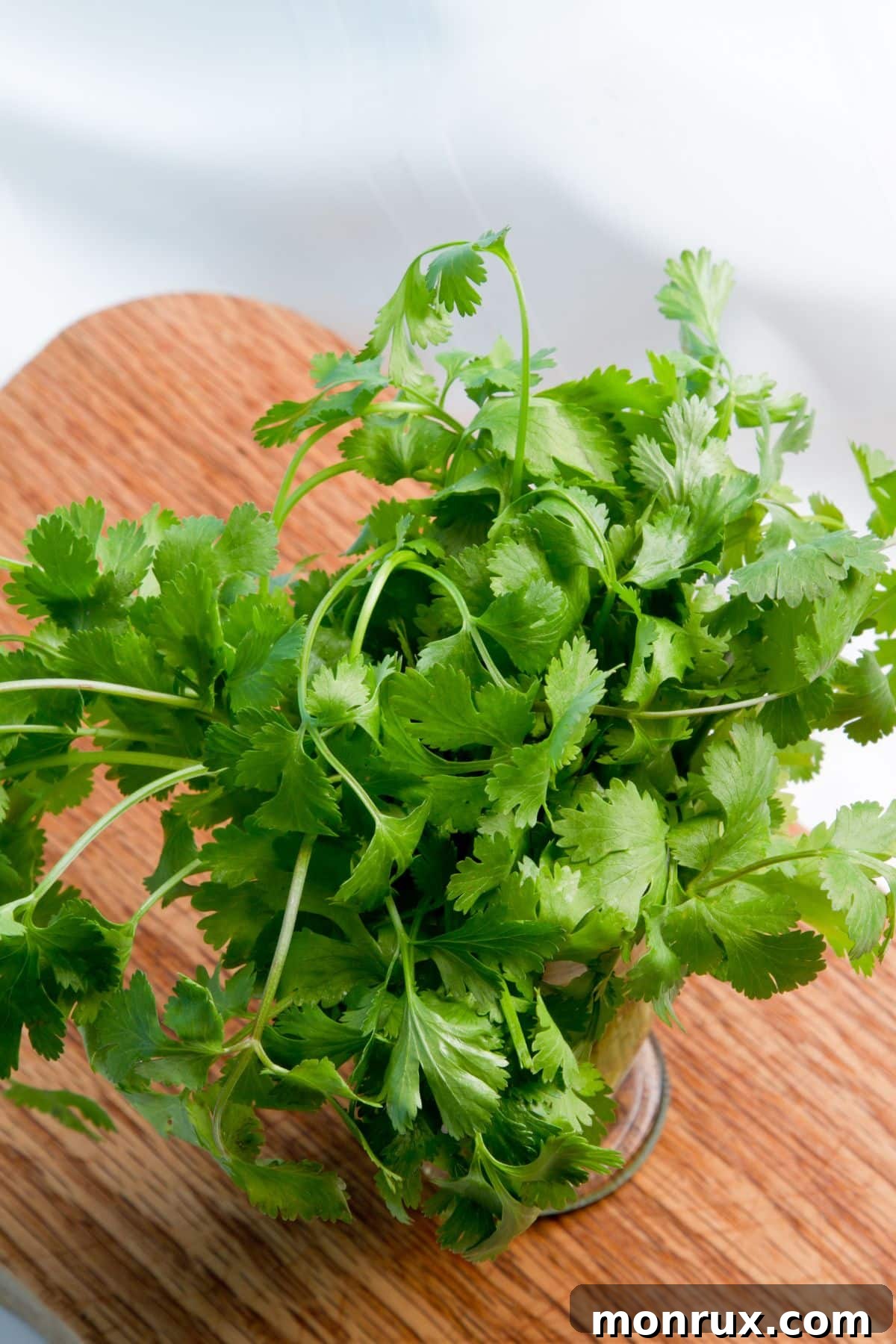
Fresh herbs can be a truly transformative addition to your green smoothies, subtly enhancing the flavor while simultaneously introducing a spectrum of their unique health benefits. Given their often potent taste, it’s advisable to begin with a small amount and gradually adjust to your preference, experimenting to find the perfect balance.
Consider incorporating mint, a refreshing herb renowned for its digestive properties, which can add a cool, invigorating note to your blend. Basil is another excellent choice, imparting a warm, aromatic quality to smoothies and offering potential protective benefits against certain cancers due to its antioxidant content.
Parsley, with its clean and slightly peppery flavor, can truly brighten a smoothie and is celebrated for its detoxifying qualities. For those who enjoy a citrusy twist, cilantro adds a refreshing, bright note that pairs beautifully with many fruits and vegetables. By exploring different herbs, you can create an endless variety of flavor combinations and amplify the nutritional value of your daily smoothie.
Discover a powerful blend using fresh mint in this Anti-Cancer Smoothie recipe.
7. Dandelion Greens
Pros
- **Exceptional Nutrient Density:** Very high in calcium and iron, along with numerous other vitamins and minerals.
- **Antioxidant and Anti-inflammatory:** Rich in compounds that reduce inflammation and protect cells.
- **Liver Support:** Widely recognized for their detoxifying benefits, particularly for liver health.
- **Harvest Your Own:** Can be easily identified and harvested from clean, pesticide-free areas.
Cons
- **Distinct Bitter Flavor:** Possesses a strong, sometimes intense, bitter taste that might require masking.
- **Potential Digestive Discomfort:** May cause mild gastrointestinal upset in some individuals, especially when consumed in large quantities initially.
- **Possible Drug Interactions:** Can interact with certain medications, such as diuretics or blood thinners; consult a doctor if on medication.
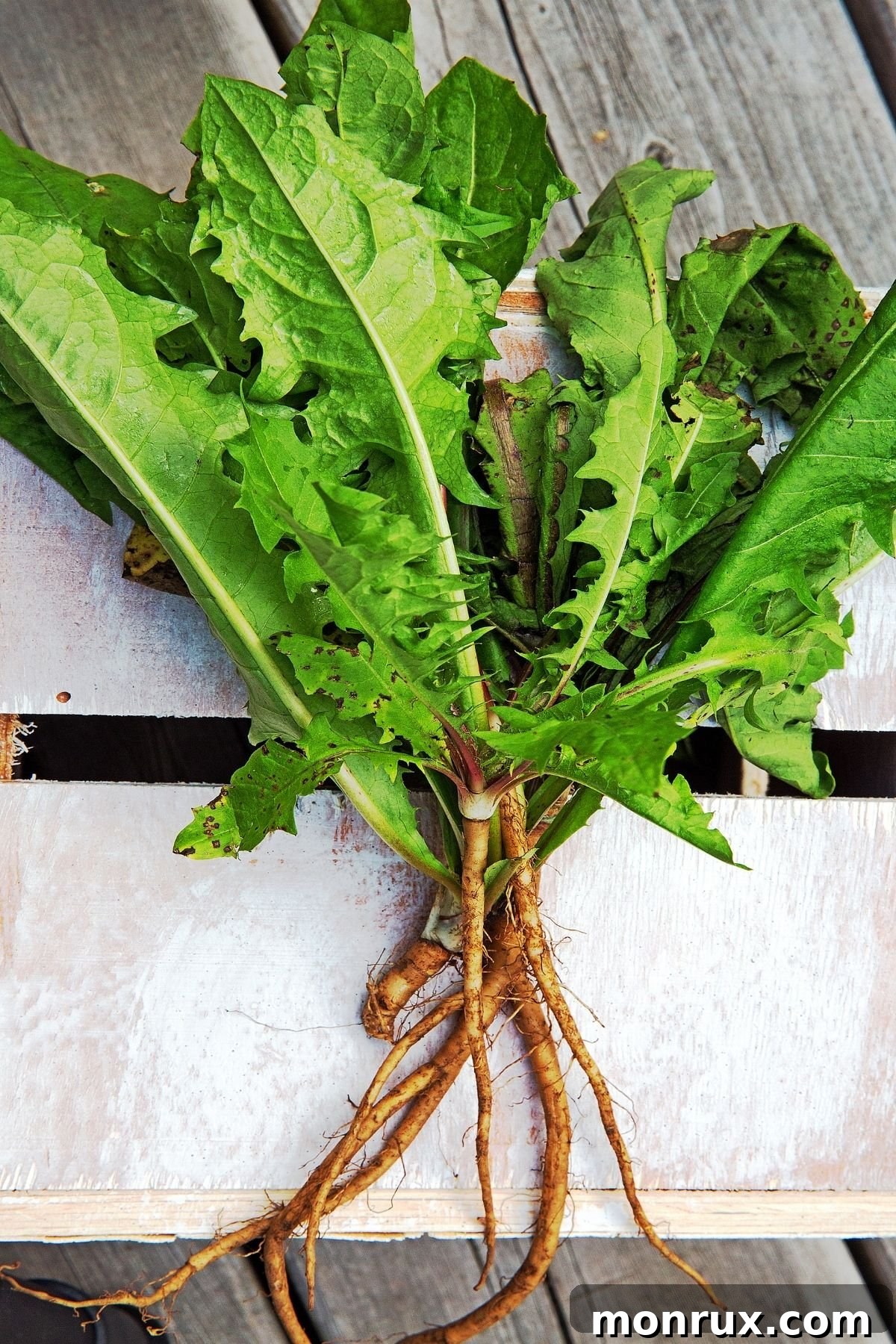
The humble dandelion plant, often dismissed as a weed, is entirely edible—and if you haven’t yet explored the culinary delights of its greens, you’re truly missing out on a nutritional treasure! Beyond being a delicious side dish when braised for dinner, dandelion greens are a fabulous addition to smoothies, infusing your drink with a wide array of vital nutrients.
These leafy greens are a powerhouse of vitamins, including a significant amount of A, C, E, and K, along with a diverse spectrum of minerals like iron and calcium, essential for numerous bodily functions. Dandelion greens are also celebrated for their potent anti-inflammatory properties and have been explored for their potential benefits in regulating blood sugar levels, making them a valuable component for overall wellness.
You can typically find dandelion greens in the produce section of well-stocked grocery stores, often alongside other specialty leafy greens. For the adventurous and those with access to pesticide-free lawns, you can even harvest your own! The youngest leaves tend to have the mildest flavor; simply snip them off with a clean pair of scissors, ensuring they are free from any environmental contaminants.
Integrate dandelion greens into your routine with this Liver Detox Smoothie recipe.
8. Romaine Lettuce
Pros
- **Budget-Friendly:** Generally one of the most affordable leafy greens available.
- **Extremely Easy to Find:** A staple in all grocery stores, ensuring consistent availability.
- **Mild Flavor:** Possesses a very subtle taste, making it ideal for those sensitive to stronger green flavors.
- **Excellent Hydration Source:** Its high water content contributes to better hydration.
- **Blends Effortlessly:** Soft texture makes it easy for any blender to process into a smooth liquid.
Cons
- **Potential for Contamination:** Historically linked to recalls, requiring thorough washing to ensure safety.
- **Lower Nutrient Density:** While nutritious, it contains fewer concentrated vitamins and minerals compared to darker leafy greens.
- **Can Become Watery:** Excessive use might dilute the flavor and texture of your smoothie.
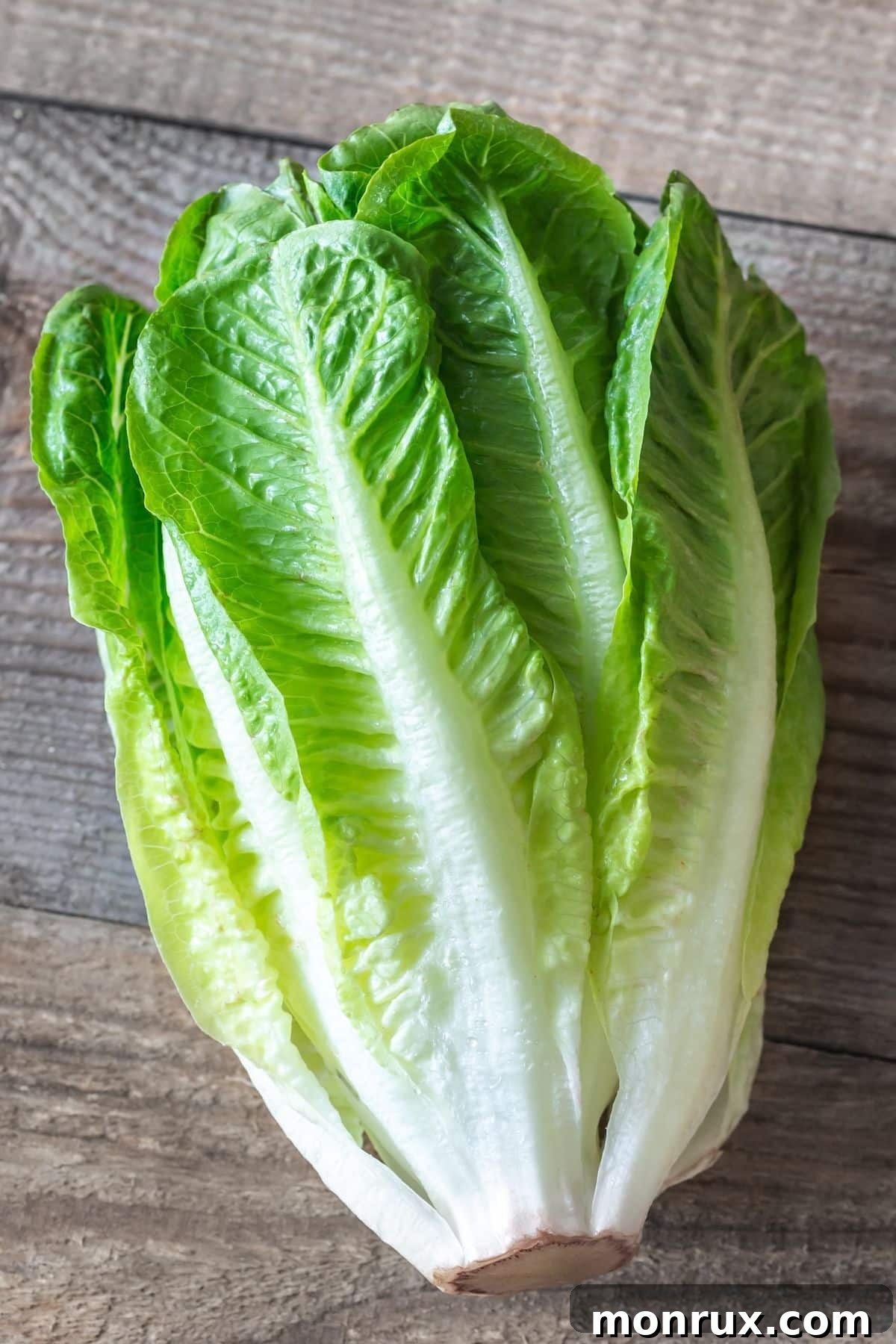
Romaine lettuce stands out as one of the most accessible and easiest leafy greens to incorporate into your smoothies, primarily due to its incredibly mild taste. This characteristic makes it an ideal choice for those who are new to green smoothies or who prefer a less pronounced “green” flavor in their drinks.
Despite its gentle taste, romaine is surprisingly nutritious, ranking among the more wholesome types of lettuce available. It provides valuable folate, crucial for cell health, along with significant amounts of vitamins C and K. Additionally, it contains beta-carotene, an important antioxidant that our bodies convert into Vitamin A, supporting vision and immune function.
Its naturally high water content not only contributes to better hydration but also makes romaine exceptionally easy to blend. This is a significant advantage, especially if you have a less powerful blender, as you won’t encounter the frustrating fibrous bits that can sometimes remain with tougher vegetables like kale. Romaine lettuce ensures a consistently smooth and refreshing smoothie experience every time.
9. Watercress
Pros
- **Exceptional Nutrient Density:** Packed with vitamins and minerals, earning its superfood reputation.
- **Rich in Antioxidants:** Contains high levels of antioxidants that combat free radicals.
- **Unique Pungent Flavor:** Offers a distinctive bitter and peppery taste that can add an exciting dimension to smoothies.
- **Supports Overall Health:** Ranked highly for its beneficial health properties, including anti-inflammatory effects.
Cons
- **Very Strong Flavor:** Its intense taste may be overwhelming for some palates and requires careful pairing.
- **Requires Thorough Washing:** Being an aquatic plant, it carries a higher risk of waterborne pathogens and must be meticulously cleaned.
- **Thyroid Considerations:** Excessive consumption may potentially affect thyroid function in sensitive individuals, so moderation is key.
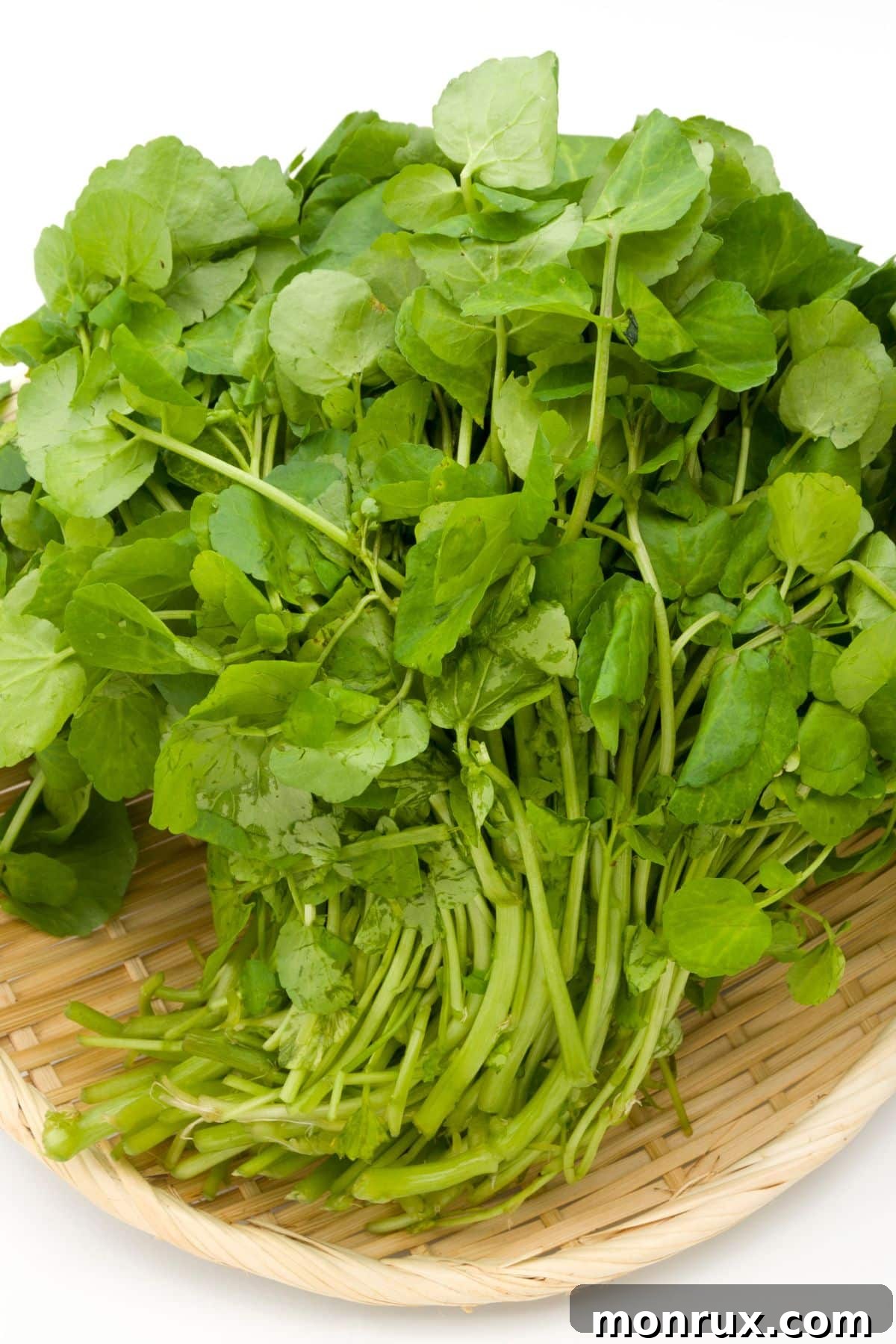
This vibrant aquatic plant belongs to the Brassicaceae family, making it a close relative of arugula and mustard greens. Watercress is distinguished by its unique bitter and subtly spicy flavor, a characteristic that some individuals absolutely adore for its invigorating kick. However, this potent taste doesn’t appeal to everyone, making strategic pairing essential.
Despite its strong flavor, watercress is unequivocally worth incorporating into your daily smoothie routine due to its incredible nutritional density. It holds the prestigious first place on the US Centers for Disease Control’s list of Powerhouse Fruits and Vegetables, a testament to its exceptional health benefits.
Watercress is remarkably rich in antioxidants, which play a crucial role in protecting your body from oxidative stress and supporting overall cellular health. Consuming watercress raw in smoothies is an excellent way to harness its full spectrum of benefits. It pairs wonderfully with a variety of fruits and vegetables, and its peppery notes are particularly complemented by the creamy texture of avocado and the bright acidity of lime, creating a well-rounded and deeply nourishing beverage.
For ideas on substitutes, see my related article on watercress alternatives.
10. Frozen Broccoli Florets
Pros
- **Ultimate Convenience:** Frozen and pre-cut, saving preparation time and extending shelf life.
- **Budget-Friendly:** Often more economical than fresh broccoli, especially when bought in bulk.
- **Fairly Mild Flavor:** Its taste is subtle enough not to dominate the smoothie, particularly when frozen.
- **Adds Coolness and Thickness:** Contributes to a refreshing temperature and creamy texture without requiring ice.
Cons
- **Potential for Watery Texture:** Can sometimes make smoothies slightly thinner if too much liquid is added.
- **Digestive Sensitivity:** May cause gas and bloating in some individuals due to its fiber content.
- **Requires Powerful Blending:** Can result in a gritty texture if not thoroughly blended by a high-speed machine.
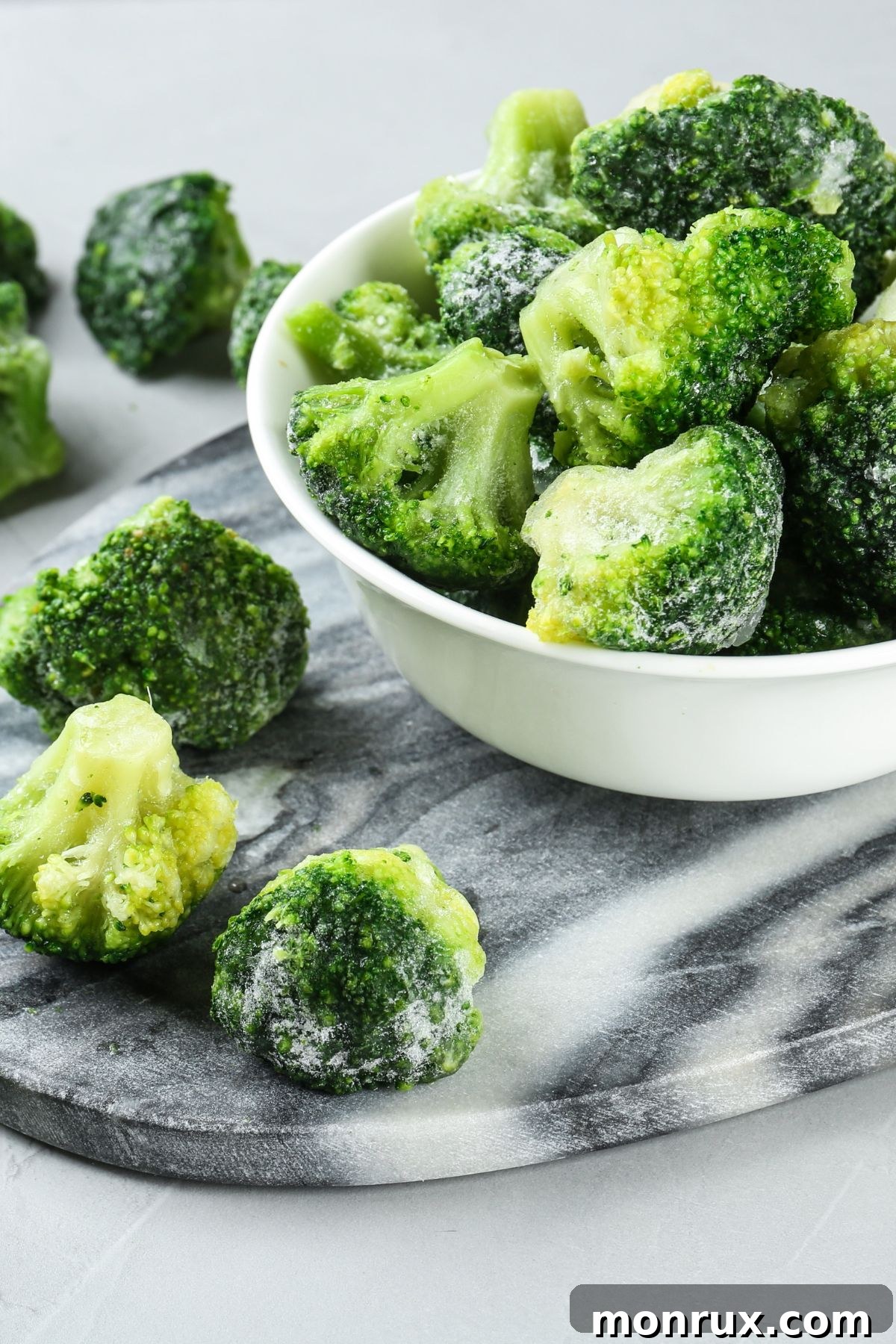
You might not typically associate broccoli with smoothies, primarily because its raw florets can be quite fibrous and challenging to pulverize into a smooth consistency. However, frozen broccoli florets are a game-changer for smoothie enthusiasts! They are significantly easier to blend and, when combined with other ingredients, contribute to a wonderfully cool, refreshing, and surprisingly smooth drink.
Broccoli is unequivocally a nutritional powerhouse. Just half a cup delivers an impressive 84% of the Reference Daily Intake (RDI) of Vitamin C, surpassing the amount found in half an orange. This makes it an exceptional immune booster. Beyond Vitamin C, broccoli is rich in Vitamin K, fiber, and various B vitamins, supporting overall health and vitality.
As a cruciferous vegetable, broccoli offers powerful protective benefits, notably against cancer, thanks to its unique compounds like sulforaphane. Studies also indicate that it can help keep blood sugar levels under control, making it a valuable addition for metabolic health. Incorporating frozen broccoli into your smoothies is a convenient and effective way to harness these incredible health advantages.
Try these revitalizing smoothies using frozen broccoli: the Anti-Cancer Smoothie or the Broccoli Smoothie with Pineapple.
11. Frozen Zucchini
Pros
- **Neutral Flavor:** Its very mild taste means it won’t alter the overall flavor profile of your smoothie.
- **Creamy Texture Enhancer:** Adds a wonderful creaminess and thickness to smoothies, similar to bananas but with fewer calories.
- **Grow and Freeze Your Own:** Excellent for utilizing garden surplus, allowing for year-round supply.
- **Good Source of Fiber:** Higher in dietary fiber compared to many fruits, aiding digestion.
Cons
- **Lower in Concentrated Nutrients:** While healthy, it’s not as nutrient-dense as dark leafy greens.
- **Requires Powerful Blending for Smoothness:** Can be fibrous if not completely pulverized, potentially leaving small chunks.
- **Risk of Freezer Burn:** Improper storage can lead to freezer burn, affecting texture and taste.
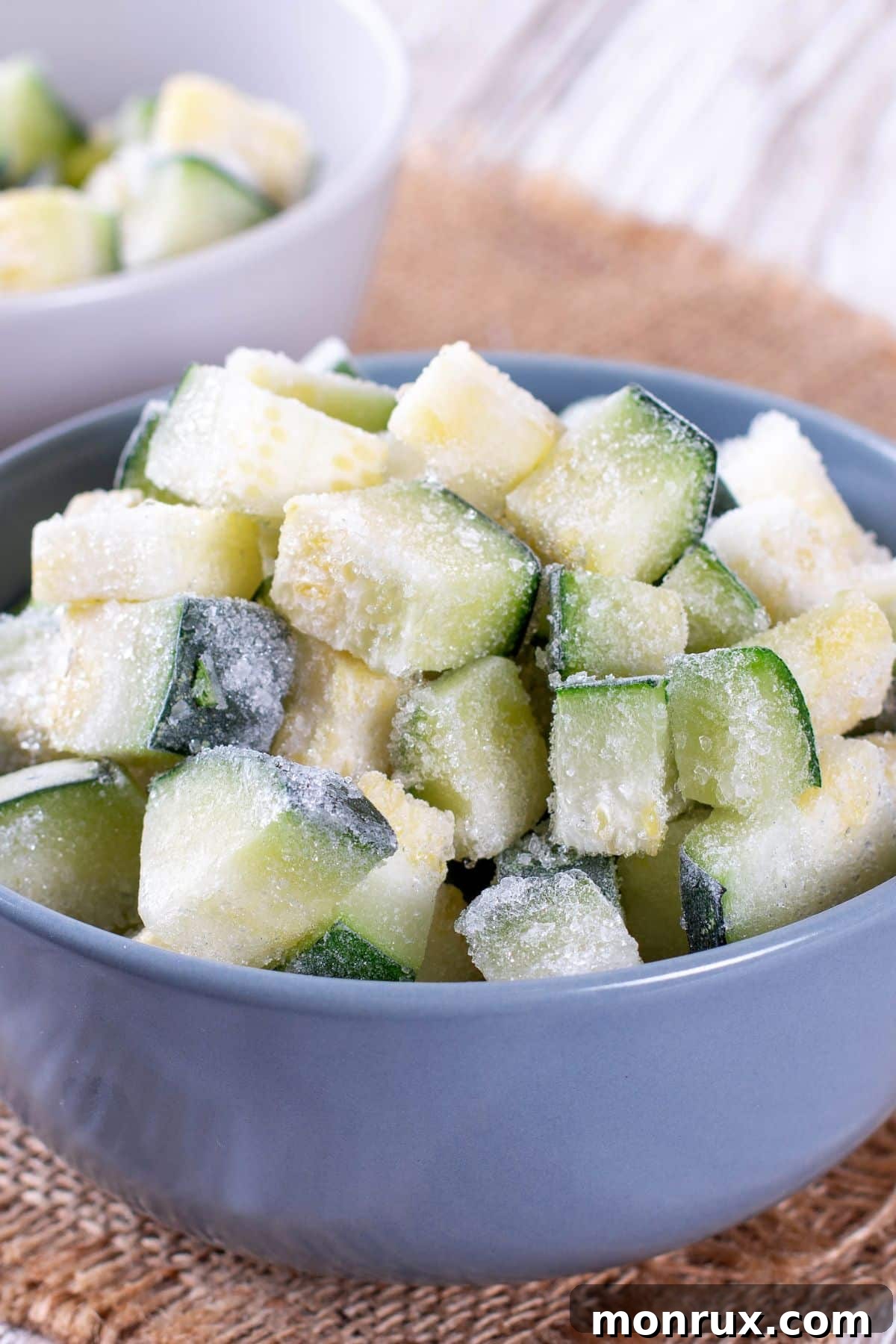
If you often rely on frozen bananas to achieve a thick and creamy texture in your smoothies, consider making a healthy swap to frozen zucchini instead! This alternative delivers a beautifully creamy consistency without the added calories and sugar of bananas. Moreover, frozen zucchini offers the added benefit of being higher in dietary fiber, which supports digestive health and satiety.
Zucchini boasts a remarkably neutral flavor, making it an ideal ingredient for blending with more intensely flavored leafy greens. Its mildness helps to subtly reduce any bitterness, creating a more balanced and palatable smoothie. Beyond its textural benefits, zucchini provides its own valuable nutritional contributions, offering a range of essential vitamins and minerals, along with beneficial antioxidant compounds. It’s a fantastic, low-calorie way to add bulk, nutrients, and creaminess to your blended creations.
Try this delicious recipe using zucchini: the Zucchini and Strawberry Smoothie.
12. Beet Greens
Pros
- **Excellent Source of Vitamin A and Fiber:** Rich in nutrients vital for vision, immune function, and digestion.
- **Reduces Food Waste:** A sustainable choice that utilizes a nutrient-rich part of the beet often discarded.
- **Easy to Find and Economical:** Often sold attached to beets, making them readily available and cost-effective.
- **Mild Flavor:** Possesses a subtle, earthy taste that blends well without bitterness.
Cons
- **High in Oxalates:** Contains a significant amount of oxalates, which may be a concern for sensitive individuals.
- **Earthy Flavor:** While mild, its distinct earthy taste might not appeal to all.
- **Potential for Fibrous Texture:** Can be slightly fibrous, requiring a good blender to achieve optimal smoothness.
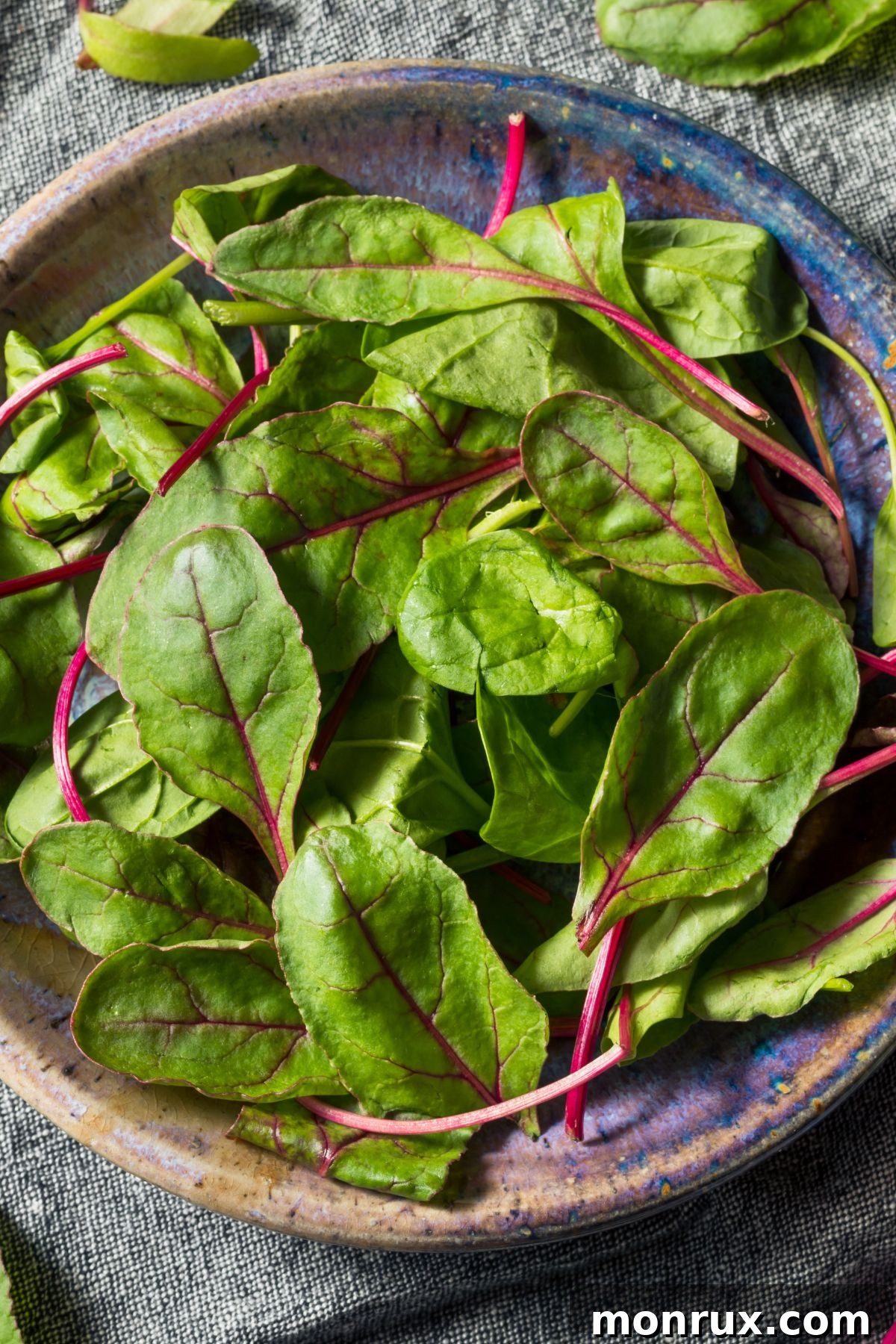
While everyone acknowledges the health benefits of beets themselves, the vibrant beet greens are often overlooked. Yet, these leafy tops are a truly magnificent source of vitamins and minerals. Just one cup of cooked beet greens provides an impressive 220% of the daily value (DV) for Vitamin A, 17% of the DV for fiber, and 37% of the DV for potassium. These nutrients are vital for vision, digestion, and maintaining healthy blood pressure, respectively.
Incorporating beet greens into your smoothies is also a wonderfully sustainable choice, helping to reduce food waste by utilizing a part of the plant that might otherwise be discarded. They possess a relatively mild flavor, lacking the pronounced bitterness often associated with kale or dandelion greens. This makes them incredibly versatile, allowing them to be enjoyed on their own or to seamlessly pair with a wide range of other ingredients without overpowering the overall taste of your smoothie.
If fresh beets or beet greens aren’t available, you can still reap the benefits by adding beet juice or beet juice powder to your smoothies. Learn more about the comprehensive health benefits of beet juice to truly appreciate this vibrant vegetable.
13. Microgreens
Pros
- **Extremely Nutrient-Dense:** Can contain significantly more nutrients than their mature counterparts.
- **Offers Flavor Versatility:** Available in a wide range of flavors, from spicy to sweet, for diverse smoothie profiles.
- **”Superfood” Concentration:** A powerful way to add concentrated vitamins, minerals, and antioxidants to your diet.
- **Aesthetically Pleasing:** Their delicate appearance adds a gourmet touch, even if blended.
Cons
- **Can Be Expensive:** Often pricier than full-grown greens due to specialized cultivation.
- **Potentially Strong Flavor:** Some varieties can have a very intense taste, requiring careful integration.
- **Limited Availability:** May be harder to find in conventional grocery stores, often requiring specialty markets or home growing.
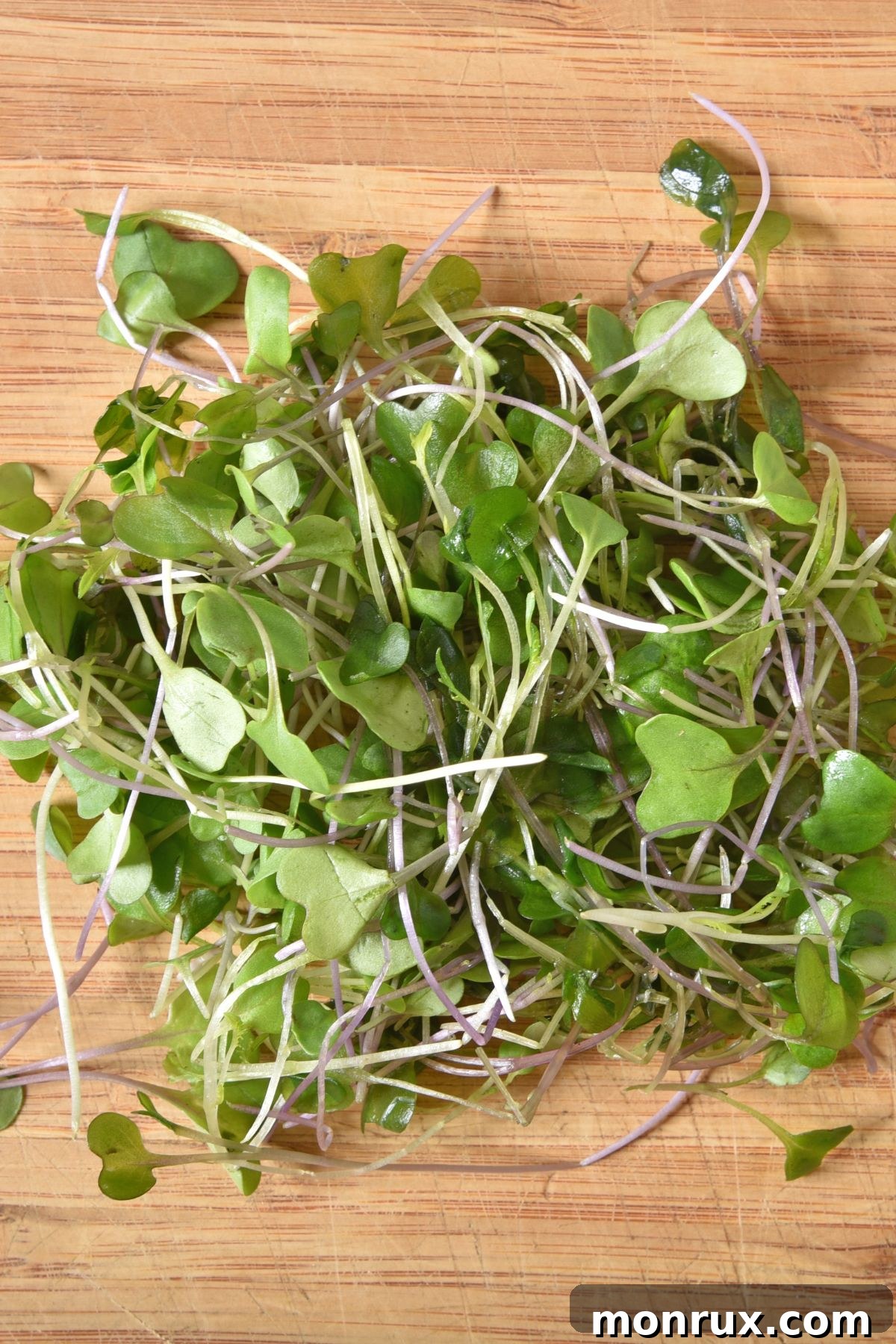
Microgreens, the immature greens harvested from the seeds of vegetables and herbs, were once primarily used as decorative garnishes for gourmet dishes. However, culinary and nutritional science has since unveiled their incredible benefits, revealing that they are far too potent to be relegated to mere decoration.
These tiny powerhouses can contain up to forty times more nutrients than their more mature counterparts, making them an unparalleled way to dramatically boost the nutritional profile of your smoothie. Imagine getting a concentrated dose of vitamins, minerals, and antioxidants in every sip!
With a plethora of varieties available, from spicy radish microgreens to sweet pea shoots, experimentation is encouraged to discover the flavors that best suit your palate. Interestingly, compared to their fully grown versions, many microgreens possess a surprisingly mild taste. This means that you might find the microgreen versions of vegetables like broccoli and Swiss chard far more palatable and enjoyable in your smoothies than their mature leaves, offering a nutrient-dense boost without an overpowering flavor.
Explore my comprehensive list of the best microgreens to eat and even grow yourself.
Try this recipe featuring microgreens: the Broccoli Sprout Smoothie.
Bonus: Moringa
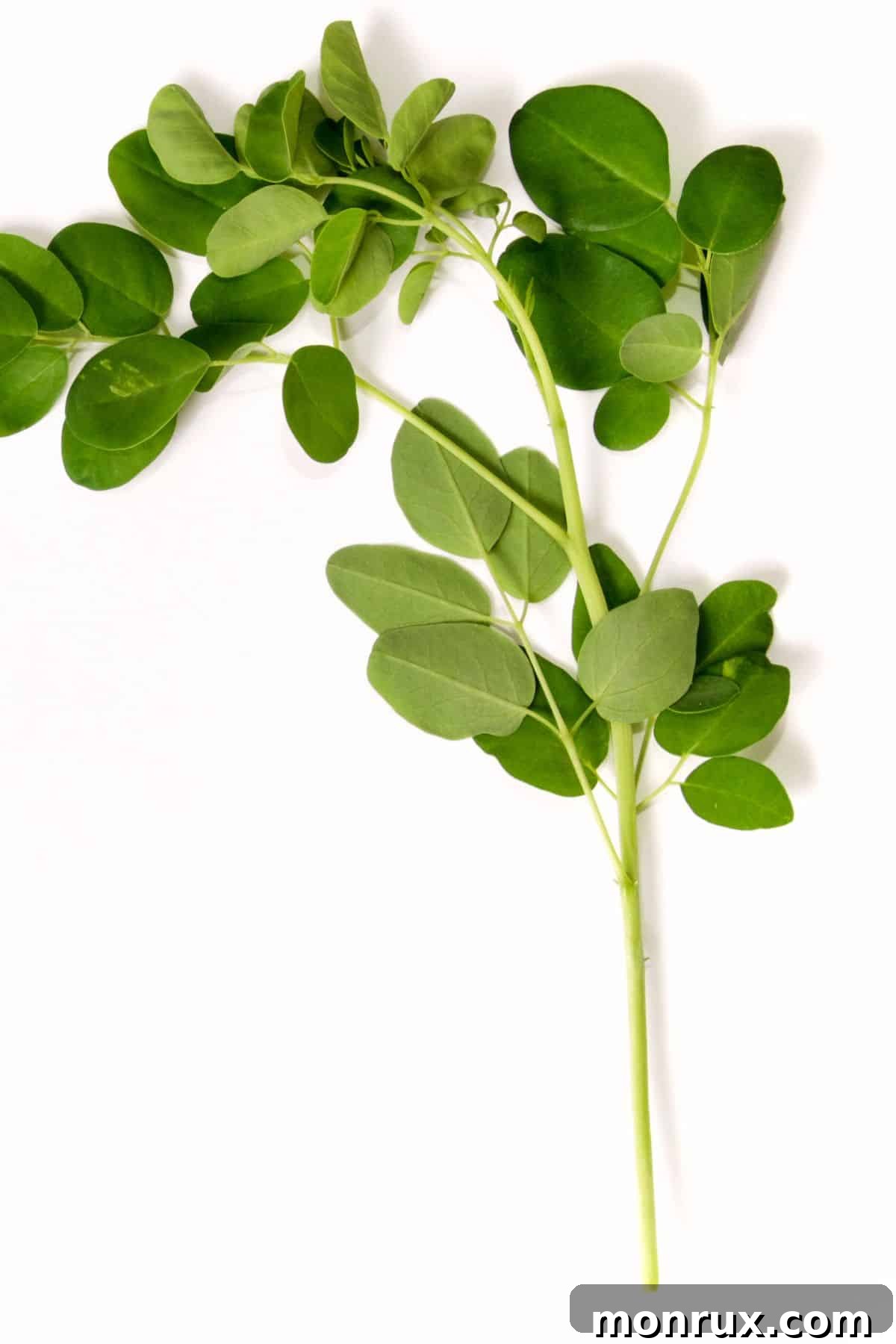
Moringa, often hailed as the “miracle tree,” is a plant that has garnered significant attention for its remarkable nutritional profile and diverse health-promoting properties. Extensive research has highlighted its potent antioxidant content, which helps combat oxidative stress and inflammation within the body. Beyond antioxidants, moringa is packed with essential vitamins, minerals, and amino acids, making it an exceptional superfood to incorporate into your smoothies for an extra health boost. Its slightly earthy flavor can be easily masked or complemented by fruits, offering a convenient way to enhance your daily nutrition.
This list is by no means exhaustive. The world of green vegetables is vast, and you can continuously explore other green vegetables to use in smoothies, always expanding your palate and nutrient intake.
Discover my powerful Moringa Smoothie recipe.
Mastering Green Smoothies: Expert Tips
Crafting the perfect green smoothie involves more than just tossing ingredients into a blender. These expert tips will help you achieve optimal flavor, texture, and nutritional balance, ensuring every sip is both delicious and incredibly healthy.
- Prioritize Cold Ingredients: The key to a truly refreshing smoothie lies in using cold components. Opt for frozen fruits (like bananas, berries, or mangoes) or thoroughly chilled liquids (such as almond milk, coconut water, or filtered water). This strategy eliminates the need for excessive ice, which can dilute your smoothie’s flavor and make it watery. Frozen fruits also contribute to a wonderfully thick and creamy texture.
- Invest in a High-Speed Blender: For an impeccably smooth and velvety consistency, especially when working with fibrous leafy greens, seeds, or harder frozen ingredients, a high-speed blender is indispensable. Brands like Vitamix are renowned for their ability to pulverize ingredients completely, preventing any gritty or chunky surprises in your drink. This ensures maximum nutrient extraction and a superior drinking experience.
- Achieve Flavor Balance: The art of a great green smoothie lies in balancing the greens’ earthiness with other flavors. For beginners, start with a conservative ratio, typically 1 part greens to 2 parts fruit. Sweet fruits such as ripe bananas, sweet cherries, and tropical mangoes are exceptional at masking the natural bitterness of greens, making the smoothie more appealing. As your palate adjusts, you can gradually increase the proportion of greens.
- Boost with Superfood Additions: Elevate the nutritional density of your green smoothie by incorporating additional superfoods. Consider a scoop of high-quality protein powder (plant-based or whey) for satiety and muscle support, a tablespoon of cocoa powder for antioxidants and a delicious chocolatey twist, or fiber-rich chia seeds and flaxseeds for omega-3 fatty acids and digestive health. Specialty powders like broccoli sprout powder can further amplify the health benefits.
- Practice Green Rotation: To ensure a broad spectrum of nutrients and to avoid consuming too much of any single compound (like oxalates), it’s wise to rotate your greens. Instead of relying solely on spinach, explore varieties like baby kale, vibrant rainbow chard, detoxifying dandelion greens, or hearty collard greens. This variety not only enriches your diet but also keeps your smoothie routine exciting and prevents palate fatigue.
Optimal Blending Techniques for Smoothies
Even with the best ingredients, your blending technique can make a significant difference in the quality of your smoothie. Follow these guidelines for a perfectly smooth, well-mixed, and enjoyable beverage every time.
- Strategic Layering is Key: To ensure efficient and thorough blending, arrange your ingredients in the blender in a specific order. Always start with liquids at the bottom, followed by softer ingredients like fresh greens and soft fruits. Finish by placing harder, frozen items (frozen fruit, ice, frozen vegetables) on top. This layering allows the blades to create a vortex, pulling everything down for a consistent blend.
- Start with Short Pulses: When beginning the blending process, especially with tougher ingredients like fibrous kale or large chunks of frozen fruit, start with several quick pulses. This initial burst helps to break down larger pieces into smaller, more manageable fragments, reducing strain on your blender motor and preparing the mixture for continuous, smoother blending.
- Leverage Frozen Fruits for Texture: Embrace frozen fruits as your primary method for achieving a thick, creamy, and wonderfully chilly smoothie texture. Unlike ice, which can water down the flavor as it melts, frozen fruit contributes to the overall body and richness of your drink. This results in a more satisfying and enjoyable consistency that stays cold longer.
- Avoid Overloading the Blender: Resist the temptation to pack your blender pitcher to the brim. Overloading can impede proper circulation of ingredients, making it exceedingly difficult for the blades to fully blend the smoothie. Always adhere to the “max fill” line indicated on your blender pitcher to ensure there’s enough room for the ingredients to move freely and blend efficiently.
- Immediate Rinse and Clean-up: The best practice for blender longevity and easy maintenance is to rinse and clean it immediately after use. This prevents residual ingredients from drying and sticking to the pitcher and blades, which can be much harder to remove later. A quick rinse with warm water and a drop of dish soap, followed by a brief blend, often suffices for easy cleaning.
Frequently Asked Questions About Green Smoothies (FAQs)
While many vegetables are excellent in smoothies, certain types possess a stringy, overly fibrous texture that simply doesn’t blend well, even with a high-powered blender. These can leave you with an unpleasant, chunky, or pulpy consistency. Unless you are confident in your blender’s ability to thoroughly pulverize them, it’s generally best to avoid vegetables like fennel, string beans, celery stalks (though celery leaves are fine), and sugar snap peas. Their tough fibers resist breaking down, impacting the smoothness and palatability of your drink. Focus on softer, leafy greens or more tender vegetables for optimal results.
Green leafy vegetables, particularly spinach, Swiss chard, and beet greens, naturally contain dietary oxalate, also known as oxalic acid. This naturally occurring compound is often termed an “anti-nutrient” because it can bind with minerals like calcium, potentially reducing your body’s ability to absorb them. High oxalate intake can also increase oxalate levels in your urine, which may contribute to the formation of certain types of kidney stones.
Individuals at risk for these conditions, such as those with a history of kidney stones or specific medical conditions, are typically advised by their healthcare provider to limit their oxalate intake. In such cases, high-oxalate green smoothies may not be ideal. However, for the vast majority of healthy individuals, consuming green smoothies as part of a balanced diet is generally safe and beneficial, and the overwhelming health benefits often outweigh any potential risks. Always consult with a medical professional to tailor dietary choices to your individual health situation.
To minimize potential concerns while still enjoying the nutritional bounty of green smoothies, consider these strategies:
- Rotate Your Greens: Instead of consistently using the same high-oxalate green, vary your choices. Incorporate a mix of high and lower-oxalate greens (e.g., spinach one day, kale or romaine the next) to get a wider array of nutrients and prevent excessive intake of any single anti-nutrient.
- Lightly Steam Greens: Briefly steaming greens like spinach or chard before adding them to your smoothie can effectively reduce their oxalate content. Allow them to cool before blending.
- Choose Low-Oxalate Greens: Opt for leafy greens that are naturally lower in oxalates, such as kale, bok choy, broccoli, romaine lettuce, and zucchini, to reduce your overall intake.
- Stay Hydrated and Pair with Calcium: Drinking plenty of water, especially if you have a history of kidney stones, is crucial. Additionally, consuming calcium-rich foods alongside oxalate-containing greens can help bind oxalates in the digestive tract, preventing their absorption.
Absolutely! Adding protein powder is an excellent and highly recommended way to enhance the nutritional profile of your smoothies. It helps to balance the macronutrients, transforming your smoothie into a more satisfying and complete meal replacement. Protein is essential for muscle repair and growth, satiety, and can significantly help in stabilizing blood sugar levels, preventing sharp spikes and crashes. This makes your smoothie a powerhouse for sustained energy throughout the day. When choosing a protein powder, consider your dietary needs and preferences. Explore my curated lists of the best paleo protein powders and the best protein powders for pregnancy to find a suitable option.
Yes, green smoothies can certainly be a valuable tool in a weight loss journey, but their effectiveness largely depends on the ingredients you choose and your overall dietary habits. When thoughtfully prepared, green smoothies can be a healthy and efficient way to support weight loss. They are typically rich in fiber from the greens and fruits, which promotes satiety and helps you feel fuller for longer, thus reducing overall calorie intake. Furthermore, they provide a concentrated dose of vitamins and minerals, which can help optimize metabolic function. However, if smoothies are loaded with excessive amounts of high-sugar fruits, caloric sweeteners like honey or syrups, or high-fat additions without proper balance, they can quickly become calorie-dense and counterproductive to weight loss goals. The key is to create balanced smoothies that prioritize vegetables, moderate fruit, and include protein and healthy fats, integrating them into a holistic diet that also focuses on whole, unprocessed foods.
I truly hope you enjoy making this recipe and experimenting with all the wonderful greens for smoothies! If you do, please take a moment to leave a comment and a starred review below. Your feedback helps others discover delicious and healthy recipes.
And, to stay connected and never miss out on new clean eating recipes and wellness tips, consider following me on social media. You can find me on Facebook, Pinterest, Instagram, and YouTube! Let’s build a healthier community together.
Print
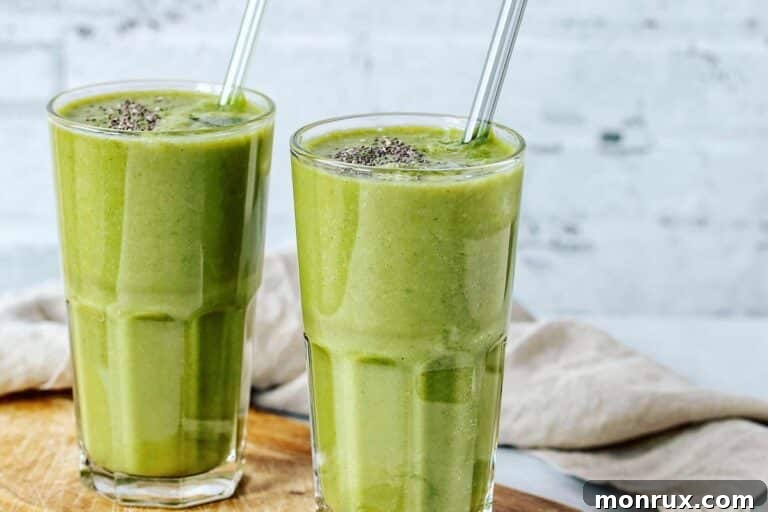
Simple and Delicious Green Smoothie Recipe
5 Stars 4 Stars 3 Stars 2 Stars 1 Star
5 from 1 review
Embark on your green smoothie adventure with this incredibly easy and delicious recipe. It’s designed to be a quick and effective way to infuse your body with essential nutrition and a significant energy boost. You’ll be amazed at how the subtle flavor of spinach disappears into this delightful blend, making it a perfect starting point for anyone looking to incorporate more greens into their diet without a strong “vegetable” taste. Enjoy a healthy start to your day!
Total Time: 7 minutes
Yield: 2 1x
Ingredients
Units
Scale
- 1 large frozen banana, broken in half
- 1 cup unsweetened almond milk
- 1/2 cup unsweetened Greek yogurt
- 1 cup frozen strawberries
- 2 cups baby spinach (packed; about two handfuls)
- 1 tablespoon chia seeds
Instructions
- In the base of a high-speed blender, carefully combine all the ingredients: the frozen banana, unsweetened almond milk, unsweetened Greek yogurt, frozen strawberries, baby spinach, and chia seeds. Ensure the liquid is at the bottom for optimal blending.
- Securely lock the lid onto the blender. Start blending on a low speed, gradually increasing to high, until all ingredients are thoroughly combined and the mixture is perfectly smooth and creamy. This typically takes about 30-40 seconds, depending on your blender’s power.
- Pour the vibrant green smoothie into glasses and serve immediately to enjoy its refreshing taste and maximum nutrient benefits.
Notes
- For those who prefer a sweeter smoothie, feel free to add 1-2 teaspoons of natural sweeteners like raw honey, maple syrup, or a few pitted dates. Adjust to your personal taste preference.
- To significantly boost the protein content and make this smoothie even more filling, you can incorporate up to 2 scoops of your favorite protein powder. This is excellent for post-workout recovery or as a meal replacement.
- While baby spinach is recommended for its mild flavor, don’t hesitate to experiment with other leafy greens! You can easily substitute baby kale, a mix of spring greens, or any other type of green leafy vegetable you prefer to vary the nutrients and flavors.
- If you adhere to a dairy-free diet, simply swap the Greek yogurt for an equal amount of your preferred dairy-free yogurt alternative, such as coconut, almond, or soy yogurt, to maintain creaminess.
- Author: Carrie Forrest, MPH in Nutrition
- Prep Time: 5 minutes
- Cook Time: 2 minutes
- Category: Smoothie
- Method: Blender
- Cuisine: Healthy
- Diet: Vegetarian
Nutrition
- Serving Size: 1/2 of recipe
- Calories: 212
- Sugar: 15 g
- Sodium: 144.1 mg
- Fat: 7.6 g
- Saturated Fat: 2 g
- Carbohydrates: 28.8 g
- Fiber: 6.2 g
- Protein: 10.4 g
- Cholesterol: 9.3 mg
Explore More Green Smoothie Content You Might Like
Deepen your understanding and enjoyment of green smoothies with these additional resources, offering insights into their benefits, diverse recipes, and how they can fit into various dietary goals.
- The Incredible Health Benefits of Green Smoothies
- Discover the Best Green Smoothie Recipes
- Effective Smoothies for Healthy Weight Gain
- Powerful Cancer-Fighting Smoothies for Wellness
- Delicious Dairy-Free Breakfast Smoothies
Don’t Miss Out on These Smoothie Recipes!
Expand your smoothie repertoire with these fantastic recipes, each designed to nourish your body and delight your taste buds.
Final Thoughts on Green Smoothies
If you’ve ever struggled to meet your daily intake of green vegetables, transforming them into delicious and easy-to-consume smoothies offers the perfect, effortless solution! Green smoothies are incredibly simple to prepare, yet they deliver a diverse spectrum of essential nutrients in a highly bioavailable form, making daily consumption both convenient and enjoyable. By thoughtfully adding your favorite herbs, aromatic spices, or sweet and tangy fruits, you can unlock an endless array of flavor combinations, ensuring that your daily smoothie routine remains exciting, satisfying, and consistently delicious.
Embrace creativity in your kitchen and feel empowered to experiment with various green smoothie ingredients. This personalized approach will not only allow you to craft the best green smoothies that truly satisfy your unique taste buds but will also significantly enhance the nutritional density and health benefits of your daily diet. Start blending your way to a healthier, more vibrant you!
Don’t forget to join my exclusive newsletter list to receive clean eating recipes, expert tips, and wellness insights directly to your inbox. It’s 100% free, spam-free, and you can unsubscribe anytime.
About the Author: Carrie Forrest holds a master’s degree in public health with a specialty in nutrition and is a certified holistic nutritionist. She is a prominent wellness and food blogger, attracting over 5 million annual visitors to her website. Carrie shares an inspiring story of recovery from chronic illness and is deeply passionate about empowering other women to transform their health through holistic nutrition and clean eating. You can connect with her directly through her contact form.
Disclaimer: This content is provided for informational purposes only and is not intended as medical advice. Always consult your healthcare provider for personalized recommendations and guidance related to your individual health situation.