
If you’ve received a diagnosis of Hashimoto’s thyroiditis, you might often find yourself questioning if your symptoms are intensifying into a full-blown flare-up and what immediate steps you should take. Understanding these crucial signs is the first step towards regaining control and supporting your well-being. This comprehensive guide delves into 12 common symptoms of a Hashimoto’s flare-up, offering detailed insights and actionable advice to help you navigate this challenging autoimmune condition effectively.
What is Hashimoto’s Disease?
Hashimoto’s disease, also formally known as Hashimoto’s thyroiditis, stands as the most prevalent cause of hypothyroidism in the United States and globally. It is an autoimmune disorder where the body’s immune system, which is designed to protect against foreign invaders, mistakenly attacks the thyroid gland. This attack causes chronic inflammation and gradual damage to the thyroid, eventually impairing its ability to produce essential hormones.
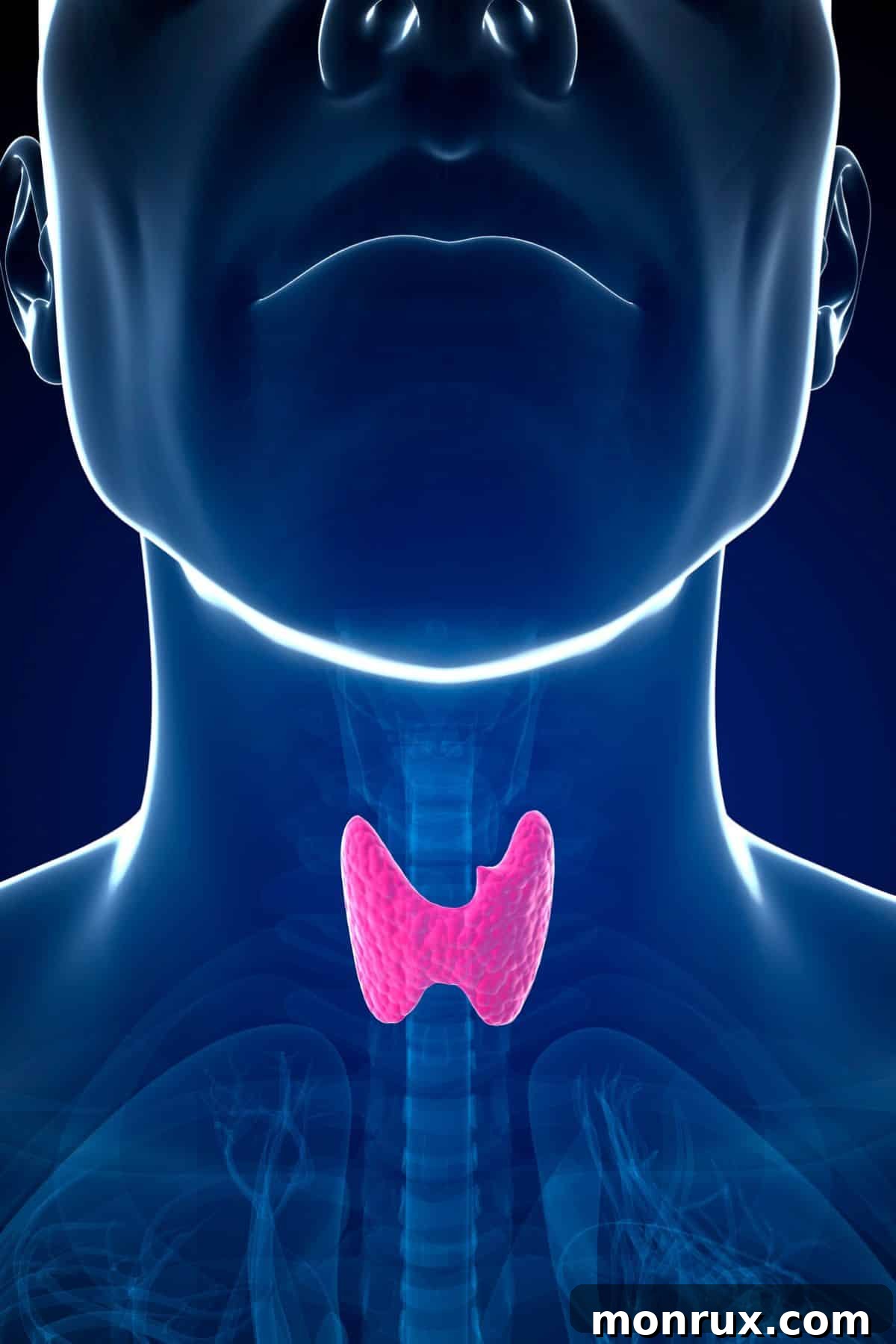
The thyroid gland, a butterfly-shaped organ situated at the base of your neck, plays a pivotal role in regulating numerous bodily functions through the hormones it produces: triiodothyronine (T3) and thyroxine (T4). These hormones are fundamental to metabolism, influencing how efficiently your body converts food into energy, manages body temperature, supports heart function, and even impacts brain development and digestion. When the immune system targets and damages the thyroid in Hashimoto’s, the production of these vital hormones can significantly decline, leading to a cascade of health issues associated with an underactive thyroid.
Affecting approximately 2% of the American population, Hashimoto’s disease is notably more common in women than in men, with diagnoses frequently occurring between the ages of 30 and 50. Many individuals initially diagnosed with Hashimoto’s disease will eventually develop overt hypothyroidism, a condition that impacts around 5% of Americans. Recognizing the signs of an active Hashimoto’s flare-up is crucial for timely intervention and maintaining optimal health.
Understanding Hashimoto’s Flare-Up Symptoms
While managing Hashimoto’s disease often involves thyroid hormone replacement therapy, there are times when symptoms can unexpectedly worsen, indicating a “flare-up.” These episodes can be triggered by various factors, including stress, infections, dietary changes, or even certain medications that interfere with thyroid hormone absorption or efficacy. Identifying these intensified symptoms is key to working with your healthcare provider to adjust treatment and restore balance.
Below is a comprehensive list of the most common symptoms experienced during a Hashimoto’s flare-up. Each point provides more detailed information on how these symptoms manifest and offers practical insights into managing them effectively.
- 1. Persistent Fatigue
- 2. Unexplained Weight Gain
- 3. Chronic Dry Skin
- 4. Increased Cold Intolerance
- 5. Significant Hair Loss
- 6. Frequent Constipation
- 7. Mood Changes and Depression
- 8. Memory Lapses and Brain Fog
- 9. Muscle Weakness and Aches
- 10. Irregular Menstrual Periods
- 11. Hoarseness or Voice Changes
- 12. Neck Swelling (Goiter)
Overview of Key Symptoms
The thyroid hormones, T3 and T4, are integral to a vast array of physiological processes throughout the body. Beyond metabolism, they play a critical role in regulating your menstrual cycle, maintaining body temperature, dictating energy levels, and even influencing the health and growth of your hair and nails. Given their widespread influence, it’s not surprising that when thyroid hormone levels are compromised, a broad spectrum of symptoms can emerge.
These symptoms are highly individualized, varying significantly from person to person in type and intensity. They often develop slowly and can be vague or non-specific initially, making them easy to attribute to other conditions or general life stress. This diagnostic challenge underscores the importance of a thorough medical evaluation when new or worsening symptoms appear.
Once Hashimoto’s disease is diagnosed, treatment typically involves thyroid hormone replacement therapy, most commonly with synthetic thyroxine (levothyroxine). This medication aims to restore your hormonal balance, which should ideally lead to an improvement or even disappearance of most symptoms. However, even with diligent treatment, symptoms can sometimes “flare up.” These flare-ups often present abruptly and with heightened intensity, signaling that your thyroid function may be temporarily disrupted. Common triggers for these episodes include periods of intense stress, the introduction of new medications, dietary changes, or issues with the absorption of your thyroid medication.
Recognizing the signs of a flare-up is paramount. Promptly discussing these changes with your healthcare provider allows for timely adjustments to your treatment plan, helping to bring your condition back under effective control and alleviate your discomfort. Understanding each symptom individually can empower you to better advocate for your health.
1. Persistent Fatigue
Fatigue is arguably one of the most prominent and debilitating symptoms of a Hashimoto’s flare-up. This isn’t just ordinary tiredness; it’s an extreme, pervasive exhaustion that can significantly impair your ability to perform daily activities. During a flare-up, the further drop in thyroid hormone levels profoundly slows your metabolism, leading to a profound lack of energy at a cellular level. Moreover, Hashimoto’s can disrupt normal sleep architecture, exacerbating feelings of fatigue even after what seems like a full night’s rest.
This persistent exhaustion can make even simple tasks feel monumental. You might find yourself struggling to concentrate, feeling physically heavy, and experiencing a constant need to rest. It’s a hallmark sign that your body’s energy production system is under distress. If this level of fatigue is new or worsening, it’s a strong indicator that a flare-up is underway.
Learn more about what to do if you are always tired and discover tips on how to increase energy naturally.
2. Unexplained Weight Gain
When the thyroid gland’s hormone production is insufficient, your body’s metabolic rate decelerates. This reduction in metabolic activity means you burn calories at a much slower pace than usual, which can lead to frustrating and often unexplained weight gain. While typically modest, this gain can still be significant enough to impact your self-perception and overall well-being. It’s a common and frustrating symptom for many with Hashimoto’s, signaling a potential imbalance or flare.
However, not all weight gain associated with Hashimoto’s and hypothyroidism is solely attributable to a slower metabolism. A substantial portion can also be due to an accumulation of salt and water within the body. Fluctuating thyroid hormone levels can affect kidney function, leading to fluid retention that manifests as bloating and increased body weight. This type of weight gain often feels different from dietary-related weight changes and can be a clear sign your thyroid is struggling during a flare-up.
Explore healthy weight loss tips for women, gain insights into how to approach weight loss with Hashimoto’s, and understand how clean eating can support weight loss goals.
3. Chronic Dry Skin
Dry, rough, and often flaky skin is a very common and noticeable indicator of low thyroid hormone levels, making it a potential sign of a Hashimoto’s flare-up. This dryness isn’t merely cosmetic; it’s a direct physiological consequence of reduced thyroid function affecting the skin’s natural moisturizing mechanisms. The primary cause is a decrease in secretions from the eccrine glands, which are the sweat glands distributed across almost your entire body.
The secretions from these glands, in combination with natural skin oils (sebum), form a crucial protective barrier that keeps your skin moisturized, hydrated, and supple. When thyroid hormones are low, the activity of these glands diminishes, leading to a significant reduction in natural moisture. As a result, your skin can become intensely dry, feel tight, appear dull, and show noticeable flaking or scaling. This change in skin texture and hydration can be a persistent and uncomfortable symptom, strongly suggesting that your thyroid is experiencing a flare-up and needs attention.
4. Increased Cold Intolerance
As previously highlighted, the regulation of your body temperature is among the many vital processes profoundly influenced by your thyroid hormones. In essence, the thyroid gland functions much like the body’s thermostat. During a Hashimoto’s flare-up, when thyroid hormone levels dip further, your metabolism slows down, directly impacting your body’s ability to generate heat.
This metabolic slowdown leads to changes in your peripheral circulation, causing blood vessels to constrict slightly. As a result, your skin becomes much more sensitive to cold temperatures, and you might experience a persistent chill that others around you do not. If you find yourself consistently needing extra layers, blankets, or warmer clothing when others are comfortable, it’s a strong indication that a Hashimoto’s flare-up might be affecting your thermoregulation. Many individuals report perpetually cold hands and feet, even in mild environments. Such symptoms warrant checking your thyroid levels.
Understand the essential lab tests for women and learn how to order lab tests online for proactive health management.
5. Significant Hair Loss
While some daily hair shedding is normal, an excessive and noticeable increase in hair loss can be a distressing symptom and a clear indicator of a Hashimoto’s flare-up. This type of hair loss, often described as diffuse hair loss, means that hair thins uniformly across the entire scalp, rather than in distinct patches or spots. It occurs because the compromised function of your thyroid, due to insufficient hormone production, disrupts the natural hair growth cycle, leading to premature shedding and reduced new hair growth.
Beyond scalp hair, you might also observe hair thinning or loss from other areas of your body, including your eyebrows, particularly the outer third. This symptom can be quite alarming and significantly impact self-esteem. It’s important to remember that hair loss can also stem from other factors, such as nutritional deficiencies (like low iron stores) or extreme dietary practices (e.g., long-term fasting). If you’re experiencing unusual hair loss, consider reading my article on the dangers of intermittent fasting for women, as it can sometimes contribute to this issue.
6. Frequent Constipation
The thyroid gland is a master regulator, and its influence extends to the digestive system. When thyroid hormone levels decline during a flare-up, the entire metabolic system slows down, including the peristaltic action of the gut, which propels food through the digestive tract. This slowdown directly results in less frequent and often more difficult bowel movements, manifesting as constipation. Chronic constipation can be a clear and uncomfortable sign that your Hashimoto’s is flaring.
Furthermore, research also indicates a strong association between hypothyroidism and Small Intestinal Bacterial Overgrowth (SIBO). SIBO occurs when there’s an abnormal increase in the bacterial population in the small intestine, leading to symptoms like bloating, gas, and altered bowel habits. In some cases, SIBO can specifically lead to the production of methane gas, which is a known contributor to severe constipation. Addressing gut health is often a crucial component of managing Hashimoto’s symptoms.
For temporary relief, try my Anti-Constipation Smoothie, designed to support digestive regularity.
7. Mood Changes and Depression
Many individuals experiencing a Hashimoto’s flare-up report significant changes in mood, including feelings of persistent sadness, irritability, anxiety, and even clinical depression. The connection between thyroid disorders and mental health is well-documented, with a very strong link between thyroid dysfunction and mood disorders. While the exact physiological mechanisms are still being fully elucidated, it’s understood that thyroid hormones play a vital role in neurotransmitter function and brain chemistry.
When thyroid hormones are low, it can disrupt the balance of mood-regulating neurotransmitters like serotonin, dopamine, and norepinephrine, leading to symptoms of depression. Furthermore, the chronic fatigue, physical discomfort, and overall impact of Hashimoto’s on daily life can contribute to psychological distress. If you notice a significant or prolonged shift in your mood during a flare-up, it’s an important symptom to discuss with your healthcare provider, as mental health is an integral part of overall well-being in managing this condition.
8. Memory Lapses and Brain Fog
A frustrating and often alarming symptom of low thyroid hormone levels during a Hashimoto’s flare-up is cognitive impairment, commonly referred to as “brain fog.” This can manifest as difficulty concentrating, impaired memory (forgetting names, dates, or recent events), slowed thought processes, and a general sense of mental haziness. You might struggle to find the right words, feel mentally sluggish, or find it challenging to complete tasks that require sustained focus.
While researchers are still working to fully understand the precise mechanisms, it is widely accepted that thyroid hormones play a crucial role in supporting the areas of the brain responsible for cognitive skills, memory formation, and executive functions. When these hormone levels drop, these brain functions can become compromised. The impact on cognitive clarity can significantly affect daily life, making work, learning, and even simple conversations more challenging. Addressing the flare-up is essential not only for physical symptoms but also for restoring mental sharpness.
9. Muscle Weakness and Aches
Muscle weakness, aches, and stiffness are common complaints for nearly 80% of individuals with thyroid disorders, especially during a Hashimoto’s flare-up. These symptoms typically affect muscles closer to the center of the body, such as those in the shoulders, hips, and thighs. You might notice difficulty climbing stairs, lifting objects, or even rising from a seated position, accompanied by general muscle pain or tenderness.
The exact link between thyroid dysfunction and muscle involvement is complex and still being fully elucidated. However, scientists propose that a key contributing factor is the alteration of muscle fiber types: specifically, the conversion of fast-twitching type 2 muscle fibers (responsible for strength and power) to slow-twitching type 1 fibers (more for endurance). This shift can lead to reduced muscle strength and a sensation of weakness. Additionally, inflammation and fluid retention associated with hypothyroidism can also contribute to muscle aches and discomfort. These muscle-related symptoms can significantly impact mobility and quality of life.
10. Irregular Menstrual Periods
For women, disruptions to thyroid hormone levels during a Hashimoto’s flare-up frequently result in significant changes to the menstrual cycle. You might experience irregular periods, which could mean cycles that are longer or shorter than usual, or periods that are unusually light. In more severe cases, periods can cease altogether for several months or more, a condition known as amenorrhea. Other changes can include premenstrual spotting, heavy bleeding, or even the development of ovarian cysts, further highlighting the thyroid’s profound influence on reproductive health.
The thyroid hormones directly interact with other endocrine glands involved in the menstrual cycle, including the pituitary gland and the ovaries. An imbalance in thyroid hormones can throw off the delicate hormonal symphony that regulates ovulation and menstruation. It’s imperative to pay close attention to any significant changes in your menstrual cycle and discuss them promptly with your healthcare provider. Long-term, untreated thyroid-related menstrual irregularities can potentially impact fertility, making timely intervention crucial for reproductive health.
For more insights, refer to my related articles on how to eat for your cycle and discovering the best diet for fertility.
11. Hoarseness or Voice Changes
While it may seem like an unusual symptom, hoarseness or other voice changes can be a strong and specific indicator of a Hashimoto’s flare-up. Patients might notice a lower vocal pitch, a strained or rough quality to their voice, vocal fatigue after speaking for short periods, or even a reduced vocal range. These changes aren’t always dramatic but can be persistent and noticeable.
Researchers have observed that disorders of the thyroid gland can lead to minor yet distinct changes in voice parameters. This is primarily attributed to the close anatomical proximity of the thyroid gland to the vocal cords and the laryngeal nerves that control them. An enlarged or inflamed thyroid (goiter) can exert pressure on these structures, directly affecting vocal cord function. Additionally, fluid retention in the vocal cords themselves, due to hypothyroidism, can alter their vibration, leading to hoarseness. Any persistent change in your voice, particularly during other flare-up symptoms, warrants a check of your thyroid function.
12. Neck Swelling (Goiter)
One of the most visually identifiable symptoms of Hashimoto’s disease, particularly during a flare-up, is the enlargement of the thyroid gland itself, known as a goiter. A goiter manifests as a noticeable swelling in the front of the neck, and while it might not always be painful, it can cause a sensation of fullness in the throat or even difficulty swallowing due to pressure on the esophagus.
This enlargement occurs primarily because of the body’s compensatory mechanisms. In response to declining thyroid hormone production caused by the autoimmune attack, the pituitary gland in the brain releases more Thyroid Stimulating Hormone (TSH). TSH, as its name suggests, stimulates the thyroid to produce more hormones. However, in Hashimoto’s, the damaged thyroid can’t respond effectively, leading to overstimulation and growth of the gland in an attempt to meet the body’s hormonal demands. This persistent stimulation, coupled with immune system inflammation, causes the thyroid to swell. A new or increased goiter is a strong physical sign that your Hashimoto’s is actively flaring.
Effective Strategies to Manage a Hashimoto’s Flare-Up
Seek Professional Medical Treatment
The cornerstone of managing Hashimoto’s disease is thyroid hormone replacement therapy, typically involving a synthetic form of T4 called levothyroxine. A flare-up of Hashimoto’s often serves as a critical indication that your current thyroid medication regimen may not be optimally effective or that the dosage is insufficient for your body’s current needs.
Several factors can lead to this reduced effectiveness. Other medications, dietary supplements (especially those containing iron, calcium, or soy), or even certain foods can interfere with the absorption of levothyroxine in your gut. There might also be physiological changes within your body that increase your demand for thyroid hormones. It is absolutely essential to discuss any worsening symptoms with your healthcare provider. They can assess your thyroid hormone levels through blood tests (TSH, free T4, free T3) and evaluate potential interactions.
Based on their findings, your doctor might adjust your levothyroxine dosage or recommend altering the timing of your medication relative to other supplements and meals. Regular monitoring of your thyroid levels is crucial, not just during a flare-up, but as a routine part of managing Hashimoto’s. With the correct dosage and effective absorption of levothyroxine, future Hashimoto’s flare-ups can often be prevented, helping you maintain stable thyroid function and alleviate symptoms.
Embrace Supportive Lifestyle Changes
While medication is foundational for Hashimoto’s disease management, integrating targeted lifestyle changes can significantly enhance symptom improvement and support overall thyroid health. These adjustments often work synergistically with medical treatment to stabilize your condition.
Firstly, a well-balanced and highly nutritious diet is paramount. Specific micronutrients are vital for optimal thyroid function. For instance, zinc and selenium are essential for the conversion of T4 to the more active T3 hormone, as well as for protecting the thyroid from oxidative damage. Rich sources include high-protein foods like lean meats, fish (especially Brazil nuts, oysters), nuts, seeds, and dairy products. Iodine is another critical component of thyroid hormones, found in iodized table salt, seaweed, fish, dairy, and eggs. However, iodine intake must be carefully monitored and discussed with your doctor, as excessive iodine can sometimes exacerbate thyroid dysfunction in individuals with pre-existing thyroid disorders.
The role of gut health cannot be overstated. There is growing evidence highlighting a strong bidirectional link between gut microbiota and thyroid function. Many individuals with Hashimoto’s experience an imbalance in their gut bacteria, often referred to as dysbiosis, or even conditions like SIBO. Incorporating probiotic-rich foods (like fermented vegetables, kefir) and high-quality probiotic supplements can help restore a healthy balance of beneficial bacteria in the gut, potentially improving nutrient absorption and reducing systemic inflammation. Discover more about the best gut-healing foods and top foods with natural probiotics.
Crucially, focus on “clean eating.” Autoimmune reactions, including those in Hashimoto’s, are often exacerbated by chronic inflammation. Therefore, avoiding inflammatory foods is vital. This means actively reducing or eliminating highly processed foods, sugary snacks, artificial ingredients, and refined carbohydrates. Instead, prioritize a diet rich in whole, fresh, unprocessed foods, including plenty of fruits, vegetables, lean proteins, and healthy fats. Learn how to eat clean and find the best clean eating recipes for beginners to kickstart your journey.
Finally, regular, moderate exercise is incredibly beneficial for reducing Hashimoto’s symptoms. Physical activity can help boost metabolism, improve mood, reduce stress, and combat fatigue. The key is to choose activities you genuinely enjoy and can consistently incorporate into your routine without overexertion. This might include brisk walking, swimming, cycling, gentle yoga, or dancing. The goal is consistent, enjoyable movement rather than intense, high-impact exercise that could potentially increase stress on the body. For more guidance, see my full article on the best activities for autoimmune disease.
Develop Strong Coping Mechanisms for Symptoms
An often underestimated yet profoundly impactful aspect of managing Hashimoto’s flare-ups is effective stress management. While stress may not be the direct root cause of a flare-up, it can undeniably intensify and prolong symptoms. Chronic stress can trigger a cascade of hormonal responses, including increased cortisol production, which can negatively impact thyroid function and exacerbate autoimmune activity. In fact, studies have shown that stress management interventions in women with Hashimoto’s can lead to a significant reduction in antithyroglobulin antibodies, indicating a direct positive effect on autoimmune markers.
Stress presents in various forms. Physical stress can arise from illness, injury, or lack of sleep, while emotional stress stems from the daily pressures, worries, and anxieties of life. Significant life events, such as pregnancy, childbirth, or menopause, also impose considerable physiological and emotional stress on the body. Developing robust coping mechanisms for stress is not only vital for alleviating Hashimoto’s symptoms but also for enhancing your overall quality of life.
Consider incorporating the following techniques into your daily routine:
- Prioritize Sleep: Focus on improving both the quantity and quality of your sleep. Establish a relaxing pre-bedtime routine, which might include dimming lights, avoiding screens and devices at least an hour before bed, taking a warm bath, practicing meditation, or reading a physical book. Aim for 7-9 hours of restorative sleep per night.
- Engage in Creative Outlets: Explore adult coloring books or other creative hobbies. The meditative focus required for such activities can be surprisingly calming and effective in diverting your mind from stressors.
- Connect with Nature: Make it a habit to take a daily walk outdoors, ideally in a natural environment like a park or forest. Nature walks have been shown to reduce cortisol levels and improve mood.
- Incorporate Enjoyable Exercise: Increase your physical activity with exercises you genuinely find fun, such as dancing, cycling with friends, or pursuing a new active hobby. The joy derived from these activities can significantly boost endorphins and counteract stress.
- Cultivate a Positive Mindset: Practice gratitude or positive affirmations. A simple yet powerful technique is to list three good things that happened to you each day. This shifts focus towards positive experiences and fosters optimism.
- Avoid Unhealthy Habits: Limit or eliminate habits known to increase stress and inflammation, such as excessive alcohol consumption, smoking, and over-reliance on caffeine. A healthy lifestyle, supported by a clean eating diet, actively reduces chronic inflammation and provides robust support for managing your autoimmune condition.
More Helpful Health Articles You Might Like!
Conclusions
Living with Hashimoto’s disease involves a continuous journey of understanding your body and actively managing your health. While medication, primarily thyroid hormone replacement therapy, is highly effective in controlling the condition, various factors can occasionally disrupt this delicate balance, leading to uncomfortable and often intense flare-ups. Learning to recognize the specific signs and symptoms of a Hashimoto’s flare-up is empowering, enabling you to take prompt and informed action.
When symptoms resurface, the most crucial step is to consult your healthcare provider. Often, a simple adjustment to your medication dosage or a modification in how you take other supplements is all that’s required to restore hormonal equilibrium. Beyond medical intervention, embracing a supportive lifestyle through a nutrient-dense, anti-inflammatory diet, regular moderate exercise, and effective stress management techniques can significantly bolster your resilience and reduce the frequency and severity of flare-ups.
The good news is that with proactive management and collaboration with your medical team, most flare-up symptoms tend to resolve within a few weeks. By understanding the intricate nature of Hashimoto’s and committing to holistic well-being, you can regain control of your health and return to enjoying a happy, healthy, and fulfilling life.
Don’t forget to join my newsletter list to get exclusive clean eating recipes and tips. The newsletter is 100% free with no spam; unsubscribe anytime.
About the Author: Carrie Forrest has a master’s degree in public health with a specialty in nutrition and is a certified holistic nutritionist. She is a top wellness and food blogger with over 5 million annual visitors to her site. Carrie has an incredible story of recovery from chronic illness and is passionate about helping other women transform their health. Send her a message through her contact form.
Note: this post is for informational purposes only and is not intended as medical advice. Please consult your healthcare provider for recommendations related to your individual situation.