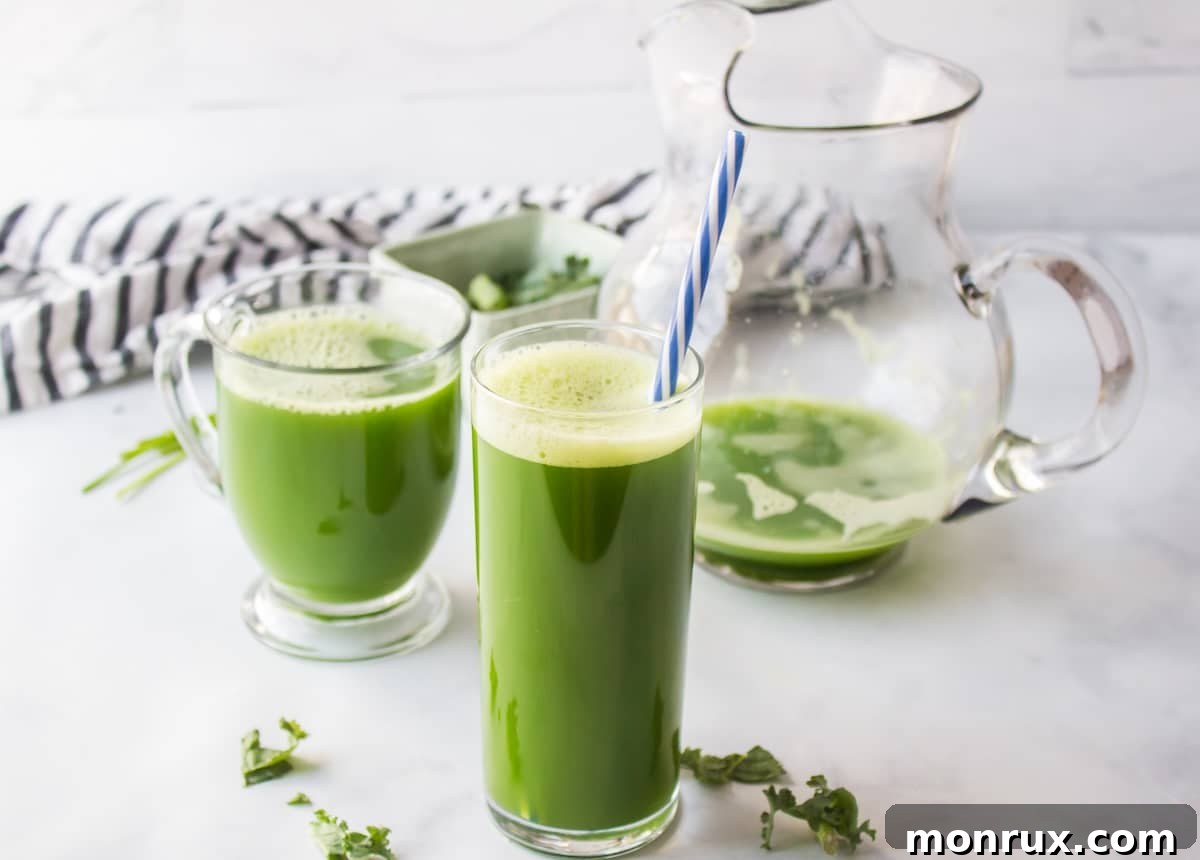
Welcome to the ultimate guide for crafting your very own Green Vegetable Detox Juice! This vibrant and nutritious beverage is packed with nature’s finest ingredients, including crisp celery, refreshing cucumber, aromatic parsley, and nutrient-dense leafy greens. Each sip delivers a powerful dose of antioxidants and essential vitamins, making it the perfect hydrating and naturally detoxifying elixir to kickstart your day or revitalize your afternoon. Whether you own a dedicated juicer or prefer the versatility of a blender, we’ll walk you through the simple steps to create this incredible healthy drink right in your kitchen.
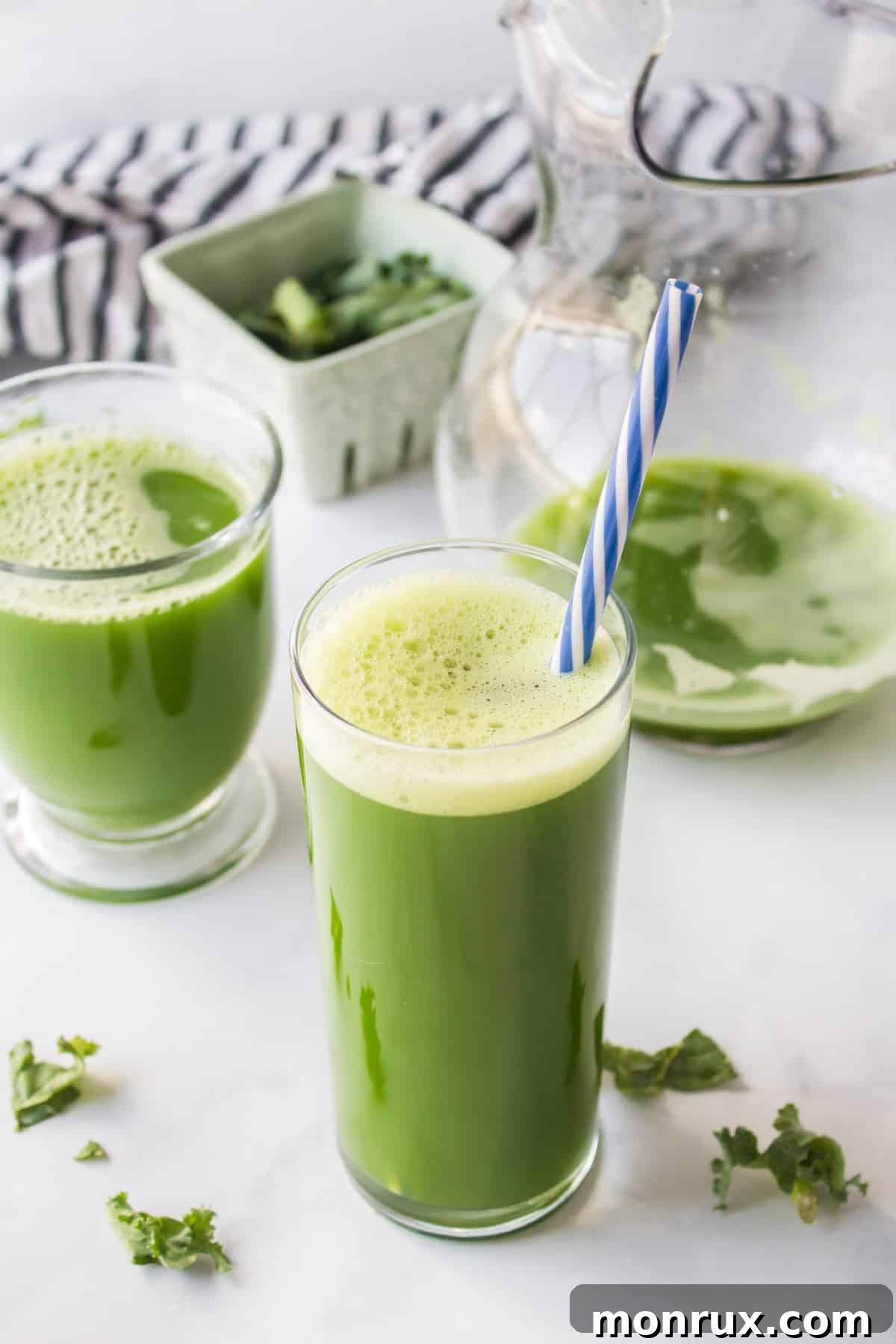
While our bodies possess an incredible inherent ability to cleanse and detoxify themselves, integrating a fresh, homemade green juice into your routine can significantly support and enhance this natural process. It’s more than just a drink; it’s an easy, delicious habit that empowers your body’s systems to work with optimal efficiency, contributing to overall well-being and vitality. Think of it as giving your internal systems a gentle, yet powerful, boost.
Beyond its detoxifying properties, a green juice offers a wonderfully refreshing way to increase your daily vegetable intake effortlessly. The harmonious blend of greens, hydrating cucumber, and crisp celery creates a light, clean-tasting beverage that makes you feel invigorated from the inside out. I personally aim to enjoy a glass several times a week, and it’s become a cherished ritual that my family, including my husband, looks forward to. It’s a simple act of self-care that yields profound benefits, transforming your health one delicious glass at a time.
Key Ingredients for Your Powerful Green Detox Juice
Creating an exceptional green detox juice begins with selecting fresh, high-quality ingredients. Each component in this recipe is chosen not only for its flavor but also for its unique nutritional profile, contributing to a synergistic blend that is both delicious and incredibly beneficial for your health. Below are the star players in our healthy green juice.
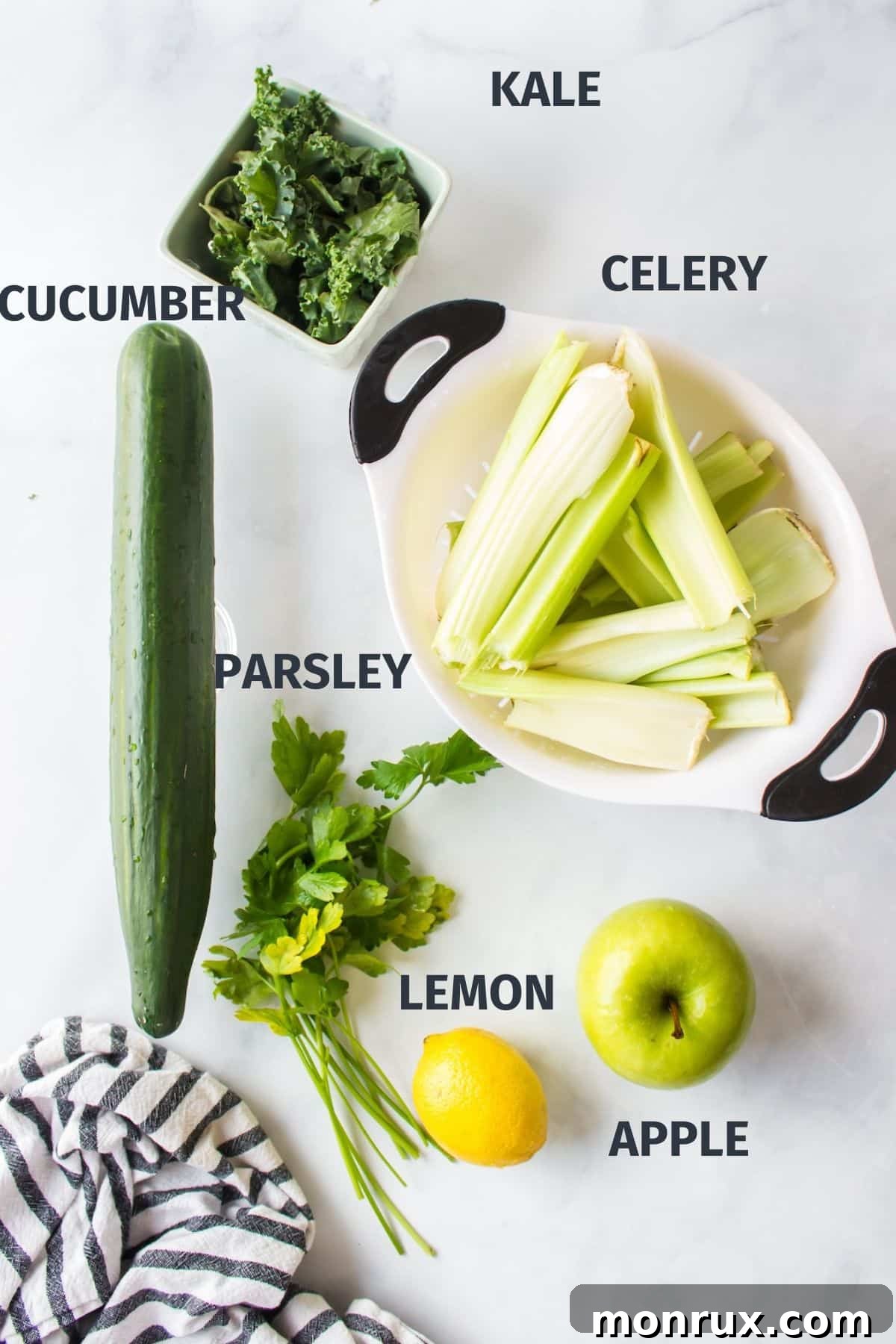
- Celery: The Hydration Hero. Celery has surged in popularity as a juicing staple, and for good reason. It’s incredibly hydrating, rich in vitamins K and A, folate, and potassium, and is celebrated for its anti-inflammatory properties. In fact, my standalone Celery Juice recipe consistently ranks among the most popular on my site! If you’re not a fan of its distinct flavor, you can reduce the amount or omit it entirely, but even a few stalks contribute significantly to the juice’s benefits and refreshing taste.
- Cucumber: The Cooling Base. Cucumber is an absolute marvel for juicing due to its remarkably high water content, making it a fantastic hydrator. Its mild, neutral flavor allows it to blend seamlessly with other ingredients without overpowering them. It’s also typically budget-friendly and readily available, providing a crisp, clean foundation for your detox juice.
- Flat-leaf Parsley: The Liver Support. This often-underestimated herb is used globally for its impressive medicinal properties, particularly its role in supporting liver health. Parsley is brimming with vitamins K, C, and A, as well as powerful antioxidants. I strongly encourage including it if possible; its slightly peppery, fresh taste adds a wonderful dimension to the juice. Explore more of its benefits with my dedicated Parsley Juice recipe!
- Kale or Spinach: The Nutrient Powerhouses. Adding either kale or spinach elevates the nutritional density of this delicious vegetable juice recipe. These leafy greens are loaded with vitamins (especially A, C, and K), minerals, and chlorophyll, all vital for detoxification and overall cellular health. They contribute to the vibrant green color and provide a substantial body to the juice. If you love these greens, you might also enjoy my Spinach Juice or Green Apple Juice, which feature similar ingredients.
- Green Apple: The Flavor Balancer. A green apple adds a touch of natural sweetness and tartness, beautifully balancing the earthy flavors of the vegetables. It also brings its own set of vitamins and dietary fiber (though most fiber is removed during juicing), enhancing the palatability and freshness of the blend.
- Lime or Lemon: The Brightening Zest. A squeeze of fresh lime or lemon juice (with the skin removed) is a game-changer. These citrus fruits are fantastic sources of Vitamin C, known for their immune-boosting and alkalizing effects. They cut through the richness of the greens, adding a bright, zesty finish that makes the juice incredibly invigorating.
For precise measurements and a comprehensive list of all ingredients, please refer to the detailed recipe card conveniently located at the end of this post.
Step-by-Step Recipe Guide: Crafting Your Detox Juice
Making your own green vegetable detox juice is a straightforward process, whether you’re a seasoned juicer or a beginner. This guide provides an overview of how to create this hydrating recipe, perfect for enjoying first thing in the morning or alongside a meal as part of your daily healthy routine. For the complete, printable recipe card with exact quantities, simply click or scroll to the end of this post: full recipe card!
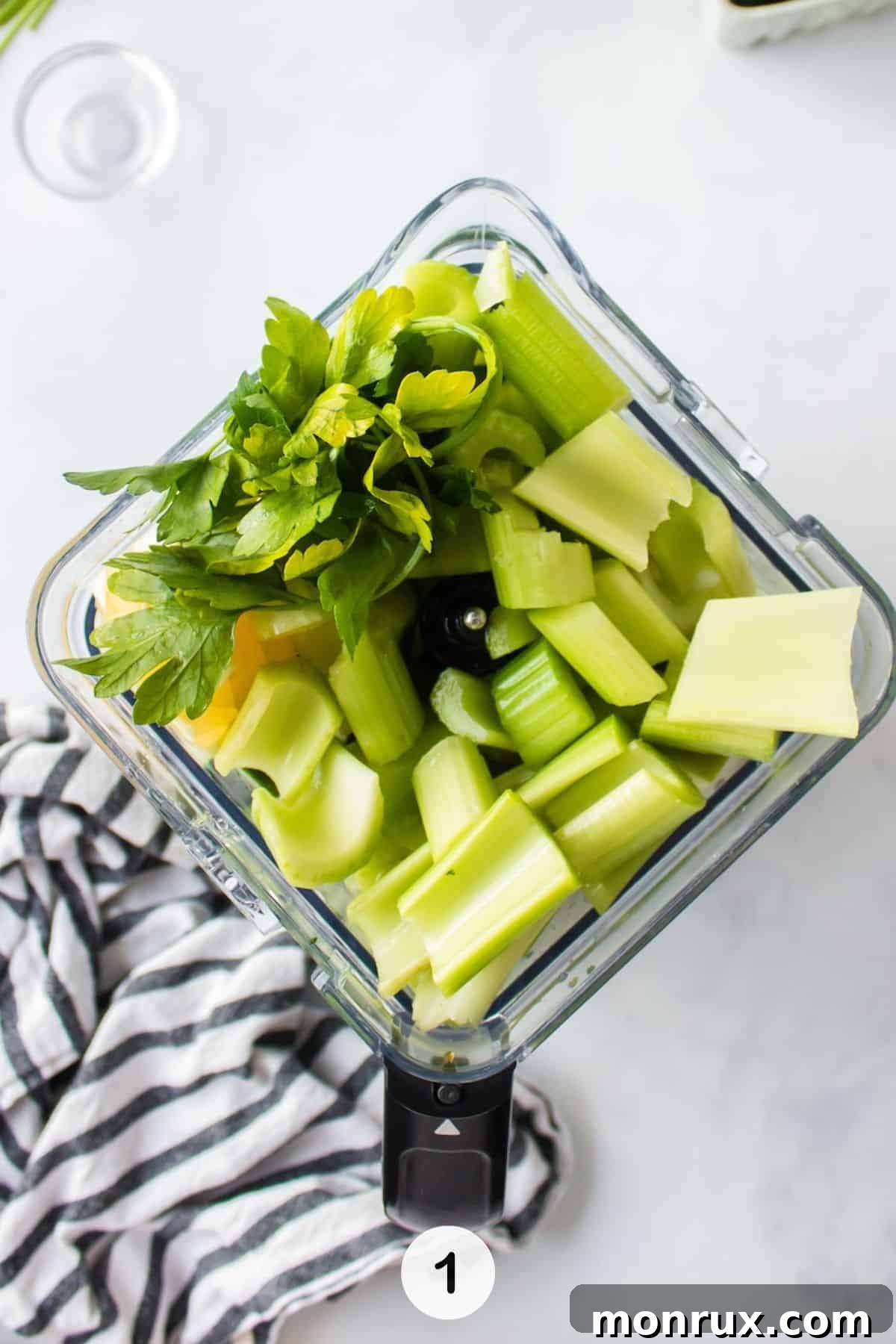
Step One: Prepare Your Produce. Begin by thoroughly washing all your vegetables and fruit under cold running water. Ensure any dirt or impurities are removed. Then, carefully chop them into pieces small enough to comfortably fit through the feeding tube of your juicer. If you plan to use a blender, simply cut the ingredients into manageable chunks and add them directly to the blender pitcher.
Step Two: Juicing or Blending.
If Using a Juicer: Turn on your juicer and begin feeding the prepared vegetable and fruit pieces into the feeding tube or chute. For optimal efficiency and to prevent clogging, alternate between hard and soft ingredients. For instance, follow a piece of celery with a piece of cucumber, then a leafy green, and so on. Watch as your fresh, vibrant juice begins to fill the collection pitcher.
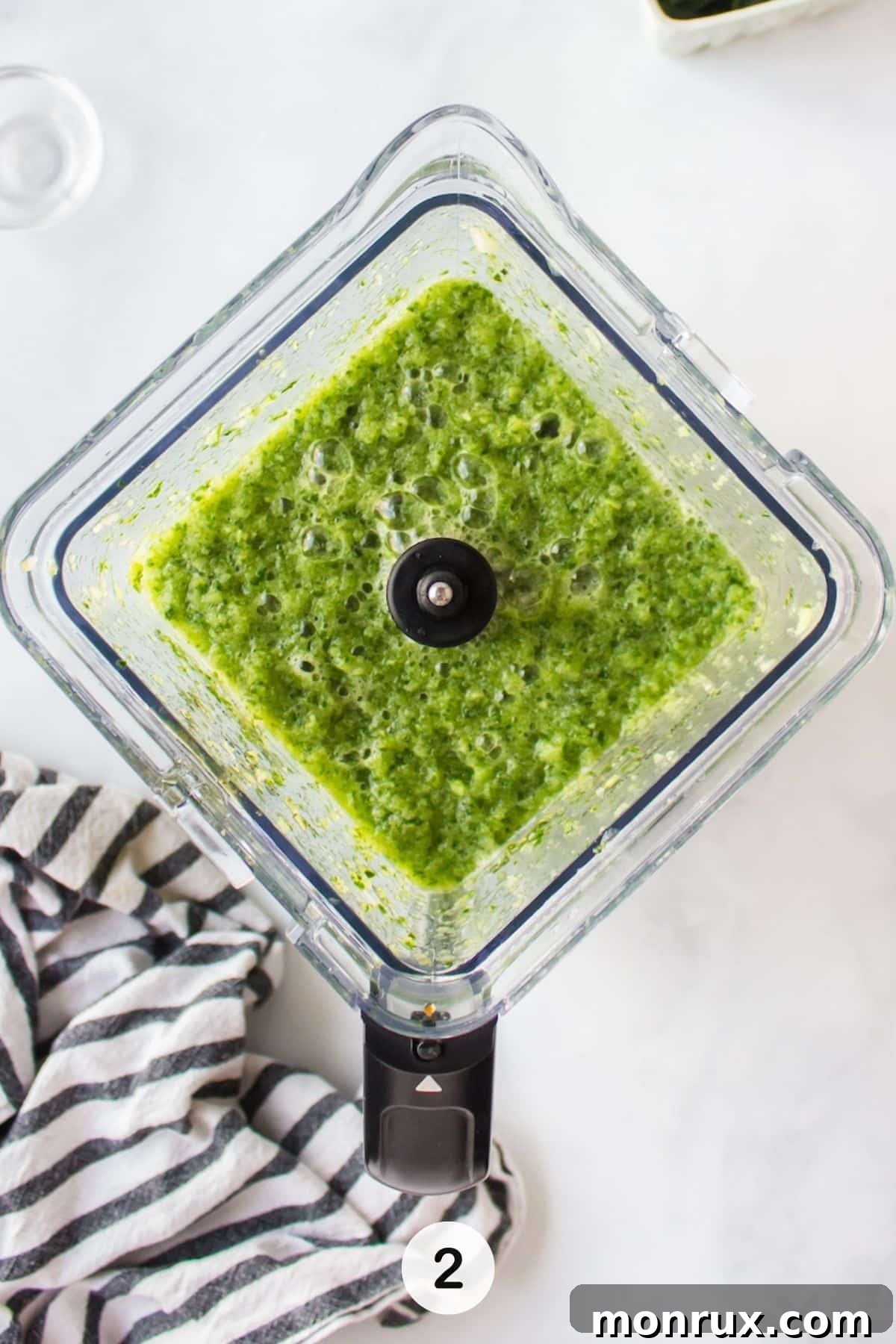
If Using a Blender: Add the prepared ingredients to the pitcher of a high-speed blender. Add about 1/2 to 1 cup of filtered water to help facilitate the blending process. Secure the lid and blend on high speed until the mixture is completely smooth and liquid, with no large chunks remaining. This may take a few minutes, depending on the power of your blender.
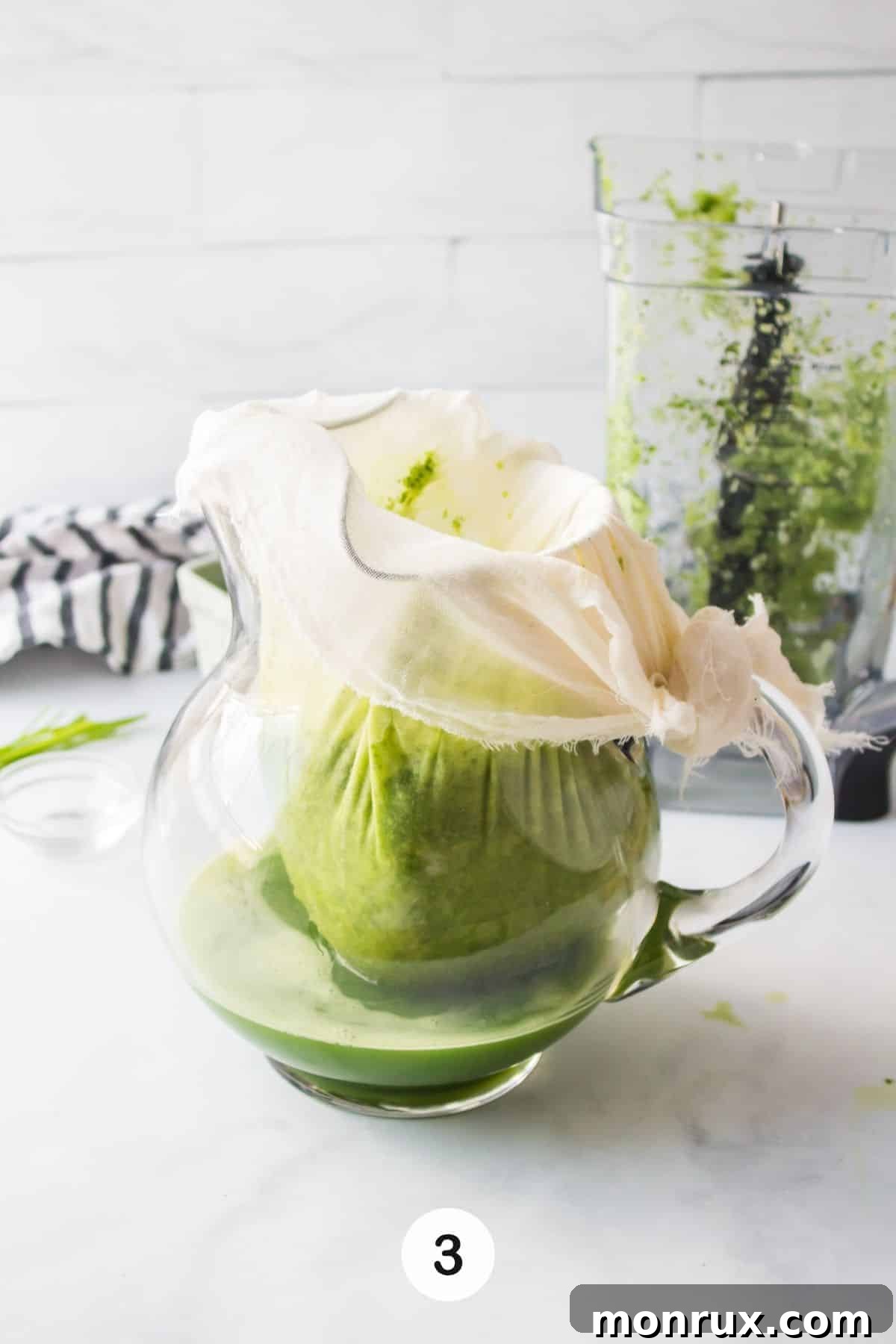
Step Three: Strain for Blender Users. If you’ve used a blender, the next crucial step is to strain the mixture to achieve a smooth, pulp-free juice. Place a nut milk bag or several layers of cheesecloth over a large bowl or pitcher. Pour the blended mixture into the bag or cloth. Gently squeeze and press the pulp to extract all the liquid, leaving the fibrous pulp behind. This ensures a true “juice” consistency, even without a juicer.
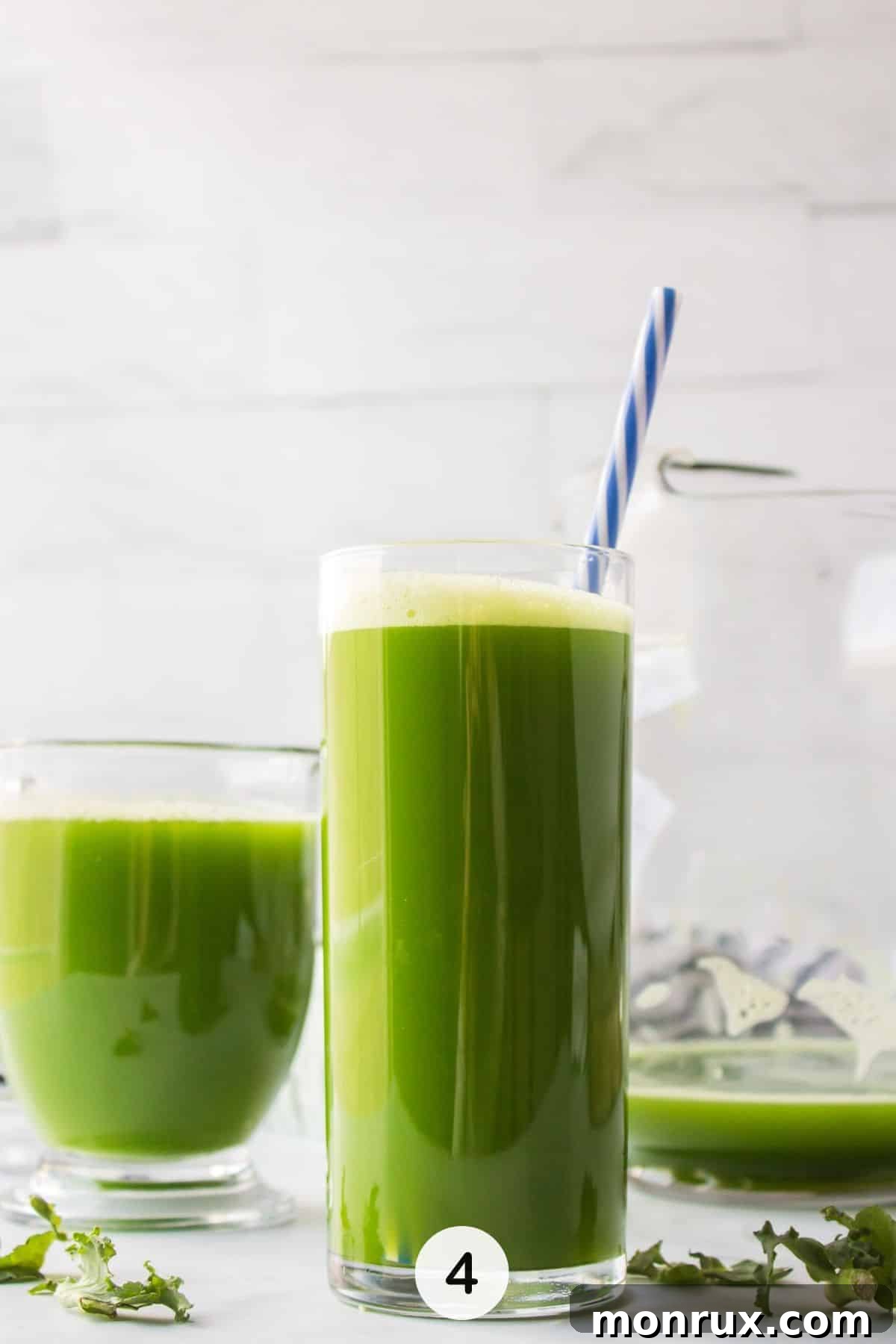
Step Four: Serve and Enjoy! Once your green vegetable detox juice is ready, it’s time to savor the fruits (and vegetables!) of your labor. Pour the freshly made juice into a glass. You can serve it immediately, optionally adding ice cubes for an even colder, more refreshing experience. Freshly made juice offers the maximum nutrient content, so enjoy it promptly for the best health benefits.
Some individuals prefer to drink their vegetable juice on an empty stomach, believing it allows for optimal nutrient absorption. Others find it more satisfying when served with a meal or alongside solid food. The choice is entirely up to your personal preference and what feels best for your body and digestive system. Experiment to find your ideal timing!
I genuinely hope this healthy green juice recipe becomes a cherished part of your wellness journey and quickly turns into your new favorite juice combination. It’s a simple yet powerful way to nourish your body and enhance your daily vitality.
Carrie’s Recipe Highlights and Expert Tips
As a nutritionist and passionate advocate for clean eating, I’m thrilled to share some insights and tips that make this green detox juice recipe truly special and easily integrated into your lifestyle:
- Economical and Sustainable Juicing at Home: Investing in a quality vegetable juicer is a smart move that will save you a substantial amount of money in the long run, especially if green juices become a regular part of your routine. Once you make that initial investment, you unlock the freedom to create as many delicious, personalized juices as you desire. I’ve personally relied on my trusty juicer for over 15 years, a testament to its value and durability! To help you choose wisely, learn more about the differences between masticating vs. centrifugal juicers, or browse my curated healthy juicing shopping list for recommended tools and produce.
- Optimized for Antioxidants and Exceptional Taste: This specific combination of vegetables in our detox juice recipe is meticulously designed to provide not only optimal antioxidant levels but also a truly delightful flavor profile. The blend of flat-leaf parsley, kale or spinach, celery, cucumber, green apple, and lime creates a refreshingly balanced and invigorating drink. Many enthusiasts describe it as a “mean green” juice, reminiscent of the premium offerings found at high-end juice bars and health food stores like Whole Foods, but at a fraction of the cost. Explore my full range of juices for cleansing or discover other best vegetable juice recipes for more inspiration.
- Flexible and Forgiving Recipe: Don’t fret if you’re missing an ingredient or wish to customize! This recipe is incredibly forgiving and adaptable. Feel free to adjust the quantities, add more of your favorite vegetables, or omit one you don’t prefer. The key is to aim for a nice balance of soft and hard vegetables, which helps your juicer operate most efficiently and yields the best results. Experiment with what you have on hand and discover your perfect blend!
Recipe FAQs: All Your Green Juice Questions Answered
It’s important to understand that there isn’t a universally “best” detox diet for everyone, as individual needs vary greatly. Before embarking on any significant dietary changes, especially a detox diet, you should always consult with your healthcare provider or a registered dietitian. They can help you develop an appropriate and safe diet tailored to your specific health requirements and goals. It’s also worth noting that most people don’t need to follow a strict juice detox to reap the substantial health benefits that juicing offers.
To begin, consider incorporating 1-2 green juices into your regular diet per day. This allows your body to gradually adjust and enables you to observe how you feel. You can then increase or decrease your juice intake based on your symptoms and energy levels. Always enjoy your vegetable juices as part of a balanced diet that provides all your necessary nutritional needs. For instance, many find juicing helps with digestive comfort; you may also like this article about how juicing can help with bloating.
No, green juices contain folate, which is the naturally occurring form of this essential B vitamin found in vegetables. Folic acid, on the other hand, is the synthetic form of folate commonly found in dietary supplements and fortified foods. When you drink fresh green juice, you’re getting folate in its natural, highly bioavailable form, directly from the whole food source.
Yes, you absolutely can juice fresh fruits! However, it’s important to be mindful that fruit juices generally contain higher levels of natural sugars compared to vegetable juices, which can lead to a more significant rise in blood sugar. For this reason, the best practice is often to prioritize juicing mostly vegetables and add a minimal amount of fruit. Fruits can serve to enhance the palatability of your healthy green juice, making it more enjoyable, especially for those new to juicing. Alternatively, you can opt for fruits that are naturally lower in sugar, such as experimenting with a recipe like juicing strawberries.
There’s no single “best” time, as it depends on your lifestyle and goals. Many people enjoy green juice first thing in the morning on an empty stomach to maximize nutrient absorption and kickstart their day with energy. Others prefer it as a midday pick-me-up, replacing sugary snacks or energy drinks. It can also be consumed before or after a workout, or even as a refreshing accompaniment to a light meal. The most important thing is consistency, so choose a time that you can regularly commit to.
For most people, incorporating green juice into their diet 3-5 times a week can offer significant health benefits. Some dedicated juicers enjoy it daily. Starting with a few times a week allows your body to adjust and helps you determine what frequency feels best for you. Listen to your body and adjust accordingly. Remember, it’s a supplement to a healthy diet, not a replacement for whole foods.
Yes, you can prepare the ingredients in advance! Wash and chop your vegetables and store them in an airtight container in the refrigerator for up to 2 days. This saves significant time on busy mornings. Once juiced, homemade vegetable juice is best consumed immediately for the highest vitamin content, especially vitamin C. However, you can store it in a tightly sealed glass jar or pitcher in the refrigerator for up to 24-72 hours. To minimize oxidation and nutrient loss, fill the container to the brim to reduce air exposure. While it retains many benefits, some delicate vitamins may degrade over time.
Generally, no. While green juices are incredibly nutrient-dense, they typically lack the fiber and protein needed to be a complete meal replacement. The fiber content is mostly removed during the juicing process, which can lead to quicker digestion and less satiety compared to eating whole vegetables. If you are using green juice as part of a specific cleanse or diet plan, always ensure you are getting adequate protein and healthy fats from other sources. For a more filling option, consider blending your ingredients into a smoothie instead of juicing, as smoothies retain all the fiber.
I truly hope you give this incredible recipe a try! If you do, please consider taking a moment to leave a comment below and a starred review. Your feedback is invaluable and helps others discover healthy recipes.
Furthermore, let’s stay connected! You can find me on social media for more clean eating recipes, tips, and inspiration. Join my community on Facebook, Pinterest, Instagram, and YouTube!
Print
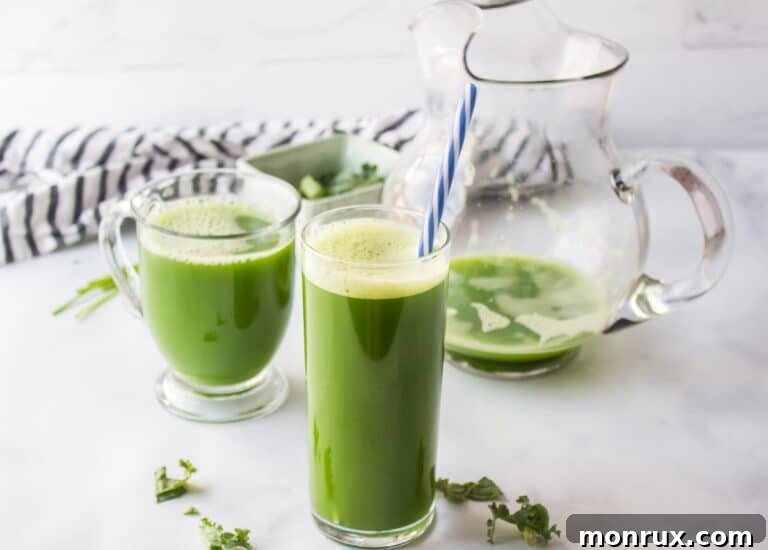
Green Vegetable Detox Juice Recipe
5 Stars 4 Stars 3 Stars 2 Stars 1 Star
4.7 from 6 reviews
This Green Vegetable Detox Juice recipe is made with veggies including celery, cucumber, parsley, and leafy greens that are full of antioxidants. This hydrating juice is a great way to start the day!
Total Time: 20 minutes
Yield: 16 ounces 1x
Ingredients
Scale
- 8 celery stalks, from about 1 head of celery
- 1 English cucumber
- 1 bunch flat-leaf parsley
- 3 kale leaves or 1 handful of baby spinach
- 1 green apple
- 1 lime or lemon, skin removed
Instructions
- Wash and chop all vegetables and fruit so they are small enough to easily fit through the feeding tube of your masticating juicer. If using a blender, chop into chunks suitable for blending (see notes below for full blender instructions).
- Turn on your juicer. Systematically feed the prepared vegetables and fruit through the tube. To ensure efficient juicing and maximum yield, it’s helpful to alternate between harder and softer textured ingredients. This allows the juicer to process everything smoothly.
- Once juiced, pour the fresh green detox juice into a glass and enjoy immediately. For any leftovers, store them in a tightly sealed container or jar in the refrigerator to maintain freshness.
Notes
- Blender Instructions for Juiceless Freshness: No juicer? No problem! You can still enjoy this incredible green detox juice using a high-speed blender. Simply combine all your prepared ingredients with approximately 1/2 to 1 cup of filtered water in the base of your blender. Blend on high until the mixture is completely smooth and liquid. Afterward, achieve that pure juice consistency by straining the blended liquid through a fine-mesh sieve lined with cheesecloth or, ideally, a specialized nut milk bag. Squeeze firmly to extract all the liquid, leaving the pulp behind. This method ensures you get a smooth, refreshing drink.
- Smart Prep for Busy Schedules: Maximize your convenience by prepping your vegetables up to 2 days in advance. After washing and cutting, store your produce in an airtight covered container in the refrigerator. This way, you’ll have everything ready to go for quick and easy juicing whenever you’re ready, saving valuable time on busy mornings.
- Storage and Optimal Freshness: While the pinnacle of nutrient content, especially for delicate vitamins like C, is achieved by consuming homemade vegetable juices immediately after preparation, you can store leftovers. Transfer your freshly made juice to a covered glass jar or pitcher, ensuring it’s sealed tightly to minimize air exposure, and refrigerate for up to 4 days. Although some nutrient degradation may occur over time, it will still be a beneficial and refreshing drink.
- Customize Your Blend: This recipe is a fantastic starting point, but feel free to experiment with other vegetables and fruits based on what you have on hand, what’s in season, or your personal taste preferences. Great additions include fennel for a subtle licorice note, cilantro for added detox benefits, Persian cucumbers for extra hydration, pears for a different kind of sweetness, bell peppers for a mild tang, tomatoes for a savory twist, Swiss chard or collard greens for more dark leafy power, or even a small amount of broccoli for an earthy kick. The possibilities are endless!
- Exploring Juicing Without a Juicer: If you’re keen on juicing but haven’t yet invested in a juicer, don’t miss my detailed guide on how to make green juice using just a blender. For those considering an appliance purchase, I also have a comprehensive list of the best juicer blenders to help you make an informed decision that fits your needs.
- Author: Carrie Forrest, MPH in Nutrition
- Prep Time: 15 minutes
- Cook Time: 5 minutes
- Category: Juice
- Method: Juicer
- Cuisine: Healthy
- Diet: Vegan
Nutrition
- Serving Size: 8 ounces
- Calories: 42
- Sugar: 7.2 g
- Sodium: 20.2 mg
- Fat: 0.1 g
- Saturated Fat: 0 g
- Carbohydrates: 10.9 g
- Fiber: 1.6 g
- Protein: 0.7 g
- Cholesterol: 0 mg
Detoxing with Green Juice: Understanding the Benefits
Incorporating green juice into your diet is a fantastic way to proactively support your body’s remarkable natural detoxification process. While the act of juicing removes the beneficial fiber found in whole vegetables, it offers a distinct advantage: it’s an incredibly efficient method to absorb a concentrated amount of micronutrients in a single sitting. When you drink fresh-pressed green vegetable juice, your digestive system expends less energy breaking down solids, allowing for quicker and more direct absorption of vitamins, minerals, and enzymes into your bloodstream.
Fresh juices made from raw vegetables are generally easier on the digestive system for many individuals, particularly those with sensitive stomachs, as they bypass the work of digesting fiber. This means your body can focus its energy on other vital functions while still receiving almost all the health benefits that whole vegetables offer, albeit without the bulk of the fiber.
Scientific research continues to highlight the profound impact of vegetable and fruit juices on human health. Studies indicate that regular consumption can play a significant role in helping to prevent heart disease, largely attributed to their rich content of antioxidants, crucial vitamins, and essential minerals. Furthermore, a consistent intake of healthy juices can effectively boost the immune system, making them a powerful component of a holistic and healthy lifestyle! The chlorophyll in green juices, for instance, is often praised for its cleansing properties, while the high antioxidant levels combat oxidative stress, protecting your cells from damage.
That said, it is always paramount to prioritize your individual health needs. Before making any significant dietary changes, including regularly consuming green juices, always check with your healthcare provider. This is especially important if you have pre-existing health conditions, such as diabetes (due to natural sugar content even in vegetable juice), or if you need to monitor specific nutrient intakes, like vitamin K (which is abundant in leafy greens and can interact with certain medications like blood thinners). A personalized recommendation ensures that juicing is appropriate and beneficial for your unique situation.
Explore More Vegetable Juice Recipes You Might Like
If you’ve enjoyed the invigorating experience of this Green Vegetable Detox Juice, you’re in for a treat! The world of fresh vegetable juices is vast and offers endless opportunities to nourish your body and delight your taste buds. Expanding your repertoire with different combinations ensures a broader spectrum of nutrients and keeps your juicing routine exciting. Here are some other fantastic vegetable juice recipes that you might love:
- Beet Juice or Beet Carrot Juice: Known for their earthy flavor and incredible liver support, beets are a juicing favorite.
- Carrot Juice with Orange & Ginger: A sweet and spicy blend packed with beta-carotene for eye health and ginger for digestion.
- Purple Cabbage Juice: Surprisingly delicious and rich in anthocyanins, this juice offers unique anti-inflammatory benefits.
- Broccoli Juice: A powerful, nutrient-dense option that can be milder than you think, especially when combined with other ingredients.
- Lemon & Ginger Green Juice: A zesty and warming juice, perfect for an immune boost and soothing digestion.
- Anti-Inflammatory Juice: Specifically crafted with ingredients known for their inflammation-fighting properties.
For more inspiration and to find the perfect blend for your needs, you may also like my extensive round-ups of the best juicer recipes for beginners or discover juices specifically formulated for weight loss support.
Don’t Miss These Essential Juicing Resources!
Don’t forget to join my newsletter list to receive exclusive clean eating recipes, expert tips, and wellness insights directly in your inbox. My newsletter is 100% free, spam-free, and you can unsubscribe anytime – no strings attached!
About the Author: Carrie Forrest is a highly respected wellness and food blogger, holding a master’s degree in public health with a specialization in nutrition, and is also a certified holistic nutritionist. With over 5 million annual visitors to her site, Carrie shares her incredible personal journey of recovery from chronic illness, inspiring countless women to embark on their own transformative health journeys. Feel free to connect with her directly by sending a message through her contact form.
Note: This post is provided strictly for informational purposes and should not be considered as medical advice. For personalized recommendations pertaining to your individual health situation and needs, please consult with your qualified healthcare provider.