Embark on a delightful culinary journey as we explore a fascinating collection of fruits that start with the letter N. Whether you’re a seasoned foodie eager to expand your palate, a curious learner fascinated by global flora, or simply looking for inspiration to enrich your daily diet, this comprehensive guide promises to unveil new and exciting discoveries. From the familiar and beloved to the unique and exotic, “N” fruits offer a surprising array of flavors, textures, and nutritional benefits that are sure to captivate your interest. Prepare to discover some cherished favorites and encounter intriguing new additions to the world of delicious produce.
We are incredibly fortunate to live in a world brimming with an astonishing diversity of colorful and nutritious fruits and vegetables. Exploring these natural treasures not only adds vibrant flavors to our meals but also introduces us to different cultures and their unique agricultural landscapes. At Clean Eating Kitchen, we are passionate about curating engaging lists of produce based on various categories, helping you discover new ingredients and healthier eating options.
This year, we’ve already delved into the bright and cheerful world of Yellow Fruits, journeyed through the diverse flavors of Asian Fruits, and highlighted the incredible advantages of Green Vegetables. Now, we turn our attention to the letter “N,” revealing a list of fruits that are as intriguing as they are delicious. From tropical delights to temperate zone staples, each fruit offers a unique profile worth exploring.
Fruits That Start With N (Summary)
Without further ado, let’s dive into this captivating list of fruits that begin with the letter N. To aid in your discovery and identification, we’ve included vibrant photos of each one. This quick summary allows you to easily navigate through the diverse selection before exploring each fruit in greater detail.
You can either scroll down to browse the full expanded descriptions or click on any fruit name below to jump directly to its dedicated section for more in-depth information and fascinating facts.
- Naartjie
- Nageia (Asian Bayberry)
- Nam Dok Mai Mango
- Nance
- Naranjilla (Lulo)
- Nashi Pear (Asian Pear)
- Natal Plum
- Navel Orange
- Nectarine
- Nectacot
- Neem Fruit
- Nepali Hog Plum
- Nere (African Locust Bean)
- Nocera Grape
- Nonda Plum
Fruits That Start With N (Expanded List)
Here’s a more detailed exploration of these remarkable “N” fruits. Each entry provides insights into their appearance, geographical origins, distinctive flavors, and the notable nutritional advantages they offer. Prepare to be informed and inspired!
1. Naartjie Fruit
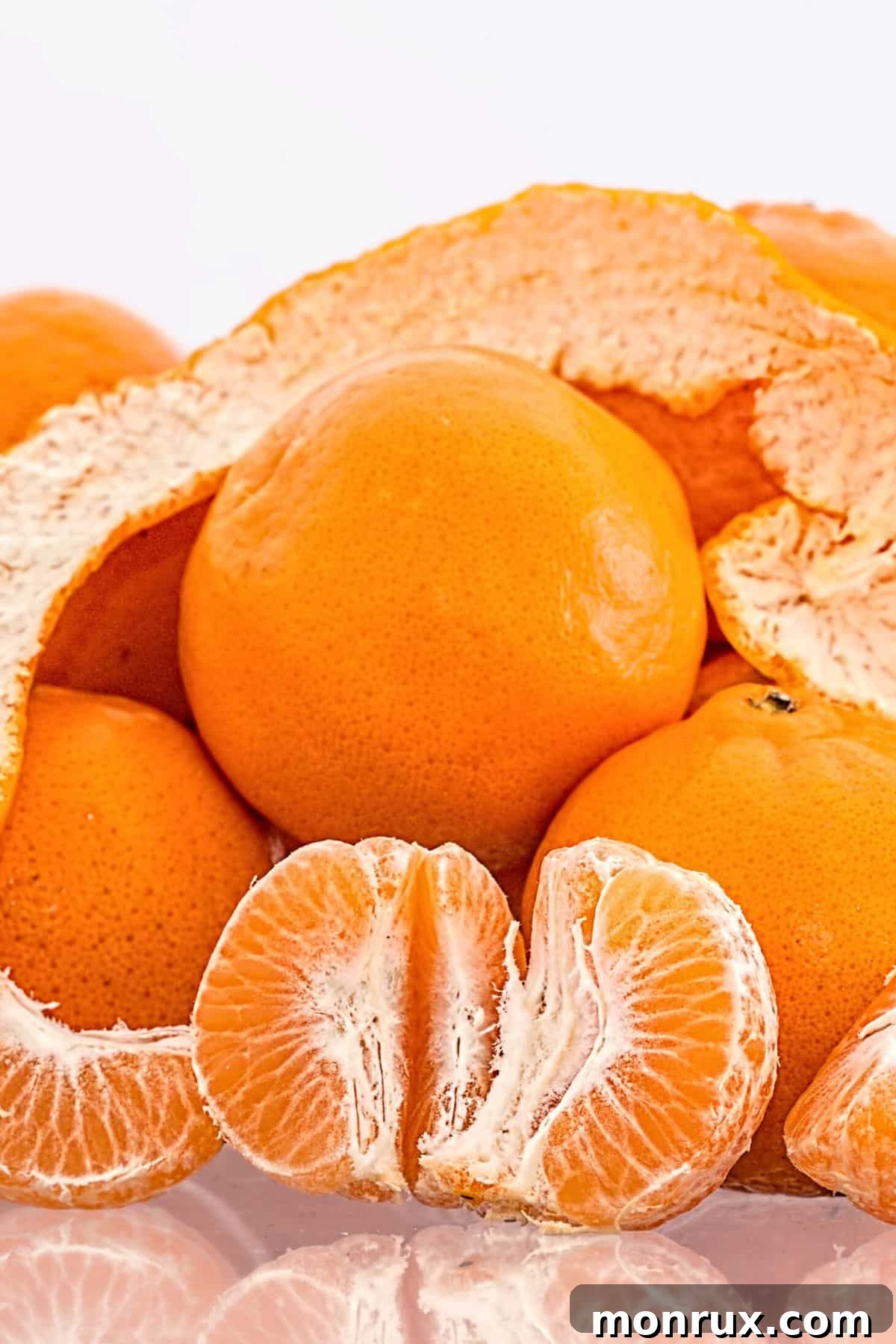
The Naartjie, also known by the alternative spelling “nartjie,” is a vibrant and highly esteemed citrus fruit primarily cultivated in South Africa. This small, round fruit bears a striking resemblance to tangerines or mandarin oranges, not only in its appealing appearance but also in its delightful flavor profile. Its peel is typically loose and easy to remove, making it a convenient and enjoyable snack.
The taste of a Naartjie is distinctly sweet with a pleasant tang, offering a refreshing burst of citrus juice. Like its close relatives in the citrus family, the Naartjie fruit is an exceptional source of Vitamin C, a powerful antioxidant known for its immune-boosting properties and role in skin health. Beyond being enjoyed fresh, Naartjies are also popular in juices, marmalades, and desserts, bringing a uniquely South African zest to various culinary creations. Its vibrant color and refreshing taste make it a beloved fruit, especially during its peak season.
2. Nageia (Asian Bayberry)
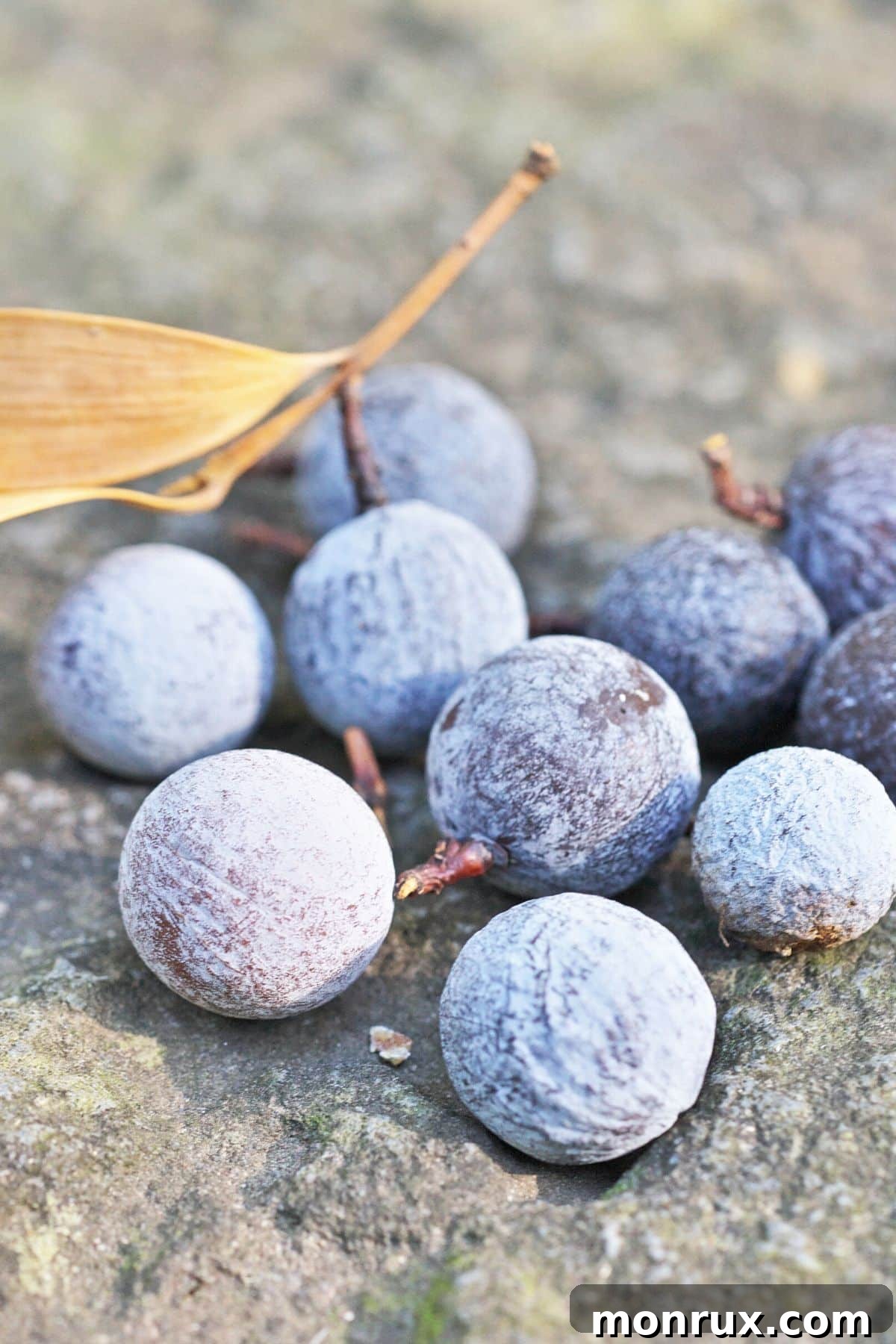
Nageia, often referred to as the Asian bayberry or specifically Nageia Nagi fruit, hails from the verdant landscapes of China, Japan, and Taiwan. This intriguing fruit originates from the evergreen Nageia nagi plant, a prominent member of the Podocarpaceae family, recognized for its distinctive multi-veined leaves that thrive in East Asian forests. The Nageia fruit itself is small, round, and typically dark in color, often resembling a large blueberry or a small cherry, as seen in the accompanying photograph.
Indigenous to Southeast Asia, the Nageia fruit is prized for its subtly sweet flavor, making it a versatile ingredient. It is frequently enjoyed fresh on its own, providing a refreshing snack, or incorporated into various desserts, juices, and even fermented beverages. Beyond its delightful taste, Nageia is celebrated for its robust nutritional profile. It stands out as an excellent natural source of potassium, which is vital for heart health and fluid balance, a significant amount of vitamin C for immune support, and dietary fiber, crucial for digestive well-being. Its traditional use in local cuisines and its health benefits make Nageia a noteworthy “N” fruit.
3. Nam Dok Mai Mango
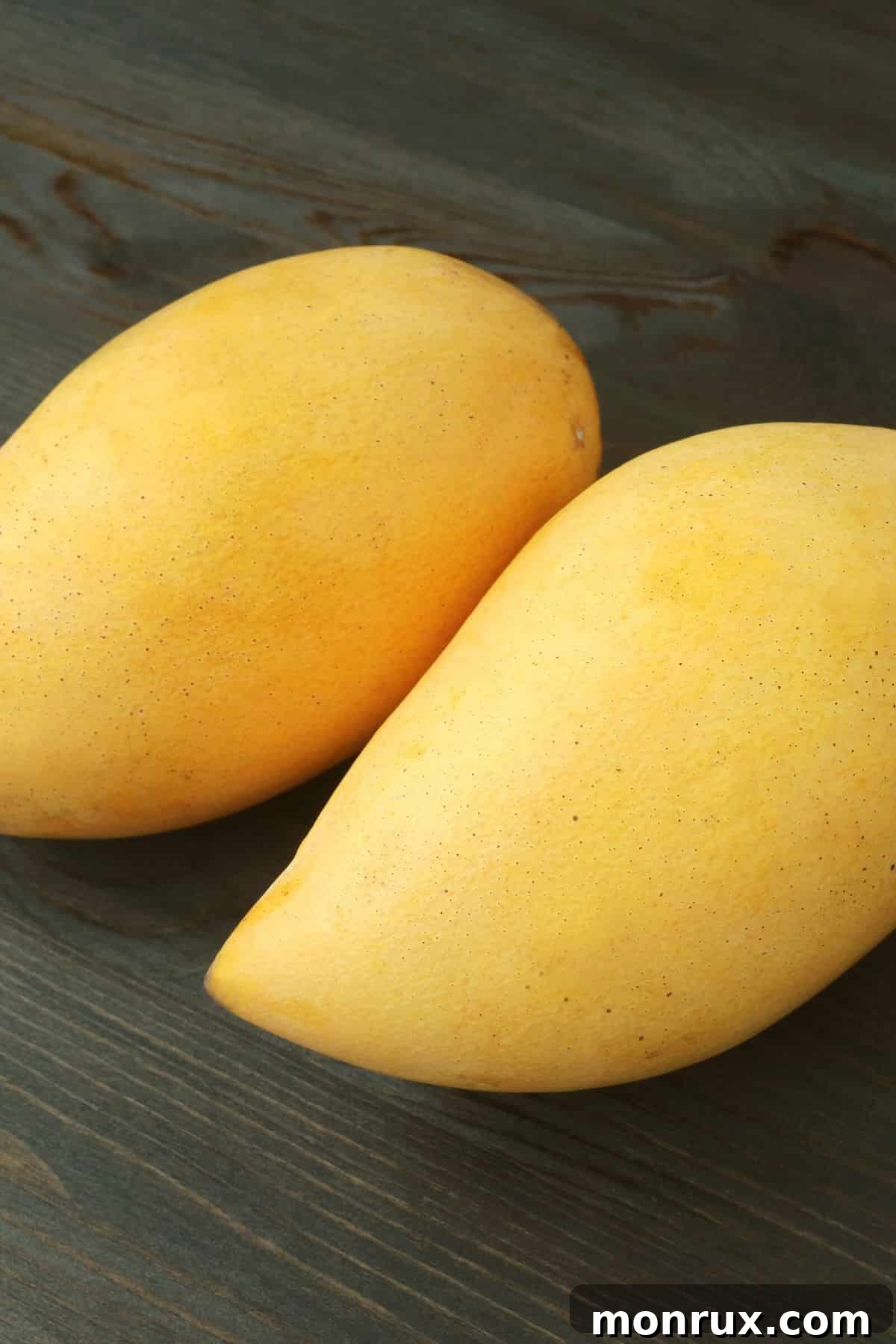
The “Nam Dok Mai” is a highly acclaimed mango cultivar that originated and gained immense popularity in Thailand, where it is recognized as the most widely cultivated and cherished variety of mango. This tropical fruit is easily identified by its elongated, somewhat slender shape and its beautiful golden-yellow skin, often adorned with subtle green undertones or speckles when perfectly ripe. The allure of the Nam Dok Mai lies within its flesh, which boasts an incredibly silky-smooth texture, almost devoid of fibrous strings.
The flavor of this mango is exquisitely sweet and intensely aromatic, often described as having notes of honey and tropical flowers, making it a true gourmet delight. It’s not just a treat for the taste buds; Nam Dok Mai is also a nutritional powerhouse, offering a plentiful natural supply of antioxidants, along with significant amounts of vitamins C and A. These nutrients contribute to eye health, immune function, and overall well-being. In Thailand, it’s famously enjoyed fresh, often paired with sticky rice and coconut milk, or blended into refreshing smoothies and desserts, embodying the essence of tropical sweetness.
4. Nance
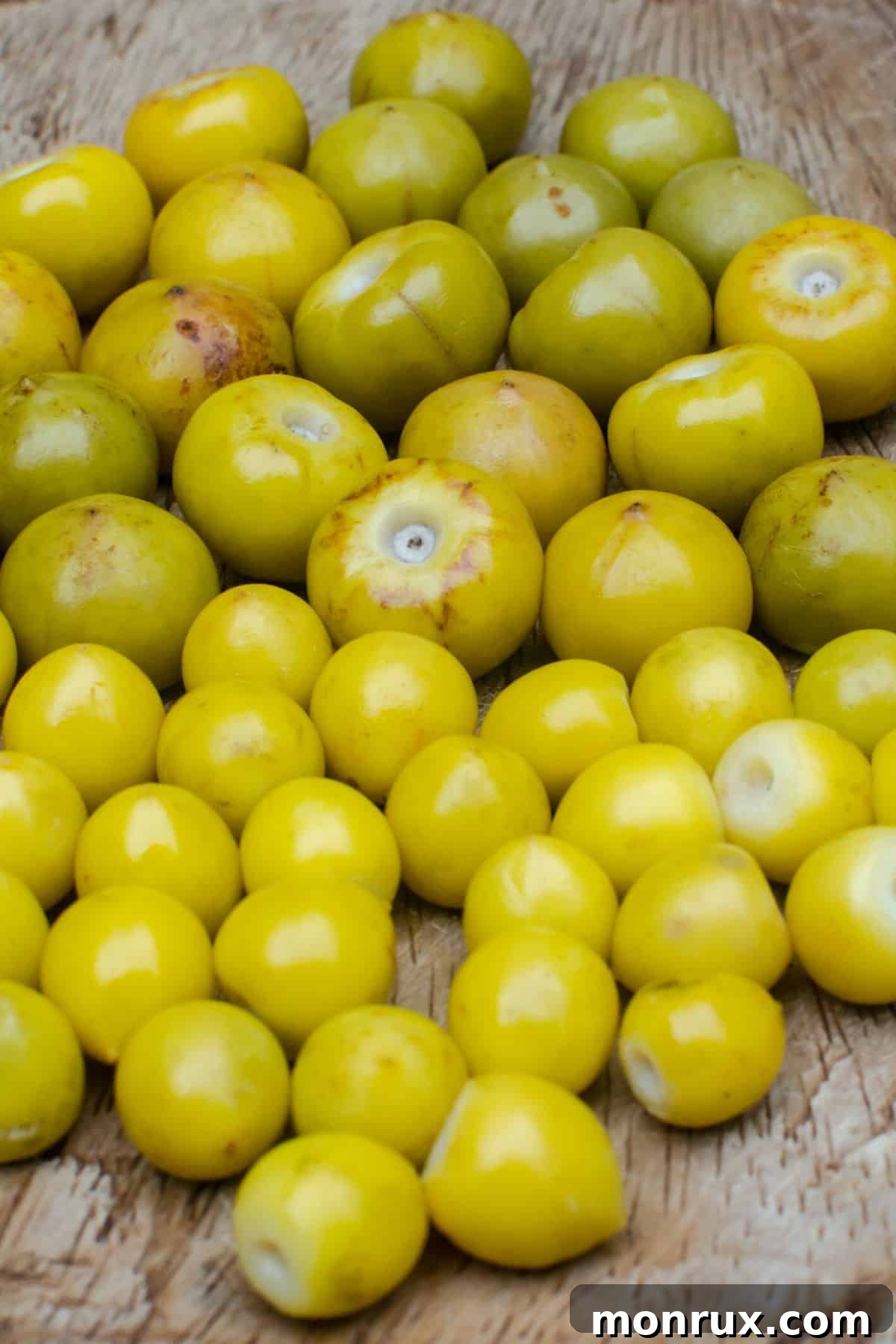
The Nance fruit, a cherished tropical delicacy, thrives on the Byrsonima Crassifolia tree, which is native to the sun-drenched regions of the Caribbean, Central America, and Latin America. While its small, round shape might initially draw comparisons to cherries, the similarity ends there, as Nance offers a distinctly unique experience.
Visually, Nance fruits are captivating, displaying a beautiful golden or yellow-orange hue when ripe, as depicted in the image. Beneath its thin skin lies a white, oily flesh that contributes to its characteristic flavor, which can vary from intensely sweet to pleasantly acidic, often with a creamy or somewhat granular texture. This versatility in taste makes it a fascinating fruit to explore.
Nutritionally, Nance fruit is a formidable powerhouse. It is exceptionally rich in Vitamin C, essential for immune defense and collagen production. Additionally, it provides significant amounts of manganese, a mineral crucial for bone health and metabolism, along with ample dietary fiber, which aids digestion. Beyond these, Nance contains various antioxidants that contribute to overall health. It is commonly consumed fresh, used to make juices, desserts, ice creams, and even fermented into traditional beverages, playing a significant role in local cuisines and natural remedies throughout its native regions.
5. Naranjilla (Lulo)
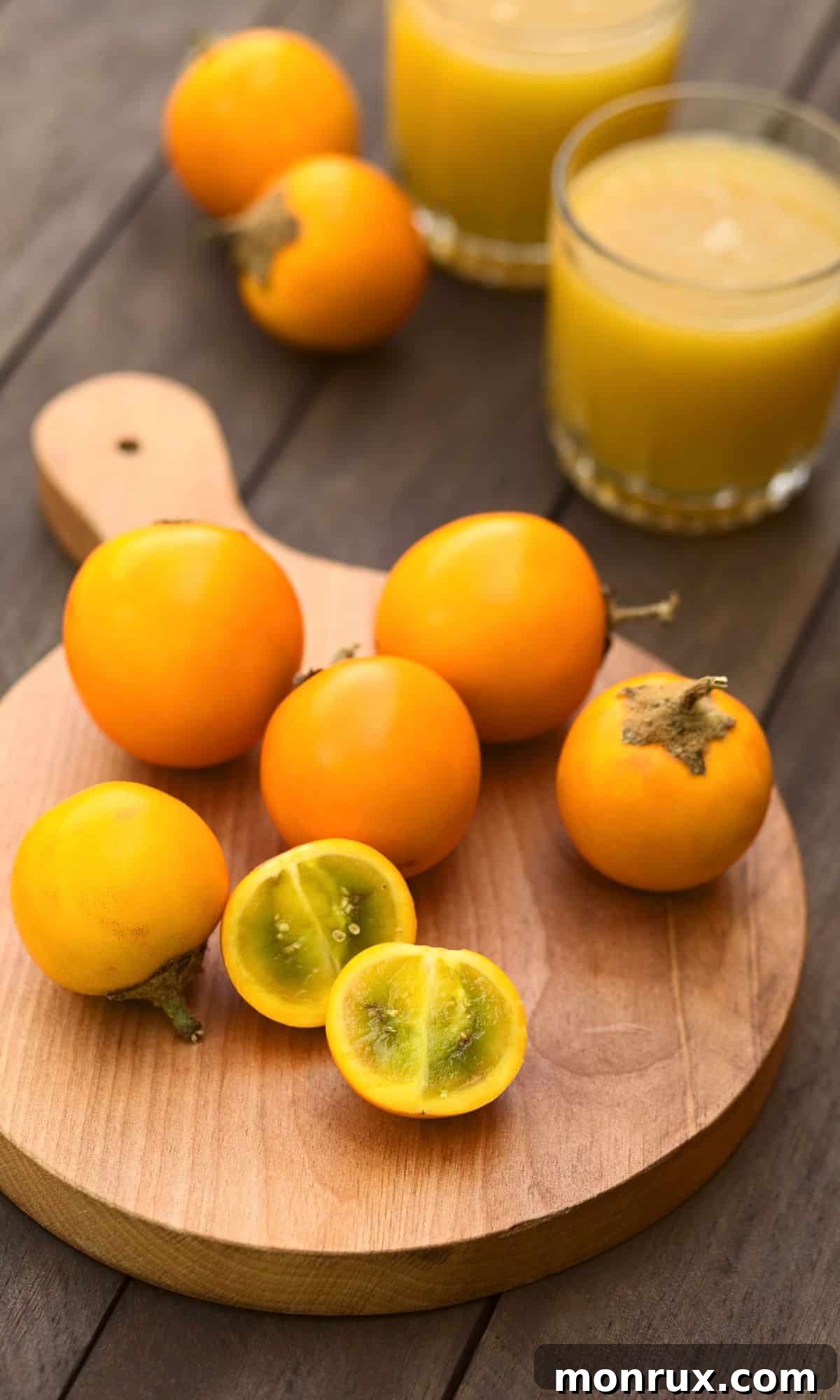
The Naranjilla, scientifically known as Solanum Quitoense, is a fascinating tropical perennial plant indigenous to northwest South America. It is commonly called Naranjilla in Ecuador, Costa Rica, and Panama, while in Colombia, it’s affectionately known as Lulo. This unique fruit belongs to the nightshade family, making it a botanical relative of familiar vegetables like the tomato and eggplant. Indeed, once sliced open, the vibrant green interior of the Naranjilla remarkably resembles that of a tomatillo.
A distinctive feature of the Naranjilla is its exterior, which is often covered with fine, prickly hairs that are typically brushed off before consumption. The fruit starts as a bright green sphere, gradually transforming into an alluring orange hue as it ripens. In South and Central America, the Naranjilla’s pulp is extensively utilized and highly valued. Its flavor profile is wonderfully complex and intensely zesty, with many connoisseurs describing it as a delightful hybrid between the tropical sweetness of a pineapple and the refreshing tang of a lemon, sometimes with hints of passion fruit. It’s a staple in juices, smoothies, sauces, and desserts, offering a truly unique and invigorating taste experience that’s both sweet and tart.
6. Nashi Pear (Asian Pear)
The Nashi Pear, widely recognized as the Asian Pear, is a distinctive fruit that cleverly bridges the characteristics of both apples and pears. Unlike the more traditional European pear varieties with their elongated neck, the Nashi pear is characteristically round, mirroring the shape and size of an apple. This unique appearance has earned it charming alternative names such as “apple pear” or “ice apple.” Its skin typically ranges from a pale yellow to a russet brown, often dotted with small lenticels, adding to its rustic charm.
Originally native to Eastern Asia, primarily China, Nashi pears are now cultivated in various parts of the world. What truly sets the Nashi pear apart is its unparalleled texture and flavor. It offers the crisp, juicy bite of a fresh apple combined with the delicate, sweet essence of a premium pear. Its flesh is notably firm, granular, and exceptionally watery, making it incredibly refreshing. Nashi pears are a wonderful source of dietary fiber, vitamin K, and potassium. They are best enjoyed fresh, often sliced and served in salads, or simply eaten out of hand as a hydrating snack. I am fortunate enough to find these at my local farmers’ market during their season, and I genuinely adore their refreshing crunch and subtle sweetness!
7. Natal Plum
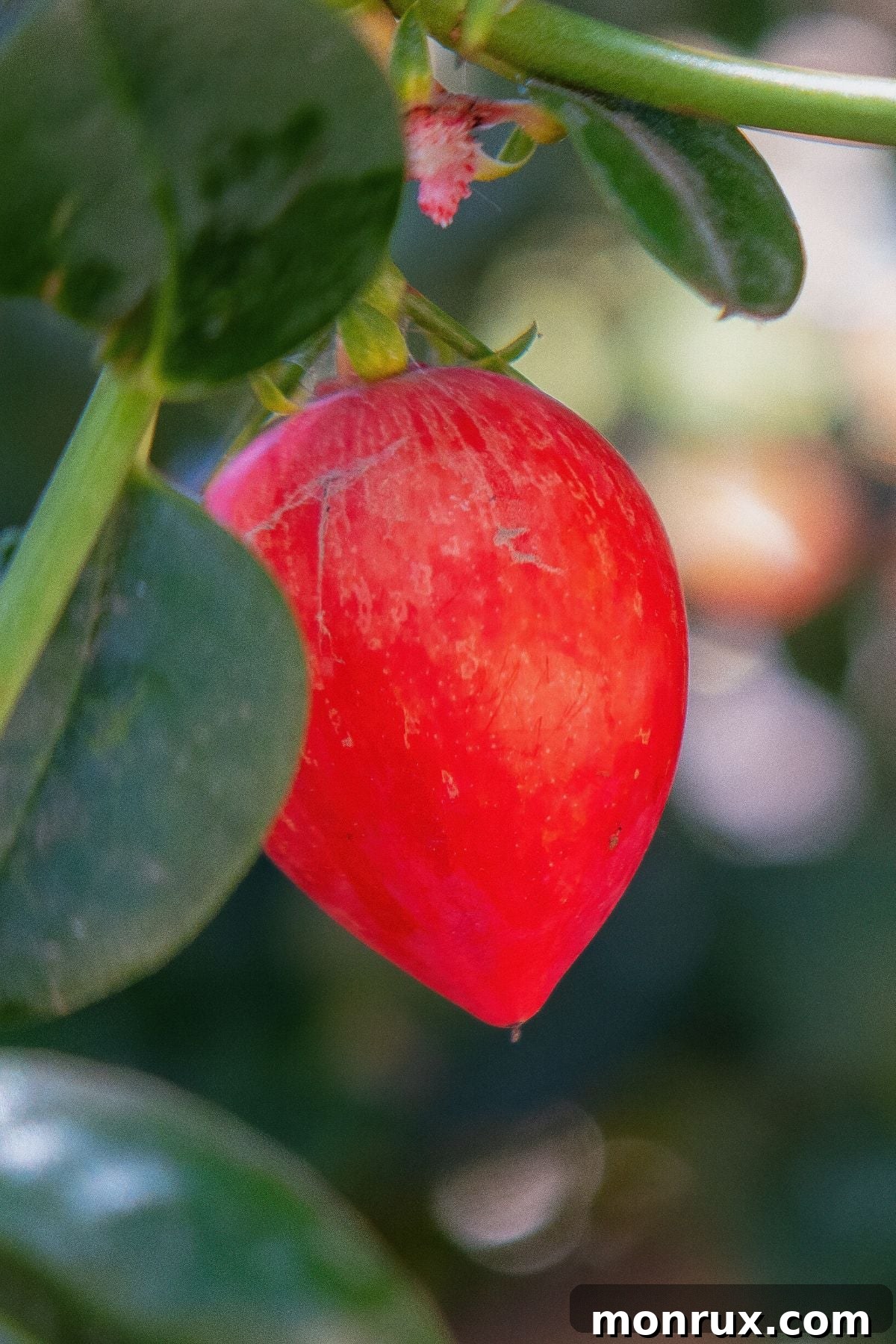
The Natal Plum, botanically known as Carissa Macrocarpa, is a fascinating indigenous plant found in the warm climates of southern and tropical Africa. In its native South Africa, it is also charmingly referred to as the “huge num-num.” This fruit is not only visually appealing but also offers a unique culinary experience. Natal plums are typically small to medium-sized, characterized by their brilliant red outer peel and juicy flesh, often tapering or coming to a point at one end.
One of its most distinctive features is the milky white sap that bleeds from the fruit and stems when cut, a characteristic often found in plants of the Apocynaceae family. Despite this, the ripe fruit is perfectly edible and delicious. The Natal plum boasts a juicy consistency and a delightful sweet-tart flavor profile, making it quite versatile. It can be enjoyed fresh, but its tartness also makes it excellent for preparing jams, jellies, pies, and sauces. Nutritionally, this fruit is a good source of vital minerals such as potassium, iron, and copper, along with a significant amount of vitamin C, contributing to its healthful reputation. Its robust nature and attractive appearance also make it a popular ornamental plant in suitable climates.
8. Navel Orange
The Navel Orange is perhaps one of the most recognizable and widely consumed fruits starting with “N.” This distinctive large, seedless citrus fruit is easily identified by a unique indentation at its blossom end, which resembles a human belly button, hence its charming name. This “navel” is actually a small, undeveloped secondary fruit embedded within the main orange.
The history of the Navel orange dates back to the early nineteenth century when it was discovered as a mutation on a sour orange tree in a monastery in Brazil. From there, it was propagated through cuttings and has since spread globally, becoming a major commercial crop in regions like the United States, particularly California and Florida. Navel oranges are typically round to slightly oval, usually measuring 3 to 4 inches in diameter, and feature a medium to thick, brightly colored orange rind that is relatively easy to peel.
The flesh is exceptionally juicy, fragrant, and delivers the traditional, pleasantly sweet, and lightly acidic flavor that is synonymous with a high-quality orange. They are a beloved choice for fresh eating and juicing, offering a refreshing burst of flavor. Beyond their delightful taste, Navel oranges are celebrated for being an excellent source of vitamin C, making them a popular choice for those looking to support their immune system. They also provide dietary fiber, potassium, and various antioxidants, contributing to overall health and well-being.
9. Nectarine
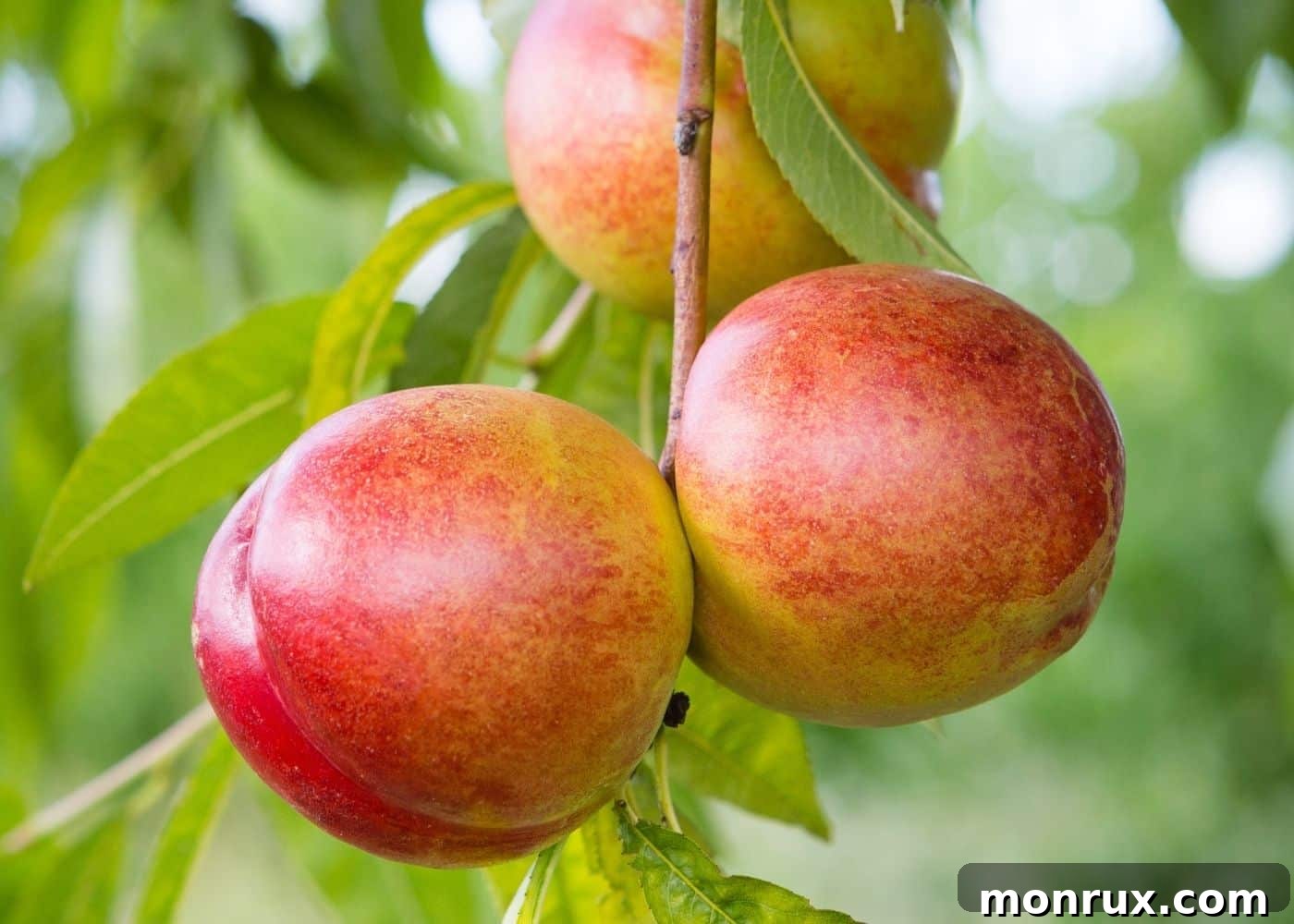
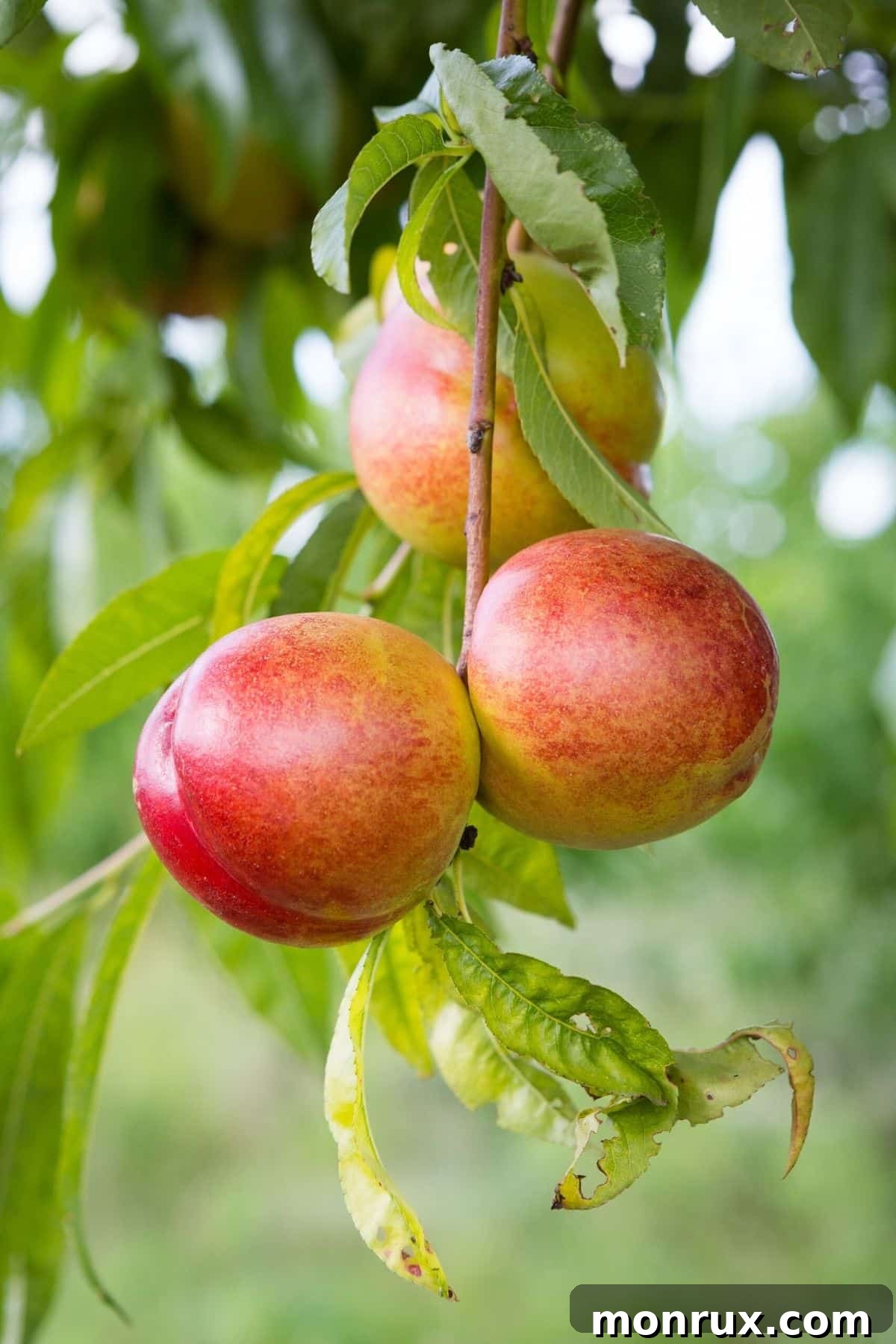
A nectarine is a succulent stone fruit, often considered a variety of peach, distinguished by its incredibly rich, firm flesh and its signature smooth, thin, vibrantly colored skin. Unlike peaches, which are characterized by their fuzzy skin, nectarines boast a sleek, glossy surface, making them a preference for many. Their origins can be traced back more than 2,000 years to ancient China, where they were first cultivated, but today, these delightful fruits are enjoyed and grown in temperate regions across the globe.
Nectarines typically feature beautiful orange or yellow flesh, which is sweet and aromatic, surrounding a single hard pit. As a quintessential summer stone fruit, they come into season when the weather warms, offering a burst of freshness. While peaches and nectarines share a very similar genetic lineage and taste profile, there are subtle yet significant differences. Nectarines are often slightly smaller, possess a firmer texture, and many describe their flavor as being a touch sweeter with honeyed undertones, perhaps even a hint more aromatic. Beyond their delightful taste, nectarines are packed with essential nutrients, including copper, potassium, niacin, and a substantial amount of vitamin C, making them a healthy and delicious choice.
If you’ve yet to experience the joy of a perfectly ripe nectarine, I wholeheartedly encourage you to seek one out. They are, without a doubt, one of my all-time favorite fruits. I eagerly anticipate the summer months when the California-grown varieties become available, offering a taste of sunshine in every juicy bite. They are fantastic fresh, sliced into salads, grilled, or baked into pies.
10. Nectacot
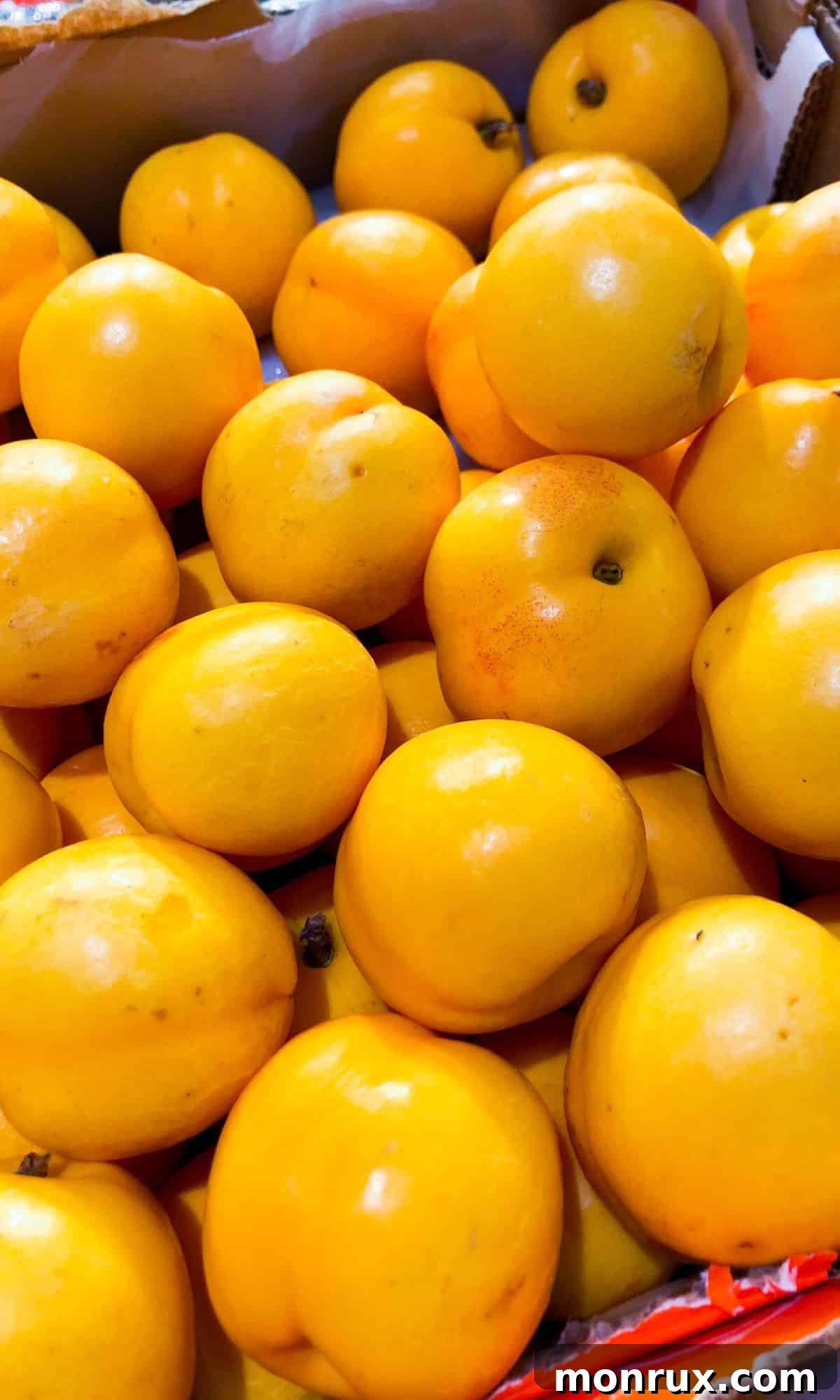
The Nectacot is an exciting example of a hybrid fruit, masterfully combining the best attributes of two beloved stone fruits: the nectarine and the apricot. Imagine the juicy, smooth texture of a nectarine perfectly balanced with the delicate size and sweet-tart essence of an apricot—that’s precisely what the Nectacot offers. This innovative fruit is a testament to horticultural ingenuity, offering a unique sensory experience.
When perfectly ripe, the Nectacot is characterized by its pleasing aroma, inviting sweetness, and abundant juiciness. Its skin often exhibits a beautiful red blush over a deep orange hue, hinting at the ambrosial, rich orange flesh within. Nectacots typically reach their peak ripeness in July, making them a delightful mid-summer treat. They are an excellent source of vitamins A and C, as well as dietary fiber, making them not only delicious but also a nutritious addition to your diet. Enjoy them fresh, in fruit salads, or as a vibrant component in desserts where their unique flavor profile can truly shine.
11. Neem Fruit
The Neem fruit, derived from the tree Azadirachta indica, is a fascinating and significant component of the larger Neem tree, renowned for its extensive medicinal properties. This tree, also widely known as Margosa, belongs to the mahogany family (Meliaceae) and is most likely indigenous to the drier, subtropical regions of South Asia, particularly the Indian subcontinent, where it has been revered for centuries in Ayurvedic medicine.
While the leaves and oil of the Neem tree are most famous for their potent therapeutic uses, the fruit itself offers unique characteristics. The Neem fruit is a smooth, olive-like drupe that transitions from green to a yellow-green color when mature. Inside, it contains a pulp that, surprisingly, tastes sweet. However, this sweetness is often followed by a distinct bitterness, which is characteristic of many parts of the Neem tree. This unique flavor profile means the fruit is not typically consumed fresh in large quantities but is valued for its specific medicinal properties and potential for oil extraction from its seeds.
In traditional practices, Neem fruit has been used for its anthelmintic and insecticidal properties. It also contains various bioactive compounds, including triterpenoids like azadirachtin, which contribute to its diverse health benefits, albeit in concentrated forms often extracted from the seeds. Exploring the Neem fruit offers a glimpse into an ancient botanical powerhouse.
12. Nepali Hog Plum
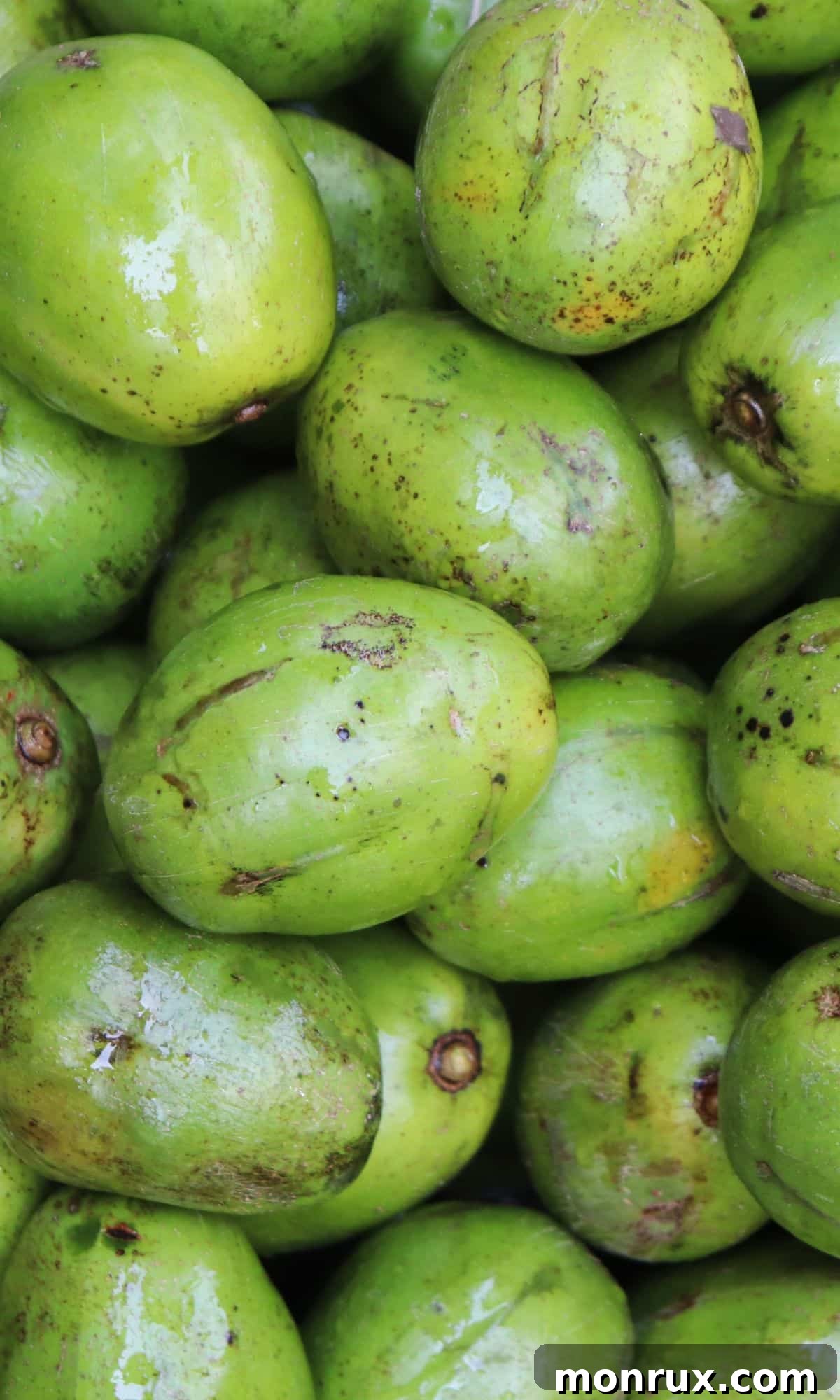
The Nepali Hog Plum, scientifically identified as Choerospondias Axillaris, is a nutritious and culturally significant fruit hailing from the Himalayan regions of Bhutan and Nepal. It is a proud member of the Anacardiaceae family, which also includes mangoes and cashews. This fascinating fruit, resembling a small plum, typically grows to an oval shape and displays a greenish-yellow hue when it reaches ripeness.
Despite its ripe appearance, the Nepali Hog Plum is renowned for its intense tartness, even when fully mature, which is a testament to its exceptionally high vitamin C content. This makes it a powerful natural immune booster. The fruit’s pale yellow flesh is fibrous and clings tightly to a large, brown, irregularly shaped seed, encased by a relatively stiff skin. Due to its pronounced sourness, the Nepali Hog Plum is rarely eaten raw as a standalone fruit. Instead, it is a staple ingredient in various traditional dishes and condiments. It is widely used to prepare flavorful pickles (achar), chutneys, and sour sauces, which are integral to Nepali cuisine, adding a piquant kick that balances rich flavors and aids digestion. Its distinctive taste and culinary versatility make it a unique and valuable “N” fruit.
13. Nere (African Locust Bean)
The Nere fruit, derived from the majestic African locust bean tree (Parkia biglobosa), is a critically important plant predominantly cultivated and utilized across the savanna regions of Africa. These trees are primarily valued not for a fleshy fruit in the conventional sense, but for their long pods, which contain both a sweet, yellow, powdery pulp and numerous black seeds.
The sweet pulp within the pods is often consumed fresh, used to make refreshing drinks, or dried and ground into a flour used in various traditional dishes. However, it is the seeds of the Nere fruit that hold immense cultural and culinary significance. These seeds are traditionally fermented to produce a strong-smelling, savory condiment known as ‘dawadawa’ in West Africa or ‘iru’ in Nigeria. This fermented product is a cornerstone of many West African stews and soups, providing a rich umami flavor that is irreplaceable. Nutritionally, Nere is a powerhouse, particularly rich in protein and fats from its seeds, and contains a significant amount of calcium from the pods, along with various other essential minerals and vitamins. Its versatility and nutritional density make it a vital food source and economic staple for many communities.
14. Nocera Grape
The Nocera grape is a distinctive and highly regarded red wine grape variety deeply rooted in the viticultural traditions of Sicily, Italy. While primarily known for its contribution to winemaking, it is also a fruit with intriguing characteristics. This medium-sized, ellipsoidal black fruit possesses a uniform, alluring bluish-black colored peel, which is indicative of its rich anthocyanin content, responsible for the deep color in its wines.
When tasted fresh, the Nocera grape offers a delightful sweetness, accompanied by a pleasant acidity and subtle tannic structure. Its flavor profile can include notes of dark berries, plums, and a hint of spice, reflecting the unique terroir of its Sicilian homeland. As a wine grape, Nocera contributes to elegant red wines, often used in blends to add structure, color, and aromatic complexity. These wines are known for their vibrant acidity and moderate tannins, making them excellent food-pairing companions. Although not typically found in grocery stores for table consumption, its attributes as a fresh fruit are evident, embodying the rich agricultural heritage of Sicily.
15. Nonda Plum
The Nonda Plum, also known as Parinari Nonda, is a fascinating fruit that comes from a small tree or shrub belonging to the Chrysobalanaceae family. This resilient plant is native to the northern regions of Australia and New Guinea, thriving in challenging tropical environments. The fruit itself is relatively small, often round or oval, and its most striking feature is its hard, dry, yellow-orange flesh.
What makes the Nonda Plum truly unique is its distinctive flavor profile, which many describe as reminiscent of a baked potato, though it can also have a subtle sweetness. This unusual taste makes it an acquired preference but an interesting culinary experience. The texture is firm and somewhat mealy. Despite its unconventional flavor, the Nonda Plum is highly valued for its nutritional density. It is an excellent source of dietary fiber, crucial for digestive health, and provides significant amounts of calcium, vital for bone strength, along with vitamin A, which supports vision and immune function. Historically, it has been an important food source for Indigenous communities in its native regions, consumed fresh or processed into various preparations, highlighting its significance in local ecosystems and diets.
Additional “N” Fruits You Might Discover
The world of fruits is vast and continuously surprising! While we’ve delved into 15 intriguing “N” fruits, there are indeed many more to explore. Our list aims to provide a comprehensive overview, but global biodiversity means there’s always more to learn and taste. Here are a few other notable fruits that start with the letter “N” that deserve a mention:
- Nagami Kumquat: A small, oval-shaped citrus fruit that can be eaten whole, peel and all. It offers a unique sweet-tart flavor profile, with the rind being surprisingly sweet and the pulp tart, creating a delightful contrast.
- Nungu Fruit (Ice Apple): Also known as the ‘Ice Apple’ or ‘Palm Fruit’, Nungu is the translucent, jelly-like endosperm of the immature Palmyra palm fruit. It’s incredibly refreshing, especially in hot climates, with a mild, sweet taste and watery texture.
- Newtown Pippin Apple: An historic American apple cultivar, known for its crisp texture and tart, complex flavor. It’s an excellent eating apple and particularly prized for baking and cider production due to its robust flavor retention.
- Nectacotum Fruit: Similar to the Nectacot, this is another delicious hybrid stone fruit, typically a cross between a nectarine, apricot, and plum. It combines the best characteristics of its parent fruits, offering a complex, juicy, and flavorful experience.
- Nutmeg Fruit (Mace): While most people are familiar with nutmeg as a spice, it originates from the seed of the nutmeg fruit. The fleshy pericarp (fruit pulp) itself is aromatic and can be used to make jams, jellies, and candied preserves, offering a fragrant, slightly sweet and spicy flavor.
- Northern Spy Apple: A large, late-season apple variety known for its aromatic fragrance, crisp texture, and slightly tart, balanced flavor. It’s highly regarded as a dessert apple and is also a favorite for baking, especially in pies, due to its ability to hold its shape and flavor well.
Do you know of any other incredible “N” fruits that didn’t make our list? We’d love to hear from you! Please share your discoveries in the comments below, and we’ll be sure to consider adding them to expand this growing resource for fellow fruit enthusiasts!
More Exciting Fruit and Vegetable Lists You Might Like
Conclusion: Embrace the “N” Fruit Adventure
As we conclude our exploration of fruits that begin with the letter “N,” it’s clear that this alphabetical category offers an astonishing spectrum of nature’s bounty. From the familiar sweet tang of a Navel Orange to the exotic zest of a Naranjilla, and the unique history of the Nere, these fruits are incredibly varied in shape, size, and taste. They hail from diverse corners of the world, each carrying a story of its origin and cultural significance. Some offer a delightful sweetness, while others challenge the palate with a pronounced tartness, ensuring there’s an “N” fruit to suit every preference.
Beyond their sensory appeal, all of these fruits are veritable powerhouses of nutrition, offering a wide array of health benefits. They provide essential vitamins and minerals, powerful antioxidants, and valuable dietary fiber, all contributing to overall well-being, immune support, and digestive health. Embracing the diversity of “N” fruits in your diet is not just a culinary adventure but a step towards a more wholesome and vibrant lifestyle. So, we heartily encourage you to step out of your comfort zone and try at least one new type of fruit from this extensive and captivating list. Who knows, you might just discover your next favorite healthy snack or a key ingredient for an exciting new recipe!
Don’t forget to join my exclusive newsletter list to receive delicious clean eating recipes, expert nutrition tips, and inspiring wellness advice directly in your inbox. It’s 100% free, free from spam, and you can unsubscribe at any time.
About the Author: Carrie Forrest holds a master’s degree in public health with a specialized focus on nutrition and is a certified holistic nutritionist. She is a highly respected wellness and food blogger, attracting over 5 million visitors to her website annually. Carrie shares an inspiring personal journey of recovery from chronic illness and is deeply passionate about empowering other women to transform their health through wholesome eating and lifestyle choices. Feel free to reach out to her via her contact form for any inquiries or collaborations.