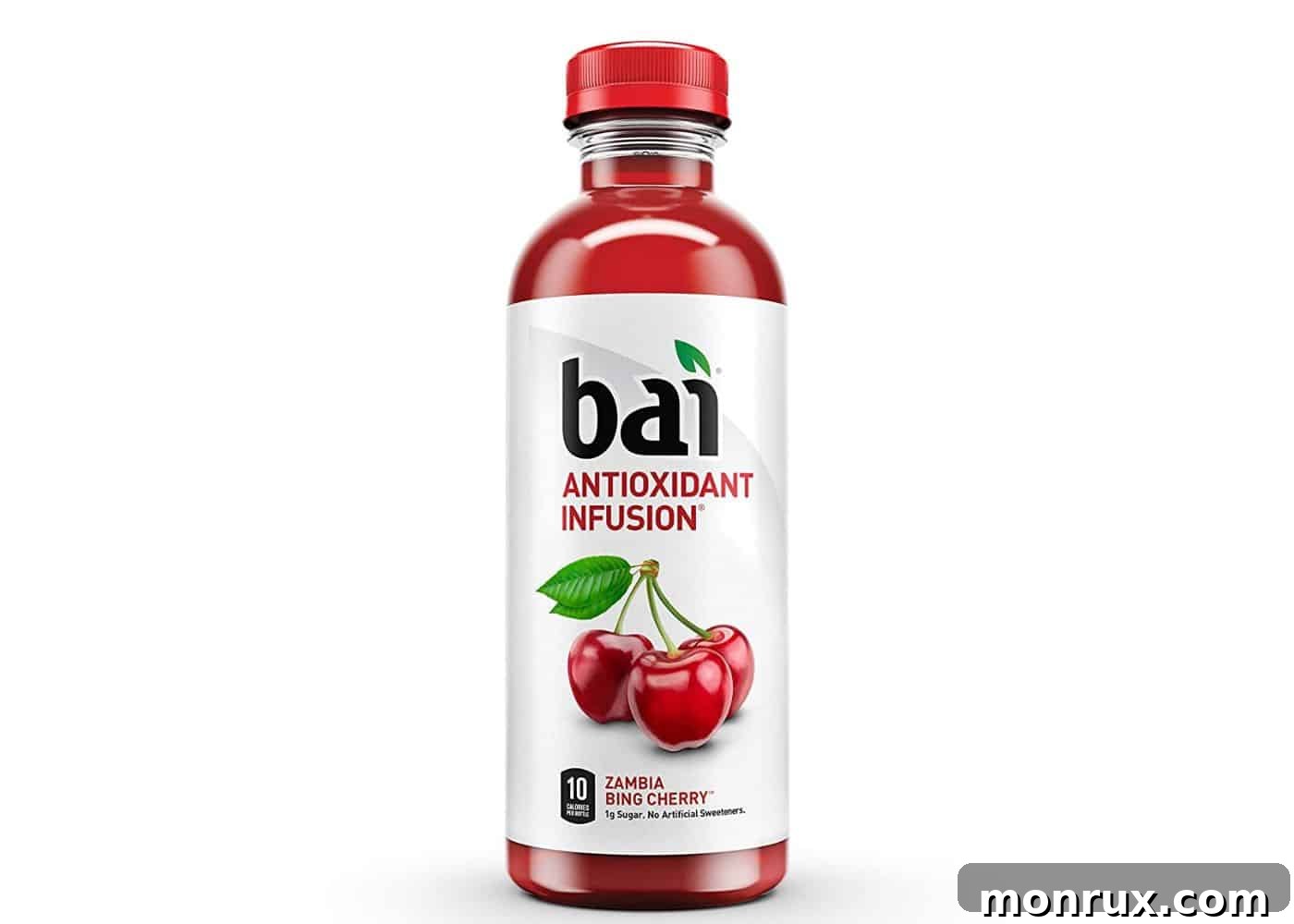
Is Bai Water Healthy? A Deep Dive into Its Nutrition, Pros, Cons & Alternatives
Are you curious about the health implications of Bai Water? In an era where consumers are increasingly scrutinizing what they drink, Bai Water has emerged as a popular beverage, often positioned as a healthier alternative to sugary sodas and juices. But does it truly live up to its healthy image?
This comprehensive guide will explore the nutrition, pros, and cons of Bai Water, dissecting its ingredients, discussing its potential benefits, and highlighting areas of concern. We’ll also delve into some healthier alternatives you might wish to consider for optimal hydration and well-being. While Bai Water can be a moderate choice for those not sensitive to non-nutritive sweeteners like stevia and erythritol, understanding its full profile is key to making informed dietary decisions.
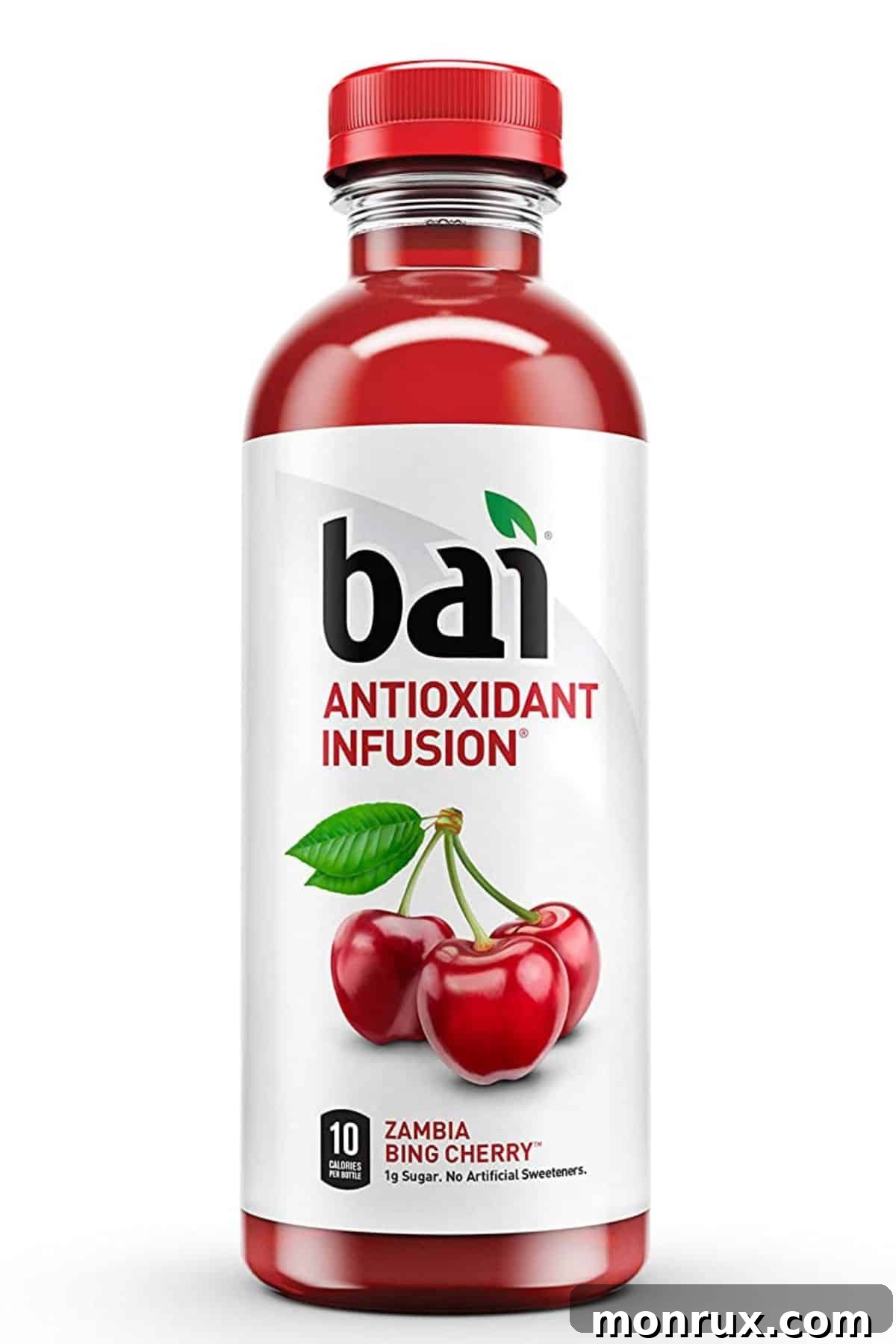
Bai Water Unpacked: What You Need to Know
Bai Water, a brand synonymous with “botanical antioxidant infusions,” first launched in 2009 with a clear mission: to offer consumers a delicious, low-calorie beverage that didn’t rely on synthetic ingredients or excessive sugar. The brand quickly gained traction, positioning itself as a revolutionary alternative to traditional sugary drinks, catering to health-conscious individuals seeking flavorful hydration without the guilt.
In 2016, the burgeoning brand caught the eye of beverage giant Keurig Dr. Pepper, which acquired Bai Water, further expanding its reach and availability. The core promise of Bai Water remains its commitment to being naturally sweetened and flavored, without any added sugar, boasting a mere ten calories and one gram of sugar per bottle.
What sets Bai apart is its signature “antioxidant infusion,” primarily derived from coffee fruit extract. The manufacturers have also infused creativity into their product line, naming their diverse range of flavors after regions where coffee fruit is cultivated, adding a unique global narrative to each bottle. From the tropical zest of “Dominica Dragon Passion Fruit” to the rich sweetness of “Zambia Bing Cherry,” Bai offers an extensive palette of still and sparkling options to satisfy various preferences:
Still Flavors Include:
- Brasilia Blueberry
- Costa Rica Clementine
- Dominica Dragon Passion Fruit
- Ipanema Pomegranate
- Kula Watermelon
- Kupang Strawberry Kiwi
- Malawi Mango
- Panama Peach
- Sumatra Dragonfruit
- Zambia Bing Cherry
Sparkling Flavors Include:
- Bolivia Black Cherry
- Jamaica Blood Orange
- Gimbi Pink Grapefruit
- Bogotá Blackberry Lime
- Peru Pineapple
- Lambari Watermelon Lime
- Waikiki Coconut Lime
While marketed as sugar-free and “healthy,” it’s crucial for consumers to recognize that Bai Water utilizes non-nutritive sweeteners like Erythritol and Stevia Leaf Extract. Additionally, its ingredient list includes several processed components, which warrants a closer examination to determine its true health profile.
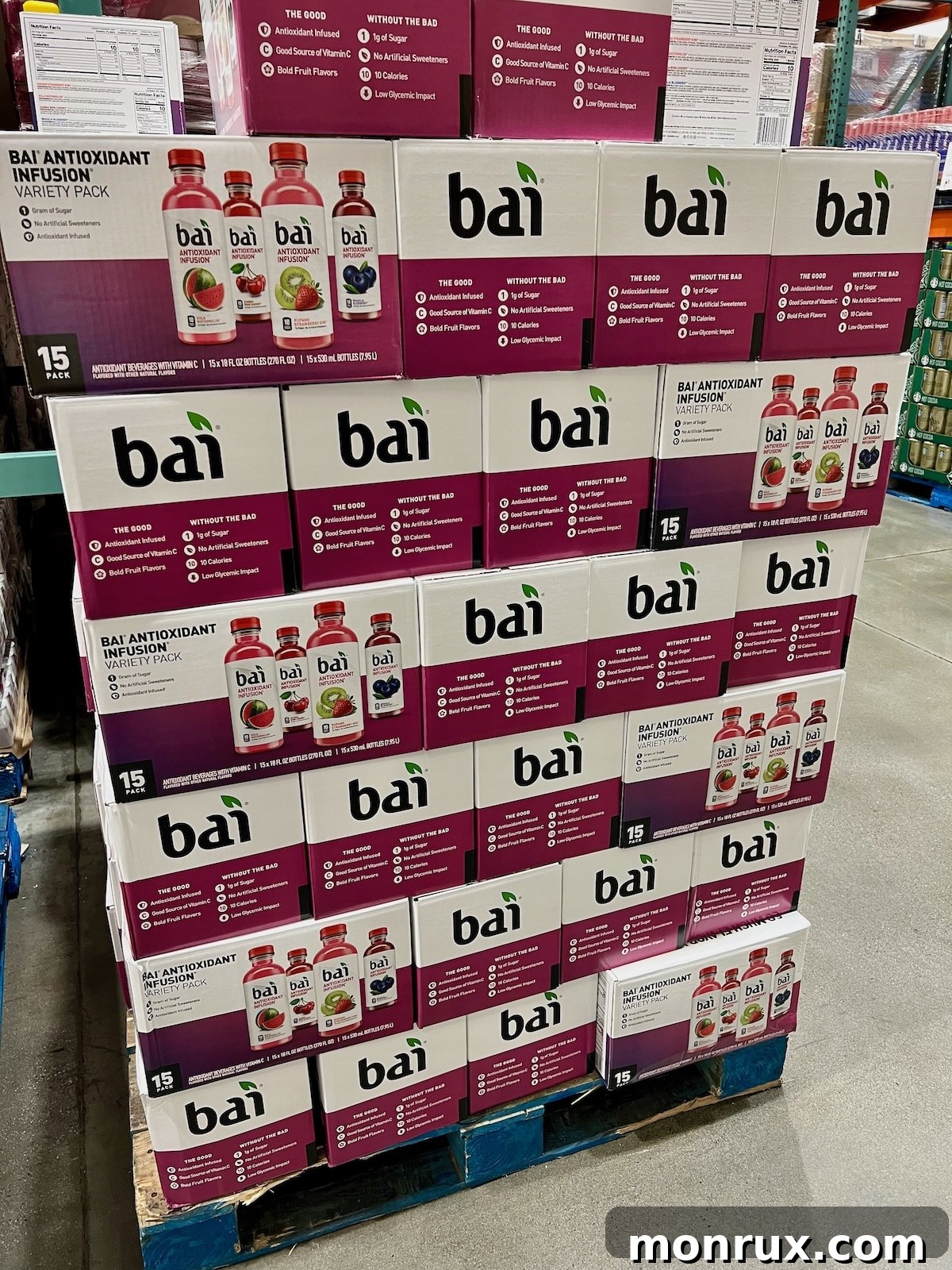
Key Ingredients in Bai Water: A Closer Look
Understanding what goes into your beverage is fundamental to assessing its health benefits. Bai Water’s Antioxidant Infusion range typically lists the following key ingredients:
- Filtered water
- Erythritol
- Malic acid
- Vegetable and fruit juice concentrate
- Tea extract
- Ascorbic acid (vitamin C)
- Stevia leaf extract
- Citric acid
- Natural flavors
- Coffee fruit extract
- Sodium citrate
Let’s break down some of these primary components to help you make an informed decision about whether Bai Water aligns with your health goals.
Understanding “Natural Flavors”
The term “natural flavors” often appears benign on an ingredient list, yet it can be quite ambiguous. In food labeling, the definition of “natural flavors” is not as strictly regulated as one might assume. This broad classification allows manufacturers to use a wide array of substances, often created through sophisticated industrial processes, to achieve a desired taste profile.
Despite the “natural” label, these flavors are frequently produced using techniques such as enzyme-assisted extraction, which may involve solvents, high heat, and other chemical agents. Without full transparency from the manufacturers regarding their specific methods and the raw materials used, it becomes challenging for consumers to ascertain the true healthfulness or nutritional value of these ingredients. It’s important to remember that a “natural” origin does not automatically equate to minimal processing or inherent health benefits. For another example of this, consider the ingredients in AHA Sparkling Water.
Stevia Leaf Extract: The Sweetener
Stevia Leaf Extract is a popular non-nutritive sweetener found in Bai Water, renowned for being up to 400 times sweeter than sugar. Derived from the stevia plant, it has garnered attention for some potential health benefits. Research suggests it may play a role in lowering cholesterol levels, and certain studies have even indicated its ability to help fight some types of cancer.
However, the narrative around stevia isn’t entirely clear-cut. Emerging research has also raised questions about its potential adverse effects on human health. Notably, at least one study found that even at low doses, stevia could disrupt the delicate balance of the gut microbiome, which is crucial for digestive health and overall immunity. Furthermore, some individuals report a distinct, lingering aftertaste from stevia, which can be off-putting.
Erythritol: Sugar Alcohol and Emerging Concerns
Erythritol is another sugar alcohol used in Bai Water to provide sweetness without calories. It’s naturally present in some fruits and fermented foods like wine, beer, and cheese. For large-scale production, erythritol is typically derived through the fermentation of corn or wheat starch. It’s lauded for having zero calories and no impact on blood glucose or insulin levels, making it appealing for those managing diabetes or seeking weight loss.
However, the consumption of sugar alcohols like erythritol, xylitol, sorbitol, and mannitol can lead to gastrointestinal discomfort in some individuals. Common side effects include gas, bloating, cramping, and even a laxative effect, particularly when consumed in larger quantities. Sensitivity varies greatly among people.
More recently, a significant study published in Nature Medicine (2023) raised serious concerns about erythritol. The research suggested a potential link between higher circulating levels of erythritol and an increased risk of major adverse cardiovascular events such as heart attack and stroke. While more research is needed to establish causality and understand the long-term effects, this finding adds a layer of caution for regular consumers of products containing erythritol, especially those with existing cardiovascular risk factors. Bai’s proprietary sweetener blend, often including erythritol, should therefore be consumed with an awareness of these emerging health considerations.
Coffee Fruit Extract: The Antioxidant Boost
The “coffee fruit” is the vibrant, often red or yellow, cherry-like berry that encapsulates the coffee beans we typically roast and grind. Far from just a vessel for the beans, the fruit itself is packed with its own set of beneficial compounds. Like its more famous seed, coffee fruit extract is rich in antioxidants and naturally contains caffeine.
Moderate consumption of coffee fruit extract has been associated with several potential health advantages. Research suggests it may contribute to improved heart health, offer neuroprotective effects that could lower the risk of conditions like Alzheimer’s and Parkinson’s disease, and promote brain health by boosting brain-derived neurotrophic factor (BDNF). Additionally, it’s recognized for its anti-aging properties due to its potent antioxidant content, which helps combat oxidative stress.
However, the presence of caffeine means that consumption should be mindful. Caffeine is a natural stimulant that can elevate heart rate, increase blood pressure, and in sensitive individuals, lead to anxiety, restlessness, and sleep disturbances. Children, pregnant women, and those sensitive to stimulants should exercise particular caution and monitor their overall caffeine intake from all sources. Awareness of the exact caffeine content per serving in any beverage, including Bai Water, is essential for managing potential negative side effects.
You may also find this article on caffeine and weight loss interesting.
Tea Extract: Polyphenols and Caffeine
While Bai Water’s nutrition label typically doesn’t specify the type of tea extract used, tea in its pure form is widely celebrated as a healthy beverage. Extracts from common tea varieties like green, black, and white tea are rich in beneficial compounds called polyphenols. These powerful antioxidants are known for their anti-carcinogenic potential and their ability to neutralize free radicals, protecting cells from damage.
Tea also naturally contains caffeine, which, as discussed, can offer cognitive benefits and an energy boost in moderation. Additionally, teas contain flavones, a class of flavonoids with numerous health advantages. Flavones are recognized for their role in combating oxidative stress-related diseases, including promoting cardiovascular health. The inclusion of tea extract contributes to Bai Water’s antioxidant profile and provides a natural, albeit modest, energy component.
Fruit Juice Concentrate: Sweetness Without Fiber
Fruit juice concentrate is essentially fruit juice from which most of the water has been removed. While it provides natural sweetness and flavor, this process also typically strips away the beneficial fiber found in whole fruits. This means that while it contributes to the “natural flavors” and the gram of sugar often listed in Bai Water, it lacks the holistic nutritional benefits of eating whole fruit.
Despite being “natural,” fruit juice concentrate is a processed ingredient. It contains higher concentrations of fructose compared to whole fruit, and without the buffering effect of fiber, its sugars can be absorbed more rapidly by the body. Therefore, it primarily offers empty calories and sweetness without contributing substantial vitamins, minerals, or the satiety that whole fruits provide.
The Nutrition Pros of Bai Water
When considering Bai Water, several aspects stand out as potentially beneficial for consumers:
- Low Calorie and Low Sugar: Each bottle of Bai Water contains only ten calories and a mere one gram of sugar. This makes it a significantly lighter option compared to most sodas, fruit juices, and sports drinks, which can contain upwards of 100-200 calories and 20-50 grams of sugar per serving. For individuals aiming to reduce their caloric or sugar intake, Bai Water can be a suitable choice.
- No Artificial Sweeteners or Colors: Bai prides itself on using natural sweeteners like stevia and erythritol, and avoids artificial colors. This aligns with the preferences of many consumers who seek to minimize their intake of synthetic additives, offering a cleaner label compared to many other flavored beverages on the market.
- Antioxidant Boost: The inclusion of coffee fruit extract and tea extract provides a source of antioxidants. These compounds help combat oxidative stress in the body, protecting cells from damage caused by free radicals. This can contribute to overall cellular health and potentially reduce the risk of various chronic diseases.
- Hydration: At its core, Bai Water is primarily filtered water, and adequate hydration is crucial for overall health. Choosing Bai over sugary drinks can help meet daily fluid intake requirements without adding unnecessary sugar or calories. Proper hydration supports metabolic function, nutrient transport, temperature regulation, and joint lubrication.
- Gluten-Free and Vegan: All Bai Water products are gluten-free and vegan, making them suitable for individuals with specific dietary restrictions or ethical preferences. They contain no animal products, milk, eggs, or honey.
The Nutrition Cons of Bai Water
Despite its marketing as a healthy choice, Bai Water also has several drawbacks worth considering:
- Environmental Impact of Plastic Bottles: Bai Water is exclusively sold in plastic bottles. The pervasive use of single-use plastics has a significant detrimental impact on the environment, contributing to pollution in oceans and landfills. Concerns also exist regarding microplastics potentially leaching into beverages, though more research is needed on the long-term health effects of this. Opting for reusable glass or stainless steel bottles filled with filtered water is a far more environmentally friendly choice.
- Caffeine Content: Each Bai Water beverage typically contains around 55 mg of caffeine, roughly equivalent to half a cup of coffee. While moderate caffeine intake can be beneficial, this amount can be significant for children, pregnant women, or individuals sensitive to stimulants. Excessive caffeine can lead to nervousness, increased heart rate, difficulty sleeping, and anxiety. It’s essential for consumers to be aware of and manage their total daily caffeine intake from all sources.
- Non-Nutritive Sweeteners and Digestive Distress: The inclusion of non-nutritive sweeteners like Stevia Leaf Extract and Erythritol can be problematic for some. As discussed earlier, these sugar alcohols can cause digestive issues such as gas, bloating, and cramping, and may even have a laxative effect, particularly in sensitive individuals or when consumed in larger quantities.
- Emerging Concerns with Erythritol: Beyond digestive issues, recent scientific studies, particularly the 2023 Nature Medicine publication, have linked higher blood levels of erythritol to an increased risk of heart attack and stroke. This emerging research suggests a potential cardiovascular risk associated with this sugar alcohol, prompting a cautious approach, especially for those with underlying heart conditions.
- Potential Gut Microbiome Disruption: Research indicates that some non-nutritive sweeteners, including stevia and erythritol, may negatively impact the gut microbiome. A healthy gut is vital for digestion, immunity, and overall well-being. Disruptions to this delicate balance could have broader health implications.
- Processed Ingredients and Lack of Whole Nutrients: While Bai Water avoids artificial ingredients, it still contains processed components like “natural flavors” and fruit juice concentrate. These ingredients, while derived from natural sources, lack the fiber and full spectrum of micronutrients found in whole fruits and vegetables. This means Bai Water, despite its claims, offers limited nutritional depth compared to truly whole, unprocessed beverages or foods.
Healthier Hydration Alternatives
For those looking for truly healthy and minimally processed hydration options, consider these alternatives:
- Plain Filtered Water: The gold standard for hydration. Add slices of fresh fruit (lemon, lime, berries), cucumber, or herbs (mint, basil) for natural flavor without any added sugars or sweeteners.
- Herbal Teas: Caffeine-free and available in a vast array of flavors, herbal teas (hot or iced) provide antioxidants and a comforting experience.
- Green Tea: Rich in catechins and polyphenols, green tea offers a natural caffeine boost along with significant antioxidant benefits.
- Sparkling Water with Fresh Fruit: For a fizzy drink, combine plain sparkling water with a splash of 100% fruit juice (in moderation) or muddled fresh fruit.
- Homemade Infused Water: Get creative by soaking fruits, vegetables, and herbs in water overnight to create custom, naturally flavored drinks.
- Coconut Water: A natural source of electrolytes, coconut water is great for post-workout hydration, but check labels for added sugars.
Frequently Asked Questions About Bai Water
Bai Water offers a mixed bag regarding health. It’s a low-calorie, low-sugar option free from artificial colors, making it a better choice than highly processed sodas or fruit juices. It also contains antioxidants from coffee fruit and tea extracts. However, it uses non-nutritive sweeteners like erythritol and stevia, which can cause digestive issues for some and have raised recent concerns about cardiovascular health (erythritol). The use of plastic bottles also presents an environmental drawback. Ultimately, while it’s “better” than many sugary drinks, natural, whole food choices like plain water or unsweetened green tea are always more beneficial and nutritious for optimal health.
Currently, Bai Water is exclusively available in plastic bottles. For a more environmentally friendly and potentially healthier choice, consider using reusable glass or stainless steel bottles for your beverages. Glass bottles can be reused numerous times, reducing plastic waste and avoiding potential chemical leaching associated with plastics.
The company states that “Bai” is a Chinese word meaning “pure.” Additionally, the brand’s website explains that it’s an acronym for “botanical antioxidant infusions,” highlighting its key product features.
Yes, all Bai Water drinks are vegan-friendly. They are formulated without any animal products or by-products, including milk, honey, eggs, or gelatin, making them suitable for a vegan diet.
Explore More Water Reviews!
Final Thoughts on Bai Water
Bai Water presents a nuanced picture when evaluated through a health-conscious lens. On one hand, its low calorie and low sugar content, along with the absence of artificial colors, position it as a more favorable option compared to many sugary mainstream beverages. The presence of coffee fruit and tea extracts provides a modest boost of antioxidants, contributing to cellular protection and overall well-being. It can certainly serve as a hydrating choice for individuals looking to cut back on conventional sodas and juices.
However, the use of non-nutritive sweeteners like stevia and erythritol introduces potential concerns. Some individuals may experience digestive discomfort, and emerging research linking erythritol to cardiovascular risk factors warrants caution, particularly for those with pre-existing health conditions. Furthermore, the ambiguous nature of “natural flavors” and the processed nature of fruit juice concentrates mean that Bai Water, while “better” than some, isn’t entirely free of processed ingredients. The environmental impact of its plastic packaging is another significant consideration.
Ultimately, while Bai Water can be a convenient and flavorful option for occasional consumption, especially for those seeking an alternative to high-sugar drinks, it is not a substitute for truly whole, unprocessed hydration. For optimal health, the best approach remains creating your own hydrating drinks at home using filtered water, fresh fruits, vegetables, and herbs. These choices offer superior nutritional value, completely avoid artificial or highly processed ingredients, and are often more sustainable.
Don’t forget to join my newsletter list to get exclusive clean eating recipes and tips. The newsletter is 100% free with no spam; unsubscribe anytime.
About the Author: Carrie Forrest has a master’s degree in public health with a specialty in nutrition and is a certified holistic nutritionist. She is a top wellness and food blogger with over 5 million annual visitors to her site. Carrie has an incredible story of recovery from chronic illness and is passionate about helping other women transform their health. Send her a message through her contact form.
Note: this post is for informational purposes only and is not intended as medical advice. Please consult your healthcare provider for recommendations related to your individual situation.