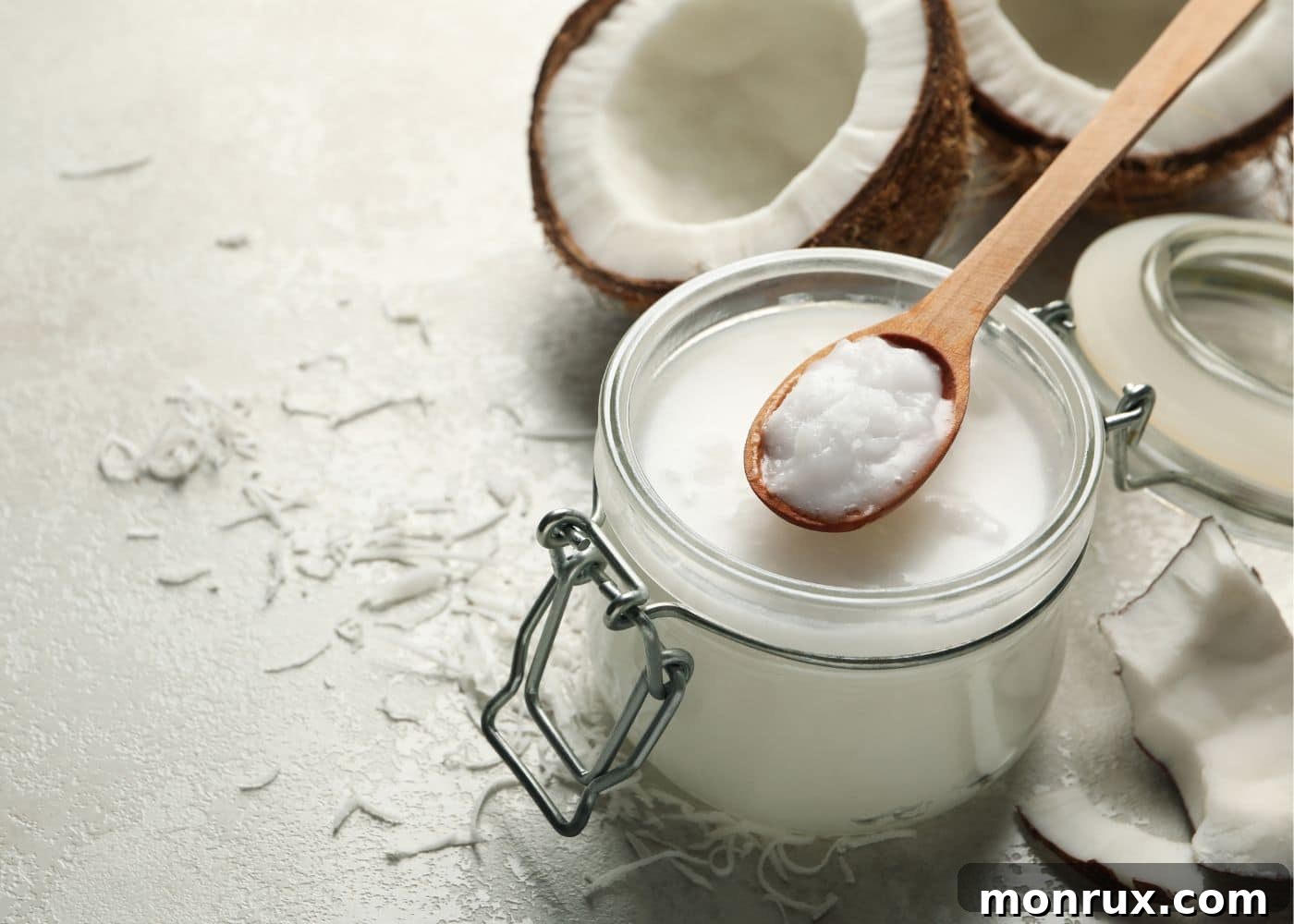
Coconut cream is a truly remarkable ingredient, cherished in kitchens worldwide for its luxurious texture, subtle sweetness, and unmistakable tropical aroma. It’s an indispensable component in countless recipes, from rich curries and velvety soups to decadent desserts and dairy-free beverages. But what happens when your pantry is bare, or you simply can’t find it at your local grocery store? Don’t let a missing ingredient derail your culinary plans! This comprehensive guide will equip you with a diverse array of excellent substitutes for coconut cream, ensuring your dishes maintain their desired creaminess, flavor, and consistency.
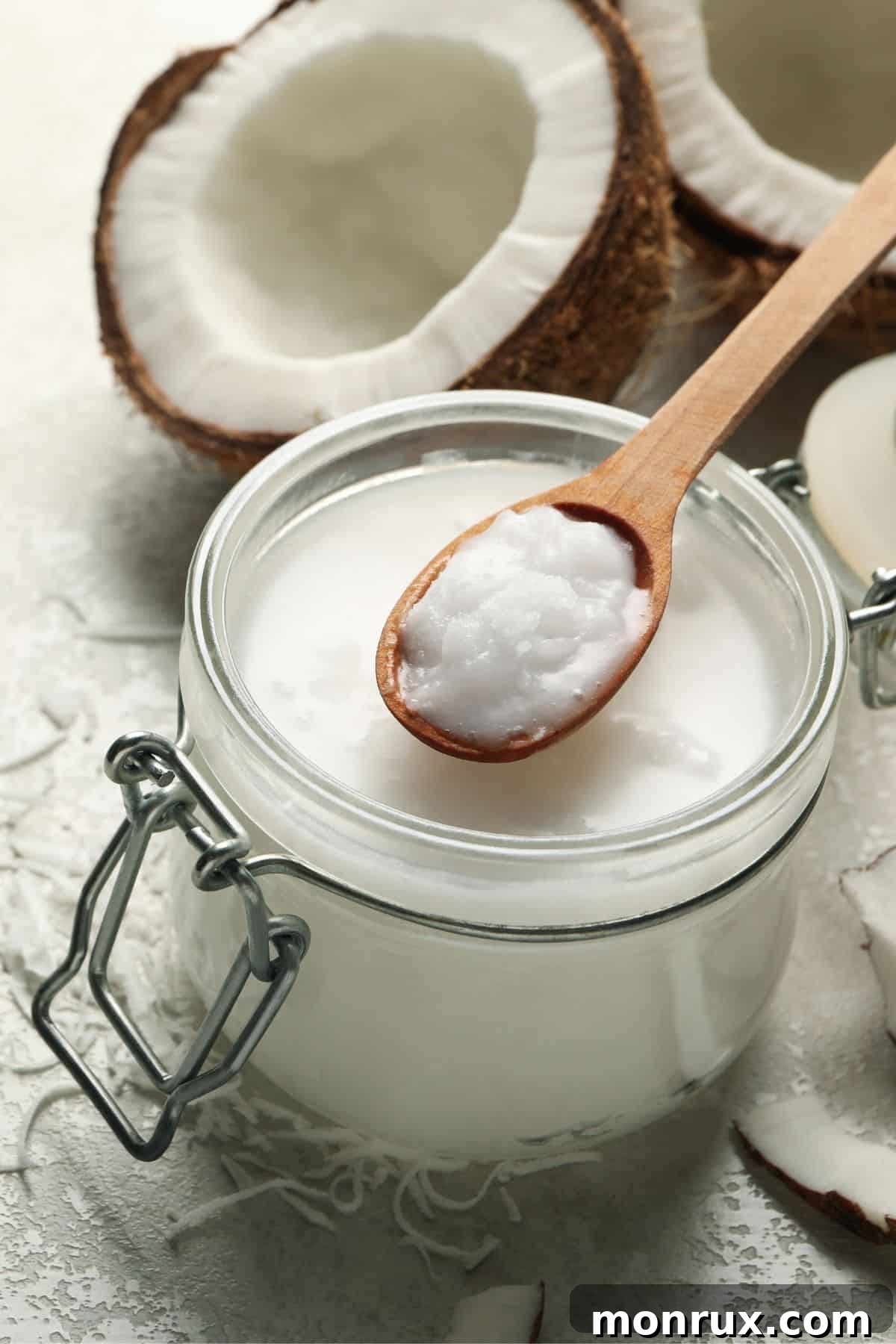
Derived from the flesh of mature coconuts, coconut cream stands out as a versatile, dairy-free ingredient. Its rich, velvety texture and subtly sweet, nutty flavor make it a favorite for adding depth and creaminess to both sweet and savory dishes. It’s a popular choice as a substitute for heavy cream, especially for those seeking plant-based alternatives, though its natural sweetness distinguishes it from traditional dairy cream.
Often found in cans in the international foods aisle of most grocery stores, coconut cream is sometimes labeled as ‘cream of coconut,’ though it’s important to note that ‘cream of coconut’ can sometimes refer to a sweetened version primarily used for cocktails. Always check the ingredients list to ensure you’re getting unsweetened coconut cream for most cooking applications.
Beyond its culinary appeal, coconut cream is an excellent source of dietary fats, particularly medium-chain triglycerides (MCTs), which are easily metabolized by the body. It’s also a good source of essential vitamins and minerals, including various B vitamins, vitamin C, and magnesium, contributing to its nutritional value.
Its applications are incredibly varied. Coconut cream can be used as a rich, dairy-free alternative to cream in coffee, smoothies, or baking recipes. It serves as a fantastic base for hearty soups, aromatic stews, complex curries, and numerous other sauces, lending a distinct tropical flair. Whether you’re a seasoned chef or a home cook, understanding its properties and its best alternatives is key to culinary success.
Top Coconut Cream Substitutes
Facing a recipe that calls for coconut cream but finding yourself without it can be a minor culinary dilemma. Fortunately, there’s a wealth of alternatives that can step in, each bringing its own unique characteristics to your dish. The key to a successful substitution lies in understanding the primary role coconut cream plays in your specific recipe – is it for richness, thickening, flavor, or its dairy-free quality? By considering these factors, you can choose the best possible alternative from the options below. Remember to adjust quantities and seasonings as needed to achieve your desired outcome.
1. Canned Full-Fat Coconut Milk
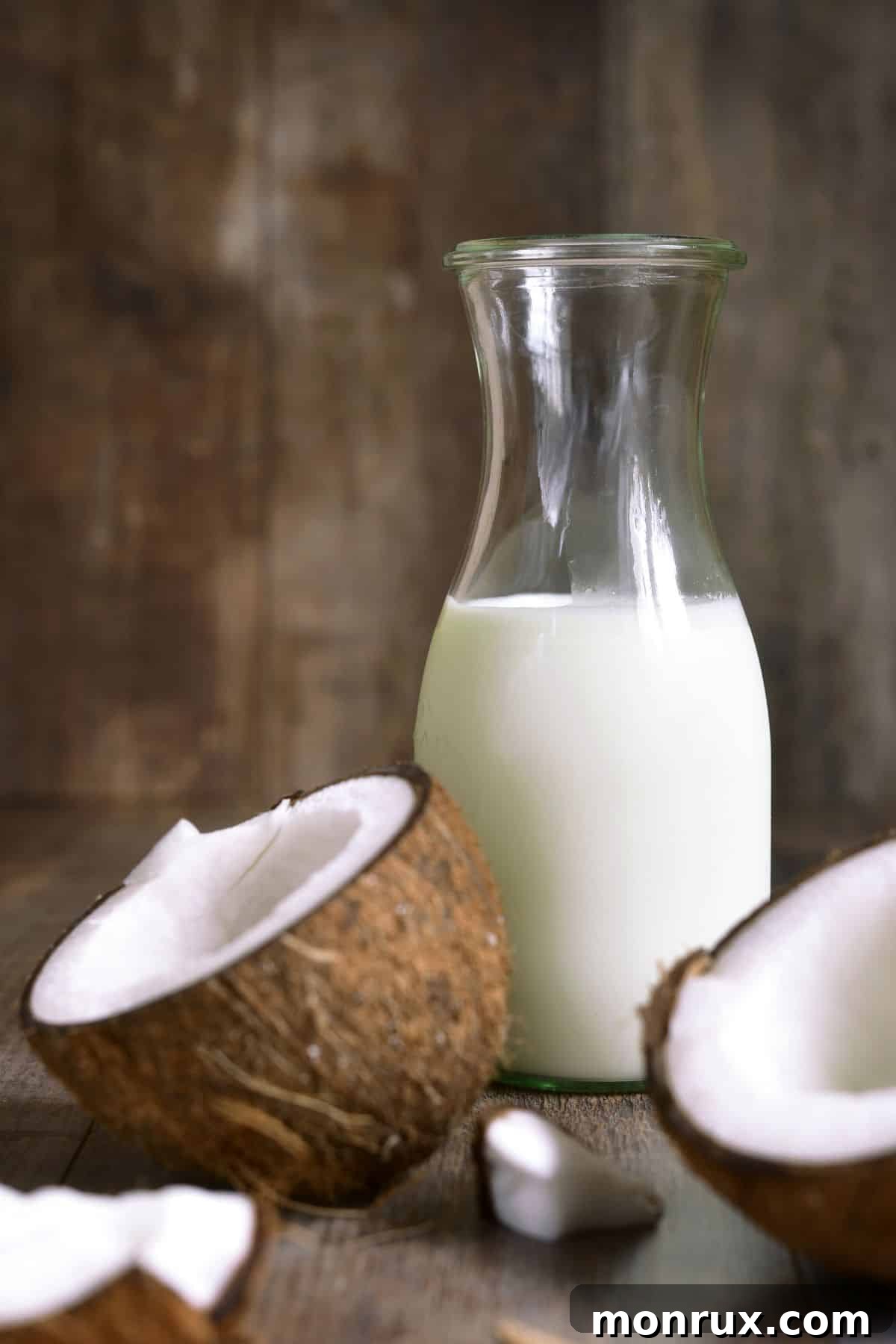
Coconut milk is a liquid extracted from the grated flesh of mature coconuts, resulting in a white, creamy emulsion with a subtly sweet taste. It’s a staple in many cuisines, particularly in Southeast Asia and the Caribbean. Nutritionally, coconut milk is rich in vitamins and minerals, including potassium, magnesium, and iron, and provides a good source of fiber and healthy fats, similar to coconut cream.
The primary difference between coconut cream and full-fat coconut milk lies in their water content. Coconut cream is essentially the thick, top layer of full-fat coconut milk that separates and solidifies when chilled, making it significantly thicker, richer, and higher in fat. It also boasts a more concentrated coconut flavor. Full-fat canned coconut milk, while similar in flavor, has a thinner consistency due to its higher water content. However, it remains one of the best and most convenient alternatives to coconut cream, especially when you need that authentic coconut taste.
When to use: Canned full-fat coconut milk is an excellent alternative for most recipes calling for coconut cream, particularly in savory dishes like curries, soups, and stews, or in tropical drinks such as pina coladas. If a recipe heavily relies on the thickness of coconut cream, you can achieve a similar consistency by chilling a can of full-fat coconut milk overnight. The cream will separate and rise to the top, allowing you to spoon out the thick portion. Alternatively, you can simmer the coconut milk gently to reduce it and thicken it slightly before use.
Substitution Ratio: To substitute one tablespoon of coconut cream, use one tablespoon of the thickest part of full-fat canned coconut milk. If you don’t need the extra thickness, you can simply use one tablespoon of regular full-fat coconut milk.
2. Heavy Whipping Cream
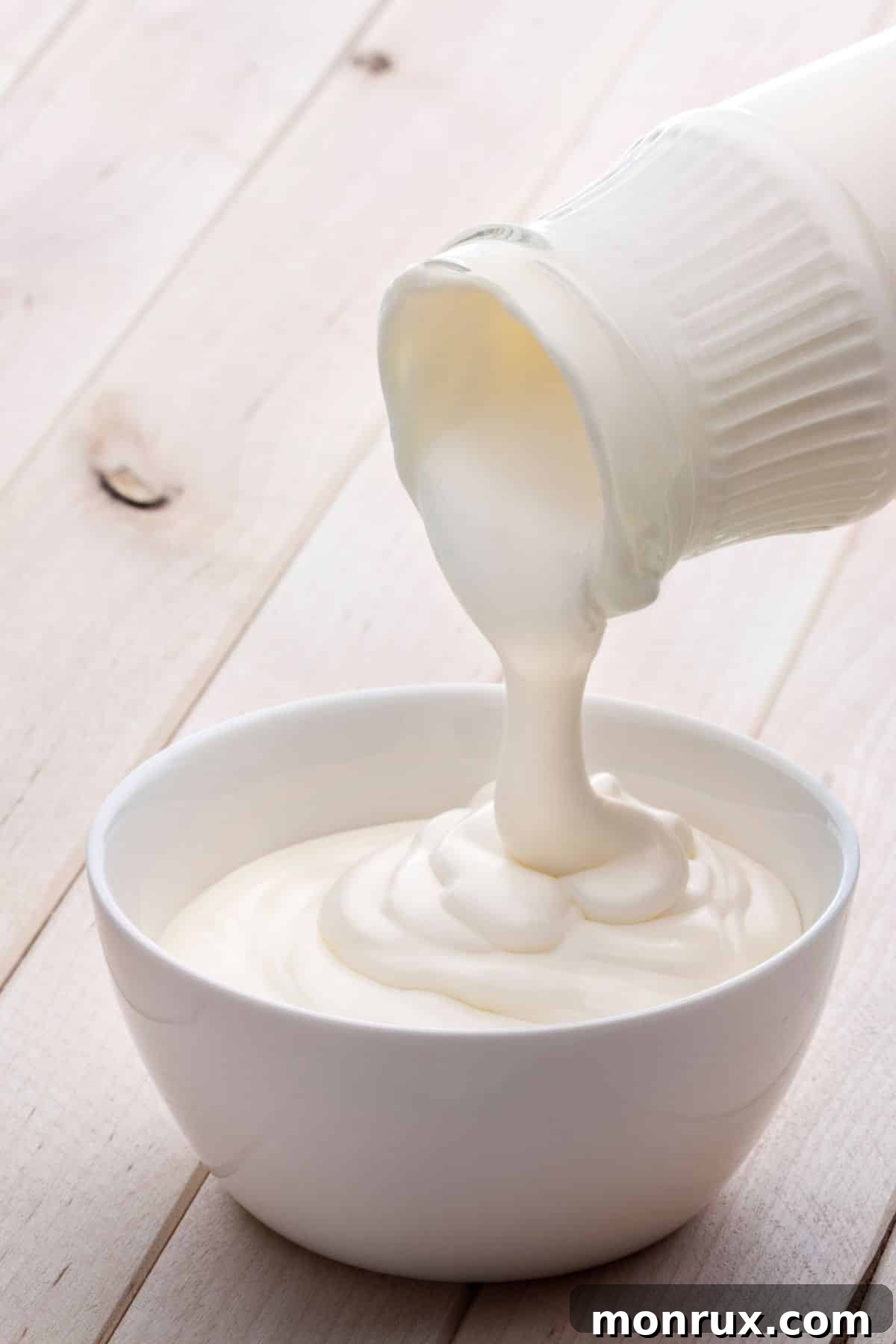
Heavy whipping cream, also known simply as heavy cream, is a dairy product made from the high-fat content of cow’s milk. It typically contains at least 36% milk fat and is highly prized in both baking and cooking for its ability to add unparalleled richness and a smooth, luxurious texture. Unlike some dairy creams, heavy whipping cream often contains no added stabilizers or emulsifiers, making it ideal for whipping into stable peaks, creating luscious ganaches, silky buttercream frostings, and creamy homemade ice creams.
While both coconut cream and heavy whipping cream offer a rich, thick consistency, they differ significantly in flavor profile and dietary considerations. Heavy whipping cream possesses a neutral, slightly sweet dairy flavor, whereas coconut cream has a distinct tropical, nutty sweetness. Texturally, heavy whipping cream is inherently thick and stable, similar to coconut cream, making it a good match for body and mouthfeel. However, it’s crucial to remember that heavy whipping cream is a dairy product, meaning it is not suitable for vegan, dairy-free, or lactose-intolerant diets.
When to use: This is an excellent substitute for coconut cream in recipes where the coconut flavor is not essential, and a dairy product is acceptable. Think creamy soups, pasta sauces, custards, and certain baked goods. It will provide the necessary fat and emulsification for a rich texture. If your recipe is particularly thick, you might want to slightly dilute the heavy cream, but generally, its natural consistency is a good match.
Substitution Ratio: To substitute one tablespoon of coconut cream, use one tablespoon of heavy whipping cream. For some recipes where you desire a slightly thinner consistency similar to a partially melted coconut cream, you might consider adding a tiny amount (e.g., a teaspoon) of water or an unflavored plant-based milk to the heavy whipping cream and adjusting as needed.
3. Tahini
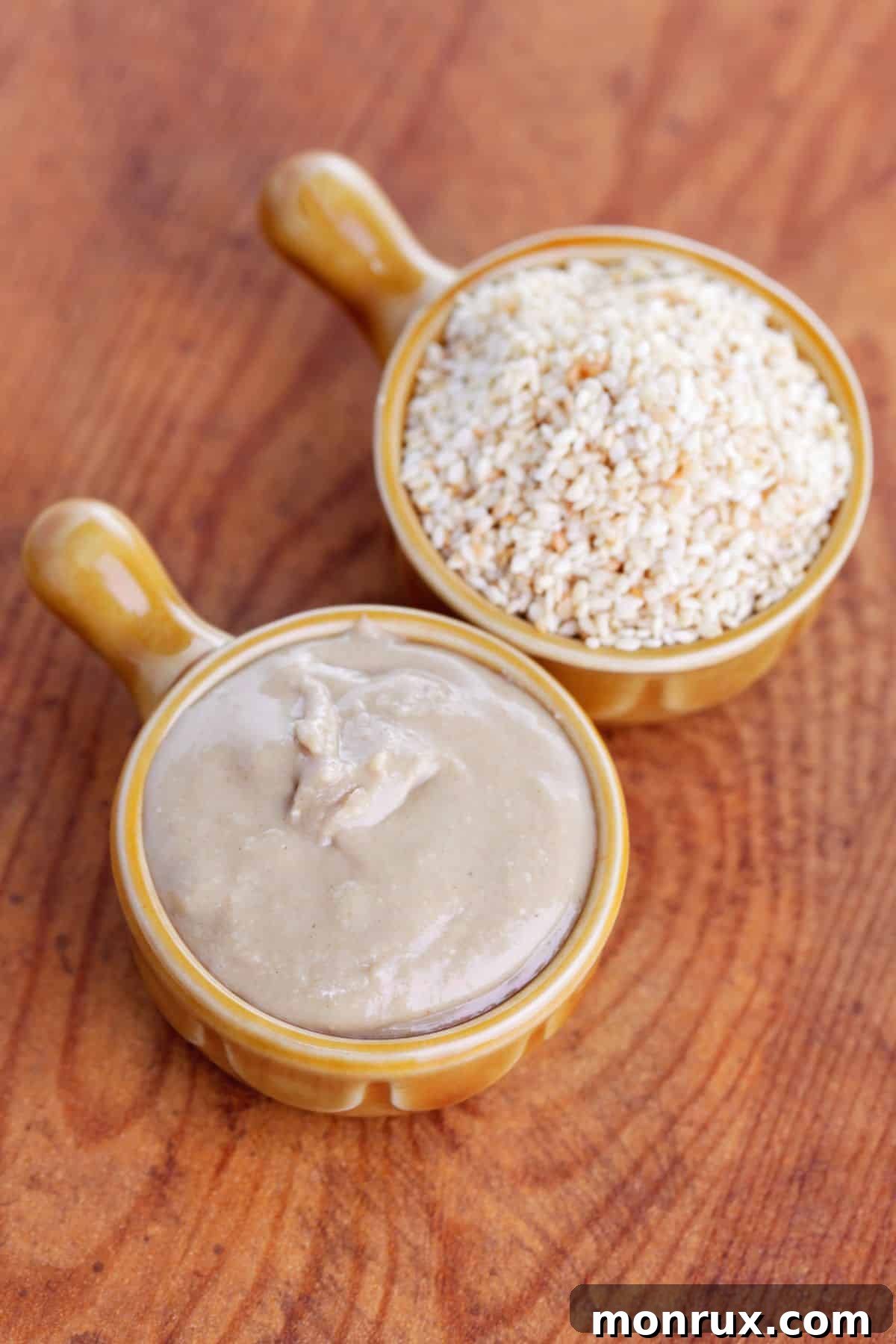
Tahini is a rich, savory paste made from ground sesame seeds, a cornerstone ingredient in Middle Eastern and Mediterranean cuisines. It boasts a distinctive nutty, slightly earthy, and sometimes mildly bitter flavor that can wonderfully enhance both sweet and savory dishes. Tahini is famously a key ingredient in hummus and baba ghanoush, but it can also be used as a creamy dressing, a spread on bread or crackers, or a dip for fresh vegetables. Nutritionally, tahini is a powerhouse, offering a good source of protein, dietary fiber, and healthy fats, alongside various minerals like calcium and iron.
When considering tahini as a coconut cream substitute, it’s important to acknowledge the significant flavor difference. Coconut cream offers a sweet, tropical essence, while tahini brings a savory, nutty profile. However, in terms of texture, high-quality tahini can be remarkably smooth and creamy, closely mimicking the consistency of coconut cream, especially when thinned appropriately. Coconut cream generally has a higher fat content, making it feel richer, but tahini still delivers a substantial mouthfeel. As a naturally vegan and dairy-free option, tahini is an excellent choice for those with dietary restrictions who need a thick, emulsifying agent.
When to use: Tahini works best in savory recipes where its nutty flavor complements the other ingredients, such as in curries (where a nutty note can be welcome), savory sauces, dressings, and dips. It can also be surprisingly effective in certain baked goods where a less sweet, more complex flavor is desired, or in recipes that already incorporate nut flavors. It’s less ideal for delicate sweet desserts where the coconut flavor is paramount.
Substitution Ratio: To substitute one tablespoon of coconut cream, use one tablespoon of tahini. However, tahini can be very thick and seize up easily. It is almost always recommended to thin it with a bit of water (or the liquid from your recipe) gradually until it reaches the desired smooth, pourable, and creamy consistency similar to coconut cream. Start with a small amount of water and add more incrementally.
4. Greek Yogurt
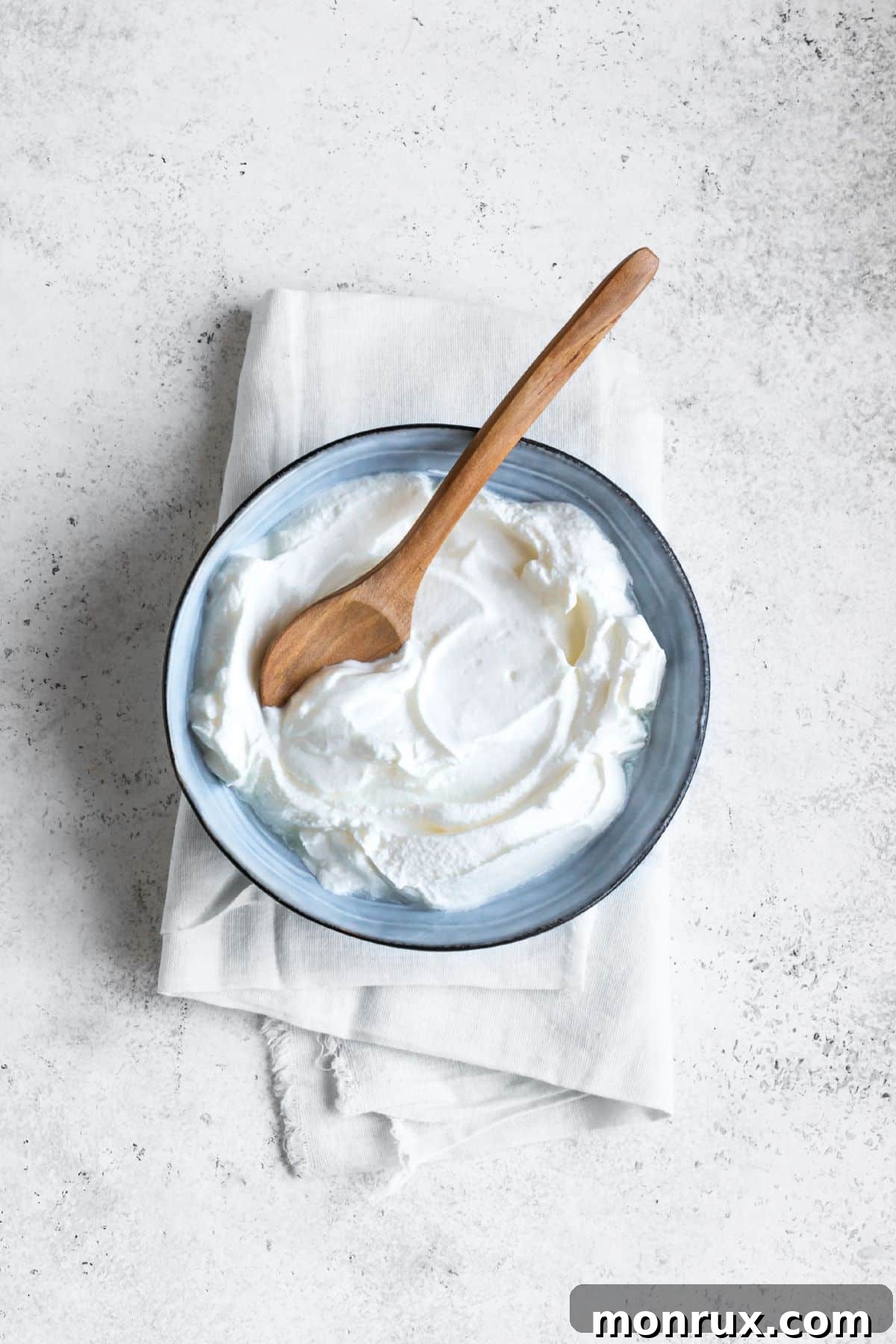
Greek yogurt is a fermented dairy product that has undergone an extra straining process to remove most of its whey, resulting in a significantly thicker, creamier, and more concentrated product compared to regular yogurt. This process also contributes to its higher protein content, making it a popular choice for health-conscious individuals and those seeking to increase their protein intake. Its tangy flavor and versatility make it a staple ingredient, perfect as a snack, a breakfast food, or a base for various dips, sauces, and even baking.
While Greek yogurt can mimic the thick, creamy texture of coconut cream, there are several key differences to consider. Greek yogurt is notably lower in fat than coconut cream, especially if you opt for low-fat or non-fat varieties. It also possesses a distinct tangy or slightly sour flavor, in contrast to the sweet, tropical notes of coconut cream. Furthermore, Greek yogurt contains live and active cultures, which are beneficial for gut health but can sometimes curdle if heated too rapidly or added to very hot dishes. Crucially, Greek yogurt is a dairy product, making it unsuitable for vegan or dairy-free diets.
When to use: Greek yogurt is a great substitute in recipes where the tanginess won’t clash with the overall flavor profile, and where creaminess and thickness are desired. It works well in savory applications like creamy dressings, marinades, and as a topping for chili or tacos. In some baking recipes, it can add moisture and a slight tang. For sweet recipes, you may need to increase the amount of sugar or other sweeteners to balance its tartness.
Substitution Ratio: To substitute one tablespoon of coconut cream, use one tablespoon of full-fat Greek yogurt. If you need a dairy-free option, a plain, unsweetened coconut-based yogurt or other plant-based Greek-style yogurt can serve as an excellent, almost direct substitute for coconut cream, offering similar creaminess and a complementary flavor profile.
5. Evaporated Milk
Evaporated milk is a shelf-stable canned milk product made by heating fresh milk to remove about 60% of its water content. This concentration process results in a thicker, creamier liquid with a slightly caramelized, more concentrated flavor than regular milk. Its unique properties make it a versatile ingredient, particularly valued in baking and cooking where it can add richness and moisture. When incorporated into baked goods, evaporated milk helps create a moist and tender crumb, and it’s also frequently used in creamy sauces, soups, and desserts as a substitute for fresh cream or milk.
Comparing it to coconut cream, evaporated milk is significantly lower in fat, especially if using a low-fat variety, which will impact the richness of your final dish. While both offer a creamy texture, coconut cream is inherently thicker and provides a more substantial mouthfeel. Evaporated milk also tends to have a sweeter taste due to the concentration of natural sugars during the evaporation process, which is different from the distinct tropical sweetness of coconut cream. Like heavy whipping cream and Greek yogurt, evaporated milk is derived from cow’s milk, making it unsuitable for vegan or dairy-free diets.
When to use: Evaporated milk is a suitable alternative for recipes where you need a creamy liquid without the coconut flavor, and where a dairy product is acceptable. It excels in applications like creamy soups, casseroles, puddings, and some sauces. Due to its reduced water content, it contributes to a thicker consistency than regular milk. If your recipe requires significant richness, you might want to complement evaporated milk with a small amount of butter or oil.
Substitution Ratio: To substitute one tablespoon of coconut cream, use approximately 1/2 tablespoon of evaporated milk. You’ll use less evaporated milk because it’s more concentrated than regular milk, but it’s still thinner than coconut cream, so you might need to adjust for thickness by reducing the liquid in your recipe slightly or simmering the mixture longer. For a richer result, use full-fat evaporated milk.
6. Soy Milk (or other Plant-Based Milks)
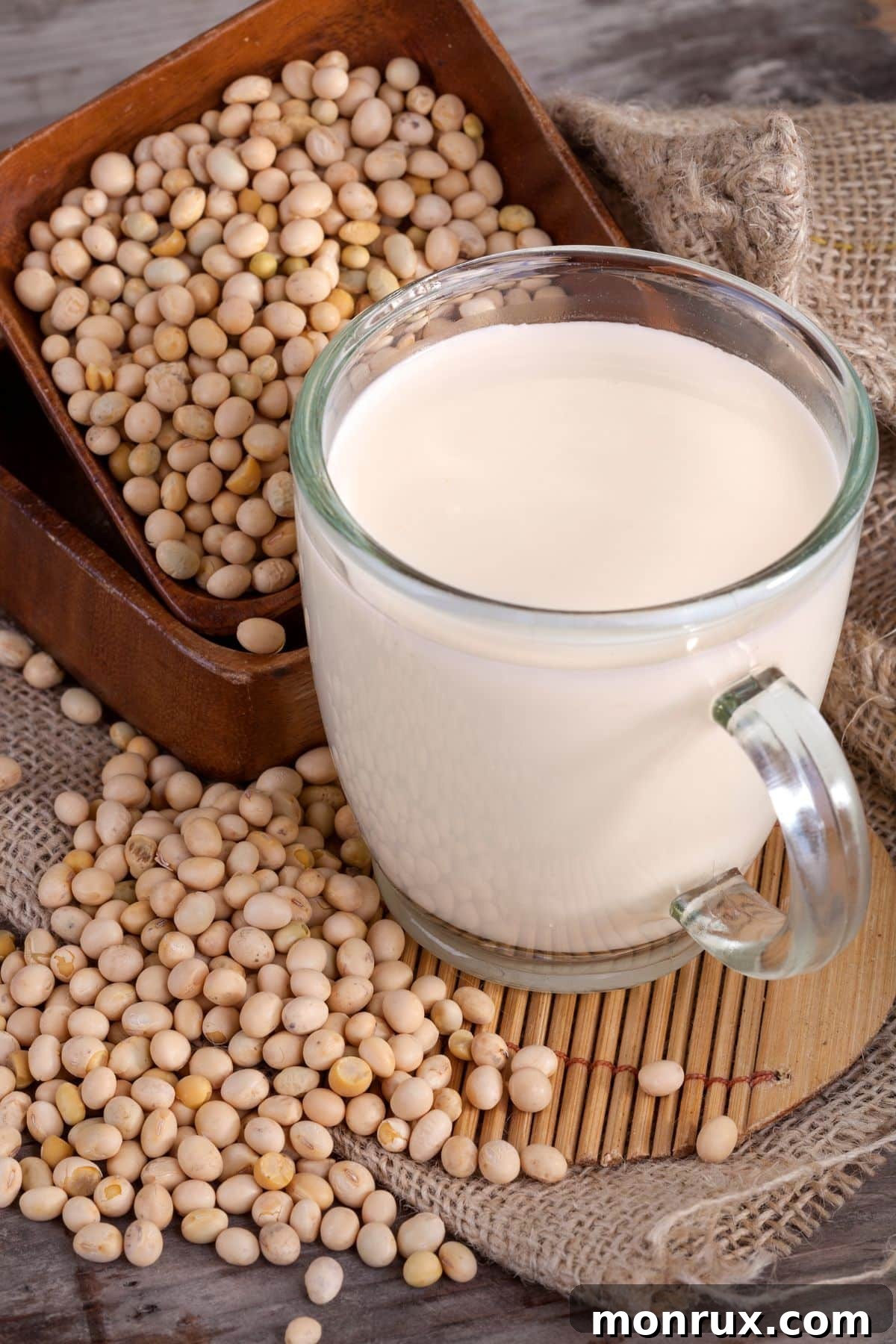
Soy milk is a popular plant-based milk alternative made from soybeans. It’s celebrated for being a good source of protein, vitamins, and minerals, while being naturally free of cholesterol and low in saturated fat. Its neutral flavor profile and creamy texture make it a versatile dairy substitute in various culinary applications, from cereals and coffee to baking and cooking. Along with soy milk, other plant-based milks like almond milk, oat milk, and cashew milk also offer dairy-free options with varying characteristics.
When comparing soy milk to coconut cream, it’s essential to recognize their distinct differences in taste and texture. Coconut cream is significantly richer, thicker, and more flavorful with its characteristic tropical notes, and it contains more saturated fat, contributing to its luxurious mouthfeel. Soy milk, while creamy, has a much higher water content and a thinner consistency, making it less of a direct textural match for the concentrated thickness of coconut cream. While soy milk is a decent substitute in a pinch, it’s generally not ideal for recipes where the rich thickness of coconut cream is crucial. Other plant-based milks like almond milk and oat milk also share this thinner consistency.
When to use: Unsweetened full-fat soy milk can be used in recipes where you need a creamy liquid and a dairy-free, vegan alternative, but where the full richness and thickness of coconut cream aren’t the absolute priority. It works well in smoothies, some lighter soups, oatmeal, and in certain baking recipes as a liquid component. For savory dishes, ensure you choose an unsweetened variety to avoid altering the flavor profile. For an even thicker, more cream-like consistency, consider using a “barista blend” or “extra creamy” version of soy, oat, or cashew milk, or even blending raw cashews with water to make a quick cashew cream.
Substitution Ratio: To substitute one tablespoon of coconut cream, use one tablespoon of full-fat soy milk or another rich plant-based milk. Be prepared for a thinner final product, and if possible, try to reduce the overall liquid in the recipe or allow your dish to simmer longer to achieve a slightly thicker consistency.
7. Coconut Butter
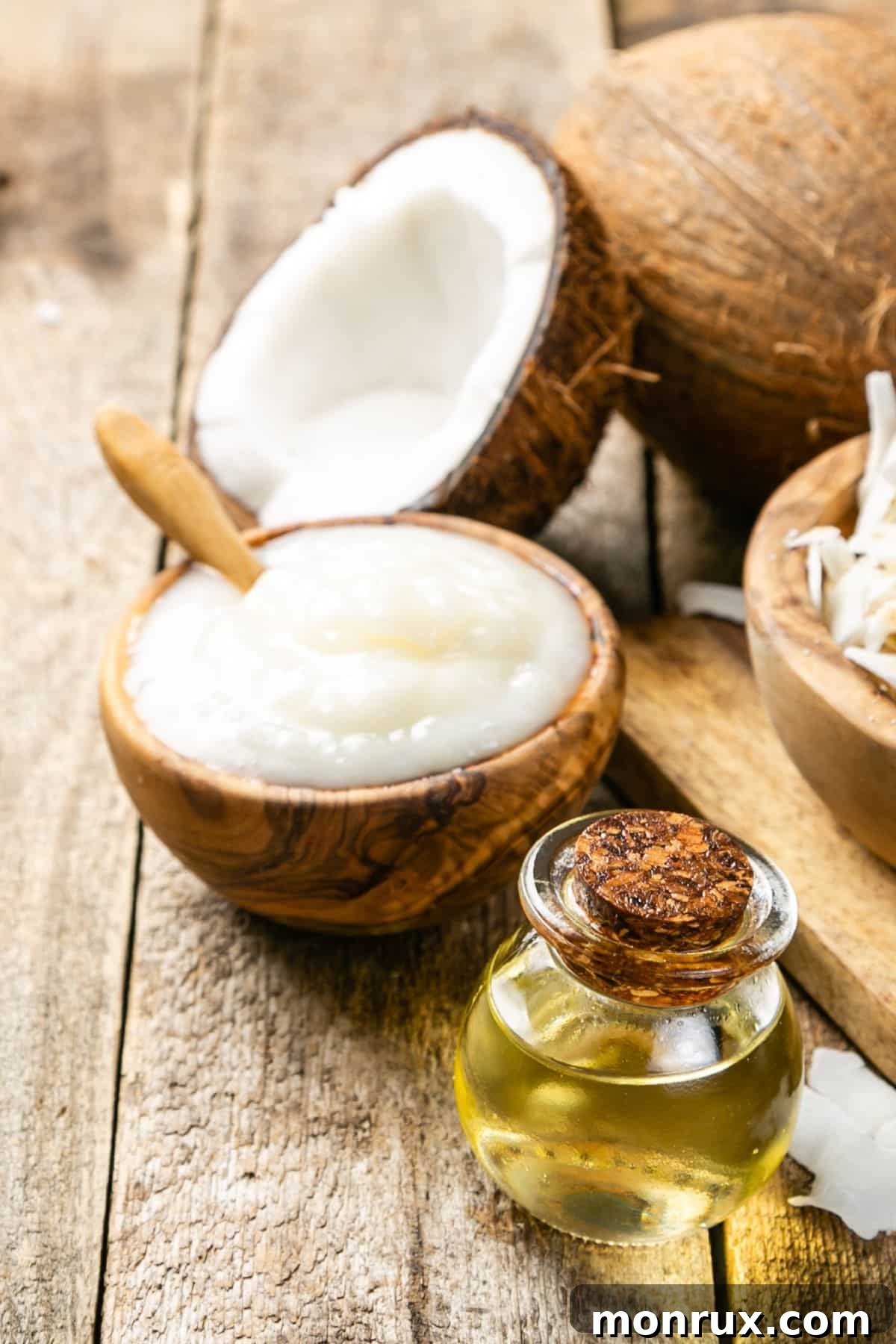
Coconut butter is a delightful and versatile ingredient made from the entire flesh of the coconut, finely ground into a smooth paste. Unlike coconut oil, which is just the oil extracted from the coconut, coconut butter contains all the fiber, protein, and nutrients of the coconut meat. It boasts a rich, creamy texture and a mildly sweet, concentrated coconut flavor. This makes it an excellent choice for both sweet and savory applications. It’s commonly used as a spread on toast, an addition to smoothies, a thickening agent in curries and stir-fries, or as a dairy-free component in desserts and confections.
Nutritionally, coconut butter is a good source of healthy fats, including MCTs, as well as fiber, vitamins, and minerals. While it delivers a similar coconut flavor to coconut cream, it is generally much thicker and more solid at room temperature, especially in cooler environments. Coconut cream has a liquid-like consistency when at room temperature or slightly warmed, while coconut butter is more like a nut butter. It’s also typically less sweet than sweetened coconut cream (often called cream of coconut) but offers a more intense, authentic coconut taste than regular coconut milk. Its solid nature at room temperature means it behaves differently in recipes, often requiring melting to incorporate properly.
When to use: Coconut butter is a fantastic substitute when you need to impart a strong coconut flavor and a rich, creamy texture, especially in recipes where a thicker consistency is desirable. It works exceptionally well in desserts like raw cheesecakes, energy balls, or fudges, and can add body to smoothies or sauces. It’s also a great vegan and dairy-free option for adding richness to curries or stews, provided you melt it first.
Substitution Ratio: To substitute one tablespoon of coconut cream, use one tablespoon of melted or softened coconut butter. It is crucial to melt the coconut butter thoroughly to ensure it mixes smoothly into your recipe and doesn’t create clumps. You might also need to add a small amount of liquid (water, plant-based milk, or recipe liquid) to achieve the exact consistency of coconut cream, as melted coconut butter can still be thicker.
8. Bonus Substitutes
Beyond the primary alternatives, several other ingredients can serve as effective stand-ins for coconut cream, depending on your recipe’s specific needs and your dietary preferences. These include:
- Silken Tofu: Blended silken tofu offers an incredibly smooth, neutral-flavored, and creamy base that is excellent for dairy-free sauces, dressings, and even creamy desserts. It won’t provide the coconut flavor, but it nails the texture. Use a 1:1 ratio.
- Cashew Cream: Made by blending soaked cashews with water, cashew cream is a rich, neutral-tasting, and highly versatile dairy-free option that can be customized for thickness. It’s perfect for savory and sweet applications. Start with a 1:1 ratio and adjust consistency.
- Sour Cream (or Dairy-Free Sour Cream): Offers a tangy, thick consistency that works well in savory dishes or dressings where a slight sourness is desired. A dairy-free version can maintain vegan requirements. Use a 1:1 ratio, but consider the tang.
- Regular Milk (with a thickener): While much thinner, you can create a makeshift cream by reducing regular dairy milk or a plant-based milk (like full-fat oat milk) over heat, or by whisking in a thickener like cornstarch or arrowroot powder (1-2 teaspoons per cup of milk). This works best for adding a little creaminess rather than full richness.
Always adjust the ratios and ingredients based on the specific requirements of the recipe you are making and the flavor profile you aim to achieve.
Pros and Cons of Coconut Cream Substitutes
Choosing the right substitute for coconut cream involves weighing the advantages and disadvantages of each option against your recipe’s needs and your dietary preferences. This table provides a quick overview to help you make an informed decision, summarizing the key points discussed above.
| Substitute | Pros | Cons |
|---|---|---|
| Canned Full-Fat Coconut Milk | Similar flavor profile and richness; excellent for dairy-free/vegan diets; rich in vitamins and minerals; can be thickened by chilling | Thinner than coconut cream unless chilled and separated; slightly less fat and concentrated flavor than pure cream |
| Heavy Whipping Cream | Rich, creamy, luxurious texture; neutral flavor profile; no added stabilizers or emulsifiers for whipping | Not vegan or dairy-free; contains dairy allergens; lacks coconut flavor |
| Tahini | Nutty, rich flavor; excellent source of protein, fiber, and healthy fats; naturally vegan and dairy-free | Distinct nutty/earthy flavor that may not suit all dishes; requires thinning for optimal consistency; can be bitter if not high quality |
| Greek Yogurt | High in protein; thick and creamy texture; promotes gut health; can add a moist texture to baked goods | Dairy-based (not vegan/dairy-free); distinct tangy flavor; lower in fat than coconut cream; can curdle if heated improperly |
| Evaporated Milk | Concentrated flavor ideal for baking; helps create moist textures; thickens well in recipes | Dairy-based (not vegan/dairy-free); lower in fat than coconut cream; sweeter due to concentrated sugars; lacks coconut flavor |
| Soy Milk (or other Plant-Based Milks) | Good source of protein, vitamins, and minerals (soy); naturally vegan and dairy-free; readily available | Significantly thinner than coconut cream; less rich; may require additional thickeners or reduction; lacks coconut flavor |
| Coconut Butter | Rich, creamy texture; intense coconut flavor; good source of healthy fats, vitamins, and minerals; naturally vegan and dairy-free | Solid at room temperature, requires melting; can be very thick and seize; potentially less sweet than desired in some recipes |
FAQs
No, coconut water is not a suitable substitute for coconut cream. Coconut water is the clear liquid found inside young coconuts, primarily used for hydration. It is very thin, watery, and lacks the creamy texture, rich fat content, and concentrated flavor necessary to function as a coconut cream alternative in cooking or baking.
Absolutely! Coconut cream is an excellent dairy-free alternative to heavy cream in many recipes. Its thick consistency and rich texture make it suitable for soups, sauces, desserts, and even whipped toppings. However, it will impart a distinct coconut flavor, which can be a delicious addition to some dishes but might not be ideal for others where a neutral dairy flavor is preferred.
For a curry recipe, the best alternative for coconut cream is full-fat canned coconut milk. It still provides the essential coconut flavor and creaminess, albeit with a slightly thinner consistency. To compensate for the reduced thickness, you can let the coconut milk simmer and reduce a bit before adding it to your curry, or you can spoon out the thick cream that separates at the top of a chilled can. For a non-coconut option, cashew cream or even a spoonful of tahini (thinned with water) can add richness, but the flavor profile will change.
No, heavy cream is a dairy product and therefore not suitable for vegan recipes. If your recipe requires a vegan alternative, stick to plant-based substitutes such as the thick cream from a can of full-fat coconut milk, cashew cream, tahini (thinned), or melted coconut butter. These options will maintain the dairy-free integrity of your dish.
To make your own coconut cream, simply place an unopened can of full-fat coconut milk in the refrigerator overnight (or for at least 8 hours). The solid, thick cream will separate and rise to the top. Carefully open the can without shaking it, and spoon out the thick coconut cream, leaving the watery liquid (coconut water) behind. This separated cream will be very similar in consistency and richness to store-bought coconut cream.
Yes, depending on the substitute chosen, the flavor of your recipe can change. While alternatives like heavy cream or Greek yogurt offer similar textures, they lack the tropical sweetness and distinct coconut flavor. Substitutes like tahini introduce a nutty, earthy note. If the coconut flavor is crucial to your dish, full-fat coconut milk or coconut butter will be your best bets to retain that profile. Always consider how the substitute’s inherent flavor will interact with the other ingredients in your recipe.
More Articles About Substituting Ingredients
Conclusions
Running out of coconut cream doesn’t have to mean abandoning your recipe. As this guide demonstrates, a wide range of reliable substitutes are available, each offering a unique set of characteristics in terms of flavor, texture, and dietary suitability. Whether you need a rich, dairy-free alternative for a savory curry, a creamy base for a decadent dessert, or simply a thickener for a sauce, there’s a suitable option to keep your culinary adventures on track.
The key to successful substitution lies in understanding the core role coconut cream plays in your specific dish and then selecting an alternative that best matches those requirements. Don’t be afraid to experiment with different options, adjusting quantities and seasonings as you go. With a little creativity and the knowledge from this guide, you’ll master the art of substituting ingredients and elevate your cooking to new heights, ensuring your meals are always delicious, no matter what’s in your pantry.
Don’t forget to join my newsletter list to get exclusive clean eating recipes and tips. The newsletter is 100% free with no spam; unsubscribe anytime.
About the Author: Carrie Forrest has a master’s degree in public health with a specialty in nutrition and is a certified holistic nutritionist. She is a top wellness and food blogger with over 5 million annual visitors to her site. Carrie has an incredible story of recovery from chronic illness and is passionate about helping other women transform their health. Send her a message through her contact form.