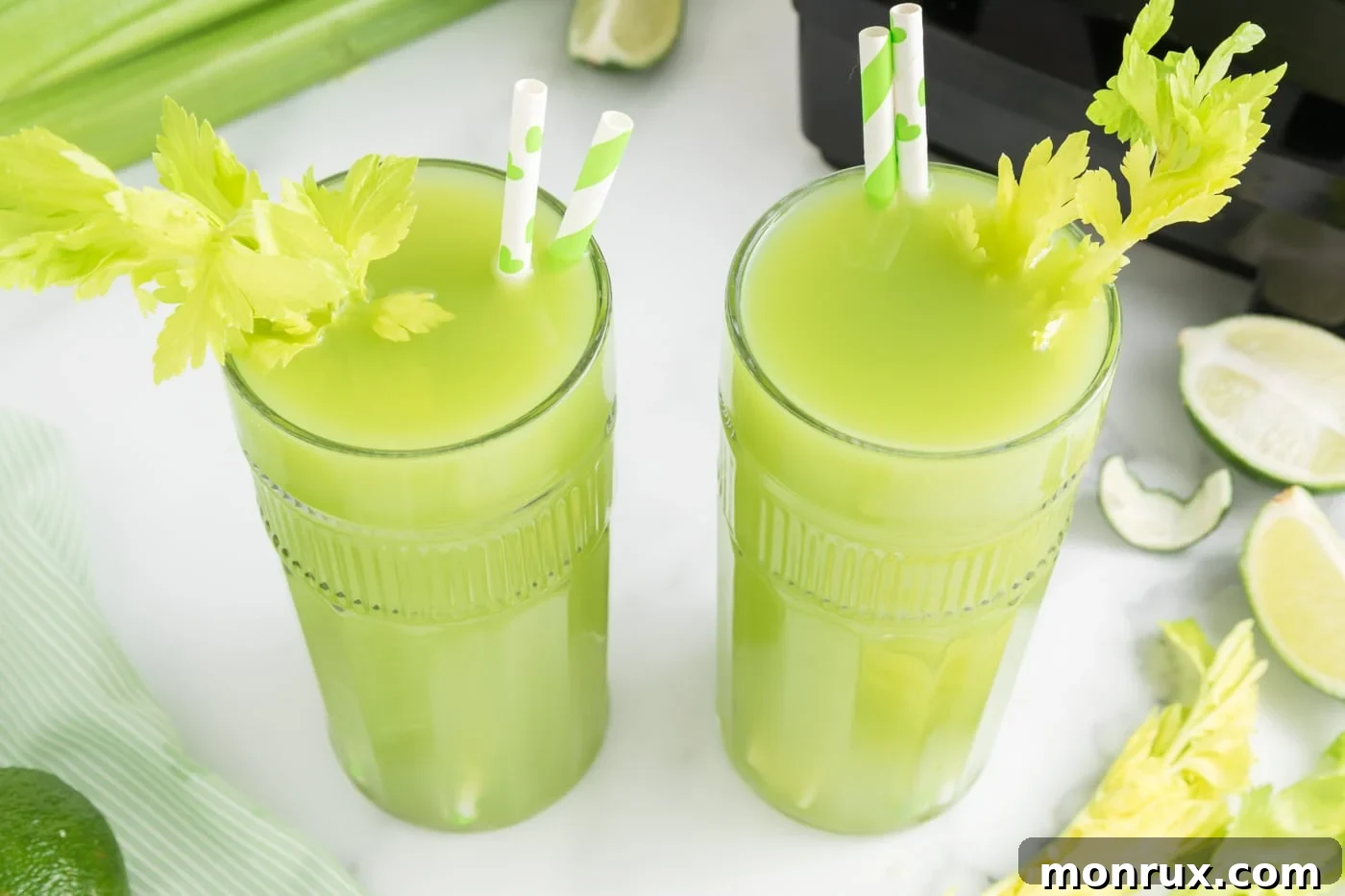
Welcome to your comprehensive guide on crafting the perfect glass of celery juice. This easy-to-follow recipe includes detailed directions for using either a juicer or a blender, ensuring you can enjoy this nutritious drink regardless of your kitchen equipment. Beyond just the method, I’ll reveal my best tips for making it taste surprisingly delicious, turning a potentially intense flavor into a refreshing daily habit.
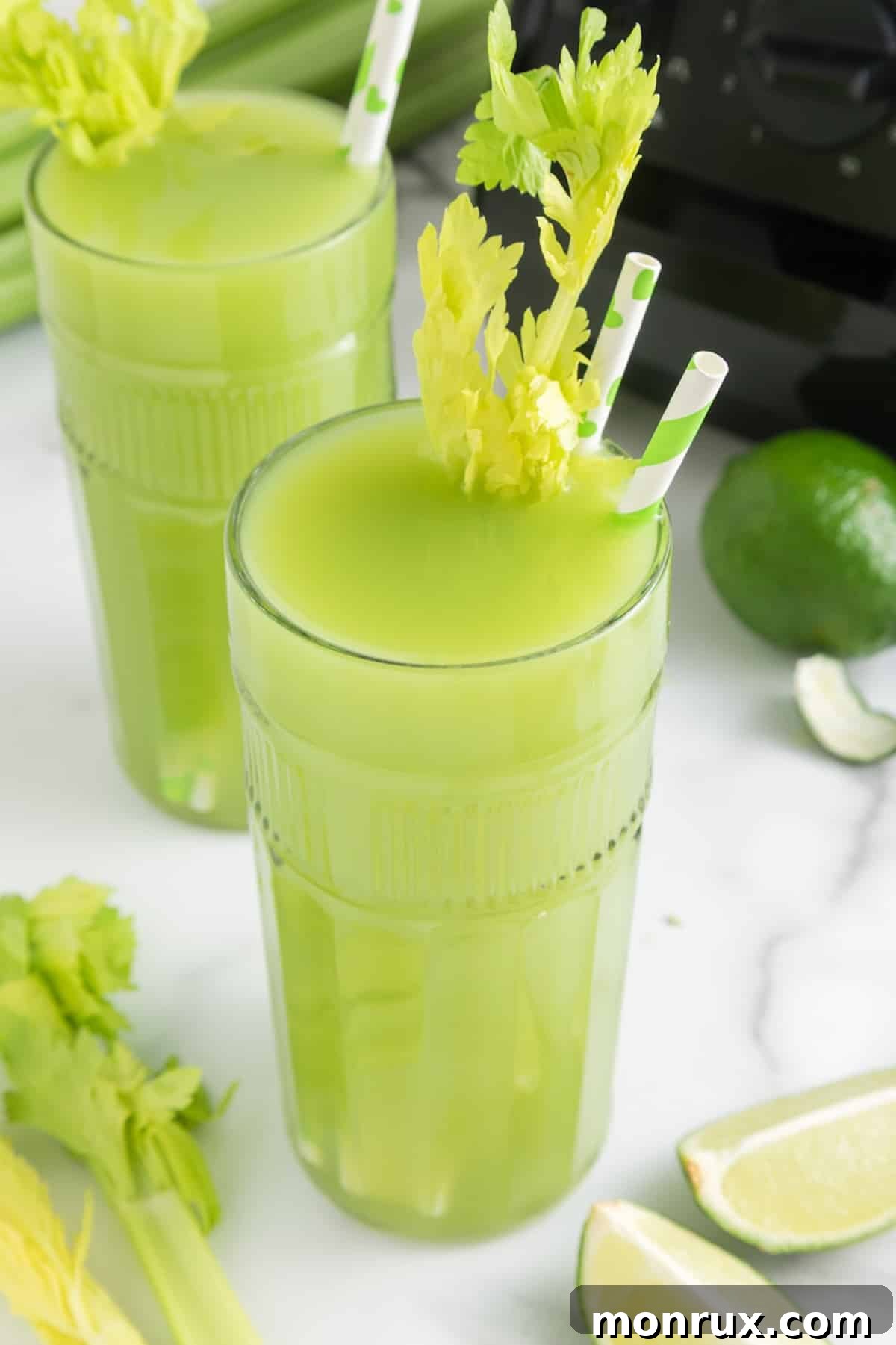
As a certified nutritionist, I’ve witnessed firsthand the remarkable rise in popularity of drinking celery juice, particularly on an empty stomach. This health trend is far from a fad; it’s rooted in tangible nutritional benefits. Celery is exceptionally rich in essential minerals like potassium and sodium, alongside a host of vitamins and antioxidants crucial for overall well-being. My journey with homemade celery juice began way back in 2012, long before it became a mainstream sensation.
Many believe that the purest form of celery juice is made from 100% celery, and while that’s true in terms of ingredient simplicity, the flavor profile can be quite potent and challenging for newcomers. Pure celery juice has a distinct, earthy, and sometimes bitter taste that not everyone finds appealing. That’s why, in this extensive guide, I’m excited to share my secret for crafting celery juice that not only retains its incredible health benefits but also actually tastes good – a game-changer for anyone looking to incorporate this superfood into their routine without dreading every sip.
Celery Juice Ingredients: What You’ll Need
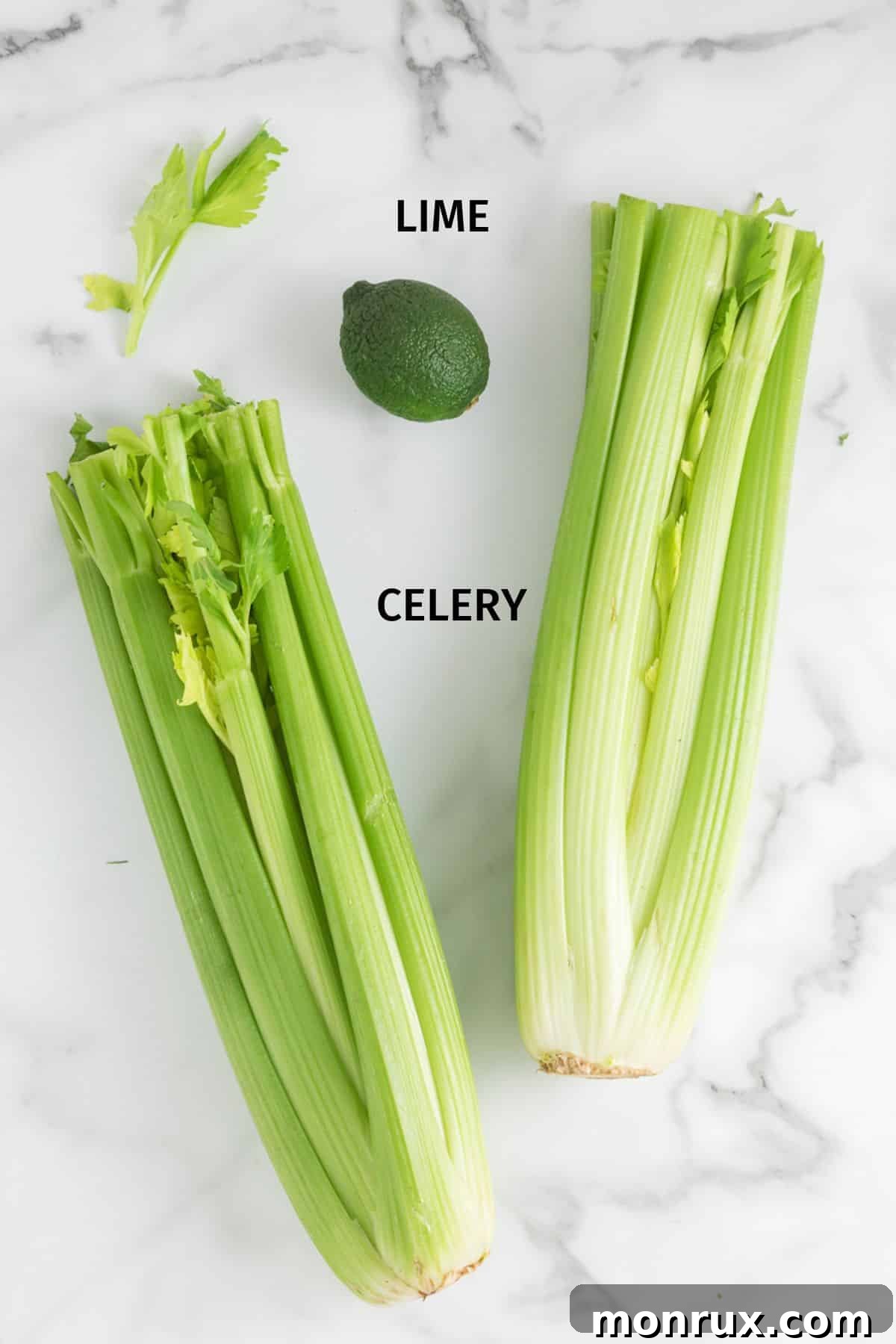
At its heart, celery juice is made from one primary component: fresh, organic celery stalks. Choosing organic celery is highly recommended, as celery is known to be on the “Dirty Dozen” list, meaning conventionally grown celery can contain higher levels of pesticide residues. Opting for organic ensures you’re getting the purest possible health benefits without unwanted chemicals. Celery is a staple on my Clean Eating Shopping List and is also a surprisingly versatile vegetable, even for those who are typically picky eaters.
For a single batch of delicious celery juice, you’ll typically need about one to two bunches of fresh celery, depending on their size and how much juice you aim to make. The quantity is important as you want a sufficient amount to yield a good serving.
Now, for my personal touch and the secret ingredient that truly transforms the flavor: I always include a fresh, peeled lime in my juice. The bright, zesty notes of lime cut through the earthy intensity of celery, creating a remarkably balanced and refreshing taste. This simple addition is my ultimate secret tip for making celery juice that is actually palatable and enjoyable to drink daily, rather than a chore. It makes all the difference in turning a healthy habit into a delightful one.
Step-By-Step Instructions: How to Make Celery Juice with a Juicer or Blender
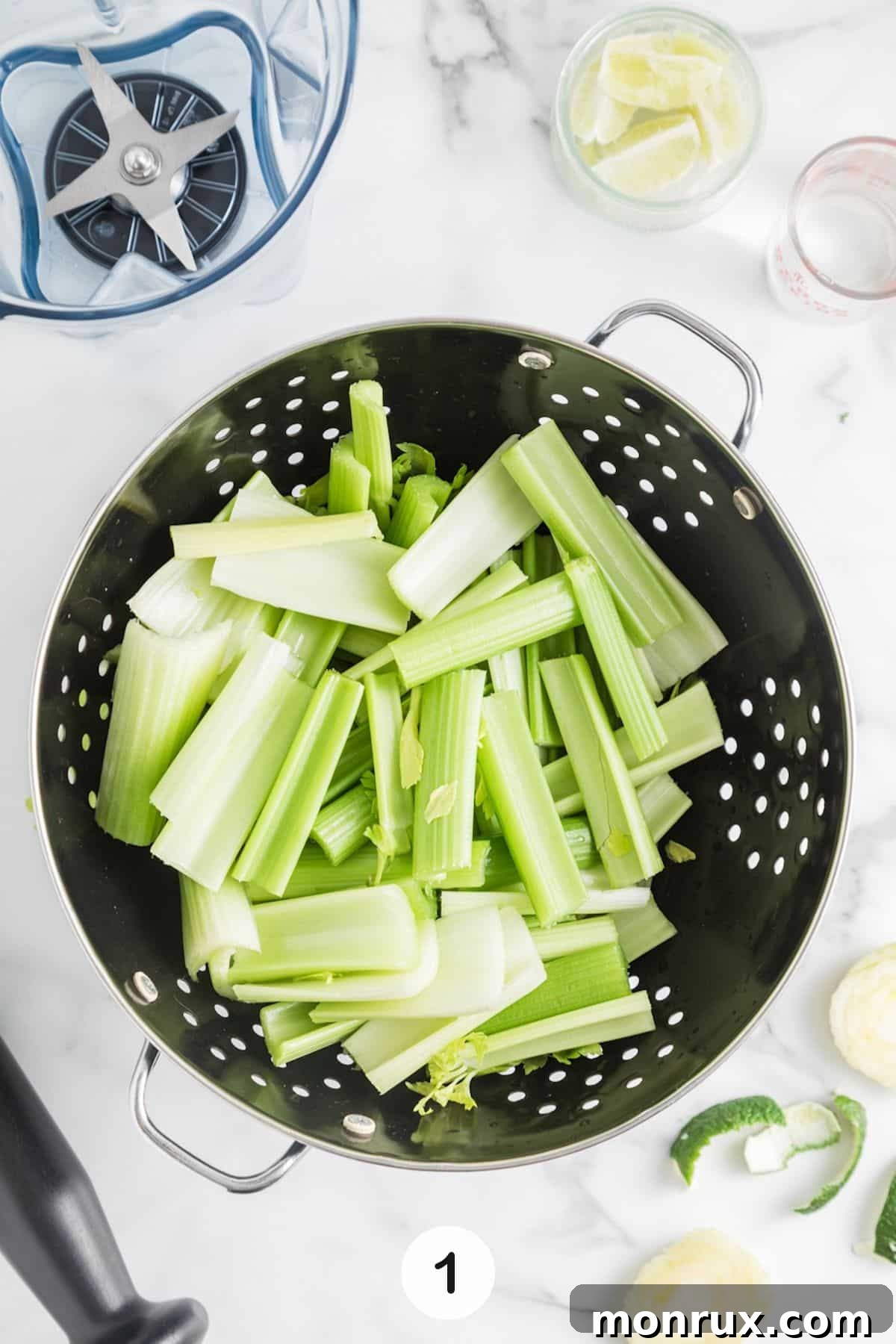
Step One: Prepare the Celery. Begin by taking two bunches of fresh celery. Carefully cut off the very base of the stalks and trim any leafy tops that might be excessively long or wilted. Place the celery stalks in a colander and rinse them thoroughly under cool running water. This ensures any dirt or residue is removed. Gently pat them dry with a clean towel or allow them to air dry briefly.
Step Two: Chop for Blender, Feed for Juicer.
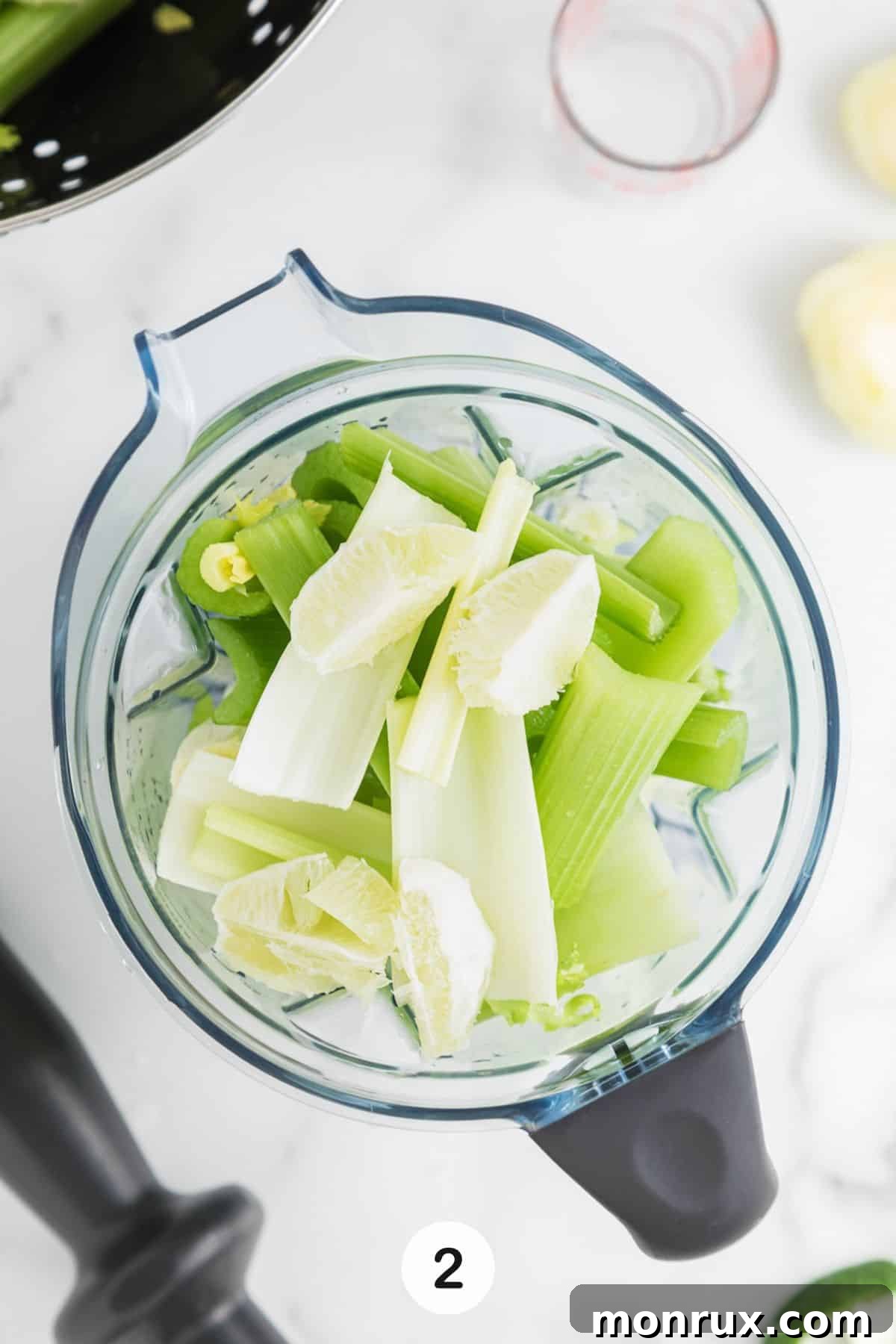
- If using a blender: Chop the celery stalks into smaller, manageable thirds. This helps your blender process them more efficiently and achieve a smoother consistency. Place the chopped celery and your peeled lime into the base of your high-speed blender.
- If using a juicer: For those with a juicer, simply run the washed celery stalks and the peeled lime through the feeding tube of your juicer. The juicer will automatically separate the juice from the pulp, making this method generally quicker for extraction.
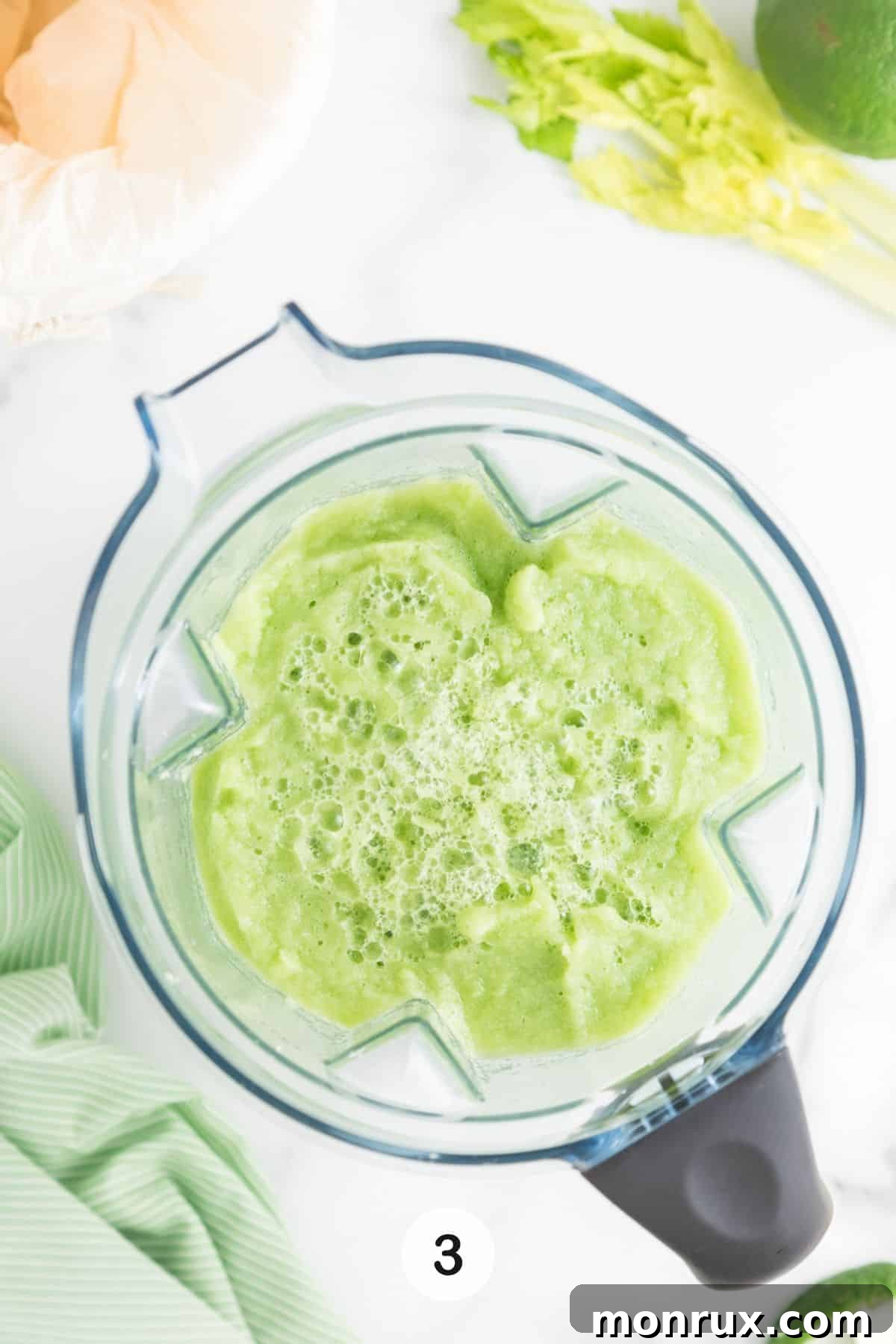
Step Three: Blend to Smoothness (Blender Method). If you’re using a blender, add approximately 1/2 cup of fresh water to the blender pitcher. This liquid aids in the blending process, helping the blades catch and break down the fibrous celery. Secure the lid tightly. Blend on high speed until the mixture is as smooth as possible. If necessary, use your tamper (if your blender has one) to push the celery pieces down into the blades, ensuring everything is thoroughly processed. Continue blending until there are no large chunks remaining.
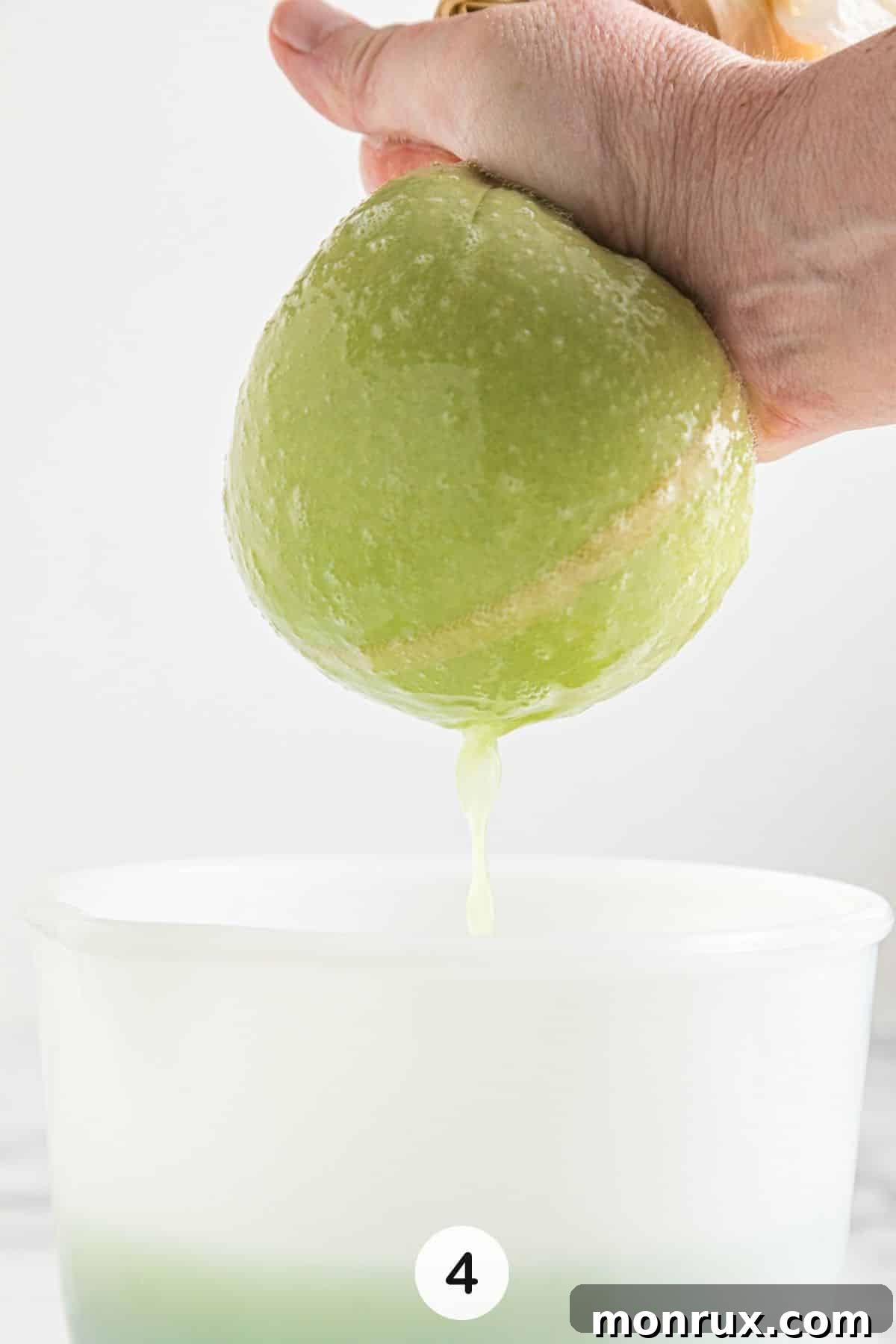
Step Four: Strain the Juice (Blender Method). This step is crucial for achieving a smooth, pulp-free celery juice from a blender. Place a clean nut milk bag or a fine-mesh strainer lined with cheesecloth over the mouth of a large pitcher or bowl. Carefully pour the blended celery mixture into the nut milk bag or strainer. Using your hands, firmly squeeze the bag to extract all the liquid, allowing the fresh celery juice to collect in the pitcher below. Continue squeezing until only dry pulp remains in the bag. Discard the remaining pulp, or save it for other uses (see Pro Tips).
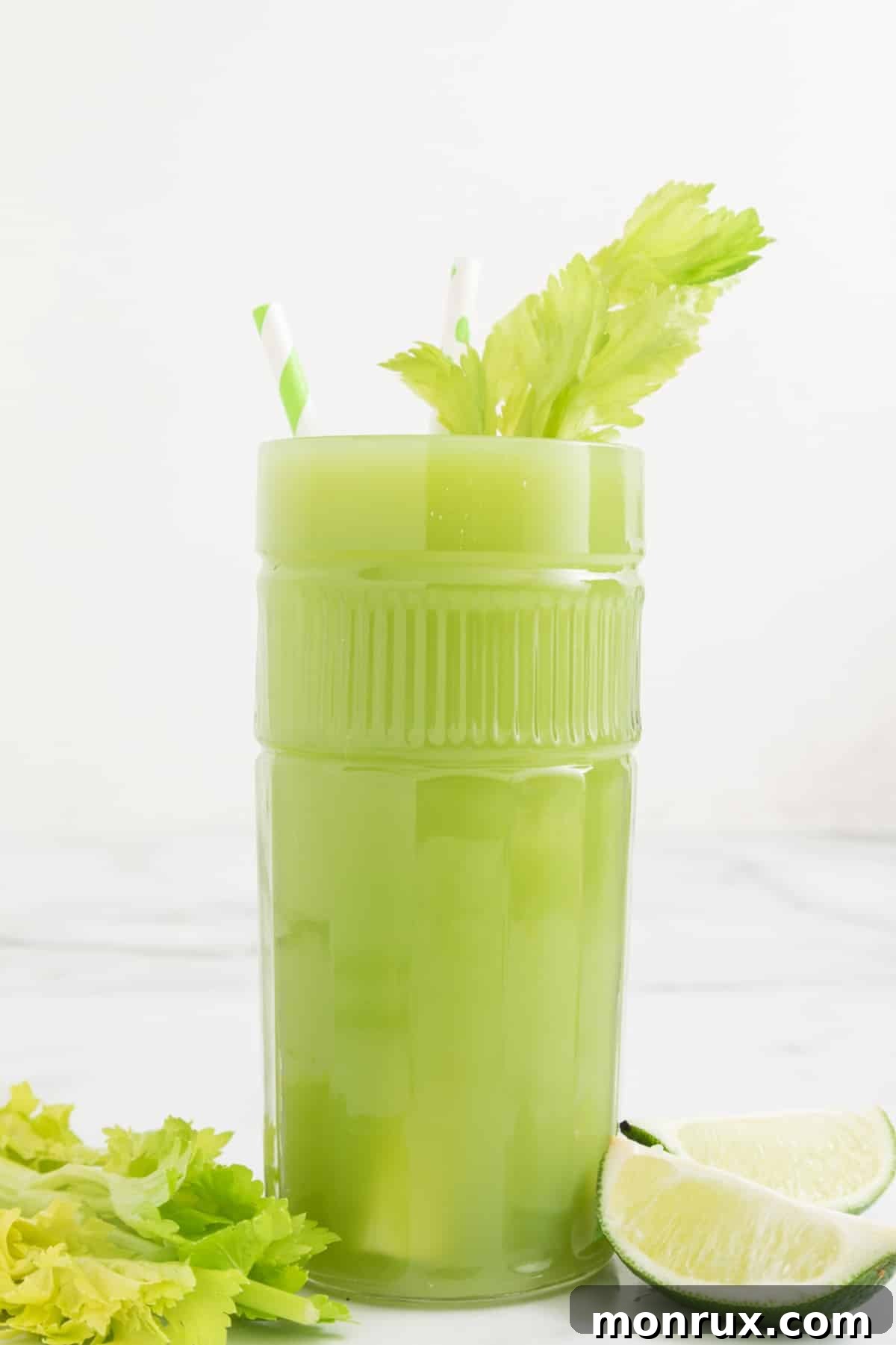
Whether you opt for a dedicated juicer or a versatile blender, the goal is to produce a vibrant, nutrient-dense glass of fresh celery juice. For optimal nutritional benefits and the freshest taste, it is always best to serve your homemade celery juice immediately after preparation. Enjoying it right away ensures you get the maximum potency of its vitamins, minerals, and enzymes.
I sincerely hope that this delicious rendition becomes one of your go-to green juices. While the distinct flavor of celery juice can be an acquired taste for some, the addition of lime truly elevates it. This fresh juice is not only packed with essential minerals and antioxidants, but many also find it to have therapeutic qualities, contributing to a sense of well-being and revitalization.
Celery Juice FAQs: Your Questions Answered
While a high-speed blender (like a Vitamix or Blendtec) will yield the smoothest consistency and more efficiently break down fibrous celery, it is certainly possible to make celery juice in a regular blender. For best results with a standard blender, I recommend chopping your celery into very small, 1-inch pieces. You should also start with at least 1/2 cup of water to help the blades move, and you might need to add a little more if the mixture is too thick. Blend for a minimum of one minute, or longer, until the celery is as finely pulverized as possible before straining. You can find my recommendations for the best juicer blenders if you’re looking to upgrade.
Unsurprisingly, at its core, celery juice tastes like celery. It has a distinct earthy, slightly salty, and herbaceous flavor. For many, especially those new to juicing, the unadulterated taste can be quite intense. If you’re not a fan of raw celery, you might find pure celery juice challenging. However, incorporating a peeled lime (or lemon) as I suggest dramatically brightens the flavor, adding a refreshing tartness that makes it much more palatable. Sometimes, I also add a small piece of apple for natural sweetness and an extra layer of brightness.
Absolutely! While some purists, like the Medical Medium, suggest only using 100% celery for specific therapeutic goals, I find that adding other ingredients significantly enhances the taste and nutrient profile, making it a more enjoyable daily drink. I often add a peeled lime and a chopped green apple, which beautifully balance the celery’s strong flavor. Other popular additions include cucumber (for extra hydration and a milder taste), fresh ginger (for a spicy kick and digestive benefits), or even a handful of fresh herbs like mint or parsley. The key is to experiment and find what tastes best to you, aligning with your personal health goals.
While celery juice is largely beneficial, some individuals may experience initial side effects. For instance, its potent cleansing properties can sometimes lead to diarrhea in sensitive individuals. If this occurs, try reducing the amount you drink initially (e.g., start with 4 ounces) and gradually increase your intake as your body adjusts. If diarrhea persists, consult your medical practitioner. Additionally, fresh celery juice, even when strained, can contain some residual fiber. This may cause temporary bloating as your digestive system adapts to the increased intake of certain compounds. This bloating typically subsides as your body adjusts to the juice. Always listen to your body and consult a healthcare professional with any concerns.
Many health practitioners and enthusiasts recommend drinking celery juice first thing in the morning, on an empty stomach, about 15-30 minutes before consuming any other food or drink. The rationale is that this allows your body to absorb the nutrients most efficiently without interference from other foods. It’s believed to help “wake up” the digestive system and prepare it for the day. However, consistency is more important than timing, so if another time of day works better for your routine, feel free to adjust.
For optimal nutrition and taste, it’s always best to consume fresh celery juice immediately after making it. However, if you need to store it, transfer the juice into an airtight glass jar or bottle. Fill it to the very top to minimize air exposure, which can degrade nutrients. Store it in the refrigerator for up to 24-72 hours. While it can last longer, the nutritional content begins to diminish after the first day, and the taste may change slightly.

Celery Juice Recipe (Juicer or Blender)
★★★★★
5 from 41 reviews
Here’s an easy Celery Juice Recipe that includes directions for using a juicer or a blender. Discover my best tips on how to make it taste good and unlock its incredible health benefits!
- Total Time: 11 minutes
- Yield: 4 servings
Ingredients
- 2 bunches of fresh celery (preferably organic)
- 1 lime, peeled (optional, but highly recommended for better taste)
- 1/2 cup water (only if using a blender)
Instructions
- Prepare the Celery: Chop off the base and the leafy tops of both celery bunches. Rinse the celery stalks thoroughly in a colander under cool running water to remove any dirt. Pat dry.
- Juicer Method: If using a juicer, simply feed the washed celery stalks and the peeled lime through the juicer’s feeding tube. Collect the fresh juice and proceed to serve immediately. Discard the pulp.
- Blender Method: If using a blender, chop the celery stalks into 1-inch pieces. Add the chopped celery and the peeled lime to the blender pitcher. Pour in 1/2 cup of water to aid in blending. Secure the lid.
- Blend & Strain (Blender Method): Blend on high speed until the mixture is smooth and no large chunks remain. Use a tamper if needed to push ingredients towards the blades. Once blended, place a clean nut milk bag or a fine-mesh strainer lined with cheesecloth over a pitcher or bowl. Pour the blended mixture into the bag/strainer and squeeze firmly with your hands to extract all the liquid. Serve the fresh juice immediately and discard the pulp.
- Serve & Store: Serve the celery juice immediately for the best nutritional value and taste. If you have any leftovers, store them in an airtight jar or bottle, filled to the top to minimize oxidation, in the refrigerator for up to 3 days.
Notes
- While some health advocates, like the Medical Medium, recommend 100% pure celery juice for specific therapeutic purposes, I find that adding the juice of one lime significantly improves the taste, making it much more enjoyable for daily consumption without compromising its health benefits.
- Always opt for organic celery whenever possible to avoid pesticide residues, as celery is known to be a high-pesticide crop.
- One large bunch of celery typically yields about 16 ounces (2 cups) of fresh juice. Adjust quantities based on your desired serving size.
- Author: Carrie Forrest, MPH in Nutrition
- Prep Time: 10 minutes
- Cook Time: 1 minute
- Category: Juice
- Method: Juicer or Blender
- Cuisine: Juicing
- Diet: Vegan, Gluten-Free, Whole30, Paleo
Nutrition Information (per 4 oz serving)
- Serving Size: 4 ounces
- Calories: 42
- Sugar: 7.2 g
- Sodium: 20.2 mg
- Fat: 0.1 g
- Saturated Fat: 0 g
- Carbohydrates: 10.9 g
- Fiber: 1.6 g
- Protein: 0.7 g
- Cholesterol: 0 mg
Looking for more juicing resources, including recommendations for my favorite juicers and essential accessories? Explore my Vegetable Juicing Essentials list on my Amazon storefront!
Celery Juicing Pro Tips for Best Results
- Choose Organic Celery: As mentioned, celery is frequently sprayed with pesticides and is consistently on the Environmental Working Group’s (EWG) “Dirty Dozen” list. To minimize your exposure to harmful chemicals, always opt for organic celery if it’s accessible and within your budget. If fresh celery isn’t available, explore my list of fresh celery substitutes for alternative healthy options.
- Consider the “Pure” Approach: For those following the Medical Medium’s protocol, the recommendation is to consume 100% pure celery juice without any other additions. This approach is believed to offer specific cleansing and healing benefits. If your goal is strictly adherence to this method, then avoid adding anything else to your cup of celery juice. However, if you’re looking for a sweeter and more palatable juice, you might enjoy my recipe for Apple Celery Juice.
- Optimal Timing: Many advocates suggest drinking celery juice first thing in the morning on an empty stomach to maximize absorption and kickstart your digestive system. Wait at least 15-30 minutes before consuming anything else.
- Pulp Power: Don’t throw away the leftover celery pulp! It’s still rich in fiber and nutrients. You can incorporate it into compost, add it to smoothies for extra fiber, mix it into baked goods like muffins or crackers, or even use it as a base for vegetable broth.
- Temperature Matters: While some prefer room temperature, many find chilled celery juice more refreshing and easier to drink. You can refrigerate your celery stalks beforehand or add a few ice cubes after juicing (though this can dilute the flavor).
- Listen to Your Body: Start with a smaller amount (e.g., 4-8 ounces) if you’re new to celery juice, and gradually increase to the recommended 16 ounces as your body adjusts. Pay attention to how you feel and adjust your intake accordingly.
Enhancing Your Celery Juice: Flavorful Substitutes & Additions
While this recipe offers a fantastic base, don’t hesitate to experiment with other ingredients to customize the flavor and boost the nutritional profile of your celery juice. These additions can transform your juice from a simple health drink into a truly delightful concoction:
- Add Lemon Juice: Similar to lime, a splash of fresh lemon juice is a fantastic way to brighten the flavor. Its refreshing tang can effectively cut through celery’s earthiness, making the juice more vibrant and appealing. Lemon also provides an extra dose of Vitamin C.
- Include Green Apple: For those who prefer a touch of natural sweetness, a chopped green apple (like Granny Smith) is an excellent choice. It harmonizes beautifully with celery, balancing its savory notes and adding a crisp, refreshing dimension. This is particularly good if you’re transitioning away from sweeter fruit juices.
- Mix with Cucumber: If you desire a milder, even more hydrating juice, add a cucumber. Cucumbers are primarily water, so they’ll increase the volume of your juice while mellowing the celery’s intense flavor and adding electrolytes. The result is an incredibly refreshing and detoxifying drink.
- Add Fresh Ginger: For a warming, spicy kick and an added boost of anti-inflammatory properties, incorporate a small piece of fresh ginger root. Peel it before juicing or blending. Ginger not only adds a unique flavor but is also renowned for its digestive benefits.
- Incorporate Fresh Herbs: Don’t underestimate the power of fresh herbs! A small handful of mint or parsley can add an incredibly fresh, aromatic, and invigorating note to your celery juice. Mint provides a cooling sensation, while parsley offers a slightly peppery, vibrant flavor. Explore my list of the best herbs for juice for more ideas.
- Spice it Up: A tiny pinch of cayenne pepper can add a metabolic boost and a subtle warmth, while turmeric (especially with a pinch of black pepper for absorption) offers powerful anti-inflammatory benefits and a vibrant color.
Potential Health Benefits of Celery Juice: Why It’s So Good For You
Celery’s Nutritional Profile & Traditional Use:
- Rich in Essential Minerals: Celery is naturally loaded with vital electrolytes like natural sodium and potassium, which are crucial for fluid balance, nerve function, and blood pressure regulation.
- Antioxidant Powerhouse: It’s packed with a variety of powerful antioxidants, including flavonoids and polyphenols, which help protect the body’s cells from damage caused by free radicals.
- High Water and Fiber Content: While juicing removes most of the insoluble fiber, celery itself boasts a high water content (over 95%), contributing to hydration, and its soluble fiber content is beneficial for gut health.
- Historical Significance: Known scientifically as Apium graveolens, celery and its seeds have been utilized in traditional medicine systems for centuries across various cultures to address a range of conditions, highlighting its long-recognized therapeutic value.
Emerging Scientific Evidence:
- Broad Research Base for Celery: Although specific, large-scale human studies on “celery juice” are still emerging, extensive research exists on the health benefits of whole celery. Studies have explored its positive effects on conditions such as high cholesterol, Parkinson’s disease, infertility, and even its potential role in cancer prevention. This broader scientific context supports the idea that consuming celery in concentrated juice form can provide these beneficial compounds more readily. (For a related nutrient boost, also check out my Celery Cucumber Smoothie recipe).
- Inflammation Reduction: Both celery stalks and celery leaves contain powerful compounds with anti-inflammatory properties. These compounds can help reduce systemic inflammation in the body, which is a root cause of many chronic diseases.
Key Nutritional Content:
- Vitamins Galore: Celery is an excellent source of vitamin K, essential for blood clotting and bone health, and vitamin C, a powerful immune booster and antioxidant. It also provides smaller amounts of folate and vitamin A.
- Antioxidant Action: Beyond vitamins, celery contains a unique blend of antioxidants that fight free radicals in the body, which are unstable molecules that can cause cellular damage and contribute to aging and disease. This makes celery a key player in my list of beneficial green vegetables.
- Hydration and Electrolytes: Its high water content combined with natural electrolytes helps keep your body well-hydrated, which is fundamental for almost every bodily function, from metabolism to detoxification.
Incorporating celery juice into your diet can be a simple yet effective way to significantly boost your intake of these valuable nutrients and support various aspects of your health, contributing to a more vibrant and energetic you.
More Nourishing Juice Recipes You Might Like
If you’re enjoying the benefits of celery juice and are eager to explore more vibrant, health-boosting drinks, here are some other fantastic juice recipes to add to your repertoire:
- Beet Juice: A powerful detoxifier known for supporting liver health and athletic performance.
- Carrot Juice: Sweet and rich in beta-carotene, great for vision and skin health.
- Celery Cucumber Green Juice: A super hydrating and milder green juice, perfect for detoxification.
- Green Vegetable Juice: A comprehensive blend of various greens for an ultimate nutrient boost.
- Carrot and Cucumber Juice: A refreshing and subtly sweet juice, great for skin and hydration.
Alternatively, you can delve into my extensive round-ups of Juicer Recipes for Beginners or discover the Best Weight Loss Juice Recipes for other delicious and effective green juice options tailored to specific goals.
For more in-depth information related to juice cleanses and their impact on your well-being, be sure to check out my detailed article on Juicing for Weight Loss & Health: Risks & Benefits.
Essential Juicing Resources to Explore!
Don’t forget to join my newsletter list to receive exclusive clean eating recipes, expert tips, and wellness insights directly in your inbox. The newsletter is 100% free with a strict no-spam policy; you can easily unsubscribe at any time.
About the Author: Carrie Forrest holds a master’s degree in public health with a specialization in nutrition and is a certified holistic nutritionist. She is a highly respected wellness and food blogger, attracting over 5 million visitors annually to her website. Carrie shares an inspiring personal journey of recovery from chronic illness and is deeply committed to empowering other women to transform their health through wholesome eating and informed choices. Feel free to send her a message through her contact form for any inquiries or collaborations.
Disclaimer: Please note that this post is provided for informational purposes only and should not be considered as medical advice. Always consult with your healthcare provider for personalized recommendations and guidance related to your individual health situation and dietary needs.