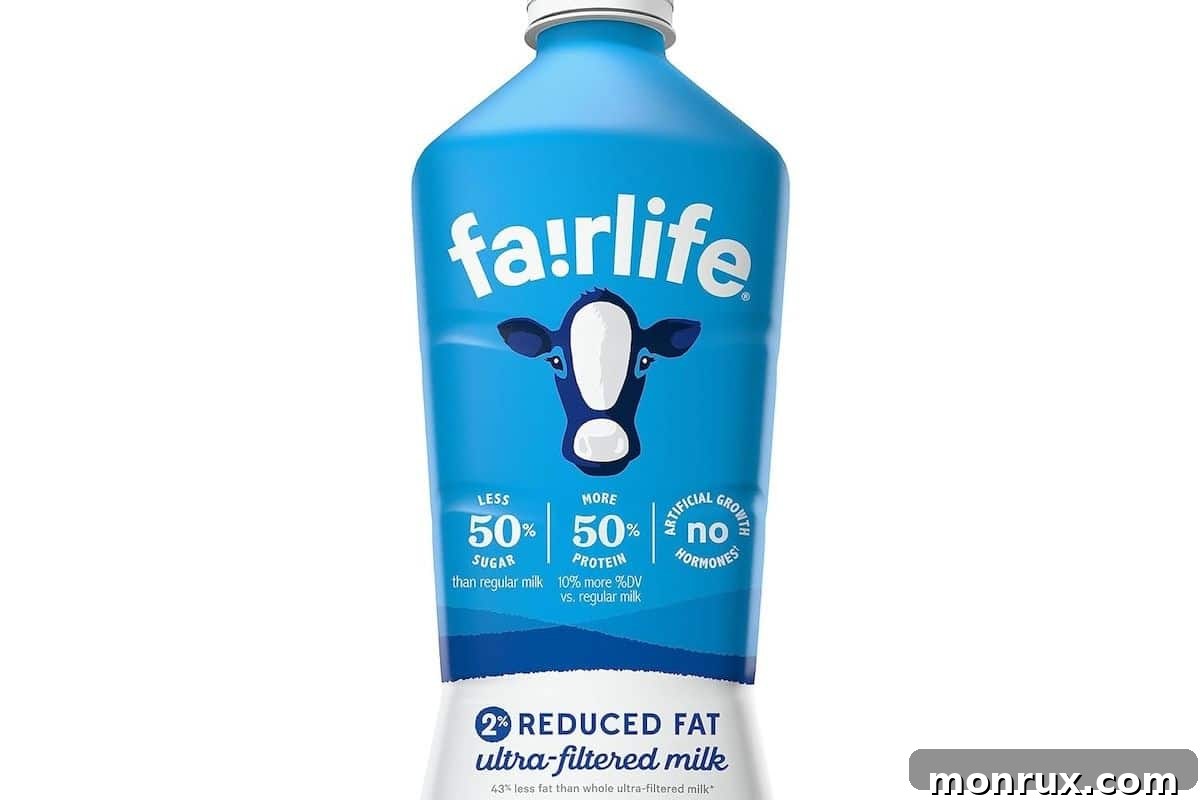
In today’s health-conscious world, consumers are constantly seeking clarity on the nutritional value of popular food and beverage products. One such product that frequently sparks debate is Fairlife Milk. Marketed as an ultra-filtered, high-protein, and lactose-free dairy option, Fairlife aims to offer a superior alternative to traditional milk. But does it truly live up to its healthy image? This comprehensive guide will delve into whether Fairlife Milk is healthy, exploring its nutritional profile, comparing it to regular milk, scrutinizing its ingredients, and outlining its pros and cons. We’ll also consider if it qualifies as a processed food and examine some alternative choices for your dietary needs. By the end, you’ll have a clear understanding to help you make an informed decision.
Is Fairlife Milk Better Than Regular Milk?
When evaluating dairy options, a common question arises: how does Fairlife Milk compare to traditional, regular milk? While both originate from cows, their processing methods diverge significantly, leading to distinct nutritional profiles and implications for consumption.
Regular milk undergoes pasteurization and homogenization. Pasteurization involves heating milk to a specific temperature for a set time to kill harmful bacteria, extending its shelf life and ensuring safety. Homogenization breaks down fat globules, preventing cream from separating and creating a consistent texture. Beyond these standard processes, regular milk’s nutrient ratios remain largely unaltered, offering a natural balance of protein, fats, and carbohydrates (lactose).
Fairlife Milk, on the other hand, utilizes an advanced filtration process known as ultra-filtration. This proprietary method separates milk into its core components. By passing milk through specialized filters, some of the water and natural sugars (lactose) are removed, while beneficial components like protein and calcium are concentrated. The result is a product with unique characteristics: higher protein content, lower natural sugar, and a naturally lactose-free status, often further enhanced by the addition of lactase enzyme.
Here’s a comparative overview to help illustrate the differences:
Fairlife Milk at a Glance
- Higher Protein: Approximately 50% more protein per serving compared to regular milk, beneficial for muscle repair and satiety.
- Lower Natural Sugar: Significantly reduced lactose content, contributing to fewer natural sugars.
- Lactose-Free: Ideal for individuals with lactose intolerance, thanks to filtration and added lactase enzyme.
- More Processed: The ultra-filtration process classifies it as a more processed food compared to traditional milk.
- Not Organic: Typically not available in organic varieties, raising questions about conventional farming practices.
- Extended Shelf Life: Due to rigorous filtration and pasteurization, it boasts a longer refrigeration life.
Regular Milk at a Glance
- Balanced Nutrition: Offers a naturally balanced blend of protein, fat, and carbohydrates.
- Contains Lactose: Natural milk sugar (lactose) is present, which can be an issue for lactose-intolerant individuals.
- Less Processed: Undergoes standard pasteurization and homogenization, considered less processed than ultra-filtered milk.
- Organic Options Widely Available: Many brands offer certified organic milk, appealing to consumers seeking fewer pesticides and hormones.
- No Additives (usually): Typically contains only milk and added vitamins (A and D) for fortification.
- Traditional Flavor Profile: Retains the classic taste and texture of dairy milk.
My Opinion: The choice between Fairlife and regular milk largely depends on individual dietary needs and preferences. If you struggle with lactose intolerance, seek a higher protein intake for fitness goals, or appreciate a longer-lasting product, Fairlife can be a convenient and beneficial option. However, if you tolerate dairy well and prioritize consuming less processed foods, particularly those from organic sources, then organic regular milk is generally a superior everyday choice. It truly comes down to understanding your digestion, nutritional priorities, and how frequently you plan to incorporate milk into your diet.
Fairlife Milk Facts: Understanding the Ultra-Filtration Process
Fairlife Milk has carved out a unique niche in the dairy market. As a brand of ultra-filtered milk, it distinguishes itself by offering a product with an amplified protein content and reduced sugar compared to conventional milk. This innovative dairy product is a subsidiary of The Coca-Cola Company, reflecting its widespread distribution and market presence.
The cornerstone of Fairlife’s distinctiveness is its ultra-filtration process. Unlike simply adding protein to milk, this technology works by passing fresh cow’s milk through a series of filters. These filters meticulously separate milk into its core components. Specifically, water and lactose (the natural sugar in milk) are carefully extracted, while the existing protein and calcium are concentrated. This is precisely why the nutrition label showcases a significantly higher protein count without any artificial protein additives.
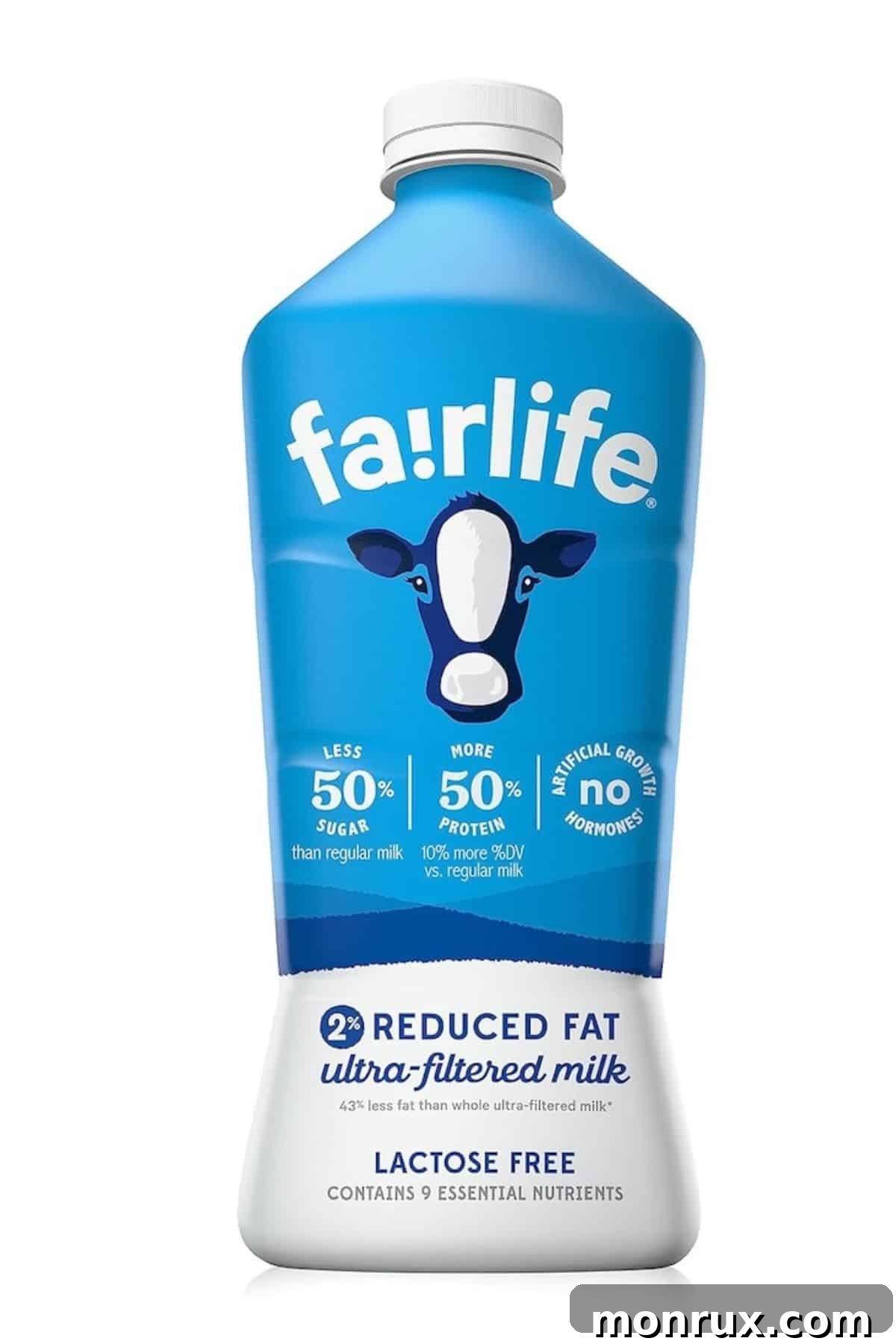
An 8-ounce serving of Fairlife Milk typically boasts around 13 grams of protein, marking an impressive approximately 50% increase over the protein found in an equivalent serving of regular milk. Concurrently, it contains roughly half the natural sugar, with only about 6 grams of lactose per 8-ounce serving. Despite these significant differences in macronutrient ratios, there is generally no substantial disparity in total calorie count between Fairlife and regular milk, making it an appealing option for those monitoring caloric intake while boosting protein.
Fairlife milk is widely available in grocery stores across North America in various sizes (e.g., 52-ounce and 14-ounce bottles) and fat percentages to cater to diverse preferences:
- 2% Reduced Fat Ultra-Filtered Milk
- 2% Reduced Fat Chocolate Ultra-Filtered Milk
- Fat-Free Ultra-Filtered Milk
- Whole Ultra-Filtered Milk
- Fairlife Core Power (high-protein shakes)
According to its nutrition labels, Fairlife milk also provides approximately 30% of the daily recommended intake for calcium per serving. Furthermore, it is typically fortified with essential micronutrients such as vitamins A and D and contains the lactase enzyme, rendering it lactose-free and highly suitable for individuals who suffer from lactose intolerance. This ensures that many people who previously avoided dairy due to digestive discomfort can now enjoy milk without adverse effects.
Fairlife Ingredients: A Closer Look
Understanding the ingredient list of any food product is paramount for making informed dietary choices. Fairlife Milk, despite its seemingly simple origin, incorporates several ingredients that warrant a closer examination, especially due to its extensive processing. All Fairlife Milk products begin with ultra-filtered milk, which comes in whole, reduced-fat, or non-fat varieties. They are then typically enhanced with lactase enzymes and fortified with essential vitamins. It’s important to note that, as of now, there are no organic versions of Fairlife milk available, meaning the source milk is from conventionally raised cows.
Let’s break down the ingredients found in two popular Fairlife varieties:
Fairlife 2% Reduced Fat Ultra-Filtered Milk:
- Reduced fat ultra-filtered milk
- Lactase enzyme
- Vitamin A palmitate
- Vitamin D3
Fairlife Chocolate 2% Reduced Fat Ultra-Filtered Milk:
- Reduced fat ultra-filtered milk
- Sugar
- Alkalized cocoa
- Lactase enzyme
- Dipotassium phosphate
- Salt
- Acesulfame potassium
- Carrageenan
- Natural and artificial flavors
- Sucralose
- Vitamin A palmitate
- Vitamin D3
The chocolate version clearly contains a more complex list, including various additives and artificial sweeteners. Let’s explore some of these key ingredients and their potential health implications.
Grade A Ultra-Filtered Milk
This is the foundational component of all Fairlife products. Grade A ultra-filtered milk is essentially cow’s milk that has undergone an advanced membrane filtration process. This process is designed to selectively remove certain components like water and lactose while concentrating others, primarily protein and calcium. The outcome is a denser, more nutrient-rich milk product that retains a creamy texture despite its alterations.
One notable benefit of this intensive filtration, combined with a specialized pasteurization process, is an extended shelf life. By significantly reducing spoilage-causing bacteria, Fairlife milk can last considerably longer than traditional milk without the need for added chemical preservatives. This offers convenience for consumers and reduces food waste.
However, the ultra-filtration process also transforms milk into a highly processed food. While it boasts a higher protein concentration and lower natural sugar, some nutrition experts raise concerns about the potential downsides. The extensive processing may lead to the unintended loss of certain delicate beneficial nutrients or compounds naturally present in raw milk. This alteration in its natural state is a primary reason why many prefer less processed food options for optimal health.
Lactase Enzyme: Benefits and Considerations
The addition of lactase enzyme is a key feature that makes Fairlife Milk suitable for those with lactose intolerance. Lactase is a digestive enzyme that effectively breaks down lactose, the complex natural sugar found in dairy products, into simpler, more easily digestible sugars (glucose and galactose). This enzymatic action ensures that individuals who lack sufficient natural lactase in their gut can consume milk without experiencing common symptoms like bloating, gas, or diarrhea.
While lactase enzyme supplementation in milk has undeniably broadened access to dairy for many, it’s not without its considerations. Some individuals may exhibit sensitivities to various enzymes or other components present in highly processed milk. Furthermore, an over-reliance on lactase-treated products could potentially mask underlying digestive issues, preventing individuals from identifying and addressing other dietary triggers or broader gut health concerns. The long-term effects of regularly consuming milk treated with lactase enzyme are not yet fully elucidated by scientific research. As such, health professionals often advise moderation and an awareness of individual physiological responses when incorporating such products into a daily diet, especially for those seeking to understand the root cause of digestive discomfort.
Vitamin A Palmitate and Vitamin D3 Fortification
Vitamins A and D are routinely added to many milk products across the dairy industry as fortification agents. This practice aims to enhance the nutritional profile of milk, replacing vitamins that might be lost during processing or boosting levels to address public health needs. Vitamin A, often added as Vitamin A palmitate, plays a crucial role in supporting healthy vision, bolstering immune function, and maintaining skin health. Vitamin D3, on the other hand, is indispensable for calcium absorption, thereby promoting strong bone health and potentially contributing to immune system regulation.
While fortification is generally beneficial, it is essential to consider the potential for excessive intake. Consuming too much Vitamin A can lead to toxicity, manifesting in symptoms such as nausea, dizziness, headaches, and in severe cases, even liver damage. Similarly, an overabundance of Vitamin D can result in hypercalcemia, a condition characterized by abnormally high levels of calcium in the blood, which can cause symptoms like nausea, vomiting, weakness, frequent urination, and potentially lead to kidney problems. Individuals who consume other fortified foods, take nutritional supplements, or are pregnant need to be particularly mindful of their overall daily intake of these fat-soluble vitamins to avoid adverse effects.
Sucralose and Acesulfame Potassium: Artificial Sweeteners
The chocolate-flavored version of Fairlife Milk, like many other flavored dairy products, utilizes artificial sweeteners such as sucralose and acesulfame potassium. These sweeteners are added to provide intense sweetness without contributing additional calories or sugars, appealing to consumers looking to reduce sugar intake. They are considerably sweeter than sugar, meaning only tiny amounts are needed to achieve the desired taste profile.
While regulatory bodies typically deem these artificial sweeteners safe for consumption within established acceptable daily intake limits, a growing body of scientific research and public discussion raises potential health concerns. Acesulfame potassium has been the subject of studies suggesting a possible link to cancer in high doses, although further conclusive research is often called for. Sucralose, while widely used, has also faced scrutiny, with some studies indicating potential negative effects on gut microbiota and metabolic health, especially when consumed regularly or in large quantities. These studies suggest that artificial sweeteners might alter the balance of beneficial gut bacteria or impact glucose metabolism, even without directly adding sugar. For individuals striving for a clean eating lifestyle, avoiding products with artificial sweeteners is a common recommendation.
Dipotassium Phosphate: A Common Food Additive
Dipotassium phosphate is a common and versatile food additive found in a wide array of processed foods, beverages, and even some dietary supplements, including flavored Fairlife milk. Its primary functions include acting as an emulsifier (to prevent ingredients from separating), a stabilizer (to maintain product consistency), and a buffering agent (to control pH levels). It helps achieve the desired texture and shelf stability in many commercial products.
While generally recognized as safe (GRAS) by regulatory agencies when used within Good Manufacturing Practices (GMP), concerns arise regarding its consumption in large quantities, especially by sensitive individuals or those with pre-existing health conditions. Excessive intake of phosphates, including dipotassium phosphate, can potentially disrupt the body’s delicate mineral balance, leading to electrolyte imbalances. This can impact various bodily functions, including nerve and muscle activity. Furthermore, some research suggests a link between high dietary phosphate intake from processed foods and adverse health effects such as cardiovascular disease and impaired kidney function. These risks are particularly elevated in individuals already managing kidney disease or other chronic health issues, making a careful review of ingredient labels essential.
Carrageenan: Thickener and Stabilizer
Carrageenan is another additive found in the chocolate version of Fairlife Milk. Derived from red seaweed, it is widely used in the food industry as a thickener, emulsifier, and stabilizer, especially in dairy and dairy-alternative products. Its ability to create a smooth texture and prevent ingredients from separating makes it popular for improving mouthfeel and shelf life.
However, carrageenan has been a subject of significant debate within the health community. While food-grade carrageenan is approved for use by regulatory bodies, concerns have been raised about its potential to cause inflammation and digestive issues in some individuals. Studies, particularly those involving animal models, have suggested that carrageenan might promote inflammation, ulcerative conditions, and even contribute to intestinal permeability (leaky gut). Some argue that even food-grade carrageenan can contain traces of degraded carrageenan, which is a known inflammatory agent. For individuals with sensitive digestive systems or inflammatory bowel conditions, avoiding carrageenan is often recommended. Its presence in Fairlife Chocolate Milk contributes to its classification as a more processed product with ingredients that some consumers prefer to avoid for optimal health and well-being.
Nutrition Pros: The Benefits of Fairlife Milk
Despite being a processed product, Fairlife Milk offers several distinct nutritional advantages that appeal to specific consumer needs:
- Lactose-Free: For the millions of individuals worldwide who suffer from lactose intolerance, Fairlife Milk provides a game-changing solution. Its natural filtration process, combined with the addition of the lactase enzyme, eliminates lactose, allowing them to enjoy the taste and nutrient benefits of real dairy milk without experiencing digestive discomfort, bloating, or gas.
- High Protein Content: With approximately 13 grams of protein per 8-ounce serving, Fairlife Milk offers significantly more protein than regular milk. This makes it an excellent choice for athletes, fitness enthusiasts, and anyone looking to increase their protein intake for muscle recovery and growth, enhanced satiety, or weight management goals. Protein is crucial for many bodily functions, and Fairlife provides a convenient way to boost daily intake.
- Lower Sugar: The ultra-filtration process removes much of the natural lactose, resulting in a milk product with about half the sugar content of traditional milk. This can be beneficial for those monitoring their sugar intake, including individuals with diabetes or those following low-carbohydrate diets.
- Rich in Calcium and Vitamin D: Fairlife Milk is fortified with Vitamin D, which is essential for the absorption of its naturally high calcium content. This combination supports strong bones and teeth, playing a vital role in preventing conditions like osteoporosis.
- Extended Shelf Life: The advanced filtration and pasteurization processes of Fairlife Milk significantly extend its shelf life compared to conventional milk, reducing food waste and offering greater convenience.
While these benefits are considerable, it is crucial to remember that due to its extensive processing, Fairlife Milk is ultimately considered a processed food. This factor can influence its overall health perception for individuals prioritizing whole, minimally processed foods in their diet.
Nutrition Cons: Potential Drawbacks
Despite its advantages, Fairlife Milk comes with several nutritional considerations and potential drawbacks that warrant careful attention, particularly for those focused on a clean eating lifestyle:
- Highly Processed Nature: The most significant concern for many health-conscious consumers is that Fairlife Milk is a highly processed food product. The ultra-filtration, enzyme addition, and fortification processes fundamentally alter the milk’s natural composition. While designed for specific benefits, this level of processing often means some beneficial micronutrients or compounds could be lost or altered, potentially making it less “whole” than regular milk.
- Artificial Ingredients in Flavored Varieties: The flavored Fairlife options, particularly chocolate milk, contain a range of artificial ingredients. These include artificial sweeteners like sucralose and acesulfame potassium, which have been linked in various studies to potential concerns regarding gut health, metabolism, and even long-term safety (as discussed in the ingredients section). Additives like dipotassium phosphate and carrageenan also raise flags for some, with research suggesting potential links to inflammation and digestive discomfort.
- Not Organic: Fairlife Milk is not certified organic. This means the cows are conventionally raised, and while the company states that their milk does not contain added growth hormones (like rBST) or antibiotics, it does not guarantee the absence of other pesticides or herbicides that may be used in their feed or environment. For consumers prioritizing organic dairy to avoid potential chemical residues, Fairlife may not align with their values.
- Potential for Over-reliance: For individuals with lactose intolerance, while Fairlife offers relief, an over-reliance on enzyme-treated products could potentially mask underlying digestive sensitivities or prevent them from exploring alternative root causes for their discomfort. It’s not a substitute for understanding one’s complete dietary tolerance.
- Cost: Due to the specialized processing and branding, Fairlife Milk often comes at a higher price point than conventional or even some organic milk brands, which can be a barrier for budget-conscious consumers.
For those who can tolerate dairy, a simpler, less processed option like organic regular whole milk or low-fat dairy milk would likely be a more natural and holistically healthy choice for both adults and children. Organic milk offers the advantage of coming from cows raised without synthetic hormones, antibiotics, or GMO feed, further reducing exposure to unwanted chemicals.
For individuals who cannot tolerate dairy at all, there are numerous excellent dairy-free milk alternatives available. These include plant-based milks such as almond milk, oat milk, soy milk, and coconut milk, many of which are available in organic and unsweetened varieties. Many of these alternatives are also easy and budget-friendly to make at home, allowing for complete control over ingredients and processing. Exploring these options can provide a healthy and sustainable dairy-free solution.
FAQs: Your Questions Answered About Fairlife Milk
For most healthy adults without specific allergies or intolerances to milk products, consuming Fairlife milk daily can be acceptable. Its high protein content and lactose-free nature make it a convenient option for many. However, it’s essential to remember that Fairlife Milk is still considered a processed food. If you prioritize a diet rich in whole, minimally processed foods, or if you have sensitivities to dairy or any of the additives found in flavored versions, you might consider it less ideal for daily consumption. Always listen to your body and consult with a healthcare professional for personalized dietary advice.
Yes, while generally safe for most, Fairlife Milk does come with potential risks and side effects for certain individuals. Firstly, as a highly processed dairy product, it may not be suitable for those with existing dairy allergies, even if it’s lactose-free. Some individuals might experience digestive discomfort or other allergic reactions to specific ingredients, especially in flavored varieties containing artificial sweeteners, thickeners like carrageenan, or phosphates. Additionally, the extensive ultra-filtration process might alter its nutritional composition in ways that are not fully understood, and some concerns exist about the long-term effects of regularly consuming such processed foods and additives.
Yes, ultra-filtered milk is unequivocally considered a processed food. The term “processed food” refers to any food that has been altered from its natural state. Ultra-filtration is an advanced mechanical process that significantly changes the composition of raw milk by separating and concentrating its components. During this process, milk passes through specialized filters to remove water, lactose, and some minerals while concentrating protein and other nutrients. This alteration results in a product with a modified nutritional profile and often an extended shelf life. While this processing can offer benefits like higher protein and lower sugar, it fundamentally transforms the milk from its original, less processed form.
Yes, Fairlife milk is lactose-free. This is achieved through its unique ultra-filtration process, which naturally removes much of the lactose, and further ensured by the addition of the lactase enzyme. This enzyme breaks down any remaining lactose into simpler sugars, making the milk easily digestible for individuals who are lactose intolerant. It’s important to clarify that while it is lactose-free, Fairlife is still a dairy product and not suitable for individuals with a dairy allergy.
No, Fairlife milk is not organic. Fairlife sources its milk from conventionally raised dairy cows. While the company states that their milk is free from added growth hormones (like rBST) and antibiotics, it does not adhere to the strict standards required for organic certification. Organic dairy products come from cows that are fed organic, non-GMO feed, have access to pasture, and are not treated with synthetic hormones or most antibiotics. If organic certification is a priority for your milk consumption, Fairlife would not meet those criteria.
More Product Reviews You Might Like
Conclusions: Making Informed Choices About Fairlife Milk
In conclusion, the question of whether Fairlife Milk is healthy does not have a simple yes or no answer; rather, it requires a nuanced understanding of its composition and your individual dietary needs. Fairlife Milk is, at its core, a processed dairy product. While it offers undeniable benefits such as being lactose-free and having a higher protein content, especially beneficial for individuals with lactose intolerance or those seeking to boost their protein intake, these advantages come with trade-offs. The extensive ultra-filtration process fundamentally alters the milk’s natural state, classifying it as a more processed food. Furthermore, flavored varieties often contain artificial sweeteners and other additives like carrageenan and dipotassium phosphate, which raise concerns for many health-conscious consumers and have been linked to potential health issues in various studies.
For individuals who can tolerate dairy, a superior choice for everyday consumption would likely be organic, whole milk. Organic milk is less processed and free from synthetic hormones, antibiotics, and pesticides, aligning more closely with a whole foods approach to nutrition. However, it’s also important to acknowledge that some individuals still choose to limit or avoid dairy entirely due to ethical, environmental, or personal health reasons. In such cases, a diverse range of high-quality, plant-based milk alternatives or other protein sources can effectively meet nutritional needs.
Ultimately, making an informed decision about Fairlife Milk, or any dairy product, hinges on evaluating its ingredient list, understanding the extent of its processing, and considering your personal health goals and sensitivities. We strongly recommend speaking to your healthcare provider or a registered nutrition professional. They can offer personalized advice to help you determine if lactose-free options like Fairlife Milk are the right healthy choice for your unique dietary requirements and overall well-being, or if other milk varieties or protein sources would be more beneficial.
Don’t forget to join my newsletter list to get exclusive clean eating recipes and tips. The newsletter is 100% free with no spam; unsubscribe anytime.
About the Author: Carrie Forrest has a master’s degree in public health with a specialty in nutrition and is a certified holistic nutritionist. She is a top wellness and food blogger with over 5 million annual visitors to her site. Carrie has an incredible story of recovery from chronic illness and is passionate about helping other women transform their health. Send her a message through her contact form.
Note: this post is for informational purposes only and is not intended as medical advice. Please consult your healthcare provider for recommendations related to your individual situation.