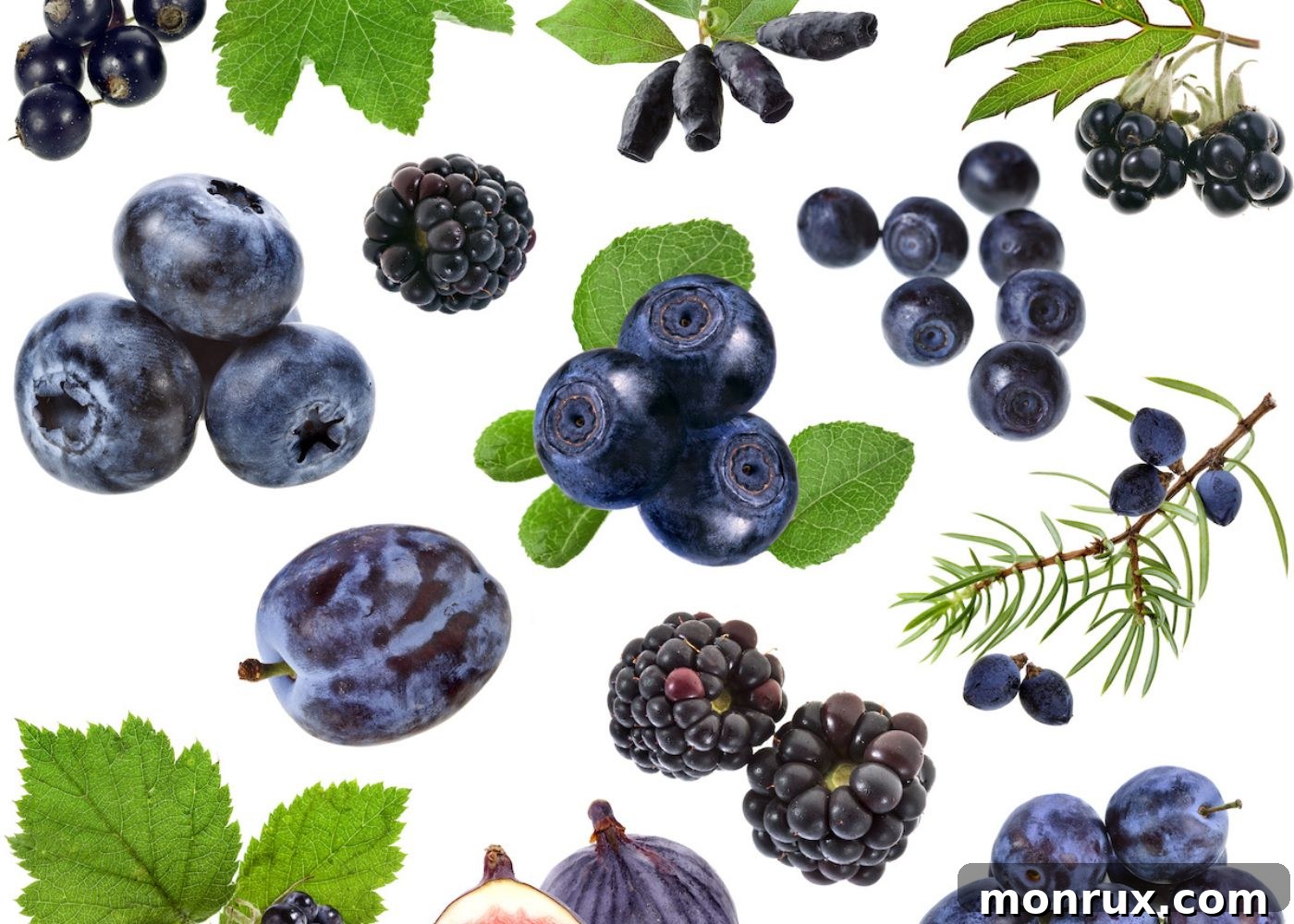
Welcome to the ultimate guide to the best blue fruits! If you’re searching for a comprehensive list of nature’s most captivating blue-hued treasures, you’ve found it. From the familiar sweet burst of blueberries to exotic varieties you may have never encountered, this article delves into the unique characteristics, flavors, and nutritional highlights of each remarkable fruit. Discover how these vibrant additions can elevate your culinary creations and boost your health, all while exploring a fascinating palette of nature’s design.
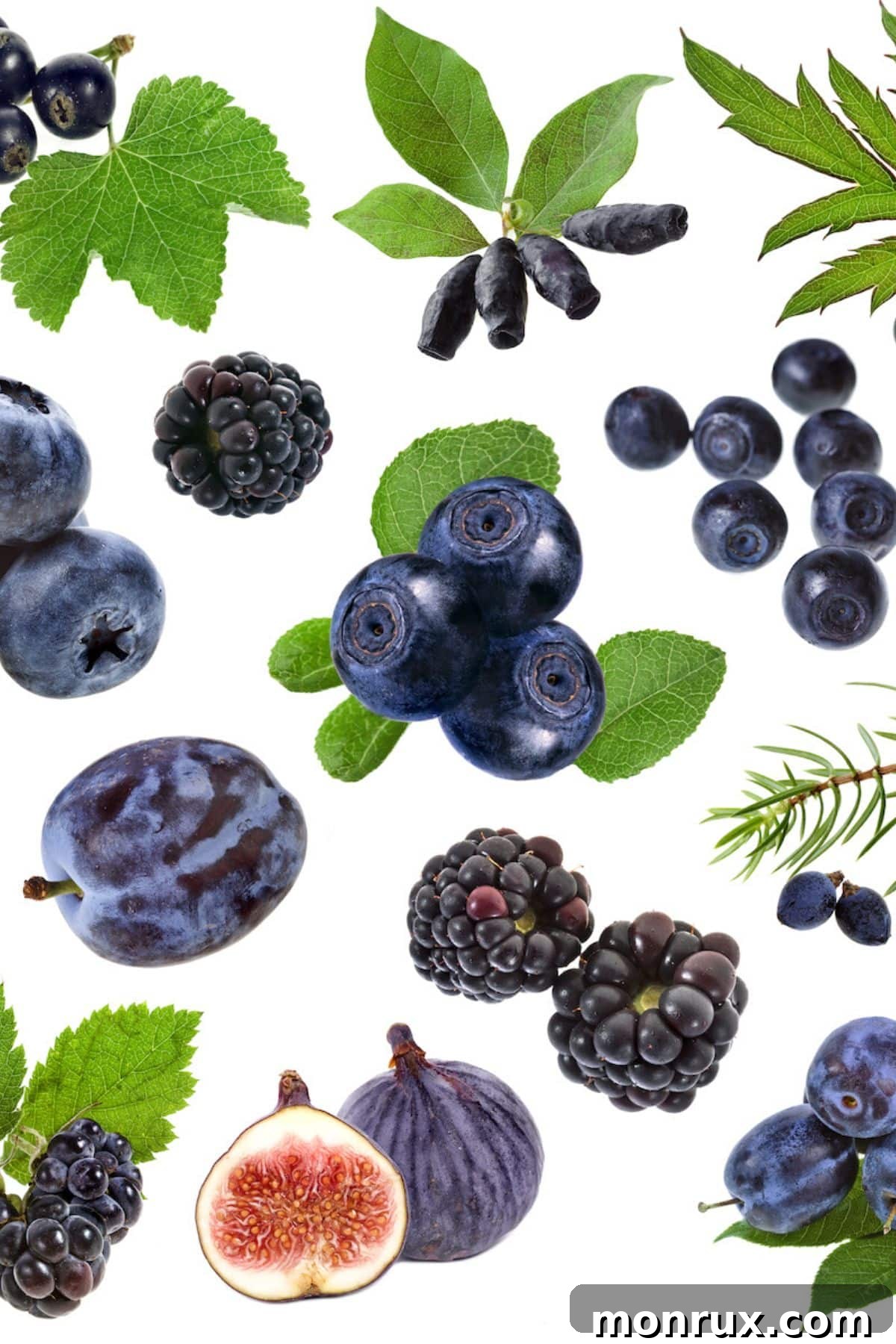
Exploring the World of Blue Fruits
Whether you’re compiling a list for a culinary project, seeking to diversify your diet with nutrient-rich foods, or simply curious about the incredible biodiversity of our planet, this comprehensive guide to the best blue fruits is designed for you. While truly blue foods are less common than those adorned in red, yellow, or green, the fruits that do exhibit this stunning hue are often packed with unique flavors and powerful health benefits. This article not only lists these intriguing fruits but also provides essential information on their characteristics, origins, and common uses.
Nature’s palette offers a surprisingly diverse range of blue fruits, each with its own story and appeal. From berries bursting with antioxidants to more unusual specimens like blue pumpkins and olives, you’ll discover both familiar favorites and rare finds that might just inspire your next kitchen adventure or spark a new appreciation for the natural world. Get ready to dive into the captivating world of blue fruits!
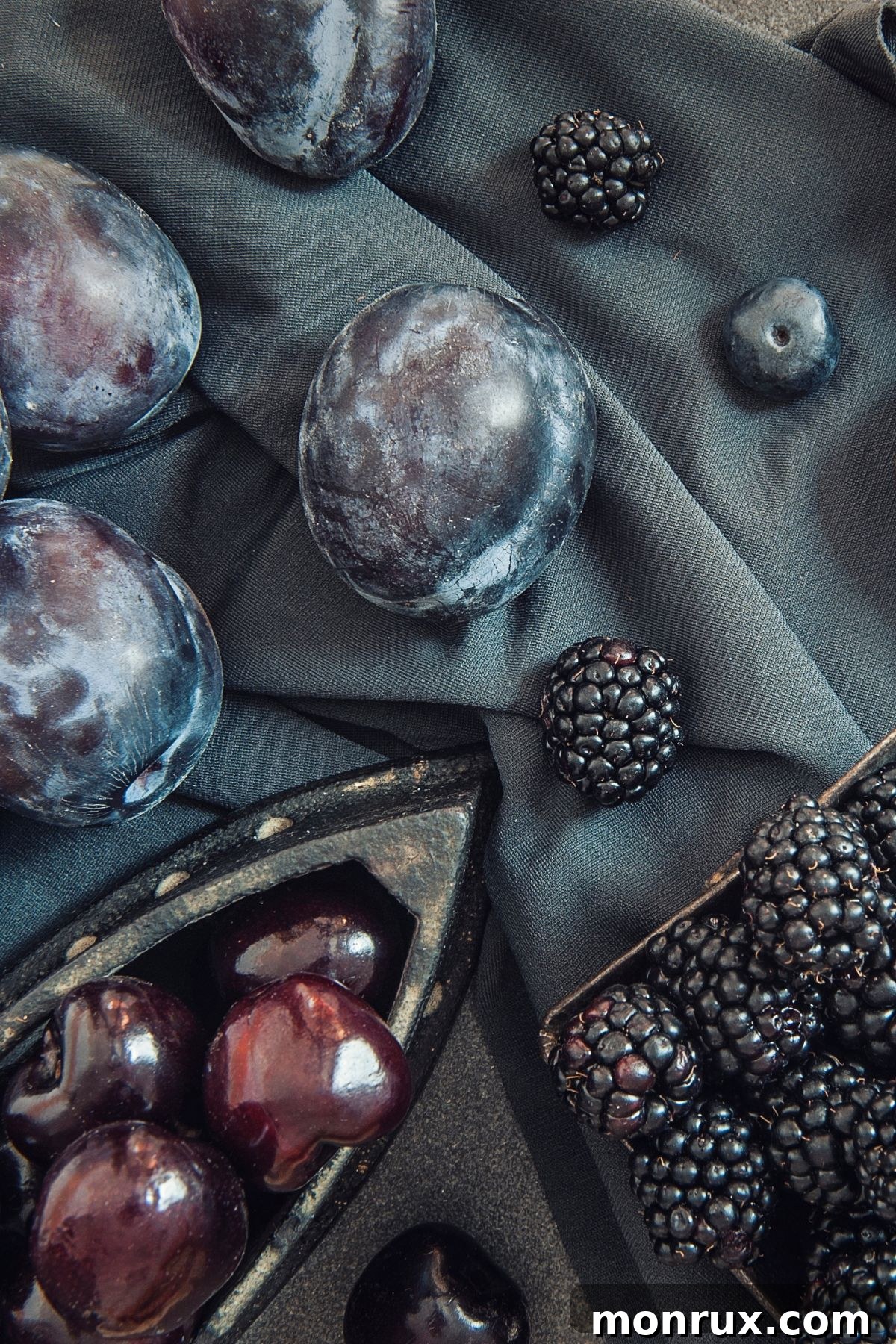
The Complete List of Blue Fruits
Here is an extensive compilation of fruits that boast a beautiful blue or blue-purple color, along with details about what makes each one special.
1. Bilberries
Often mistaken for their North American cousin, the blueberry, bilberries (Vaccinium myrtillus) are smaller, wild berries with an intense, inky-blue interior and a slightly tougher, dark blue skin. Unlike cultivated blueberries, which have a pale green flesh, bilberries are consistently dark blue throughout, lending them a more potent pigment and flavor. These delightful berries thrive in the acidic soils of forests, woodlands, and heaths across Europe and parts of Asia, often growing wild. Their flavor profile is distinctly sweet-tart, more aromatic and less sweet than cultivated blueberries, making them a popular choice for jams, pies, and traditional desserts, as well as a nutritious addition to smoothies or eaten fresh. They are particularly rich in anthocyanins, contributing to their deep color and robust antioxidant properties.
2. Blackberries
Blackberries (Rubus fruticosus agg.) are succulent, dark purple to black aggregate fruits renowned for their sweet-tart flavor and juicy texture. Growing in clusters on thorny bushes, they are a common sight in temperate regions worldwide, often found in hedgerows and woodlands. While typically black, their deep purple hue before full ripeness, and the intense dark color they maintain, often places them in the “blue” category for their visual depth. Blackberries are versatile in the kitchen, perfect for desserts like crumbles and pies, jams, jellies, and sauces, or simply enjoyed fresh. They are an excellent source of fiber, Vitamin C, Vitamin K, and manganese, along with a high concentration of antioxidants.
3. Black Currants
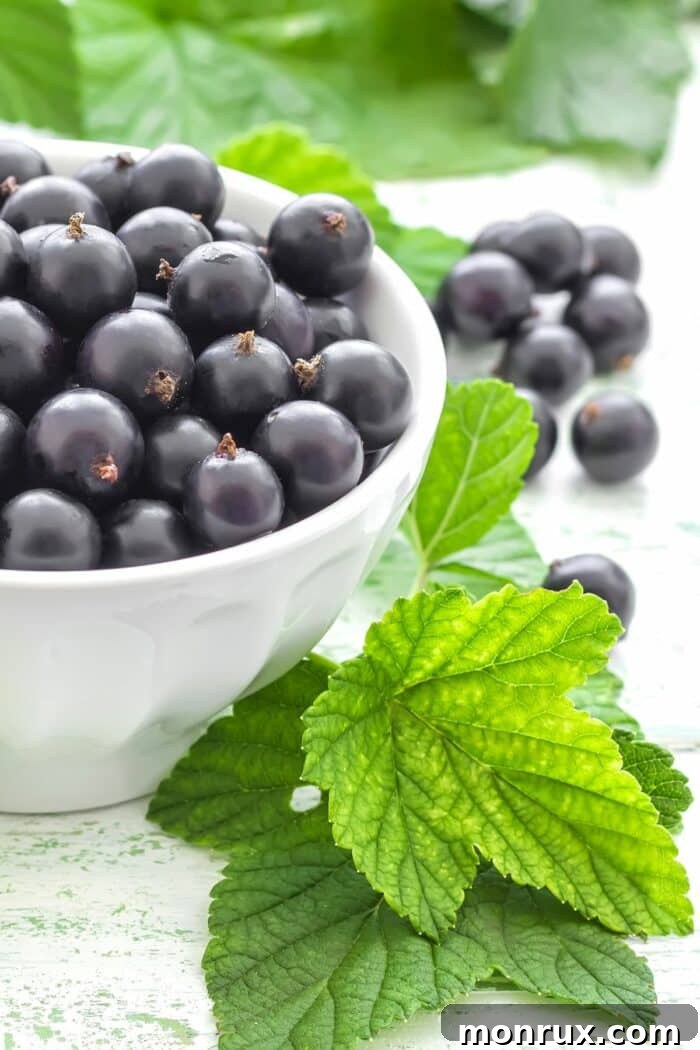
Black currants (Ribes nigrum) are small, dark purple-black berries celebrated for their incredibly tart and tangy flavor profile. These robust berries flourish in cooler climates, particularly across Europe and Asia, and are less commonly eaten raw due to their intense tartness. However, their unique flavor makes them highly prized in culinary applications, especially in jams, jellies, juices, syrups, and liqueurs (like cassis). Black currants are nutritional powerhouses, boasting exceptionally high levels of Vitamin C—far surpassing oranges—and significant amounts of antioxidants, particularly anthocyanins, which give them their deep, almost black, blue color. They are also rich in various other vitamins and minerals, supporting immune health and overall wellness.
4. Blueberries
Blueberries (Vaccinium spp.) are perhaps the most iconic blue fruit, loved worldwide for their sweet, juicy flesh and soft, powdery blue skin. These small, round berries grow on bushes and are cultivated extensively in warm to temperate climates, including a large portion of the United States. They are incredibly versatile, enjoyed fresh, in smoothies, baked into pies, muffins, and pancakes, or preserved in jams. Beyond their delicious taste, blueberries are celebrated as a superfood, packed with powerful antioxidants, particularly anthocyanins, which contribute to their vibrant color and numerous health benefits. Regular consumption has been linked to improved heart health, enhanced brain function, and protection against cellular damage from free radicals, making them a cornerstone of a healthy diet.
5. Blue Corn
While often treated as a grain, corn is botanically a fruit, and blue corn (Zea mays ‘Blue’) is a striking variety distinguished by its deep indigo kernels. Native to Mesoamerica and a staple in traditional Mexican and Southwestern cuisines, blue corn offers a slightly sweeter, nuttier flavor and a firmer texture than its yellow counterpart. This distinctive blue hue is entirely natural, resulting from its high concentration of anthocyanins, the same powerful antioxidants found in other blue fruits. Blue corn is commonly ground into flour to make tortillas, chips, and various baked goods, imparting a beautiful blue tint to the finished dishes. It’s not only visually appealing but also boasts a higher protein content and a lower glycemic index compared to yellow corn.
6. Blue Elderberries
Blue elderberries (Sambucus cerulea, also known as Sambucus mexicana in some regions) are small, dark blue berries that grow on large shrubs or small trees, primarily in cooler climates across western North America. Similar to European elderberries, these fruits have a tart, tangy flavor, making them less palatable raw but excellent when cooked. They are frequently used in pies, jams, jellies, syrups, and wine. Blue elderberries are renowned for their impressive health benefits, particularly their immune-supporting properties. Rich in powerful antioxidants, flavonoids, and vitamins, they have been traditionally used to help combat colds and flu. The vibrant blue color is a testament to their high anthocyanin content, indicating their potent antioxidant capacity.
7. Blue Honeysuckle Fruits
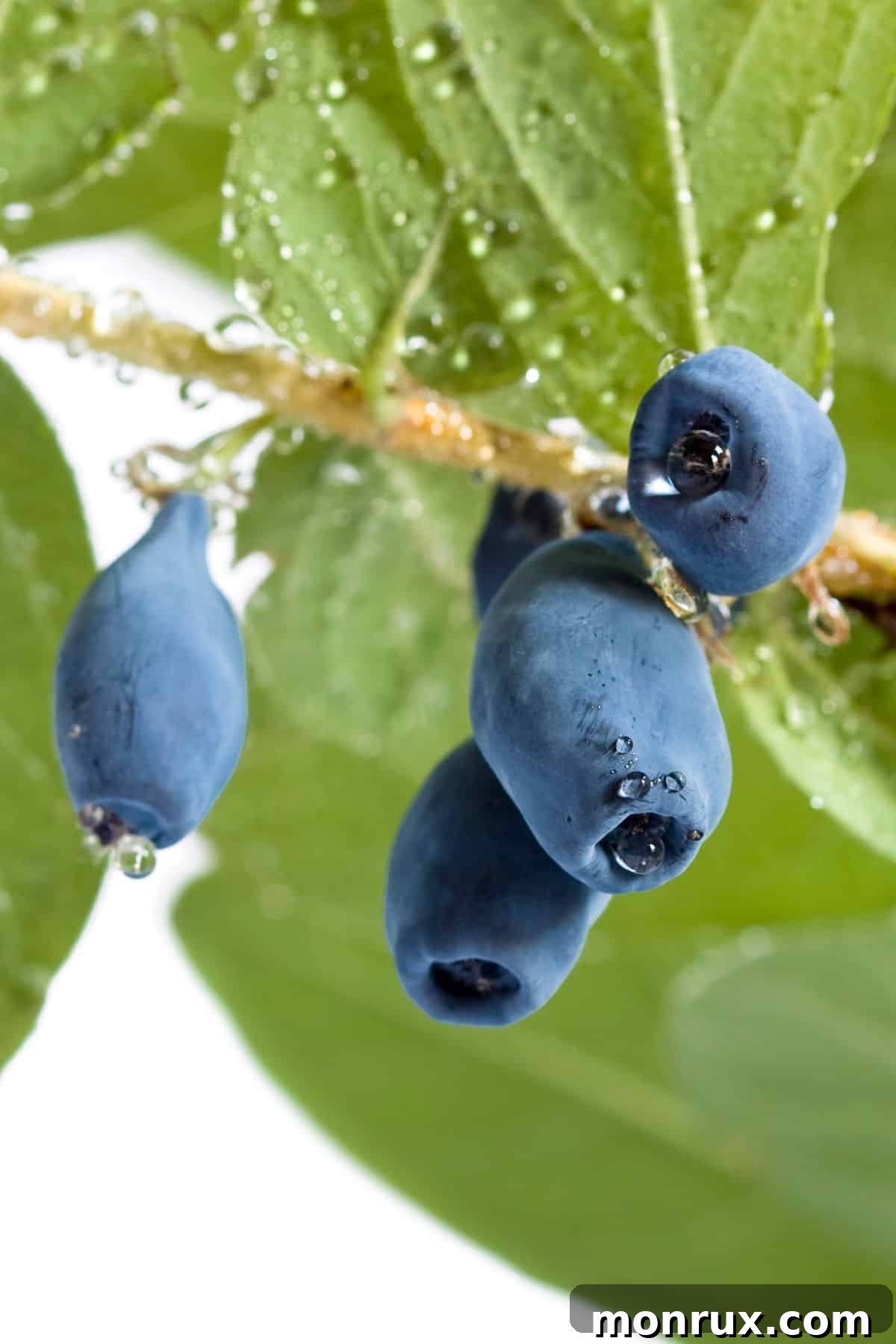
Blue honeysuckle fruits, also known as Honeyberry or Haskap (Lonicera caerulea), are unique, elongated berries that grow on hardy shrubs, primarily in colder regions of the Northern Hemisphere, including Russia, Japan, and parts of North America. These delicate berries boast a sweet and slightly tart flavor, often described as a cross between a blueberry and a raspberry, with a smooth, creamy texture. Their color ranges from a deep blue to a purple-blue, making them visually appealing. Honeyberries are gaining popularity as a superfruit due to their exceptionally high levels of antioxidants, vitamins, and minerals. They can be enjoyed fresh, in desserts, jams, or as a vibrant addition to smoothies, offering both delightful taste and significant health benefits.
8. Blue Jarrahdale Pumpkins
The Blue Jarrahdale pumpkin (Cucurbita maxima ‘Jarrahdale’) is a distinctive and visually striking winter squash that is botanically a fruit. Originating from eastern Australia, this variety is characterized by its large, flattened, ribbed form and stunning blue-grey skin, which sets it apart from more common orange pumpkins. Beneath its unique exterior lies sweet, dense, deep orange flesh with a fine texture. Jarrahdale pumpkins offer a rich, nutty, and earthy flavor, making them ideal for a variety of culinary uses, including baking, roasting, pureeing for soups, or making flavorful pies. They are not only beautiful as decorative pieces but also a highly versatile and delicious ingredient, packed with vitamins and fiber.
9. Blue Marble Fruits
The Blue Marble Fruit (Elaeocarpus angustifolius), also known as Quandong or Blue Fig, is an intriguing tropical fruit native to Southeast Asia and parts of Australia. These berries are instantly recognizable by their vibrant, almost iridescent blue exterior, which truly resembles a polished marble. Inside, they typically feature a white or pale interior with a single large seed. The taste is often described as a unique blend of sweet and sour, with a slightly acidic tang. While not as widely known as other blue fruits, Blue Marble Fruits are used in some traditional cuisines and are valued for their ornamental qualities. They are a fascinating example of nature’s diverse color palette in the fruit kingdom.
10. Blue Olives
While most olives are known for their green or black hues, some varieties, especially as they ripen, exhibit a deep blue or purplish-blue color, classifying them as blue olives. These small fruits, grown on olive trees primarily in Mediterranean countries like Italy, Greece, and Spain, carry a complex flavor profile that is slightly sweet, salty, and often bitter, depending on the variety and curing process. Beneath their blue skins, the pulp remains green. Blue olives are widely enjoyed as a savory snack, a garnish, or an appetizer, and are a key ingredient in Mediterranean cuisine. Beyond their culinary appeal, olives are rich in healthy monounsaturated fats, Vitamin E, and powerful plant compounds, including polyphenols, which are known to support heart health and provide antioxidant benefits.
11. Blue Sausage Fruits
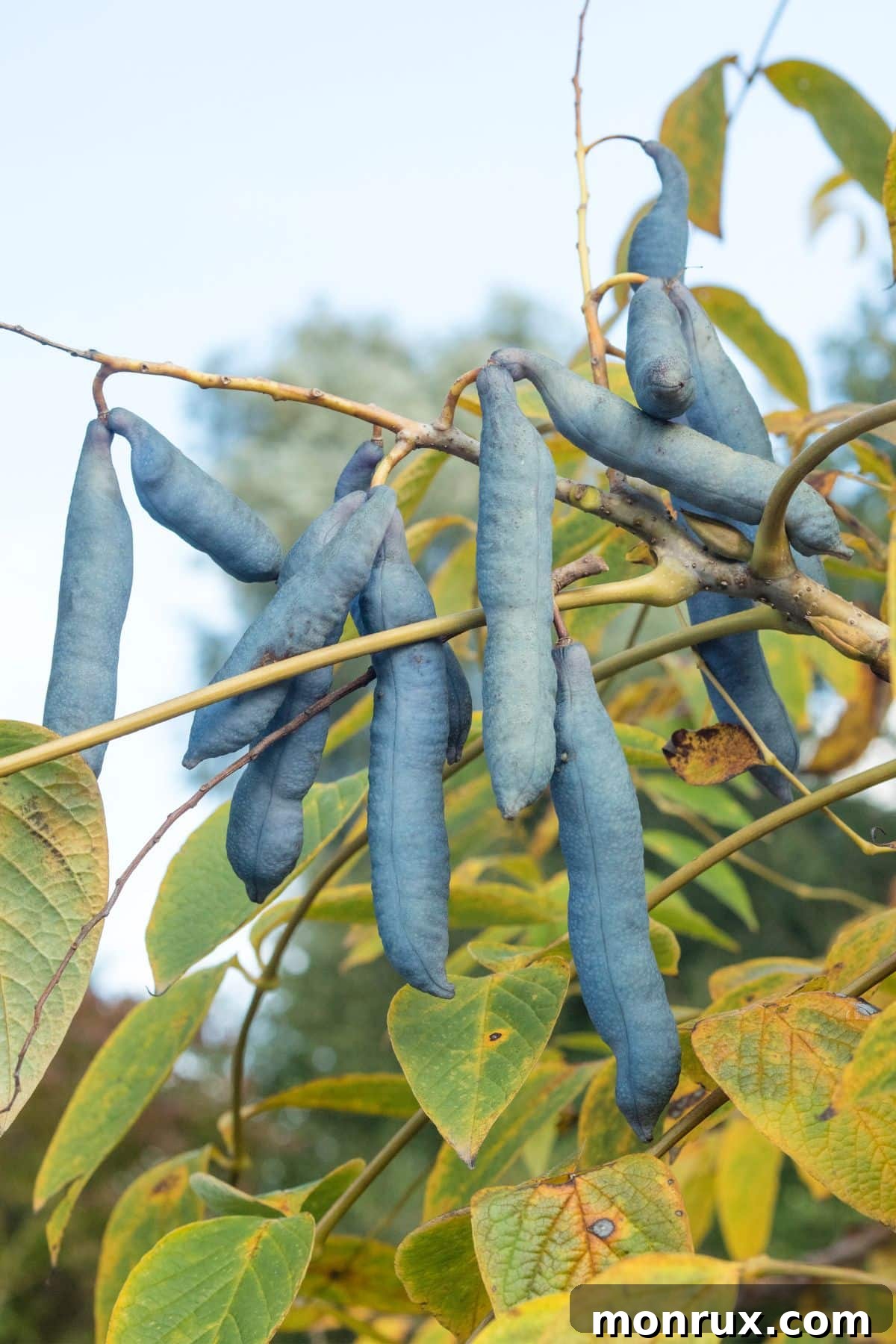
The Blue Sausage Fruit (Decaisnea fargesii), sometimes called Dead Man’s Fingers due to its unusual appearance, is a striking and peculiar fruit native to the mountainous regions of China. These fruits grow in elongated, bean-like pods, typically ranging from 4 to 8 inches in length, and are characterized by their smooth, vibrant blue skin. Inside, the pods contain a translucent, jelly-like pulp embedded with numerous black seeds. The taste of the pulp is subtly sweet with a delicate flavor, often compared to watermelon or cucumber, and has a unique texture. The skin is thin and edible. While primarily grown as an ornamental plant for its exotic fruit and foliage, the pulp of the Blue Sausage Fruit can be eaten fresh, adding a touch of visual intrigue and a mild sweetness to the palate.
12. Blue Tomatoes
Blue tomatoes, such as the ‘Fahrenheit Blues’ or ‘OSU Blue’ varieties, are a fascinating innovation in the world of horticulture, genetically bred to produce high levels of anthocyanins, the pigments responsible for their striking blue-purple skin. While the interior typically remains red, the exterior develops a deep indigo hue, especially when exposed to sunlight. Botanically a fruit, tomatoes are a versatile kitchen staple. These small to medium-sized blue tomatoes possess a slightly sweet yet tangy flavor, often described as more complex than traditional red varieties. They are a good source of Vitamin C, fiber, and potent antioxidants, offering enhanced nutritional value alongside their unique appearance. Blue tomatoes are excellent in salads, salsas, or simply enjoyed fresh, adding a pop of color and health benefits to any dish.
13. Ceylon Blue Olives
Ceylon Blue Olives (Elaeocarpus serratus), also known as Indian Olive or Wild Olive, are distinct from Mediterranean olives and are native to Sri Lanka and parts of Southeast Asia. These small, blue-black fruits grow on evergreen trees found on mountainous slopes. They have a more oval shape and a slightly different texture and flavor profile compared to traditional olives. The taste is often described as slightly bitter and astringent when raw, with a firm, chewy texture. In Sri Lankan cuisine, the flesh of the Ceylon blue olive is frequently used in curries, pickles, and preserves after being processed to reduce bitterness. They are a unique regional delicacy, valued for their distinctive flavor and cultural significance in local dishes.
14. Chokeberries
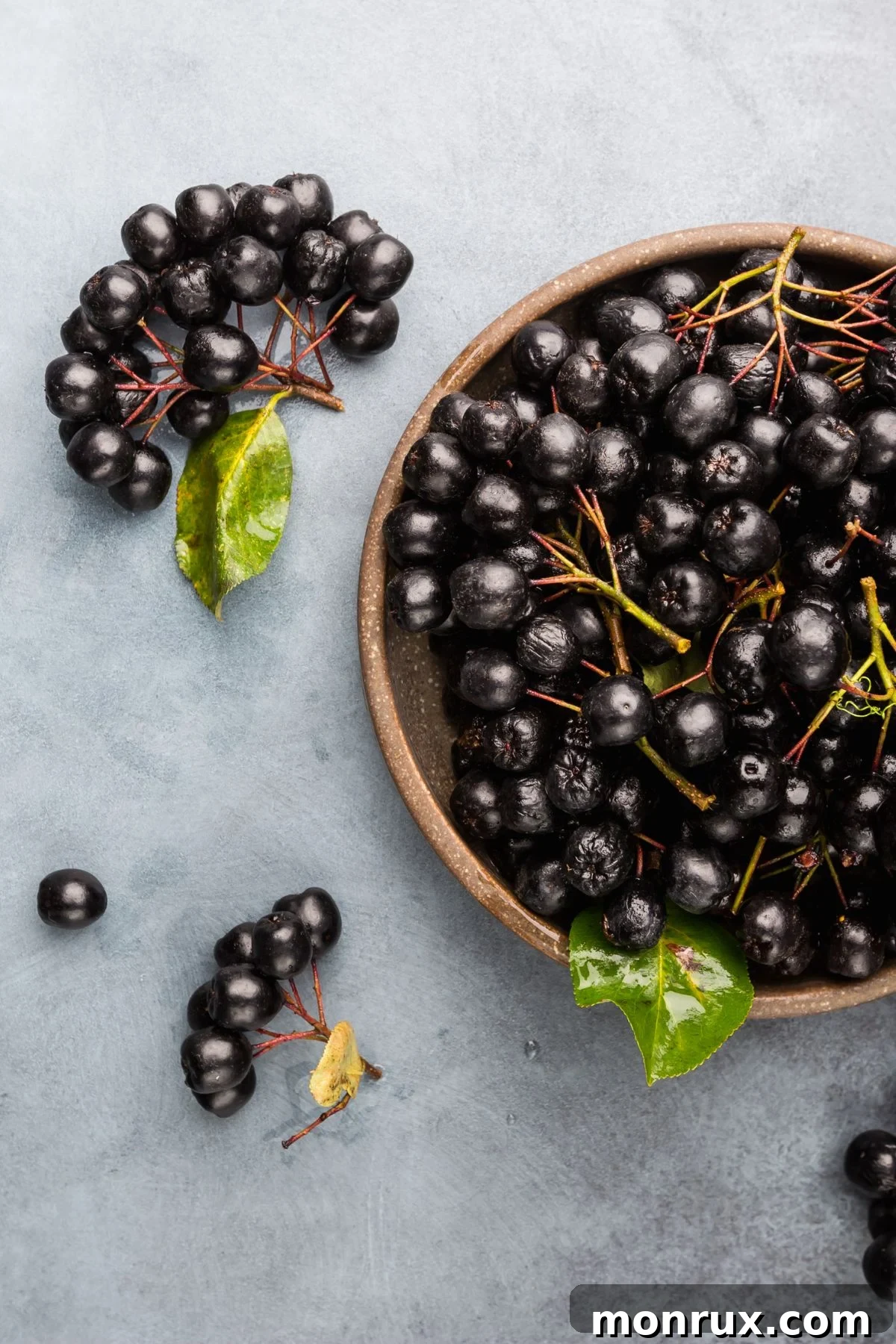
Chokeberries, particularly the black chokeberry (Aronia melanocarpa), are small, dark purple-black berries that grow on shrubs in damp areas, often found in bogs, swamps, and woodlands across eastern North America. True to their name, these berries have a distinctly sour and astringent taste when eaten raw, causing a “choking” sensation due to their high tannin content. However, this tartness mellows significantly when cooked or processed. Chokeberries are celebrated as one of the most antioxidant-rich fruits, boasting extremely high levels of anthocyanins, polyphenols, and Vitamin C, which contribute to their deep color and impressive health benefits. They are popularly used in juices, jams, jellies, wines, and teas, providing a potent nutritional boost and a unique flavor to various culinary creations.
15. Concord Grapes
Concord grapes (Vitis labrusca ‘Concord’) are a beloved blue-purple fruit native to North America, instantly recognizable by their robust, dark blue skin and distinctive sweet, “foxy” flavor. These small, round grapes grow in bountiful clusters on vigorous vines and are celebrated for their intense aroma and taste. Unlike many table grapes, Concord grapes have relatively thick skin and prominent seeds, but their rich flavor makes them incredibly popular for juice, jam, jelly, and even wine. They are a significant source of antioxidants, particularly resveratrol and anthocyanins, which contribute to their deep color and numerous health-promoting properties. Concord grapes are not just flavorful but also a cherished part of American culinary heritage, especially in school lunchboxes and classic peanut butter and jelly sandwiches.
16. Damson Plums
Damson plums (Prunus domestica subsp. insititia) are small, oval-shaped plums characterized by their dark purple to blue skin and tart, tangy flesh. Originating from Europe, these plums are generally smaller and more astringent than other plum varieties, making them less suitable for raw consumption but exceptionally prized for cooking and preserving. Their high pectin content and strong flavor make them ideal for jams, jellies, preserves, and fruit leathers. They also make excellent pies and crumbles, where their tartness provides a wonderful balance to sweetness. While often appearing purple, their deep pigment and anthocyanin content give them a distinct blue undertone, classifying them among blue fruits. Damsons are also rich in Vitamin C, fiber, and antioxidants.
17. Elderberries
Elderberries (Sambucus nigra and related species) are small, dark purple to nearly black berries that grow in clusters on elderberry bushes, widely found across Europe, North America, and parts of Asia. These berries have a tart, slightly sweet, and earthy taste. While European elderberries are similar to blue elderberries, this entry generally refers to the more widely recognized dark European variety. Raw elderberries are not typically eaten fresh due to their tartness and a mild toxicity (which is destroyed upon cooking), but they transform into a delicious and highly beneficial fruit when cooked. They are extensively used in pies, jams, jellies, syrups, and traditional medicines. Elderberries are powerhouse fruits, packed with powerful antioxidants, especially anthocyanins, and high levels of Vitamin C, making them famous for their immune-boosting properties and ability to support overall health.
18. Indigo Rose Tomatoes
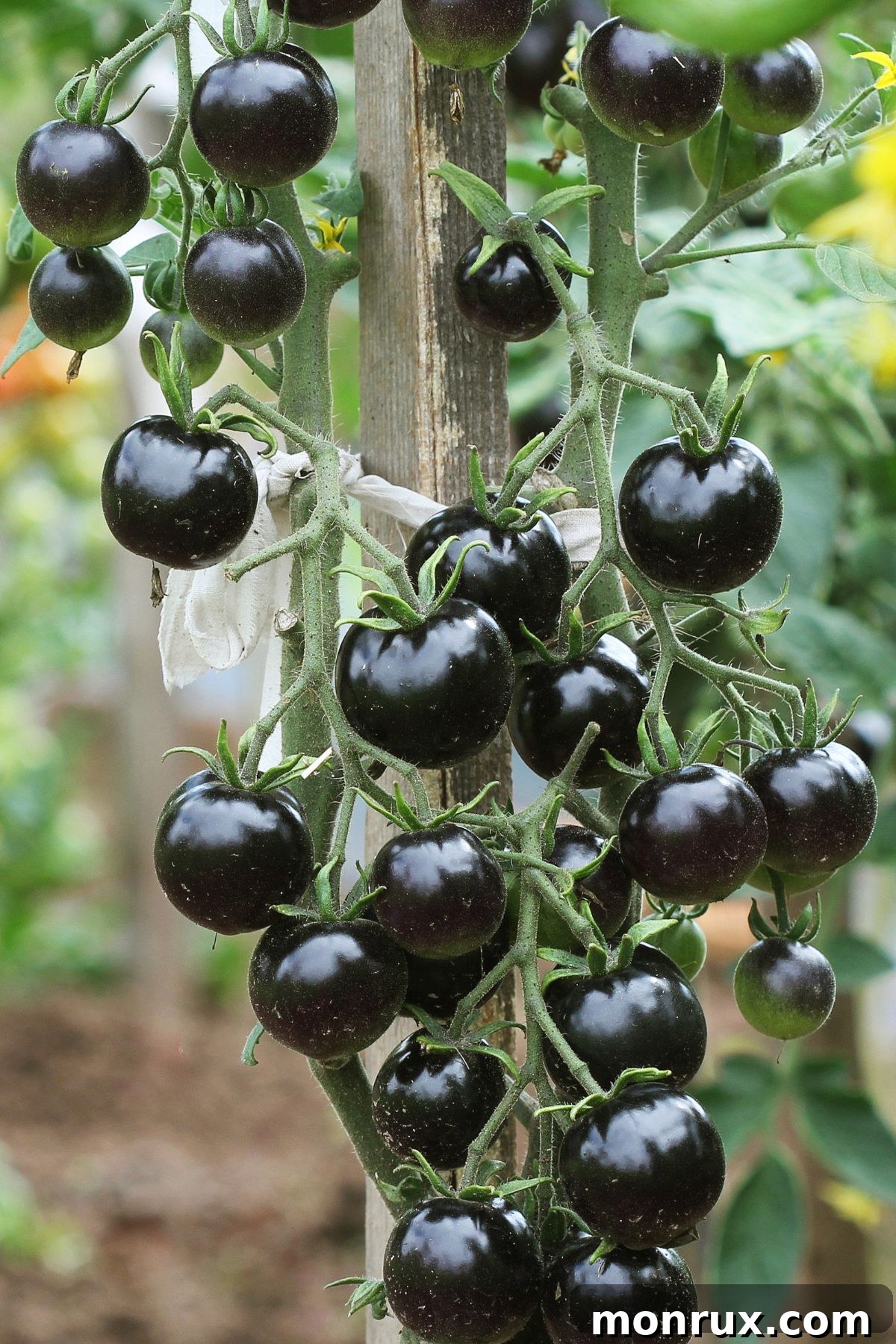
Indigo Rose tomatoes are another remarkable variety of tomato (botanically a fruit) that boasts an almost black-blue skin, developed through natural breeding techniques to maximize anthocyanin content. These small, round tomatoes are celebrated for their vibrant, deep blue or purple skin, which intensifies with sun exposure, and a sweet, juicy flesh with a slightly tart and complex flavor. Growing in warm climates, they are a favorite at farmers’ markets and among home gardeners looking for something unique. Beyond their captivating appearance, Indigo Rose tomatoes offer enhanced nutritional value due to their high antioxidant levels. They make a fantastic addition to salads, provide a colorful burst in savory dishes, or can be enjoyed fresh as a healthy and visually appealing snack.
19. Honeysuckles
While the term “honeysuckle” typically refers to the fragrant flowers of the Lonicera genus, some species produce edible berries, often with a blue hue. The most prominent example is the blue honeysuckle fruit, or Honeyberry/Haskap, which was detailed earlier. However, other honeysuckle species might produce small, dark blue or black berries. It’s crucial to note that many honeysuckle berries are toxic, so identification is paramount. Edible honeysuckle fruits, like the Honeyberry, are typically sweet with a tart undertone, offering a unique flavor profile. They are also sources of antioxidants and vitamins. Always ensure proper identification before consuming any wild berries, as safety is paramount when exploring less common fruit varieties.
20. Huckleberries
Huckleberries are a diverse group of small, round berries belonging to the Vaccinium and Gaylussacia genera, often found wild in the mountainous regions of North America, particularly in the Pacific Northwest. Their color ranges from reddish-purple to a deep, dark blue, almost black. These berries have a distinctive tart and sweet taste, often described as richer and more intensely flavored than blueberries, with a slightly thicker skin. Huckleberries are highly prized for their unique flavor and are often gathered from the wild for use in pies, jams, syrups, and desserts. They are an excellent source of dietary fiber, Vitamin C, and various antioxidants, reflecting their vibrant color. Their wild nature adds to their appeal, making them a sought-after seasonal treat.
21. Jostaberries
Jostaberries (Ribes × nidigrolaria) are a fascinating hybrid fruit, resulting from a cross between black currants, gooseberries, and a North American coastal black gooseberry. These small, round berries are dark purple to nearly black, giving them a distinct blue appearance, and possess a unique flavor that combines the sweetness of a gooseberry with the tartness and aromatic notes of a black currant, without the strong musky taste sometimes associated with black currants. Jostaberries are grown in various temperate regions across Europe, North America, and Asia. They are incredibly versatile, excellent for eating fresh, making jams, jellies, pies, and sauces, or adding to desserts. Rich in Vitamin C and antioxidants, jostaberries offer a delightful balance of flavor and nutrition.
22. Juniper Berries
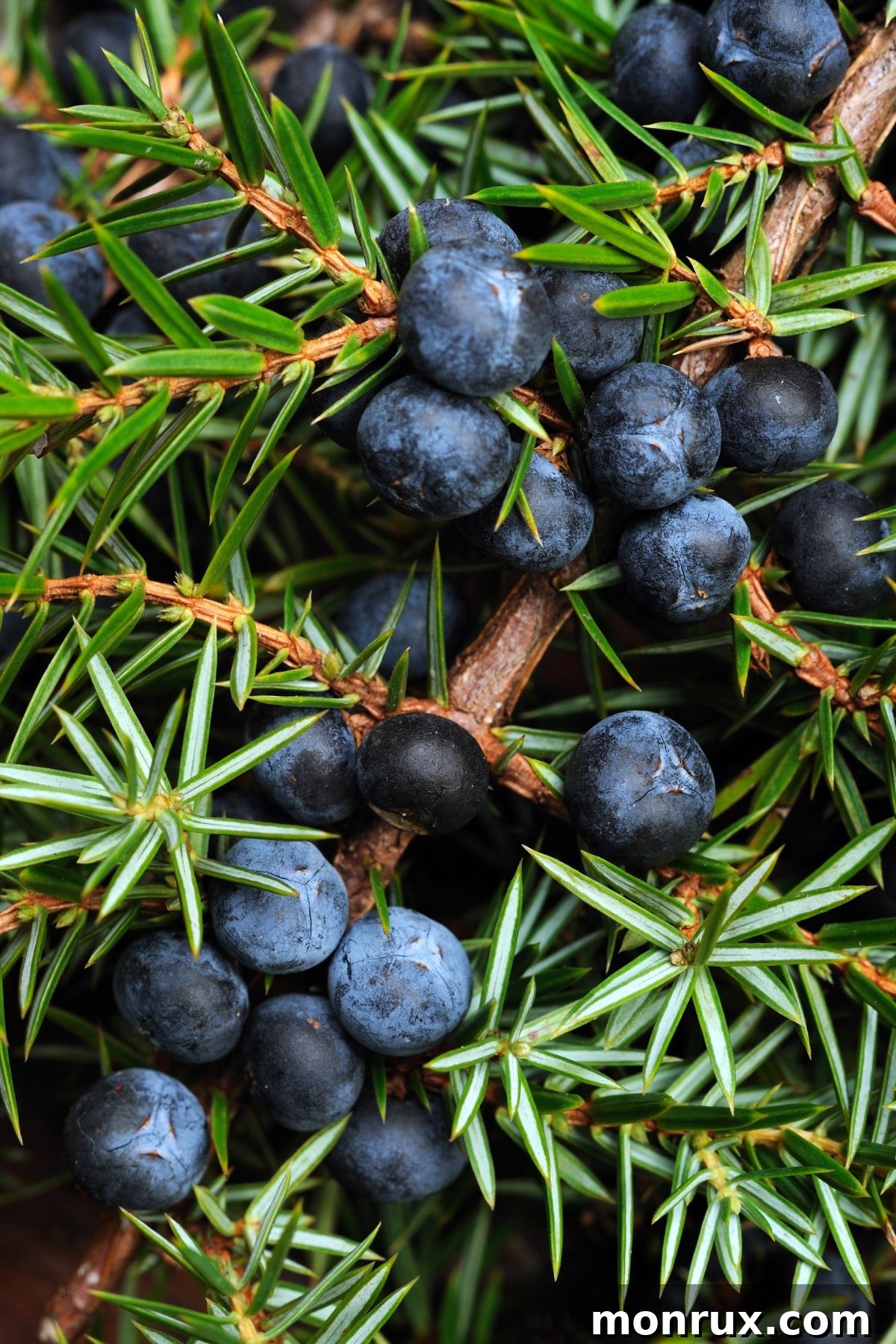
Juniper berries, which are botanically cones rather than true berries, come from the juniper tree (Juniperus communis) and are small, blue-black fruits with a distinctive aromatic, piney, and somewhat bitter flavor. They are widely distributed across the Northern Hemisphere. These unique “berries” are rarely eaten raw but are a foundational ingredient in many culinary traditions, most famously as the primary flavoring for gin. They are also used to season game meats, enhance sauces, and flavor certain stews and marinades, particularly in European cuisine. Juniper berries possess notable antioxidant properties and have been traditionally used for their medicinal qualities. Their striking blue-black color makes them a unique and flavorful addition to the blue fruit category.
23. Laurestines
Laurestines (Viburnum tinus) are ornamental evergreen shrubs known for their attractive foliage, clusters of white or pink flowers, and subsequent production of small, metallic blue-black berries. These berries, while visually striking, are generally considered mildly toxic to humans if consumed in large quantities and are best left for birds. However, their inclusion on this list highlights nature’s incredible diversity in producing blue-colored fruits, even if primarily for visual appeal or wildlife consumption. The berries have a tart and somewhat bitter taste, though they are not typically consumed by humans. They add a beautiful, deep blue contrast to winter gardens, showcasing the plant’s year-round interest and contributing to the aesthetic appeal of the “blue fruit” category.
24. Prunus Spinosas (Sloes)
Prunus spinosas, commonly known as sloes or blackthorn, are small, round, dark blue-purple fruits native to Europe, North Africa, and Western Asia. These fruits grow on thorny deciduous shrubs or small trees that can reach about 10 meters tall. Sloes are notoriously astringent and sour when raw, especially before the first frost, which helps to mellow their flavor. For this reason, they are rarely eaten fresh but are highly prized for making sloe gin, traditional jams, jellies, and fruit cheeses, as their tartness and high pectin content make them excellent for preserving. The deep blue hue of sloes is due to high concentrations of anthocyanins, contributing to their antioxidant profile. They are a classic example of a “blue fruit” that shines when transformed through culinary processes.
25. Ribier Grapes
Ribier grapes (Vitis vinifera ‘Ribier’) are a distinctive variety of black table grape, renowned for their large size, thick, dark blue-black skin, and firm, juicy flesh. Originating from the Bordeaux region of France, these grapes offer a rich, sweet, and subtly fruity flavor that makes them highly appealing for fresh consumption. They are often larger than common red grapes and have a satisfying crunch. While categorized as a black grape, their deep, intense coloration gives them a pronounced blue appearance. Ribier grapes are not only delicious but also provide dietary fiber and antioxidants. They are a popular choice for fruit platters, desserts, and as a healthy snack, showcasing a beautiful dark blue color among table grape varieties.
26. Saskatoon Berries
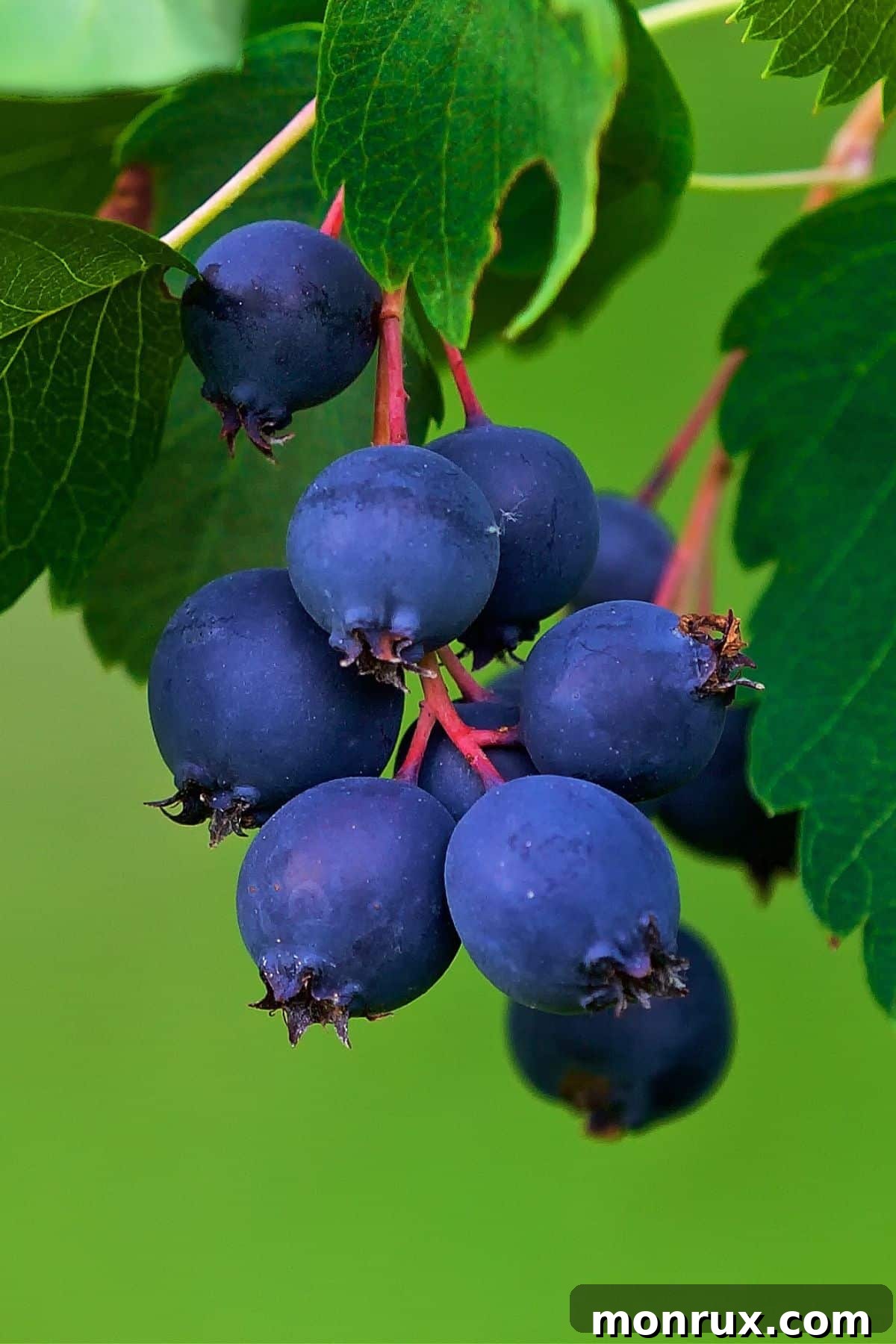
Saskatoon berries (Amelanchier alnifolia) are small, round fruits native to western Canada and the northern Great Plains of the United States. These berries are about the size of a blueberry, with a color ranging from deep blue to purple, and are characterized by a unique flavor profile often described as sweet, nutty, and slightly almond-like, with a hint of tartness. They thrive in cold climates and are incredibly hardy. Saskatoon berries are highly versatile in the kitchen, excellent when eaten fresh, baked into pies, muffins, or crumbles, made into jams and jellies, or used in sauces and syrups. Nutritionally, they are rich in fiber, manganese, iron, and a wealth of antioxidants, including anthocyanins, making them a superfood from the northern wilderness and a delicious blue fruit.
27. Texas Blue Giant Figs
The Texas Blue Giant Fig (Ficus carica ‘Texas Blue Giant’) is a cultivar of fig tree known for producing exceptionally large, striking blue-black fruits. These figs are characterized by their sweet, rich, and juicy flavor, along with a tender skin and succulent interior. They thrive in the hot, humid climate of Texas, where they are a popular choice for home growers. The deep blue-black color of their skin makes them a visually impressive addition to the fig family. Texas Blue Giant figs are delicious when eaten fresh, showcasing their vibrant interior. They are also excellent for drying, preserving in jams, or incorporating into various desserts and savory dishes. Figs, in general, are a good source of fiber, potassium, and several essential minerals, offering both indulgence and nutritional benefits.
Blue Fruit FAQs (From a Nutritionist)
Fruits derive their beautiful blue color from natural plant pigments called anthocyanins. These powerful antioxidants are part of the flavonoid family and are responsible for red, purple, and blue hues in many plants. The exact shade of blue—from light powder blue to deep indigo or purplish-blue—depends on the specific fruit, its ripeness, and the acidity of its environment. This natural coloring is a sign of beneficial plant compounds and involves absolutely no artificial dyes or coloring agents.
Yes, in comparison to the abundance of red, yellow, and green fruits, truly blue fruits are considerably less common. The precise chemical conditions required for anthocyanins to express a pure blue color are quite specific. This rarity often means that many fruits described as “blue” actually lean more towards a deep purple, blue-black, or indigo shade rather than a bright sky-blue. This makes our exploration of naturally blue foods particularly interesting and often surprising!
Most blue fruits fall within a spectrum ranging from deep blue to rich purple. The perception of their color can be influenced by various factors, including ambient lighting, the stage of ripeness, and even how the fruit is presented or cut. The anthocyanin pigments themselves can shift in color depending on pH levels, appearing more red in acidic conditions and more blue or purple in neutral to alkaline environments. Therefore, it’s common for fruits to be described as blue-purple rather than a uniform, true sky-blue shade.
Absolutely! For the vast majority of people, naturally blue fruits are an exceptional addition to a balanced and diverse diet. Like other colorful fruits, they are typically rich in dietary fiber, vitamins, and minerals. Their distinguishing feature is their high concentration of anthocyanins, which are potent antioxidants. These compounds not only give the fruits their vibrant color but also contribute significantly to overall wellness by combating oxidative stress and inflammation in the body. Incorporating a variety of colorful fruits, including blue ones, is a cornerstone of good nutrition.
Yes, a defining characteristic of many blue fruits is their rich content of anthocyanins, which are a specific class of powerful antioxidants. These compounds play a vital role in protecting plant cells from environmental stressors. When consumed as part of a varied and healthy diet, these antioxidants can help protect human cells from damage caused by free radicals, support cellular health, and contribute to a reduced risk of various chronic diseases. The deeper and more vibrant the blue or purple hue, generally the higher the concentration of these beneficial antioxidant compounds.
Integrating more blue fruits into your daily routine is both delicious and easy! You can add fresh or frozen blueberries, blackberries, or saskatoon berries to your breakfast cereals, oatmeal, yogurt, or smoothies. Use them to make vibrant jams, jellies, or fruit tarts. Blue corn can be used for unique tortillas or chips. For a savory twist, try blue tomatoes in salads or blue olives as an appetizer. Experiment with different varieties to discover new flavors and textures that complement your meals and snacks.
While this article focuses on fruits, it’s worth noting that blue coloration also appears in the vegetable kingdom! Examples include blue potatoes, purple cabbage (which can appear quite blue depending on pH), and specific varieties of blue-hued carrots. These vegetables, like blue fruits, owe their striking color to anthocyanins and offer similar antioxidant benefits. Expanding your diet to include a rainbow of both blue fruits and vegetables is an excellent strategy for comprehensive nutrition.
More Fruit Lists You Might Enjoy
Conclusion
From the intensely flavored bilberry to the distinctive blue Jarrahdale pumpkin, the world of blue fruits is rich with diversity, unique tastes, and compelling health benefits. Each fruit, whether a common kitchen staple or a rare botanical find, offers its own special contribution to our diets and culinary adventures. Their vibrant blue hues are a natural testament to their high antioxidant content, making them not just visually appealing but also incredibly nutritious additions to your plate.
We hope this comprehensive guide has broadened your understanding and appreciation for these remarkable blue treasures. Experiment with these fruits in your recipes, explore their unique flavors, and enjoy the wellness benefits they bring. By embracing the full spectrum of nature’s bounty, you can add excitement, nutrition, and beautiful color to your meals.
Don’t forget to join my newsletter list to get exclusive clean eating recipes and tips directly to your inbox. It’s 100% free, no spam ever, and you can unsubscribe at any time.
About the Author: Carrie Forrest holds a master’s degree in public health with a specialization in nutrition and is a certified holistic nutritionist. She is a highly successful wellness and food blogger, attracting over 5 million visitors annually to her platform. Carrie shares an inspiring story of recovery from chronic illness and is deeply committed to empowering other women to transform their health. Feel free to reach out to her via her contact form for further insights or questions.