
Sip & Soothe: The Ultimate Honey Lemon Tea Recipe for Health & Wellness

Embrace the timeless comfort and profound health benefits of a perfectly brewed cup of Honey Lemon Tea. This simple, elegant beverage, crafted from just a few natural ingredients, offers more than just warmth; it’s a soothing balm for the soul and a potent ally for your well-being. Whether you’re seeking relief from seasonal sniffles, a natural immune boost, or simply a delicious, comforting drink to unwind, this easy-to-follow recipe is your gateway to holistic nourishment. Discover how to prepare this cherished elixir using readily available and budget-friendly ingredients, making wellness accessible to everyone.
If you appreciate natural health tonics, you might also enjoy exploring our recipes for Apple Cider Vinegar and Lemon Juice or the invigorating Lemon Cinnamon Water!
A Brief History & Enduring Appeal of Honey Lemon Tea
The combination of honey and lemon is far from a modern discovery; it’s a testament to ancient wisdom, deeply woven into the fabric of traditional medicine across countless cultures. For millennia, both honey and lemons have been individually revered for their remarkable healing properties. Honey, nature’s golden sweetener, has been utilized since antiquity not only for its delightful taste but also for its profound antibacterial, anti-inflammatory, and soothing qualities. Ancient Egyptians used it for medicinal purposes, while Ayurveda and traditional Chinese medicine have long incorporated it into their remedies.
Lemons, believed to have originated in Asia, spread through the Middle East to Europe, where they were quickly recognized for their high vitamin C content and purifying attributes. By the Middle Ages, lemons were common in Mediterranean diets and used as a potent antidote for scurvy and other ailments. When these two powerhouses—honey and lemon—were combined and steeped in warm water, they created an exceptionally effective herbal tea. This simple yet profound concoction became a household staple, passed down through generations as a go-to remedy for everything from common colds and persistent coughs to digestive discomfort and general malaise. Its ability to provide natural relief and warmth solidified its place as a beloved traditional remedy, a status it proudly holds to this day.
Why This Simple Elixir Remains a Global Favorite
In a health landscape often dominated by complex supplements and fleeting trends, Honey Lemon Tea stands out as a beacon of simplicity and sustained efficacy. Its enduring global popularity is a multifaceted phenomenon, rooted in its inherent advantages that resonate with individuals seeking genuine well-being. Firstly, the sheer ease of preparation is unmatched. With minimal effort and time, anyone can conjure a soothing cup, making wellness an accessible daily ritual rather than a daunting task. There are no intricate steps, expensive equipment, or rare ingredients required.
Secondly, the economic accessibility of its core components—fresh lemons, pure honey, and filtered water—makes it a universally budget-friendly option. These ingredients are staples in virtually every grocery store, ensuring that a natural remedy or health-boosting beverage is always within reach. Thirdly, and perhaps most compellingly, its effectiveness is widely recognized. The synergy between honey’s natural antimicrobial and demulcent properties, and lemon’s rich vitamin C and antioxidant content, creates a powerful blend that genuinely soothes symptoms, supports the immune system, and promotes overall vitality. This tangible relief and benefit cement its status as a trusted go-to.
Furthermore, Honey Lemon Tea’s versatility extends beyond its medicinal uses. It serves as a gentle morning tonic to kickstart digestion, a comforting midday pick-me-up, or a relaxing evening drink to promote restful sleep. Its naturally sweet and tangy flavor profile appeals to a broad audience, making hydration and health support an enjoyable experience. In essence, Honey Lemon Tea embodies the principle that often, the most potent solutions are found in nature’s simplest forms, solidifying its place as a cherished beverage for health and comfort worldwide.
Essential Ingredients for Your Perfect Tea
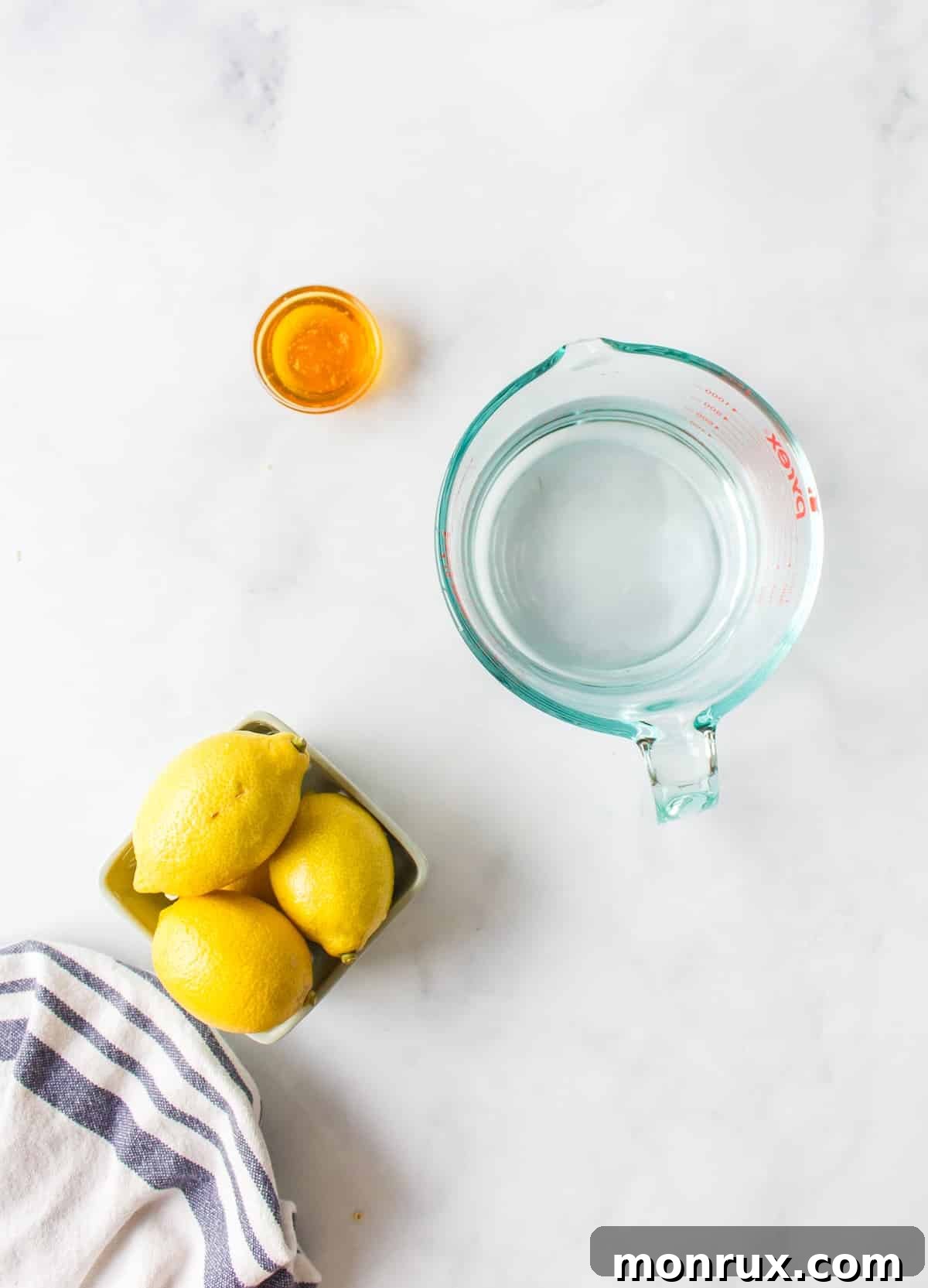
The magic of Honey Lemon Tea lies in the quality and freshness of its few, yet incredibly potent, ingredients. Each component brings unique therapeutic benefits and contributes to the overall deliciousness of your brew.
- Fresh Lemons: Your Immune-Boosting Powerhouse
When it comes to lemons, freshness is key. Opt for vibrant yellow, firm lemons that feel heavy for their size, as these typically yield the most juice. Lemons are not just a source of bright, zesty flavor; they are a nutritional powerhouse, renowned for their exceptionally high concentration of Vitamin C. This essential vitamin is a crucial antioxidant, playing a vital role in bolstering your immune system, protecting cells from damage, and promoting healthy skin. The acidity of lemon juice also aids in digestion and helps stimulate the body’s natural detoxification processes. Beyond this tea, lemons are incredibly versatile; I frequently incorporate them into recipes like my refreshing Cucumber Ginger Lemon Water.
For best results, roll the lemon firmly on a countertop for a few seconds before slicing and juicing; this helps break down the membranes inside, allowing you to extract more juice.
- Pure Honey: Nature’s Soother and Sweetener
Honey is truly a gift from nature, serving as both a delicious natural sweetener and a powerful medicinal agent. Its most celebrated property in tea is its remarkable ability to soothe irritated throats and quiet persistent coughs. Honey acts as a demulcent, creating a protective coating over inflamed mucous membranes, providing instant relief. Scientific studies have even suggested that honey can be more effective than some common cough medicines for both children and adults. Furthermore, honey possesses potent antibacterial and anti-inflammatory characteristics, contributing to its overall healing potential.
For optimal health benefits, choose raw, unfiltered honey, as it retains more of its natural enzymes, antioxidants, and phytonutrients. Local honey varieties may offer additional benefits, such as helping to alleviate seasonal allergies due to exposure to local pollens. Manuka honey, from New Zealand, is particularly prized for its superior antimicrobial activity, making it an excellent choice if you’re battling a severe cold or flu. For a broader understanding of wholesome sweetening options, explore my guide on natural sweeteners.
- Filtered Water: The Foundation of Purity and Taste
While often overlooked, the quality of your water forms the very foundation of your tea’s flavor and purity. Using filtered water is highly recommended as it removes impurities such as chlorine, heavy metals, pesticides, and other contaminants that can impart unpleasant tastes or odors. Clean, pure water allows the delicate nuances of honey and lemon to truly shine, resulting in a tea that is not only more refreshing but also more wholesome. Investing in a simple water filter pitcher or a faucet filter can significantly enhance your daily tea experience, ensuring every sip is clean and crisp.
For precise quantities and additional preparatory details, kindly refer to the comprehensive recipe card located at the conclusion of this article.
Step-by-Step Preparation Guide to Crafting Your Honey Lemon Tea
Preparing this comforting beverage is wonderfully simple, ensuring that even on your busiest or most under-the-weather days, a soothing cup is just minutes away. Follow these clear steps for the best results every time.
Step One: Prepare Your Lemons with Precision
Start by washing your fresh lemon thoroughly under cool running water. Once clean, slice the lemon in half. Using a citrus juicer, a hand-held reamer, or even just pressing firmly with a fork, extract all the juice. It’s crucial to remove any seeds from the freshly squeezed lemon juice to ensure a smooth, enjoyable drinking experience. A single medium-sized lemon typically yields about 2 to 3 tablespoons of juice, which is generally sufficient for one serving of tea. For maximum juice extraction, gently roll the lemon on a firm surface before cutting.
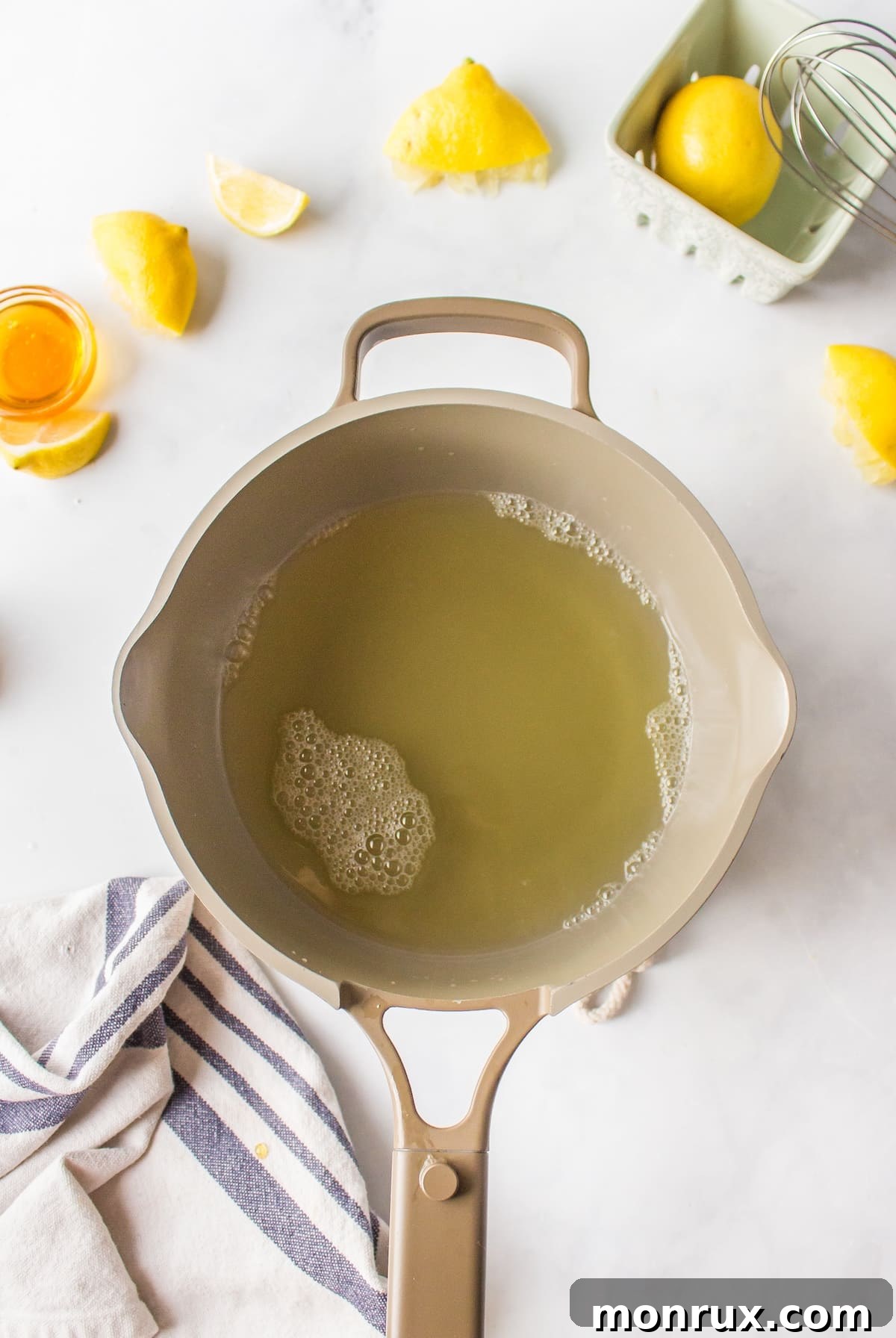
Step Two: Heat the Water to the Perfect Temperature
Measure out the desired amount of filtered water – usually one cup per serving – and transfer it to a kettle or a small saucepan. Heat the water until it reaches a gentle boil. While boiling water is suitable, it’s a good practice to allow it to cool slightly for about 1-2 minutes before adding the honey and lemon. This small pause prevents the extreme heat from potentially degrading some of honey’s delicate enzymes and preserves the vibrant flavor and beneficial compounds of the lemon. The ideal temperature should be hot enough to dissolve the honey easily, but not so scorching that it diminishes the nutritional value.
For precise ingredient quantities and further instructions, please consult the detailed recipe card at the end of this post.
Step Three: Thoughtfully Combine and Steep for Optimal Flavor
Once your water has reached the perfect temperature, pour it into your favorite mug. Add the freshly squeezed lemon juice and your desired amount of pure honey. Stir the mixture gently but thoroughly until the honey has completely dissolved into the hot water. Allow the tea to steep for approximately 3 to 5 minutes. This crucial steeping period allows the flavors to fully meld, creating a harmonious balance between the sweet honey and the tart lemon, while also ensuring the tea cools to a comfortable, sip-friendly temperature. For an added touch of visual appeal and a burst of fresh aroma, you can garnish your finished honey lemon tea with a thin slice of fresh lemon.
Your comforting, refreshing, and health-boosting tea is now ready to be savored at any moment of the day or night. If you’re seeking remedies for common ailments, consider exploring our comprehensive guide on the best teas for headaches!

Unlocking the Extensive Health Benefits of Honey Lemon Tea
Far more than just a comforting concoction, Honey Lemon Tea is a powerhouse of natural remedies, delivering a spectrum of health advantages in every delicious sip. Incorporating this simple, warm beverage into your daily routine can provide profound support for your body, particularly during colder seasons or whenever you feel the need for a natural pick-me-up.
- Exceptional Sore Throat and Cough Relief: This is arguably the most celebrated benefit of Honey Lemon Tea. Honey acts as a natural demulcent, effectively coating the throat and providing immediate, soothing relief from irritation, dryness, and inflammation. Its inherent antibacterial and antiviral properties also work to combat the underlying causes of infection. Research suggests that honey can be remarkably effective—sometimes even more so than conventional over-the-counter cough suppressants—in reducing cough frequency and severity, making it an invaluable remedy during cold and flu season.
- Robust Immune System Enhancement: Lemons are an extraordinary source of Vitamin C, a fundamental antioxidant that is critical for a strong immune system. Vitamin C actively stimulates the production and function of white blood cells, the body’s primary defenders against pathogens and infections. Honey also contributes to immune health with its array of antioxidants, enzymes, and phytonutrients, which collectively support overall bodily resilience. Regular consumption can significantly fortify your body’s defenses against common ailments and seasonal illnesses.
- Natural Detoxification and Digestive Aid: The citric acid naturally present in lemons plays a pivotal role in stimulating the liver’s natural enzyme functions, thereby enhancing the body’s detoxification pathways. When consumed warm, this tea gently encourages bowel regularity and helps cleanse the digestive system, facilitating better nutrient absorption and promoting a feeling of lightness and vitality. The warmth of the tea itself can also be incredibly soothing to the digestive tract, alleviating minor discomforts.
- Optimal Hydration and Electrolyte Support: Adequate hydration is indispensable for virtually every bodily process, from nutrient transport to temperature regulation. Honey Lemon Tea offers a flavorful and enticing way to increase your fluid intake, which is especially crucial when you’re feeling unwell and might have a reduced appetite for plain water. The natural sugars and trace electrolytes found in honey can also help replenish energy stores and maintain cellular balance.
- Potent Antioxidant Boost: Both honey and lemons are rich in an impressive array of antioxidants. These powerful compounds are essential for combating oxidative stress by neutralizing free radicals, which are unstable molecules that can damage cells and contribute to chronic diseases and premature aging. Regular intake of antioxidant-rich beverages like Honey Lemon Tea helps protect your cells, supporting long-term health and vitality.
- Supports Weight Management Goals: While not a magical weight-loss solution, incorporating warm lemon water (with or without honey) into your routine can be a supportive measure. Consuming it before meals can help promote a feeling of fullness, potentially reducing overall calorie intake. Furthermore, if you swap high-sugar sodas or juices for this naturally sweetened tea, you are making a significantly healthier choice. For an added metabolic kick, a tiny dash of cayenne pepper can be included, but exercise caution if your throat is particularly sensitive.
- Stress Reduction and Mental Well-being: The simple, mindful act of sipping a warm, fragrant beverage can be profoundly calming. The gentle warmth, coupled with the pleasant, natural aromas of honey and lemon, can help soothe frayed nerves, reduce stress, and promote a sense of tranquility. It serves as a wonderful ritual to either begin your day with a clear mind or unwind gracefully after a demanding schedule.
By opting to prepare your own nourishing Honey Lemon Tea at home, you consciously bypass the artificial sweeteners, synthetic flavors, and unnecessary additives often found in commercial pre-packaged tea mixes and expensive ready-made drinks. This homemade elixir is the perfect hot beverage during flu season, for a warming treat, or as a consistent daily health tonic.
Customization and Creative Variations for Your Tea
One of the most delightful aspects of Honey Lemon Tea is its incredible versatility. While the classic preparation is a marvel in itself, this recipe serves as a fantastic foundation for a myriad of delicious and health-boosting variations. Don’t hesitate to personalize your brew to perfectly match your taste preferences or to amplify its therapeutic properties. Here are some inspiring ideas to elevate your honey lemon tea experience:
- Embrace Spices with Ginger or Turmeric: For an additional layer of invigorating warmth, a subtle spicy kick, and profound anti-inflammatory benefits, consider adding a few thin slices of fresh ginger root or a small piece of grated fresh turmeric to your water as it heats. Allow these spices to steep along with the lemon and honey to infuse their potent compounds and distinctive flavors.
- Infuse with Cinnamon’s Sweetness: Stir a dash of ground cinnamon into your mug or drop a whole cinnamon stick into the steeping tea. Cinnamon not only contributes a wonderfully aromatic and subtly sweet note but is also widely recognized for its potential to help balance blood sugar levels and provide additional antioxidant support.
- Herbal Enhancements: Elevate your tea with other complementary herbs. A sprig of fresh mint can add a remarkably refreshing zest, perfect for clearing the sinuses. Alternatively, steeping a chamomile tea bag alongside can enhance the tea’s relaxing properties, making it an ideal bedtime beverage.
- The Adult Hot Toddy Variation: For a traditional cold remedy with a sophisticated adult twist, especially comforting on a cold evening, add a shot (1-1.5 ounces) of good quality whiskey, brandy, or rum to your warm honey lemon tea. This version is celebrated for its warming sensation and ability to aid relaxation, helping to alleviate cold symptoms and promote sleep.
- Refresh with Iced Honey Lemon Tea: This delightful tea isn’t exclusively for chilly weather! Prepare a larger batch of the standard recipe, allow it to cool completely to room temperature, and then refrigerate it. Serve over plenty of ice, perhaps with extra lemon slices and a sprig of mint, for a wonderfully refreshing and hydrating summer drink.
- Vegan-Friendly Alternatives: If you follow a vegan diet or simply prefer not to use honey, this recipe can be easily adapted. Substitute the honey with an equal amount of other natural liquid sweeteners such as organic agave nectar or pure maple syrup. Both options will provide sweetness while maintaining the tea’s comforting qualities.
- Add a Fiery Kick with Cayenne Pepper: For those seeking an invigorating metabolic boost or a more intense throat-clearing sensation, a tiny pinch of cayenne pepper can be a powerful addition. Start with a very small amount, as it can be quite potent, and exercise extreme caution if your throat is already severely irritated or sensitive.
Embrace the freedom to experiment with these variations! Tailoring your Honey Lemon Tea allows you to craft a personalized beverage that perfectly caters to your specific tastes and health needs, making each cup a unique and enjoyable experience.
Frequently Asked Questions About Honey Lemon Tea
Here are answers to some of the most common questions regarding this beloved and beneficial beverage:
What type of honey is best to use in this recipe?
Any natural, pure honey will work beautifully. For maximum health benefits, raw, unfiltered honey is often preferred as it retains more beneficial enzymes and antioxidants. Local wildflower honey might offer the added advantage of helping to alleviate seasonal allergies. Manuka honey, known for its superior antimicrobial properties, is an excellent choice if you’re seeking enhanced therapeutic effects for cold or flu symptoms.
Can I use bottled lemon juice instead of fresh lemon?
While fresh lemon juice is always recommended for the most vibrant flavor and peak nutritional content (especially Vitamin C), bottled lemon juice can serve as a convenient substitute if fresh lemons are unavailable. However, be aware that the taste might be less bright and some beneficial compounds may be diminished compared to freshly squeezed juice.
Can I drink honey lemon tea if I have a sore throat?
Absolutely, it’s one of its most popular and effective applications! Honey lemon tea is renowned for its ability to soothe sore throats. Honey acts as a natural demulcent, coating the throat and providing immediate relief from irritation, while its antibacterial properties help combat any underlying infections. Lemon’s anti-inflammatory properties further reduce discomfort. For additional powerful relief, you might also find comfort in my Garlic Tea Recipe with Honey.
Is honey lemon tea a good source of vitamin C?
Yes, thanks to the generous amount of fresh lemon juice, honey lemon tea is an excellent source of vitamin C. This vital nutrient is crucial for boosting your immune system, aiding in tissue repair, and supporting overall health and well-being. It’s a delicious way to get a natural vitamin boost.
Does honey lemon tea have caffeine?
No, the traditional honey lemon tea recipe, made simply with water, honey, and fresh lemon, is naturally caffeine-free. This makes it a perfect beverage to enjoy at any time of day, including in the evening before bed, without interfering with your sleep. If you prefer a caffeinated version, you can easily add a green tea or black tea bag while steeping the tea in hot water.
Can I prepare a larger batch and store it for later?
Certainly! You can easily double or triple the recipe to create a larger batch for convenience. Once prepared, allow the tea to cool completely to room temperature. Then, transfer it to an airtight container or pitcher and store it in the refrigerator for up to 2-3 days. Reheat gently on the stovetop or in the microwave as needed, or enjoy it chilled over ice.
What is the ideal serving temperature for honey lemon tea?
The ideal temperature is comfortably warm, not scalding hot. Allowing the tea to cool slightly after preparation is important for two reasons: it preserves the delicate enzymes and beneficial compounds in honey that can be degraded by extreme heat, and it makes the tea pleasant and easy to sip, especially when you’re trying to soothe a sore throat.

Honey Lemon Tea (Sore Throat Recipe) – The Full Recipe
This easy-to-make honey lemon tea is your perfect companion for a comforting sip, soothing a sore throat, or simply boosting your daily wellness. It’s quick, natural, and profoundly effective.
Ingredients
- 2 cups filtered water
- 1 fresh lemon, preferably organic (yielding about 2-3 tablespoons juice)
- 1-2 tablespoons raw honey (adjust to your preferred sweetness)
- Optional garnishes: extra lemon slices, a cinnamon stick, a thin slice of fresh ginger
Instructions
- Boil Water: In a small saucepan or an electric kettle, bring 2 cups of filtered water to a gentle boil.
- Prepare Lemon: While the water is heating, wash the lemon thoroughly. Slice it in half and juice it, ensuring to remove any seeds for a smooth tea.
- Combine Ingredients: Pour the hot water into a heat-safe mug or pitcher. Add the freshly squeezed lemon juice and the raw honey. Stir thoroughly until the honey is completely dissolved into the water.
- Steep: Allow the tea to steep for approximately 3-5 minutes. This helps the flavors meld together beautifully and brings the tea to a comfortable drinking temperature.
- Serve: Pour the warm tea into individual mugs. Garnish with a fresh lemon slice, a cinnamon stick, or a ginger slice if desired. Enjoy immediately for maximum comfort and benefit.
Notes and Tips for the Best Tea
- Prioritize Fresh Lemon: For the most vibrant flavor and highest concentration of Vitamin C, always opt for freshly squeezed lemon juice. While bottled lemon juice can be used in a pinch, it may not offer the same robust taste or full range of health benefits.
- Quality Water Matters: Using filtered water is crucial for a clean, pure-tasting tea. This helps eliminate any off-flavors from chlorine or other impurities that might be present in tap water, allowing the natural essences of honey and lemon to truly shine.
- Creative Customization: Feel empowered to personalize your tea! Consider adding a dash of ground cinnamon or a whole cinnamon stick for a warm, aromatic twist. A slice of fresh ginger or turmeric root can be steeped in the hot water for enhanced anti-inflammatory benefits and a spicy kick. For a touch of creaminess, a splash of plant-based milk can be a delightful addition. A tiny pinch of cayenne pepper can offer metabolic benefits, but use sparingly, especially if your throat is sensitive.
- Vegan Option: If you are following a vegan diet or wish to avoid honey, simply substitute it with an equivalent amount of agave nectar or pure maple syrup. These natural liquid sweeteners will provide the desired sweetness and consistency.
- Ideal Serving Temperature: Ensure the tea is comfortably warm, rather than scalding hot. This is particularly important when consuming for a sore throat, as excessively hot liquids can further irritate sensitive tissues.
Recipe Summary
- Author: Carrie Forrest, MPH in Nutrition
- Prep Time: 5 minutes
- Cook Time: 5 minutes
- Total Time: 10 minutes
- Yield: 2 servings
- Category: Beverages
- Method: Easy
- Cuisine: Homemade
- Diet: Vegetarian (can be Vegan with substitution)
Nutrition Information (per 1 cup serving, approximate)
- Calories: 37
- Sugar: 9.2 g
- Sodium: 10.1 mg
- Fat: 0.1 g
- Saturated Fat: 0 g
- Carbohydrates: 10.3 g
- Fiber: 0.1 g
- Protein: 0.1 g
- Cholesterol: 0 mg
(Please note: Nutritional values are approximate estimates and can vary based on specific ingredients, brand, and exact measurements used.)
Discover More Nourishing Beverages You Might Like