Pilates is a globally renowned, low-impact exercise method celebrated for its diverse health benefits. Far more than just a workout, it’s a holistic system designed to enhance physical strength, flexibility, and mental well-being. This comprehensive article will delve into different types of Pilates, exploring their unique characteristics and guiding you on how to choose the right Pilates style for your individual needs and fitness goals. Whether you’re a seasoned fitness enthusiast or just beginning your wellness journey, understanding the nuances of each Pilates style is key to unlocking its full potential.
Overview of Pilates: A Holistic Fitness System
Pilates, originally termed “Contrology” by its founder Joseph Pilates, is a unique system of physical fitness developed in the early 20th century. It emphasizes improving strength, flexibility, balance, and body awareness through a series of controlled movements. Unlike many other exercise regimens that focus on isolated muscle groups or high-impact training, Pilates champions the idea of integrating the entire body, with a particular emphasis on the “powerhouse” – the deep abdominal muscles, glutes, lower back, and inner thighs.
The core principles of Pilates include centering, concentration, control, precision, breath, and flow. These principles guide every movement, ensuring that exercises are performed thoughtfully and effectively, leading to profound physical and mental benefits. A typical Pilates workout might involve various props or specialized equipment, but the fundamental focus remains on mindful movement and strengthening the body from the inside out.
There are generally two broad categories of Pilates: Mat Pilates and Reformer Pilates. Mat Pilates relies on your body weight and a mat, making it highly accessible for home practice or gym classes. Reformer Pilates, on the other hand, utilizes a specialized apparatus called the Reformer, which offers spring-based resistance and assistance. While Mat Pilates is often found at standard gyms, Reformer Pilates is typically offered at dedicated Pilates studios due to the equipment required.
Pilates is renowned for its adaptability, making it suitable for people of all ages and fitness levels. Its low-impact nature and focus on core stability make it an excellent choice for individuals with chronic conditions or those seeking a gentle yet effective way to build strength and improve mobility. Indeed, it’s often recommended as a complementary exercise for various health challenges, including its inclusion on my list of best exercises for autoimmune disease.
Exploring Diverse Pilates Types: Finding Your Perfect Match
The world of Pilates is rich and varied, offering numerous styles and adaptations to suit different preferences and goals. While all forms share the foundational principles established by Joseph Pilates, each type brings its unique flavor, intensity, and focus. Understanding these distinctions is crucial for selecting the type of Pilates that will work best for you. From the traditional approach to modern, equipment-based variations, there’s a Pilates style for everyone.
1. Classical Pilates: The Original Method
Also known as Traditional Pilates, this form remains meticulously faithful to the original system developed by Joseph Pilates himself. Classical Pilates follows a specific, precise sequence of exercises on both the mat and various apparatus, including the Reformer, Cadillac, Wunda Chair, and Barrels. The focus is on mastering each exercise with unwavering control, precision, and a seamless flow from one movement to the next. Instructors of Classical Pilates often undergo rigorous training to uphold the integrity of the original repertoire and teaching methodology. This style is ideal for those who appreciate tradition, discipline, and a deep understanding of the historical Pilates method. It’s an immersive experience designed to build profound core strength and complete body harmony.
2. Mat Pilates: Foundation and Accessibility
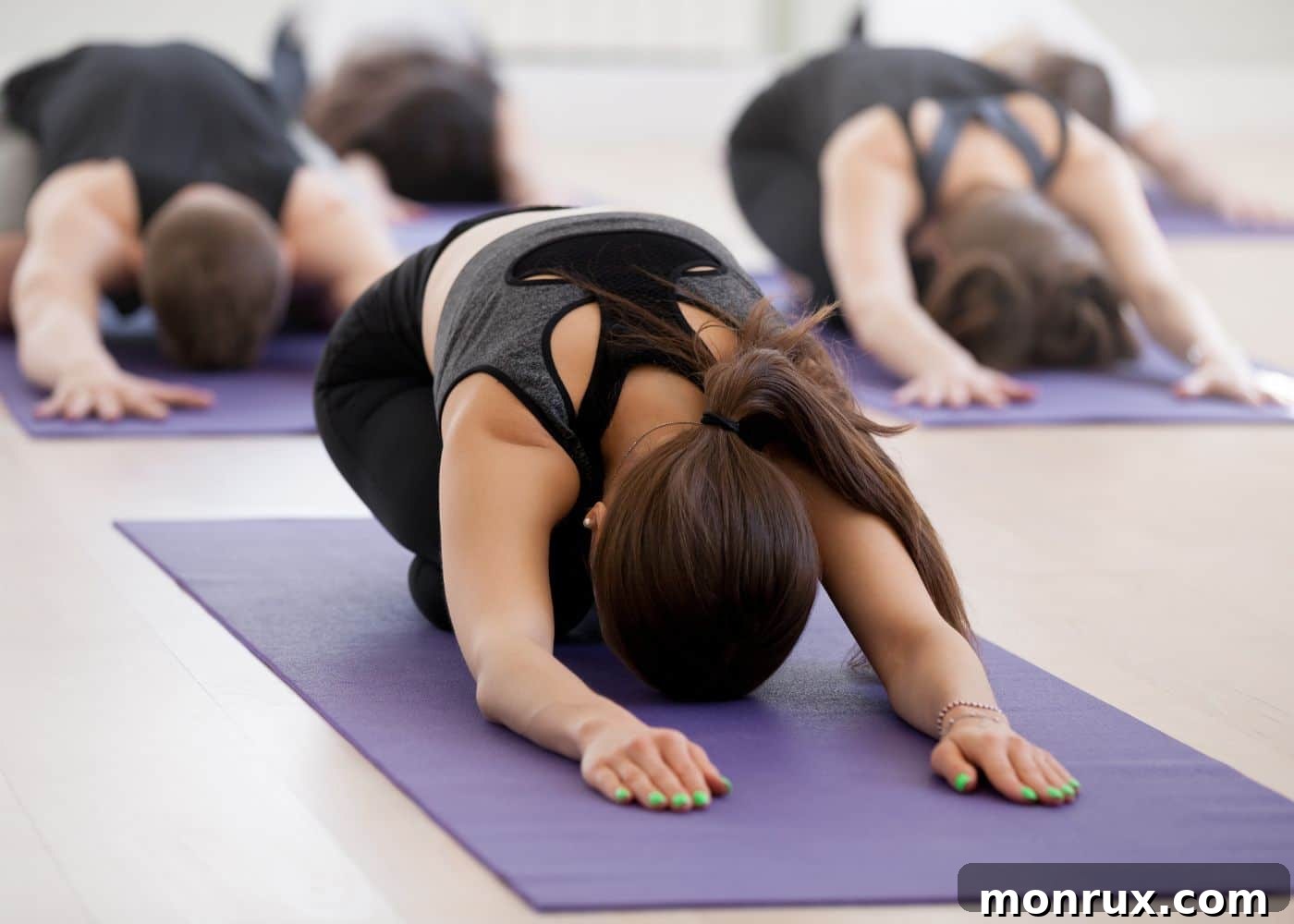
Mat Pilates is perhaps the most widely recognized and accessible form of Pilates. Performed directly on a mat, it utilizes your own body weight for resistance, making it an incredibly versatile workout that requires little to no equipment beyond a comfortable floor space. This makes it an excellent introduction to Pilates for beginners, as it allows you to learn the foundational movements and principles before potentially exploring apparatus-based work. Don’t let its simplicity fool you; Mat Pilates can be exceptionally challenging, engaging deep core muscles and improving stability throughout the entire body. It’s fantastic for building core strength, improving posture, and increasing body awareness. You can easily find numerous “mat pilates workout” videos on platforms like YouTube to explore the wide array of options and intensities available for home practice.
3. Reformer Pilates: Dynamic Resistance Training
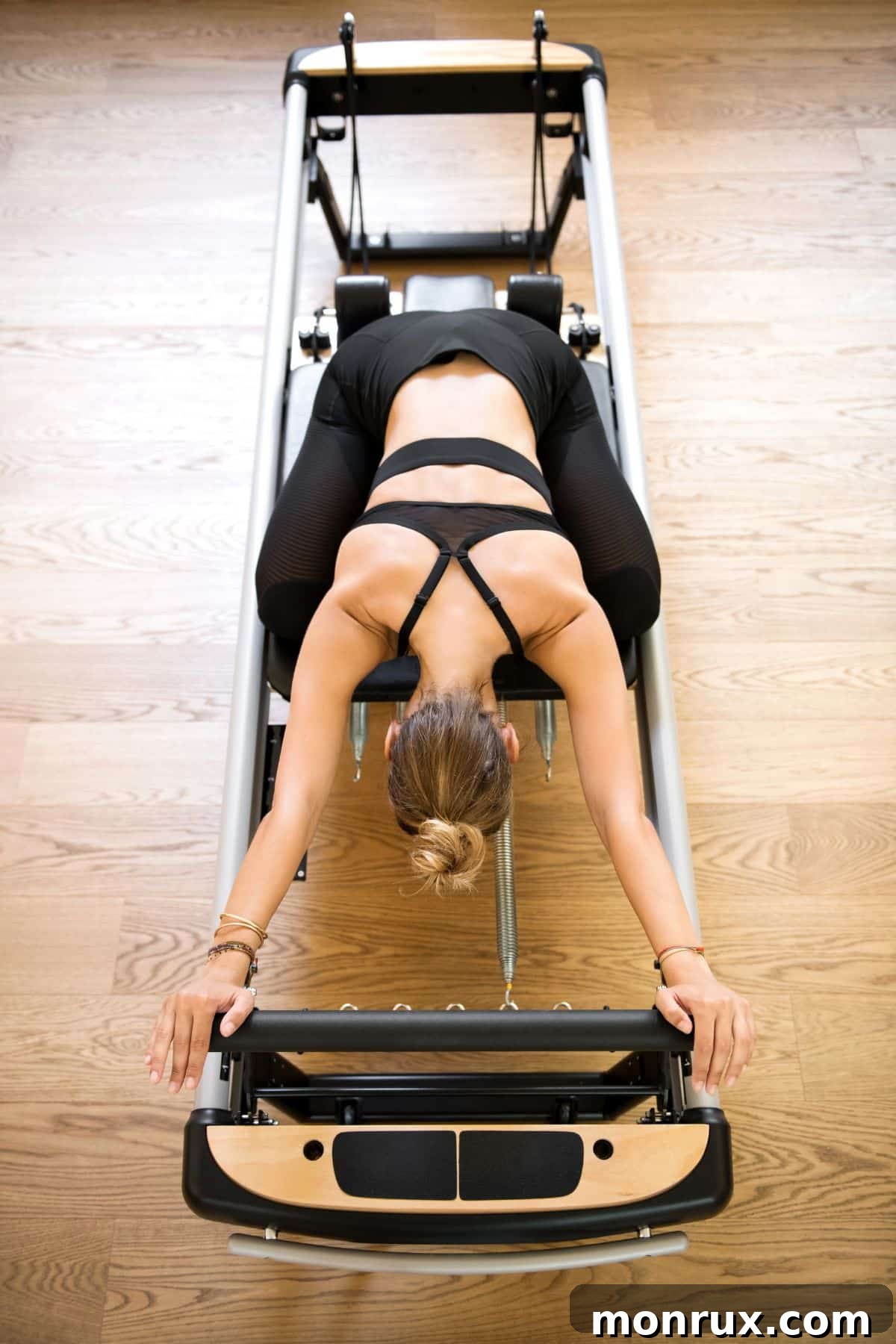
Reformer Pilates elevates the Pilates experience by incorporating the Pilates Reformer, an ingenious piece of equipment designed by Joseph Pilates. This apparatus features a sliding carriage that moves along a frame, connected by springs, ropes, and pulleys. The springs provide varying levels of resistance and assistance, allowing for a diverse range of exercises that target every major muscle group. Reformer Pilates can build significant strength, improve flexibility, and enhance coordination more rapidly than mat work alone, as the machine offers both support and increased challenge. It’s particularly effective for rehabilitation, athletic conditioning, and achieving precise alignment. While not necessarily “harder,” the complexity of the machine often means it’s best practiced under the guidance of a certified instructor in a dedicated Pilates studio.
4. Stott Pilates: Modern and Therapeutic
Stott Pilates represents a contemporary evolution of the original method, developed by Moira Merrithew and her team. It integrates modern principles of exercise science, spinal rehabilitation, and biomechanics, making it a highly respected and widely taught style. A key distinction of Stott Pilates is its emphasis on natural spinal curvature, joint stabilization, and scapular movement, adapting exercises to suit individual body types and specific needs. This approach makes it particularly beneficial for individuals recovering from injuries, those with chronic pain, or anyone seeking a more therapeutic and anatomically informed practice. Stott Pilates offers extensive programming for both mat and equipment, providing modifications and progressions that cater to a broad spectrum of clients.
5. Winsor Pilates: Fitness-Oriented Body Sculpting
Developed by the renowned Pilates instructor Mari Winsor, Winsor Pilates gained significant popularity through its accessible home workout videos. This style offers a more dynamic, fitness-oriented, and often faster-paced approach to Pilates. It retains the core principles but emphasizes sculpting and toning the body, with a particular focus on creating long, lean muscles and a strong core. Winsor Pilates is famous for its efficient workouts, such as the “Winsor Pilates 20 Minute Workout,” which aims to deliver noticeable results in a shorter timeframe. It’s an excellent choice for individuals looking for a challenging workout that prioritizes body transformation and a streamlined, effective routine, often appealing to those with busy lifestyles.
6. Fletcher Pilates: Artistic and Integrative
Fletcher Pilates was created by Ron Fletcher, a direct student of Joseph and Clara Pilates, who also had an extensive background in dance, particularly with Martha Graham. This unique style beautifully blends the traditional Pilates method with elements of dance, embodying an artistic and flowing approach to movement. Fletcher Pilates places a strong emphasis on breath, alignment, and the integration of the entire body through a series of spiraling and undulating movements. It also incorporates specialized props such as the Fletcher Towel, used for alignment and resistance, the Fletcher Braided Towel for deep stretching and strengthening, and the Fletcher Magic Circle for added challenge and sensory feedback. This style appeals to those who appreciate a graceful, expressive, and deeply integrated movement practice.
7. Pilates with Props: Enhanced Challenge and Support
Pilates with Props is not a distinct style but rather a versatile approach that involves integrating various small equipment items into Mat or Reformer Pilates workouts. These props are used to add variety, increase challenge, provide support, or enhance specific muscular engagement. Common Pilates props include Magic Circles (or Pilates rings), which provide resistance for inner and outer thigh work and arm exercises; Foam Rollers, excellent for self-massage, balance challenges, and increasing range of motion; Resistance Bands, offering portable resistance for strengthening and stretching; and various types of Pilates Balls (overballs, small soft balls) for core activation, support, and balance. Incorporating props can deepen the understanding of certain movements, target muscles more precisely, and keep workouts engaging and progressive. This type of Pilates allows for endless variations and can be tailored to all fitness levels, making it a favorite for both instructors and practitioners.
Hybrid Pilates Forms: Blending Disciplines
Beyond the traditional and contemporary styles, the fitness world has also seen the rise of fascinating hybrid forms of Pilates. These innovative approaches combine the core principles of Pilates with elements from other disciplines, creating unique and dynamic workouts:
- Yogilates: A popular blend of Yoga and Pilates, Yogilates combines the flexibility, spiritual focus, and meditative aspects of yoga with the core strengthening and precise movements of Pilates. It aims to improve both mental tranquility and physical prowess, offering a balanced workout for mind and body.
- Barre Pilates: This exciting fusion combines classical ballet barre work with Pilates exercises. Barre Pilates often incorporates small, controlled movements and isometric holds, focusing on muscle endurance, flexibility, and sculpting the lower body and core, much like a dancer’s training. It’s known for its ability to create long, lean muscles and improve posture.
Each style of Pilates, whether traditional, contemporary, or hybrid, offers different benefits and challenges. The best type for an individual ultimately depends on their personal fitness goals, current fitness level, any physical limitations, and individual preferences. Experimenting with a few different kinds of Pilates can help you discover the perfect fit.
Choosing Your Pilates Path: Factors to Consider
With such a rich array of Pilates types available, deciding where to start can feel overwhelming. To help you navigate, consider these factors:
- Your Goals: Are you seeking rehabilitation, general fitness, increased flexibility, stress reduction, or intense muscle toning? Your primary objective will strongly influence the best style for you. For instance, Stott Pilates is often favored for rehabilitation, while Winsor Pilates might be chosen for targeted body sculpting.
- Experience Level: Beginners might find Mat Pilates a gentle and accessible entry point, while those with more experience might gravitate towards the challenge of Reformer or Classical Pilates.
- Budget and Accessibility: Mat Pilates is generally the most cost-effective and accessible, as it can be done anywhere. Reformer and studio-based classes are typically more expensive due to equipment and instructor expertise.
- Injury History or Health Concerns: If you have existing injuries or chronic conditions, consult with your healthcare provider and choose a style like Stott Pilates, which emphasizes safe modifications and anatomical awareness. A certified instructor specializing in rehabilitation can also be invaluable.
- Personal Preference: Do you prefer a structured, traditional approach or a more dynamic, modern one? Are you drawn to the challenge of equipment or the simplicity of bodyweight exercises? Your enjoyment is key to long-term adherence.
Profound Benefits of Regular Pilates Practice
Beyond its reputation as a sophisticated exercise, Pilates offers a remarkable range of potential health benefits, positively impacting both physical and mental well-being. Its holistic nature ensures that while specific areas are targeted, the entire body and mind reap rewards. Here are some of the primary, scientifically supported benefits of incorporating various forms of Pilates into your routine:
1. Improved Flexibility and Range of Motion
One of the most immediate and noticeable benefits of Pilates is a significant increase in flexibility. Regular Pilates practice systematically enhances your flexibility by lengthening muscles and improving the range of motion in your joints. Unlike passive stretching, Pilates combines strengthening with stretching, creating long, lean, and pliable muscles. Most Pilates instructors are highly trained professionals who provide precise guidance, helping participants execute movements safely and effectively, thereby reducing joint pain and protecting joint health.
2. Increased Muscle Strength and Lean Tone
Pilates is a powerful method for building functional strength and achieving a toned physique. While it famously targets the deep core muscles—the “powerhouse”—it also effectively works other major muscle groups. This comprehensive approach leads to increased overall strength, improved muscular endurance, and a more streamlined, toned appearance. Although it’s a low-impact workout, the controlled resistance (whether from body weight or apparatus springs) can profoundly increase strength in unique ways. The original method was, in fact, partially designed in the early 20th century to help ballet dancers recover strength and mobility after debilitating back injuries, showcasing its therapeutic and strengthening prowess.
3. Enhanced Posture and Alignment
Pilates places a strong emphasis on correct alignment and strengthening the postural muscles, particularly those that support the spine. By developing a strong core, which includes the abdominal muscles, back extensors, and pelvic floor, Pilates helps correct postural imbalances and encourages a more upright, confident stance. This improvement stems from a deeper connection to your body’s center, strengthening not only the abdominal muscles but also the intricate muscles of the upper body and back, leading to sustainable postural correction.
4. Superior Balance and Coordination
Many Pilates exercises inherently demand and cultivate enhanced balance and coordination. The deliberate, controlled movements require mental focus to execute precisely, improving proprioception (your body’s awareness in space) and neuromuscular control. This benefit is particularly valuable for older adults, as improved balance can significantly reduce the risk of falls. I’ve personally witnessed many individuals, even those in their 80s, who regularly attend Pilates classes and maintain incredibly impressive levels of fitness and stability.
5. Alleviation and Prevention of Back Pain
By effectively strengthening the core muscles that support the spine and promoting proper spinal alignment, Pilates proves to be remarkably effective in alleviating and preventing chronic conditions like back pain. A strong and flexible core acts as a natural corset, providing stability and support for the lumbar region. Some Pilates studios and instructors even specialize in therapeutic applications, offering classes that closely resemble physical therapy sessions, focusing on targeted exercises to address specific back issues and foster long-term relief.
6. Significant Stress Reduction and Mental Clarity
The mindful and focused movements characteristic of Pilates, coupled with its emphasis on controlled breathing, can have a profound calming effect on the mind. This mind-body connection helps to reduce stress and anxiety by encouraging a state of presence and concentration, drawing attention away from external stressors. As one of the gentler yet deeply effective forms of exercise, Pilates is highly accessible for individuals seeking to reduce stress and cultivate a greater sense of calm and mental clarity in their daily lives.
7. Heightened Body Awareness and Mind-Body Connection
Pilates fundamentally encourages you to tune into your body, focusing on your breath, movement patterns, and anatomical alignment. This deliberate attention fosters a deeper body awareness, helping you understand how your body moves and interacts with its environment. This enhanced proprioception can lead to more graceful, efficient, and injury-free movement in everyday activities, and empower you to make more conscious choices about your physical well-being. It’s a journey of self-discovery through movement.
It’s important to remember that while robust scientific support exists for many of these benefits, individual experiences can vary. Before embarking on any new exercise program, particularly if you have pre-existing health conditions or injuries, it is always advisable to consult with a qualified healthcare provider for personalized recommendations.
Frequently Asked Questions About Pilates
If you’re just starting out, Mat Pilates is often the recommended entry point. It’s accessible, requires minimal equipment, and provides a solid foundation in the core principles of Pilates using your own body weight. Many gyms offer Mat Pilates classes, and there are countless online resources for home practice. If you have specific physical limitations or are recovering from an injury, it’s beneficial to visit a local Pilates studio and consult with an instructor. They can assess your needs and guide you towards Reformer Pilates or a specialized therapeutic class, which might offer more targeted support and resistance. Remember, each studio often has a slightly different style or focus, so don’t hesitate to take advantage of free or discounted introductory classes to find the perfect fit for your personal needs and preferences.
Yes, absolutely! Pilates is increasingly backed by a growing body of scientific research demonstrating its efficacy for various health outcomes. Throughout this article, I’ve linked to just a few of the many scientific studies that highlight the numerous benefits of Pilates, from improving flexibility and strength to alleviating back pain and reducing stress. Researchers continue to explore its positive impact on posture, balance, athletic performance, and rehabilitation.
While Pilates primarily focuses on core strength, flexibility, and muscle tone rather than high-intensity cardio, it can definitely contribute to weight loss as part of a balanced lifestyle. By building lean muscle mass, Pilates helps boost your metabolism, which aids in burning more calories even at rest. Its emphasis on body awareness can also encourage healthier eating habits and reduce stress, both of which are crucial for sustainable weight management. For optimal weight loss results, it’s often combined with cardiovascular exercise and a nutritious diet.
Consistency is key when it comes to Pilates. To experience significant benefits and see noticeable results, aim for at least two to three Pilates sessions per week. Many practitioners find that practicing 3-4 times a week yields excellent progress in strength, flexibility, and overall well-being. Even just one focused session per week can offer benefits, but more frequent practice will accelerate your journey towards mastering the movements and achieving your fitness goals. Listen to your body and adjust frequency as needed.
My Personal Pilates Journey
My own journey with Pilates began with Mat Pilates at a local gym. I quickly discovered that despite its seemingly simple setup, it offered a challenging and deeply effective full-body workout. The focus on core engagement and precise movements was both demanding and incredibly rewarding. Several years later, I ventured into the world of Reformer Pilates at a specialized studio, and I was immediately captivated. The dynamic resistance and assistance offered by the Reformer machine took my understanding of core strength and body control to a whole new level. I was incredibly sore during those initial weeks, a testament to the deep muscles being engaged, but I noticed remarkable improvements in my core strength, posture, and overall body awareness after just a few consistent sessions.
During the challenging times of the pandemic, when studio access was limited, I truly missed the transformative power of my Pilates workouts. Recently, I made the exciting decision to purchase my own Reformer for home use. It has been an absolute joy to reconnect with the practice and steadily regain my strength and flexibility. As someone who navigates the complexities of chronic illness, I’ve found Pilates to be an invaluable form of movement. Its low-impact nature provides a gentle yet highly effective way to strengthen my body without excessive stress or strain, making it an essential part of my wellness routine.
New to Eating Clean? Check Out These Resources!
Conclusion: Embrace the World of Pilates
Pilates stands as a remarkably versatile and impactful exercise method, offering a wealth of physical and mental benefits. From the accessible, bodyweight-focused Mat Pilates to the dynamic and equipment-intensive Reformer Pilates, and the many specialized styles in between, there’s a unique path for every individual. This holistic workout not only delivers substantial improvements in flexibility, muscle strength, and tone but also profoundly enhances posture, balance, and coordination. Furthermore, the mindful nature of Pilates provides a powerful tool for stress reduction, fostering a deep sense of calm and increased body awareness. By exploring the diverse types of Pilates and understanding how each aligns with your personal goals, you can embark on a transformative journey towards a stronger, more balanced, and healthier you.
Don’t forget to join my newsletter list to get exclusive clean eating recipes and tips. The newsletter is 100% free with no spam; unsubscribe anytime.
About the Author: Carrie Forrest has a master’s degree in public health with a specialty in nutrition and is a certified holistic nutritionist. She is a top wellness and food blogger with over 5 million annual visitors to her site. Carrie has an incredible story of recovery from chronic illness and is passionate about helping other women transform their health. Send her a message through her contact form.
Note: this post is for informational purposes only and is not intended as medical advice. Please consult your healthcare provider for recommendations related to your individual situation.