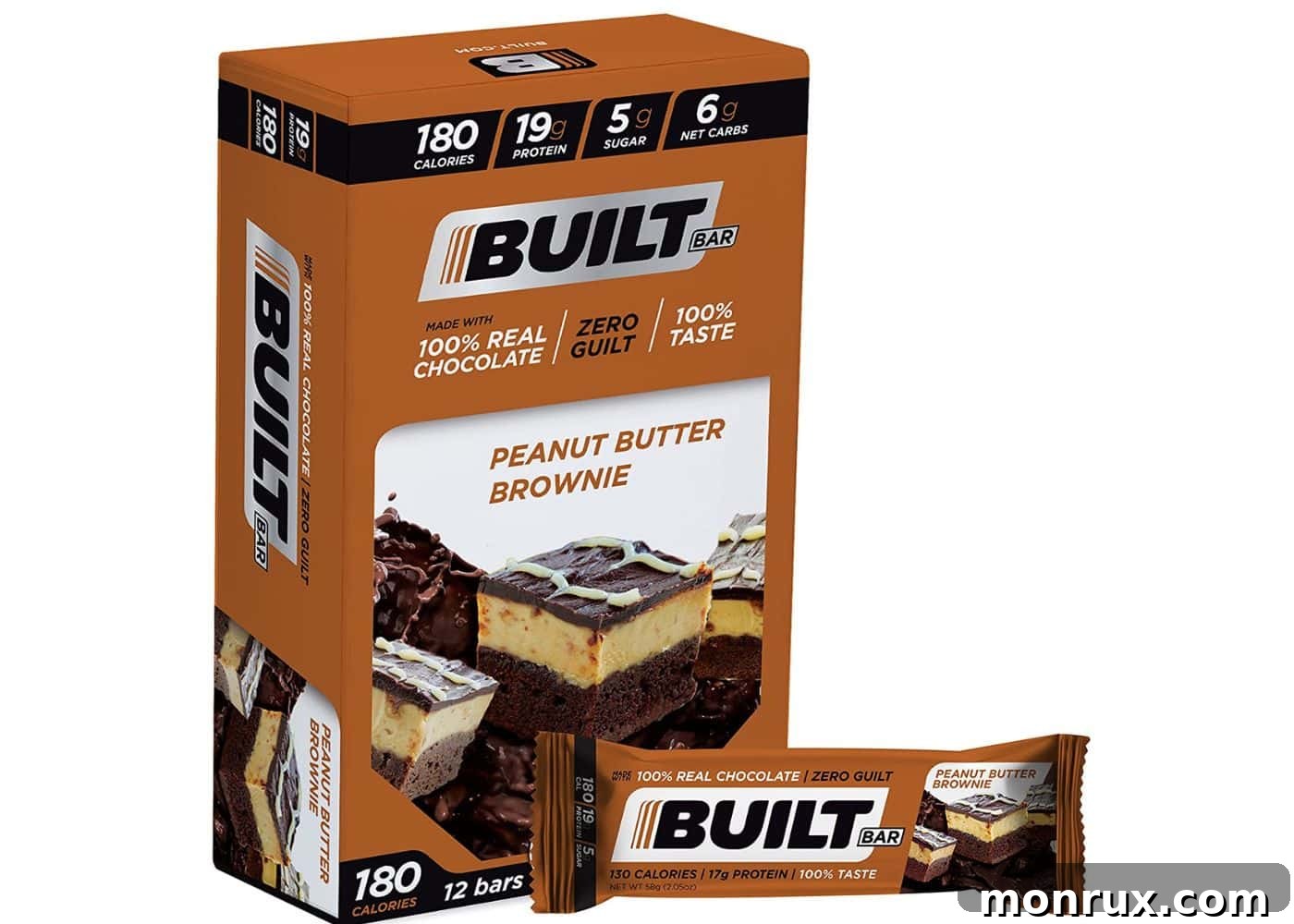
In the vast and often confusing landscape of health and nutrition, consumers are constantly seeking convenient options that align with their wellness goals. One such product that has gained significant traction is the **Built Bar**. But are Built Bars truly good for you? As a nutritionist dedicated to promoting whole, minimally processed foods, I’ve taken a deep dive into the ingredients and nutritional profile of Built Bars, and my conclusion is firm: **I do not consider Built Bars to be a genuinely healthy choice.** This is primarily due to their reliance on highly processed ingredients and the presence of common allergens. In this comprehensive review, we’ll explore the nutritional pros and cons of Built Bars, dissect their key ingredients, and suggest healthier alternatives to help you make informed decisions for your diet.
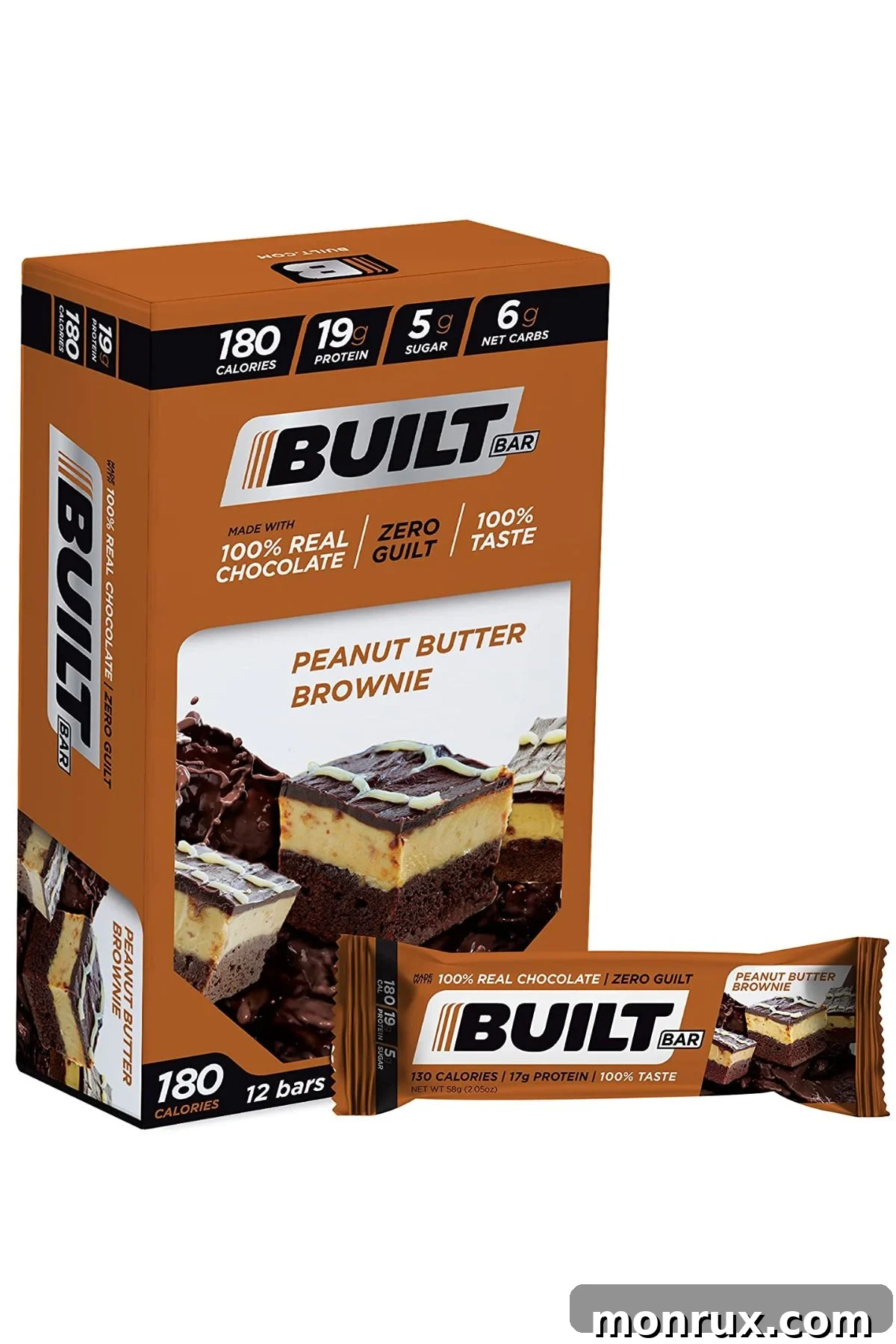
Built Bars: What You Need to Know
Built Bars are promoted as low-calorie, gluten-free, and low-fat protein bars distinguished by their **low sugar and high fiber content**. Founded in 2018 by Nick Greer, Built Brands aimed to carve out a niche in the competitive protein bar market by offering a product that not only tasted superior to many existing options but was also perceived as healthier. The company positions Built Bars as a **health-conscious alternative to traditional candy bars**, appealing to those seeking a sweet treat without the guilt associated with high sugar and fat content.
Initially, Built Bars were primarily sold online in boxes of at least 12 bars, giving consumers access to a wide array of flavors. Today, their availability has expanded, and you can often find them in local grocery stores as well as through their online platform. This accessibility makes them a convenient grab-and-go option for many. The diverse flavor portfolio is one of their major attractions, including popular choices such as:
- Cookies’ n Cream
- Coconut
- Salted Caramel
- Double Chocolate
- Peanut Butter Brownie
- Coconut Almond
- Cherry Barcia
- Mint Brownie
- Raspberry
Customers can opt for a single-flavor box or a mixed assortment, catering to varied taste preferences. Beyond their signature protein bars, Built Brands has also diversified its product line to include marshmallow puff bars and granola bars, further expanding their reach within the snack market.
While the marketing highlights low sugar and high protein, it’s essential to look beyond these headline claims and delve into the actual ingredient list to truly assess if Built Bars align with a clean-eating philosophy. Many consumers are drawn to these bars for their macronutrient profile, but a nutritionist’s perspective often emphasizes the quality and processing level of the ingredients over simple numbers.
Built Bar Ingredients: A Closer Look
The specific ingredients in Built Bars can vary significantly depending on the flavor, with some varieties incorporating nuts and others being nut-free to accommodate allergies. However, a core set of highly processed ingredients forms the backbone of most Built Bar products. Typical ingredients include partially hydrolyzed whey protein isolate, cocoa butter, sugar, chocolate liquor, soy lecithin, vanilla, gelatin, glycerin, maltodextrin, erythritol, natural flavor, and citric acid. It’s also important to note that some flavors contain common allergens like tree nuts, ground nuts (peanuts), and dry milk.
To provide a concrete example, let’s examine the ingredient list for the Cookies and Cream Built Bar:
- Protein Blend (Whey Protein Isolate)
- Dark Chocolate (Chocolate Liquor, Erythritol, Inulin, Cocoa Butter, Milk Fat, Soy Lecithin, Natural Flavor, Stevia)
- Water
- Glycerin
- Gelatin
- Erythritol
- Cocoa Powder (Processed with Alkali)
- Natural Flavors
- Inulin
- Maltodextrin
- Salt
- Stevia Glycosides (Stevia)
- Citric Acid
This list, while seemingly straightforward, reveals several ingredients that warrant closer scrutiny for those prioritizing whole, unprocessed foods. Understanding what each of these components means for your health is crucial to evaluating whether Built Bars fit into a truly healthy diet.
Whey Protein Isolate
Each Built Bar provides a substantial amount of protein, typically ranging from 17g to 19g, primarily sourced from **partially hydrolyzed whey protein isolate**. Protein is an indispensable macronutrient, vital for muscle growth, tissue repair, enzyme production, and overall bodily function. Whey protein, derived from cow’s milk, is one of the most widely used protein supplements due to its complete amino acid profile and rapid absorption.
However, the specific form used in Built Bars—partially hydrolyzed whey protein isolate—is highly refined and processed. “Isolate” means it has undergone extensive processing to remove most of the fat and lactose, resulting in a product that is over 90% protein by weight. “Partially hydrolyzed” indicates that the protein has been broken down into smaller peptides, potentially for easier digestion and absorption. While this might sound beneficial, the extensive processing means it moves further away from its natural food source. Due to its dairy origin, Built Bars are **not suitable for vegans or individuals with milk or dairy allergies/sensitivities**.
For those aiming to avoid highly processed foods, relying on whey protein isolate as a primary protein source might contradict a clean-eating philosophy. Many whole food alternatives offer excellent protein without the heavy processing, such as lean meats, eggs, legumes, and certain plant-based protein powders derived from peas or rice that undergo minimal processing.
Gelatin
Gelatin is another animal-derived ingredient found in Built Bars, making them unsuitable for vegans. Interestingly, gelatin is often considered one of the more redeeming ingredients in these bars from a health perspective. It is a naturally occurring protein, predominantly composed of collagen, extracted from the skin, bones, and connective tissues of animals. Collagen, in turn, is crucial for the health and integrity of our joints, skin, hair, and nails.
Gelatin boasts several potential health benefits. It is known to help boost natural collagen production, which can improve skin elasticity and contribute to a more youthful appearance. Its amino acid profile, particularly rich in lysine, is excellent for healthy bones. Furthermore, gelatin has been linked to improved digestive health by strengthening the gut lining, enhancing sleep quality, and even aiding in weight management by promoting satiety.
The caveat, however, lies in the source. For optimal health benefits and to avoid potential contaminants, it is always recommended to consume gelatin (or collagen supplements) derived from grass-fed, pasture-raised, and organic animals. It is highly improbable that the gelatin used in commercially produced Built Bars meets these stringent quality standards. Therefore, while gelatin itself has health merits, its inclusion in a Built Bar may not offer the same benefits as a high-quality, ethically sourced gelatin. Consumers must weigh their personal preference regarding the source and processing of this ingredient (see my related article on the potential side effects of gelatin).
Soy Lecithin
It’s important to distinguish between whole soy and soy lecithin, as they are not interchangeable. Whole soy is a plant-based protein source, often consumed in forms like tofu, tempeh, or edamame. It’s a subject of ongoing debate in the nutrition community, partly because a large percentage of soy crops in the U.S. are genetically modified (GMO), and some studies suggest it may alter thyroid function in individuals with iodine deficiencies.
Soy lecithin, however, is an entirely different entity. It is an emulsifier derived from soy oil that has undergone extensive and rigorous processing. This processing effectively strips it of nearly all soy protein, transforming it into a compound that bears little resemblance to its original soy source. Due to this high degree of alteration and processing, individuals with soy allergies can typically consume soy lecithin without adverse reactions, as the allergenic proteins are largely removed.
Despite its common use as a food additive to improve texture and shelf life, soy lecithin is considered a highly processed ingredient. Concerns also arise from the extraction methods, which often involve harsh chemical solvents like hexane. Given its ultra-processed nature and potential for solvent residues, soy lecithin cannot be classified as a healthy ingredient for those committed to a clean, minimally processed diet.
Maltodextrin
Maltodextrin is a common food additive used primarily as a **thickener, filler, or preservative** to improve the texture, stability, and shelf life of foods. It is a highly processed carbohydrate, typically derived from starch found in rice, corn, wheat, or potatoes. While the U.S. Food and Drug Administration (FDA) generally recognizes maltodextrin as safe, its nutritional impact warrants attention.
One of the most significant concerns regarding maltodextrin is its **exceptionally high glycemic index (GI)**, often even higher than that of table sugar. This means it can cause a rapid and substantial spike in blood sugar levels, which is problematic for everyone but particularly dangerous for individuals with insulin resistance, type 2 diabetes, or those striving to manage blood sugar fluctuations. Frequent consumption of foods high in maltodextrin can contribute to metabolic issues and hinder efforts to maintain stable energy levels.
Beyond blood sugar concerns, maltodextrin may not be entirely innocuous for individuals with certain autoimmune conditions or gastrointestinal issues. For example, because it can contain trace amounts of gluten (especially if derived from wheat, even if the final product is labeled “gluten-free” per regulations), some individuals with celiac disease or gluten sensitivity might experience digestive discomfort. Furthermore, research has suggested a potential link between maltodextrin consumption and alterations in gut microbiota, potentially exacerbating symptoms or even contributing to the development of inflammatory bowel diseases like Crohn’s disease. Given these potential risks, it is an ingredient best avoided by those seeking to optimize gut health and blood sugar control.
Erythritol
Erythritol is a sugar alcohol, belonging to the same family as xylitol, mannitol, and sorbitol, commonly used as a sugar substitute in many “diet” or “low-sugar” products, including Built Bars. It is a naturally occurring compound found in small amounts in some fruits and fermented foods like cheese, beer, and wine, but in commercial applications, it is produced through the fermentation of glucose. A key appeal of erythritol is that it contains virtually no calories, does not contribute to dental decay, and, crucially, **does not affect blood glucose or insulin levels**, making it popular among diabetics and those on low-carb diets.
Despite these advantages, erythritol is still a processed ingredient and can present issues for some individuals. While generally better tolerated than other sugar alcohols due to its small molecular size and absorption in the small intestine, research indicates that sugar alcohols can still lead to digestive problems, particularly when consumed in larger quantities. Common side effects include stomach cramps, gas, bloating, and diarrhea. Individual sensitivity varies greatly; some people can consume erythritol without issue, while others experience significant discomfort from even small amounts.
Therefore, while erythritol helps Built Bars achieve their low-sugar claim and reduces the caloric impact of added sugars, its presence underscores the highly processed nature of the product and introduces a potential for digestive upset. Consumers should be mindful of how their body reacts to sugar alcohols and consider this when evaluating the overall healthfulness of Built Bars.
Built Bar Nutrition: The Pros
While Built Bars don’t align with a strictly clean-eating approach, it’s important to acknowledge their perceived advantages, especially when compared to less healthy snack options. For certain dietary needs and goals, Built Bars can offer some benefits:
- High Protein Content: Each bar contains a significant amount of protein (17-19g), which is excellent for promoting satiety. Protein helps you feel fuller for longer, reducing the likelihood of overeating or snacking on less healthy items. This makes them appealing for muscle recovery after workouts or as a quick hunger-buster.
- Low Calorie and Low Fat: Built Bars are designed to be relatively low in calories and fat compared to many traditional candy bars or even some other protein bars on the market. This can be attractive to individuals who are monitoring their caloric intake for weight management.
- Gluten-Free: For individuals with celiac disease or gluten sensitivity, Built Bars offer a convenient, certified gluten-free snack option, broadening their accessibility to a specific demographic.
- Trans-Fat-Free: The absence of trans fats is a positive, as trans fats are widely recognized as detrimental to cardiovascular health.
- Nut-Free Options: Built Brands offers several nut-free flavors, which is a crucial benefit for those with peanut or tree nut allergies, providing a safer protein bar choice where options can often be limited.
In summary, Built Bars can serve as a “better-for-you” alternative to highly unhealthy snacks like regular candy bars, given their protein content, lower sugar, and calorie profile. They offer a convenient way to boost protein intake on the go, which can be beneficial for busy individuals or athletes. However, these pros must always be viewed within the context of their processed ingredients.
Built Bar Nutrition: The Cons
Despite some appealing nutritional claims, the drawbacks of Built Bars, particularly from a clean-eating perspective, are significant and outweigh the perceived benefits for those prioritizing whole foods. The primary concerns revolve around their **highly processed nature** and the inclusion of common allergens and additives:
- Highly Processed Ingredients: The most significant con is the extensive use of highly processed components like partially hydrolyzed whey protein isolate, maltodextrin, and erythritol. These ingredients are far removed from their natural state and often lack the synergistic nutrients found in whole foods. A diet rich in processed foods, even those with favorable macronutrient ratios, is generally associated with poorer health outcomes compared to a diet centered on whole, unprocessed ingredients.
- Common Allergens (Dairy and Soy): Built Bars contain dairy (from whey protein and milk fat in chocolate) and soy (soy lecithin), two of the most common food allergens. This makes them unsuitable for individuals with dairy allergies, lactose intolerance, or soy sensitivities. Many people experience digestive upset or inflammatory responses from these ingredients, making Built Bars a poor choice for them.
- Nuts in Some Flavors: While nut-free options exist, many popular Built Bar flavors, such as Peanut Butter Brownie and Coconut Almond, contain ground nuts, tree nuts, or both. This poses a serious risk for individuals with nut allergies, necessitating careful label checking.
- Artificial Sweeteners and Sugar Alcohols: Although low in added sugar, Built Bars rely on erythritol, a sugar alcohol, and potentially other sweeteners like stevia. While these help keep sugar content down, erythritol can cause various digestive problems, including gas, bloating, and diarrhea, especially in sensitive individuals or when consumed in larger quantities.
- Suboptimal Protein Source: While high in protein, the choice of partially hydrolyzed whey protein isolate, rather than a less processed or alternative source, is a concern for clean eaters. I personally prefer products and bars made with beef protein isolate or plant-based proteins that are less refined, as they represent a much cleaner source of nutrition.
Ultimately, a nutritionist committed to real food will always advocate for making your own protein bars at home using natural, unprocessed ingredients. This approach gives you complete control over the quality and type of ingredients, allowing you to avoid allergens and artificial additives. That being said, consuming a Built Bar occasionally as a quick snack or meal replacement is unlikely to cause significant harm if you don’t have allergies to its ingredients and otherwise maintain a healthy, whole-foods-based diet. However, for regular consumption or as a staple in a wellness-focused regimen, they fall short of ideal.
Built Bar Nutrition: FAQs
From a nutritionist’s perspective, Built Bars are **highly processed factory-made snacks**. While they offer certain benefits like high protein and low sugar compared to traditional candy, their ingredient list includes components that may not be suitable for people with specific dietary restrictions or those aiming for a clean, whole-food diet. They contain dairy and soy, making them unsuitable for vegans or individuals with lactose intolerance or dairy/soy allergies. Although gluten-free, the presence of various processed ingredients and sugar alcohols raises concerns about their overall healthfulness.
For superior health benefits, it’s always recommended to opt for homemade protein bars made from non-processed, real food ingredients. An truly healthy protein bar should ideally contain at least 10 grams of protein and be crafted from ingredients such as nuts, seeds, dates, and other natural binders. You can also incorporate clean protein powders into your homemade recipes. For those needing specific options, consider exploring my list of gluten and dairy-free snacks or my recommendations for clean protein powders to include in your creations.
Absolutely, yes! Creating your own healthy, unprocessed protein bars at home is not only feasible but highly recommended. By doing so, you gain complete control over the ingredients, ensuring they are fresh, natural, and free from undesirable additives. This allows you to tailor the bars precisely to your dietary needs, whether that means making them dairy-free, sugar-free, nut-free, or specific to other preferences. There are countless recipes available for delicious homemade protein bars that rival commercial options in taste and far surpass them in nutritional quality. For inspiration, you might try this recipe for a homemade protein bar, or explore other healthy snack ideas like my recipe for dairy-free protein coffee. Also, check out my related article, “Are Kind Bars Healthy?” for another product comparison.
No, Built Bars are not suitable for vegans. All Built Bars contain whey protein, which is a direct by-product of milk. Additionally, many of their formulations include milk fat from dark chocolate and gelatin, an animal by-product derived from collagen. These animal-derived ingredients make Built Bars incompatible with a vegan diet.
When comparing Built Bars and Quest Bars, it’s important to recognize that both fall into the category of highly processed protein bars. They share similar nutritional profiles, including comparable protein content, and often utilize similar processed ingredients and artificial sweeteners. While both may be considered “healthier” than a traditional candy bar, neither truly aligns with a clean, whole-food diet. As a nutritionist, I view both as products that should be consumed sparingly rather than as a regular part of a healthy eating plan due to their ultra-processed nature. For a more detailed comparison, you can refer to my related review, “Are Quest Protein Bars Healthy?”
Regular consumption of highly processed protein bars like Built Bars can have several downsides. These include potential digestive issues from sugar alcohols like erythritol and maltodextrin, possible inflammation due to processed ingredients, and the risk of displacing more nutrient-dense whole foods from your diet. While convenient, they often lack the micronutrients, antioxidants, and diverse fiber types found in fruits, vegetables, and whole grains. Relying too heavily on them can also perpetuate a preference for artificially sweetened, hyper-palatable foods, making it harder to appreciate the natural flavors of whole foods.
More Product Reviews You Might Like
Final Thoughts on Built Bars
In conclusion, while Built Bars are marketed as a convenient, high-protein, low-sugar snack and may appear to be a better choice than some of the most unhealthy candy bars on the market, they are **not necessarily a healthy snack** for individuals committed to a clean, whole-food diet. They skillfully bridge the gap between a sugary indulgence and a protein boost, but their reliance on numerous highly processed ingredients and the inclusion of common allergens like dairy and soy are significant drawbacks.
Their gluten-free claim, coupled with low fat and calorie counts, certainly appeals to a broad audience. However, a deeper dive into their composition reveals a product that uses refined components and sugar alcohols, which can lead to digestive discomfort and detract from the benefits of truly nourishing foods. For those who prioritize optimal health and seek to avoid ultra-processed foods, the best approach is always to create healthier versions of protein bars at home using whole, natural ingredients. This not only ensures maximum nutritional integrity but also allows for complete control over allergens and additives. I hope this comprehensive Built Bar review has provided valuable insights to help you make more informed decisions about your snack choices. Feel free to share your thoughts and experiences in the comments section!
Don’t forget to join my newsletter list to get exclusive clean eating recipes and tips. The newsletter is 100% free with no spam; unsubscribe anytime.
About the Author: Carrie Forrest holds a master’s degree in public health with a specialization in nutrition and is a certified holistic nutritionist. As a prominent wellness and food blogger, her site welcomes over 5 million annual visitors. Carrie’s inspiring journey of recovery from chronic illness fuels her passion for empowering other women to transform their health. You can connect with her through her contact form.
Note: this post is for informational purposes only and is not intended as medical advice. Please consult your healthcare provider for recommendations related to your individual situation.