
Pregnancy is a transformative journey, demanding increased nutritional support to nurture both the mother’s health and the baby’s growth. Among the myriad of essential nutrients, protein stands out as a fundamental building block for cells, tissues, and organs. Throughout all three trimesters, expectant mothers require a significantly higher protein intake to support fetal development, expand blood volume, and prepare the body for childbirth and breastfeeding. While whole food sources are always the primary recommendation, sometimes meeting these elevated protein needs can be challenging, especially amidst morning sickness, food aversions, or busy schedules. This comprehensive guide delves into the world of pregnancy-safe protein powders, offering carefully selected options and essential guidance to help you confidently supplement your diet.
Understanding Pregnancy-Safe Protein Powders
Navigating your nutritional needs during pregnancy can be complex, and ensuring adequate protein intake is crucial. If you find it challenging to consistently meet your daily protein requirements through whole food sources like lean meats, eggs, and legumes, incorporating a high-quality protein powder can be a convenient and effective solution. Just one scoop of protein powder can easily add between 12-28 grams of protein to your diet, significantly boosting your daily intake.
However, selecting a protein powder during pregnancy demands careful consideration. The market is saturated with options, and not all are created equal when it comes to maternal health. It is paramount to prioritize products free from artificial sweeteners (such as aspartame or sucralose), synthetic flavors, unnecessary fillers, and questionable additives. These ingredients, while common in many supplements, lack sufficient research regarding their long-term effects on fetal development and could potentially pose risks. The same vigilance applies during breastfeeding, as ingredients can pass into breastmilk, potentially affecting the infant.
Furthermore, it’s vital to be aware of common allergens. If you have sensitivities or allergies to ingredients like dairy protein (whey, casein), soy protein, gluten, or specific grains, opt for powders that explicitly exclude these. Always review the ingredient list thoroughly. Beyond ingredient transparency, consider products that undergo third-party testing for heavy metals and contaminants, ensuring purity and safety.
Before introducing any new supplement into your prenatal routine, including protein powders, always consult with your healthcare provider or a registered dietitian. They can offer personalized advice based on your individual health profile and dietary needs, helping you make the safest and most informed choices for you and your baby.
Top Protein Powder Recommendations for Pregnancy
The following protein powders have been carefully selected for their clean ingredient lists, minimal processing, and suitability for most women during pregnancy and breastfeeding. Nutrient demands remain high postpartum, making these options ideal for supporting a new mother’s recovery and lactation. A key feature of all products on this list is that they are unsweetened, avoiding artificial or natural sweeteners that some prefer to limit during pregnancy.
Remember, while these products are generally considered safe and beneficial, individual needs vary. Always consult your healthcare provider to confirm that a specific protein powder is appropriate for your unique pregnancy journey.
1. Garden of Life Raw Organic Protein Unflavored Powder
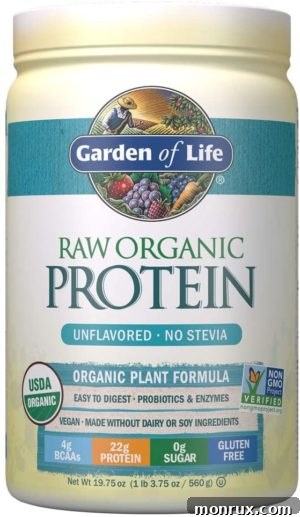
- This exceptional vegan and plant-based protein powder is designed for easy digestion and is a fantastic choice as it intentionally excludes soy and stevia. Garden of Life is a highly reputable brand known for its commitment to quality and transparency. Its unflavored nature and lack of added sugars or artificial sweeteners make it particularly appealing for expectant mothers.
- Derived from a diverse blend of sprouted plant sources, this organic protein powder provides a complete amino acid profile, essential for healthy growth and development. It also boasts the added benefit of digestive enzymes, which can be particularly helpful for sensitive stomachs during pregnancy.
- With a clean ingredient profile, this powder integrates seamlessly into various recipes without altering flavor. For a nutritious and satisfying boost, try adding it to your Peanut Butter Cauliflower Smoothie.
- Protein Content: 21 grams per scoop, offering a substantial protein boost with each serving.
2. Anthony’s Premium Pea Protein
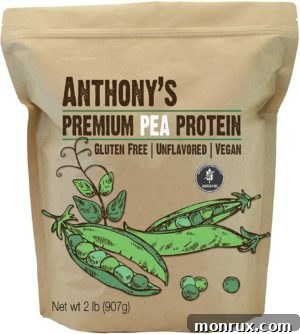
- Anthony’s Premium Pea Protein truly embodies simplicity, featuring pea protein as its sole ingredient. Its unflavored and unsweetened profile makes it incredibly versatile, allowing it to be “hidden” effortlessly in a wide array of recipes without imparting any distinct taste.
- Pea protein is a naturally gluten-free, vegan, and vegetarian option, making it an excellent choice for individuals with diverse dietary restrictions or preferences, including those avoiding dairy or soy. It’s also recognized for being hypoallergenic, reducing the risk of common sensitivities.
- This high-quality plant-based protein supports muscle development and overall maternal health. Incorporate it into your morning routine with a refreshing Green Apple Spinach and Banana Smoothie for a delicious and nutrient-packed breakfast or snack.
- Protein Content: 8 grams per tablespoon, offering flexible dosing to meet your specific needs.
3. KOS Dairy Free Protein Powder
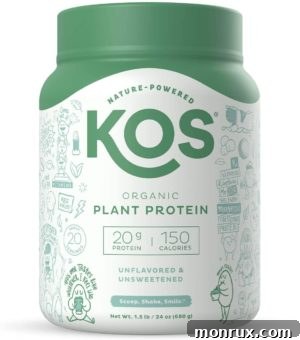
- The KOS protein blend stands out with its thoughtful inclusion of coconut milk, along with a beneficial mix of fruits and vegetables. This unique combination offers a smoother, potentially more palatable taste profile for those who are new to plant-based proteins or find other options too “earthy.”
- Beyond its significant protein contribution, this powder also provides a valuable amount of dietary fiber. Fiber is absolutely essential during pregnancy to support healthy digestion, prevent constipation, and help regulate blood sugar levels.
- This blend is designed to be highly digestible and nutrient-dense, contributing to overall well-being. Enhance your daily nutrition by adding it to a vibrant Strawberry Peach Smoothie, creating a delicious and pregnancy-friendly treat.
- Protein Content: 20 grams per two scoops, delivering a robust dose of protein to support maternal and fetal needs.
4. Raw Organic Whey Undenatured 100% Grass Fed
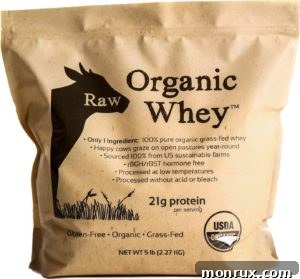
- For those who prefer and tolerate dairy products, this grass-fed whey protein powder is an excellent choice. Whey protein from grass-fed cows is often favored for its superior nutrient profile, including higher levels of beneficial omega-3 fatty acids and conjugated linoleic acid (CLA), compared to conventional whey. The taste is often more familiar and enjoyable for individuals accustomed to dairy, making the transition from whole foods to a protein shake smoother.
- One of the significant advantages of whey protein powders is their exceptional mixability, resulting in wonderfully creamy and smooth shakes or smoothies. This can be particularly appealing if you’re experiencing texture sensitivities during pregnancy.
- Dairy protein is renowned for its high bioavailability, meaning the body can absorb and utilize its amino acids very efficiently. As long as you don’t have a dairy sensitivity, it’s a superb option to meet your elevated protein requirements. Try this one in a refreshing Strawberry Blueberry Smoothie.
- Protein Content: 21 grams per 5 tablespoons, providing a potent and easily absorbable protein source.
5. tera’swhey Goat Whey Protein
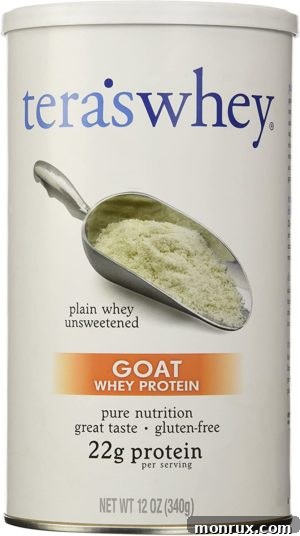
- If you’re seeking a non-plant-based protein option but find cow’s milk products difficult to digest, tera’swhey Goat Whey Protein offers an excellent alternative. Many individuals report that goat milk is inherently easier on the digestive system compared to cow’s milk, making this a gentler choice for sensitive stomachs during pregnancy.
- This protein powder features a remarkably simple ingredient list, focusing purely on high-quality goat whey. It provides a complete amino acid profile, ensuring you receive all essential amino acids necessary for both maternal health and robust fetal development.
- The rich amino acid profile supports muscle repair, tissue growth, and various bodily functions crucial during this period. Blend it into your Oat Milk Smoothie with Strawberry & Banana for a creamy and easily digestible protein boost.
- Protein Content: 22 grams per two scoops, delivering a substantial amount of easily digestible protein.
6. Ancient Nutrition Protein Powder Made from Real Bone Broth
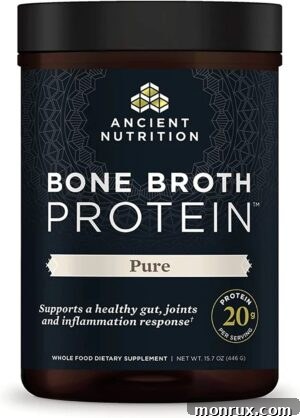
- Bone broth protein is celebrated for being an exceptional source of gut-healing compounds, prominently featuring collagen. Collagen is vital for supporting connective tissues, skin elasticity, and joint health – all of which are significantly impacted during pregnancy and postpartum. Learn more about how to incorporate collagen and potential collagen side effects.
- Ancient Nutrition is a well-regarded brand, known for its commitment to high-quality, ethically sourced ingredients. This protein powder utilizes premium protein sources from grass-fed beef and pasture-raised chicken, ensuring a rich and complete amino acid profile.
- This particular version is unflavored and contains no added sweeteners or artificial flavors, making it a pure and versatile choice for expectant mothers. It can be easily mixed into warm liquids or incorporated into savory recipes.
- Protein Content: 20 grams per serving, offering a unique blend of protein and beneficial collagen peptides.
7. Vital Proteins Collagen Peptides Powder
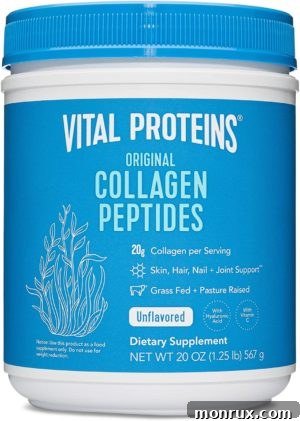
- While often associated with beauty benefits, collagen peptides offer significant support during pregnancy, aiding in the elasticity of skin (potentially reducing stretch marks), strengthening hair and nails, and supporting joint health as your body undergoes changes. It’s an excellent option for those looking beyond just a traditional protein powder. Delve deeper into collagen protein and its potential side effects.
- One of the most remarkable benefits of collagen protein is its exceptional solubility. It dissolves effortlessly into both hot and cold liquids without altering the taste or texture, making it incredibly easy to incorporate into your daily routine—from coffee and tea to smoothies and water.
- It is important to note, however, that collagen protein is not a “complete protein” as it lacks one essential amino acid (tryptophan). Therefore, ensure you are also consuming other complete protein sources in your diet to provide all necessary amino acids for comprehensive nutritional support during pregnancy.
- Protein Content: 18 grams per two scoops, providing ample support for collagen synthesis and overall well-being.
8. Manitoba Harvest Hemp Yeah! Organic Max Protein Powder
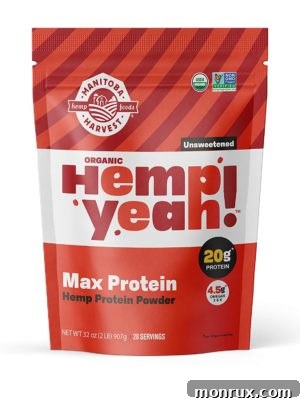
- Hemp protein is rapidly gaining recognition as an outstanding plant-based, soy-free protein alternative, especially popular among those seeking diverse dietary options. This specific blend combines the benefits of hemp with some pea protein, creating a well-rounded and easily digestible option.
- Beyond its protein content, hemp is a fantastic source of healthy fats, including omega-3 and omega-6 fatty acids, which are crucial for fetal brain development and maternal heart health. It also provides a good amount of dietary fiber, supporting digestive regularity during pregnancy.
- Manitoba Harvest ensures a clean, organic product, free from unnecessary additives. Its mild, earthy flavor blends well into various recipes. Integrate this nutritious powder into your Weight Gain Chocolate Smoothie for a healthy and satisfying boost, particularly if you need extra calories and nutrients.
- Protein Content: 20 grams per ¼ cup, delivering a substantial dose of protein alongside essential fats and fiber.
9. Designs for Health PurePaleo Collagen Protein Powder
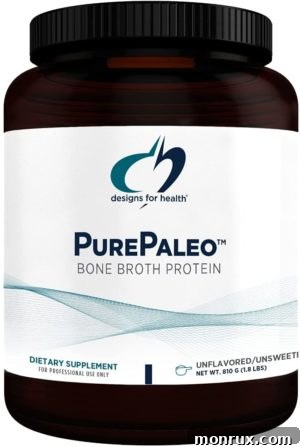
- Designs for Health is highly regarded in the professional supplement industry for its commitment to high-quality, research-backed products. Their PurePaleo Collagen Protein Powder exemplifies this standard, offering a very clean and highly bioavailable protein source. This powder combines the benefits of hydrolyzed collagen with beef protein isolate, providing a comprehensive amino acid profile.
- This unique blend delivers both pure protein and the added advantages of collagen, supporting not just muscle and tissue development but also skin, joint, and gut health – areas of particular importance during pregnancy.
- For optimal purity and to avoid any unwanted flavors or sweeteners, it is recommended to choose the unsweetened version. This ensures you can seamlessly integrate it into your existing diet without concerns. Try it in a delightful Strawberry Banana Peanut Butter Smoothie for a nutritious and tasty treat.
- Protein Content: 21 grams per serving, offering a powerful combination of protein and collagen for comprehensive support.
10. Equip Foods Prime Protein
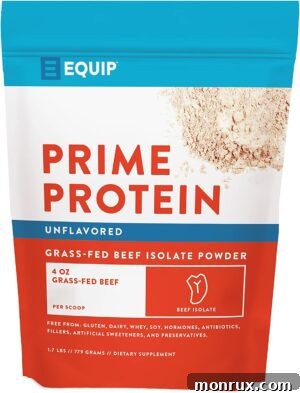
- Equip Foods Prime Protein is an exceptional option, crafted from grass-fed beef isolate. This product is renowned for its high bioavailability, meaning your body can efficiently absorb and utilize its amino acids. It’s also notable for being free from the top common allergens (dairy, soy, gluten, nuts), making it a particularly safe and versatile choice for pregnant women who may have sensitivities or wish to minimize exposure to potential irritants. Discover more about the extensive health benefits of beef protein powder.
- Like other top recommendations on this list, it’s crucial to select the unsweetened version to avoid any stevia or other sweeteners, ensuring a pure product.
- Beef protein isolate offers a complete amino acid profile, vital for supporting fetal growth, maternal tissue repair, and maintaining energy levels throughout pregnancy.
- Protein Content: 24 grams per serving, providing one of the highest protein yields on this list. Integrate it into a refreshing Strawberry Protein Smoothie for a delicious and nutritious boost.
- Special Offer: Use code CLEANEATING to save 15% off your purchase at Equip Foods.com.
Detailed Protein Needs During Pregnancy
Protein is more than just a macronutrient; it’s a foundational element for life, and its importance escalates dramatically during pregnancy. As mentioned, protein is a key nutritional requirement that significantly increases to support the rapid growth and development of your baby, as well as the substantial physiological changes occurring in your own body. Protein plays a crucial role in building healthy cells for both mother and child, from the earliest stages of conception through birth.
A widely accepted and reasonable target for daily protein intake during pregnancy is between 70 to 100 grams, though this can vary based on individual factors like pre-pregnancy weight, activity level, and multiple pregnancies. These needs are not static; protein requirements generally increase more significantly during the second and third trimesters. In the first trimester, roughly 60 grams per day may suffice, while the second trimester often calls for 70-80 grams, and the third trimester can demand 80-100 grams or even more. This escalation is due to the baby’s accelerated growth, the expansion of maternal blood volume, and the development of the placenta, uterus, and breast tissue.
Adequate protein ensures the proper formation of your baby’s brain, organs, muscles, and bones. For the mother, sufficient protein supports blood sugar regulation, helps prevent excessive swelling, aids in the growth of uterine and breast tissues, and is crucial for repairing tissues after delivery. Insufficient protein intake during pregnancy has been linked to potential risks such as low birth weight, preeclampsia, and compromised maternal health. Your doctor, midwife, or a prenatal nutritionist can help you determine the exact amount of protein you need at each stage of your pregnancy, providing personalized guidance to ensure optimal health outcomes.
Essential Whole Food Protein Sources for Pregnancy
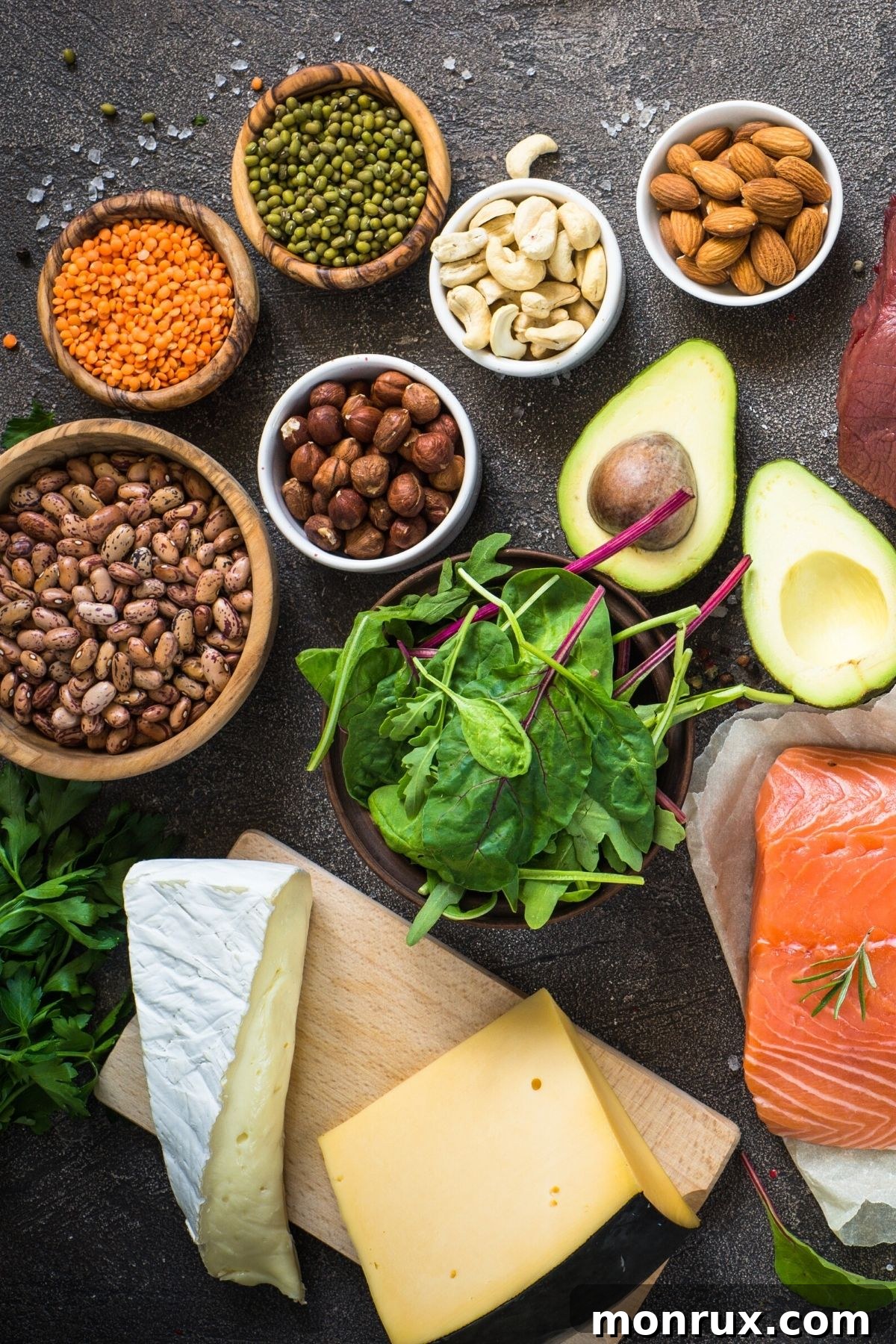
While protein powders can be excellent supplements, the foundation of your protein intake should always come from nutrient-dense whole foods. The most bioavailable protein sources—meaning they are most efficiently absorbed and utilized by the body and provide all essential amino acids—typically come from animals. These include eggs, lean red meat (beef, lamb), poultry (chicken, turkey), pork, fish (especially fatty fish like salmon and sardines for omega-3s), and other animal products.
A single serving of animal protein can provide a substantial amount, often 30-35 grams or more, depending on the specific source and portion size. These sources also deliver other vital nutrients like iron, B vitamins, and zinc, which are crucial during pregnancy.
Plant-based protein sources are also incredibly valuable and should be a regular part of a balanced prenatal diet, though some may not be “complete proteins” on their own (meaning they might lack one or more of the nine essential amino acids). However, by combining various plant proteins throughout the day, you can easily achieve a complete amino acid profile. Excellent quality plant-based options include legumes (beans, lentils, chickpeas), tofu, tempeh, edamame, quinoa, nuts, and seeds. These foods also offer abundant fiber, vitamins, and minerals.
Here are some common protein-rich foods with approximate protein content for easy reference:
- Chicken breast (4-ounce serving): 35 grams
- Cottage cheese (1 cup serving): 28 grams
- Canned salmon (3-ounce serving): 17 grams (also rich in Omega-3s)
- Lentils (1/2 cup boiled): 9 grams
- Skim milk (1 cup serving): 8 grams
- Peanut butter (2-tablespoon serving): 7 grams
- 1 large egg: 6 grams (also provides essential choline)
As you can see, lean meats and dairy often provide higher protein density per serving, which can be advantageous if you have limited appetite or difficulty consuming large volumes of food. For those following a plant-based diet, strategic combinations (e.g., rice and beans, hummus and whole-wheat pita) are key to ensuring you receive all essential amino acids.
Creative Ways to Use Protein Powders During Pregnancy
Protein powders offer incredible versatility, making them an invaluable tool for meeting elevated nutritional demands throughout pregnancy and into the postpartum period. While protein shakes and smoothies are the most popular methods, there are many creative ways to incorporate them into your diet:
- Smoothies & Shakes: This is the most common and often easiest method. Blend your chosen unsweetened protein powder with your favorite fruits (like berries, banana, or mango) for natural sweetness, a leafy green (spinach or kale for folate!), and your choice of liquid (water, almond milk, oat milk, or cow’s milk). If you prefer additional sweetness, consider pregnancy-safe options like a small amount of maple syrup, honey, or a date (see my list of the best sugar substitutes).
- Morning Sickness Relief: Protein shakes can be particularly beneficial if you’re experiencing morning sickness or severe nausea. Sometimes, liquids are easier to tolerate than solid foods, providing essential nutrients without exacerbating discomfort. Opt for mild flavors or unflavored powders during this time.
- Postpartum & Breastfeeding Support: After birth, your body needs significant protein for healing, energy, and milk production. Protein smoothies are perfect for new mothers, offering quick, nutrient-dense meals that can be consumed one-handed. Explore my list of the best breastfeeding smoothies for tailored recipes.
- Beyond Smoothies:
- Oatmeal & Yogurt: Stir a scoop of unflavored protein powder into your morning oatmeal or yogurt for an instant protein boost.
- Baking: Add protein powder to muffins, pancakes, waffles, or homemade protein bars. Be mindful that some proteins can alter texture, so start with small amounts.
- Soups & Sauces: Unflavored bone broth or collagen protein powders can be whisked into creamy soups or savory sauces without affecting flavor.
- Energy Bites: Combine protein powder with nut butter, oats, and a natural sweetener for quick, no-bake energy bites.
- Boost Nutrient Density: Don’t forget to pair your protein powder with other nutrient-rich ingredients. For an excellent source of folate, blend in leafy greens. If you have a sensitive stomach, lightly steam your greens before adding them to smoothies, a tip I detail in my Kale Berry Smoothie recipe. To enhance iron intake, consider my Iron Rich Smoothie.
For more inspiration and diverse ways to incorporate protein powder into your meals, check out my complete collection of clean eating smoothies.
Frequently Asked Questions About Protein Powders & Pregnancy
The best protein powder for you during pregnancy largely depends on your individual dietary needs, any sensitivities or allergies, and your personal budget. This comprehensive list is designed to provide a variety of high-quality, pregnancy-safe options, ranging from plant-based (pea, hemp, mixed plant proteins) to dairy-based (whey, goat whey) and collagen/bone broth proteins. Each offers unique benefits. It’s crucial to prioritize products with minimal, clean ingredients and no artificial additives. If you remain unsure, discussing the options with your doctor or a registered dietitian is always the best approach to ensure it aligns with your specific health requirements.
Yes, many protein powders can be safe for pregnancy, but careful selection is key. The primary concern with many conventional protein powders is the inclusion of artificial sweeteners, artificial flavors, excessive additives, or high levels of certain herbs that may not be advisable during pregnancy. It’s best to choose unflavored, unsweetened protein powders with a short, recognizable ingredient list derived from whole food sources. All the protein powders recommended in this article meet these criteria, being completely unsweetened and free from questionable ingredients. Always check for third-party testing for contaminants to ensure purity.
During breastfeeding, your nutrient requirements, especially for protein, remain significantly elevated to support milk production and your own recovery. Therefore, any of the protein powders featured on this list are generally considered appropriate and beneficial for breastfeeding mothers due to their clean ingredient profiles. However, it’s important to be attentive to your infant’s reaction. Some babies may exhibit sensitivities to certain ingredients that pass through breastmilk, such as dairy or soy, which could manifest as gas, fussiness, or skin rashes. If you observe any such signs, consider trying an alternative protein source to identify and avoid potential triggers.
It is highly unlikely that your standard prenatal vitamin will contain protein. Prenatal vitamins are designed to provide essential micronutrients like folic acid, iron, calcium, and vitamin D, which are difficult to obtain sufficiently from diet alone. Protein, being a macronutrient, is required in much larger quantities (70-100 grams daily) than can be condensed into a small pill. You will need to obtain your protein from a combination of whole food sources (like meat, eggs, dairy, legumes) and, if necessary, protein supplements such as the pregnancy-safe protein powders discussed in this article. You can easily create a nutritious protein shake by combining a pregnancy-safe protein powder with water, milk, or a plant-based beverage, along with fruits and vegetables.
Flavored protein powders are generally best avoided during pregnancy, as they often contain artificial sweeteners, “natural flavors” (which can be ambiguous and contain proprietary blends), and other additives. While some natural flavorings might be harmless, the lack of transparency makes it difficult to ascertain their safety during pregnancy. Opting for unflavored protein powders and sweetening them naturally with fruits, a touch of maple syrup, or honey gives you complete control over the ingredients, ensuring a cleaner and safer option for you and your baby.
Don’t Miss These Pregnancy and Breastfeeding Resources
Conclusion
Ensuring adequate protein intake is a cornerstone of a healthy pregnancy, supporting both your well-being and your baby’s optimal development. This curated list of the best protein powders for pregnancy is designed to empower expectant mothers with safe, clean, and effective options to help meet their increased daily protein requirements. Protein shakes and other creative uses of protein powder offer a convenient and easy way to bridge nutritional gaps, making it simpler to achieve your macronutrient goals during pregnancy, throughout postpartum recovery, and while breastfeeding.
Remember that a balanced diet rich in whole foods should always be your primary source of nutrition, with protein powders serving as a valuable supplement when needed. For more delicious and health-supportive recipes, be sure to explore my list of the best breakfast smoothies.
Don’t forget to join my newsletter list to get exclusive clean eating recipes and tips directly to your inbox. The newsletter is 100% free with no spam; you can unsubscribe anytime.
About the Author: Carrie Forrest holds a master’s degree in public health with a specialty in nutrition and is a certified holistic nutritionist. She is a prominent wellness and food blogger, attracting over 5 million annual visitors to her site. Carrie shares an inspiring story of recovery from chronic illness and is deeply passionate about empowering other women to transform their health. You can connect with her through her contact form.
Note: this post is for informational purposes only and is not intended as medical advice. Please consult your healthcare provider for recommendations related to your individual situation.