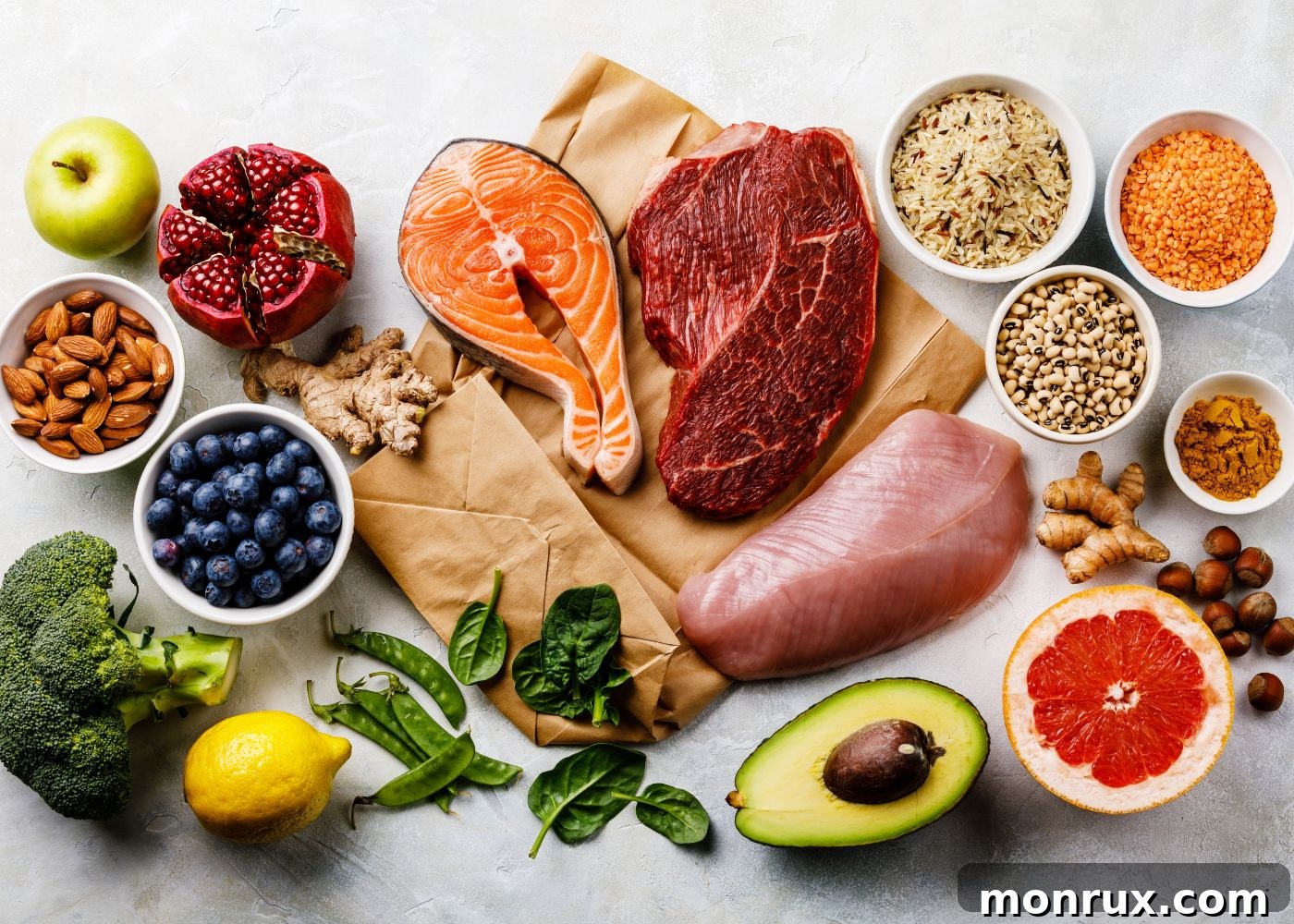
Adopting a clean eating lifestyle might seem like a significant shift, but it is, in essence, one of the most direct and impactful paths to enhancing your overall health, vitality, and well-being. Far from being a restrictive diet, clean eating is a philosophy centered around nourishing your body with wholesome, unprocessed foods. This comprehensive guide will demystify clean eating, outlining its core principles and offering actionable strategies to help you seamlessly integrate this beneficial approach into your daily life. Whether you’re a beginner or looking to refine your habits, prepare to unlock a healthier, more energized you.
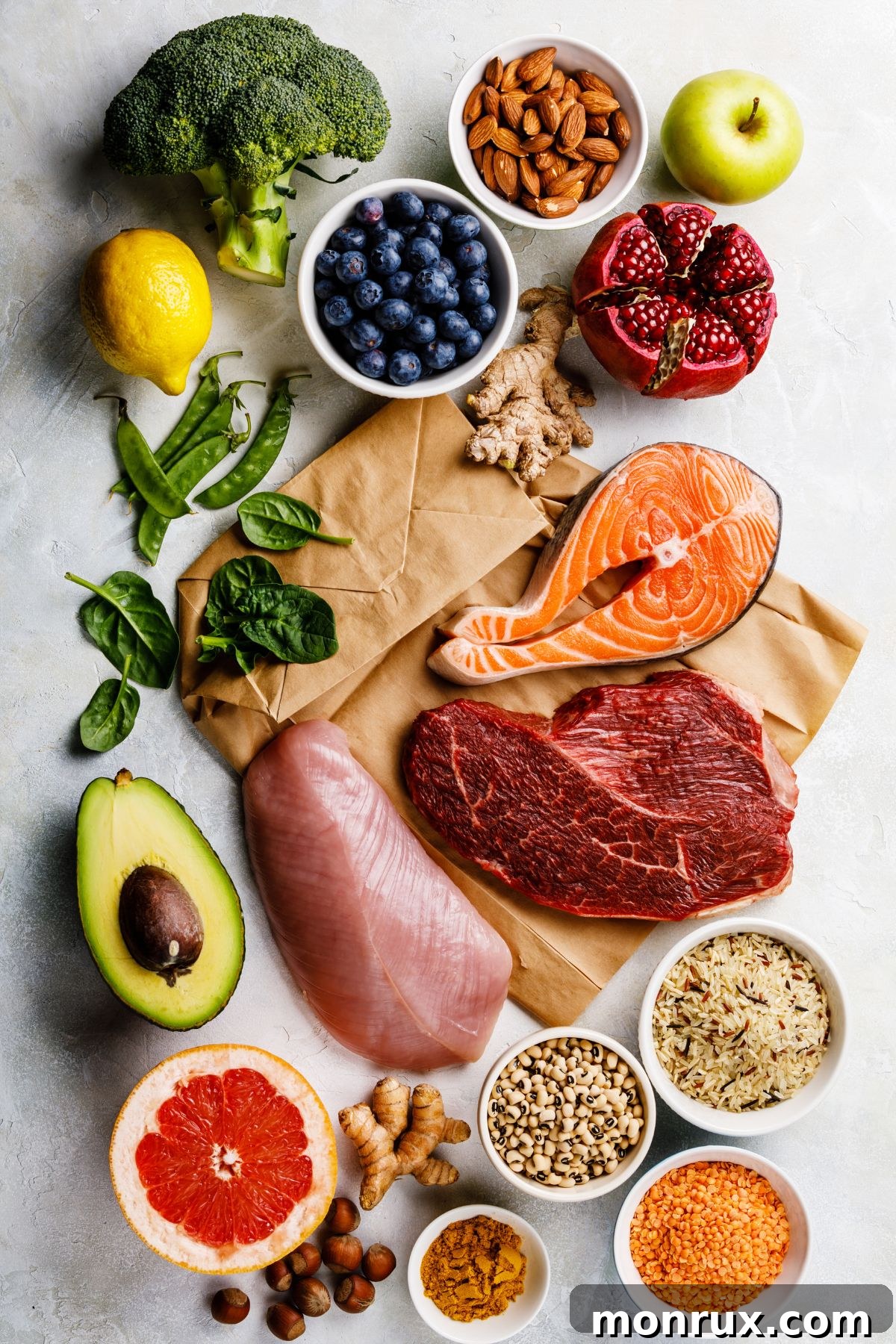
This article provides an updated and expanded perspective on clean eating, initially published in 2019 and refreshed in January 2025 to reflect the latest insights and best practices.
What is Clean Eating?
At its heart, clean eating is an intuitive approach to nutrition that prioritizes real, whole foods the majority of the time. It’s about choosing foods in their most natural state, as close to how they were grown or harvested as possible. This means opting for nutrient-dense ingredients that fuel your body efficiently and effectively.
Crucially, clean eating is not about restrictive diets, rigid rules, or feelings of deprivation. Instead, it’s a positive and empowering framework focused on what you *can* eat to nourish your body profoundly. The core philosophy encourages conscious food choices, emphasizing ingredients that support optimal health and vitality.
The goal is to nourish your body with wholesome, unprocessed options while consciously minimizing or avoiding artificial additives, excessive refined sugars, and unhealthy fats—such as industrial seed oils or trans fats—that can undermine your health. Having personally embraced a “clean eating” philosophy for over a decade, I can attest to its effectiveness as a sustainable and enjoyable way to nourish myself and my family without getting entangled in complex dietary restrictions or confusion.
The Transformative Benefits of Clean Eating
Embracing a clean eating lifestyle extends far beyond just what’s on your plate; it impacts nearly every facet of your health and daily life. The cumulative effect of choosing whole, unprocessed foods leads to a cascade of positive changes:
- Increased Energy Levels: By fueling your body with nutrient-rich foods, you provide it with a steady source of energy, avoiding the spikes and crashes associated with processed sugars and refined carbohydrates.
- Improved Digestion: Whole foods, rich in fiber, support a healthy digestive system, aiding in regularity and nutrient absorption, which can alleviate common digestive discomforts.
- Enhanced Mental Clarity and Mood: A diet free from artificial additives and excessive sugar has been linked to better cognitive function, reduced brain fog, and improved mood stability, supporting overall mental well-being.
- Sustainable Weight Management: Clean eating naturally encourages satiety through fiber and protein, reducing cravings and promoting a healthy weight without calorie counting or extreme measures.
- Stronger Immune System: The abundance of vitamins, minerals, and antioxidants in whole foods strengthens your body’s natural defenses, helping you ward off illnesses.
- Better Skin Health: Nourishing your body from the inside out with essential nutrients and hydration can lead to a clearer, more radiant complexion.
- Reduced Risk of Chronic Diseases: A diet low in processed ingredients, unhealthy fats, and added sugars is a powerful preventive measure against heart disease, type 2 diabetes, and certain cancers.
These benefits highlight why clean eating is not just a trend, but a foundational approach to long-term health and a vibrant life.
Key Principles of Clean Eating
To embark on your clean eating journey, understanding its fundamental principles is essential. These guidelines provide a clear roadmap for making healthier food choices:
-
Focus on Whole Foods: The cornerstone of clean eating is prioritizing foods that are in their original, unrefined state. This includes a colorful array of fresh fruits and vegetables, lean protein sources such as chicken, fish, eggs, and legumes, nutrient-dense whole grains like quinoa, brown rice, and oats, and healthy fats found in avocados, nuts, and seeds. These foods deliver a full spectrum of vitamins, minerals, and fiber crucial for optimal bodily function.
-
Avoid Processed Foods: Actively steer clear of highly processed, packaged items that often contain artificial flavors, colors, preservatives, and excessive amounts of unhealthy fats and sugars. These foods are typically nutrient-poor and can contribute to inflammation and other health issues. Opting for fresh, unprocessed ingredients helps eliminate these detrimental components from your diet.
-
Read Labels Diligently: When purchasing packaged foods, make it a habit to scrutinize the ingredient list. Look for items with short, recognizable ingredient lists. If you encounter ingredients you can’t pronounce or that sound like chemicals, it’s generally best to avoid them. Prioritize products with whole food ingredients you would use in your own kitchen.
-
Limit Added Sugars & Artificial Sweeteners: Sugary snacks, sweetened beverages, and desserts laden with added sugars or artificial sweeteners should be significantly reduced. These contribute empty calories and can lead to energy crashes and cravings. Instead, satisfy your sweet tooth with natural sources like fresh fruit or a touch of honey or maple syrup in moderation.
-
Stay Hydrated Consistently: Water is vital for virtually every bodily function, from digestion and nutrient absorption to temperature regulation and detoxification. Make water your primary beverage choice. Complement it with natural, unsweetened options like herbal teas, sparkling water with a squeeze of lemon, or fruit-infused water, avoiding sugary sodas, juices, and energy drinks.
Getting Started with Clean Eating
Making the switch to clean eating doesn’t require an overnight overhaul. Gradual, sustainable changes are more likely to stick. Here’s how to begin your journey effectively:
-
Start Slow and Build Momentum: Instead of attempting a drastic dietary change, introduce small, manageable swaps. For instance, replace sugary sodas with water, or refined grains like white bread and pasta with nutrient-rich whole grains such as quinoa, brown rice, or sweet potatoes. Each small victory builds confidence and makes the next step easier.
-
Embrace Strategic Meal Prep: Planning and preparing your meals and snacks in advance is a game-changer. Dedicate a few hours each week to chop vegetables, cook grains, or batch-cook proteins. This proactive approach prevents impulsive, unhealthy choices when you’re short on time or feeling hungry, making healthy eating a convenient default.
-
Stock Your Kitchen Smartly: Equip your pantry, fridge, and freezer with a diverse range of clean eating essentials. Keep fresh whole fruits and vegetables readily available, along with healthy protein sources like lean chicken breast, fish, eggs, and plant-based alternatives such as lentils and beans. Stock whole grains (oats, brown rice), healthy fats (olive oil, avocados, nuts, seeds – avoiding inflammatory vegetable oils), and herbs and spices to flavor your meals naturally.
- Fresh whole fruits and vegetables (berries, leafy greens, broccoli, apples)
- Nuts and seeds (almonds, chia, flax, walnuts)
- Lean proteins like chicken, fish (salmon, cod), eggs, and plant-based options (lentils, chickpeas, tofu)
- Whole grains and complex carbohydrates like quinoa, brown rice, oats, sweet potatoes, and whole-wheat pasta
- Healthy fats such as extra virgin olive oil, avocado oil, coconut oil (in moderation), and avocados
- Herbs, spices, vinegars, and natural sweeteners like a small amount of raw honey or maple syrup.
-
Prioritize Home Cooking: Preparing meals in your own kitchen gives you complete control over the ingredients, cooking methods, and portion sizes. Experiment with simple, clean recipes that highlight the natural flavors of whole foods. Cooking at home is often healthier, more economical, and incredibly satisfying.
-
Master Smart Grocery Shopping: Before heading to the store, create a detailed grocery list focusing on your planned meals. Stick to the perimeter of the supermarket, where fresh produce, meats, dairy, and other whole foods are typically located. Venture into the inner aisles primarily for pantry staples like grains, spices, and healthy canned goods, and resist the temptation of processed junk food.
-
Practice Mindful Eating: Slow down during meals and pay close attention to your body’s hunger and fullness cues. Savor each bite, noticing the flavors, textures, and aromas. Avoid distractions like television or smartphones while eating, allowing you to fully enjoy your food and better recognize when you are satisfied.
-
Incorporate Variety for Nutrient Diversity: Eating a wide range of different fruits, vegetables, proteins, and grains ensures you receive a broad spectrum of nutrients. Don’t be afraid to experiment with new ingredients and recipes to keep your meals exciting and prevent dietary boredom.
Tips for Staying on Track
Maintaining a clean eating lifestyle is a continuous journey, and like any journey, there will be bumps along the way. These tips will help you navigate challenges and sustain your healthy habits:
-
Embrace Simplicity: Clean eating doesn’t require gourmet skills or complex recipes. Focus on simple meals with a few quality, unprocessed ingredients. Think roasted vegetables with lean protein, fresh salads, or hearty whole-grain bowls. Keeping it simple reduces overwhelm and makes the lifestyle more accessible.
-
Consistent Planning is Key: Reiterate the importance of weekly meal planning and ingredient preparation. A little foresight goes a long way in preventing last-minute unhealthy choices. This consistent habit transforms clean eating from a chore into a seamless part of your routine.
-
Tune In to Your Body’s Signals: Everyone’s nutritional needs and sensitivities are unique. Pay close attention to how different foods make you feel—your energy levels, digestion, and overall well-being. Adjust your choices accordingly, prioritizing nutrient-dense foods with high nutritional value over ultra-processed options that may leave you feeling sluggish.
-
Cultivate Flexibility and Balance: Life happens, and it’s okay to indulge occasionally. Clean eating is about sustainable habits, not perfection. Adopting an “80/20” approach—eating clean 80% of the time and allowing for flexibility 20% of the time—can prevent feelings of deprivation and make the lifestyle more enjoyable and long-lasting.
-
Seek Inspiration and Community: Stay motivated by following clean eating blogs, social media accounts, or joining online communities dedicated to healthy living. Discover new recipes, gain tips, and connect with like-minded individuals for ongoing support and inspiration. Sharing your journey can also be a powerful motivator.
-
Always Have Healthy Snacks on Hand: Prevent energy dips and intense cravings by keeping nutritious snacks readily accessible. Pack options like nuts, seeds, fresh fruit, vegetable sticks with hummus, or hard-boiled eggs when you’re on the go. This strategy helps you avoid relying on vending machines or fast food when hunger strikes. For those looking to curb sugar cravings, exploring effective strategies to detox from sugar can be incredibly beneficial.
Clean Eating FAQs
Do I Need to Go Gluten-Free?
Not necessarily. Unless you have been diagnosed with celiac disease, a non-celiac gluten sensitivity, or a doctor has advised you to avoid gluten due to specific health concerns, there’s no inherent requirement to eliminate it entirely from a clean eating perspective. Many whole-grain options, such as whole wheat, barley, and rye, can be integral and healthy components of a clean eating lifestyle if they suit your body without adverse reactions. However, if you suspect you might have a sensitivity to gluten (experiencing digestive issues, fatigue, or other symptoms after consumption), it’s always best to consult with a healthcare professional or a registered dietitian for proper testing and personalized guidance.
What About Organic Foods?
Choosing organic foods can certainly be beneficial as it typically reduces your exposure to synthetic pesticides, herbicides, and genetically modified organisms (GMOs). However, eating organic is not an absolute prerequisite for clean eating. The primary focus should always be on consuming a wide variety of fresh, whole foods, regardless of whether they are organic or conventionally grown. If budget is a concern, a practical approach is to prioritize organic options for items on the “Dirty Dozen” list (produce with the highest pesticide residues) and feel comfortable buying conventionally grown items from the “Clean Fifteen” list (produce with the lowest pesticide residues).
Is Clean Eating Expensive?
Clean eating does not have to break the bank. While some specialty organic products can be pricier, there are numerous strategies to make it affordable. Buying produce that is in season, purchasing staples like whole grains (e.g., oats, brown rice) and legumes (e.g., lentils, dried beans) in bulk, and preparing the majority of your meals at home are excellent ways to save money. In fact, by consciously avoiding expensive processed snacks, sugary drinks, and frequent restaurant meals, you may even find that your grocery budget becomes more efficient over time. Learn more about how to eat clean on a budget with practical tips and meal plans.
Remember, clean eating is not about achieving perfection, but rather about making consistently mindful choices that nourish your body and promote long-term, sustainable health. By starting small, celebrating progress, and continuously building on your healthy habits, you will soon experience and enjoy the profound benefits of this wholesome and empowering approach to eating.
Is Clean Eating a Diet?
I wholeheartedly view clean eating more as a sustainable lifestyle choice and a holistic approach to well-being than a temporary “diet.” Unlike many conventional diets that impose strict, often unsustainable rules and focus primarily on weight loss, clean eating emphasizes nourishment, increased energy, and overall better health. It’s about cultivating healthy habits for the long term. While it can certainly aid in balanced and healthy weight loss—as detailed in my article on clean eating for weight loss—its overarching goal is vibrant health and vitality. Thus, one could argue that clean eating is less a diet and more a comprehensive, healthy way of living.
I am a strong advocate for healthy eating that doesn’t involve starvation or deprivation. If you are exploring dietary changes to address specific health issues, you might find my article on the differences between keto, low-carb, vegan, paleo, and clean eating diets insightful for comparing various nutritional approaches.
What If I Don’t Know How to Cook?
If you’re new to cooking or feel intimidated by the idea of preparing healthy meals, rest assured, you’re in the perfect place! My personal journey began with very limited cooking skills—I didn’t even know how to boil water until I was 30 years old (no exaggeration!). This clean eating guide is specifically designed to be accessible for beginners, providing straightforward tips and foundational knowledge. You can learn more about my journey and how I transformed my relationship with food.
Even if you’re an experienced cook looking to refine your techniques for healthier preparation, this guide and the resources on my blog will prove invaluable. My meal planning guide, coupled with practical cooking tips, can help you master the art of making delicious, healthy food quickly and efficiently.
For those looking to equip their kitchen for healthy cooking, explore my related articles on healthy kitchen appliances and discovering the best cookware materials for health.
Don’t Miss These Essential Clean Eating Resources!
Don’t forget to join my newsletter list to receive exclusive clean eating recipes, practical tips, and motivational insights directly in your inbox. The newsletter is 100% free, committed to no spam, and you can unsubscribe at any time.
About the Author: Carrie Forrest holds a master’s degree in public health with a specialty in nutrition and is a certified holistic nutritionist. She is a prominent wellness and food blogger, attracting over 5 million annual visitors to her acclaimed site. Carrie shares an inspiring story of recovery from chronic illness and is deeply passionate about empowering other women to transform their health. You can connect with her directly through her contact form.
Note: this post is intended for informational purposes only and should not be considered medical advice. Always consult with your healthcare provider for personalized recommendations pertinent to your individual health situation.