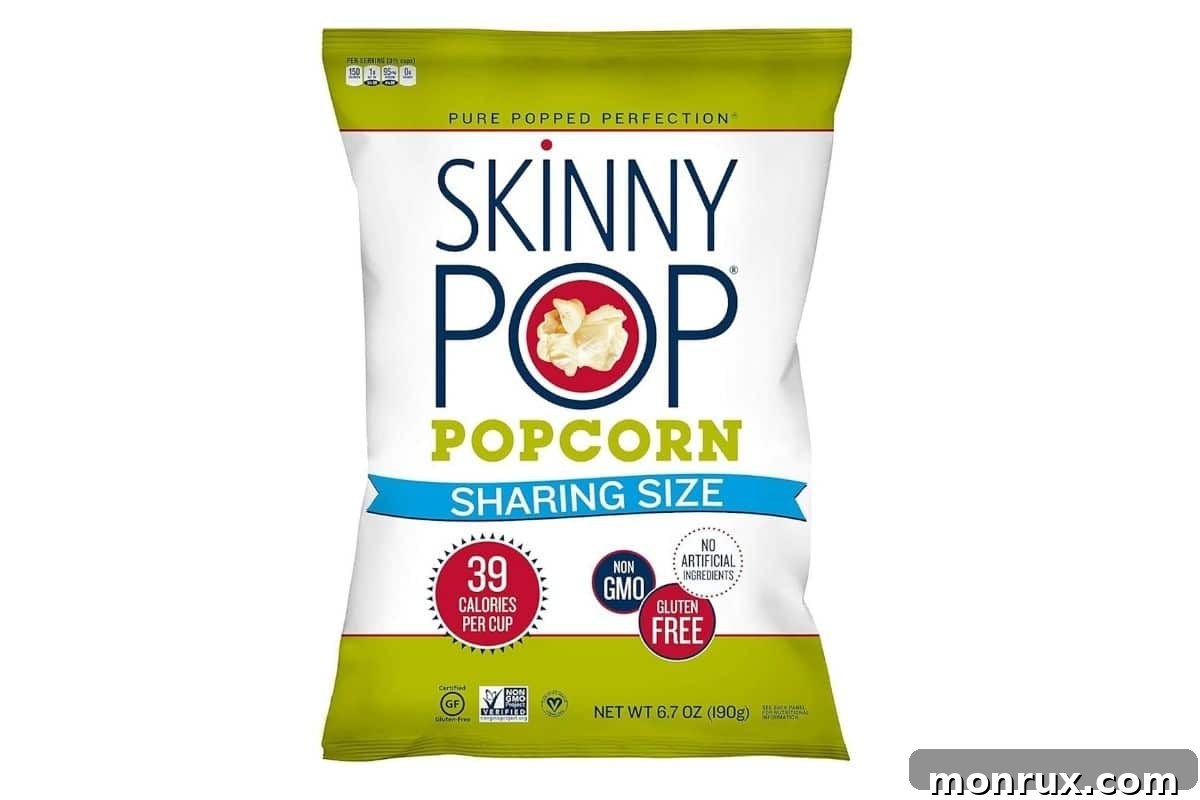
In the vast and often confusing world of packaged snacks, deciphering what constitutes a truly healthy option can be a challenge. Among the popular choices, Skinny Pop popcorn has carved out a significant niche, positioning itself as a lighter, more wholesome alternative to traditional snacks. But is this claim truly supported by its nutritional profile? In this comprehensive review, we’ll dive deep into whether Skinny Pop lives up to its healthy image, examining its ingredients, nutritional benefits, potential drawbacks, and its role in weight management. We’ll also explore superior snack alternatives and even guide you on how to make your own “Skinny Pop” at home.
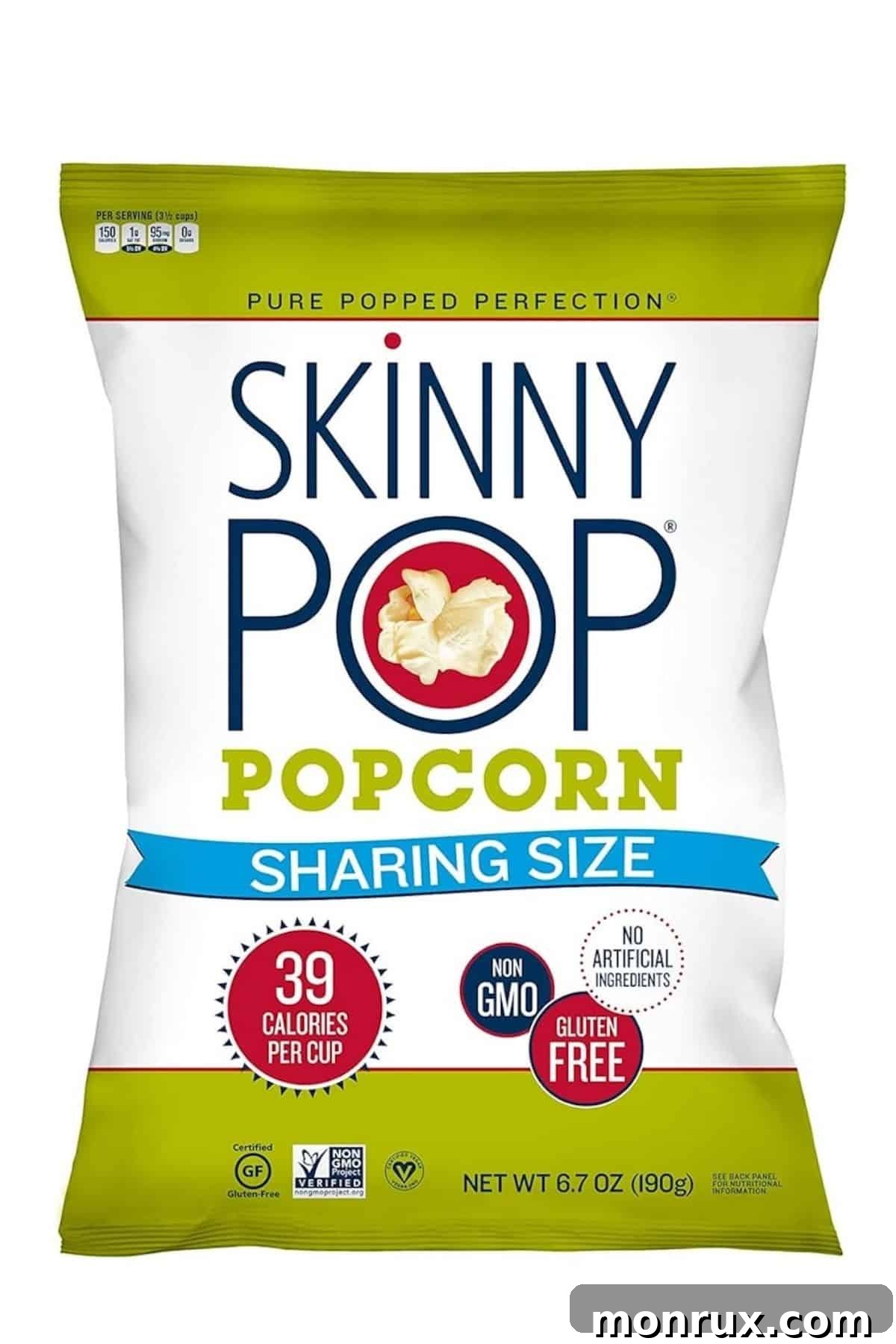
Skinny Pop: An Overview
Skinny Pop has become a household name in the healthy snack market since its launch in 2010. Marketed as a “guilt-free” snacking experience, this ready-to-eat popcorn brand has successfully positioned itself as a healthier option compared to many other highly processed snack foods and traditional popcorn varieties. Its appeal lies in its commitment to simple ingredients, a low-calorie count, and certifications such as gluten-free and non-GMO, making it particularly attractive to health-conscious consumers looking for clean snack alternatives without artificial flavors or preservatives.
The brand’s rise to popularity can be attributed to a growing consumer demand for transparent labeling and products that support specific dietary needs. Skinny Pop is produced by Amplify Snack Brands, a company dedicated to creating better-for-you snack options. This commitment resonated strongly with The Hershey Company, which acquired Amplify Snack Brands to expand its portfolio into the burgeoning healthier snack sector, making Skinny Pop widely available in grocery stores across the nation.
The original Skinny Pop flavor, with its remarkably short ingredient list, caters to a broad audience, including those with peanut or dairy allergies, gluten intolerance, vegans, and individuals actively avoiding genetically modified organisms (GMOs). Its convenience as a pre-popped, ready-to-eat snack also makes it a favorite for busy lifestyles. While the original remains a staple, Skinny Pop has diversified its offerings to include several other flavors, such as Sea Salt, Butter, Cheddar Jalapeño, Aged White Cheddar, Twist Of Lime, and Sea Salt And Black Pepper. It’s important to note that while all Skinny Pop flavors maintain their gluten-free status, some of the flavored varieties may incorporate dairy-based ingredients or other additives that might not align with a vegan diet or specific dietary restrictions.
A standard serving size of Skinny Pop popcorn, typically around 28 grams (or about 3.5 cups popped), offers approximately 150 calories, 10 grams of fat, 15 grams of carbohydrates, 3 grams of dietary fiber, and 2 grams of protein. This nutritional breakdown positions it as a relatively light snack, especially when compared to many indulgent alternatives, making it a viable option for those mindful of their caloric intake.
Unveiling Skinny Pop’s Ingredients
To truly understand the health implications of Skinny Pop, we must look beyond the marketing and examine its core ingredients. The Original flavor boasts an impressively minimalist list:
- Popcorn
- Sunflower oil
- Salt
Let’s delve deeper into each of these components and their nutritional significance.
Popcorn: The Wholesome Base
Popcorn, at its essence, is a whole grain, offering a host of health benefits when prepared without excessive unhealthy additives. As a whole grain, it is naturally rich in dietary fiber, which is crucial for digestive health, promoting regularity, and aiding in satiety. This feeling of fullness can be particularly beneficial for weight management, helping to curb overeating and reduce overall calorie intake.
Moreover, popcorn is a naturally low-calorie food when air-popped and unadorned. It provides a significant volume for minimal caloric cost, making it an excellent choice for those seeking satisfying snacks without derailing their dietary goals. Beyond fiber, popcorn also contains polyphenols, powerful antioxidants that combat oxidative stress and inflammation within the body. These antioxidants play a role in protecting cells from damage and may contribute to a reduced risk of various chronic diseases.
However, the health halo of popcorn can quickly diminish depending on its preparation. Commercial popcorn products, including some microwave varieties or movie theater offerings, often come loaded with unhealthy fats (like hydrogenated oils), excessive sodium, artificial flavors, and high amounts of sugar. These additions can negate popcorn’s inherent benefits, transforming a healthy whole grain into a less desirable snack. Therefore, choosing minimally processed popcorn with simple, natural ingredients is paramount to maximizing its nutritional value.
Sunflower Oil: A Point of Contention
Sunflower oil is a ubiquitous ingredient in many processed snack foods, including Skinny Pop. While it’s a plant-based oil, it falls under the category of highly processed seed oils. The methods used to extract sunflower oil typically involve high-heat processing and chemical solvents, which can degrade the oil’s quality and lead to the formation of unhealthy compounds, including trans fats. Trans fats are widely recognized as detrimental to cardiovascular health, raising LDL (“bad”) cholesterol levels and contributing to inflammation, thereby increasing the risk of heart disease and stroke.
Another significant concern with sunflower oil is its high omega-6 fatty acid content. While omega-6 fatty acids are essential, a diet heavily skewed towards omega-6s, especially when not balanced with sufficient omega-3 fatty acids, can promote systemic inflammation. Chronic inflammation is linked to a myriad of health issues, including heart disease, autoimmune disorders, and certain cancers. Many modern Western diets already suffer from an imbalanced omega-6 to omega-3 ratio, and regular consumption of snacks rich in seed oils like sunflower oil can further exacerbate this imbalance.
Furthermore, individuals with sensitivities or allergies to sunflowers or sunflower oil should exercise caution and avoid products containing this ingredient, as it can trigger adverse reactions.
Salt: The Flavor Enhancer
Salt, or sodium chloride, is a fundamental ingredient in virtually all snack foods, primarily for its ability to enhance flavor. Beyond taste, salt plays several critical roles in human physiology. It is essential for proper nerve function, maintaining fluid balance within the body, and facilitating muscle contractions. Adequate sodium intake is vital for these bodily processes to function correctly.
However, the adage “too much of a good thing” certainly applies to salt. Excessive sodium consumption is a prevalent issue in many diets, particularly due to the abundance of processed foods. High sodium intake is a well-established risk factor for elevated blood pressure, or hypertension, which significantly increases the risk of heart disease and stroke. It can also lead to water retention, causing bloating and placing undue strain on the kidneys over time.
While Skinny Pop’s original flavor is not excessively high in sodium per serving compared to some other snacks, consistent consumption of salty foods throughout the day can quickly add up. Therefore, monitoring overall sodium intake, especially from processed sources, is important for maintaining good cardiovascular health and preventing related complications.
The Nutritional Benefits of Skinny Pop
Despite some of the concerns surrounding its oil content, Skinny Pop Original popcorn offers several undeniable nutritional advantages that make it a popular choice for health-conscious snackers. These benefits primarily stem from its core composition and how it compares to less healthy snack alternatives.
One of the primary advantages is its **simplicity and minimal ingredient list**. For the Original flavor, the presence of just three recognizable ingredients—popcorn, sunflower oil, and salt—is a significant draw. This minimalist approach appeals to consumers seeking transparency and wishing to avoid artificial additives, preservatives, or complex chemical compounds often found in processed foods. The non-GMO certification further enhances its appeal for those concerned about genetically modified organisms in their diet.
As a **low-calorie, whole-grain snack**, Skinny Pop is naturally high in dietary fiber. A single serving provides a decent amount of fiber, which is essential for digestive health, promoting regular bowel movements, and contributing to a feeling of fullness. This satiety factor is crucial for managing hunger and can be a valuable tool for individuals aiming for weight loss or maintenance. The whole grain nature of popcorn also means it delivers complex carbohydrates, offering a more sustained energy release compared to simple sugars found in many other snacks.
Furthermore, Skinny Pop is **gluten-free**, making it a safe and enjoyable option for individuals with celiac disease, gluten sensitivity, or those following a gluten-free diet. The Original and Sea Salt & Black Pepper flavors are also **suitable for vegans**, broadening its accessibility to those adhering to plant-based diets. This inclusivity makes Skinny Pop a versatile snack that can fit into various specific dietary restrictions and preferences.
When positioned against many other highly processed snack foods such as sugary candy bars, greasy potato chips, or heavily buttered movie theater popcorn, Skinny Pop emerges as a **cleaner, healthier alternative**. These comparisons often highlight its lower content of unhealthy fats (like hydrogenated oils), artificial ingredients, and excessive sugars. It allows consumers to enjoy the satisfying crunch and taste of popcorn in convenient, pre-portioned bags without compromising their nutritional goals as drastically as other options might.
In essence, Skinny Pop provides a practical solution for those looking for a satisfying, convenient, and relatively wholesome snack that aligns with a desire for simpler, less processed food choices, especially when opting for the original or similarly basic flavors.
Potential Drawbacks and Concerns
While Skinny Pop presents itself as a healthier snack, it’s essential to consider its potential drawbacks and areas of concern to make a truly informed decision. These aspects often revolve around specific ingredients, production practices, and broader environmental impact.
One of the primary nutritional concerns, as previously discussed, is the inclusion of **sunflower oil**. As a highly processed seed oil, it carries implications for health due to its potential to form trans fats during processing and its contribution to an imbalanced omega-6 to omega-3 ratio in the diet. This imbalance can promote inflammation, which is a root cause of many chronic diseases. Consumers seeking truly optimal health often aim to minimize their intake of such oils, preferring those like extra virgin olive oil or avocado oil, which are less processed and have a more favorable fatty acid profile.
Another point of consideration is that Skinny Pop is **not certified organic**. While it proudly states it’s non-GMO, the absence of organic certification means the popcorn kernels may have been grown using conventional farming methods, which can involve synthetic pesticides and herbicides. Although the residues are often within regulatory limits, many health-conscious individuals prefer organic products to reduce their exposure to these chemicals, which can have long-term health implications and environmental impacts. The distinction between “non-GMO” and “organic” is important for consumers to understand.
From an **environmental perspective**, the packaging of Skinny Pop, like many single-serving snack bags, contributes to plastic waste. Most snack bags are not easily recyclable through conventional curbside programs due to their multi-layered composition, leading to significant environmental pollution. For eco-conscious consumers, this aspect can be a considerable drawback, prompting them to seek out snacks with more sustainable packaging or to make their own to reduce waste.
Finally, the **cost of Skinny Pop** is relatively high when compared to making popcorn at home. A bag of Skinny Pop can be several dollars, whereas a large bag of unpopped, non-GMO popcorn kernels costs significantly less and can yield many more servings. Preparing homemade popcorn allows for complete control over ingredients, including the type and amount of oil, salt, and any additional seasonings. This not only results in a more cost-effective snack but also allows for a healthier, more customized product. For instance, air-popped popcorn uses no oil, making it an excellent choice for those on a very low-calorie or fat-restricted diet.
It’s also crucial to reiterate that while the Original Skinny Pop has a minimal ingredient list, many of the **flavored varieties introduce additional ingredients** like organic cheese, natural flavors, lactic acid powder, organic whey, yeast extract, non-fat milk powder, or rice flour. These additions can increase sodium, fat, and even sugar content, potentially diminishing the “healthy snack” appeal and making them unsuitable for certain dietary preferences (e.g., vegan) or health goals.
Skinny Pop and Weight Management: A Closer Look
For individuals focused on weight loss or maintaining a healthy weight, selecting appropriate snacks is a critical component of their dietary strategy. Skinny Pop popcorn, particularly its original flavor, can indeed be a helpful snack for weight management, primarily due to its **low-calorie content and high volume**. This combination is often referred to as “high-volume eating,” where you can consume a substantial amount of food for relatively few calories, which is key to feeling satisfied without overeating.
The fibrous nature of popcorn, as a whole grain, further supports weight management efforts. Dietary fiber is known to promote satiety, meaning it helps you feel full and satisfied for longer periods. This prolonged fullness can reduce the urge to snack unnecessarily between meals and can help regulate blood sugar levels, preventing the energy crashes and subsequent cravings often associated with refined carbohydrates. By contributing to a stable digestive system, fiber also plays a role in overall metabolic health.
However, as with any snack, **portion control is paramount** when incorporating Skinny Pop into a weight loss plan. While a single serving is low in calories, it’s easy to consume multiple servings if not mindful, especially from a larger “sharing size” bag. Mindless snacking can quickly lead to an accumulation of extra calories, undermining weight loss efforts. It’s advisable to pre-portion Skinny Pop into smaller containers or adhere strictly to the serving size indicated on the packaging.
Furthermore, careful consideration should be given to the **flavored varieties** of Skinny Pop. While the original is simple, flavors like “Aged White Cheddar” or “Butter” can contain added sugars, more sodium, and saturated fats (from dairy ingredients) that might not align with a strict weight loss diet. Always check the nutrition label for these variations to ensure they fit within your daily caloric and macronutrient goals.
From my perspective as a nutritionist-in-training, Skinny Pop, when consumed in moderation and in its simpler forms (Original, Sea Salt & Black Pepper), can be a balanced and enjoyable snack option within a healthy diet designed for weight management. It offers a satisfying crunch and a good source of fiber, helping to manage hunger effectively. It serves as a superior alternative to many other highly caloric and nutrient-poor processed snacks that are prevalent in the market.
Craft Your Own Healthy Snack: How to Make Skinny Pop at Home
Making your own “Skinny Pop” at home is not only a fun and rewarding culinary experience but also offers distinct advantages in terms of cost, ingredient control, and customization. You can achieve a similar taste and texture while ensuring the highest quality ingredients and avoiding any unwanted additives found in commercial products. Here’s a simple guide to crafting your perfect homemade popcorn:
Ingredients:
- ½ cup high-quality, non-GMO popcorn kernels
- 1-2 tablespoons healthy oil (e.g., coconut oil, avocado oil, or a light olive oil)
- Fine sea salt, to taste
Equipment:
- A large, heavy-bottomed pot with a tight-fitting lid (3-4 quart capacity works well)
- Large bowl for serving
Step-by-Step Instructions:
- Prepare Your Pot: Place your large, heavy-bottomed pot over medium heat. Add 1-2 tablespoons of your chosen healthy oil. Coconut oil is excellent for popcorn as it has a high smoke point and imparts a subtle, pleasant flavor. Avocado oil is another neutral, high-heat option. If using olive oil, opt for a light variety and keep the heat moderate to prevent it from smoking.
- Test the Kernels: Add 2-3 popcorn kernels to the oil. Cover the pot and wait for these test kernels to pop. This indicates that the oil has reached the perfect temperature for popping.
- Add Remaining Kernels: Once the test kernels have popped, remove the pot from the heat for about 30 seconds. This allows the pot to cool slightly, ensuring that all kernels are evenly heated and preventing them from burning before they pop. Then, add the remaining ½ cup of popcorn kernels in a single layer.
- Pop the Popcorn: Return the pot to medium heat. Replace the lid, ensuring it’s tight-fitting. As the kernels begin to pop, gently shake the pot back and forth every few seconds. This helps to prevent sticking and burning.
- Listen and Remove: Continue shaking until the popping sounds slow down significantly, with several seconds passing between pops. This usually takes about 3-5 minutes. Once the popping ceases or becomes very infrequent, immediately remove the pot from the heat to prevent burning.
- Season and Serve: Carefully transfer the freshly popped popcorn into a large bowl. While it’s still warm, sprinkle generously with fine sea salt. Toss the popcorn gently to ensure an even coating. For an extra boost of flavor without added dairy, you can add a tablespoon or two of nutritional yeast for a “cheesy” taste. Other options include a pinch of black pepper, garlic powder, or even a dash of cayenne for a spicy kick.
Why Homemade is Superior:
- Cost-Effective: Homemade popcorn is significantly cheaper than buying pre-packaged brands, offering substantial savings over time.
- Ingredient Control: You have complete control over the type and amount of oil and salt used, allowing you to tailor it to your specific dietary needs and preferences. You can even use an air-popper for an oil-free version.
- Freshness: Freshly popped popcorn tastes far superior to packaged varieties that may have been sitting on a shelf.
- Customization: Experiment with various healthy seasonings beyond just salt. Think herbs, spices, or even a light dusting of cocoa powder for a sweet treat.
- Environmental Impact: Reduce plastic waste by using reusable containers and buying kernels in bulk.
By investing a few minutes in preparing your own popcorn, you can create a truly wholesome, delicious, and budget-friendly snack that far surpasses many commercial options, including Skinny Pop.
Explore More Healthy Snack Reviews!
Final Verdict: Is Skinny Pop a Healthy Choice?
After a thorough examination of its ingredients, nutritional profile, benefits, and drawbacks, we can conclude that Skinny Pop popcorn, particularly its Original and Sea Salt & Black Pepper flavors, can be considered a relatively healthy snack option when consumed in moderation. Its strengths lie in its simplicity, whole-grain nature, low-calorie count, and high fiber content, making it a potentially valuable component of a balanced diet and a helpful tool for weight management.
However, it’s crucial for consumers to be discerning. While the simple flavors are a marked improvement over many highly processed alternatives like regular potato chips, candy, or heavily buttered movie theater popcorn, they are not without their considerations. The inclusion of sunflower oil, a highly processed seed oil high in omega-6 fatty acids, and the lack of organic certification (implying potential pesticide exposure) are points that health-conscious individuals might want to weigh carefully. Furthermore, the environmental impact of its non-recyclable packaging cannot be overlooked.
More importantly, the “healthy” label becomes significantly less applicable to Skinny Pop’s other flavored varieties. These often introduce additional ingredients such as whey, butter, non-fat milk powder, non-dairy cheese powder, rice flour, and lactic acid. These additions can increase sodium, fat (including saturated fats), and even sugar content, thereby detracting from the brand’s core healthy premise and making them unsuitable for certain dietary preferences or health goals.
Ultimately, while Skinny Pop Original offers a convenient and generally better-for-you snack choice, the gold standard for popcorn remains homemade. By opting to make your own popcorn, you unlock a multitude of benefits: significant cost savings, complete control over the quality and quantity of ingredients (choosing healthier oils or none at all with an air-popper, and precisely managing salt levels), superior freshness, and a drastically reduced environmental footprint due to less packaging waste. Homemade popcorn allows you to create a truly nutritious, customized, and environmentally friendly snack that aligns perfectly with a clean eating lifestyle.
So, the next time you’re craving a crunchy snack, consider the simple, wholesome goodness of making your own popcorn. It’s an easy step toward healthier eating that offers rewards far beyond just satisfying a craving.
Don’t forget to join my newsletter list to get exclusive clean eating recipes and tips. The newsletter is 100% free with no spam; unsubscribe anytime.
About the Author: Carrie Forrest has a master’s degree in public health with a specialty in nutrition and is a certified holistic nutritionist. She is a top wellness and food blogger with over 5 million annual visitors to her site. Carrie has an incredible story of recovery from chronic illness and is passionate about helping other women transform their health. Send her a message through her contact form.
Note: this post is for informational purposes only and is not intended as medical advice. Please consult your healthcare provider for recommendations related to your individual situation.