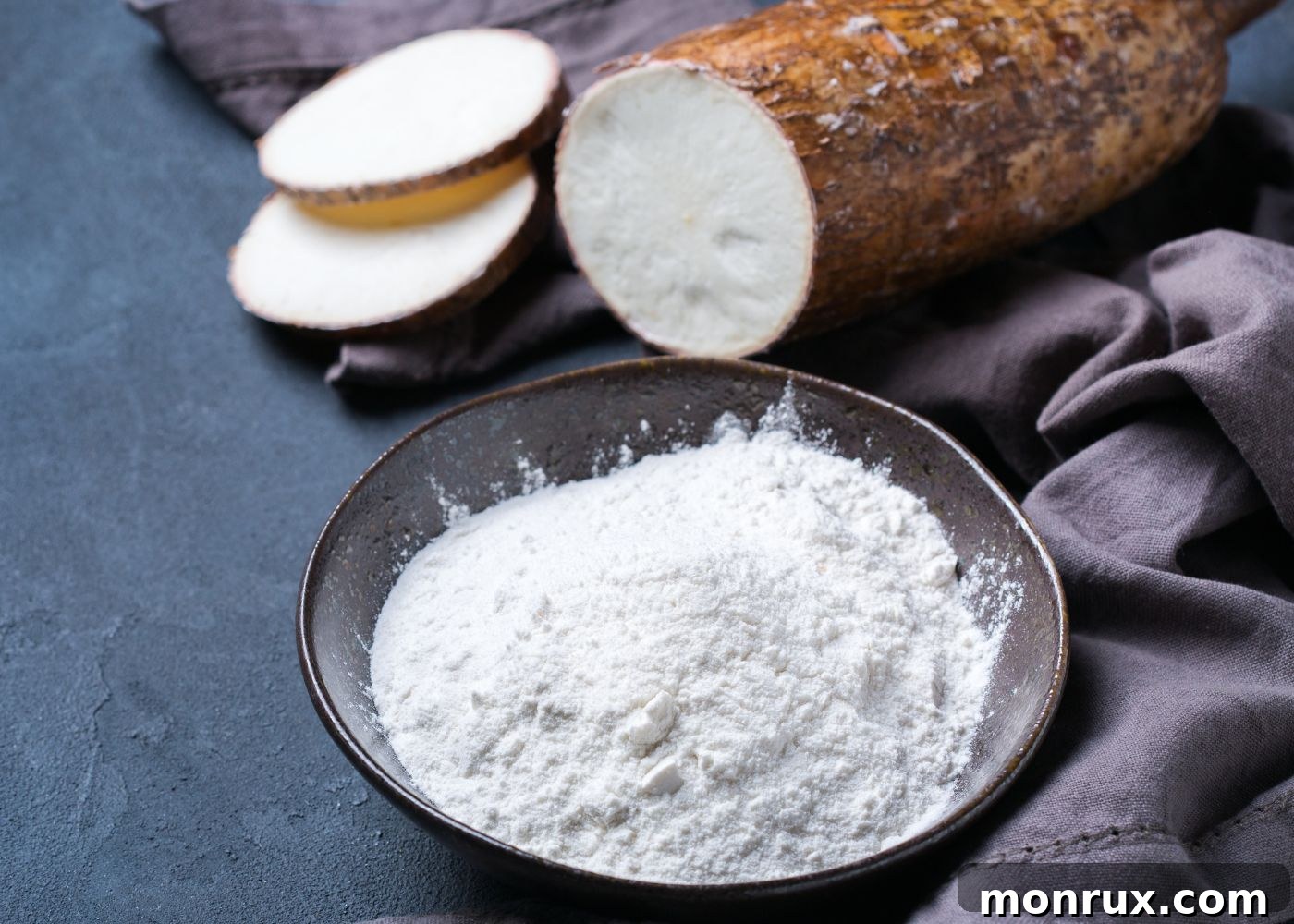
In the vibrant world of gluten-free cooking and baking, two star ingredients often lead to confusion: cassava flour and tapioca flour. Both derived from the versatile cassava plant, they are staples for those avoiding gluten, grains, and nuts. However, despite their shared origin, these flours possess distinct characteristics that make them suitable for different culinary applications. This comprehensive guide will demystify cassava versus tapioca flour, providing all the essential information you need to master your gluten-free kitchen.
Overview of Cassava Flour
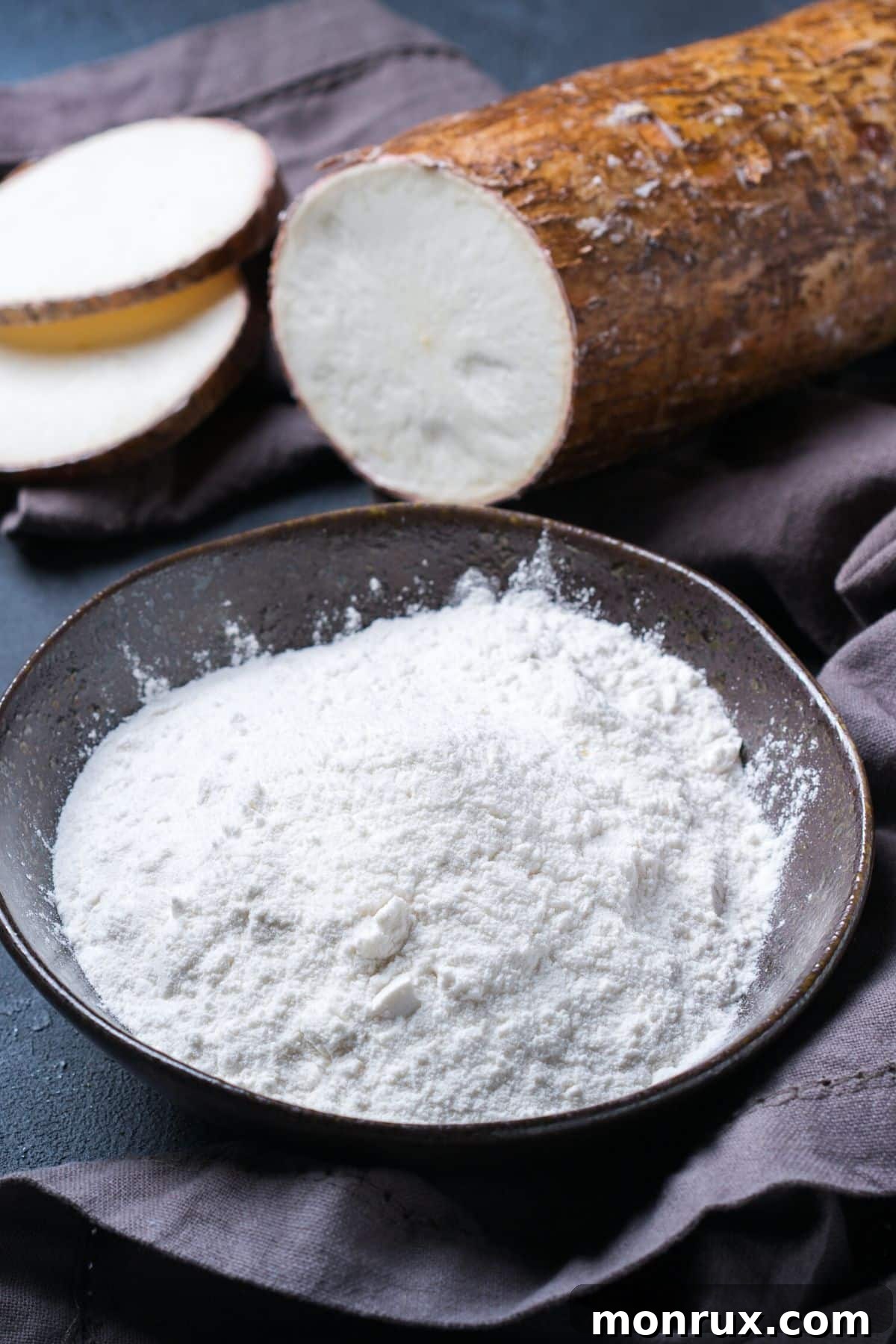
Also recognized as manioc or yuca, cassava is a resilient, starchy tuber that stands as one of the world’s most versatile and vital vegetables. Originating in the tropical climates of South America, its journey across continents began in the 1500s when Portuguese explorers introduced it to Africa. From there, it steadily made its way to Asia, becoming a staple crop that now sustains millions globally.
The appeal of cassava lies in its incredible adaptability, both in cultivation and in the kitchen. It can be prepared in myriad ways: boiled, mashed, fried, or, most notably for our discussion, processed into a highly functional flour. Beyond its culinary versatility, cassava boasts a rich nutritional profile, packed with complex carbohydrates, essential calcium, and a spectrum of vitamins and minerals, including vitamin C, thiamine, riboflavin, and niacin.
For those navigating the complexities of gluten-free baking, cassava flour is a revelation. Its high dietary fiber content is a game-changer, offering exceptional binding properties and dramatically improving the texture of baked goods. It helps achieve that coveted chewiness and structure often missing in gluten-free creations. Enthusiasts frequently use it to make delightful treats like Cassava Muffins, robust Cassava Pizza Crusts, and perfectly chewy Cassava Cookies.
Cassava flour is rapidly gaining traction as a preferred option for vegan, paleo, and gluten-free dietary lifestyles. It’s a whole-food flour, meaning it retains all the dietary fiber and nutrients of the entire cassava root, lending a more robust nutritional value compared to its starch-only counterpart. However, its significant carbohydrate content means it’s not typically recommended for low-carb or ketogenic diets.
Understanding Cassava Flour’s Production
To produce cassava flour, the entire cassava root is peeled, chopped, dried, and then ground into a fine powder. This minimal processing ensures that the flour retains all the dietary fiber, vitamins, and minerals present in the whole root. This “whole food” aspect is a key differentiator, contributing to its nutritional density and functional benefits in baking.
Common Substitutes for Cassava Flour
When a recipe calls for cassava flour, or if you’re looking to experiment, several alternatives can be considered. These include regular wheat flour (though this would negate the gluten-free aspect), rice flour, almond flour, chickpea flour, sweet potato flour, arrowroot flour, or corn flour. It stands out as an excellent gluten-free and grain-free alternative, making it incredibly valuable for diverse dietary needs. You can typically find high-quality cassava flour at your local grocery store, health food markets, or conveniently online.
Given its unique properties, successful substitution often requires a bit of experimentation. It’s usually best to start with recipes specifically designed for cassava flour or to make small adjustments and test quantities when substituting in existing recipes.
Nutritional Benefits of Cassava Flour
As a whole-food flour, cassava offers more than just carbohydrates. It is notably rich in dietary fiber, which promotes digestive health and helps regulate blood sugar levels. It also provides essential minerals like calcium, magnesium, and potassium, alongside a good dose of vitamin C, an important antioxidant. Some of the significant health benefits associated with consuming cassava flour include:
- Digestive Aid: It is a valuable source of resistant starch, a type of starch that functions like soluble fiber. Resistant starch bypasses digestion in the small intestine and ferments in the large intestine, feeding beneficial gut bacteria and aiding digestion.
- Anti-inflammatory Properties: Regular consumption can contribute to reducing inflammation, particularly in the gut, due to its fiber content and role in supporting a healthy microbiome.
- Promotes Satiety: The high fiber and carbohydrate content in cassava flour products helps promote feelings of fullness, which can be beneficial for appetite control and weight management.
- Prebiotic Support: Its resistant starch acts as a prebiotic, nourishing the friendly bacteria in the gut and fostering a balanced and thriving gut microbiome.
Overview of Tapioca Flour
While often used interchangeably in casual conversation, tapioca is fundamentally a starch extracted from the cassava root, rather than the whole root itself. This distinction is crucial: where cassava flour encompasses the entire root’s nutritional components, tapioca flour, also widely known as tapioca starch, is a highly refined product derived solely from the root’s starchy portion. This process makes tapioca a more processed ingredient compared to whole cassava flour.
The manufacturing process involves washing and pulping the raw cassava root. This pulp is then pressed to extract a milky, starchy liquid. This liquid is carefully collected, allowed to settle, and the resulting starchy paste is then dried and ground into a smooth, fine, white flour. Tapioca gained significant popularity in Asia after its introduction in the 19th century by explorers, where it found a permanent place in many traditional and modern dishes.
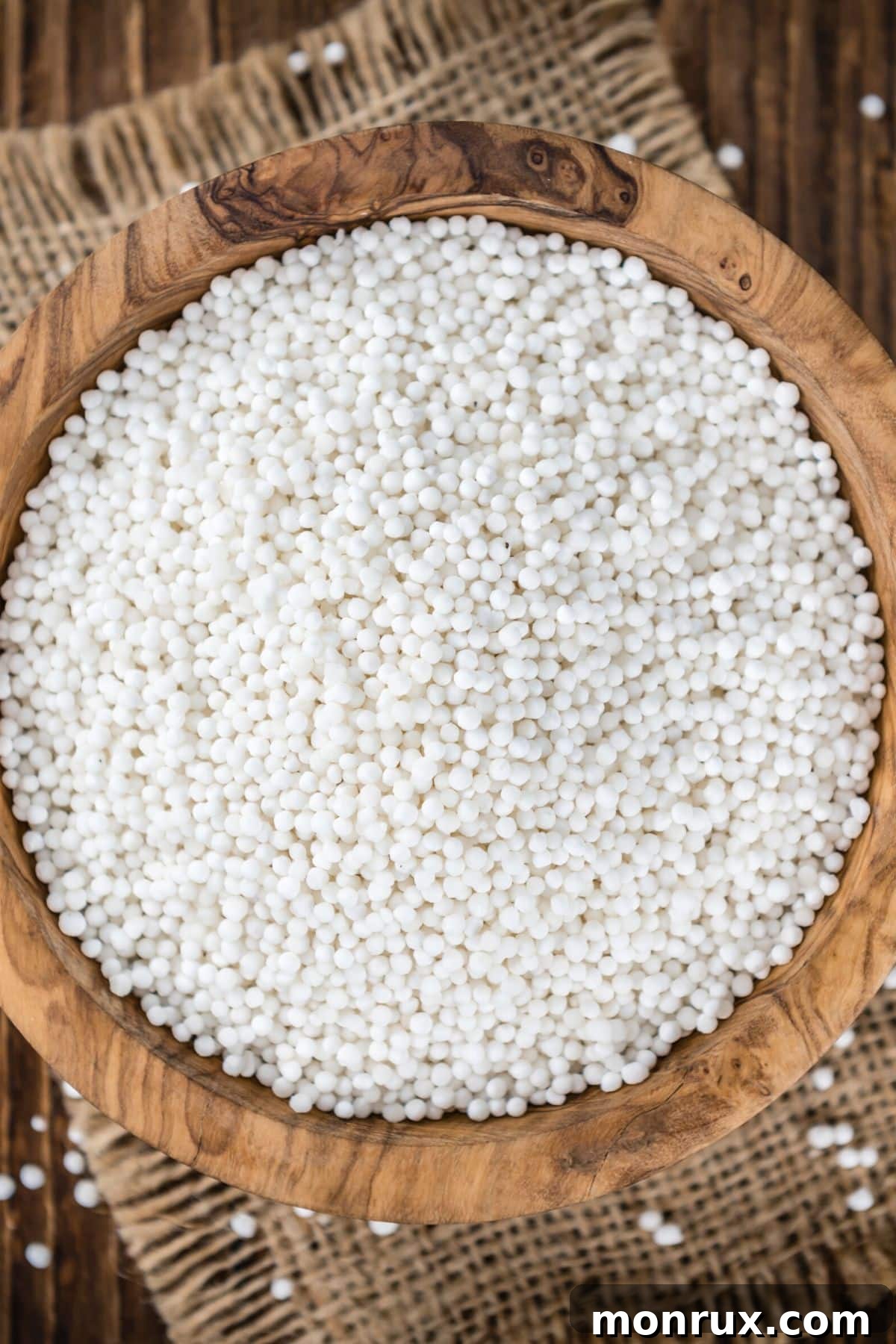
Tapioca flour’s primary strength lies in its unique functional properties. It can be used as a component in gluten-free bread flours, often combined with other types of flour to achieve desired textures, or on its own to create light, chewy flatbreads. More frequently, however, it serves as an exceptional thickening agent for a wide array of culinary creations, including sauces, soups, gravies, pie fillings, and fruit compotes. Its ability to create a clear, glossy finish and a smooth texture makes it particularly desirable in various desserts, custards, and puddings where a lighter, slightly chewy texture is sought. The spherical “tapioca pearls” are famously used to make “boba” drinks, such as bubble tea, and comforting desserts like tapioca pudding.
Characterized by its affordability, neutral flavor, and remarkable thickening power, tapioca flour is also a staple in the food manufacturing industry. It’s often employed as a binding agent in products like vegetarian burgers, baked goods, and doughs, where it significantly improves texture, moisture retention, and overall product stability. Its neutral taste ensures it won’t overpower the flavors of a dish, making it incredibly versatile.
Because it is naturally free from wheat and gluten, tapioca products, including tapioca flour and tapioca pearls, are extremely popular among individuals adhering to gluten-free diets. However, it’s important to note that tapioca is not as nutritionally dense or as filling as whole cassava flour. Due to the processing, tapioca contains fewer complex carbohydrates, and significantly less dietary fiber, vitamins, and minerals. Despite this, its unique texture-enhancing properties and suitability for sensitive stomachs make it an invaluable gluten-free starch for many.
Beyond its flour form, tapioca is also available in several other textures and formats, catering to diverse culinary needs. These include small, granular spheres known as “pearls,” a hot soluble powder, a coarser meal, pre-cooked fine or coarse flakes, and rectangular sticks, each offering distinct applications in cooking and baking.

Common Substitutes for Tapioca Flour
When tapioca flour is unavailable or if you’re looking for an alternative, you can typically substitute it with corn starch, potato starch, or arrowroot starch. Among these, arrowroot starch is often considered the best substitute, working effectively in a 1:1 ratio in most recipes, especially for thickening purposes. It mimics tapioca’s ability to create a clear, glossy finish.
Corn starch, while an effective thickener, may require different measurements and can sometimes impart a slightly cloudy appearance to sauces. Potato starch, another viable option, tends to produce a denser result when used in baking or as a thickener, so adjustments might be necessary. As with any substitution, it’s advisable to consult a specific recipe or to experiment with smaller quantities to achieve the desired outcome.
Nutritional Benefits of Tapioca Flour
While tapioca flour is a good source of simple carbohydrates and contains a small amount of calcium, it generally lacks the comprehensive nutritional profile of whole cassava flour. The extensive processing involved in extracting the starch removes most of the fiber, vitamins, and minerals that are present in the whole cassava root. Thus, its primary contribution to a diet is typically as a source of calories and texture rather than a significant provider of micronutrients.
However, this doesn’t diminish its value, especially for certain dietary needs. Tapioca is renowned for being exceptionally easy on the digestive system. Its simple starch composition makes it highly digestible, offering a gentle source of calories for individuals with sensitive stomachs or conditions like Irritable Bowel Disease (IBD) or other bowel problems. It can be a vital energy source when other foods are difficult to tolerate.
Another notable health benefit of tapioca is its modest content of resistant starch. Similar to cassava flour, this resistant starch acts as a prebiotic, which means it serves as food for the beneficial bacteria in the gut. While not as rich in prebiotics as cassava flour, it still contributes to supporting a healthy gut microbiome. For more information on gut-friendly foods, explore our list of the best foods with natural probiotics.
Similarities Between Cassava And Tapioca Flour
Despite their distinct characteristics, cassava flour and tapioca flour share several crucial similarities that make them both invaluable in the world of specialized diets, particularly gluten-free and allergy-friendly cooking.
First and foremost, both flours are derived from the same foundational plant: the cassava root. This shared origin means they are inherently free from common allergens such as gluten, grains, and nuts, making them safe and accessible options for individuals with celiac disease, gluten sensitivity, or nut allergies. Manufacturers process both flours from this root, and interestingly, you can often use cassava flour to replace tapioca flour in many recipes, though adjustments in quantity or liquid might be needed due to their textural differences.
Both cassava and tapioca exhibit remarkably mild, almost neutral flavors. This characteristic makes them incredibly versatile, allowing them to be seamlessly incorporated into a broad spectrum of recipes, from savory dishes like sauces and gravies to sweet delights such as desserts and baked goods, without overpowering or altering the intended taste profile. Their subtle flavor ensures they act as a blank canvas for other ingredients to shine.
Beyond flavor, both flours excel as exceptional thickening agents. Whether you’re aiming to create a luscious soup, a rich sauce, or a hearty gravy, both cassava and tapioca flours provide excellent viscosity and body, contributing to a desirable texture. They are also known for their digestibility, being gentle on the stomach and often well-tolerated by individuals with sensitive digestive systems.
From a nutritional standpoint, both are naturally free from fat and cholesterol, aligning with health-conscious dietary goals. Their high carbohydrate content makes them an excellent energy source and a potent alternative to all-purpose wheat flour in countless gluten-free recipes, helping to replicate the structure and texture that gluten typically provides.
Finally, a significant shared advantage is their sustainability. Since they originate from the same resilient root plant, both cassava and tapioca flour are considered sustainable agricultural products. The cassava plant is remarkably hardy, tolerant of drought conditions, and capable of thriving in poor soil types. This resilience significantly reduces the need for excessive water and fertilizers, making it an environmentally friendly crop. Primarily cultivated by smallholder farmers across South America, Africa, and Asia, cassava production also provides a vital source of income and livelihood for communities in developing nations, contributing to economic stability and food security.
Differences Between Cassava And Tapioca Flour
Despite their common origin, the differences between cassava flour and tapioca flour are fundamental and significantly impact their applications in cooking and baking. Understanding these distinctions is key to achieving optimal results in your gluten-free endeavors.
The most crucial difference lies in their composition: cassava flour is made from the entire peeled and dried cassava root, retaining all of the plant’s fibrous and nutritional components, while tapioca flour (or tapioca starch) is a purified starch extracted solely from the starchy core of the root. This means cassava flour is a whole-food product, whereas tapioca flour is a refined starch.
This compositional difference directly translates to their nutritional profiles. Cassava flour is considerably more nutritionally beneficial. It boasts a higher fiber content, essential vitamins (like Vitamin C and B vitamins), and minerals (calcium, magnesium, potassium). This makes it a more wholesome choice for overall health and particularly advantageous in gluten-free baking, where the added fiber contributes to structure and binding, often allowing for a 1:1 substitution for wheat flour in many recipes, improving texture and providing a richer mouthfeel.
Conversely, tapioca flour, being pure starch, lacks the fiber content found in cassava. While this isn’t necessarily a disadvantage, it means tapioca offers minimal nutritional value beyond carbohydrates. Its low fiber content means it behaves differently in baked goods. Unless combined with other flours that are higher in fiber or protein, tapioca flour alone may not provide enough structure for complex baking. It excels, however, as a dedicated thickener in custards, puddings, and other lighter desserts where its ability to create a clear, glossy, and slightly chewy texture is highly prized.
Their textural characteristics also diverge significantly. Cassava flour typically has a slightly grittier texture, somewhat akin to coconut flour, and possesses a subtle, mildly nutty flavor. This distinct texture can add a pleasant rustic quality to baked goods. Tapioca flour, on the other hand, is much smoother, finer, and powdery, with a completely neutral flavor. When mixed with water, tapioca starch forms a unique, glue-like, sticky, and elastic substance, which is why it imparts chewiness to dishes and is often labeled simply as tapioca starch.
From a dietary impact perspective, cassava flour, with its higher fiber and resistant starch content, tends to promote a greater feeling of fullness and satiety. This can be beneficial for individuals focused on weight management. Tapioca, while calorie-dense, is less filling. However, its easy digestibility and role as a readily available calorie source make it an excellent choice for individuals looking to increase calorie intake in a gentle, low-cholesterol manner, such as those needing to gain weight or recovering from illness, particularly when digestive sensitivity is a concern.
In essence, while both offer gluten-free solutions, cassava flour provides a more robust, nutritionally complete flour for baking and structure, whereas tapioca flour is best utilized for its thickening, binding, and texture-modifying properties, especially when a light, chewy, or glossy finish is desired.
FAQs
Here are answers to some of the most pertinent questions about cassava versus tapioca to help clarify their roles in your kitchen.
Can you substitute tapioca flour for cassava flour and vice versa?
While both come from the cassava plant, direct 1:1 substitution isn’t always ideal. You can often use cassava flour in place of tapioca flour in many recipes, especially for thickening, but you might need slightly less cassava due to its higher fiber content and thickening power. However, substituting tapioca flour for cassava flour in baking recipes (e.g., cakes, breads) is more challenging because tapioca lacks the fiber and structure needed for proper binding and texture. Tapioca flour will typically yield a chewier, more elastic result without the same structural integrity as cassava. For best results, use recipes specifically calling for each flour, or be prepared to experiment with ratios and additional binders if substituting.
Do cassava and tapioca taste the same?
No, their flavors are distinct, though both are relatively mild. Cassava flour typically possesses a subtle, earthy, and slightly nutty flavor that can add depth to baked goods. Tapioca flour, on the other hand, is known for its completely neutral taste, making it ideal for thickening agents where you want to avoid altering the flavor profile of your recipe. Its lack of flavor allows the other ingredients in your dish to be the sole stars.
What are common recipes and uses for cassava flour?
Cassava flour is incredibly versatile and can be used to create a wide array of baked goods and savory dishes. It excels in recipes like pancakes, waffles, cakes, muffins, cookies, brownies, pies, and tarts, often replacing regular wheat flour at a 1:1 ratio. Its binding properties are excellent for gluten-free breads, pizza crusts, tortillas, and even homemade pasta. It’s also a fantastic thickener for gravies and sauces. Essentially, if you can bake it with wheat flour, there’s likely a cassava flour equivalent, providing a delightful texture and a nutritional boost.
What are common recipes and uses for tapioca flour?
Tapioca flour is primarily celebrated for its exceptional thickening and binding properties, particularly when a clear, glossy finish and a chewy texture are desired. It’s extensively used in gluten-free baking alongside other flours to add elasticity and chewiness to breads, cakes, and cookies. It’s a superb thickener for fruit pies, puddings (like classic tapioca pudding), custards, soups, gravies, and glazes. Furthermore, tapioca pearls, a form of tapioca, are the star ingredient in bubble tea (boba) and various Asian desserts. It also creates crispy coatings for fried foods and provides structure for gluten-free tortillas and crepes.
Is one healthier than the other?
When comparing their nutritional density, cassava flour is generally considered “healthier” than tapioca flour because it is a whole-food product. It retains all the dietary fiber, vitamins, and minerals of the entire cassava root, offering more resistant starch, prebiotics, and essential nutrients. Tapioca flour, being pure starch, has significantly less fiber and micronutrients. However, “healthier” depends on individual dietary needs. Tapioca’s easy digestibility and neutral flavor make it an excellent option for those with sensitive stomachs or specific caloric requirements, where its simplicity is a benefit rather than a drawback.
Delicious Recipes Using Cassava Flour!
Explore these fantastic recipes to get started with cassava flour in your gluten-free baking journey.
Conclusions
To summarize, while both cassava flour and tapioca flour originate from the versatile cassava plant, they are distinct products with different compositions, nutritional profiles, and culinary applications. Cassava flour, derived from the entire root, is a whole-food flour rich in fiber, vitamins, and minerals, offering a slightly nutty taste and a grittier texture. It excels as a comprehensive gluten-free wheat flour substitute in baking, providing structure and nutritional value.
Tapioca flour, or tapioca starch, is a refined starch extracted from the root, characterized by its fine, smooth, powdery texture and completely neutral flavor. It is less nutritionally dense but unparalleled in its ability to create clear, glossy, and chewy textures, making it an excellent thickener for sauces, soups, desserts, and a key ingredient for adding elasticity to gluten-free baked goods. Both flours are indispensable in gluten-free and allergy-friendly cooking, offering unique benefits that cater to a wide range of culinary needs.
Understanding these differences empowers you to make informed choices in your kitchen, ensuring you select the right flour for the right job, leading to delicious and successful gluten-free creations every time.
Note: this post is for informational purposes only and is not intended as medical advice. Please consult your healthcare provider for recommendations related to your individual situation.